Finn Dorset's Institute For Livestock Replication similar games & best alternatives
Should you play it?
An animated incremental game about cloning livestock. Make as many moon sheep as you can. Research technology, upgrade your operation and become a clone farm billionaire!
What works
- Free with no microtransactions
- Unique and charming hand-drawn art style
- Engaging incremental progression with evolving visuals
- Humorous and imaginative theme
- Multiple playthroughs with prestige mechanics
Things to keep in mind
- No offline progression, requires game to be open
- Slow pacing especially in late game
- Some bugs requiring restarts
- Limited strategic depth and repetitive late game
- Lack of sound or music
What to play next
Similar games, hidden gems, and fresh directions from this game.
Top picks
Games that feel the closest overall



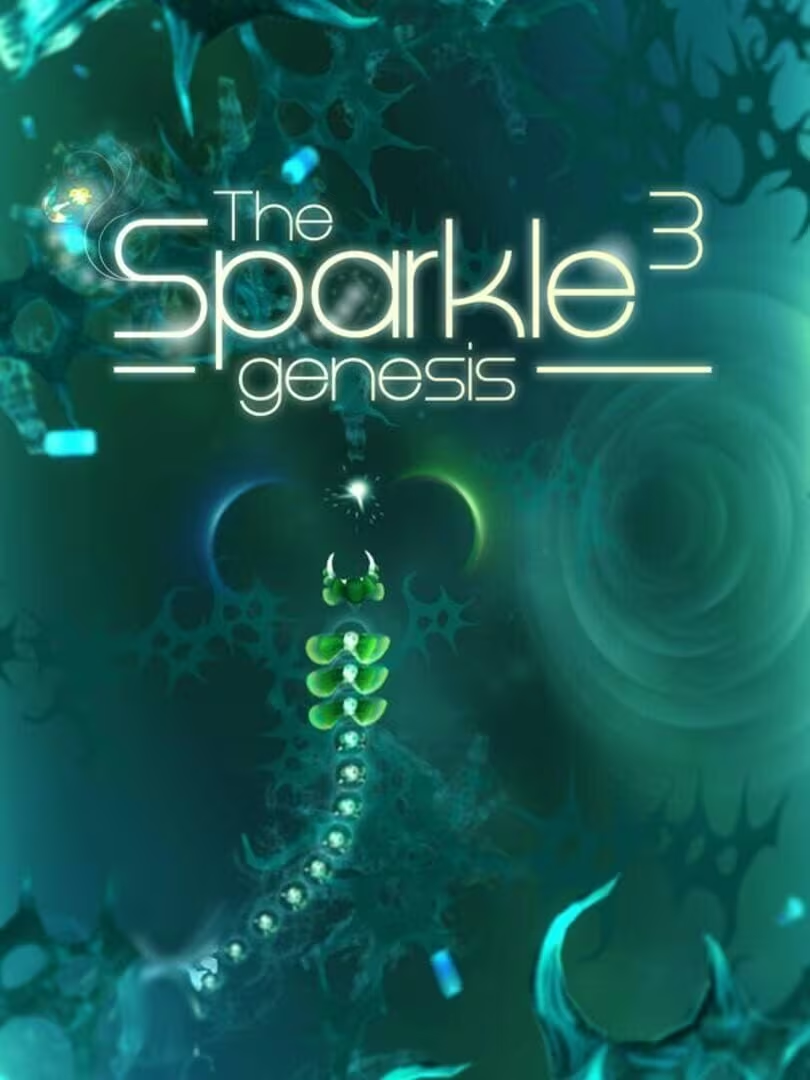

Hidden Gems
Less popular games with surprisingly high similarity

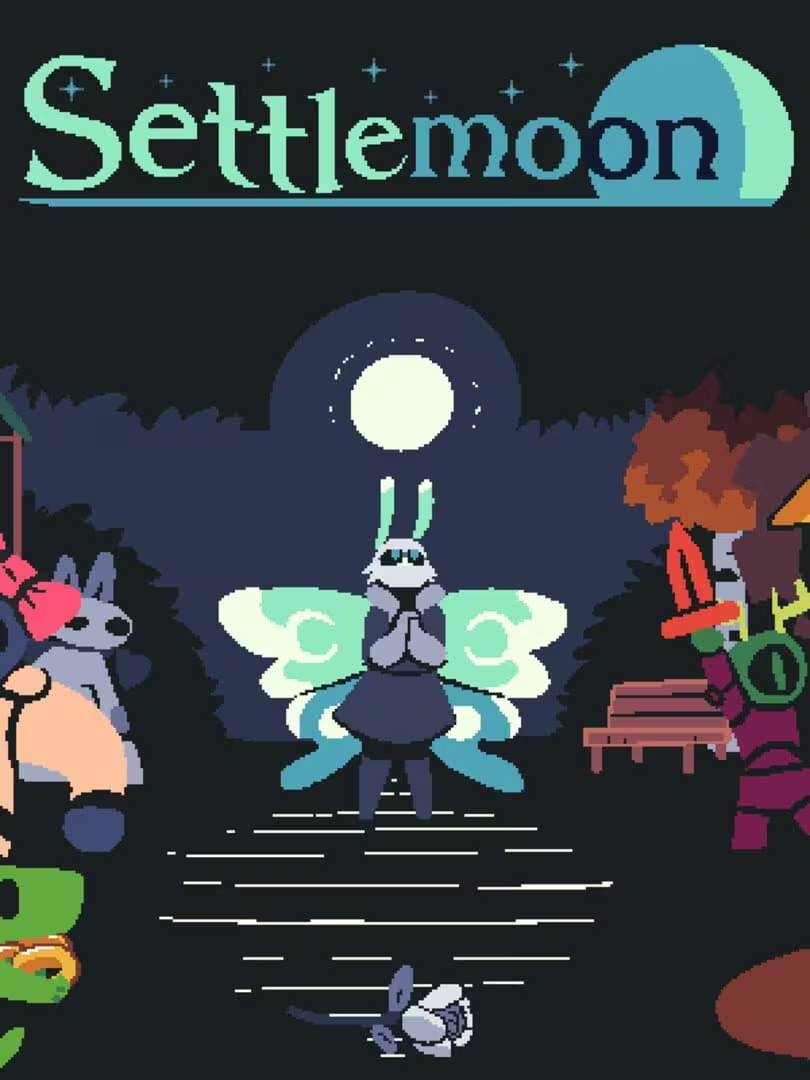
If you liked…
Recommendations by what you enjoyed most
Similarity map
Explore nearby similar games and see why they’re close.
Finn Dorset's Institute For Livestock Replication: Broadly representative of its motivational profile, with a few distinct shifts. Motivations that often define this kind of title include Violence, Fantasy, Story, Thrill. Here, the score leans higher than usual among comparable games on Fantasy, Story, Idle.
Why this game works
A motivational profile of the game, with the closest similar game for each player motivation.
-
Autonomy
Game with the same Autonomy vibe
3"Players have freedom to choose upgrades, manage resources, and plan progression, though gameplay is mostly incremental and routine."
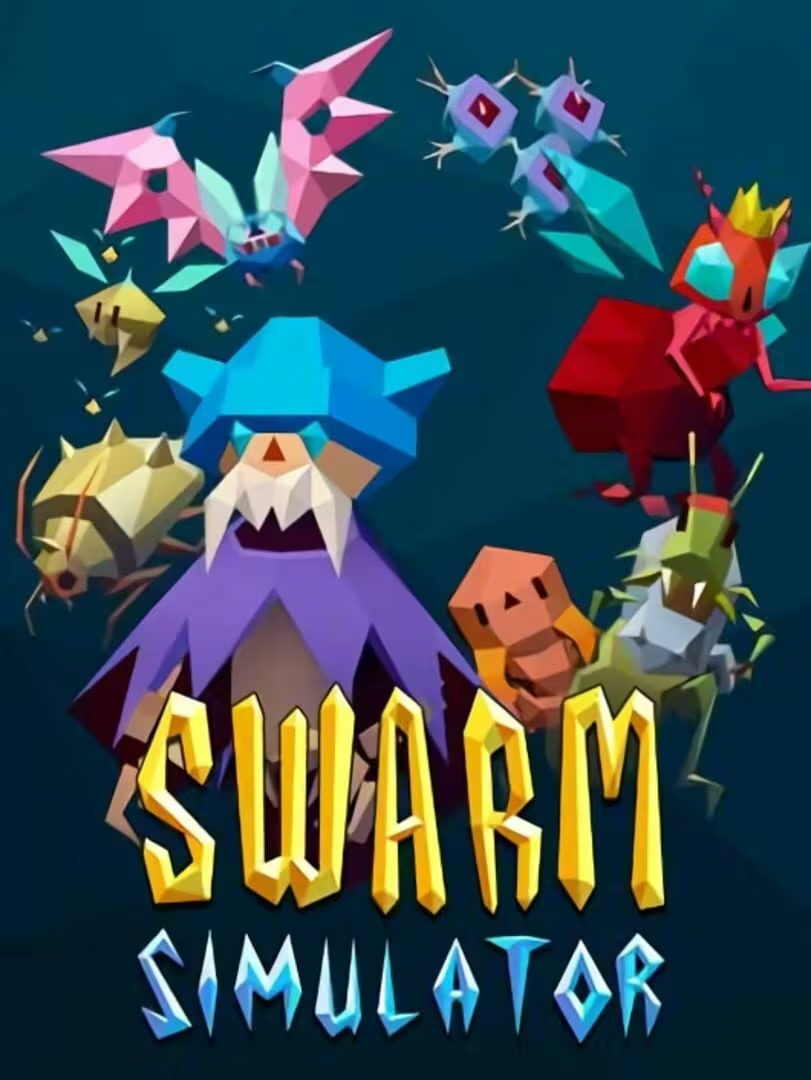 Swarm Simulator: Evolution
"Players can choose upgrades and manage resources but gameplay is mostly incremental and routine."
-
Competence
Game with the same Competence vibe
2"Players feel some effectiveness through upgrading and progressing, but gameplay is simple and repetitive with limited skill variation."
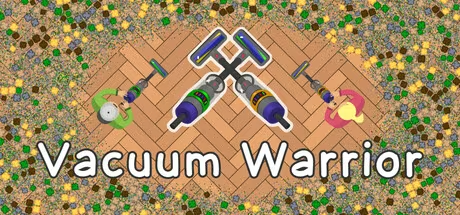 Vacuum Warrior - Idle Game
"Players feel effective progressing through upgrades and managing resources, but gameplay is simple and repetitive."
-
Competition
Game with the same Competition vibe
-4"Focus is on personal progression and completion without ranked modes or player comparison."
 New Super Lucky's Tale
"Focus is on personal progression without comparison or ranked modes."
-
Continuation
Game with the same Continuation vibe
4"Long playtime (40-80+ hours), large world, many collectibles and quests encourage extended engagement and habitual play."
 Aeterna Noctis
"Long playtime (~100+ hours), multiple playthroughs, habitual engagement encouraged."
-
Cooperation
Game with the same Cooperation vibe
-5"Single-player idle game with no multiplayer or cooperative elements."
Swarm Simulator: Evolution
"Single-player idle game with no multiplayer or cooperative elements."
-
Creativity
Game with the same Creativity vibe
1"Some customization of characters and weapons, but gameplay follows predefined mechanics with limited creative expression."
 Fallen Arena
"Visual upgrades and evolving art provide some creative expression, but gameplay follows predefined mechanics."
-
Domination
Game with the same Domination vibe
-5"No social dominance or power over others; purely individual experience."
 Bendy and the Ink Machine
"No social dominance or power over others; purely individual experience."
-
Escapism
Game with the same Escapism vibe
4"Players use the game as a relaxing distraction and stress relief, often playing it in the background."
 Increlution
"Players use the game as a relaxing distraction and background activity."
-
Expectation
Game with the same Expectation vibe
-4"Players engage voluntarily out of interest and enjoyment, not obligation."
 Marvel’s Spider-Man Remastered
"Players engage voluntarily out of interest and enjoyment, not obligation."
-
Experimenting
Game with the same Experimenting vibe
2"Some experimentation with upgrades, strategies, and timing, but largely follows established routines."
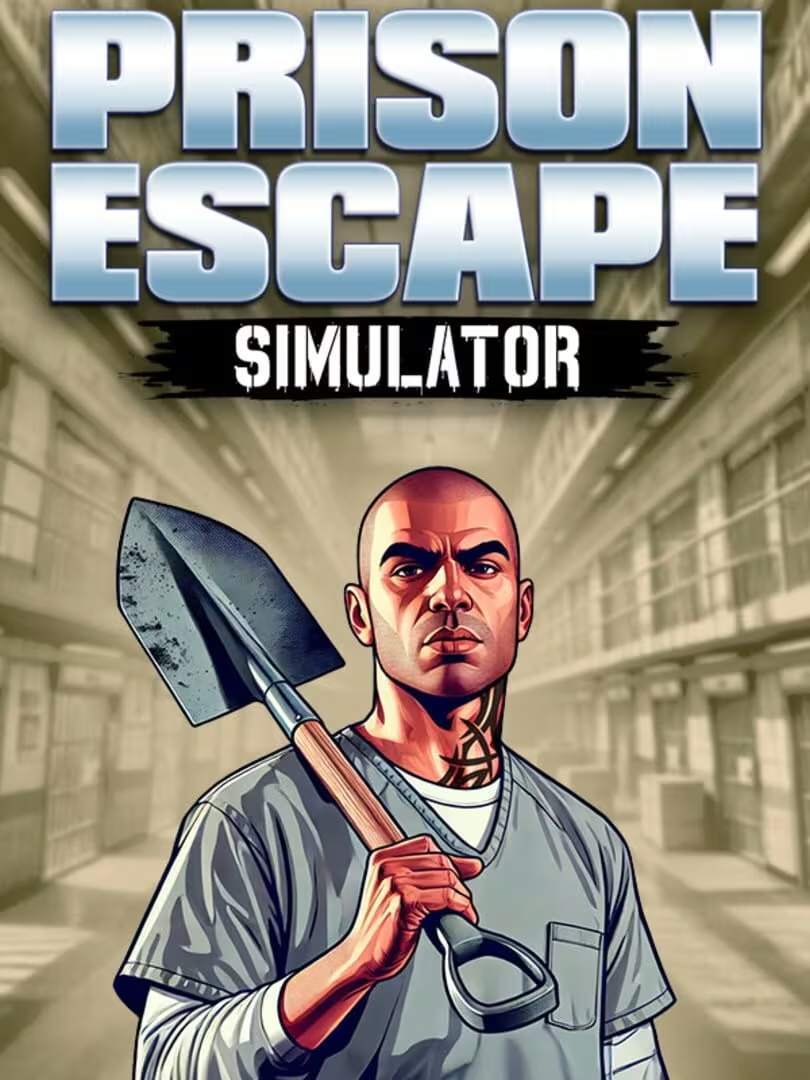 Prison Escape Simulator: Dig Out
"Some exploration of upgrade strategies and mechanics, but mostly established incremental routines."
-
Exploration
Game with the same Exploration vibe
2"Players discover new storylines, character developments, and hidden endings through multiple playthroughs."
 Coffee Talk Episode 2: Hibiscus & Butterfly
"Discovering new upgrades and story elements through multiple playthroughs."
-
Expression
Game with the same Expression vibe
2"Customization of environment and unlocking of visual elements allows some self-expression."
 PLAYNE : The Meditation Game
"Visual changes and evolving environment allow some self-expression through progress."
-
Fantasy
Game with the same Fantasy vibe
4"Imaginative fiction with supernatural elements, grappling hooks, and eldritch themes."
 Grimhook
"Imaginative fiction with cloning sheep, cosmic themes, and eldritch elements."
-
Fellowship
Game with the same Fellowship vibe
-5"No social or community features; solo play only."
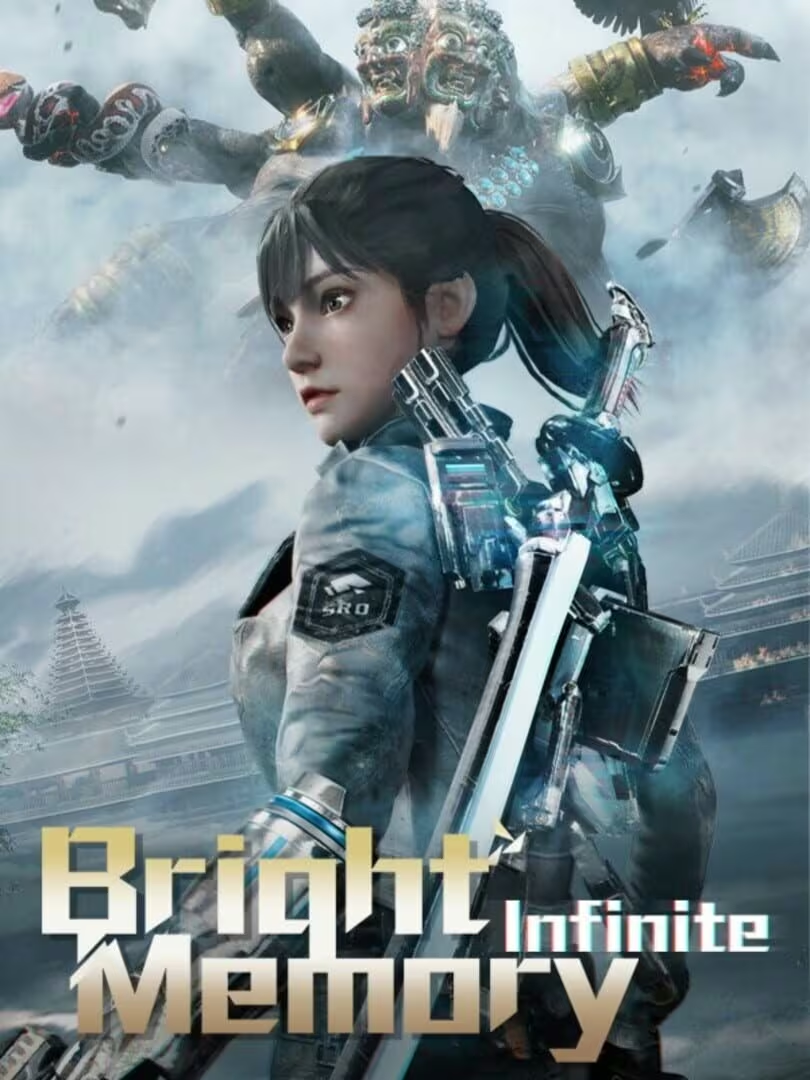 Bright Memory: Infinite
"No social or community features; solo play only."
-
Growth
Game with the same Growth vibe
3"Players develop skills, knowledge of mechanics, and character progression over time."
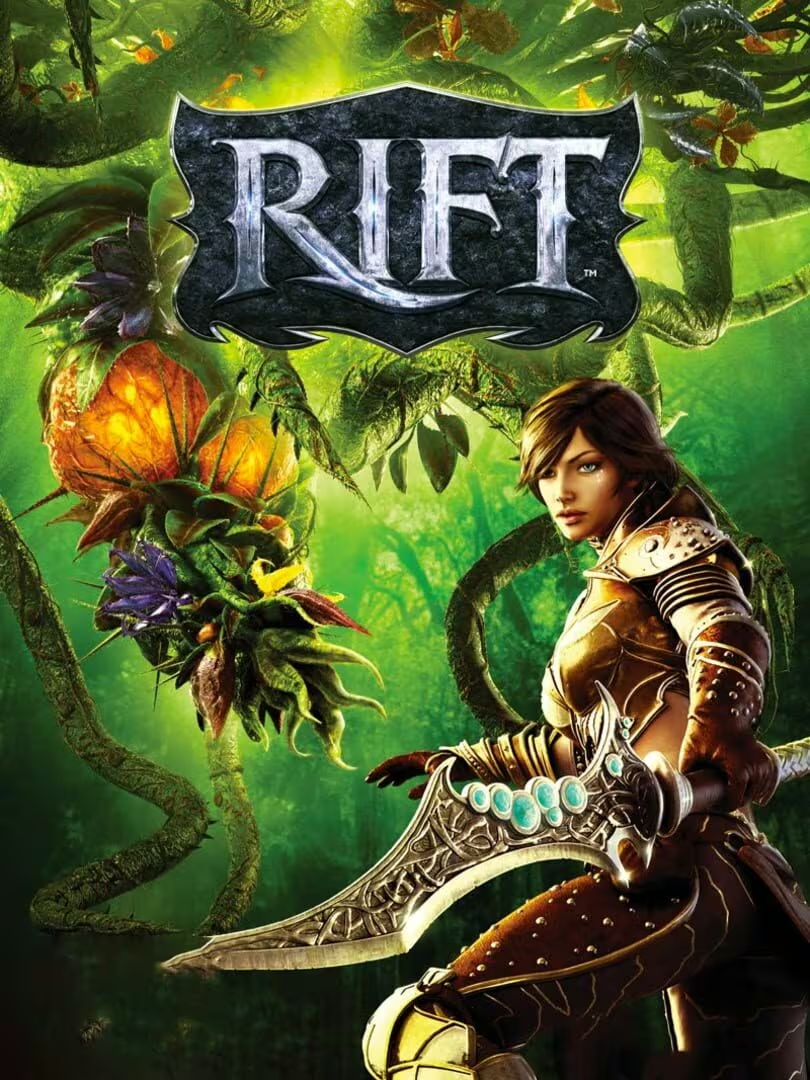 RIFT
RIFT
"Players learn to optimize progression and understand mechanics over time."
-
Health
Game with the same Health vibe
-5"Sedentary gameplay with no physical activity."
 Senua’s Saga: Hellblade II
"Sedentary gameplay with no physical activity."
-
Idle
Game with the same Idle vibe
4"Designed as an idle game with background progression and short active play sessions."
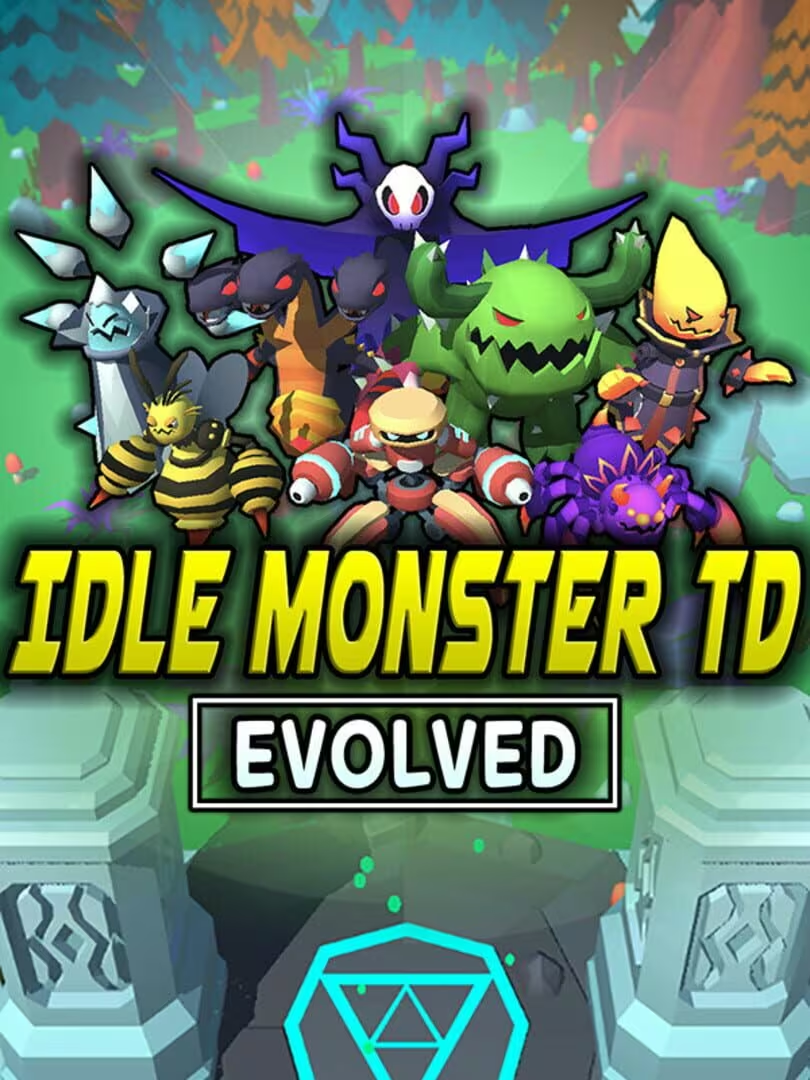 Idle Monster TD
"Designed for long sessions with idle progression requiring the game to be open."
-
Intimacy
Game with the same Intimacy vibe
-5"No social or emotional relationship building."
 Five Nights at Freddy's 2
"No social or emotional relationship building."
-
Leadership
Game with the same Leadership vibe
-5"No leadership or group management roles."
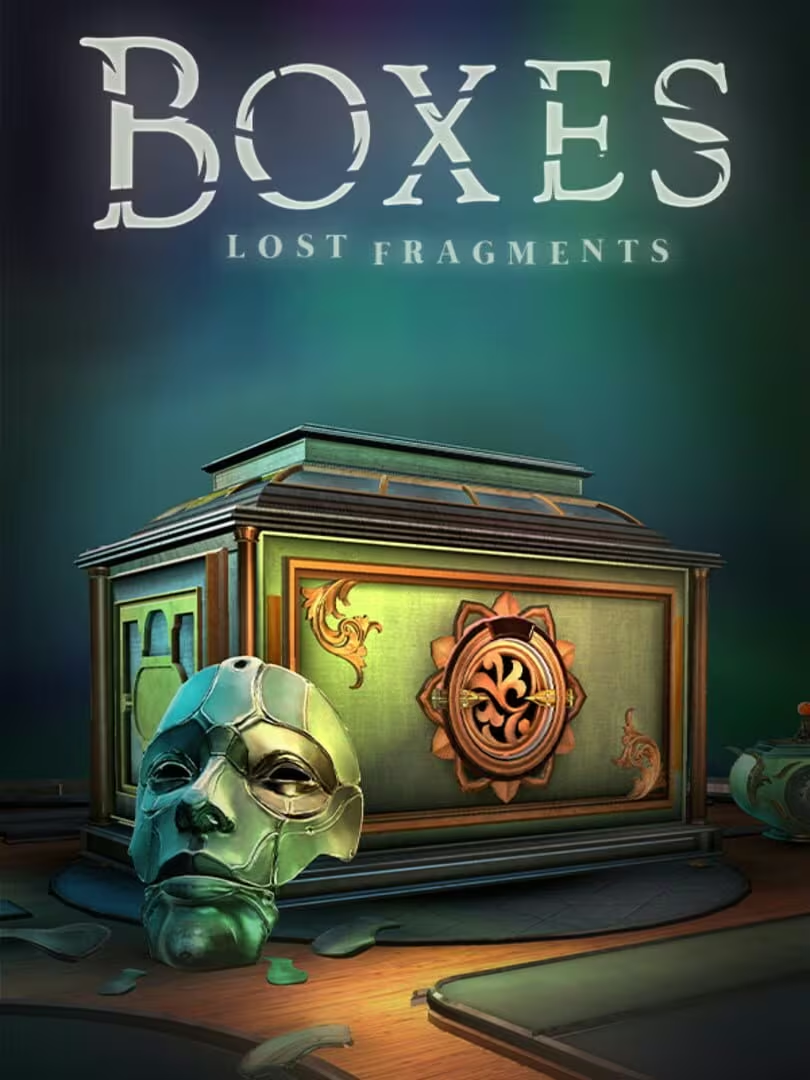 Boxes: Lost Fragments
"No leadership or group management roles."
-
Progression
Game with the same Progression vibe
5"Strong focus on accumulating upgrades, items, and prestige layers."
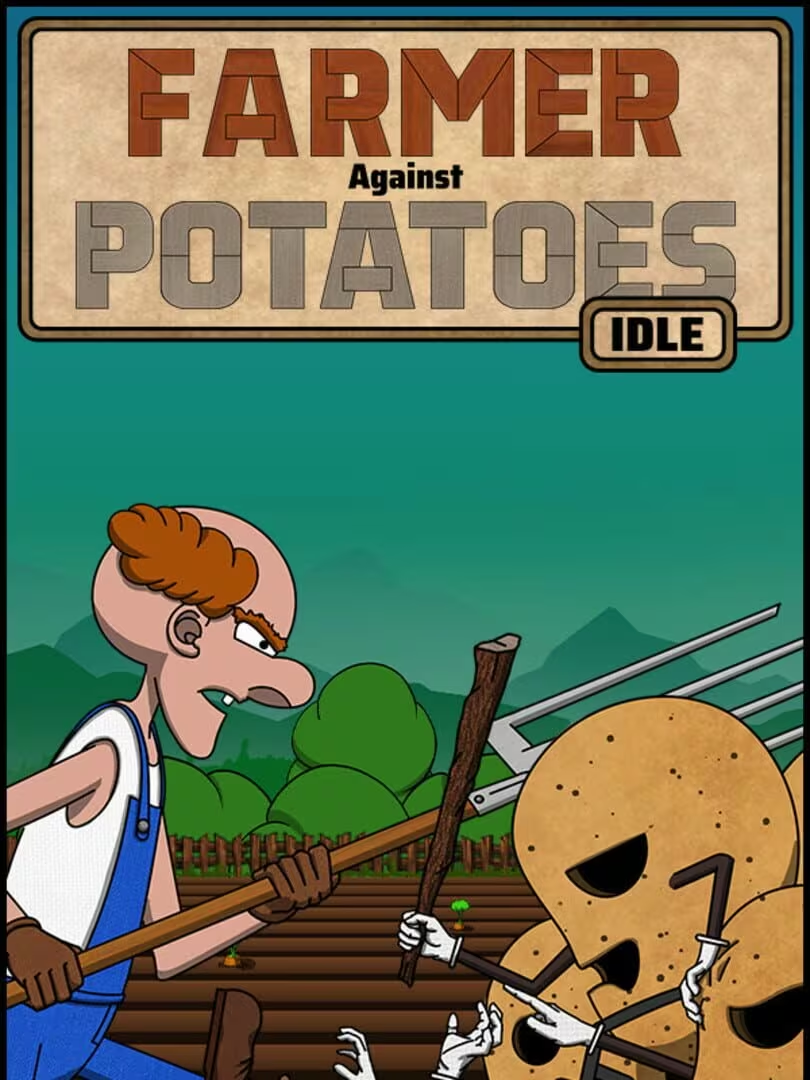 Farmer Against Potatoes Idle
"Strong focus on accumulating upgrades, items, and prestige through multiple runs."
-
Relaxation
Game with the same Relaxation vibe
4"Many players describe the game as relaxing and suitable for background play with minimal stress."
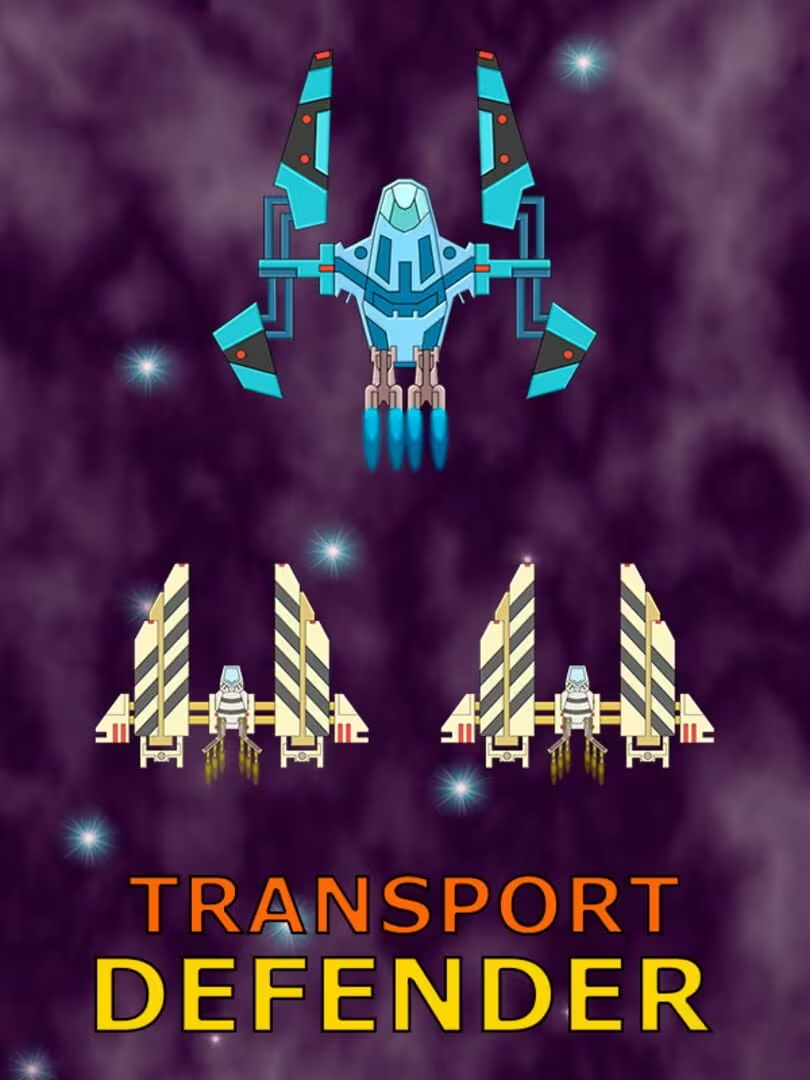 Transport Defender
"Relaxing gameplay with flow and low stress, suitable for background play."
-
Sensation
Game with the same Sensation vibe
2"Art style and sound design provide sensory enjoyment but not intense stimulation."
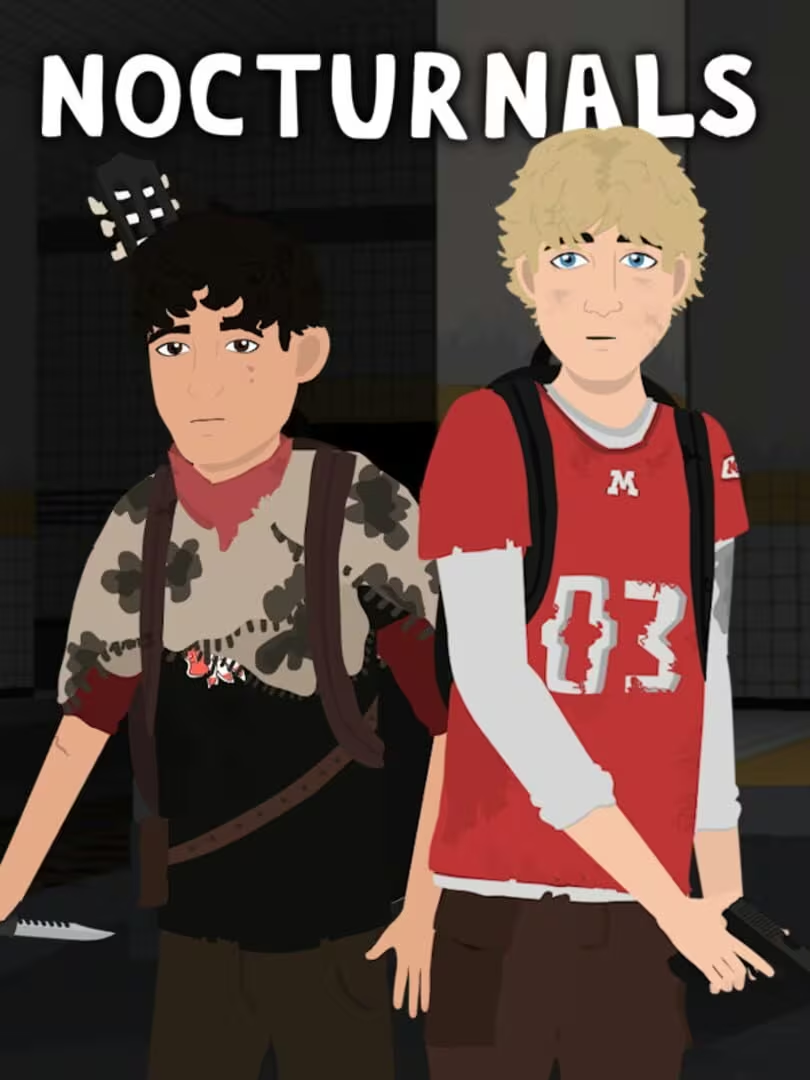 Nocturnals
"Visual charm and evolving art provide sensory stimulation, though no sound or music."
-
Status
Game with the same Status vibe
-5"No social recognition or status systems."
 Alan Wake
"No social recognition or status systems."
-
Story
Game with the same Story vibe
3"Narrative and lore are present and appreciated but not the main focus; story elements enhance immersion."
 Voyagers of Nera
"Narrative elements unfold through art and upgrade descriptions, adding immersion."
-
Strategy
Game with the same Strategy vibe
2"Some strategic decision-making in resource allocation and upgrade timing, though overall mechanics are simple."
 Loot Box Quest
"Basic resource management and upgrade timing require light strategic thinking."
-
Thrill
Game with the same Thrill vibe
-3"Low risk and suspense; gameplay is predictable and calm."
 Harvest Moon: Light of Hope Special Edition
"Low risk and suspense; gameplay is predictable and calm."
-
Value
Game with the same Value vibe
4"Free to play with no microtransactions; players feel good value for time invested."
 Winds of Valen
"High perceived value due to being free with no microtransactions and substantial playtime."
-
Violence
Game with the same Violence vibe
-3"Minimal combat; focus is on maintenance, delivery, and cooperation."
 Starstruck Vagabond
"Minimal combat elements; focus is on building and managing sheep cloning."
-
Survival
Game with the same Survival vibe
1"Some threat avoidance and combat elements, but overall low-risk environment."
 Red Matter 2
"Some threat elements (hawks, predators) require defensive upgrades but low overall risk."
Last update: 01/06/2026