Asura's Wrath similar games & best alternatives
No screenshot has been retrieved yet
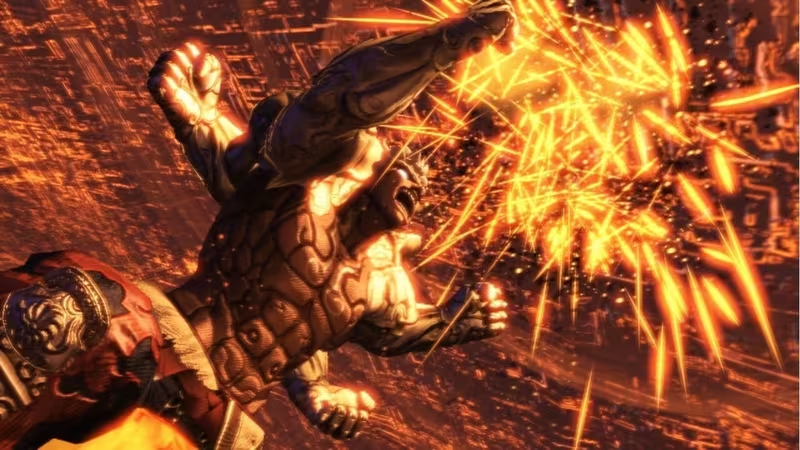

Should you play it?
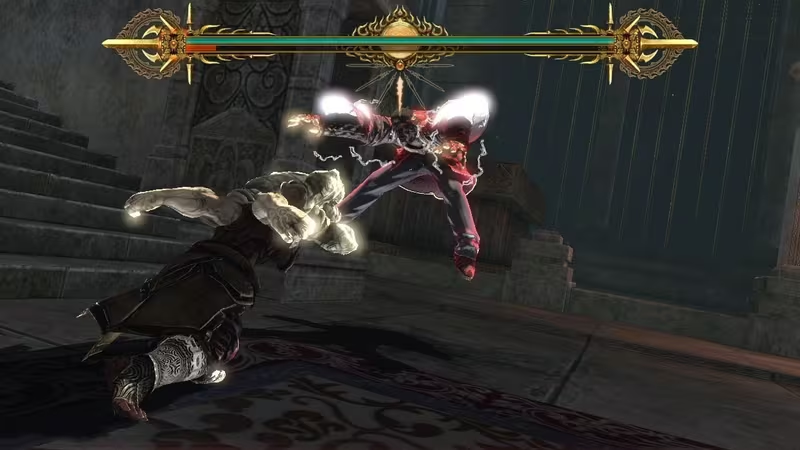
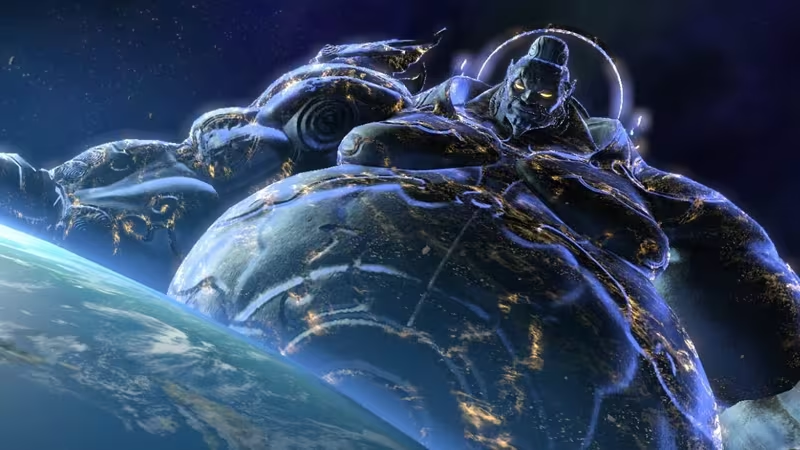
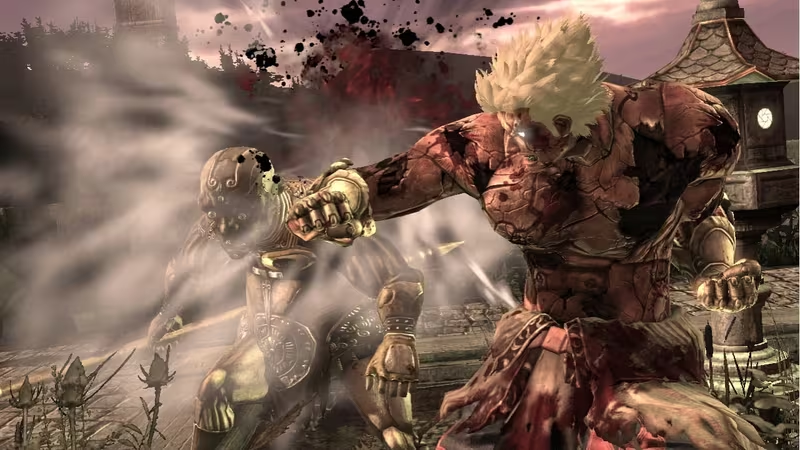
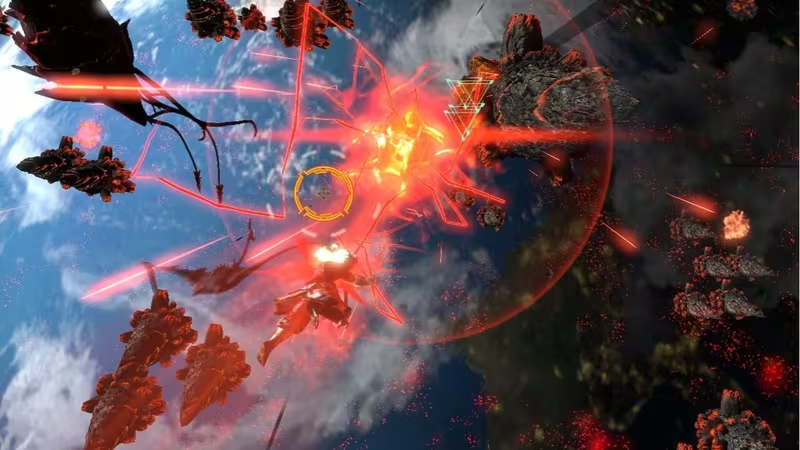
The game follows the title character, the demigod Asura as he seeks revenge on the pantheon of other demigods who betrayed him. The story is presented in the style and format of an episodic series of cinematic shorts, including opening and closing credits, with the gameplay being integrated into the cinematic where players switch between third-person combat and interactive sequences with player input in the form of quick-time event button prompts. Because of its unique style, the game has been described in the media as an "interactive anime". According to the game's producer Kazuhiro Tsuchiya, Asura's Wrath takes elements from Hinduism and Buddhism and blends them with science fiction, with the main character based on the ever combative and superiority-seeking beings of the same name that are part of the Hindu and Buddhist cosmology.
What works
- Unique episodic anime-style storytelling
- Spectacular visual and cinematic presentation
- Engaging narrative and characters
- Exciting boss battles and qte sequences
- Well-paced episodic structure
Things to keep in mind
- Limited actual gameplay and player control
- Heavy reliance on qtes with low challenge
- Short game length with low replay value
- Repetitive combat and rail-shooting segments
- Poor value for full price purchase
What to play next
Top picks
Games that feel the closest overall




More autonomous
Games that feels like Asura's Wrath but with more freedom over how you play · 16 games
-
Deathbound
-
Legacy of Kain™ Soul Reaver 1&2 Remastered
-
Prince of Persia: Warrior Within™
-

Astebreed: Definitive Edition
-
NINJA GAIDEN 4
-
NINJA GAIDEN 2 Black
-
Arms of God
-

Ultra Age
-
Batora: Lost Haven
-

Killer is Dead - Nightmare Edition
-
Prince of Persia: The Forgotten Sands™
-
Singularity™
-
Captain Blood
-

Disney Bolt
-
CRISIS CORE –FINAL FANTASY VII– REUNION
-

Bladed fury
More exploratory
Games that feels like Asura's Wrath but with more exploration of areas and secrets · 10 games



Less idle-friendly
Games that feels like Asura's Wrath but with less of an idle filler feel · 5 games
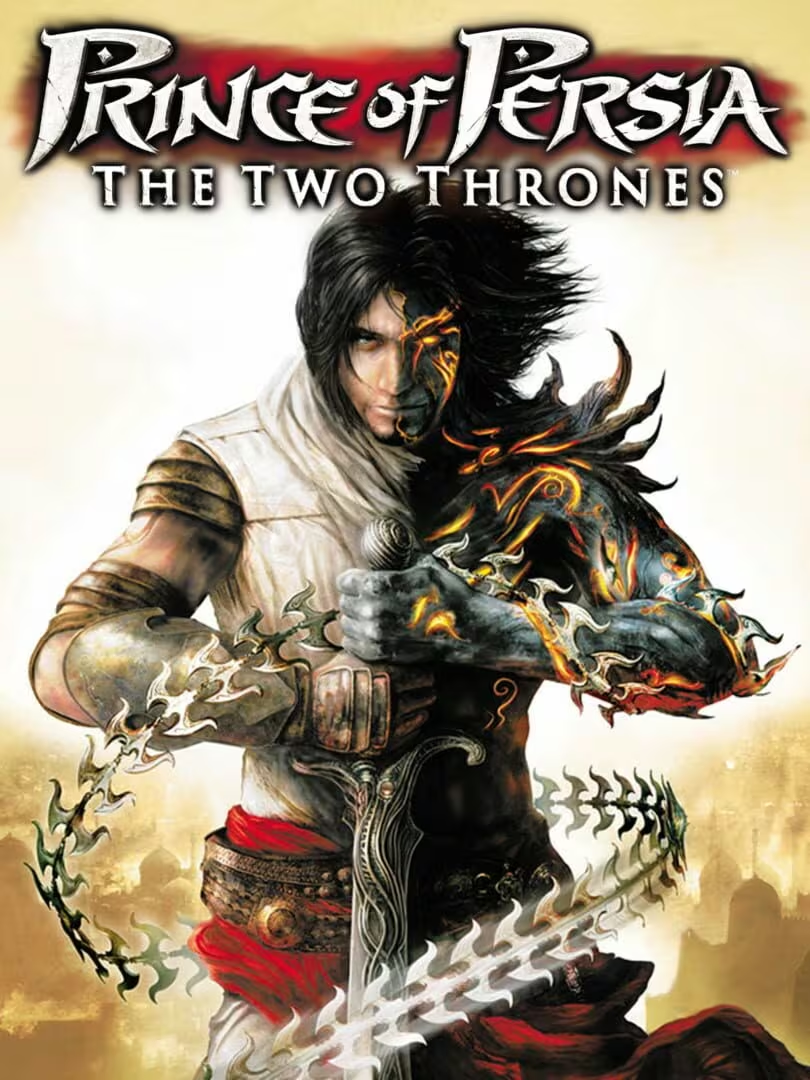

More intimate
Games that feels like Asura's Wrath but with more focus on close relationships · 3 games

Others
Other games that might remind you of Asura's Wrath · 7 games





From the same developer
From the same developer, ranked by motivational fit.


Last update: 17/10/2026