Cubot similar games & best alternatives

Cubot

Linux, PC (Microsoft Windows), Mac, Xbox One • 2015

Should you play it?

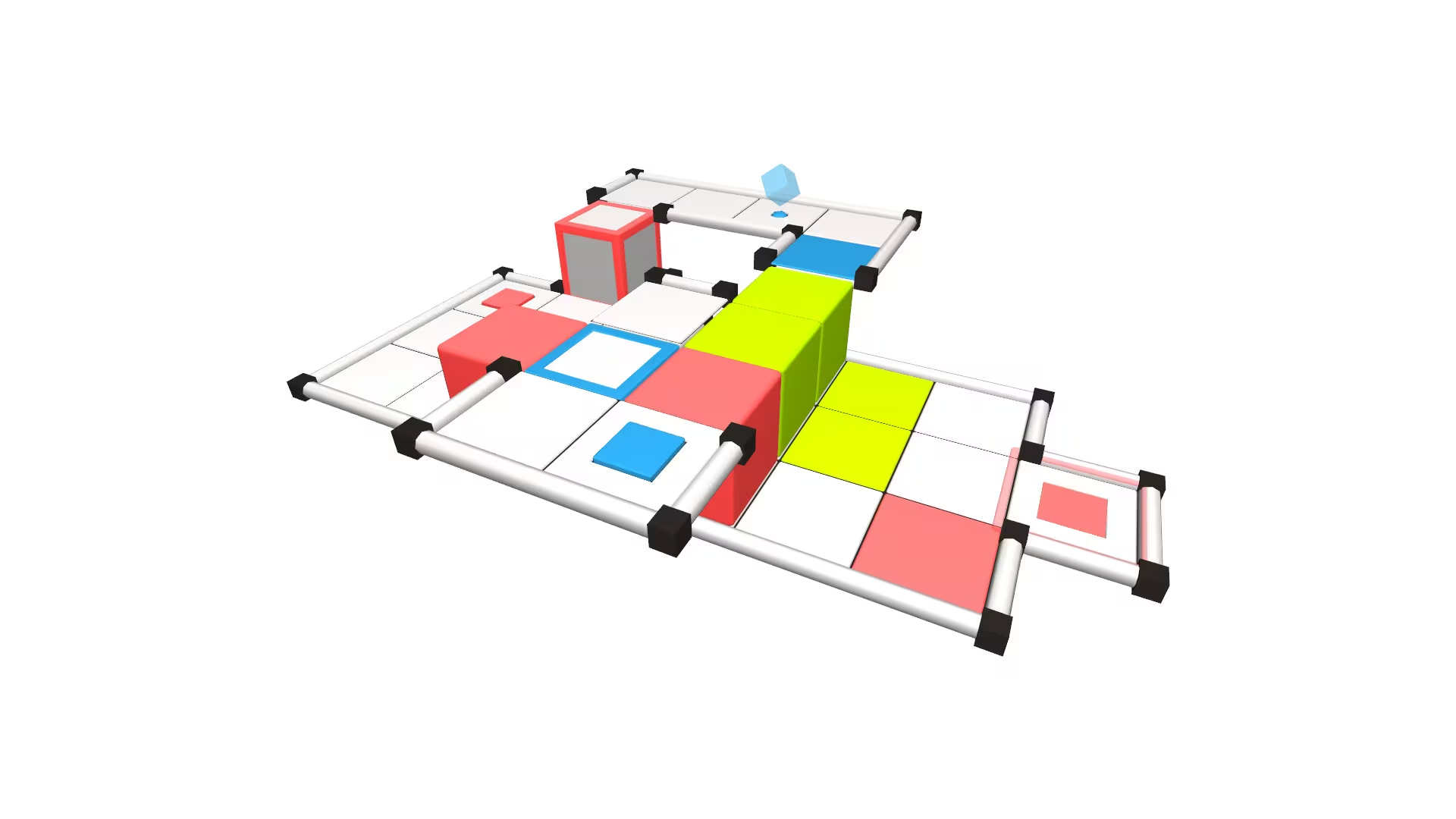
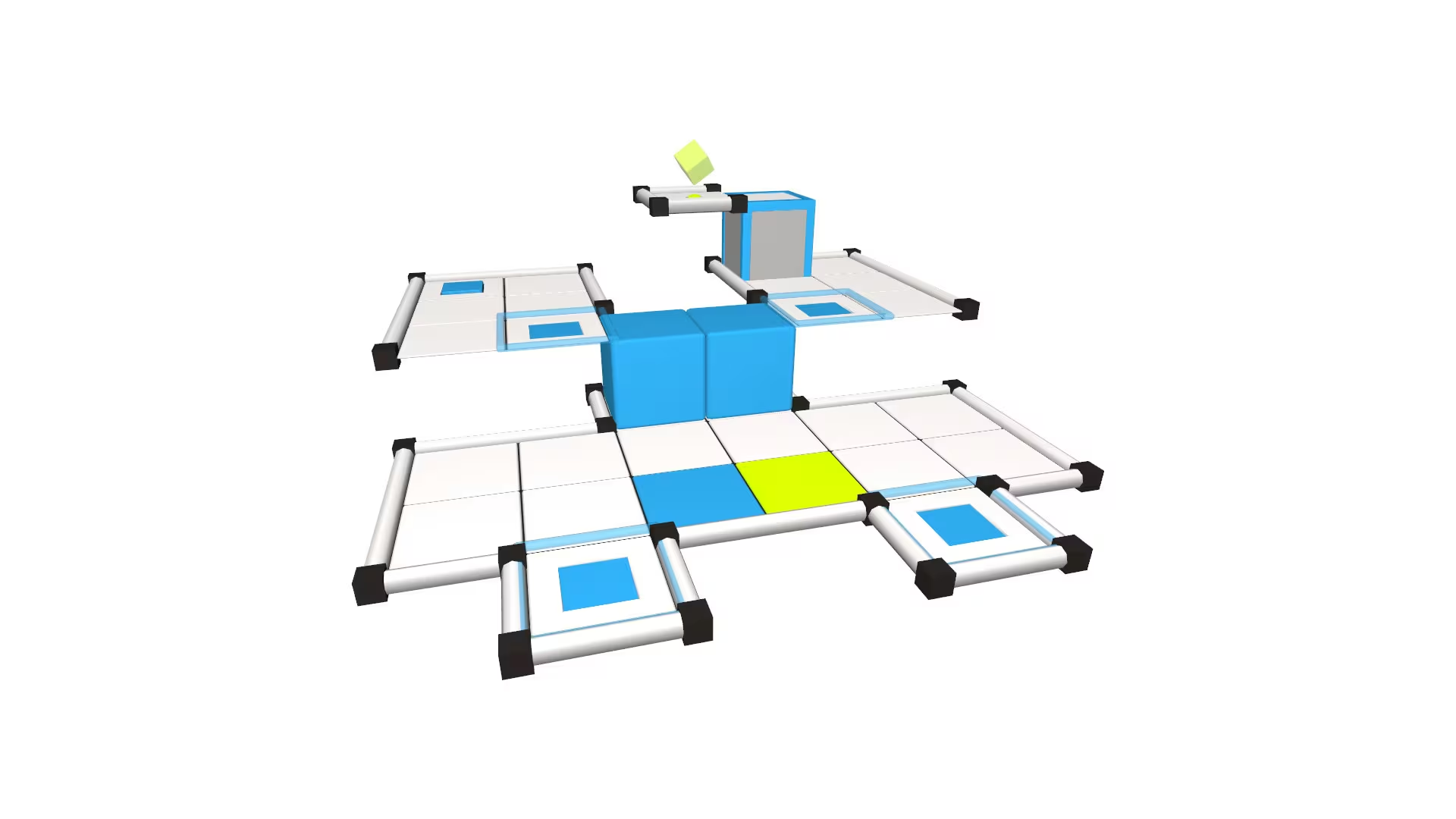
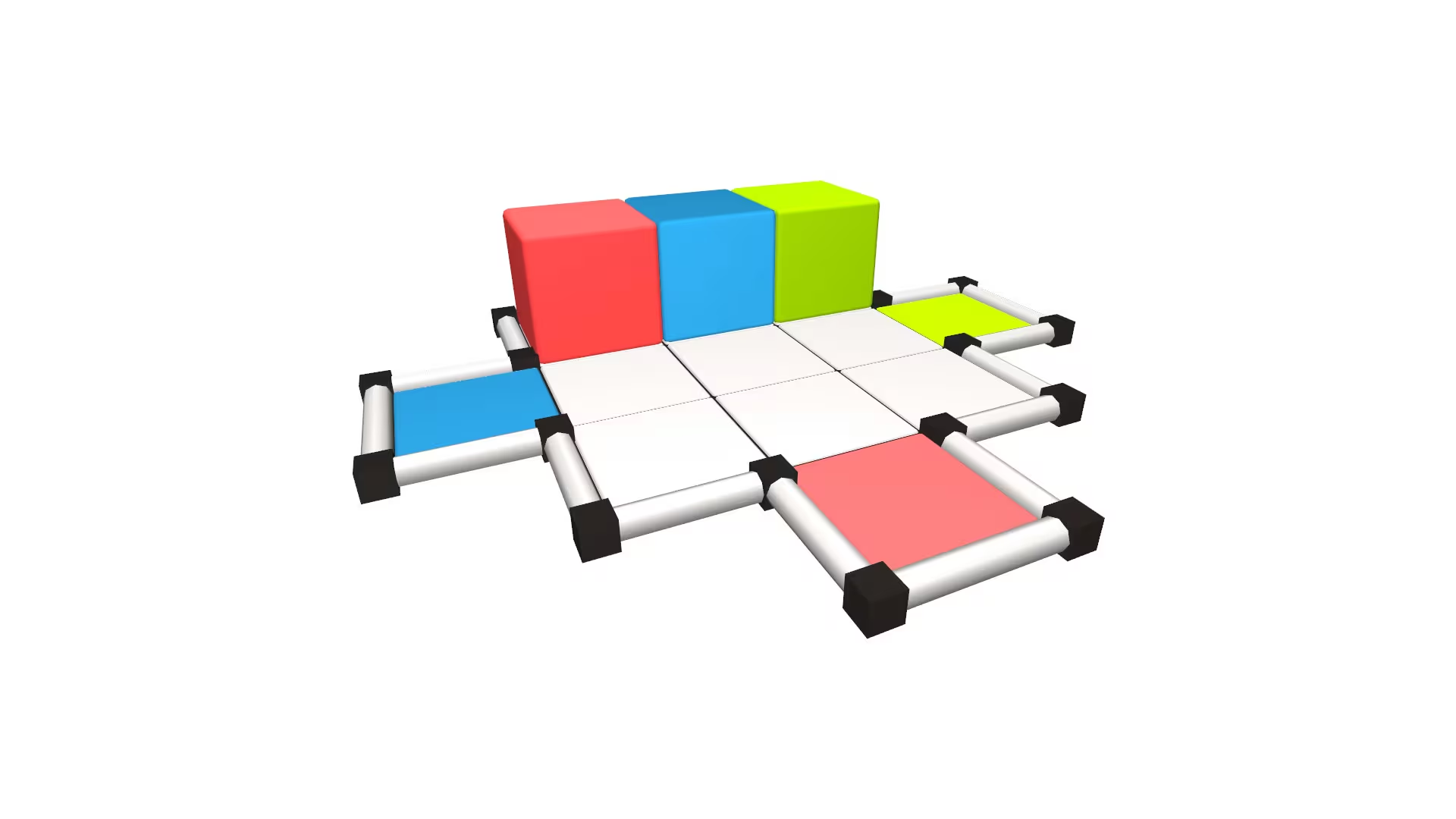
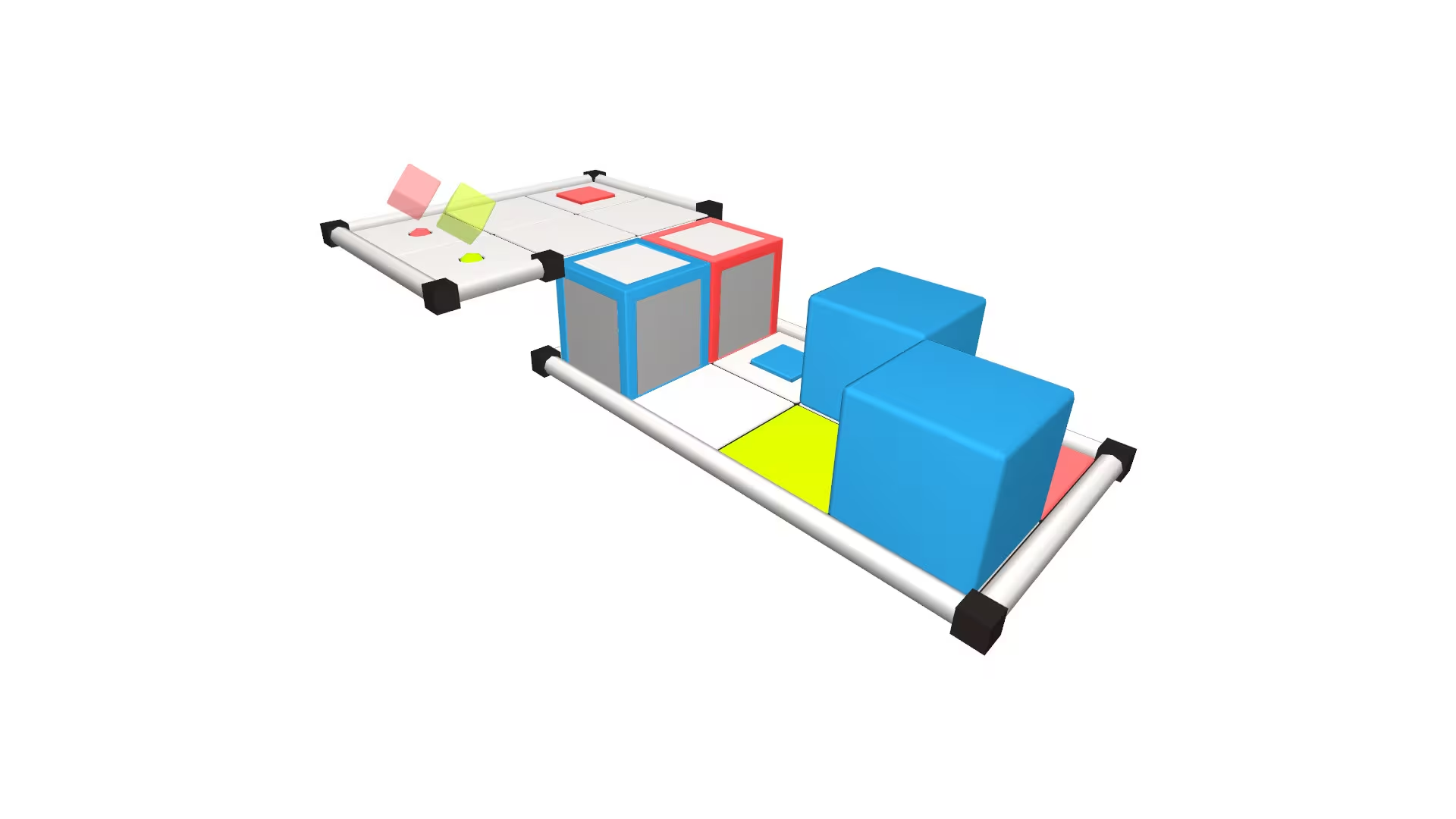
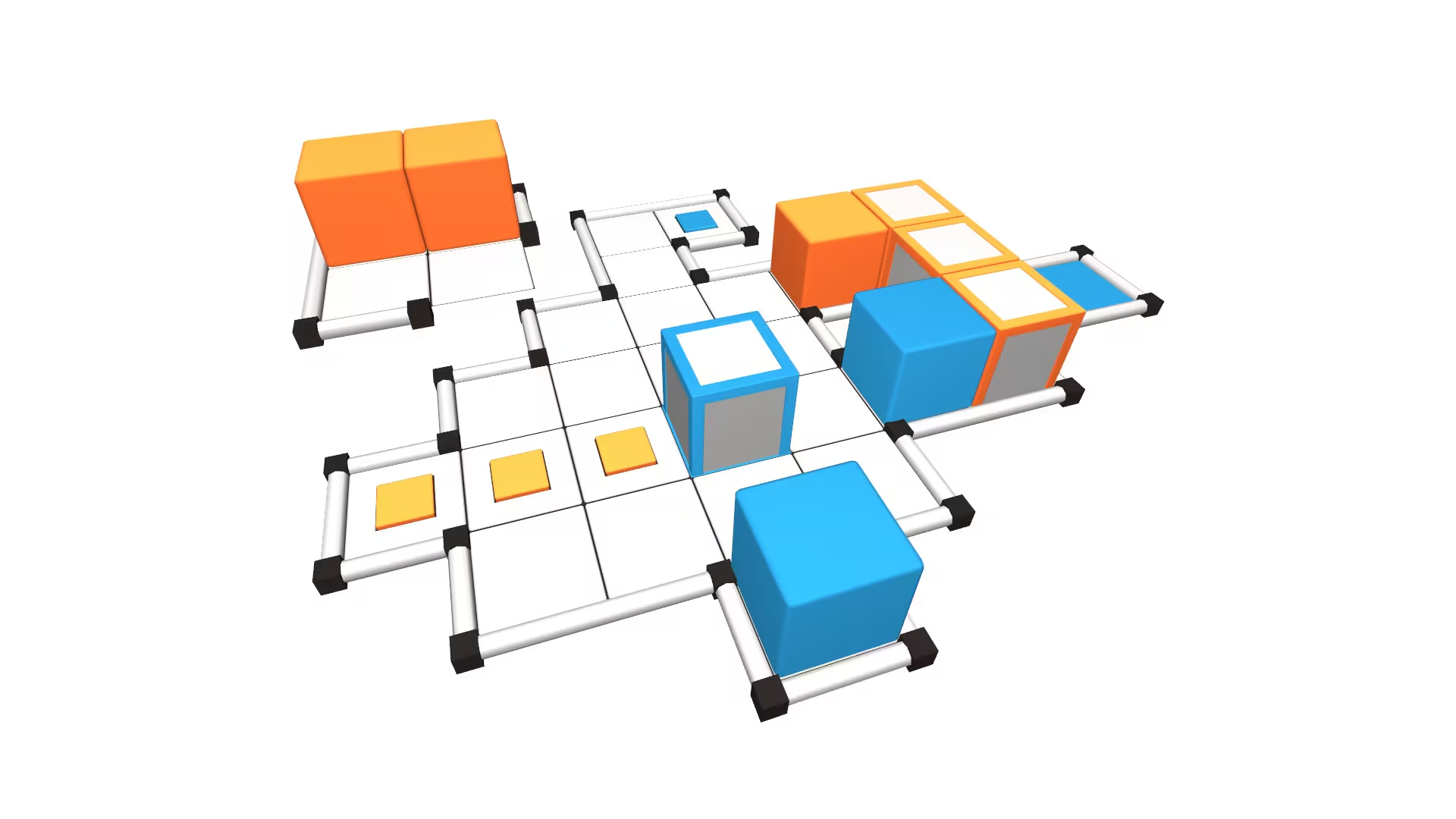
At first sight, Cubot is a puzzle-game with a minimalist gameplay, just move color cubes towards tiles of the same color. It's really easy, but it will be a torture for your mind to complete all levels of the game because the apparent simplicity of the game is in contradiction with the complexity of the level-design.

What works

  • Challenging and satisfying puzzles
  • Minimalist and calming design
  • Good value for price
  • Progressive introduction of mechanics
  • Relaxing soundtrack

Things to keep in mind

  • Lack of undo or quick reset frustrates some players
  • Some controls and ui feel clunky
  • No narrative or story
  • Repetitive music and sound effects
  • No multiplayer or social features

What to play next

Top picks

Games that feels the closest overall

  • Wayout

  • Scalak

  • RUSH

  • Up Left Out

  • TransPlan

  • Delete

More exploratory

Games that feels like Cubot but with more exploration of areas and secrets

  • Maxwell's puzzling demon

  • Voxelgram

  • Disoriented

  • Yugo Puzzle

  • OXXO

  • English Country Tune

Less continuation-driven

Games that feels like Cubot but with less of a pull toward endless continuation

  • Evo Explores

  • Awareness Rooms

  • Colortone

  • Mind Over Magnet

  • Flightless Classic

  • NABOKI

More story-driven

Games that feels like Cubot but with deeper narrative immersion

  • inbento

  • Tiny Room Stories: Town Mystery

  • Can of Wormholes

  • Freshly Frosted

  • Stephen's Sausage Roll

  • Paint it Back

More fantastical

Games that feels like Cubot but with more imaginative fiction

  • Ubinota

  • Frame of Mind

  • Agent A: A puzzle in disguise

  • Patrick's Parabox

  • Snakebird

  • Cosmic Express

Choose your own criteria ->

Similarity map

How to use the graph

Similarity map

Each dot is a game placed from its motivation profile relative to this page’s game. Direction shows which motivation differs most; distance along that axis shows how large the gap is.

  • Purple star: this page’s game at the centre — everything is relative to it.
  • Direction: each axis is a main motivational difference vs this game (e.g. more / less competitive).
  • Distance on an axis: how large that difference is (ring scales show +/− points).
  • Coloured chips: click to highlight games that mainly differ on that motivation; click again to reset.
  • Dotted line: link between this page’s game and the one selected for comparison.
  • Hover a dot to preview that game in the panel on the right; click to keep that comparison.
  • Scroll or double-click the chart to zoom.

How to read the map This is a polar difference map: direction = which motivation differs, and distance = how much (same units as the sidebar deltas).

Cubot: A very typical example of its motivational profile. Motivations that often define this kind of title include Violence, Fantasy, Story, Thrill. It leans lower than usual among comparable games on Expression, Story, Survival.

Last update: 03/08/2026