F.E.A.R. similar games & best alternatives
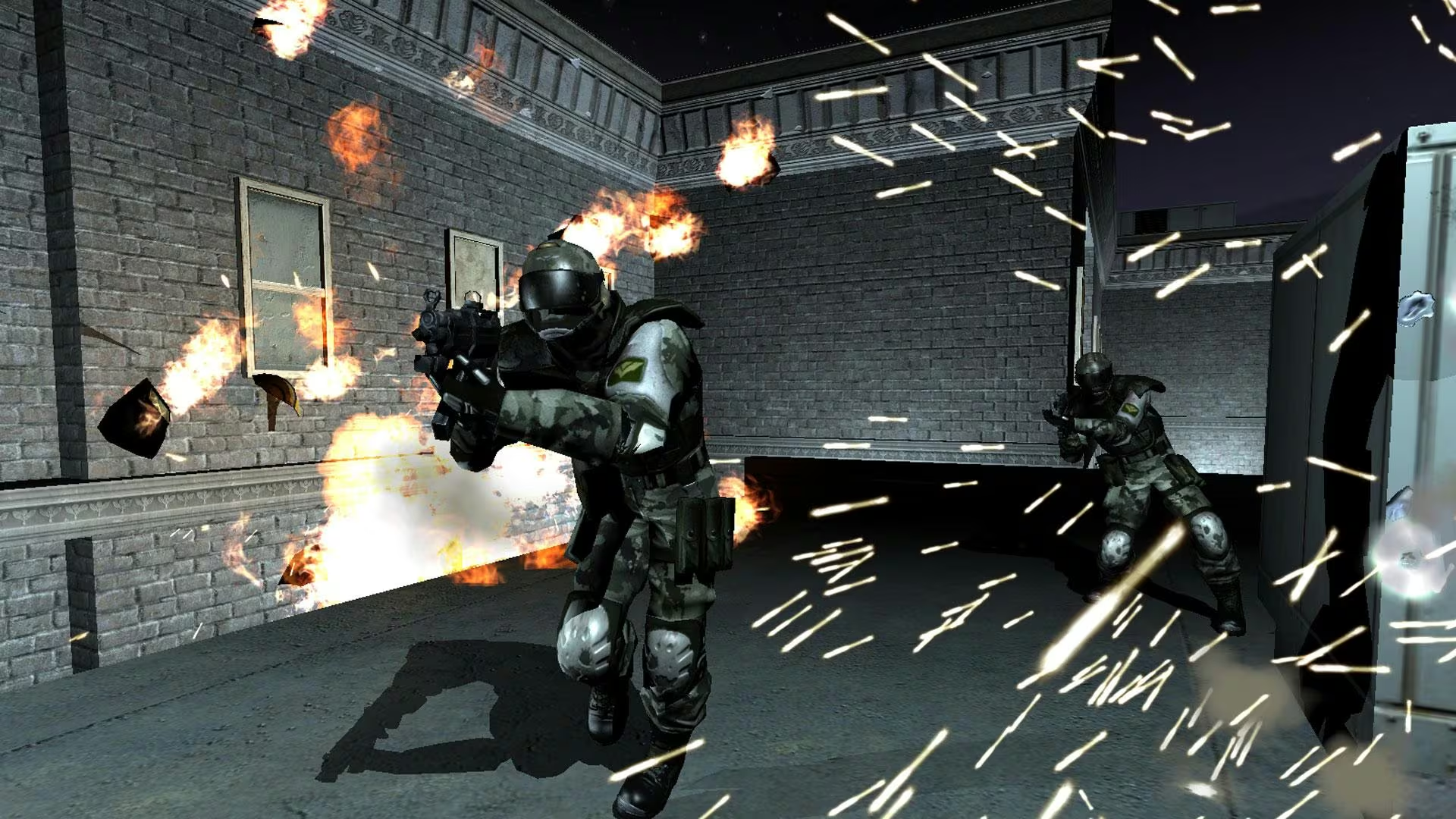
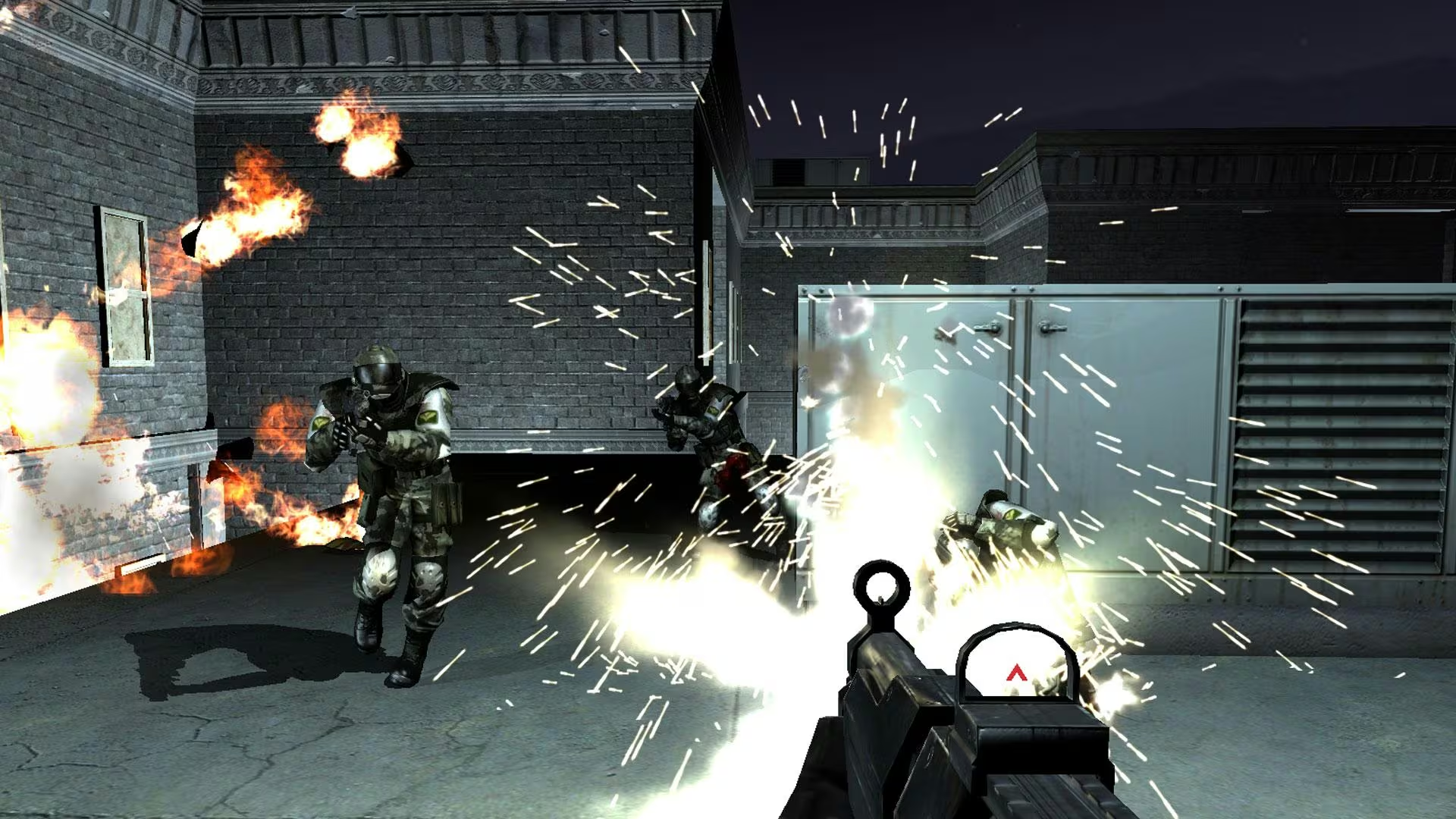
F.E.A.R.

PC (Microsoft Windows) • 2012

Should you play it?

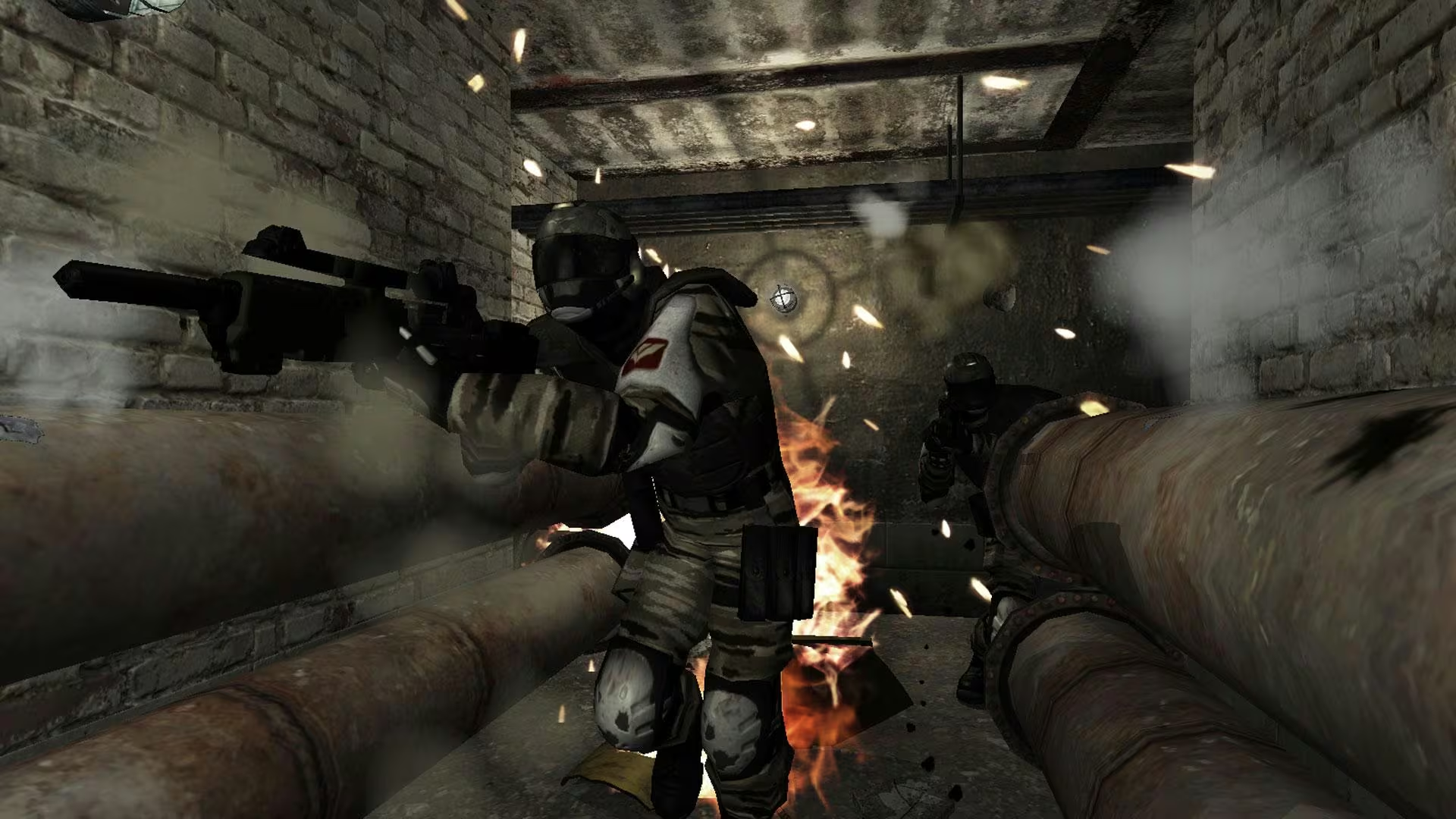
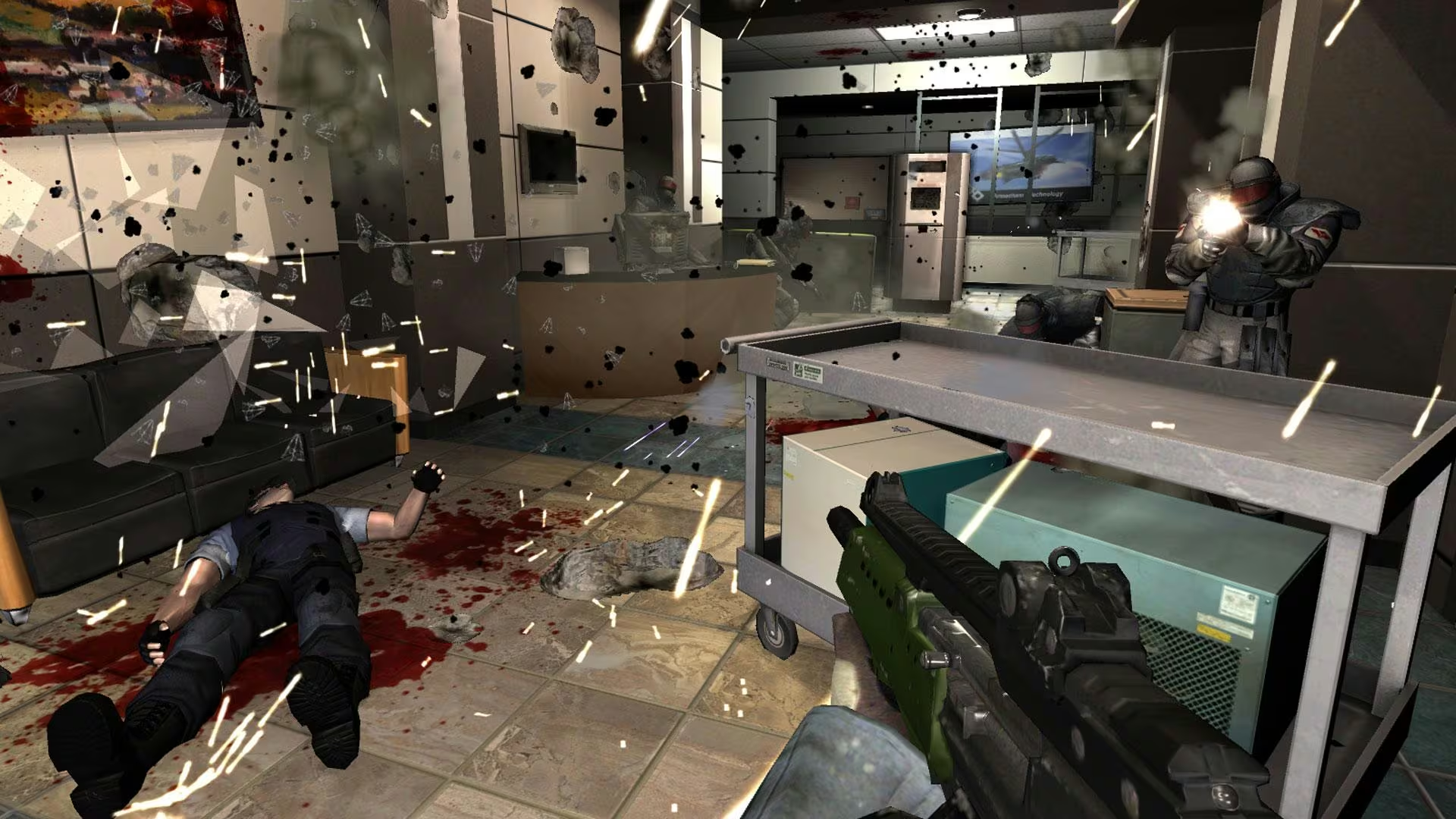
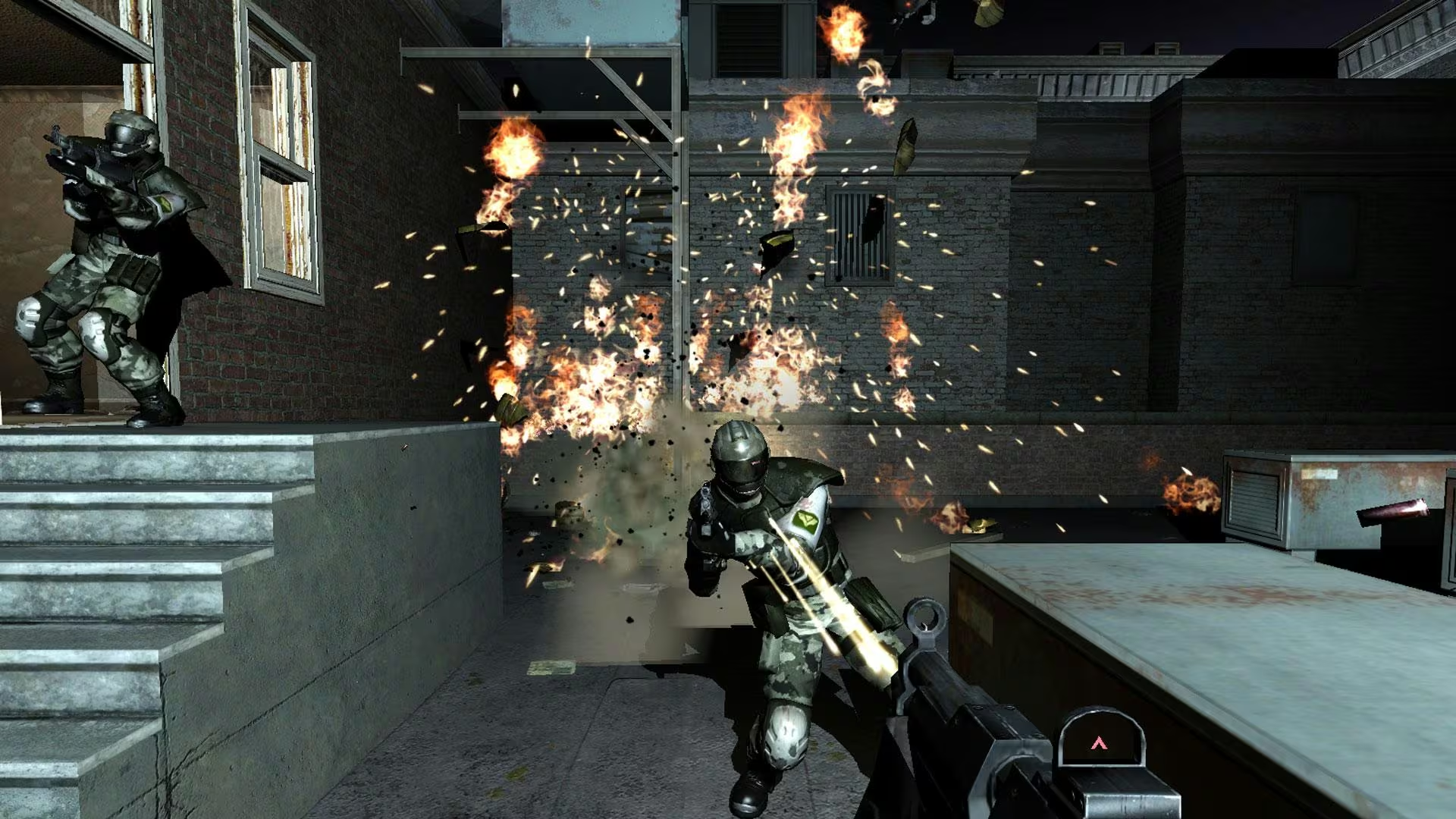
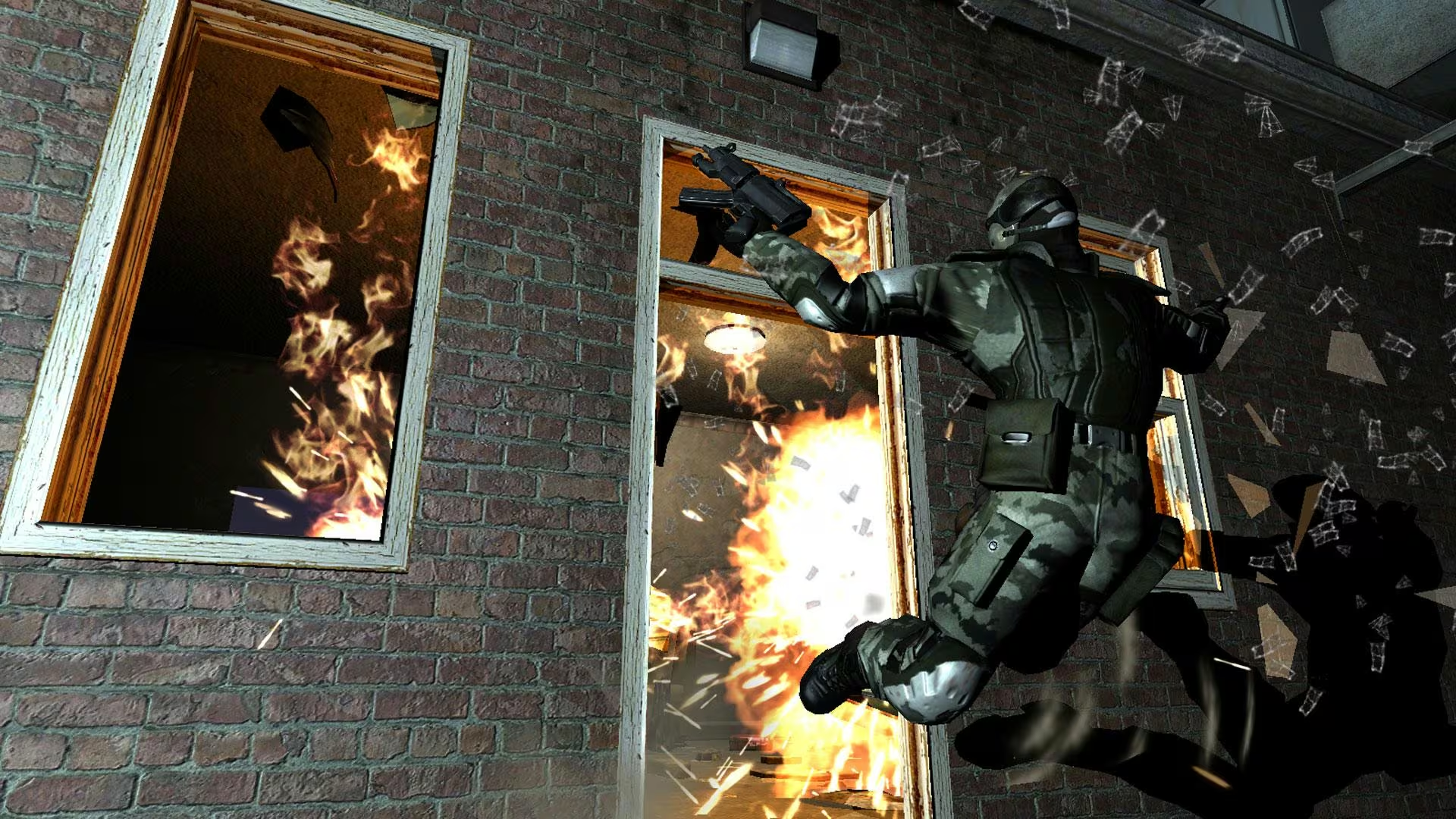
Experience the original F.E.A.R. along with F.E.A.R. Extraction Point and F.E.A.R. Perseus Mandate.

What works

  • Advanced enemy ai
  • Engaging slow-motion combat
  • Atmospheric horror elements
  • Immersive sound and lighting design
  • Replayability due to ai variability

Things to keep in mind

  • Repetitive level design
  • Linear and corridor-based maps
  • Lack of multiplayer or social features
  • Technical issues on modern systems without patches
  • Limited character customization

What to play next

Top picks

Games that feels the closest overall
  • DOOM 64

  • Condemned: Criminal Origins

  • Wolfenstein: The Old Blood

  • HROT

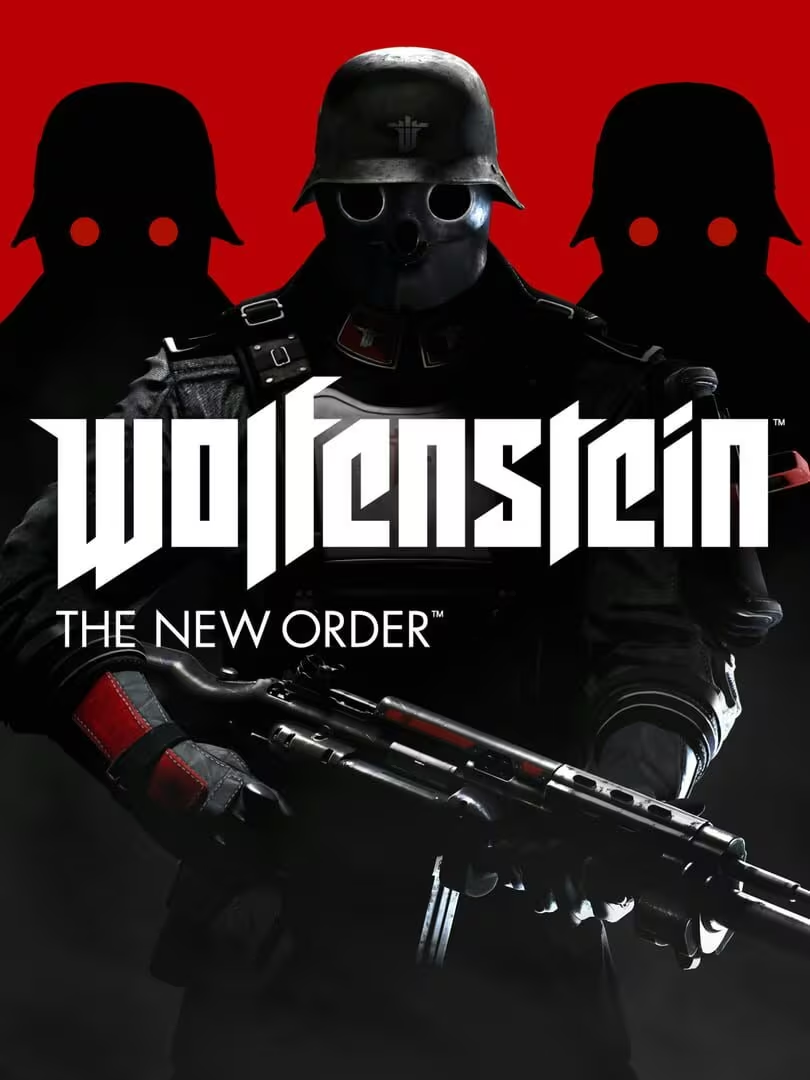
  • Wolfenstein II: The New Colossus

  • DOOM 3

More expressive

Games that feels like F.E.A.R. but with more self-expression and customization

  • BloodRayne 2 (Legacy)

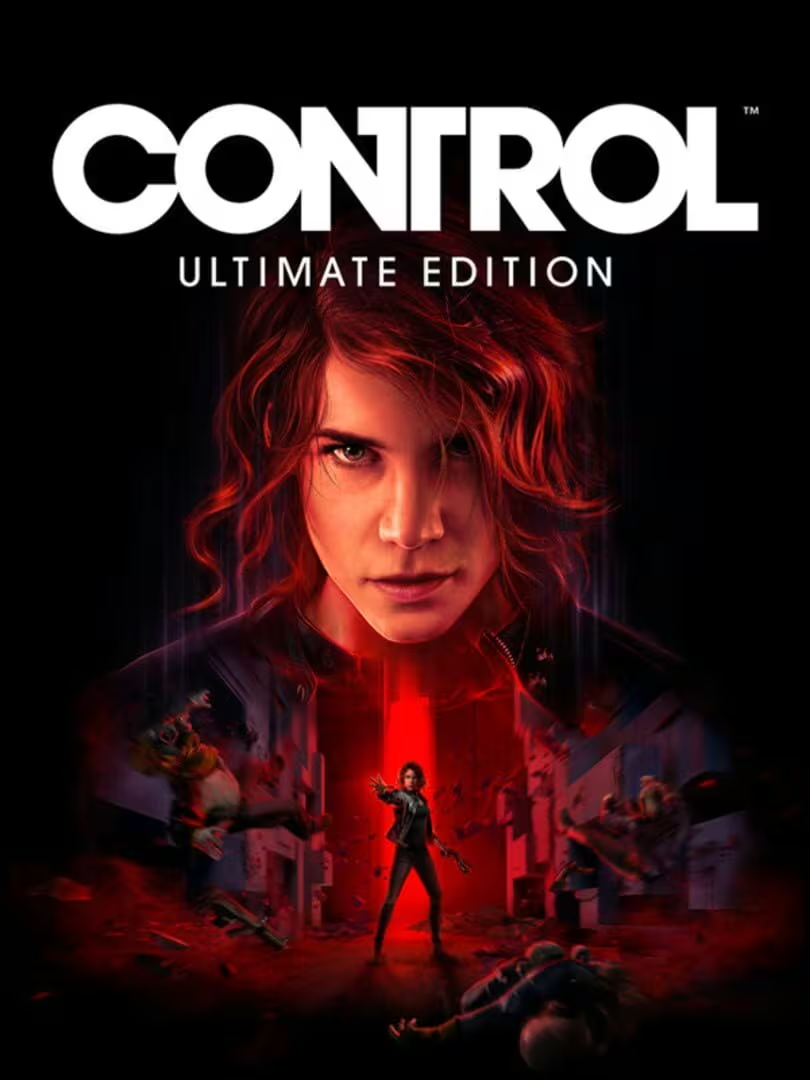
  • CONTROL Ultimate Edition

  • ROMEO IS A DEAD MAN

  • Maximum Action

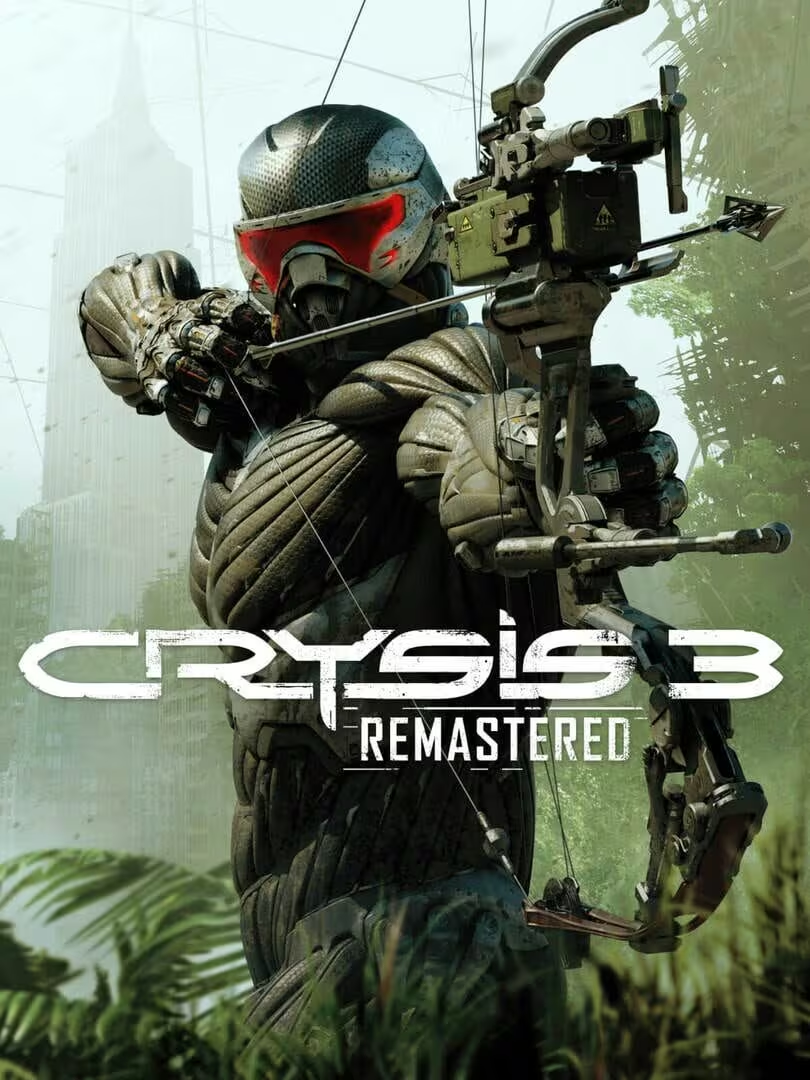
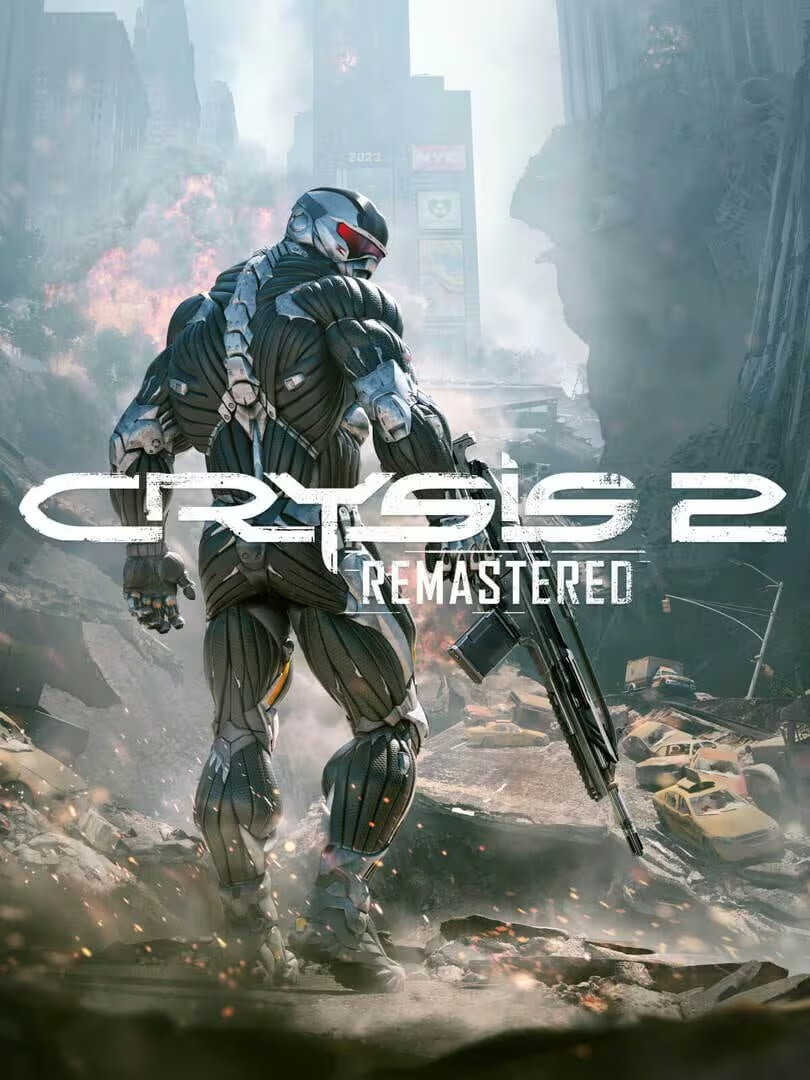
  • Crysis 3 Remastered

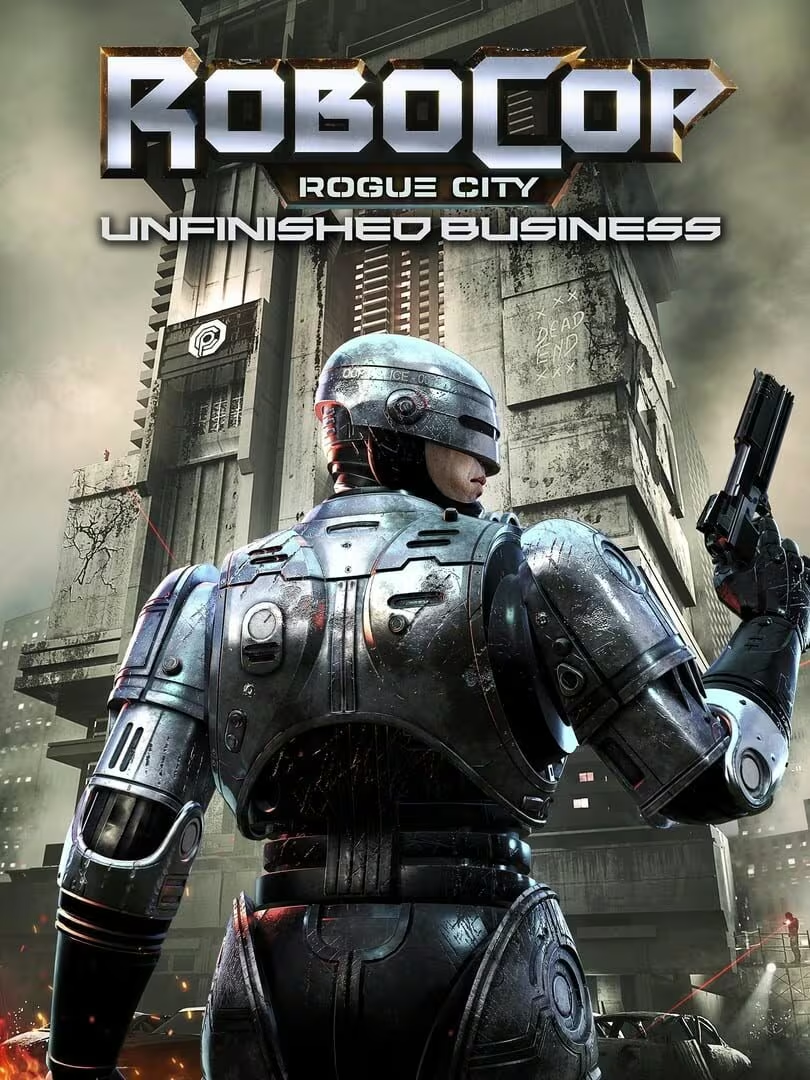
  • RoboCop: Rogue City

More relaxing

Games that feels like F.E.A.R. but with a more relaxing feel

  • Max Payne 2: The Fall of Max Payne

  • Half-Life 2

  • Black Mesa

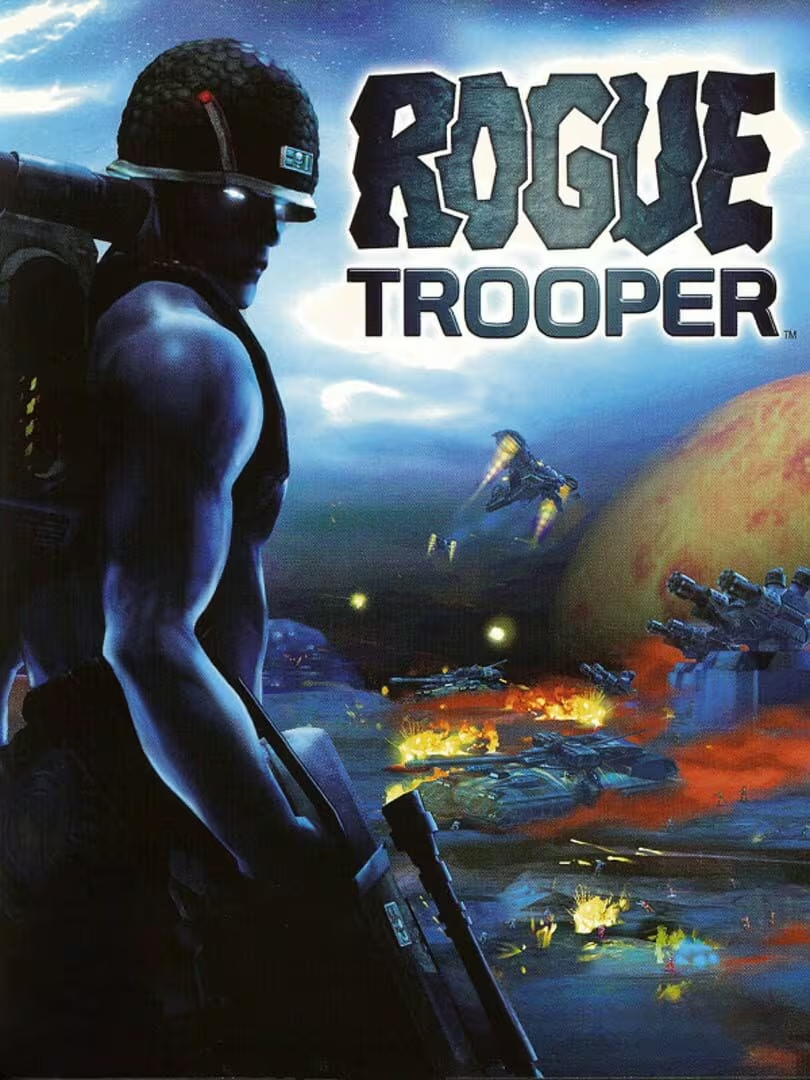
  • Rogue Trooper

  • Quantum Break

  • Collapse

Less exploratory

Games that feels like F.E.A.R. but with less exploration of areas and secrets

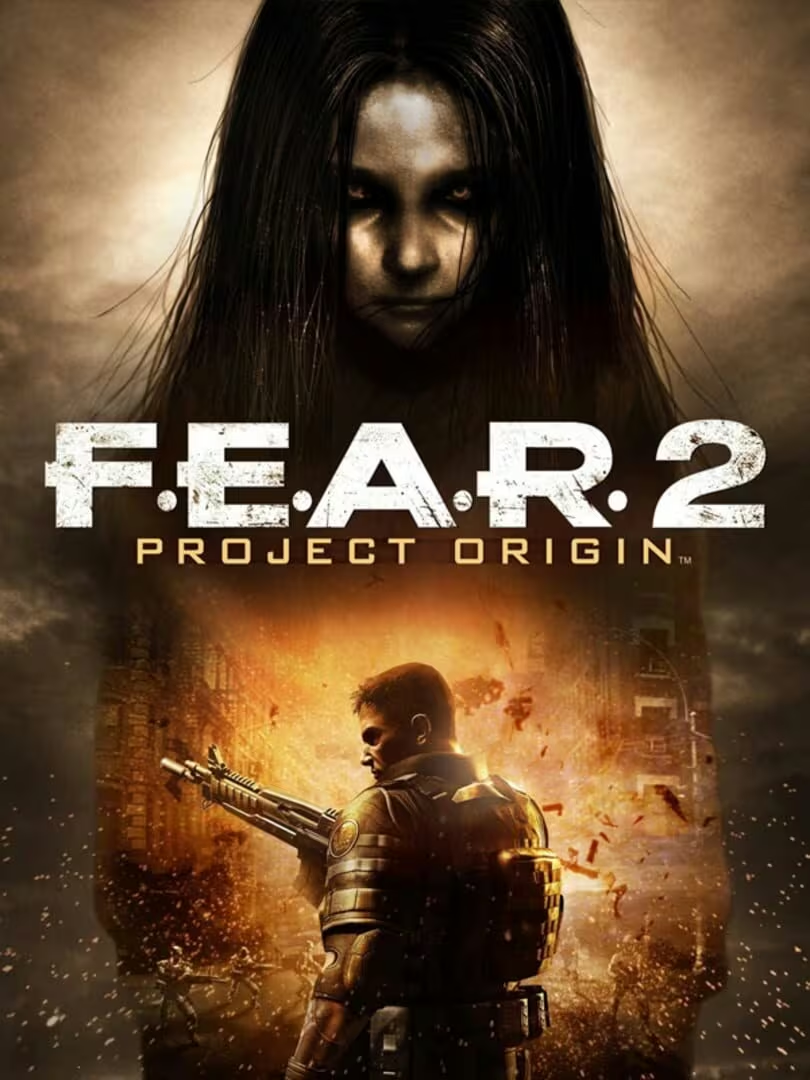
  • F.E.A.R. 2: Project Origin

  • Max Payne 3

  • Max Payne

  • UberSoldier II

  • Metro Awakening

  • Advent Rising

Choose your own criteria ->

From the same developer

From the same developer, ranked by motivational fit.
  • F.E.A.R. 2: Project Origin

  • Condemned: Criminal Origins

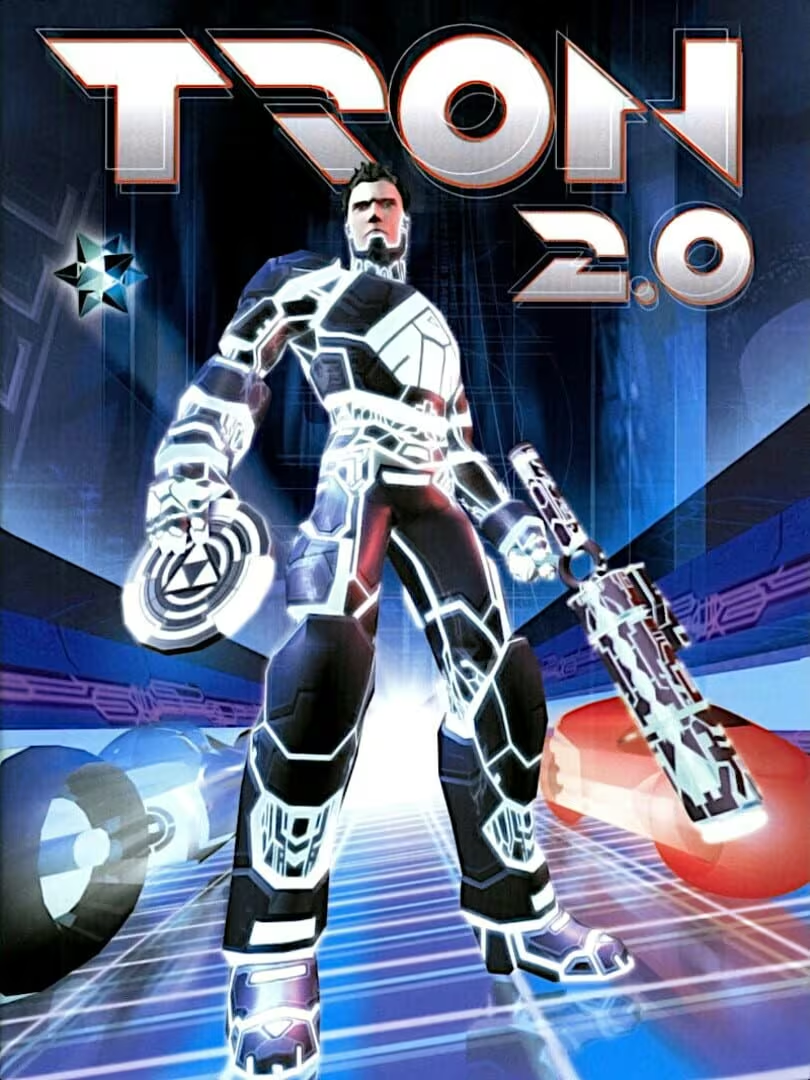
  • TRON 2.0

  • Blood: Refreshed Supply™

  • Middle-earth™: Shadow of Mordor™

Similarity map

How to use the graph

Similarity map

Each dot is a game placed from its motivation profile relative to this page’s game. Direction shows which motivation differs most; distance along that axis shows how large the gap is.

  • Purple star: this page’s game at the centre — everything is relative to it.
  • Direction: each axis is a main motivational difference vs this game (e.g. more / less competitive).
  • Distance on an axis: how large that difference is (ring scales show +/− points).
  • Coloured chips: click to highlight games that mainly differ on that motivation; click again to reset.
  • Dotted line: link between this page’s game and the one selected for comparison.
  • Hover a dot to preview that game in the panel on the right; click to keep that comparison.
  • Scroll or double-click the chart to zoom.

How to read the map This is a polar difference map: direction = which motivation differs, and distance = how much (same units as the sidebar deltas).

F.E.A.R.: A very typical example of its motivational profile. Motivations that often define this kind of title include Expression, Fellowship, Cooperation, Leadership. Here, the score leans higher than usual among comparable games on Violence, Strategy. It leans lower than usual among comparable games on Relaxation.

Last update: 03/08/2026