Paper Mario: The Thousand-Year Door similar games & best alternatives
No screenshot has been retrieved yet
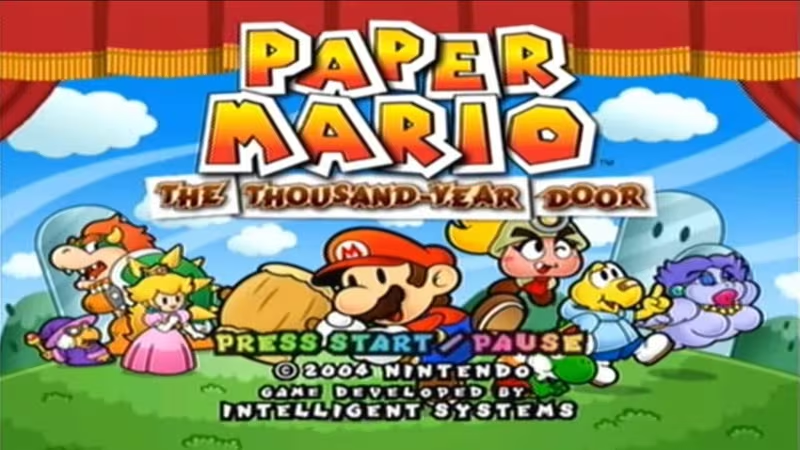
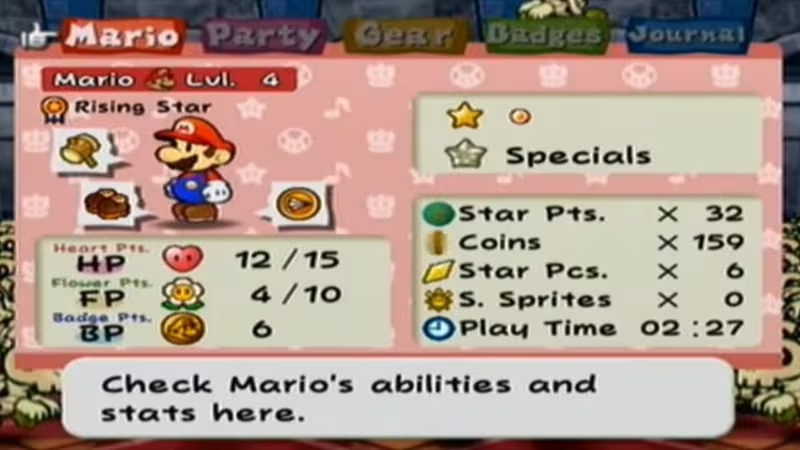
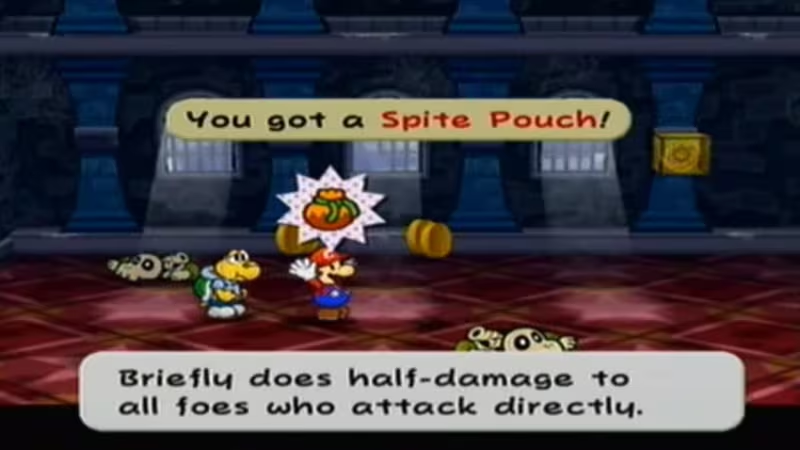
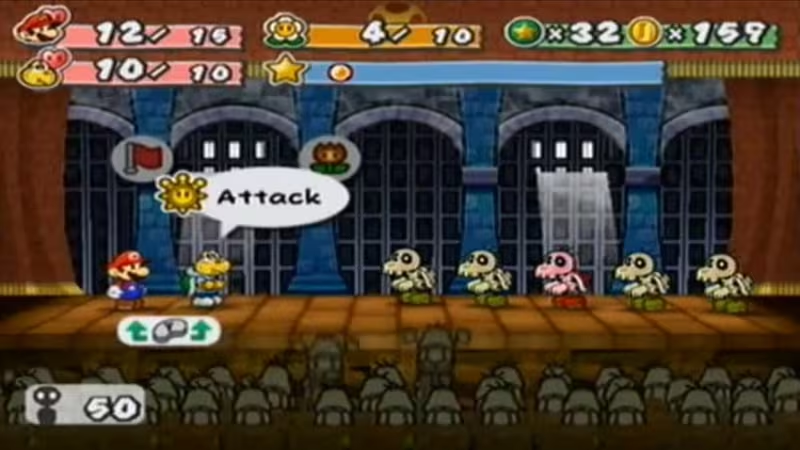
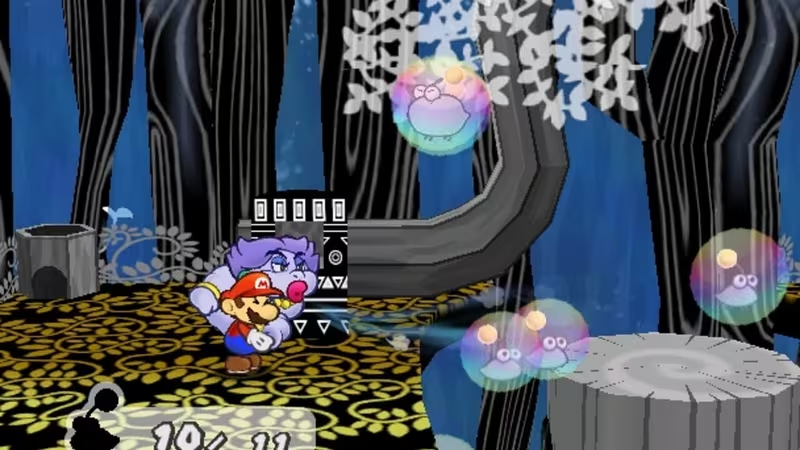
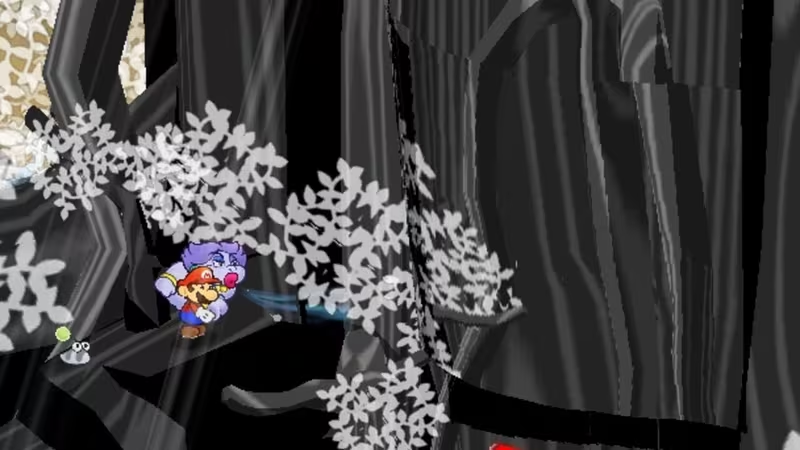
Should you play it?
What works
- Engaging and strategic turn-based combat with timing mechanics
- Humorous and well-written story with memorable characters
- Creative paper-themed world and abilities
- Varied and distinct episodic chapters
- Quality of life improvements in the remake
Things to keep in mind
- Some tedious backtracking and pacing issues
- Combat can become repetitive over long play sessions
- Lower framerate in the remake compared to original
- Lack of voice acting reduces immersion
- Certain side quests and puzzles can be obtuse
What to play next
Top picks
Games that feels the closest overall
Less social
Games that feels like Paper Mario: The Thousand-Year Door but with less teamwork and cooperation · 23 games
-
Etrian Odyssey HD
-
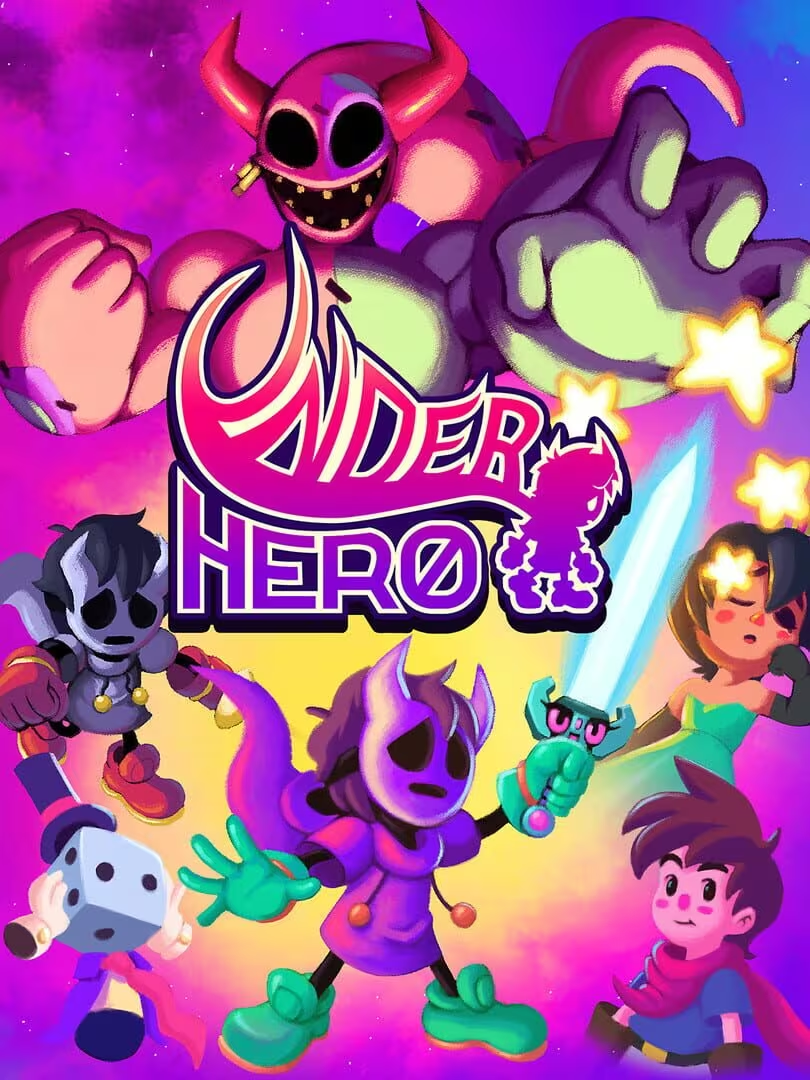
Underhero
-
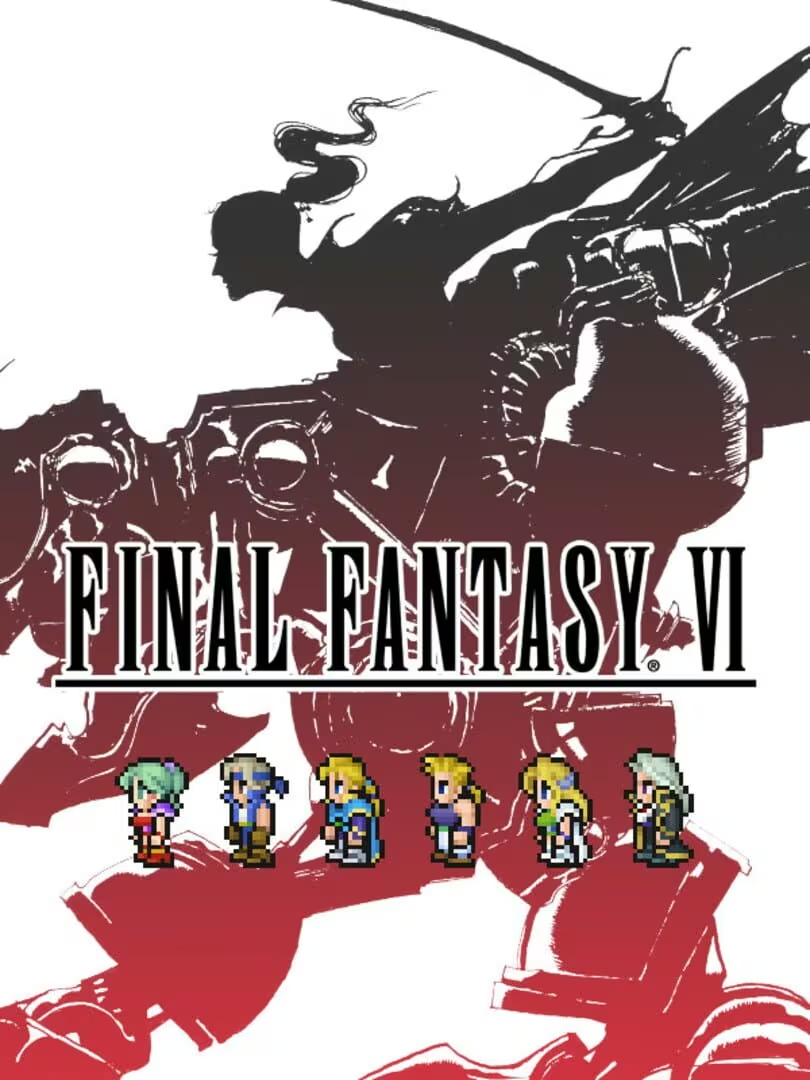
FINAL FANTASY VI
-

Catmaze
-
Terranigma
-

Sakura Gozen
-
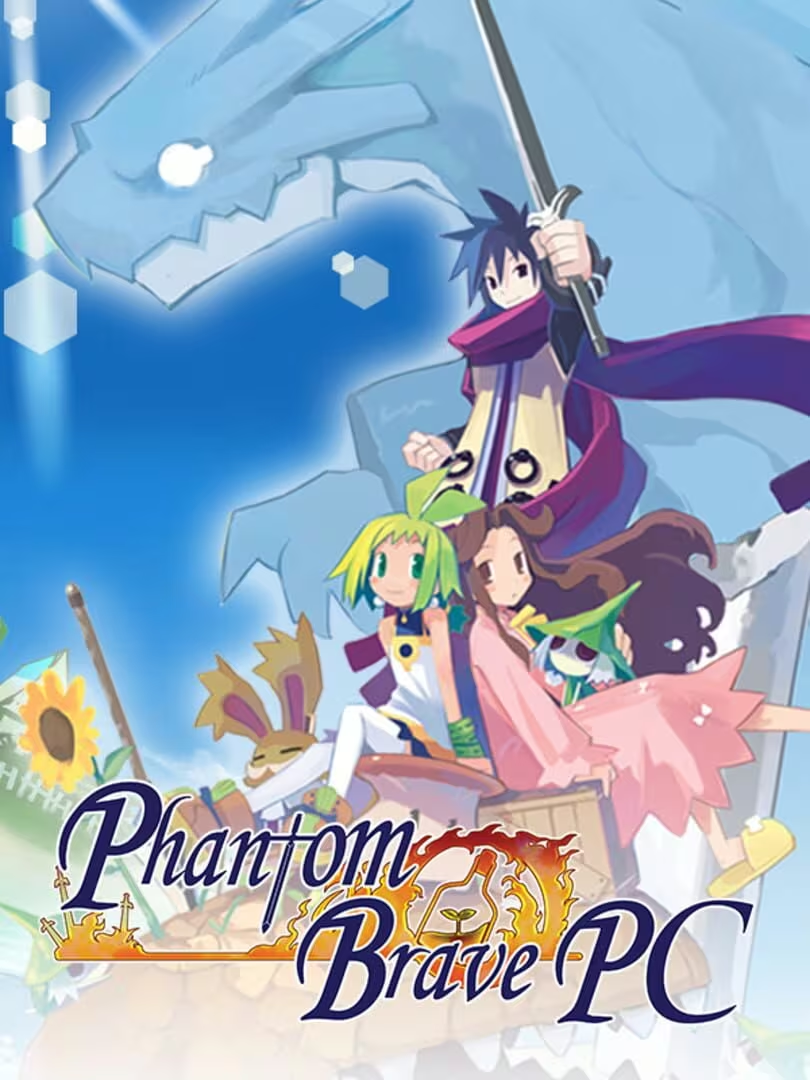
Phantom Brave PC
-
SaGa Frontier 2 Remastered
-
FINAL FANTASY V
-
8-Bit Adventures 2
-
FINAL FANTASY IX
-
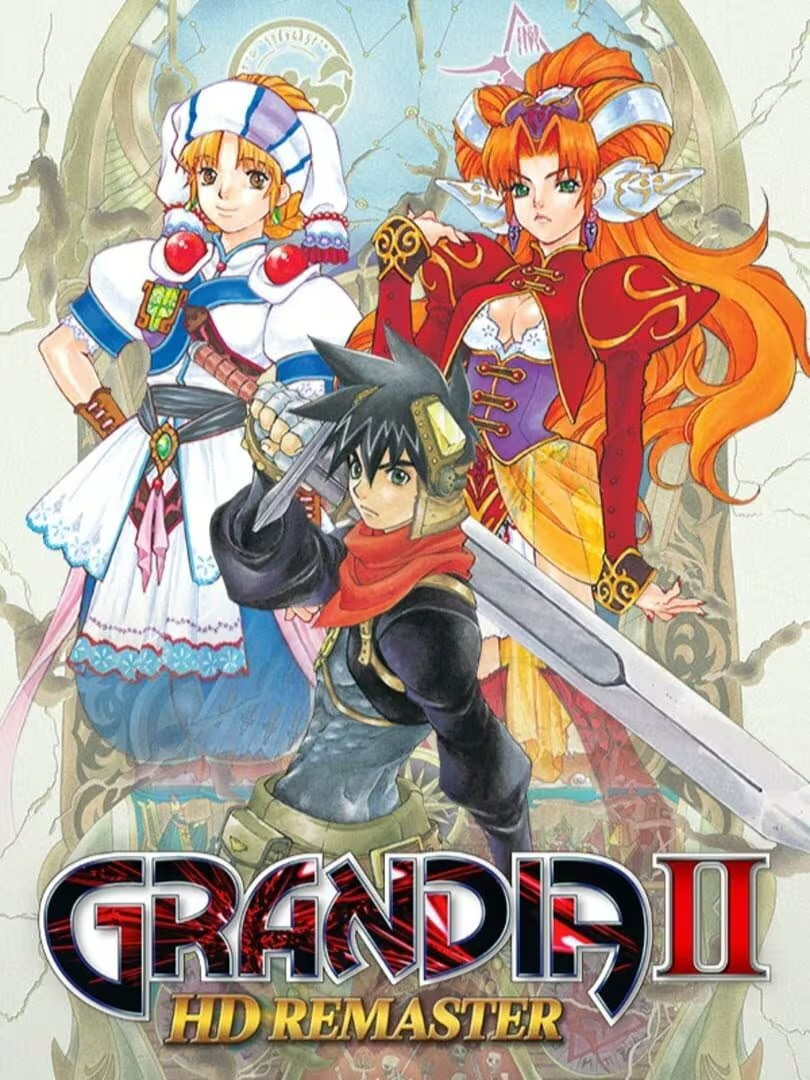
GRANDIA II HD Remaster
-
Final Fantasy X
-
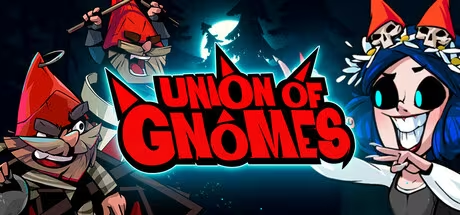
Union of Gnomes
-
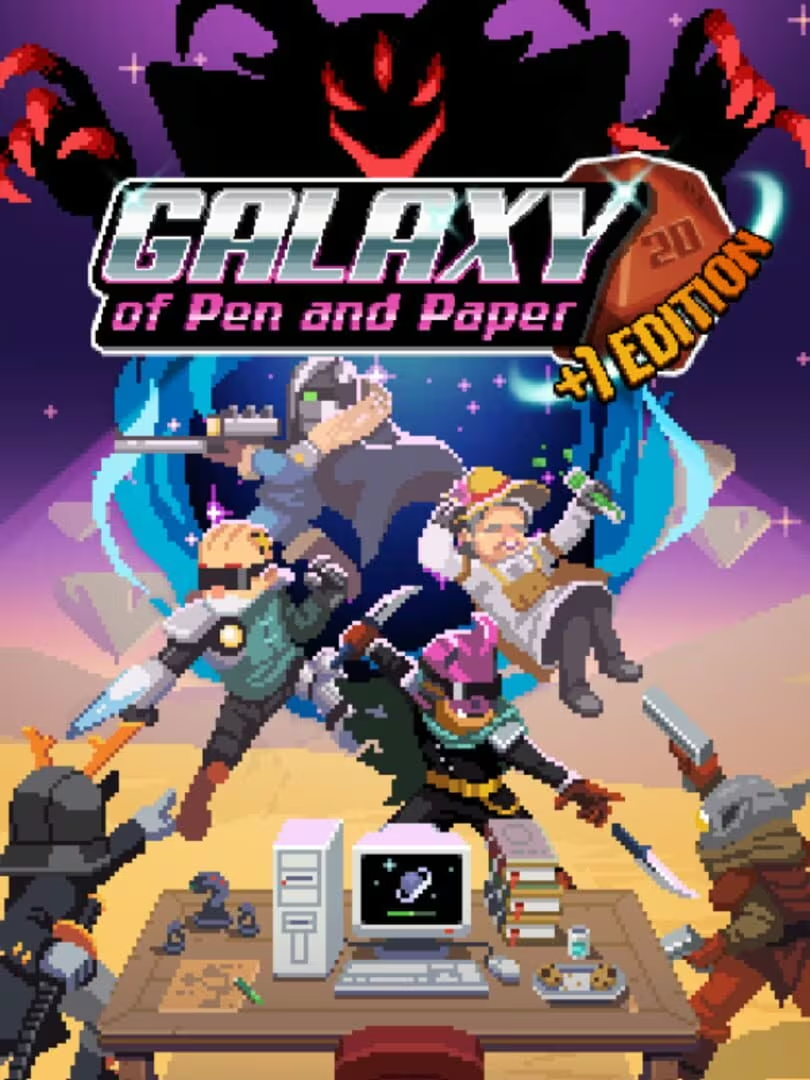
Galaxy of Pen & Paper +1
-
Romancing SaGa 3™
-
Nexomon: Extinction
-
Epic Battle Fantasy 4
-
Kingdoms of the Dump
-
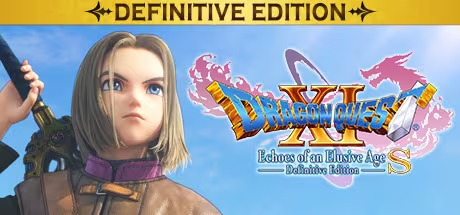
DRAGON QUEST® XI S: Echoes of an Elusive Age™ - Definitive Edition
-
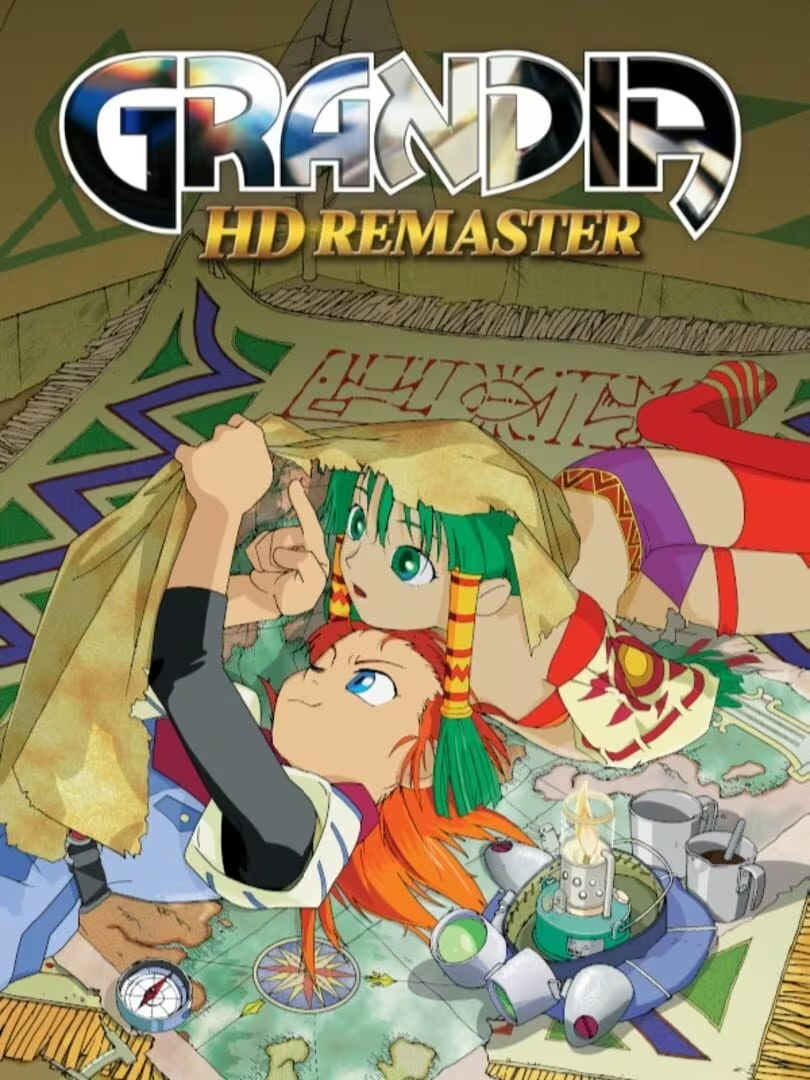
GRANDIA HD Remaster
-
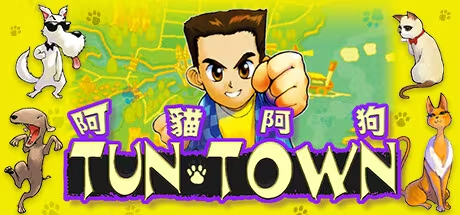
TunTown
-

Disgaea 2 PC
More intimate
Games that feels like Paper Mario: The Thousand-Year Door but with more focus on close relationships · 8 games



More violent
Games that feels like Paper Mario: The Thousand-Year Door but with more combat and destruction · 4 games
Less leadership-focused
Games that feels like Paper Mario: The Thousand-Year Door but with less leadership over others · 2 games
Others
Other games that might remind you of Paper Mario: The Thousand-Year Door · 4 games
Last update: 19/09/2026