RetroArch similar games & best alternatives

RetroArch

Linux, Android, PC (Microsoft Windows), Mac • 2022

Should you play it?

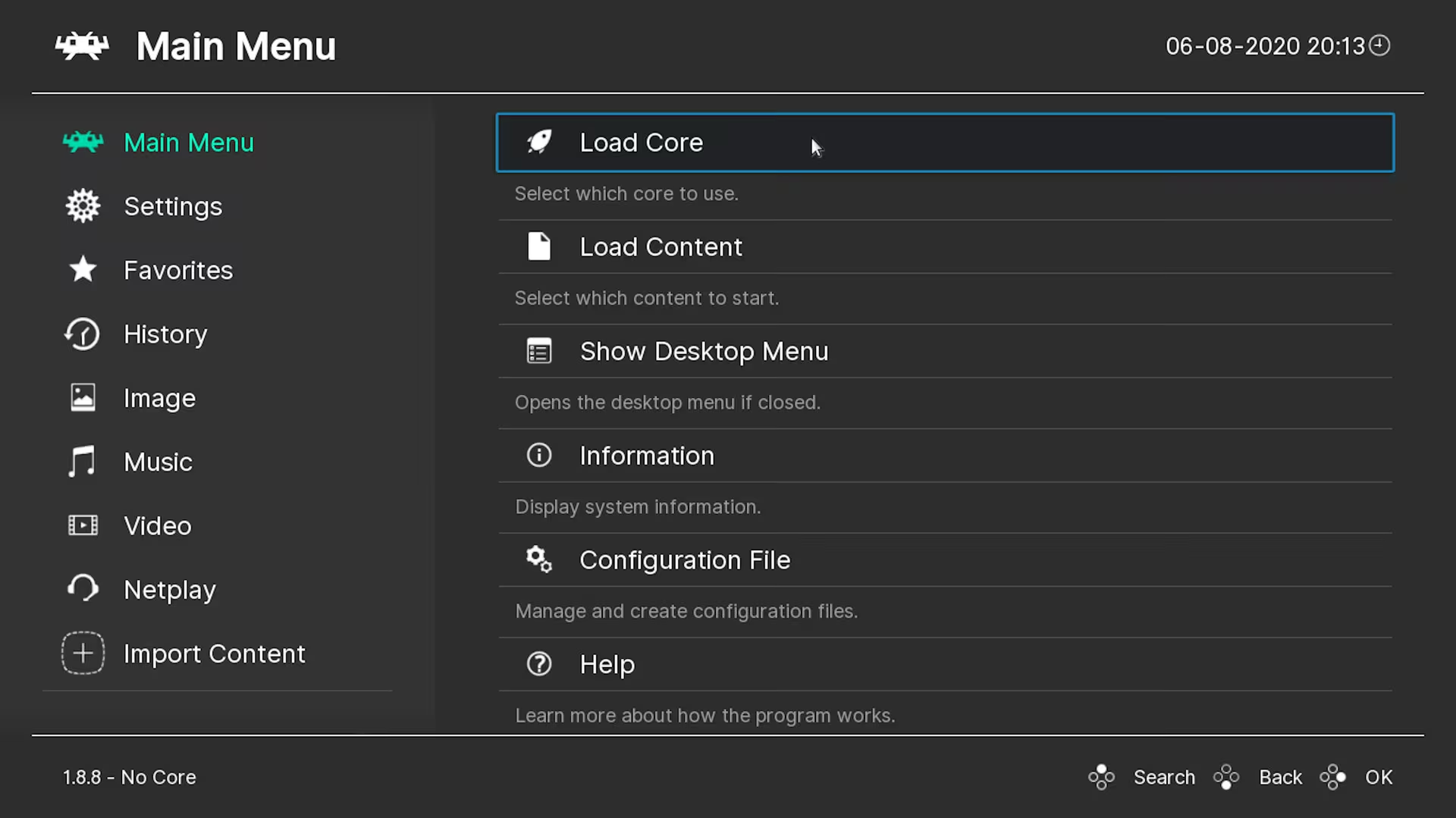
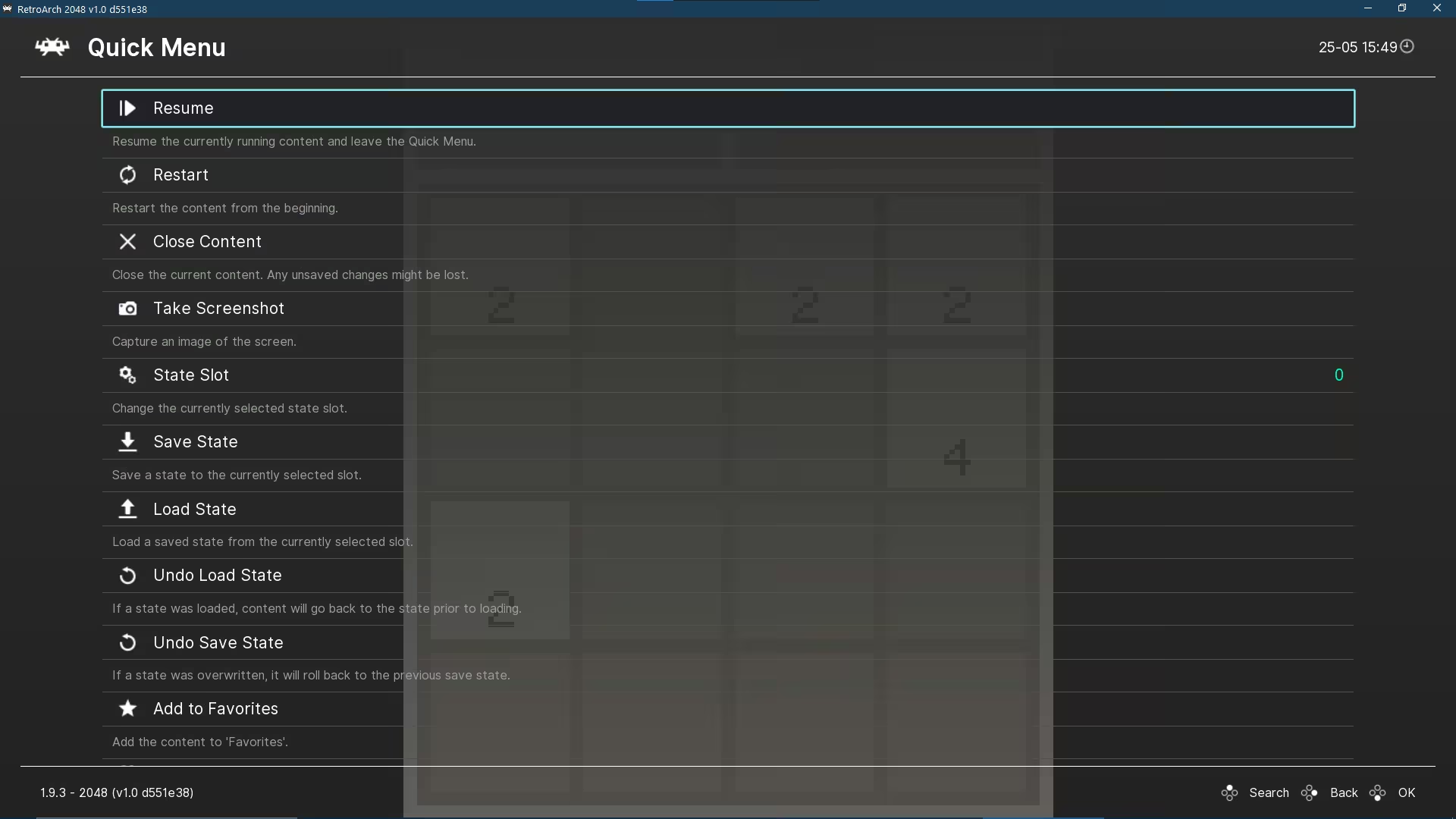
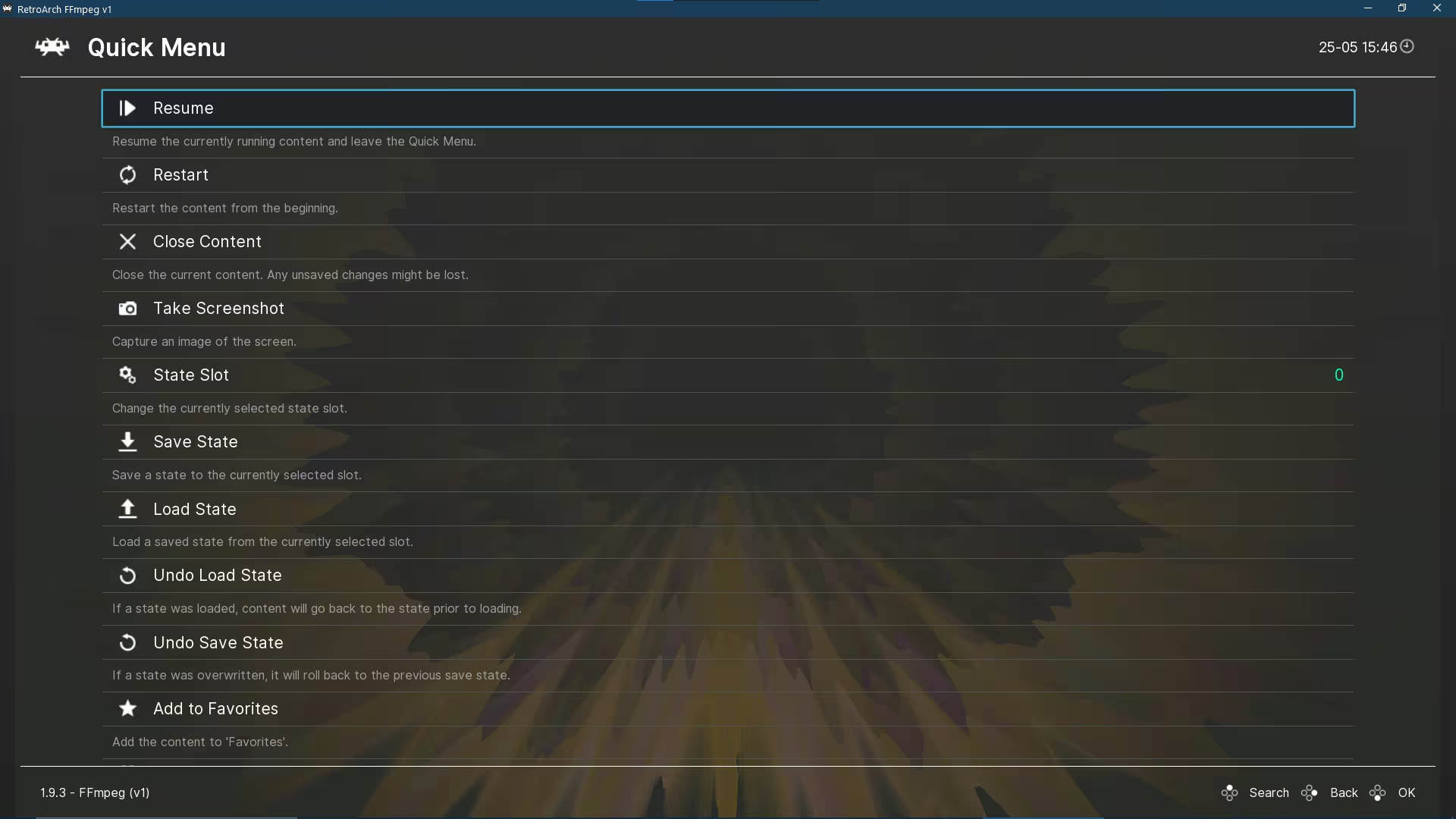
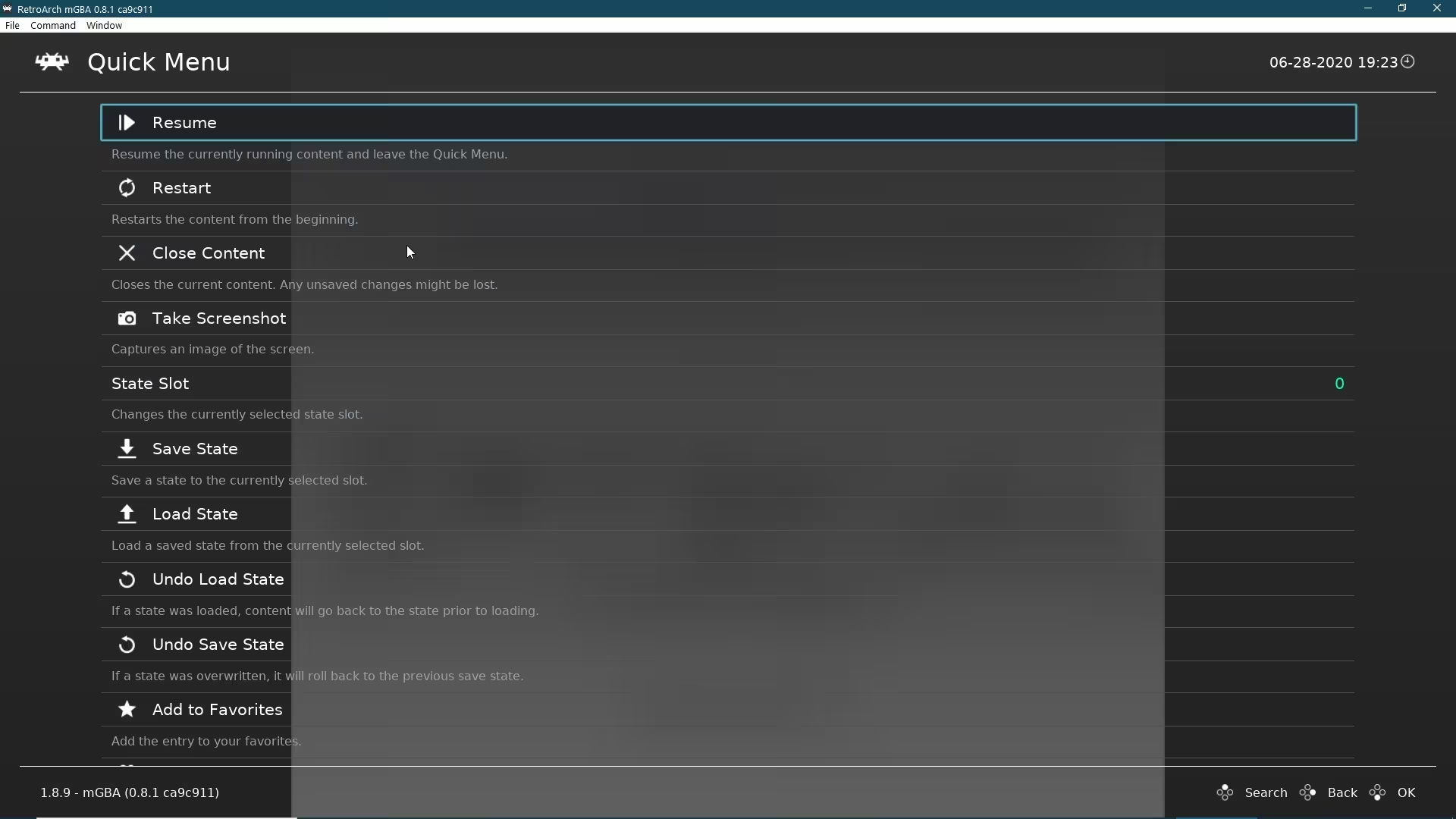
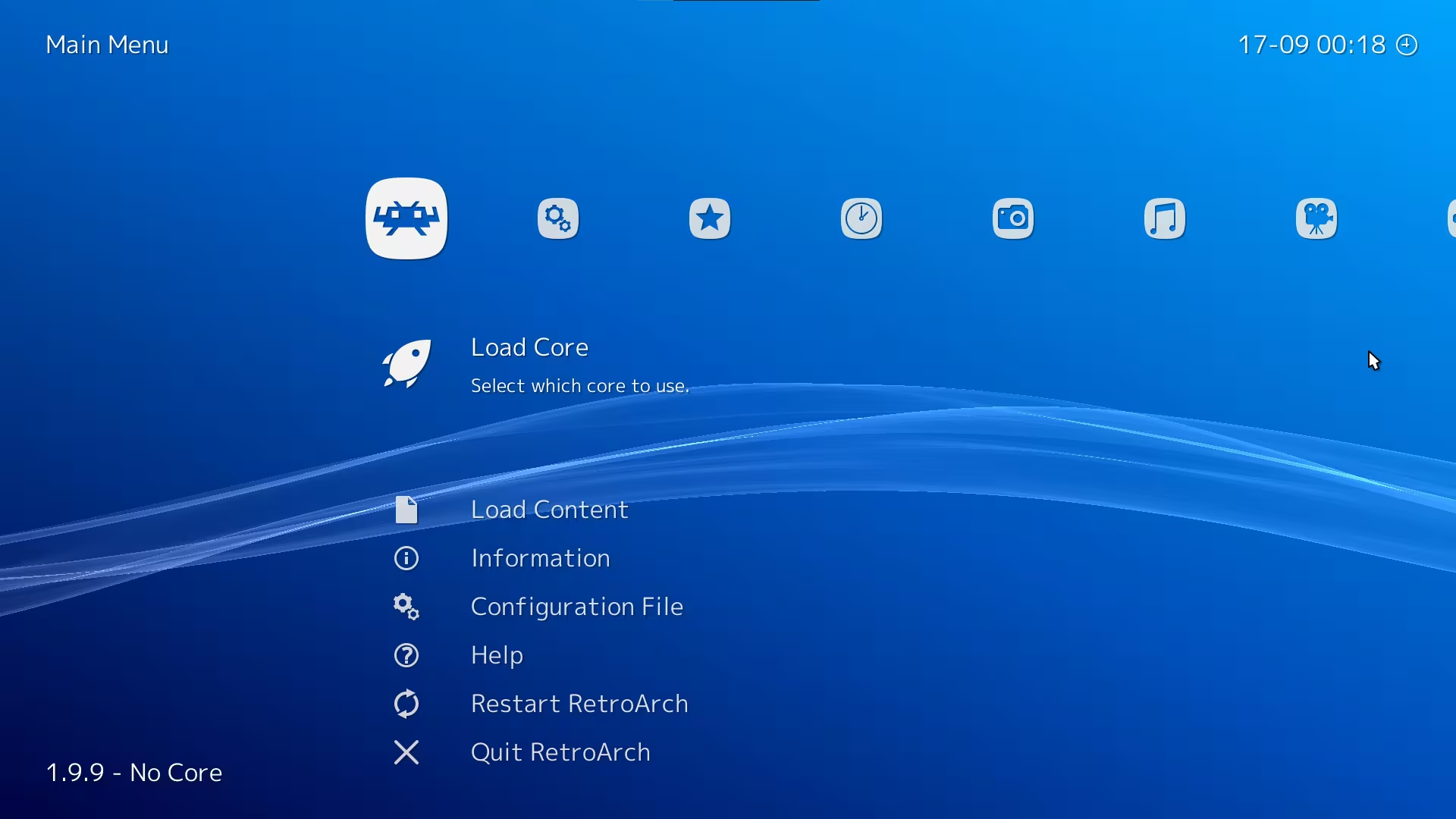
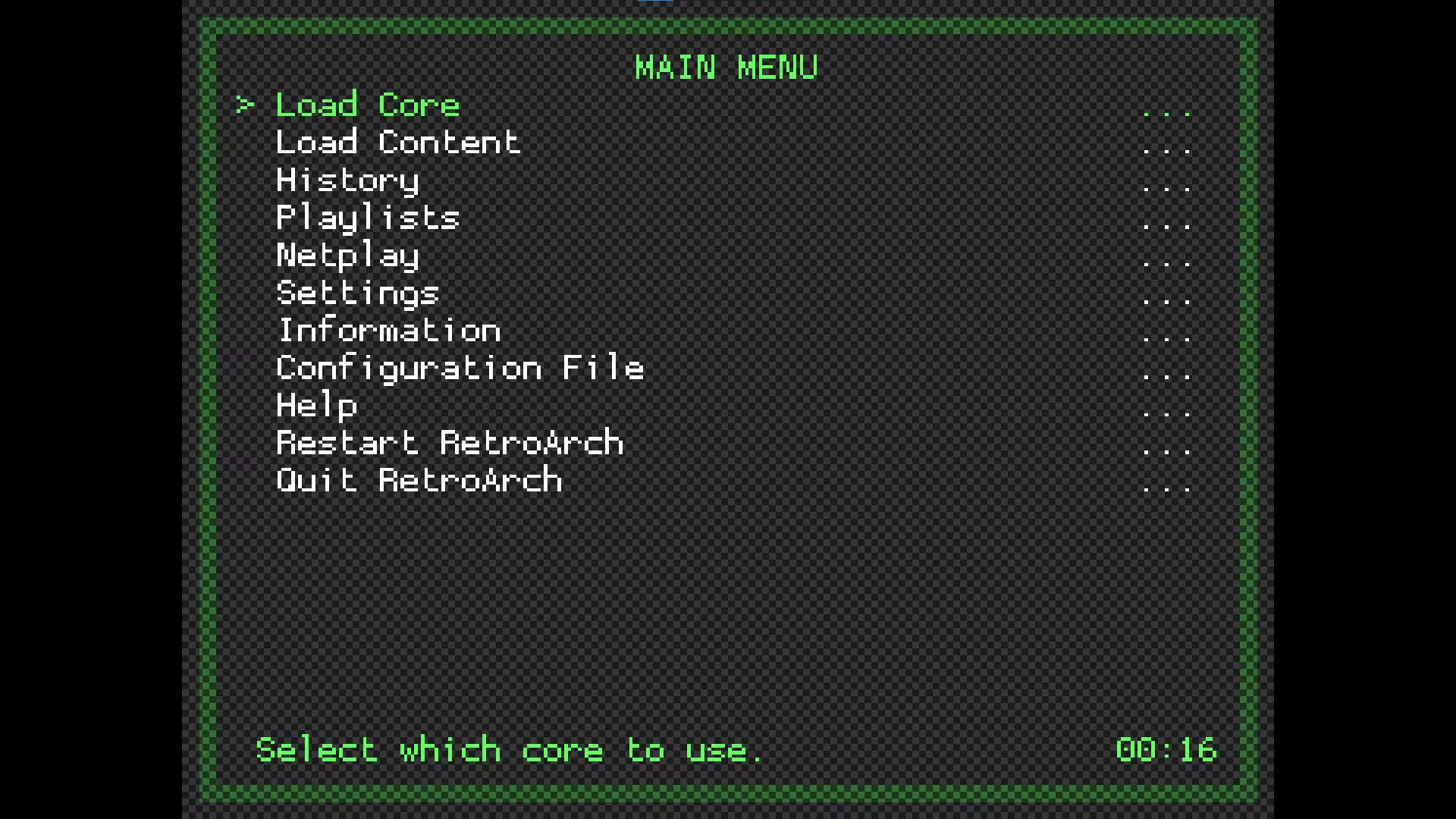
RetroArch is an open source and cross platform frontend/framework for emulators, game engines, video games, media players and other applications

What works

  • Supports wide range of retro consoles and games
  • Free and open source with frequent updates
  • Steam integration with cloud saves and achievements
  • Highly customizable controls and settings
  • Enables netplay and multiplayer emulation

Things to keep in mind

  • Steep learning curve and complex ui
  • Steam version lacks some cores and features
  • Setup can be confusing and time-consuming
  • Controller configuration is difficult for some users
  • Performance issues with some cores and games

What to play next

Top picks

Games that feels the closest overall

  • NITE Team 4 - Military Hacking Division

  • Incremental Epic Hero 2

  • Magic Research

  • Caves of Qud

  • Sixtar Gate: STARTRAIL

  • One Way Heroics

Less social

Games that feels like RetroArch but with less teamwork and cooperation

  • Magic Research 2

  • Increlution

  • HackHub - Ultimate Hacker Simulator

  • Hacknet

  • Terraformental

  • Your Chronicle

More idle-friendly

Games that feels like RetroArch but with a stronger idle, pick-up-and-play feel

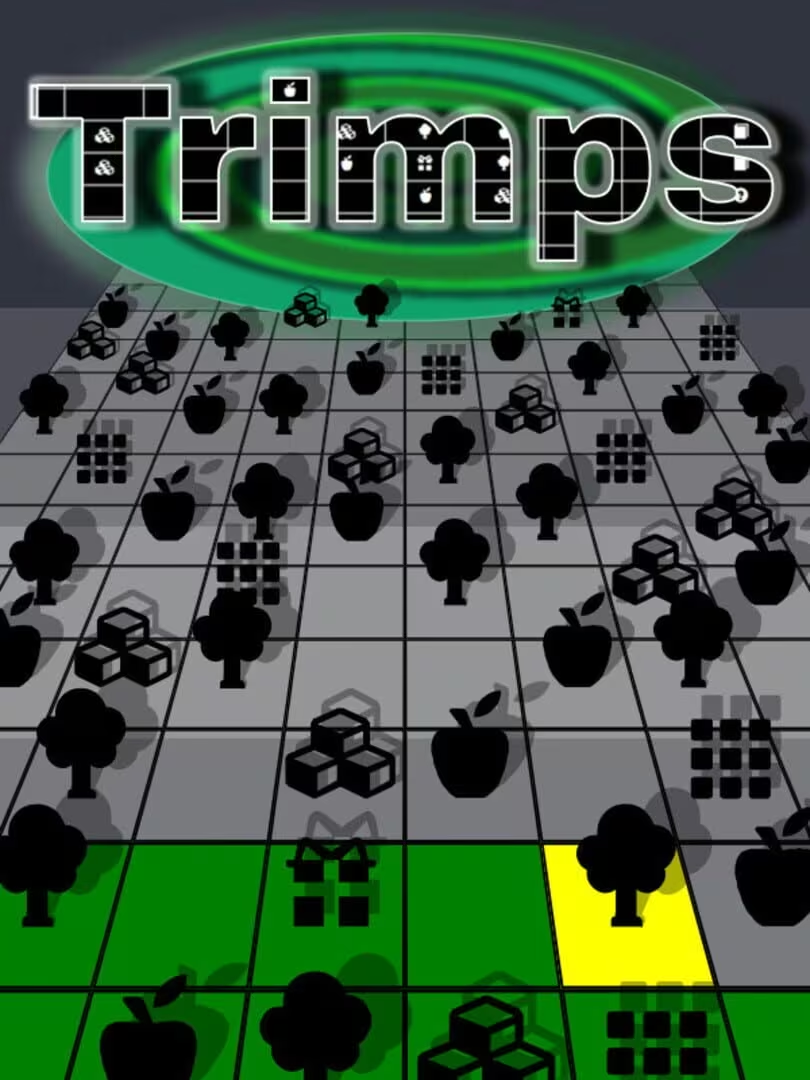
  • Trimps

  • Melvor Idle

  • Idling to Rule the Gods

  • Realm Revolutions

  • Bitburner

  • Pickle Clicker

Less story-driven

Games that feels like RetroArch but with less narrative immersion

  • Revolution Idle

  • Qwilight

  • Quaver

  • Malody V

  • Upload Labs

  • ClickRaid

More leadership-focused

Games that feels like RetroArch but with more leadership over others

  • Fantasy Grounds VTT

  • Pro Wrestling Sim

  • Out of the Park Baseball 26

  • Lootun

  • Untrusted

  • Out of the Park Baseball 27

Choose your own criteria ->

Similarity map

How to use the graph

Similarity map

Each dot is a game placed from its motivation profile relative to this page’s game. Direction shows which motivation differs most; distance along that axis shows how large the gap is.

  • Purple star: this page’s game at the centre — everything is relative to it.
  • Direction: each axis is a main motivational difference vs this game (e.g. more / less competitive).
  • Distance on an axis: how large that difference is (ring scales show +/− points).
  • Coloured chips: click to highlight games that mainly differ on that motivation; click again to reset.
  • Dotted line: link between this page’s game and the one selected for comparison.
  • Hover a dot to preview that game in the panel on the right; click to keep that comparison.
  • Scroll or double-click the chart to zoom.

How to read the map This is a polar difference map: direction = which motivation differs, and distance = how much (same units as the sidebar deltas).

RetroArch: A very typical example of its motivational profile. Motivations that often define this kind of title include Cooperation, Fellowship, Intimacy, Leadership. Here, the score leans higher than usual among comparable games on Status. It leans lower than usual among comparable games on Leadership, Survival.

Last update: 03/08/2026