Spectromancer similar games & best alternatives
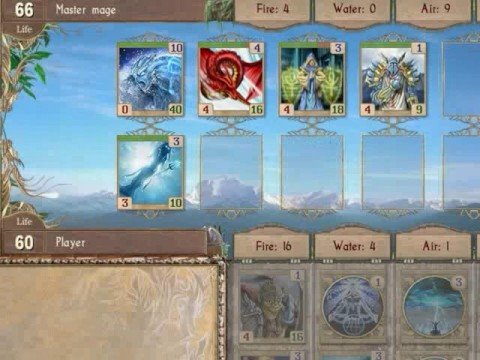
Spectromancer

PC (Microsoft Windows), iOS • 2009

Should you play it?

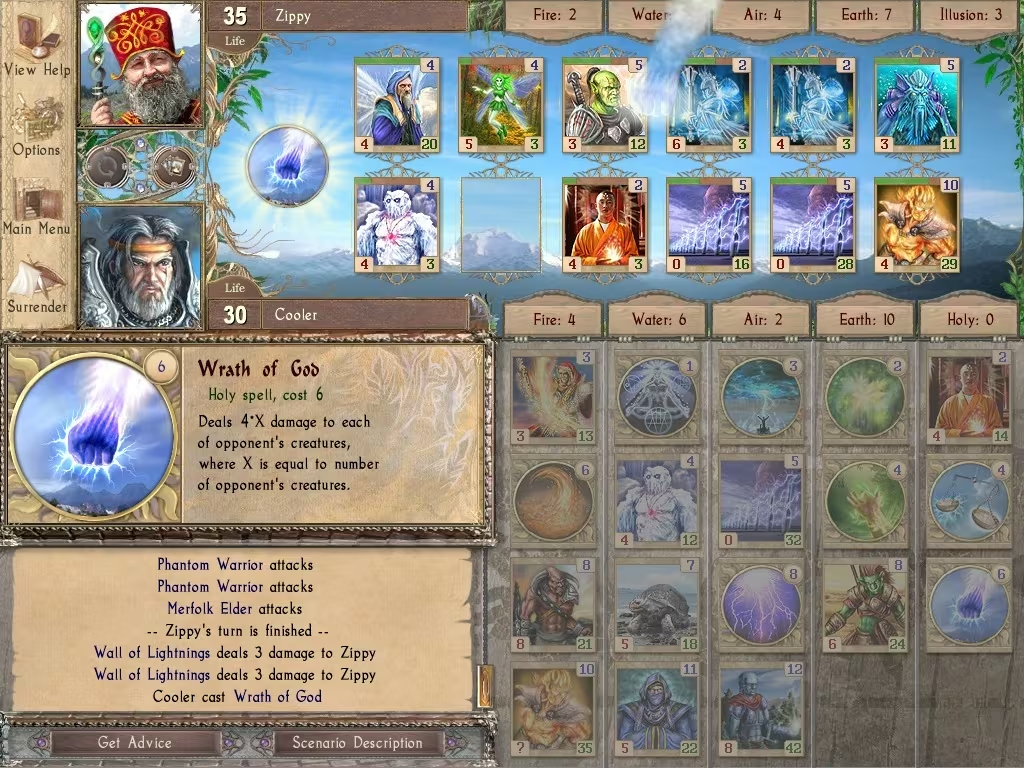
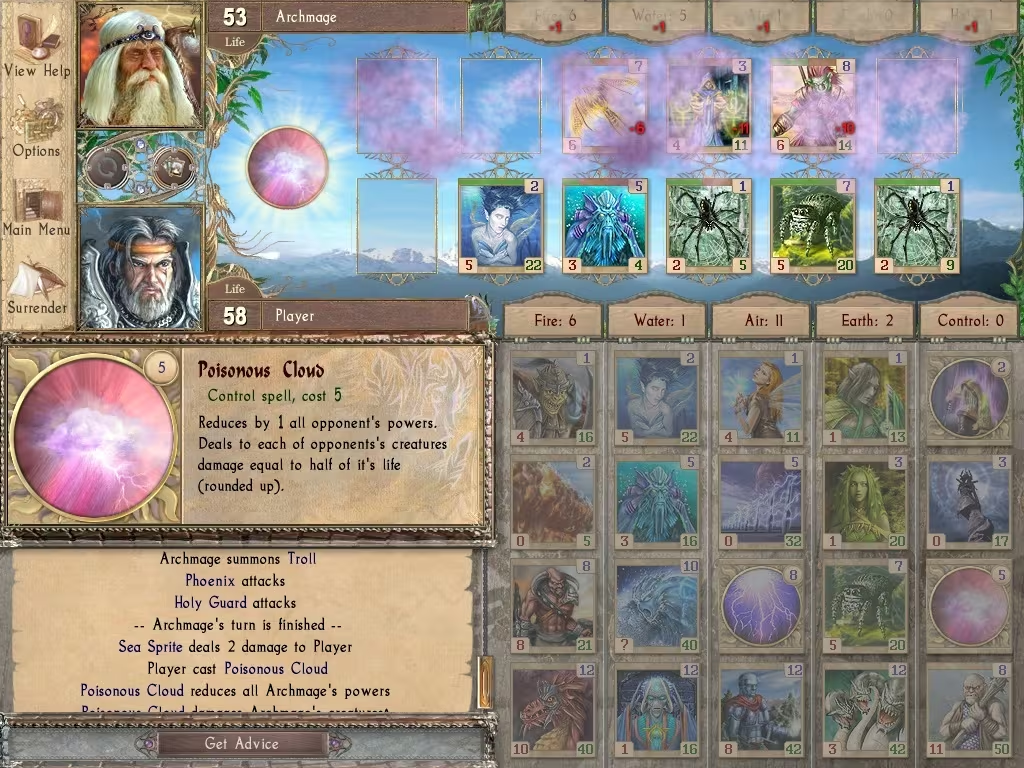
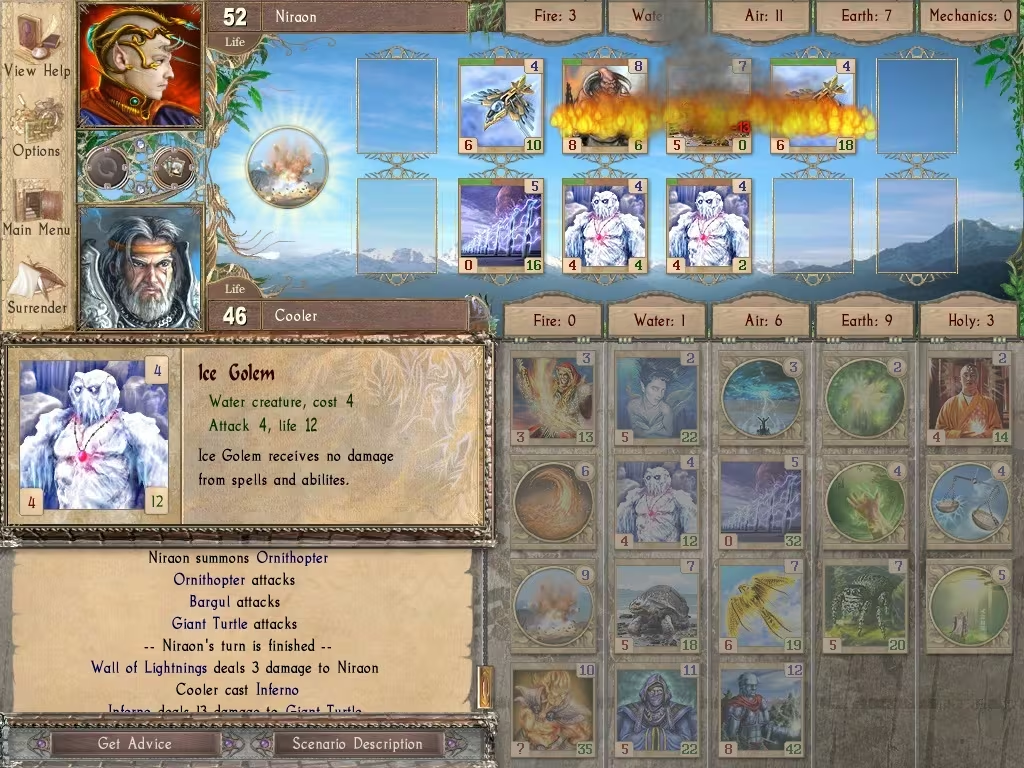
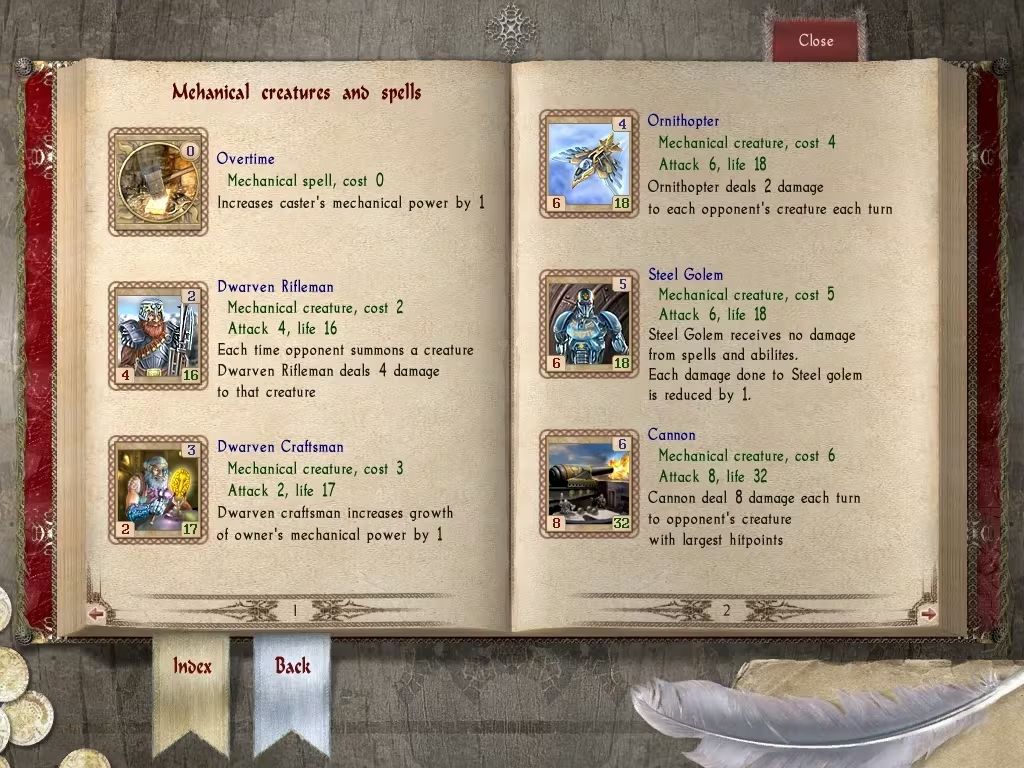
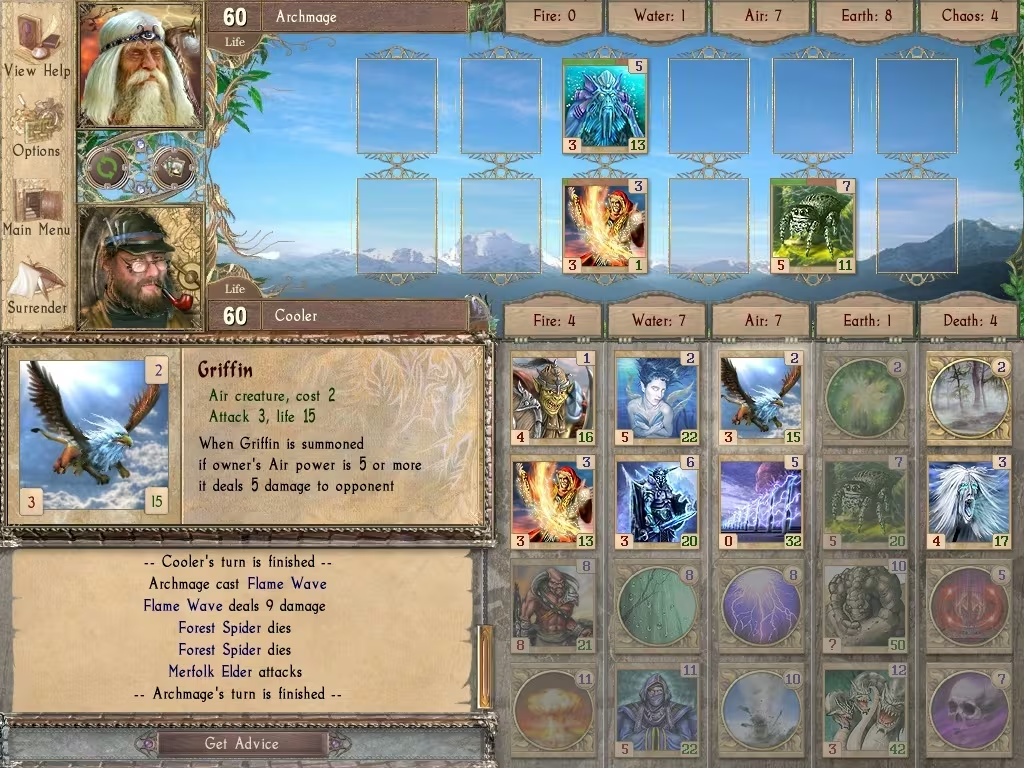
A turn-based online fantasy card game. No character leveling, no grinding, no deck building - just 100% skill-based and fast-paced card battles!

What works

  • Balanced and skill-based gameplay
  • No pay-to-win or deck building grind
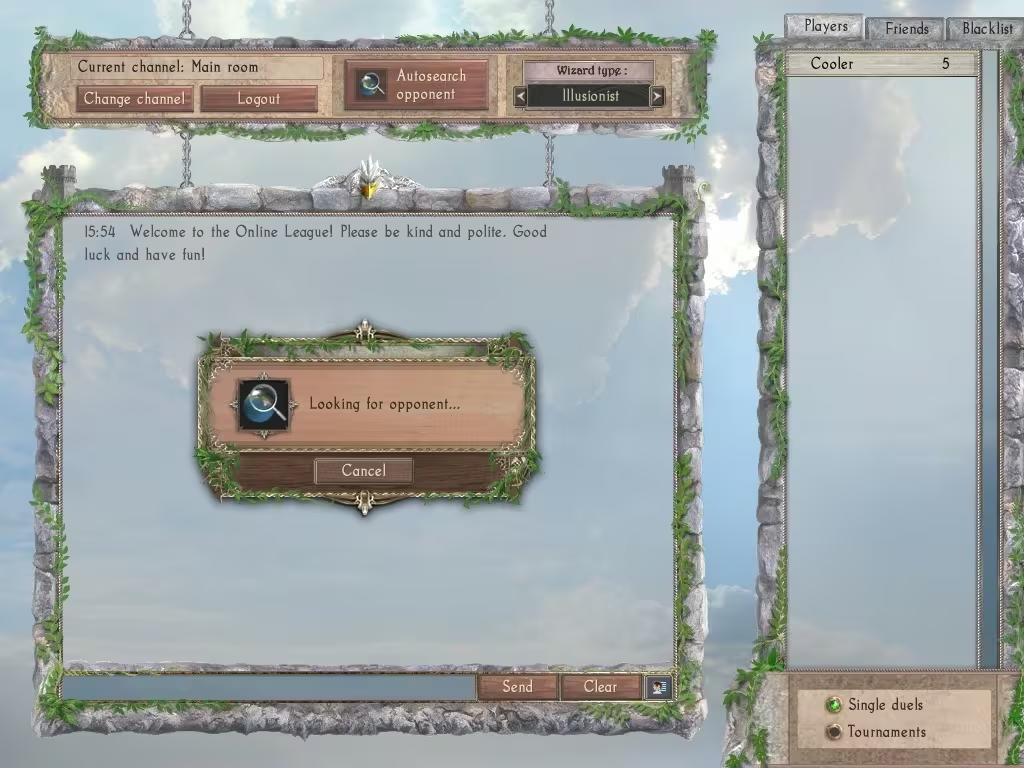
  • Active multiplayer community despite small size
  • Varied campaign with unique challenges
  • Strategic depth and replayability

Things to keep in mind

  • Outdated graphics and animations
  • Limited player base and matchmaking delays
  • Some technical issues and drm concerns
  • Lack of deck building may deter some players
  • Minimal social and customization features

What to play next

Top picks

Games that feels the closest overall
  • Fairytale Fables

  • Cards and Castles 2

  • War of Omens Card Game

  • Once Upon a Galaxy

  • Yi Xian: The Cultivation Card Game

  • World of Myths

More social

Games that feels like Spectromancer but with more teamwork and cooperation

  • ManaRocks

  • 100% Orange Juice

  • Mythgard

  • SolForge Fusion

  • Faeria

  • Card Hog

Less fellowship-oriented

Games that feels like Spectromancer but with less of a community feel

  • Looper Tactics

  • Poker Quest: Swords and Spades

  • Fate Hunters

  • Circadian Dice

  • Decktamer

  • Throne of Bone

More leadership-focused

Games that feels like Spectromancer but with more leadership over others

  • Thea: The Awakening

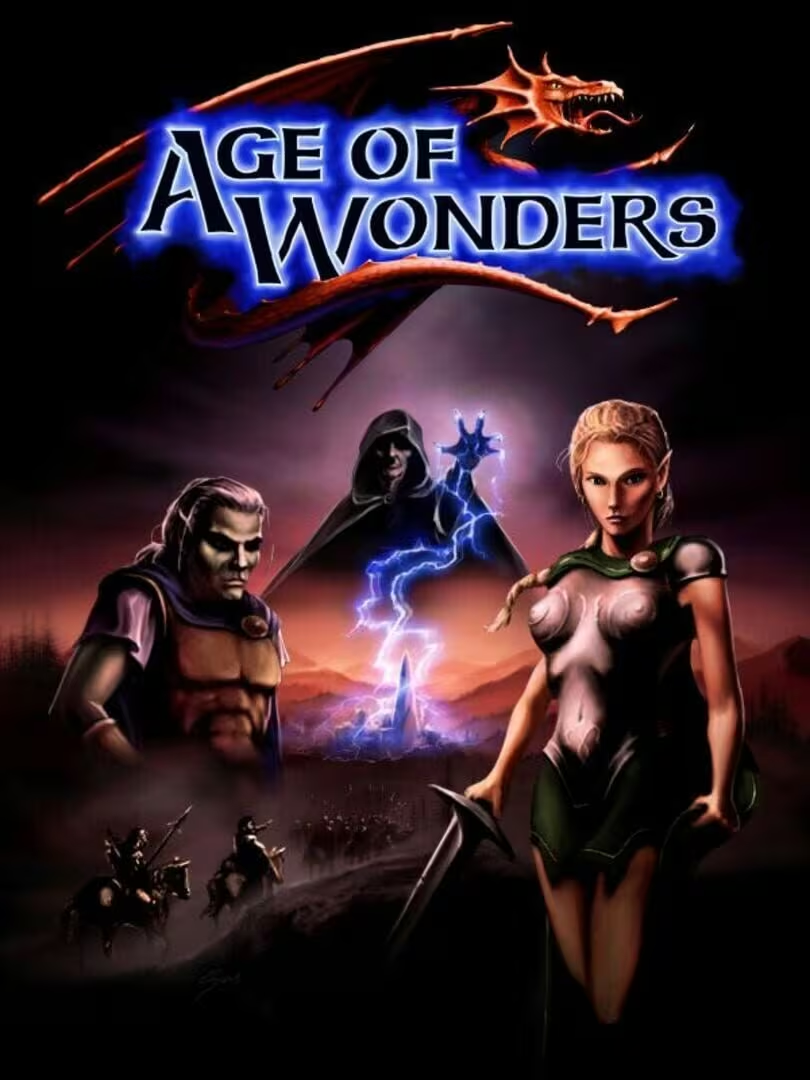
  • Age of Wonders

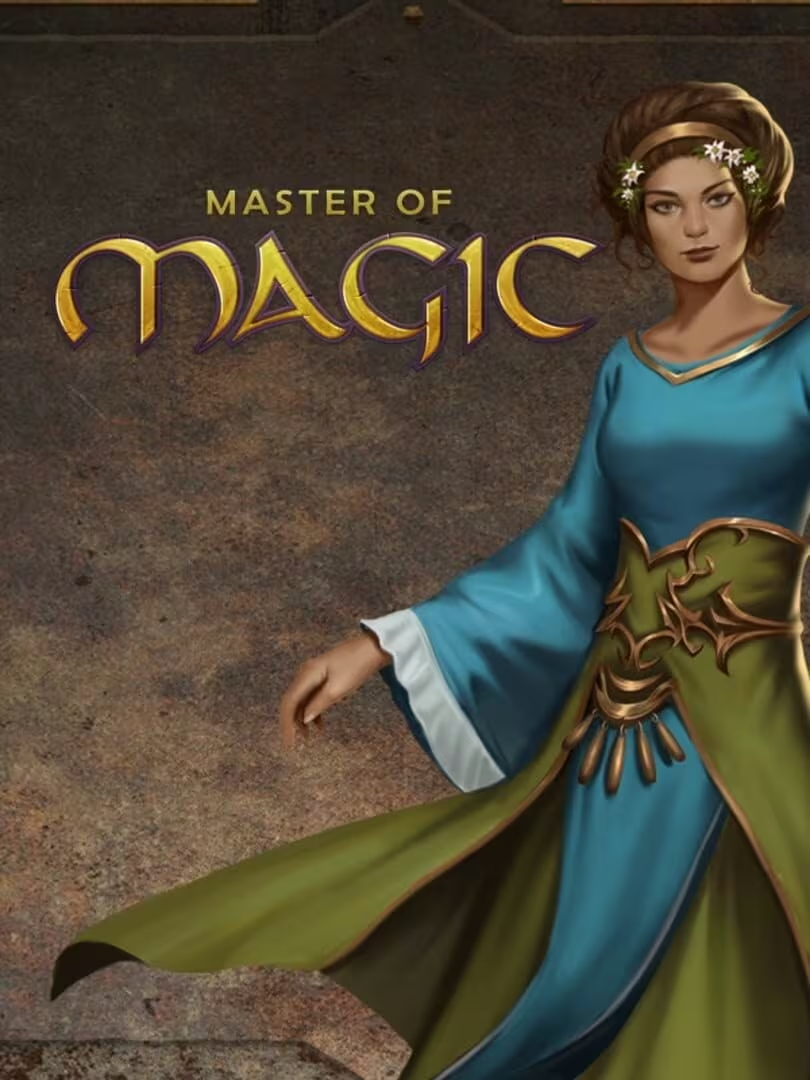
  • Master of Magic

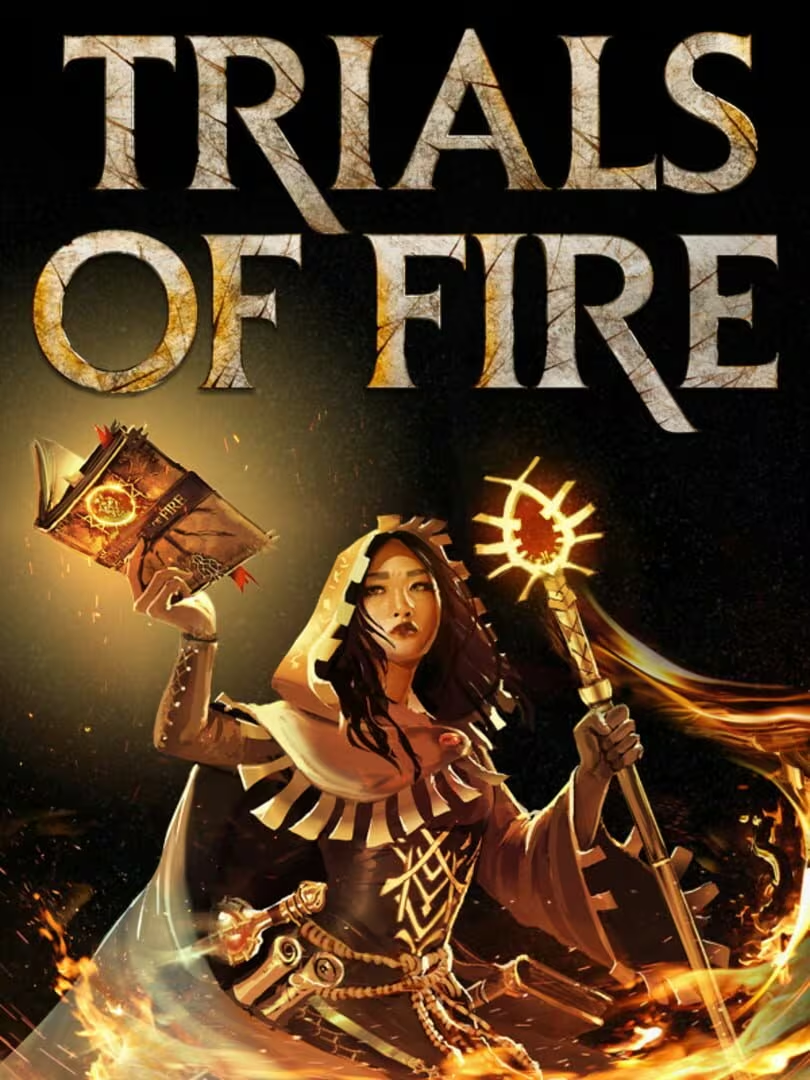
  • Trials of Fire

  • Age of Fear 2: The Chaos Lord GOLD

  • Disciples II: Rise of the Elves

More expressive

Games that feels like Spectromancer but with more self-expression and customization

  • The Elder Scrolls®: Legends™

  • Turnbound

  • Causa, Voices of the Dusk

  • Ascension: Deckbuilding Game

  • Roguebook

  • GWENT: The Witcher Card Game

Choose your own criteria ->

Similarity map

How to use the graph

Similarity map

Each dot is a game placed from its motivation profile relative to this page’s game. Direction shows which motivation differs most; distance along that axis shows how large the gap is.

  • Purple star: this page’s game at the centre — everything is relative to it.
  • Direction: each axis is a main motivational difference vs this game (e.g. more / less competitive).
  • Distance on an axis: how large that difference is (ring scales show +/− points).
  • Coloured chips: click to highlight games that mainly differ on that motivation; click again to reset.
  • Dotted line: link between this page’s game and the one selected for comparison.
  • Hover a dot to preview that game in the panel on the right; click to keep that comparison.
  • Scroll or double-click the chart to zoom.

How to read the map This is a polar difference map: direction = which motivation differs, and distance = how much (same units as the sidebar deltas).

Spectromancer: Less representative of its motivational profile, with noticeable differences. Motivations that often define this kind of title include Competition, Status, Fellowship, Domination. It leans lower than usual among comparable games on Cooperation, Sensation, Expression.

Last update: 03/08/2026