Super Smash Bros. Brawl similar games & best alternatives
No screenshot has been retrieved yet


Should you play it?
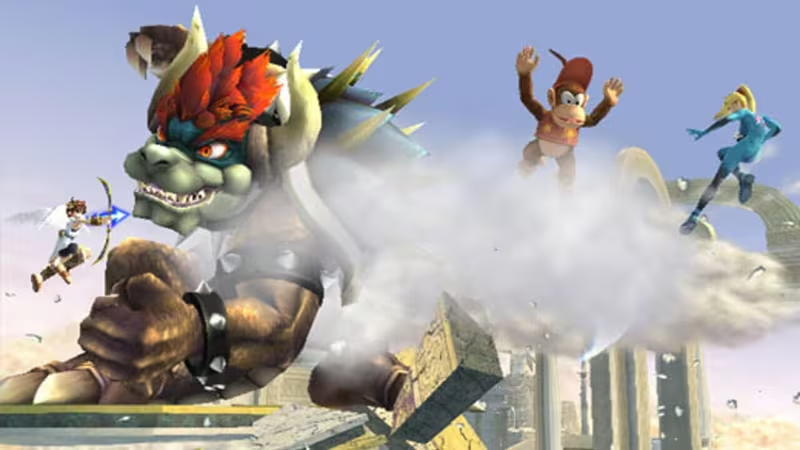
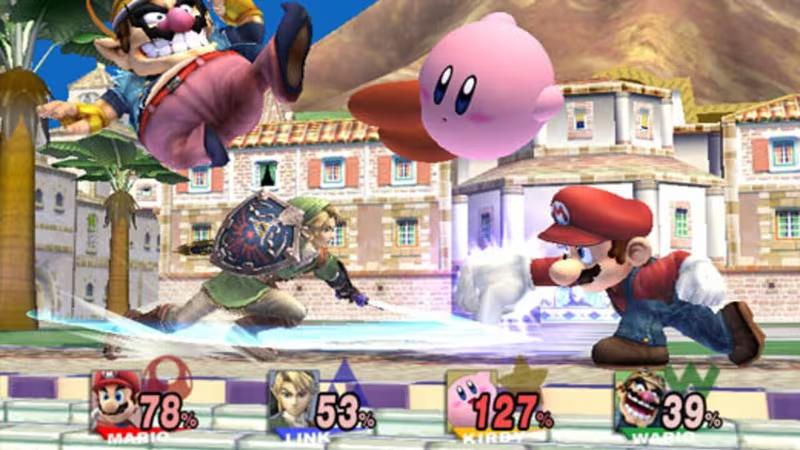
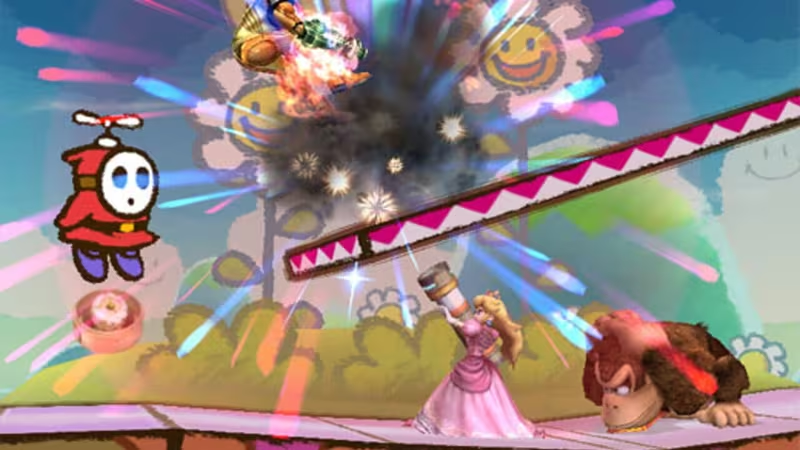
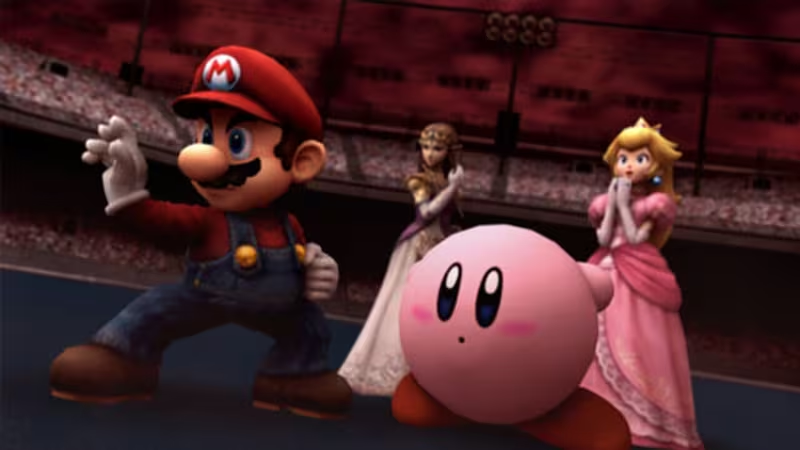
Super Smash Bros. Brawl is the third installment in the Super Smash Bros. series and the follow-up to Super Smash Bros. Melee. This edition introduces super attacks referred to as final smashes, as well as a brand-new adventure mode in The Subspace Emissary which is a side-scrolling adventure in the style of a platformer. It retains all basic mechanics of the Super Smash Bros. series, such as a damage meter, stocks, and Smash-style attacks.
What works
- Extensive and diverse character roster including third-party icons
- Innovative and beloved single-player story mode (subspace emissary)
- Highly customizable multiplayer with many modes and settings
- Accessible yet deep gameplay appealing to casual and skilled players
- Outstanding orchestral soundtrack and visual design
Things to keep in mind
- Random tripping mechanic frustrating for competitive players
- Slower, floatier gameplay compared to other series entries
- Online play limited and subject to lag issues
- Some stages and platforming sections in story mode can be repetitive
- Balance issues with certain characters and final smashes
What to play next
Top picks
Games that feel the closest overall

Less story-driven
Games that feels like Super Smash Bros. Brawl but with less narrative immersion · 13 games
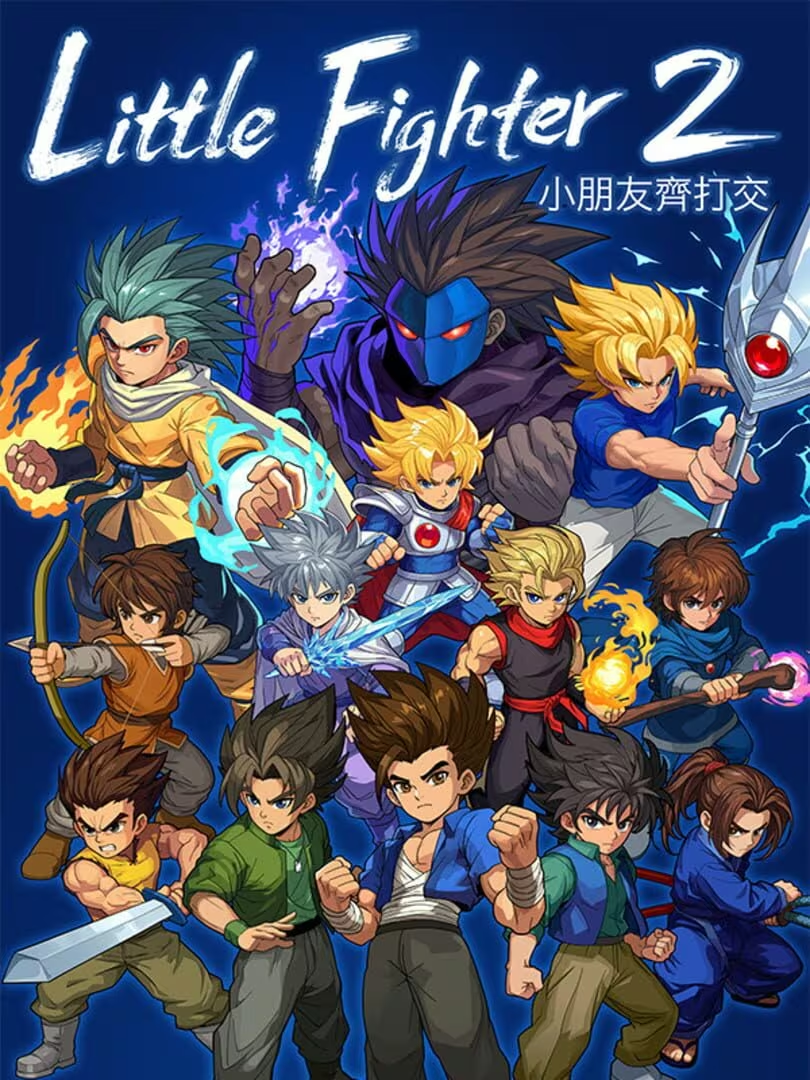
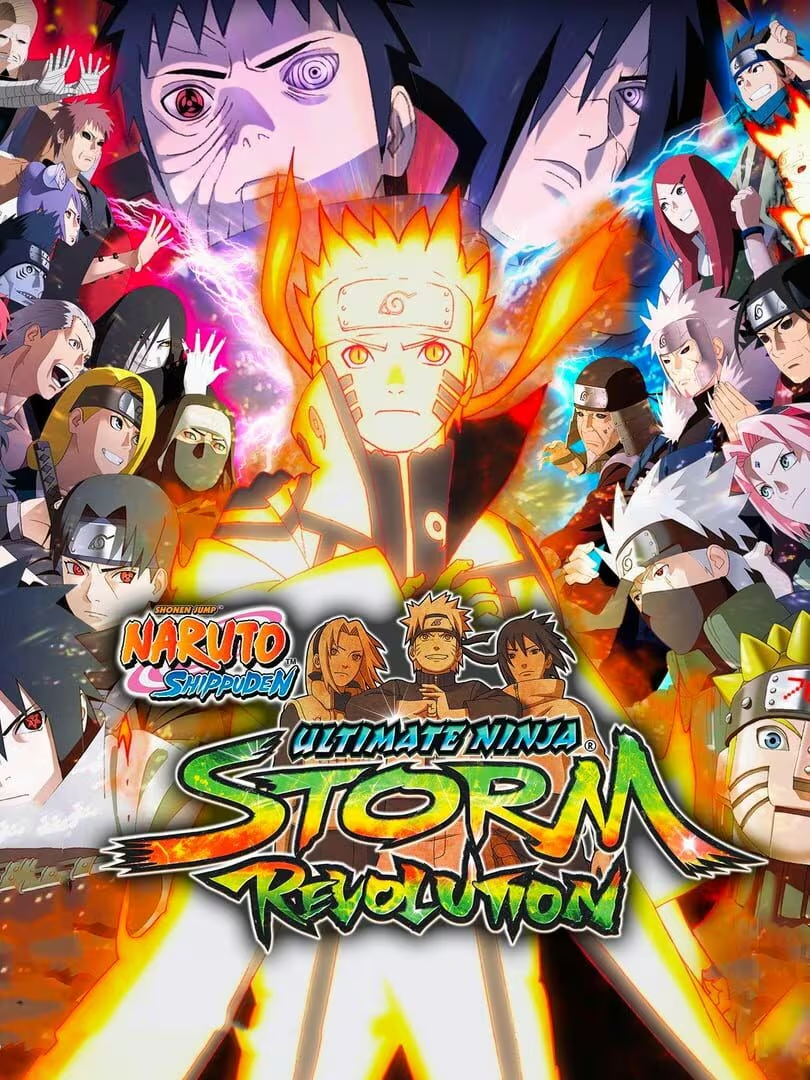
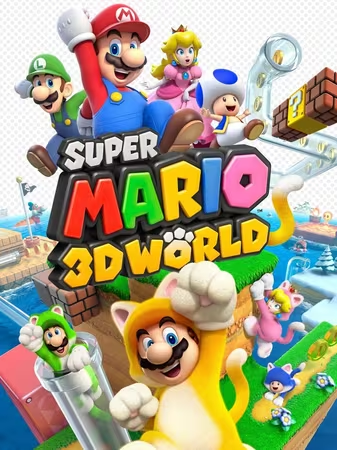
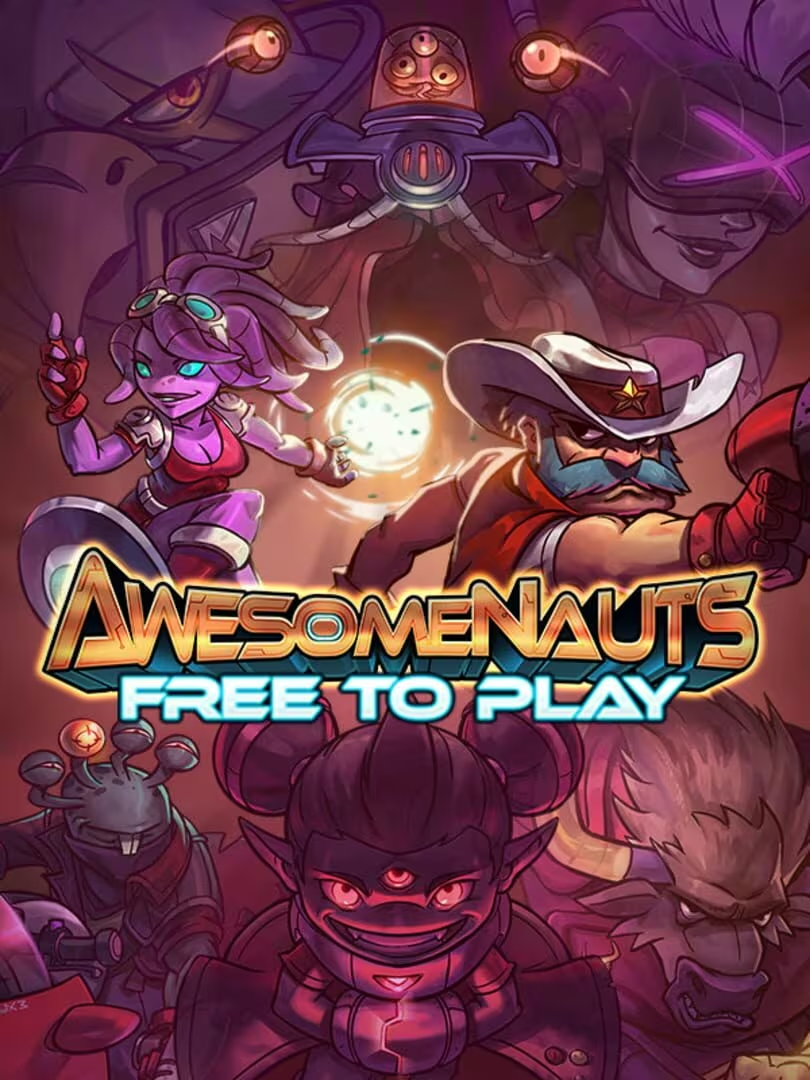
Less social
Games that feels like Super Smash Bros. Brawl but with less teamwork and cooperation · 5 games
More dominating
Games that feels like Super Smash Bros. Brawl but with more domination over others · 4 games
Less leadership-focused
Games that feels like Super Smash Bros. Brawl but with less leadership over others · 4 games
Others
Other games that might remind you of Super Smash Bros. Brawl · 15 games
-
Ms. Splosion Man
-
Sly 3: Honor Among Thieves
-
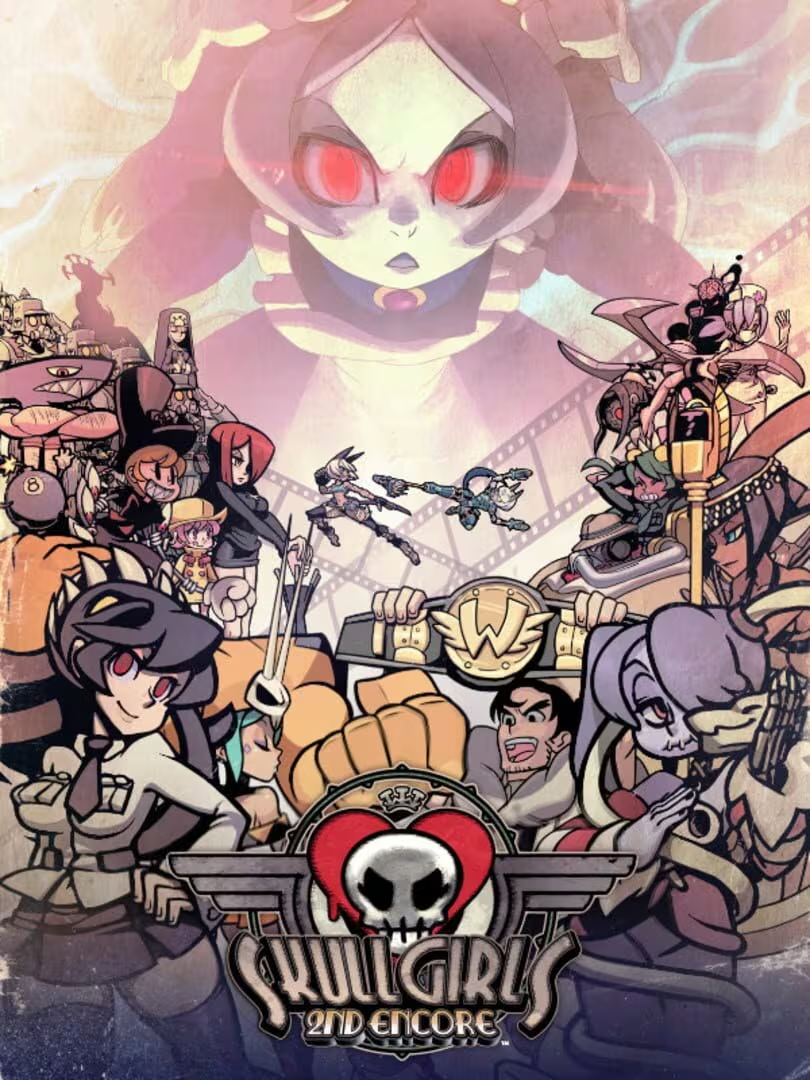
Skullgirls 2nd Encore
-
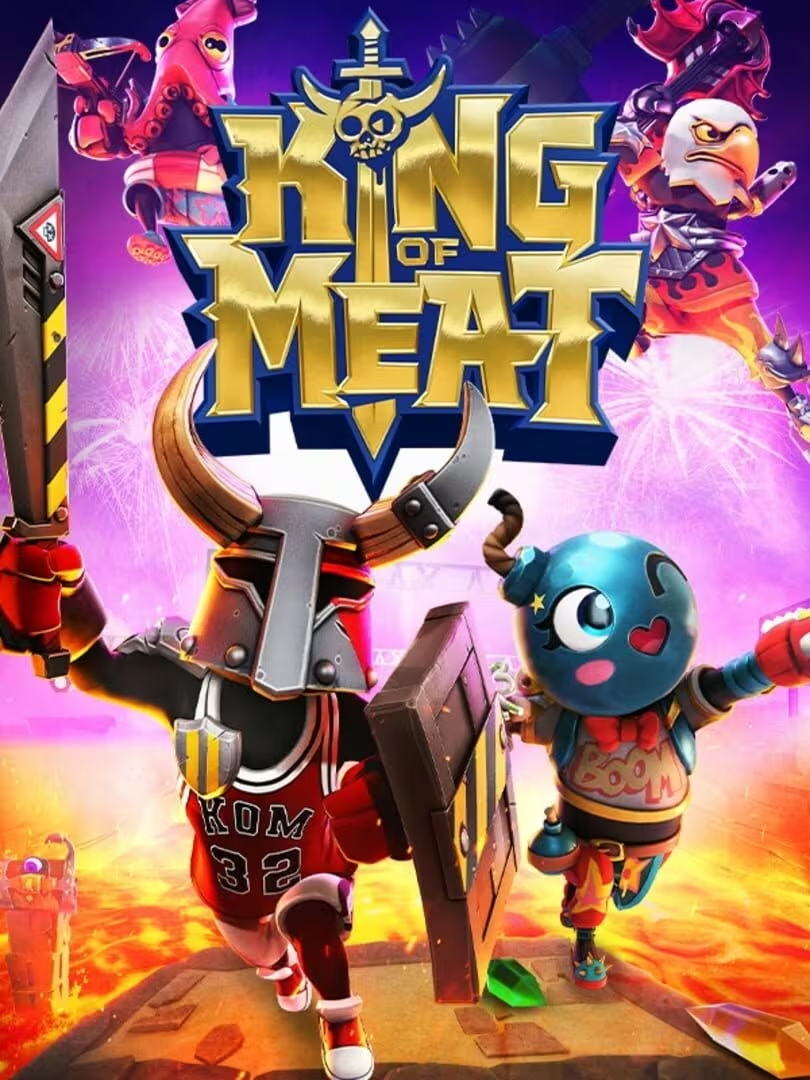
King of Meat
-
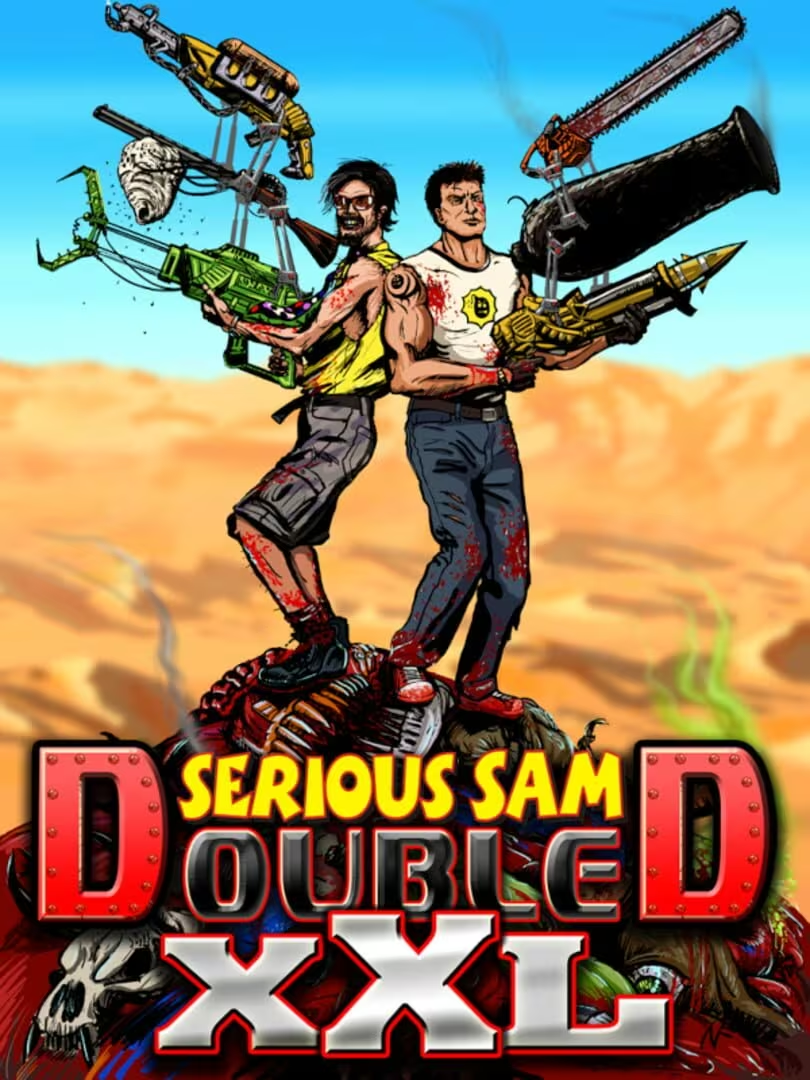
Serious Sam Double D XXL
-
Splatoon 2
-
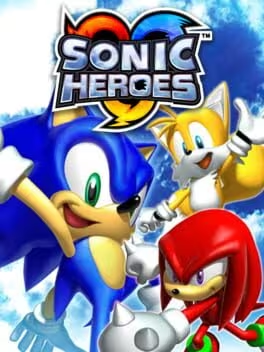
Sonic Heroes
-
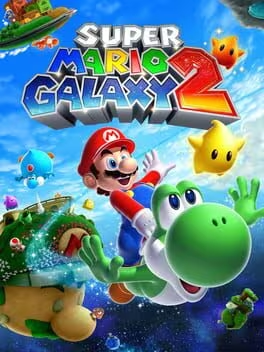
Super Mario Galaxy 2
-
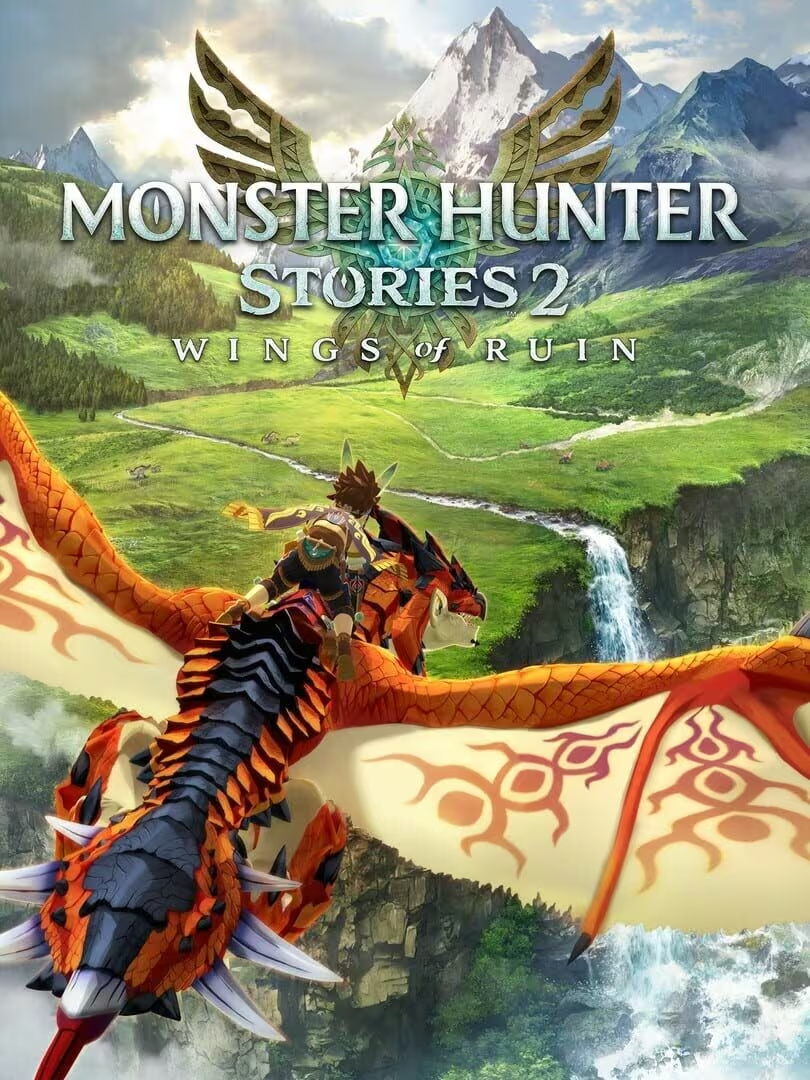
Monster Hunter Stories 2: Wings of Ruin
-
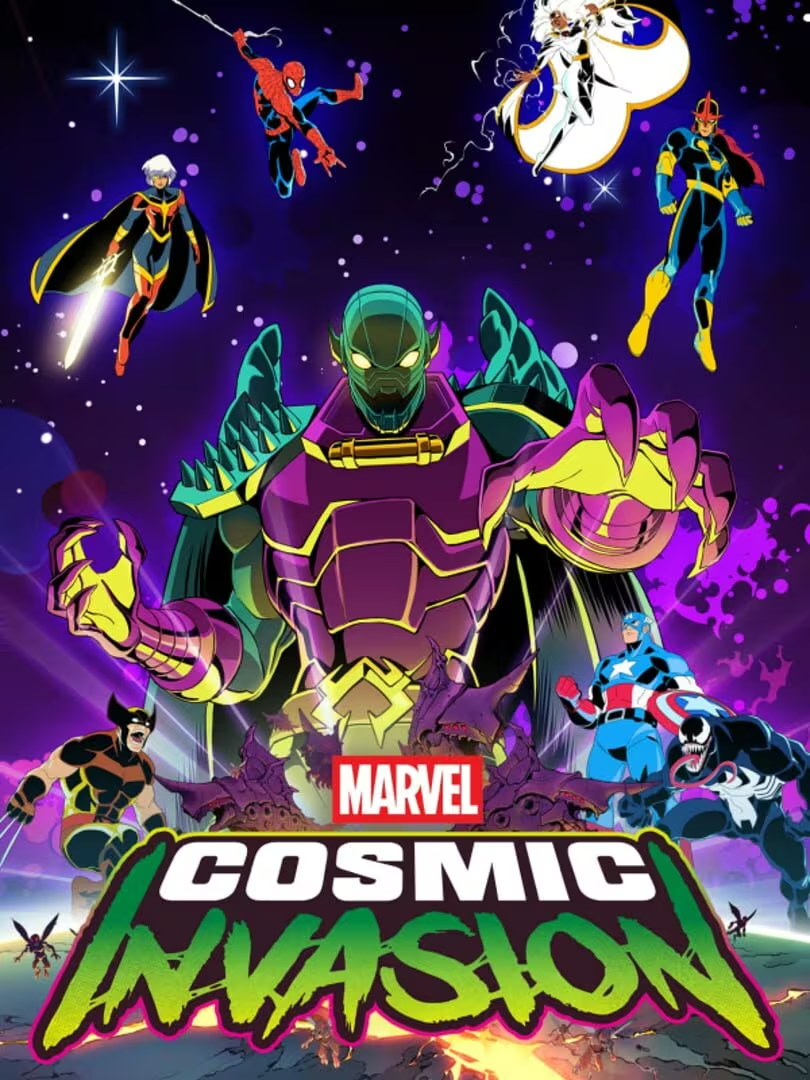
MARVEL Cosmic Invasion
-
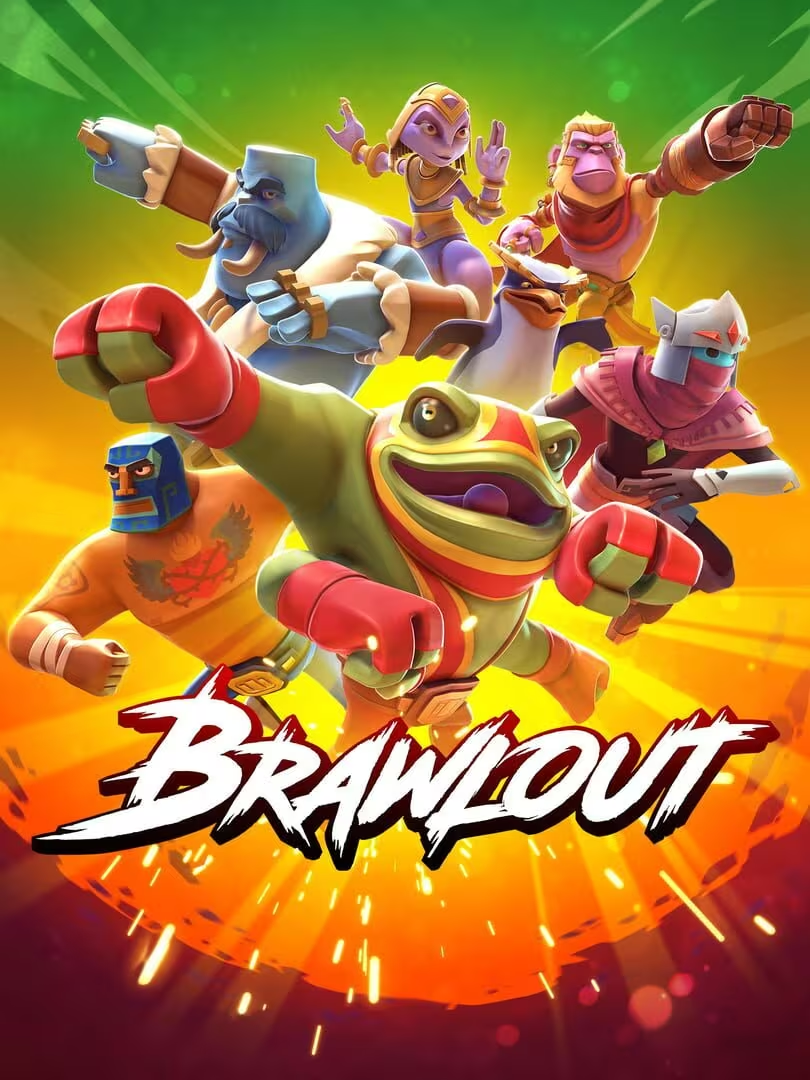
Brawlout
-
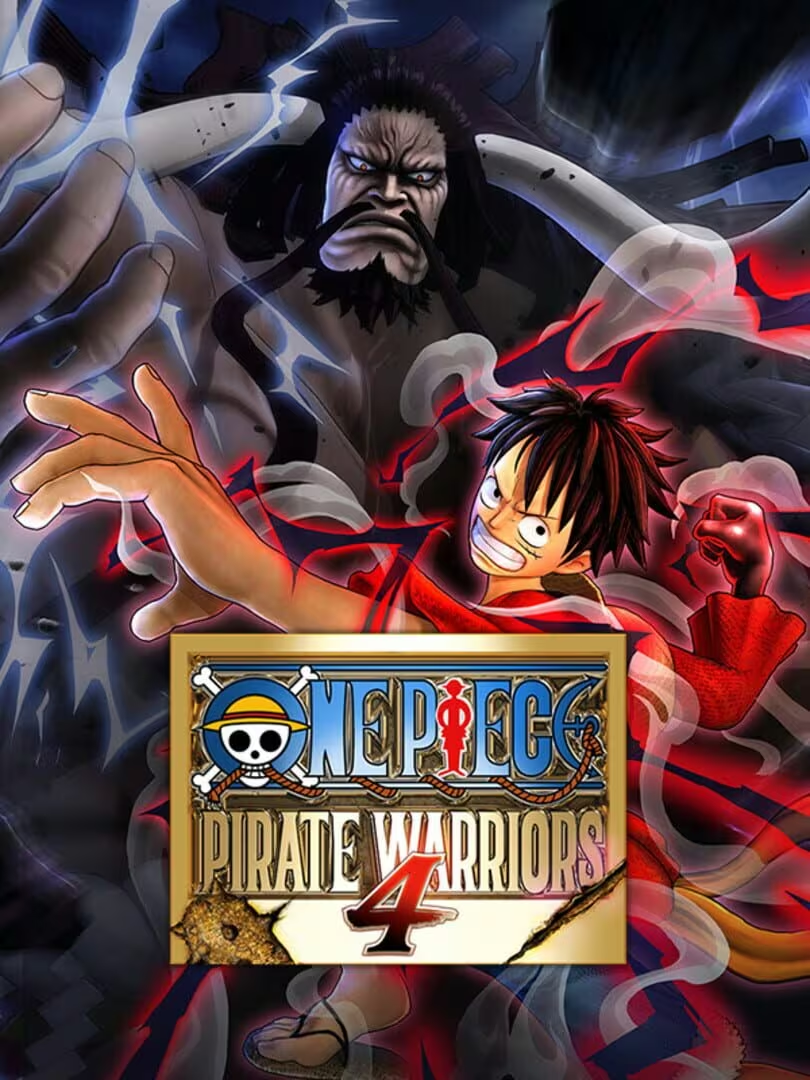
ONE PIECE: PIRATE WARRIORS 4
-
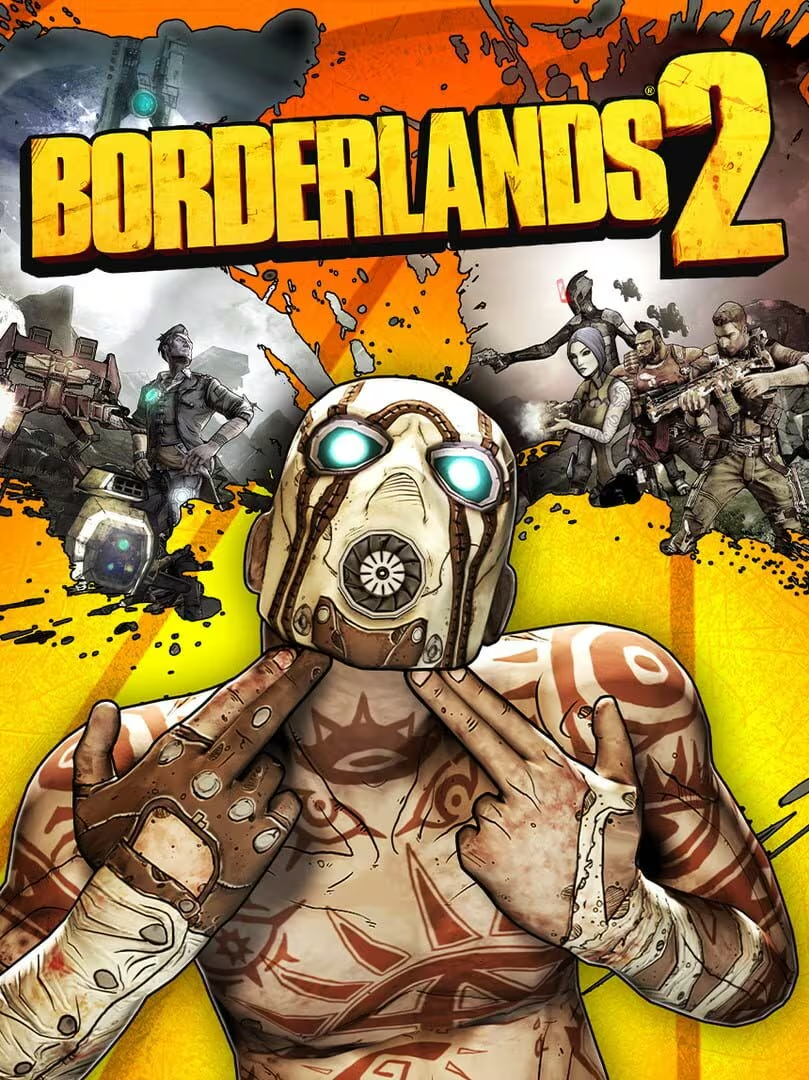
Borderlands 2
-
Ratchet & Clank
-
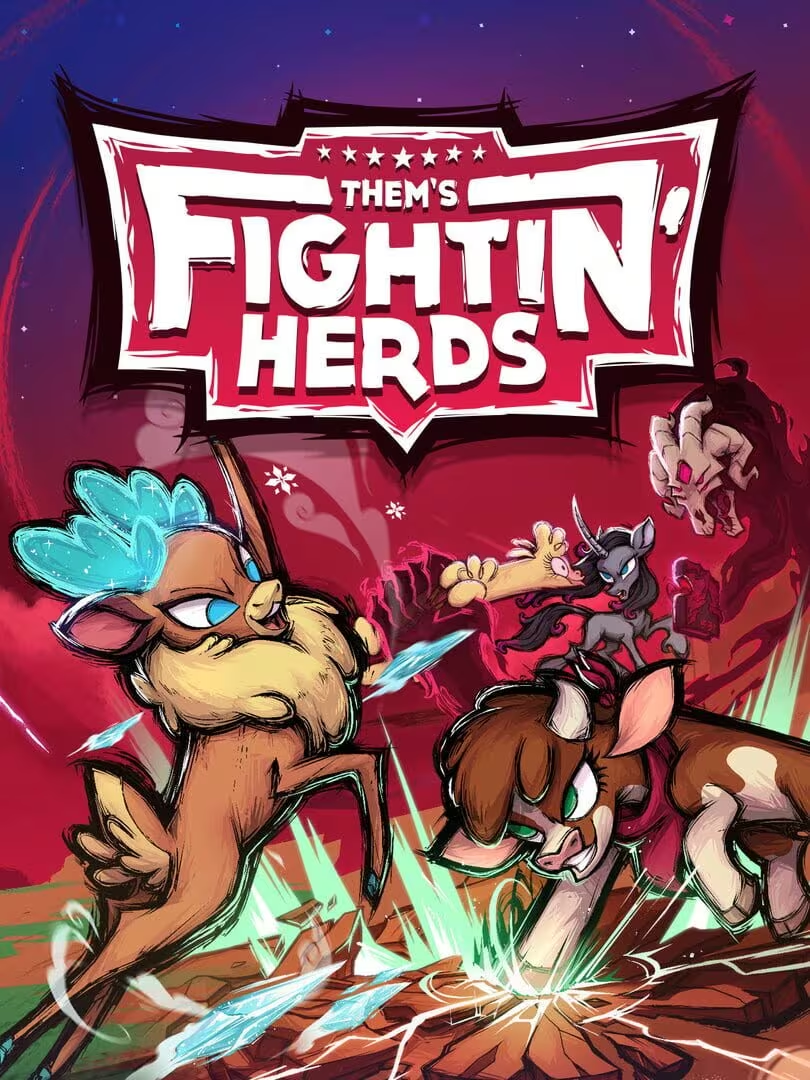
Them's Fightin' Herds
Last update: 17/10/2026