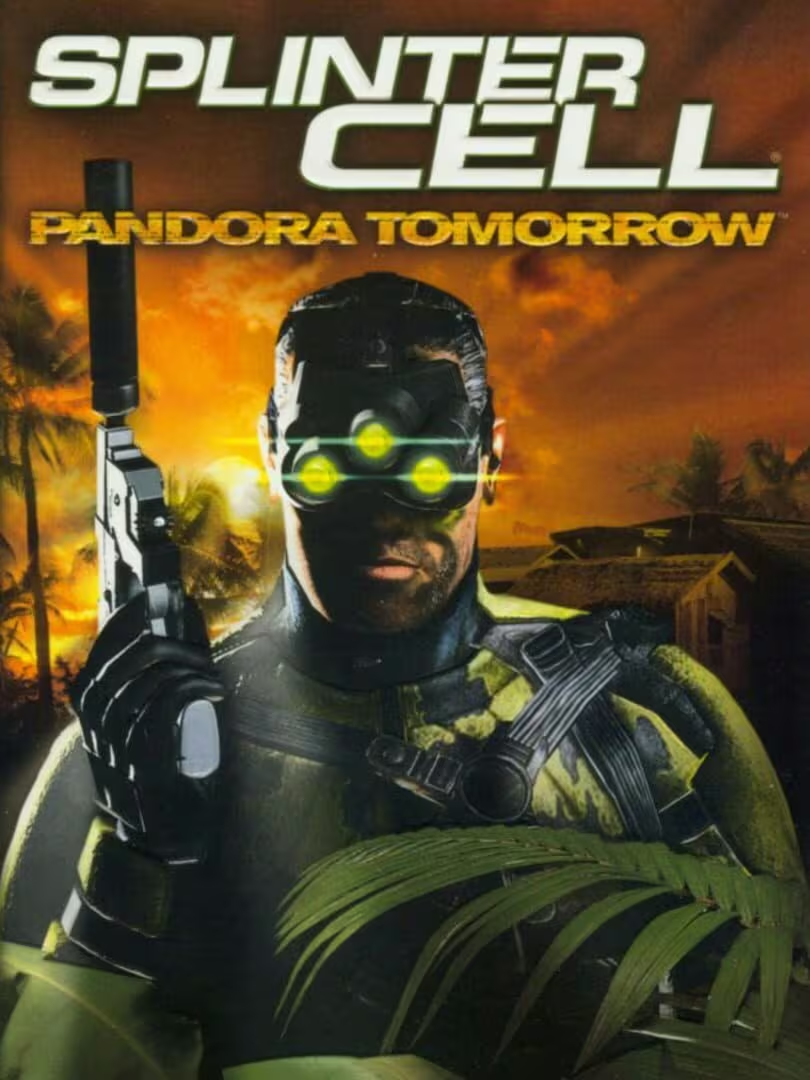
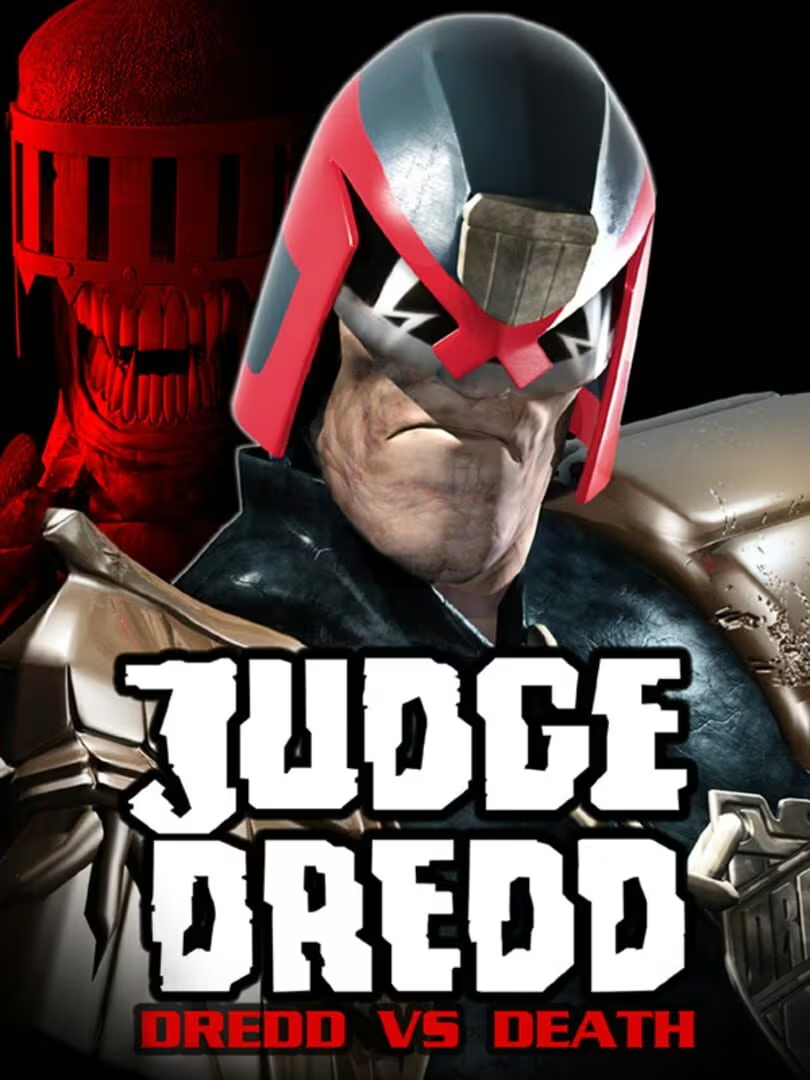
Tom Clancy's Splinter Cell Chaos Theory® similar games & best alternatives

Tom Clancy's Splinter Cell Chaos Theory®

2009

Should you play it?

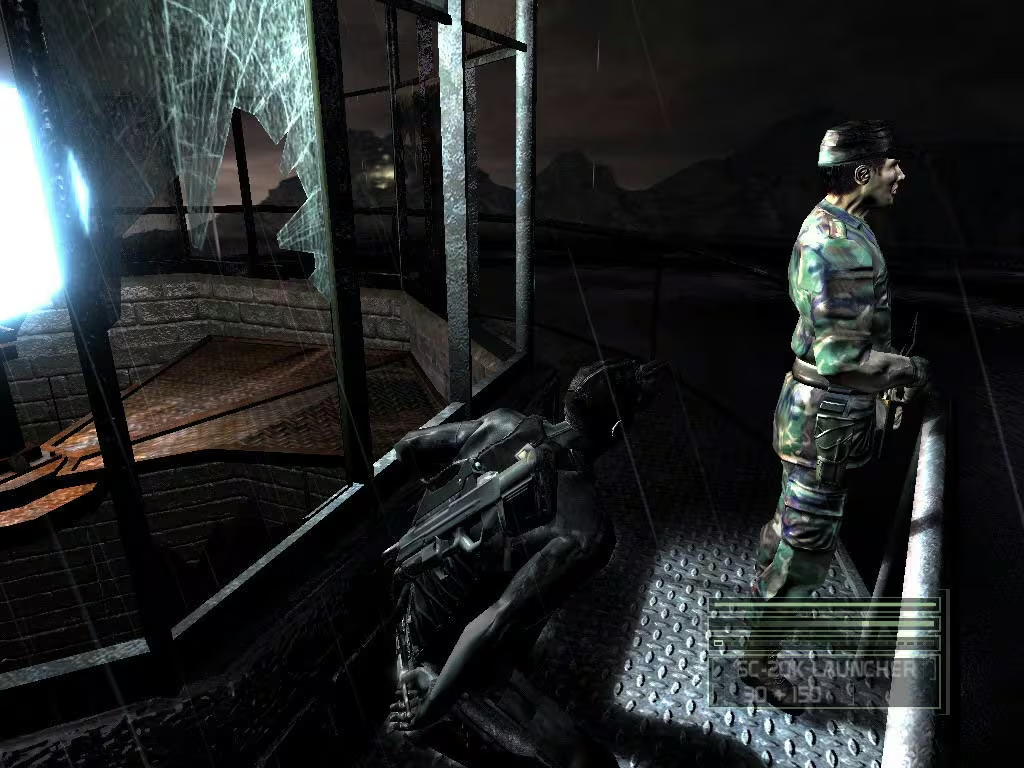
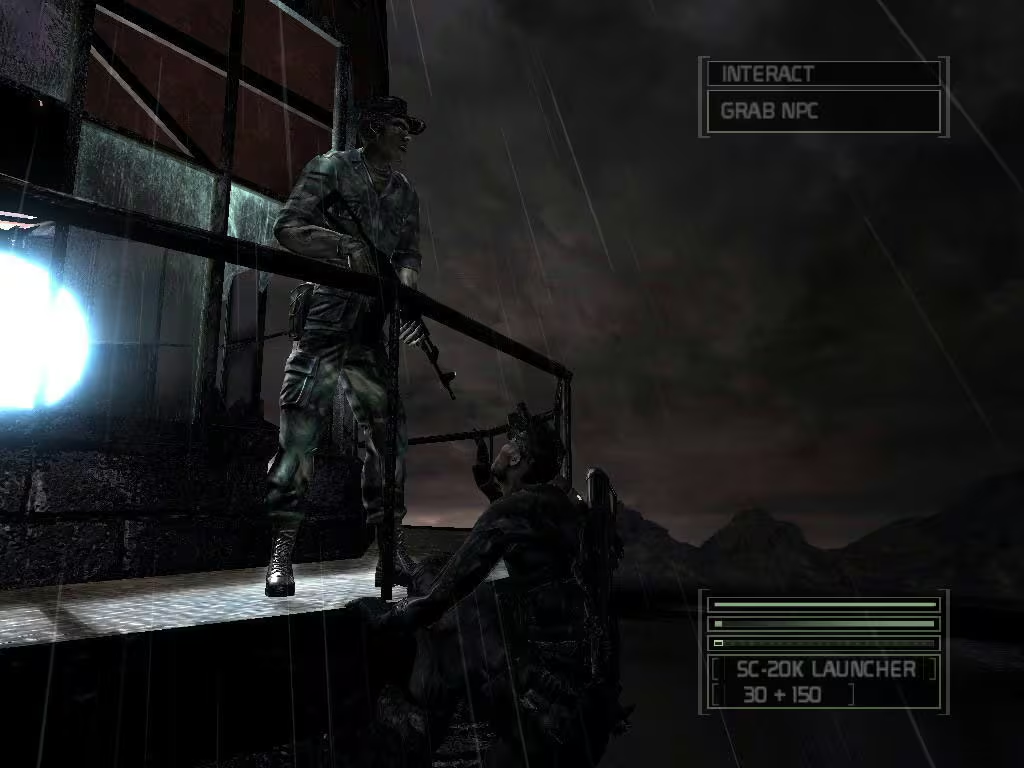
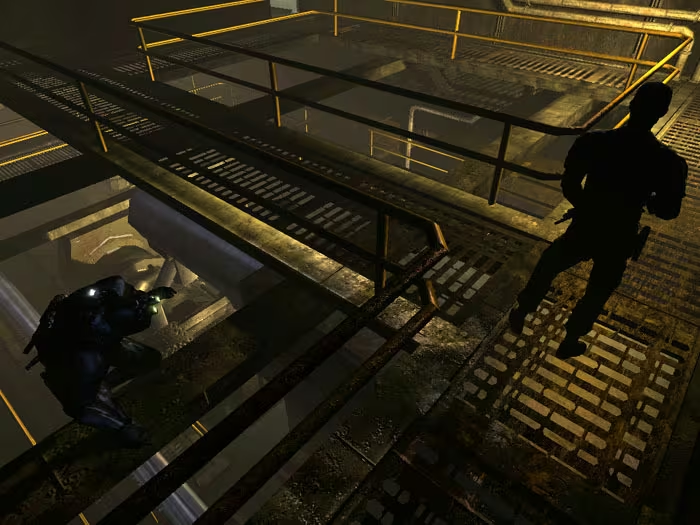
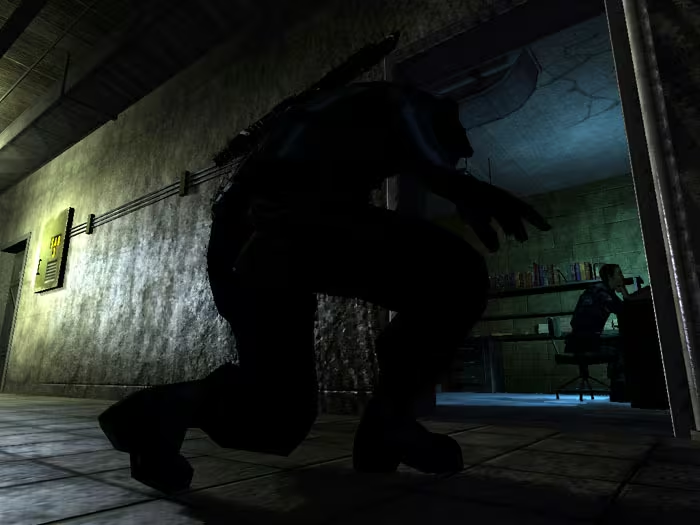
Experience one of the most critically acclaimed stealth-action games of all time. Uncover a conspiracy that hits close to home and stop World War III.

What works

  • Deep and challenging stealth gameplay
  • Multiple mission approaches and replayability
  • Immersive atmosphere and soundtrack
  • Well-designed levels with multiple paths
  • Strong single-player campaign

Things to keep in mind

  • Multiplayer modes mostly inactive online
  • Some technical issues on modern systems
  • Combat mechanics clunky and less refined
  • Story can be convoluted or secondary
  • Controls have a learning curve

What to play next

Top picks

Games that feels the closest overall
  • Tom Clancy’s Splinter Cell Blacklist

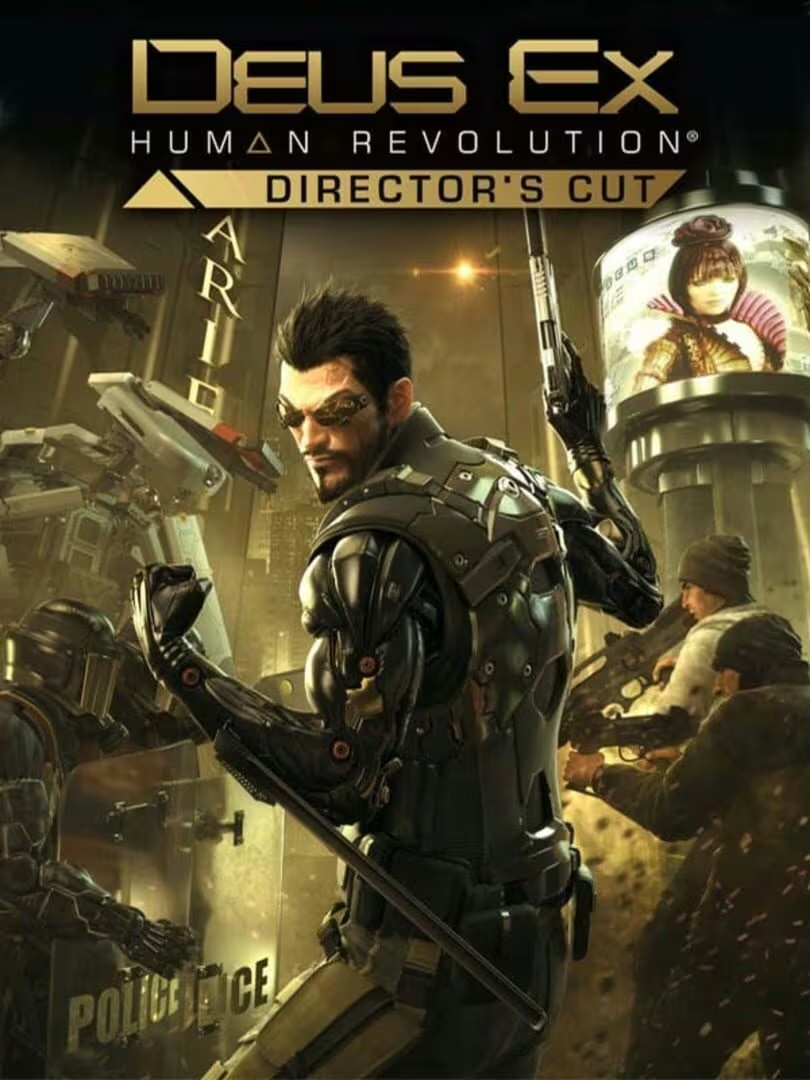
  • Watch_Dogs™

  • Half-Life: Opposing Force

  • Judge Dredd: Dredd vs. Death

  • Blood™ Fresh Supply

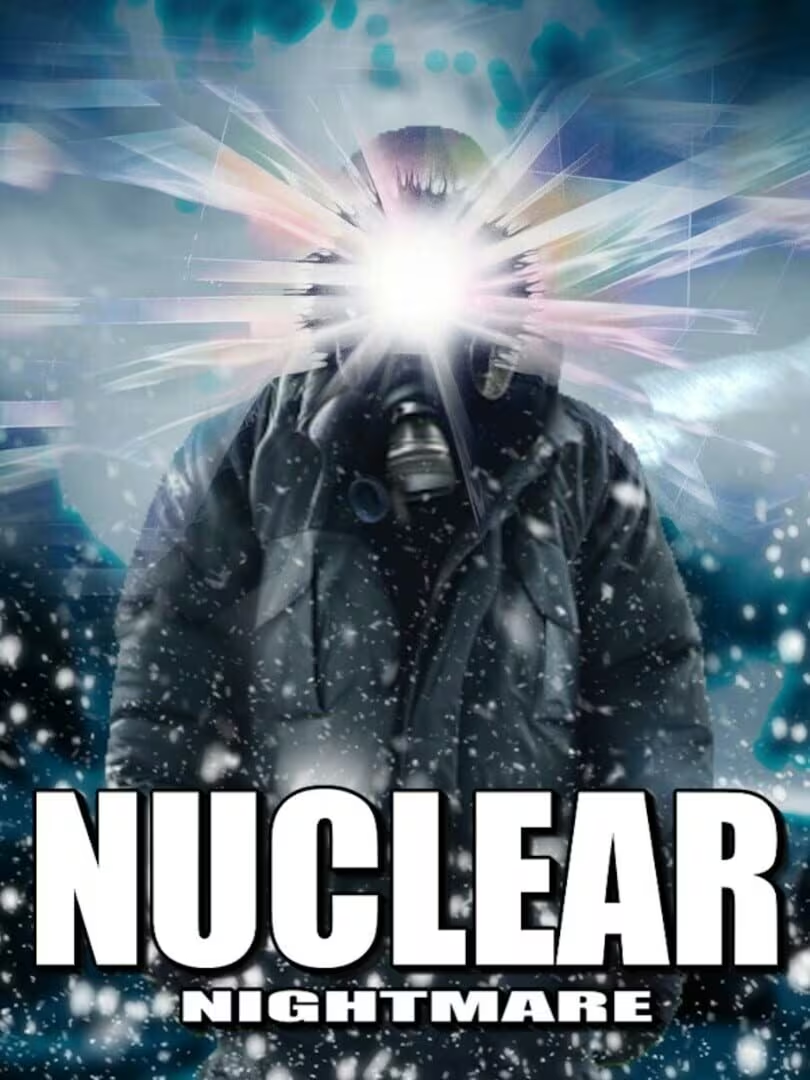
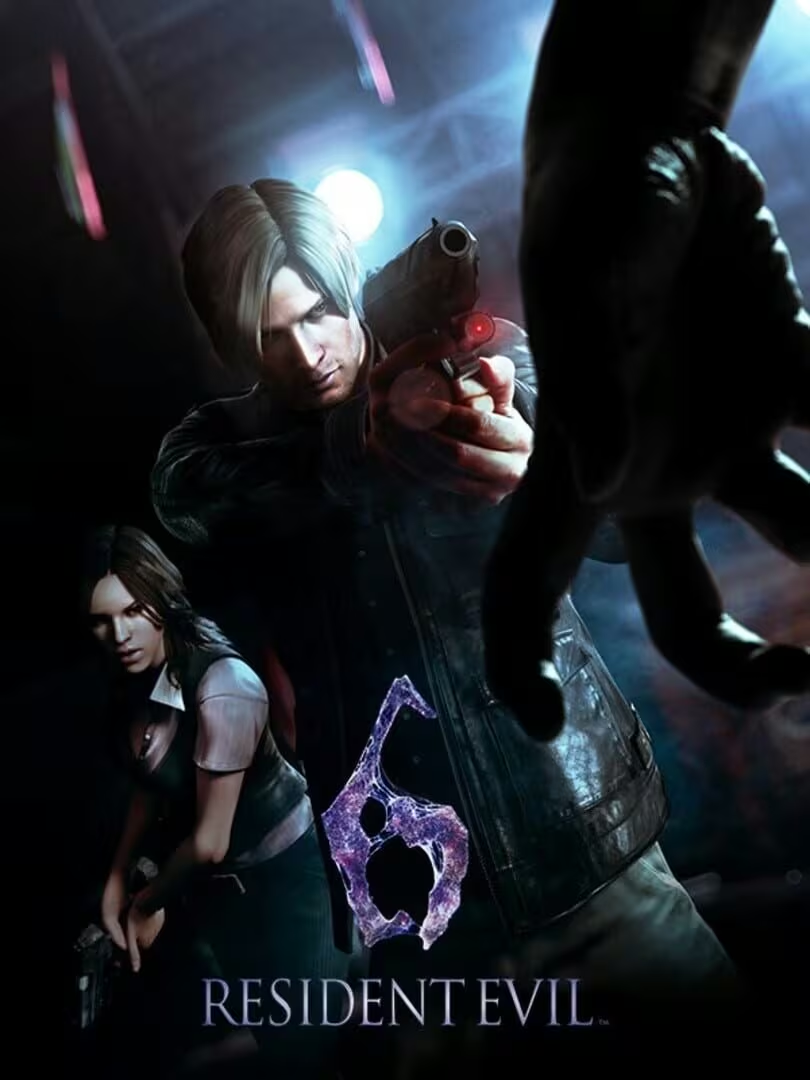
  • Resident Evil Revelations

Less social

Games that feels like Tom Clancy's Splinter Cell Chaos Theory® but with less teamwork and cooperation

  • Tom Clancy's Splinter Cell®

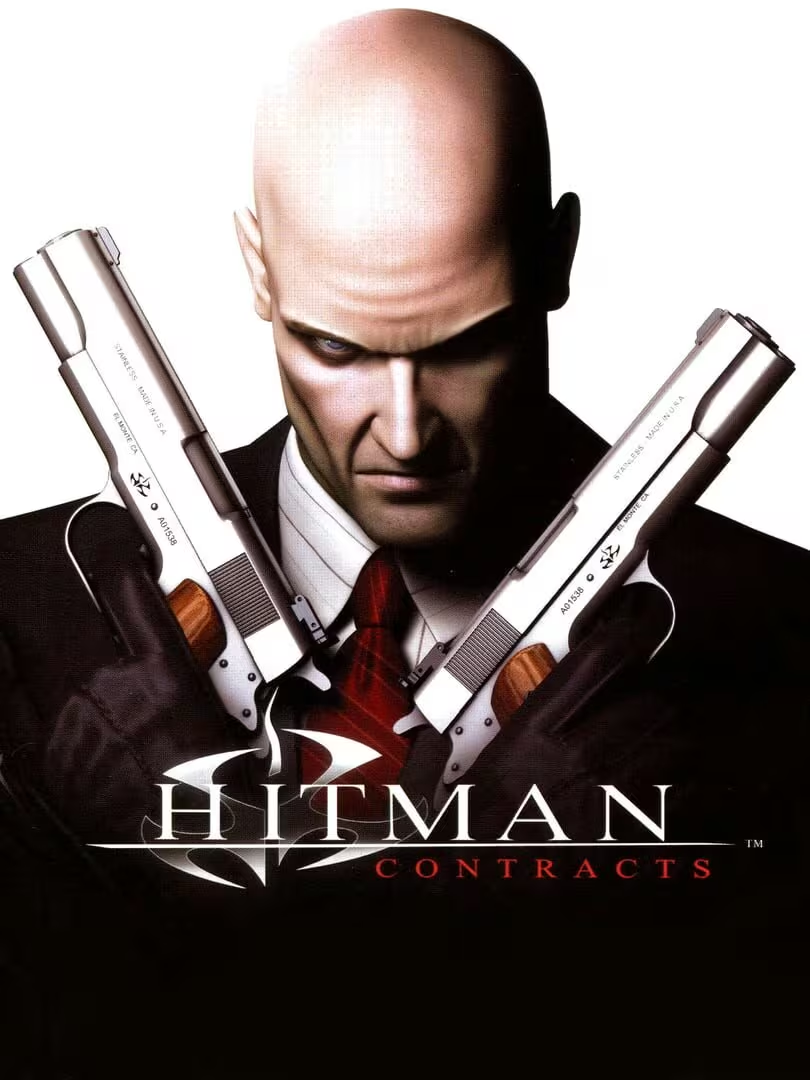
  • Hitman: Contracts

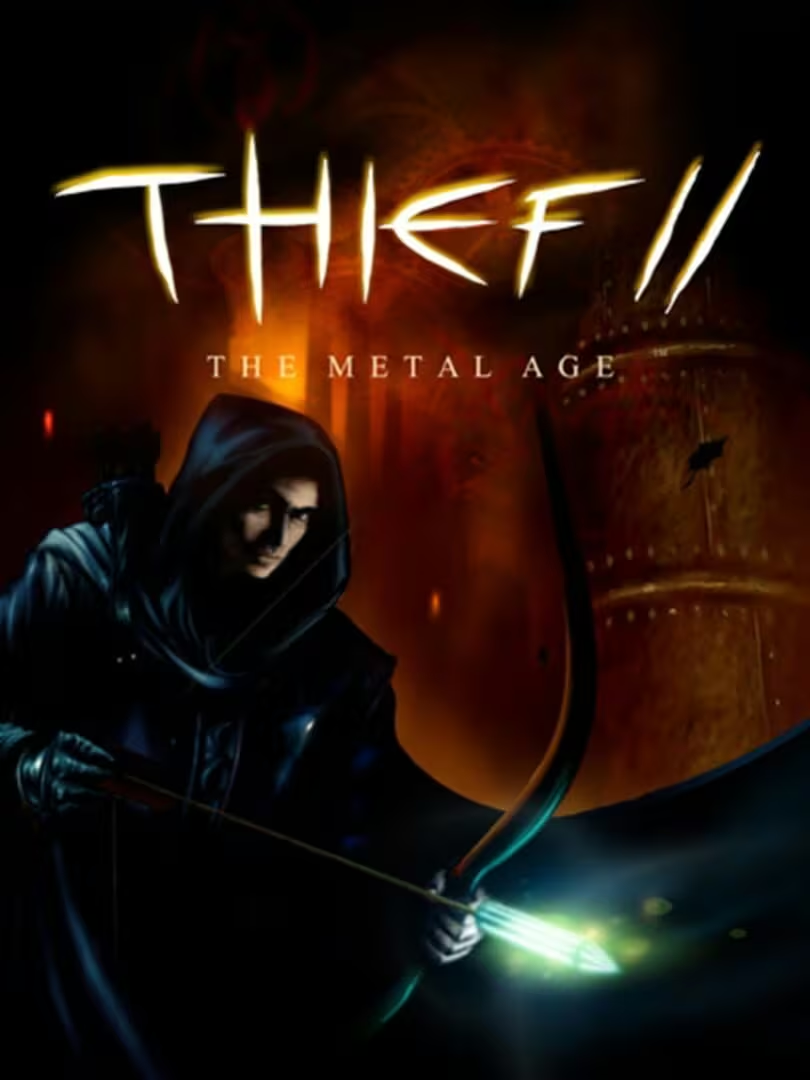
  • Thief II: The Metal Age

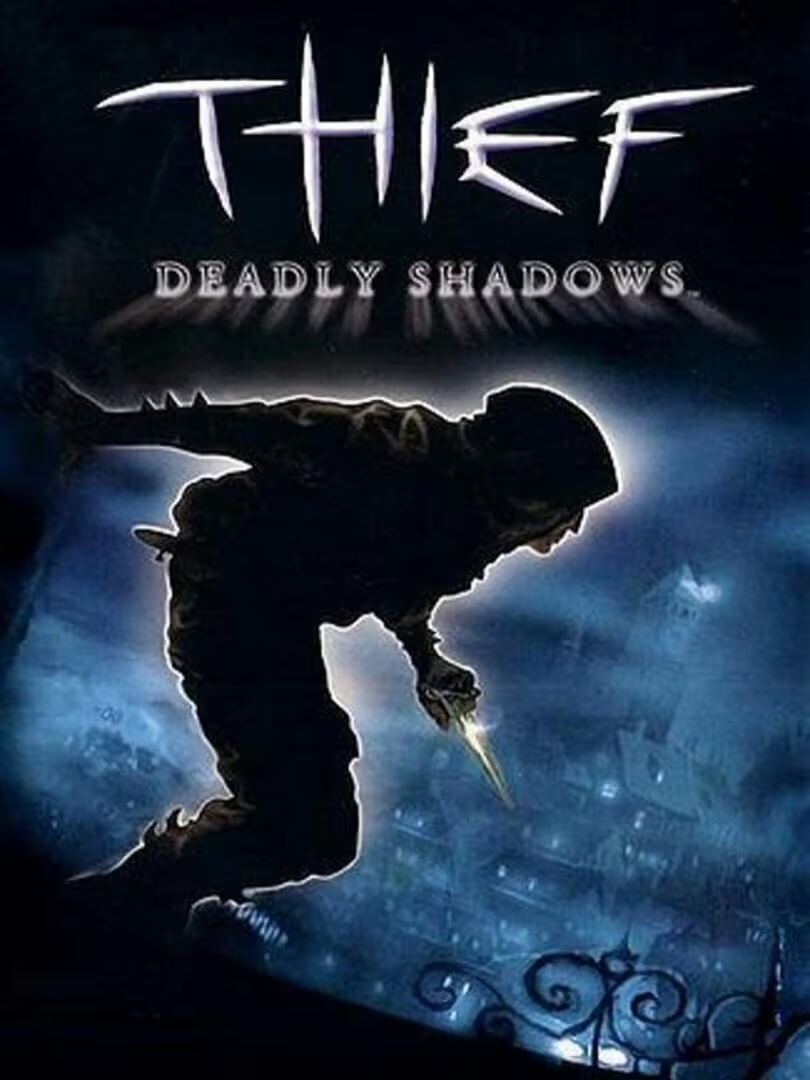
  • Thief: Deadly Shadows

  • SiN Gold

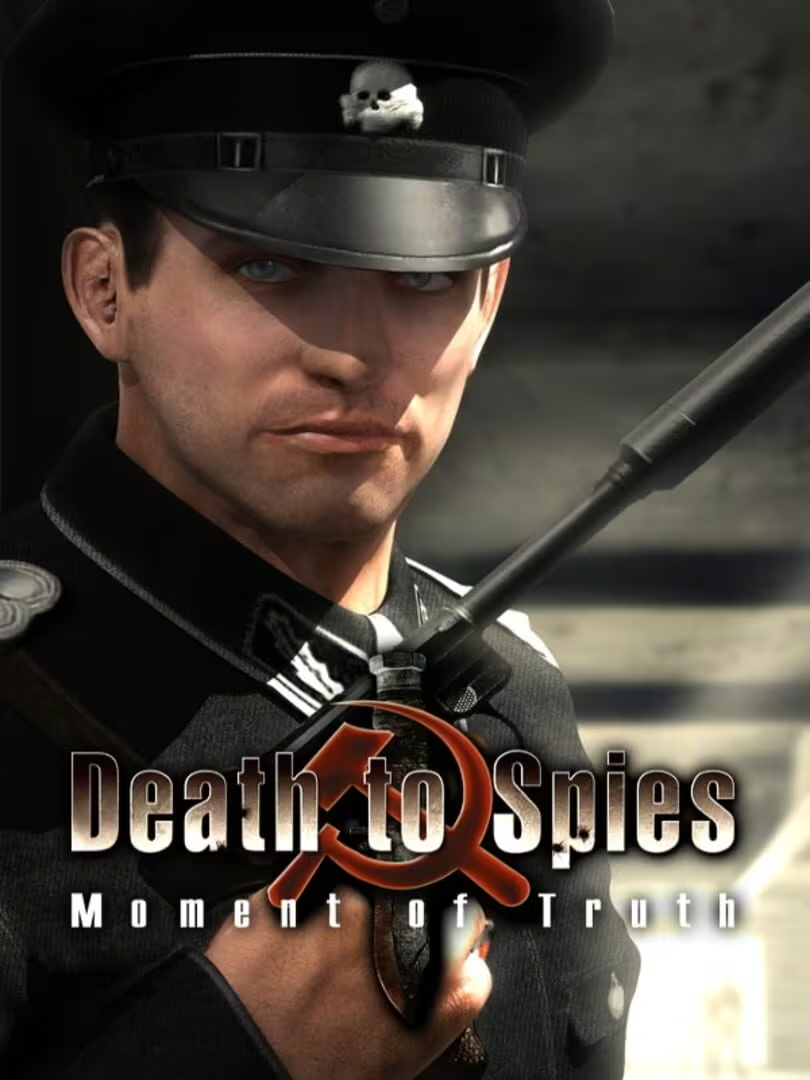
  • Death to Spies: Moment of Truth

More intimate

Games that feels like Tom Clancy's Splinter Cell Chaos Theory® but with more focus on close relationships

  • Tom Clancy's Rainbow Six® Vegas 2

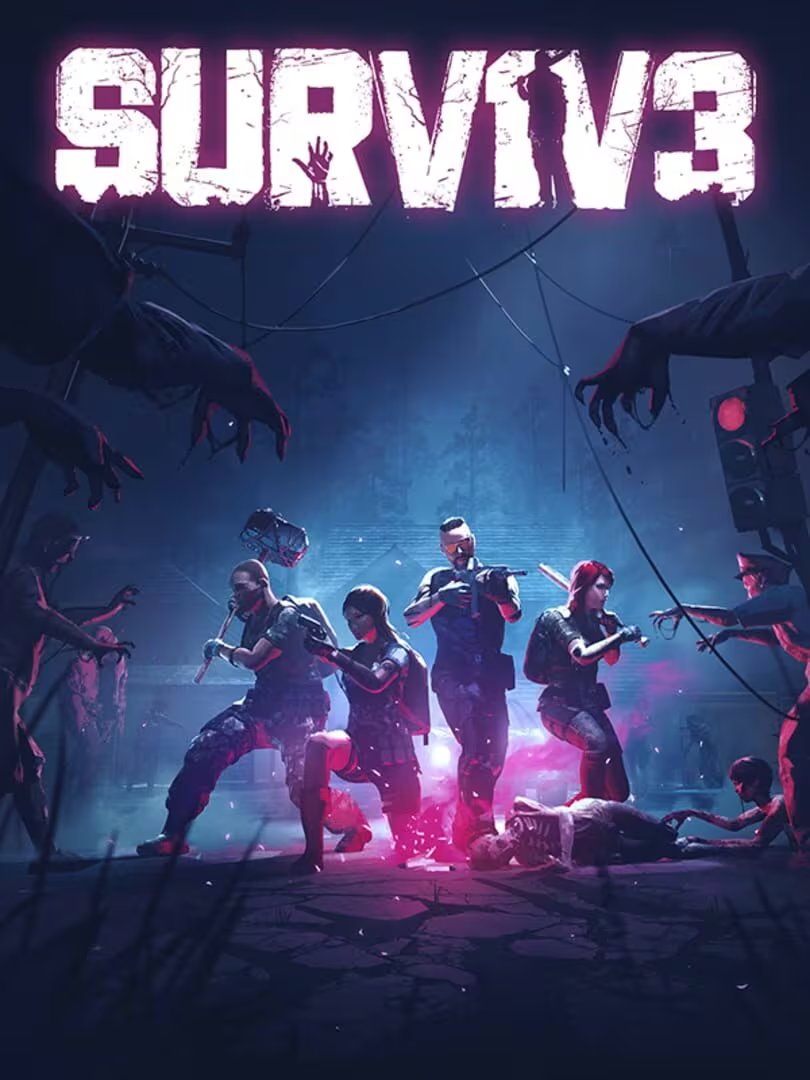
  • SURV1V3

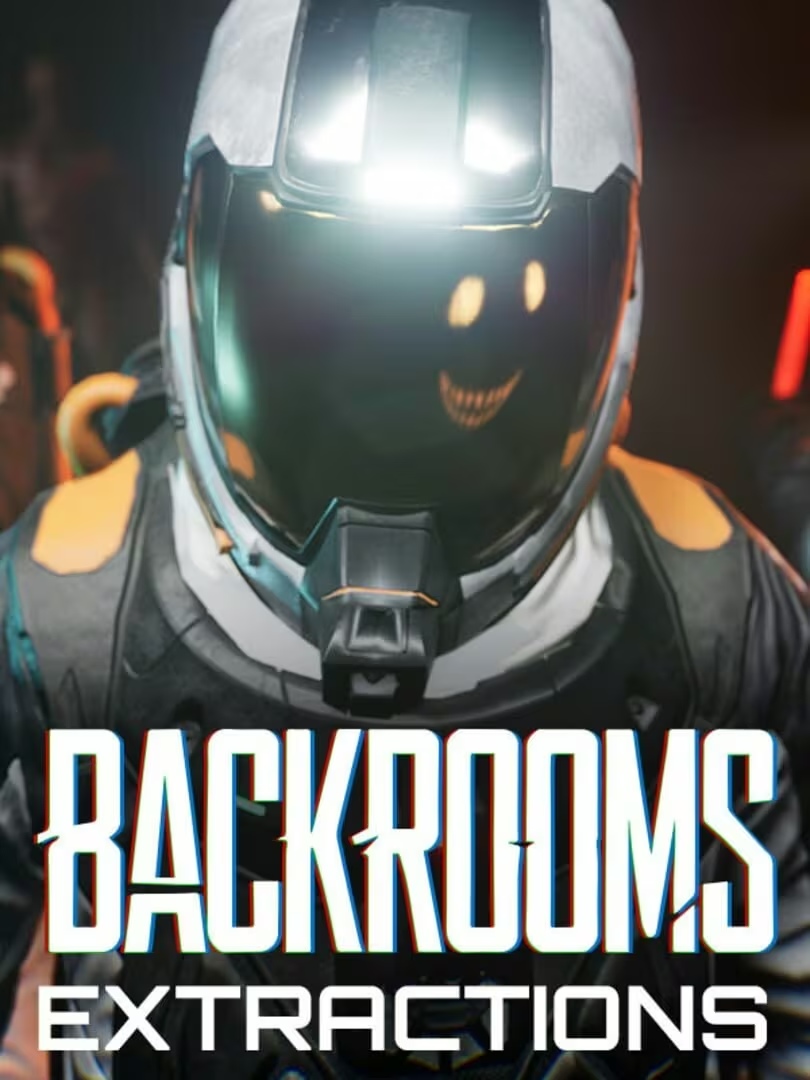
  • Backrooms: Extractions

  • Clandestine

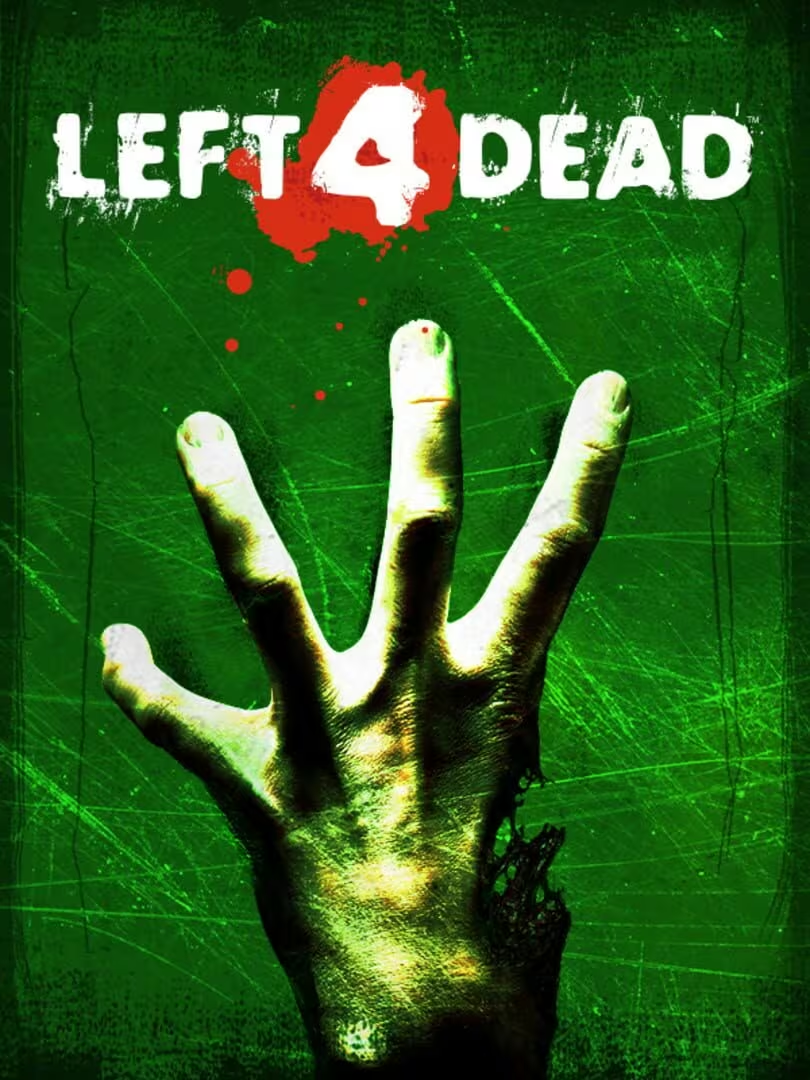
  • Left 4 Dead

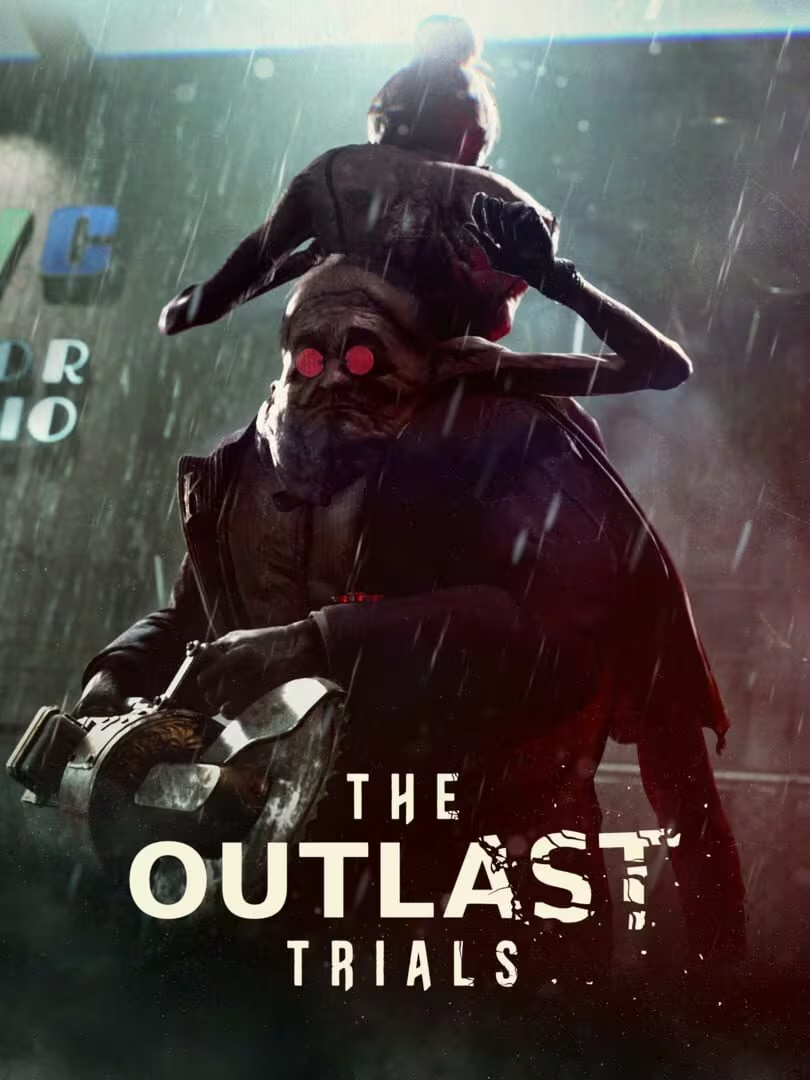
  • The Outlast Trials

Choose your own criteria ->

Similarity map

How to use the graph

Similarity map

Each dot is a game placed from its motivation profile relative to this page’s game. Direction shows which motivation differs most; distance along that axis shows how large the gap is.

  • Purple star: this page’s game at the centre — everything is relative to it.
  • Direction: each axis is a main motivational difference vs this game (e.g. more / less competitive).
  • Distance on an axis: how large that difference is (ring scales show +/− points).
  • Coloured chips: click to highlight games that mainly differ on that motivation; click again to reset.
  • Dotted line: link between this page’s game and the one selected for comparison.
  • Hover a dot to preview that game in the panel on the right; click to keep that comparison.
  • Scroll or double-click the chart to zoom.

How to read the map This is a polar difference map: direction = which motivation differs, and distance = how much (same units as the sidebar deltas).

Tom Clancy's Splinter Cell Chaos Theory®: A very typical example of its motivational profile. Motivations that often define this kind of title include Cooperation, Fellowship, Intimacy, Leadership. Here, the score leans higher than usual among comparable games on Competition. It leans lower than usual among comparable games on Intimacy, Expression.

Last update: 03/08/2026