Bellwright similar games & best alternatives
Should you play it?
Establish and expand your own settlements, liberate the land and assist its villagers, and recruit others to your cause while learning more about a life you had to leave behind. Command your forces, prove your valor through combat, and cement yourself as the hero of your people.
What works
- Addictive and deep gameplay with long play sessions
- Engaging village building and management system
- Skill-based combat with strategic elements
- Active developer support with frequent updates
- Cooperative multiplayer and companion management
Things to keep in mind
- Combat can feel clunky and requires learning
- Ai voice acting is currently awkward
- Some repetitive quests and grind in late game
- Optimization issues on some systems
- Limited character customization options
What to play next
Similar games, hidden gems, and fresh directions from this game.
Top picks
Games that feel the closest overall
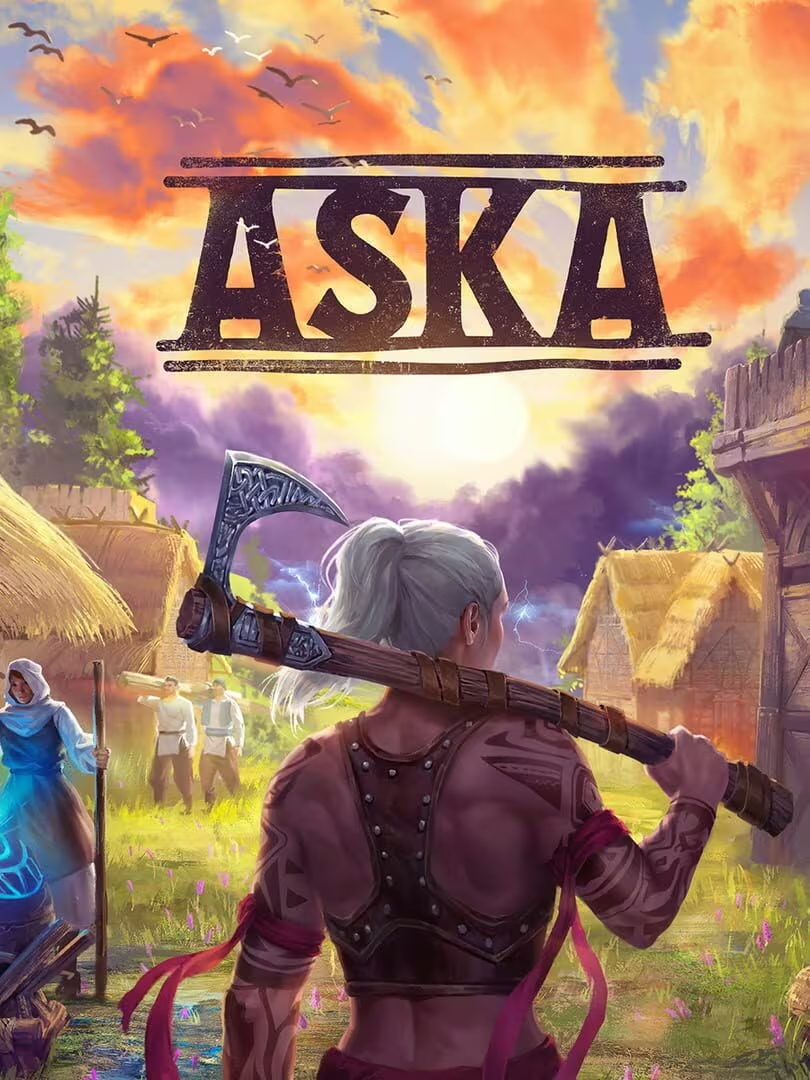
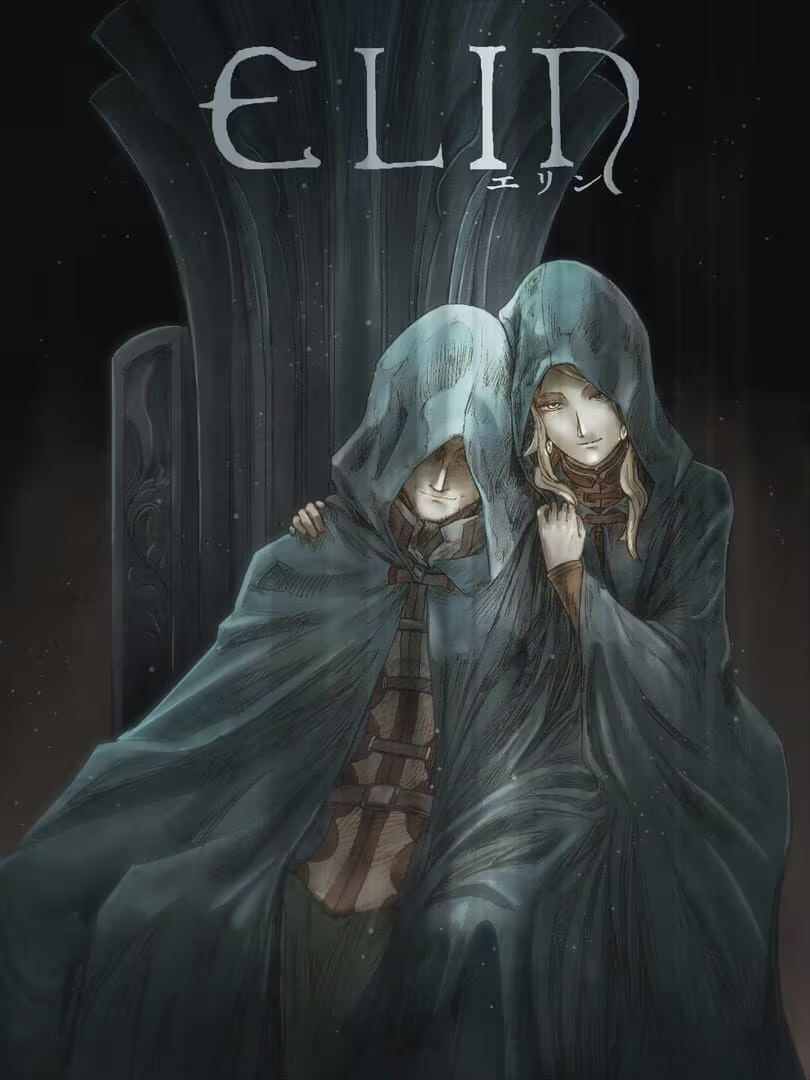
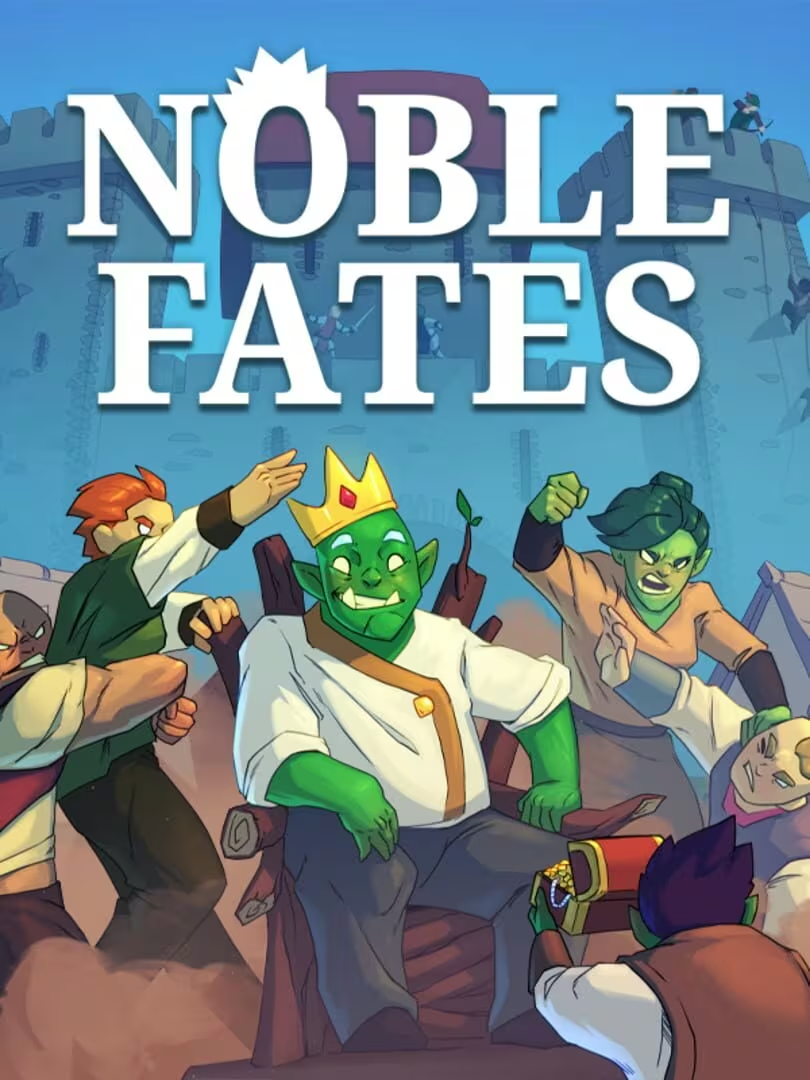
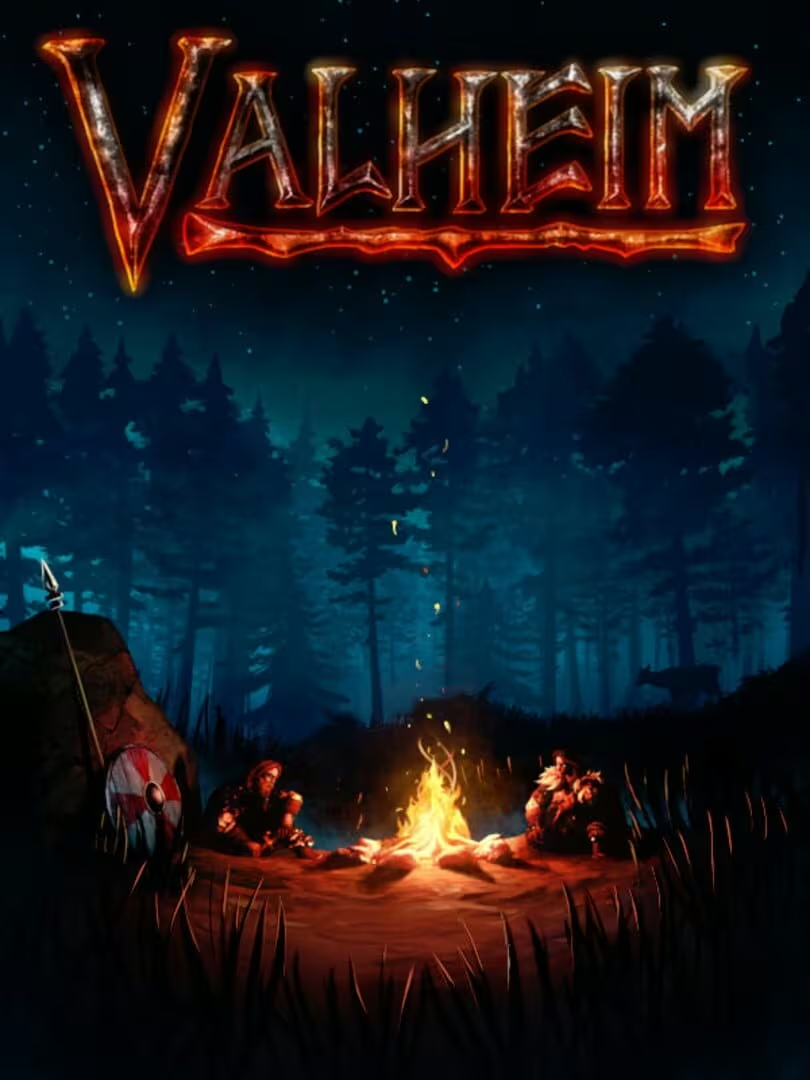
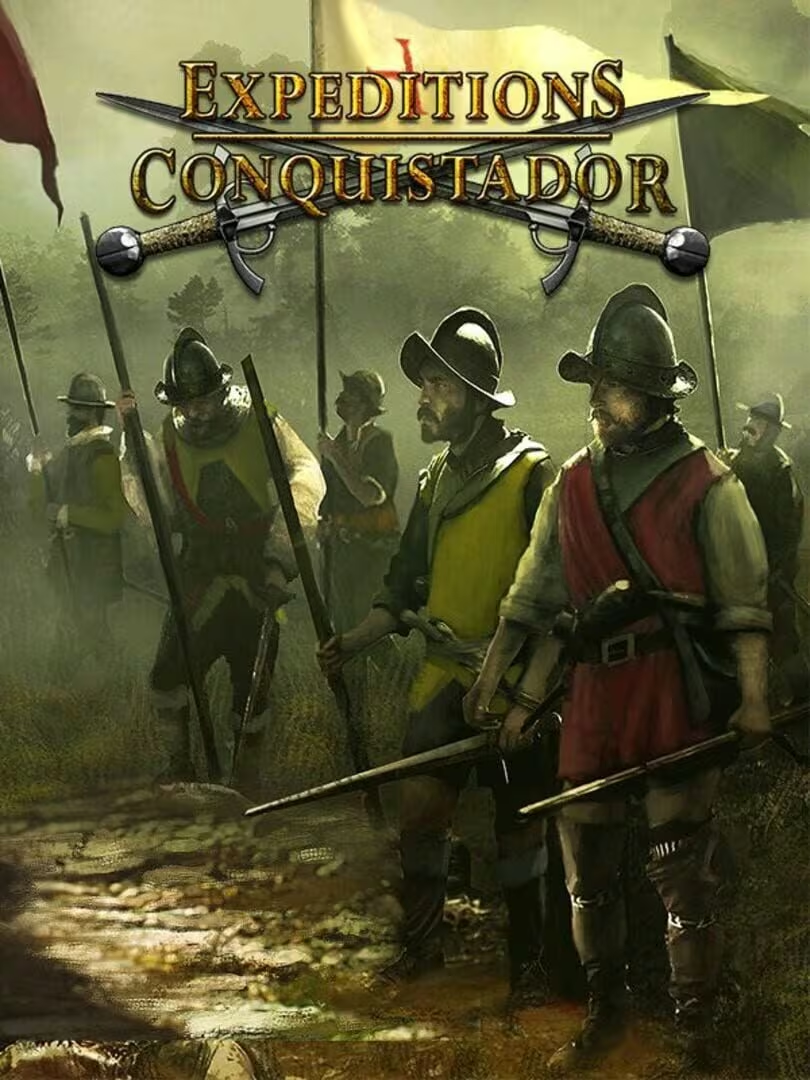
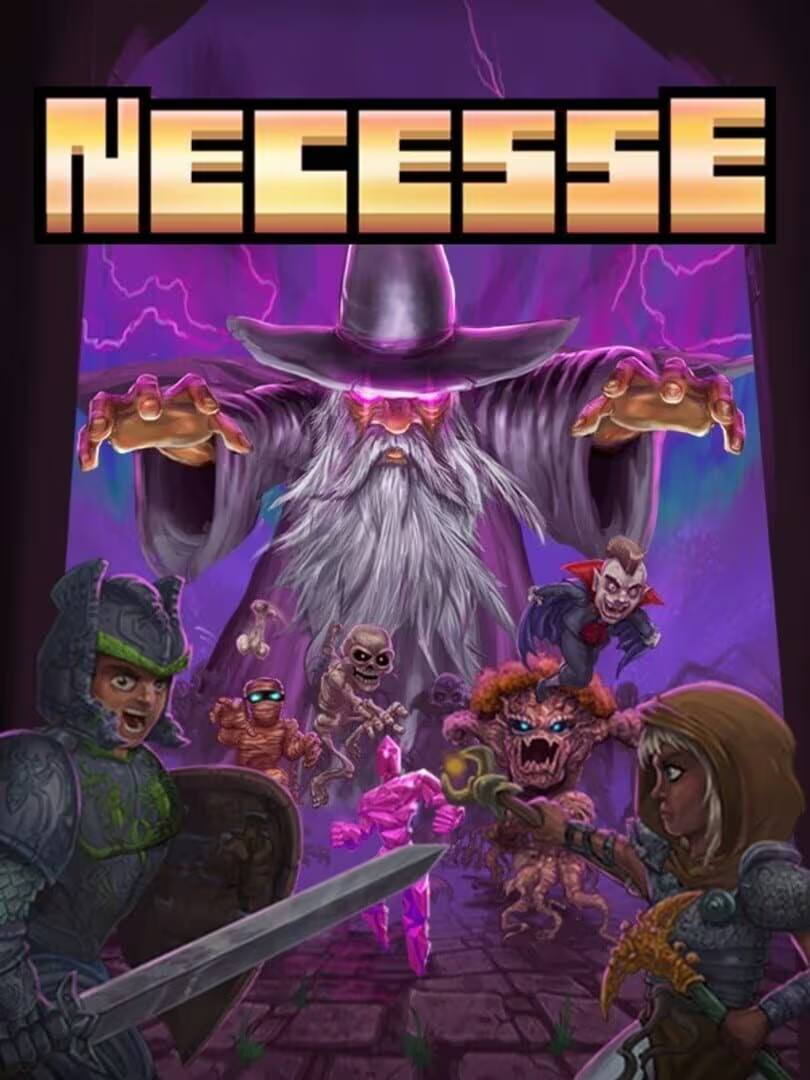
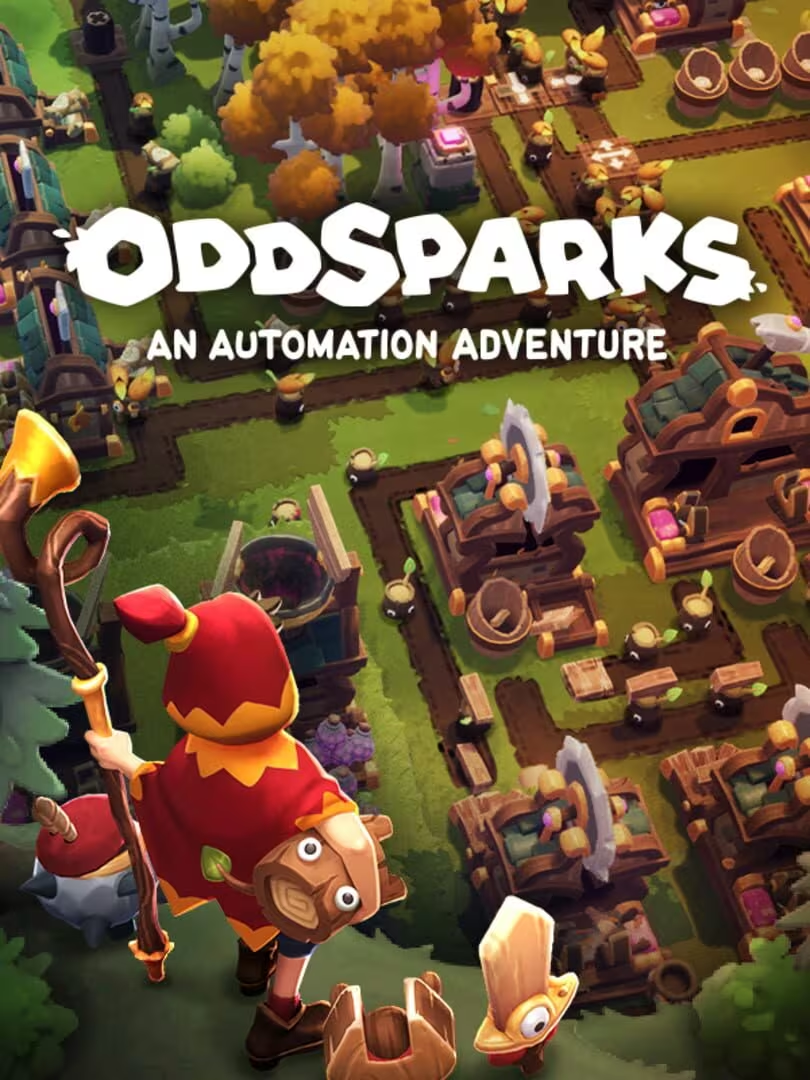
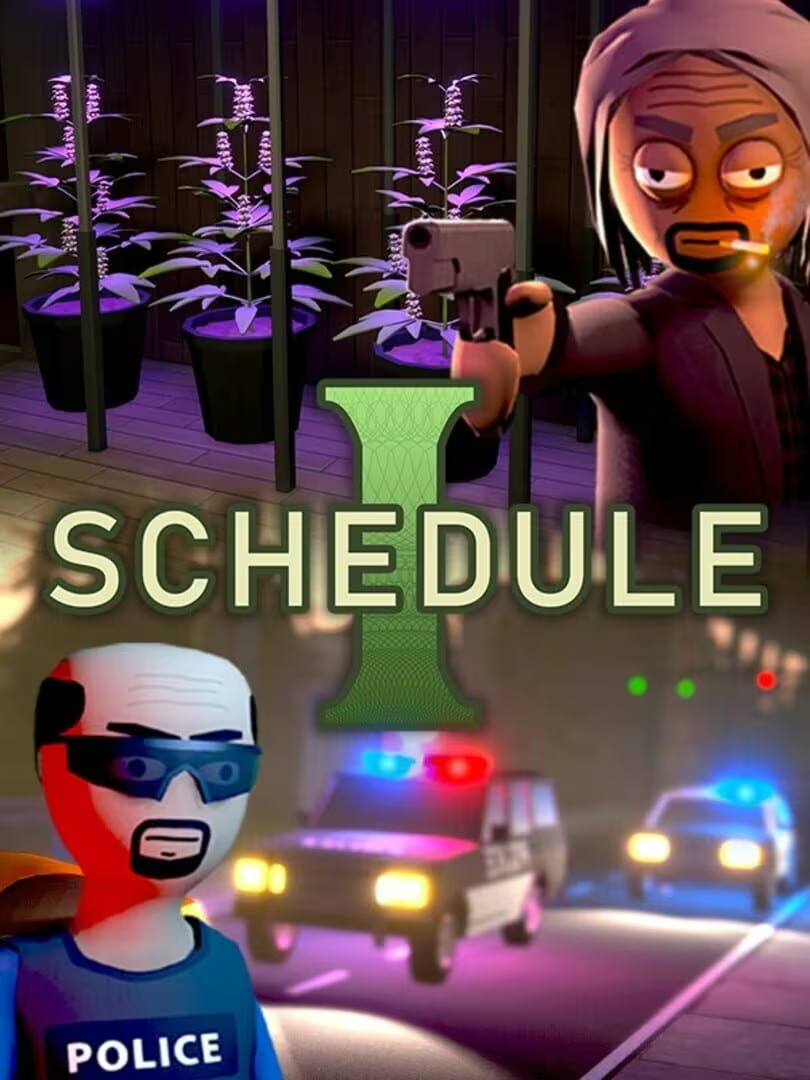
Hidden Gems
Less popular games with surprisingly high similarity

If you liked…
Recommendations by what you enjoyed most
Similarity map
Explore nearby similar games and see why they’re close.
Bellwright: A very typical example of its motivational profile. Motivations that often define this kind of title include Cooperation, Fellowship, Intimacy, Leadership. Here, the score leans higher than usual among comparable games on Leadership, Continuation. It leans lower than usual among comparable games on Fantasy.
Why this game works
A motivational profile of the game, with the closest similar game for each player motivation.
-
Autonomy
Game with the same Autonomy vibe
4"Players have significant control over character upgrades, villager roles, and tactical positioning, allowing personal decision-making rather than following fixed routines."
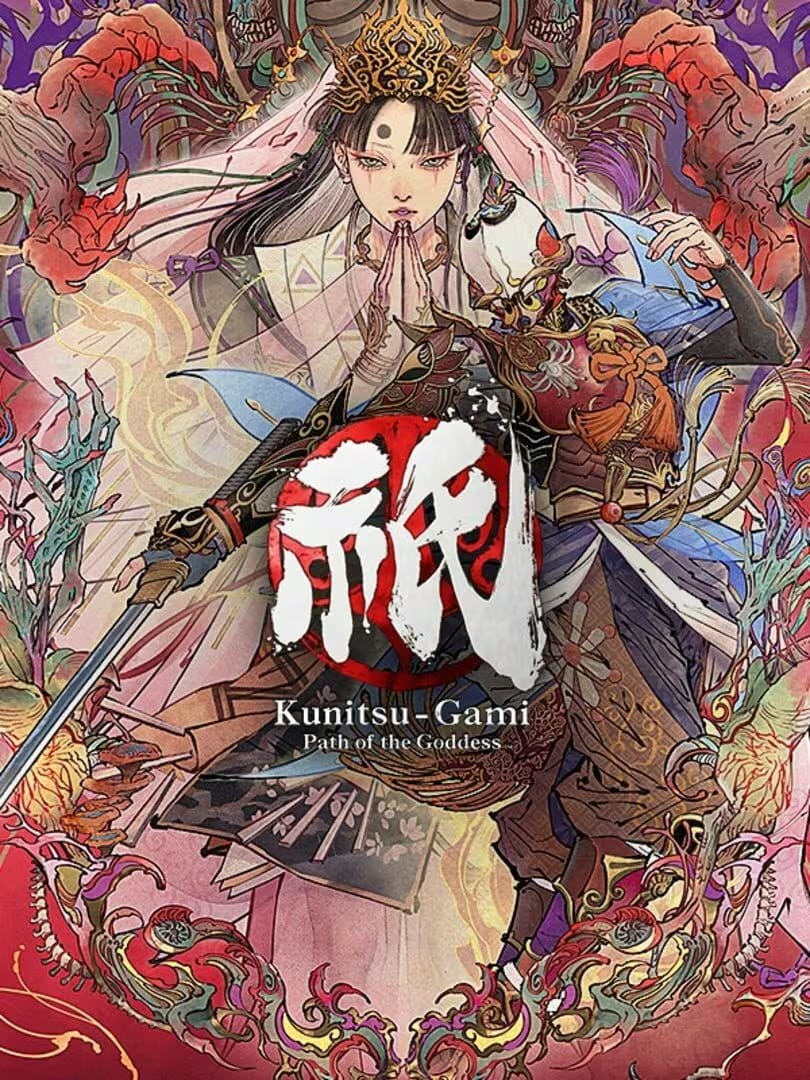 Kunitsu-Gami: Path of the Goddess
"Players have significant control over their actions, including building placement, managing villagers, and combat style; the game encourages player-driven decisions rather than fixed routines."
-
Competence
Game with the same Competence vibe
3"The game involves skill development through a tech tree, crafting, combat, and base building, but some grinding and repetitive resource gathering is noted."
 CryoFall
"The game involves skill-based combat, strategic village management, and progression through a tech tree, providing meaningful challenges and feedback."
-
Competition
Game with the same Competition vibe
-3"Focus is on cooperative play and personal progression rather than direct competition or leaderboards."
 Fast Food Simulator
"Focus is on personal progression, village building, and cooperative play rather than direct competition or leaderboards."
-
Continuation
Game with the same Continuation vibe
5"Players report long sessions, addiction, and habitual play with hundreds of hours invested, indicating strong desire to continue playing."
 Europa Universalis V
"Players report long play sessions, addiction to progression, and hundreds of hours invested, indicating strong desire to keep playing."
-
Cooperation
Game with the same Cooperation vibe
3"Supports cooperative multiplayer and teamwork-oriented gameplay, though solo play is also common."
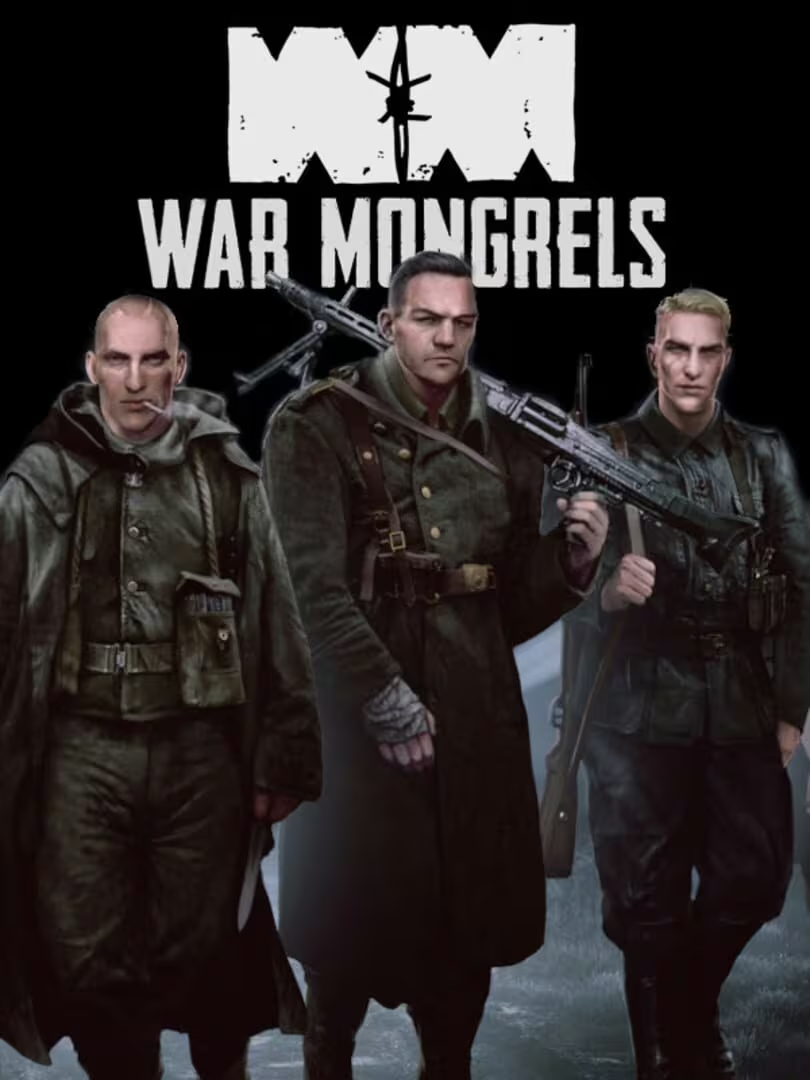 War Mongrels
"Game supports cooperative multiplayer and involves managing companions and villagers collaboratively, though solo play is also common."
-
Creativity
Game with the same Creativity vibe
3"Building system allows customization and moving of buildings; players can design villages and decorate, though some constraints exist."
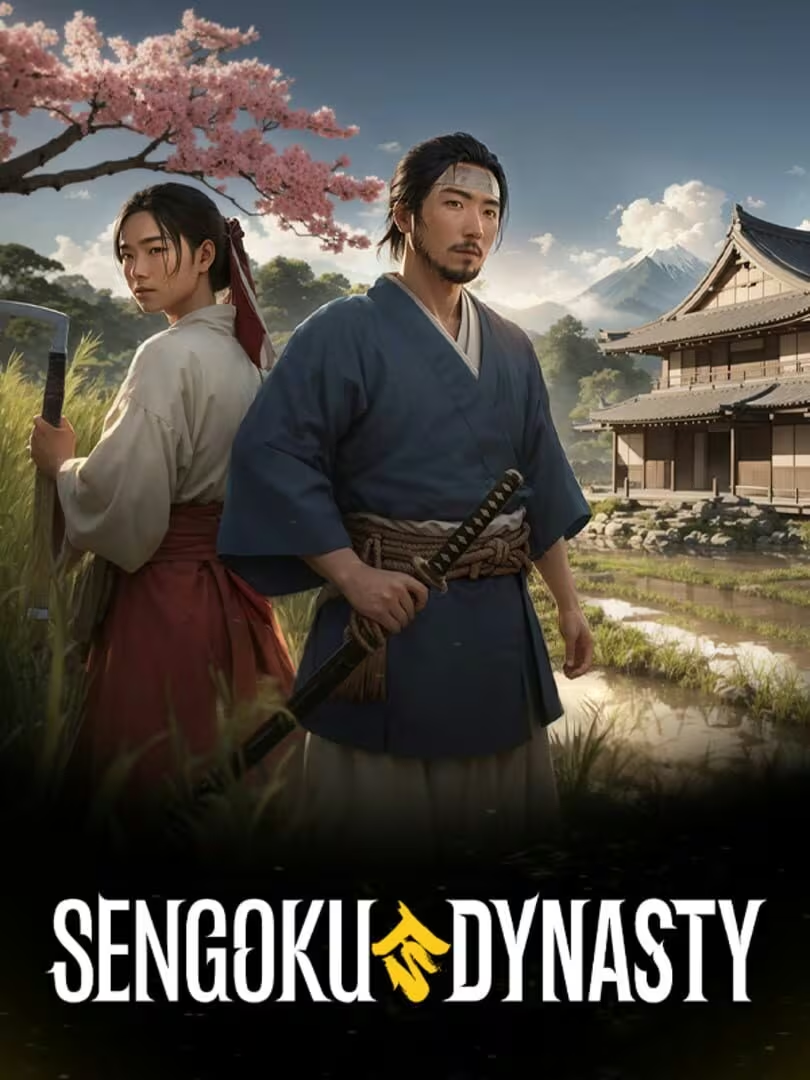 Sengoku Dynasty
"Building system allows piece-by-piece construction and customization of settlements, encouraging creative expression within game mechanics."
-
Domination
Game with the same Domination vibe
-2"Interactions emphasize shared command and cooperation rather than exerting superiority or power over others."
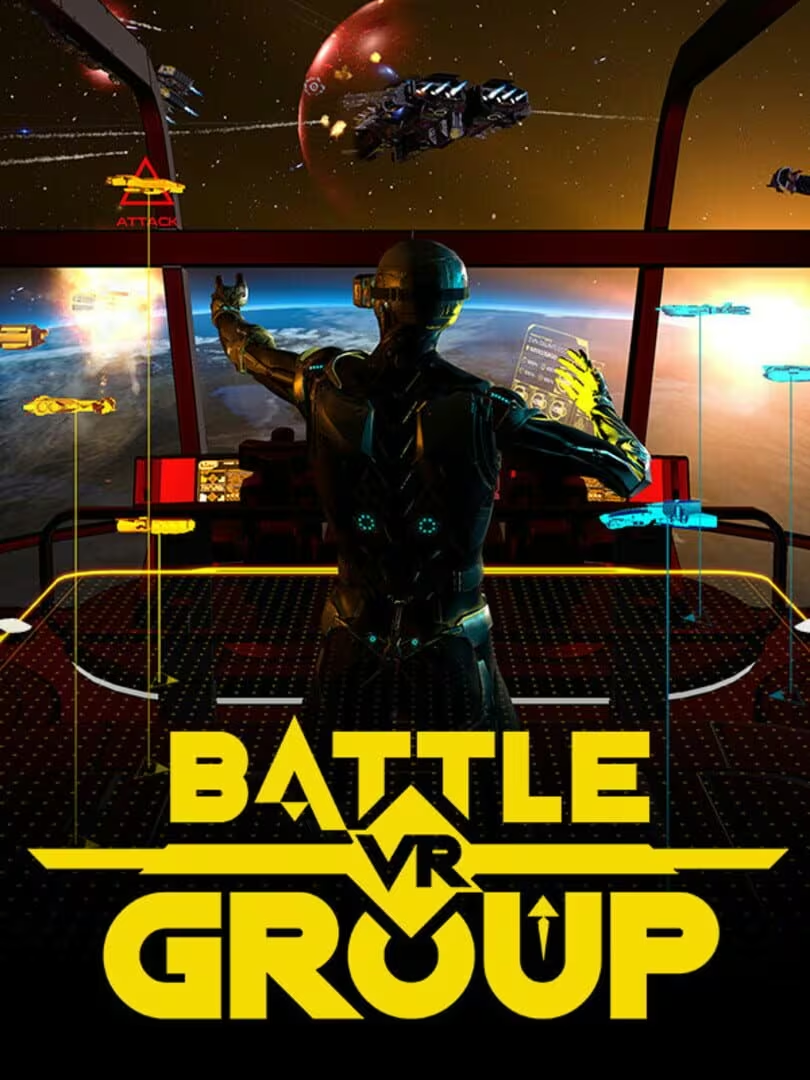 BattleGroupVR
"Interactions emphasize shared management and cooperation with NPCs and companions rather than exerting power over others."
-
Escapism
Game with the same Escapism vibe
4"Players use the game as a deep immersive experience to escape real life, with engaging story and world exploration."
 Evolution of Ages: Settlements
"Players use the game as a deep immersive experience to escape real life, with engaging survival, building, and combat elements."
-
Expectation
Game with the same Expectation vibe
-4"Players engage voluntarily out of intrinsic interest and enjoyment rather than obligation or external pressure."
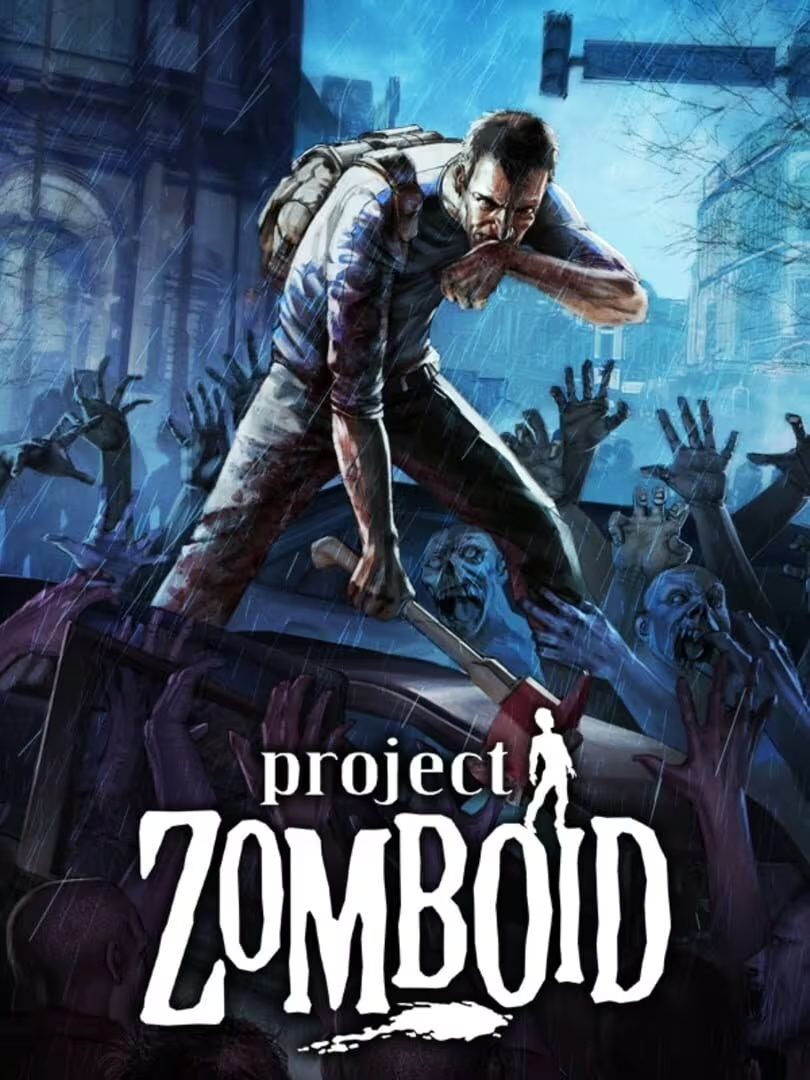 Project Zomboid
"Players engage voluntarily out of intrinsic interest and enjoyment rather than obligation or external pressure."
-
Experimenting
Game with the same Experimenting vibe
3"Players explore mechanics, try different strategies for village management, combat, and resource gathering."
Sengoku Dynasty
"Players explore mechanics, experiment with building and combat styles, and try different strategies for village management."
-
Exploration
Game with the same Exploration vibe
3"Open world with many regions, dungeons, and side quests encourages discovery and curiosity-driven activities."
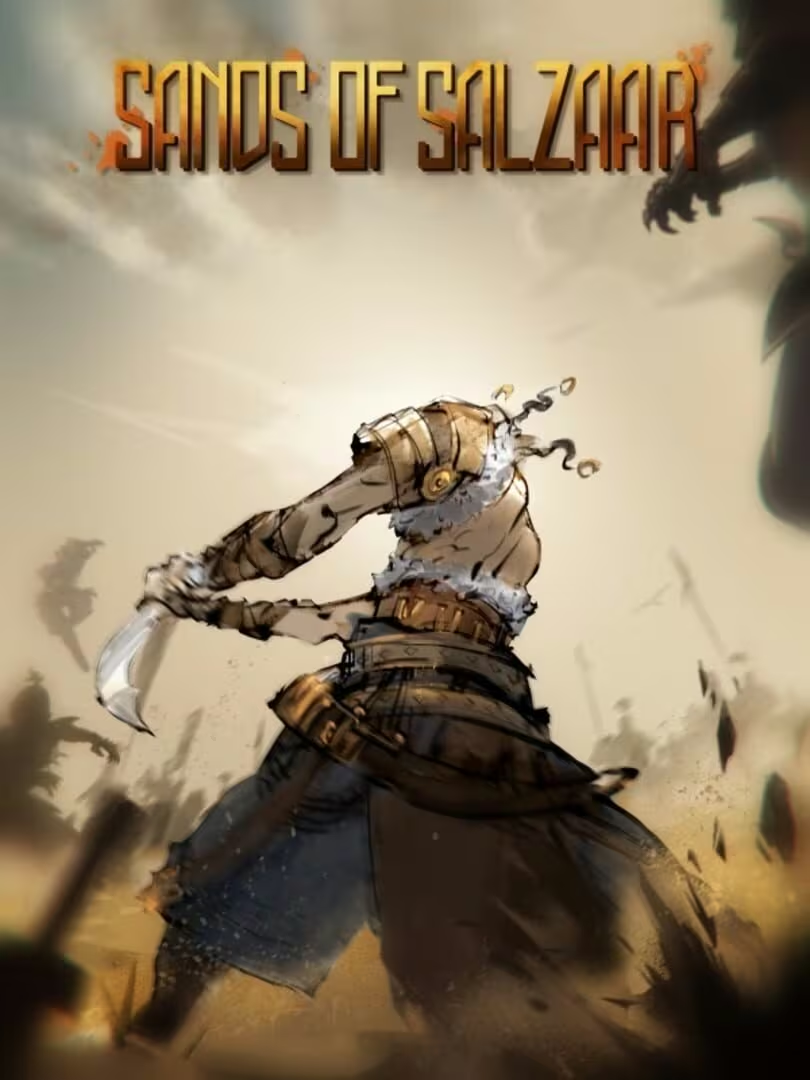 Sands of Salzaar
"The large open world encourages discovery and questing, though some late-game content reduces exploration incentives."
-
Expression
Game with the same Expression vibe
2"Customization of skills and companions allows some self-expression, though character appearance is fixed."
 Succubus Affection
"Character customization is minimal but building and outfitting companions provide some avenues for self-expression."
-
Fantasy
Game with the same Fantasy vibe
-1"Game emphasizes grounded medieval realism and historical inspiration rather than high fantasy elements."
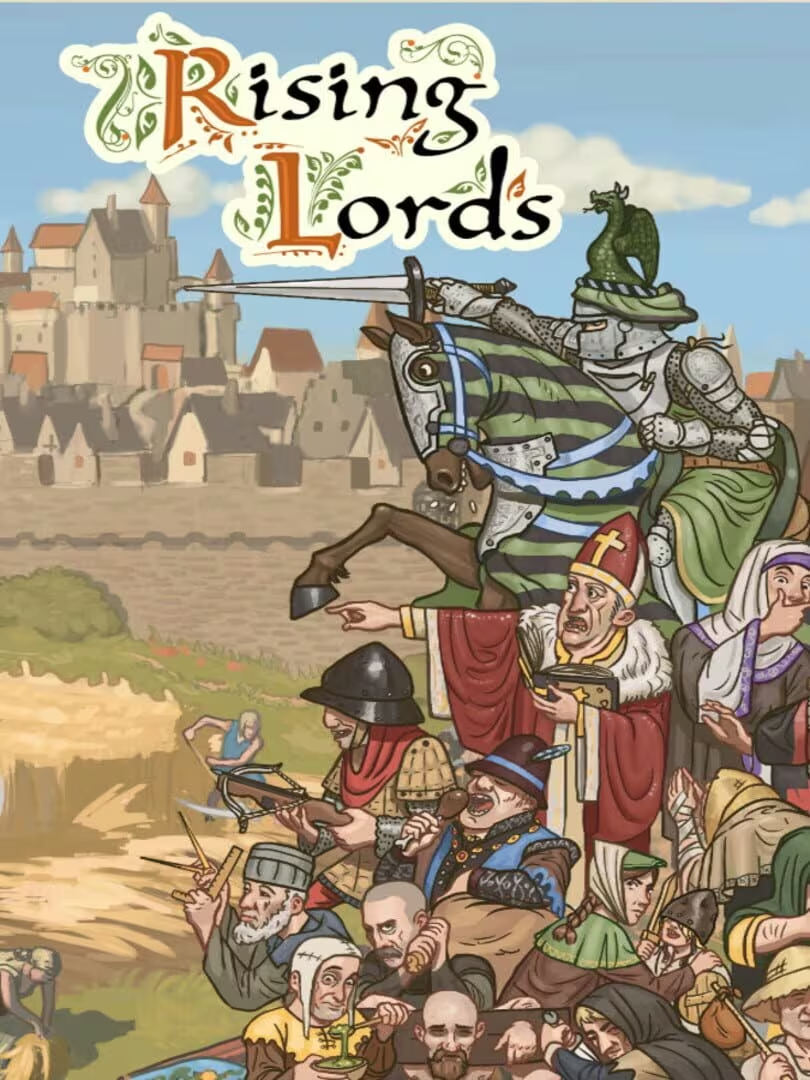 Rising Lords
"Game is grounded in medieval realism with survival and management, though some elements like bandit raids add mild fantasy flavor."
-
Fellowship
Game with the same Fellowship vibe
3"Players feel part of a community with active social interaction, cooperative play, and shared mod experiences."
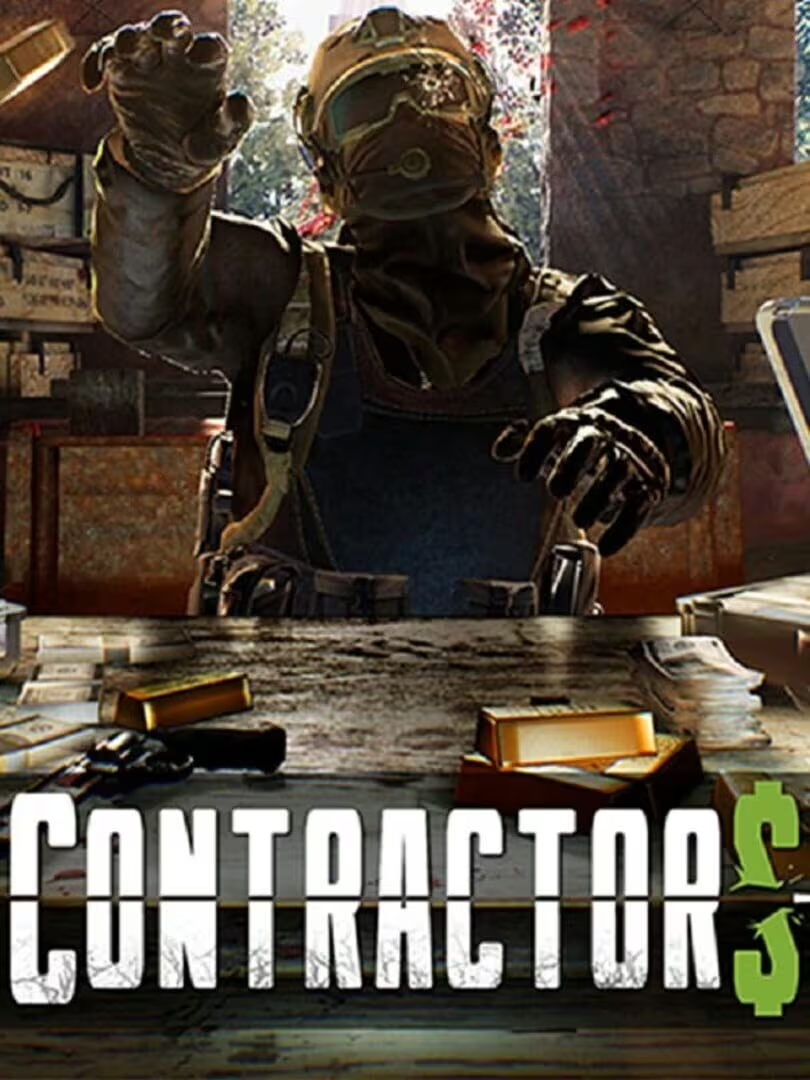 Contractors
"Players feel part of a community through cooperative multiplayer, shared goals, and managing a village together."
-
Growth
Game with the same Growth vibe
4"Strong emphasis on learning game mechanics, improving skills, and progressing through tech trees and ranks."
 World of Warships
"Strong emphasis on learning game systems, skill development, and progressing through research and tech trees."
-
Health
Game with the same Health vibe
-4"Primarily sedentary gameplay with no physical activity elements; some players note stamina mechanics but no physical exercise."
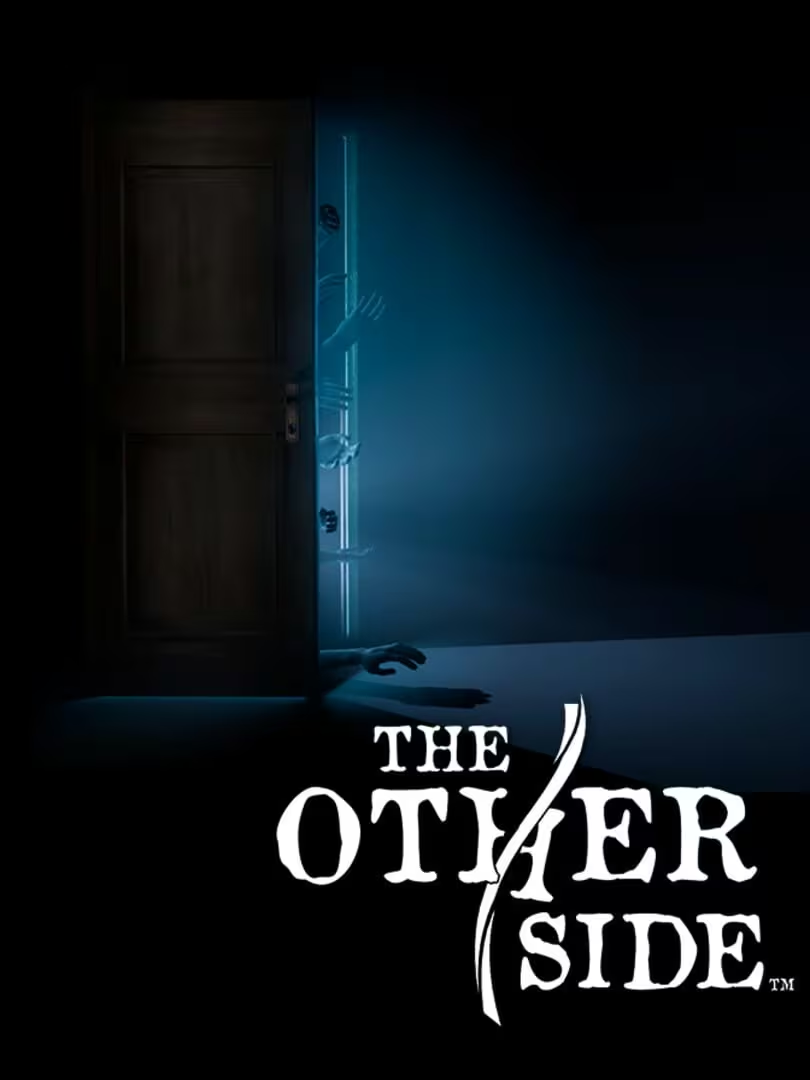 The Other Side
"Gameplay is primarily sedentary with no physical activity; stamina mechanics encourage resource management but not physical exercise."
-
Idle
Game with the same Idle vibe
-3"Requires active management and attention; players engage continuously rather than using it as background or filler."
 Big Ambitions
"Requires active attention and management; players engage continuously rather than using it as background or filler activity."
-
Intimacy
Game with the same Intimacy vibe
1"Some social interaction in multiplayer, but limited evidence of close emotional connections or deep relationships."
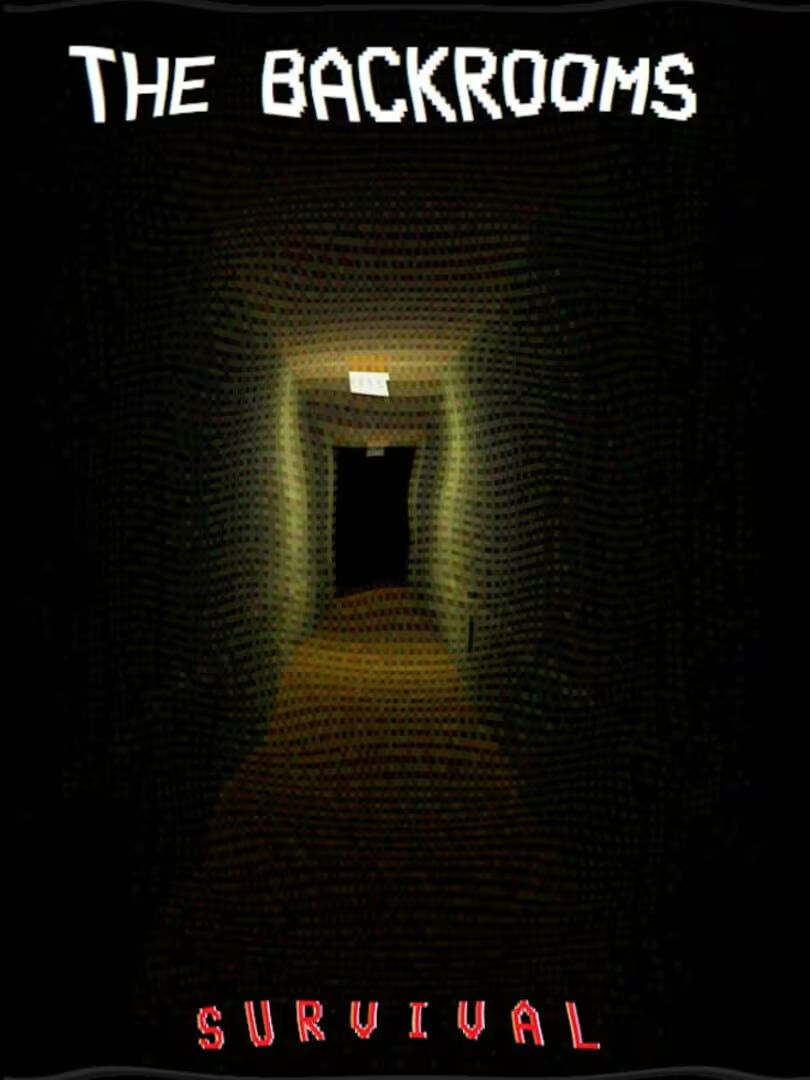 The Backrooms: Survival
"Some social interaction through companions and multiplayer, but limited evidence of deep emotional or close relationships."
-
Leadership
Game with the same Leadership vibe
4"Players lead villagers, assign jobs, manage settlements, and command guards, demonstrating leadership roles."
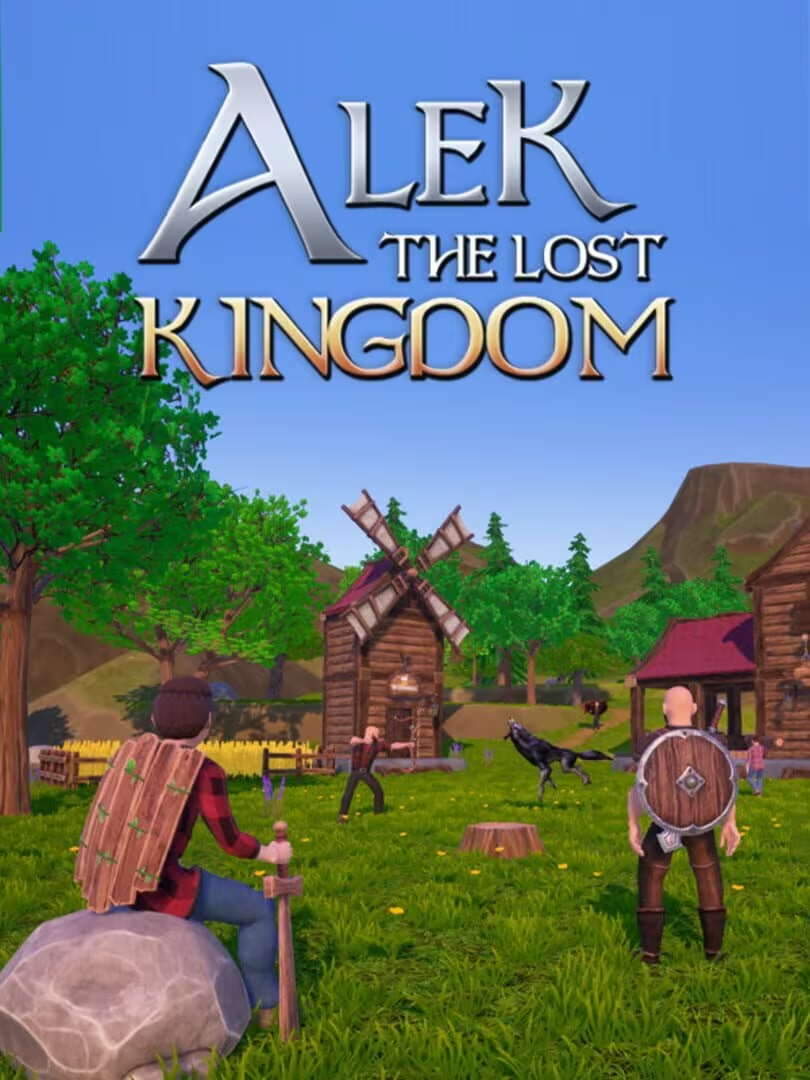 Alek - The Lost Kingdom
"Players lead and manage villagers, assign roles, and command troops, reflecting strong leadership motivation."
-
Progression
Game with the same Progression vibe
5"Clear progression through tech tiers, resource acquisition, and base expansion drives gameplay."
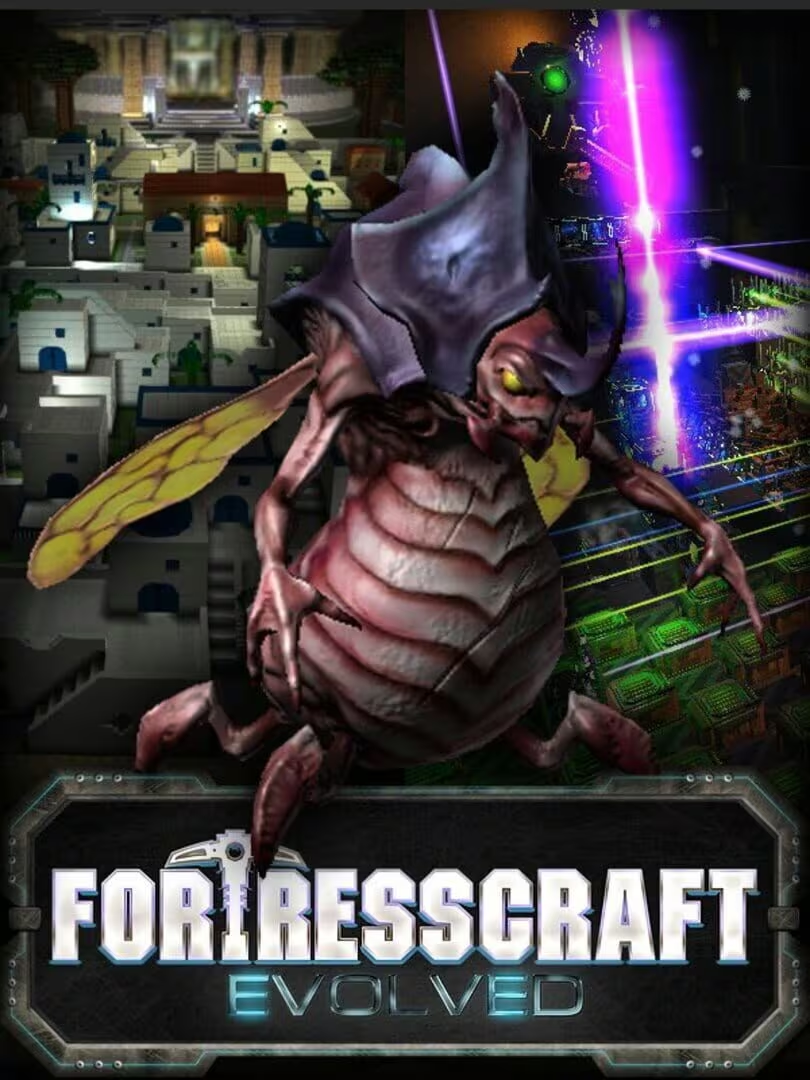 FortressCraft Evolved!
"Clear progression through tech trees, village upgrades, equipment, and reputation drives gameplay forward."
-
Relaxation
Game with the same Relaxation vibe
3"Players find the game relaxing and immersive despite some combat tension."
 Signs of Life
"Players find the game relaxing and immersive despite some tension from raids and combat."
-
Sensation
Game with the same Sensation vibe
2"Visuals and audio provide pleasant sensory stimulation, though not highly intense or extreme."
 Stars in Shadow
"Visuals and audio provide pleasant sensory stimulation, though not extreme or highly intense."
-
Status
Game with the same Status vibe
-2"Recognition is mostly within the game world and community; no emphasis on social status or popularity."
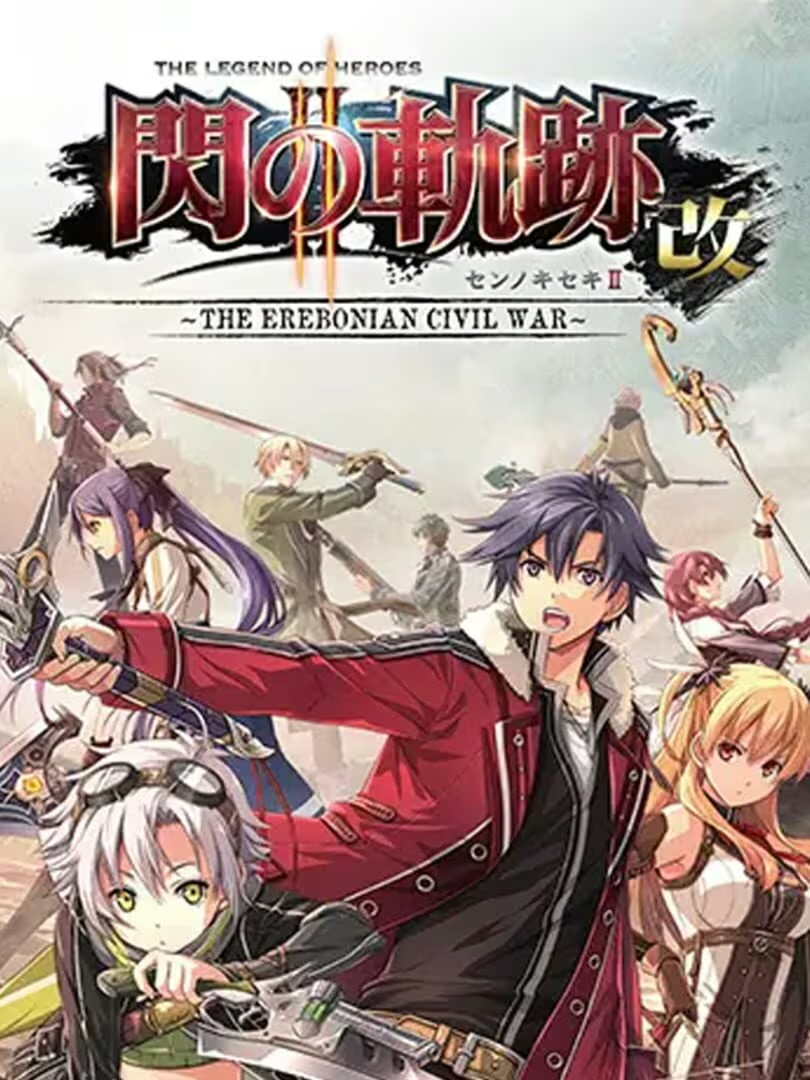 The Legend of Heroes: Trails of Cold Steel II
"Recognition is mostly internal or within the game world; no strong emphasis on social status or popularity."
-
Story
Game with the same Story vibe
3"Includes narrative elements and quests that add context and motivation."
 Horticular: Build a Garden, Attract Wildlife
"Narrative and quests provide engaging context and motivation, though some quests are repetitive."
-
Strategy
Game with the same Strategy vibe
4"Strong mental challenge in resource management, combat, and adapting strategies."
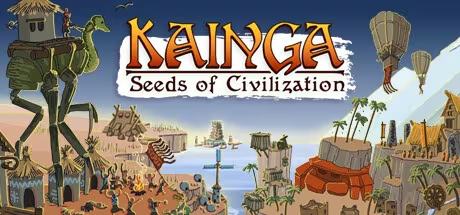 Kainga: Seeds of Civilization
"Strong mental challenge in resource management, combat tactics, and village optimization."
-
Thrill
Game with the same Thrill vibe
2"Combat and raids provide moments of suspense and excitement amid exploration."
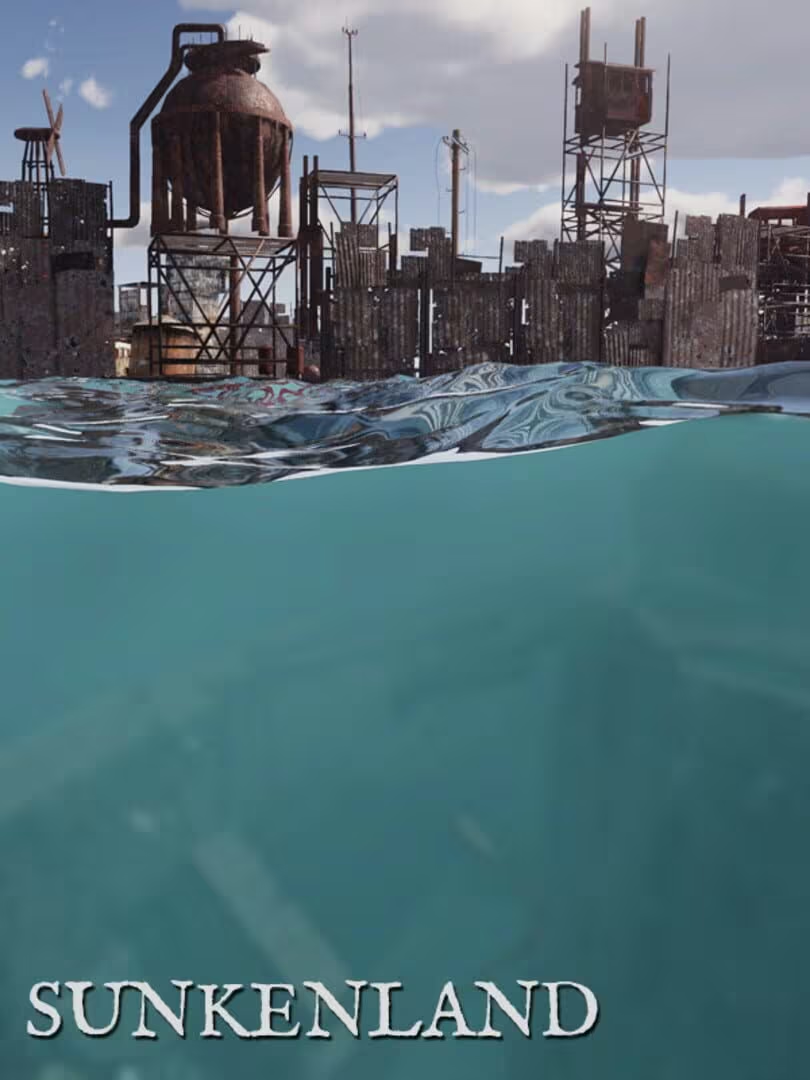 Sunkenland
"Combat and raids provide moments of suspense and excitement, balanced with slower building phases."
-
Value
Game with the same Value vibe
4"Players feel the game offers good value for money with extensive content and frequent updates."
 Weed Shop 3
"Players feel the game offers good value for money with extensive content and ongoing updates."
-
Violence
Game with the same Violence vibe
2"Combat and boss fights involve violence, but balanced with constructive activities like farming and building."
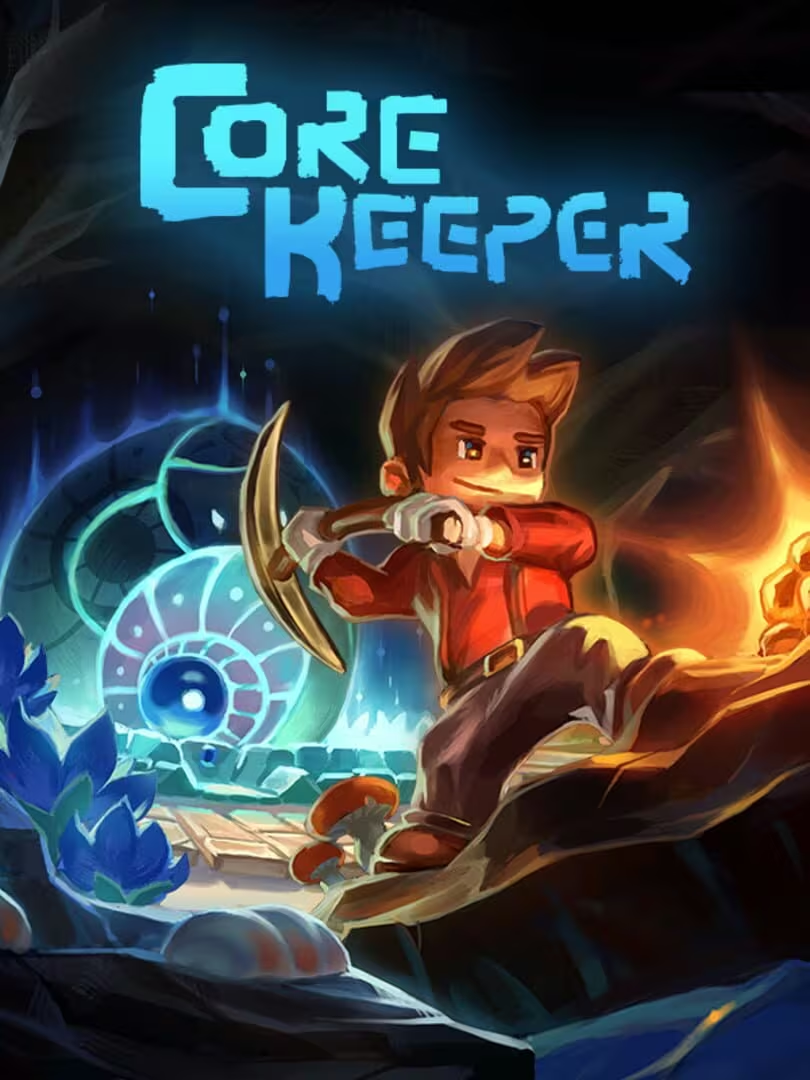 Core Keeper
"Combat and bandit raids involve violence, but balanced with constructive building and management gameplay."
-
Survival
Game with the same Survival vibe
3"Survival mechanics like resource management and evading threats are core gameplay elements."
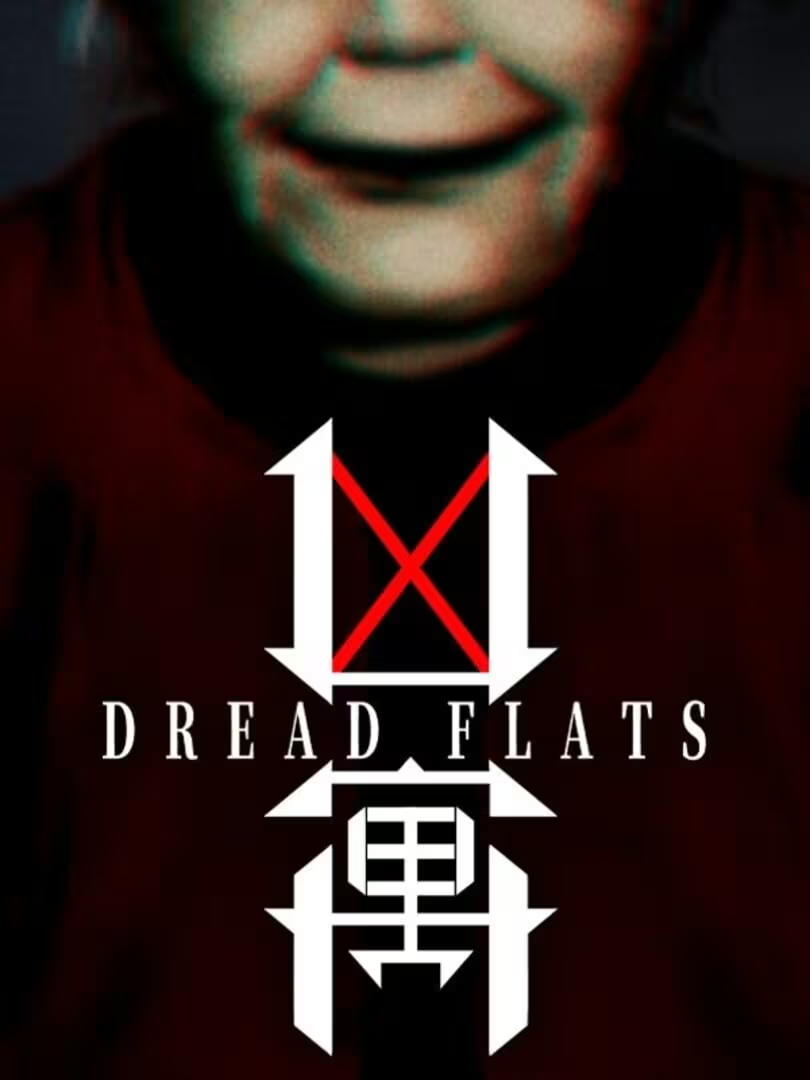 Dread Flats
"Survival elements like resource gathering, stamina management, and defending settlements are core gameplay aspects."
Last update: 01/06/2026