Foundation similar games & best alternatives
Should you play it?
Foundation is a grid-less, laidback medieval city-building game with a focus on organic development, monument construction and resource management.
What works
- Organic, grid-free city building
- Relaxing and zen gameplay
- Modular building customization
- Charming art and sound design
- Active developer support and mods
Things to keep in mind
- Villager ai and pathfinding issues
- Lack of endgame content and challenge
- Some ui and qol limitations
- Early game economic balancing
- No multiplayer or social features
What to play next
Similar games, hidden gems, and fresh directions from this game.
Top picks
Games that feel the closest overall
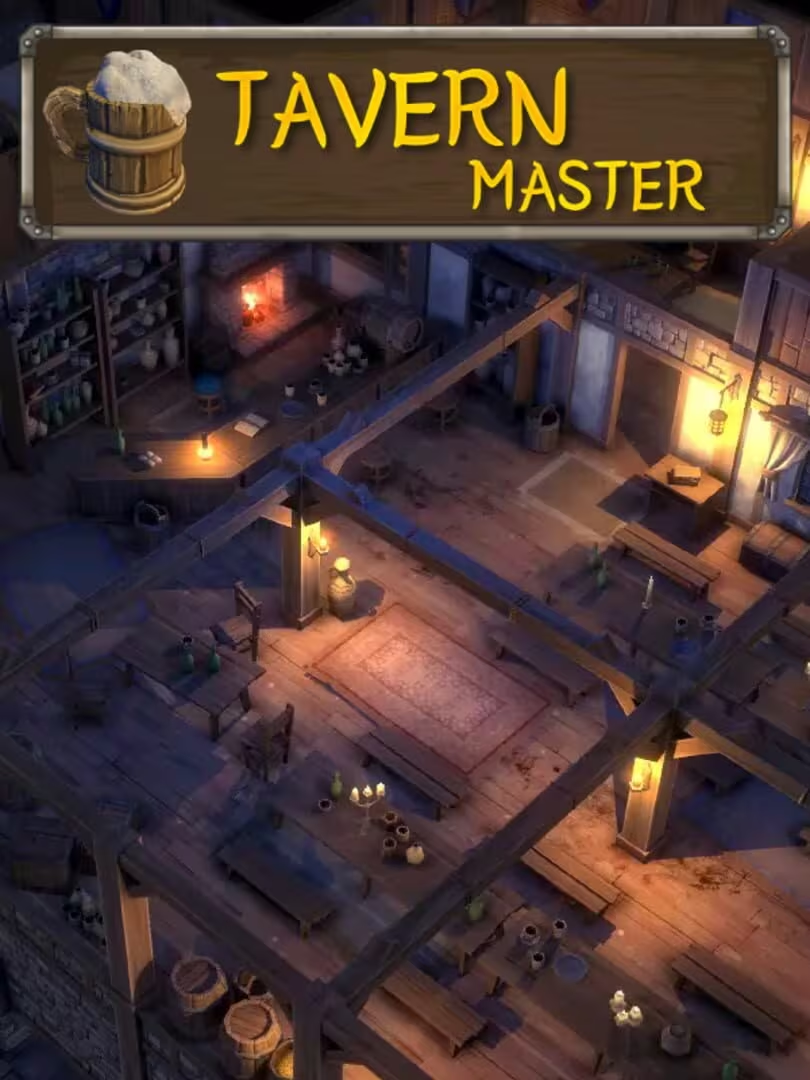

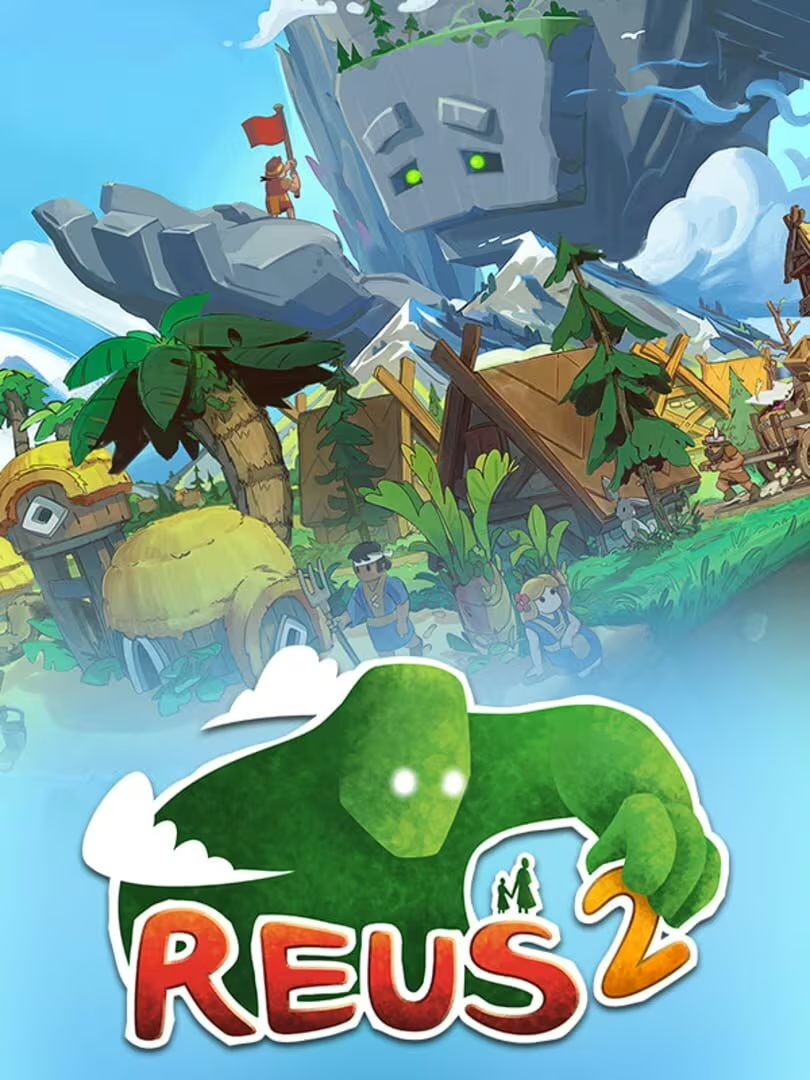

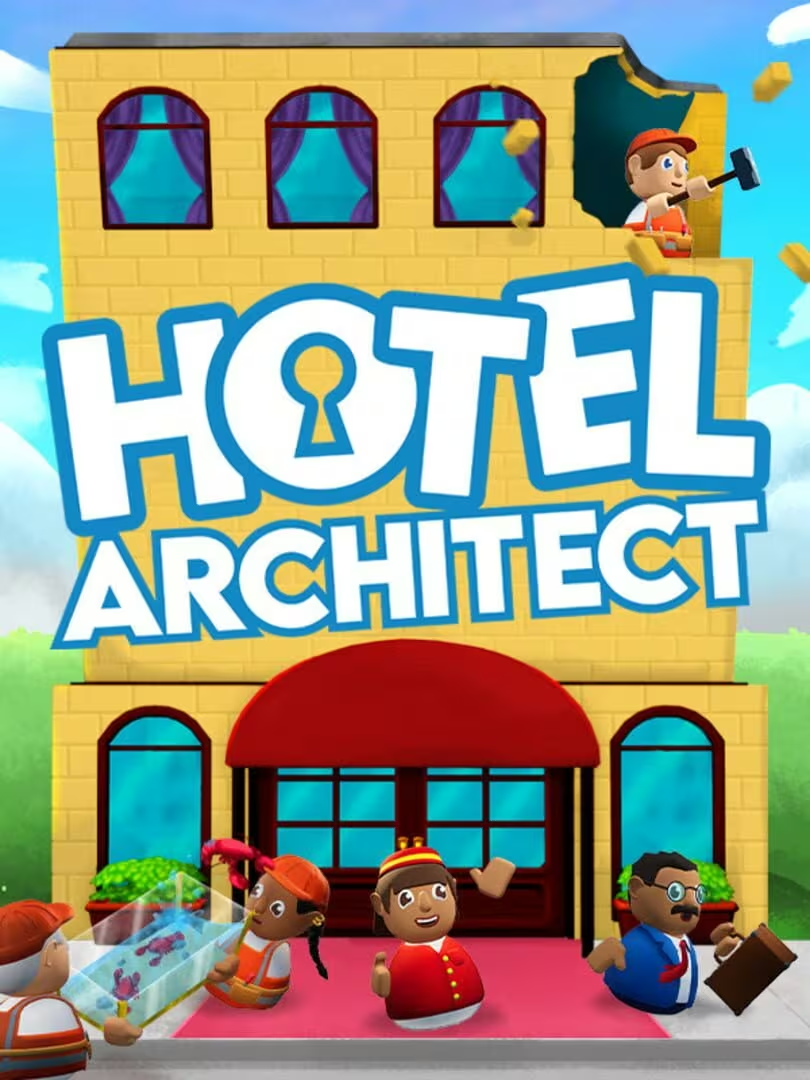
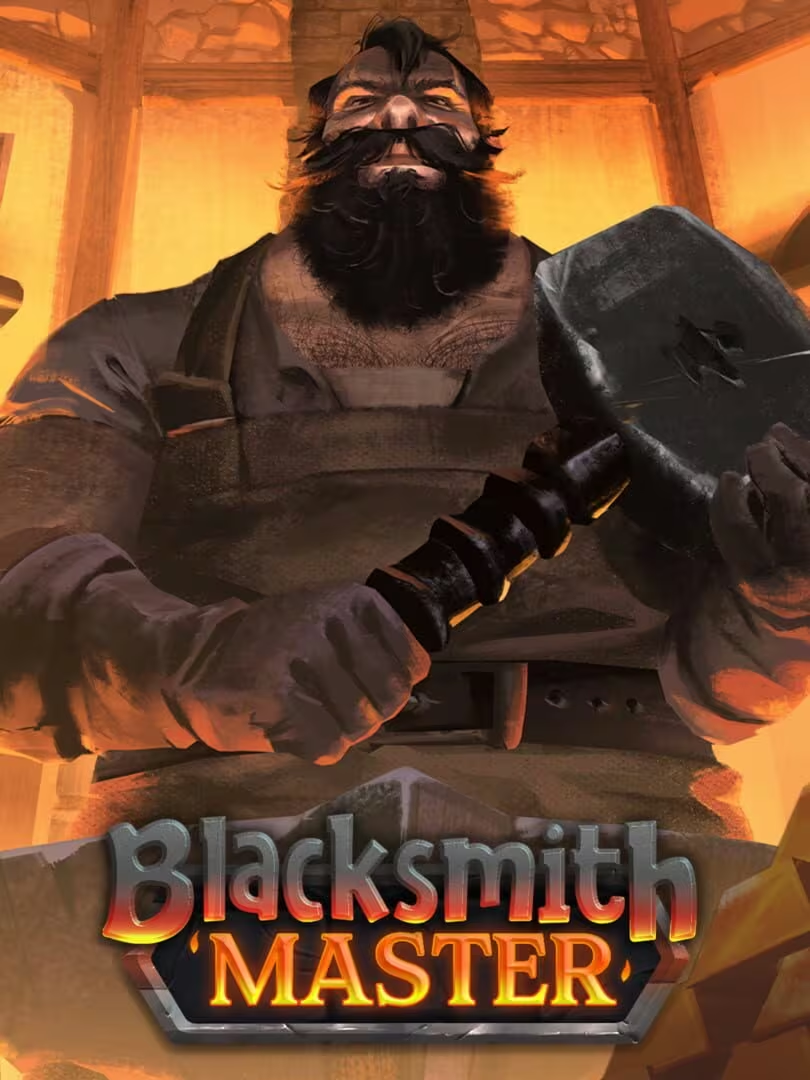
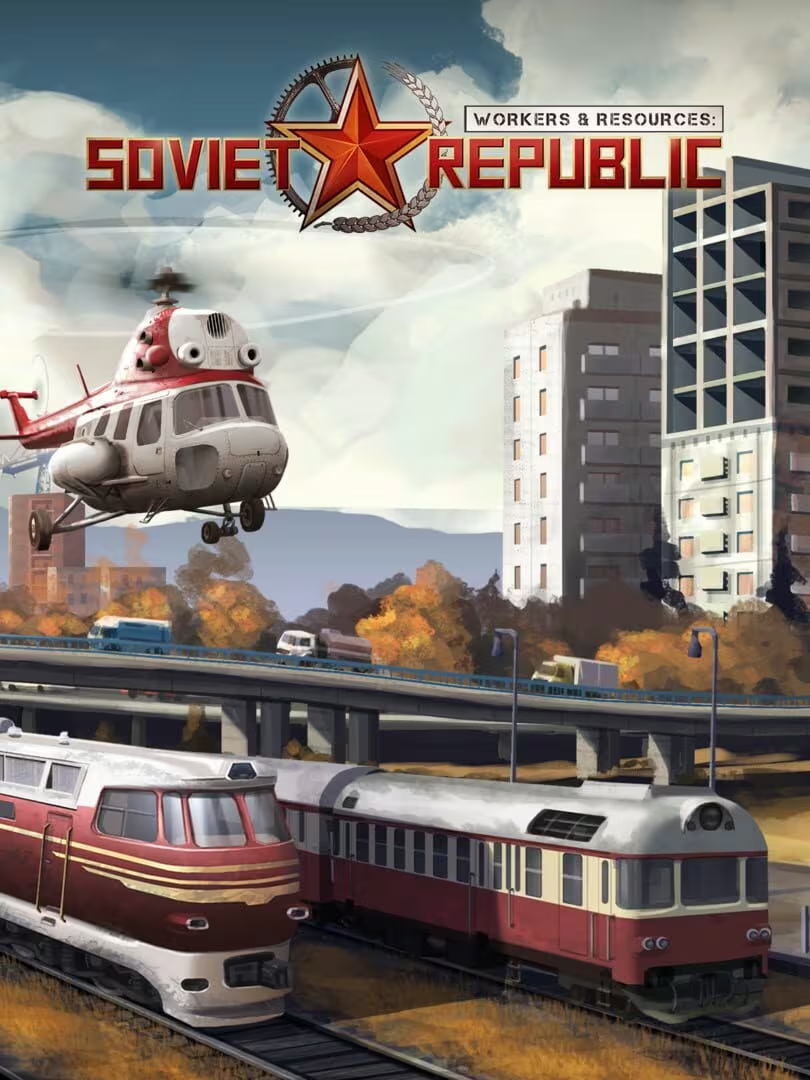
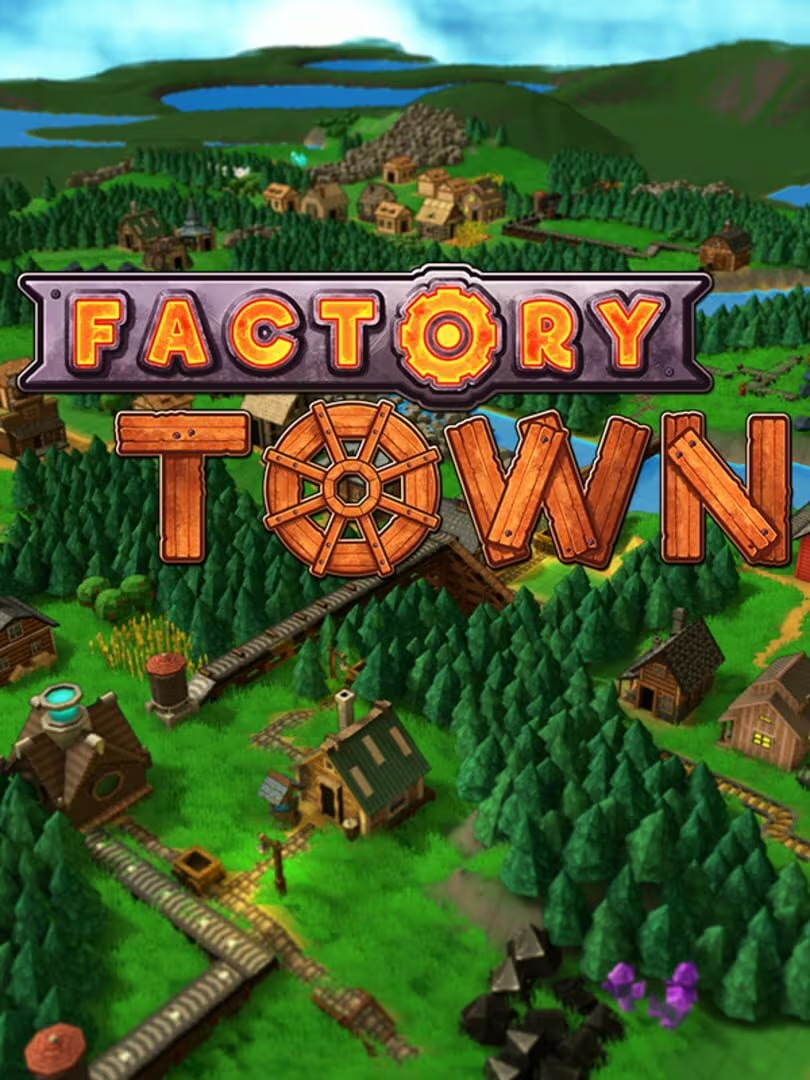
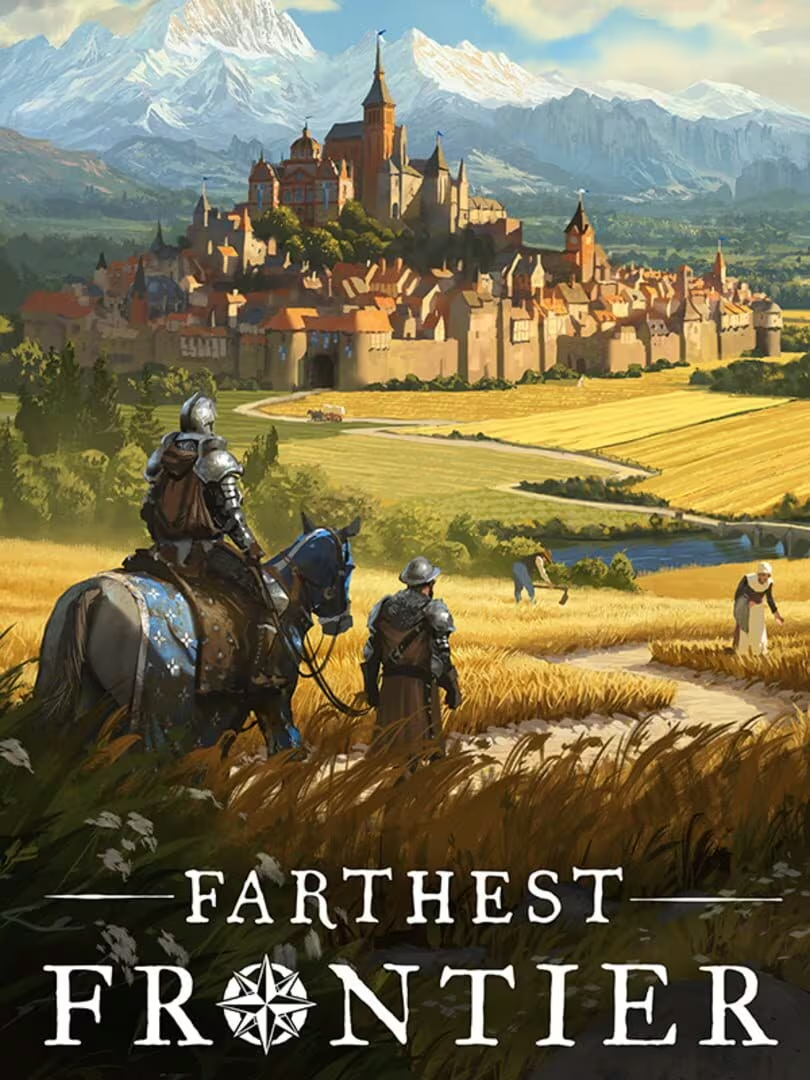
Hidden Gems
Less popular games with surprisingly high similarity
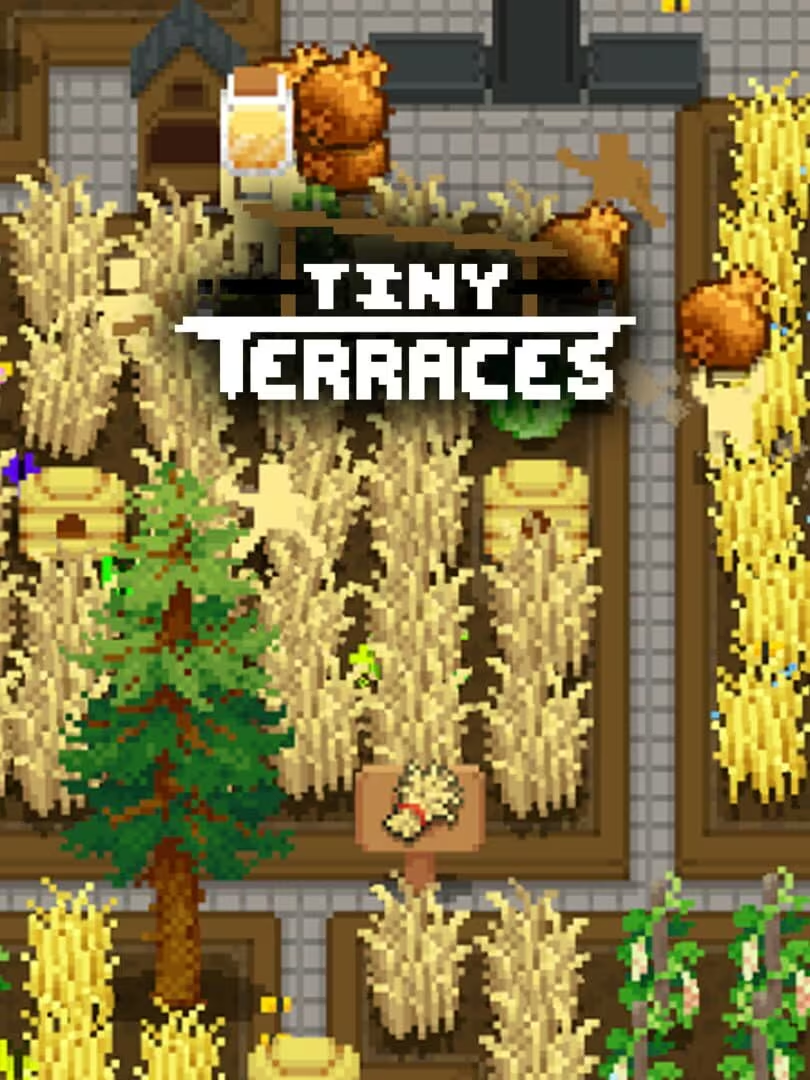

If you liked…
Recommendations by what you enjoyed most
Similarity map
Explore nearby similar games and see why they’re close.
Foundation: Broadly representative of its motivational profile, with a few distinct shifts. Motivations that often define this kind of title include Violence, Fantasy, Story, Thrill. Here, the score leans higher than usual among comparable games on Leadership, Fantasy, Expression.
Why this game works
A motivational profile of the game, with the closest similar game for each player motivation.
-
Autonomy
Game with the same Autonomy vibe
4"Players manage their own villages, assign jobs to villagers, build and expand settlements with freedom to choose strategies and actions."
 Alek - The Lost Kingdom
"Players designate zones and build major buildings but villagers autonomously build houses and create paths organically."
-
Competence
Game with the same Competence vibe
3"Game offers a learning curve with management challenges and skill development in resource allocation and strategy."
 Farm Manager 2021
"Game requires planning, resource management, and problem solving with some learning curve and optimization challenges."
-
Competition
Game with the same Competition vibe
-5"No multiplayer or competitive elements; focus is on personal pace and individual town building."
 MicroTown
"No multiplayer or PvP; focus is on personal city building without comparison to others."
-
Continuation
Game with the same Continuation vibe
4"Highly addictive with long play sessions and players returning repeatedly over time."
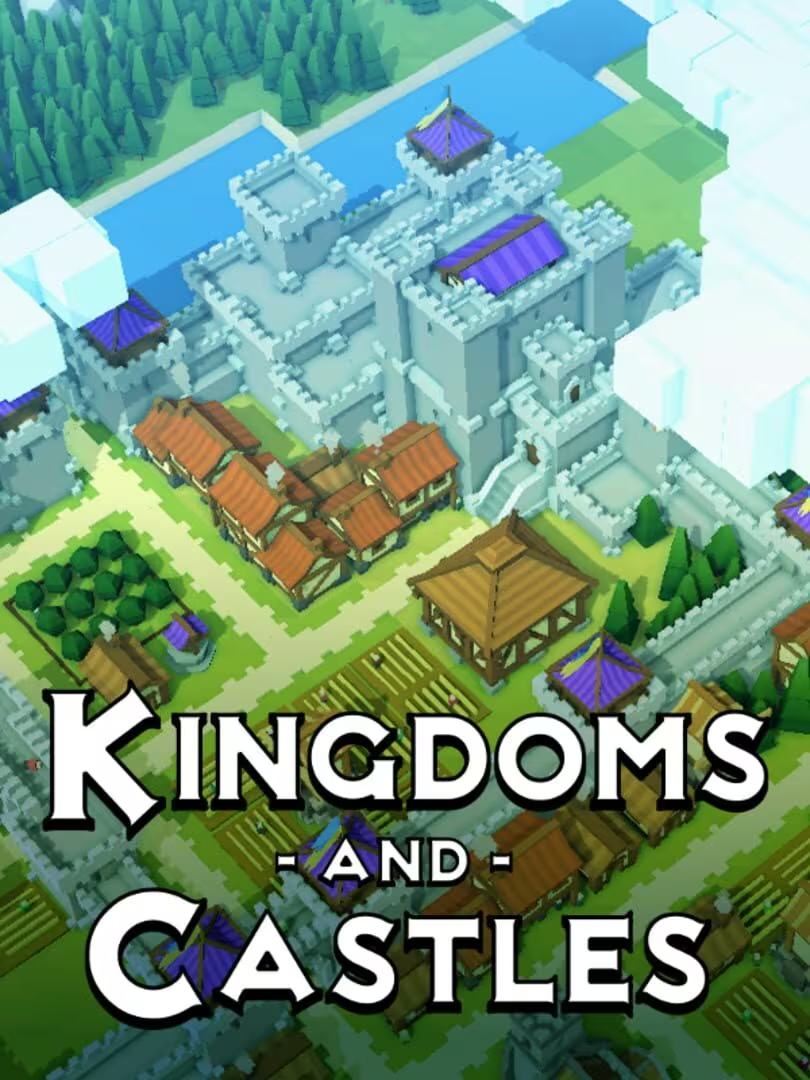 Kingdoms and Castles
"Highly addictive with long play sessions and players returning repeatedly over months and years."
-
Cooperation
Game with the same Cooperation vibe
-5"Single-player experience focused on individual city management, no multiplayer or cooperative features mentioned."
 Mini Settlers: Prologue
"Single player experience focused on individual city management without cooperative play."
-
Creativity
Game with the same Creativity vibe
5"Strong emphasis on creative building with customizable structures and town design."
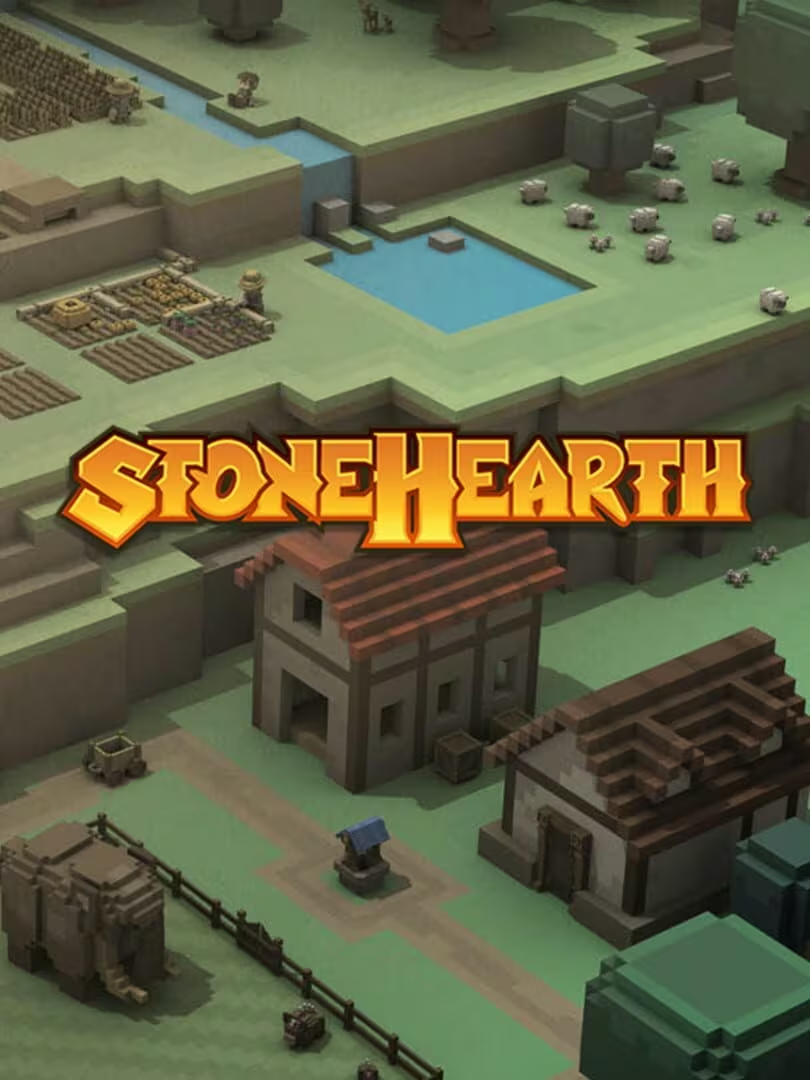 Stonehearth
"Strong emphasis on free-form building, modular monuments, and organic city layouts enabling creative expression."
-
Domination
Game with the same Domination vibe
-5"No evidence of exerting control over others; interactions are with game environment and AI only."
 Crypt
Crypt
"No evidence of exerting control over others; interactions are with AI villagers only."
-
Escapism
Game with the same Escapism vibe
5"Strong medieval fantasy setting with immersive atmosphere provides escape from reality."
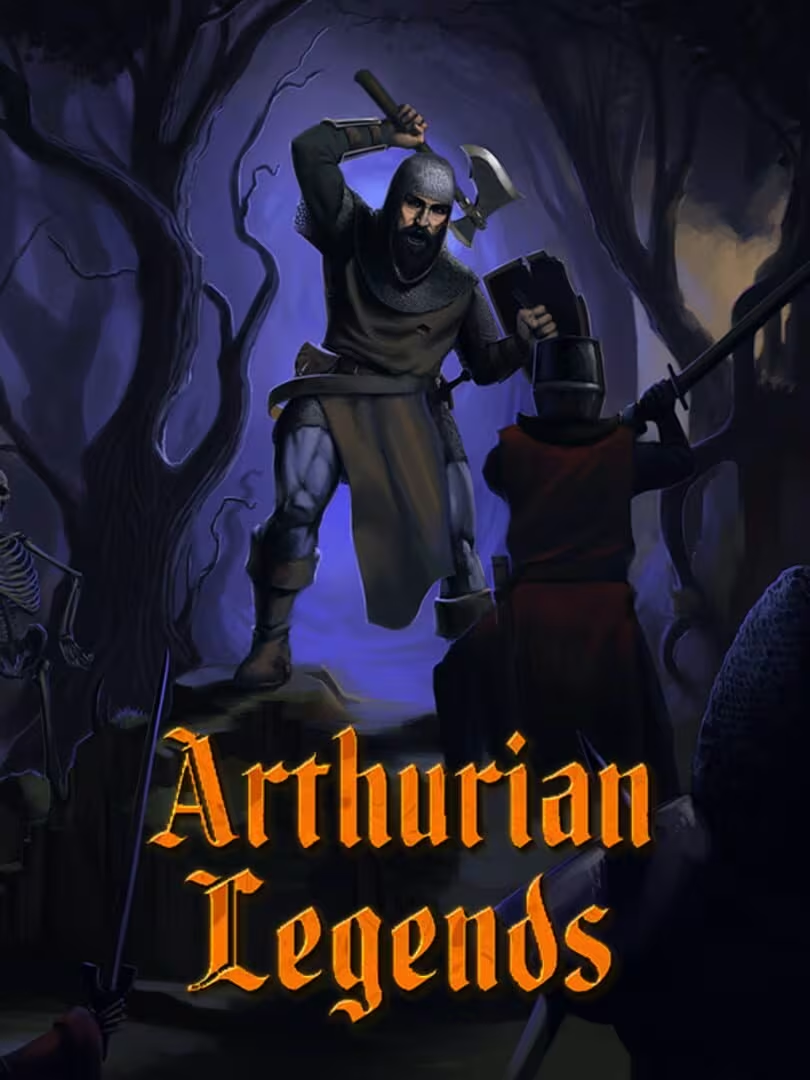 Arthurian Legends
"Relaxing, immersive medieval setting provides stress relief and distraction from real life."
-
Expectation
Game with the same Expectation vibe
-4"Players engage voluntarily for enjoyment and relaxation rather than obligation or pressure."
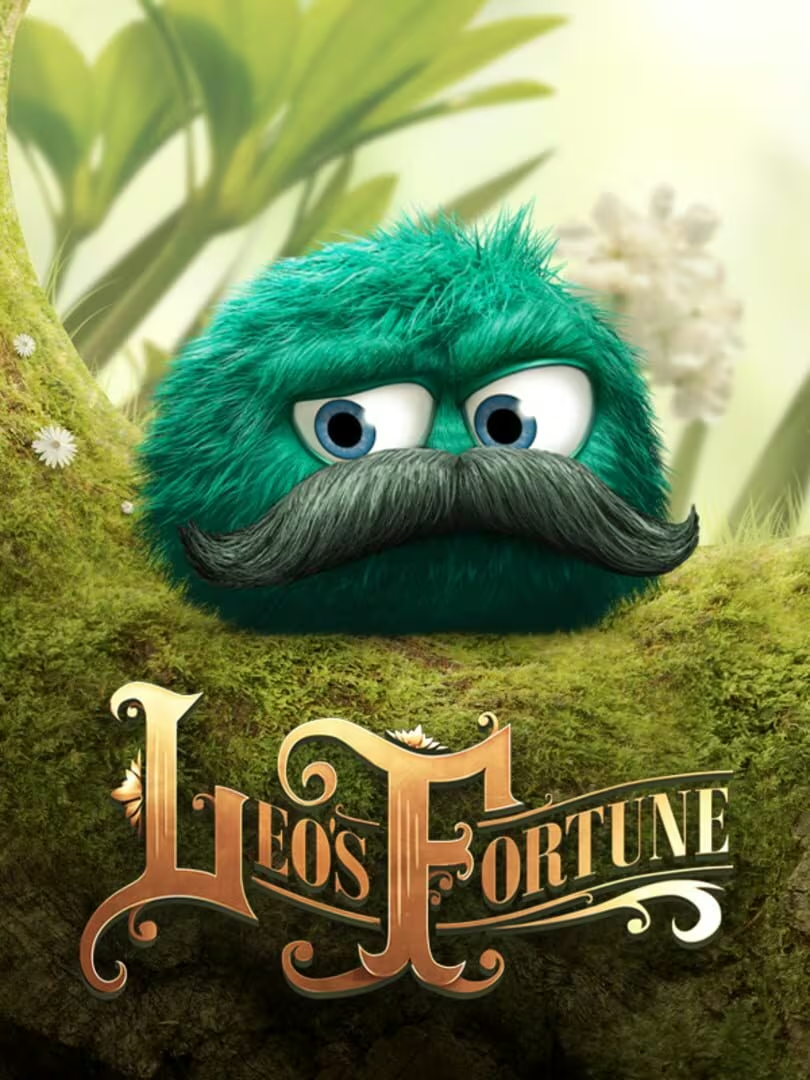 Leo’s Fortune - HD Edition
"Players engage voluntarily for enjoyment and relaxation rather than obligation or pressure."
-
Experimenting
Game with the same Experimenting vibe
3"Players explore different building placements, resource management strategies, and city layouts, though some constraints exist."
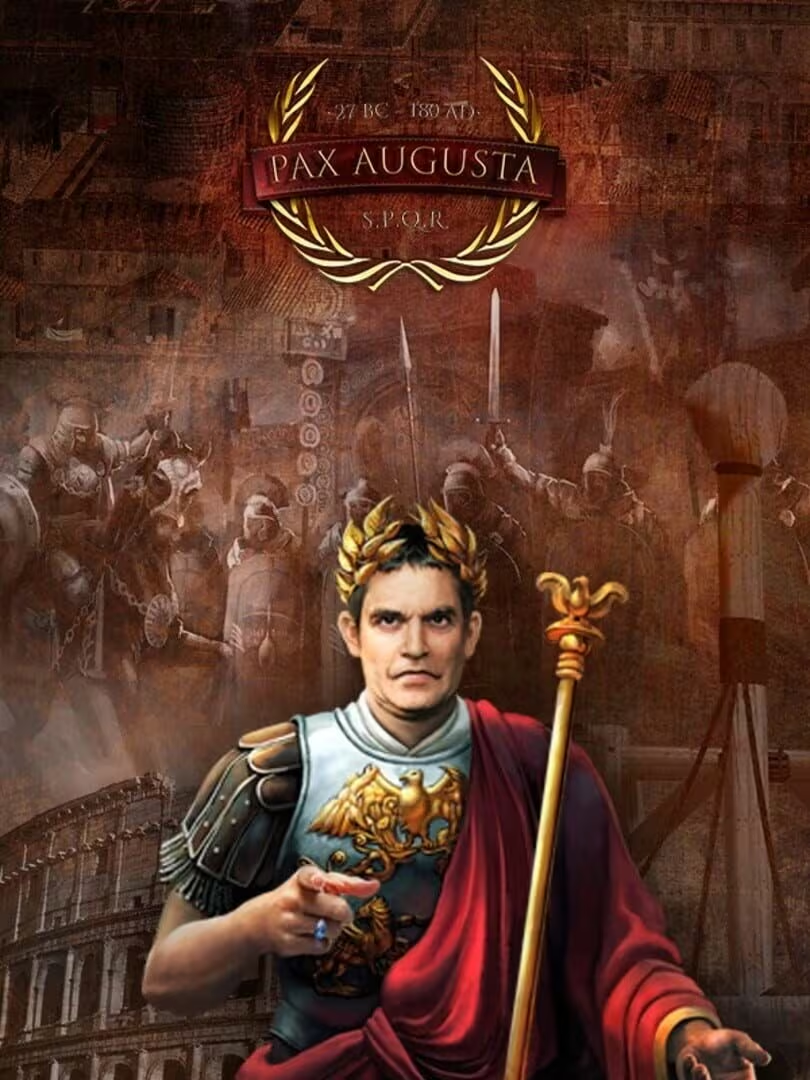 Pax Augusta
"Players explore building layouts, resource chains, and city planning strategies with some trial and error."
-
Exploration
Game with the same Exploration vibe
1"Some exploration of maps and progression through ages, but limited emphasis on discovering new areas or secrets."
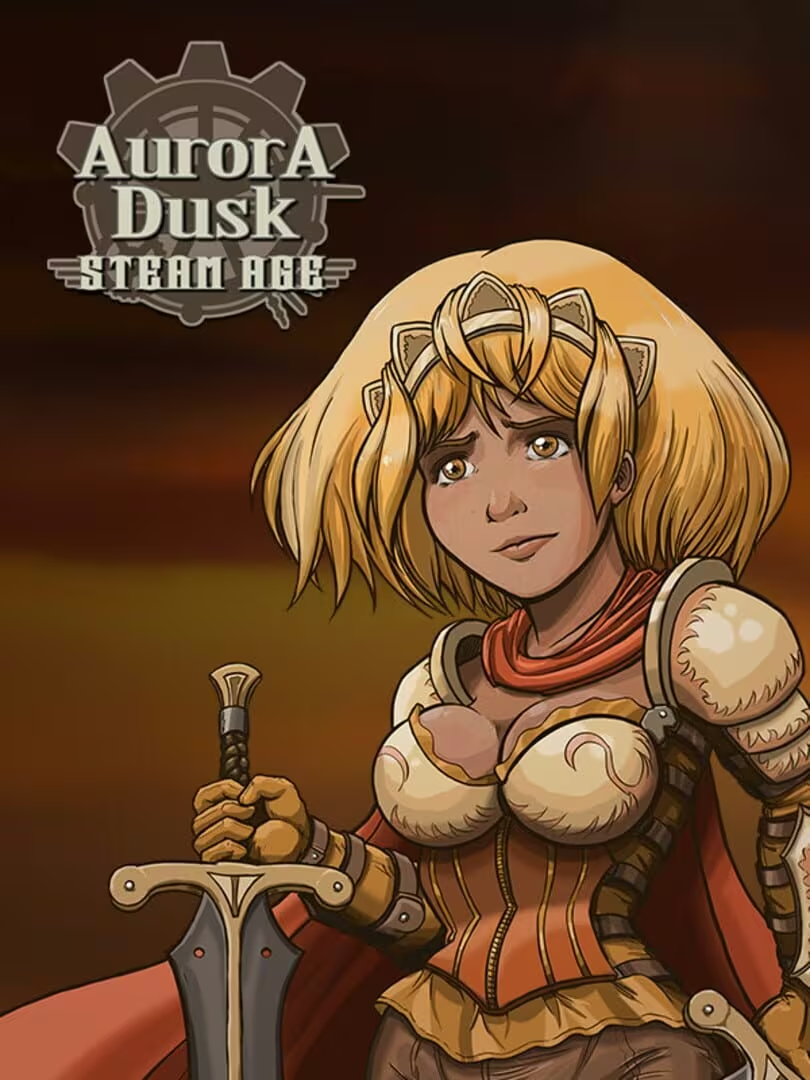 Aurora Dusk: Steam Age
"Some map variety and organic growth but limited emphasis on discovering new areas or secrets."
-
Expression
Game with the same Expression vibe
4"Customization of buildings and city aesthetics allows personal expression through design choices."
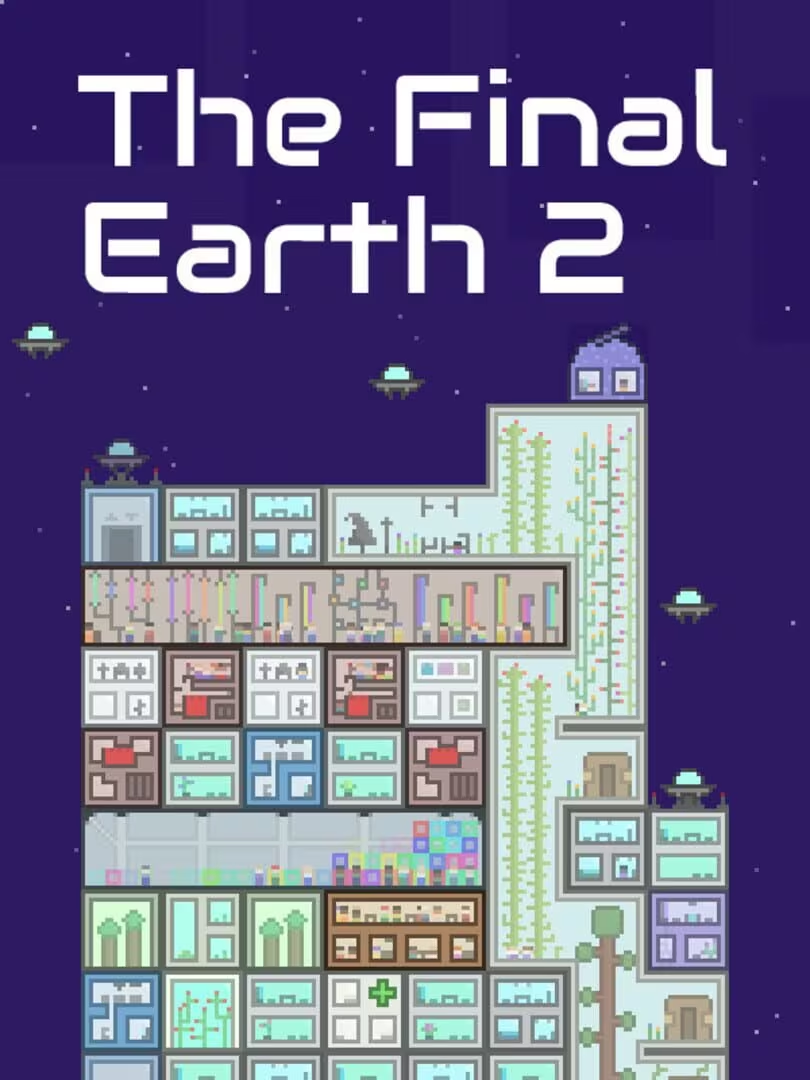 The Final Earth 2
"Customization of major buildings and city design allows personal expression."
-
Fantasy
Game with the same Fantasy vibe
3"Medieval setting with light fictional elements and cartoonish style, not strictly realistic."
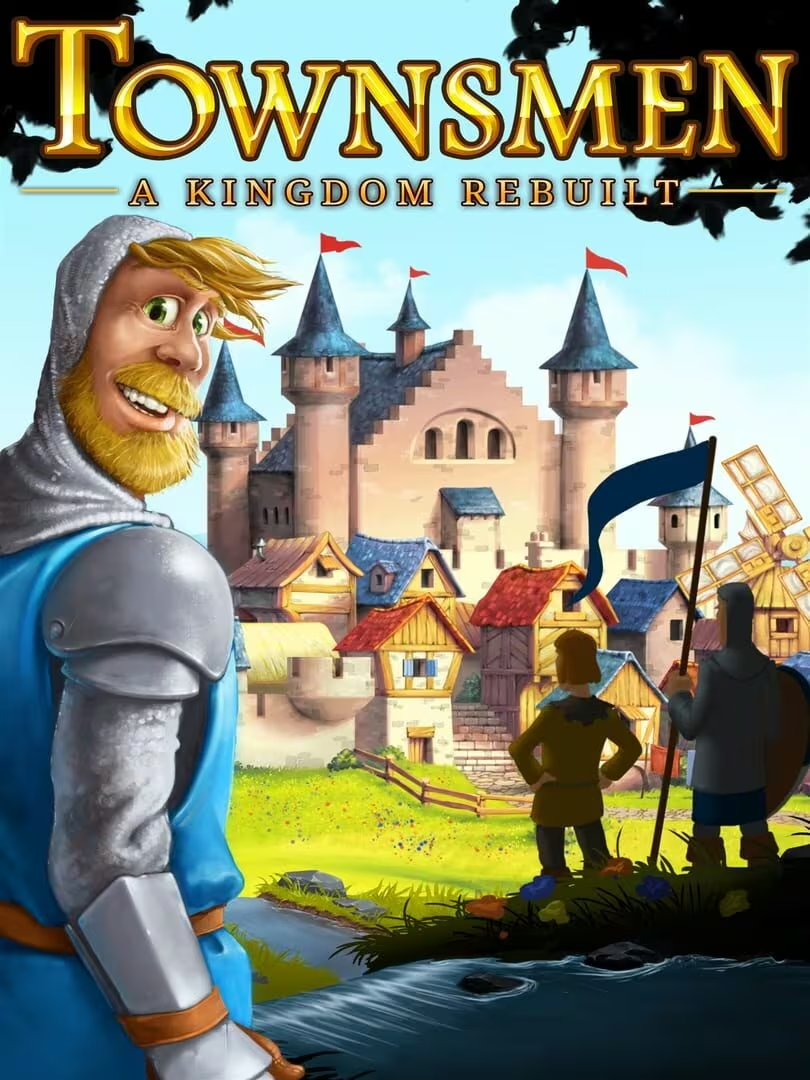 Townsmen - A Kingdom Rebuilt
"Medieval setting with stylized art and some imaginative elements, but grounded in plausible simulation."
-
Fellowship
Game with the same Fellowship vibe
-5"Single player game with minimal social interaction or community feeling."
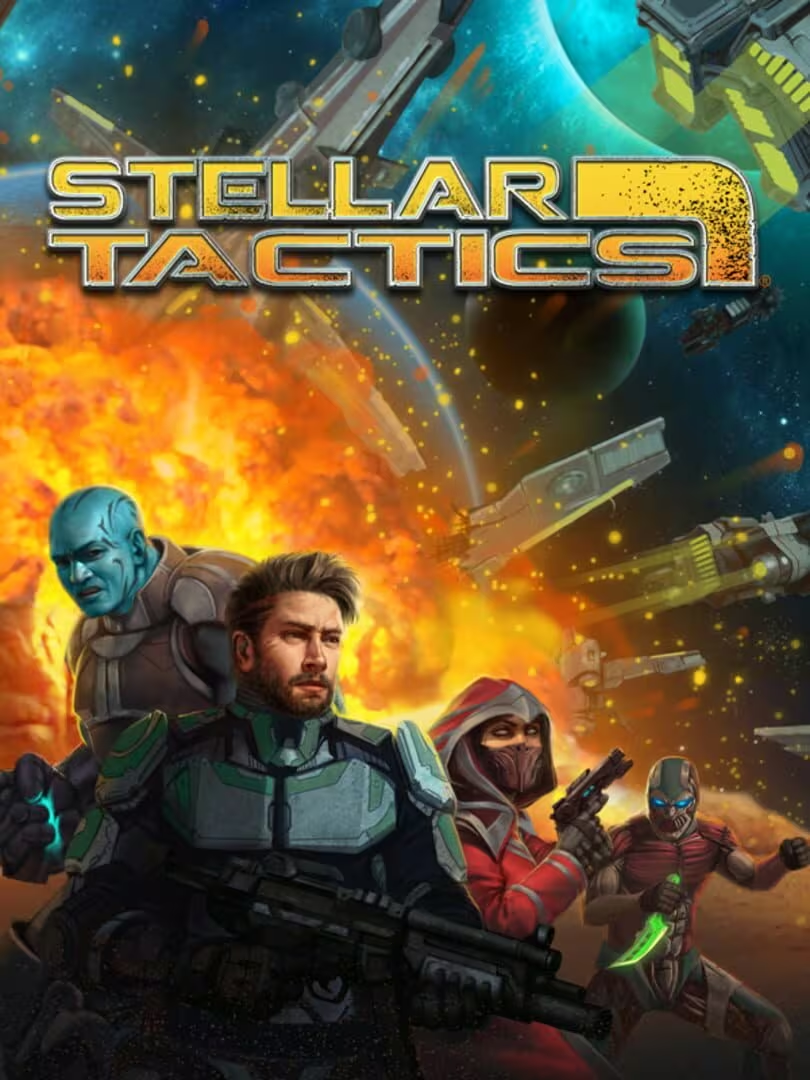 Stellar Tactics
"Single player game with minimal social interaction or community feeling."
-
Growth
Game with the same Growth vibe
4"Players learn mechanics, optimize logistics, and improve city management skills over time."
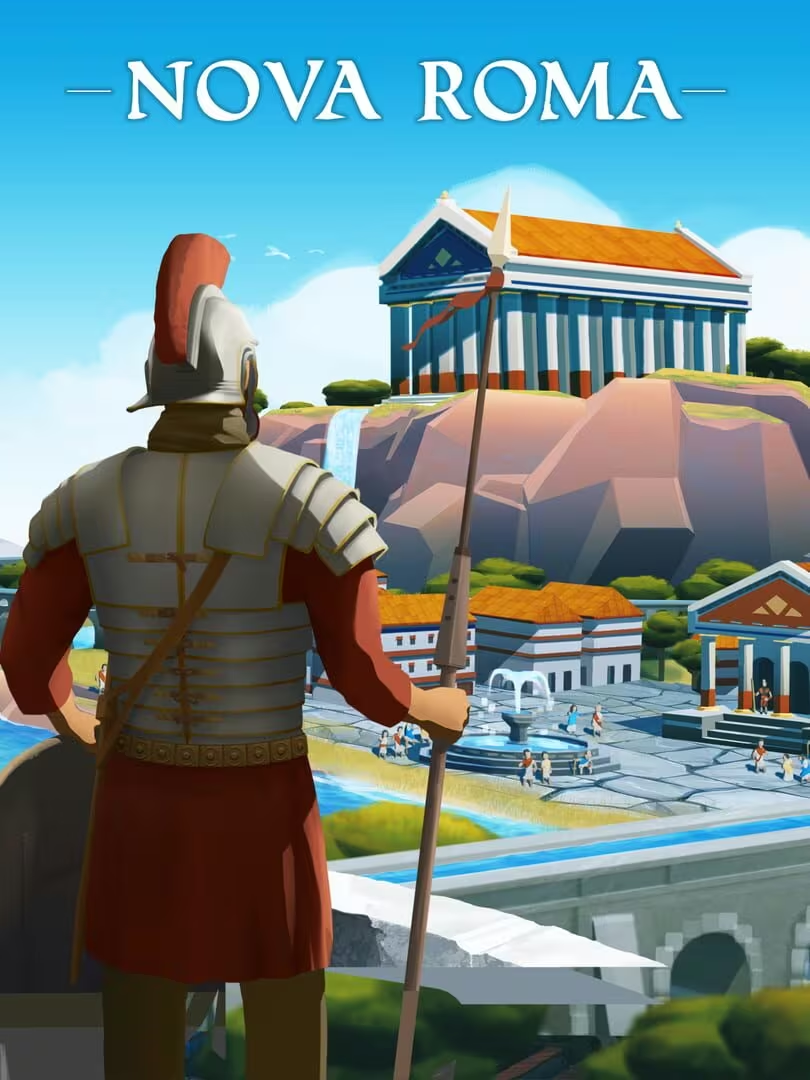 Nova Roma
"Players learn mechanics, optimize resource flows, and develop city management skills over time."
-
Health
Game with the same Health vibe
-5"Typical sedentary gameplay with no physical activity elements."
 The Albino Hunter (Original)
"Typical sedentary gameplay with no physical activity elements."
-
Idle
Game with the same Idle vibe
-3"Requires attention to resource management and city planning; not a casual or background game."
Pax Augusta
"Requires attention to resource management and city planning; not a background or idle game."
-
Intimacy
Game with the same Intimacy vibe
-5"No evidence of close social relationships or emotional sharing; interactions are with AI enemies."
 Blade and Sorcery
"No evidence of close social relationships or emotional sharing; interactions are with AI only."
-
Leadership
Game with the same Leadership vibe
3"Players lead their own teams and manage strategies, though no evidence of leading other players."
 INAZUMA ELEVEN: Victory Road
"Players lead and manage their city and population but no leadership over other players."
-
Progression
Game with the same Progression vibe
4"Progression through unlocking new buildings, districts, policies, and map expansions as city grows."
 Cities: Skylines
"Unlocking buildings, upgrading citizens, and expanding city represent clear progression."
-
Relaxation
Game with the same Relaxation vibe
5"Frequently described as zen, stress-relieving, and relaxing gameplay experience."
 Ship Graveyard Simulator 2
"Widely described as a zen, relaxing, and stress-relieving city builder."
-
Sensation
Game with the same Sensation vibe
3"Enjoyable visuals, music, and charming animations provide sensory pleasure."
 Pumpkin Days
"Enjoyable visuals, sound design, and charming animations provide sensory pleasure."
-
Status
Game with the same Status vibe
-5"No social recognition or popularity mechanics; focus is on individual achievement."
 Witchfire
"No social recognition or popularity mechanics; focus is on personal achievement."
-
Story
Game with the same Story vibe
-4"No narrative or plot; gameplay is context-free city building and management."
Cities: Skylines
"No narrative or plot; gameplay is context-free city building and management."
-
Strategy
Game with the same Strategy vibe
4"Requires strategic planning in resource management, economy, and town layout."
 Ostriv
"Requires strategic planning of resource chains, zoning, and workforce management."
-
Thrill
Game with the same Thrill vibe
-4"Low risk, controlled environment; no suspense or high tension gameplay."
 FISHERY
"Low risk, no disasters or combat threats; calm and predictable gameplay."
-
Value
Game with the same Value vibe
4"Players report good value for price with ongoing updates, mod support, and replayability."
 Hellsplit: Arena
"Players report good value for price with ongoing updates and mod support."
-
Violence
Game with the same Violence vibe
-5"No violence or combat; peaceful city building focus."
Ostriv
"No combat or destruction focus; peaceful city building and management."
-
Survival
Game with the same Survival vibe
-4"No survival threats or failure states; stable and safe environment."
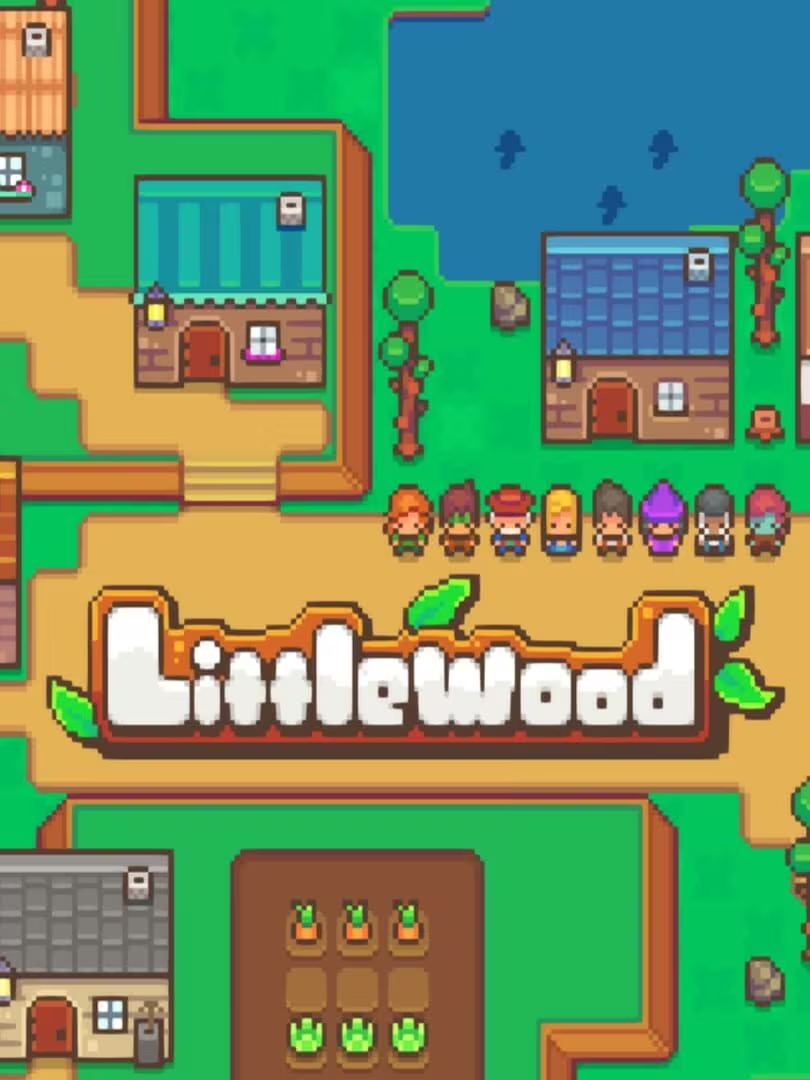 Littlewood
"No survival threats or failure states; stable and forgiving environment."
Last update: 01/06/2026