Teenage Mutant Ninja Turtles similar games & best alternatives
No screenshot has been retrieved yet
Should you play it?
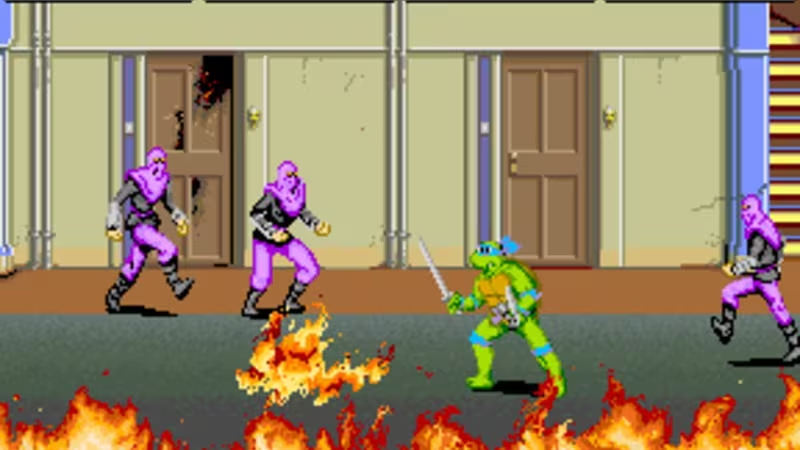
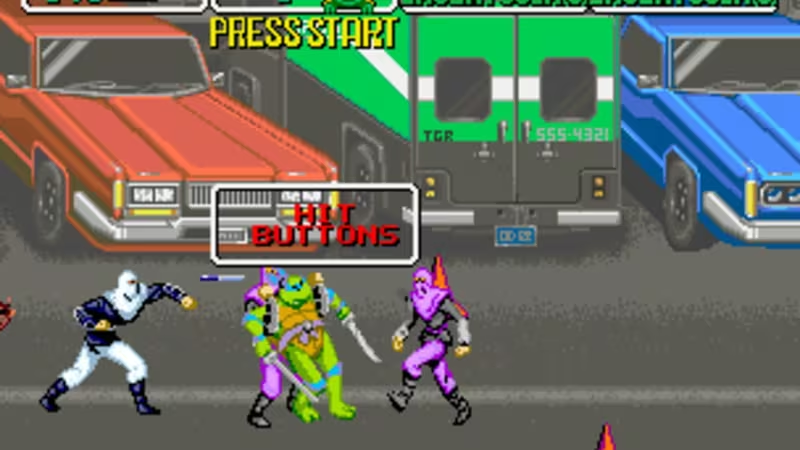
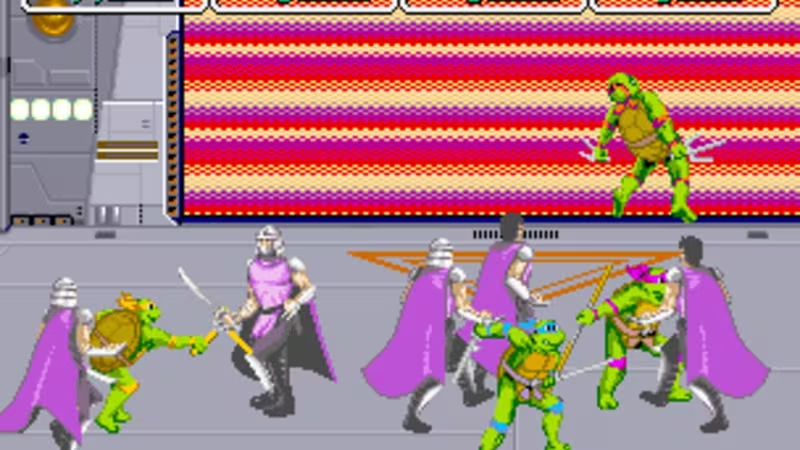
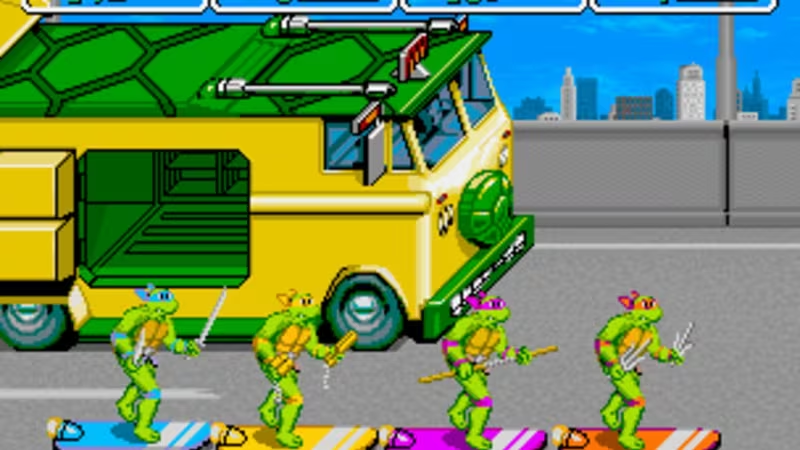
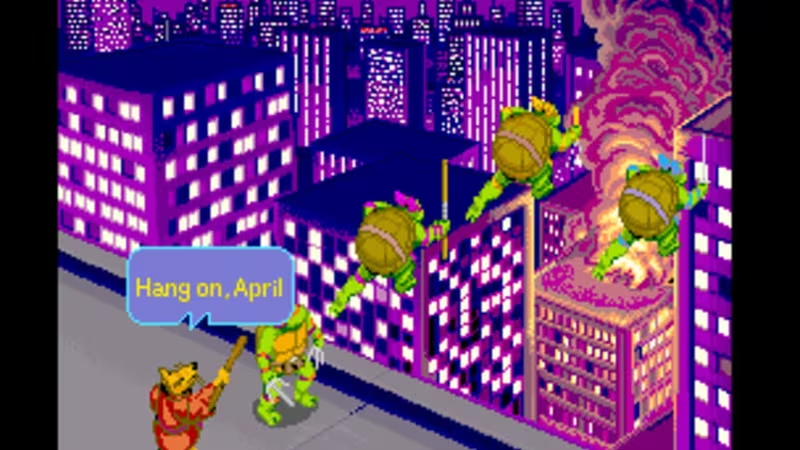
NOTE: This is the original 4-Player Arcade release, not the NES Title. The player chooses from one of the four Ninja Turtles: Leonardo, Michelangelo, Donatello, and Raphael. After Shredder kidnaps the Turtles' friend April O'Neil and their mentor Splinter, they must give chase, save their comrades, and defeat the evil Shredder. The player chooses from one of the four Ninja Turtles: Leonardo, Michelangelo, Donatello, and Raphael. Depending on the version of the game, the characters are either, chosen at the start of the game or assigned by control panel. After Shredder kidnaps the Turtles' friend April O'Neil and their mentor Splinter, they must give chase, save their comrades, and defeat the evil Shredder. Up to four players (two in some versions) can take control of any of the Turtles. Donatello has slower attacks but a longer range, Michelangelo and Raphael have faster attacks but a shorter range, and Leonardo is a well-rounded Turtle with average range and speed. The eight-way joystick controls the movements of the Turtle, the jump button makes them jump and the attack button makes them hit in front of them using their weapon. In addition to this, some combinations are possible. The Turtles can throw Foot soldiers overhead, and by pressing the jump and attack buttons, a special attack is performed. Raphael rolls along the ground and finishes with a kick, while the other Turtles do a sweeping jump attack with their weapons. Turtles can also spring off the wall in certain areas. Enemies can be defeated more quickly by slamming them into walls or solid objects. Many objects such as traffic cones, parking meters, fire hydrants and exploding oil drums can be hit or damaged with attacks in order to help defeat nearby enemies. In the attract mode, the game showed the first part of the cartoon opening, along with a portion of the Teenage Mutant Ninja Turtles theme song. Most of the enemies the Turtles face are the Foot Soldiers, all color-coded to indicate their attack patterns and weapon of choices. Some enemies, such as the standard purple-clad Foot Soldiers and Roadkill Rodney robots, have the ability to restrain the Turtles' mobility and drain their health, leaving the player open to attack for other enemies. The bosses in the game include Rocksteady and Bebop (individually at first in that order, and later the two of them together), Baxter Stockman, Granitor, General Traag, Krang, and Shredder himself.
What works
- Strong cooperative multiplayer experience
- Immersive vr combat and parkour movement
- Faithful tmnt art style and lore integration
- Meaningful character progression and customization
- Engaging open-world exploration and collectibles
Things to keep in mind
- Combat can become repetitive and shallow
- Technical glitches and occasional bugs reported
- Solo play less engaging than co-op
- Some ui and mission design limit true exploration
- Progression grind noticeable in mid to late game
What to play next
Top picks
Games that feel the closest overall
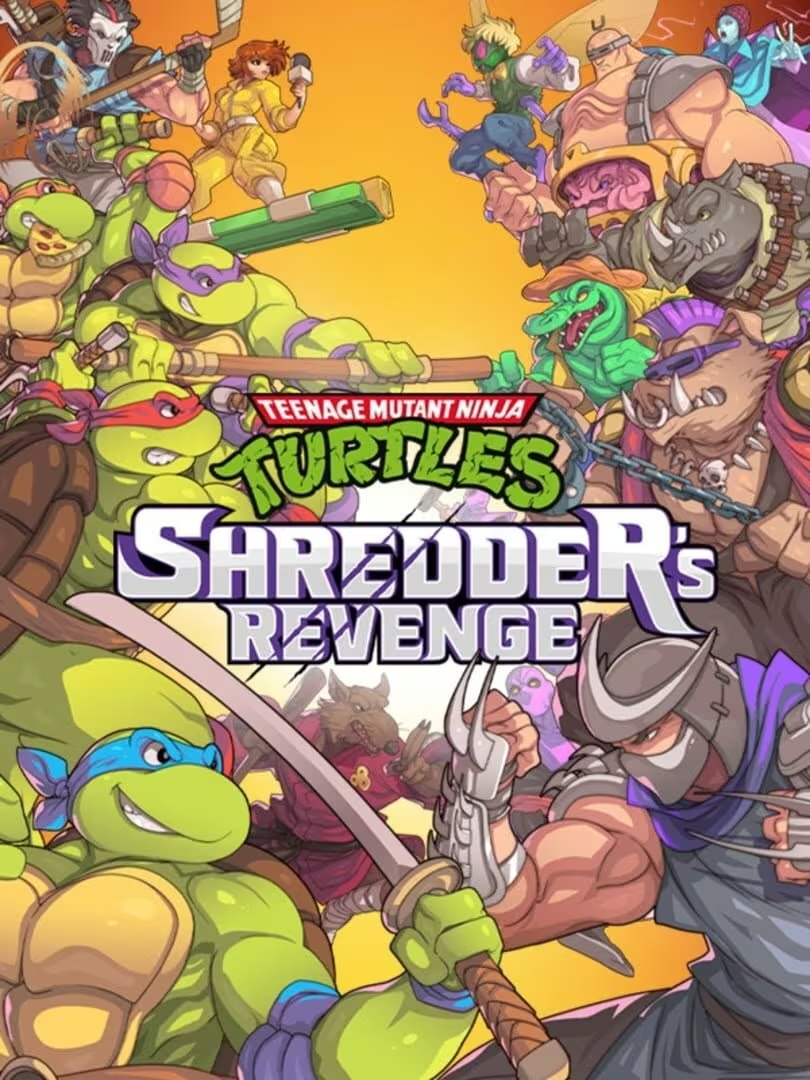
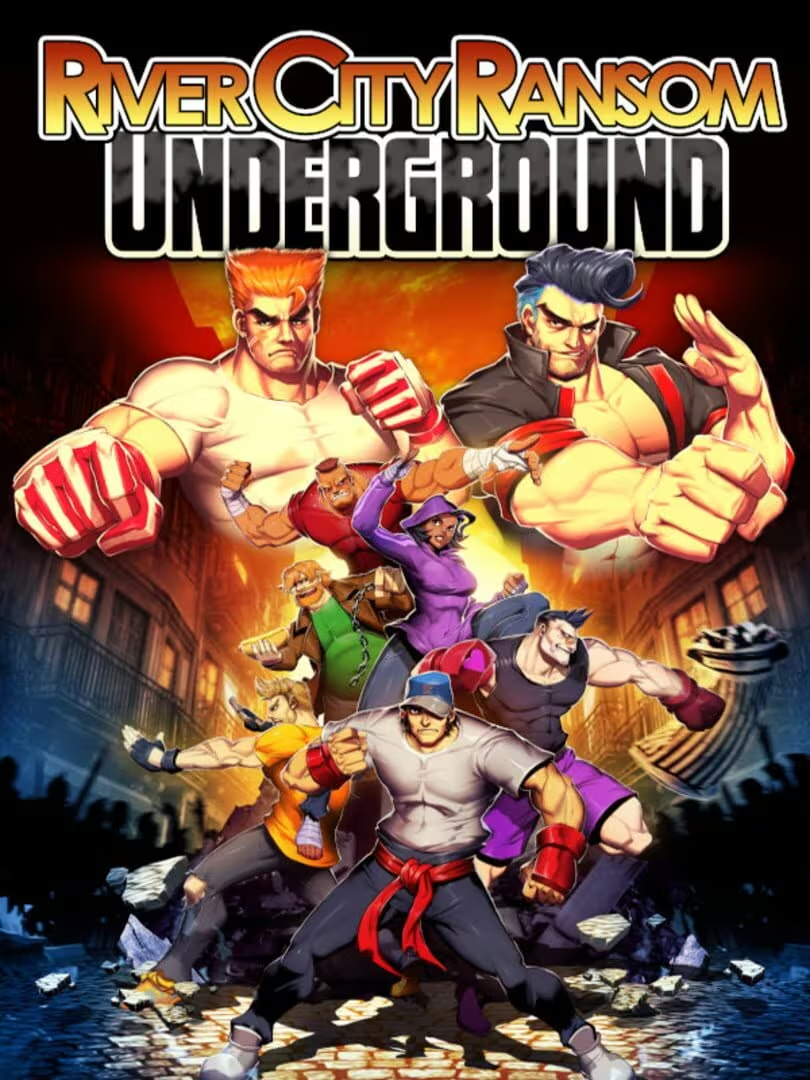
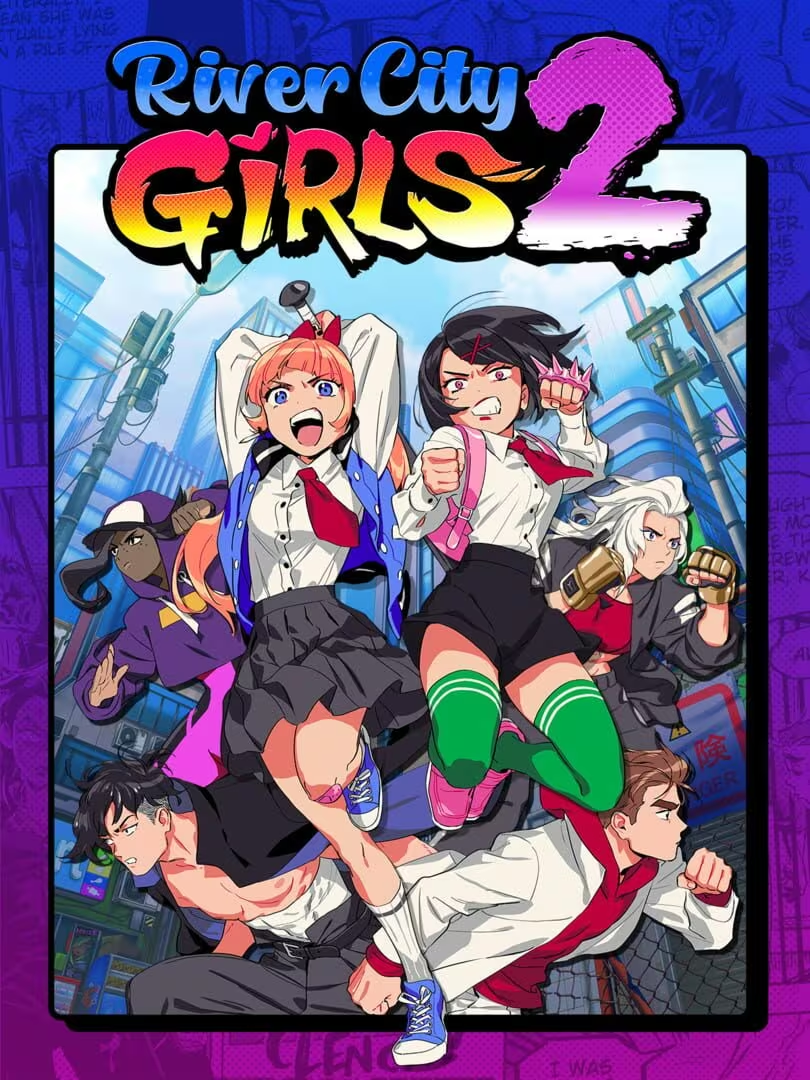
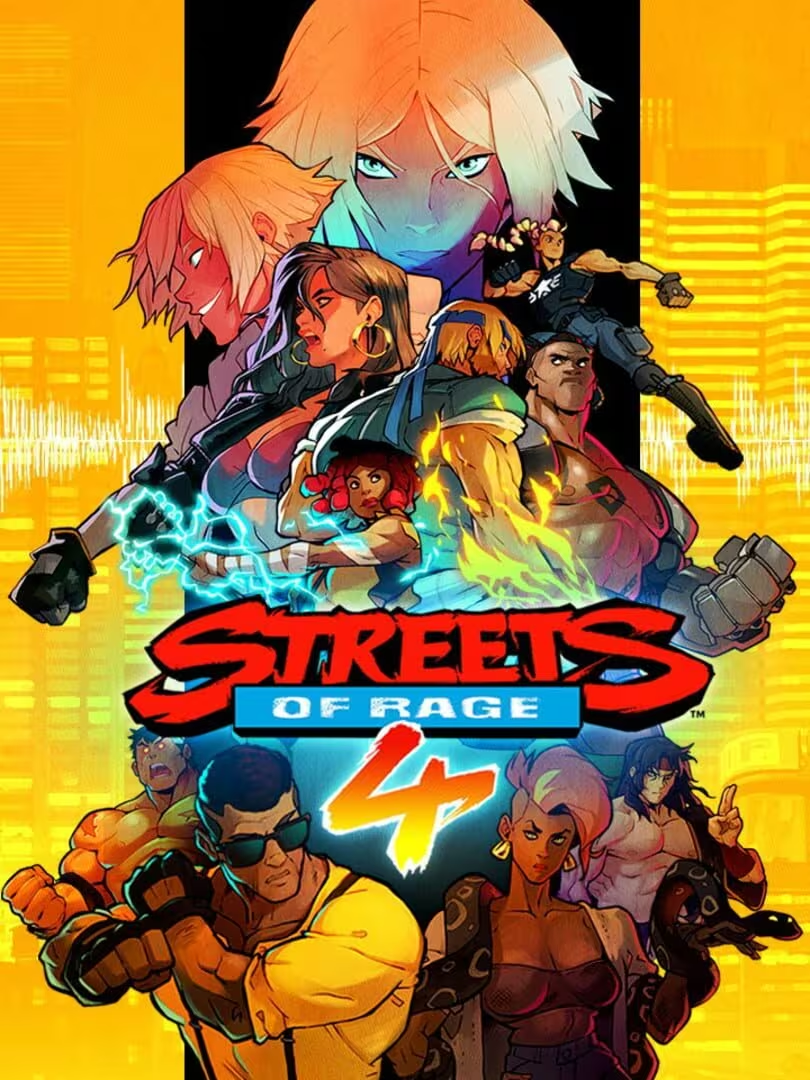
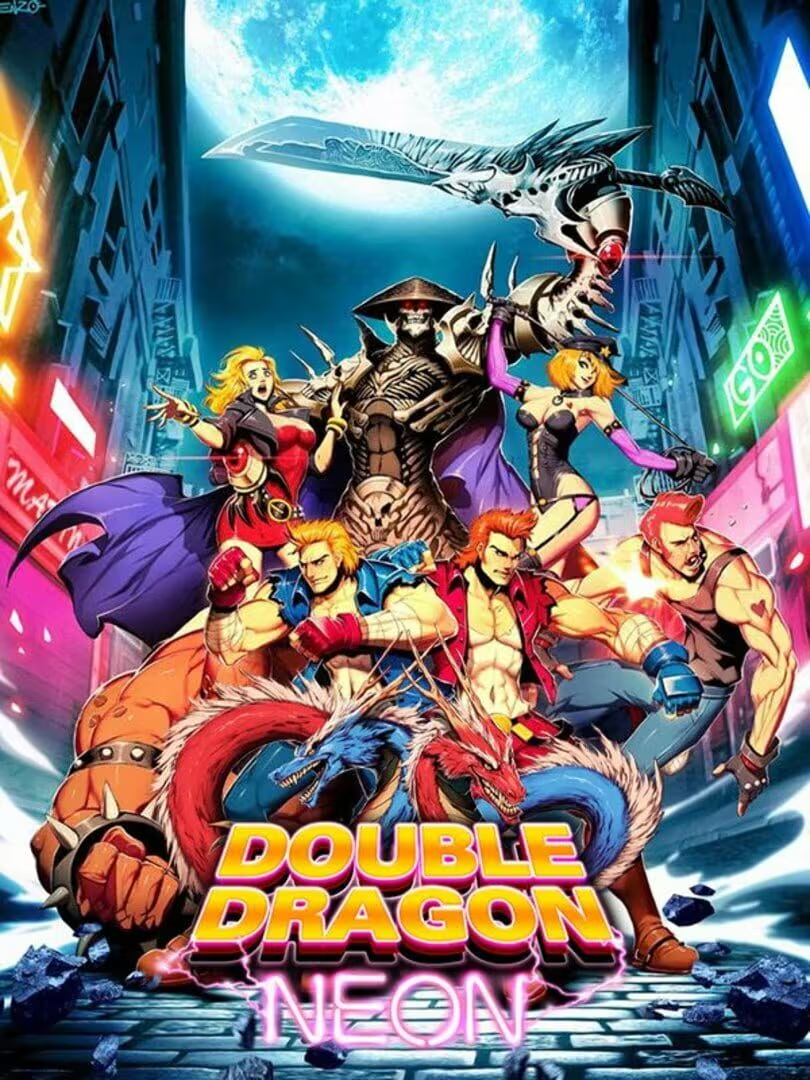
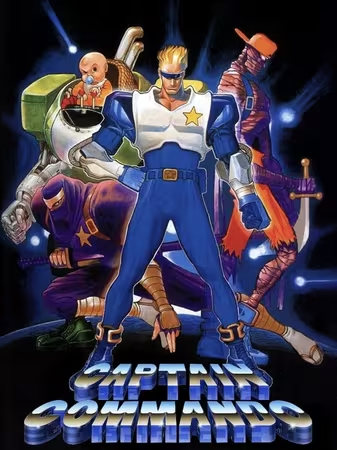
Less competitive
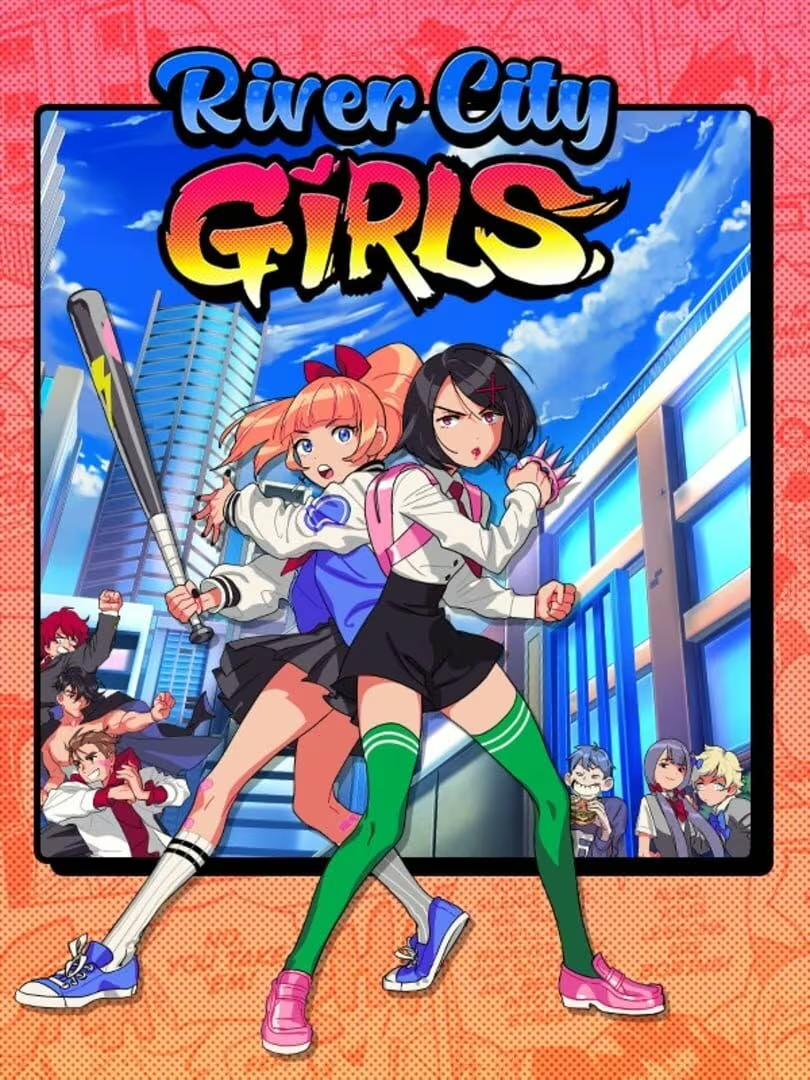
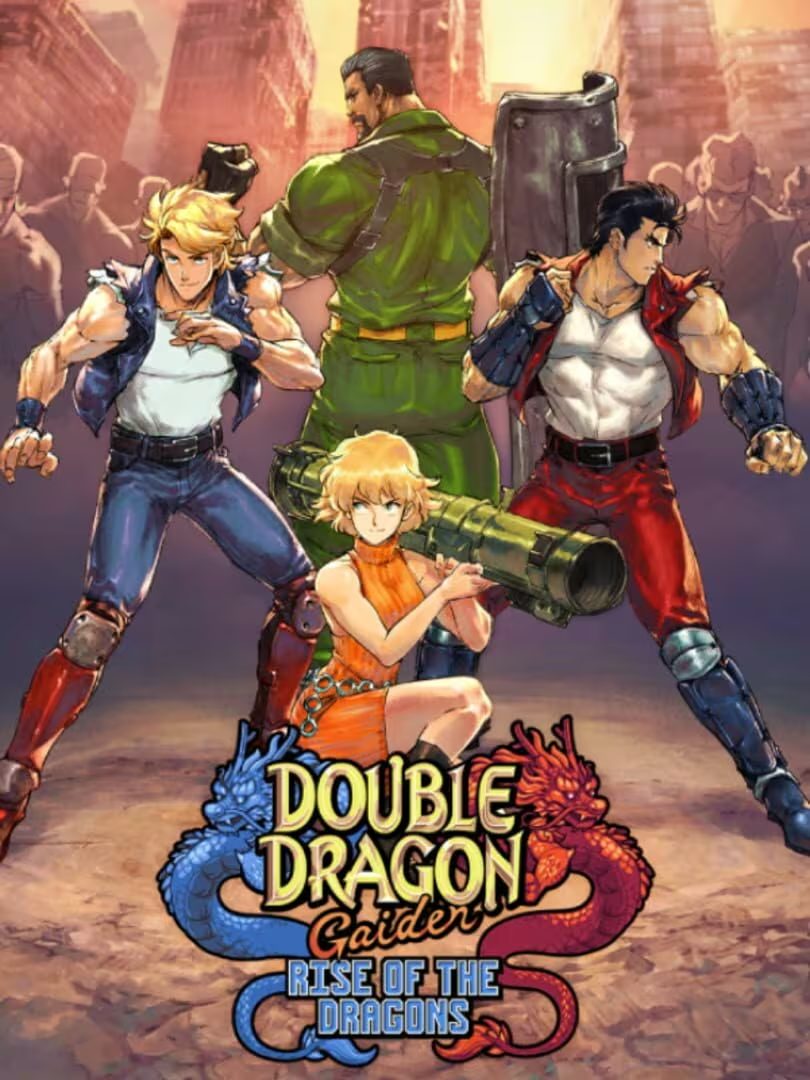
Games that feels like Teenage Mutant Ninja Turtles but with less competition against others · 10 games
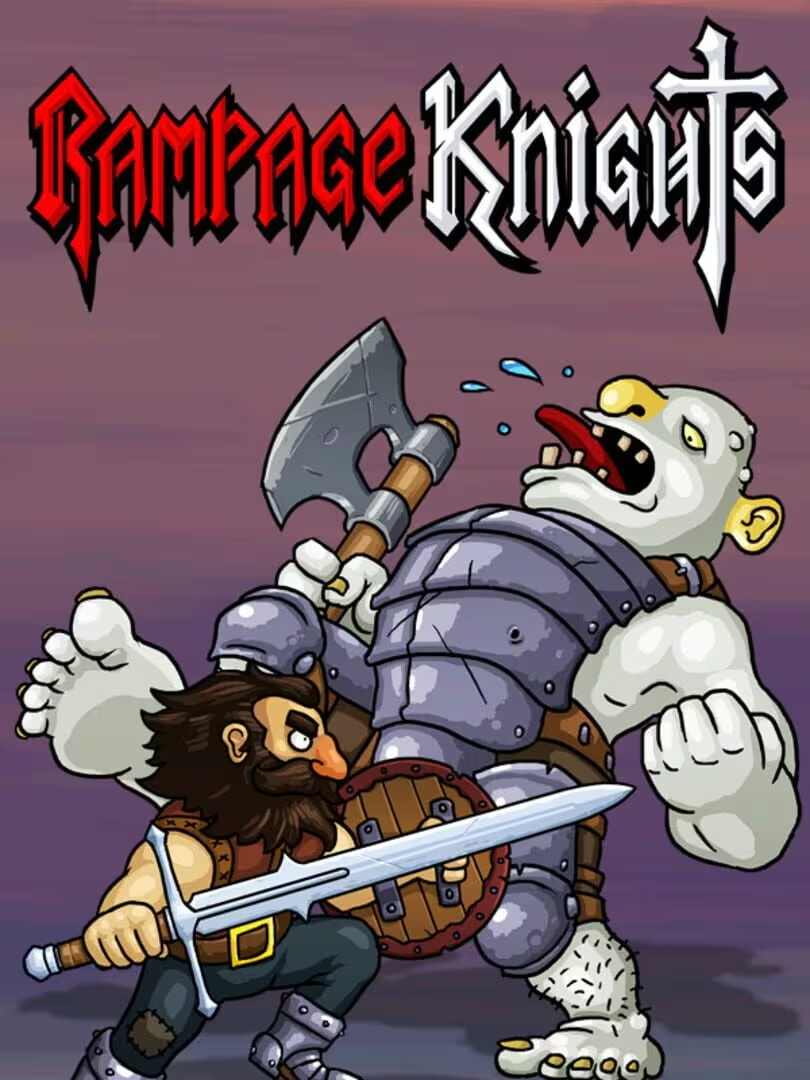

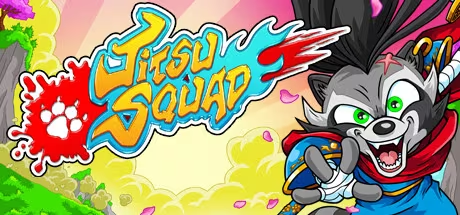
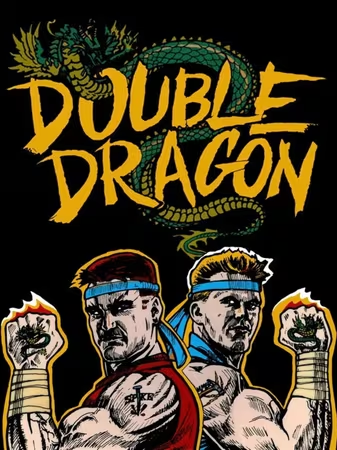
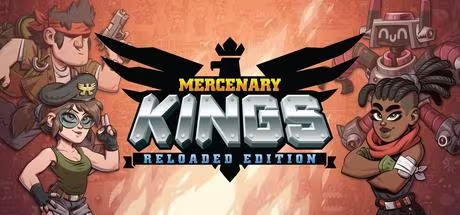
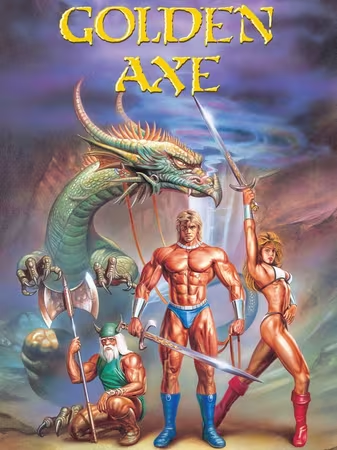
Less leadership-focused
Games that feels like Teenage Mutant Ninja Turtles but with less leadership over others · 10 games
Less story-driven
Games that feels like Teenage Mutant Ninja Turtles but with less narrative immersion · 4 games
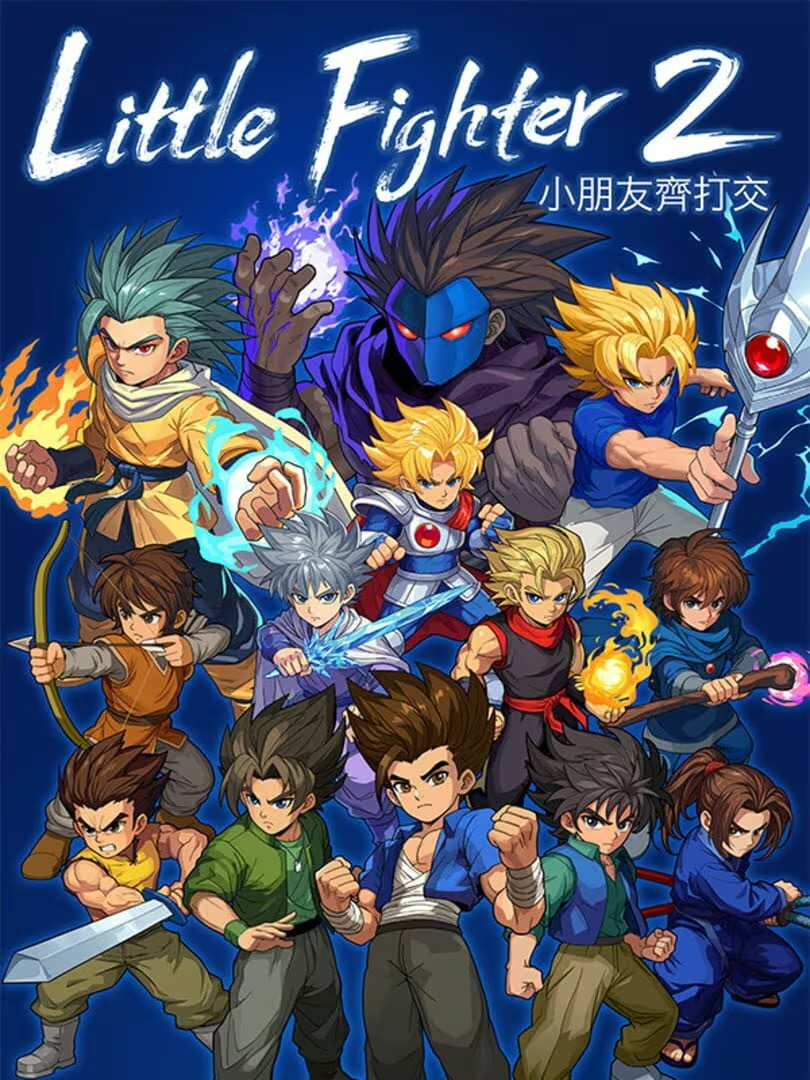
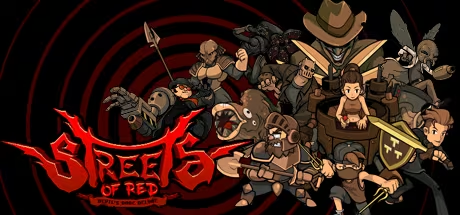
Less value-seeking
Games that feels like Teenage Mutant Ninja Turtles but with less emphasis on value for time or money · 4 games
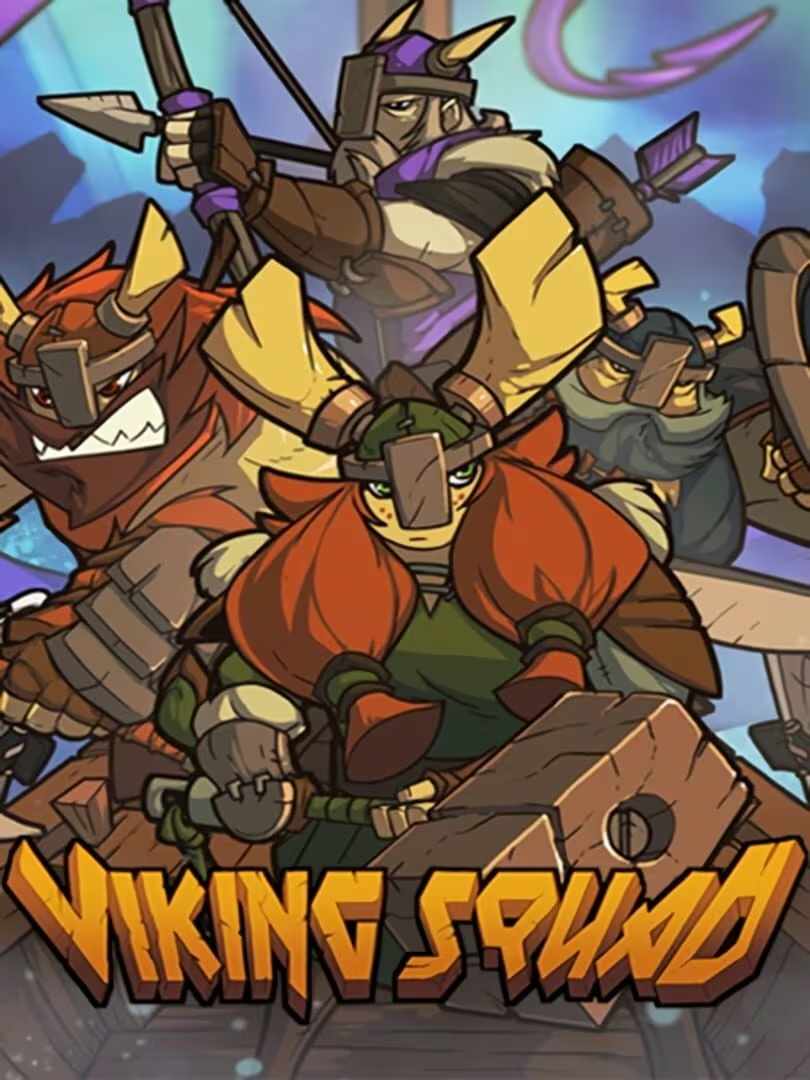
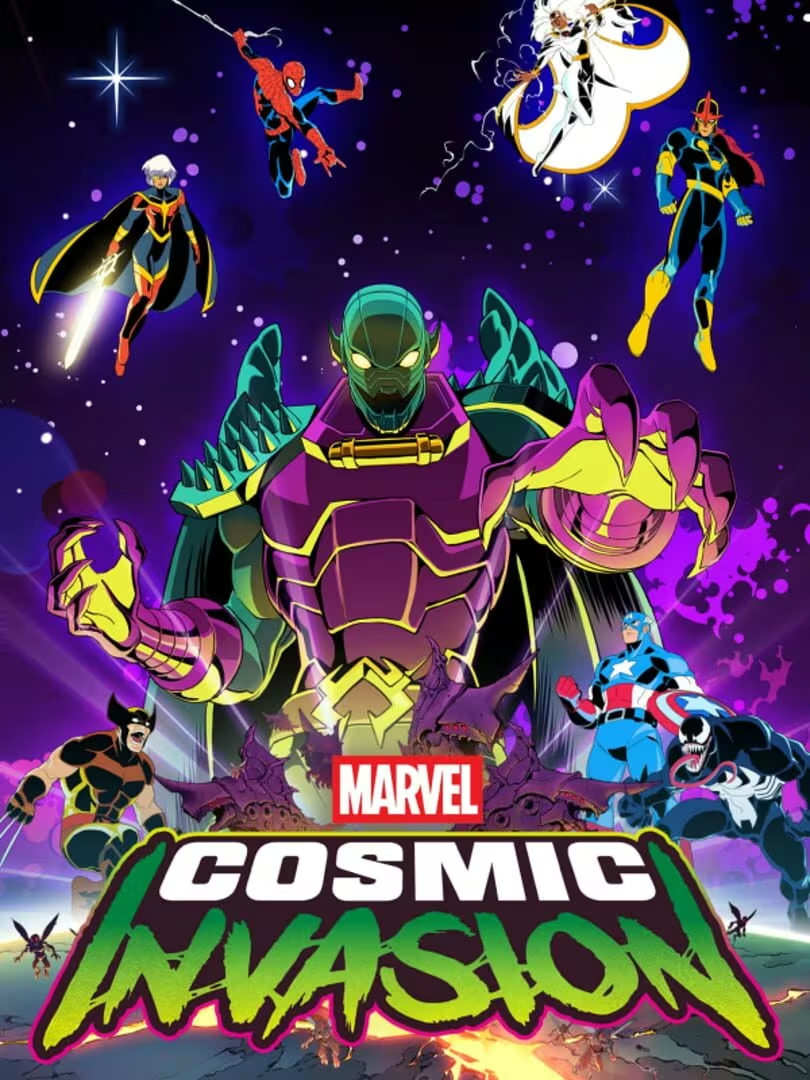
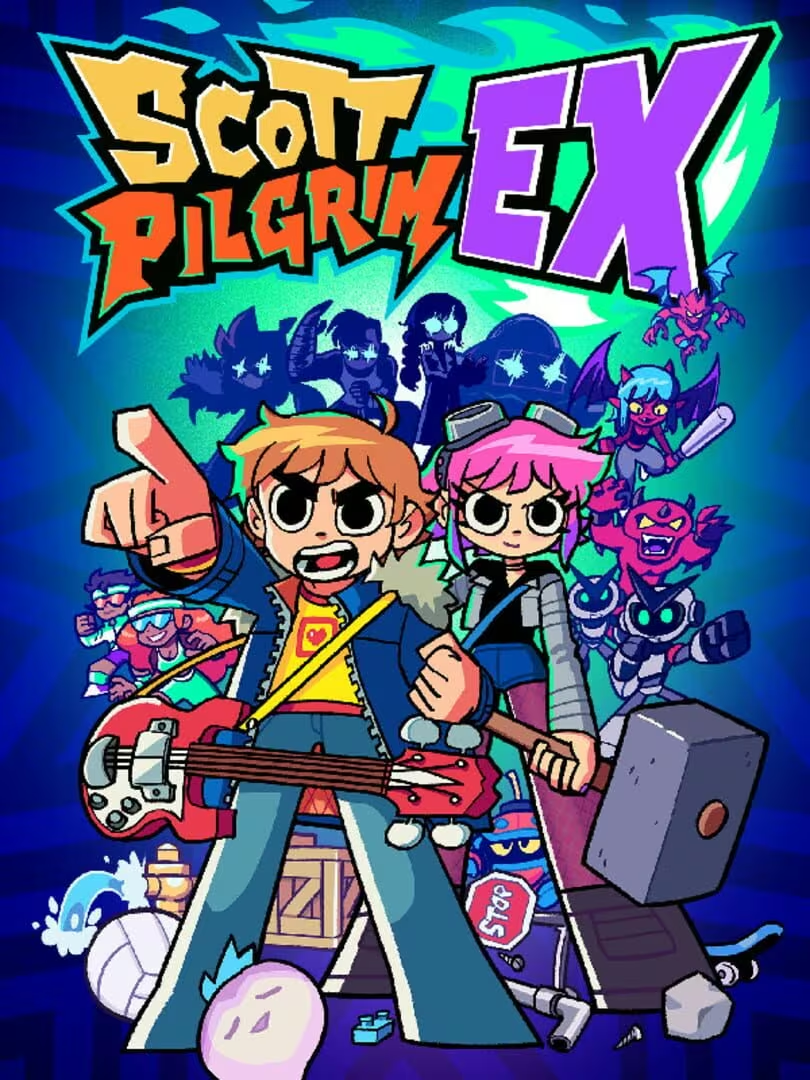
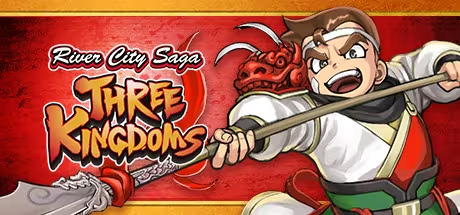
Others
Other games that might remind you of Teenage Mutant Ninja Turtles · 13 games
-
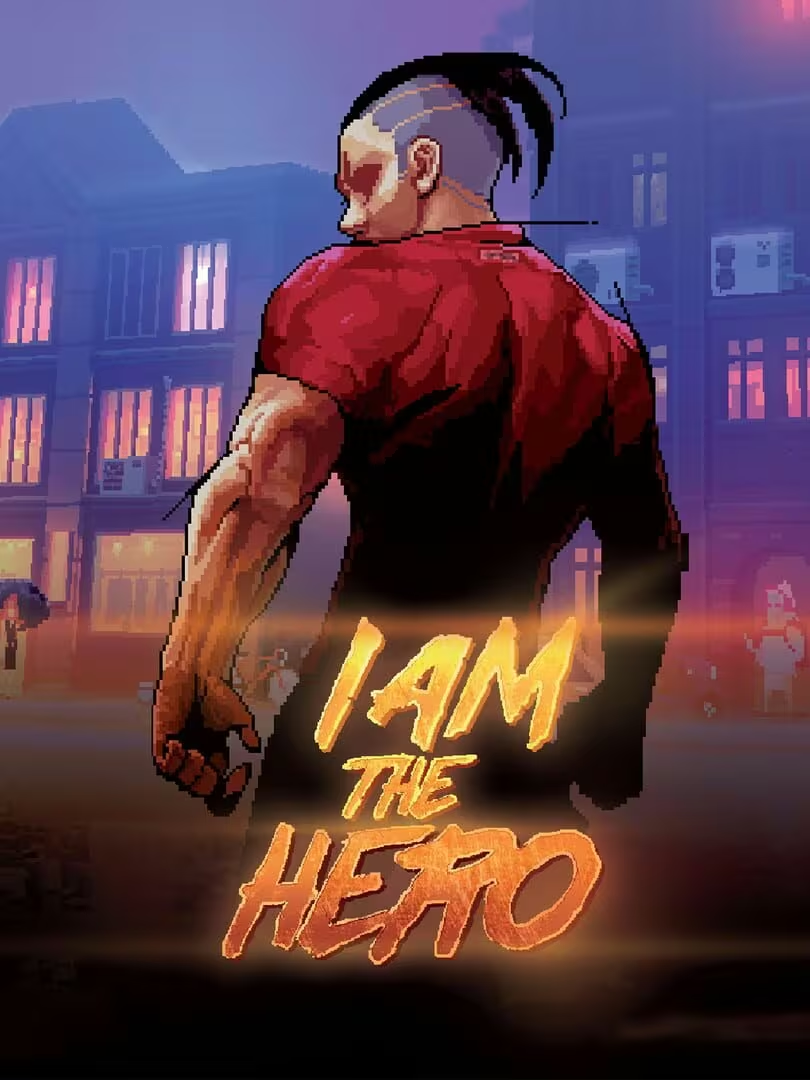
I Am The Hero
-
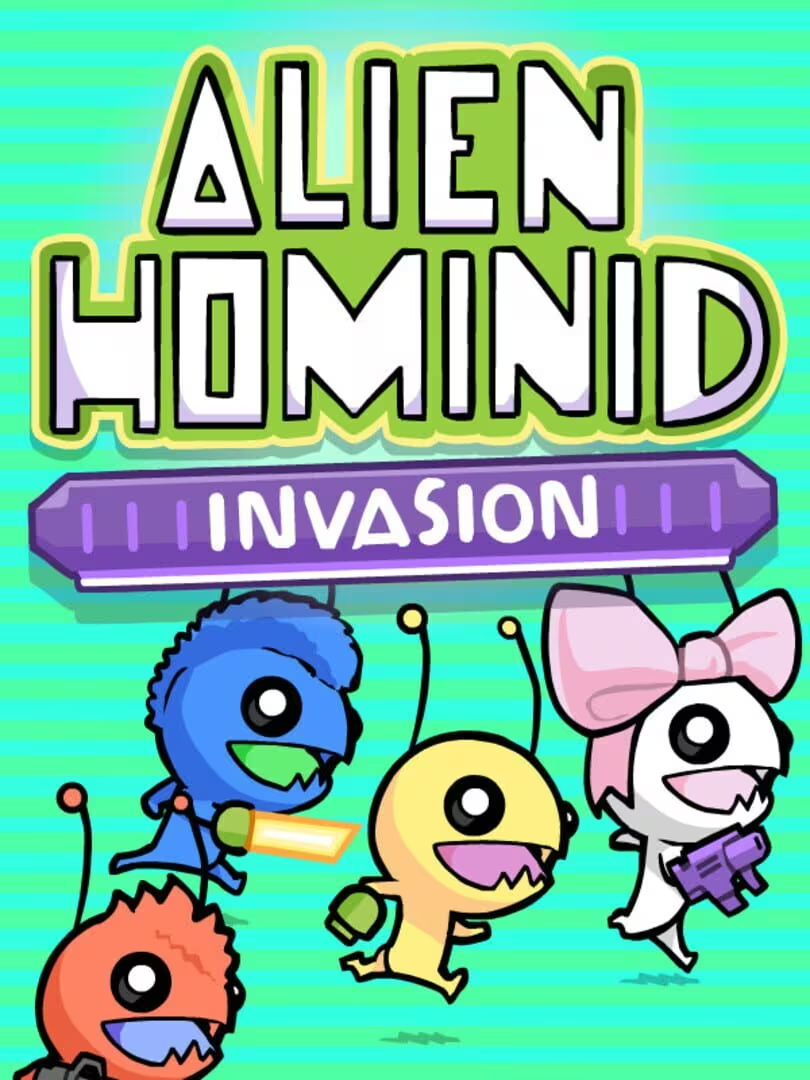
Alien Hominid Invasion
-
Animation Versus
-
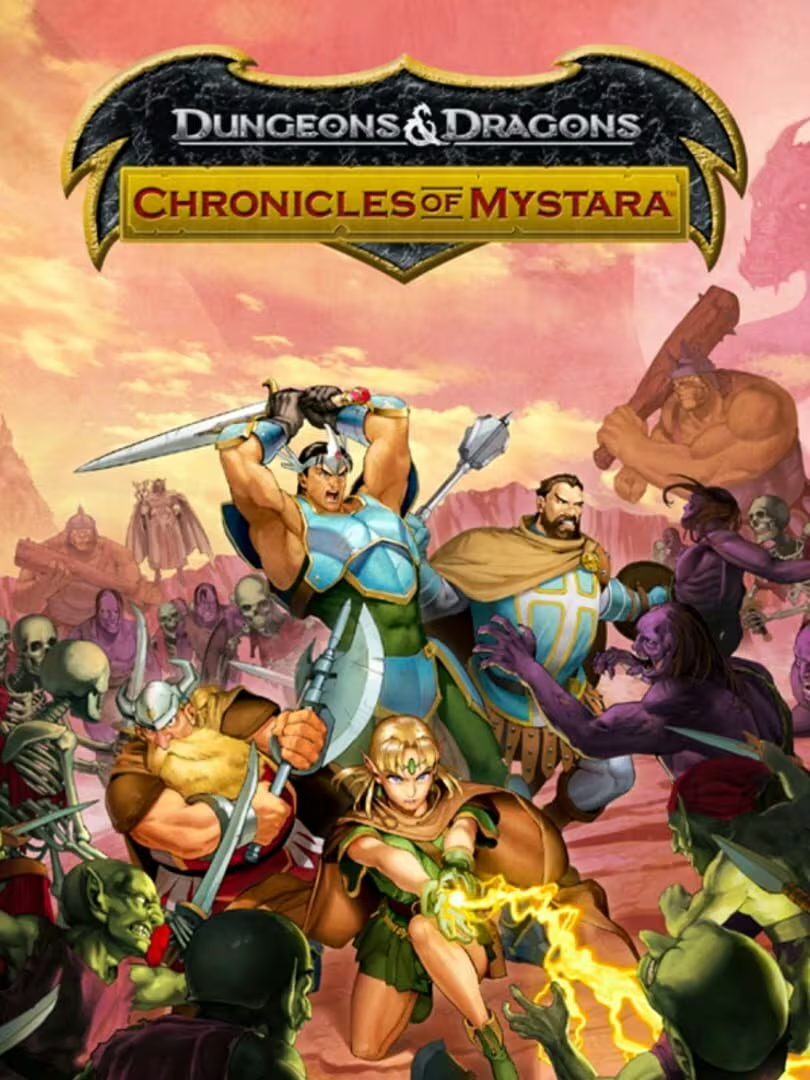
Dungeons & Dragons: Chronicles of Mystara
-
The Ninja Saviors: Return of the Warriors
-
Pocket Bravery
-
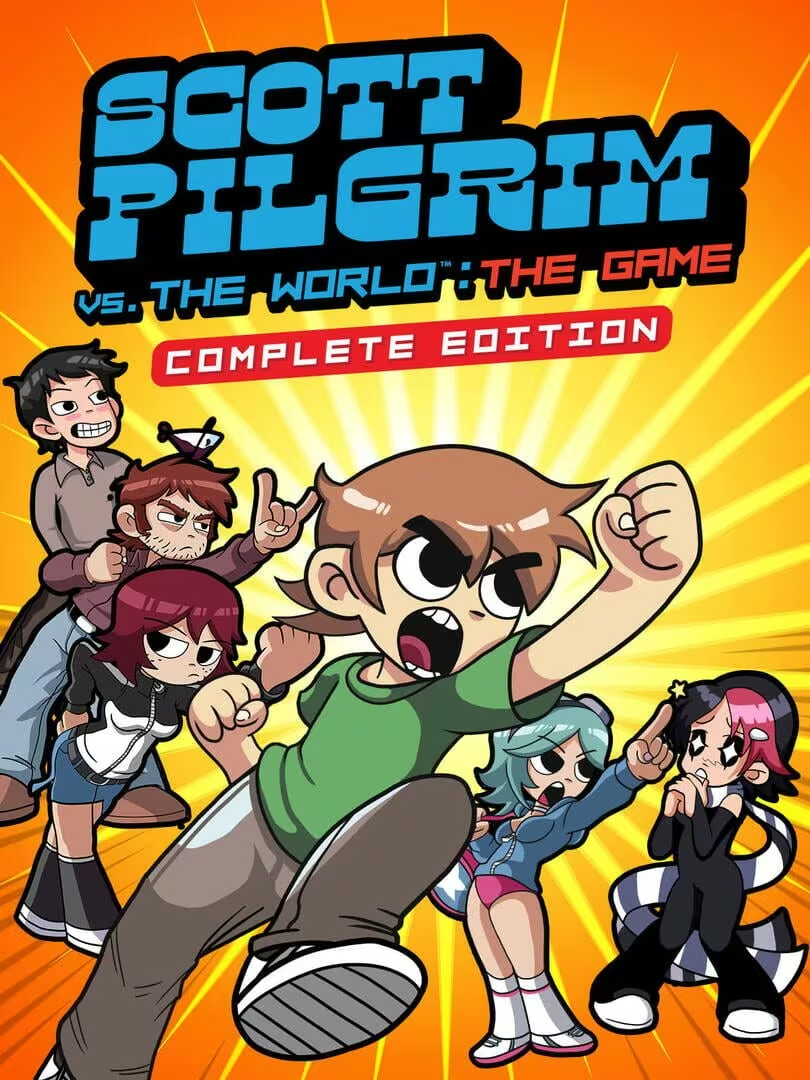
Scott Pilgrim vs. The World™: The Game – Complete Edition
-
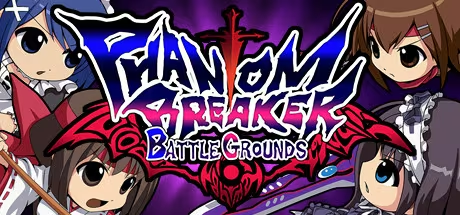
Phantom Breaker: Battle Grounds Classic
-
M.U.G.E.N
-
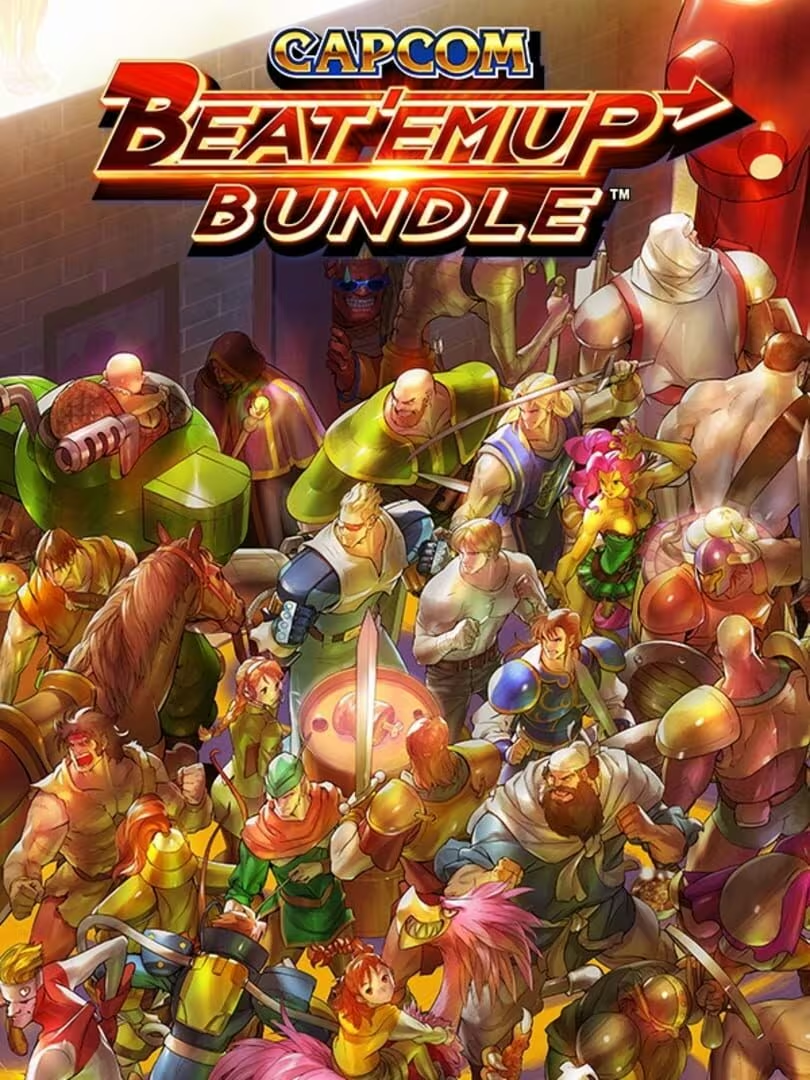
Capcom Beat 'Em Up Bundle
-
Lethal League Blaze
-
Cassette Beasts
-
Fist Puncher
From the same developer
From the same developer, ranked by motivational fit.
Last update: 17/10/2026