Abandoned Archive similar games & best alternatives
Should you play it?
Abandoned Archive is a fantasy, spell-casting, rogue-like, featuring a wide variety of relics, a unique spell-upgrading system, with compelling and engaging bosses. Each floor is filled with items and mysteries for the player to uncover; what will you discover in the Abandoned Archive?
What works
- Challenging and rewarding gameplay
- Variety of spells and upgrades
- Engaging boss fights
- Good value for price
- Immersive audio and pixel art style
Things to keep in mind
- Lack of minimap causes navigation issues
- Some spells unbalanced or underwhelming
- Enemy attack telegraphing sometimes unclear
- Controller support and ui need polish
- Limited content and meta-progression
What to play next
Similar games, hidden gems, and fresh directions from this game.
Top picks
Games that feel the closest overall



Hidden Gems
Less popular games with surprisingly high similarity
If you liked…
Recommendations by what you enjoyed most
Similarity map
Explore nearby similar games and see why they’re close.
Abandoned Archive: A very typical example of its motivational profile. Motivations that often define this kind of title include Fellowship, Violence, Survival, Cooperation. It leans lower than usual among comparable games on Expression, Relaxation, Leadership.
Why this game works
A motivational profile of the game, with the closest similar game for each player motivation.
-
Autonomy
Game with the same Autonomy vibe
4"Players can customize their spell loadouts extensively and choose their own strategies, indicating high control over actions and decisions."
 Wizards
"Players can freely choose and swap spells, customize loadouts, and experiment with different combinations, indicating high control over actions and decisions."
-
Competence
Game with the same Competence vibe
4"The game is challenging with skill-based dodging, weapon management, and learning enemy patterns."
 Starr Mazer: DSP
"The game is challenging with skill-based combat, requiring learning enemy patterns and precise dodging, providing feedback and opportunities for skill improvement."
-
Competition
Game with the same Competition vibe
-3"Focus is on personal progression and mastery rather than direct competition or leaderboards; no evidence of PvP or ranked modes."
 Kemono Friends Cellien May Cry
"Focus is on personal progression and skill mastery rather than direct competition or leaderboards; no evidence of ranked or PvP modes."
-
Continuation
Game with the same Continuation vibe
3"Players report addictive gameplay with repeated runs and desire to improve, though some note limited content and eventual boredom."
 Diehard Dungeon
"Players report addictive gameplay with repeated runs and desire to improve, though some mention limited content and short playtime per session."
-
Cooperation
Game with the same Cooperation vibe
-5"Game is a single-player roguelike with no cooperative multiplayer elements mentioned."
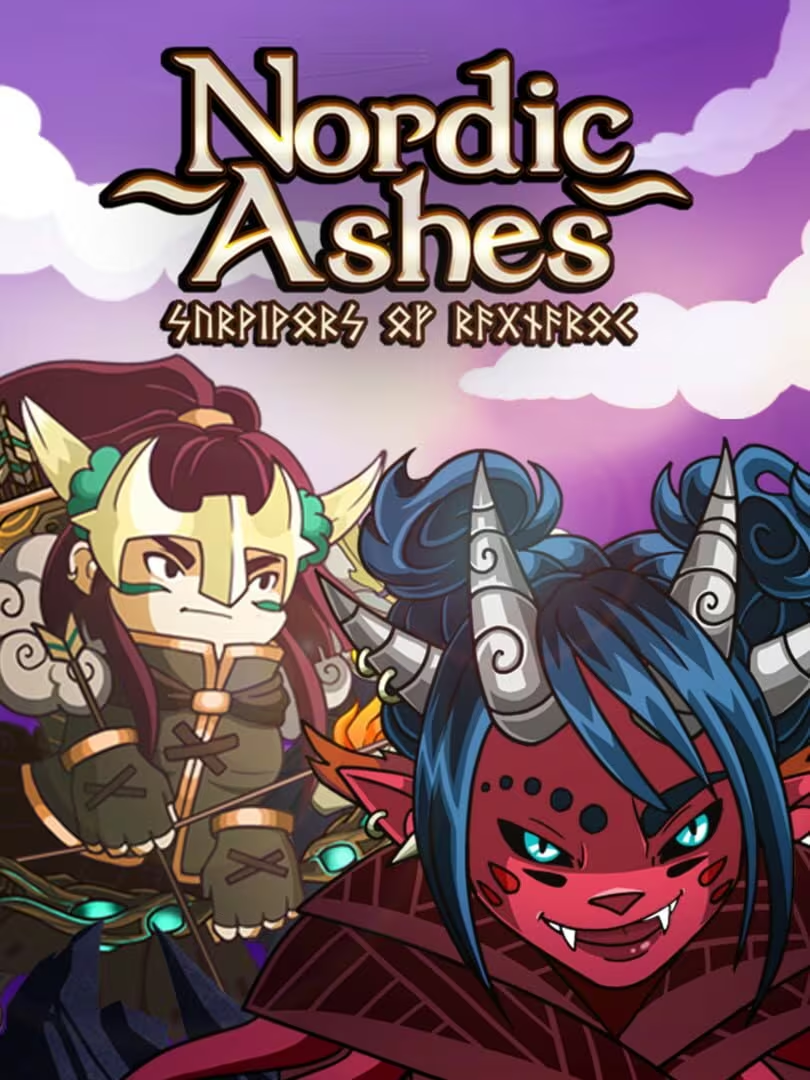 Nordic Ashes: Survivors of Ragnarok
"Game is a single-player roguelike with no mention of cooperative or multiplayer gameplay."
-
Creativity
Game with the same Creativity vibe
3"Players experiment with various builds, relic synergies, and skill combinations, though within predefined systems and limited customization."
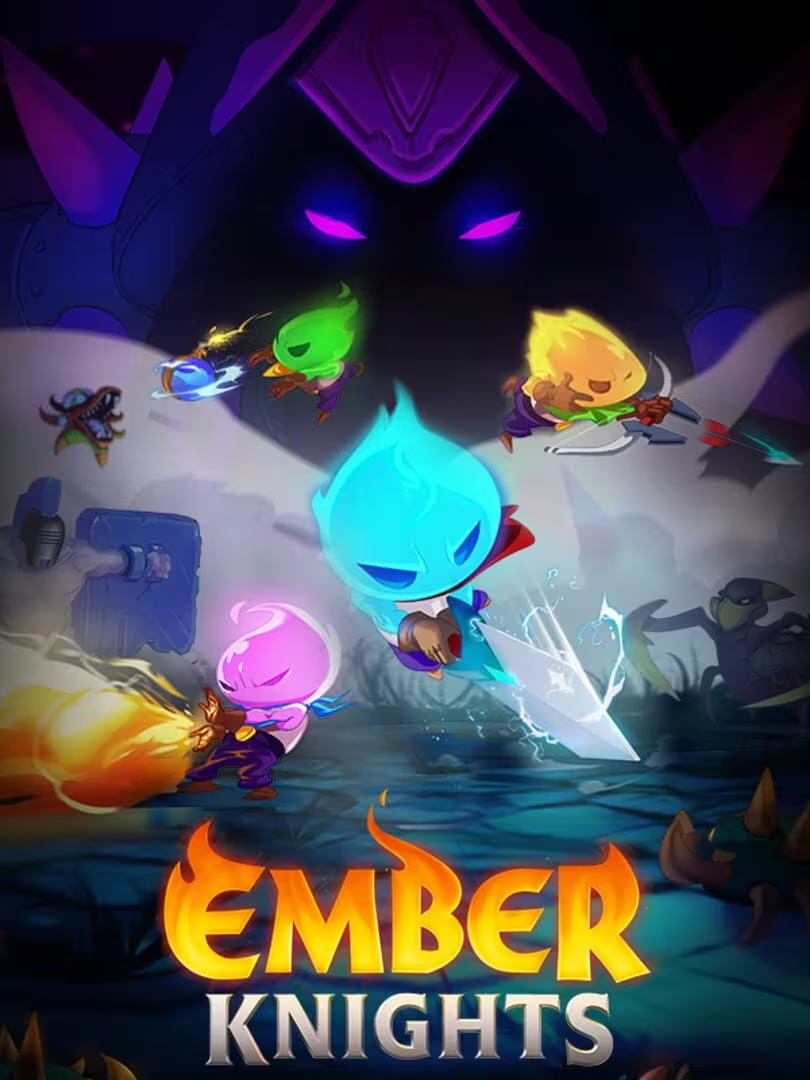 Ember Knights
"Players experiment with spell combinations and upgrades, creating unique builds and strategies, though within predefined spells and relics."
-
Domination
Game with the same Domination vibe
-5"No evidence of exerting control or superiority over others; gameplay is individual and self-focused."
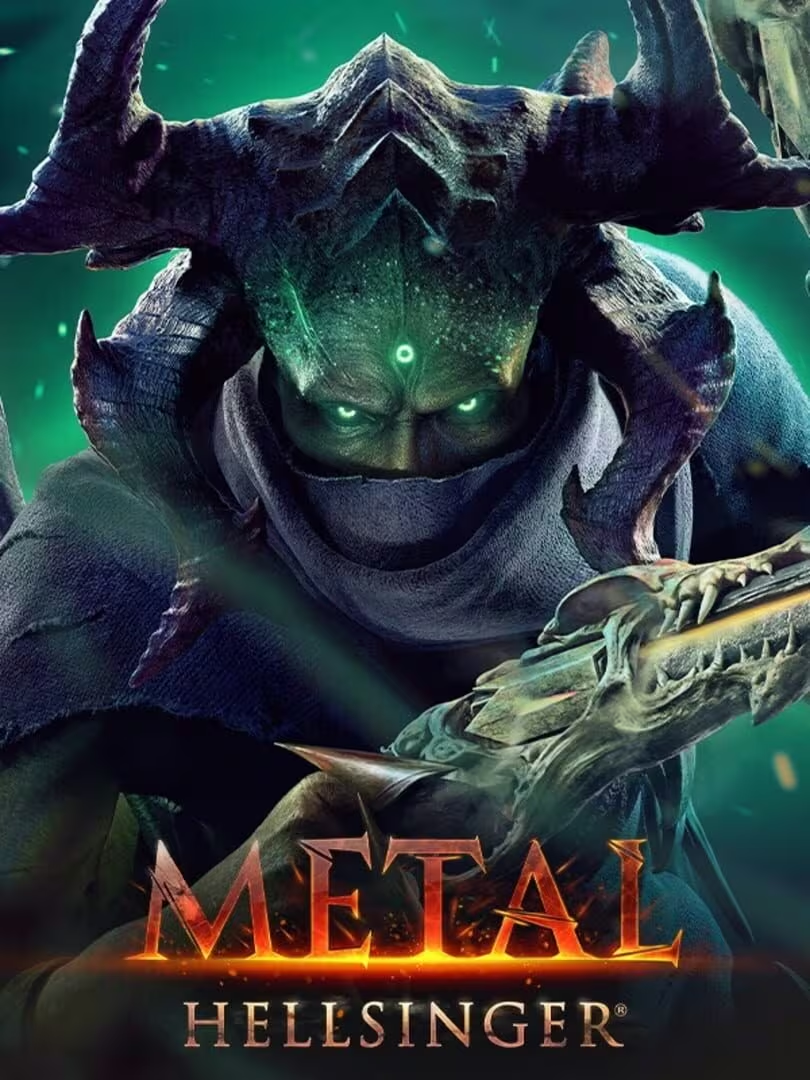 Metal: Hellsinger
"No evidence of exerting control or superiority over others; gameplay is individual and self-focused."
-
Escapism
Game with the same Escapism vibe
4"Players use the game as a challenging distraction and immersive experience, escaping real-life stress through gameplay."
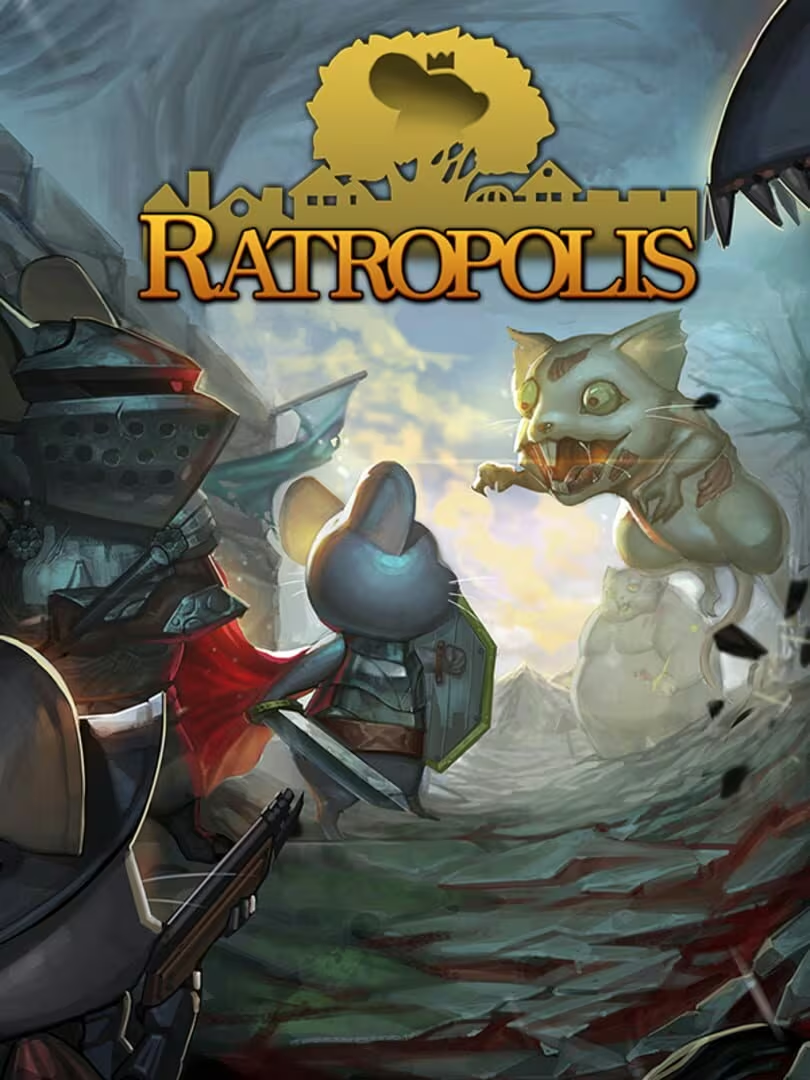 Ratropolis
"Players use the game as a challenging distraction and immersive experience, escaping real-life stress through engaging gameplay and atmosphere."
-
Expectation
Game with the same Expectation vibe
-4"Players engage voluntarily out of interest in the developer or genre; no obligation or external pressure."
 The Mirror Lied
"Players engage voluntarily out of personal interest and admiration for the developer, not out of obligation or pressure."
-
Experimenting
Game with the same Experimenting vibe
4"Encourages trying new spell combos, builds, and strategies; players enjoy exploring mechanics and optimizing runs."
 Pluto
Pluto
"Encourages trying new spell combos, upgrades, and strategies; players enjoy exploring different builds and mechanics."
-
Exploration
Game with the same Exploration vibe
2"Procedurally generated levels and secret rooms encourage some exploration, though environments are somewhat limited."
 Blazing Beaks
"Players explore procedurally generated floors and environments, though some mention lack of minimap and getting lost, indicating moderate exploration."
-
Expression
Game with the same Expression vibe
-2"Limited customization; focus is on gameplay mechanics rather than avatar or environment personalization."
 Ikaruga
"Limited customization mostly around spell loadouts; no mention of avatar or environment personalization beyond gameplay choices."
-
Fantasy
Game with the same Fantasy vibe
4"Game features wizards, spells, and fantasy enemies in an imaginative setting."
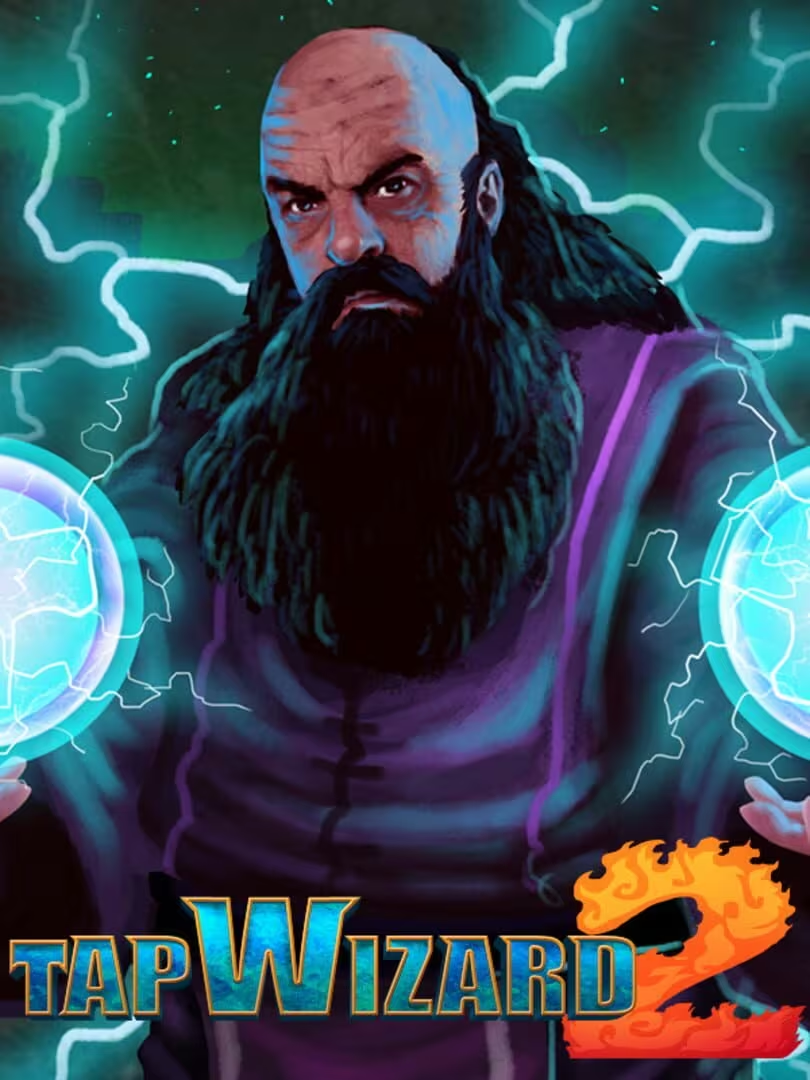 Tap Wizard 2
"Game features magic spells, fantasy enemies, and an imaginative roguelike setting with narrative elements and lore."
-
Fellowship
Game with the same Fellowship vibe
-4"Primarily a solo experience with minimal social interaction; community support exists but not integrated in gameplay."
 Millennium - A New Hope
"Primarily a solo experience with minimal social interaction; community support exists but gameplay is individual."
-
Growth
Game with the same Growth vibe
4"Players develop skills, learn enemy patterns, and progress through upgrades and new abilities, supporting personal growth."
Kemono Friends Cellien May Cry
"Players develop skills through repeated runs, learning enemy patterns and improving performance; no meta-progression but personal growth emphasized."
-
Health
Game with the same Health vibe
-4"Sedentary gameplay with no physical activity; some reports of discomfort from extended play."
 Kreedz Climbing
"Typical sedentary gameplay with no physical activity elements; some mention of controller vibration causing discomfort."
-
Idle
Game with the same Idle vibe
-3"Requires focused attention and continuous engagement during runs; not suited for background play."
 SYNTHETIK 2
"Requires focused attention and continuous engagement during runs; not designed for casual or background play."
-
Intimacy
Game with the same Intimacy vibe
-4"No evidence of forming close social relationships or emotional sharing through gameplay."
 The PenguinGame 2 -Lies of Penguin-
"No evidence of forming close relationships or emotional sharing within gameplay; social aspects limited to external community."
-
Leadership
Game with the same Leadership vibe
-5"No leadership or group management roles; gameplay is individual and self-directed."
 Devil May Cry 5
"No leadership or group management roles; gameplay is individual and self-directed."
-
Progression
Game with the same Progression vibe
3"Players accumulate spells, runes, and upgrades during runs, though no meta-progression between runs."
 Spellmasons
"Players accumulate spells, relics, and upgrades during runs, though no persistent meta-progression; progression is run-based."
-
Relaxation
Game with the same Relaxation vibe
-2"Game is tense and challenging, requiring focus and quick reactions, not primarily for relaxation."
 Sang-Froid - Tales of Werewolves
"Game is challenging and tense, requiring focus and quick reflexes; not primarily designed for relaxation or flow."
-
Sensation
Game with the same Sensation vibe
3"Enjoyable audiovisual design with satisfying sound effects and pixel art style providing sensory stimulation."
 Gunbrella
"Enjoyable audiovisual design with pixel art and music; combat effects and spell visuals provide sensory stimulation."
-
Status
Game with the same Status vibe
-4"No social status or recognition systems within the game; achievements are personal."
 Dangeresque: The Roomisode Triungulate
"No social status or recognition systems within the game; achievements and performance are personal."
-
Story
Game with the same Story vibe
3"Narrative elements and lore are present but minimal; story is hinted through environment and item descriptions."
 Pale Abyss - Prototype
"Contains narrative elements and lore integrated into the environment and item descriptions, though story is subtle and not heavily explicit."
-
Strategy
Game with the same Strategy vibe
4"Players must plan spell combinations, positioning, and resource management to succeed."
 Magicraft
"Requires planning spell upgrades, dodging patterns, and resource management; players must devise strategies to succeed."
-
Thrill
Game with the same Thrill vibe
3"High tension combat and boss fights create suspense and excitement."
 The Light Brigade
"High tension and suspense from challenging combat and boss fights; risk of failure creates excitement."
-
Value
Game with the same Value vibe
4"Players perceive good value for price with engaging gameplay and replayability."
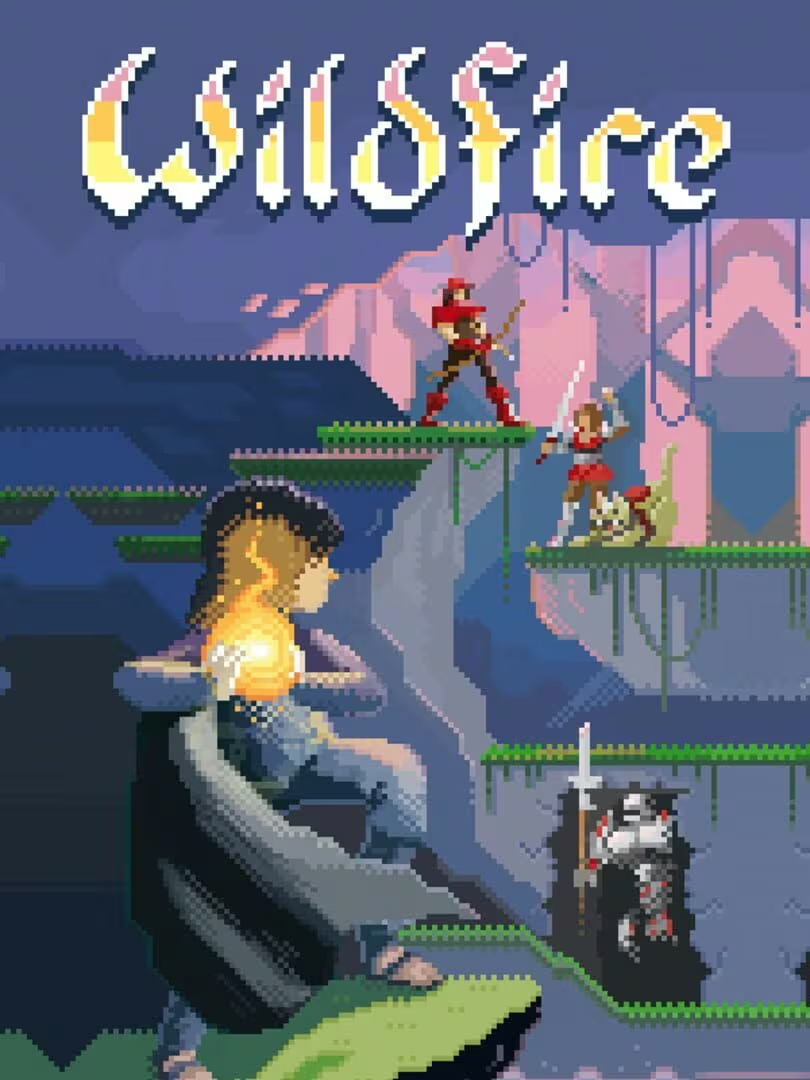 Wildfire
"Players perceive good value for price with engaging gameplay and replayability; positive sentiment about cost-effectiveness."
-
Violence
Game with the same Violence vibe
3"Combat involves fighting and defeating opponents with magical attacks and abilities."
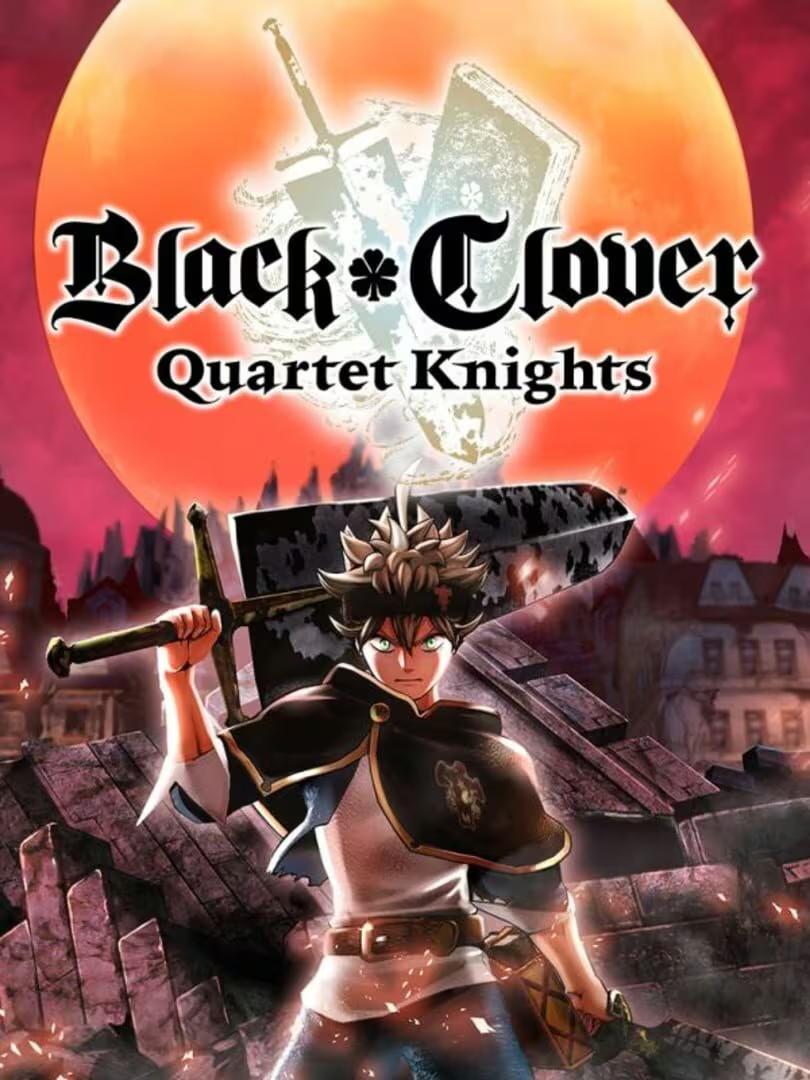 BLACK CLOVER: QUARTET KNIGHTS
"Combat involves magical attacks and defeating enemies; some destruction and combat focus present."
-
Survival
Game with the same Survival vibe
4"Players must avoid damage, manage health, and overcome threats to progress; survival is a key gameplay element."
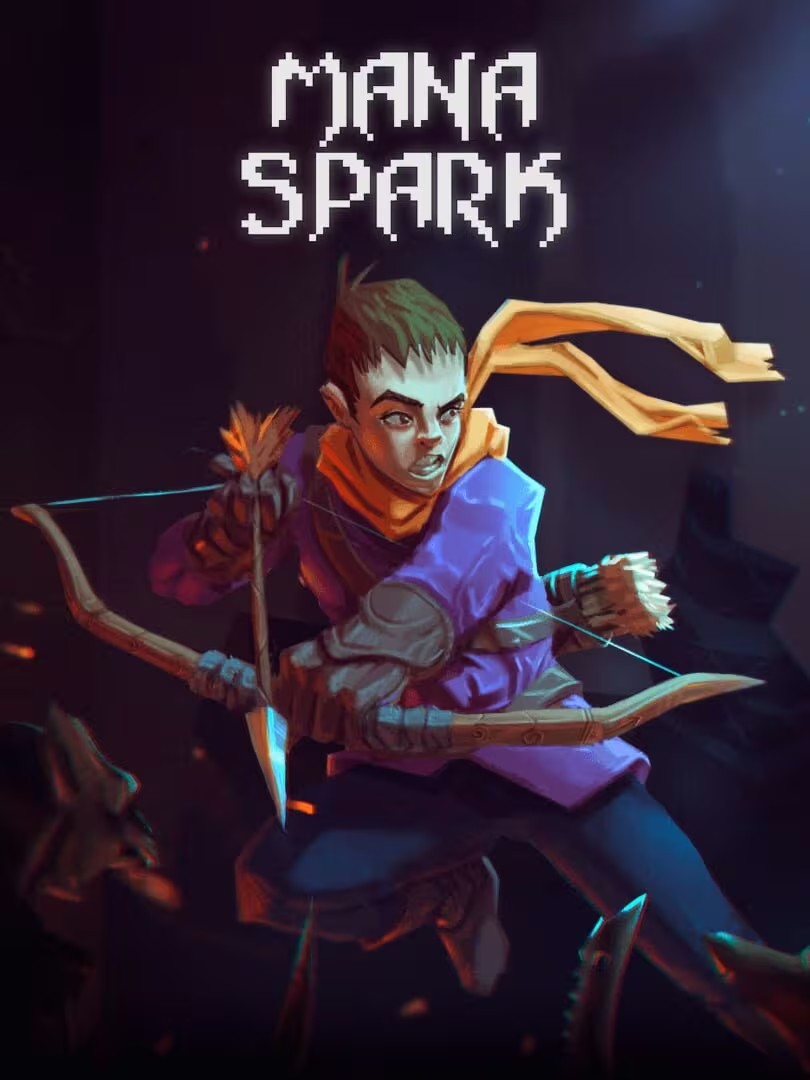 Mana Spark
"Players must avoid damage and manage health carefully to survive; game emphasizes overcoming threats and staying alive."
Last update: 01/06/2026