Blockland similar games & best alternatives
Should you play it?
Blockland is a non-linear sandbox game with no set goals, giving players the freedom to design and construct elaborate structures. Styled as a tiny minifigure, players build inside of the virtual world using bricks reminiscent of toy blocks.
What works
- Extensive creative freedom
- Variety of game modes
- Active modding community
- Low system requirements
- Nostalgic and unique lego style
Things to keep in mind
- Small and declining player base
- Complex and unintuitive controls
- Lack of official workshop support
- Limited updates and developer support
- Language and community barriers
What to play next
Similar games, hidden gems, and fresh directions from this game.
Top picks
Games that feel the closest overall

Hidden Gems
Less popular games with surprisingly high similarity

If you liked…
Recommendations by what you enjoyed most
Similarity map
Explore nearby similar games and see why they’re close.
Blockland: Less representative of its motivational profile, with noticeable differences. Motivations that often define this kind of title include Competition, Fellowship, Status, Cooperation. It leans lower than usual among comparable games on Survival, Story, Status.
Why this game works
A motivational profile of the game, with the closest similar game for each player motivation.
-
Autonomy
Game with the same Autonomy vibe
5"Players have full freedom to build and design their own creations without preset goals or constraints."
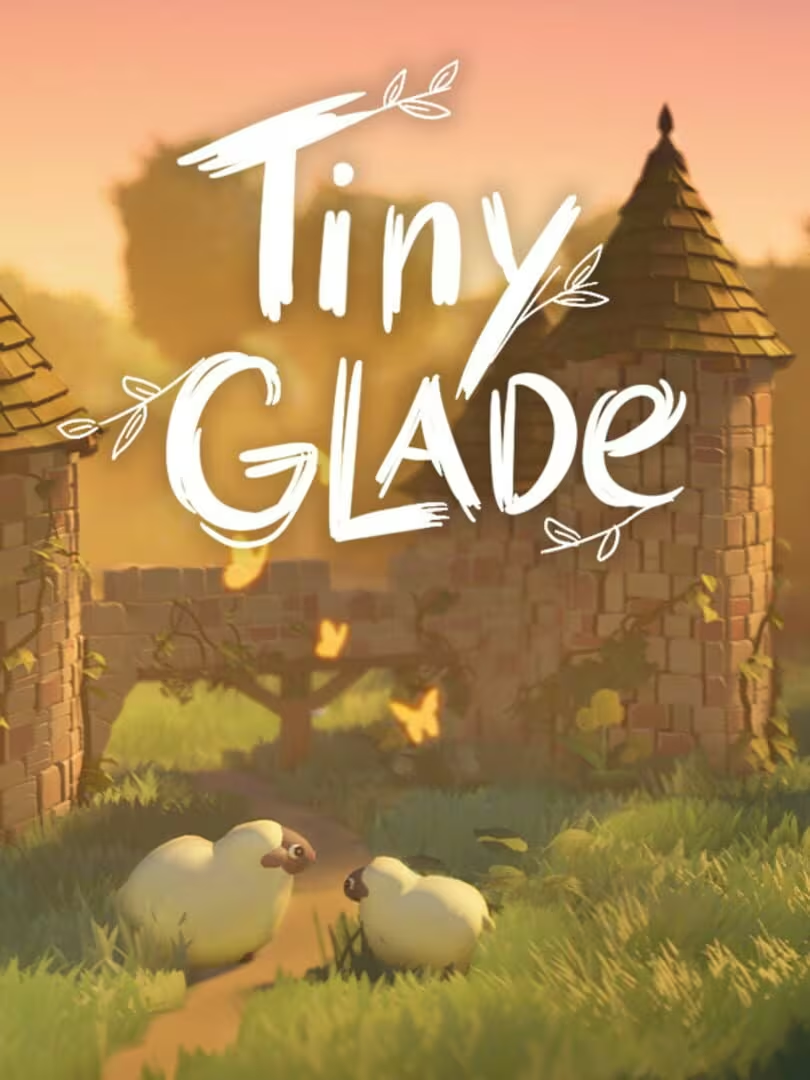 Tiny Glade
"Players have full freedom to create, build, and customize their own worlds and game modes without preset goals."
-
Competence
Game with the same Competence vibe
3"The game has a steep learning curve with complex mechanics in building, survival, and combat that require skill and mastery."
 Empyrion - Galactic Survival
"Building and gameplay require skill and learning, with a steep learning curve and complex controls."
-
Competition
Game with the same Competition vibe
1"Some competitive modes exist (e.g. battles, races), but many players focus on personal creativity and casual play."
 Brick Rigs
"Some game modes involve competitive play like races and deathmatches, but overall focus is not strongly competitive."
-
Continuation
Game with the same Continuation vibe
2"Some players report long-term engagement and nostalgia-driven habitual play, though others note small active player base."
 CS2D
CS2D
"Players report long play sessions and nostalgia-driven habitual play despite declining player base."
-
Cooperation
Game with the same Cooperation vibe
3"Many multiplayer modes encourage teamwork and social interaction, though solo play is also common."
 Garry's Mod
"Multiplayer servers and cooperative game modes encourage teamwork and social play."
-
Creativity
Game with the same Creativity vibe
5"Core motivation is creative building, modding, scripting, and customizing the game experience."
Garry's Mod
"Core motivation is creative building, modding, and designing custom game modes and maps."
-
Domination
Game with the same Domination vibe
-2"While competitive, community emphasizes mutual respect; some reports of toxic behavior but overall balanced player interactions."
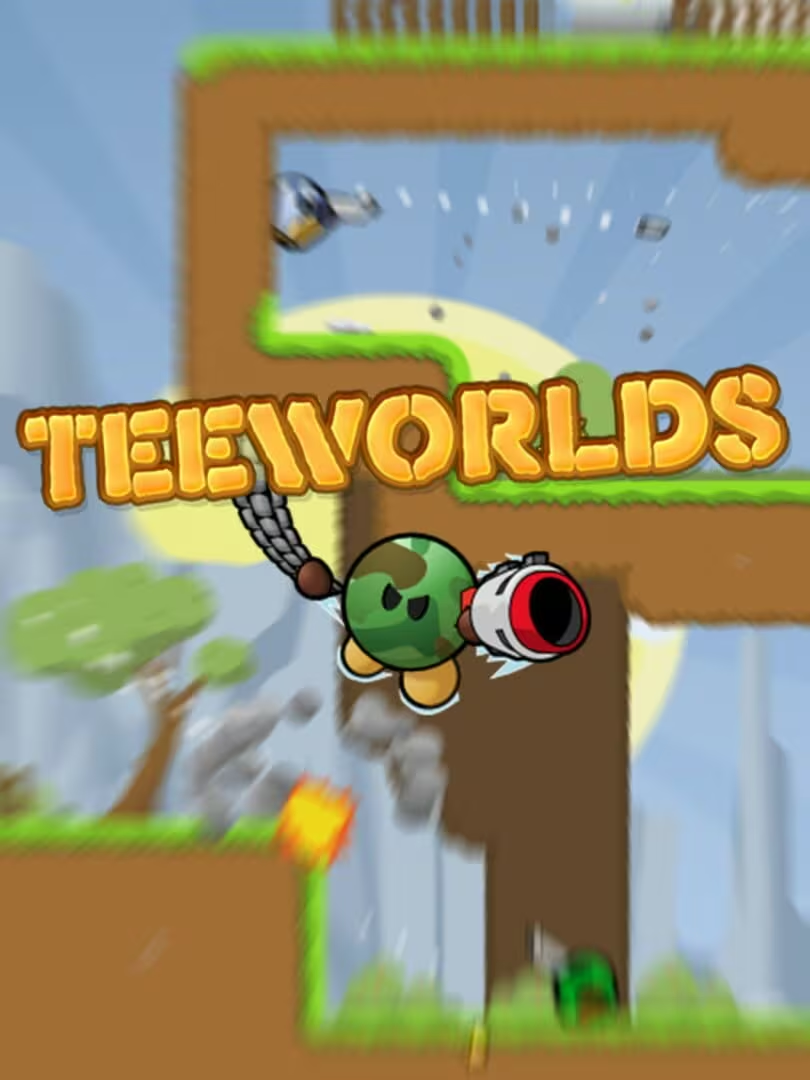 Teeworlds
"Community is small and cooperative; some reports of toxic players but overall balanced social interactions."
-
Escapism
Game with the same Escapism vibe
4"Players use the game as a nostalgic, humorous, and casual escape from real life."
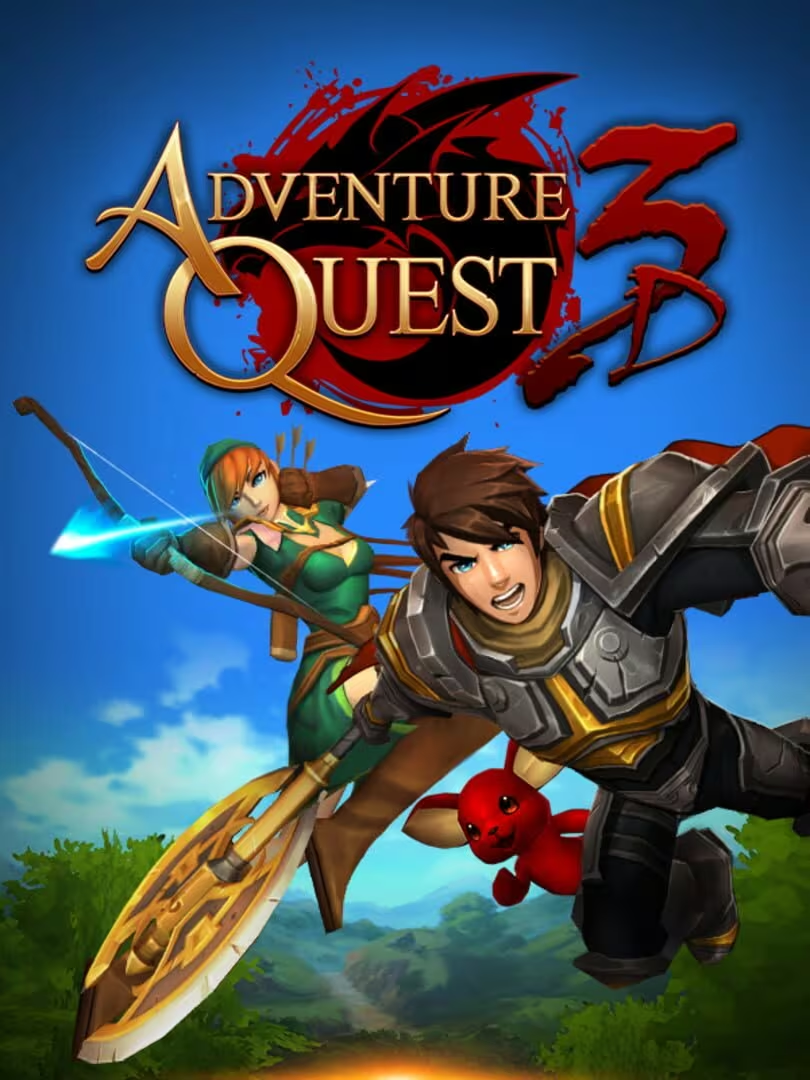 AdventureQuest 3D
"Players use the game as a creative outlet and nostalgic escape from real life."
-
Expectation
Game with the same Expectation vibe
-4"Players engage voluntarily for fun and creativity, not out of obligation or pressure."
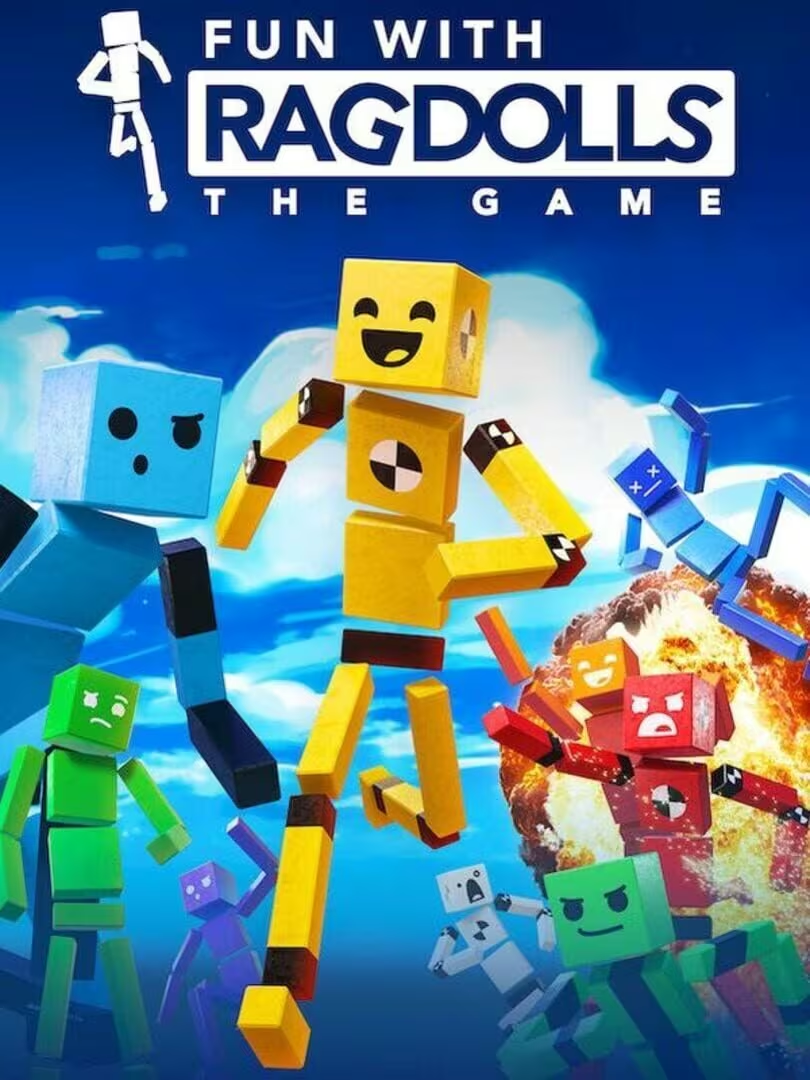 Fun with Ragdolls: The Game
"Players engage voluntarily for fun and creativity, not out of obligation or pressure."
-
Experimenting
Game with the same Experimenting vibe
4"Players try new building strategies, test mechanics, and explore game features actively."
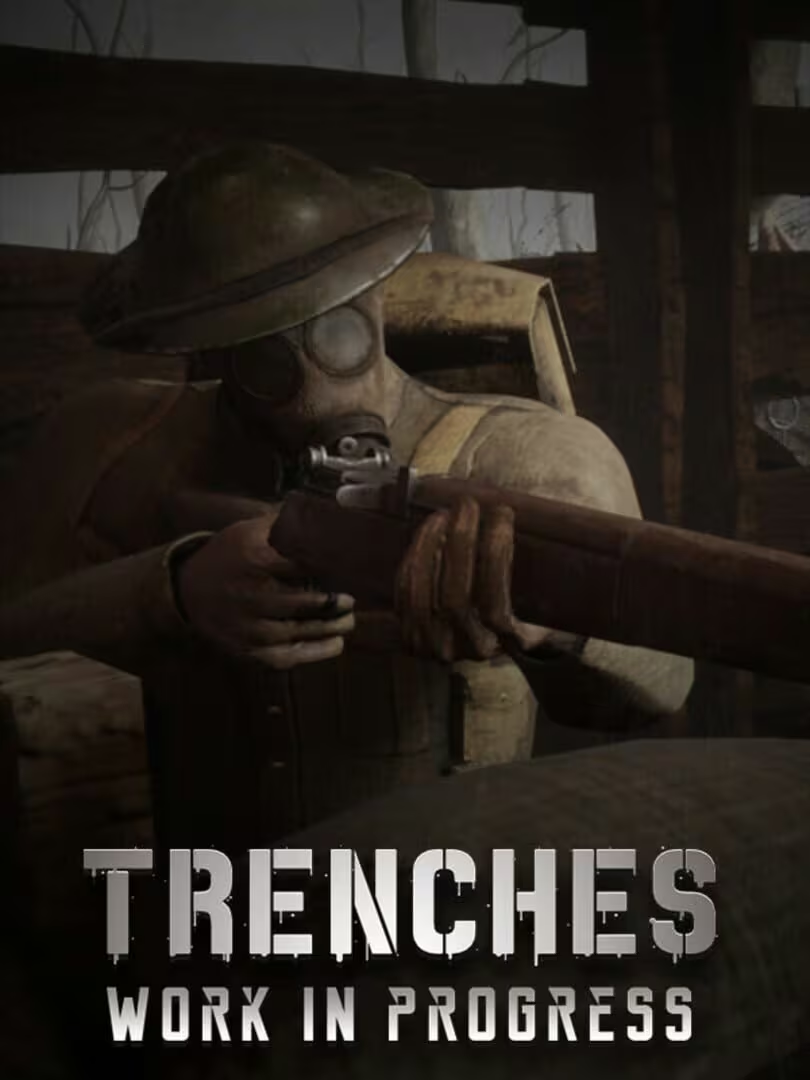 TrenchesWIP
"High emphasis on exploring new building techniques, mods, and game modes."
-
Exploration
Game with the same Exploration vibe
2"Multiple maps and game modes provide some exploration and discovery, but mostly familiar environments."
 Pirates Vikings & Knights II
"Exploration of user-created maps and game modes is common, though environments are often familiar."
-
Expression
Game with the same Expression vibe
4"Strong emphasis on avatar and environment customization for self-expression."
 Papa's Freezeria Deluxe
"Customization of avatars and environments is a key feature for self-expression."
-
Fantasy
Game with the same Fantasy vibe
1"Stylized Lego world with a simple emotional story; imaginative but grounded in Lego play."
 LEGO® Builder's Journey
"Game has imaginative elements but grounded in Lego-style building rather than deep fantasy."
-
Fellowship
Game with the same Fellowship vibe
3"Players form community bonds through multiplayer and co-op modes, sharing experiences and memories."
 Call of Duty®: Modern Warfare® 2 (2009)
"Strong community bonds form around servers and shared creative projects."
-
Growth
Game with the same Growth vibe
3"Players develop strategic skills and learn game mechanics over time."
 Legends of Callasia
"Players develop building skills and learn complex game mechanics over time."
-
Health
Game with the same Health vibe
-5"Purely sedentary gameplay with no physical activity."
 Fireworks Mania - An Explosive Simulator
"Purely sedentary gameplay with no physical activity."
-
Idle
Game with the same Idle vibe
-3"Requires active attention and focus during gameplay; not a casual idle experience."
 Dead Pixels
"Requires focused attention and active building or gameplay; not a casual idle experience."
-
Intimacy
Game with the same Intimacy vibe
1"Some social interaction in multiplayer but mostly surface-level connections rather than deep relationships."
 Warhammer® 40,000: Dawn of War® - Soulstorm
"Social interactions occur but mostly surface-level multiplayer connections rather than deep relationships."
-
Leadership
Game with the same Leadership vibe
2"Some players lead servers or groups, but much of the experience is collaborative and shared."
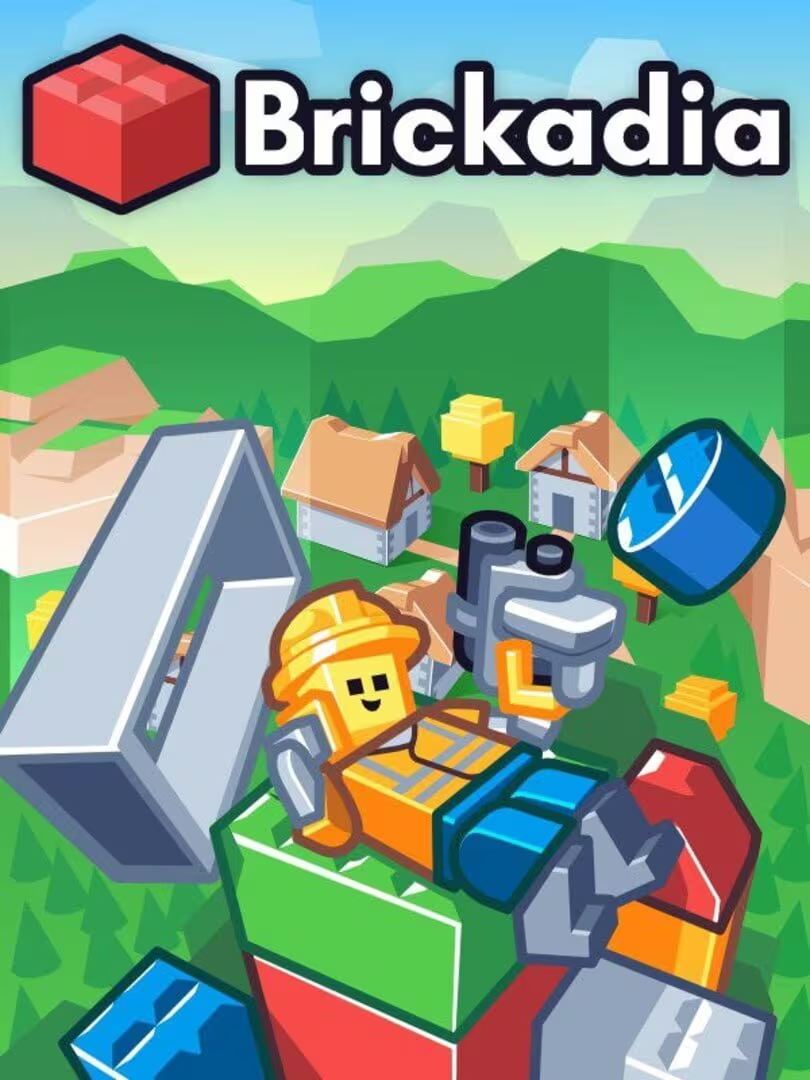 Brickadia
"Some players lead servers or groups, but many participate collaboratively."
-
Progression
Game with the same Progression vibe
2"Progression is mostly player-driven via unlocking or creating content rather than fixed upgrades."
Garry's Mod
"Progression is player-driven through building and unlocking mods rather than linear upgrades."
-
Relaxation
Game with the same Relaxation vibe
3"Many players find the creative building and exploration relaxing and enjoyable."
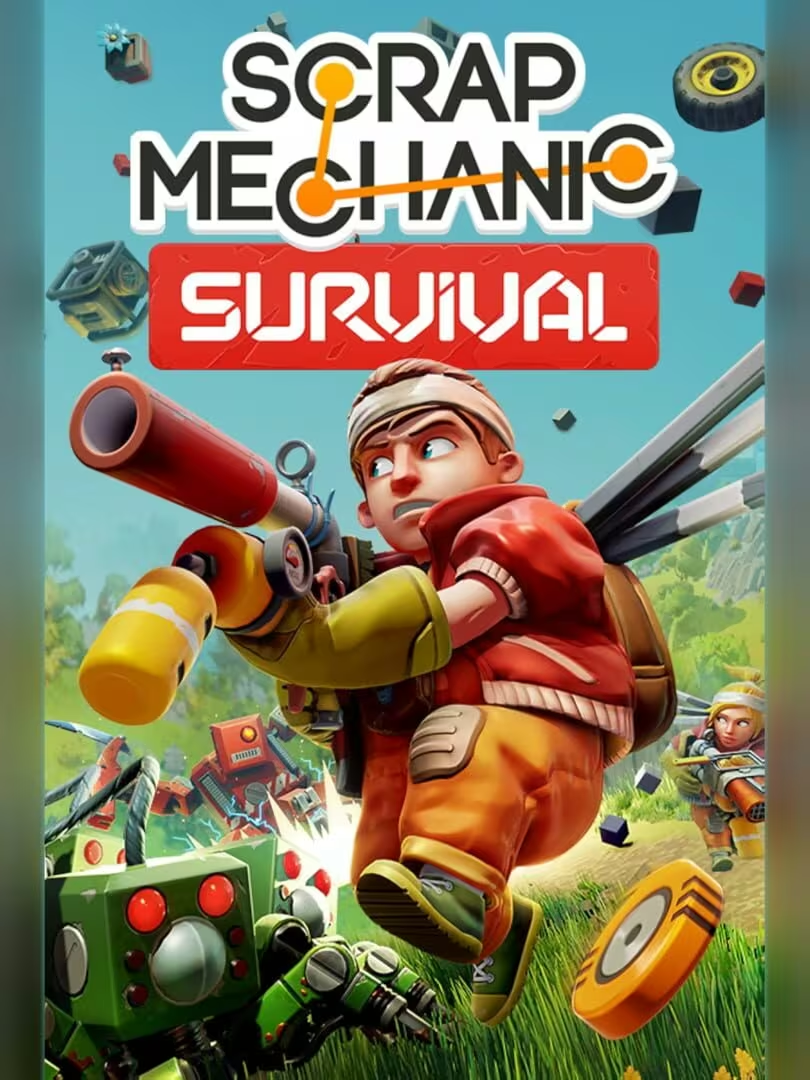 Scrap Mechanic
"Creative building and casual play provide a relaxing flow experience for many players."
-
Sensation
Game with the same Sensation vibe
1"Visuals are simple but pleasant; sensory stimulation is moderate and functional rather than intense."
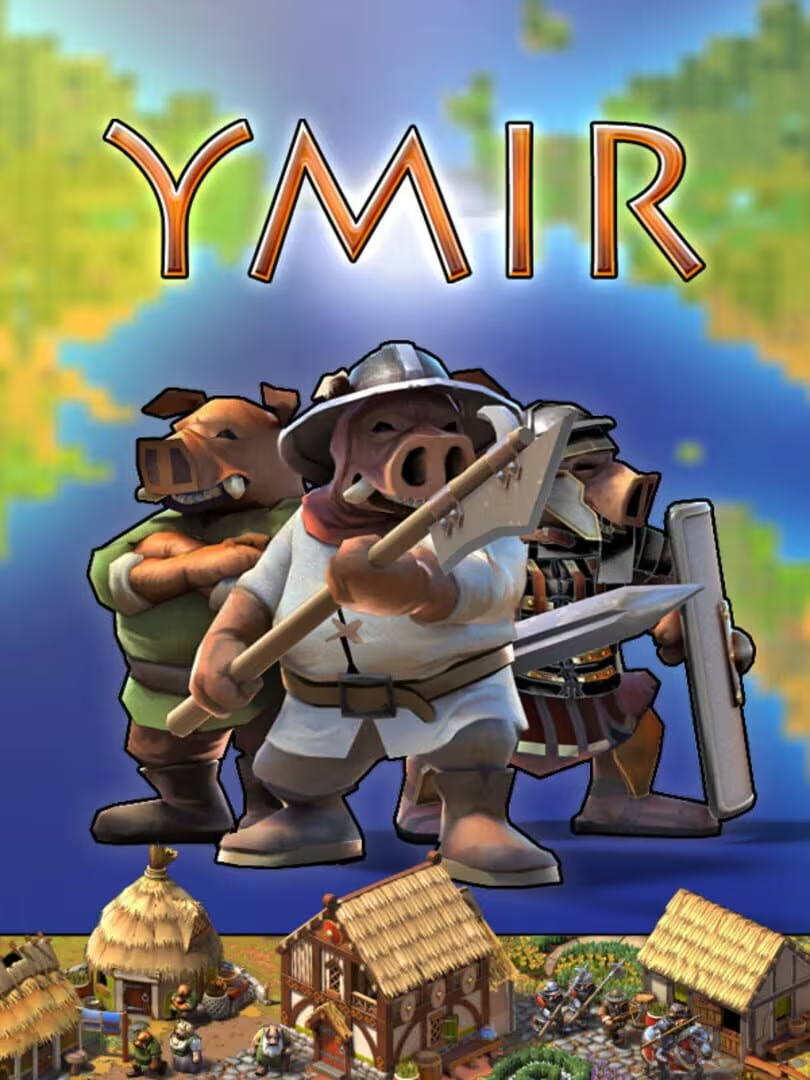 Ymir
Ymir
"Visuals are simple but enjoyable; sensory stimulation is moderate."
-
Status
Game with the same Status vibe
-1"Small player base and niche community limit social recognition and popularity aspects."
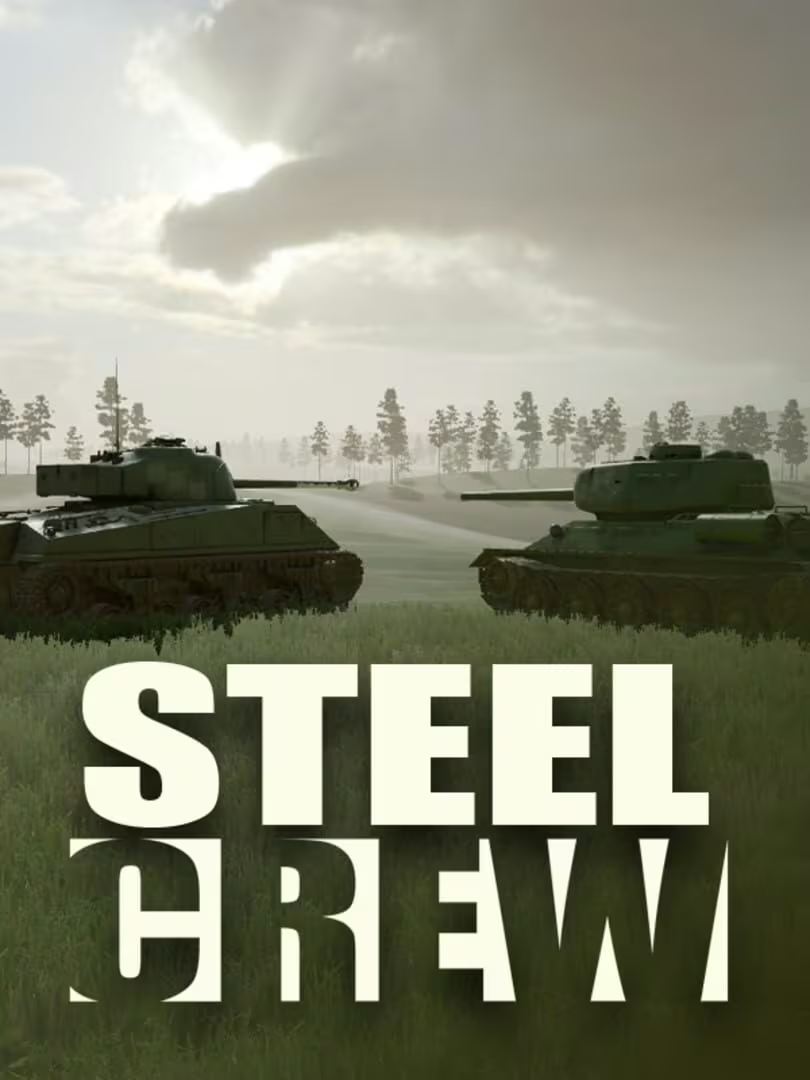 Steel Crew
"Limited social recognition due to small community and niche player base."
-
Story
Game with the same Story vibe
-4"No overarching narrative; gameplay is context-free and sandbox oriented."
 Planet Coaster
"No overarching narrative; gameplay is context-free sandbox activities."
-
Strategy
Game with the same Strategy vibe
2"Some modes require planning and skill, but overall gameplay is straightforward with limited deep strategy."
 Idol Party
"Some game modes require planning and problem solving, but many are straightforward."
-
Thrill
Game with the same Thrill vibe
1"Some excitement from competition, but overall low risk and tension."
 Adorables
"Some excitement in competitive modes, but overall low suspense and risk."
-
Value
Game with the same Value vibe
4"Players feel they receive good value for price due to extensive creative freedom and content."
 NavalArt
"Players perceive good value for price due to extensive creative freedom and content."
-
Violence
Game with the same Violence vibe
1"Combat and destruction elements are present but not central; building and creativity dominate gameplay."
 Trailmakers
"Contains combat modes but core gameplay centers on building and creativity."
-
Survival
Game with the same Survival vibe
-3"No survival mechanics; stable, low-risk environment."
 Your Mother
"No survival mechanics; stable, low-risk environments."
Last update: 01/06/2026