Planet Zoo similar games & best alternatives
Should you play it?
Build a world for wildlife in Planet Zoo. From the developers of Planet Coaster and Zoo Tycoon comes the ultimate zoo sim. Construct detailed habitats, manage your zoo, and meet authentic living animals who think, feel and explore the world you create around them.
What works
- Beautiful, realistic graphics and animal animations
- Extensive creative freedom in building and zoo design
- Deep, rewarding animal care and management systems
- Relaxing and immersive gameplay with educational value
- Frequent updates and active developer support
Things to keep in mind
- Steep learning curve and complex controls
- Performance issues and lag with large zoos
- Pathing and building mechanics can be frustrating
- High cost and fragmentation of dlc content
- Limited social and multiplayer interaction
What to play next
Similar games, hidden gems, and fresh directions from this game.
Top picks
Games that feel the closest overall
Hidden Gems
Less popular games with surprisingly high similarity
If you liked…
Recommendations by what you enjoyed most
Similarity map
Explore nearby similar games and see why they’re close.
Planet Zoo: Less representative of its motivational profile, with noticeable differences. Motivations that often define this kind of title include Cooperation, Fellowship, Intimacy, Leadership. It leans lower than usual among comparable games on Violence, Fantasy, Thrill.
Why this game works
A motivational profile of the game, with the closest similar game for each player motivation.
-
Autonomy
Game with the same Autonomy vibe
5"Players have extensive creative freedom to build and customize parks, coasters, and scenery with flexible tools and modular assets."
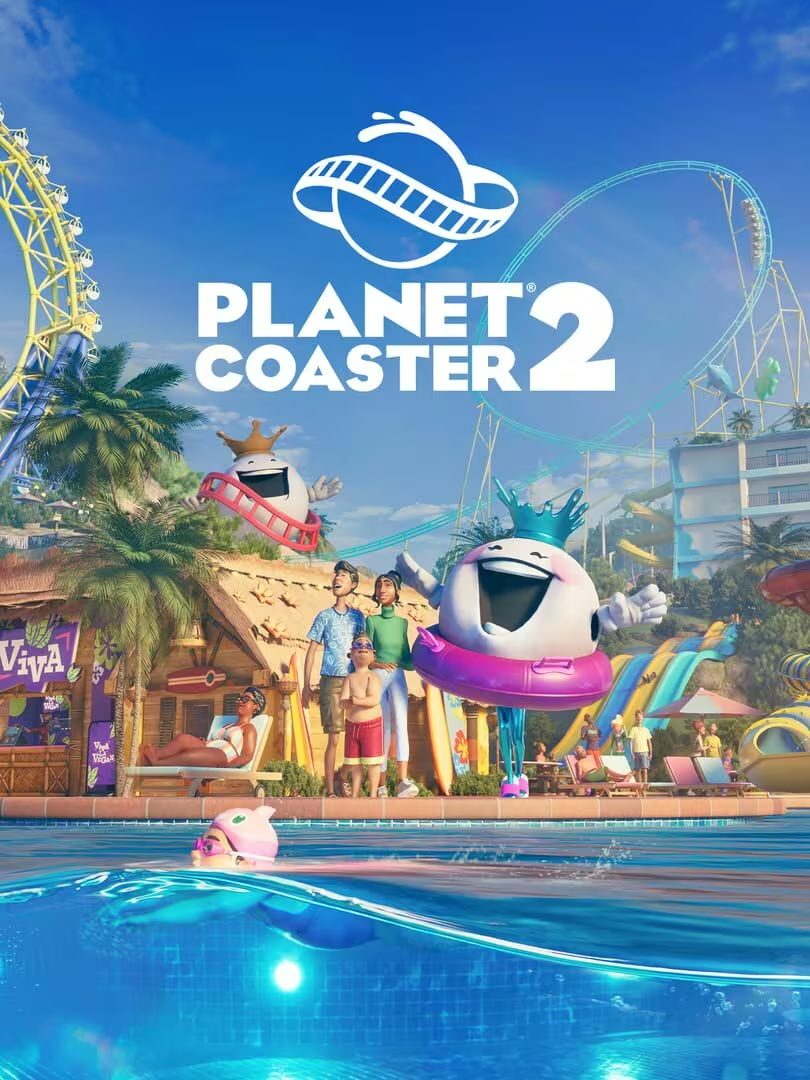 Planet Coaster 2
"Players have extensive freedom to build and customize zoos, habitats, and decorations with powerful, non-gridlocked tools allowing creative expression."
-
Competence
Game with the same Competence vibe
4"Game offers significant brain usage, skill challenges, and some difficult minigames requiring mastery."
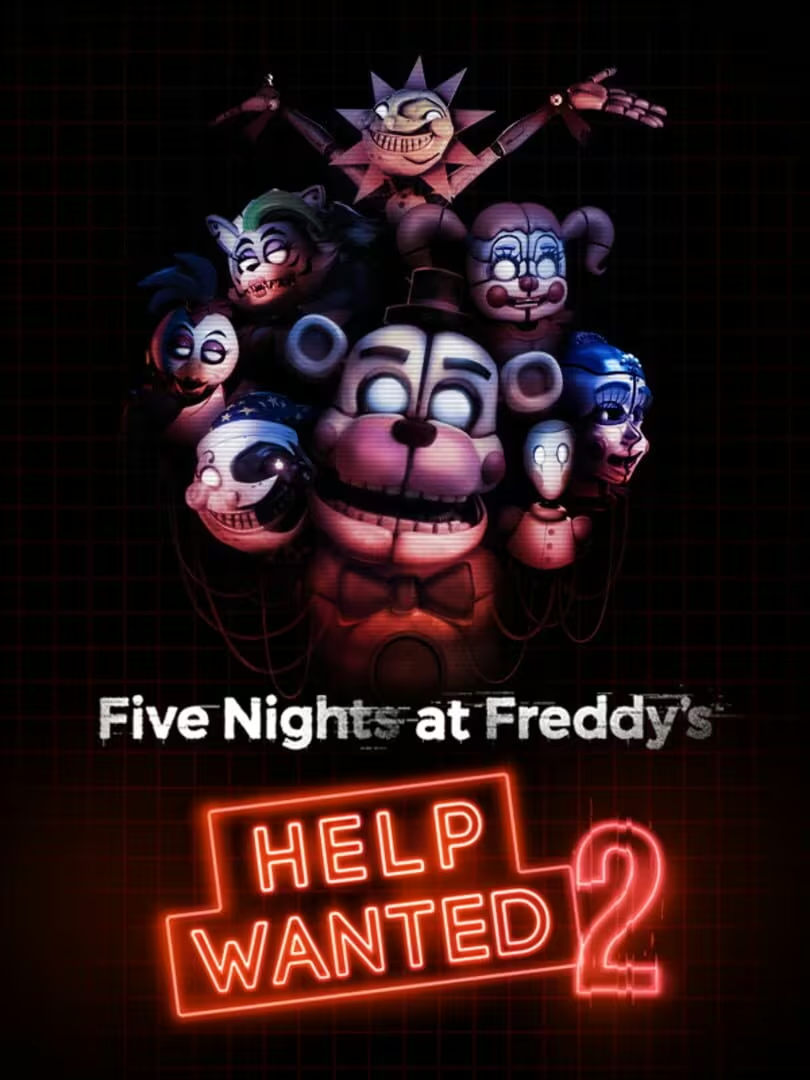 Five Nights at Freddy's: Help Wanted 2
"The game has a steep learning curve and significant brain usage; mastering building, animal care, and management systems provides satisfying skill development."
-
Competition
Game with the same Competition vibe
-3"Focus is on personal zoo building and management with minimal direct player versus player competition; some social features exist but no ranked or leaderboard competition."
 Zoo 2: Animal Park
"Focus is on personal zoo creation and management rather than direct competition; some community events and trading exist but no ranked modes."
-
Continuation
Game with the same Continuation vibe
5"Players report hundreds to thousands of hours played, with strong replayability and habitual return to the game."
 Railroad Tycoon II Platinum
"Players report hundreds to thousands of hours played, habitual return to the game, and long sessions immersed in zoo building and management."
-
Cooperation
Game with the same Cooperation vibe
1"Some cooperative elements exist (e.g. co-op vs AI), but the game is primarily competitive and individualistic."
 Root
Root
"Some cooperative elements exist via community challenges and animal trading, but gameplay is primarily single-player and self-directed."
-
Creativity
Game with the same Creativity vibe
5"Strong emphasis on creative freedom in terrain editing, fish design, and ecosystem construction."
 Ecosystem
"Extensive creative freedom in building, terrain shaping, habitat design, and customization; workshop content enhances creative possibilities."
-
Domination
Game with the same Domination vibe
-5"No elements of exerting control or superiority over others; interactions are peaceful and cooperative with animals."
 Restore Your Island
"Interactions emphasize animal welfare and conservation with no evidence of exerting control over others; cooperative and respectful gameplay."
-
Escapism
Game with the same Escapism vibe
5"Players use the game as a relaxing, stress-relieving, and immersive escape from real life."
 Grow: Song of the Evertree
"Players use the game as a relaxing, immersive escape; many mention stress relief, distraction from real life, and emotional connection to animals."
-
Expectation
Game with the same Expectation vibe
-4"Engagement is driven by personal desire, nostalgia, and intrinsic interest rather than obligation or external pressure."
 Command & Conquer™ Generals
"Engagement is driven by personal desire, nostalgia, and intrinsic interest rather than obligation or external pressure."
-
Experimenting
Game with the same Experimenting vibe
4"Players experiment with card creation, abilities, and deck building; trial and error is common due to limited tutorials."
 MONSTER CARDS
"Players experiment with building techniques, animal habitats, and game mechanics; trial and error and tutorials are common for mastery."
-
Exploration
Game with the same Exploration vibe
3"Exploration occurs through discovering new scenarios, maps, and custom content rather than physical world exploration."
 Age of History II
"Exploration occurs in discovering new animals, DLC content, and creative building possibilities rather than map exploration."
-
Expression
Game with the same Expression vibe
5"Strong self-expression through customization of buildings, enclosures, and park aesthetics."
 Prehistoric Kingdom
"Strong emphasis on self-expression through zoo design, custom buildings, and detailed habitat creation."
-
Fantasy
Game with the same Fantasy vibe
-2"The game simulates realistic zoo management and animal care, with cartoonish but plausible animals and settings."
Zoo 2: Animal Park
"Game focuses on realistic animal behavior, habitats, and zoo management rather than imaginative or fictional scenarios."
-
Fellowship
Game with the same Fellowship vibe
1"Some community interaction via workshop and sharing creations, but gameplay is mostly solo."
 Animal Revolt Battle Simulator
"Some community interaction via workshop and challenges, but gameplay is largely solo and independent."
-
Growth
Game with the same Growth vibe
4"Players learn to manage resources and species development, improving strategic decision-making over time."
 The Fermi Paradox
"Players develop skills in zoo management, animal care, building design, and strategic planning over time."
-
Health
Game with the same Health vibe
-5"Sedentary gameplay with no physical activity component."
 Jurassic World Evolution 2
"Sedentary gameplay with no physical activity component."
-
Idle
Game with the same Idle vibe
-4"Requires active attention and decision-making, especially in coaching and franchise management."
 Axis Football 2023
"Requires sustained attention and active management, especially in franchise and career modes."
-
Intimacy
Game with the same Intimacy vibe
-3"Social interactions are limited to gameplay roles and multiplayer cooperation, with minimal emotional connection."
 First Feudal
"Limited social interaction; emotional connection is primarily with animals rather than other players."
-
Leadership
Game with the same Leadership vibe
3"Players lead and manage their zoo staff and operations, exercising leadership in park management."
 Wildlife Park 2
"Players lead and manage zoo staff and operations, making decisions that affect zoo success."
-
Progression
Game with the same Progression vibe
4"Franchise mode includes player development, team building, and resource management reflecting progression."
 Super Mega Baseball 3
"Progression through unlocking animals, building materials, and research; franchise mode includes financial and conservation goals."
-
Relaxation
Game with the same Relaxation vibe
4"Many players find the game relaxing and meditative, balancing challenge and calm."
 Ice Lakes
"Many players find the game relaxing and meditative, balancing challenge with enjoyment."
-
Sensation
Game with the same Sensation vibe
3"High quality graphics, animations, and sounds provide sensory enjoyment and immersion."
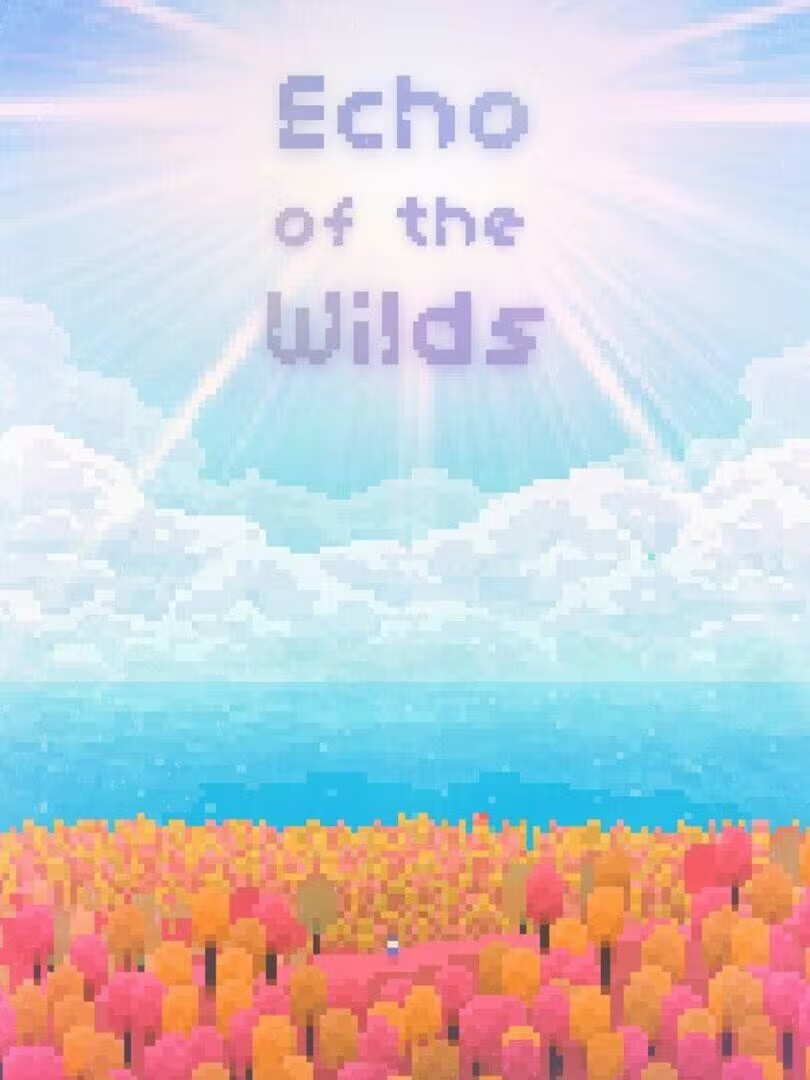 The WILDS
"High-quality graphics and sound provide sensory enjoyment and immersion."
-
Status
Game with the same Status vibe
-2"Limited social recognition or status mechanics; focus is on personal achievement."
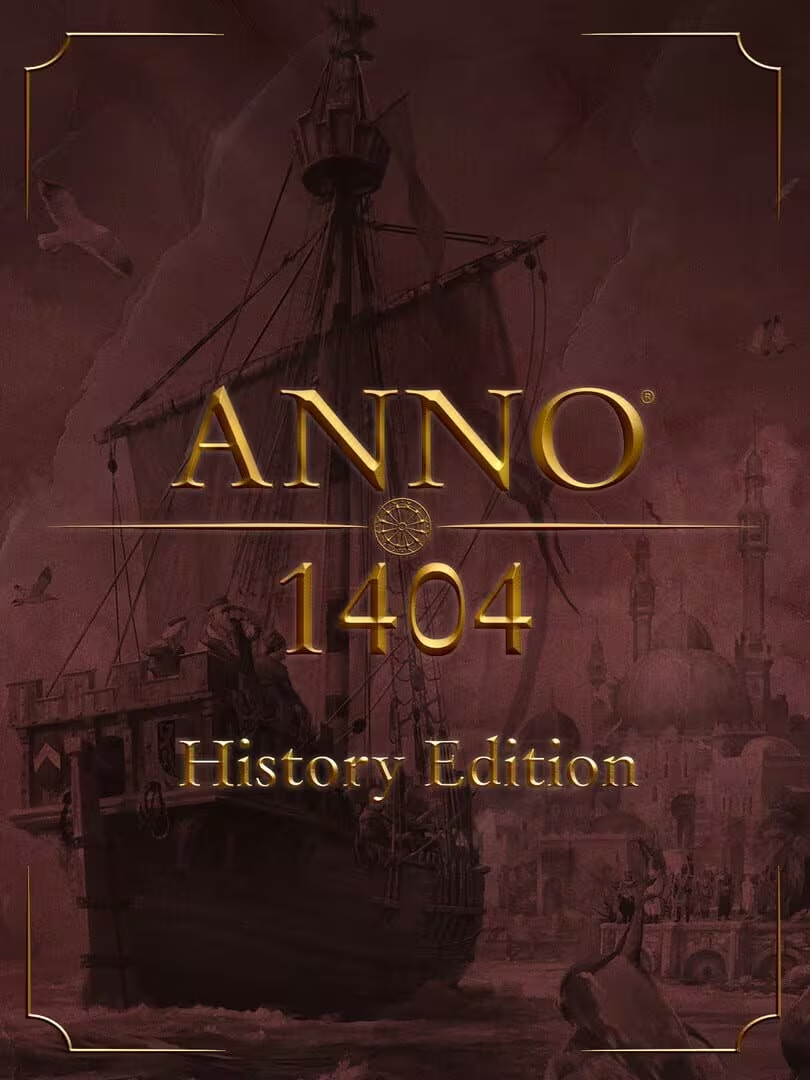 Anno 1404 - History Edition
"Limited social status or recognition mechanics; focus is on personal achievement and creativity."
-
Story
Game with the same Story vibe
2"Includes campaign and lore but main gameplay is sandbox style with emergent stories."
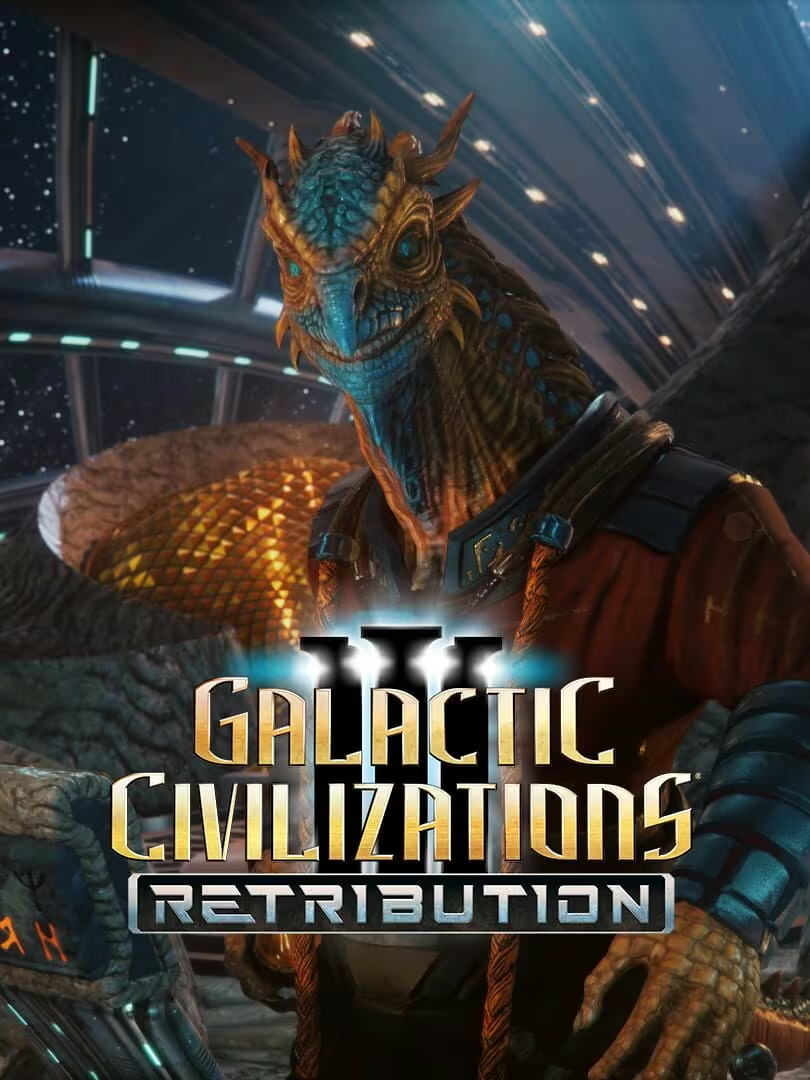 Galactic Civilizations III
"Includes some lore and campaign modes with story elements, but main appeal is sandbox and franchise play."
-
Strategy
Game with the same Strategy vibe
4"Requires planning and problem solving in zoo layout, animal care, and resource management."
Wildlife Park 2
"Requires strategic thinking in zoo layout, animal care, financial management, and conservation efforts."
-
Thrill
Game with the same Thrill vibe
-2"Gameplay is generally calm and controlled with low risk and minimal suspense."
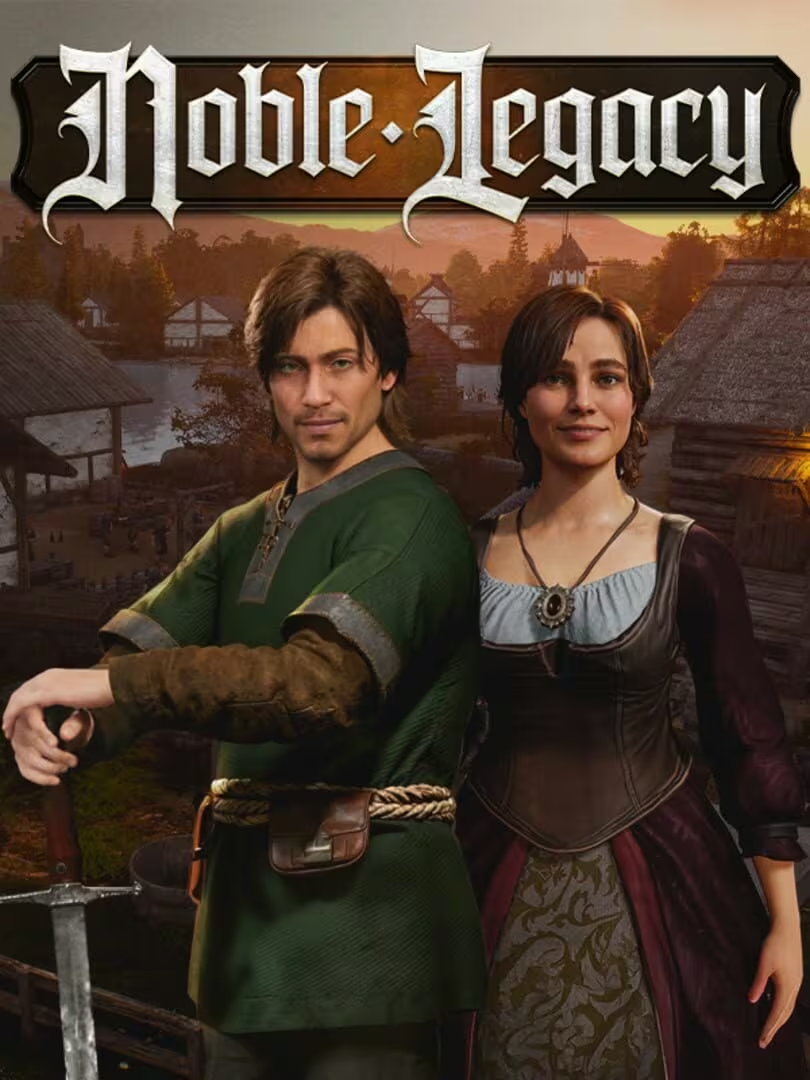 Noble Legacy
"Gameplay is generally calm and controlled with low risk and minimal suspense."
-
Value
Game with the same Value vibe
3"Generally considered worth the price especially on sale; some complaints about DLC costs."
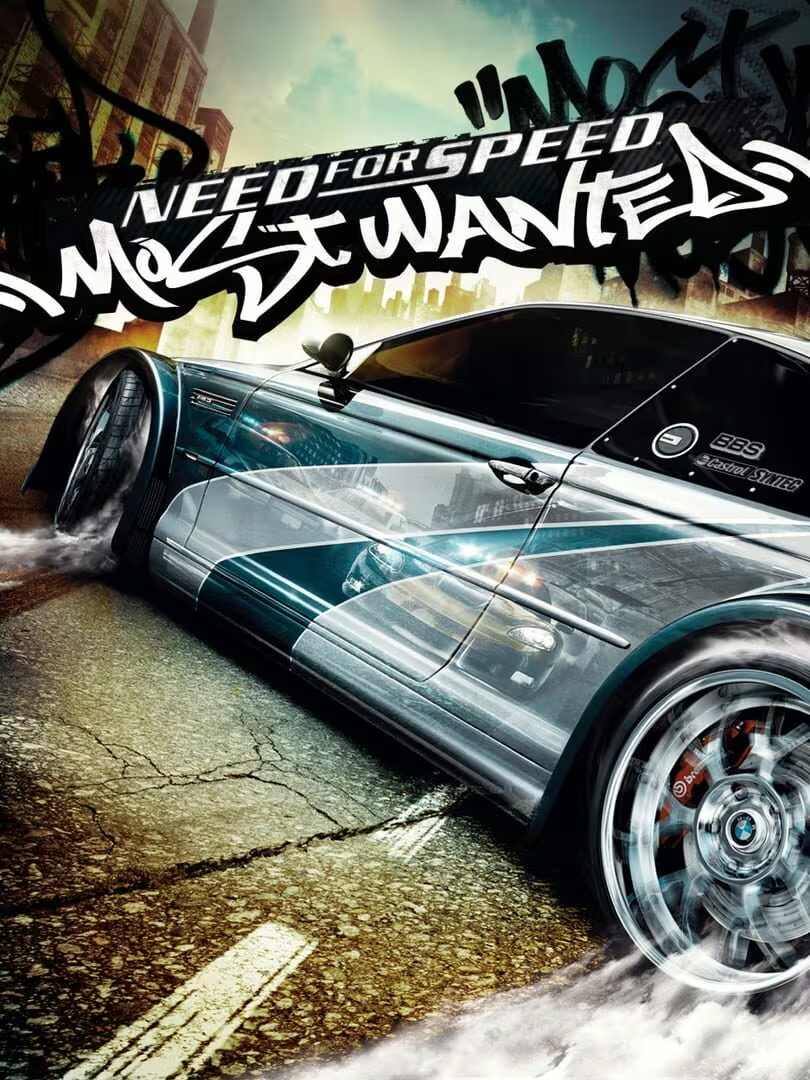 Need for Speed™ Most Wanted
"Considered worth the price by many, especially with frequent sales; DLC adds value but can be costly."
-
Violence
Game with the same Violence vibe
-5"No emphasis on combat or destruction; focus is on constructive building and animal care."
Prehistoric Kingdom
"No enjoyment of combat or destruction; focus on constructive building and animal welfare."
-
Survival
Game with the same Survival vibe
2"Some survival elements in managing animal needs and environmental challenges."
Wildlife Park 2
"Some survival elements in managing zoo finances and animal health, but low-risk environment overall."
Last update: 01/06/2026