Viridi similar games & best alternatives
Should you play it?
Nurture a small pot of succulents that grow in real time. Viridi is a safe haven, a place you can return to for a moment of peace and quiet whenever you need it.
What works
- Relaxing and calming gameplay
- Free to play with optional microtransactions
- Soothing music and pleasant visuals
- Long-term engagement with weekly new plants
- Simple and accessible plant care simulation
Things to keep in mind
- Minimal gameplay depth
- Slow progression requiring patience
- Some ui/menu awkwardness
- Microtransactions for faster progression
- Limited social interaction
What to play next
Similar games, hidden gems, and fresh directions from this game.
Top picks
Games that feel the closest overall




Hidden Gems
Less popular games with surprisingly high similarity


If you liked…
Recommendations by what you enjoyed most
Similarity map
Explore nearby similar games and see why they’re close.
Viridi: Less representative of its motivational profile, with noticeable differences. Motivations that often define this kind of title include Violence, Fantasy, Story, Thrill. Here, the score leans higher than usual among comparable games on Intimacy, Idle. It leans lower than usual among comparable games on Strategy.
Why this game works
A motivational profile of the game, with the closest similar game for each player motivation.
-
Autonomy
Game with the same Autonomy vibe
4"Players freely choose which plant form to grow into to solve puzzles and progress, allowing personal decision-making."
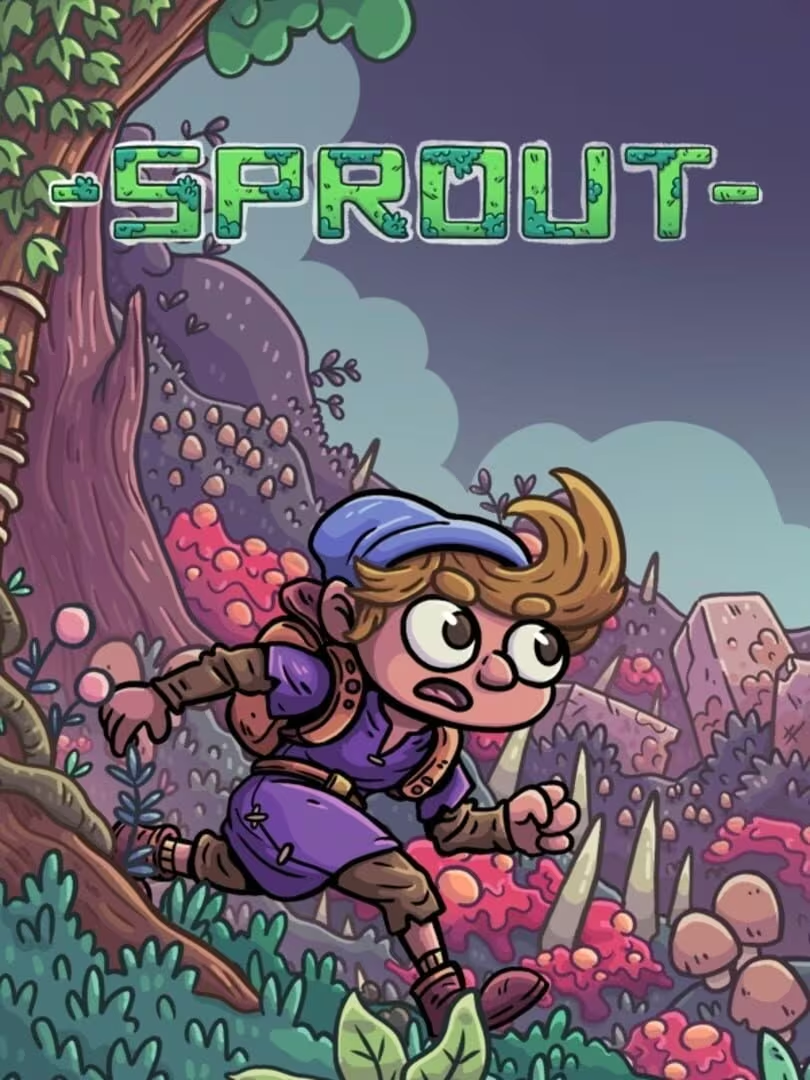 Sprout
"Players freely choose pots, plants, and arrange them; they decide when and how to water and care for plants."
-
Competence
Game with the same Competence vibe
2"Some skill involved in pruning and managing plants, but gameplay is generally forgiving and repetitive tasks are common."
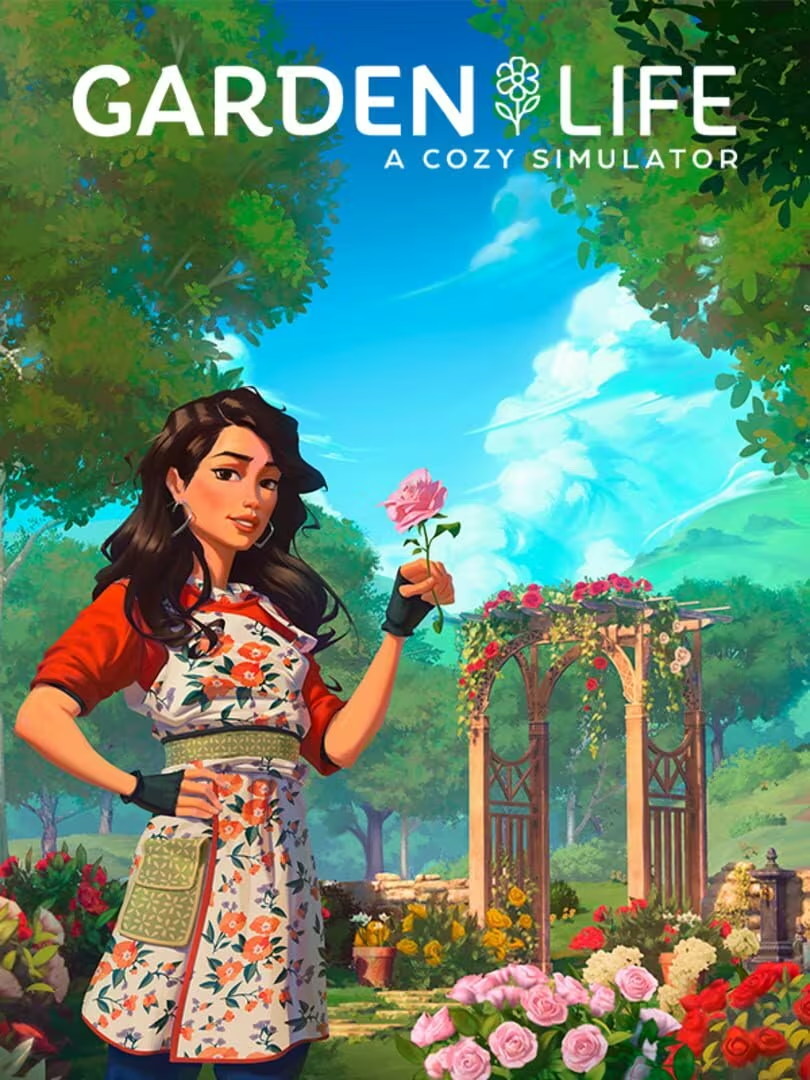 Garden Life: A Cozy Simulator
"Minimal skill required; players manage watering and weeding with some attention to plant states, but overall low challenge."
-
Competition
Game with the same Competition vibe
-4"No competitive elements or comparison to others; focus is on personal pace and completion."
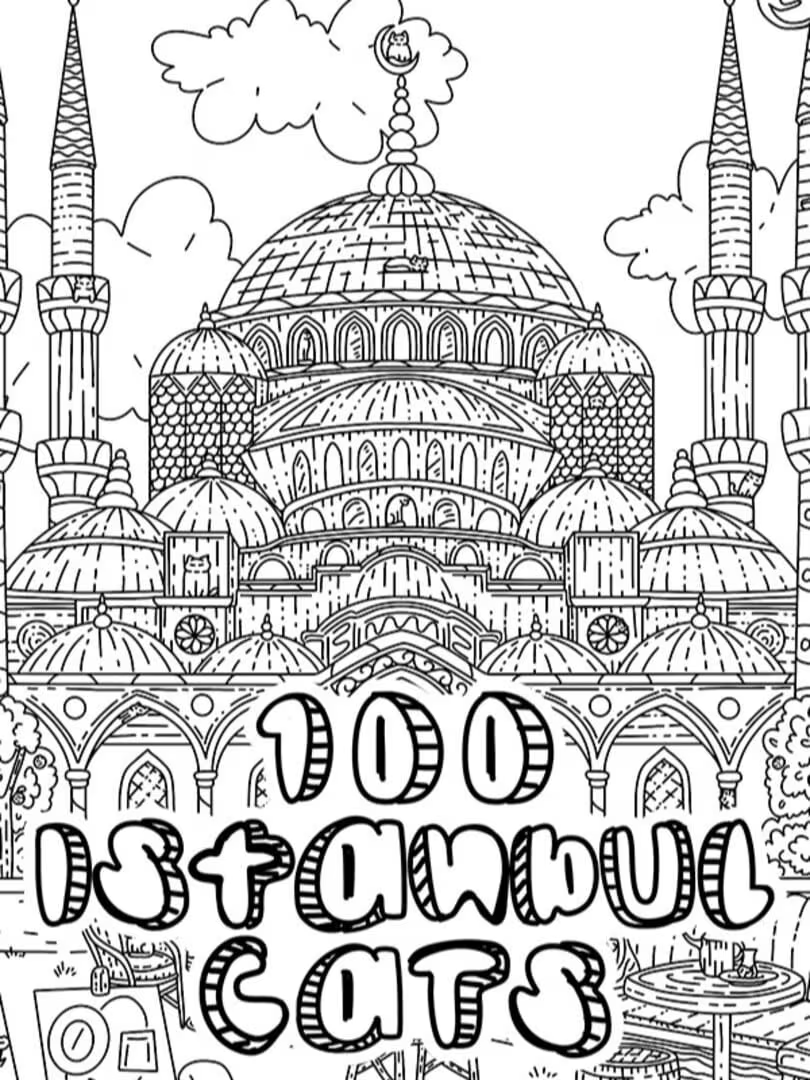 100 Istanbul Cats
"No competitive elements; focus is on personal pace and care without comparison to others."
-
Continuation
Game with the same Continuation vibe
3"Players tend to return regularly to care for plants and decorate, though sessions are short and casual."
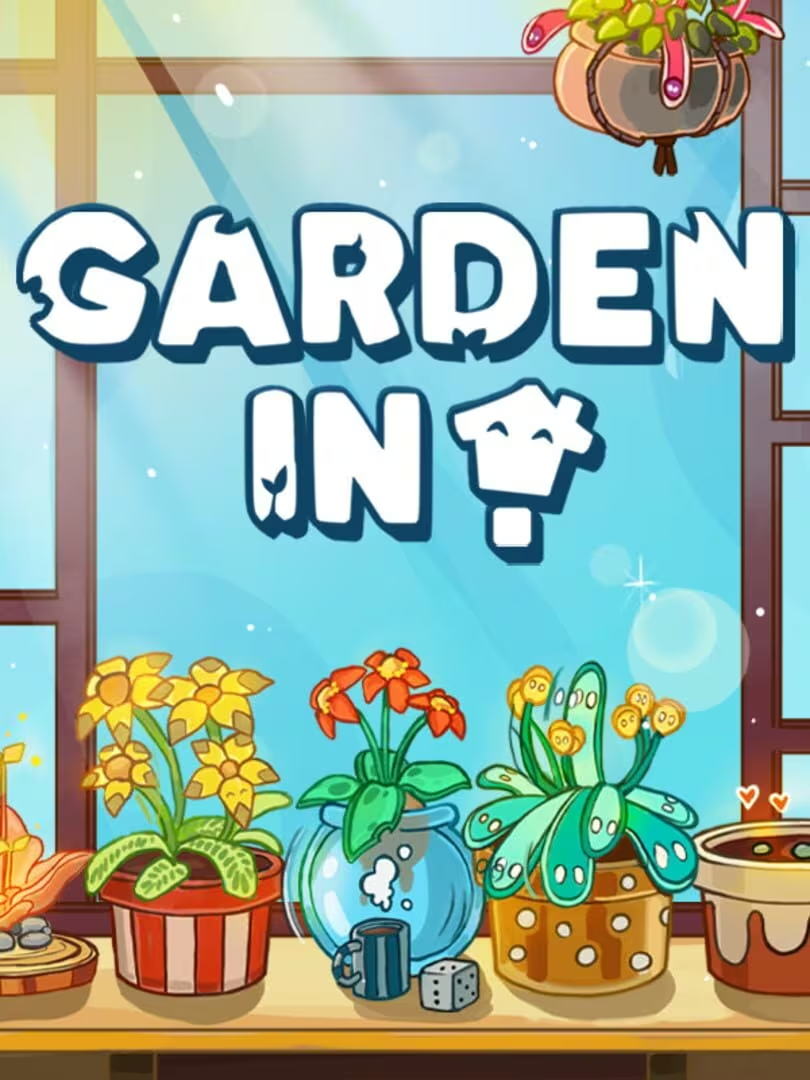 Garden In!
"Players return regularly over long periods (weeks to years) to tend plants and progress achievements."
-
Cooperation
Game with the same Cooperation vibe
-3"Gameplay is primarily single-player and independent, with community interaction external to gameplay."
 Berserk B.I.T.S
"Primarily single-player; some community trading exists but gameplay is independent."
-
Creativity
Game with the same Creativity vibe
3"Players can customize pastures with decorations and name animals, expressing personal style."
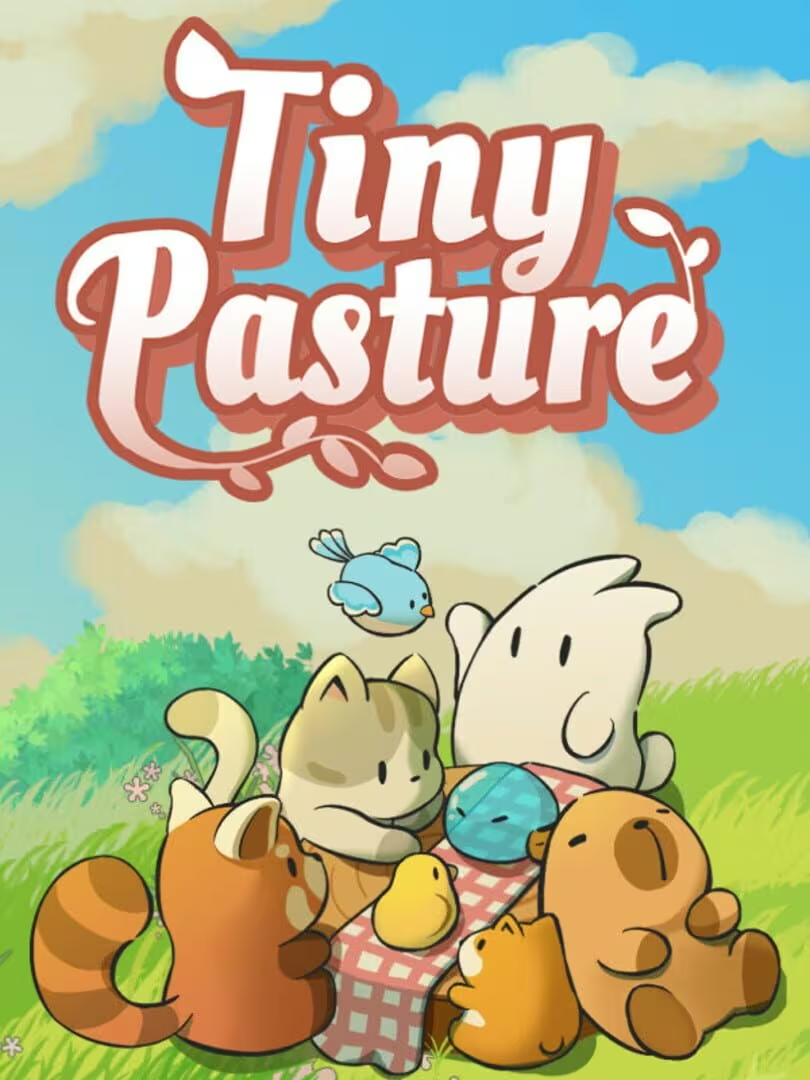 Tiny Pasture
"Players customize pots, plant arrangements, and name plants and snail, expressing personal style."
-
Domination
Game with the same Domination vibe
-5"No social dominance or power dynamics; interactions are peaceful and equal."
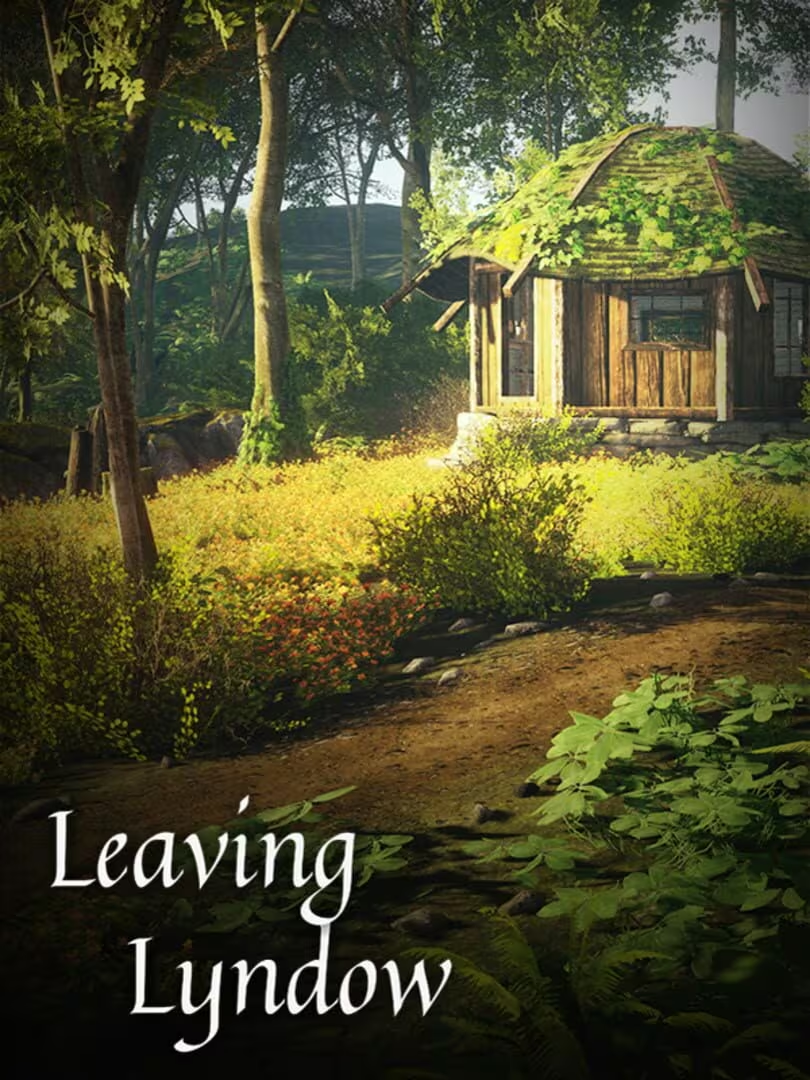 Leaving Lyndow
"No domination or power over others; interactions are peaceful and equal."
-
Escapism
Game with the same Escapism vibe
5"Strongly used as a relaxing, stress-relieving, and meditative escape from real-life problems."
 Coloring Game 4
"Strongly used as a relaxing, meditative escape from stress and real-life problems."
-
Expectation
Game with the same Expectation vibe
-4"Engagement is mostly voluntary and intrinsic, with players motivated by enjoyment rather than obligation."
 Black Squad
"Engagement is voluntary and intrinsic; players play out of personal desire for calm and care."
-
Experimenting
Game with the same Experimenting vibe
1"Some exploration of pet traits and garden activities, but mostly established routines."
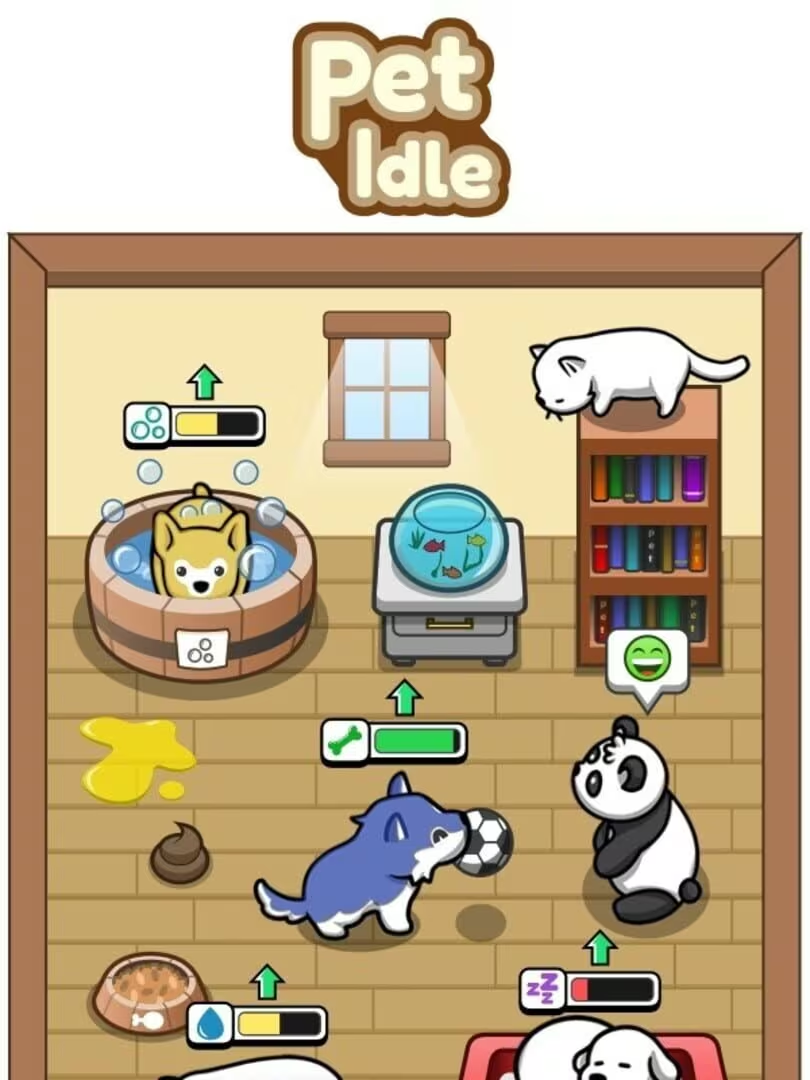 Pet idle
"Some experimentation with plant placement and singing, but largely routine care."
-
Exploration
Game with the same Exploration vibe
-3"Gameplay occurs in a fixed environment with no exploration of new areas or secrets."
 Intake
"No exploration of new areas; gameplay occurs in a fixed pot environment."
-
Expression
Game with the same Expression vibe
3"Allows customization of plant labels and personal organization, supporting self-expression within gameplay."
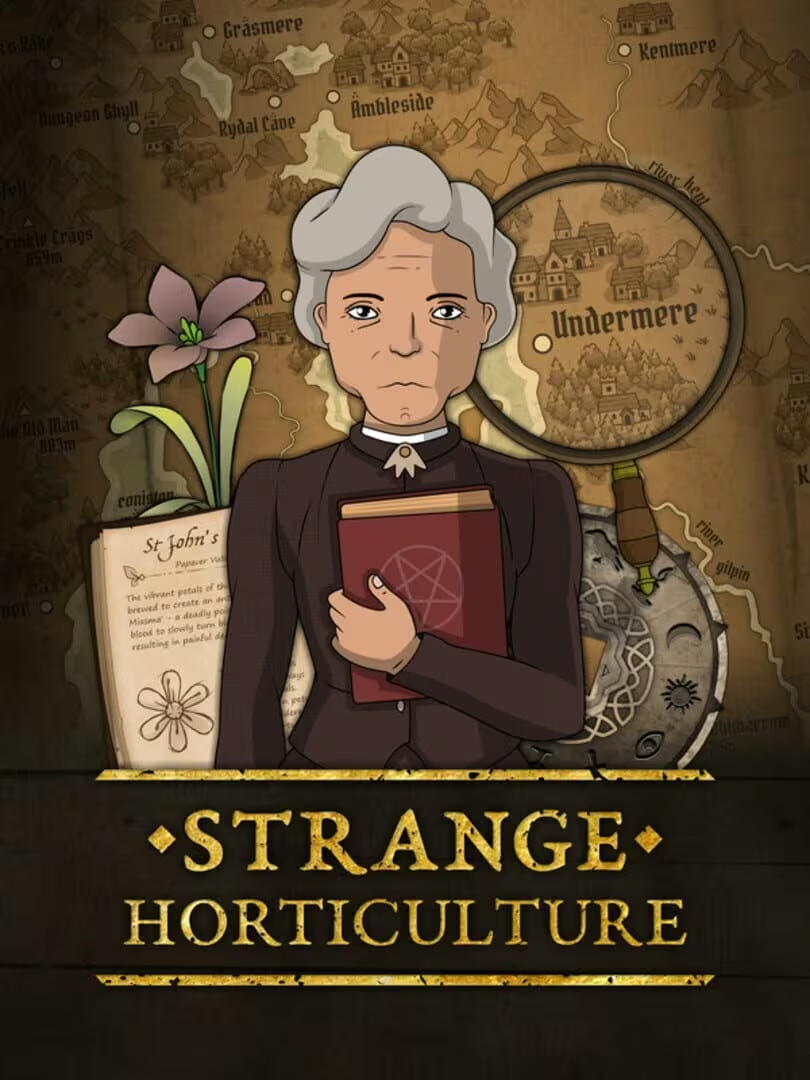 Strange Horticulture
"Naming plants and snail, arranging plants, and choosing pots allow self-expression."
-
Fantasy
Game with the same Fantasy vibe
-4"Realistic simulation of bonsai growing, no fantasy or fictional elements."
 Bonsai
"Realistic simulation of plant care and growth; no fantasy or fictional elements."
-
Fellowship
Game with the same Fellowship vibe
-2"Minimal social interaction; some community aspects but mostly solo play."
 Silly Linguine Cat Simulator Deluxe Online
"Limited social interaction; some community trading but mostly solitary play."
-
Growth
Game with the same Growth vibe
4"Players learn plant care, breeding mechanics, and garden management over time."
Garden Life: A Cozy Simulator
"Players learn plant care, patience, and observe growth and flowering over time."
-
Health
Game with the same Health vibe
-4"Sedentary gameplay with no physical activity involved."
 Mortal Kombat 11
"Sedentary gameplay with no physical activity involved."
-
Idle
Game with the same Idle vibe
4"Short sessions and simple gameplay allow for casual, intermittent play."
 Momotype
"Gameplay involves short, infrequent sessions with long passive growth periods."
-
Intimacy
Game with the same Intimacy vibe
1"Emotional connection to the game world and animal companions, but no interpersonal social intimacy."
 Fe
Fe
"Some emotional attachment to plants and snail, but limited social intimacy."
-
Leadership
Game with the same Leadership vibe
-5"No leadership or group management roles; focus is on individual care."
 Wobbledogs
"No leadership or group management; purely individual care."
-
Progression
Game with the same Progression vibe
4"Progression through unlocking new areas, gaining new seeds, and increasing biomass levels."
 Waking Mars
"Progression through growing plants to maturity and flowering, collecting new seedlings."
-
Relaxation
Game with the same Relaxation vibe
5"Core motivation is relaxation and stress relief, with calming music, art, and gentle gameplay."
 Teacup
"Core motivation is relaxation and stress relief through calm gameplay and music."
-
Sensation
Game with the same Sensation vibe
3"Pleasant visuals and soothing music provide sensory enjoyment."
 Ever Seen A Cat?
"Pleasant visuals and soothing music provide sensory enjoyment."
-
Status
Game with the same Status vibe
-4"No social status or recognition mechanics; achievements are personal and not publicly ranked."
 The Last Spell
"No social status or recognition; achievements are personal and not publicly ranked."
-
Story
Game with the same Story vibe
-5"No narrative or plot; gameplay is context-free and centered on plant care and decoration."
 Plant Therapy
"No narrative or plot; gameplay is context-free plant care."
-
Strategy
Game with the same Strategy vibe
-2"Very limited strategic depth; mostly routine pruning and watering."
Bonsai
"Minimal strategic depth; basic decisions on watering and plant placement."
-
Thrill
Game with the same Thrill vibe
-5"No suspense or risk; completely predictable and controlled."
 Achievement Idler: Black
"No suspense or risk; very controlled and predictable environment."
-
Value
Game with the same Value vibe
4"Free-to-play with optional purchases; good value for time invested and cosmetic rewards."
 SMITE®
"Free to play with optional low-cost purchases; good value for relaxation and long-term engagement."
-
Violence
Game with the same Violence vibe
-5"No violence; focus on caring and nurturing interactions."
 Cateau
"No violence; focus on nurturing and care."
-
Survival
Game with the same Survival vibe
-3"No threats or failure states; plants do not die, creating a stable environment."
Plant Therapy
"Low risk environment; plants can die from neglect but no threats or danger."
Last update: 01/06/2026