A Chair in a Room : Greenwater similar games & best alternatives
Should you play it?
Explore your surroundings as the protagonist of your own horror story as you immerse yourself in this tense VR thriller set in America’s Deep South. Navigate your way through your memories, piecing together the clues and puzzles, to solve the mystery of how you have awoken in the sinister Greenwater Institute, known only as Patient No.
What works
- Immersive room-scale vr horror
- Engaging psychological thriller story
- Well-designed puzzles
- Strong atmosphere and sound design
- Effective use of vr presence
Things to keep in mind
- Some physics and object interaction glitches
- Short playtime
- Requires large play space for best experience
- Puzzle difficulty can be obscure
- Limited replay value
What to play next
Similar games, hidden gems, and fresh directions from this game.
Top picks
Games that feel the closest overall
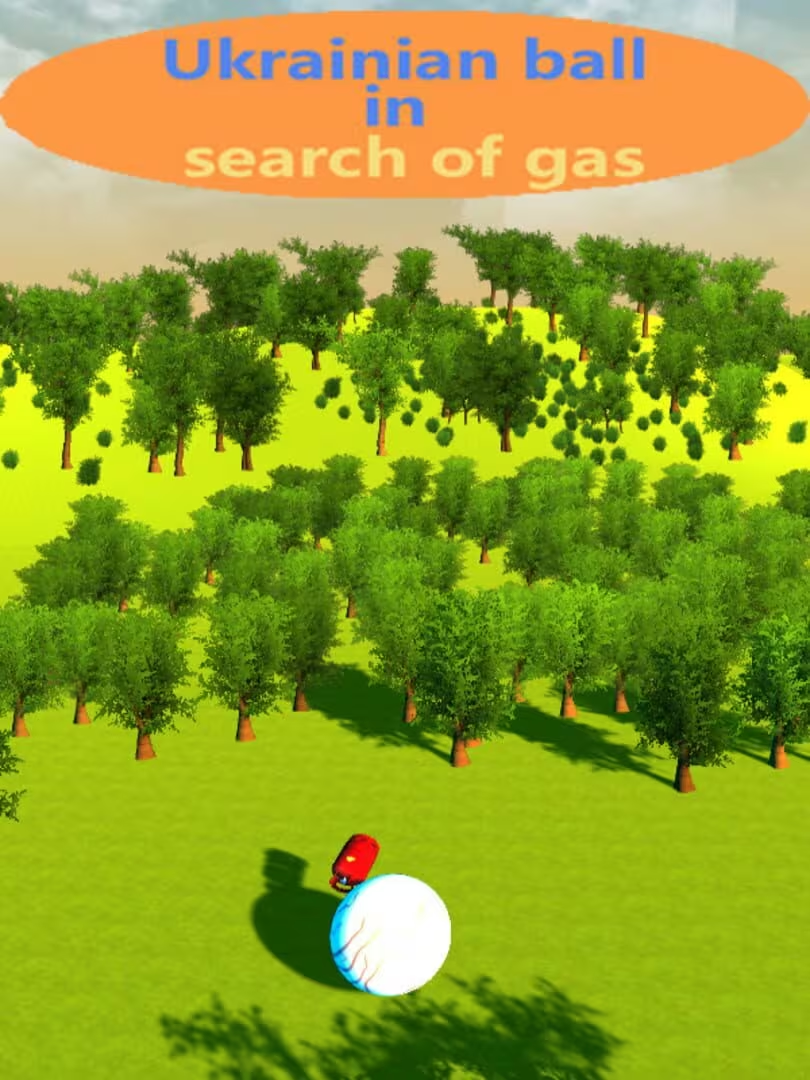
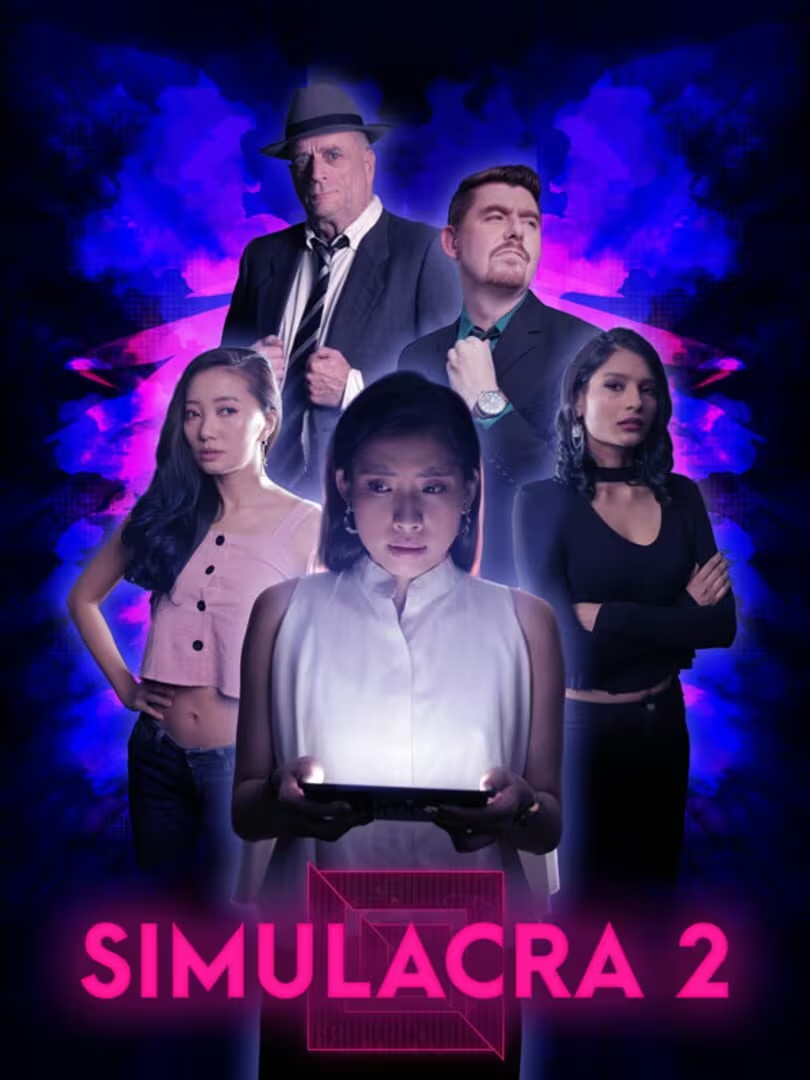
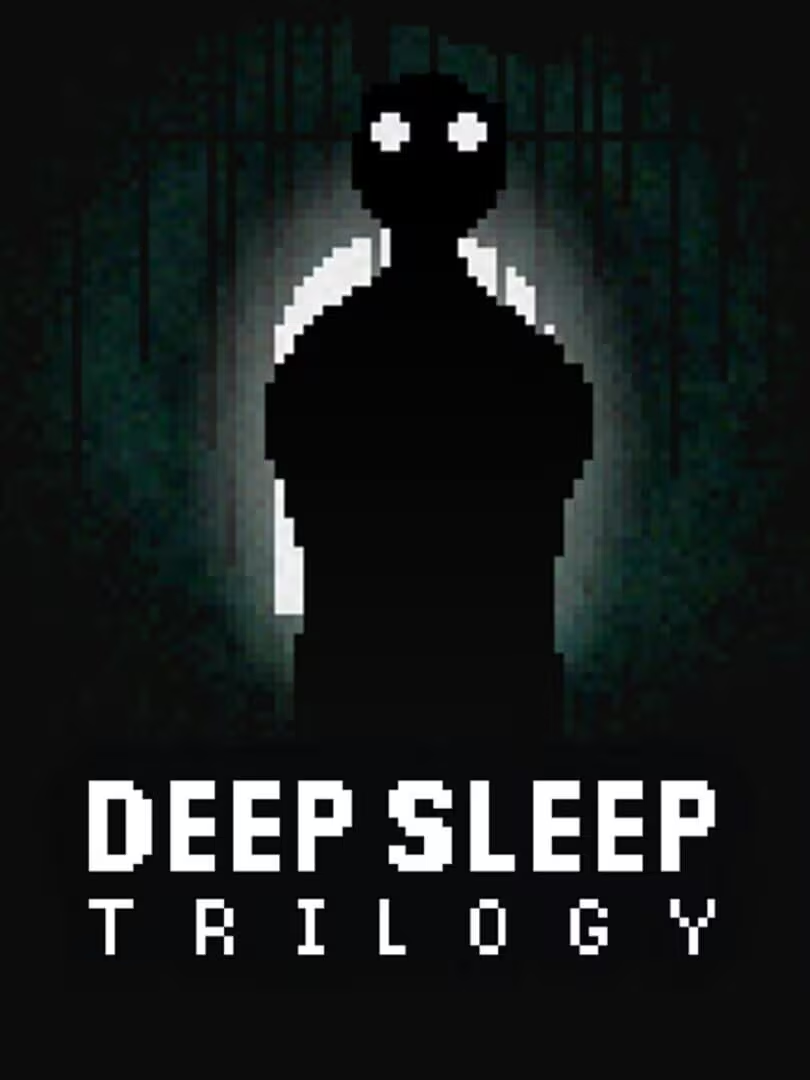
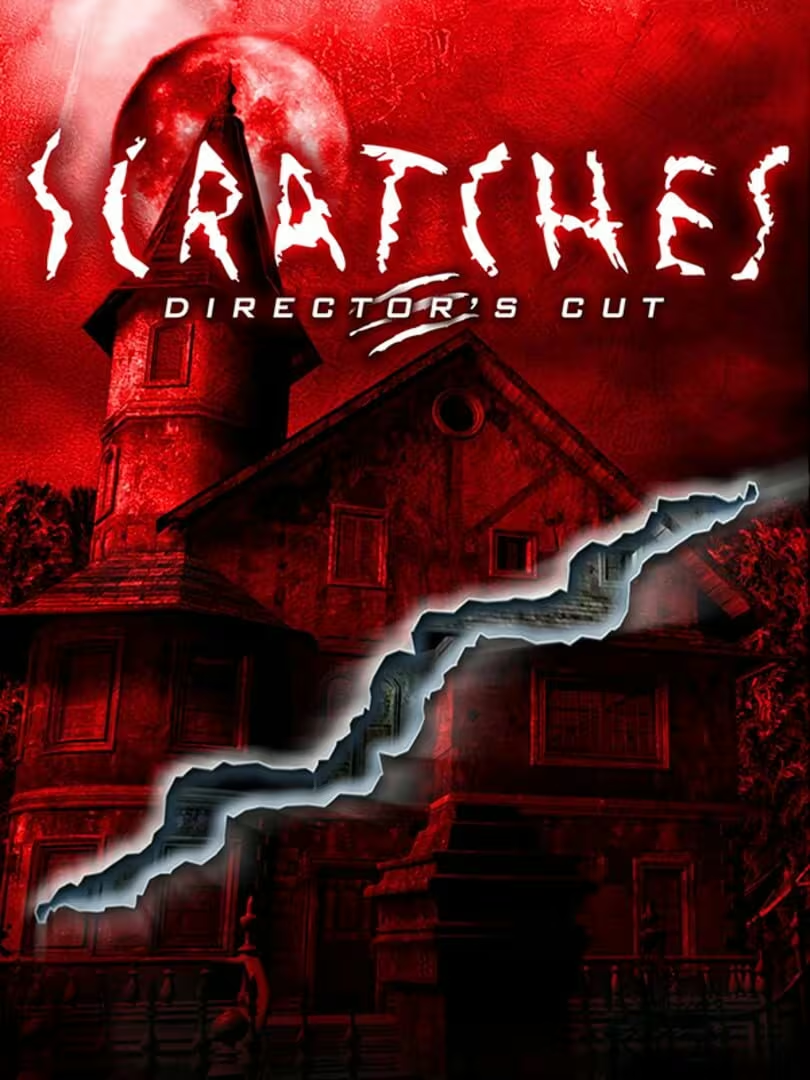
Hidden Gems
Less popular games with surprisingly high similarity
If you liked…
Recommendations by what you enjoyed most
Similarity map
Explore nearby similar games and see why they’re close.
A Chair in a Room : Greenwater: Less representative of its motivational profile, with noticeable differences. Motivations that often define this kind of title include Expression, Fellowship, Cooperation, Status. Here, the score leans higher than usual among comparable games on Health. It leans lower than usual among comparable games on Violence, Relaxation.
Why this game works
A motivational profile of the game, with the closest similar game for each player motivation.
-
Autonomy
Game with the same Autonomy vibe
4"Players have freedom to explore rooms, solve puzzles in multiple ways, and experiment with mechanics."
 Last Room
"Players have freedom to explore rooms, solve puzzles, and interact with objects in a non-linear manner within each area."
-
Competence
Game with the same Competence vibe
3"Puzzles require logical thinking and some challenge; players receive feedback through puzzle solving and progression."
 The Devourer: Hunted Souls
"Puzzles require some skill and problem solving, but are not overly difficult; players receive feedback through progression."
-
Competition
Game with the same Competition vibe
-5"No competitive elements; focus is on personal experience and story progression."
 Among the Sleep - Enhanced Edition
"No competitive elements; focus is on personal experience and story progression."
-
Continuation
Game with the same Continuation vibe
2"Players often engage in multiple sessions and some replay for achievements, showing moderate attachment."
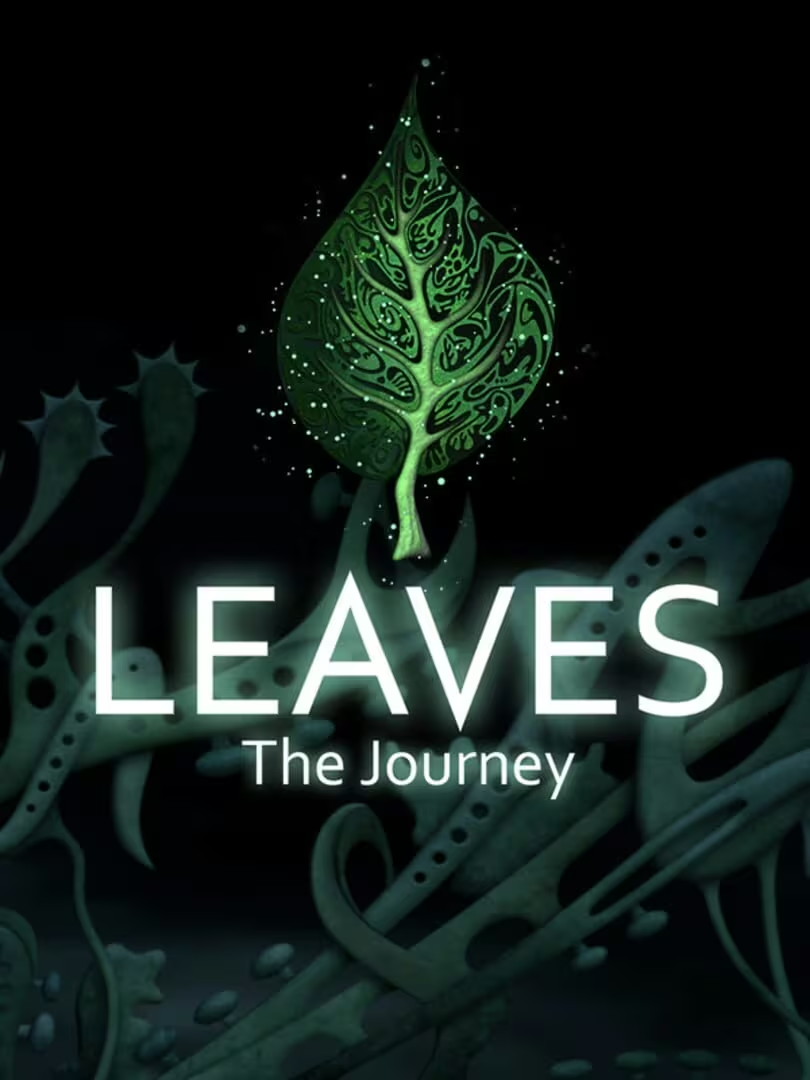 LEAVES - The Journey
"Players often play in multiple sessions and reflect on the experience, indicating moderate attachment."
-
Cooperation
Game with the same Cooperation vibe
-5"Single-player experience with no cooperative gameplay."
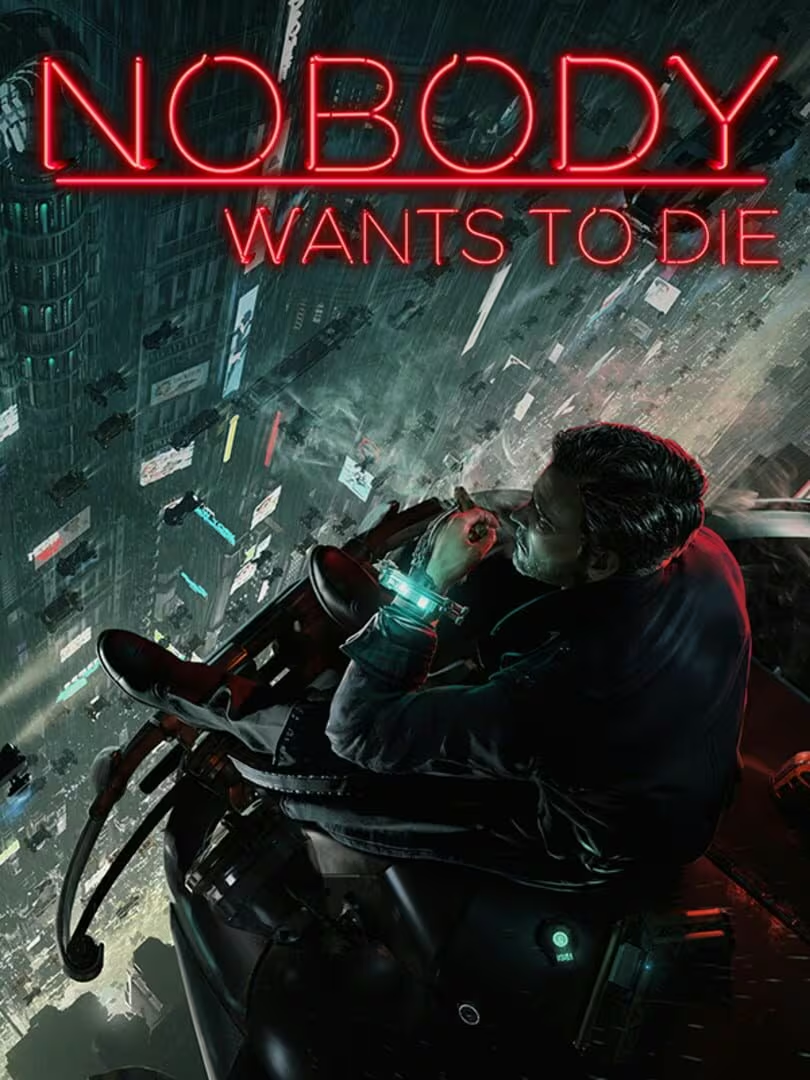 Nobody Wants to Die
"Single-player experience with no cooperative gameplay."
-
Creativity
Game with the same Creativity vibe
1"Some player interaction with environment and puzzle solving, but within a fixed narrative and setting."
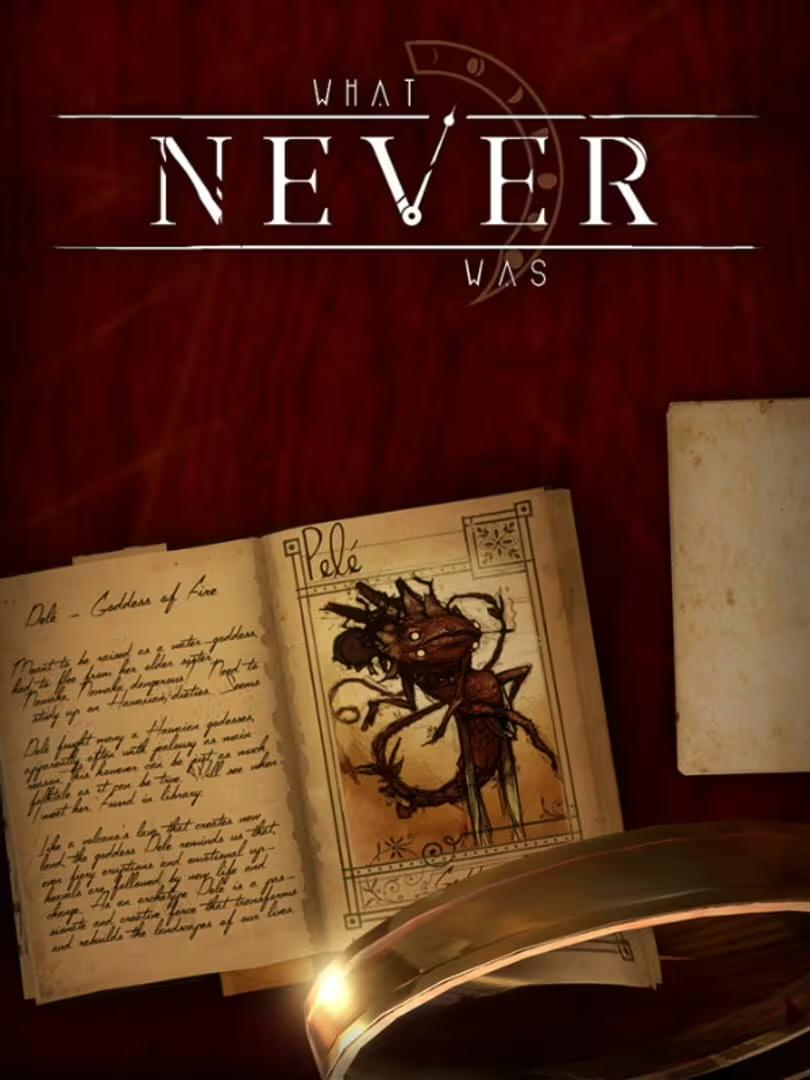 What Never Was
"Some player interaction with objects and puzzle solving, but within predefined environments and story."
-
Domination
Game with the same Domination vibe
-5"No social dominance or power dynamics; solitary experience."
 Kona
Kona
"No social dominance or power dynamics; solitary experience."
-
Escapism
Game with the same Escapism vibe
5"Strong escapism through immersive, surreal, and psychological horror experience."
 Who's Lila?
"Strong escapism through immersive horror atmosphere and psychological thriller narrative."
-
Expectation
Game with the same Expectation vibe
-4"Players engage voluntarily out of interest and intrinsic motivation to experience the story and horror."
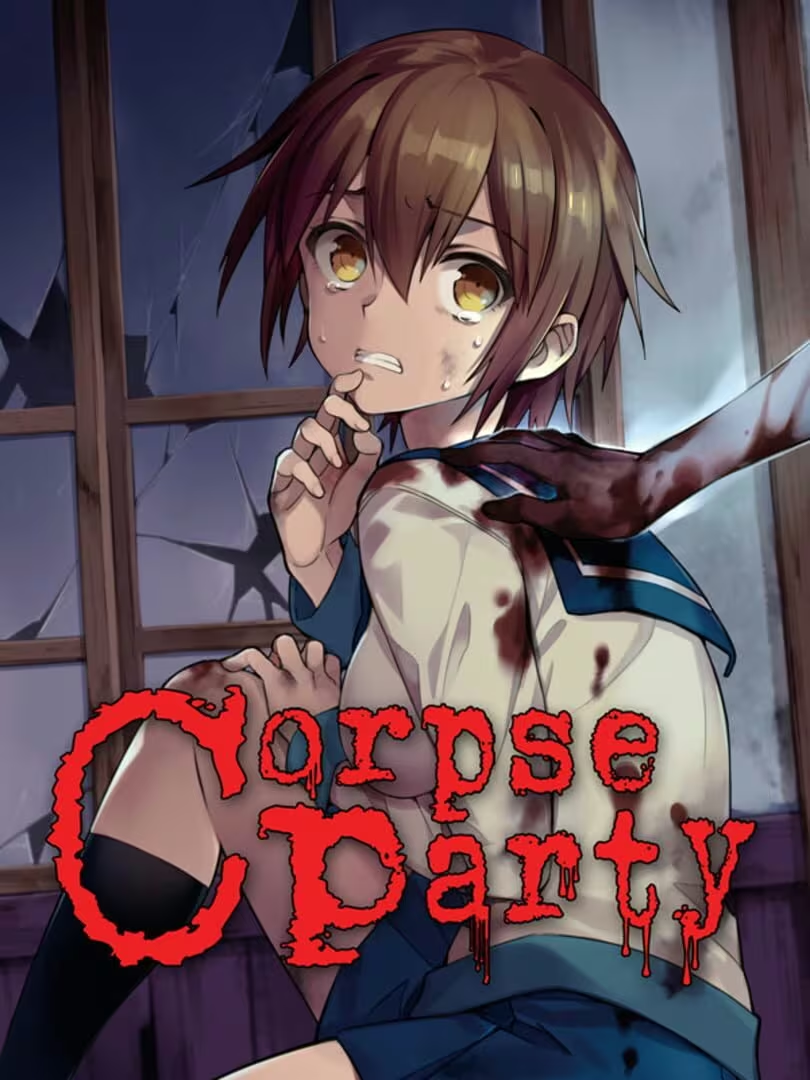 Corpse Party (2021)
"Players engage voluntarily out of interest and intrinsic motivation to experience the story and scares."
-
Experimenting
Game with the same Experimenting vibe
2"Players explore environments and try different puzzle solutions, though gameplay is mostly structured and guided."
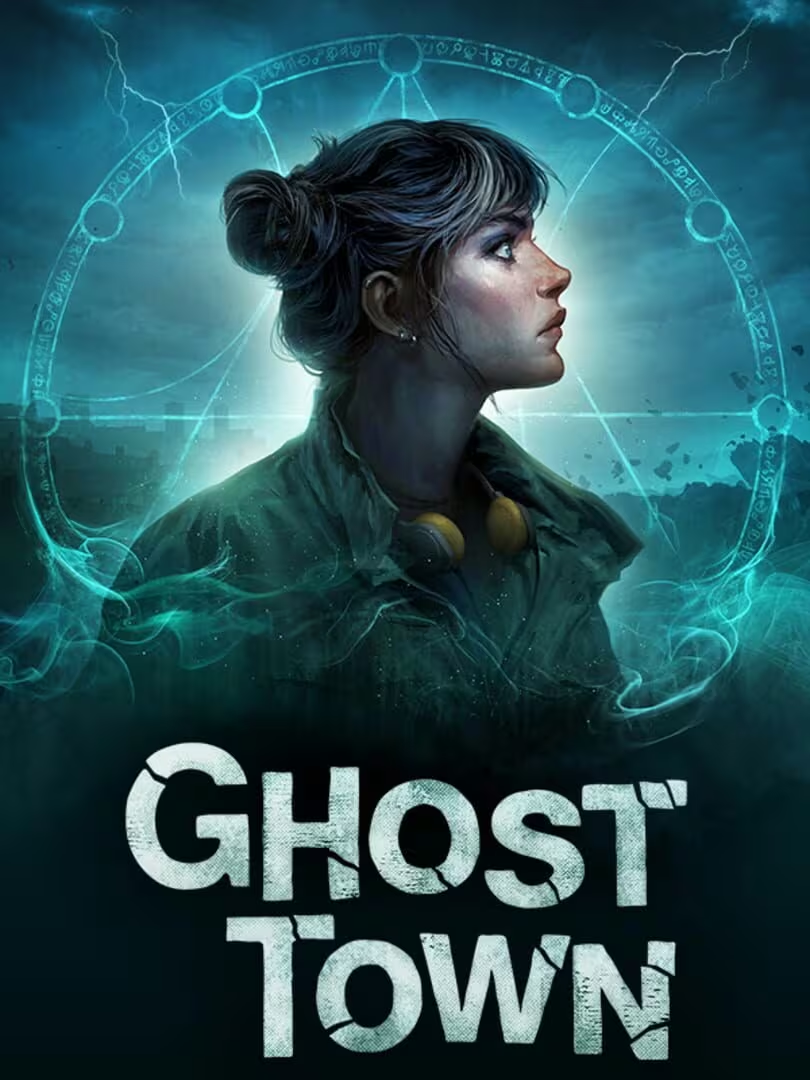 Ghost Town
"Players explore environments and try different puzzle solutions, though within structured gameplay."
-
Exploration
Game with the same Exploration vibe
3"Players discover new rooms and clues progressively, though environments are limited and linear."
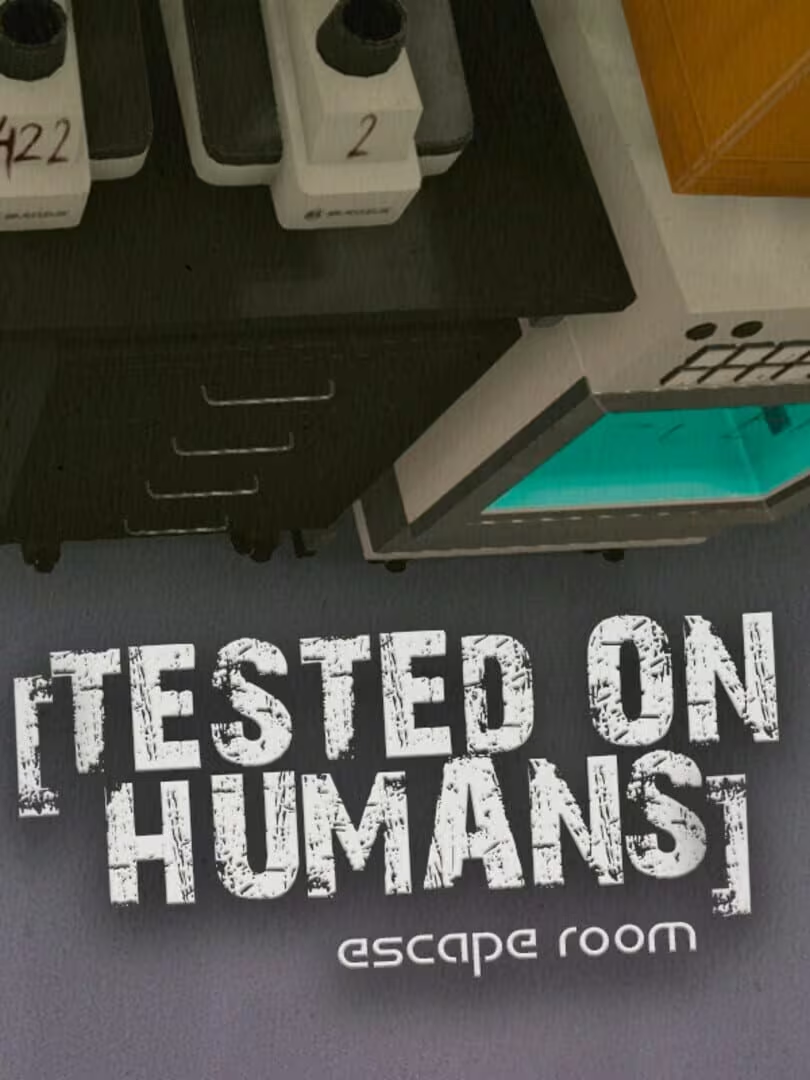 Tested on Humans: Escape Room
"Players discover new rooms and clues, progressing through a series of environments."
-
Expression
Game with the same Expression vibe
-5"No character customization or cosmetic expression; presentation is fixed and narrative-focused."
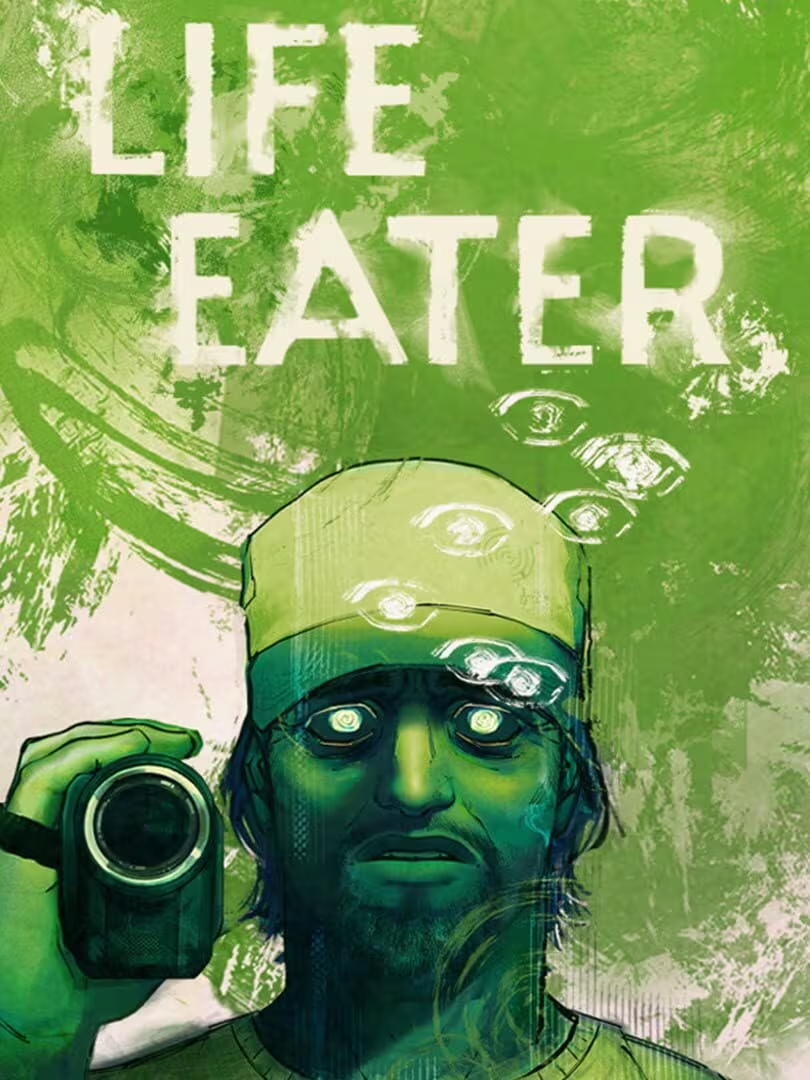 Life Eater
"No character customization or personal expression; fixed narrative and presentation."
-
Fantasy
Game with the same Fantasy vibe
3"Horror fiction with supernatural or mysterious elements, creating an imaginative experience."
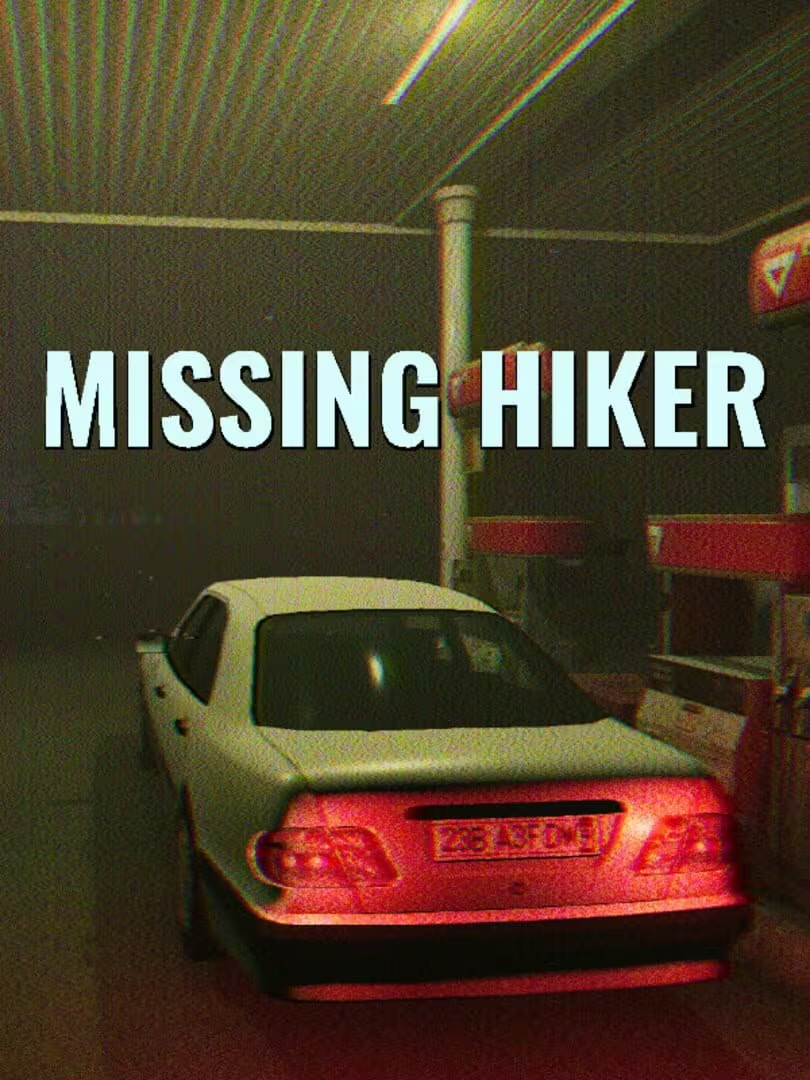 Missing Hiker
"Psychological horror and thriller elements create an imaginative, unsettling fictional experience."
-
Fellowship
Game with the same Fellowship vibe
-5"Primarily a solitary experience with minimal social interaction."
 SILENT HILL 2
"Primarily a solitary experience with minimal social interaction."
-
Growth
Game with the same Growth vibe
3"Players develop problem-solving skills and understanding of the story through gameplay."
 The Dig®
"Players develop problem-solving skills and understanding of story through gameplay."
-
Health
Game with the same Health vibe
1"Room-scale VR encourages physical movement, though not explicitly exercise-focused."
 Out of Ammo
"Requires physical movement in room-scale VR, encouraging moderate physical activity."
-
Idle
Game with the same Idle vibe
-4"Requires focused attention and active engagement; not suited for passive or background play."
 Arken Age
"Requires focused attention and active engagement; not suited for passive or background play."
-
Intimacy
Game with the same Intimacy vibe
-5"No social or emotional relationship building; solitary experience."
 Resident Evil
"No social or emotional relationship building; solitary psychological experience."
-
Leadership
Game with the same Leadership vibe
-5"No leadership or group management elements."
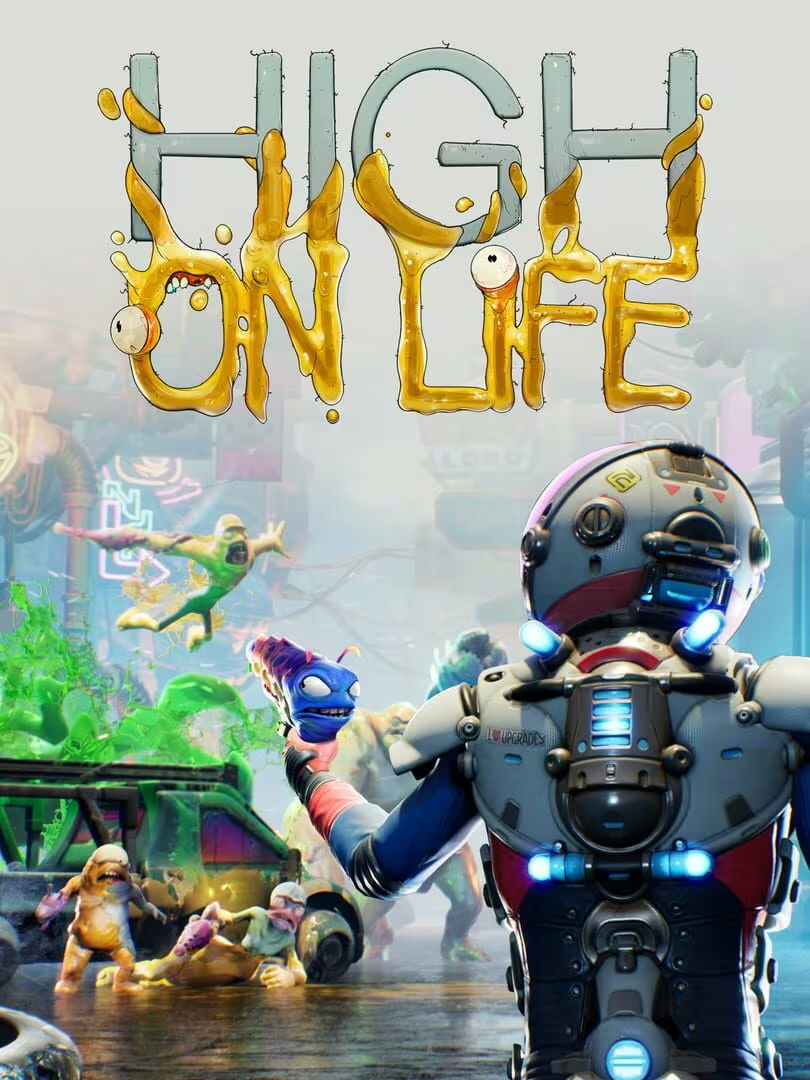 High On Life
"No leadership or group management elements."
-
Progression
Game with the same Progression vibe
3"Players progress through chapters and puzzles, unlocking story elements and advancing the narrative."
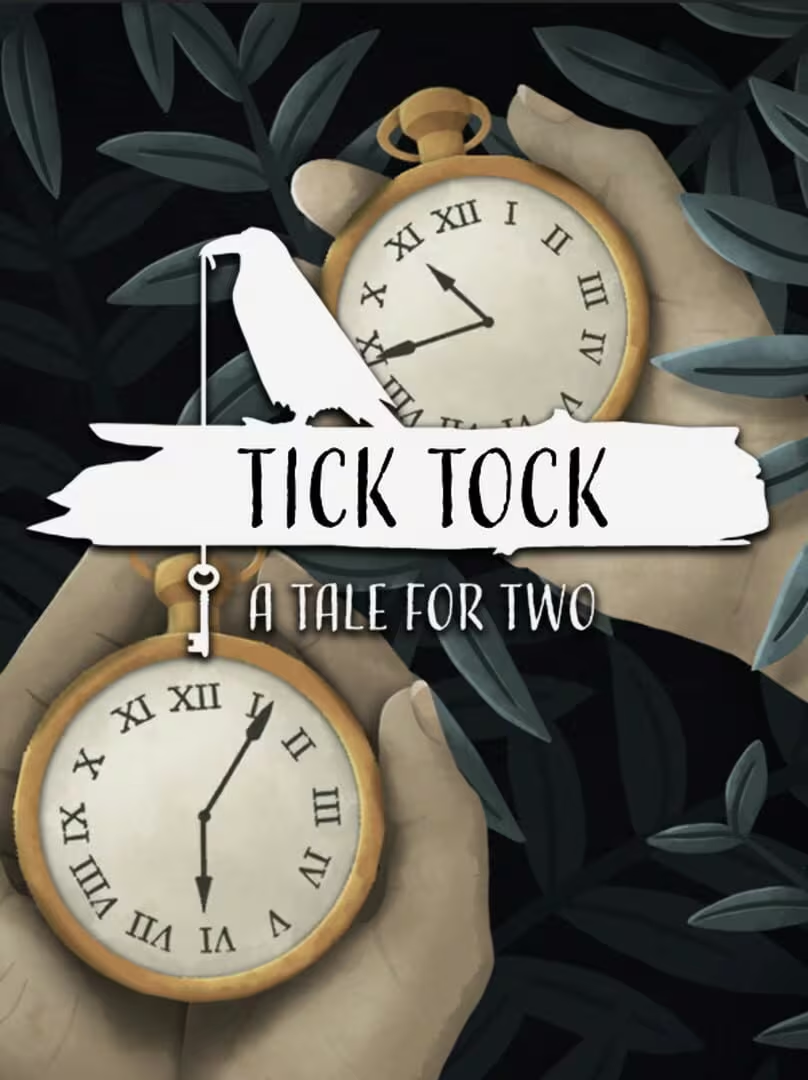 Tick Tock: A Tale for Two
"Players progress through chapters and unlock story elements and puzzles."
-
Relaxation
Game with the same Relaxation vibe
-3"Tense and suspenseful atmosphere creates sustained emotional strain rather than relaxation."
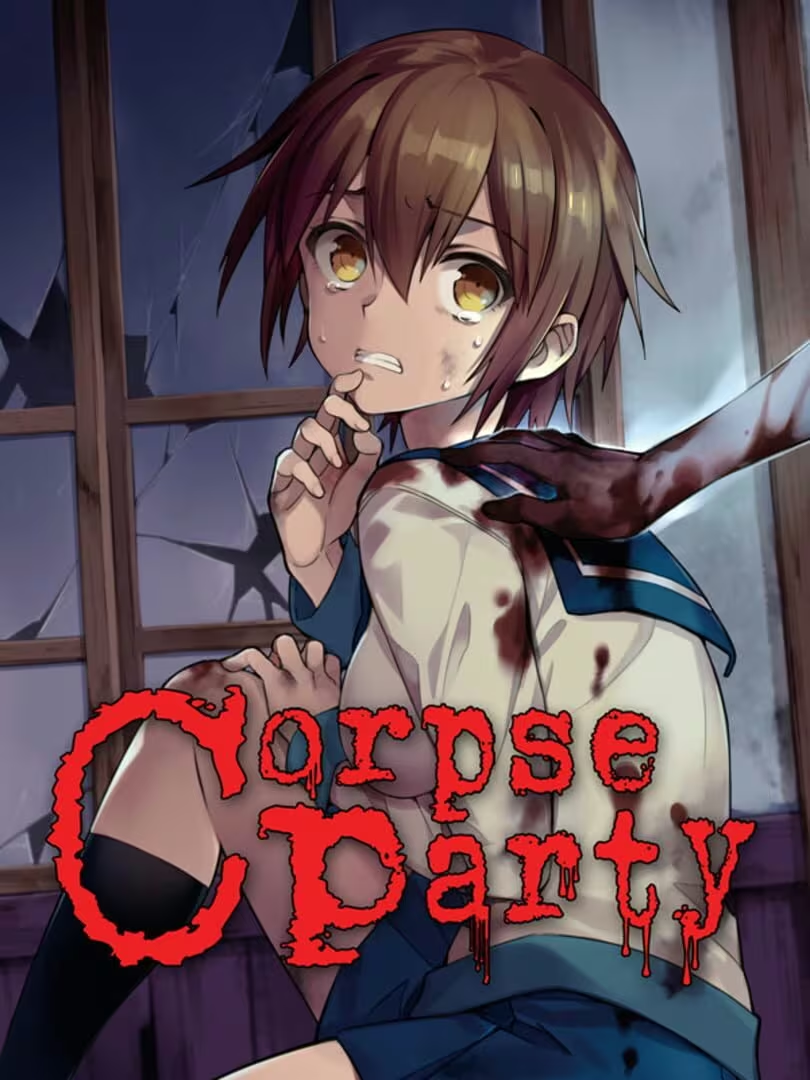 Corpse Party
"Tense, suspenseful atmosphere creates sustained emotional strain rather than relaxation."
-
Sensation
Game with the same Sensation vibe
4"Strong sensory stimulation through immersive graphics, sound design, and VR presence."
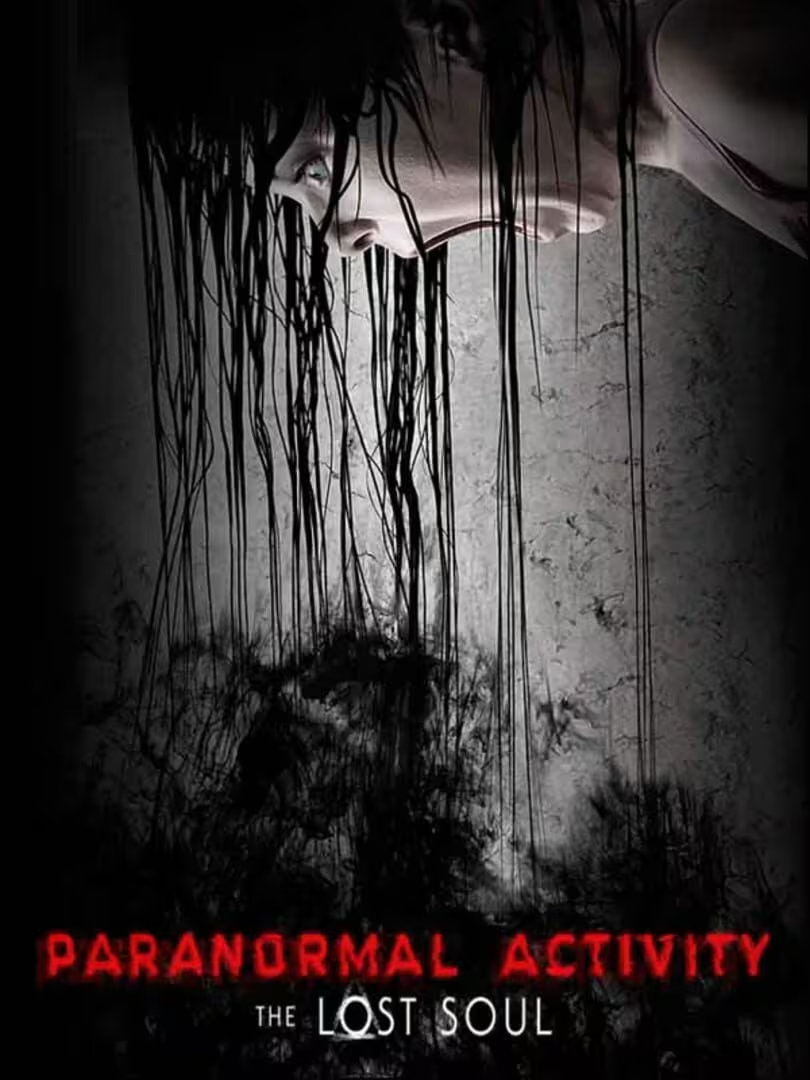 Paranormal Activity: The Lost Soul
"Strong sensory stimulation through immersive audio, visuals, and VR presence."
-
Status
Game with the same Status vibe
-5"No social recognition or status systems."
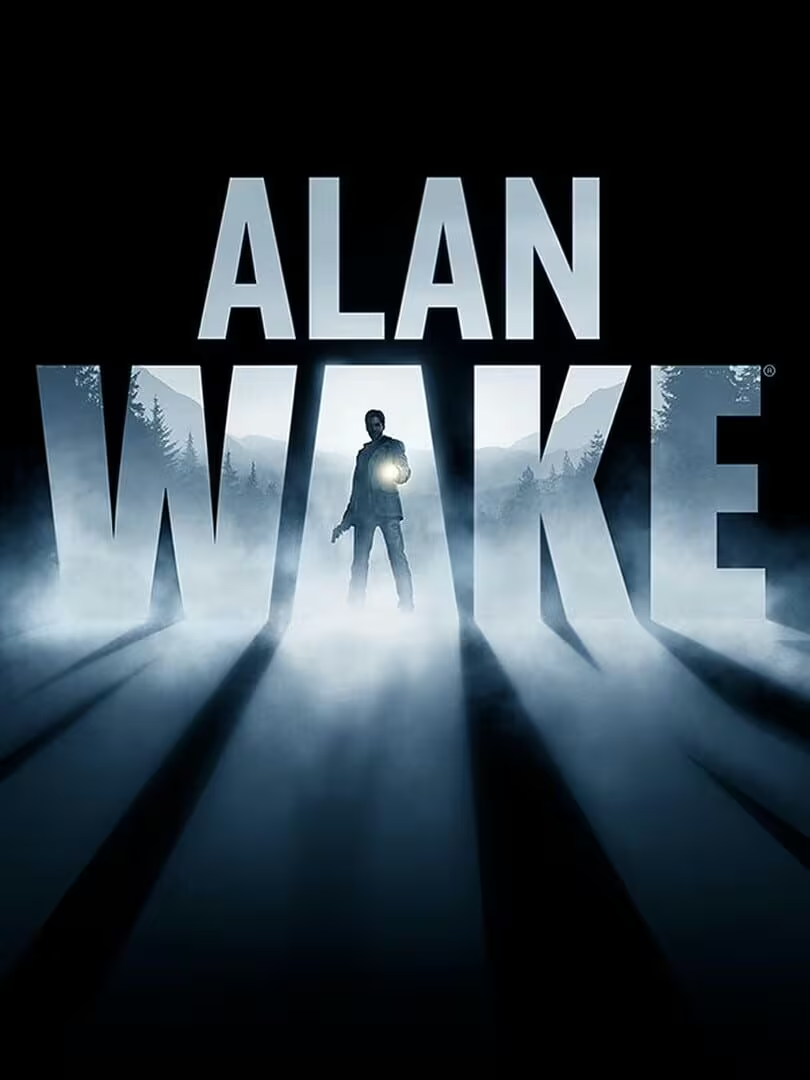 Alan Wake
"No social recognition or status systems."
-
Story
Game with the same Story vibe
5"Strong narrative focus with multiple endings, character development, and immersive psychological thriller plot."
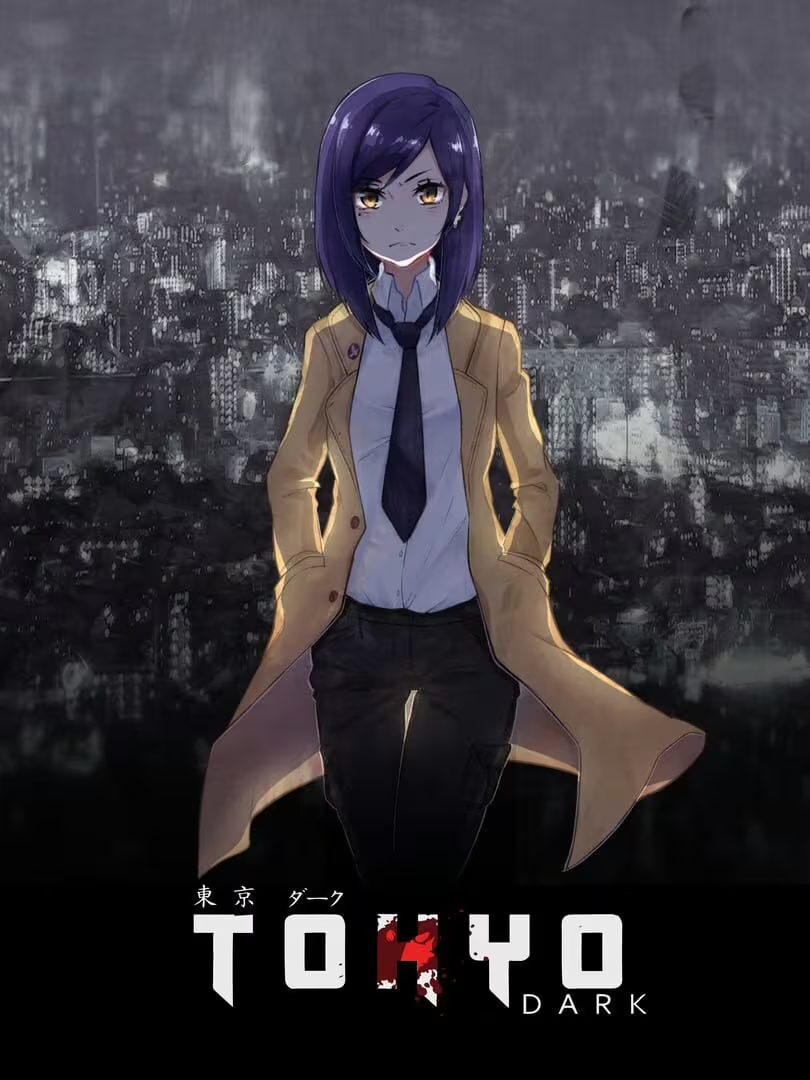 Tokyo Dark
"Narrative-driven experience with psychological thriller plot and immersive storytelling."
-
Strategy
Game with the same Strategy vibe
2"Puzzle solving requires reasoning and planning, though not highly complex."
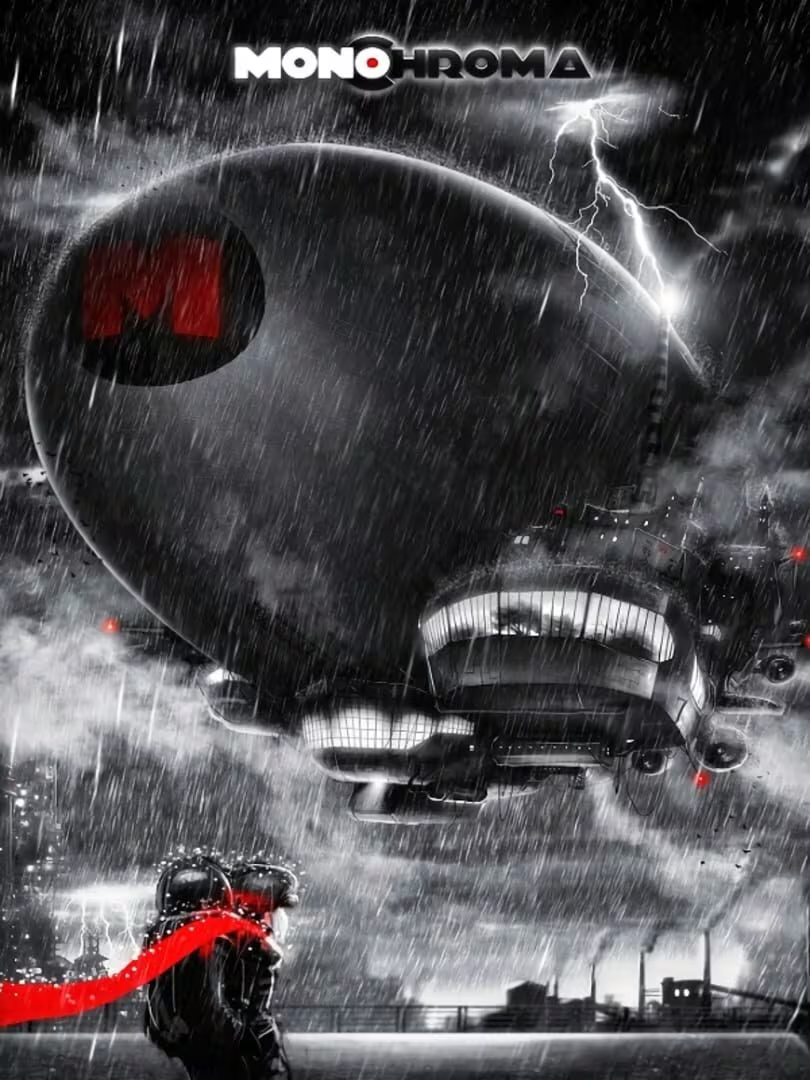 Monochroma
"Puzzle solving requires some reasoning and planning, though not highly complex."
-
Thrill
Game with the same Thrill vibe
4"Psychological tension and jump scares create suspense and thrill."
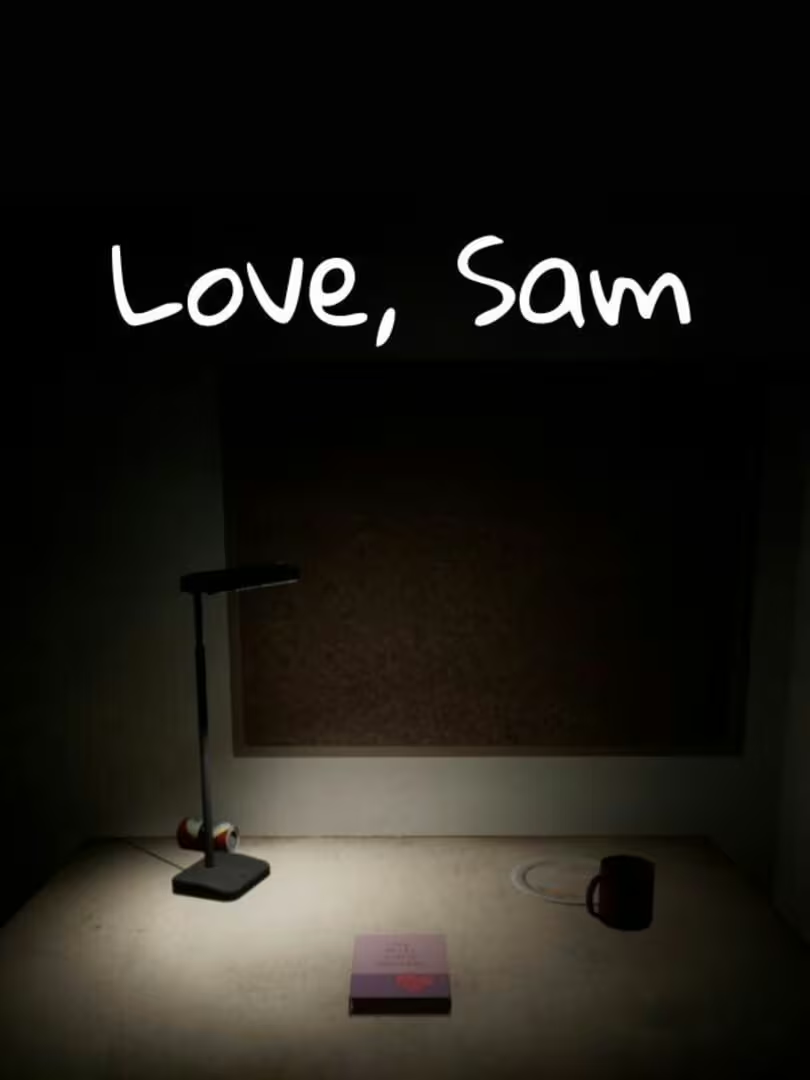 Love, Sam
"Sustained suspense and psychological tension with occasional jump scares create thrill."
-
Value
Game with the same Value vibe
3"Players feel the game offers good value for time spent, especially with VR immersion and replayability."
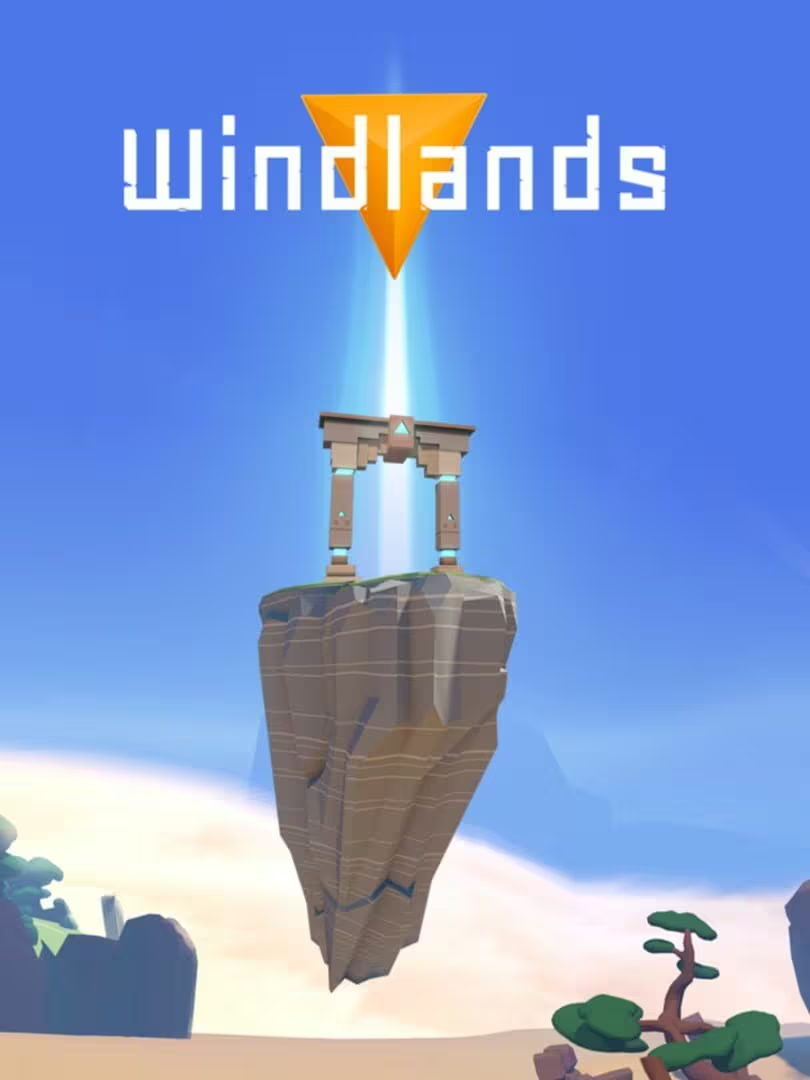 Windlands
"Players perceive good value for immersive VR horror experience despite short playtime."
-
Violence
Game with the same Violence vibe
-4"Minimal combat or destruction; focus on psychological horror and puzzle solving."
 Luto
Luto
"Focus is on psychological horror and puzzle solving rather than combat or destruction."
-
Survival
Game with the same Survival vibe
1"Some elements of avoiding death and progressing through threats, but not a core survival game."
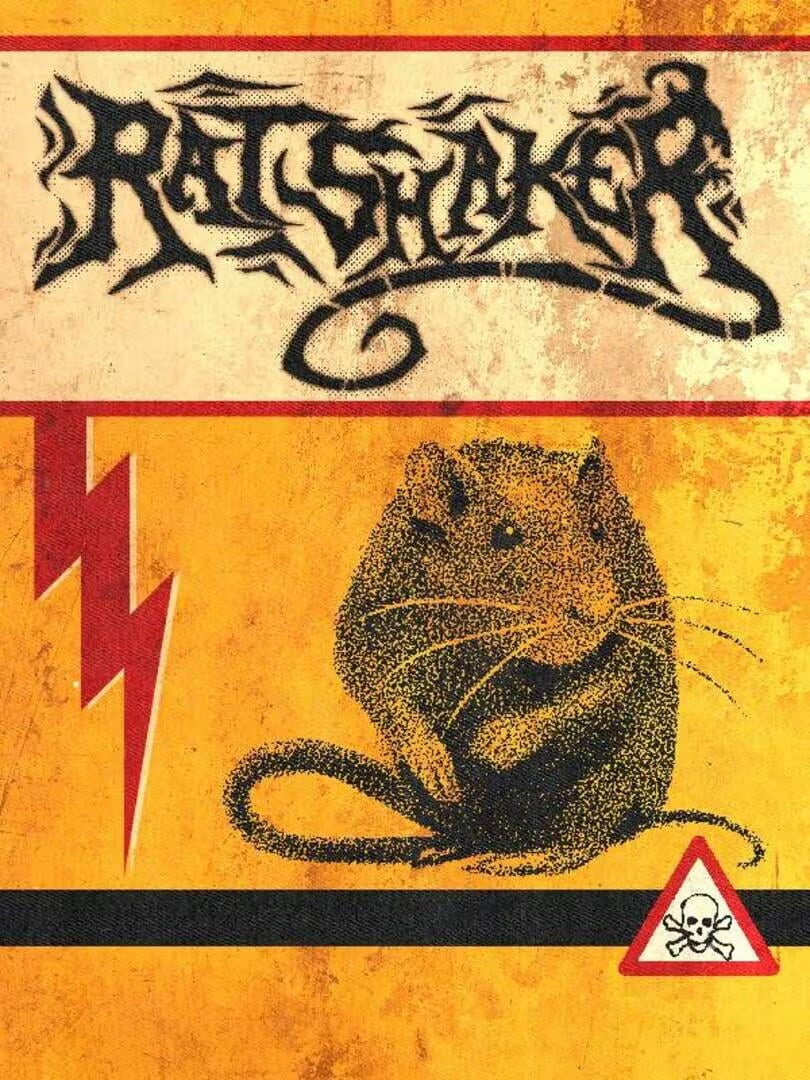 RATSHAKER™
"Some elements of avoiding failure and progressing through threats, but not core gameplay."
Last update: 01/06/2026