LEAVES - The Journey similar games & best alternatives
Should you play it?
Travel to the mystic lands of Mononino and help the Treefruities to recover the lost leaves of their home tree. Search for clues to master the many puzzles and challenges on your journey.
What works
- Unique surreal art style
- Varied and challenging puzzles
- Calming atmosphere and sound
- Good value for price
- Engaging exploration
Things to keep in mind
- Some ui and navigation issues
- Occasional bugs reported
- Lack of story depth
- Tedious backtracking
- No fast travel
What to play next
Similar games, hidden gems, and fresh directions from this game.
Top picks
Games that feel the closest overall
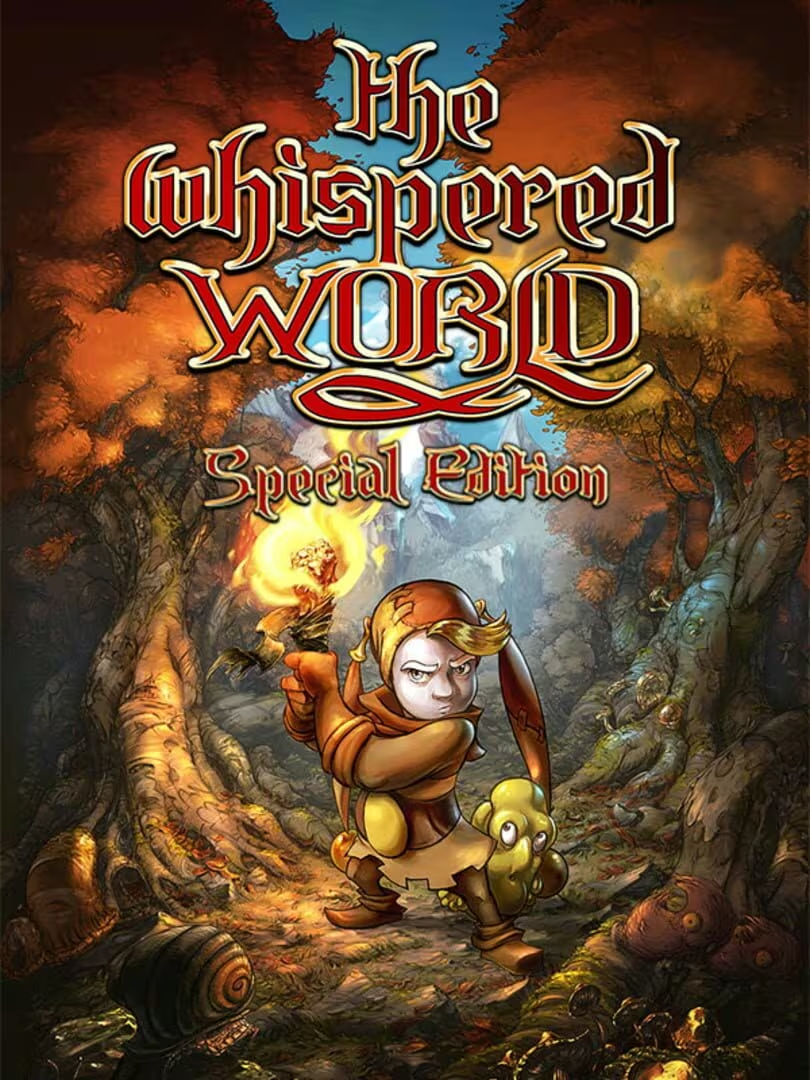
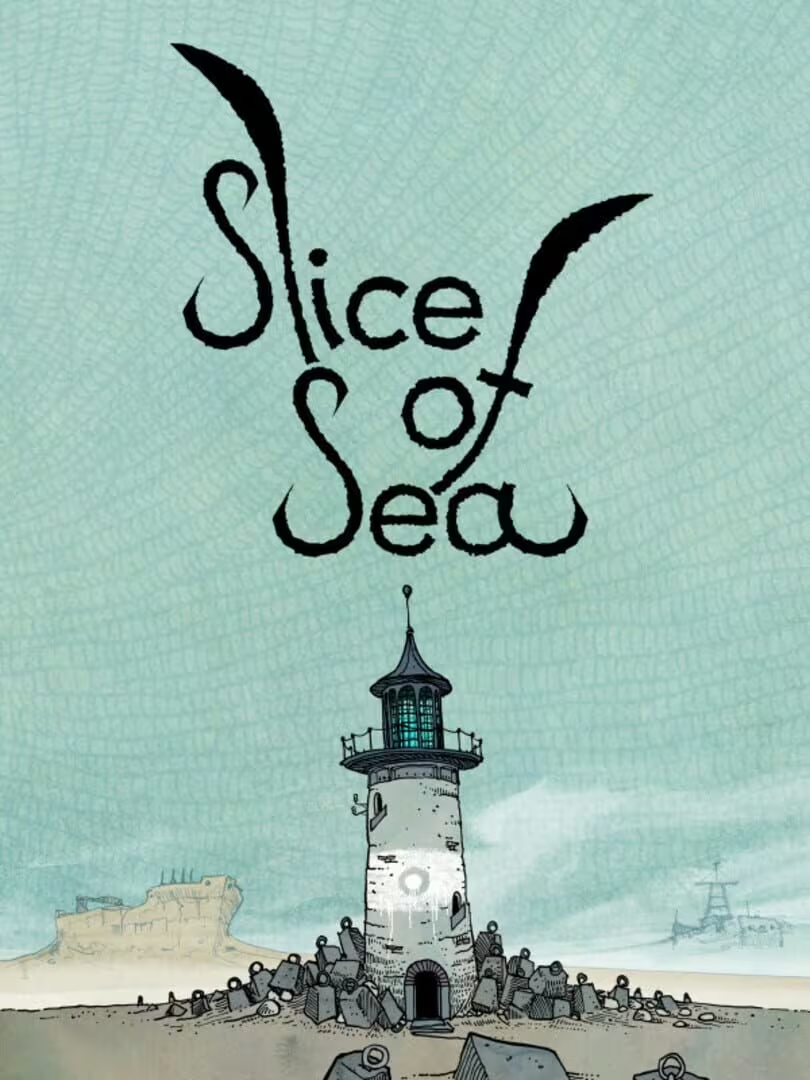
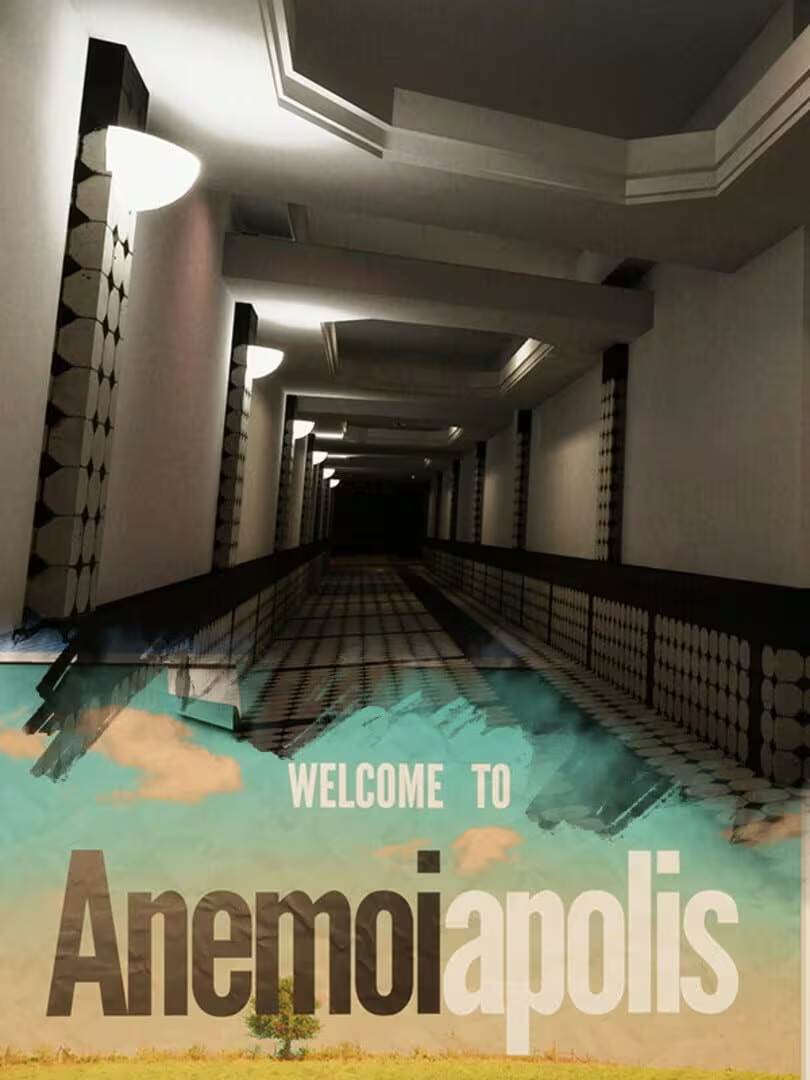
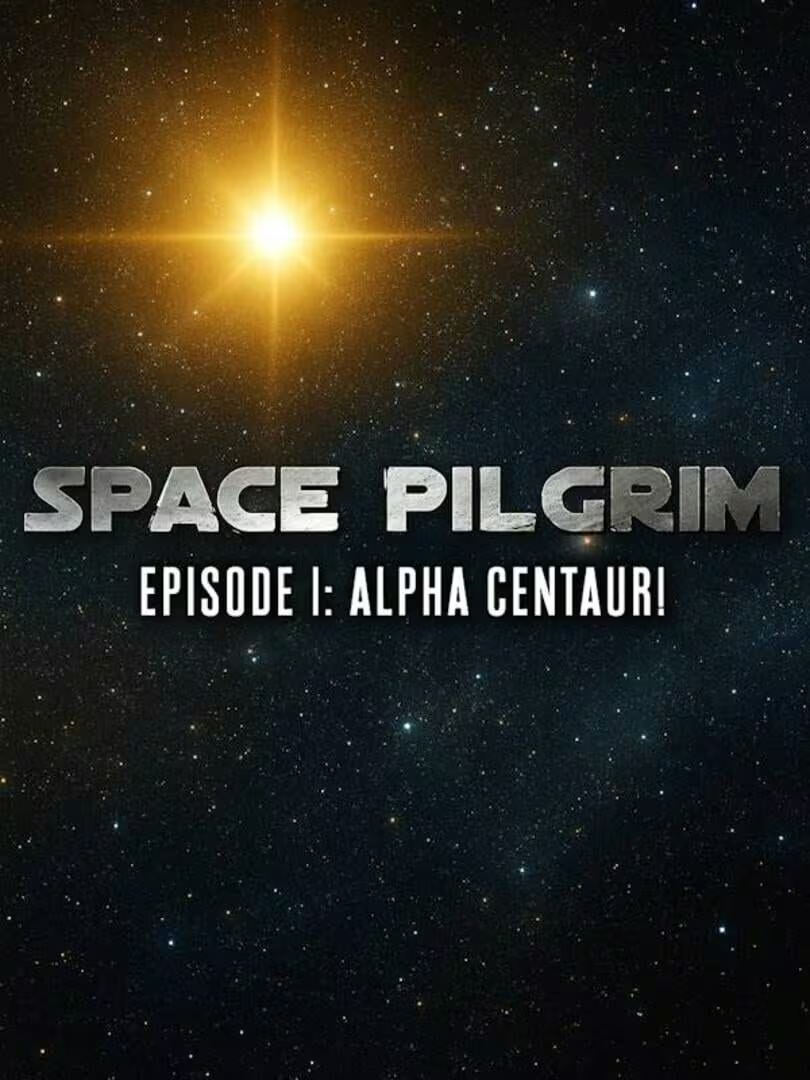
Hidden Gems
Less popular games with surprisingly high similarity
If you liked…
Recommendations by what you enjoyed most
Similarity map
Explore nearby similar games and see why they’re close.
LEAVES - The Journey: A very typical example of its motivational profile. Motivations that often define this kind of title include Survival, Violence, Competition, Thrill. It leans lower than usual among comparable games on Intimacy, Expression, Thrill.
Why this game works
A motivational profile of the game, with the closest similar game for each player motivation.
-
Autonomy
Game with the same Autonomy vibe
4"Players freely explore surreal environments and solve puzzles with no imposed routines or strict guidance."
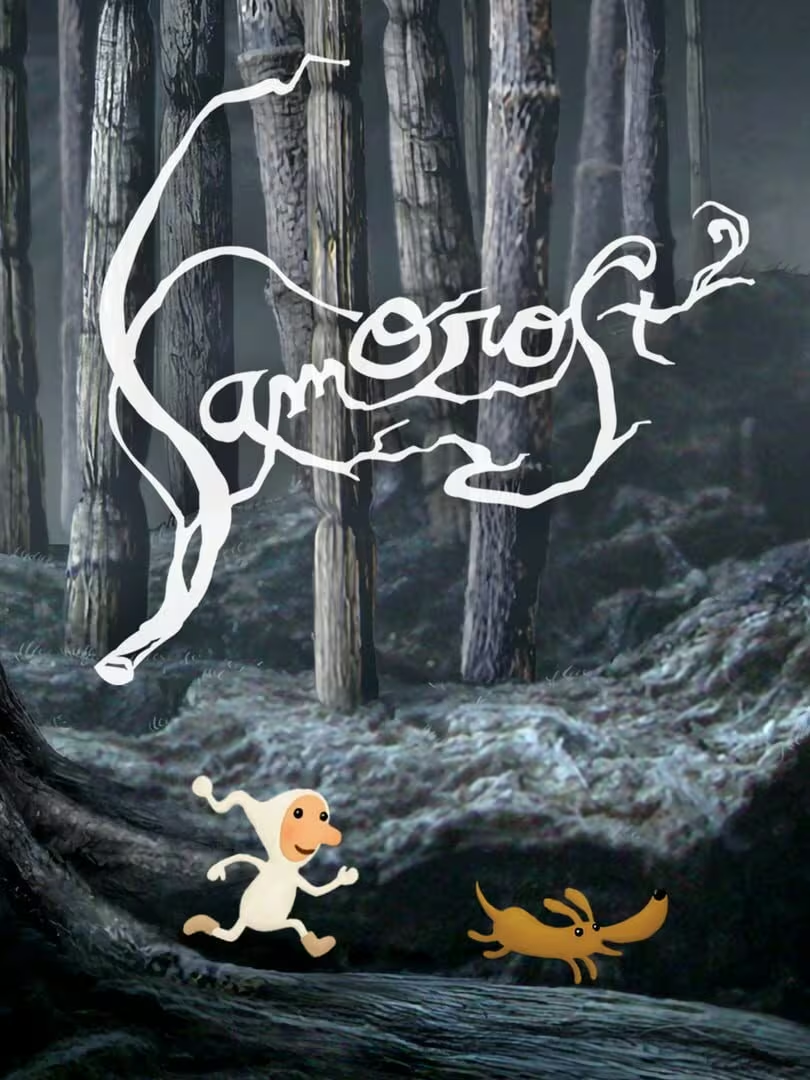 Samorost 2
"Players freely explore a surreal world and solve puzzles at their own pace with no forced linearity or scripted routines."
-
Competence
Game with the same Competence vibe
3"Puzzles vary in difficulty, some challenging and requiring problem solving, with feedback and progression tied to puzzle completion."
 True Fear: Forsaken Souls Part 2
"Puzzles vary from easy to challenging, requiring logical thinking and problem solving, with feedback through puzzle completion."
-
Competition
Game with the same Competition vibe
-5"No competitive elements or player comparison; focus is on individual exploration and puzzle solving."
 Cybernetic Fault
"No competitive elements or player comparison; focus is on individual puzzle solving and exploration."
-
Continuation
Game with the same Continuation vibe
2"Players engage in repeated short sessions with some grinding and replaying levels for upgrades and achievements, showing moderate attachment."
 Battle Group 2
"Players often engage in multiple sessions and some replay for achievements, showing moderate attachment."
-
Cooperation
Game with the same Cooperation vibe
-5"Entirely single-player experience with no cooperative or multiplayer features."
 Little Inferno
"Entirely single-player experience with no cooperative or multiplayer features."
-
Creativity
Game with the same Creativity vibe
4"Unique puzzle designs and surreal environments encourage creative problem solving and exploration."
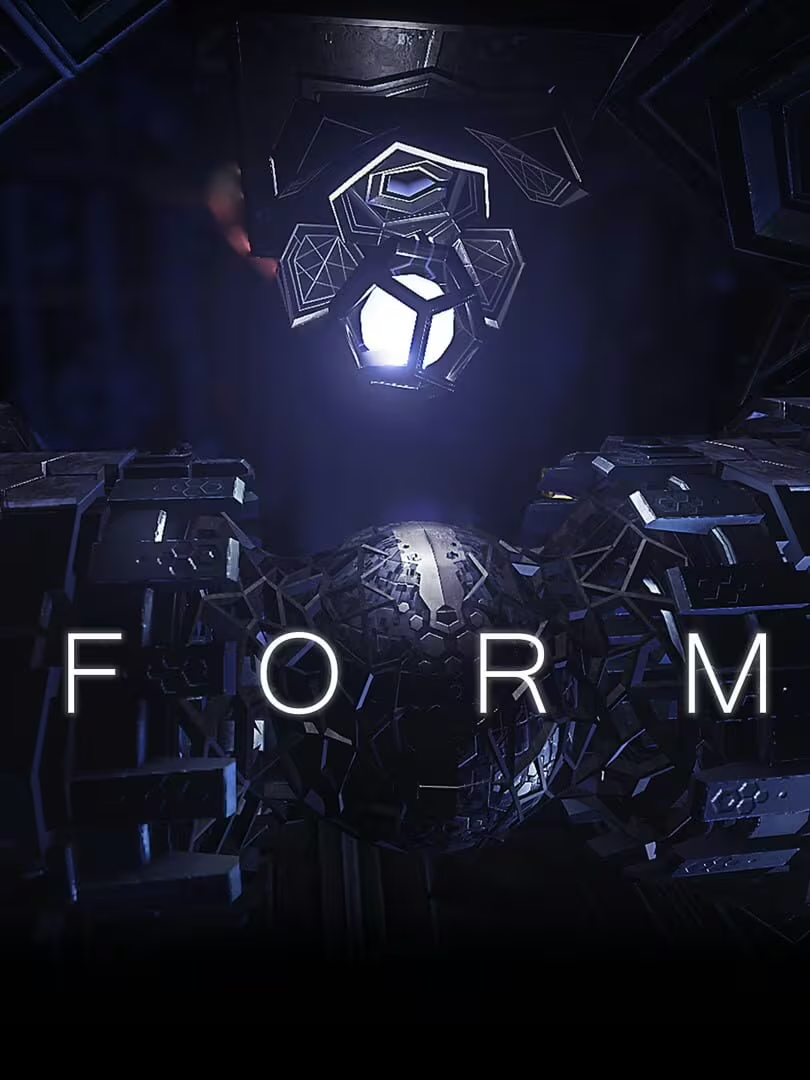 FORM
FORM
"Players engage in creative problem solving and exploration within a unique surreal art world."
-
Domination
Game with the same Domination vibe
-5"No social dominance or power over others; gameplay is solitary and respectful."
 Toki Tori
"No social dominance or power dynamics; gameplay is solitary and respectful."
-
Escapism
Game with the same Escapism vibe
4"The surreal, artistic world and challenging puzzles provide an immersive escape from reality."
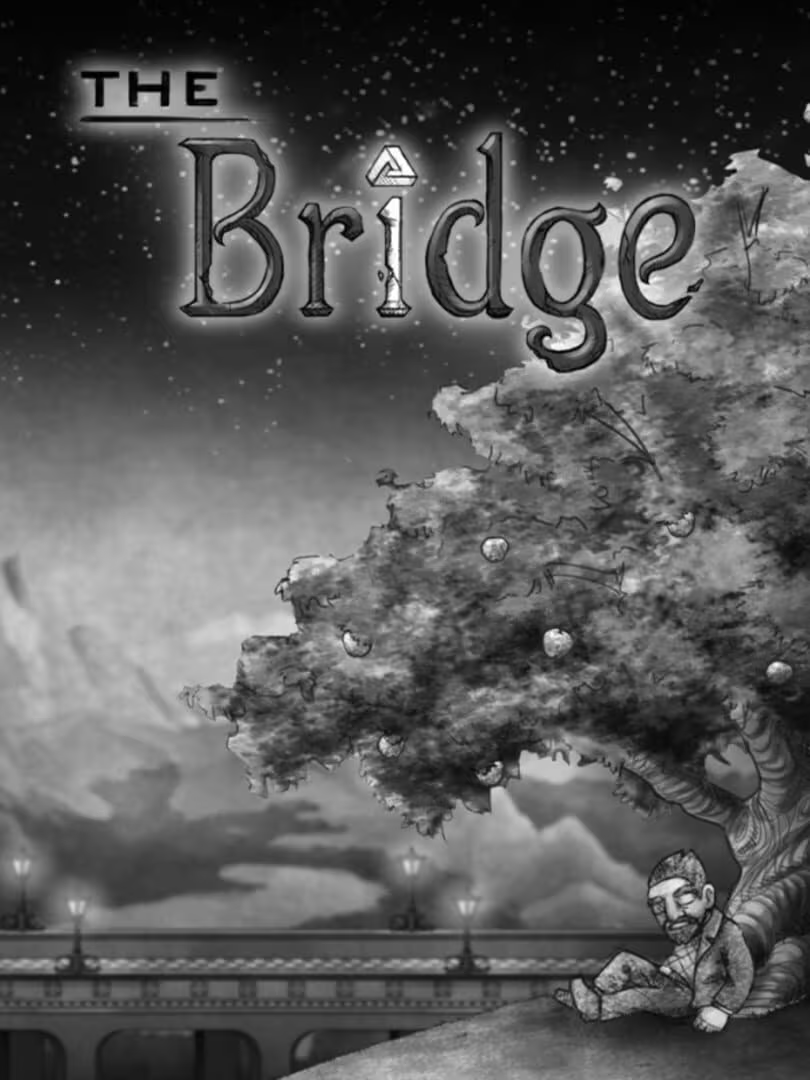 The Bridge
"The surreal, dreamlike atmosphere and immersive puzzles provide a strong escape from reality."
-
Expectation
Game with the same Expectation vibe
-4"Players engage voluntarily for enjoyment and intrinsic interest in puzzles and story."
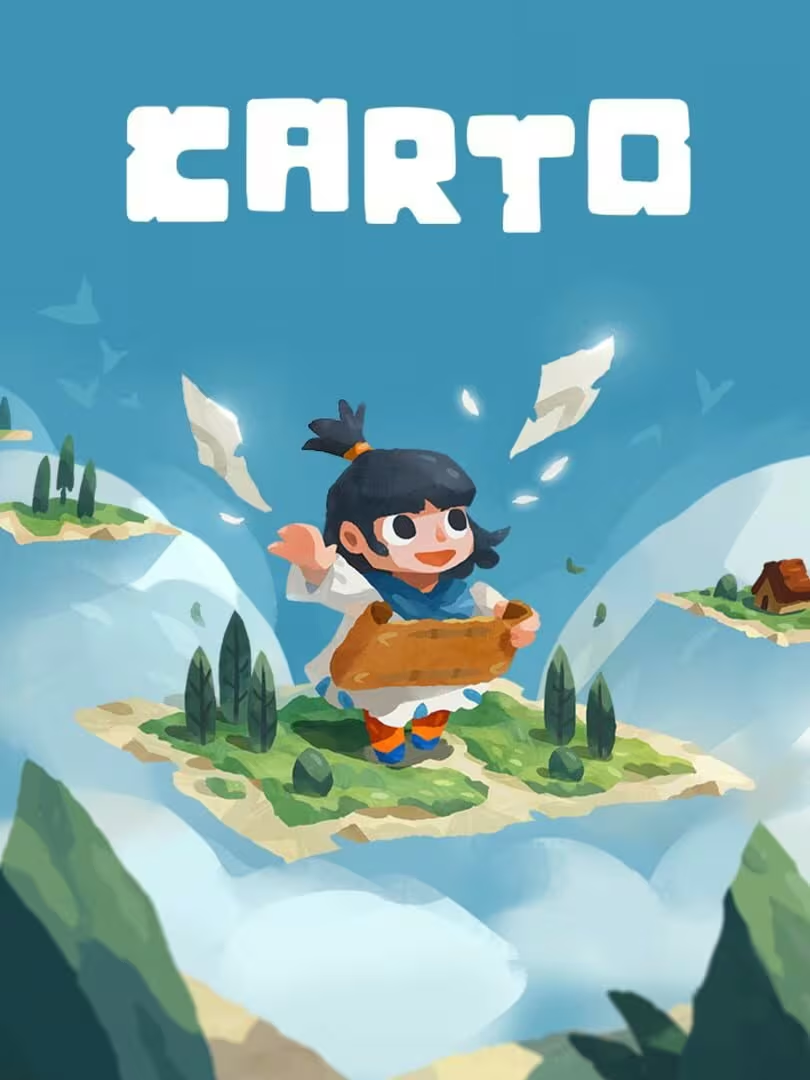 Carto
Carto
"Players engage voluntarily for intrinsic interest and enjoyment of puzzles and art."
-
Experimenting
Game with the same Experimenting vibe
3"Players explore shifting environments and puzzles that require trying different approaches and thinking outside the box."
 Luto
Luto
"Players explore and test puzzle solutions, often thinking outside the box to progress."
-
Exploration
Game with the same Exploration vibe
4"Exploration of surreal environments and discovery of secrets and story elements is central to gameplay."
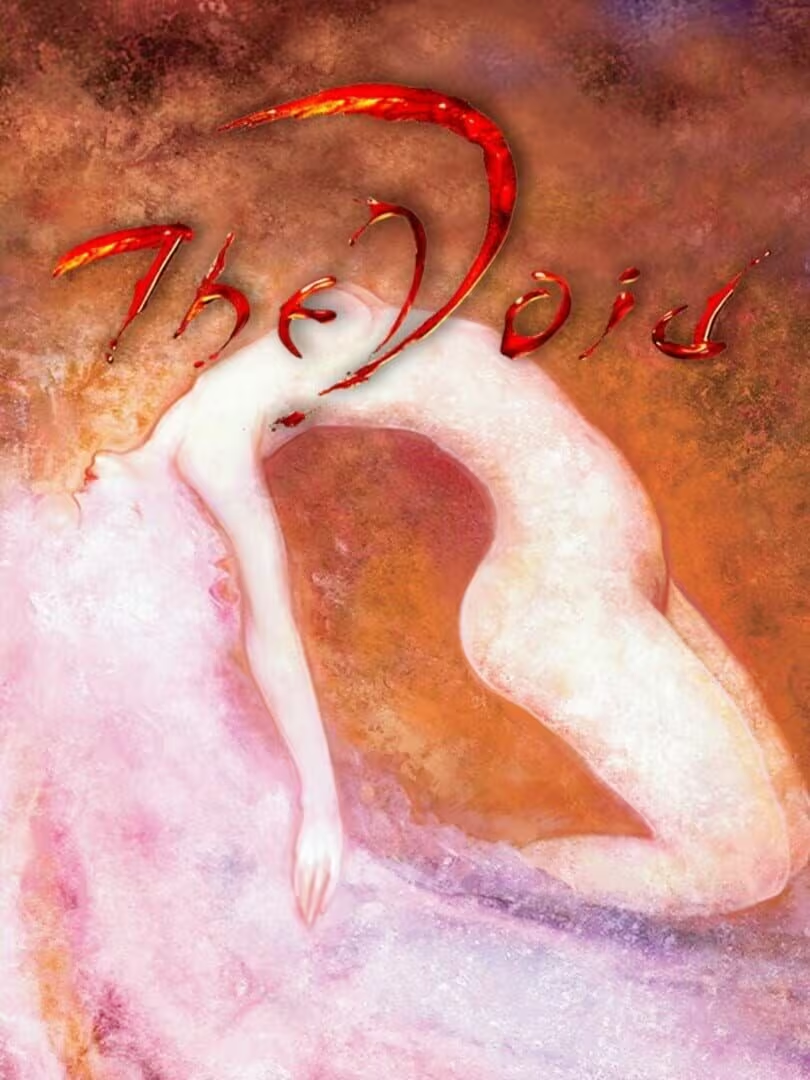 The Void
"Exploration of many unique, surreal locations is central to gameplay and puzzle solving."
-
Expression
Game with the same Expression vibe
-3"Limited customization or self-expression; focus is on puzzle solving rather than avatar personalization."
 Last Room
"Limited customization or self-expression; focus is on puzzle interaction rather than avatar personalization."
-
Fantasy
Game with the same Fantasy vibe
5"Highly imaginative, surreal, and abstract fantasy world with no realistic grounding"
 Hylics
"Strongly imaginative, surreal, and artistic fantasy world with no realistic elements."
-
Fellowship
Game with the same Fellowship vibe
-5"No social or community features; solitary play."
 Monument Valley
"No social or community features; solitary play experience."
-
Growth
Game with the same Growth vibe
3"Players develop logical thinking and puzzle-solving skills through gameplay."
 Lines X Free
"Players develop puzzle-solving skills and logical thinking through gameplay."
-
Health
Game with the same Health vibe
-5"Sedentary gameplay with no physical activity involved."
 World of Tanks Blitz
"Sedentary gameplay with no physical activity involved."
-
Idle
Game with the same Idle vibe
-4"Requires focused attention and active puzzle solving; not suited for passive or background play."
 Escape Memoirs: Mini Stories
"Requires focused attention and active puzzle solving rather than passive or background play."
-
Intimacy
Game with the same Intimacy vibe
-5"No social or emotional relationship building; purely individual experience."
 BPM: BULLETS PER MINUTE
"No social or emotional relationship building; purely individual experience."
-
Leadership
Game with the same Leadership vibe
-5"No leadership or group management roles; single-player puzzle focus."
 The Room
"No leadership or group management roles; single-player puzzle focus."
-
Progression
Game with the same Progression vibe
3"Progression through unlocking and using new plant forms to advance puzzles and story."
 Sprout
"Progression through collecting leaves and unlocking new areas and puzzles."
-
Relaxation
Game with the same Relaxation vibe
3"Atmosphere and music create a calming experience, though some puzzles induce mental challenge and tension."
 Superliminal
"Generally calming atmosphere and music, though some puzzles cause frustration."
-
Sensation
Game with the same Sensation vibe
3"Enjoyable visual and auditory stimuli with humorous and chaotic effects."
 Goat Simulator 3
"Enjoyable visual and auditory surreal stimuli, though some find sound repetitive."
-
Status
Game with the same Status vibe
-5"No social recognition or status systems present."
 Resident Evil 7 Biohazard
"No social recognition or status systems present."
-
Story
Game with the same Story vibe
1"Minimal narrative conveyed through environment and quests; story is simple and not deeply immersive."
 Bloody Walls
"Minimal narrative conveyed through environment and puzzles, not a strong story focus."
-
Strategy
Game with the same Strategy vibe
3"Puzzles require logical reasoning and planning to solve."
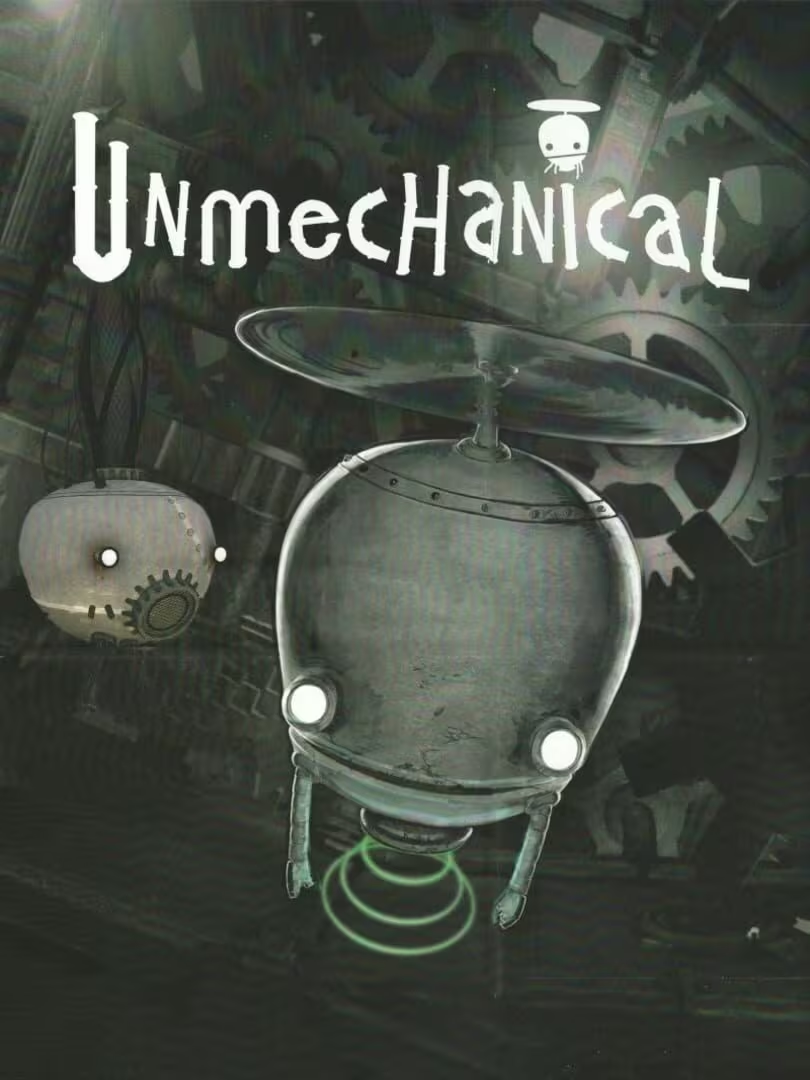 Unmechanical
"Puzzles require logical reasoning and planning to solve."
-
Thrill
Game with the same Thrill vibe
-3"Low suspense or risk; gameplay is calm and contemplative rather than thrilling."
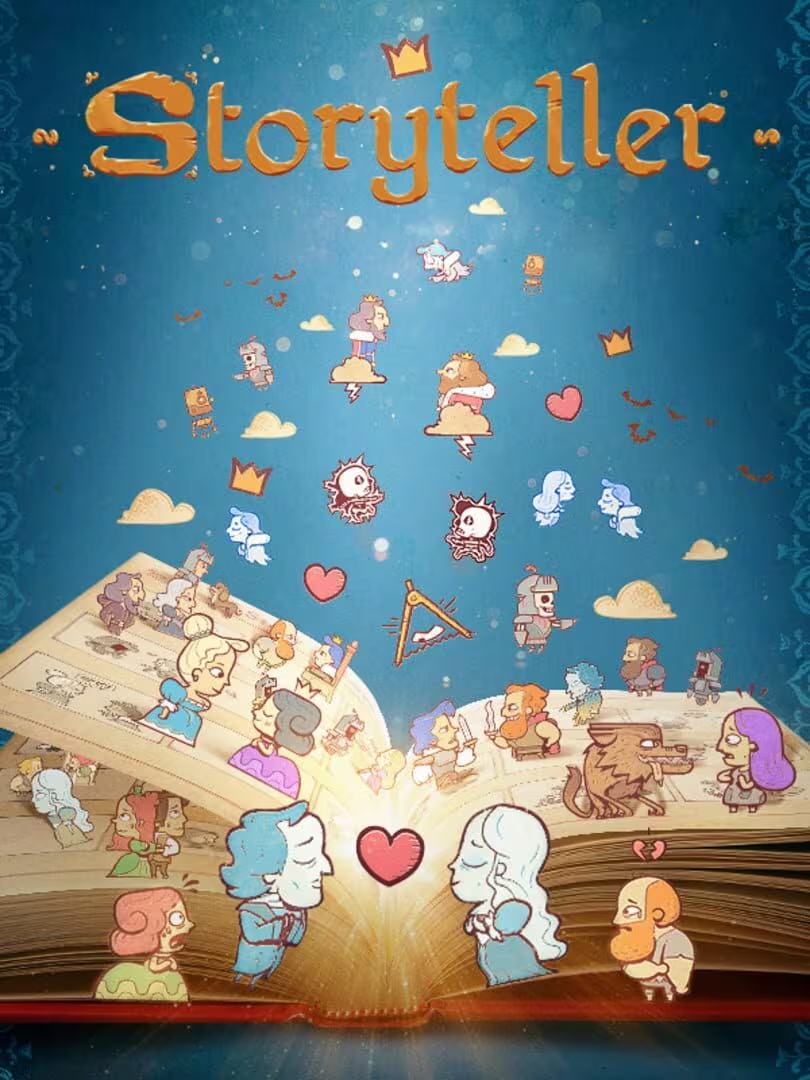 Storyteller
"Low suspense or risk; gameplay is calm and contemplative rather than thrilling."
-
Value
Game with the same Value vibe
3"Good value for price especially on sale; provides several hours of enjoyable gameplay."
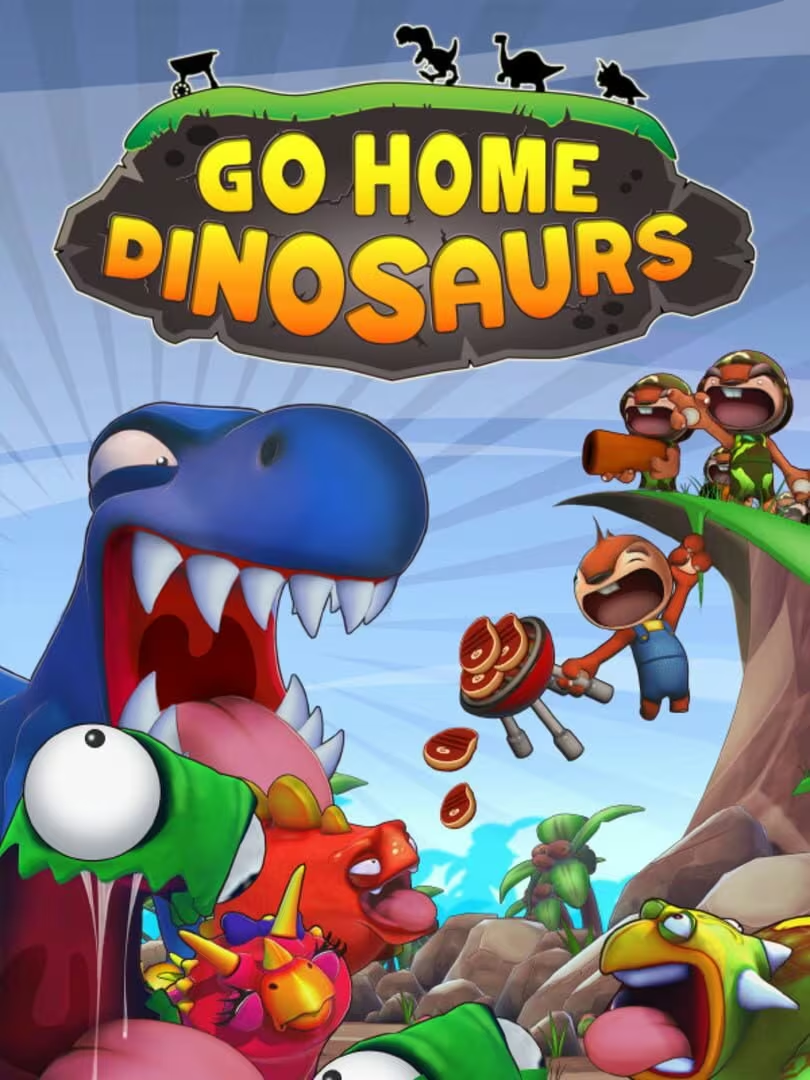 Go Home Dinosaurs!
"Good value for price especially on sale; provides several hours of engaging gameplay."
-
Violence
Game with the same Violence vibe
-5"No violence; gameplay centers on constructive puzzle solving."
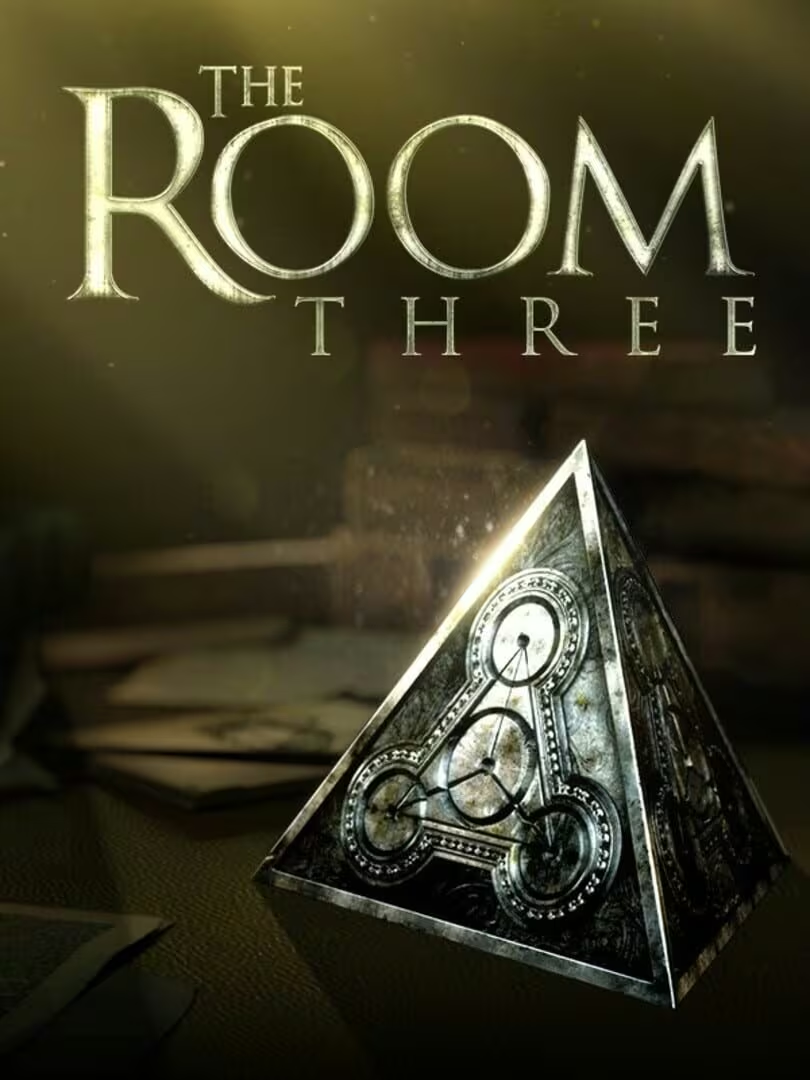 The Room Three
"No violence; gameplay centers on constructive puzzle solving."
-
Survival
Game with the same Survival vibe
-5"No survival or threat avoidance mechanics; stable and safe environment."
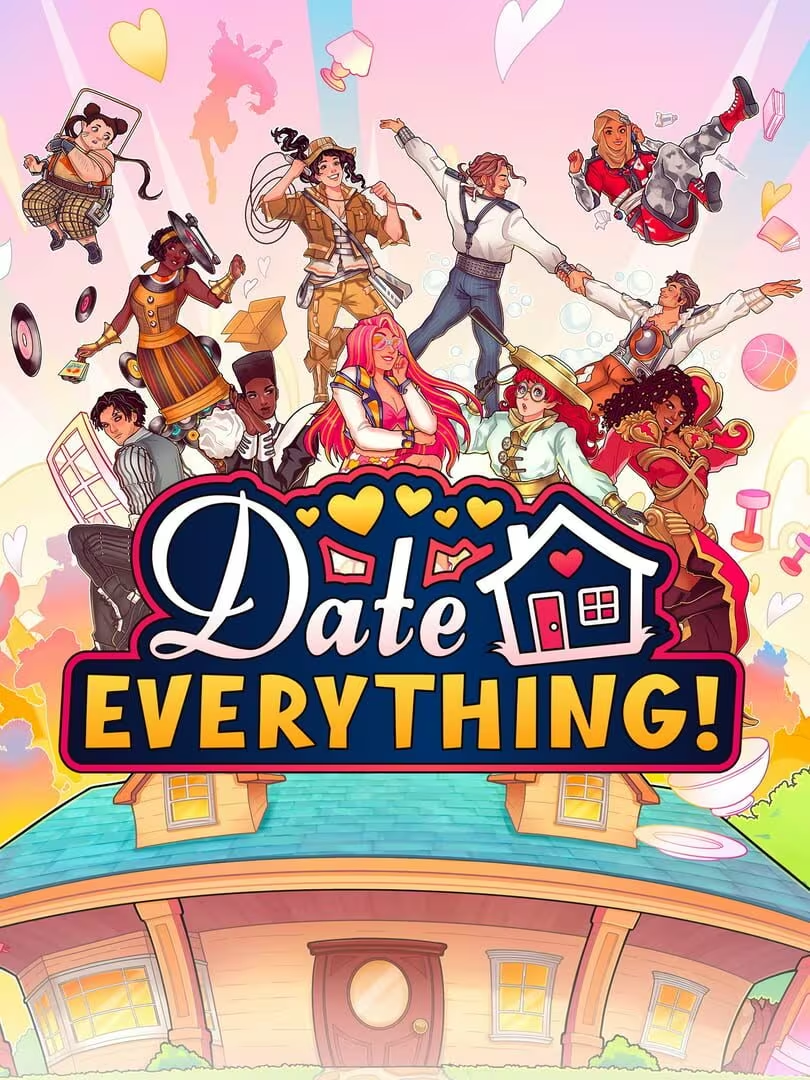 Date Everything!
"No survival or threat avoidance mechanics; stable and safe environment."
Last update: 01/06/2026