The Room similar games & best alternatives
Should you play it?
A mysterious invitation leads to the attic of an abandoned house. In the room is a cast-iron safe laced with strange carvings and on top, a note from your distant companion. It promises something ancient and astonishing concealed in the iron chamber - you need only find a way in.
What works
- Challenging and creative puzzles
- Immersive atmosphere and sound design
- High-quality graphics and tactile interactions
- Accessible difficulty with hint system
- Engaging mystery story background
Things to keep in mind
- Short game length
- Limited replayability
- No multiplayer or social features
- Controls optimized for touch but adapted to mouse
- Minimal story depth
What to play next
Similar games, hidden gems, and fresh directions from this game.
Top picks
Games that feel the closest overall

Hidden Gems
Less popular games with surprisingly high similarity
If you liked…
Recommendations by what you enjoyed most
Similarity map
Explore nearby similar games and see why they’re close.
The Room: Broadly representative of its motivational profile, with a few distinct shifts. Motivations that often define this kind of title include Survival, Violence, Competition, Thrill. It leans lower than usual among comparable games on Expression, Intimacy, Fellowship.
Why this game works
A motivational profile of the game, with the closest similar game for each player motivation.
-
Autonomy
Game with the same Autonomy vibe
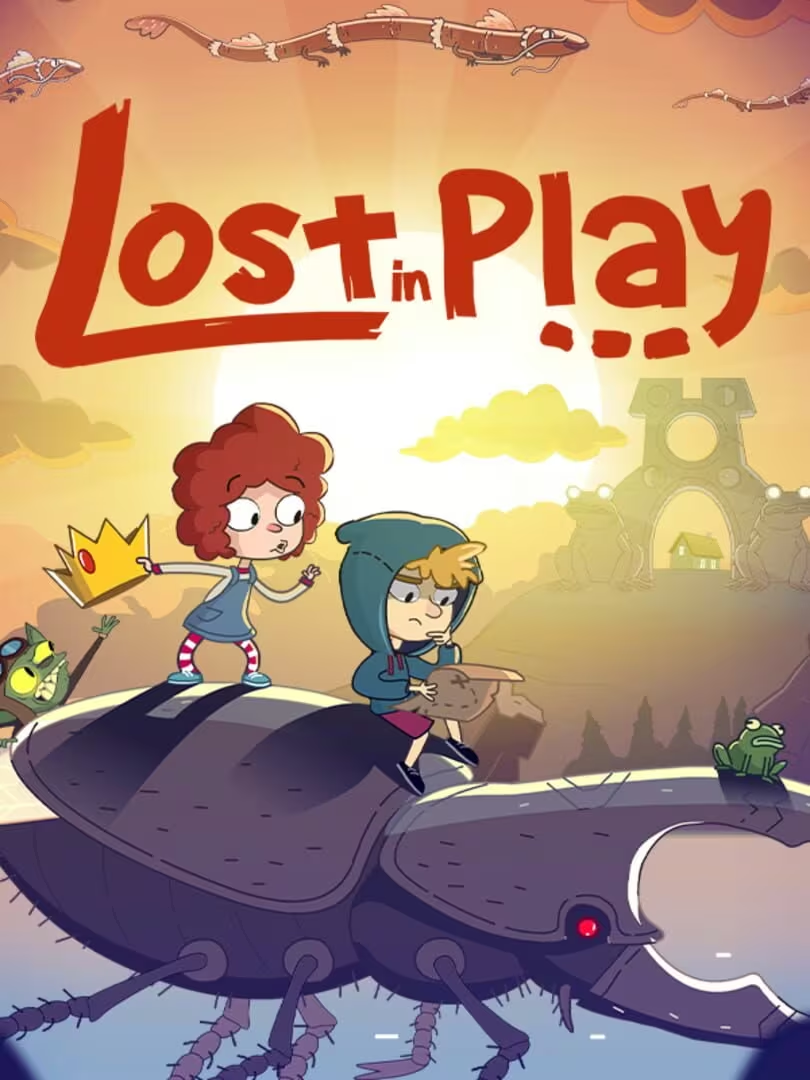
3"Players explore and solve puzzles at their own pace with some freedom in interaction, though the game is linear in progression."
 Lost in Play
"Players freely explore and manipulate puzzle boxes with some linear progression but high freedom in puzzle interaction."
-
Competence
Game with the same Competence vibe
4"Challenging puzzles require skill, logic, and observation; players receive clear feedback and rewarding puzzle solutions."
 Myst III: Exile
"Challenging puzzles require observation, logic, and problem-solving skills with satisfying feedback on success."
-
Competition
Game with the same Competition vibe
-5"Single-player experience focused on personal puzzle solving without competitive elements."
 Riven (1997)
"Single-player experience focused on personal puzzle solving without competitive elements."
-
Continuation
Game with the same Continuation vibe
1"Some players replayed early chapters and awaited new content, but overall short playtime limits habitual play."
 Pretentious Game
"Players enjoy the game enough to replay chapters but overall game length is short, limiting long habitual play."
-
Cooperation
Game with the same Cooperation vibe
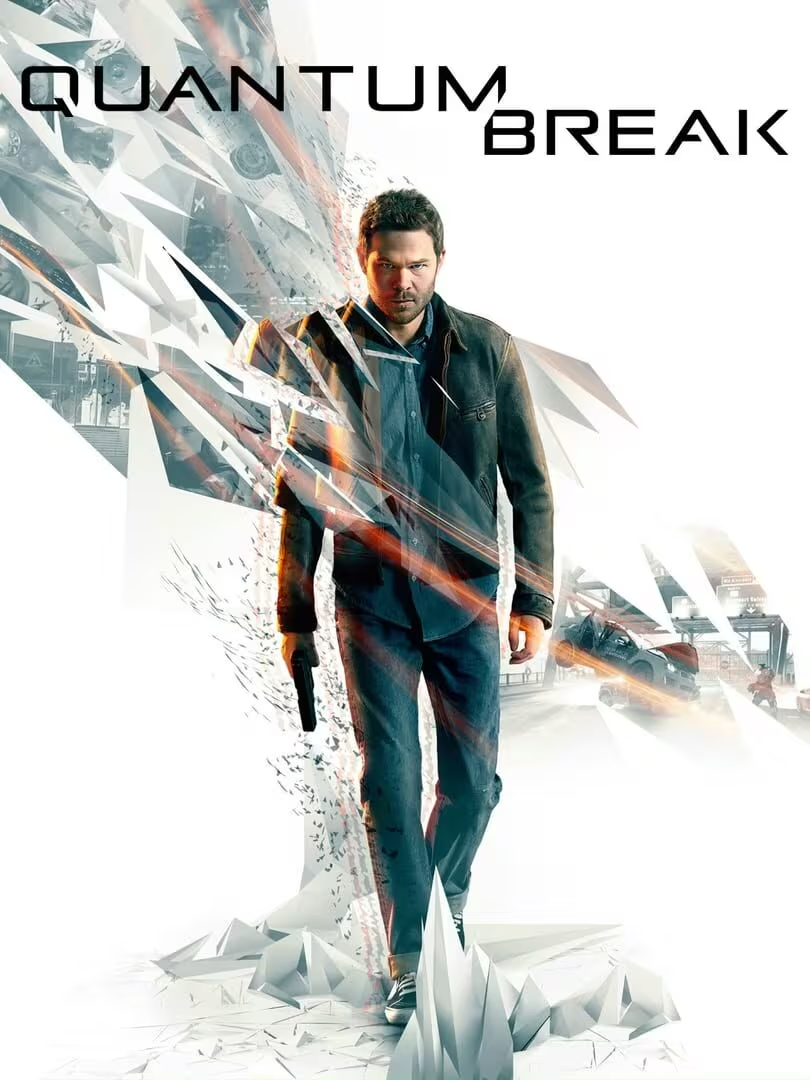
-5"Entirely single-player with no cooperative or multiplayer features."
 Quantum Break
"Entirely single-player with no cooperative or multiplayer features."
-
Creativity
Game with the same Creativity vibe
4"Players engage in creative problem solving and some levels involve designing puzzles themselves."
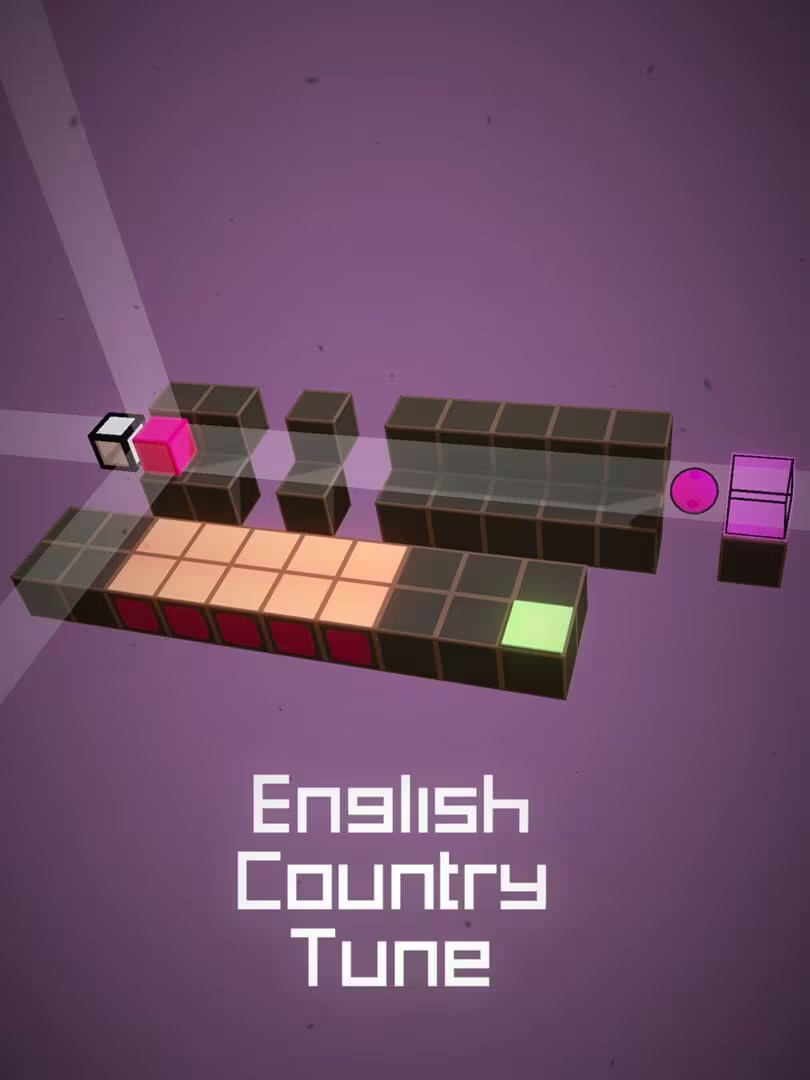 English Country Tune
"Players creatively solve puzzles and explore intricate mechanisms; game design itself is highly creative."
-
Domination
Game with the same Domination vibe
-5"No social dominance or power dynamics; purely individual puzzle solving."
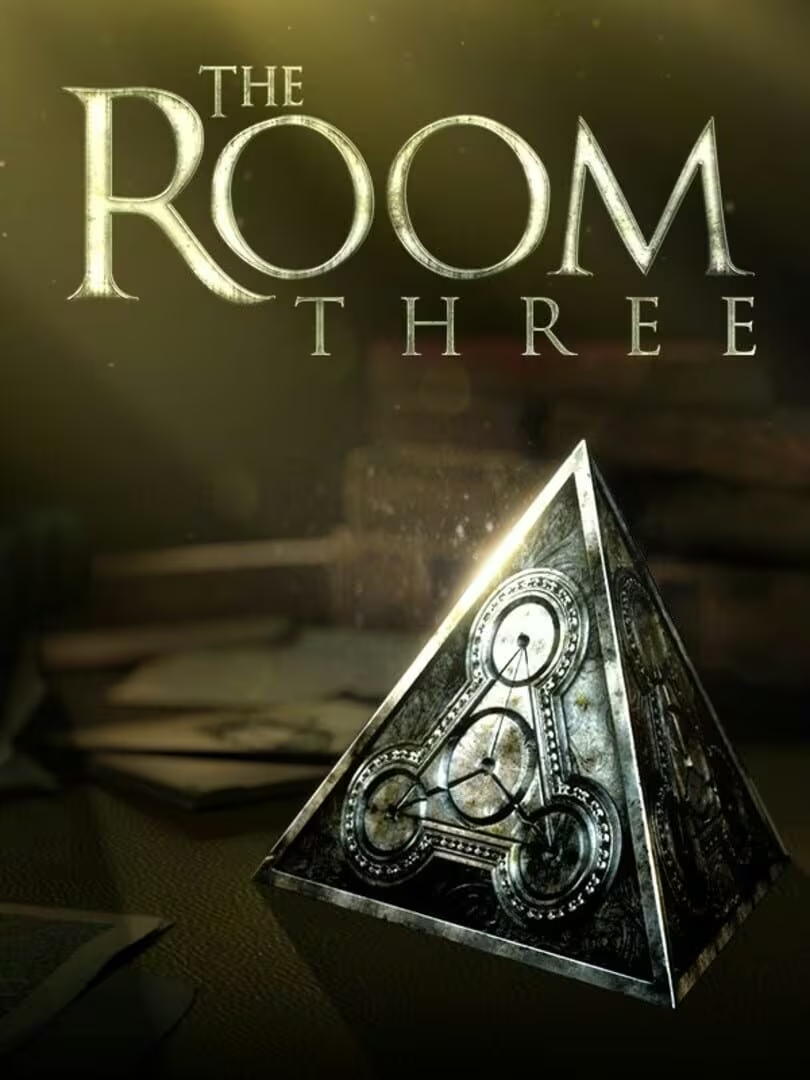 The Room Three
"No social dominance or power dynamics; purely individual puzzle solving."
-
Escapism
Game with the same Escapism vibe
4"Atmospheric and immersive experience provides escape from reality through mystery and puzzle solving."
 The Guest
"Atmospheric and immersive experience provides a strong escape from reality through mystery and exploration."
-
Expectation
Game with the same Expectation vibe
-4"Players engage voluntarily out of intrinsic interest and curiosity, not obligation."
 Uplink
"Players engage voluntarily out of intrinsic interest and curiosity, not obligation."
-
Experimenting
Game with the same Experimenting vibe
3"Players explore and experiment with various puzzle mechanisms and objects to discover solutions."
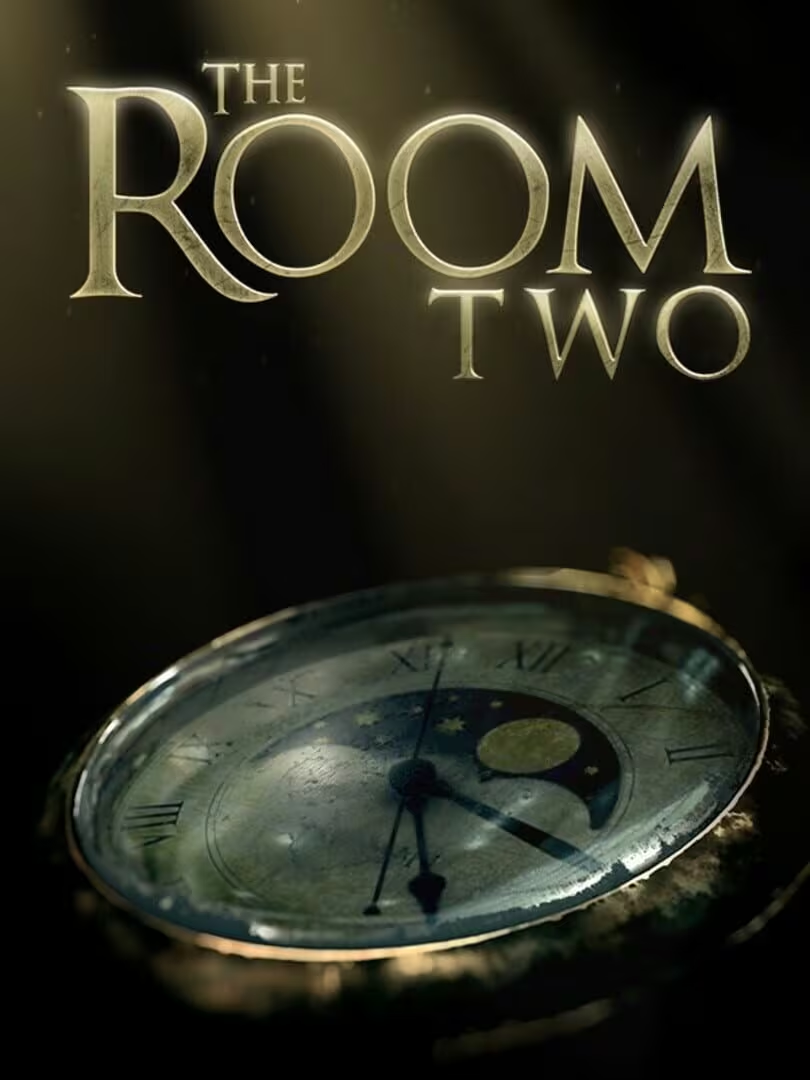 The Room Two
"Players experiment with mechanisms and puzzle elements to discover solutions and hidden compartments."
-
Exploration
Game with the same Exploration vibe
3"Players discover new story fragments and puzzle rooms in a non-linear fashion, promoting curiosity-driven discovery."
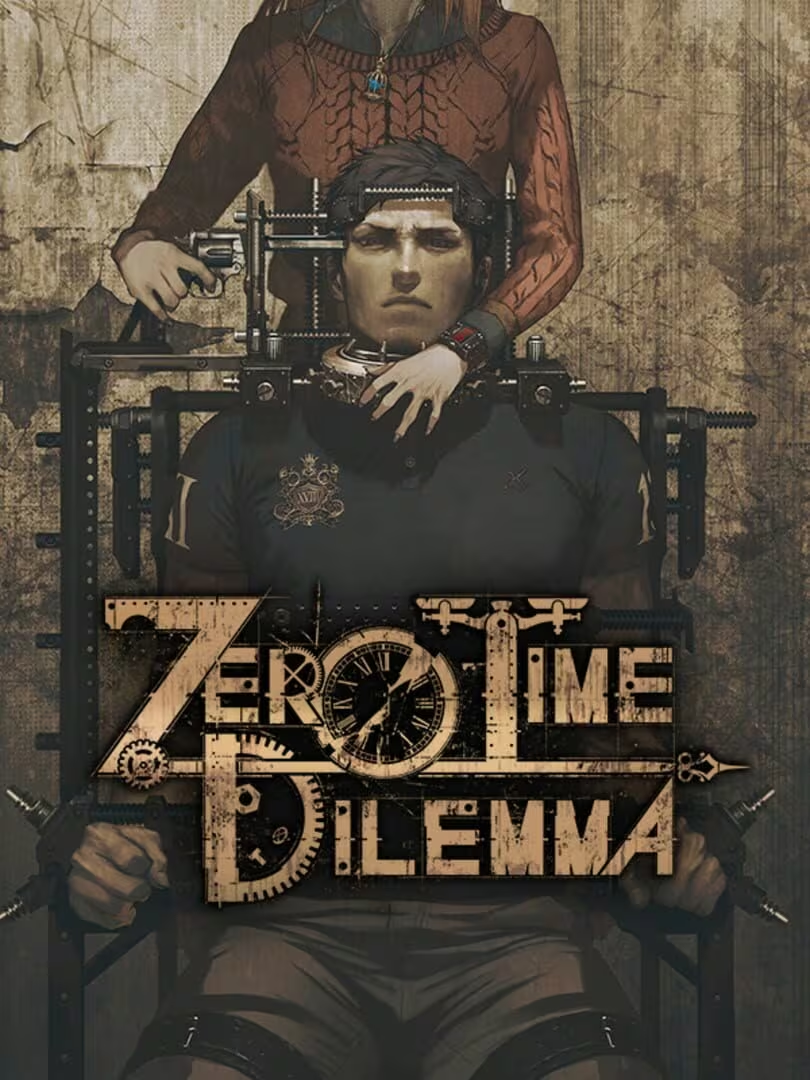 Zero Escape: Zero Time Dilemma
"Exploration of detailed puzzle boxes and hidden compartments drives curiosity and discovery."
-
Expression
Game with the same Expression vibe
-5"No character or environment customization; standardized puzzle presentation."
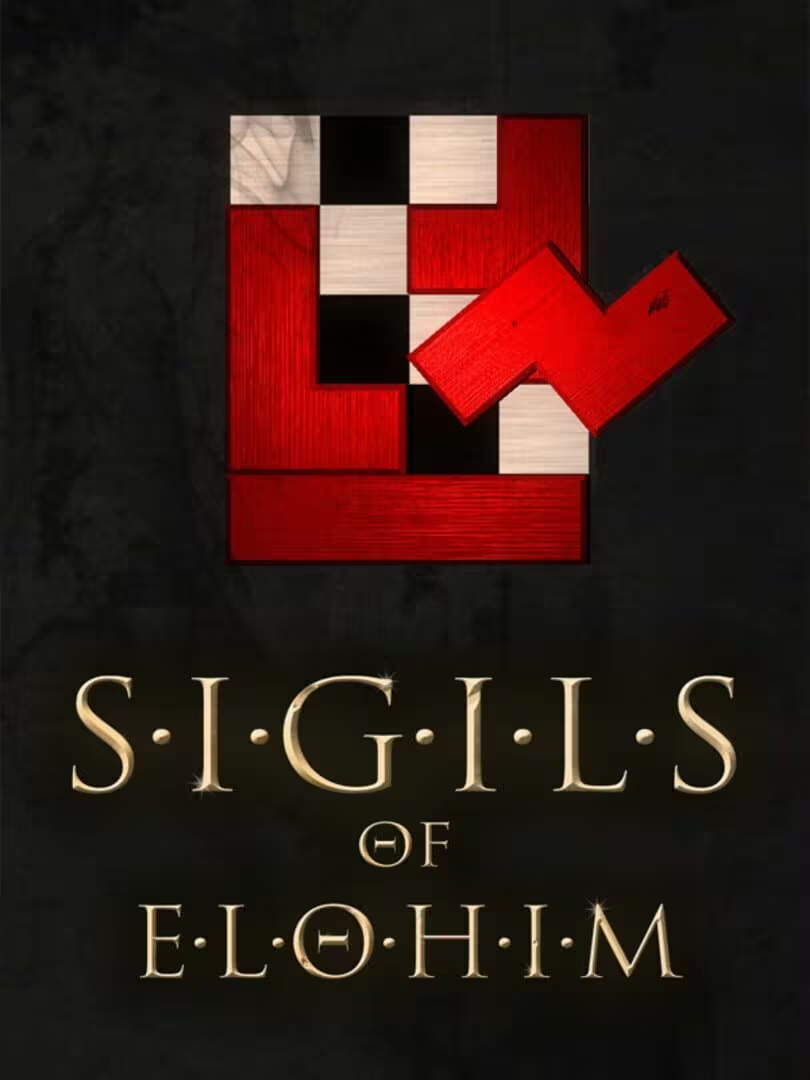 Sigils of Elohim
"No character or environment customization; standardized presentation focused on puzzle interaction."
-
Fantasy
Game with the same Fantasy vibe
2"Game features a sci-fi setting with mysterious story elements, but grounded in puzzle-solving mechanics."
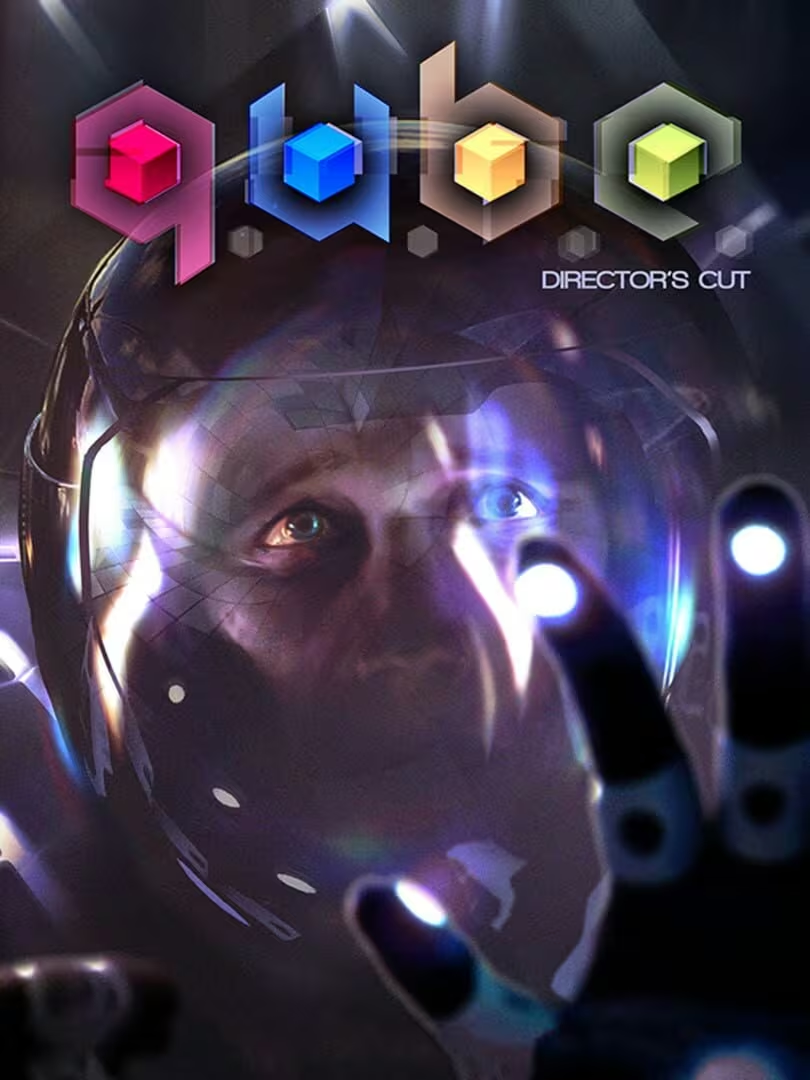 Q.U.B.E: Director's Cut
"Story includes mysterious and supernatural elements but grounded in mechanical puzzle solving."
-
Fellowship
Game with the same Fellowship vibe
-5"Solo play with minimal social interaction or community involvement."
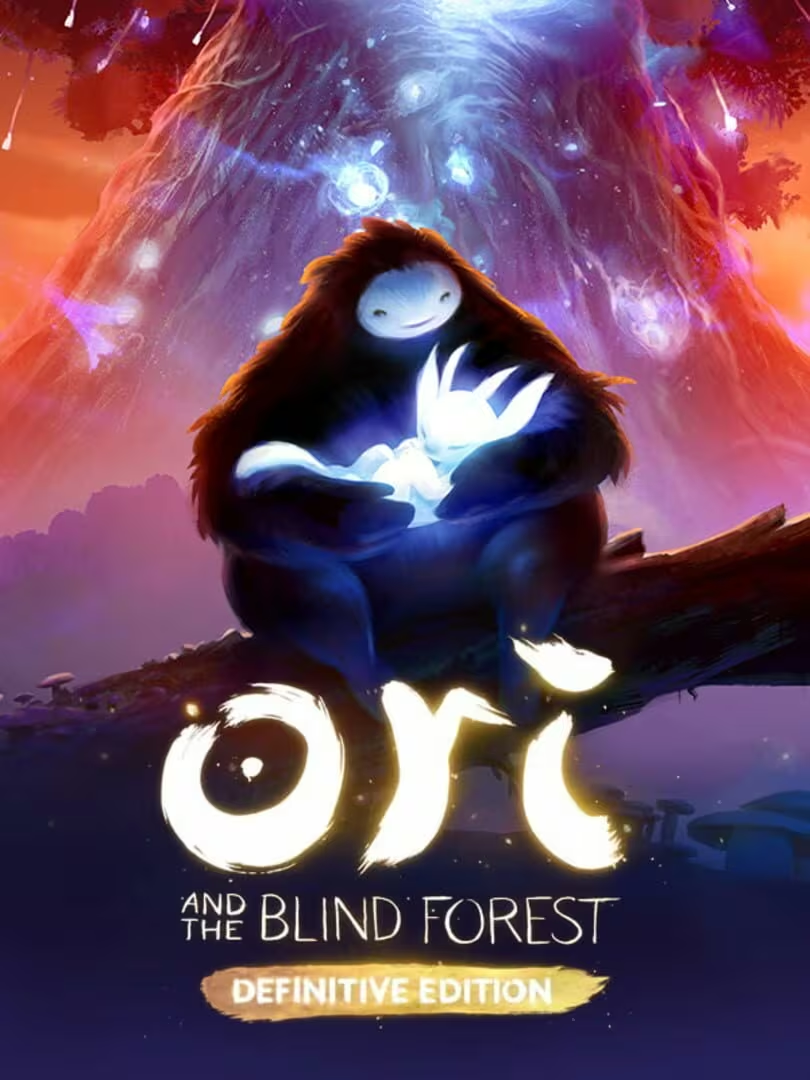 Ori and the Blind Forest: Definitive Edition
"Solo play with minimal social interaction or community involvement."
-
Growth
Game with the same Growth vibe
4"Players develop problem-solving skills and understanding of complex puzzles."
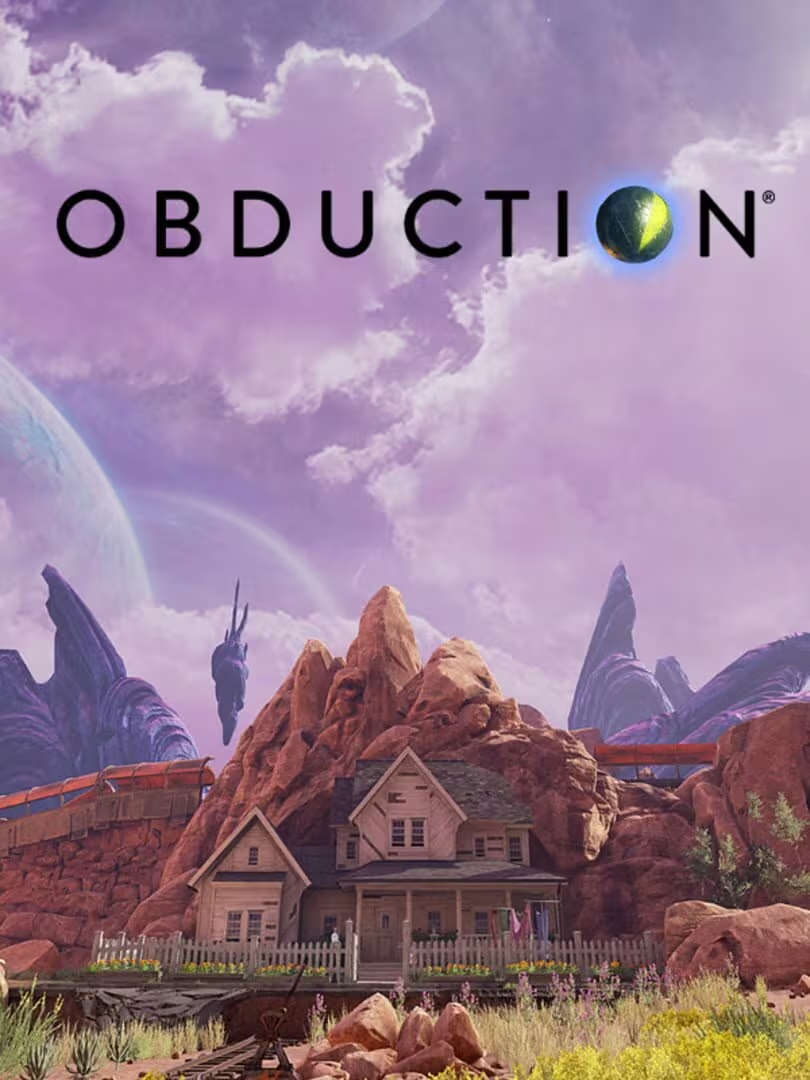 Obduction
"Players develop problem-solving skills and observational abilities through varied puzzles."
-
Health
Game with the same Health vibe
-5"Sedentary gameplay with no physical activity or health-related features."
 DRAGON BALL Z: KAKAROT
"Sedentary gameplay with no physical activity or health-related features."
-
Idle
Game with the same Idle vibe
-3"Requires focused attention and active problem solving during play."
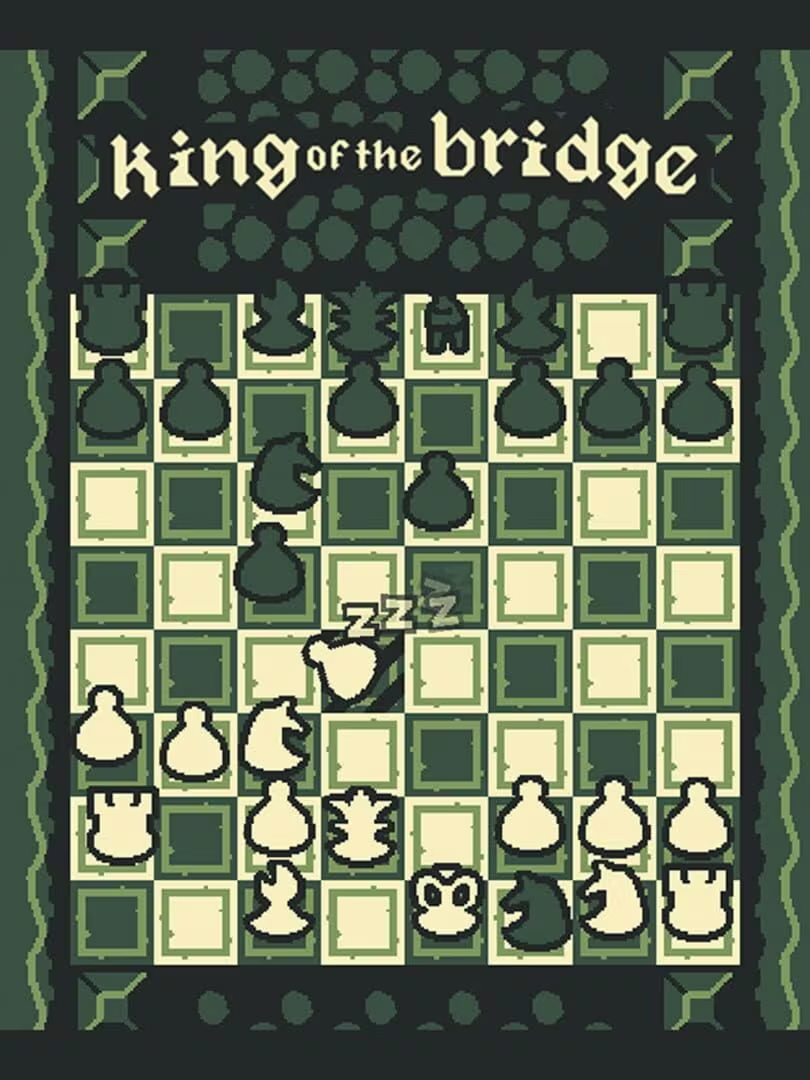 King of the Bridge
"Requires focused attention and active problem solving throughout play sessions."
-
Intimacy
Game with the same Intimacy vibe
-5"No social or emotional relationship building; purely individual experience."
 BPM: BULLETS PER MINUTE
"No social or emotional relationship building; purely individual experience."
-
Leadership
Game with the same Leadership vibe
-5"No leadership or group management roles; single-player puzzle focus."
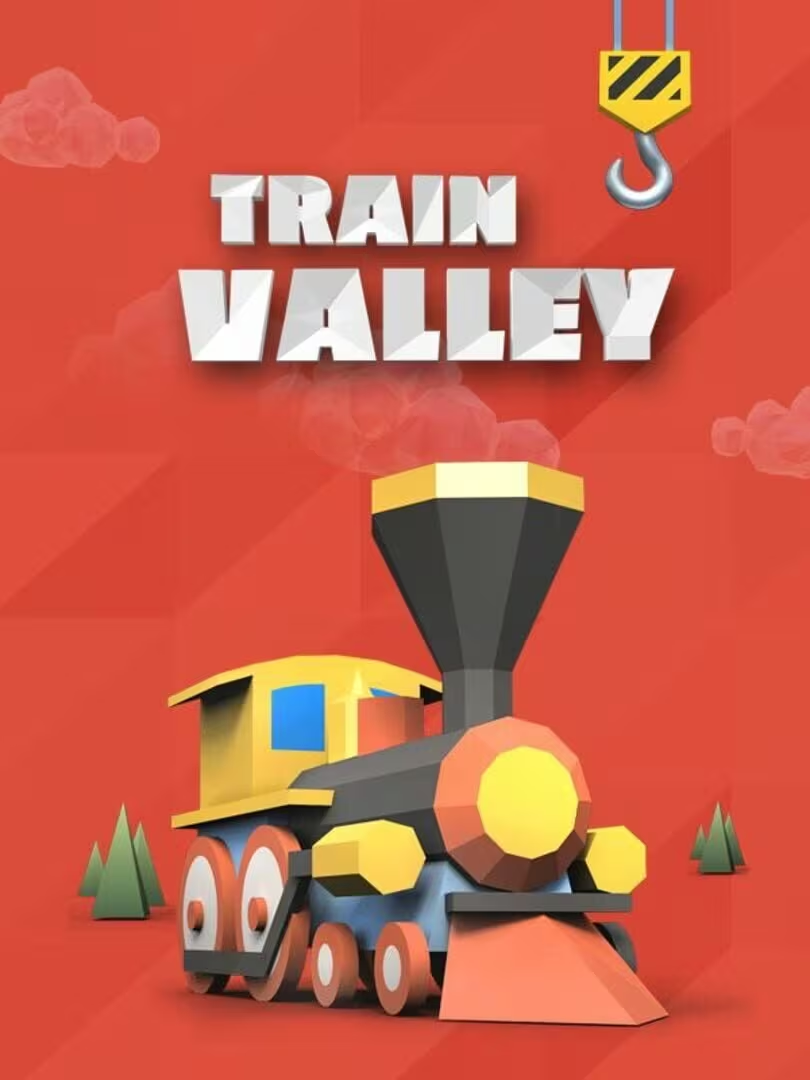 Train Valley
"No leadership or group management roles; single-player puzzle focus."
-
Progression
Game with the same Progression vibe
3"Progression through unlocking puzzles and story segments, with achievements and collectibles."
 PERFECT ANGLE: The puzzle game based on optical illusions
"Progression through unlocking successive puzzle boxes and chapters."
-
Relaxation
Game with the same Relaxation vibe
3"Atmospheric and immersive experience provides relaxation and flow, with low tension gameplay."
 Titan Station
"Atmospheric and immersive gameplay provides a relaxing and satisfying flow experience."
-
Sensation
Game with the same Sensation vibe
3"Enjoyable art, sound design, and tactile puzzle interactions provide sensory pleasure."
 Wilmot Works It Out
"High-quality graphics, sound, and tactile puzzle interactions provide sensory stimulation."
-
Status
Game with the same Status vibe
-5"No social recognition or status systems present."
 Resident Evil 7 Biohazard
"No social recognition or status systems present."
-
Story
Game with the same Story vibe
2"Story is minimal and delivered through notes and lore, providing some narrative immersion."
 Heat Death: Survival Train
"Narrative is minimal but present through notes and background lore enhancing immersion."
-
Strategy
Game with the same Strategy vibe
3"Requires logical thinking and planning to solve puzzles and choose paths; some puzzles involve complex problem solving."
 Bad Dream: Coma
"Requires logical thinking and planning to solve complex puzzles step-by-step."
-
Thrill
Game with the same Thrill vibe
1"Some suspense and surprise in puzzles and story twists, but overall a calm experience."
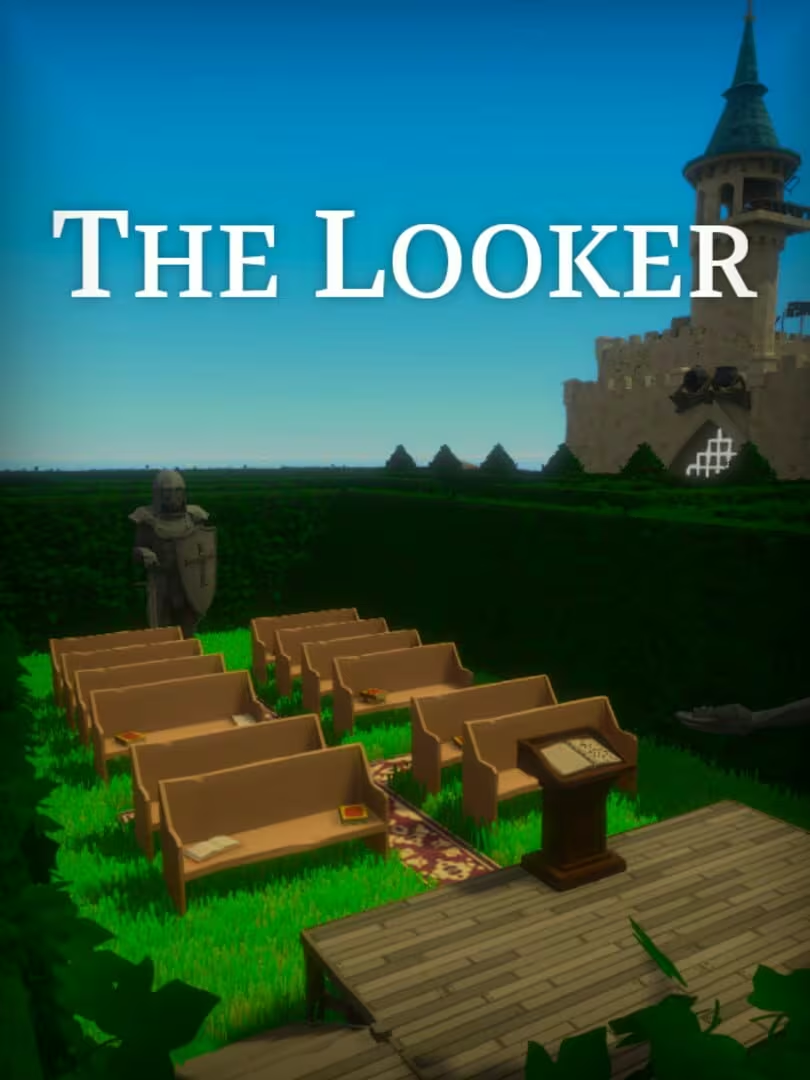 The Looker
"Some suspense and mystery elements but overall a calm puzzle experience."
-
Value
Game with the same Value vibe
3"Good value for price especially on sale; short but satisfying experience."
 Singularity™
"Good value for price especially on sale; short but high-quality experience."
-
Violence
Game with the same Violence vibe
-5"No violence; focus on constructive puzzle solving."
 Gordian Rooms 1: A curious heritage
"No violence; focused on constructive puzzle solving."
-
Survival
Game with the same Survival vibe
-5"No survival or threat elements; stable and safe environment."
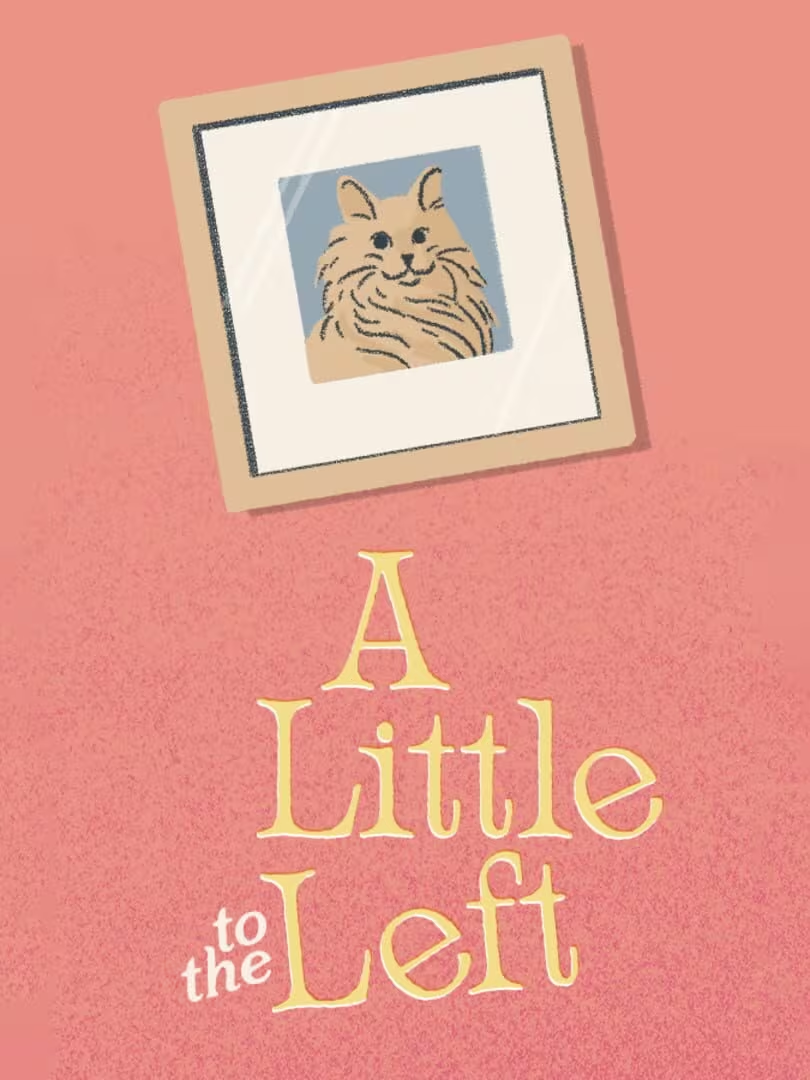 A Little to the Left
"No survival or threat elements; stable and safe environment."
Last update: 01/06/2026