Riven (1997) similar games & best alternatives
Should you play it?
Released in 1997 as the original sequel to Myst, one of the best-selling puzzle adventure games of all time. Prepare to enter a world "torn asunder" by timeless, unresolved conflicts -- a world of incomparable beauty, intrigue, and betrayal.
What works
- Immersive and detailed worldbuilding
- Challenging and rewarding puzzles
- Strong narrative and atmosphere
- Classic and influential adventure game
- Runs on modern systems with patches
Things to keep in mind
- Low resolution and dated graphics
- Some puzzles can be obscure or frustrating
- Slow pacing and backtracking
- Technical issues on some systems
- Lack of modern conveniences like autosave
What to play next
Similar games, hidden gems, and fresh directions from this game.
Top picks
Games that feel the closest overall


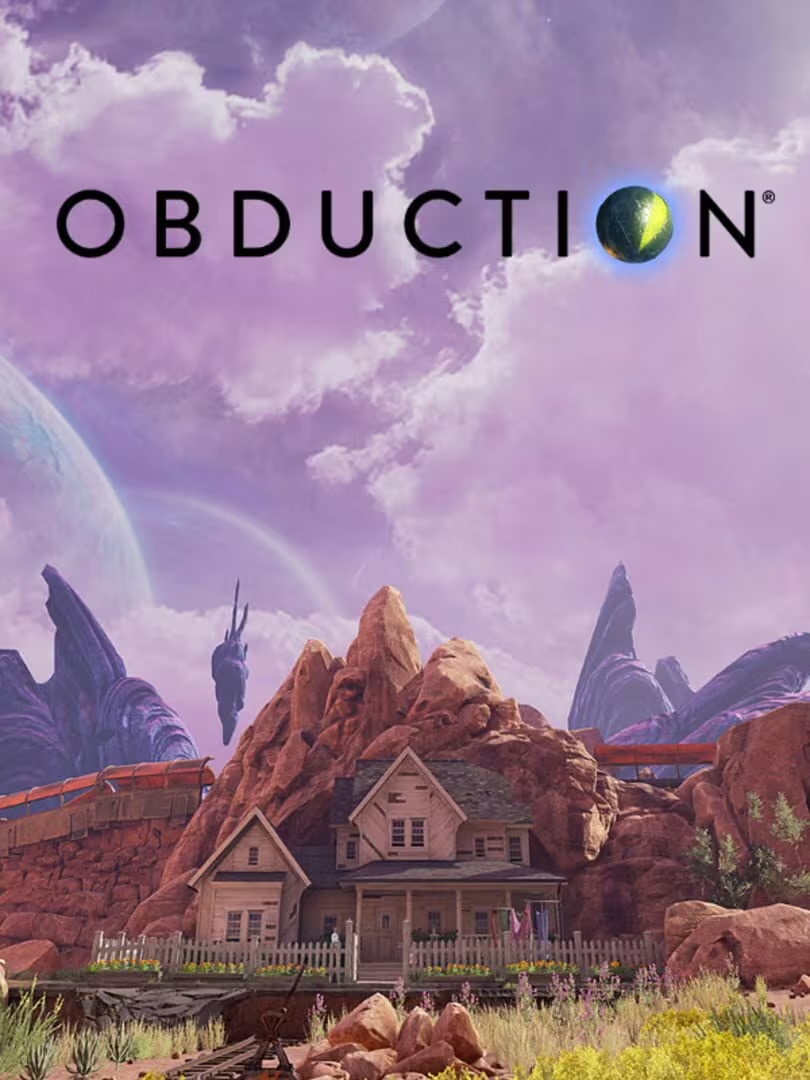
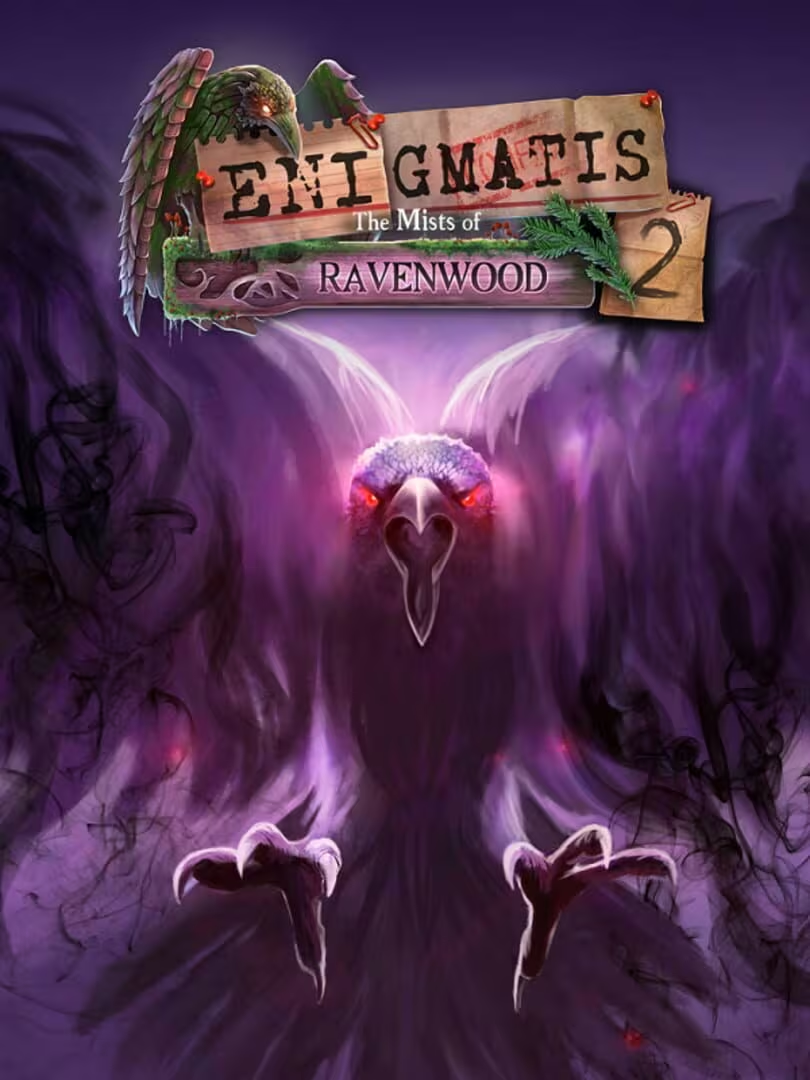

Hidden Gems
Less popular games with surprisingly high similarity
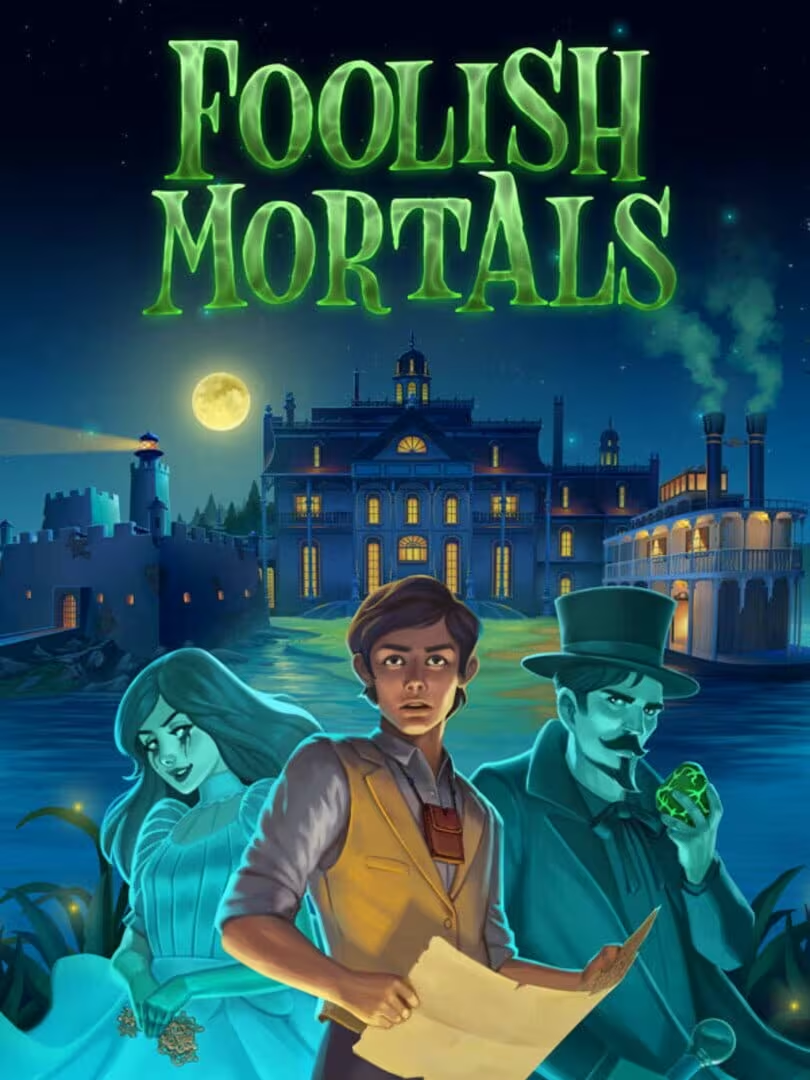
If you liked…
Recommendations by what you enjoyed most
Similarity map
Explore nearby similar games and see why they’re close.
Riven (1997): Less representative of its motivational profile, with noticeable differences. Motivations that often define this kind of title include Fellowship, Violence, Survival, Cooperation. It leans lower than usual among comparable games on Survival, Violence, Expression.
Why this game works
A motivational profile of the game, with the closest similar game for each player motivation.
-
Autonomy
Game with the same Autonomy vibe
4"Players freely explore a large open world with minimal guidance and choose their own path and puzzle approach."
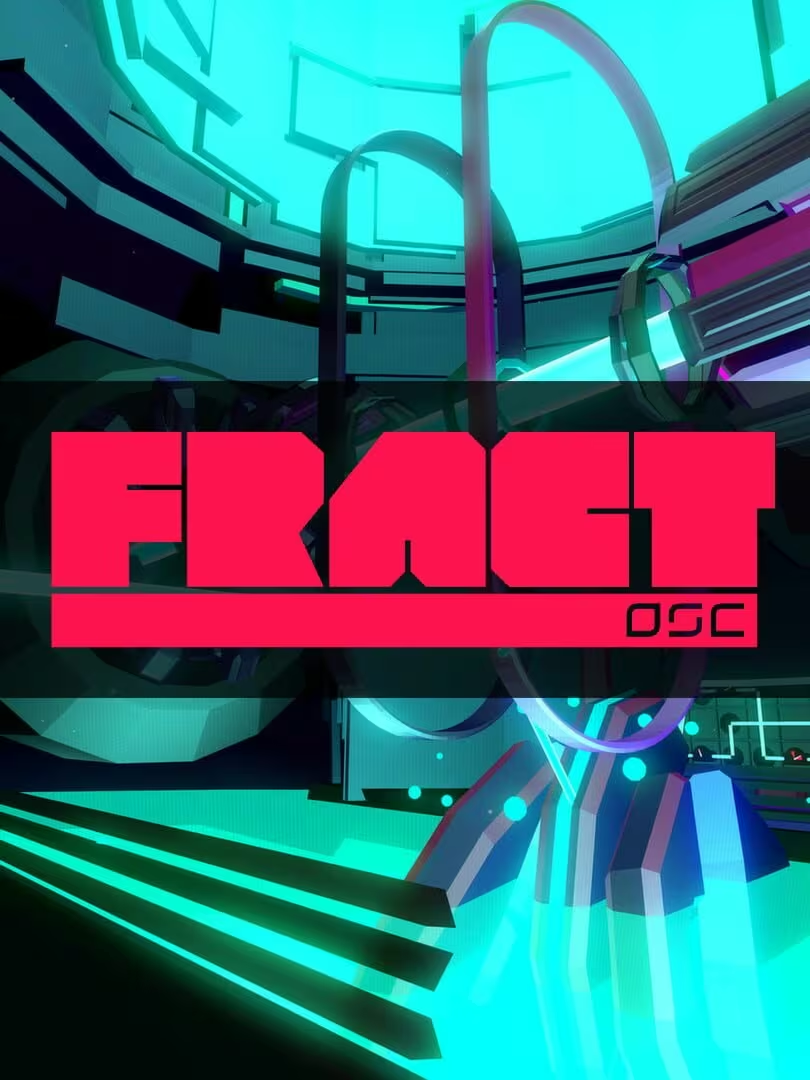 FRACT OSC
"Players freely explore a large open world and solve puzzles at their own pace with minimal guidance."
-
Competence
Game with the same Competence vibe
5"The game challenges players with complex puzzles requiring skillful logical deduction and problem solving."
 Hexcells Plus
"The game challenges players with complex, multi-layered puzzles requiring observation, note-taking, and logical thinking."
-
Competition
Game with the same Competition vibe
-5"Single-player experience focused on personal puzzle solving without competitive elements."
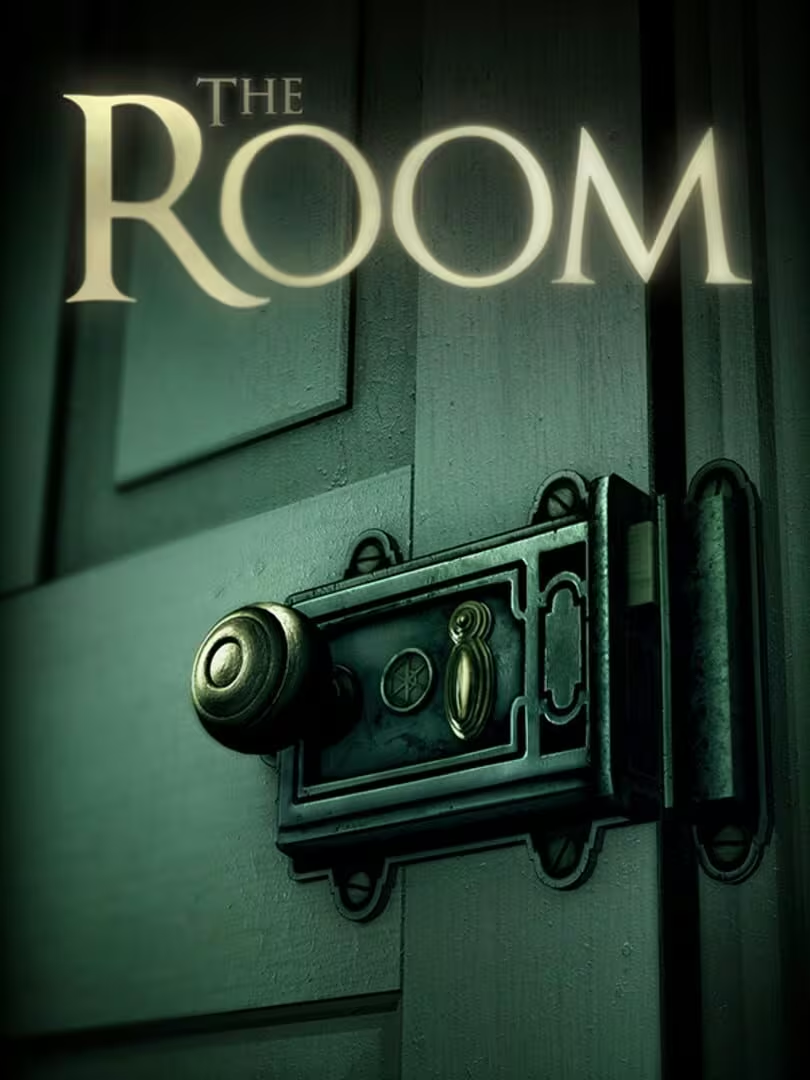 The Room
"Single-player experience focused on personal puzzle solving without competitive elements."
-
Continuation
Game with the same Continuation vibe
3"Many players invest long hours, returning repeatedly despite grind and occasional frustration."
 Red Dead Online
"Players invest many hours and often return repeatedly due to the game's depth and challenge."
-
Cooperation
Game with the same Cooperation vibe
-5"Entirely single-player with no cooperative or multiplayer features."
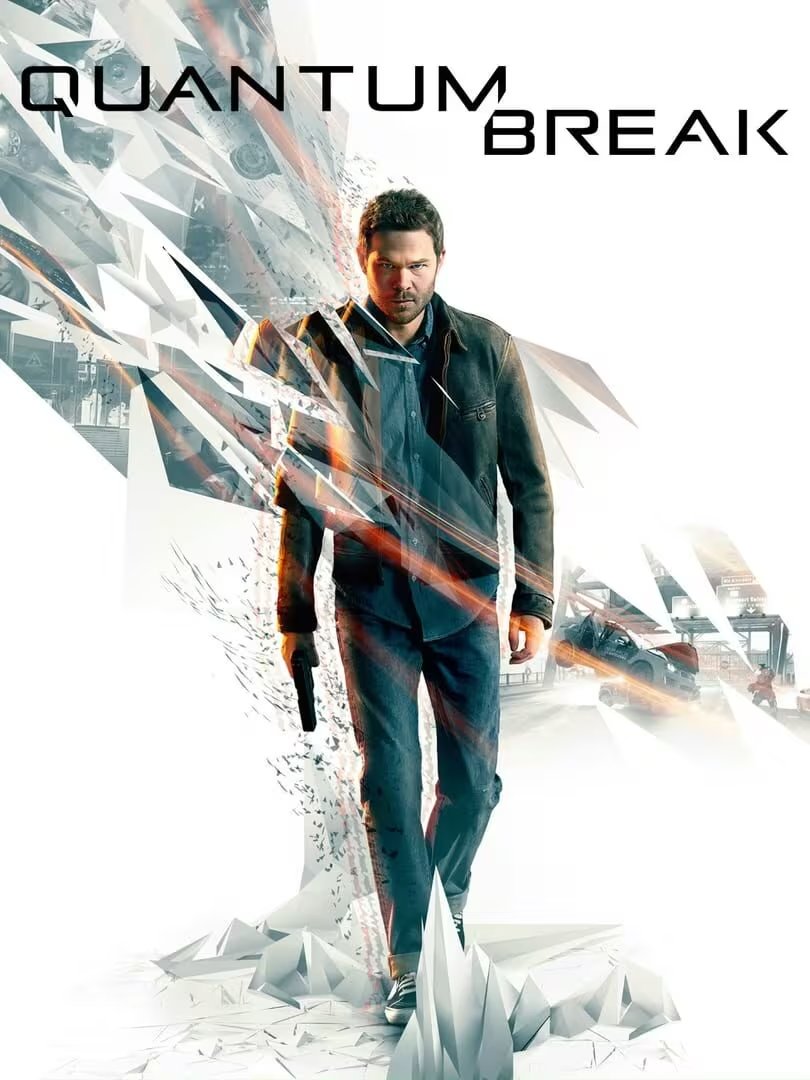 Quantum Break
"Entirely single-player with no cooperative or multiplayer features."
-
Creativity
Game with the same Creativity vibe
3"Players create their own mental maps, take notes, and piece clues together, engaging creative problem solving."
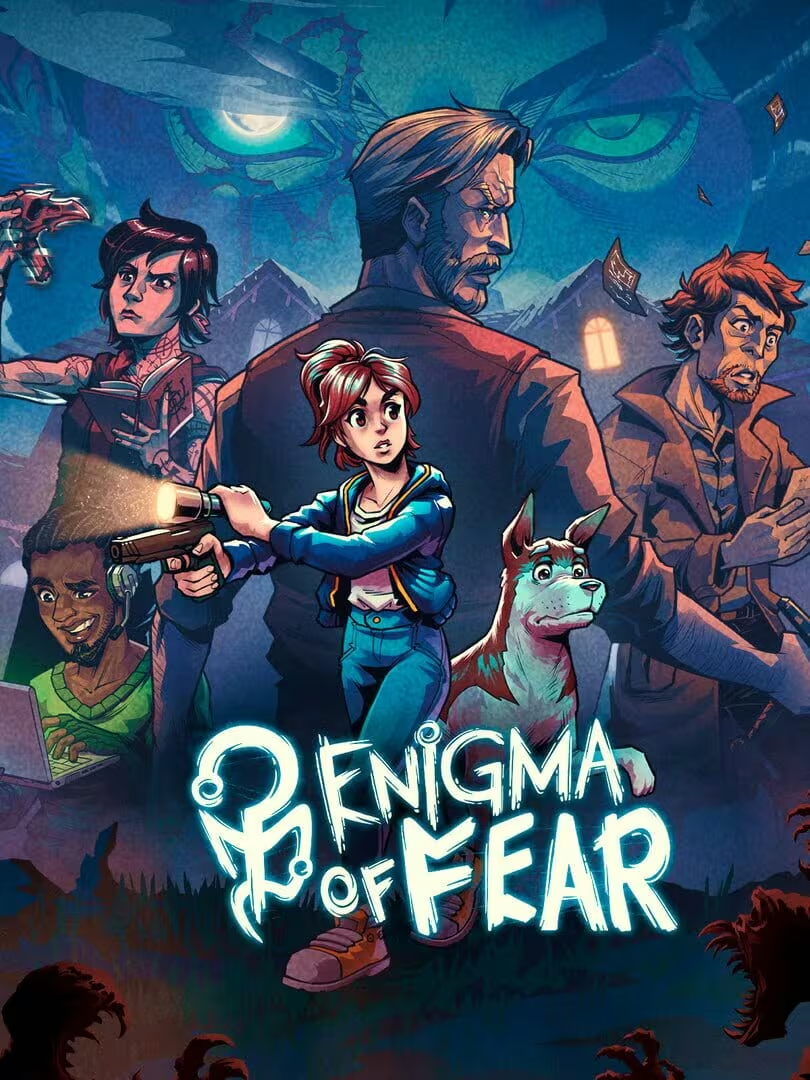 Enigma of Fear
"Players create notes, maps, and interpretations to solve puzzles, engaging in creative problem solving."
-
Domination
Game with the same Domination vibe
-5"No social or power dynamics; purely individual experience."
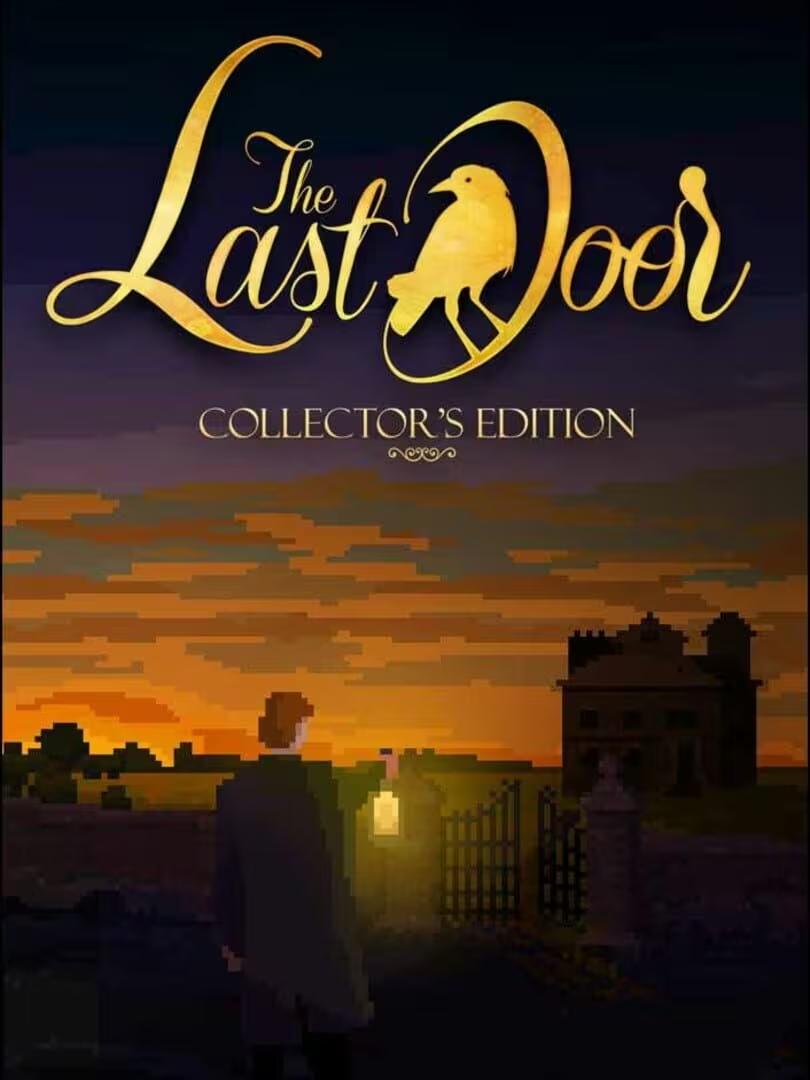 The Last Door - Collector's Edition
"No social or power dynamics; purely individual experience."
-
Escapism
Game with the same Escapism vibe
4"Immersive fantasy world and exploration provide strong escape from reality."
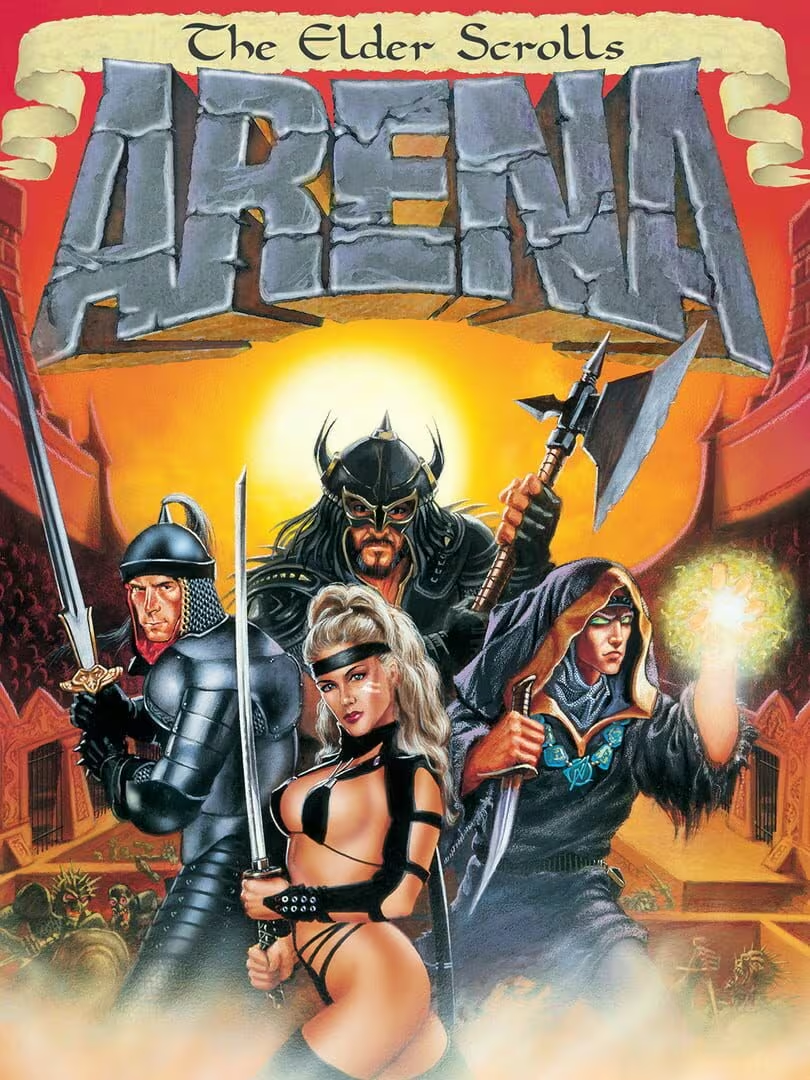 The Elder Scrolls: Arena
"Immersive fantasy world offers strong escape from reality through exploration and mystery."
-
Expectation
Game with the same Expectation vibe
-4"Players engage voluntarily driven by curiosity and intrinsic interest rather than obligation."
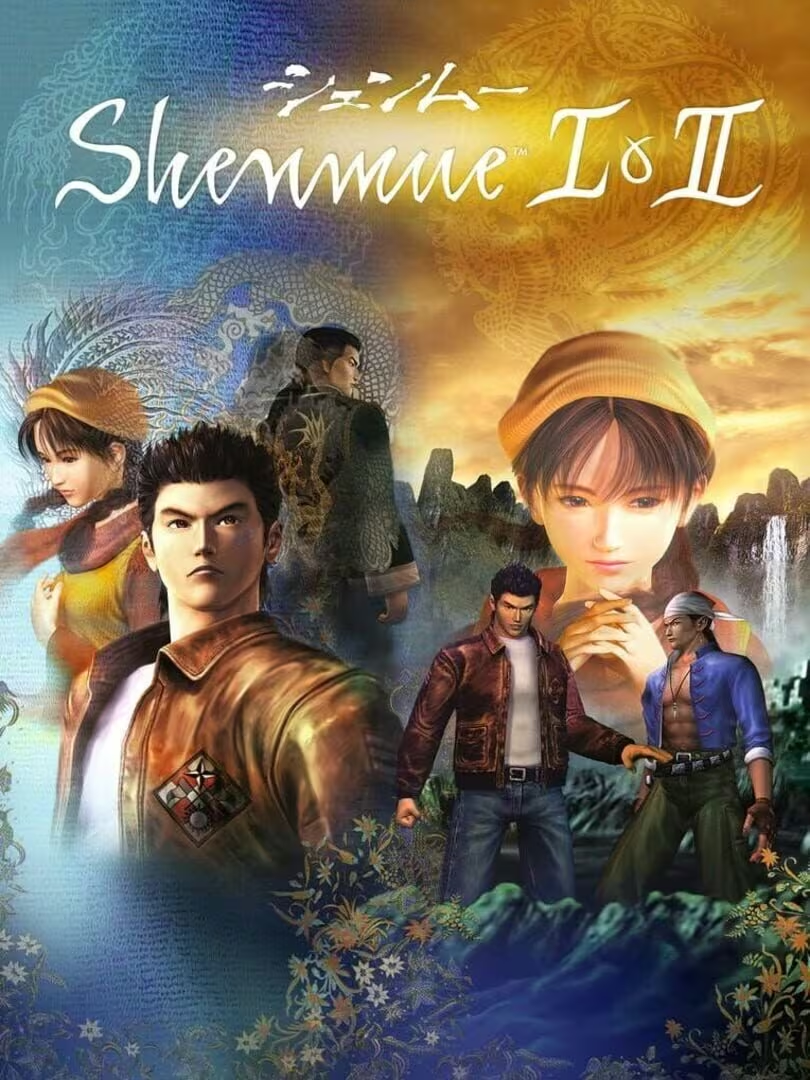 Shenmue I & II
"Players engage voluntarily driven by curiosity and intrinsic motivation rather than obligation."
-
Experimenting
Game with the same Experimenting vibe
4"Encourages exploration and experimentation with environment to solve puzzles."
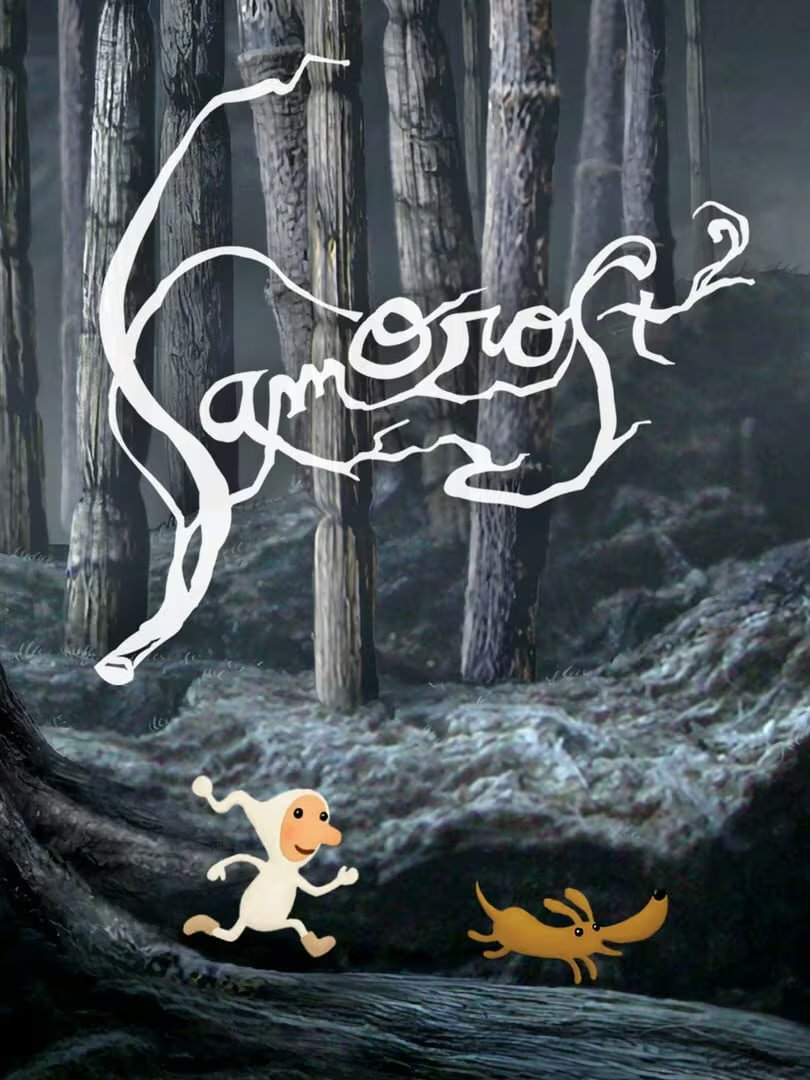 Samorost 2
"Encourages exploration and experimentation with environmental clues and puzzle elements."
-
Exploration
Game with the same Exploration vibe
5"Large interconnected world encourages discovery of new areas and secrets."
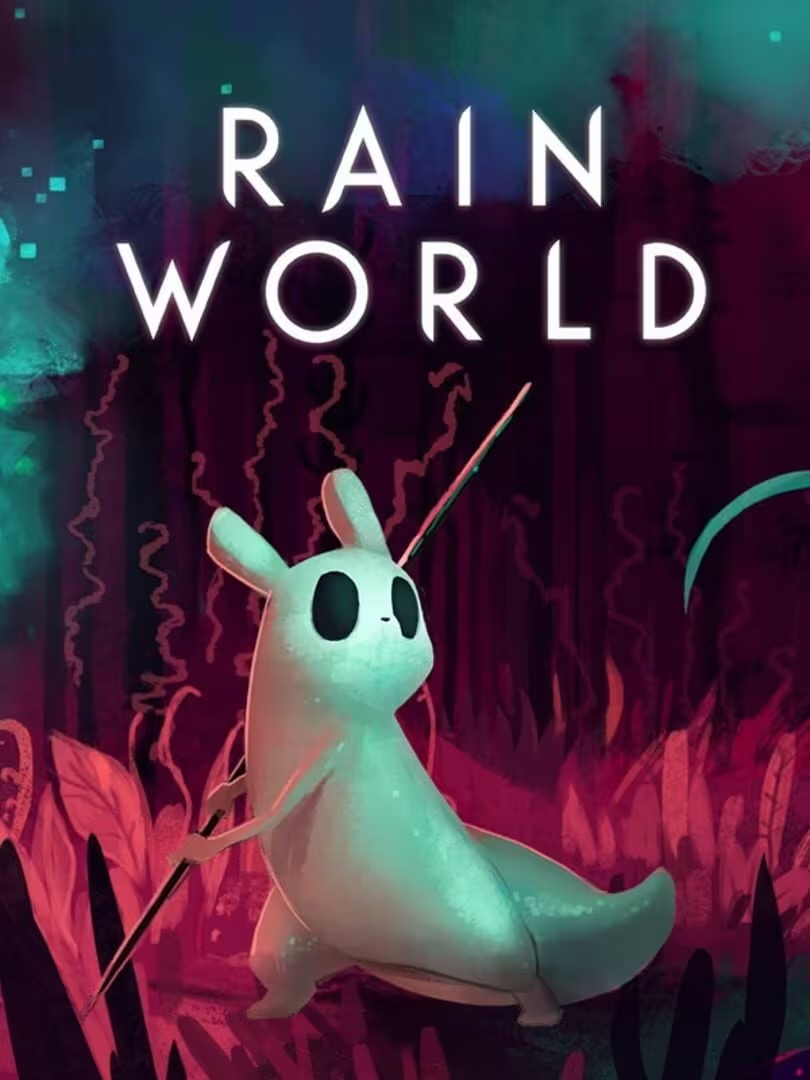 Rain World
"Large interconnected world with many secrets and areas to discover."
-
Expression
Game with the same Expression vibe
-3"Limited character or environment customization; focus is on narrative and puzzle interaction rather than self-expression."
 There Is No Game: Wrong Dimension
"Limited character or environment customization; focus is on puzzle interaction rather than self-expression."
-
Fantasy
Game with the same Fantasy vibe
5"Set in a surreal sci-fi world with imaginative environments, characters, and narrative themes."
 Solar Ash
"Set in a surreal, fictional universe with imaginative lore and storytelling."
-
Fellowship
Game with the same Fellowship vibe
-5"No social or community features; solitary gameplay."
 Alan Wake
"No social or community features; solitary gameplay."
-
Growth
Game with the same Growth vibe
5"Players develop problem-solving skills and learn new mechanics progressively throughout the game."
 Stephen's Sausage Roll
"Players develop problem-solving skills and understanding of the game world through learning and discovery."
-
Health
Game with the same Health vibe
-5"Sedentary gameplay with no physical activity involved."
 World of Tanks Blitz
"Sedentary gameplay with no physical activity involved."
-
Idle
Game with the same Idle vibe
-4"Requires focused attention and active problem solving; not suited for casual or background play."
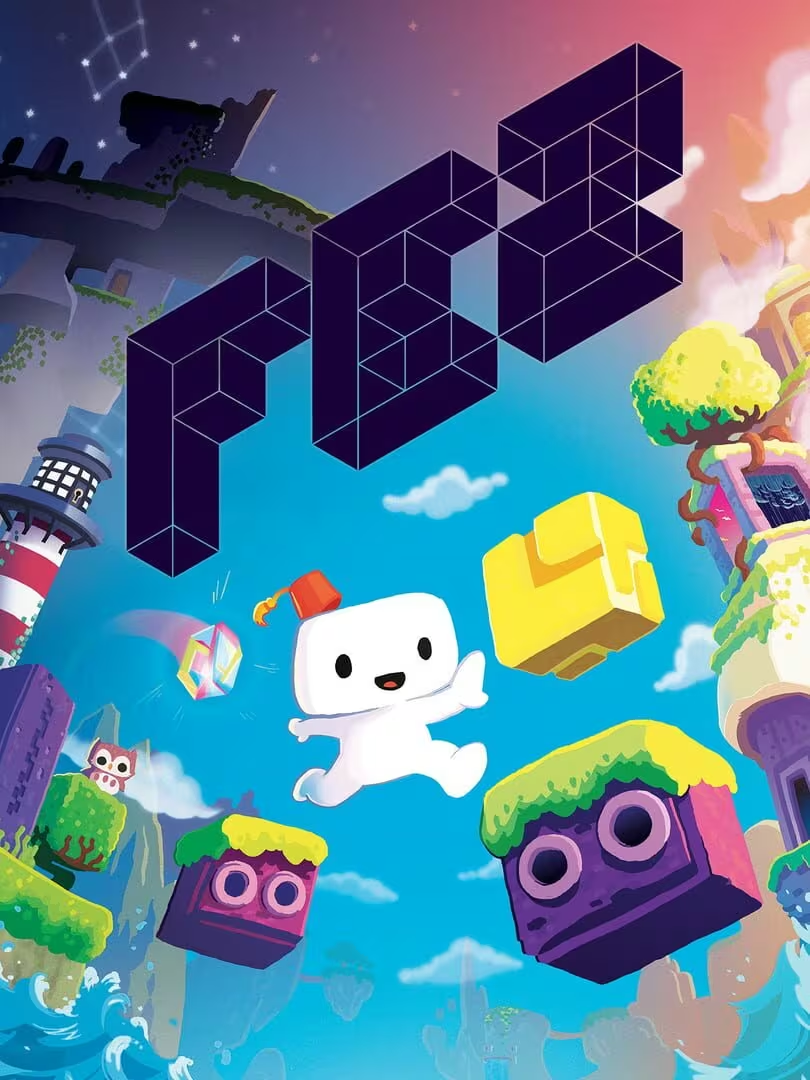 FEZ
FEZ
"Requires focused attention and active problem solving; not suited for casual or background play."
-
Intimacy
Game with the same Intimacy vibe
-5"No social interaction or relationship building."
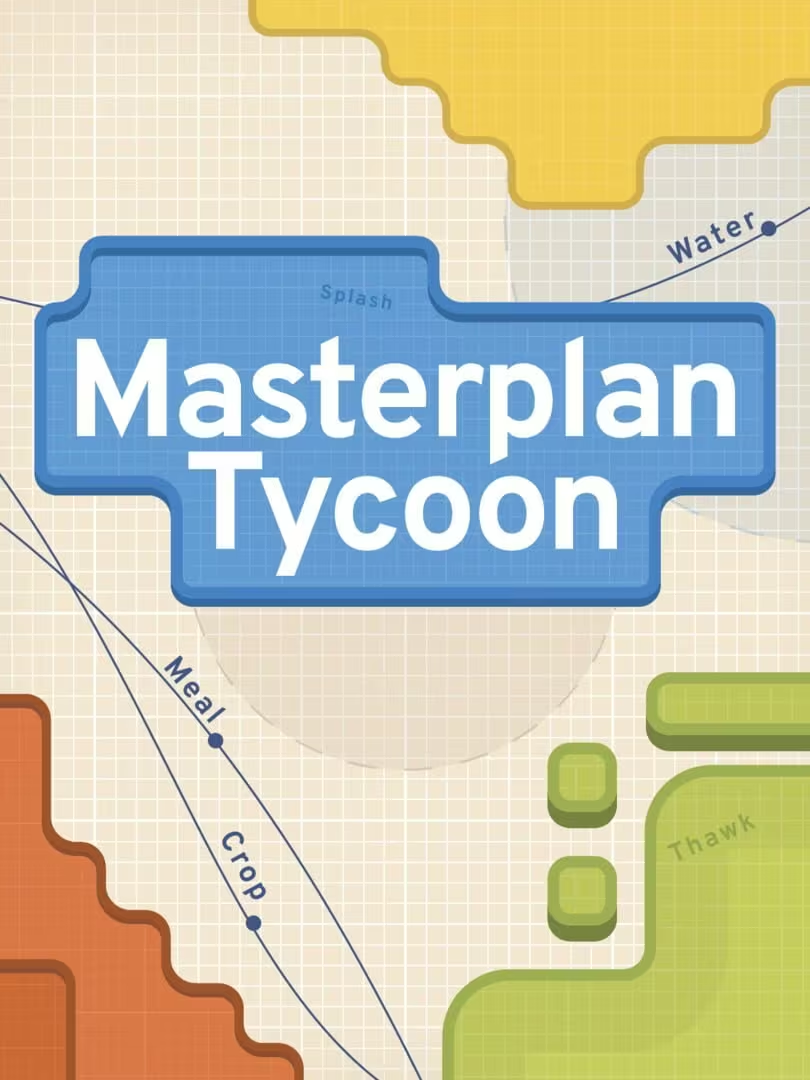 Masterplan Tycoon
"No social interaction or relationship building."
-
Leadership
Game with the same Leadership vibe
-5"No leadership or group management roles."
 Coin Flipper
"No leadership or group management roles."
-
Progression
Game with the same Progression vibe
4"Progression through story advancement and puzzle completion with item collection."
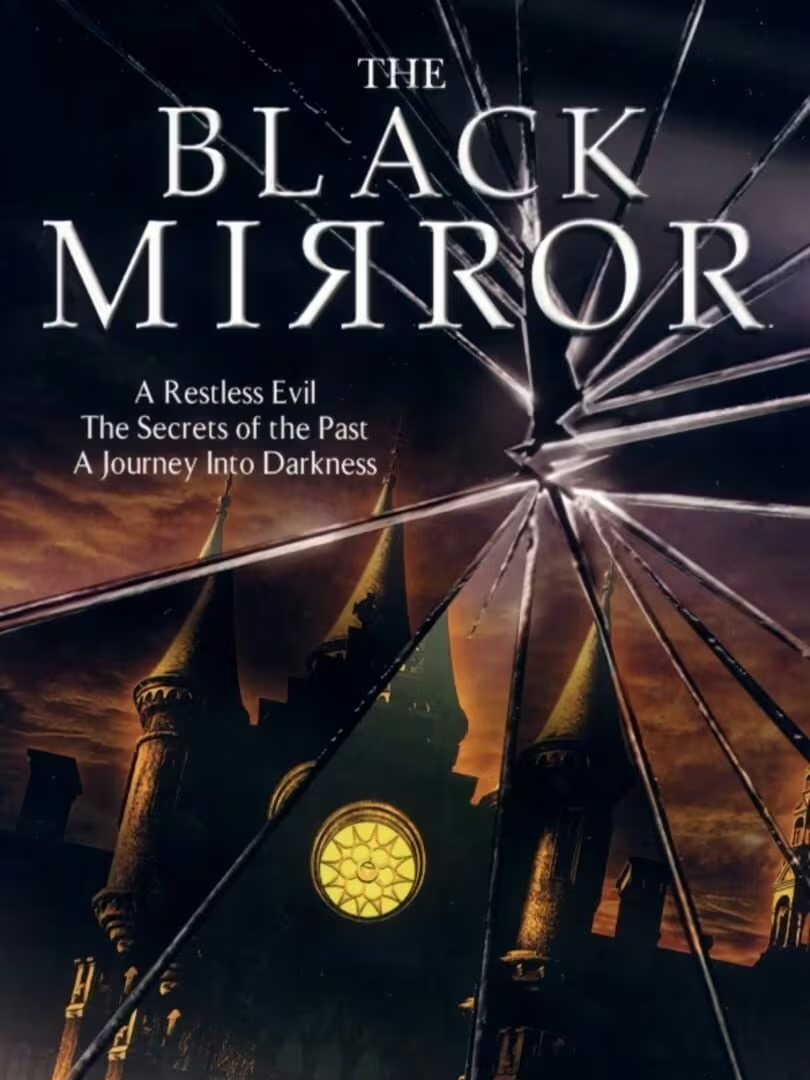 Black Mirror I
"Progression through puzzle completion and story advancement; no item collection but steady forward movement."
-
Relaxation
Game with the same Relaxation vibe
2"Atmospheric and immersive but some puzzles cause frustration and tension."
 Still Life
"Atmospheric and immersive but can be tense or frustrating due to puzzle difficulty."
-
Sensation
Game with the same Sensation vibe
3"Enjoyable visual and auditory atmosphere with immersive sound design and detailed graphics."
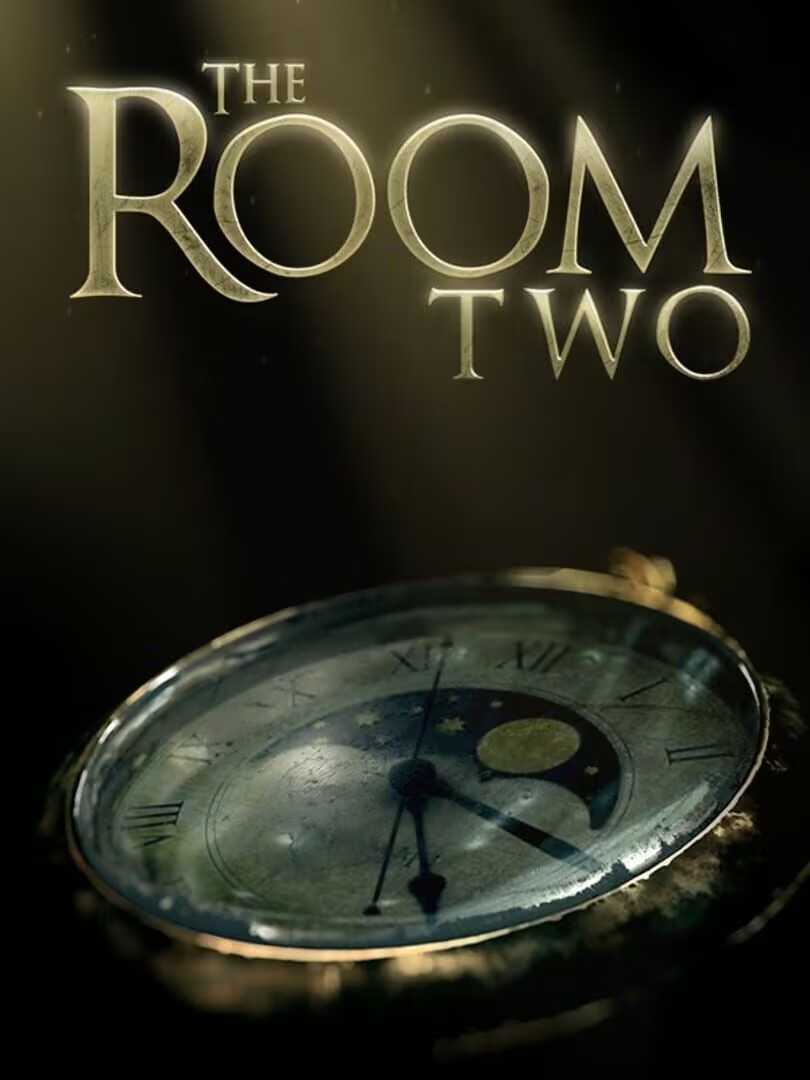 The Room Two
"Enjoyable visual and auditory atmosphere with detailed environments and sound design."
-
Status
Game with the same Status vibe
-5"No social recognition or status systems."
Alan Wake
"No social recognition or status systems."
-
Story
Game with the same Story vibe
5"Narrative-driven experience with strong emphasis on story immersion and environmental storytelling."
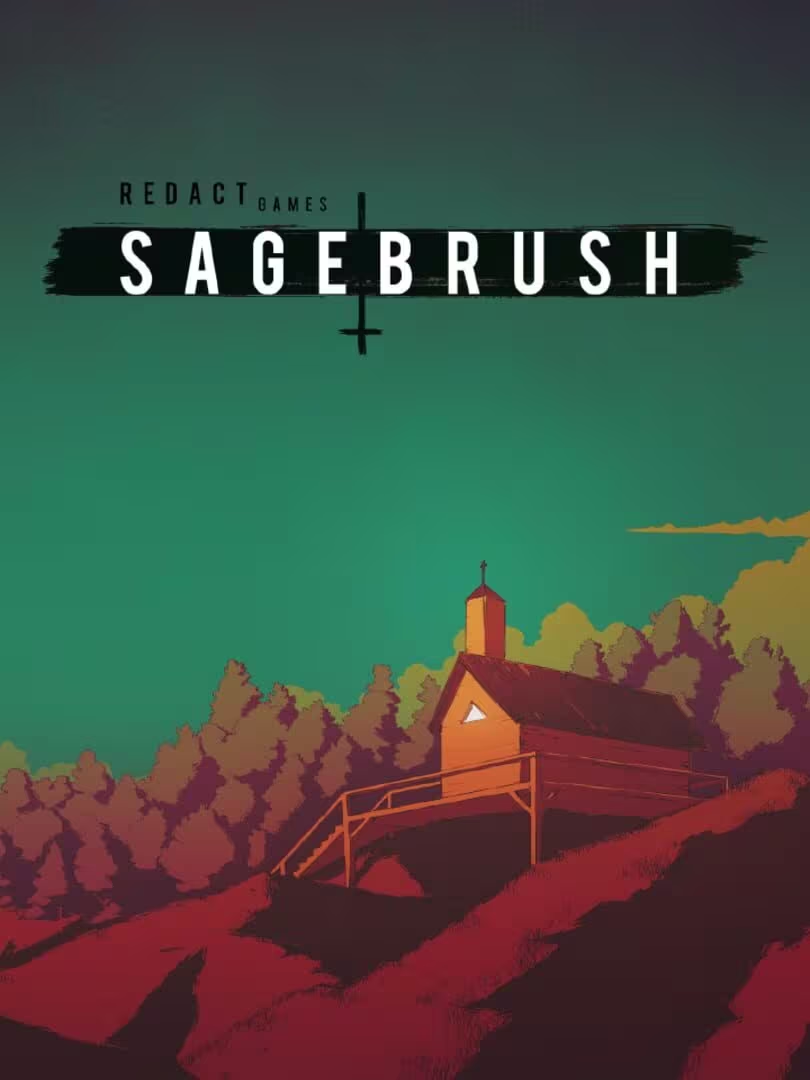 Sagebrush
"Strong narrative immersion through environmental storytelling and player discovery."
-
Strategy
Game with the same Strategy vibe
5"Puzzles require logical reasoning, planning, and analytical thinking to solve."
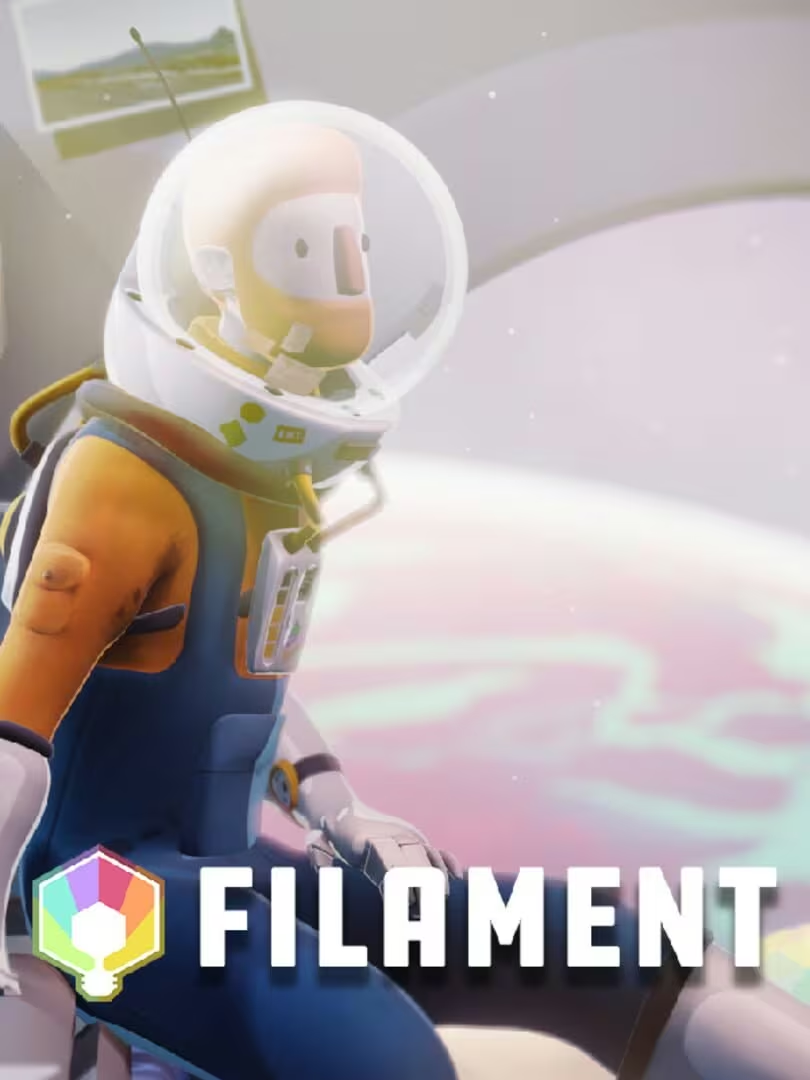 Filament
"Requires analytical thinking, planning, and logical deduction to solve puzzles."
-
Thrill
Game with the same Thrill vibe
1"Some suspenseful and mysterious moments, but overall a calm and contemplative experience."
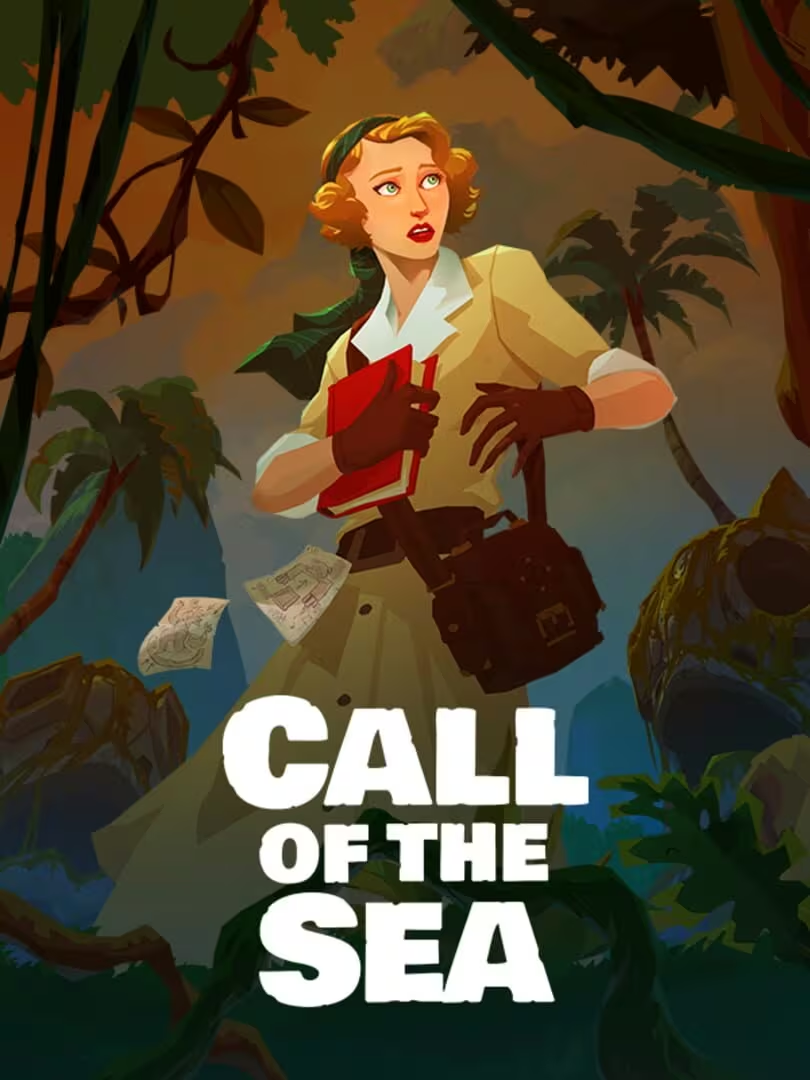 Call of the Sea
"Some suspense and mystery but generally a calm, contemplative experience."
-
Value
Game with the same Value vibe
4"Highly regarded classic with lasting entertainment value and replayability."
 CHRONO TRIGGER®
"Highly regarded classic with lasting appeal and replay value for puzzle and adventure fans."
-
Violence
Game with the same Violence vibe
-5"No violence; focus on exploration and puzzle solving."
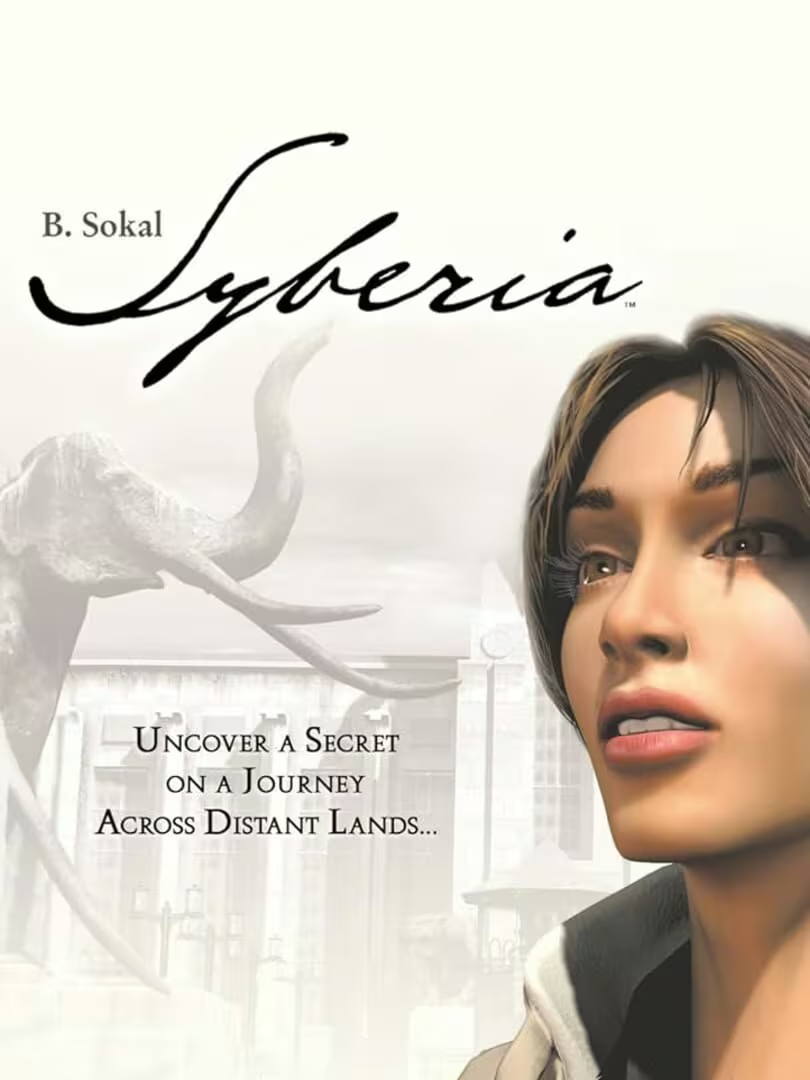 Syberia
"No violence; focus on exploration and puzzle solving."
-
Survival
Game with the same Survival vibe
-5"No survival mechanics or threats; stable and safe environment."
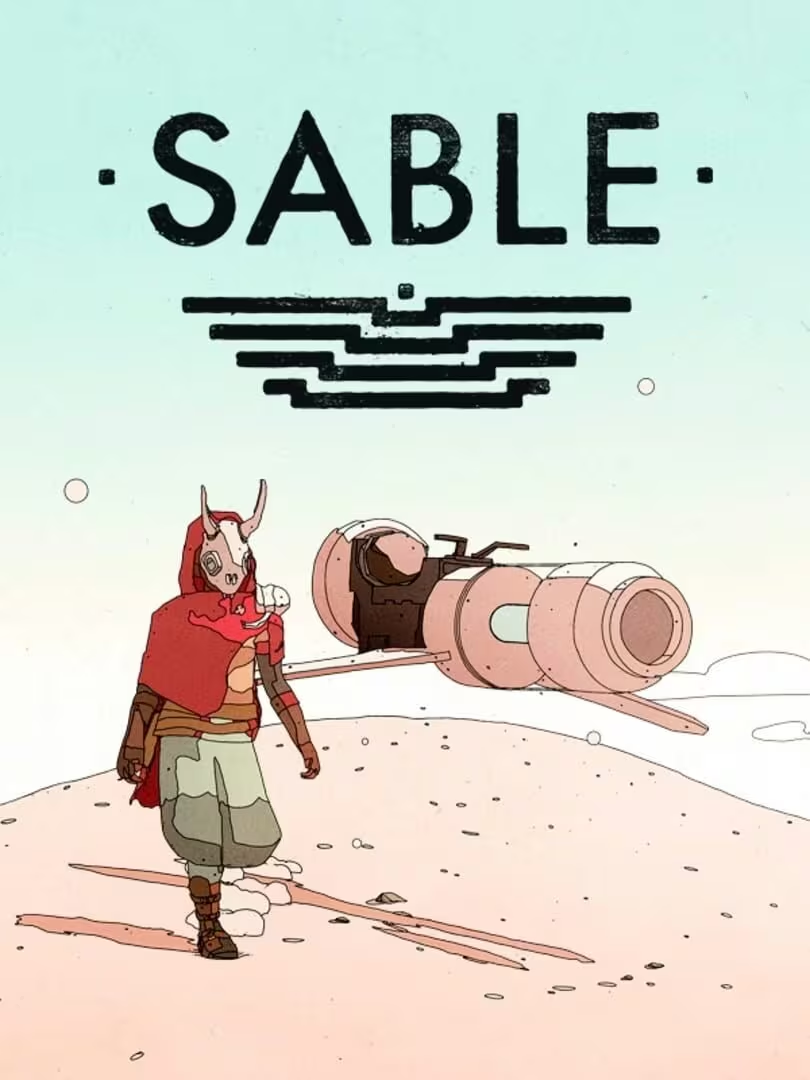 Sable
Sable
"No survival mechanics or threats; stable and safe environment."
Last update: 01/06/2026