Black Mirror I similar games & best alternatives
Should you play it?
Black Mirror is a dark adventure game that details the aftermath of the tragic death of William Gordon. Playing as his grandson Samuel players must unveil the truth behind the events of that fateful, stormy night.
What works
- Engaging and immersive story
- Dark gothic atmosphere
- Logical and challenging puzzles
- Detailed and beautiful backgrounds
- Professional voice acting
Things to keep in mind
- Slow pacing and animations
- Some frustrating backtracking and waiting
- Pixel hunting required
- Occasional bugs and crashes
- No autosave and risk of sudden death
What to play next
Similar games, hidden gems, and fresh directions from this game.
Top picks
Games that feel the closest overall

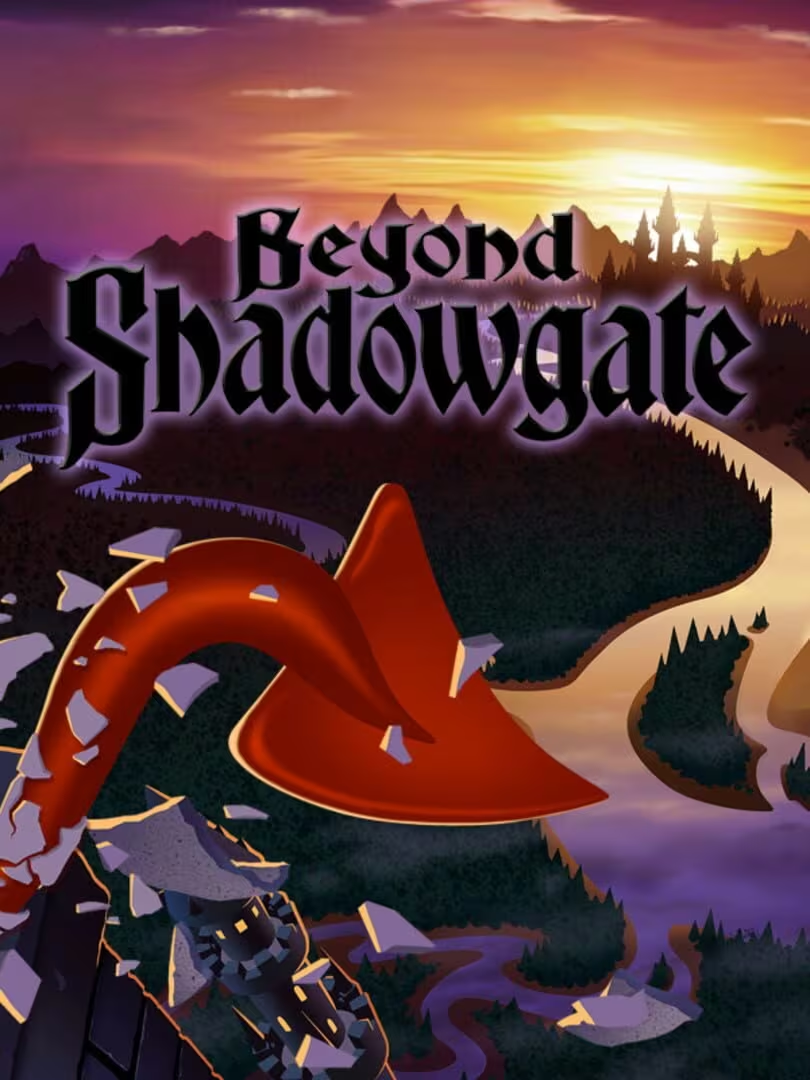
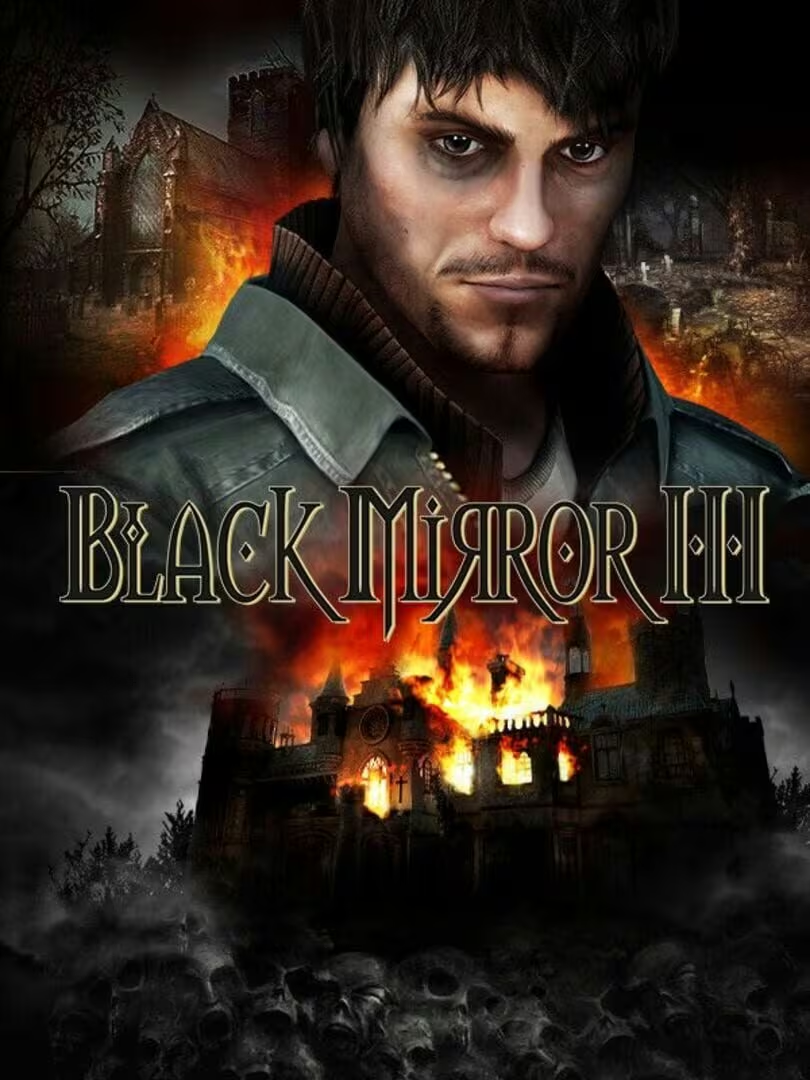
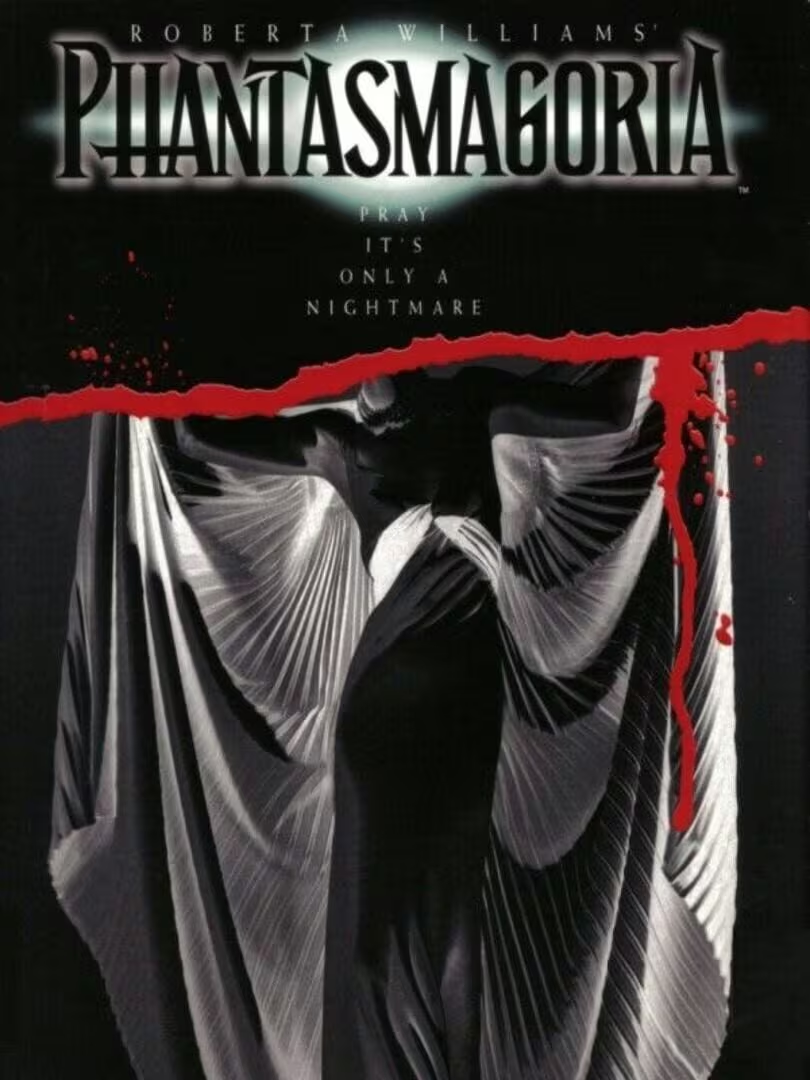
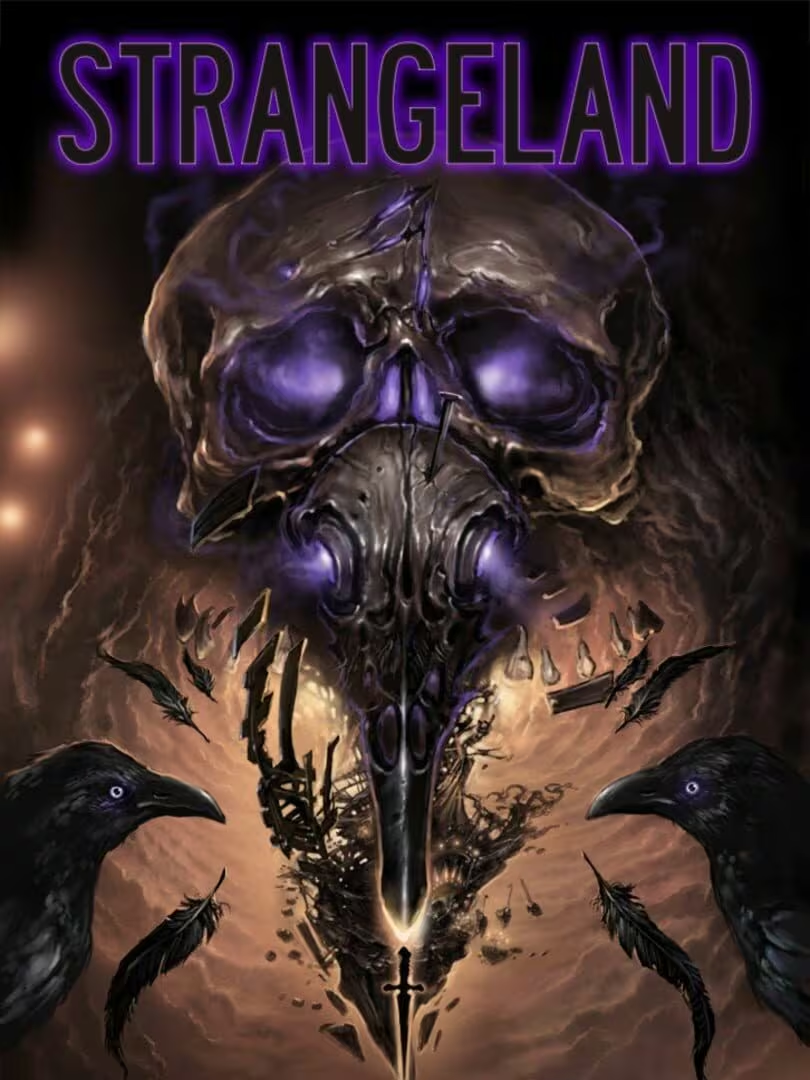

Hidden Gems
Less popular games with surprisingly high similarity
If you liked…
Recommendations by what you enjoyed most
Similarity map
Explore nearby similar games and see why they’re close.
Black Mirror I: A very typical example of its motivational profile. Motivations that often define this kind of title include Expression, Fellowship, Cooperation, Status. Here, the score leans higher than usual among comparable games on Continuation, Story. It leans lower than usual among comparable games on Expression.
Why this game works
A motivational profile of the game, with the closest similar game for each player motivation.
-
Autonomy
Game with the same Autonomy vibe
4"Players explore a large manor and surrounding areas freely, choosing their own path and order of puzzle solving."
 Goetia
"Players direct Samuel Gordon's investigation and exploration freely in a nonlinear manor and village environment."
-
Competence
Game with the same Competence vibe
3"Puzzles require logical thinking and problem solving, though some are illogical or rely on pixel hunting, providing a moderate skill challenge."
 Runaway, A Road Adventure
"Logical puzzles and inventory use require skill and problem solving, though some trial and error and pixel hunting occur."
-
Competition
Game with the same Competition vibe
-5"Single-player narrative adventure with no competitive elements or player comparison."
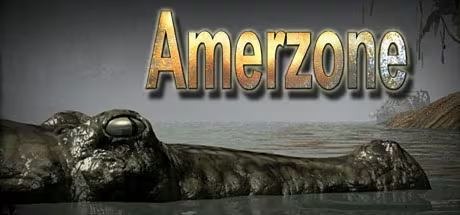 Amerzone: The Explorer’s Legacy (1999)
"Single-player narrative adventure with no competitive elements."
-
Continuation
Game with the same Continuation vibe
4"Long campaign (12-15 hours) with immersive world encourages extended play and replayability."
 G String
"Long playtime (~15-20 hours), immersive story and atmosphere encourage extended sessions."
-
Cooperation
Game with the same Cooperation vibe
-5"Entirely single-player experience with no multiplayer or cooperative gameplay."
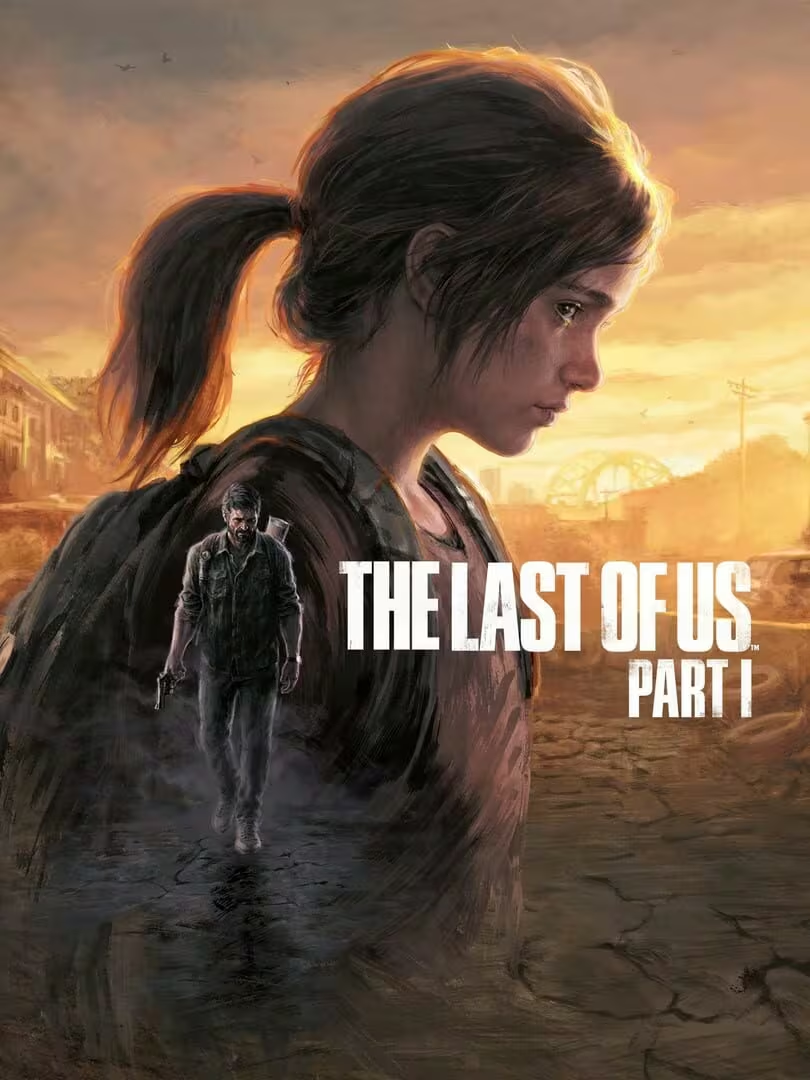 The Last of Us™ Part I
"Entirely single-player experience with no multiplayer or cooperative gameplay."
-
Creativity
Game with the same Creativity vibe
1"Players solve puzzles and explore but do not create or modify game content."
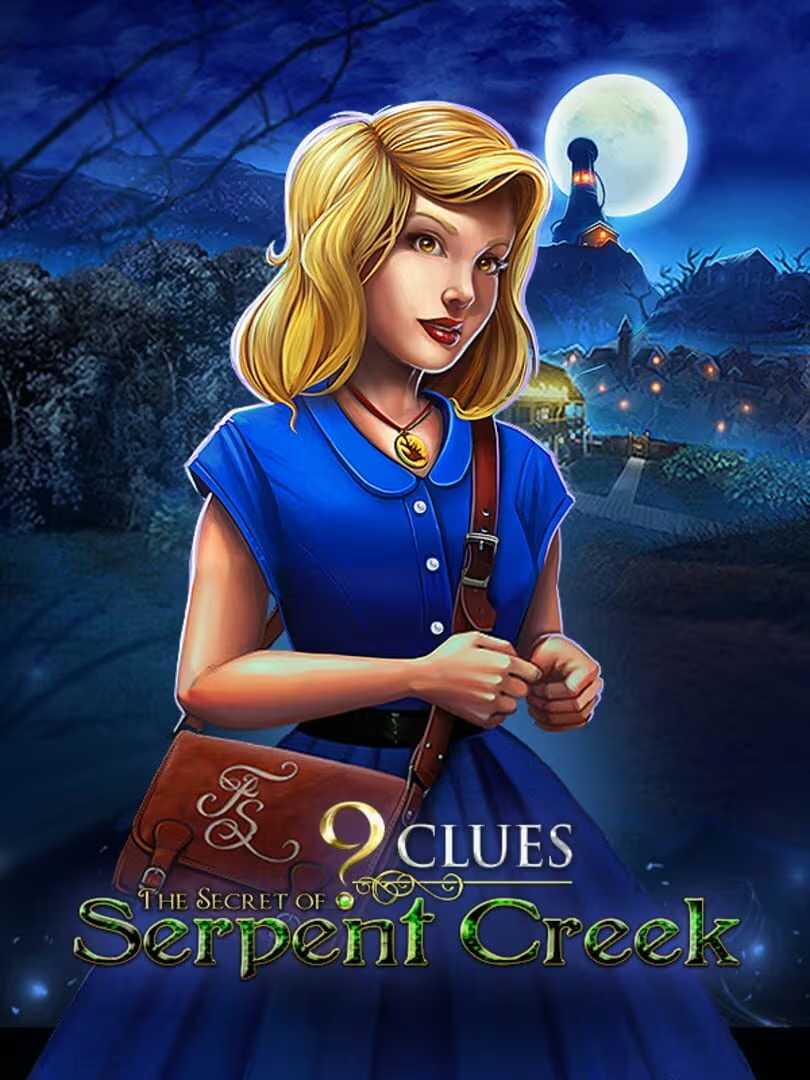 9 Clues: The Secret of Serpent Creek
"Players explore and solve puzzles but do not create or modify game content."
-
Domination
Game with the same Domination vibe
-5"No player versus player or dominance mechanics; cooperative and solo play only."
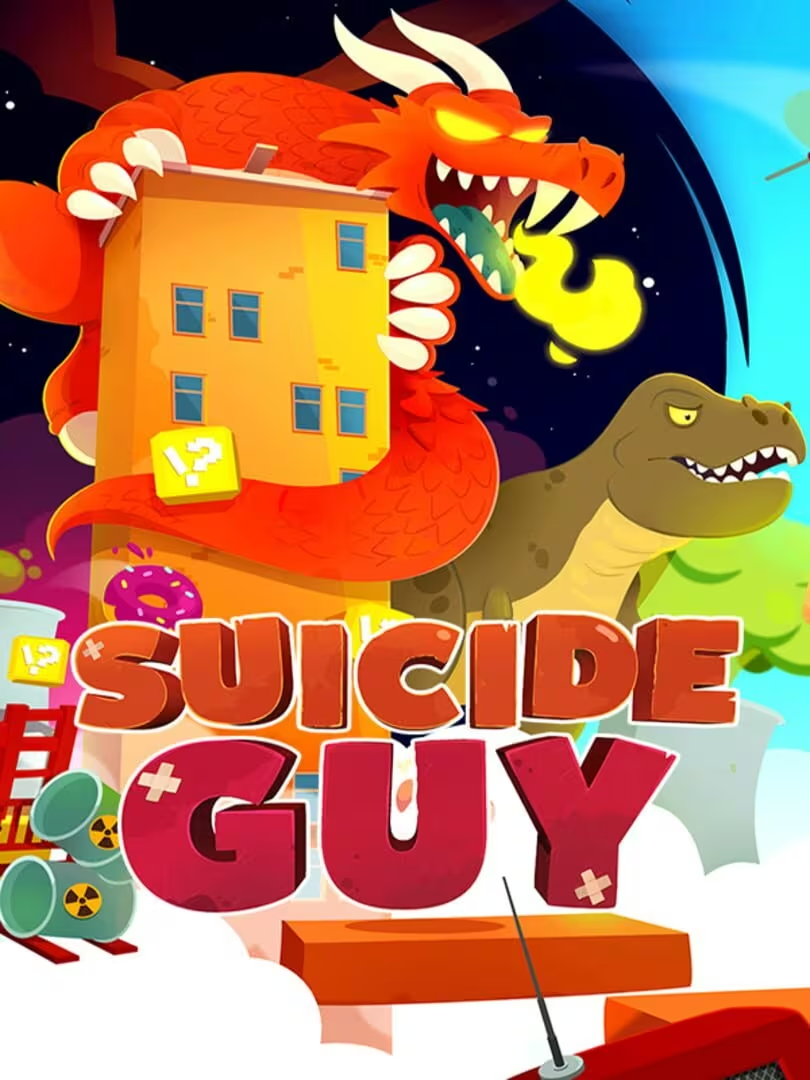 Suicide Guy
"No player versus player or dominance mechanics; story-driven solo play."
-
Escapism
Game with the same Escapism vibe
4"Strong atmospheric and immersive gothic world provides a compelling escape from reality."
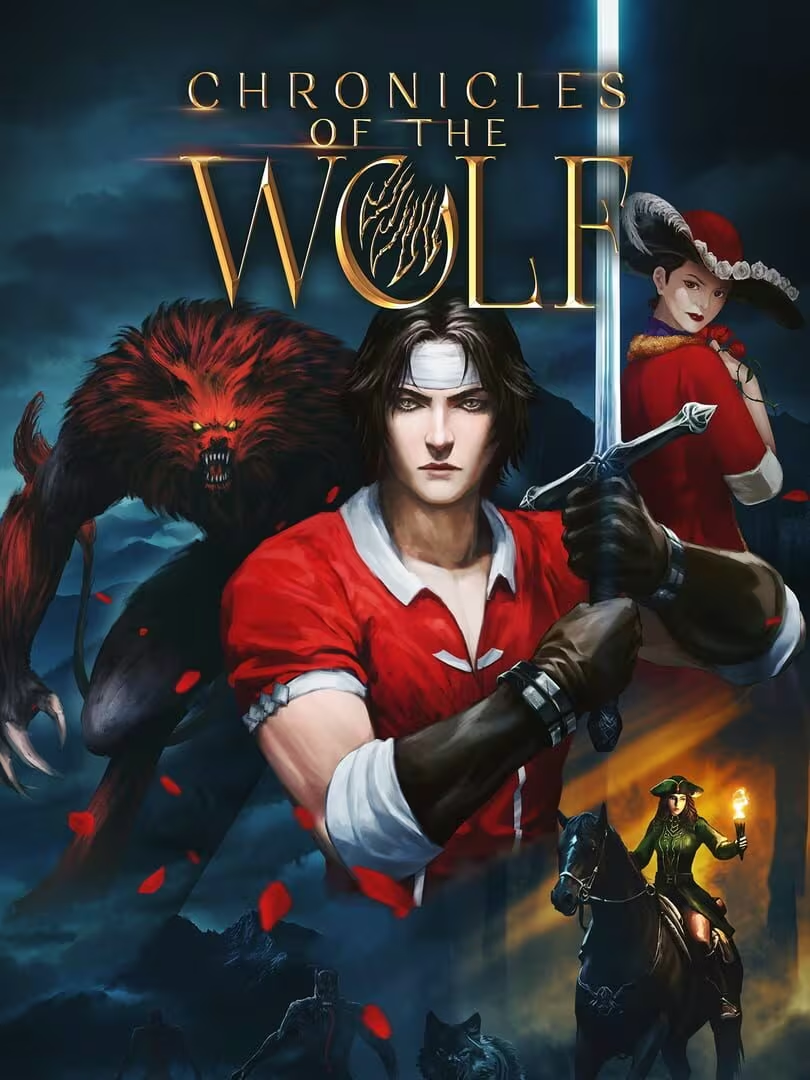 Chronicles of the Wolf
"Dark, immersive gothic horror atmosphere provides strong real-life escape."
-
Expectation
Game with the same Expectation vibe
-4"Players engage voluntarily out of interest in adventure games and story."
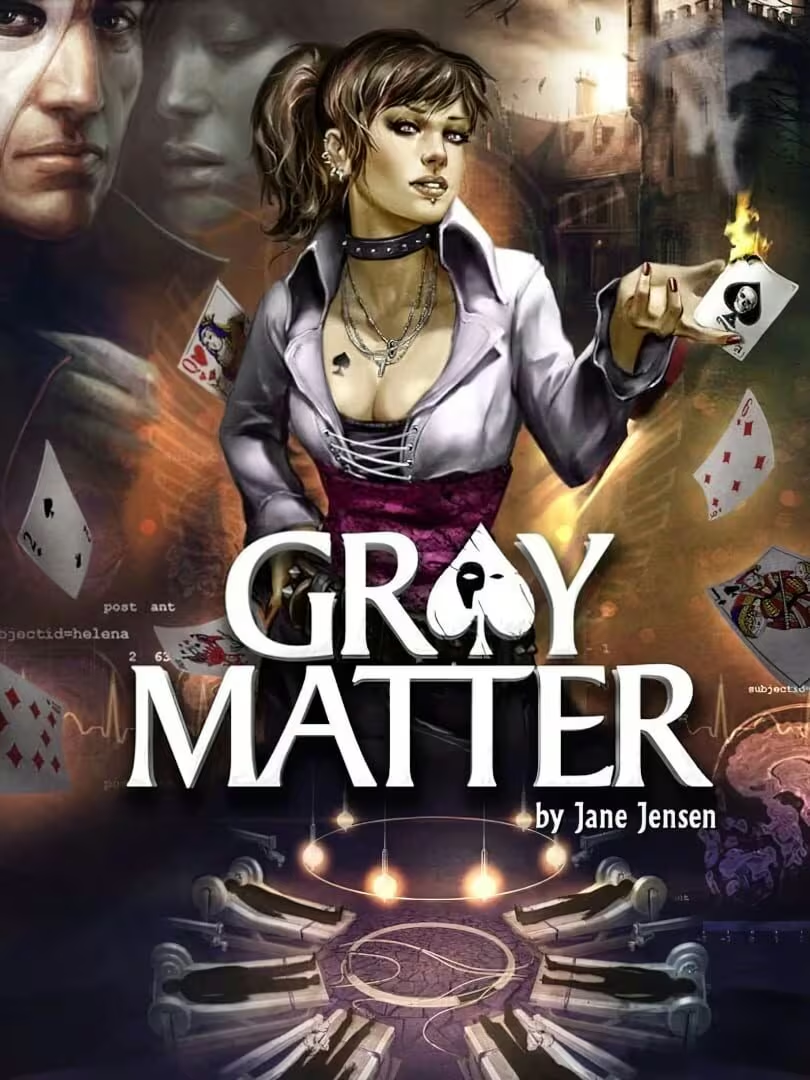 Gray Matter
"Players engage voluntarily out of interest in mystery and adventure."
-
Experimenting
Game with the same Experimenting vibe
2"Players experiment with timing and sequence of clicks to solve puzzles, though within fixed mechanics."
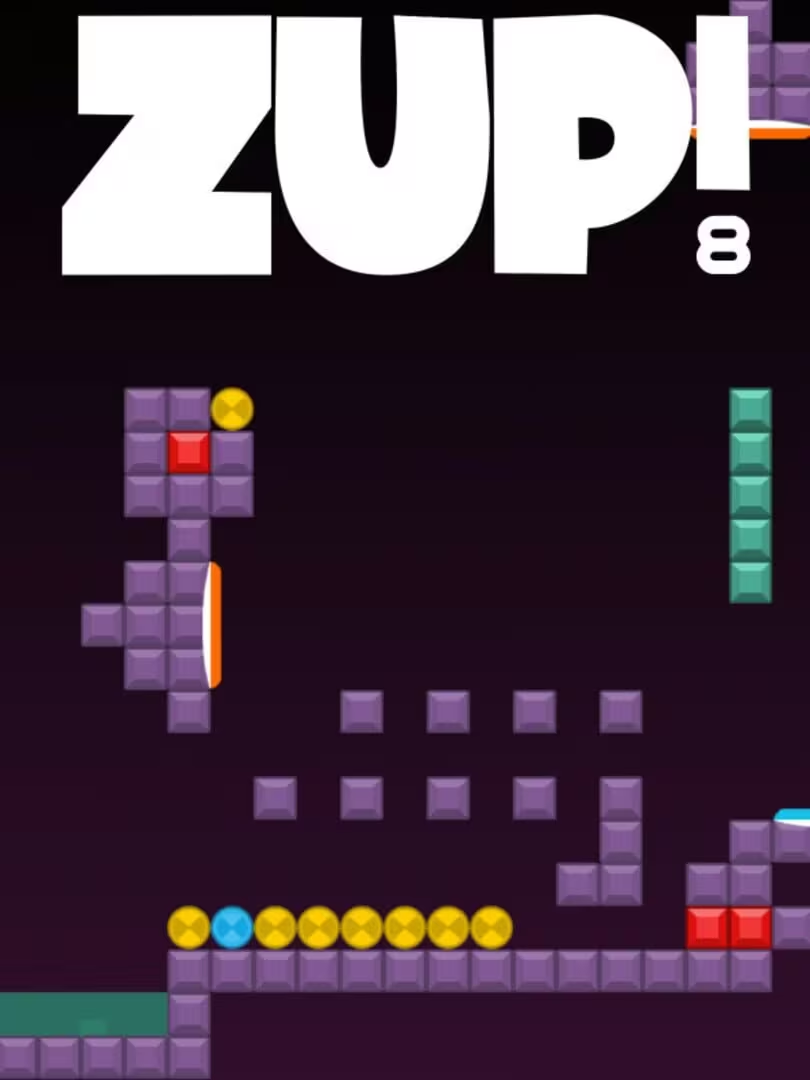 Zup! 8
"Some experimentation with right and left mouse clicks and puzzle approaches is needed."
-
Exploration
Game with the same Exploration vibe
3"Players explore multiple locations and revisit areas to uncover new clues."
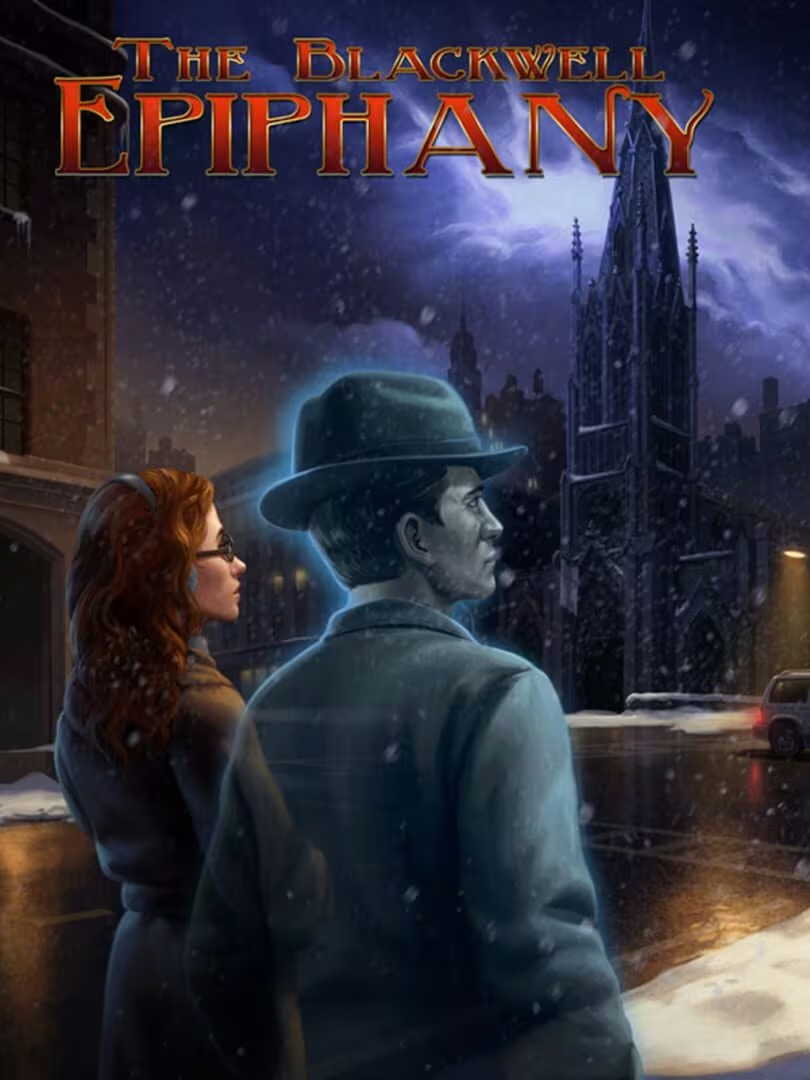 Blackwell Epiphany
"Players explore multiple detailed locations, revisiting areas to find new clues."
-
Expression
Game with the same Expression vibe
-5"No character customization or self-expression features."
 Poop Clicker
"No character customization or self-expression features."
-
Fantasy
Game with the same Fantasy vibe
3"Dark gothic and mythological themes with supernatural elements create an imaginative fictional experience."
 CUPID - A free to play Visual Novel
"Gothic horror and supernatural mystery elements create an imaginative fictional experience."
-
Fellowship
Game with the same Fellowship vibe
-5"Solo experience with minimal social interaction."
 Darksiders II Deathinitive Edition
"Solo experience with minimal social interaction."
-
Growth
Game with the same Growth vibe
3"Players develop problem-solving skills and learn story details progressively."
 The Dark Eye: Memoria
"Players develop problem-solving skills and learn story details progressively."
-
Health
Game with the same Health vibe
-5"Sedentary gameplay with no physical activity."
 Microtransaction Simulator
"Sedentary gameplay with no physical activity."
-
Idle
Game with the same Idle vibe
-3"Requires active management and attention; some waiting times but not designed for idle play."
 Vectorio
"Requires focused attention; some forced waiting is frustrating but not idle play."
-
Intimacy
Game with the same Intimacy vibe
-5"No social or emotional relationship building with other players."
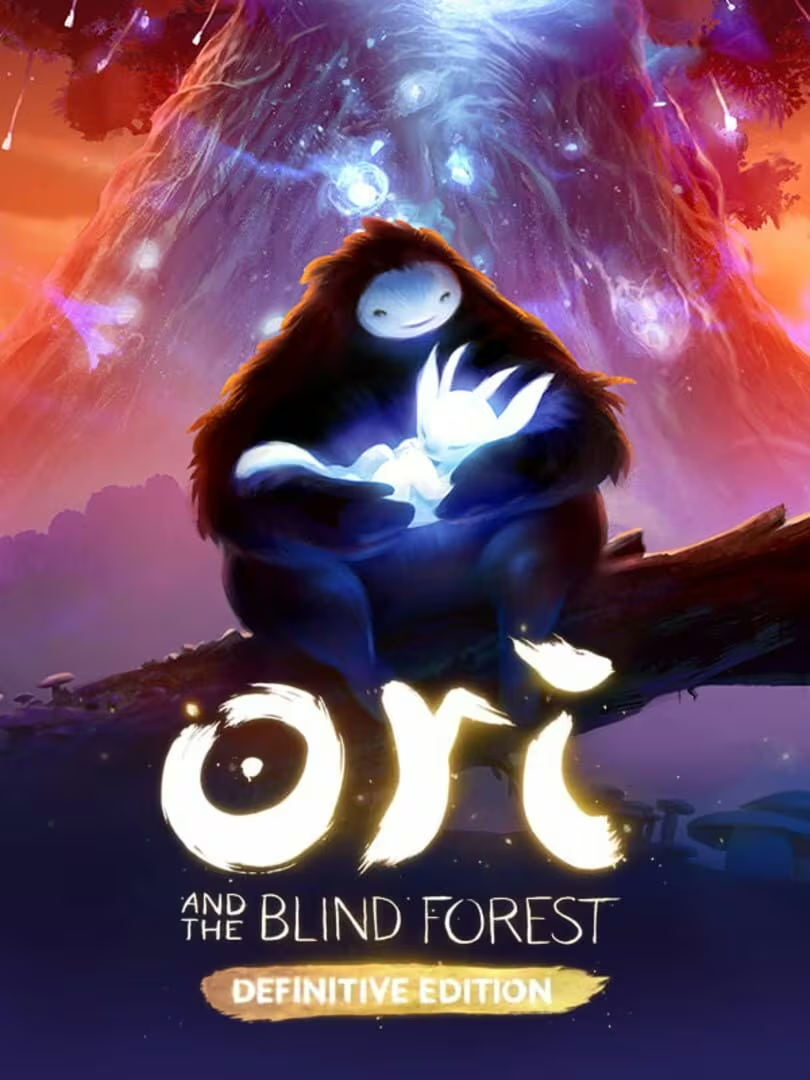 Ori and the Blind Forest: Definitive Edition
"No social or emotional relationship building with other players."
-
Leadership
Game with the same Leadership vibe
-5"No leadership or group management elements."
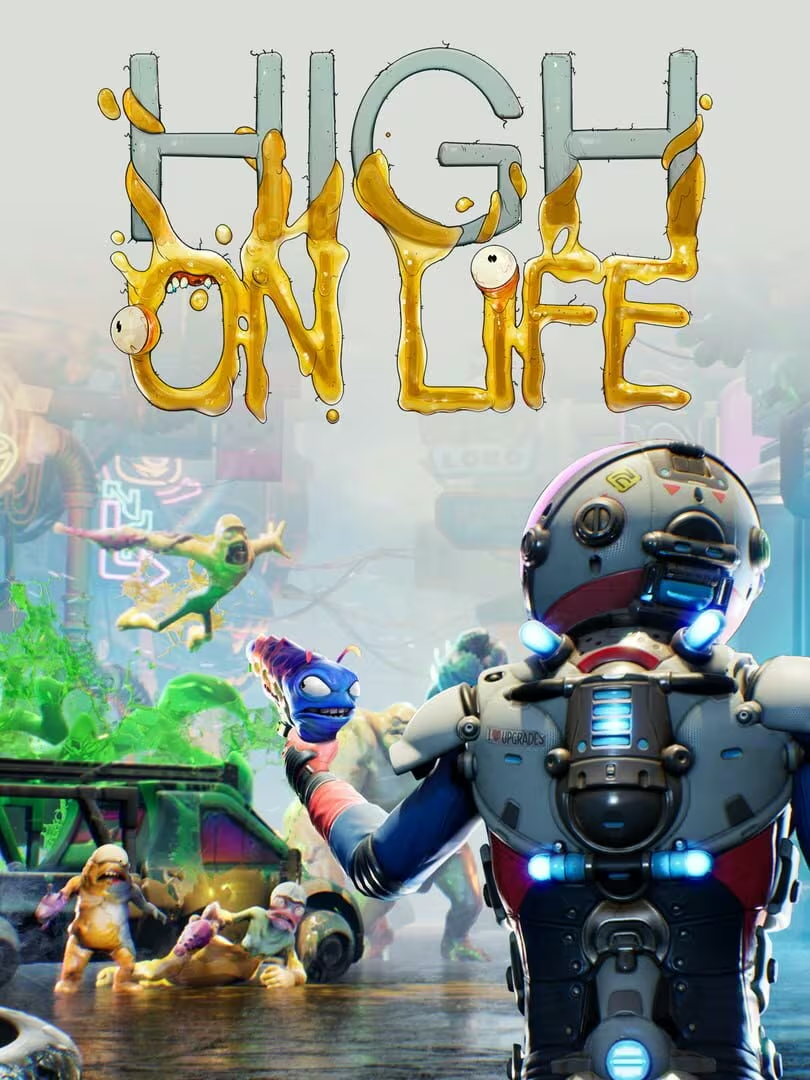 High On Life
"No leadership or group management elements."
-
Progression
Game with the same Progression vibe
3"Progression through story advancement and puzzle completion with item collection."
 Lucid Dream
"Progression through story advancement and puzzle completion with item collection."
-
Relaxation
Game with the same Relaxation vibe
2"Atmospheric and immersive but some tension and suspense; pacing can be slow but engaging."
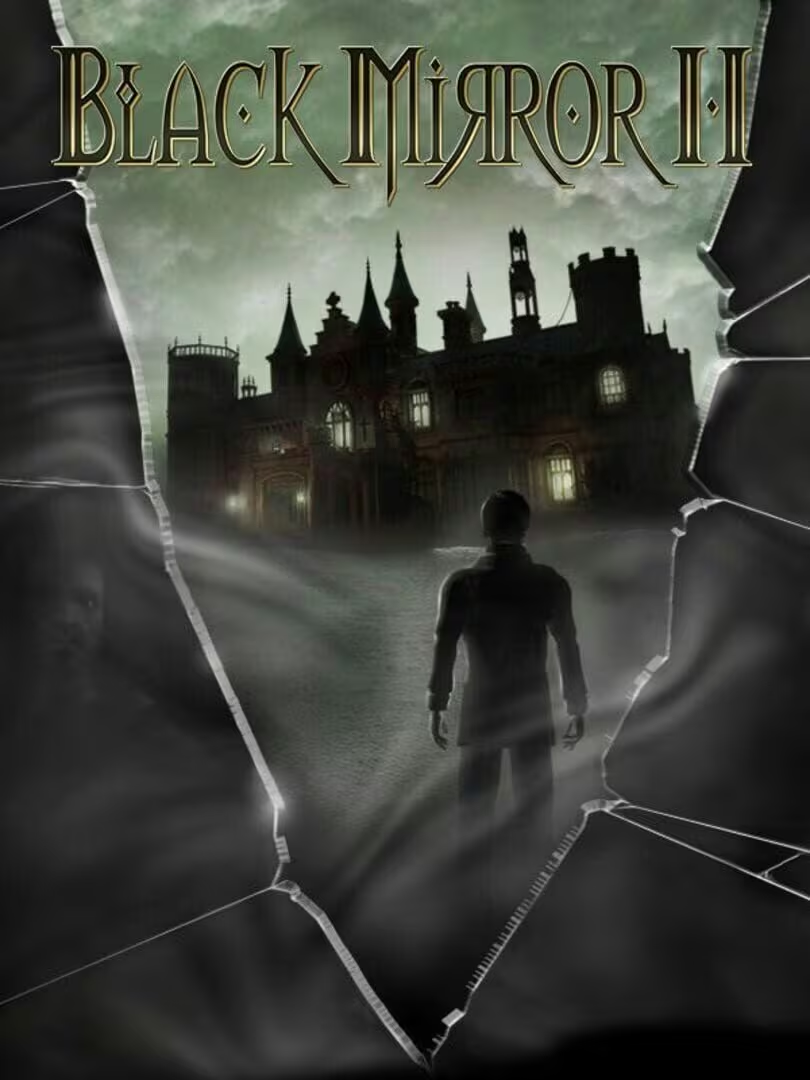 Black Mirror II
"Atmospheric and immersive but some frustration from slow pacing and waiting."
-
Sensation
Game with the same Sensation vibe
2"Dark visuals and music create a moody sensory experience, though graphics are not cutting-edge."
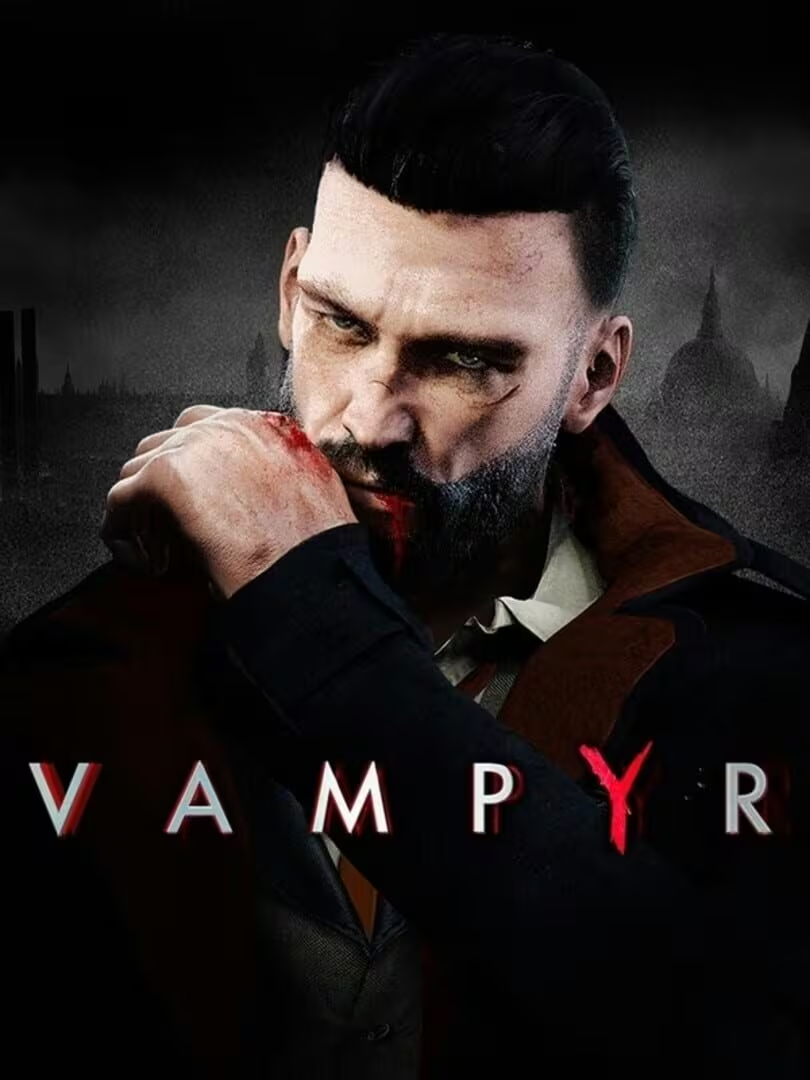 Vampyr
"Dark visuals and sound create emotional tension rather than sensory excitement."
-
Status
Game with the same Status vibe
-5"No social status or recognition mechanics."
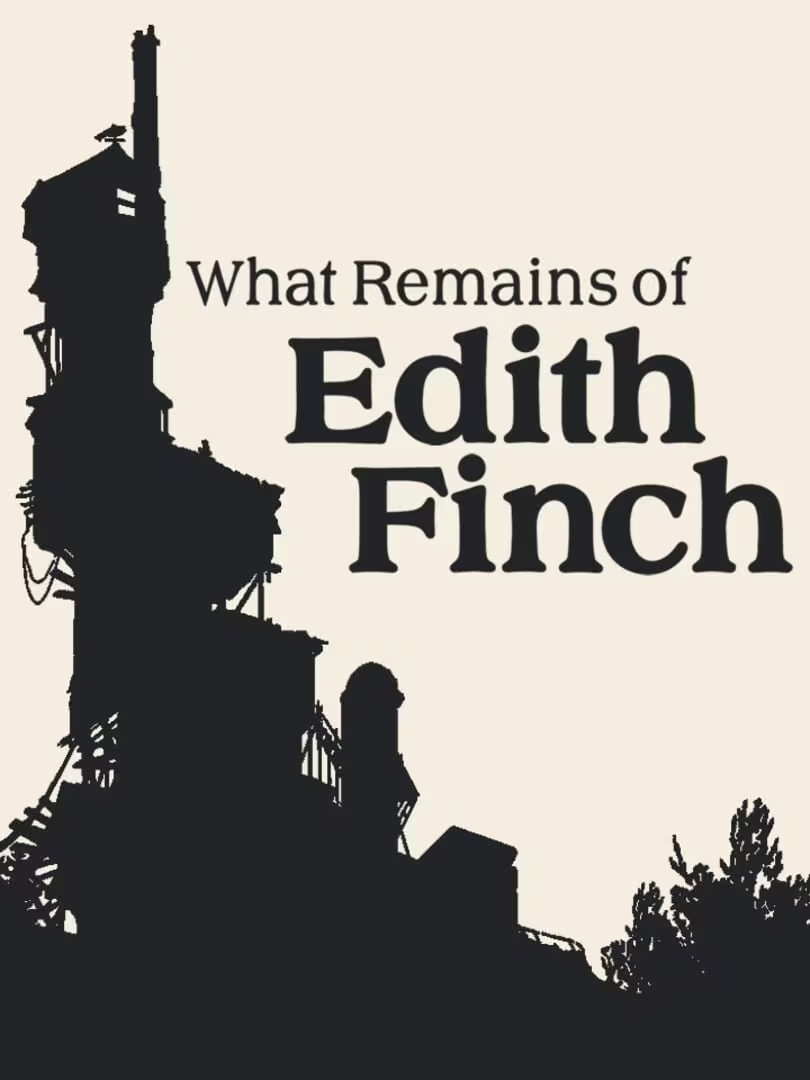 What Remains of Edith Finch
"No social status or recognition mechanics."
-
Story
Game with the same Story vibe
5"Strong narrative focus with immersive storytelling and emotional engagement."
 Port of Call
"Highly praised, immersive, complex narrative with strong emotional engagement."
-
Strategy
Game with the same Strategy vibe
3"Requires logical thinking, planning, and puzzle-solving, though some puzzles rely on trial and error."
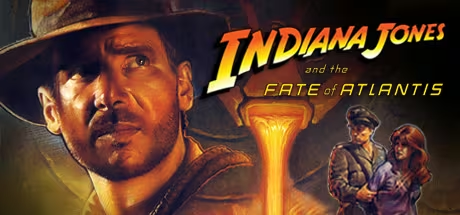 Indiana Jones® and the Fate of Atlantis™
"Requires logical thinking and puzzle solving, though some trial and error is involved."
-
Thrill
Game with the same Thrill vibe
3"Suspense and mystery create tension and excitement, though not intense horror."
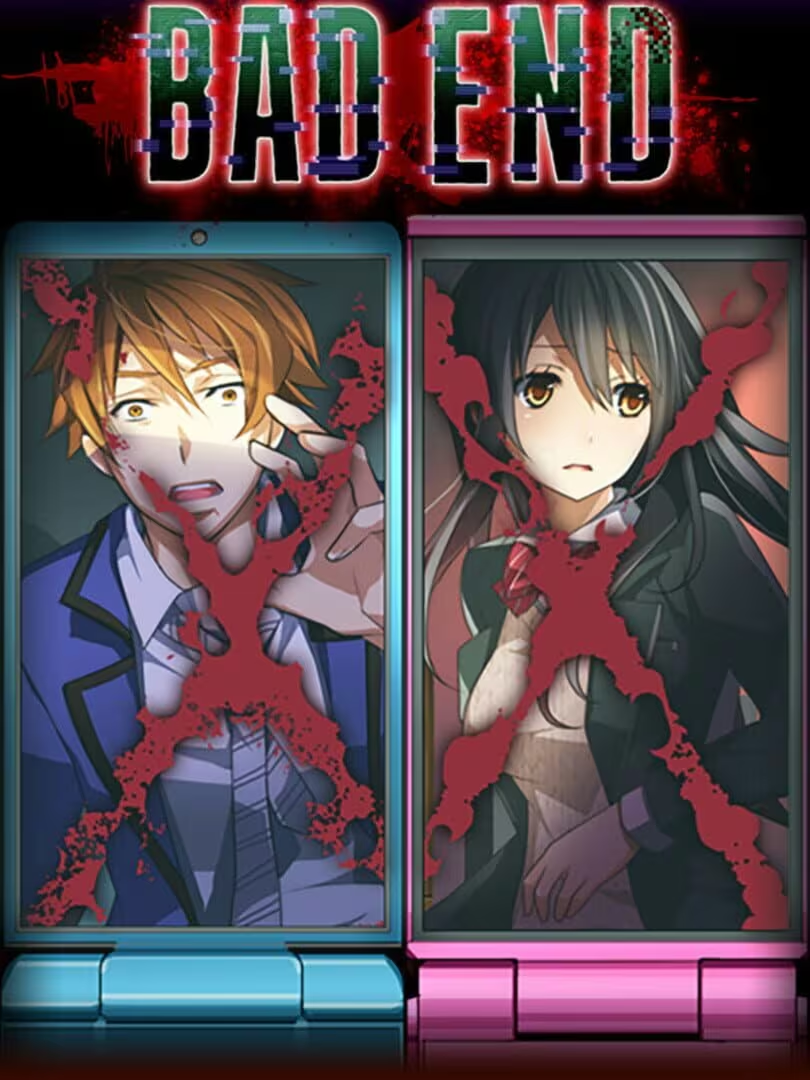 BAD END
"Suspenseful mystery and horror elements create tension and occasional scares."
-
Value
Game with the same Value vibe
4"Long gameplay, replayability, and rich story provide good value for time and money."
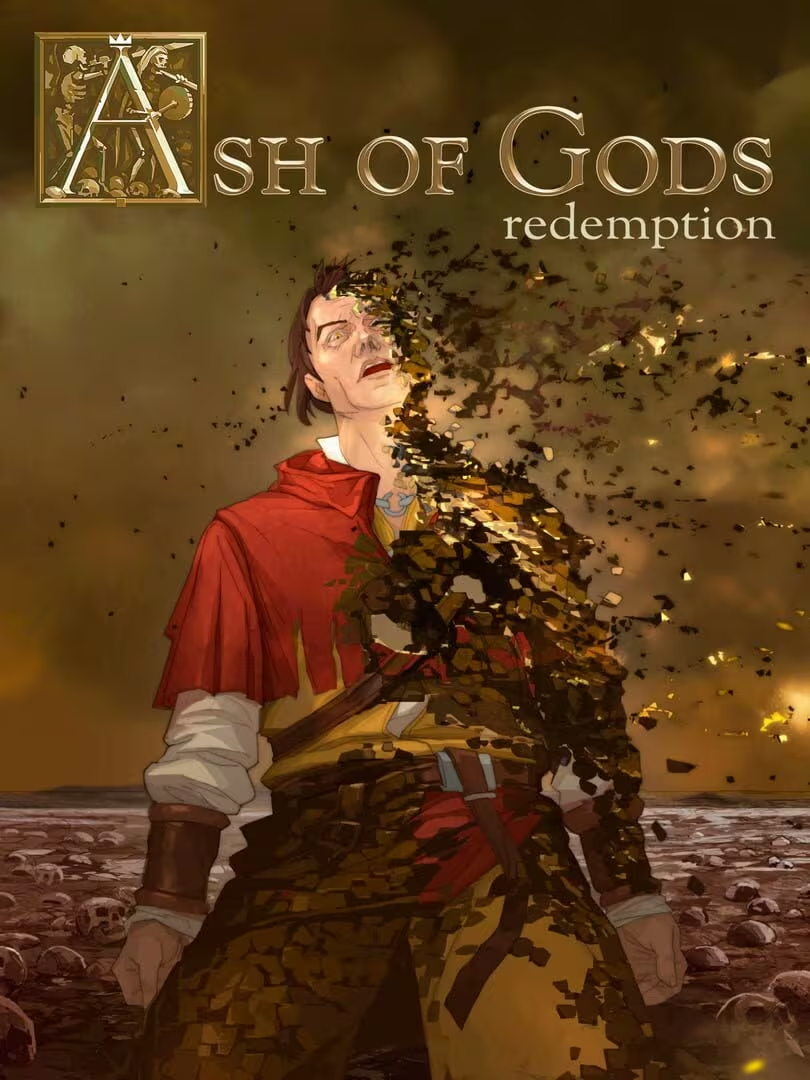 Ash of Gods: Redemption
"Long gameplay and rich story provide good value for time and money."
-
Violence
Game with the same Violence vibe
3"Includes combat, shootouts, and violent scenarios consistent with criminal themes."
 Drug Dealer Simulator: Free Sample
"Includes murder mystery and some violent events, but not focused on combat."
-
Survival
Game with the same Survival vibe
2"Risk of character death and failure requires careful play and saving."
 Jack Orlando: Director's Cut
"Player can die unexpectedly, requiring careful saving and survival awareness."
Last update: 01/06/2026