Unmechanical similar games & best alternatives
Should you play it?
A carefully created world with unique environments and an engrossing atmosphere, Unmechanical offers over 30 unique puzzles of exploration and adventure!
What works
- Charming atmosphere and art design
- Logical and varied puzzles
- Smooth controls and physics
- Minimal hand-holding encouraging exploration
- Multiple endings and achievements
Things to keep in mind
- Short game length
- Some puzzles unintuitive or confusing
- Lack of narrative depth
- Limited replayability
- Minor bugs reported
What to play next
Similar games, hidden gems, and fresh directions from this game.
Top picks
Games that feel the closest overall
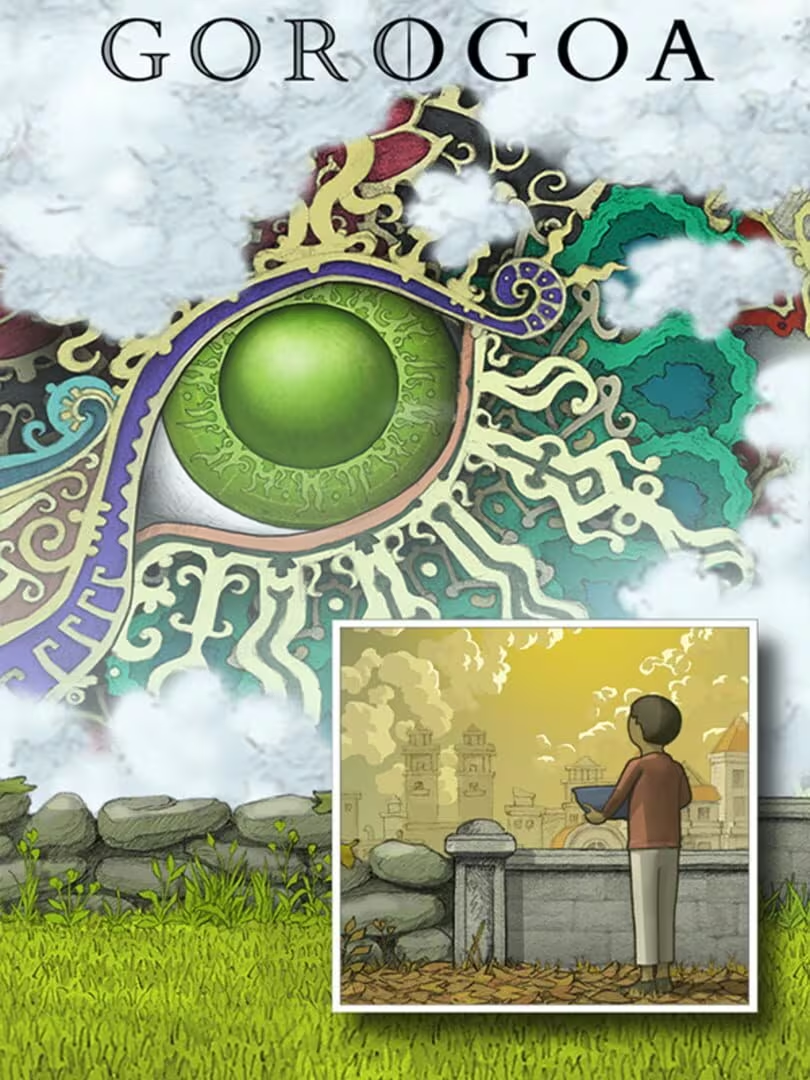
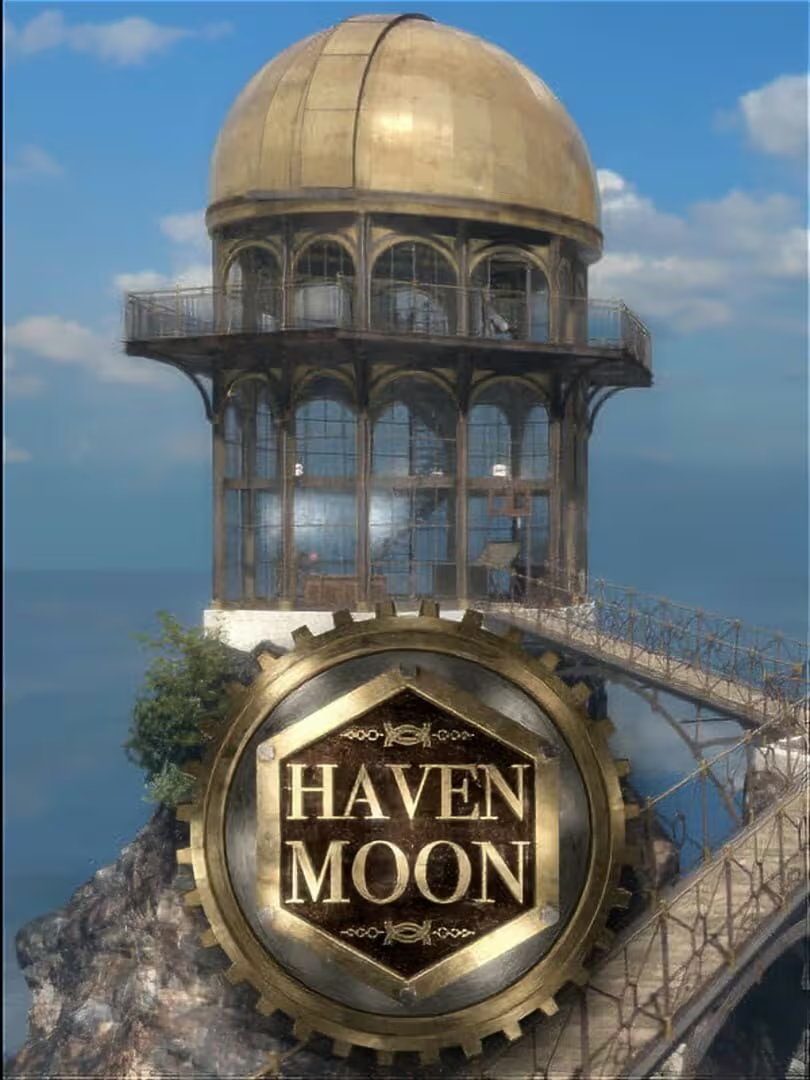
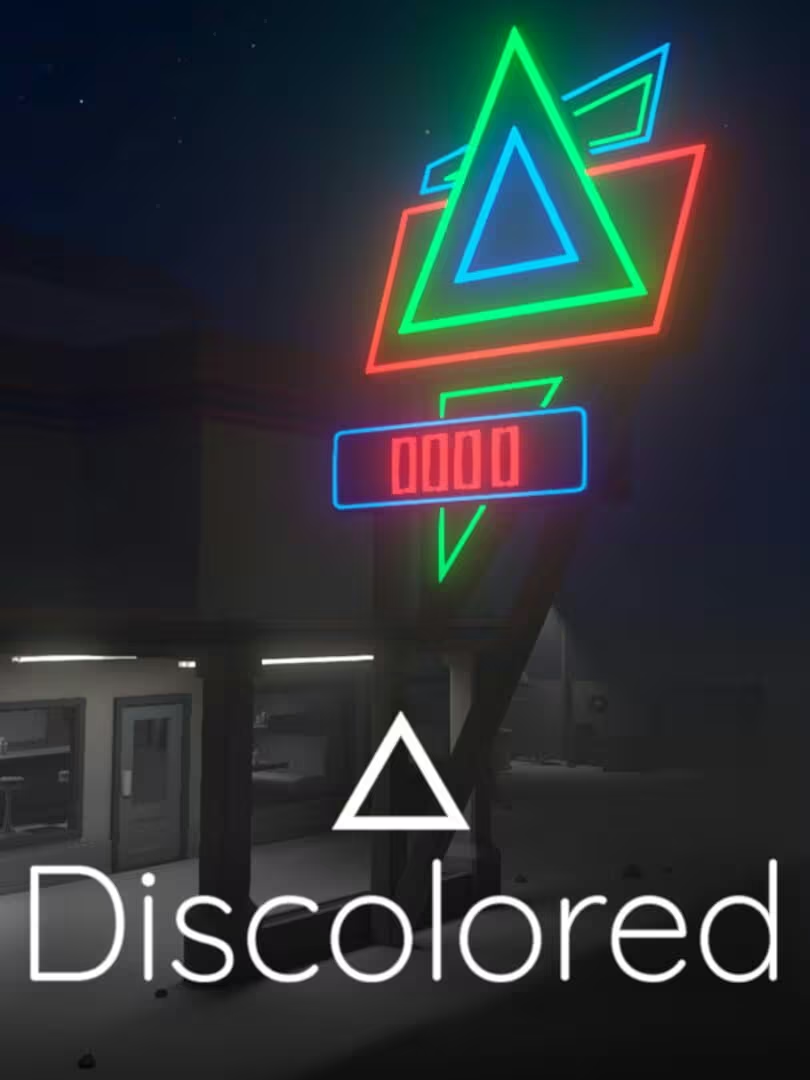
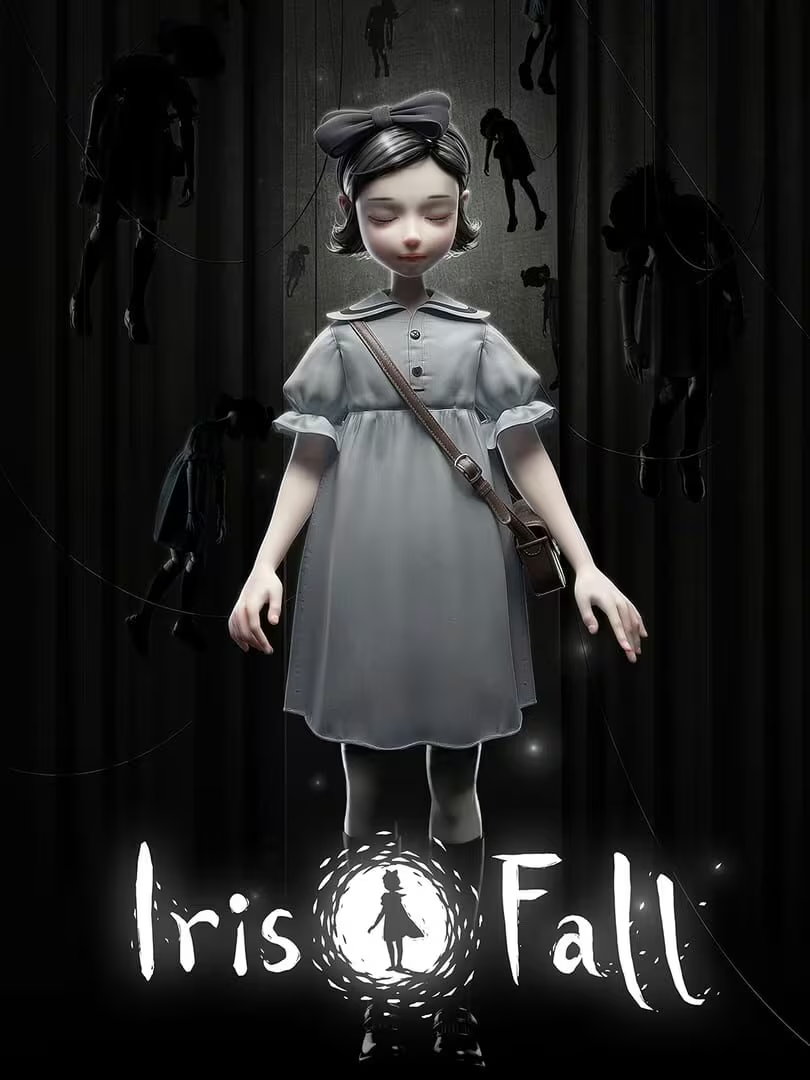
Hidden Gems
Less popular games with surprisingly high similarity
If you liked…
Recommendations by what you enjoyed most
Similarity map
Explore nearby similar games and see why they’re close.
Unmechanical: Broadly representative of its motivational profile, with a few distinct shifts. Motivations that often define this kind of title include Survival, Violence, Competition, Thrill. It leans lower than usual among comparable games on Continuation, Expression, Intimacy.
Why this game works
A motivational profile of the game, with the closest similar game for each player motivation.
-
Autonomy
Game with the same Autonomy vibe
4"Players have freedom to explore, solve puzzles in nonlinear ways, and choose how to approach challenges with minimal handholding."
 Shipwrecked 64
"Players freely explore and solve puzzles with minimal hand-holding, choosing their own approach to challenges."
-
Competence
Game with the same Competence vibe
3"Puzzles require logical thinking and observation, providing moderate challenge and rewarding problem solving."
 Through Abandoned: The Underground City
"Puzzles require logical thinking and some skill, with moderate difficulty and rewarding problem solving."
-
Competition
Game with the same Competition vibe
-5"No competitive elements; gameplay is solo and focused on personal exploration and puzzle solving."
 Please, Touch The Artwork 2
"No competitive elements; gameplay is solo and focused on personal puzzle solving."
-
Continuation
Game with the same Continuation vibe
-3"Short game length (~20-30 minutes) and limited replay value reduce habitual or long session play."
 Slay the Dragon!
"Short game length and limited replayability reduce habitual or long session play."
-
Cooperation
Game with the same Cooperation vibe
-5"Entirely single-player with no cooperative or multiplayer features."
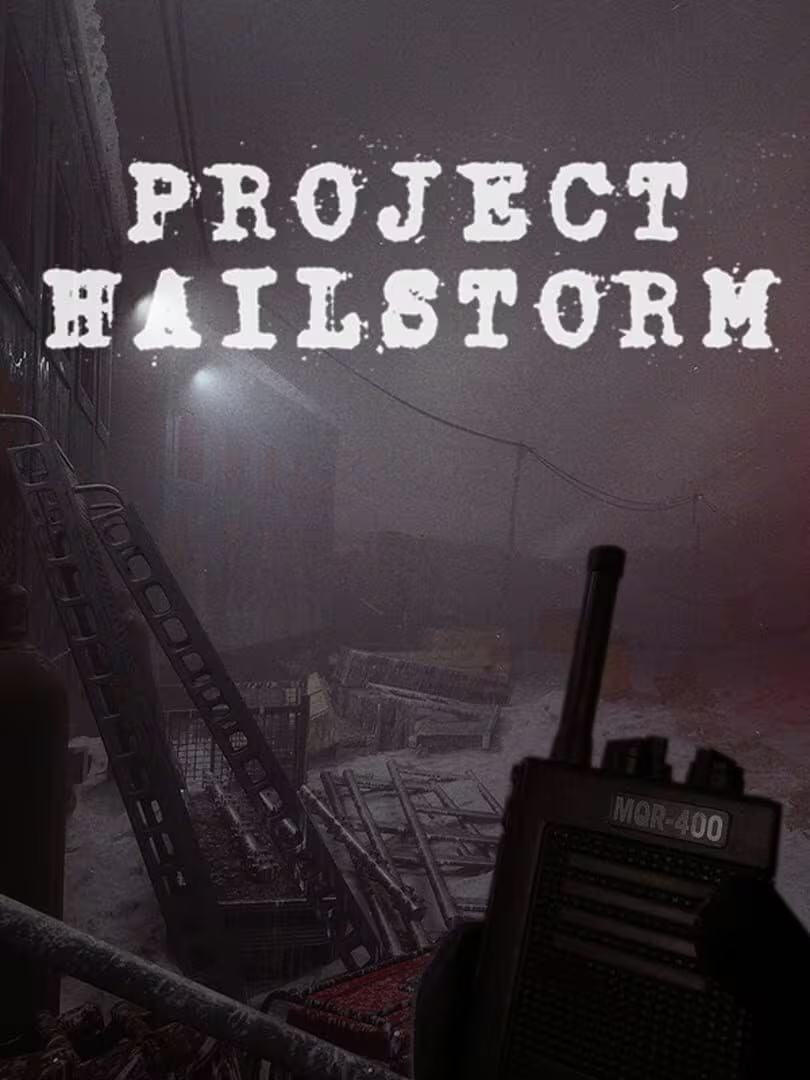 Project Hailstorm
"Entirely single-player with no cooperative or multiplayer features."
-
Creativity
Game with the same Creativity vibe
2"Players can experiment with different puzzle solutions and approaches, though within designed constraints."
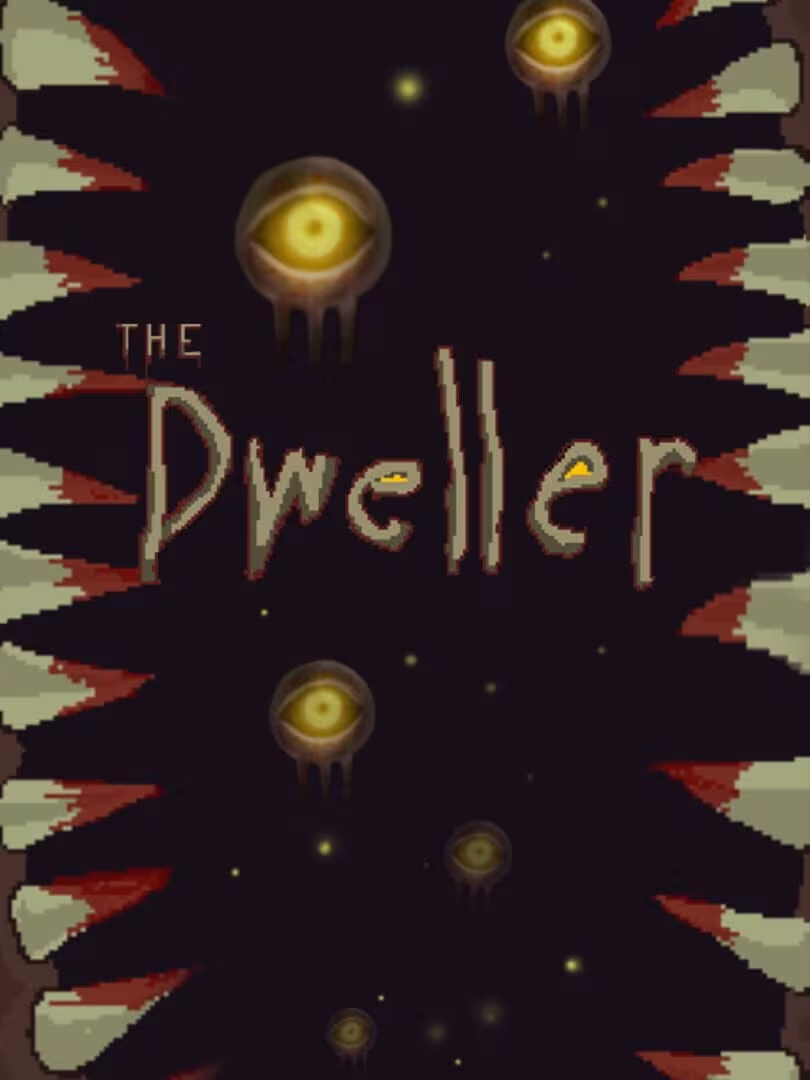 The Dweller
"Players experiment with physics and puzzle solutions, though within designed constraints."
-
Domination
Game with the same Domination vibe
-5"No social dominance or power dynamics; purely individual experience."
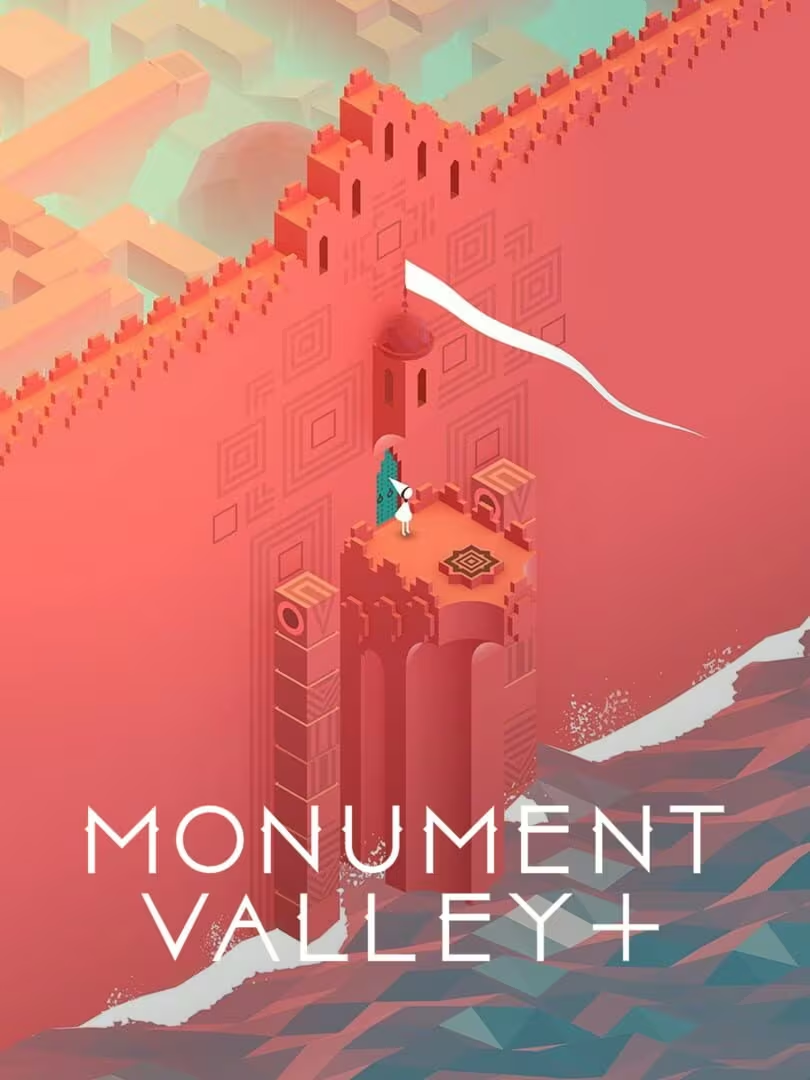 Monument Valley
"No social dominance or power dynamics; purely individual experience."
-
Escapism
Game with the same Escapism vibe
4"Atmospheric, mysterious world and immersive puzzles provide a strong escape from reality."
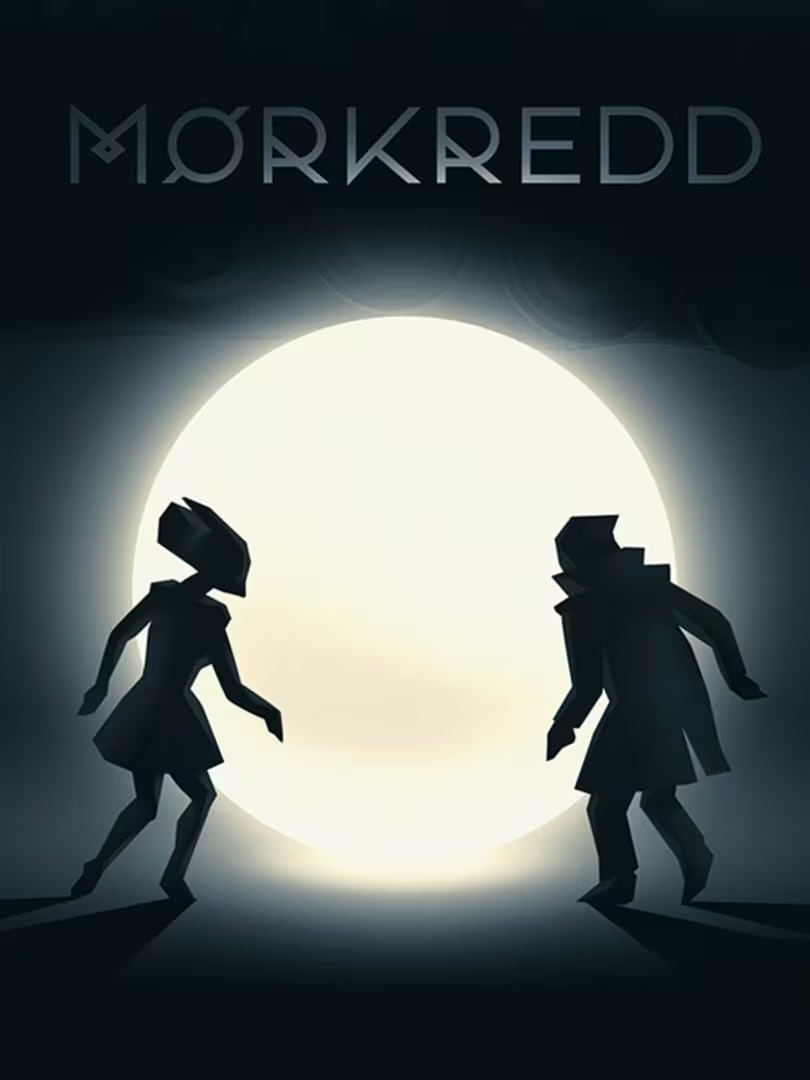 Morkredd
"Atmospheric world and immersive puzzles provide a strong escape from reality."
-
Expectation
Game with the same Expectation vibe
-4"Players engage voluntarily for intellectual challenge and enjoyment, not obligation."
 hocus
hocus
"Players engage voluntarily for enjoyment and intellectual challenge, not obligation."
-
Experimenting
Game with the same Experimenting vibe
3"Encourages trying different strategies and puzzle approaches, discovering new mechanics."
 Click To Continue
"Encourages trying different puzzle approaches and exploration of mechanics."
-
Exploration
Game with the same Exploration vibe
3"Game features large, well-designed environments encouraging discovery and puzzle exploration."
 We Were Here Forever
"Game involves discovering new areas and interacting with environment to solve puzzles."
-
Expression
Game with the same Expression vibe
-4"Minimal customization or self-expression; focus is on puzzle solving within set designs."
 Cogs
Cogs
"Limited customization or self-expression; focus is on puzzle solving within preset design."
-
Fantasy
Game with the same Fantasy vibe
2"The game features a fictional robotic character and abstract world, but grounded in puzzle-platformer mechanics."
 1000 Amps
"Features a fictional robot character and surreal underground world, though grounded in puzzle logic."
-
Fellowship
Game with the same Fellowship vibe
-5"No community or social interaction elements; solo play only."
 Alone in the Dark: The New Nightmare
"No community or social interaction elements; solo play only."
-
Growth
Game with the same Growth vibe
3"Players develop problem-solving skills and learn puzzle mechanics progressively."
 The Room Three
"Players develop problem-solving skills and learn puzzle mechanics progressively."
-
Health
Game with the same Health vibe
-5"Sedentary gameplay with no physical activity involved."
 World of Tanks Blitz
"Sedentary gameplay with no physical activity involved."
-
Idle
Game with the same Idle vibe
-3"Requires focused attention and continuous engagement during play sessions."
 1982
1982
"Requires focused attention and continuous engagement during play sessions."
-
Intimacy
Game with the same Intimacy vibe
-5"No social or emotional relationship building; isolated gameplay."
 Five Nights at Freddy's 3
"No social or emotional relationship building; isolated gameplay."
-
Leadership
Game with the same Leadership vibe
-5"No leadership or group management roles; single-player experience."
 Axiom Verge
"No leadership or group management roles; single-player experience."
-
Progression
Game with the same Progression vibe
2"Progression through puzzle completion and unlocking new areas and endings."
 The Witch's House MV
"Progression through puzzle completion and unlocking new areas/endings."
-
Relaxation
Game with the same Relaxation vibe
3"Generally relaxing atmosphere with balanced challenge; some moments of mental strain but overall flow."
 COCOON
"Calm atmosphere and moderate challenge create a relaxing flow state."
-
Sensation
Game with the same Sensation vibe
2"Pleasant visuals and sounds provide moderate sensory enjoyment without intense stimulation."
 Settlement Survival
"Enjoyable visuals and ambient sound provide sensory pleasure without intense stimulation."
-
Status
Game with the same Status vibe
-5"No social recognition or status systems present."
 Resident Evil 7 Biohazard
"No social recognition or status systems present."
-
Story
Game with the same Story vibe
1"Minimal narrative with some environmental storytelling and a surprising ending."
 Perspective
"Minimal narrative with ambiguous story and multiple endings, mostly environmental storytelling."
-
Strategy
Game with the same Strategy vibe
3"Puzzles require logical reasoning and planning to solve."
 Time Gentlemen, Please! and Ben There, Dan That! Special Edition Double Pack
"Puzzles require logical reasoning and planning to solve."
-
Thrill
Game with the same Thrill vibe
-2"Low risk and tension; gameplay is calm and steady rather than suspenseful."
 Scream Collector
"Low risk and tension; gameplay is calm with few suspenseful moments."
-
Value
Game with the same Value vibe
2"Generally considered good value especially at discounted price; short length noted."
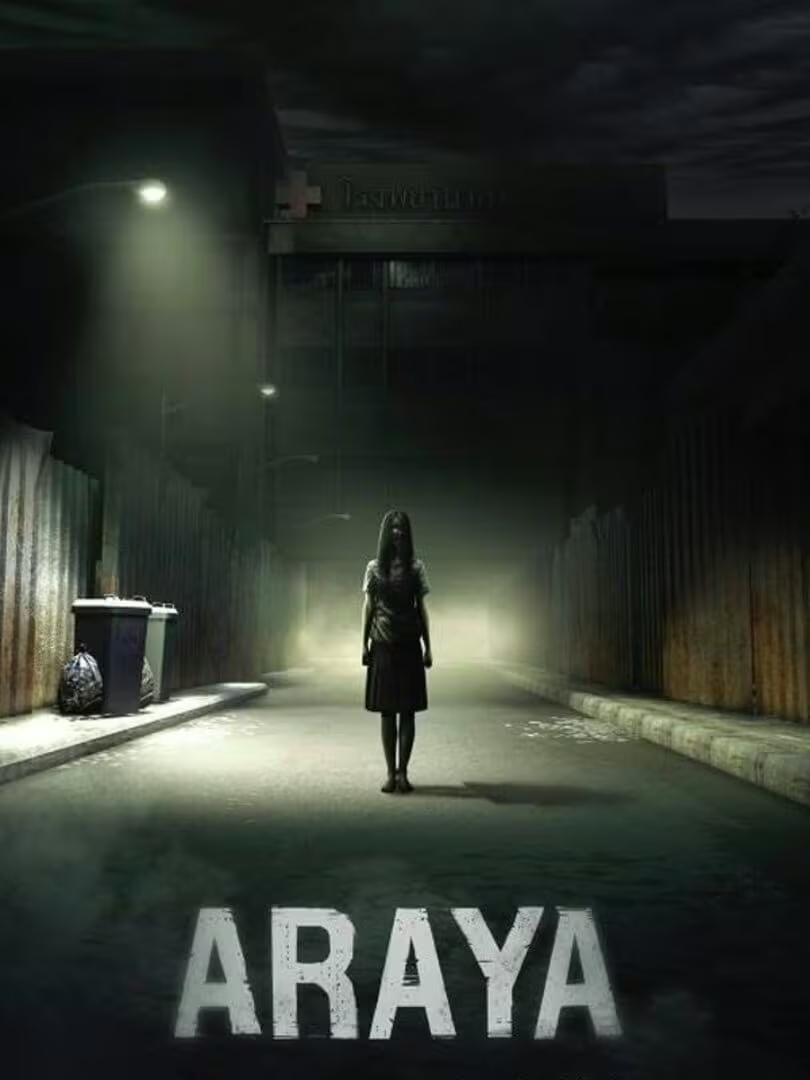 ARAYA
ARAYA
"Good value for price especially when discounted, considering quality and length."
-
Violence
Game with the same Violence vibe
-5"No violence or combat; gameplay centers on constructive puzzle solving."
 Myst III: Exile
"No violence or combat; gameplay focused on constructive puzzle solving."
-
Survival
Game with the same Survival vibe
-5"No survival or threat mechanics; stable and safe gameplay environment."
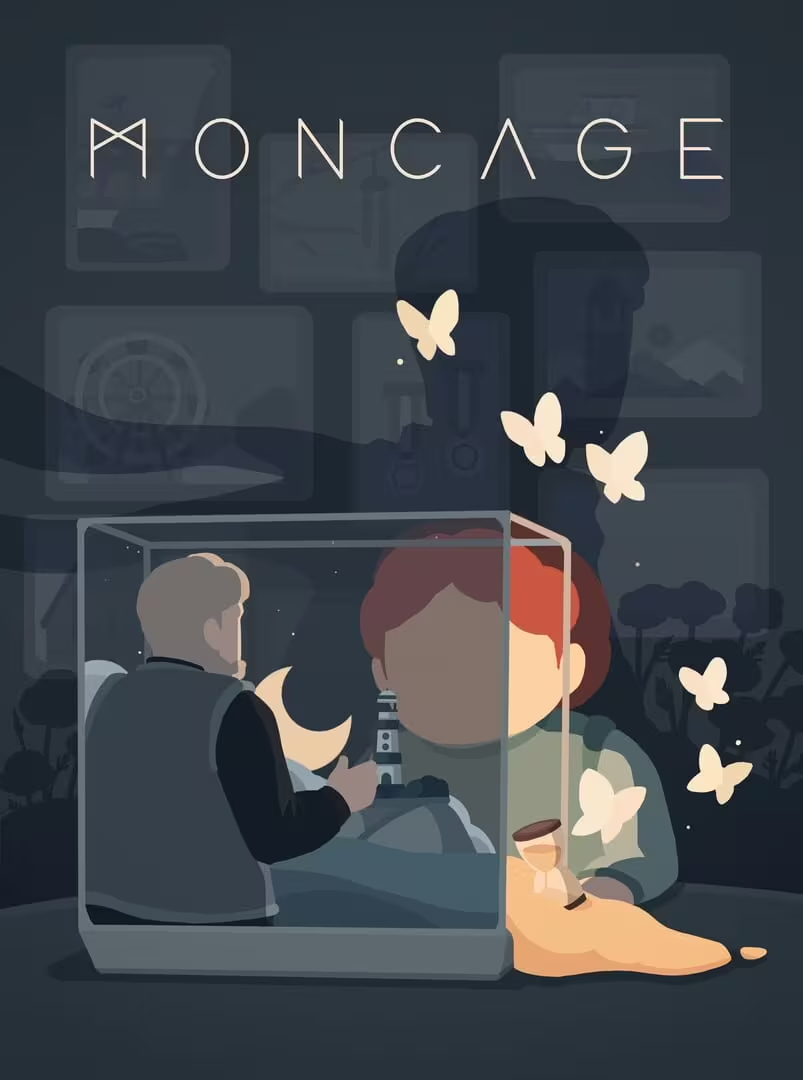 Moncage
"No survival or threat mechanics; stable and safe gameplay environment."
Last update: 01/06/2026