Through Abandoned: The Underground City similar games & best alternatives
Should you play it?
It’s the first game of Through Abandoned series, classical point and click game. You try to find your twin-brother who disappeared in a huge and mysterious place called Abandoned.
What works
- Engaging puzzles
- Atmospheric art and music
- Low price
- Short and accessible gameplay
- Interesting mysterious setting
Things to keep in mind
- Very short length
- Some minor bugs and glitches
- Minimal story development
- Repetitive navigation
- Lack of hints or guidance
What to play next
Similar games, hidden gems, and fresh directions from this game.
Top picks
Games that feel the closest overall
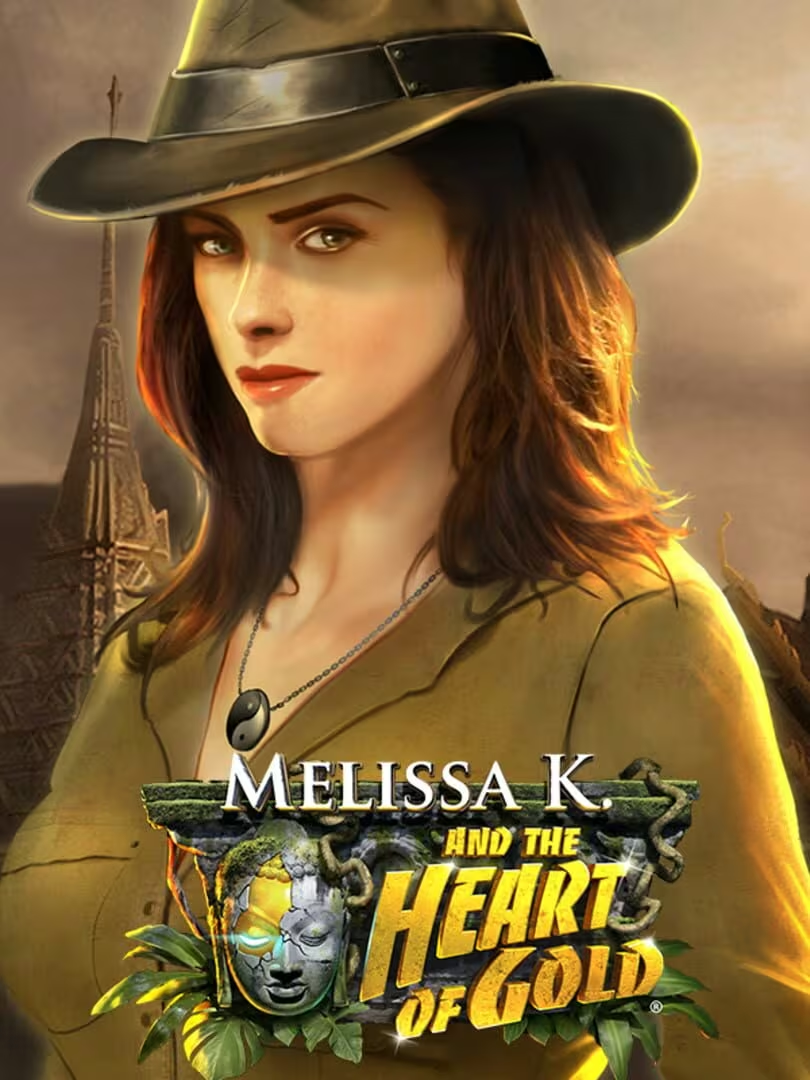

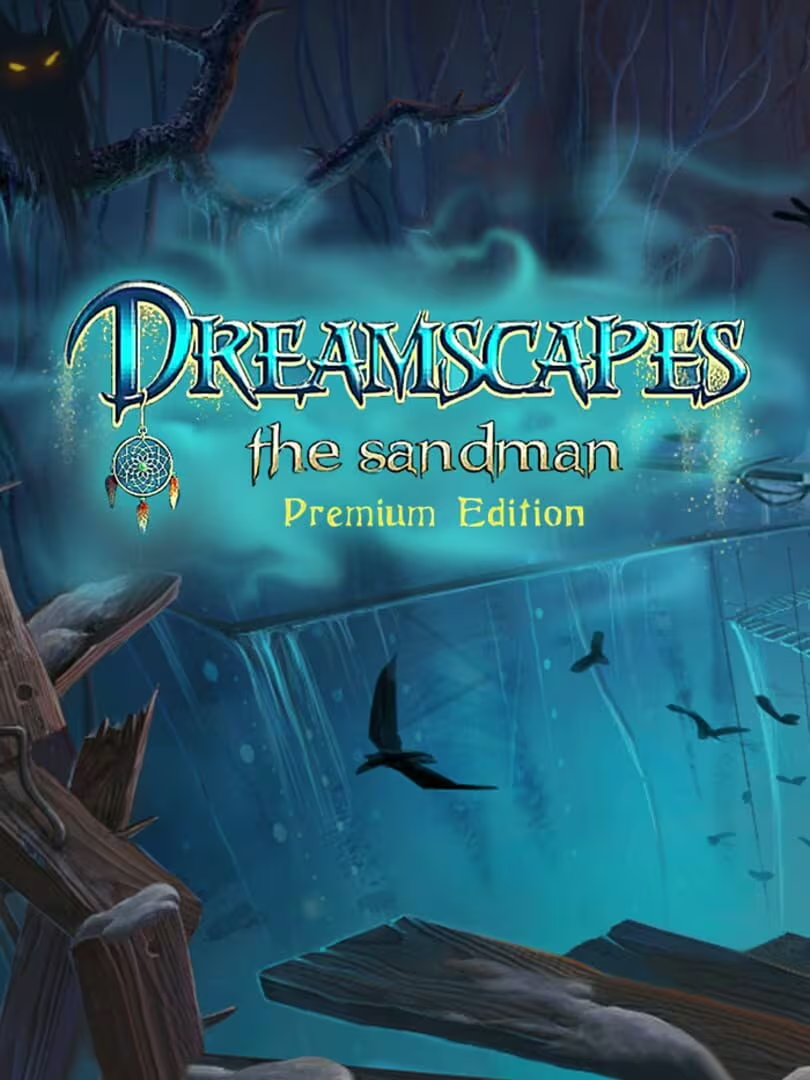
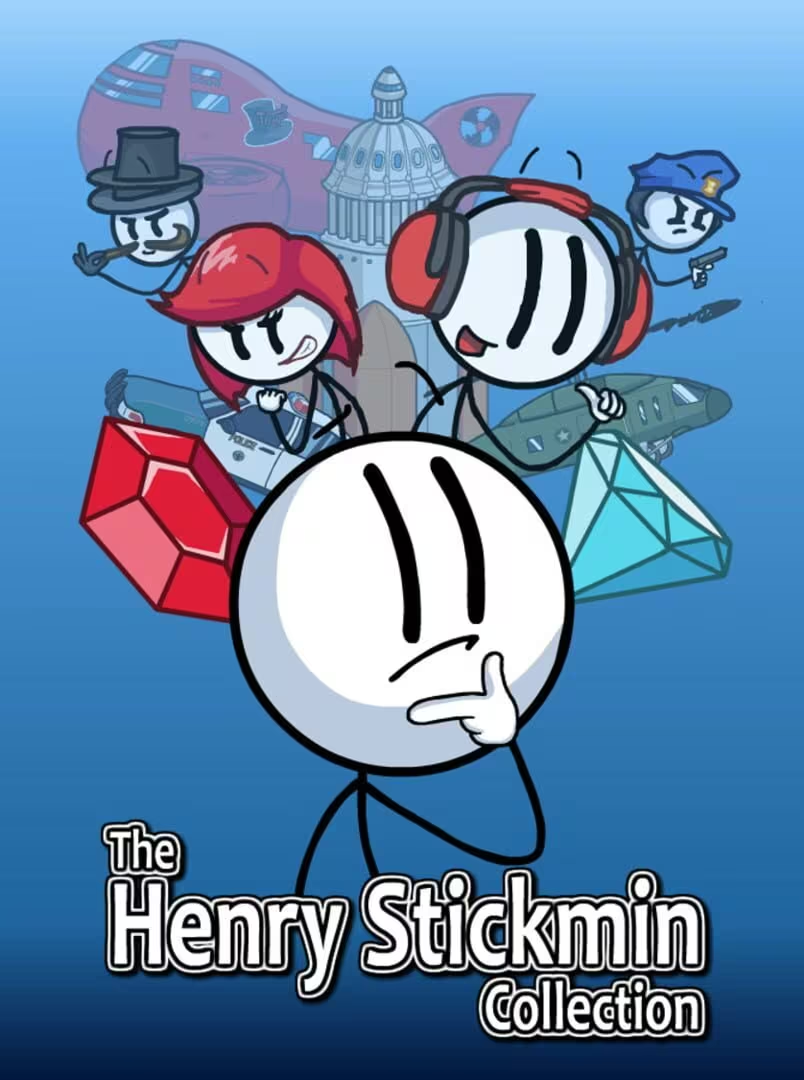
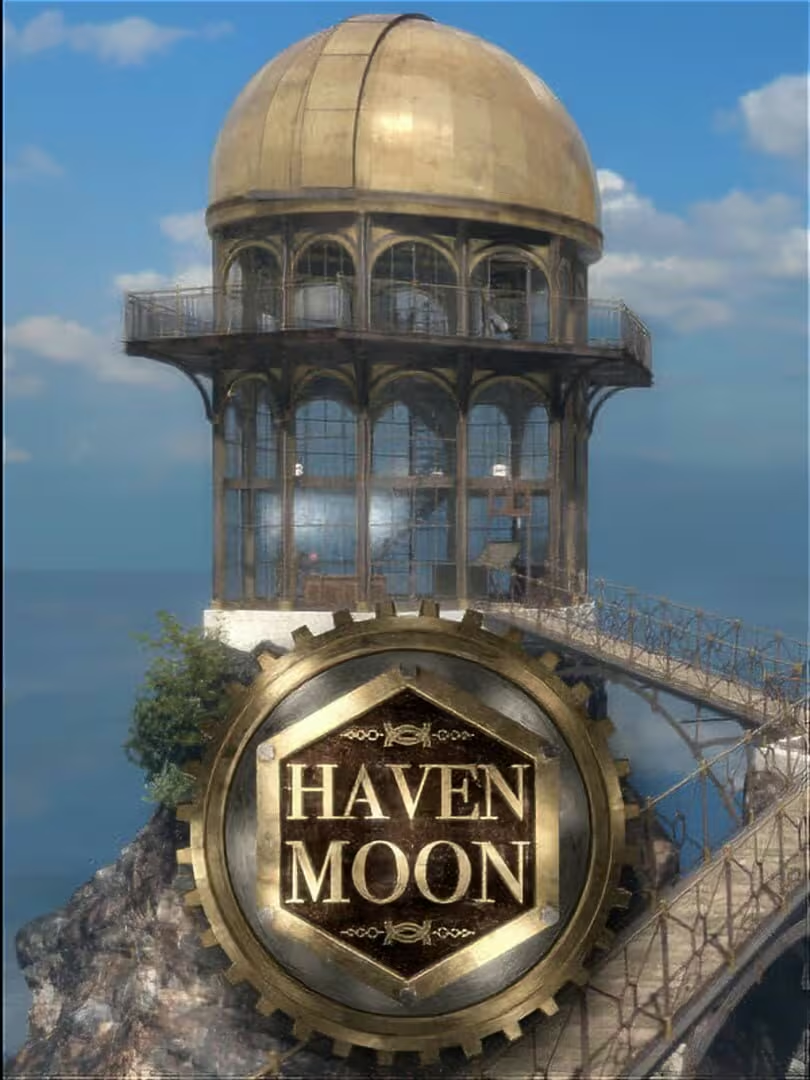
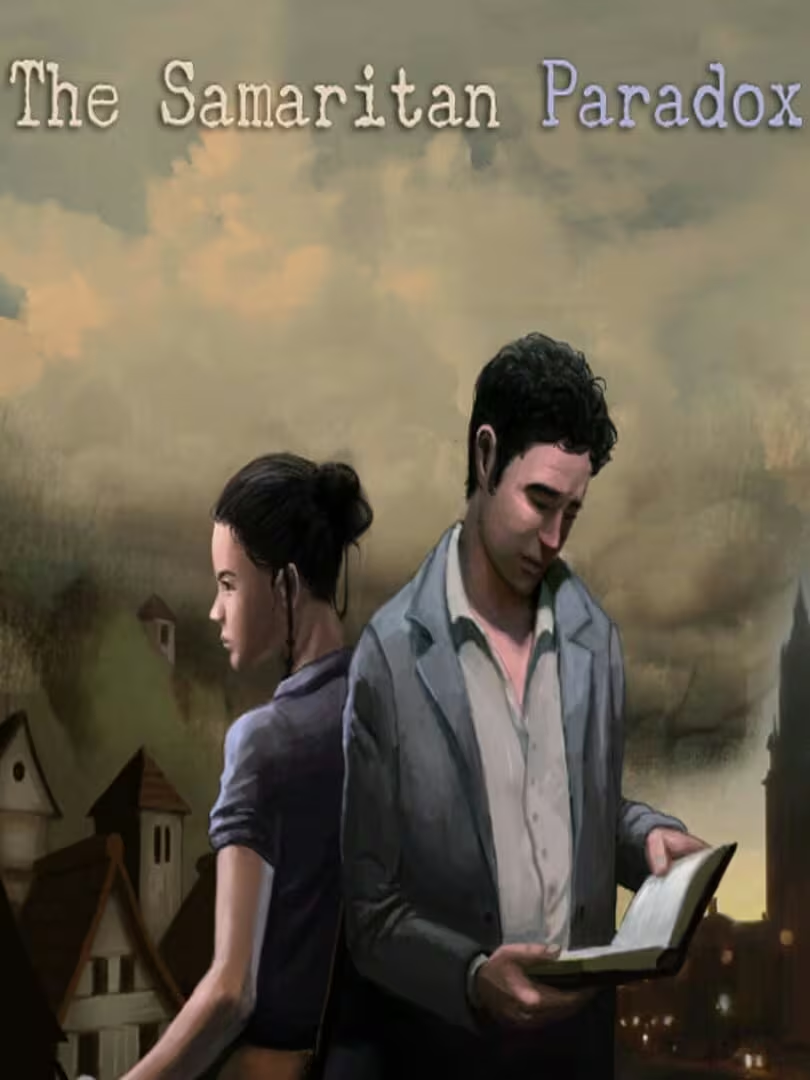
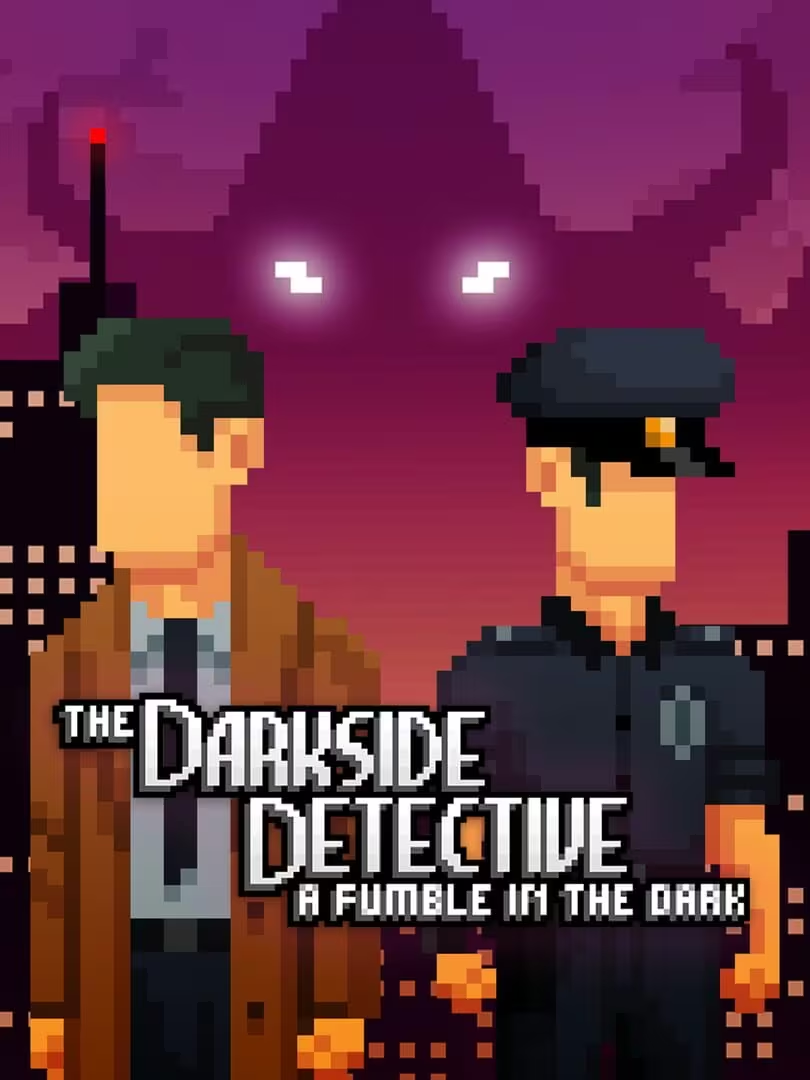
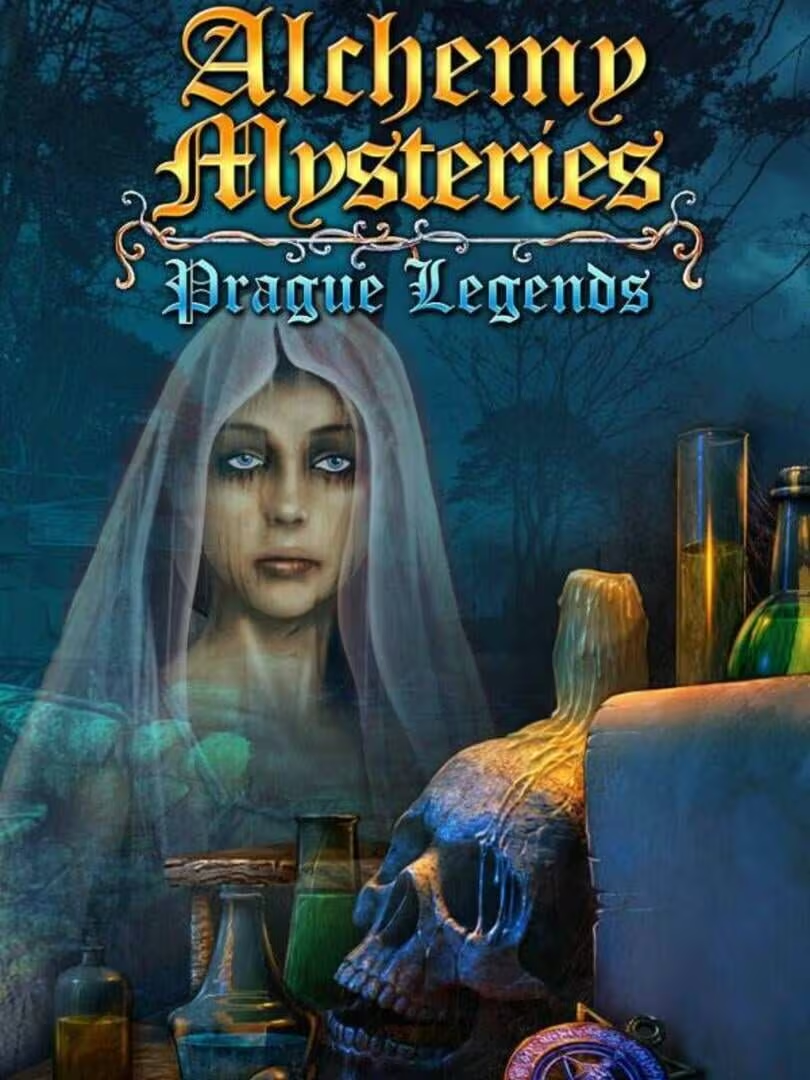
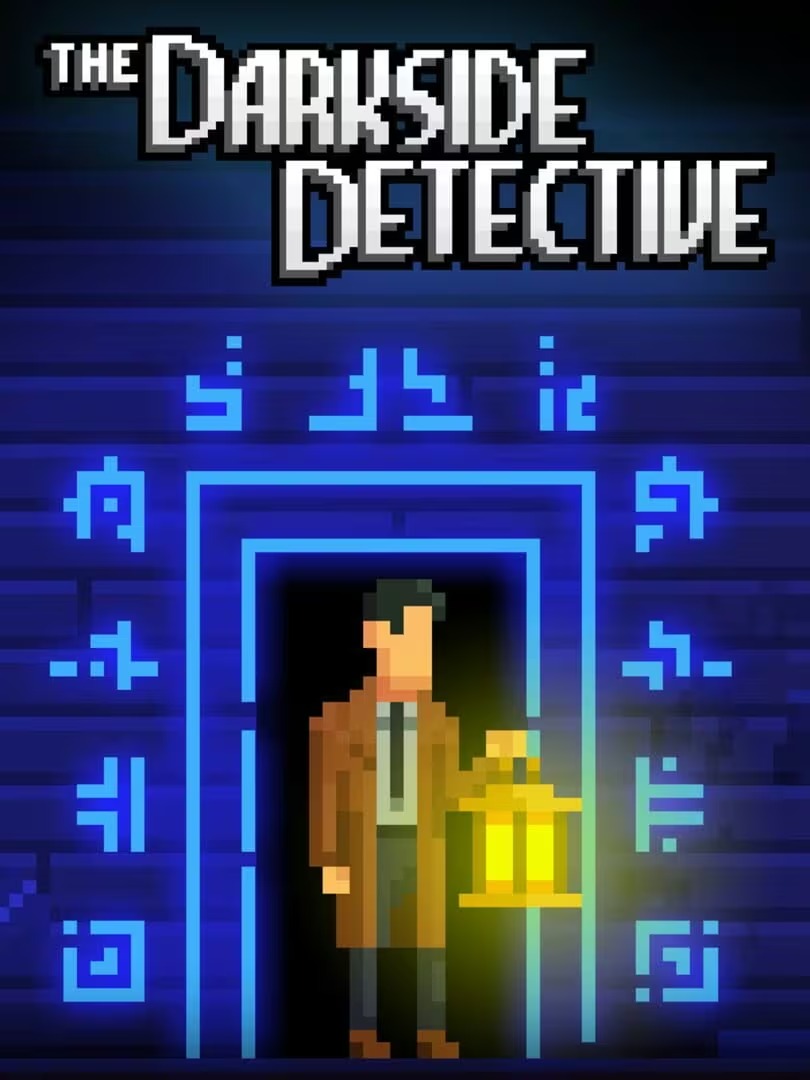
Hidden Gems
Less popular games with surprisingly high similarity
If you liked…
Recommendations by what you enjoyed most
Similarity map
Explore nearby similar games and see why they’re close.
Through Abandoned: The Underground City: Broadly representative of its motivational profile, with a few distinct shifts. Motivations that often define this kind of title include Survival, Violence, Competition, Thrill. It leans lower than usual among comparable games on Expression, Intimacy, Fellowship.
Why this game works
A motivational profile of the game, with the closest similar game for each player motivation.
-
Autonomy
Game with the same Autonomy vibe
4"Players freely explore environments, combine items in many ways, and solve puzzles at their own pace, showing strong control over actions."
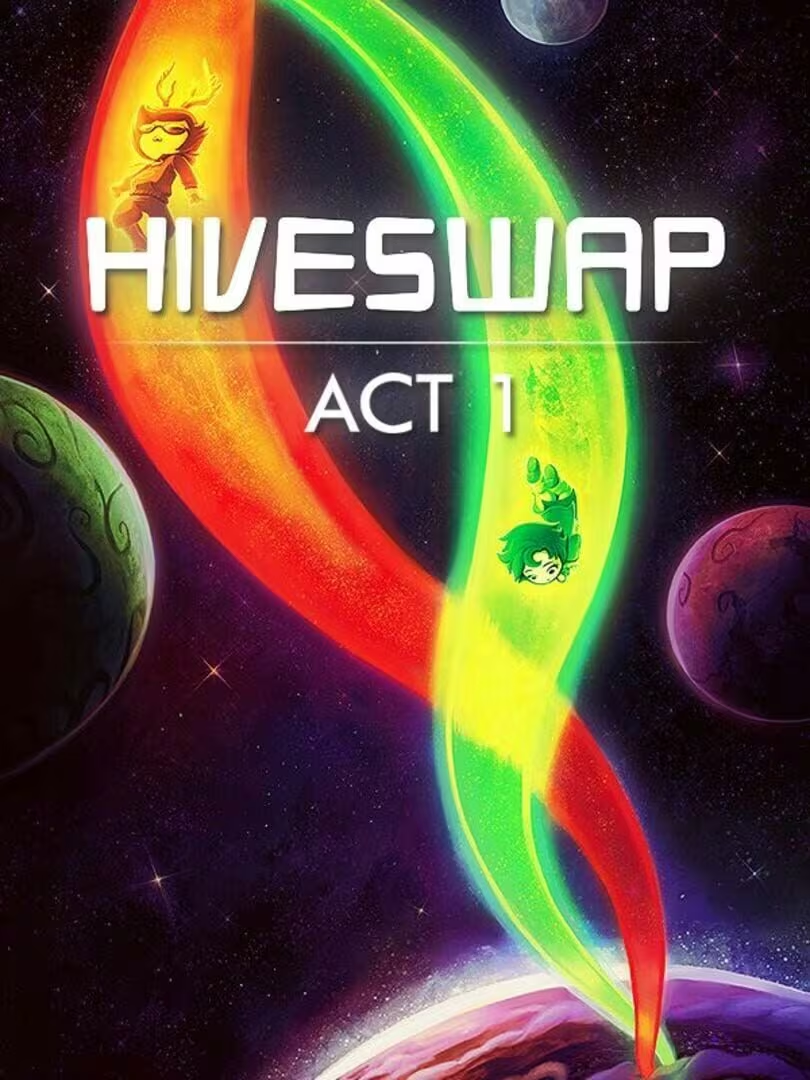 HIVESWAP: ACT 1
"Players freely explore environments and solve puzzles at their own pace with multiple approaches to item usage."
-
Competence
Game with the same Competence vibe
3"Puzzles require logical thinking and some skill, with moderate difficulty and rewarding problem solving."
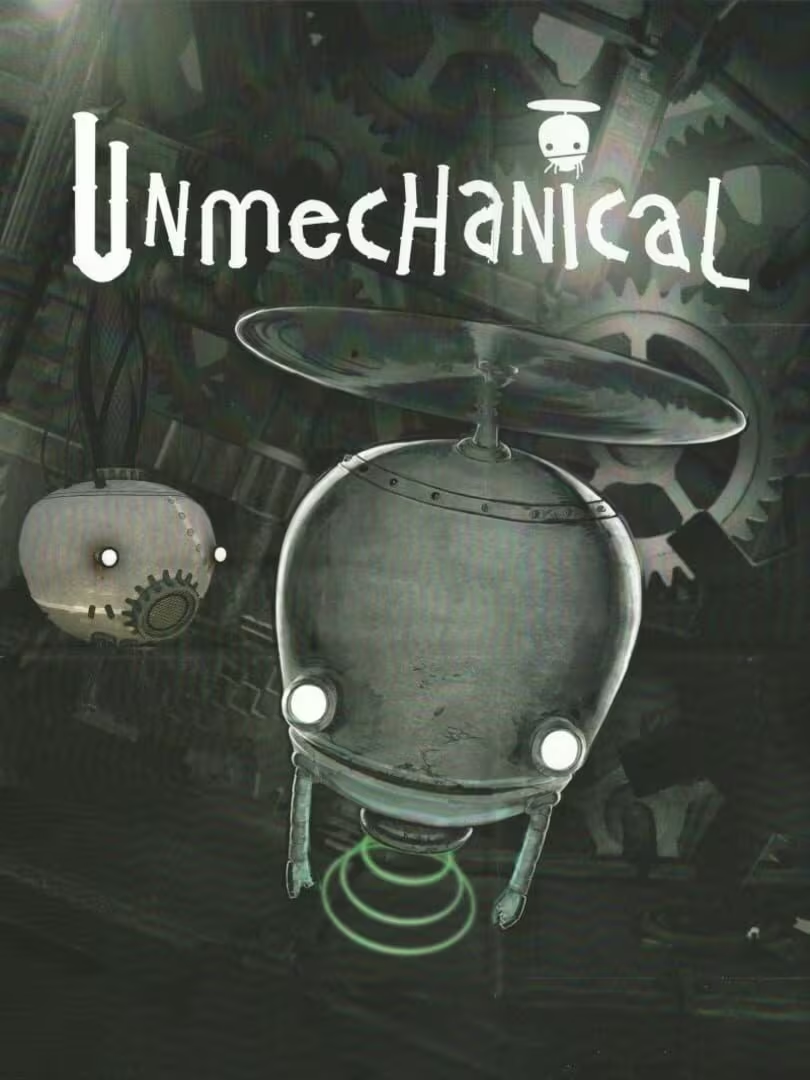 Unmechanical
"Puzzles require logical thinking and observation, providing moderate challenge and rewarding problem solving."
-
Competition
Game with the same Competition vibe
-4"No competitive elements; focus is on individual puzzle solving and personal progress without comparison to others."
 Frame of Mind
"No competitive elements; focus is on personal puzzle solving without comparison to others."
-
Continuation
Game with the same Continuation vibe
2"Players report wanting to keep playing and look forward to sequels, though the game is short and some lose interest quickly."
 Sinless + OST
"Some players express desire to continue with sequels and explore more, though the game itself is short."
-
Cooperation
Game with the same Cooperation vibe
-5"Single-player experience with no multiplayer or cooperative gameplay."
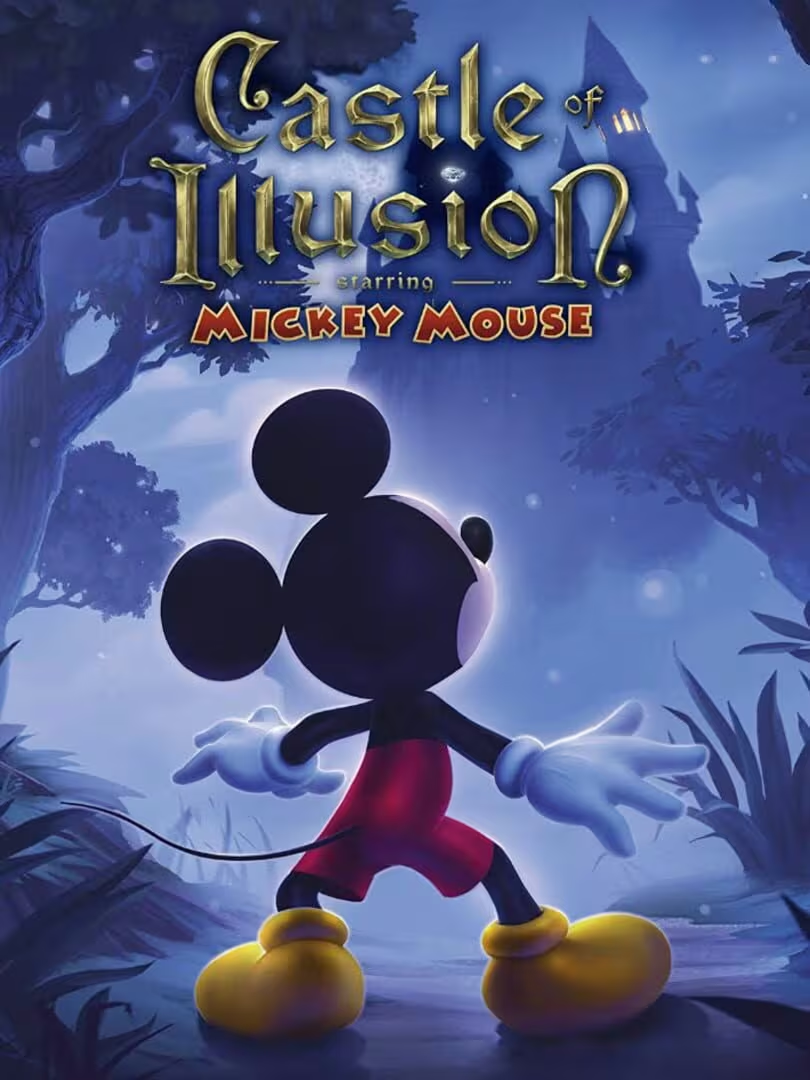 Castle of Illusion
"Single-player experience with no multiplayer or cooperative gameplay."
-
Creativity
Game with the same Creativity vibe
2"Players combine items and experiment with puzzle solutions, though within predefined game structures."
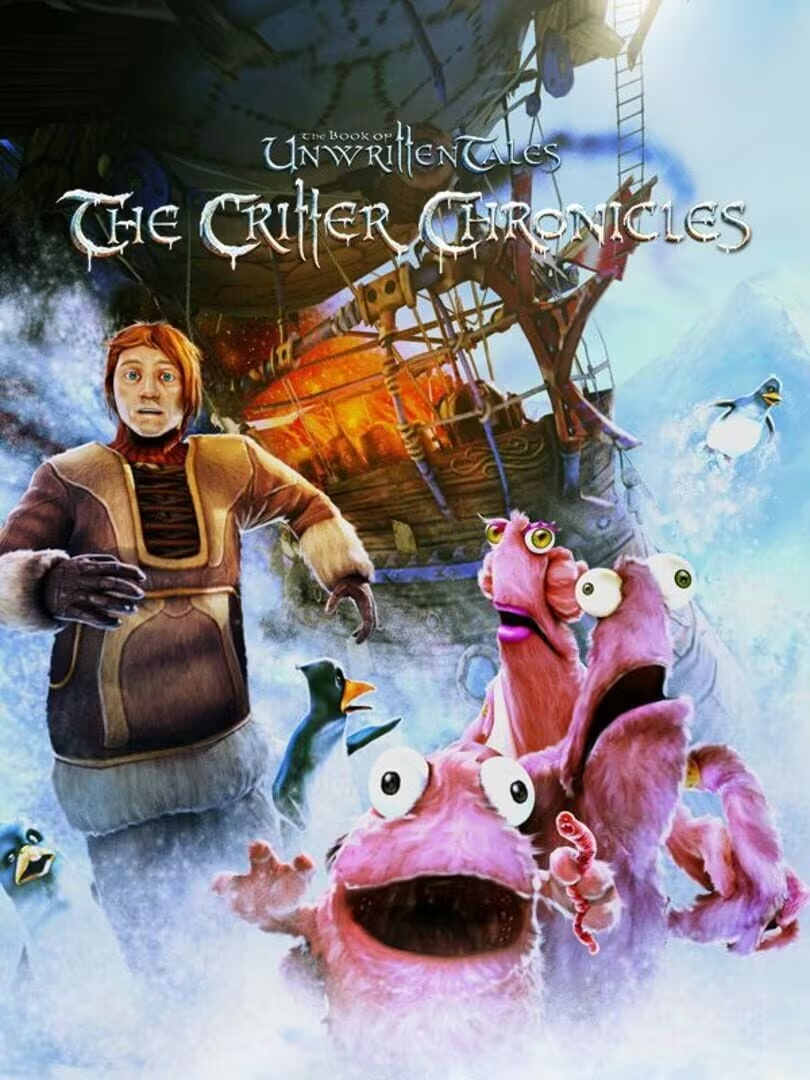 The Book of Unwritten Tales: The Critter Chronicles
"Players combine items and experiment with puzzle solutions, though within predefined game structures."
-
Domination
Game with the same Domination vibe
-5"No elements of exerting control or superiority over others; purely individual experience."
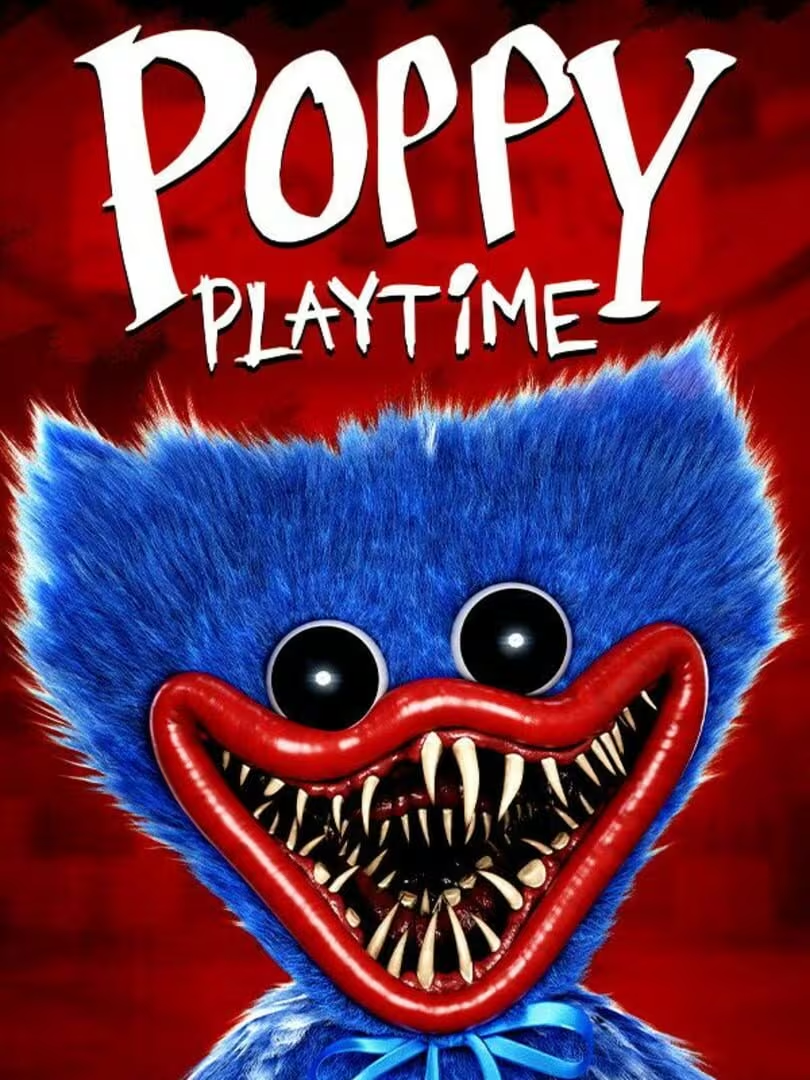 Poppy Playtime
"No elements of exerting control or superiority over others; purely individual experience."
-
Escapism
Game with the same Escapism vibe
3"Atmospheric and immersive environment offers distraction and escape from reality."
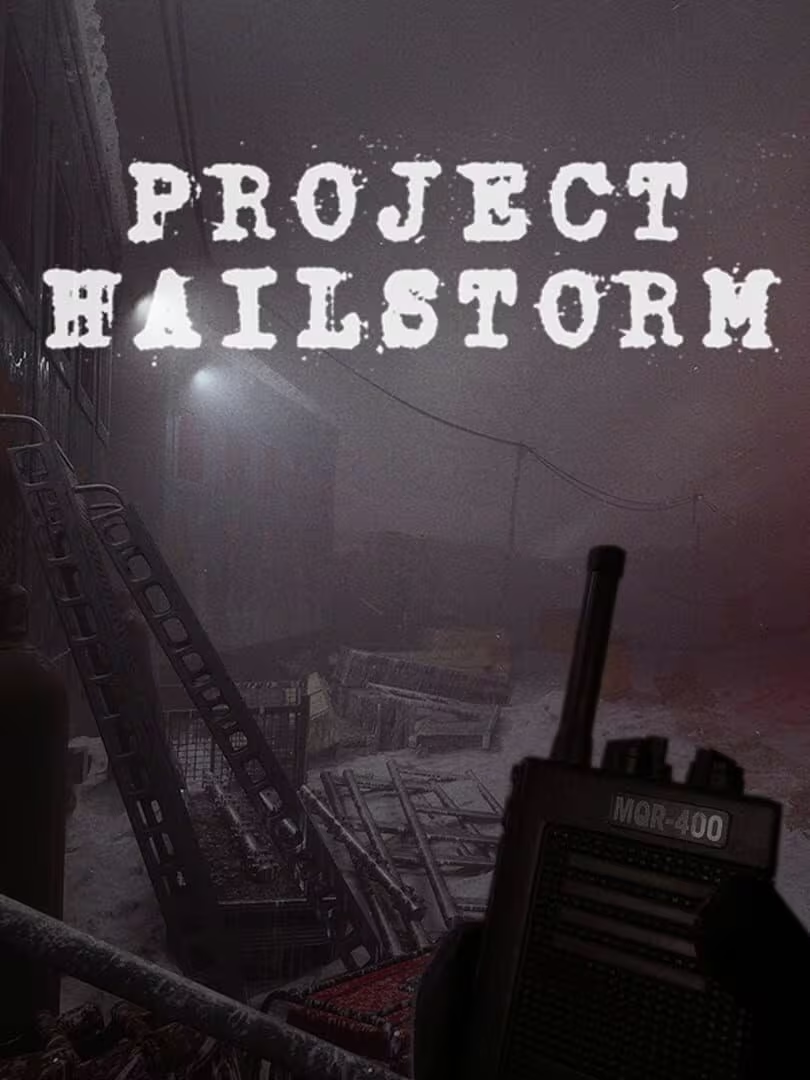 Project Hailstorm
"Atmospheric and immersive world provides distraction and escape from reality."
-
Expectation
Game with the same Expectation vibe
-4"Players engage voluntarily out of interest in puzzles and exploration, not obligation."
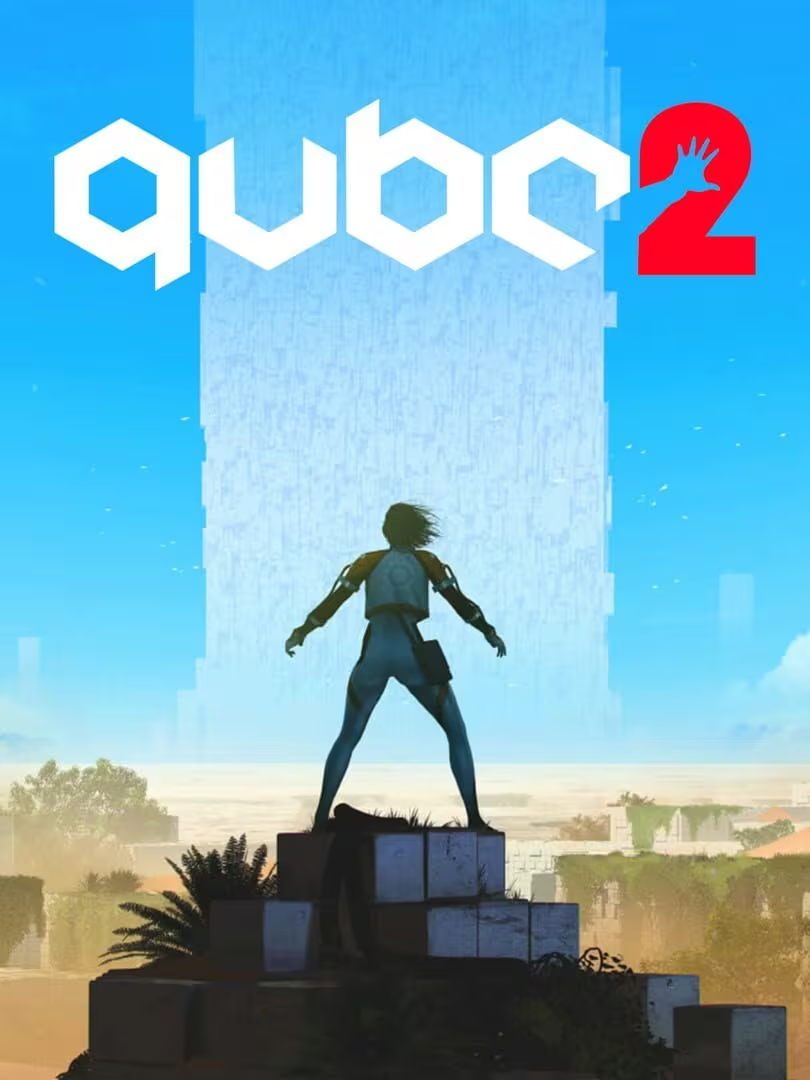 Q.U.B.E. 2
"Players engage voluntarily out of interest in puzzles and exploration, not obligation."
-
Experimenting
Game with the same Experimenting vibe
3"Encourages trying different puzzle solutions and exploring environments to discover hidden objects."
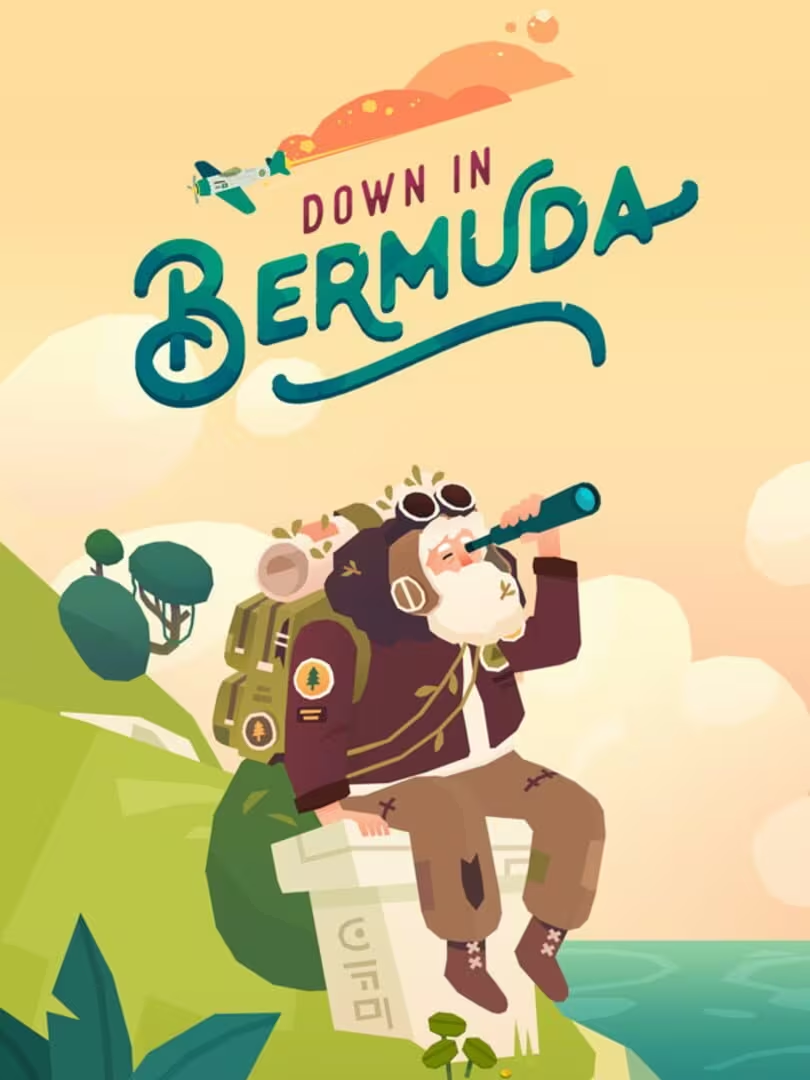 Down in Bermuda
"Encourages trying different puzzle solutions and exploring environments for secrets."
-
Exploration
Game with the same Exploration vibe
3"Players explore several locations and uncover story elements and secrets."
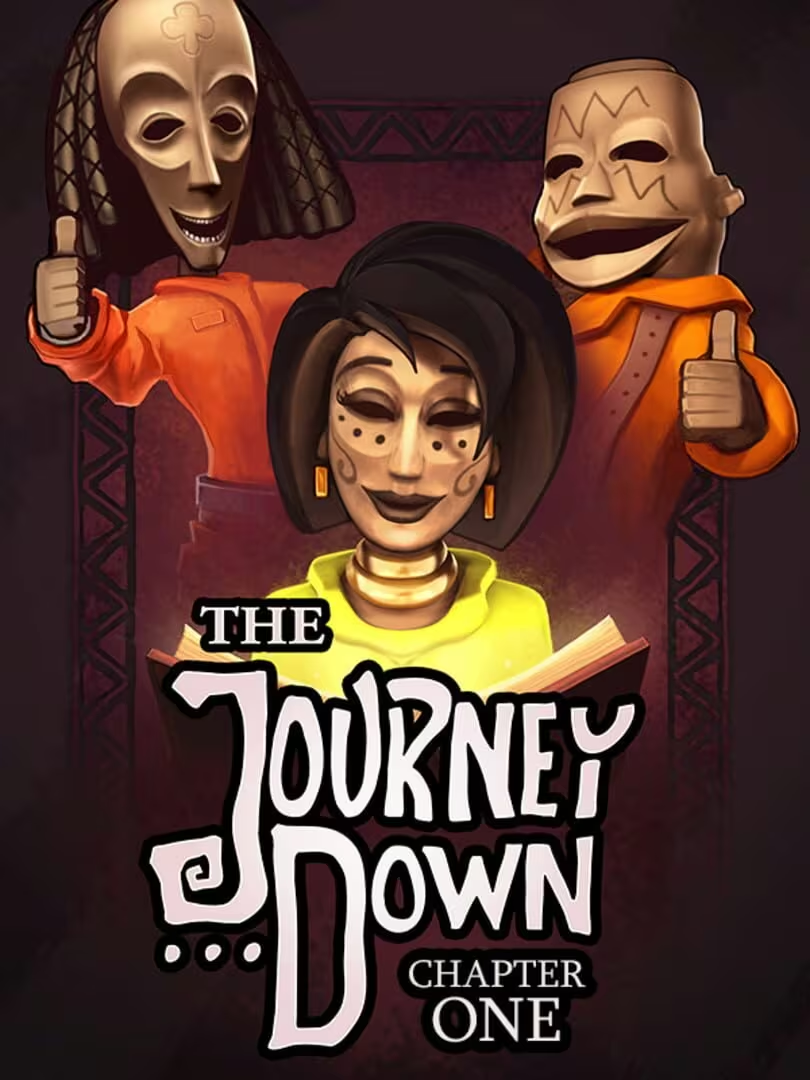 The Journey Down: Chapter One
"Players explore multiple interconnected areas and uncover hidden secrets and story elements."
-
Expression
Game with the same Expression vibe
-5"No character customization or self-expression features; fixed presentation."
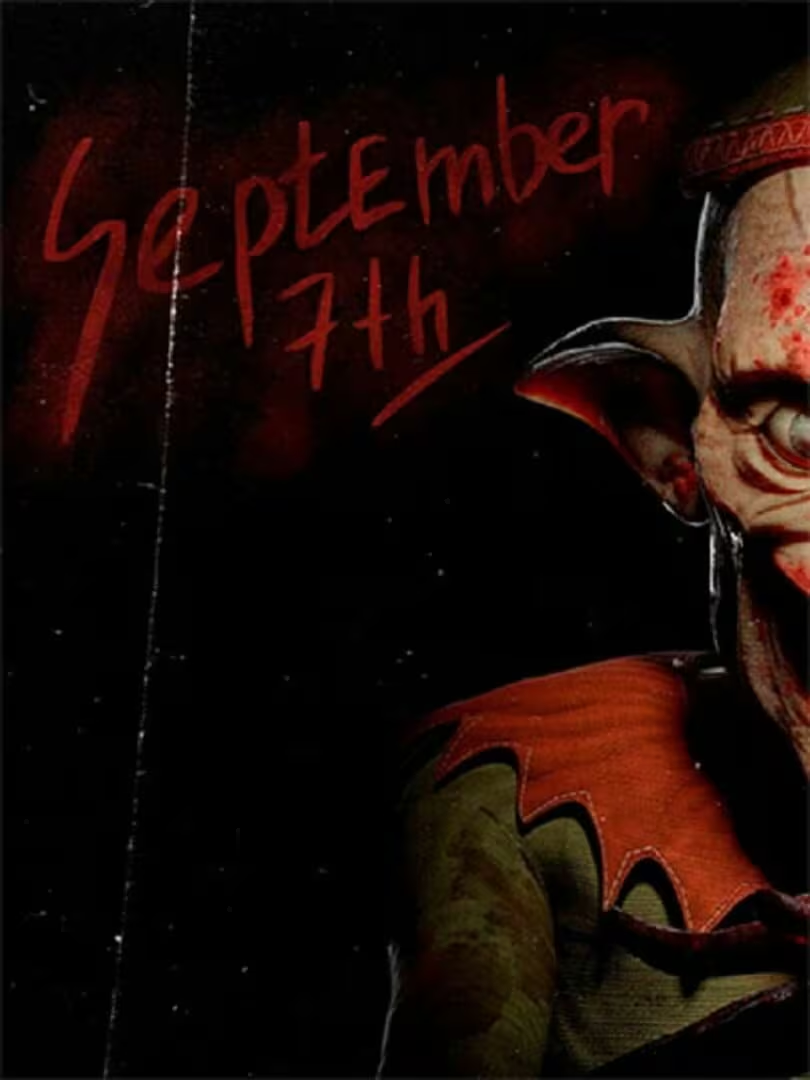 September 7th
"No character customization or self-expression features; fixed presentation."
-
Fantasy
Game with the same Fantasy vibe
3"Game features a dark, mysterious, and somewhat surreal world with abstract narrative elements and imaginative settings."
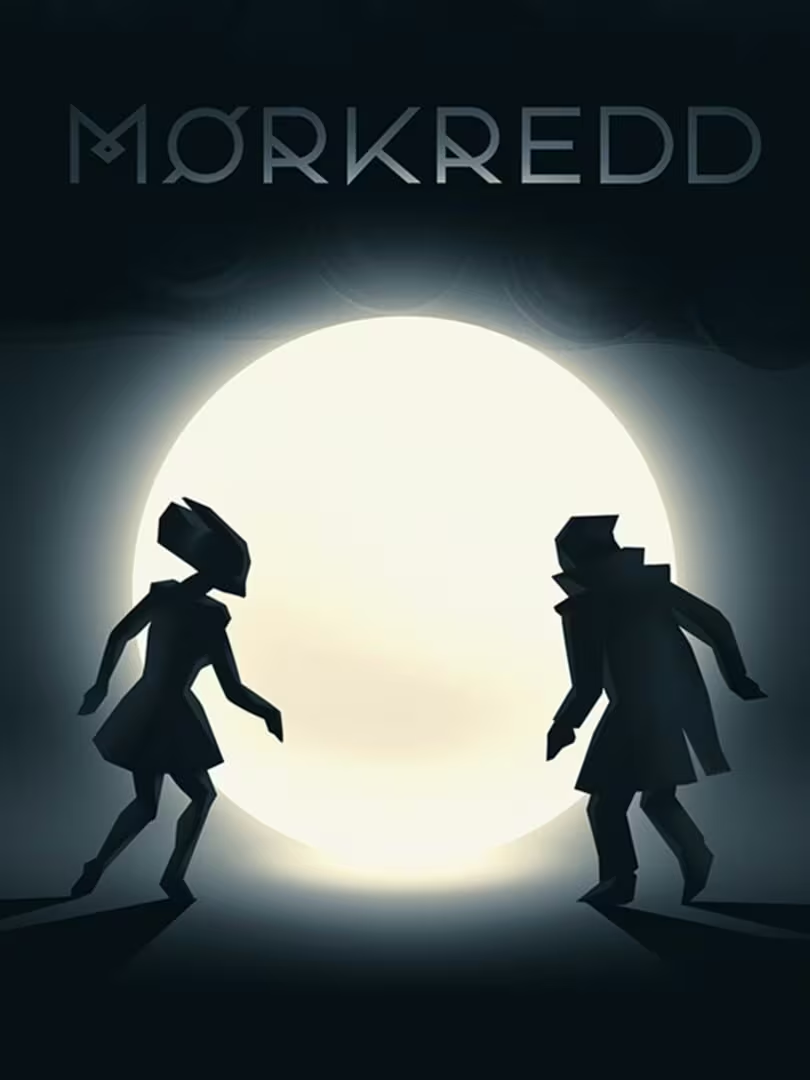 Morkredd
"Game features a mysterious, otherworldly setting with fantastical elements and lore."
-
Fellowship
Game with the same Fellowship vibe
-5"No social or community features; solitary gameplay."
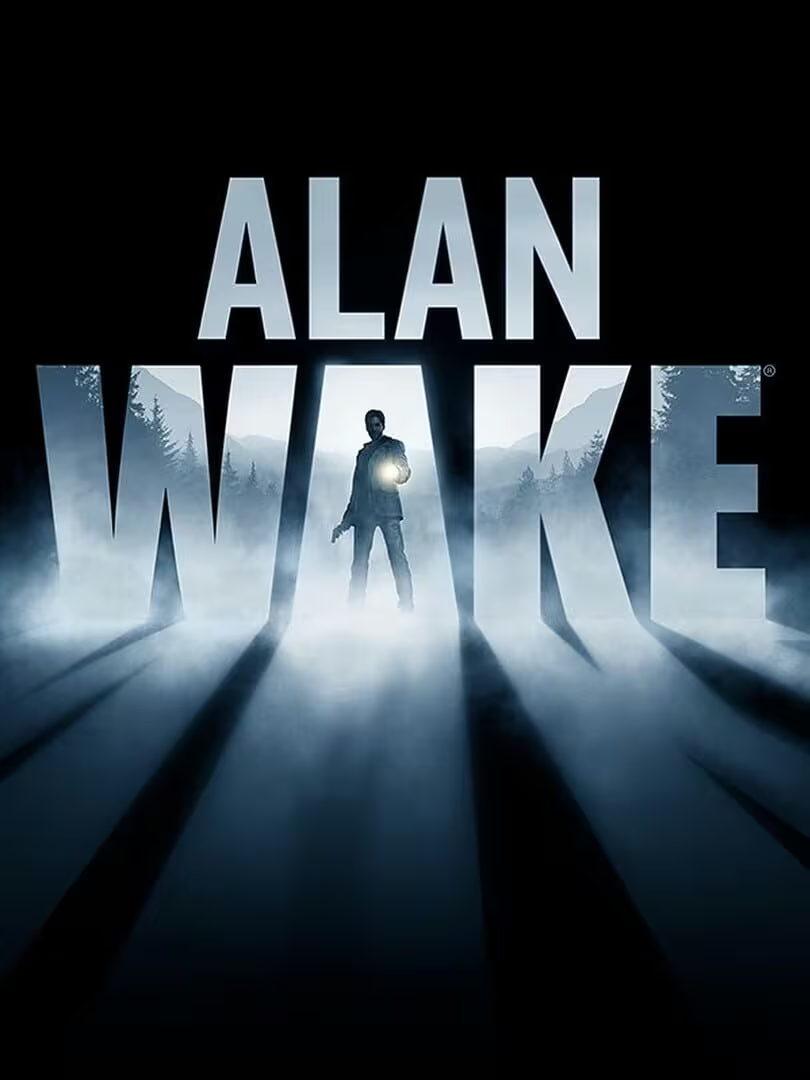 Alan Wake
"No social or community features; solitary gameplay."
-
Growth
Game with the same Growth vibe
3"Players develop problem-solving skills and learn puzzle mechanics during gameplay."
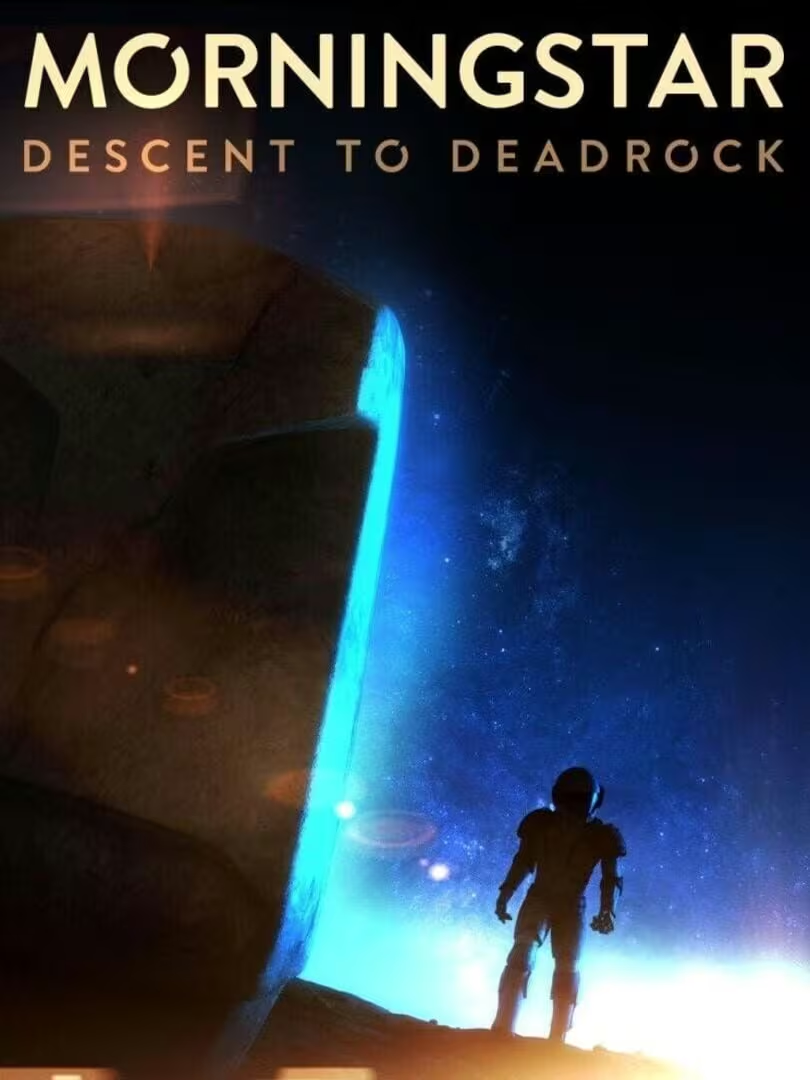 Morningstar: Descent to Deadrock
"Players develop problem-solving skills and learn puzzle mechanics during play."
-
Health
Game with the same Health vibe
-5"Sedentary gameplay typical of point-and-click adventure games."
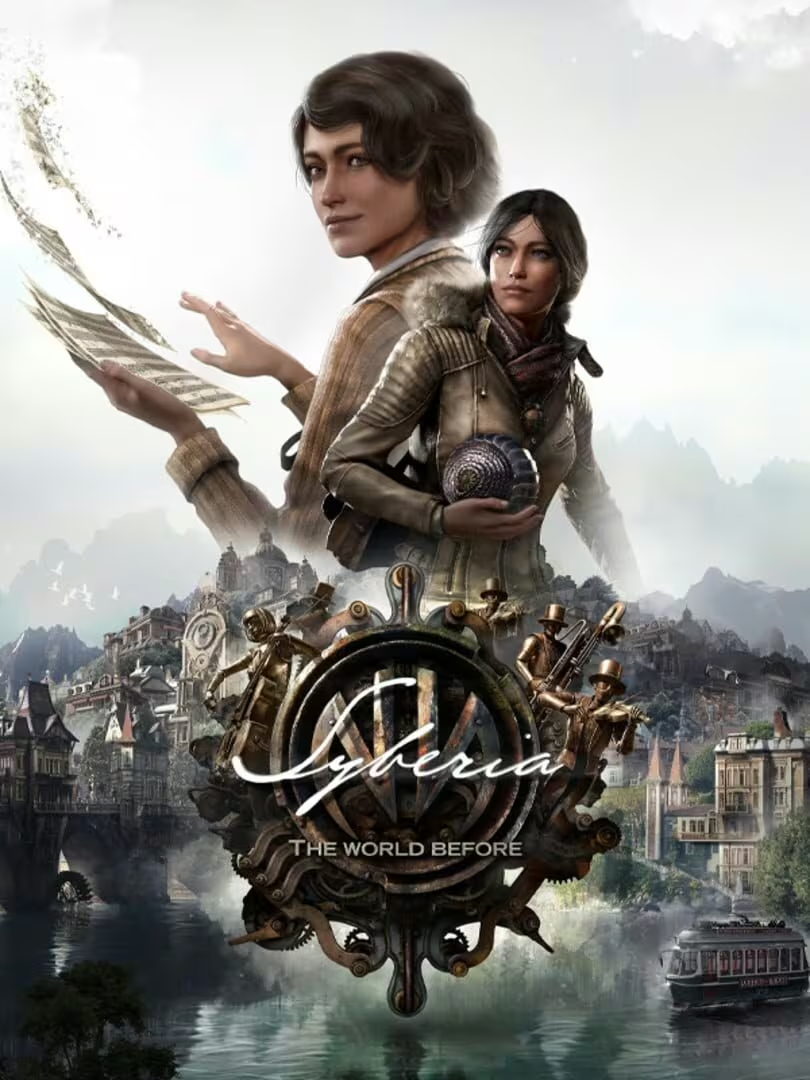 Syberia: The World Before
"Sedentary gameplay typical of point-and-click adventure games."
-
Idle
Game with the same Idle vibe
-4"Requires focused attention to solve puzzles and progress; not suited for passive play."
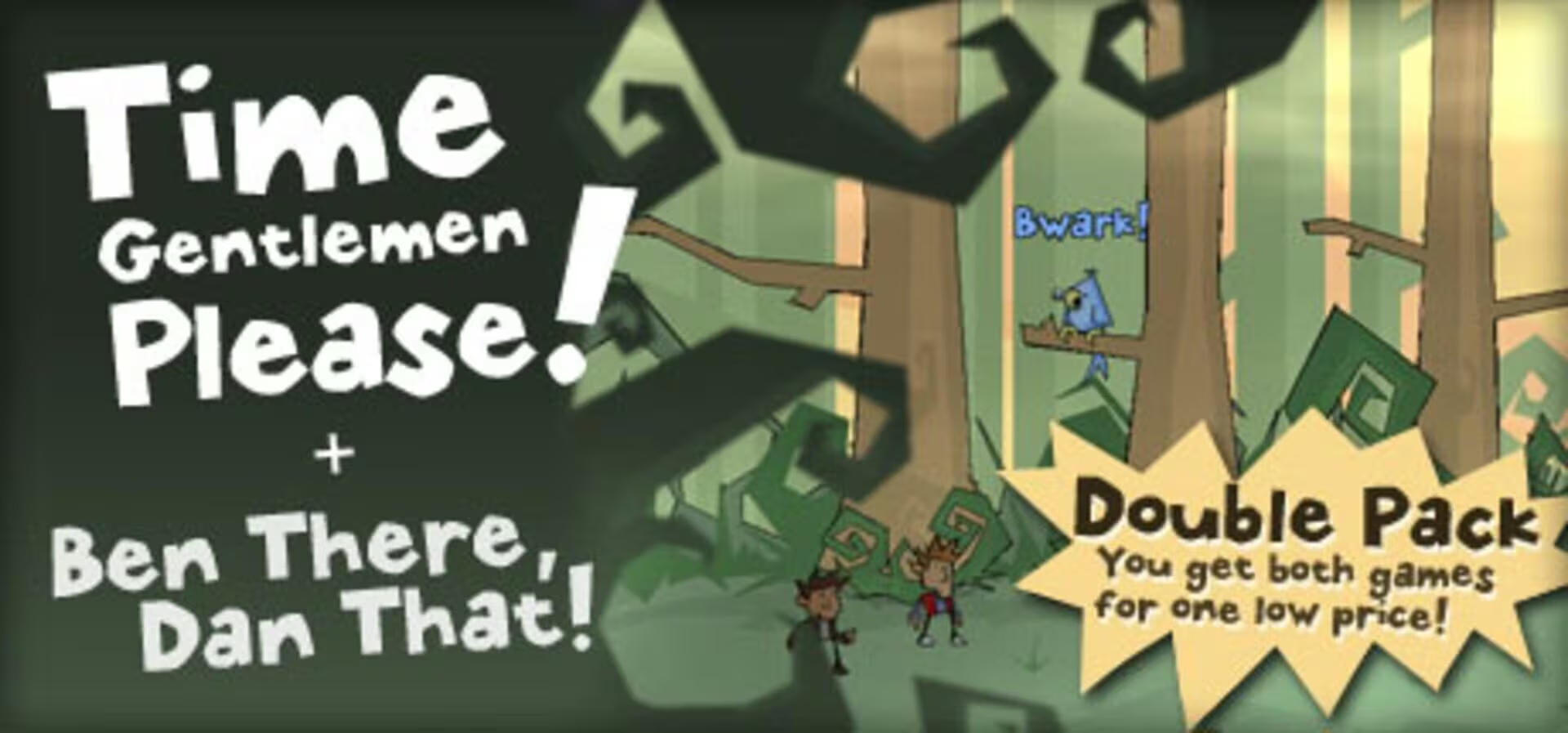 Time Gentlemen, Please! and Ben There, Dan That! Special Edition Double Pack
"Requires focused attention to solve puzzles and progress; not suitable for passive play."
-
Intimacy
Game with the same Intimacy vibe
-5"No social or emotional relationship-building elements."
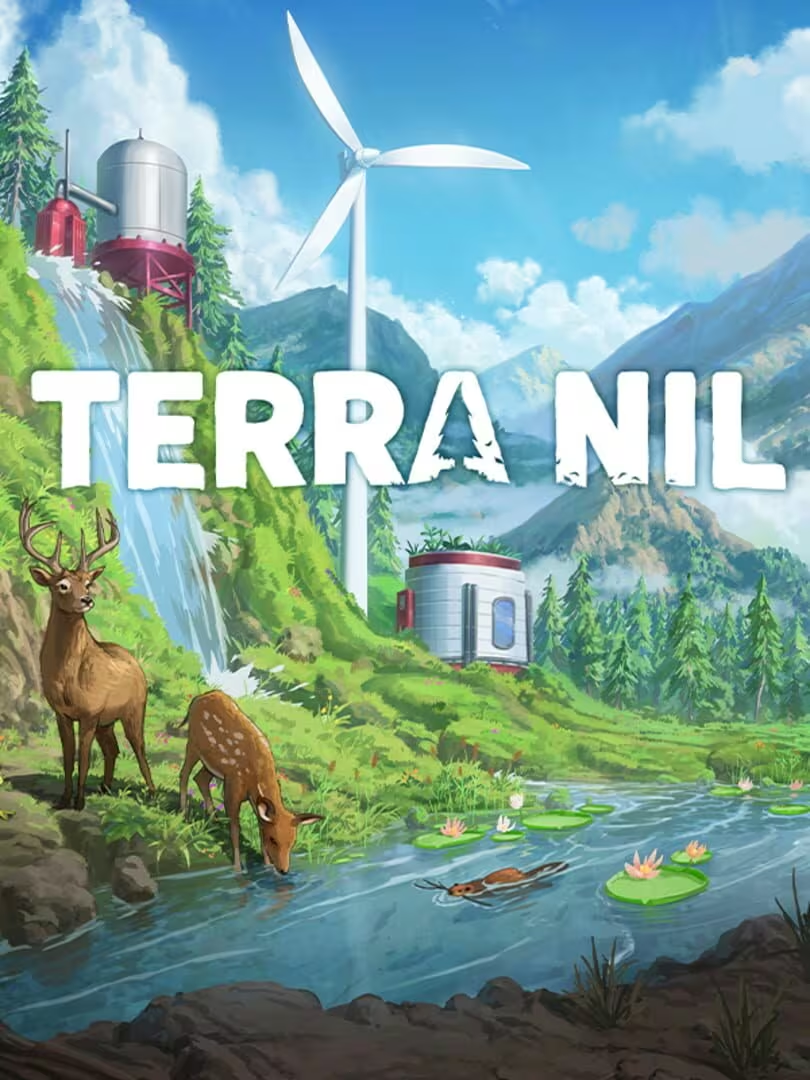 Terra Nil
"No social or emotional relationship-building elements."
-
Leadership
Game with the same Leadership vibe
-5"No leadership or group management features; single-player experience."
 LIMBO
LIMBO
"No leadership or group management features; single-player experience."
-
Progression
Game with the same Progression vibe
3"Progression through collecting items, solving puzzles, and unlocking new areas."
 Mountain Crime: Requital
"Progression through collecting items, solving puzzles, and unlocking new areas."
-
Relaxation
Game with the same Relaxation vibe
2"Atmospheric music and art create a mood that can be immersive and calming, though some find puzzles frustrating."
 PRICE
PRICE
"Atmospheric music and art create a calm mood, though some puzzles require mental effort."
-
Sensation
Game with the same Sensation vibe
1"Simple visuals and sound effects provide mild sensory stimulation appropriate for puzzle focus."
 Sokobond
"Visual and auditory elements provide moderate sensory stimulation appropriate for puzzle games."
-
Status
Game with the same Status vibe
-5"No social recognition or status systems present."
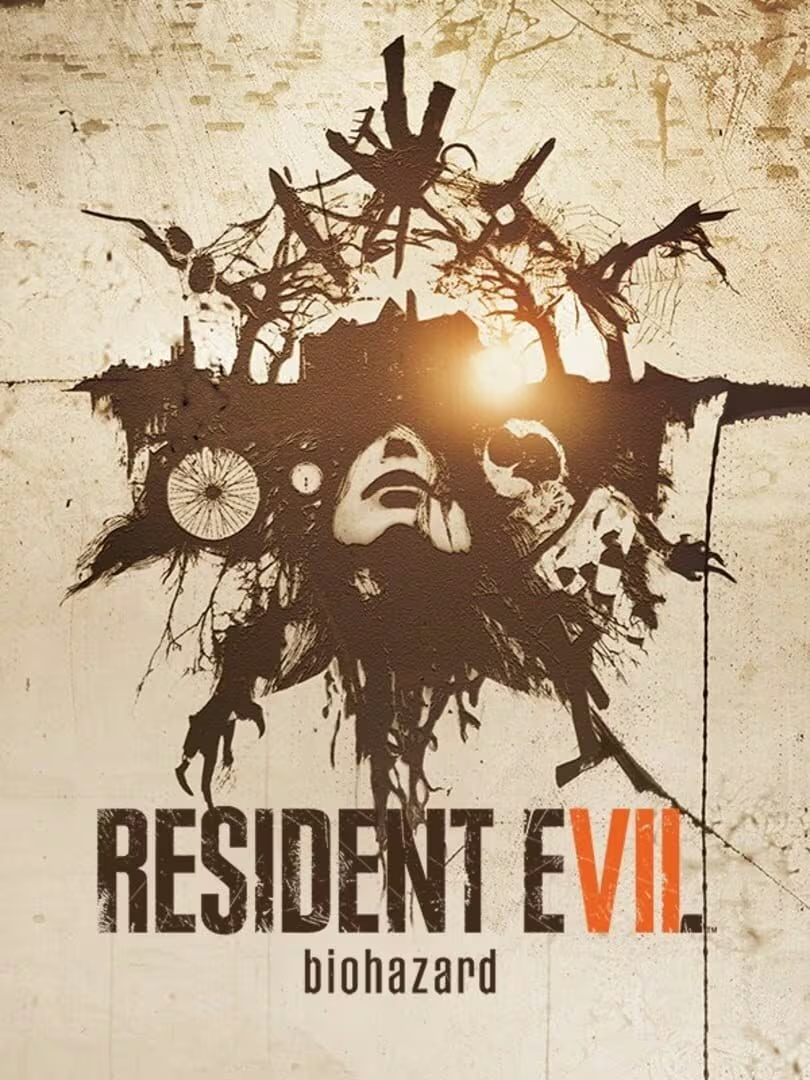 Resident Evil 7 Biohazard
"No social recognition or status systems present."
-
Story
Game with the same Story vibe
2"Narrative delivered through notes and environment, though story is minimal and somewhat ambiguous."
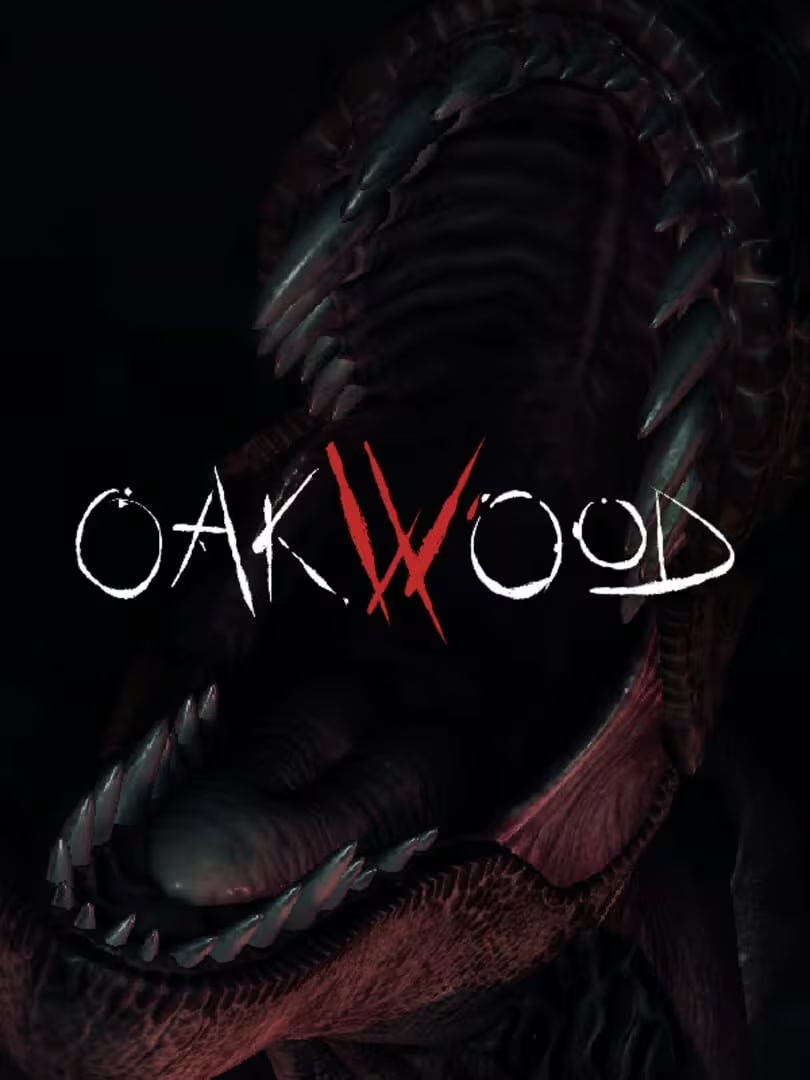 Oakwood
"Narrative delivered through notes and environmental storytelling, though somewhat minimal and cryptic."
-
Strategy
Game with the same Strategy vibe
3"Requires logical reasoning and planning to solve puzzles and progress."
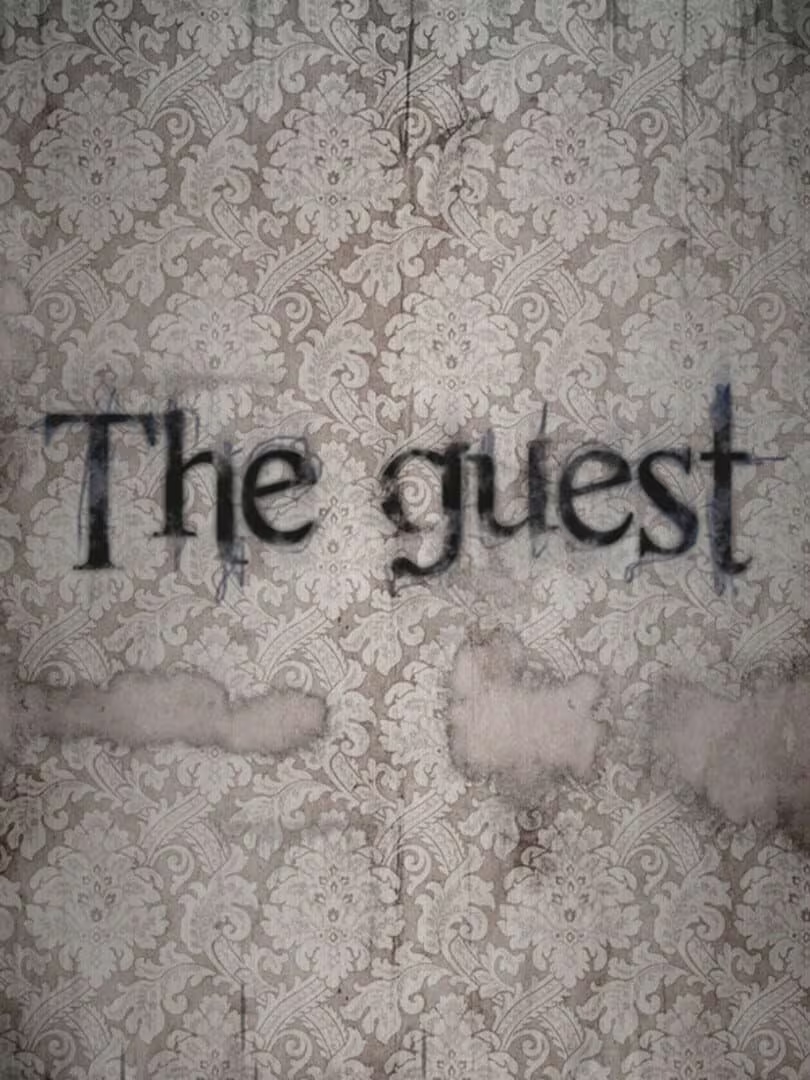 The Guest
"Requires logical reasoning and planning to solve puzzles and progress."
-
Thrill
Game with the same Thrill vibe
0"Gameplay is low risk and lacks strong suspense or thrill elements."
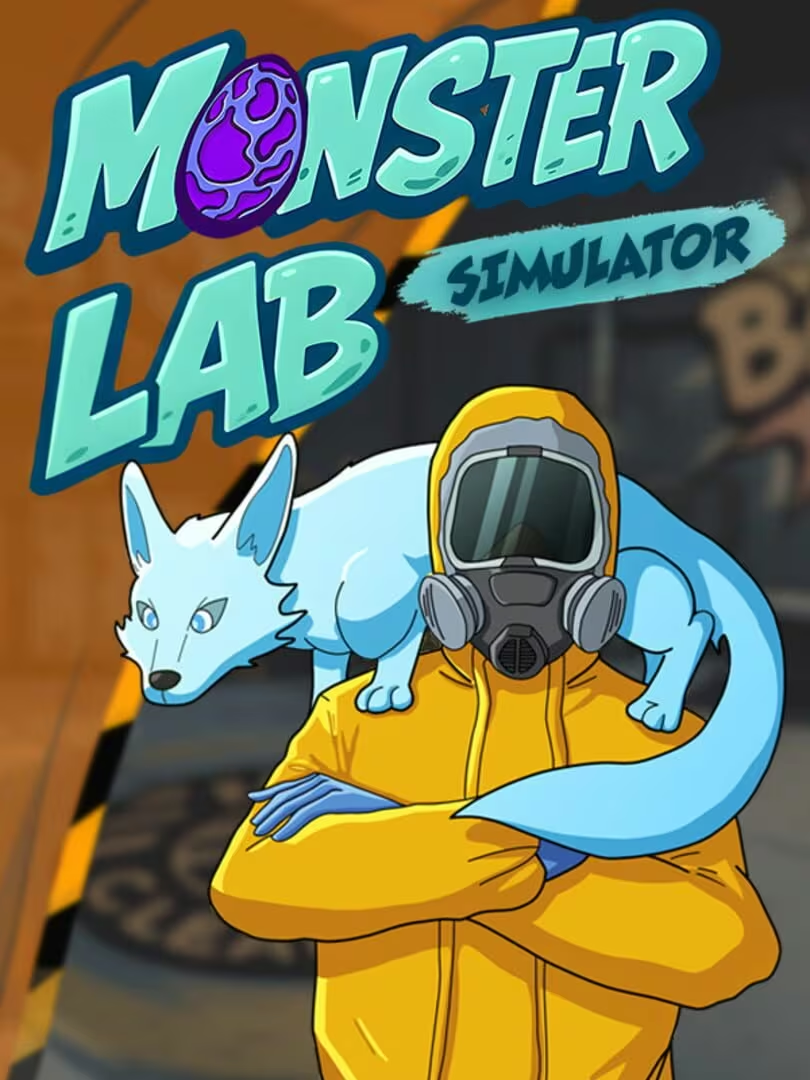 Monster Lab Simulator
"Game atmosphere is mysterious but lacks strong suspense or risk elements."
-
Value
Game with the same Value vibe
4"Low price and short length noted; players feel good value for money especially on sale."
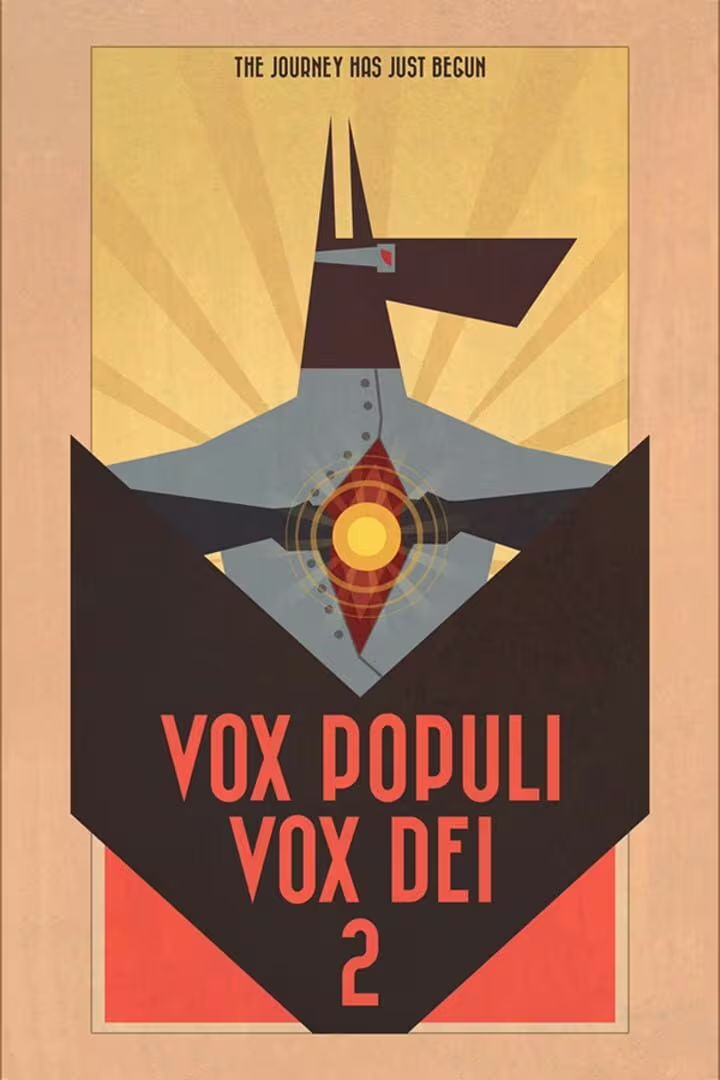 Vox Populi Vox Dei 2
"Low price and short length considered good value by many players."
-
Violence
Game with the same Violence vibe
-5"No combat or destructive gameplay; focus on exploration and puzzle solving."
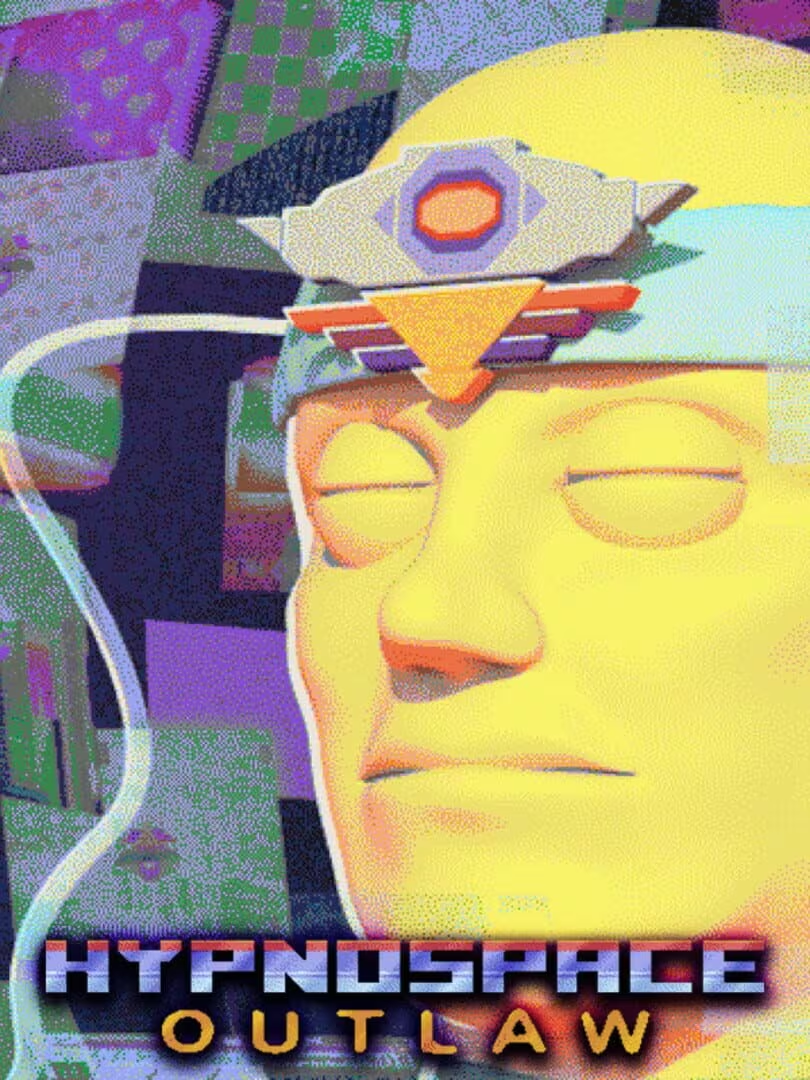 Hypnospace Outlaw
"No combat or destructive gameplay; focus on exploration and puzzle solving."
-
Survival
Game with the same Survival vibe
-5"No survival or threat avoidance mechanics; stable environment."
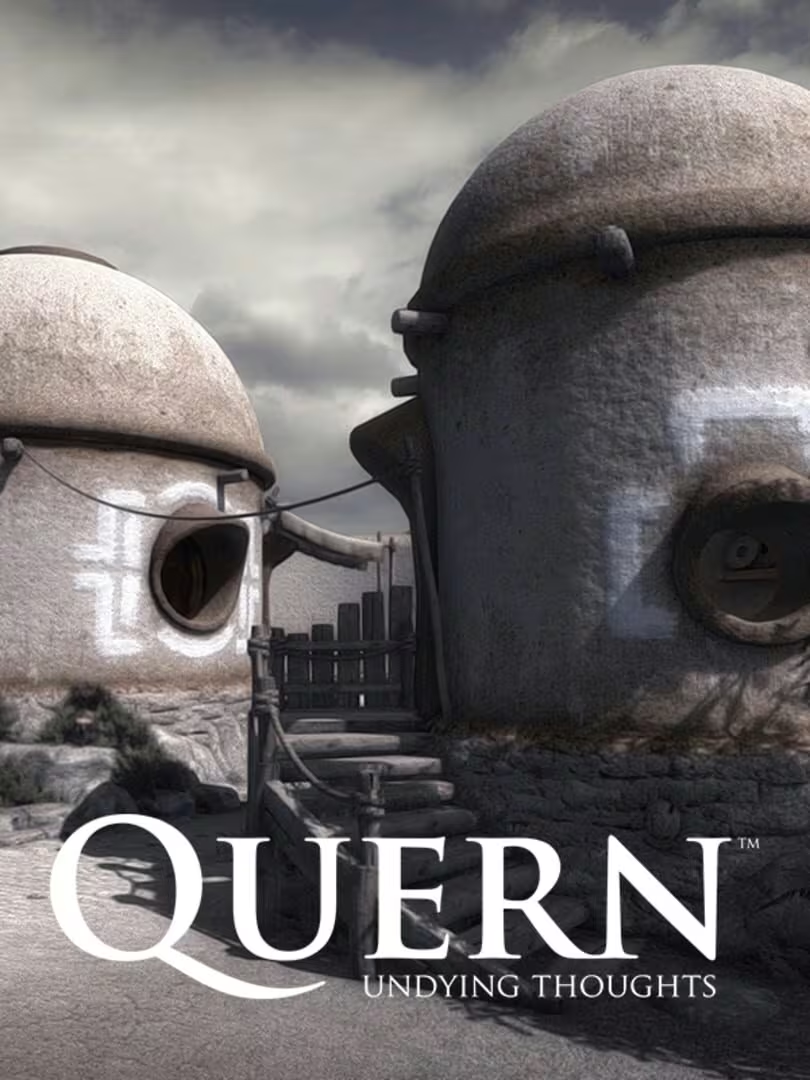 Quern - Undying Thoughts
"No survival or threat avoidance mechanics; stable environment."
Last update: 01/06/2026