Card Survival: Fantasy Forest similar games & best alternatives
Should you play it?
Card Survival: Fantasy Forest is a card-based deep survival simulator and the next installment in the Card Survival Series. Carve yourself a home in a primordial forest that has a will of its own. A day-to-day life simulator in a world where nature reigns with mystery, beauty and sometimes cruelty.
What works
- Deep and challenging survival mechanics
- Immersive exploration and navigation
- Active and responsive developers
- Frequent updates and community engagement
- Unique cooking and crafting systems
Things to keep in mind
- Early access with incomplete content
- Some balance issues (food spoilage, difficulty)
- Navigation can be confusing initially
- Lack of pre-made characters and narrative goals
- No multiplayer or social features
What to play next
Similar games, hidden gems, and fresh directions from this game.
Top picks
Games that feel the closest overall
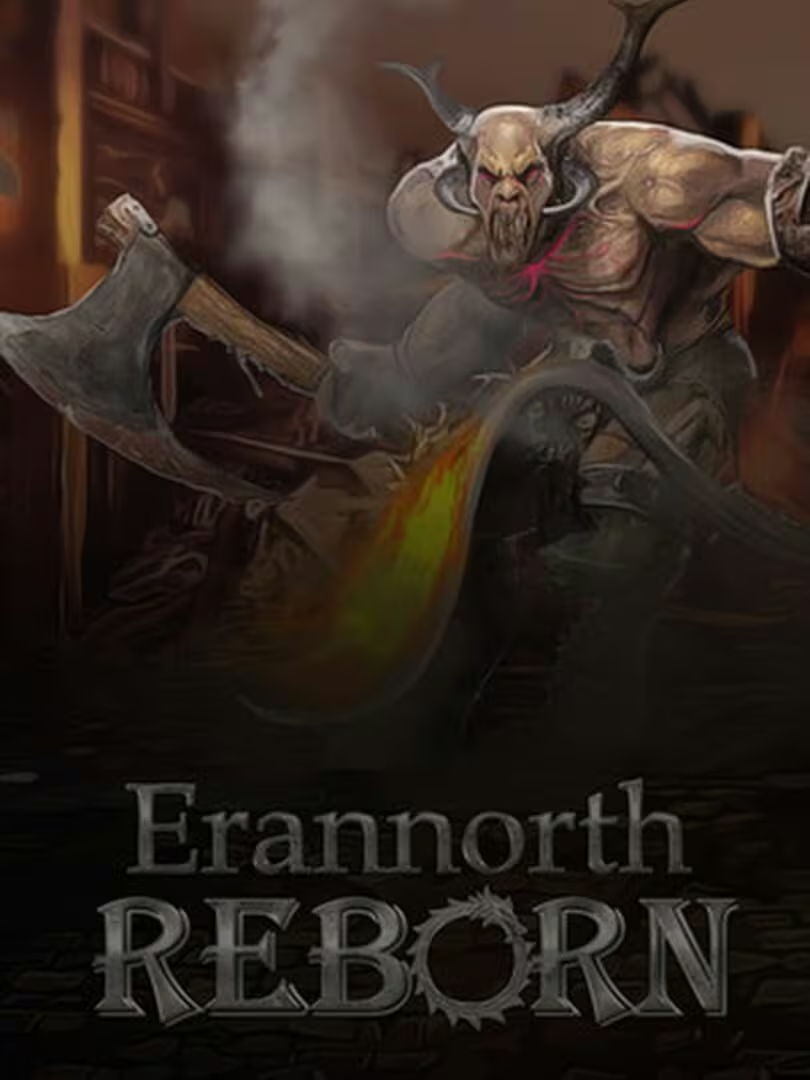
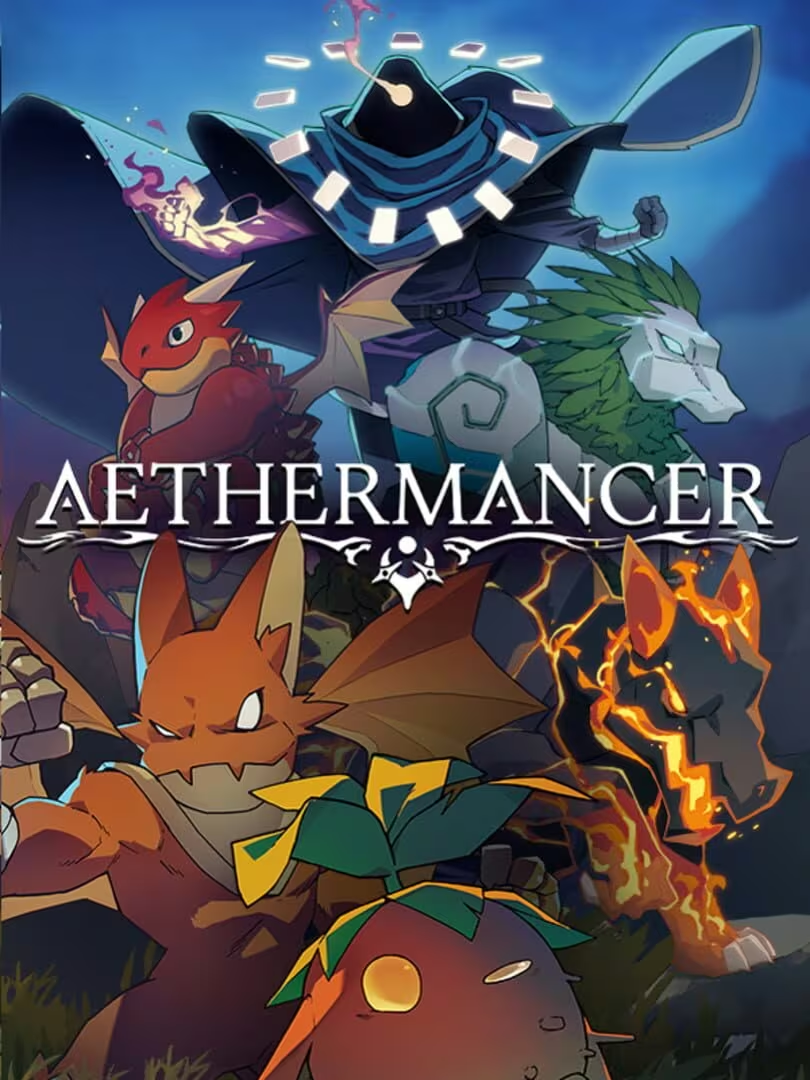
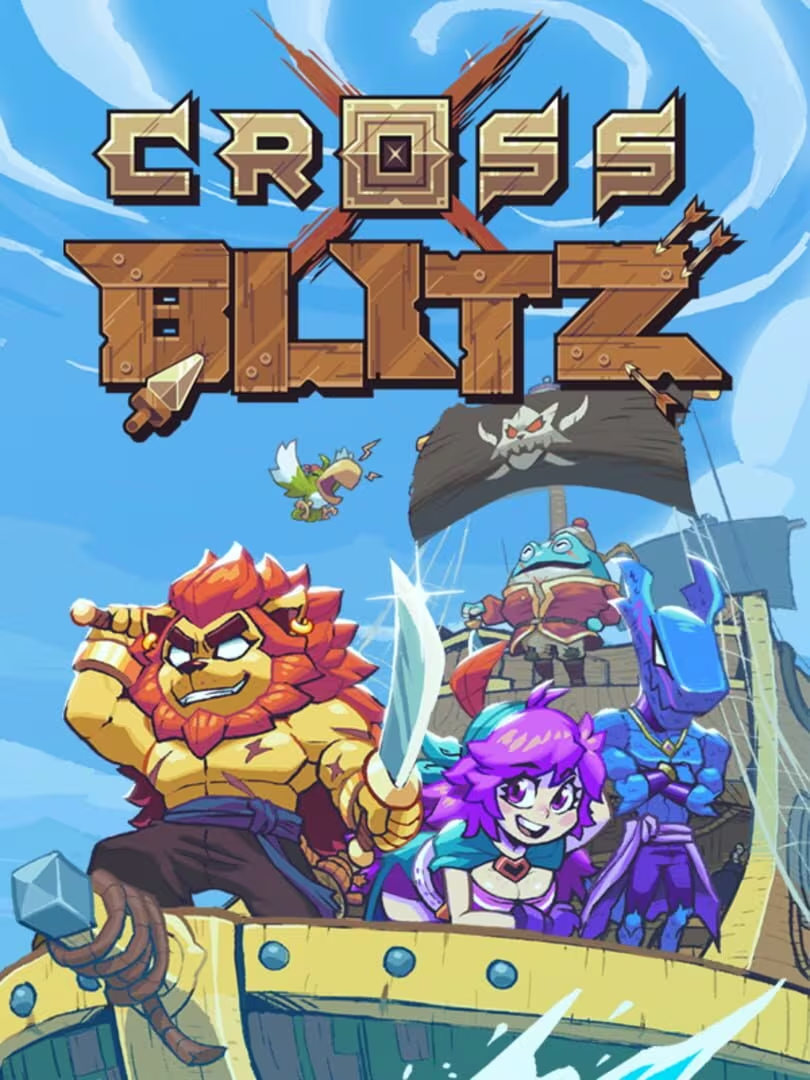
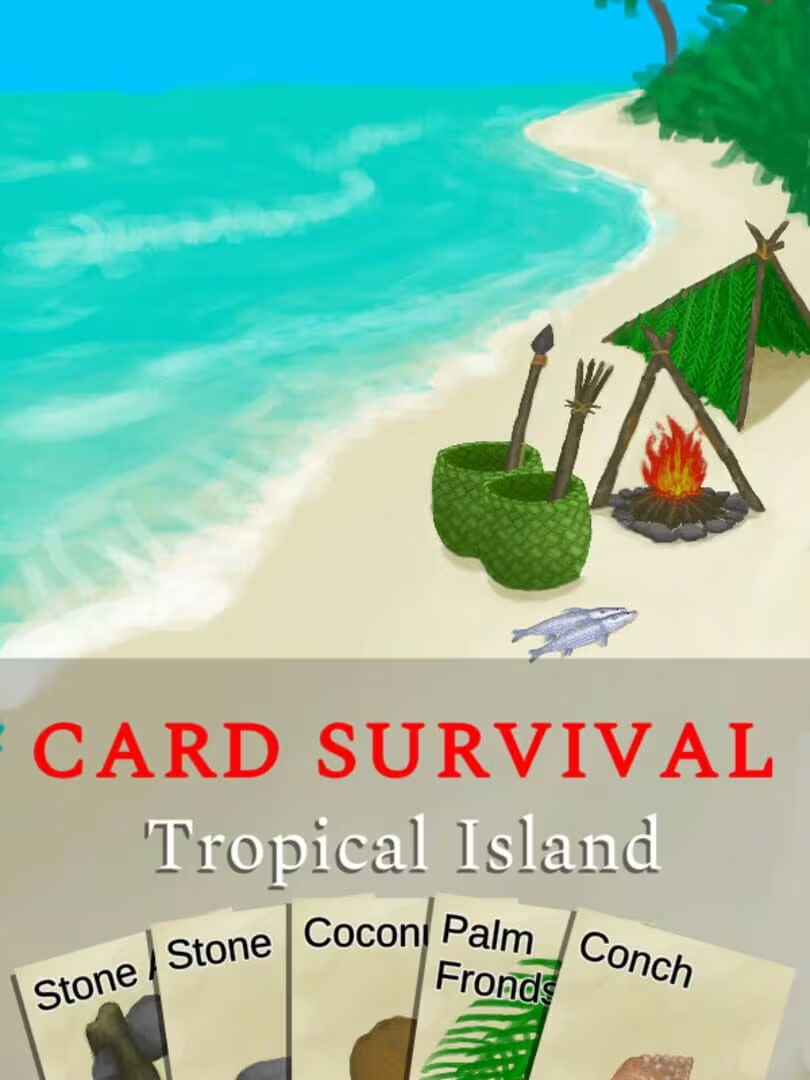
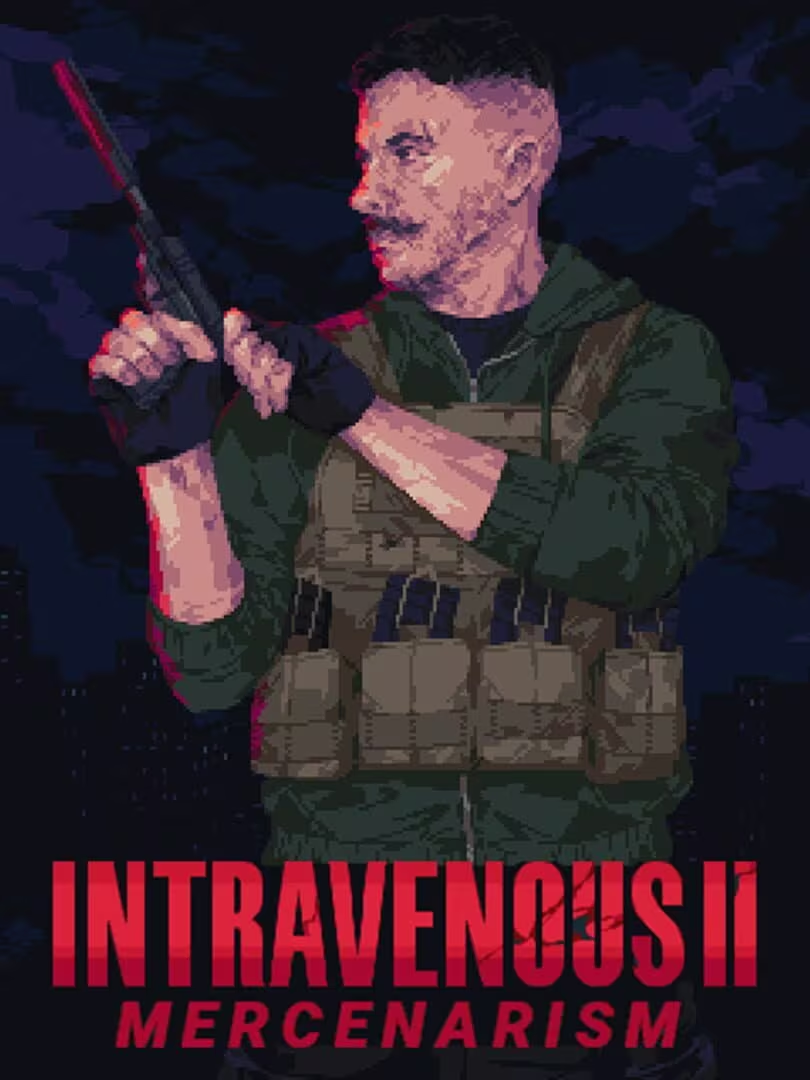
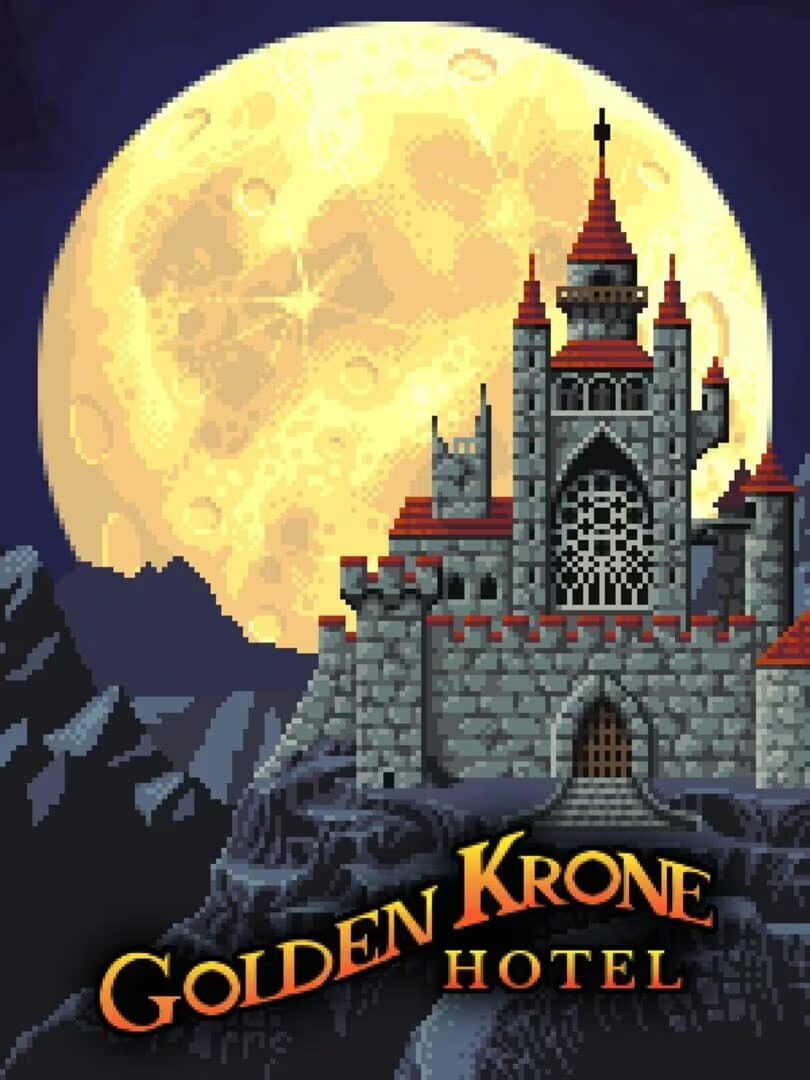
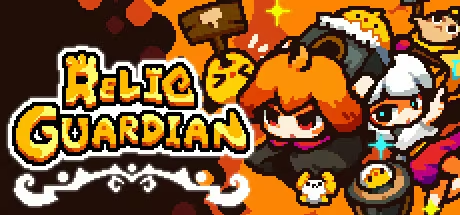
Hidden Gems
Less popular games with surprisingly high similarity
If you liked…
Recommendations by what you enjoyed most
Similarity map
Explore nearby similar games and see why they’re close.
Card Survival: Fantasy Forest: Broadly representative of its motivational profile, with a few distinct shifts. Motivations that often define this kind of title include Fellowship, Violence, Survival, Cooperation. Here, the score leans higher than usual among comparable games on Exploration, Survival. It leans lower than usual among comparable games on Leadership.
Why this game works
A motivational profile of the game, with the closest similar game for each player motivation.
-
Autonomy
Game with the same Autonomy vibe
4"Players have high freedom to choose characters, build bases, explore, and decide their own survival strategies."
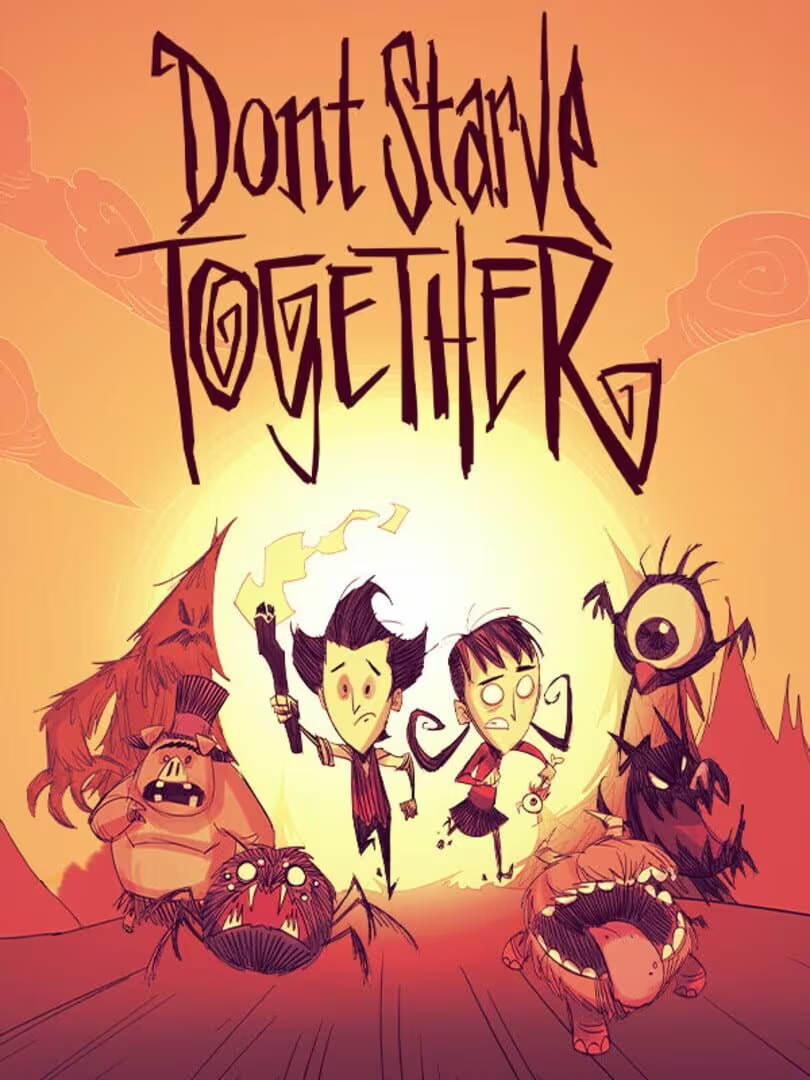 Don't Starve Together
"Players have freedom to choose character traits, play at their own pace, and experiment with survival strategies."
-
Competence
Game with the same Competence vibe
4"The game is challenging with complex survival mechanics, skill leveling, and requires mastery of multiple systems to succeed."
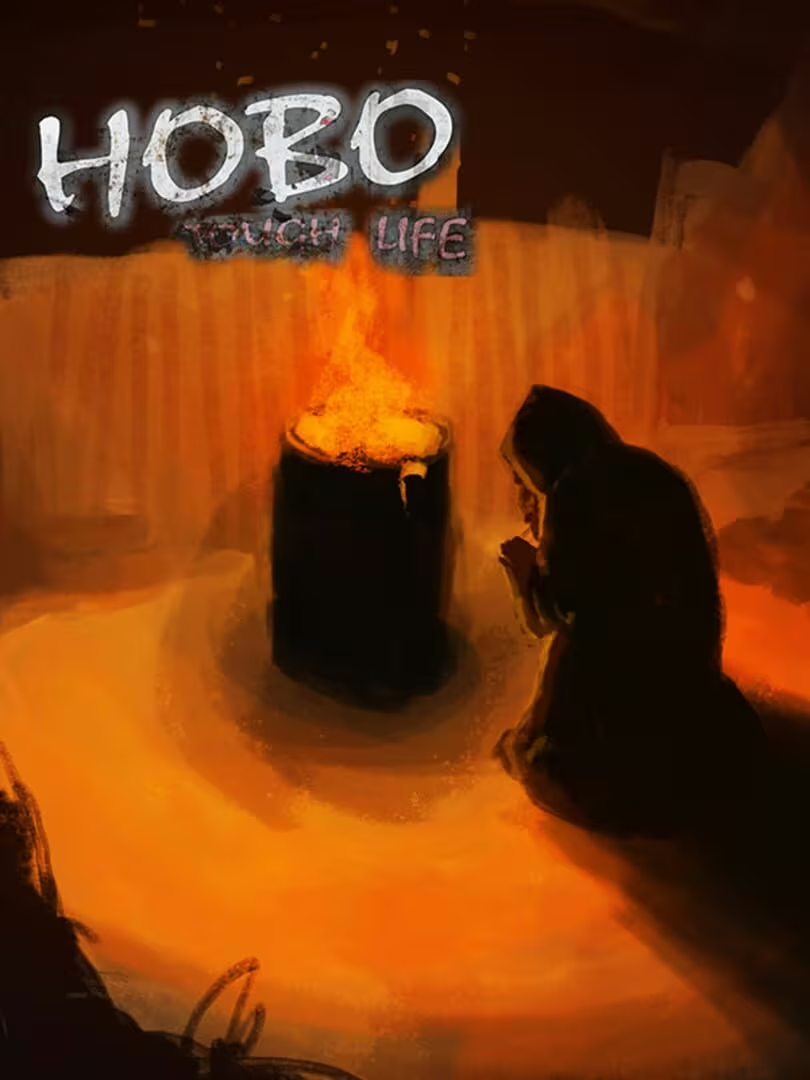 Hobo: Tough Life
"Game is challenging with complex survival mechanics requiring skill, planning, and learning from failures."
-
Competition
Game with the same Competition vibe
-4"Focus is on individual survival and progression without competitive or ranked modes."
 Heat Death: Survival Train
"Focus is on personal survival experience without comparison or ranked modes."
-
Continuation
Game with the same Continuation vibe
5"Players report long sessions, addiction, and habitual play with high replayability and engagement."
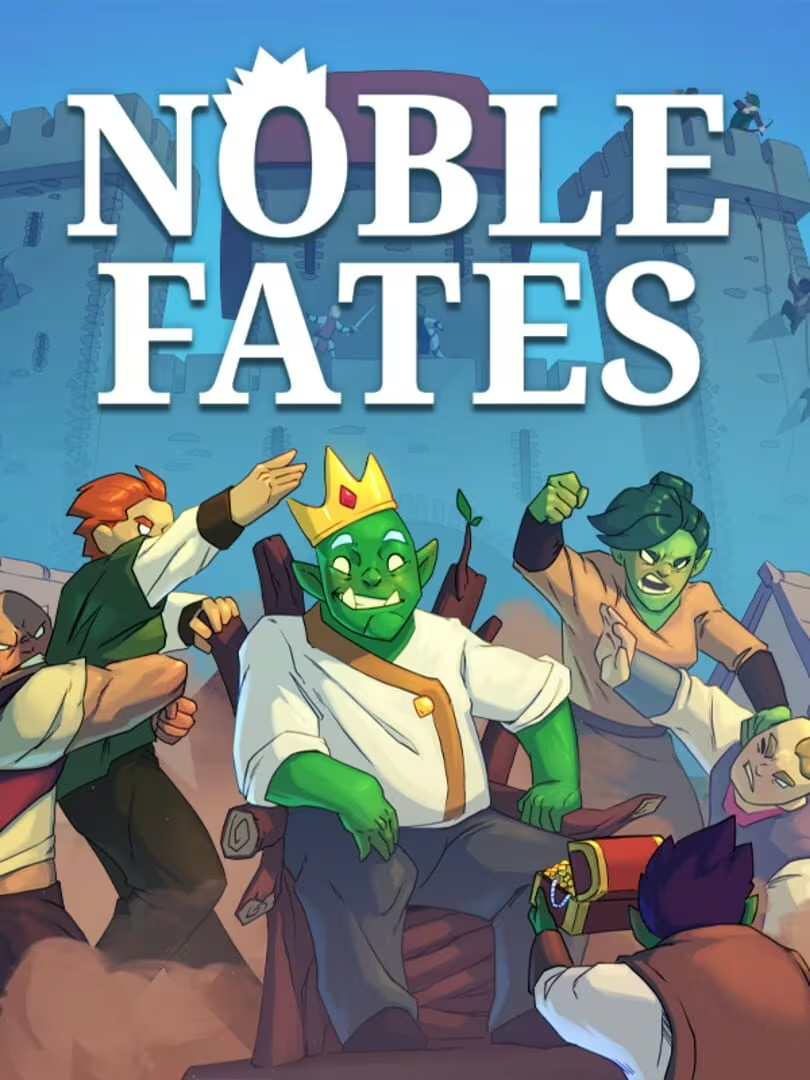 Noble Fates
"Players report long sessions, addiction, and habitual play with repeated attempts to improve."
-
Cooperation
Game with the same Cooperation vibe
-5"Gameplay is primarily single-player with no mention of cooperative multiplayer or teamwork."
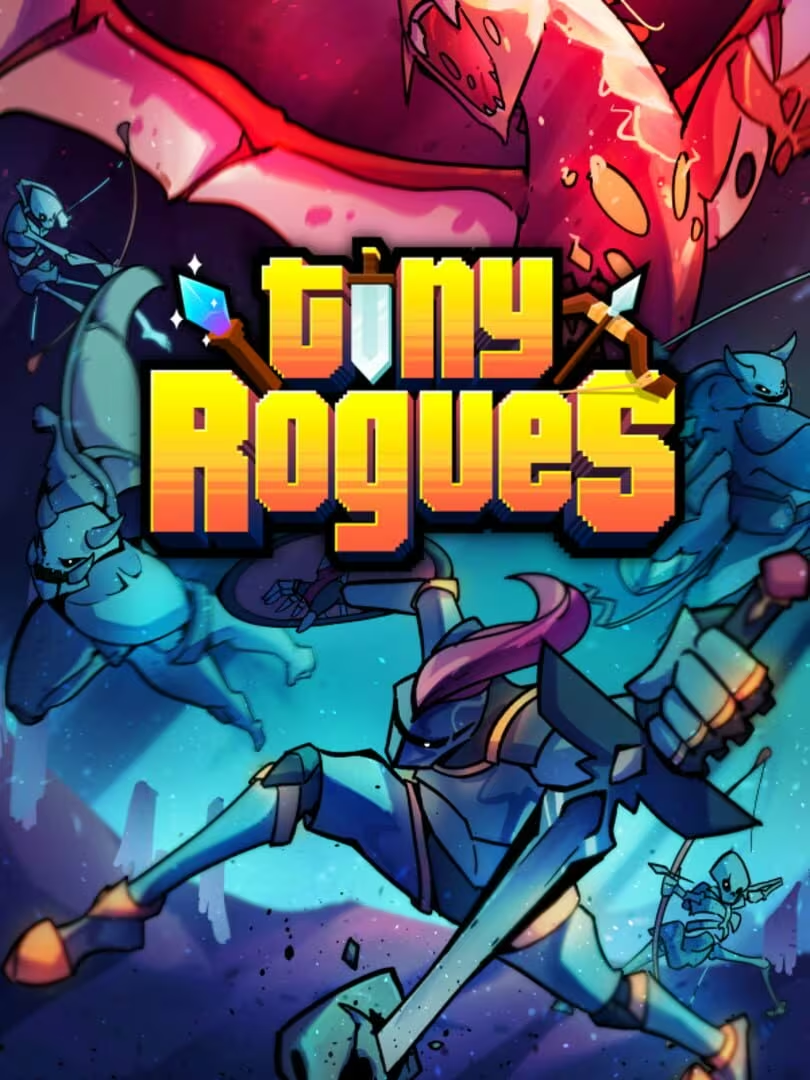 Tiny Rogues
"Gameplay is primarily single-player with no mention of cooperative multiplayer."
-
Creativity
Game with the same Creativity vibe
4"Players can experiment with different characters, items, and strategies; level design and character abilities encourage creative play."
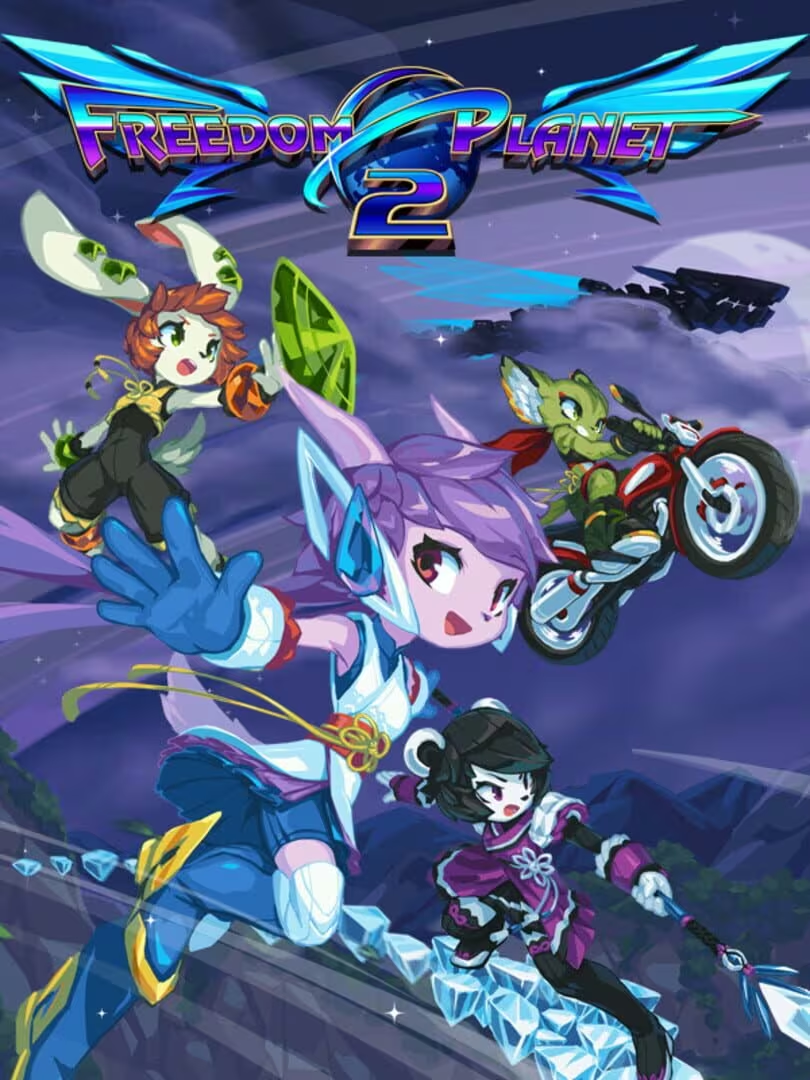 Freedom Planet 2
"Players experiment with cooking, crafting, and character builds; game supports role-playing different characters."
-
Domination
Game with the same Domination vibe
-5"No evidence of exerting control or superiority over others; gameplay is solitary and survival-focused."
 Endoparasitic
"No evidence of exerting control or superiority over others; gameplay is solitary survival."
-
Escapism
Game with the same Escapism vibe
5"Players use the game to immerse themselves in a fantasy world, escaping real life with deep exploration and story."
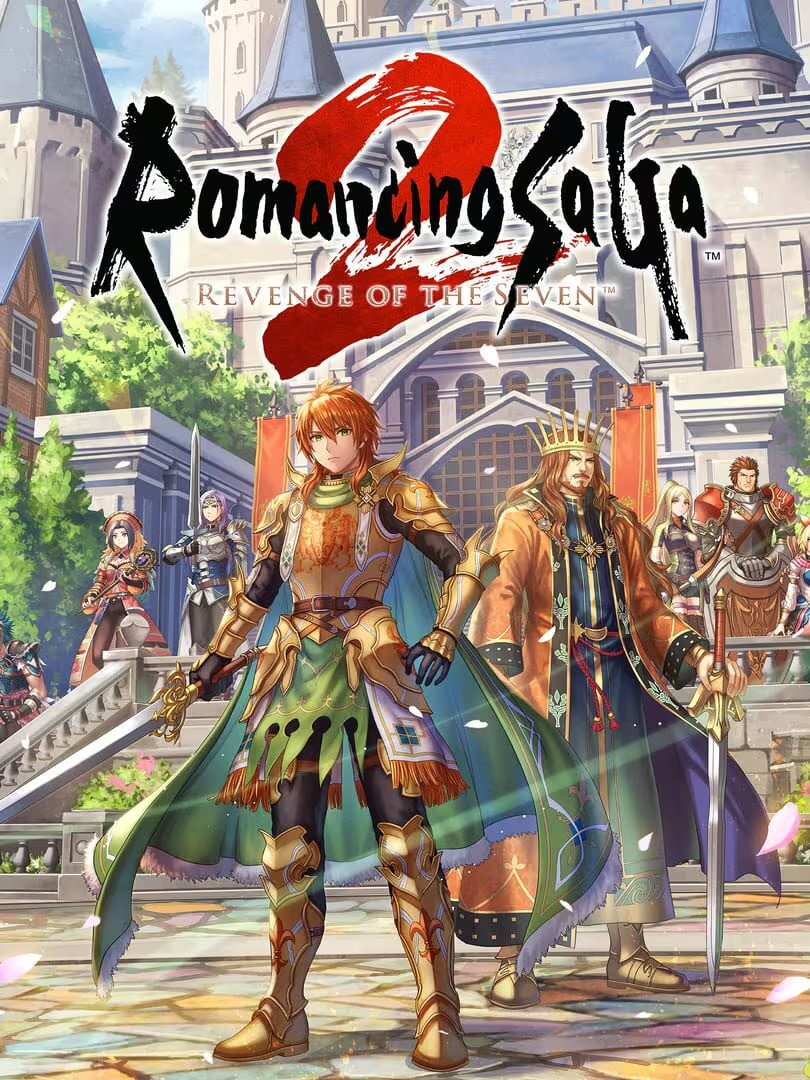 Romancing SaGa 2: Revenge of the Seven
"Players use the game to immerse themselves in a challenging survival fantasy, escaping real life."
-
Expectation
Game with the same Expectation vibe
-4"Players engage voluntarily out of personal interest and intrinsic motivation, enjoying the challenge and theme."
 Slaughter Horse 2
"Players engage voluntarily out of personal interest and intrinsic motivation, enjoying the challenge."
-
Experimenting
Game with the same Experimenting vibe
5"Strong emphasis on trying new builds, synergies, and strategies; players encouraged to experiment with mechanics."
 Pyrene
"Strong emphasis on experimenting with mechanics, recipes, and strategies to survive."
-
Exploration
Game with the same Exploration vibe
5"Strong emphasis on exploring a large, detailed forest environment and finding secrets and collectibles."
 Mail Time
"Exploration of a grid-based forest map with discovery of new locations, secrets, and magic."
-
Expression
Game with the same Expression vibe
2"Some character customization in appearance and gear, though limited variety noted by players."
 Deep Sky Derelicts
"Some character customization and role-playing elements, though limited pre-made characters currently."
-
Fantasy
Game with the same Fantasy vibe
3"Fantasy elements like magic, enchanted items, and mythical creatures blend with survival realism."
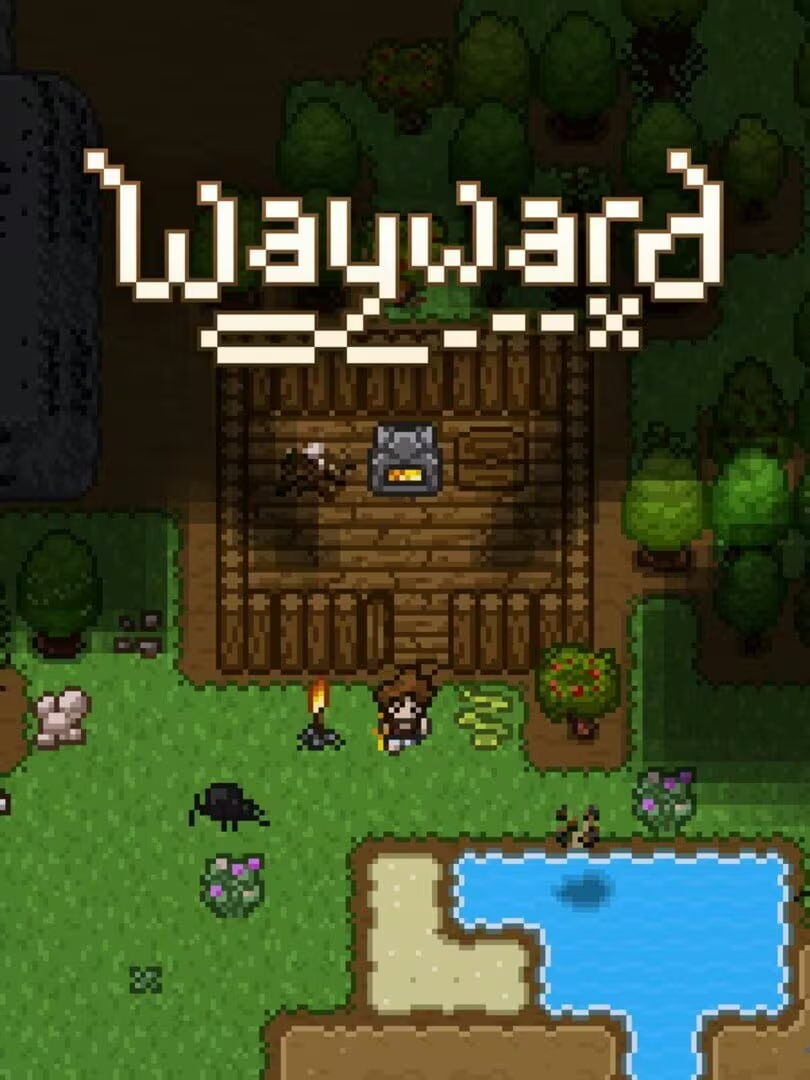 Wayward
"Fantasy elements like magic and spirits are present alongside realistic survival mechanics."
-
Fellowship
Game with the same Fellowship vibe
-5"Experience is solitary with no social or community features described."
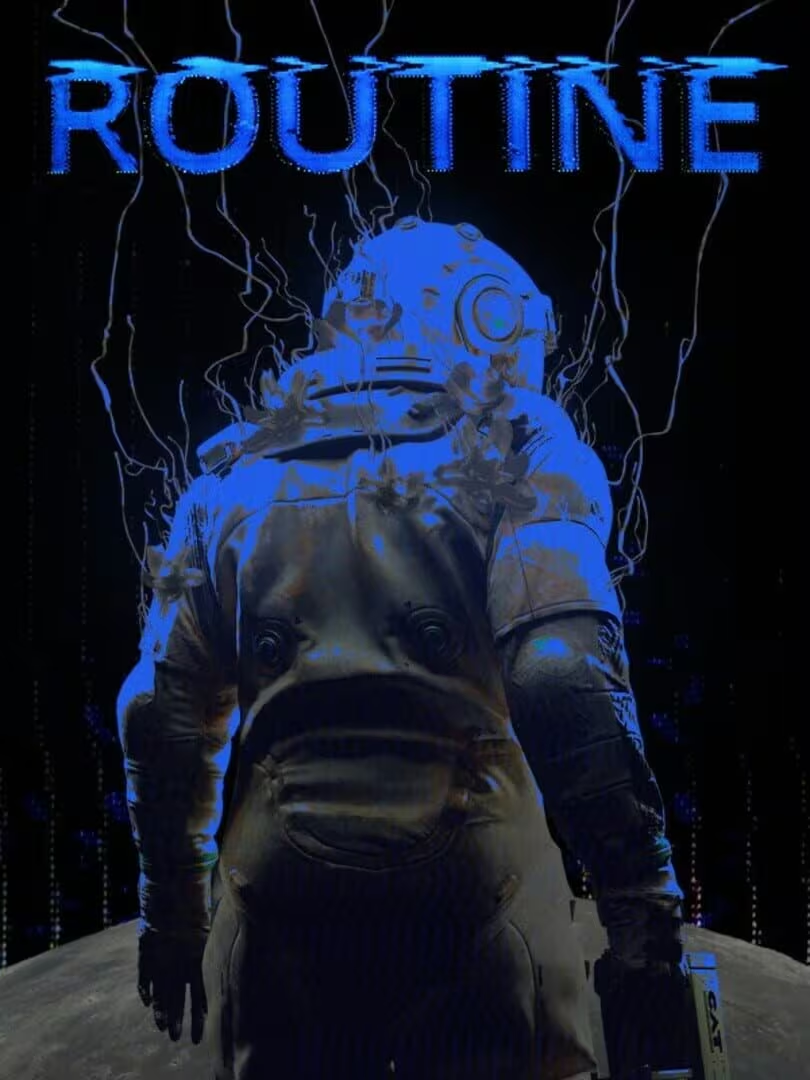 ROUTINE
"No social or community features described; experience is solitary."
-
Growth
Game with the same Growth vibe
5"Players learn complex systems, improve skills, and develop strategies over long play sessions."
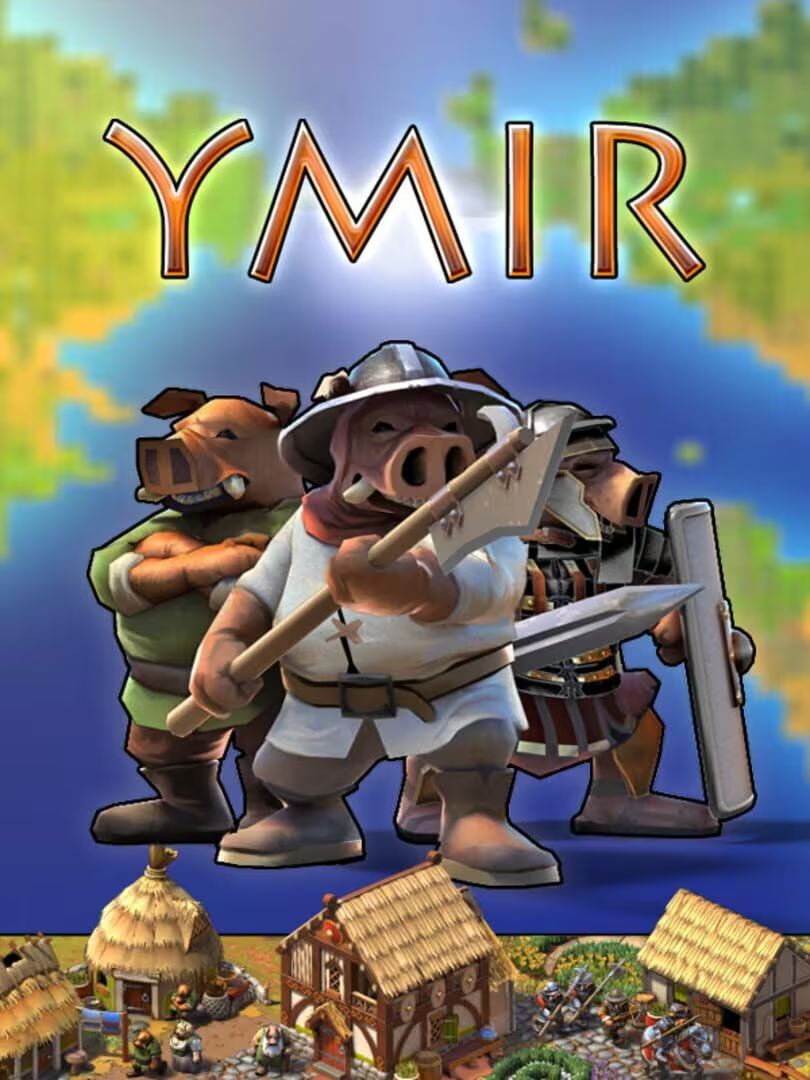 Ymir
Ymir
"Players learn complex systems, improve skills, and develop strategies over repeated playthroughs."
-
Health
Game with the same Health vibe
-3"Sedentary gameplay with no physical activity; some survival elements but no physical exercise."
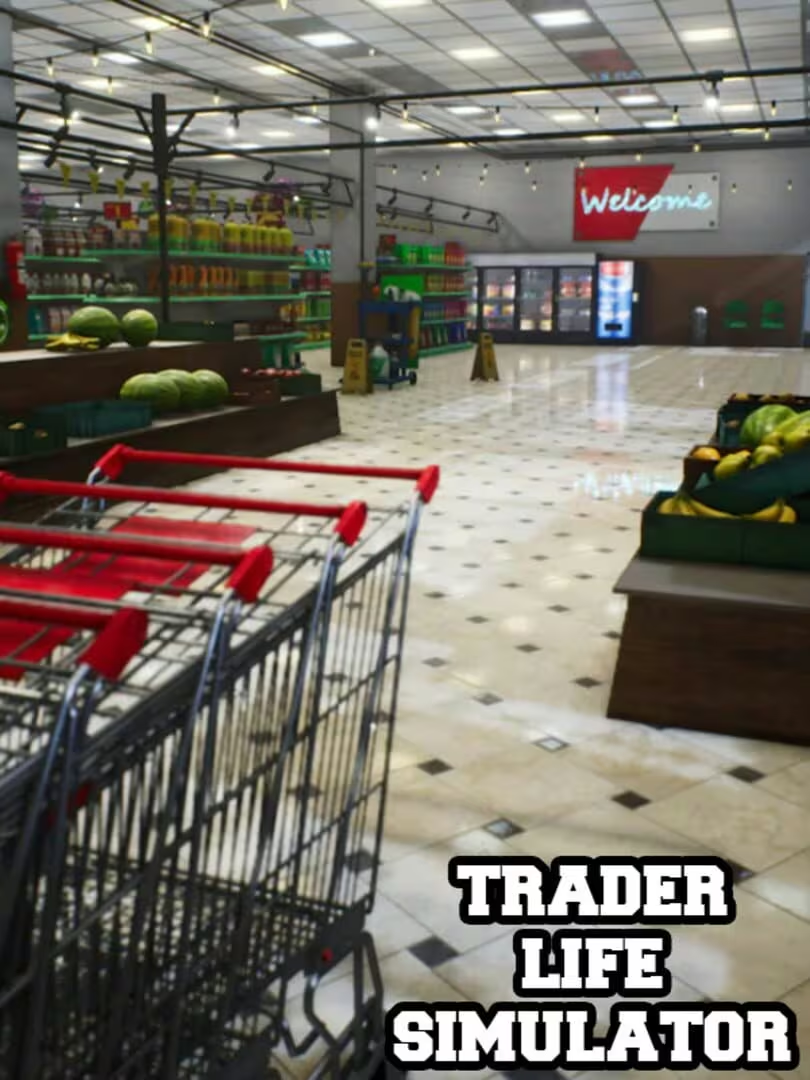 TRADER LIFE SIMULATOR
"Sedentary gameplay with some focus on bodily functions but no physical activity."
-
Idle
Game with the same Idle vibe
-4"Requires focused attention and strategic planning; not a casual or idle experience."
 Transistor
"Requires constant attention and strategic decision-making; not a casual idle experience."
-
Intimacy
Game with the same Intimacy vibe
-5"No evidence of close social relationships or emotional sharing in gameplay."
 Alwa's Legacy
"No evidence of close social relationships or emotional sharing in gameplay."
-
Leadership
Game with the same Leadership vibe
-5"No leadership or group management roles; purely individual survival."
 Rain World
"No leadership or group management roles; purely individual survival."
-
Progression
Game with the same Progression vibe
4"Players accumulate items, upgrades, and home expansions through quests and crafting."
 Palia
Palia
"Players accumulate items, blueprints, and upgrades through quests and crafting."
-
Relaxation
Game with the same Relaxation vibe
2"Game balances challenge and flow, though some find it tense and difficult."
 The Lord of the Rings: Journeys in Middle-earth
"Game balances challenge and flow but can be tense due to survival difficulty."
-
Sensation
Game with the same Sensation vibe
3"Enjoyable visuals, sound design, and immersive atmosphere provide sensory stimulation."
 theHunter: Call of the Wild™
"Enjoyable art, sound, and immersive atmosphere provide sensory stimulation."
-
Status
Game with the same Status vibe
-5"No social recognition or status systems described."
 Epic Auto Towers
"No social recognition or status systems described."
-
Story
Game with the same Story vibe
3"Narrative elements and quests provide story immersion."
 For The King II
"Quest system and lore elements provide narrative immersion beyond isolated survival."
-
Strategy
Game with the same Strategy vibe
5"Strong emphasis on planning, problem solving, and tactical decision making."
 Hitman 2: Silent Assassin
"Strong emphasis on planning, problem solving, and tactical decision-making."
-
Thrill
Game with the same Thrill vibe
4"High tension and suspense from survival challenges, time pressure, and uncertain outcomes."
 Pathologic 2
"High tension and suspense from survival challenges and risk of death."
-
Value
Game with the same Value vibe
4"Players feel they receive good gameplay value and content even in early access state."
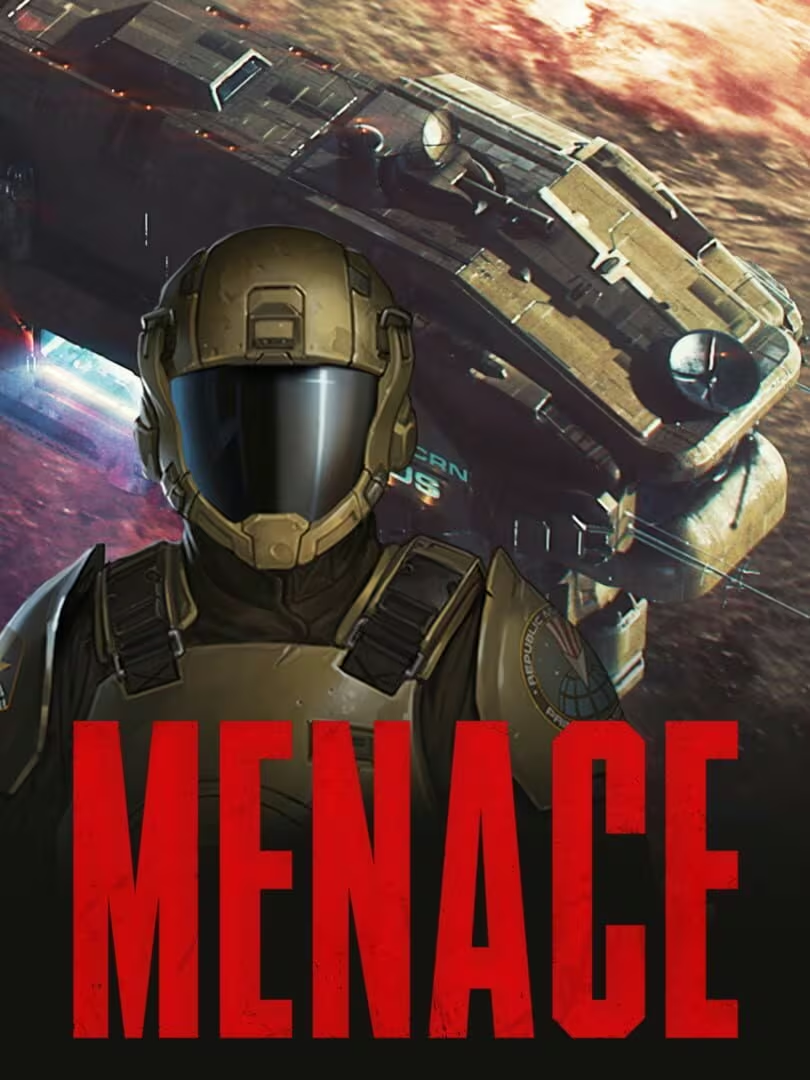 MENACE
"Players perceive good value from content, depth, and developer support despite early access."
-
Violence
Game with the same Violence vibe
3"Combat with animals and hostile humans occurs but is sparse and survival-focused."
 Green Hell
"Combat with animals and defense is present but not the primary focus."
-
Survival
Game with the same Survival vibe
5"Core gameplay centers on overcoming threats, managing resources, and staying alive in harsh conditions."
 CHANGE: A Homeless Survival Experience
"Core gameplay centers on overcoming threats, resource management, and staying alive."
Last update: 01/06/2026