Color Symphony similar games & best alternatives
Should you play it?
Color Symphony is a game program utilizing the human recognition ability and visual senses, and various colors are used to play the game by changing colors to disrupt the cognition or to strengthen the cognition. The player can control the enemy, eliminate obstacles or build new roads with different colors.
What works
- Creative and original gameplay mechanic
- Free to play
- Challenging puzzles and platforming
- Atmospheric music and art style
- Low system requirements
Things to keep in mind
- Clunky and unresponsive controls
- Repetitive music
- Short gameplay length
- Frustrating difficulty spikes
- Minimal story and lack of polish
What to play next
Similar games, hidden gems, and fresh directions from this game.
Top picks
Games that feel the closest overall


Hidden Gems
Less popular games with surprisingly high similarity
If you liked…
Recommendations by what you enjoyed most
Similarity map
Explore nearby similar games and see why they’re close.
Color Symphony: Less representative of its motivational profile, with noticeable differences. Motivations that often define this kind of title include Expression, Fellowship, Cooperation, Status. Here, the score leans higher than usual among comparable games on Creativity. It leans lower than usual among comparable games on Violence, Exploration.
Why this game works
A motivational profile of the game, with the closest similar game for each player motivation.
-
Autonomy
Game with the same Autonomy vibe
4"Players control the character's actions freely, using different colors to solve puzzles and progress, indicating high autonomy."
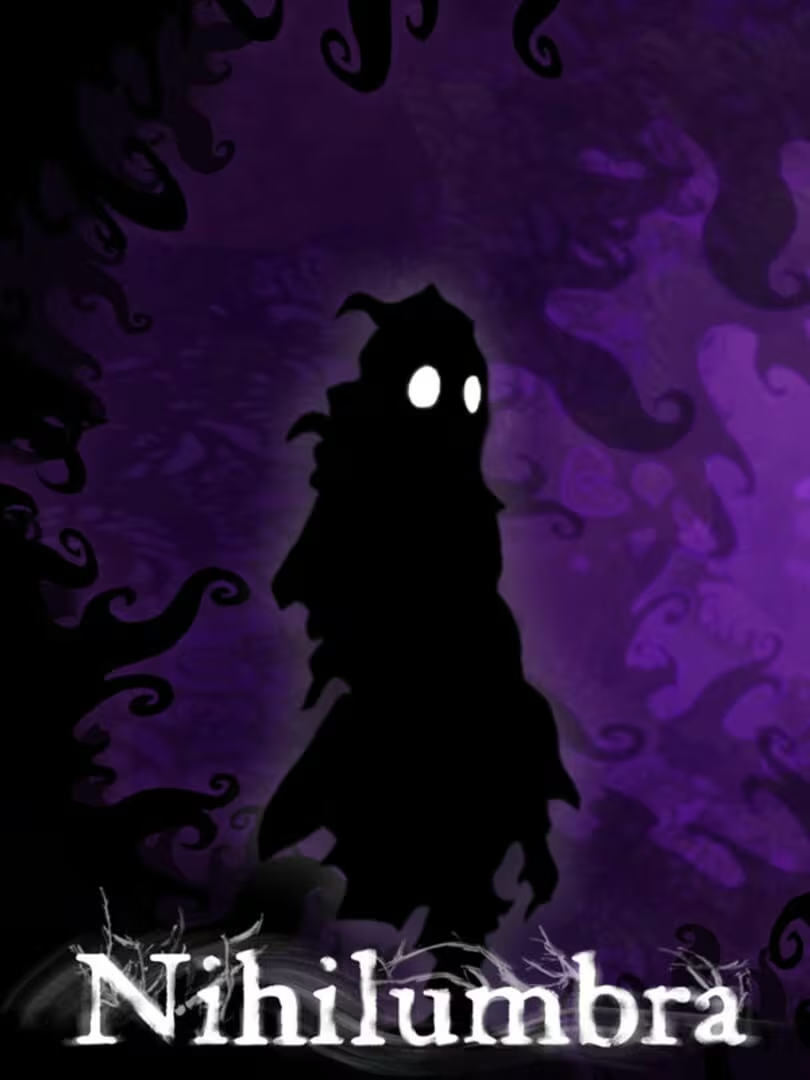 Nihilumbra
"Players freely control character movement and color switching to solve puzzles and progress."
-
Competence
Game with the same Competence vibe
3"Requires quick reflexes and timing to succeed; challenge increases with speed and rotation, providing skill-based feedback."
 8infinity
"Requires skillful timing, reflexes, and problem solving; some frustration due to controls."
-
Competition
Game with the same Competition vibe
-5"No evidence of competitive or ranked modes; focus is on individual puzzle solving and platforming."
 Max: The Curse of Brotherhood
"No evidence of competitive or ranked modes; focus on individual puzzle-platforming."
-
Continuation
Game with the same Continuation vibe
1"Players report some frustration and short playtime but also some immersion and desire to explore more."
 Shadows Peak
"Some players find it engaging for short sessions; others mention frustration and short length."
-
Cooperation
Game with the same Cooperation vibe
-5"Single-player experience with no cooperative elements mentioned."
 Feudal Alloy
"Single player experience with no cooperative elements mentioned."
-
Creativity
Game with the same Creativity vibe
5"The core mechanic of manipulating colored light to alter the environment is creative and central to gameplay."
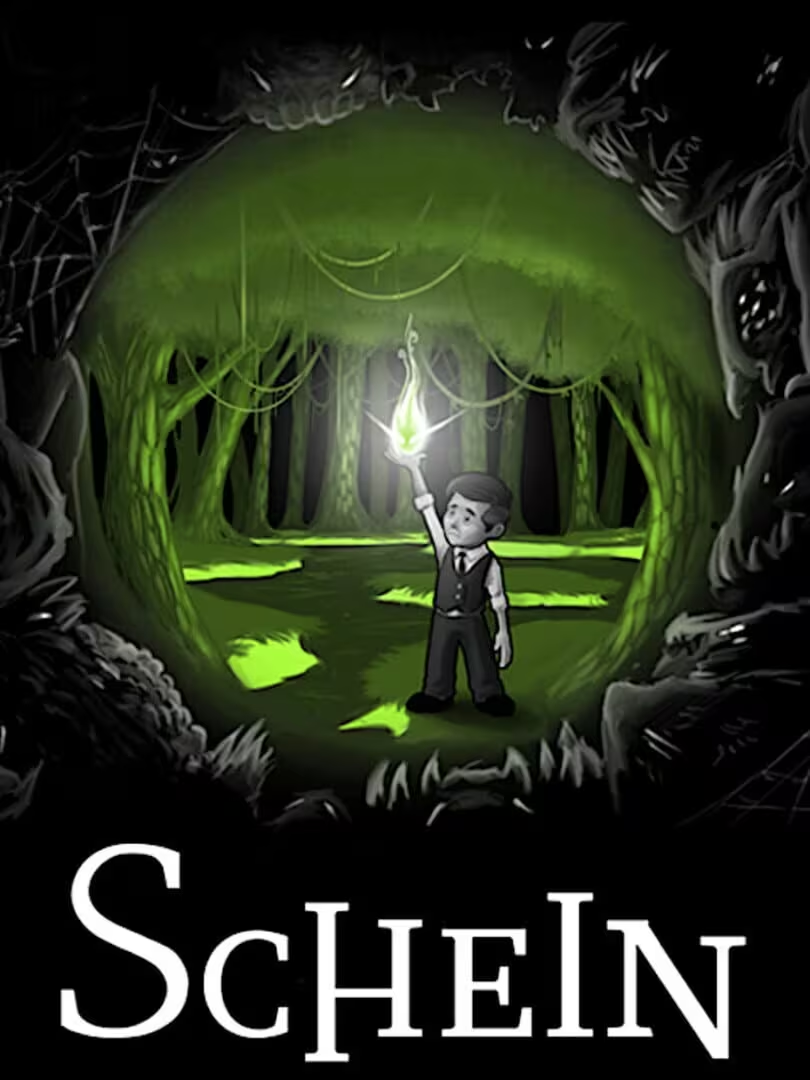 Schein
"Highly creative core mechanic of color switching to manipulate environment and enemies."
-
Domination
Game with the same Domination vibe
-5"No elements of exerting control over others; purely individual challenge."
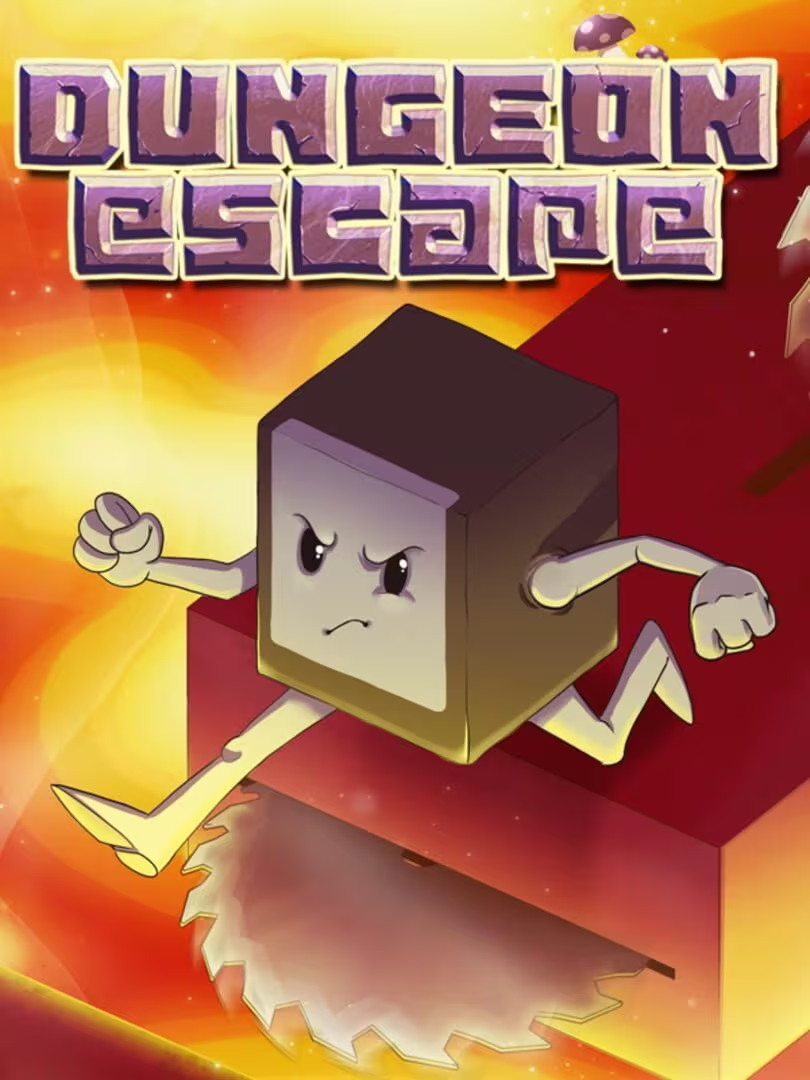 Dungeon Escape
"No elements of exerting control over others; purely personal challenge."
-
Escapism
Game with the same Escapism vibe
2"Players enjoy historical immersion and thematic atmosphere as a form of distraction and relaxation."
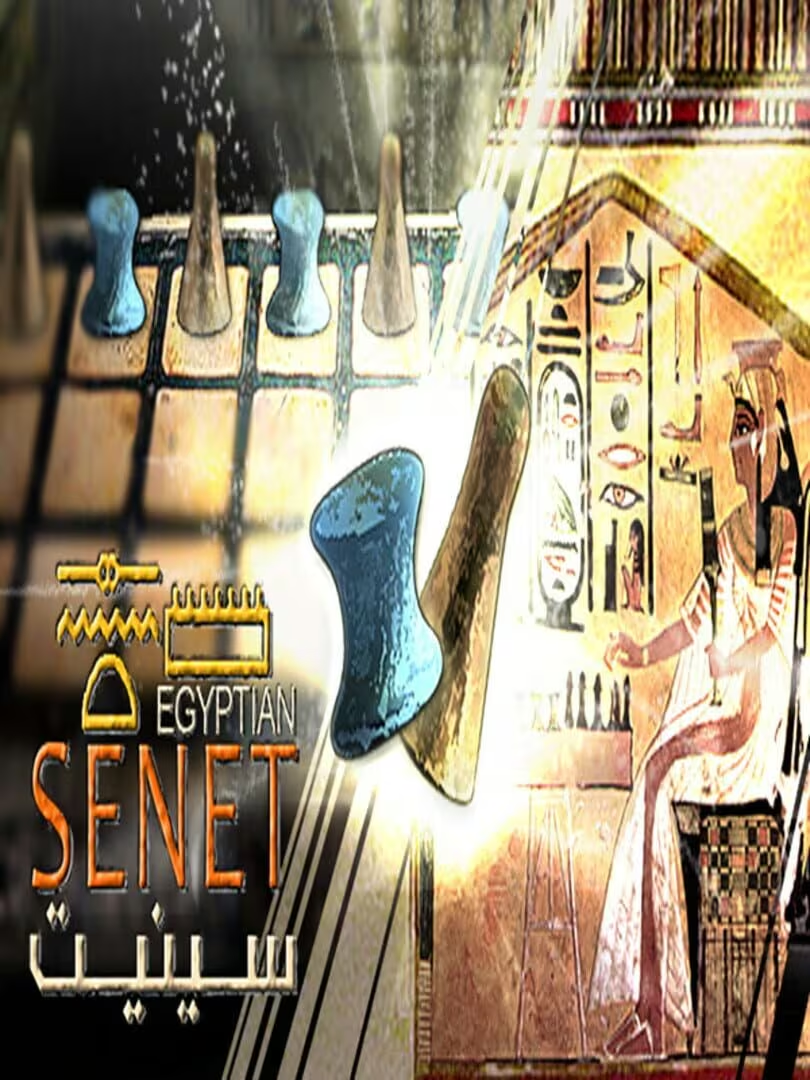 Egyptian Senet
"Some players mention immersion in the game's atmosphere and story as a distraction."
-
Expectation
Game with the same Expectation vibe
-4"Players engage voluntarily for fun and challenge; no obligation or pressure noted."
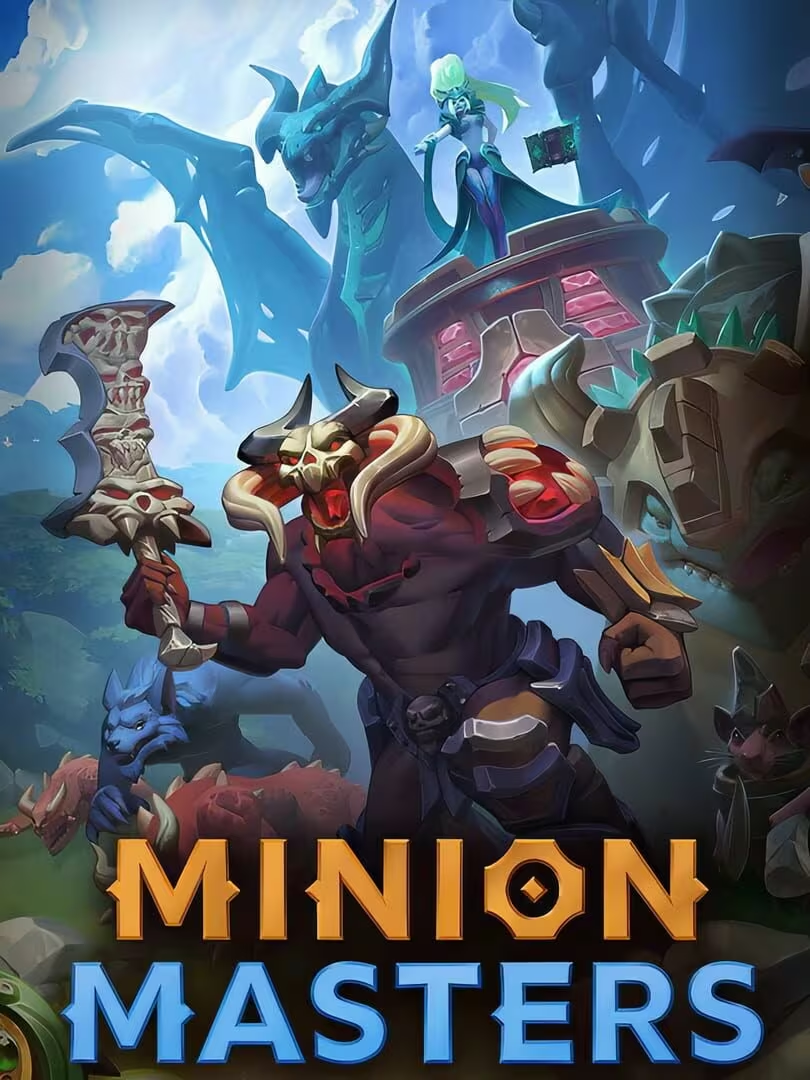 Minion Masters
"Players engage voluntarily for fun and challenge; no obligation or pressure noted."
-
Experimenting
Game with the same Experimenting vibe
3"Players experiment with different color combinations and puzzle solutions, especially in harder modes."
Nihilumbra
"Players experiment with color combinations and timing to solve puzzles."
-
Exploration
Game with the same Exploration vibe
-2"Levels are designed and linear with limited exploration beyond puzzle solving."
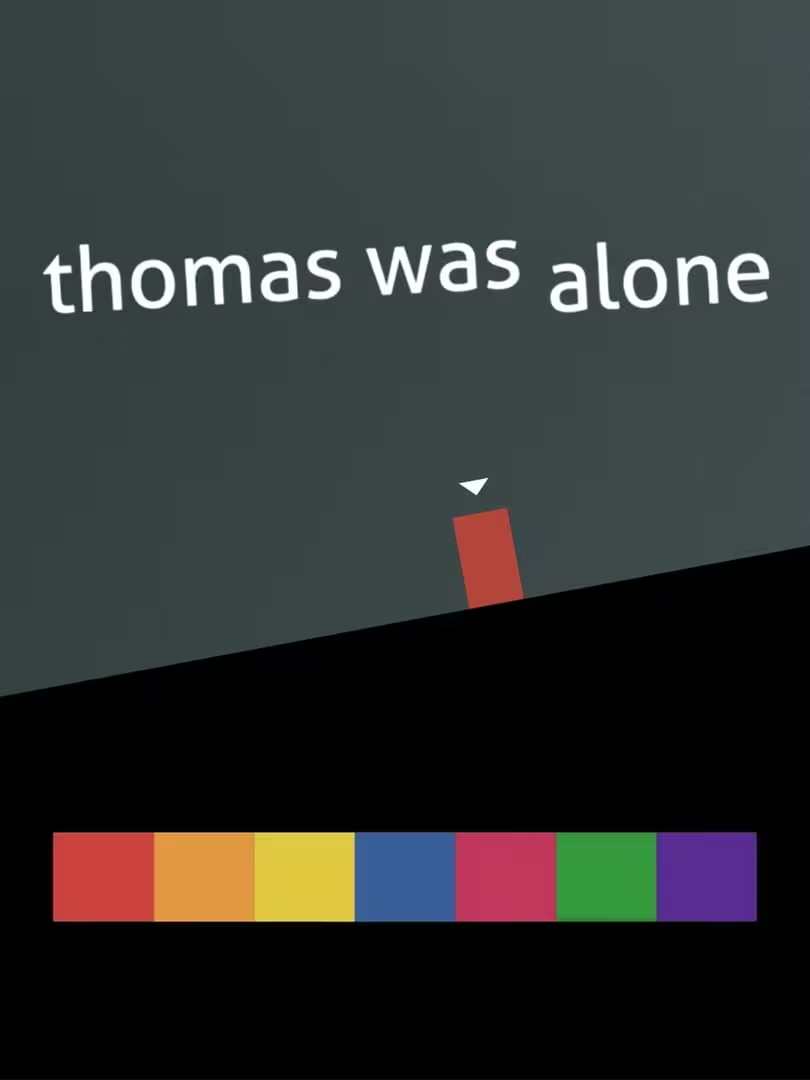 Thomas Was Alone
"Linear levels with limited exploration; focus on puzzle solving rather than discovery."
-
Expression
Game with the same Expression vibe
-4"No character customization or personalization; fixed avatars and environments."
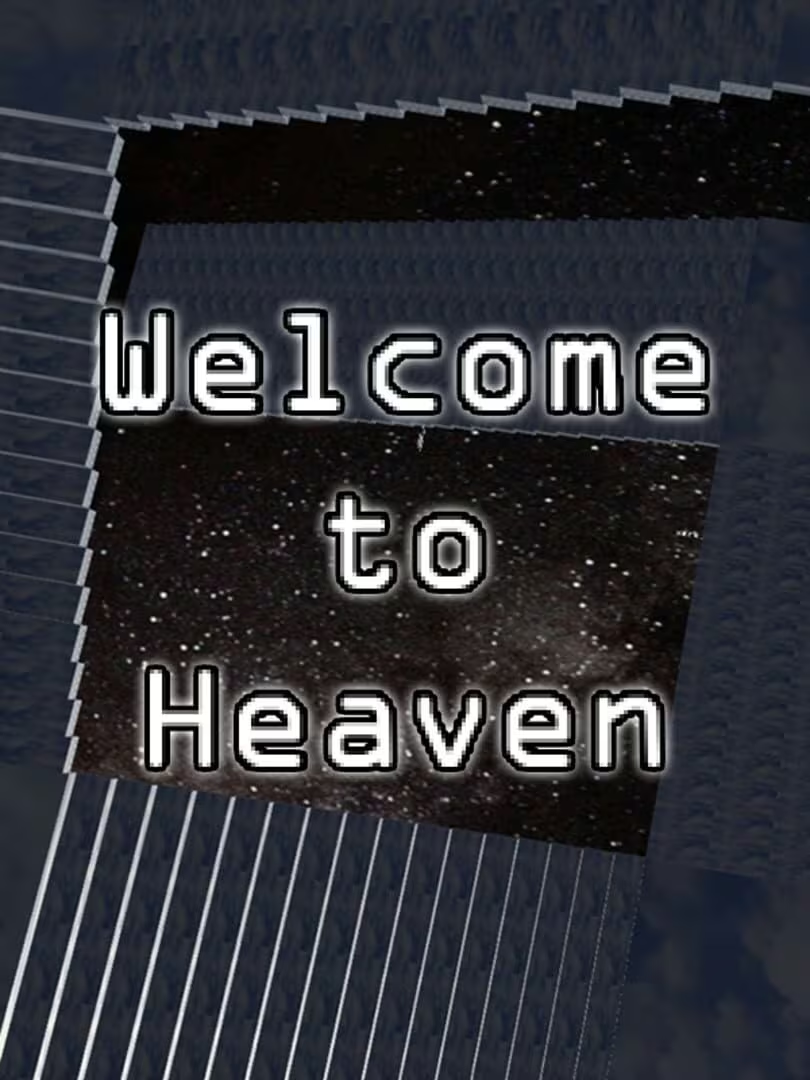 welcome to heaven
"No customization or avatar personalization; fixed character and visuals."
-
Fantasy
Game with the same Fantasy vibe
1"Game features fantasy elements like mythical towers and colorful enemies but is not heavily narrative or roleplaying focused."
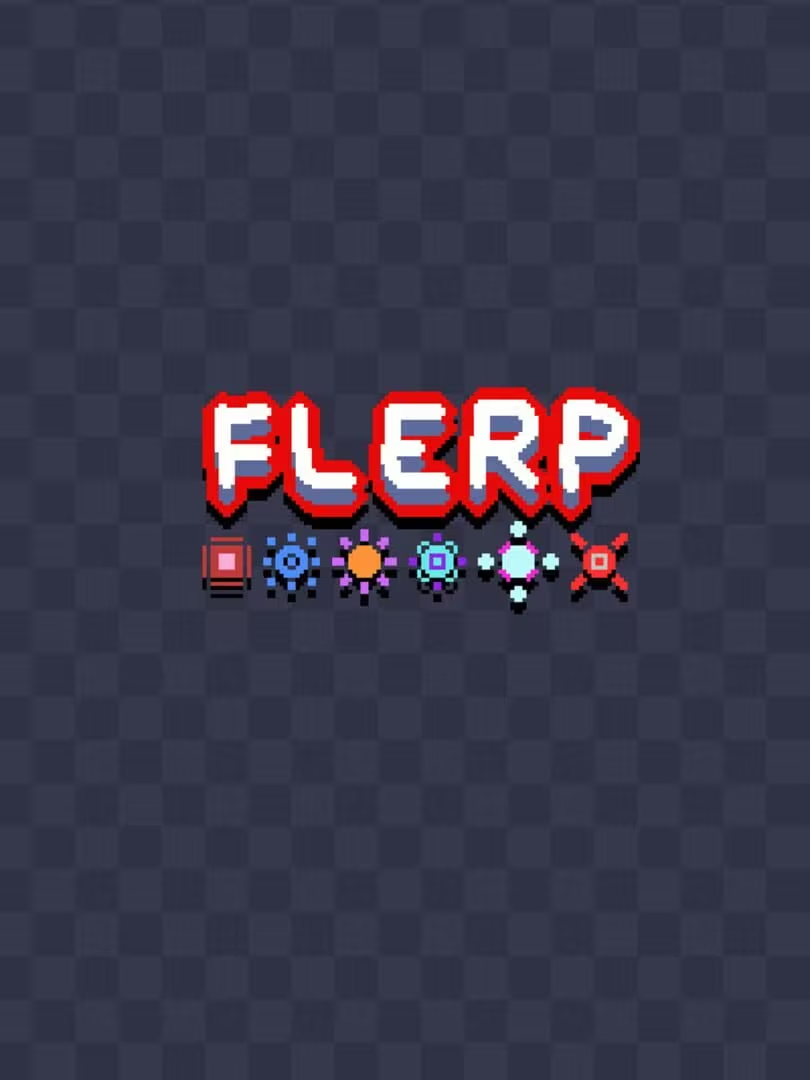 FLERP
FLERP
"Some fantasy elements in story and character design, but mostly abstract platforming."
-
Fellowship
Game with the same Fellowship vibe
-5"No social or community features; solo play only."
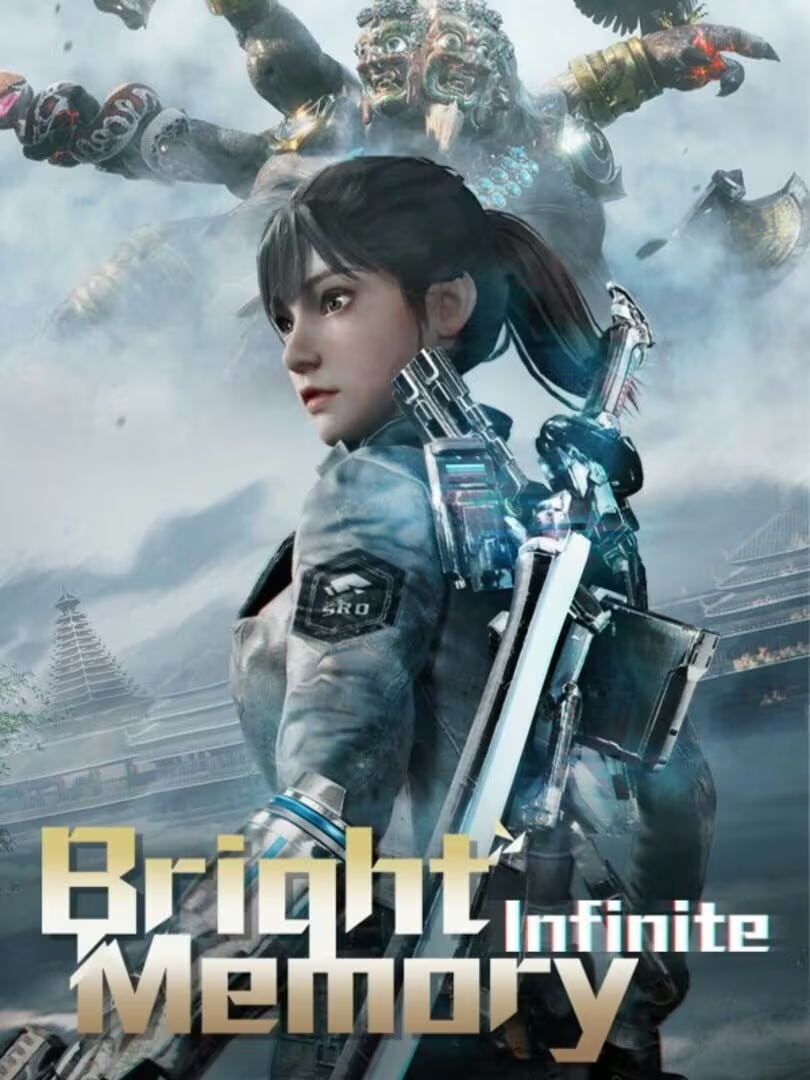 Bright Memory: Infinite
"No social or community features; solo play only."
-
Growth
Game with the same Growth vibe
2"Players develop skills in puzzle-solving and timing; some learning curve in combat and exploration."
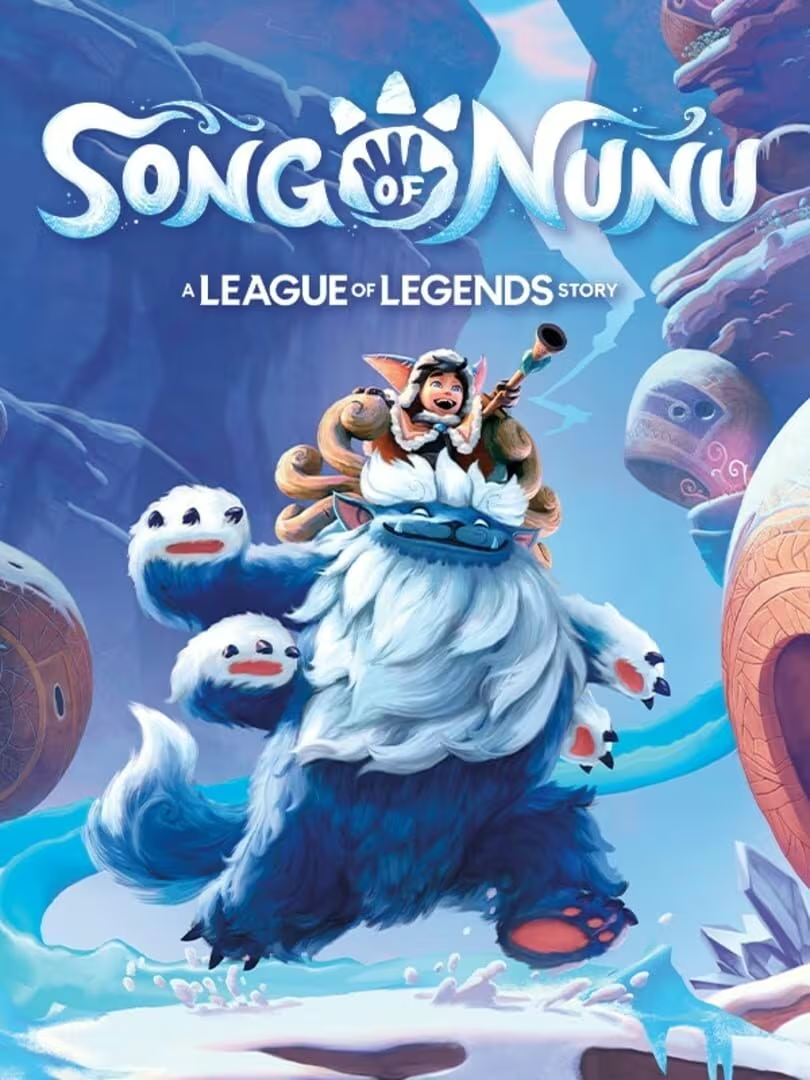 Song of Nunu: A League of Legends Story
"Players develop skills in timing and puzzle solving; some learning curve."
-
Health
Game with the same Health vibe
-5"No physical activity or health-related features; typical sedentary gameplay."
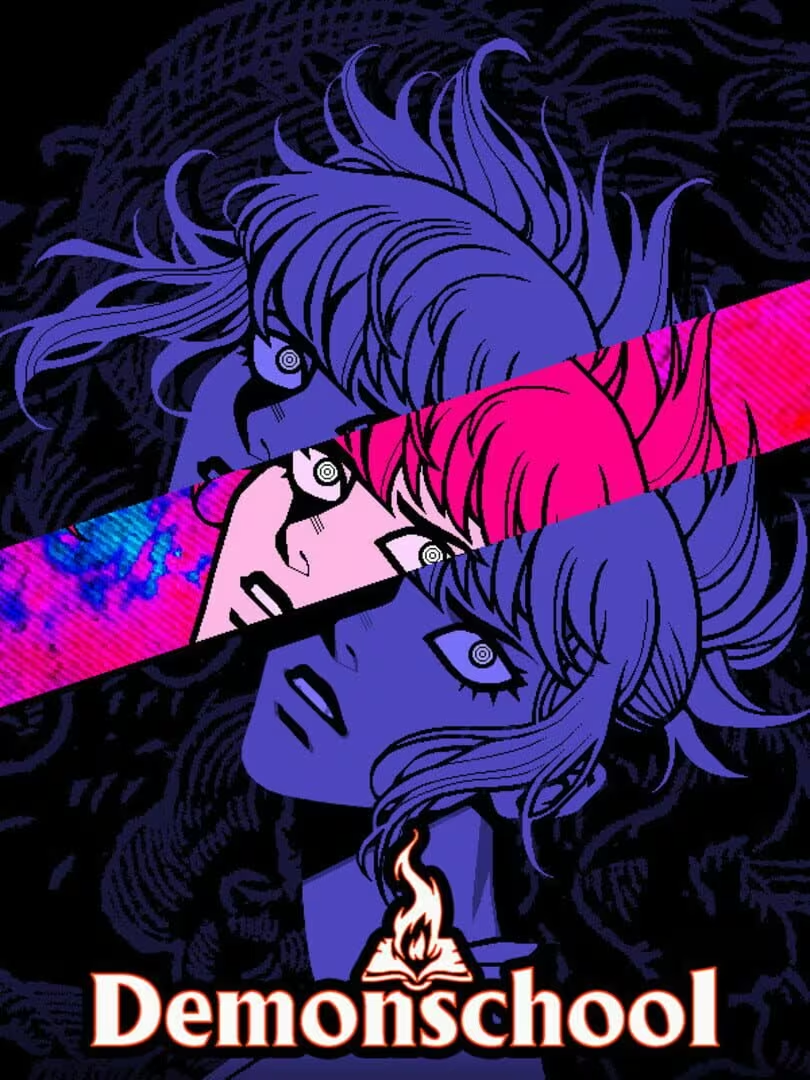 Demonschool
"No physical activity or health-related features; typical sedentary gameplay."
-
Idle
Game with the same Idle vibe
-3"Requires focused attention due to timing and precision; not suitable for idle or background play."
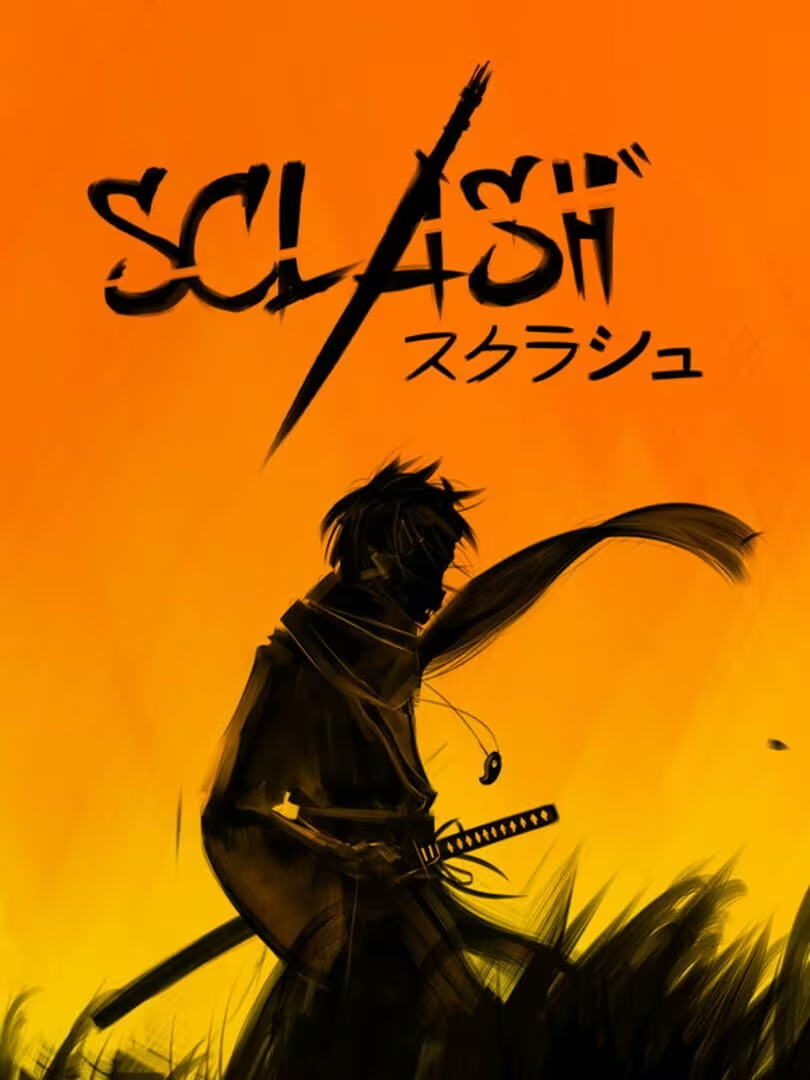 Sclash
"Requires focused attention due to timing and precision; not suitable for idle play."
-
Intimacy
Game with the same Intimacy vibe
-5"No social or emotional relationship building; purely individual experience."
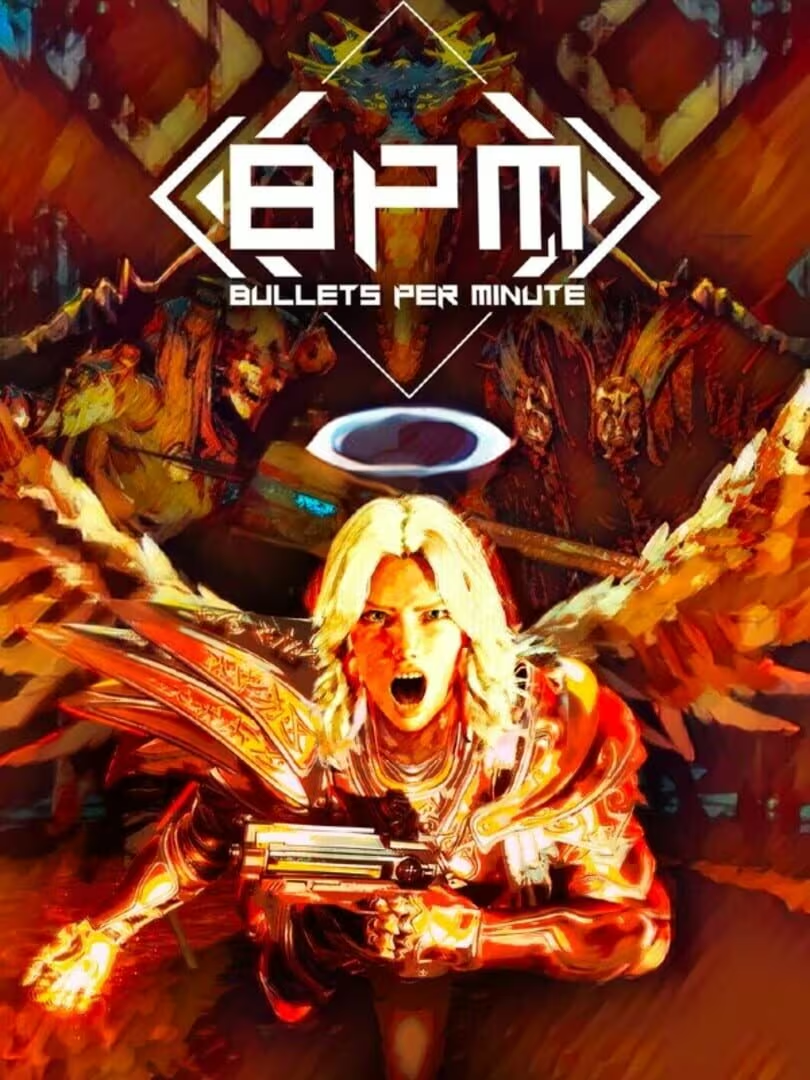 BPM: BULLETS PER MINUTE
"No social or emotional relationship building; purely individual experience."
-
Leadership
Game with the same Leadership vibe
-5"No leadership or group management roles; single player only."
 Idle Pixel Fantasy
"No leadership or group management roles; single player only."
-
Progression
Game with the same Progression vibe
3"Progression through levels and puzzle completion, but no item collection or upgrades."
 Another World – 20th Anniversary Edition
"Progress through levels and puzzles; no item collection but advancement is clear."
-
Relaxation
Game with the same Relaxation vibe
-1"Game is challenging and tense, but some players find the music and gameplay flow relaxing."
 Slash or Die
"Some find music calming, but gameplay can be frustrating and tense."
-
Sensation
Game with the same Sensation vibe
1"Visuals and music provide moderate sensory stimulation; some find music repetitive or annoying."
 Pixel Puzzles: UndeadZ
"Visual style and music provide moderate sensory stimulation; some find it repetitive."
-
Status
Game with the same Status vibe
-5"No social recognition or ranking systems."
 Trover Saves the Universe
"No social recognition or ranking systems."
-
Story
Game with the same Story vibe
1"The story is present but considered weak and secondary to gameplay; some players find it forgettable."
 Shadow Warrior 2
"Story is minimal and fragmented; some players find it interesting, others forget it."
-
Strategy
Game with the same Strategy vibe
3"Requires planning and timing to solve puzzles and navigate hazards effectively."
 Gravity Cat
"Requires planning color changes and timing to solve puzzles and avoid hazards."
-
Thrill
Game with the same Thrill vibe
2"Some tension and challenge in timing and precision, but overall balanced and not overly stressful."
 qomp
qomp
"Some tension from timing and precision challenges; occasional frustration."
-
Value
Game with the same Value vibe
5"Free to play with polished gameplay and visuals; players perceive high value for time invested."
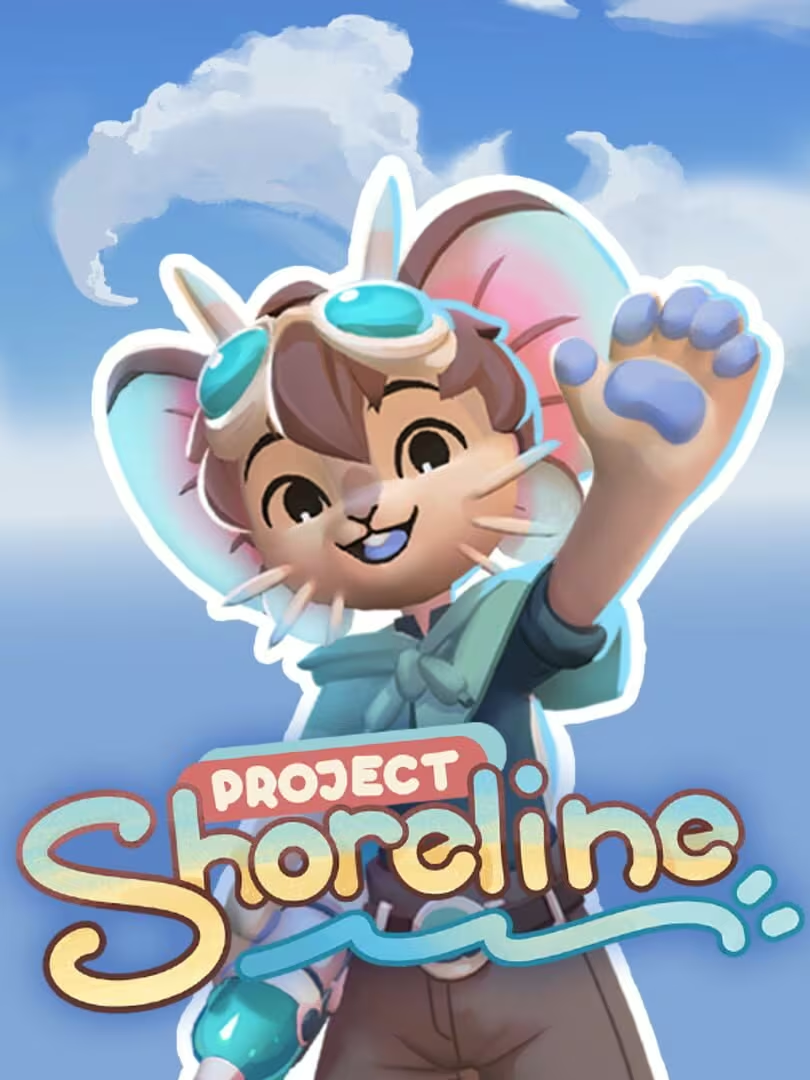 Project Shoreline
"Free to play with creative gameplay; many players feel good value for time invested."
-
Violence
Game with the same Violence vibe
-3"Minimal violence; focus on escape and survival rather than combat or destruction."
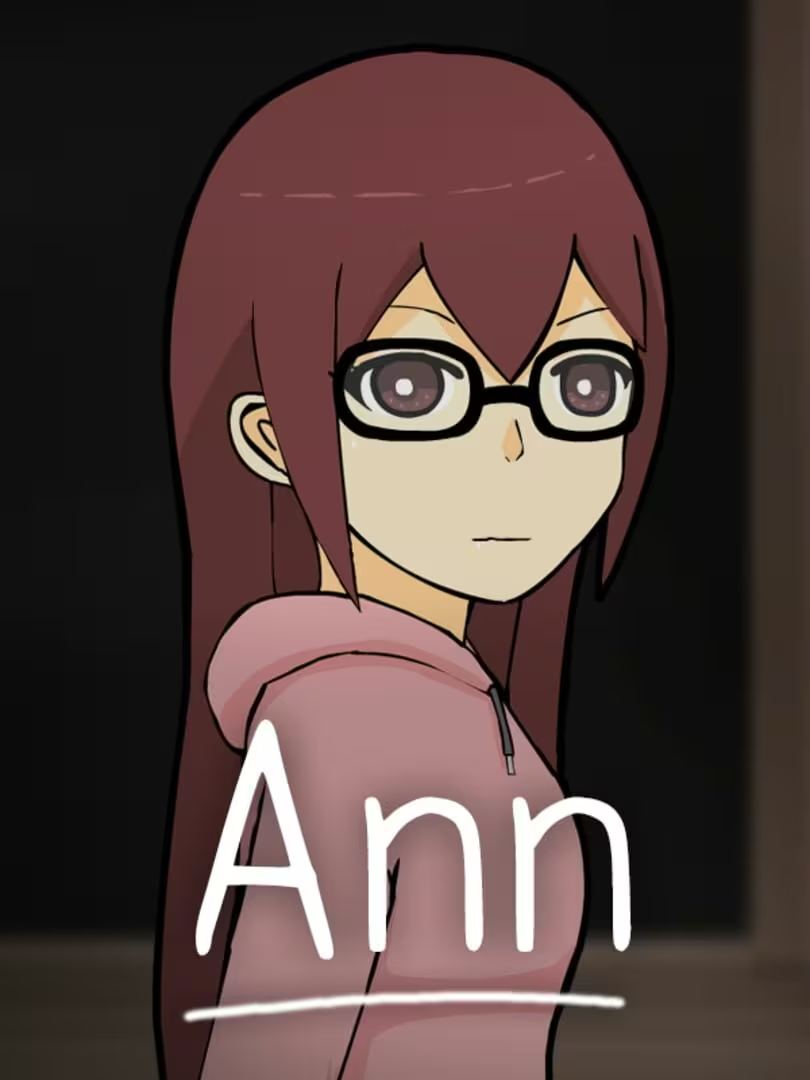 Ann
Ann
"Minimal violence; focus on avoidance rather than combat or destruction."
-
Survival
Game with the same Survival vibe
2"Avoiding death and hazards is core to gameplay, though lives are unlimited and checkpoints frequent."
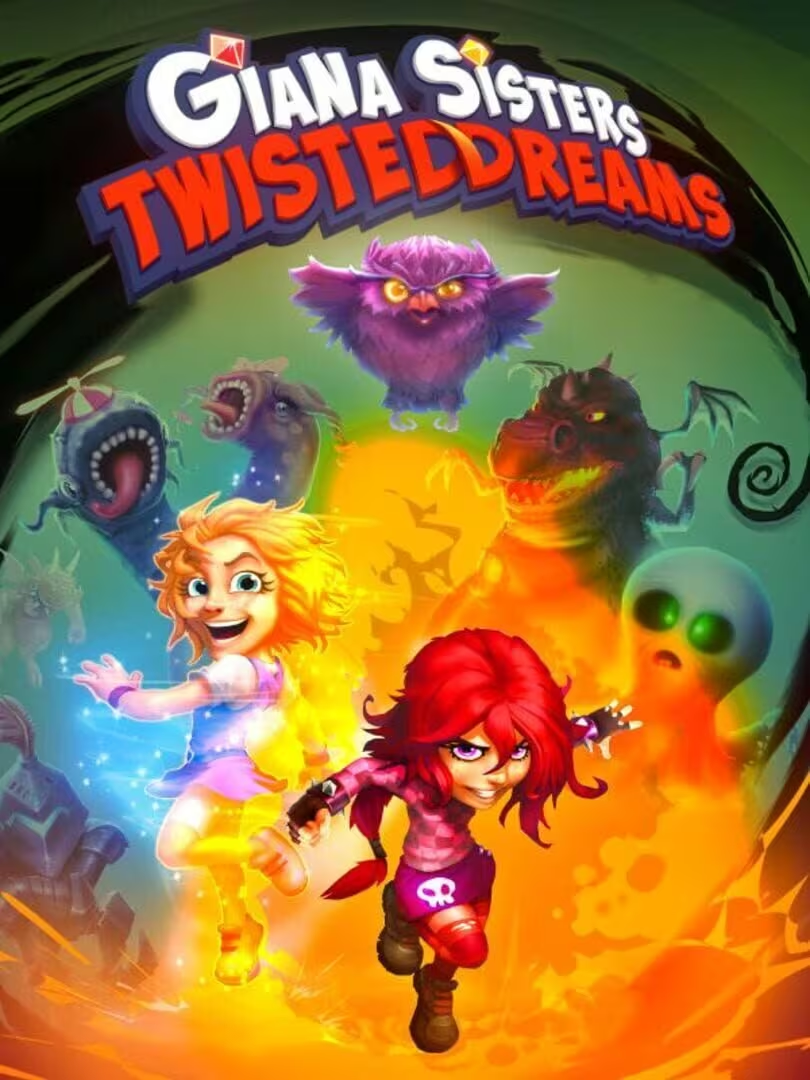 Giana Sisters: Twisted Dreams
"Avoiding death and hazards is core to gameplay; requires careful timing and reaction."
Last update: 01/06/2026