Slash or Die similar games & best alternatives
Should you play it?
In this game you will face violence and extraordinary complexity. You will have to become one of three heroes to slash enemies or to die from their hands. What will your hero do? It depends only on your skills…
What works
- Challenging and addictive gameplay
- Simple but effective mouse controls
- Retro pixel art and atmospheric soundtrack
- Character progression and upgrades
- Affordable price
Things to keep in mind
- Limited content and repetitive arenas
- No controller support and clunky attack mechanics
- Lack of multiplayer or social features
- Some bugs with attack responsiveness
- Minimal narrative and customization
What to play next
Similar games, hidden gems, and fresh directions from this game.
Top picks
Games that feel the closest overall

Hidden Gems
Less popular games with surprisingly high similarity
If you liked…
Recommendations by what you enjoyed most
Similarity map
Explore nearby similar games and see why they’re close.
Slash or Die: Less representative of its motivational profile, with noticeable differences. Motivations that often define this kind of title include Expression, Fellowship, Cooperation, Status. It leans lower than usual among comparable games on Story, Exploration, Creativity.
Why this game works
A motivational profile of the game, with the closest similar game for each player motivation.
-
Autonomy
Game with the same Autonomy vibe
3"Players control direction and attacks but character moves automatically, allowing some freedom but within constraints."
 Bacon May Die
"Players control their character's movement and attack direction freely with mouse, but attack timing is constrained by stamina and cooldown."
-
Competence
Game with the same Competence vibe
4"Game is challenging with skill-based fast-paced combat and movement, rewarding player mastery."
 Roboquest VR
"Game is challenging with skill-based combat and progression system rewarding mastery and upgrades."
-
Competition
Game with the same Competition vibe
-2"No strong emphasis on player-vs-player competition; focus is on personal progress and self-set goals."
 Snakecremental
"No direct player-vs-player competition; focus is on personal progress and survival."
-
Continuation
Game with the same Continuation vibe
4"Players report addictive gameplay with repeated attempts to beat difficult levels and improve performance."
 Neon Drive
"Players report addictive gameplay with repeated attempts and grinding to improve characters."
-
Cooperation
Game with the same Cooperation vibe
-5"Single-player only with no multiplayer or cooperative elements."
 Dungeon of Zolthan
"Single-player only with no multiplayer or cooperative elements."
-
Creativity
Game with the same Creativity vibe
-3"Gameplay is fixed arena with preset enemy spawns and no customization or building."
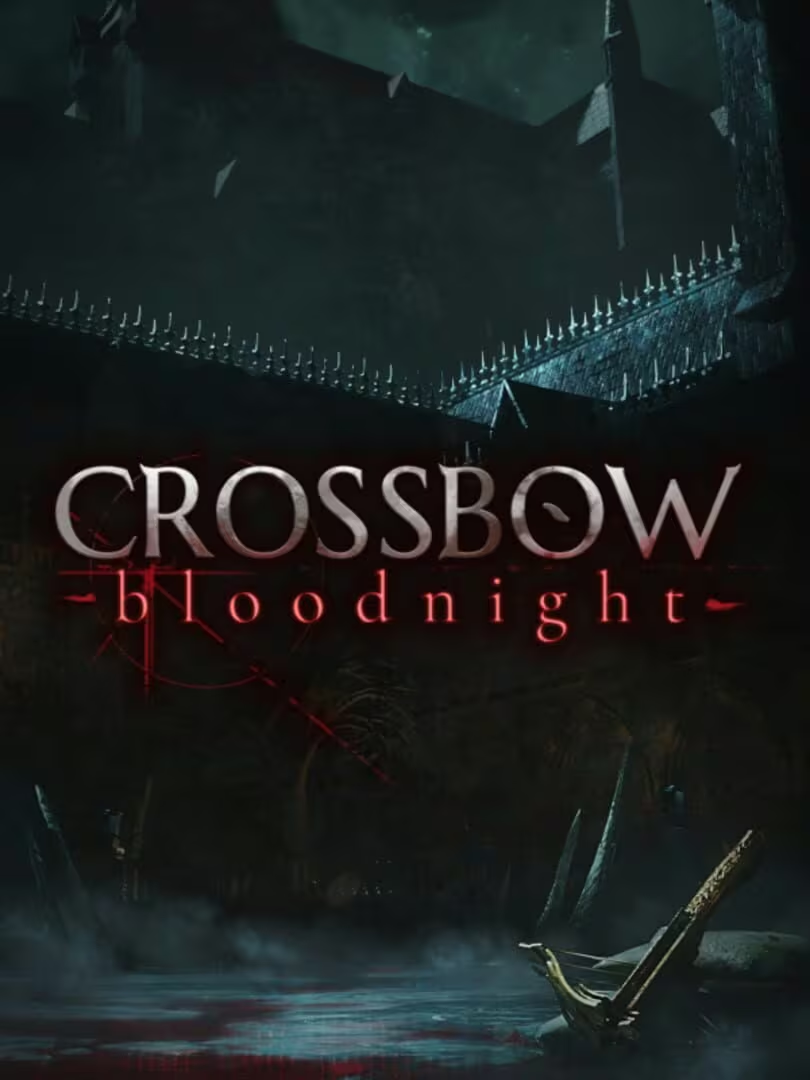 CROSSBOW: Bloodnight
"Limited customization; upgrades are predefined and gameplay is repetitive with static arenas."
-
Domination
Game with the same Domination vibe
-5"No social dominance or power over others; purely individual gameplay."
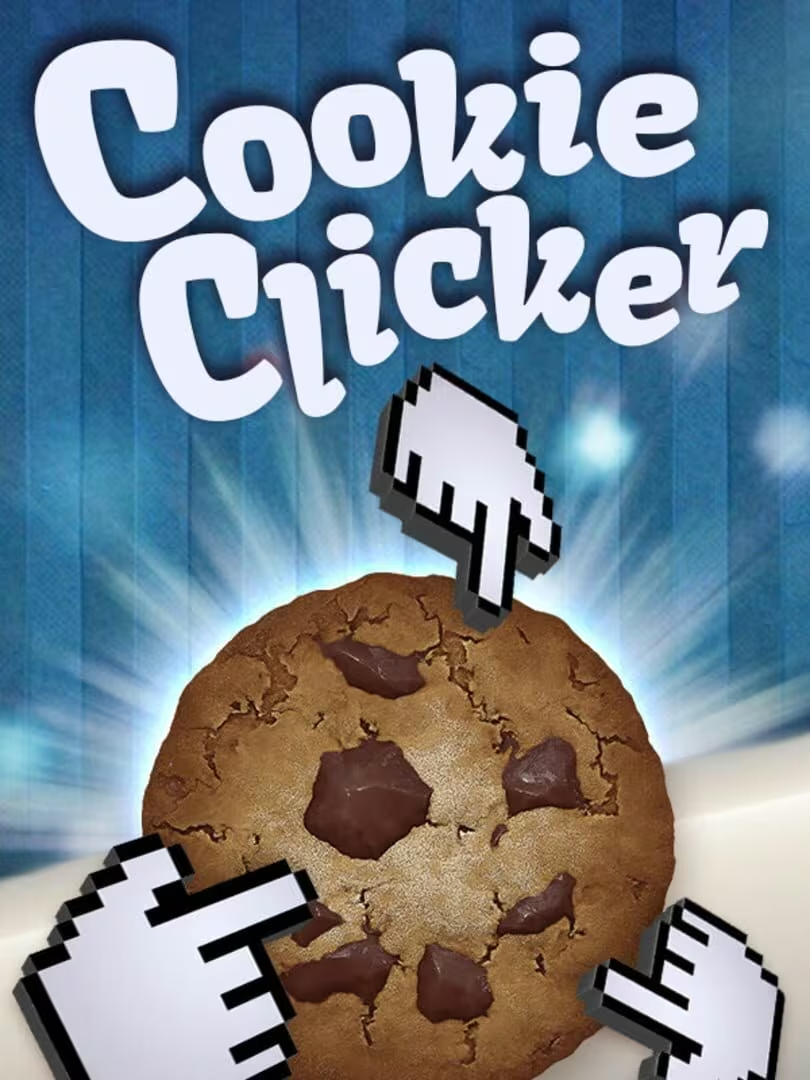 Cookie Clicker
"No social dominance or power over others; purely individual gameplay."
-
Escapism
Game with the same Escapism vibe
3"Players use the game as a fun, fast-paced distraction and stress relief with immersive retro aesthetics."
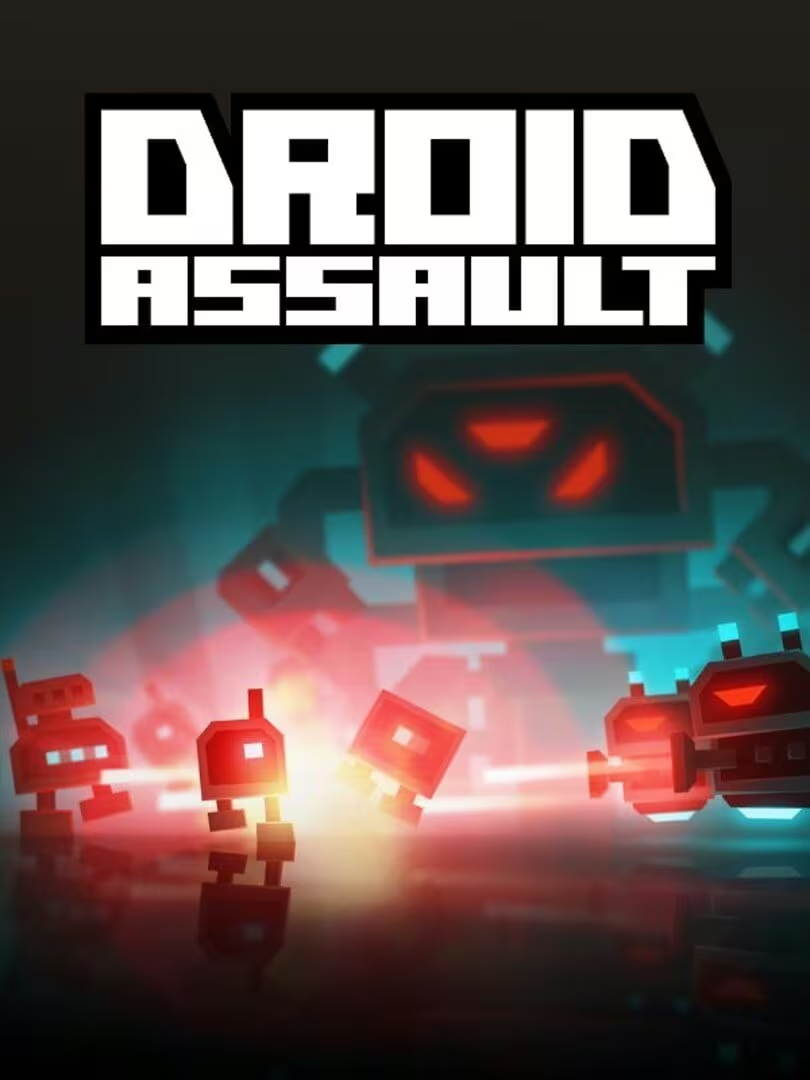 Droid Assault
"Players use game as a distraction and stress relief, enjoying immersive retro atmosphere."
-
Expectation
Game with the same Expectation vibe
-4"Players engage voluntarily for fun and challenge, not out of obligation."
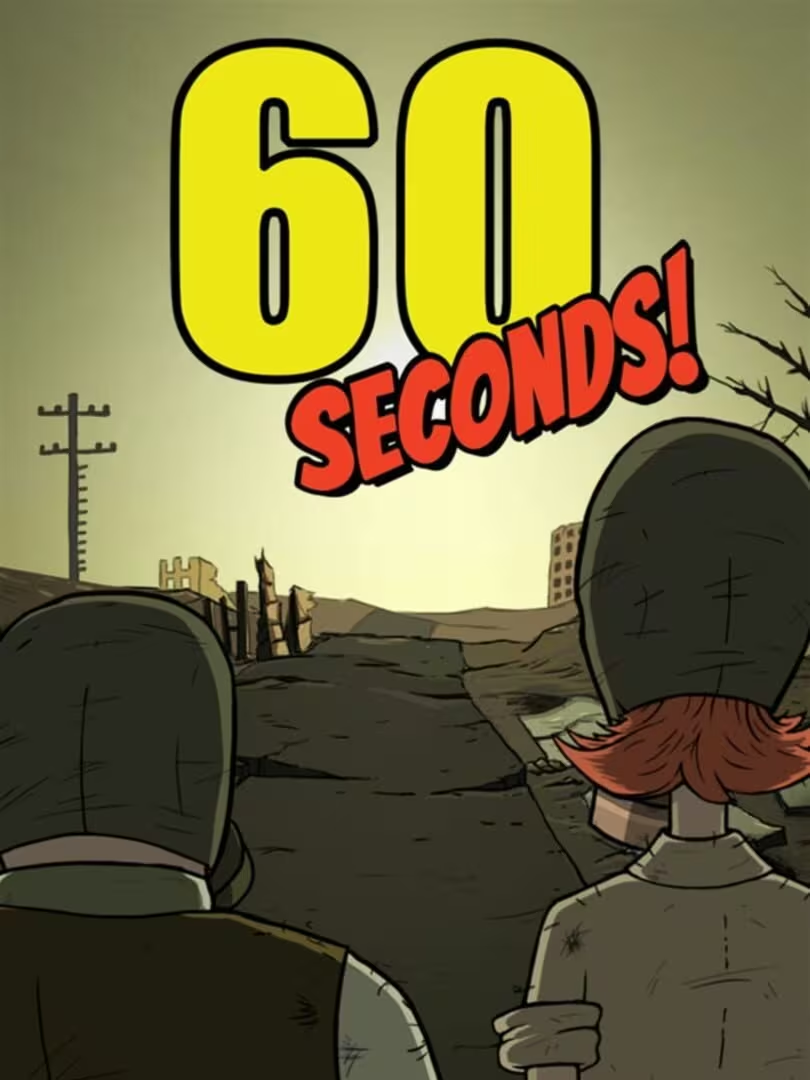 60 Seconds!
"Players engage voluntarily for fun and challenge, not out of obligation."
-
Experimenting
Game with the same Experimenting vibe
2"Some experimentation with different characters and game speed; limited exploration of mechanics."
 PIXELMAN
"Some experimentation with character builds and strategies, but limited by simple mechanics."
-
Exploration
Game with the same Exploration vibe
-4"Gameplay occurs in a single arena with no exploration or discovery of new areas."
 Shotgun Witch
"Gameplay occurs in static, single-screen arenas with no exploration of new environments."
-
Expression
Game with the same Expression vibe
-4"Minimal character customization; fixed appearances and limited cosmetic options."
 Showgunners
"Minimal character customization; no cosmetic or expressive options."
-
Fantasy
Game with the same Fantasy vibe
3"Game features a fantasy setting with monsters, magic, and heroic slayer themes, though presented in pixel art style."
 Idle Slayer
"Game features fantasy elements like undead enemies and heroic classes in a pixel-art style."
-
Fellowship
Game with the same Fellowship vibe
-5"No social or community features; strictly solo play."
 Outlast 2
"No social or community features; strictly solo play."
-
Growth
Game with the same Growth vibe
4"Strong emphasis on character progression, skill acquisition, and unlocking new abilities and gear."
 DYSMANTLE
"Strong emphasis on character progression and skill improvement through grinding and upgrades."
-
Health
Game with the same Health vibe
-5"Sedentary gameplay with mouse movement; no physical activity involved."
 Incredicer
"Sedentary mouse-only gameplay with no physical activity involved."
-
Idle
Game with the same Idle vibe
-3"Requires active attention and input; not suitable for passive or background play."
 Slavistan
"Requires focused attention and active input; not suitable for passive or background play."
-
Intimacy
Game with the same Intimacy vibe
-5"No social or emotional connections formed through gameplay."
 Nodebuster
"No social or emotional connections formed through gameplay."
-
Leadership
Game with the same Leadership vibe
-5"No leadership or group management elements present."
 Trover Saves the Universe
"No leadership or group management elements present."
-
Progression
Game with the same Progression vibe
5"Core gameplay revolves around leveling characters, upgrading equipment, and unlocking new abilities."
 Disgaea PC
"Core gameplay revolves around collecting souls and upgrading character stats and abilities."
-
Relaxation
Game with the same Relaxation vibe
-1"Game is fast-paced and tense, though some find the art and music relaxing."
 Interloper
"Game is challenging and tense, but some players find the music and gameplay flow relaxing."
-
Sensation
Game with the same Sensation vibe
3"Enjoyable pixel art and soundtrack provide sensory pleasure and emotional engagement."
 RITE
RITE
"Enjoyable pixel art and soundtrack provide sensory stimulation and emotional engagement."
-
Status
Game with the same Status vibe
-4"No social recognition or leaderboards; focus is on individual survival."
 Dread Dawn
"No social recognition or leaderboards beyond survival mode; mostly individual focus."
-
Story
Game with the same Story vibe
-3"Minimal narrative or lore; gameplay is mostly context-free survival and combat."
 Void Scrappers
"Minimal and cryptic narrative; gameplay is mostly context-free combat and progression."
-
Strategy
Game with the same Strategy vibe
3"Players must plan routes, manage stamina, and use items strategically to avoid enemies and solve puzzles."
 Yomawari: Midnight Shadows
"Players must plan attacks, manage stamina, and prioritize enemies to survive."
-
Thrill
Game with the same Thrill vibe
4"High difficulty and risk create suspense, tension, and excitement during gameplay."
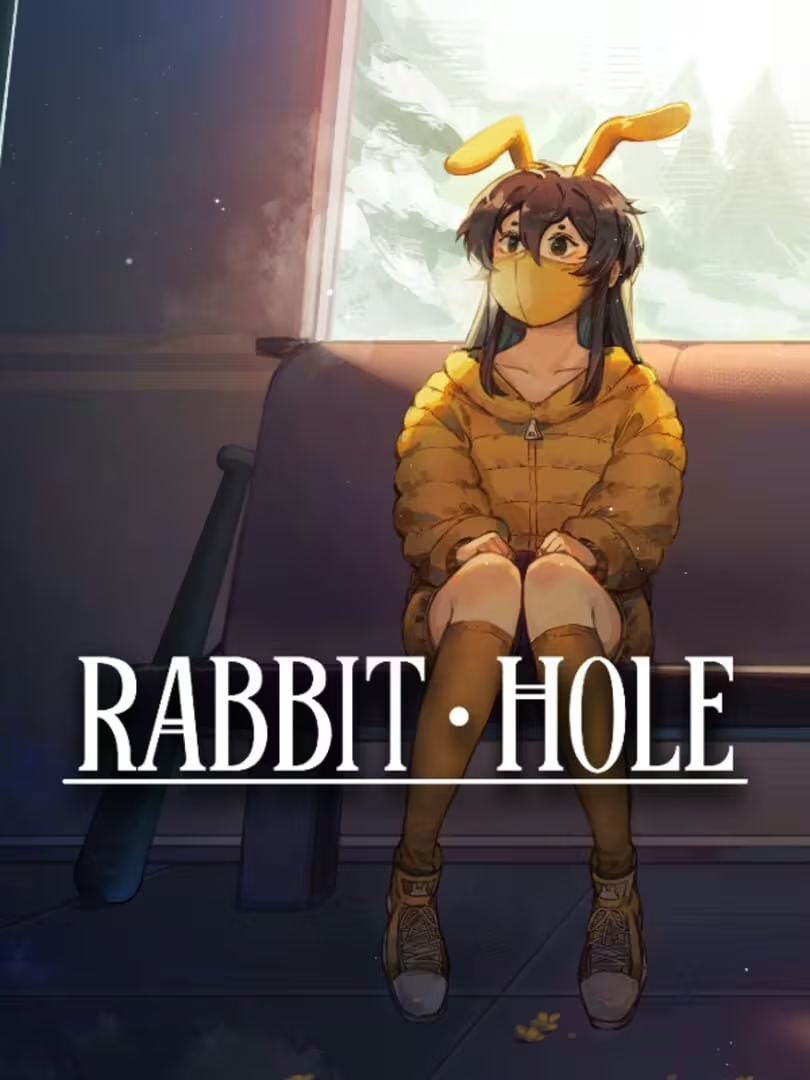 Rabbit Hole
"High difficulty and risk create suspense and excitement during gameplay."
-
Value
Game with the same Value vibe
4"Players feel the game offers excellent value for its low price and replayability."
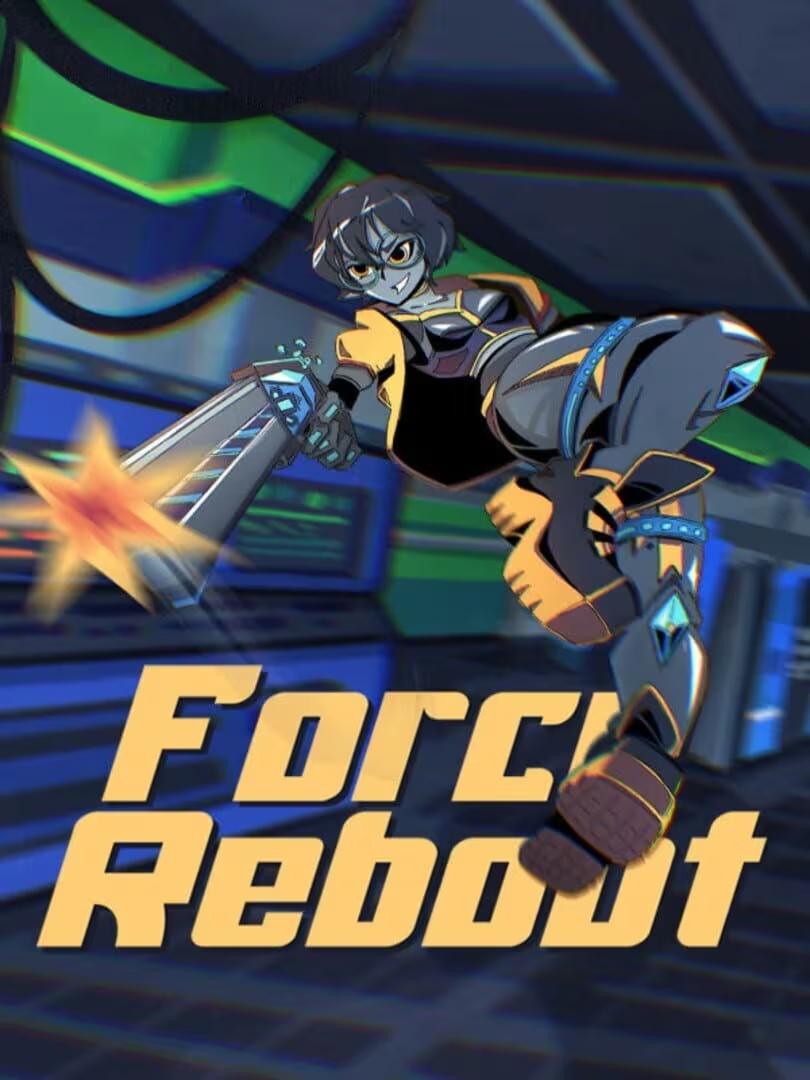 Force Reboot
"Players feel the game offers good value for its low price and replayability."
-
Violence
Game with the same Violence vibe
5"Core gameplay involves intense combat, destruction, and graphic blood effects."
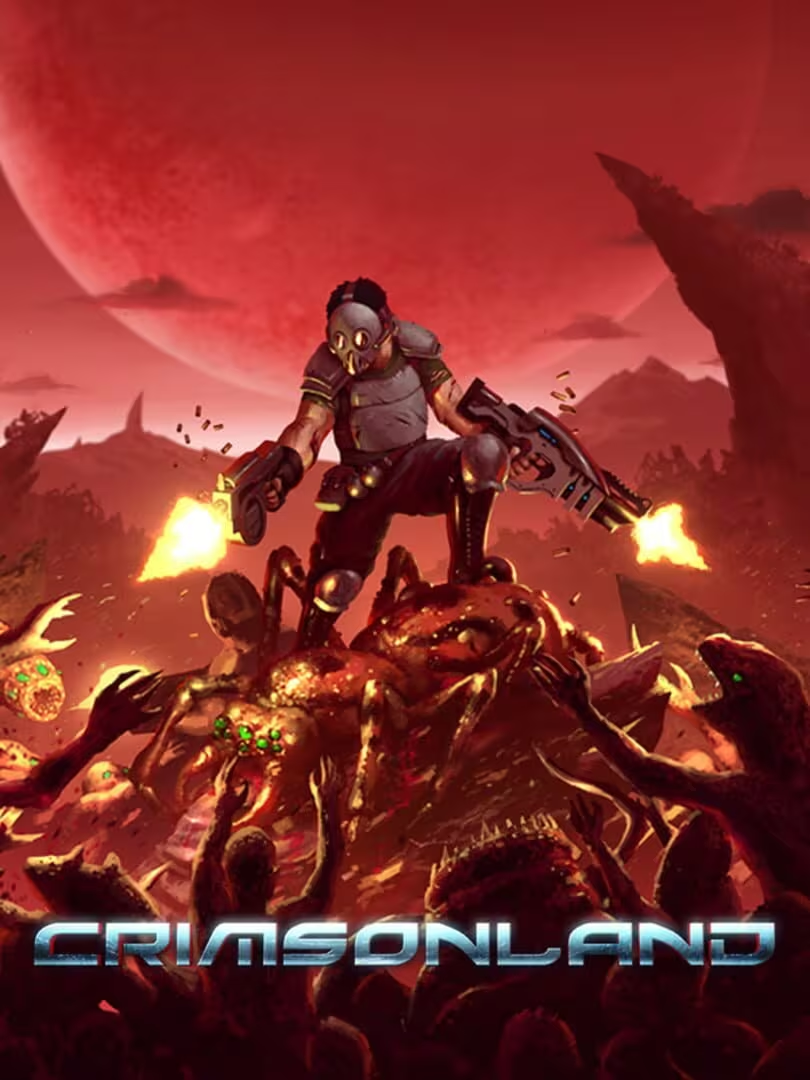 Crimsonland
"Core gameplay involves combat, slashing enemies, and defeating bosses with blood effects."
-
Survival
Game with the same Survival vibe
4"Gameplay centers on avoiding death, managing health and resources, and overcoming threats."
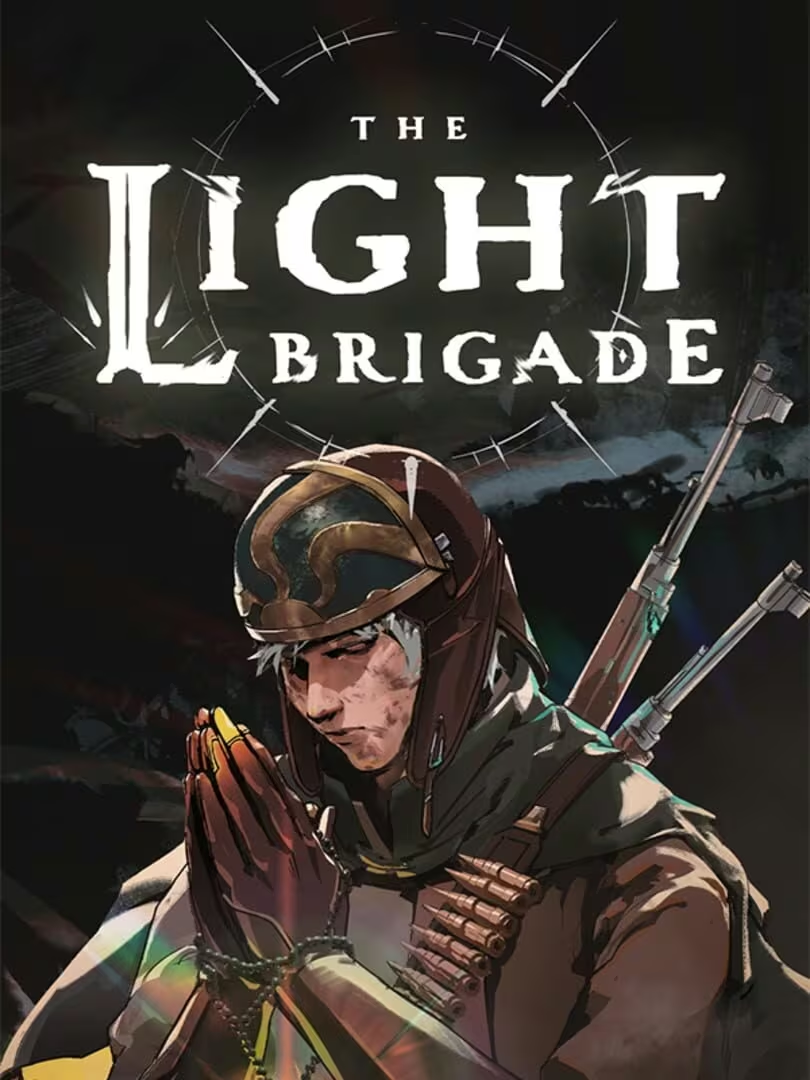 The Light Brigade
"Gameplay centers on avoiding death, managing stamina and health, and overcoming waves of enemies."
Last update: 01/06/2026