Distant Worlds 2 similar games & best alternatives
Should you play it?
Distant Worlds 2 is a vast, pausable real-time 4X space strategy game.
What works
- Extensive automation options
- Deep and complex gameplay
- High replayability
- Detailed ship and fleet customization
- Active developer support and updates
Things to keep in mind
- Steep learning curve
- Clunky or overwhelming ui for new players
- Performance issues on very large games
- Limited multiplayer and social features
- Some bugs and stability issues reported
What to play next
Similar games, hidden gems, and fresh directions from this game.
Top picks
Games that feel the closest overall
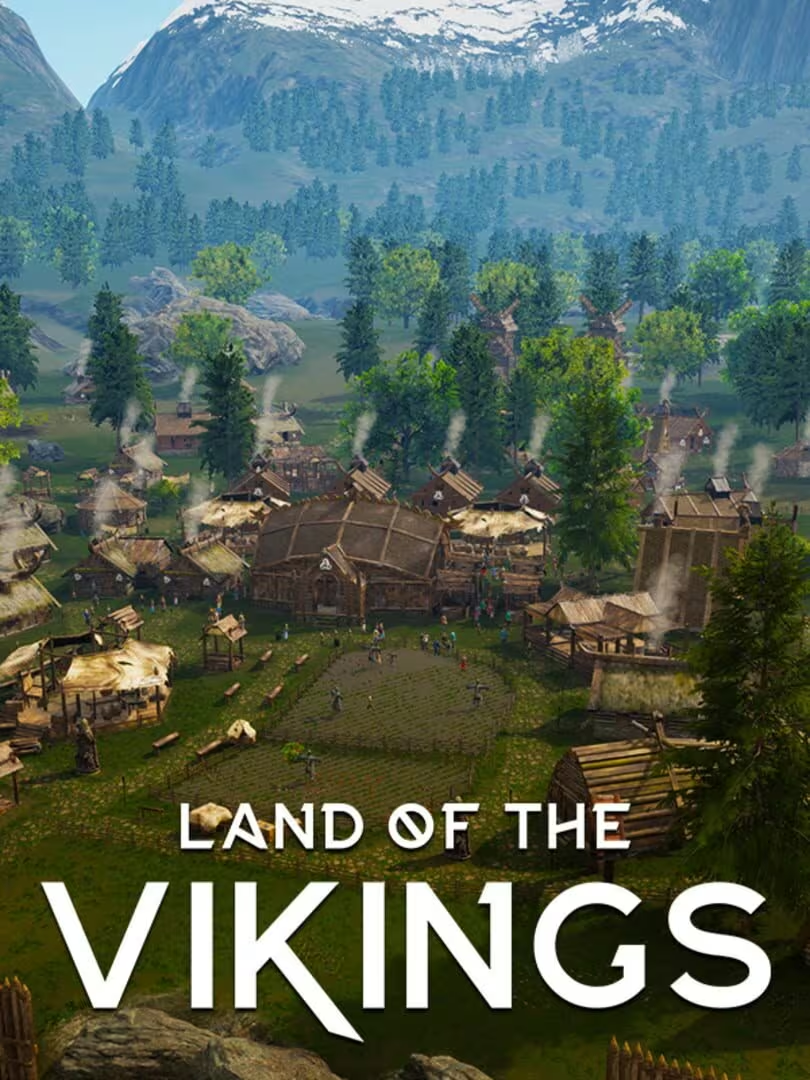


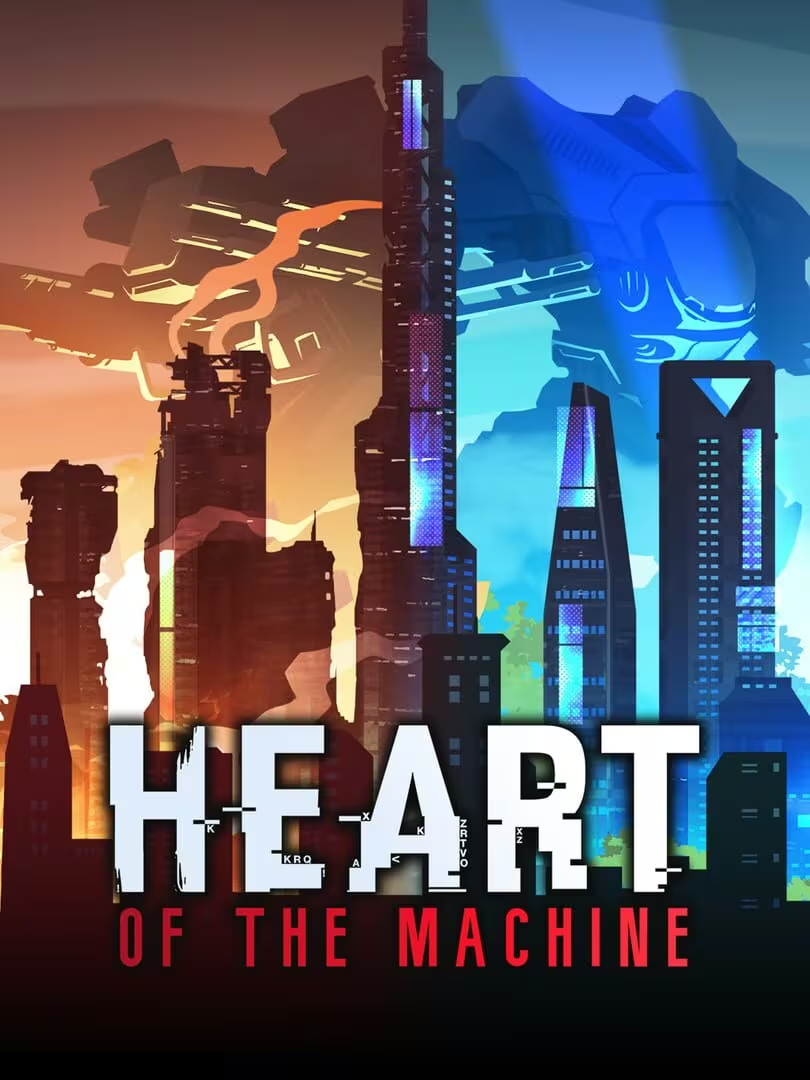
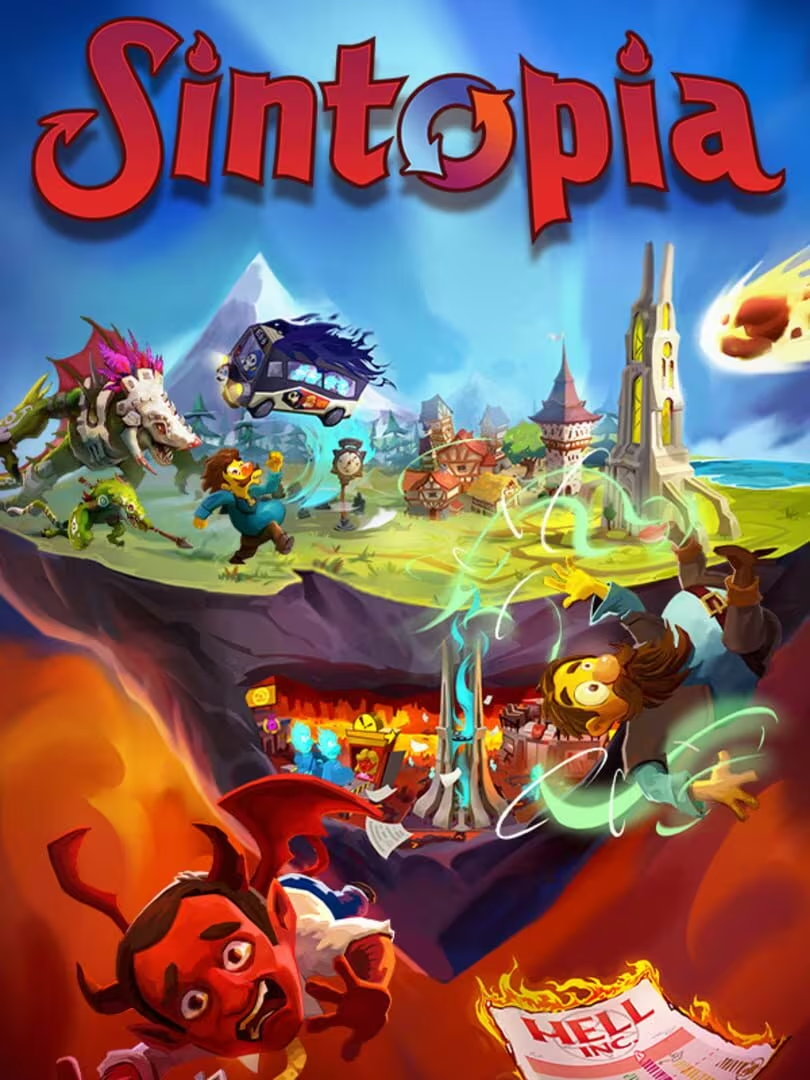
Hidden Gems
Less popular games with surprisingly high similarity

If you liked…
Recommendations by what you enjoyed most
Similarity map
Explore nearby similar games and see why they’re close.
Distant Worlds 2: Broadly representative of its motivational profile, with a few distinct shifts. Motivations that often define this kind of title include Fellowship, Violence, Survival, Cooperation. Here, the score leans higher than usual among comparable games on Leadership. It leans lower than usual among comparable games on Sensation, Fantasy.
Why this game works
A motivational profile of the game, with the closest similar game for each player motivation.
-
Autonomy
Game with the same Autonomy vibe
5"Players have extensive control over empire management, ship design, diplomacy, and can automate or manually control any aspect, reflecting high autonomy."
 Distant Worlds: Universe
"Players have extensive control over empire management, with the option to automate nearly all aspects or micromanage specific areas, allowing personal freedom in directing actions."
-
Competence
Game with the same Competence vibe
4"The game offers deep strategic and tactical challenges with complex mechanics, ship upgrades, and resource management requiring skill and knowledge."
 Sins of a Solar Empire II
"The game offers deep, complex mechanics requiring skillful management of economy, fleets, and technology, with meaningful feedback and challenges."
-
Competition
Game with the same Competition vibe
-2"Focus is mostly on personal survival and progression; multiplayer is cooperative rather than competitive, and leaderboards or ranked modes are not emphasized."
 Zombie Kill of the Week - Reborn
"Focus is primarily on personal empire management and simulation rather than direct competition or ranked modes; multiplayer is not emphasized."
-
Continuation
Game with the same Continuation vibe
5"Players report long sessions, habitual play, and high replay value with hundreds of hours invested, indicating strong desire to keep playing."
 Darkest Dungeon® II
"Players report long sessions and high replayability, with hundreds of hours invested and habitual play encouraged by the game's depth."
-
Cooperation
Game with the same Cooperation vibe
-3"Primarily a single-player experience focused on individual empire building and strategy; limited multiplayer cooperation."
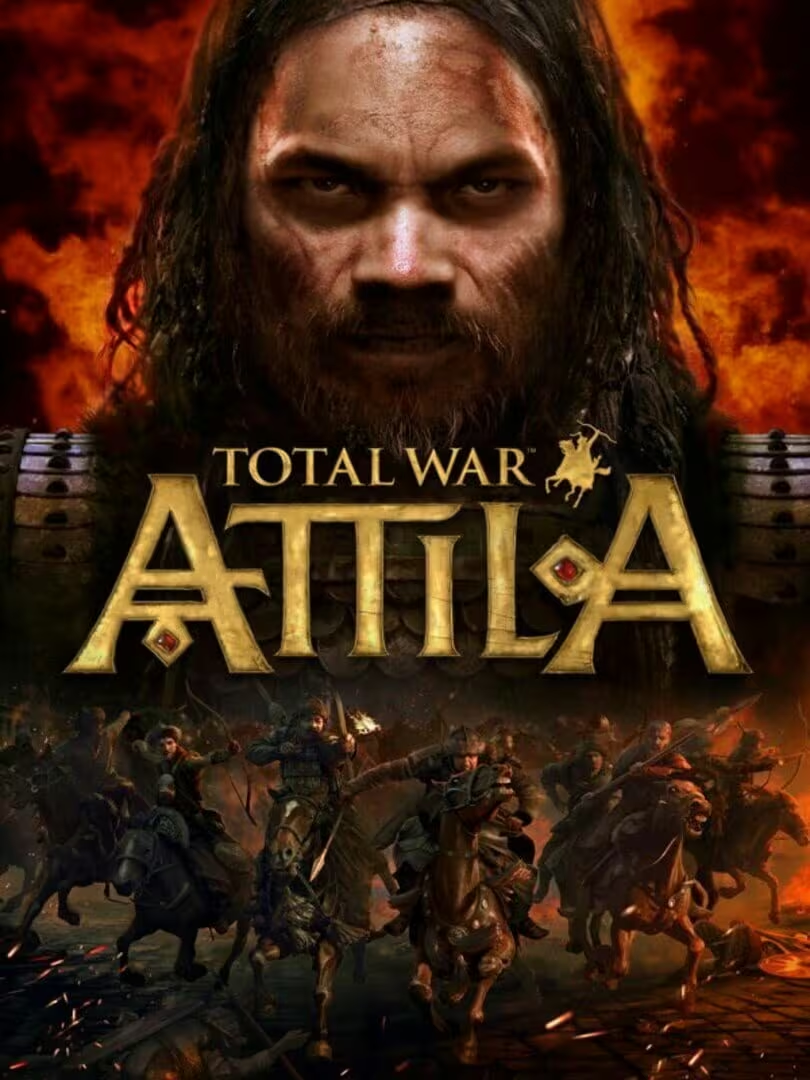 Total War: ATTILA
"The game is mainly a single-player experience with limited multiplayer or cooperative features; players focus on individual empire building."
-
Creativity
Game with the same Creativity vibe
4"Extensive ship customization and strategic choices allow players to creatively design fleets and tactics."
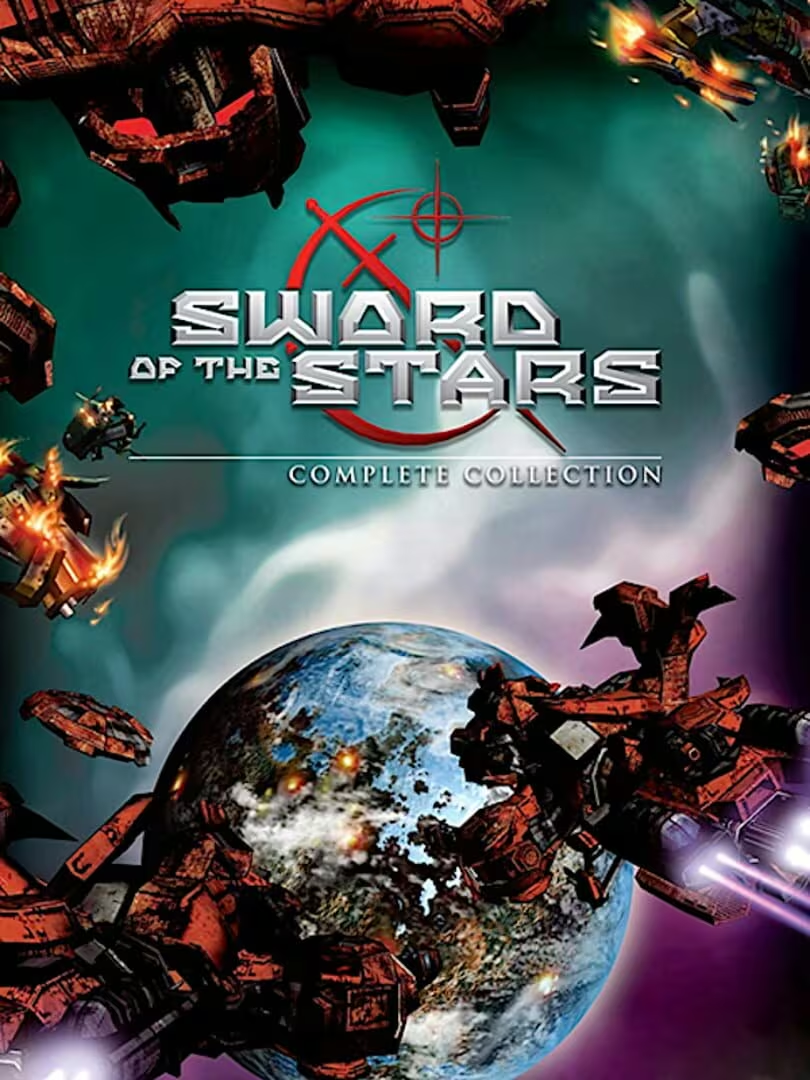 Sword of the Stars: Complete Collection
"Extensive ship design and fleet customization allow players to create unique configurations and strategies."
-
Domination
Game with the same Domination vibe
-3"Interactions emphasize diplomacy, alliances, and mutual respect rather than exerting control or superiority over others."
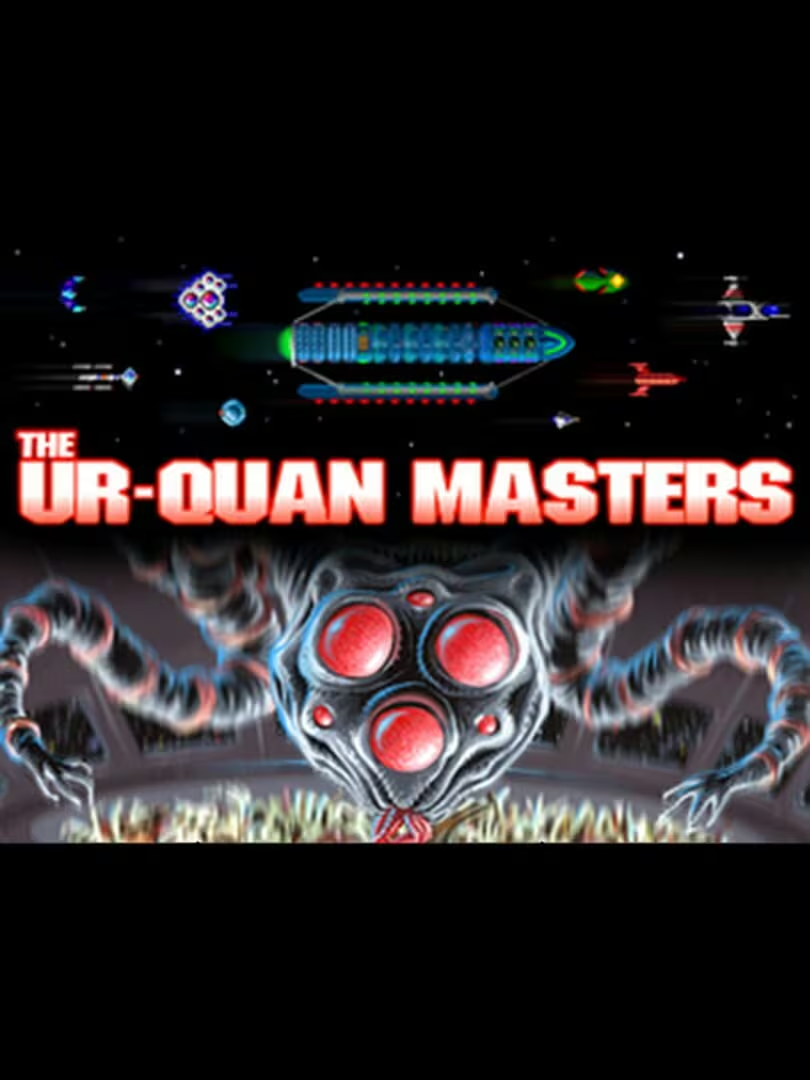 Free Stars: The Ur-Quan Masters
"Interactions with other empires emphasize diplomacy and balanced relations rather than exerting authority or trash talk."
-
Escapism
Game with the same Escapism vibe
4"Players use the game to immerse in a futuristic space empire scenario, escaping real life through grand strategy."
 Solar Nations 2
"Players use the game as a deep space empire simulation to immerse themselves and escape real life through strategic empire management."
-
Expectation
Game with the same Expectation vibe
-4"Engagement is driven by intrinsic interest, curiosity, and personal desire to explore rather than obligation or external pressure."
 Fatum Betula
"Engagement is driven by intrinsic interest and personal desire to explore complex mechanics rather than obligation or external pressure."
-
Experimenting
Game with the same Experimenting vibe
4"Players experiment with different loadouts, ships, and strategies, exploring mechanics and customizing playstyle."
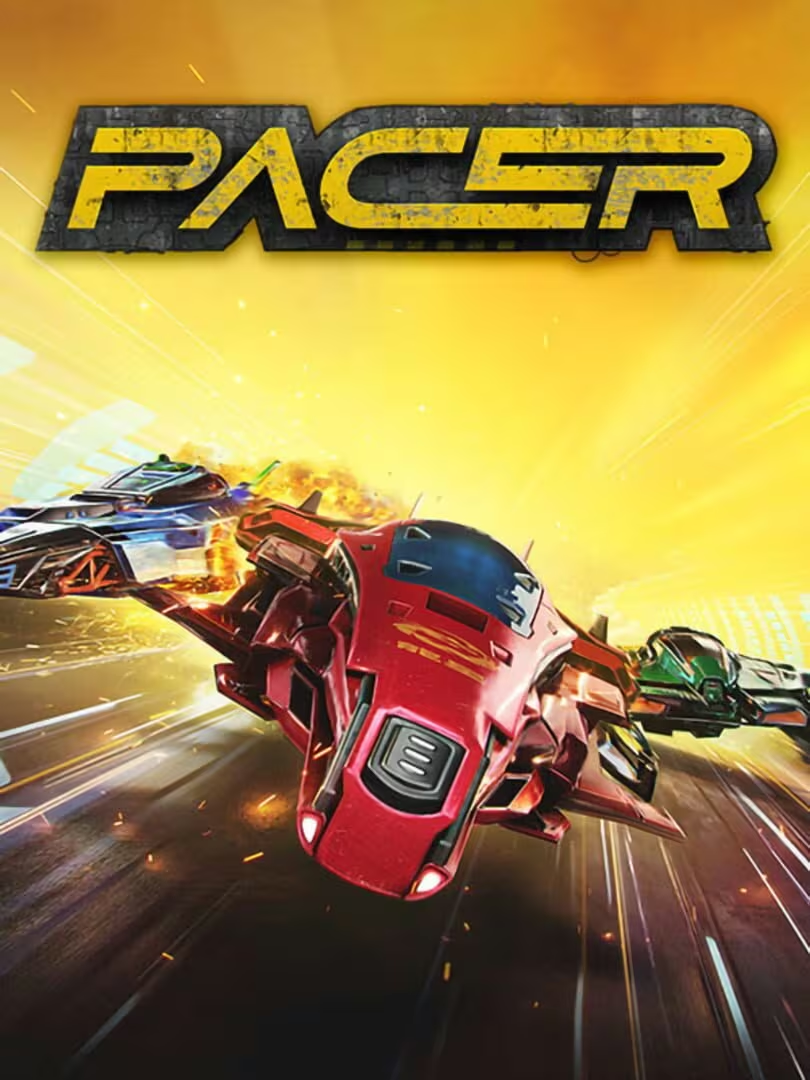 Pacer
Pacer
"Players experiment with automation levels, ship designs, and strategies, exploring many mechanics and customizing playstyle."
-
Exploration
Game with the same Exploration vibe
3"Exploration of new star systems and planets is a core part of gameplay, though within a known galaxy."
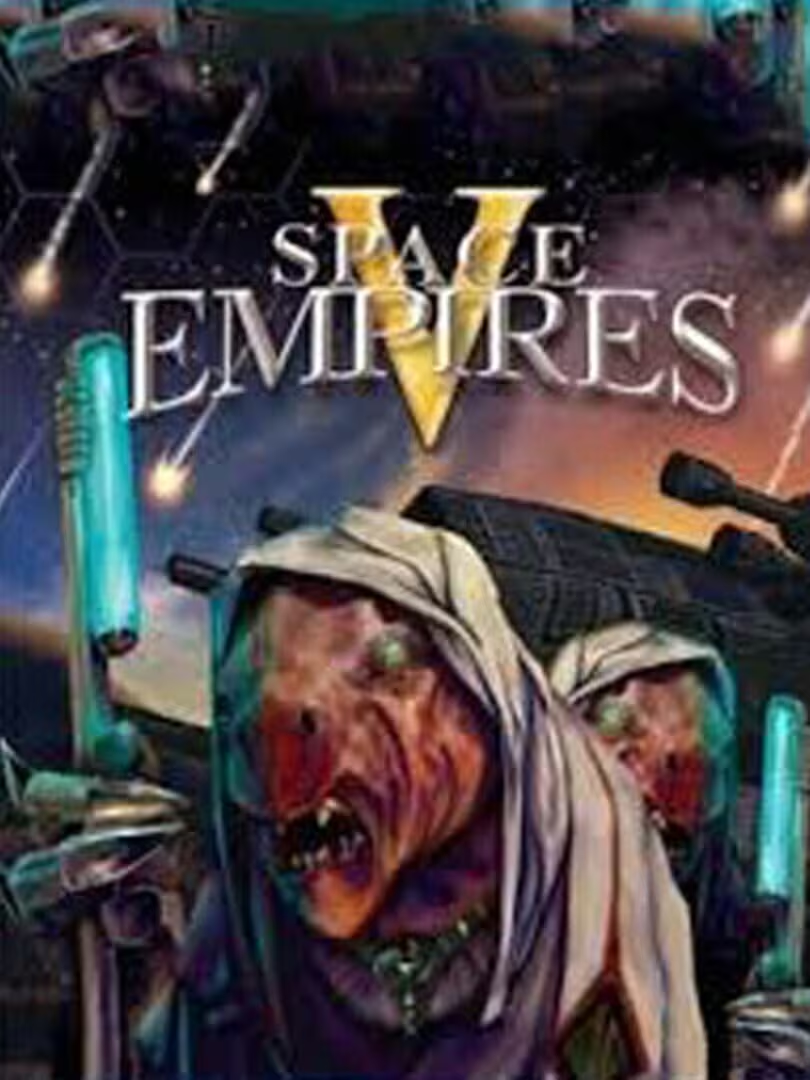 Space Empires V
"Exploration of a vast galaxy with many star systems and discovery of story elements and resources is a key part of gameplay."
-
Expression
Game with the same Expression vibe
3"Customization of ships and some cosmetic options allow self-expression; character customization limited."
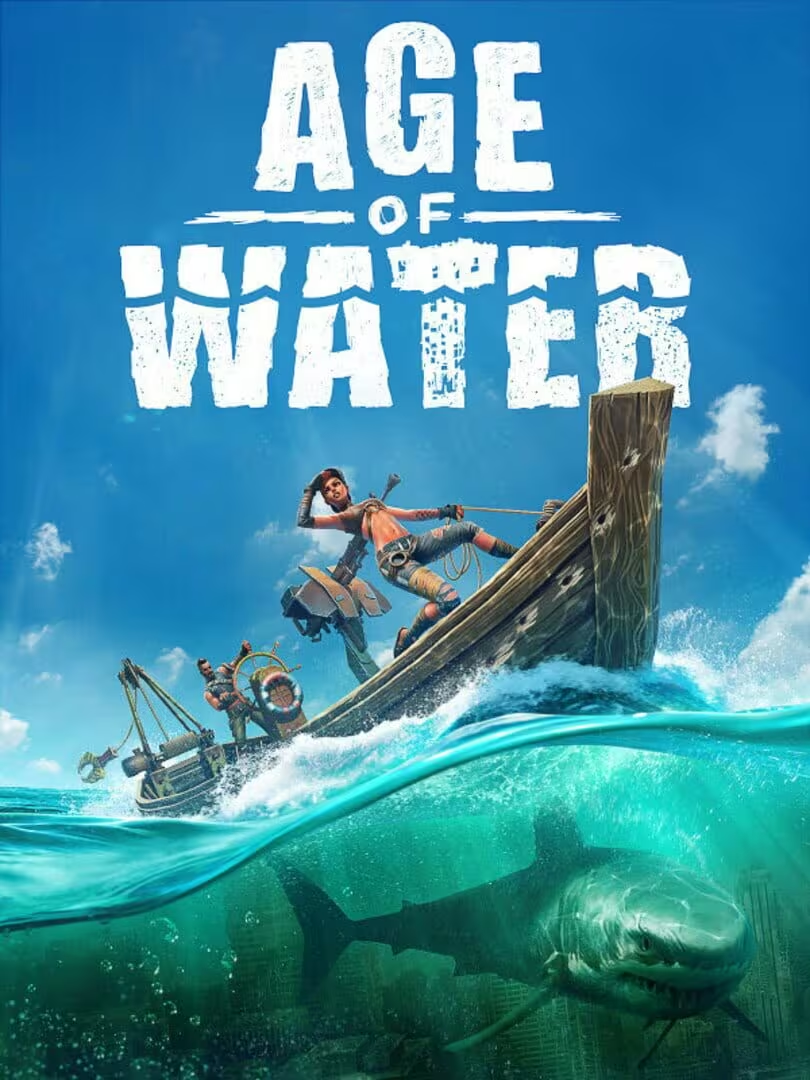 Age of Water
"Customization of ships and fleets provides a form of self-expression, though character customization is limited."
-
Fantasy
Game with the same Fantasy vibe
2"The game features a stylized sci-fi space setting with imaginative weapons and ships, though grounded in arcade shooter mechanics."
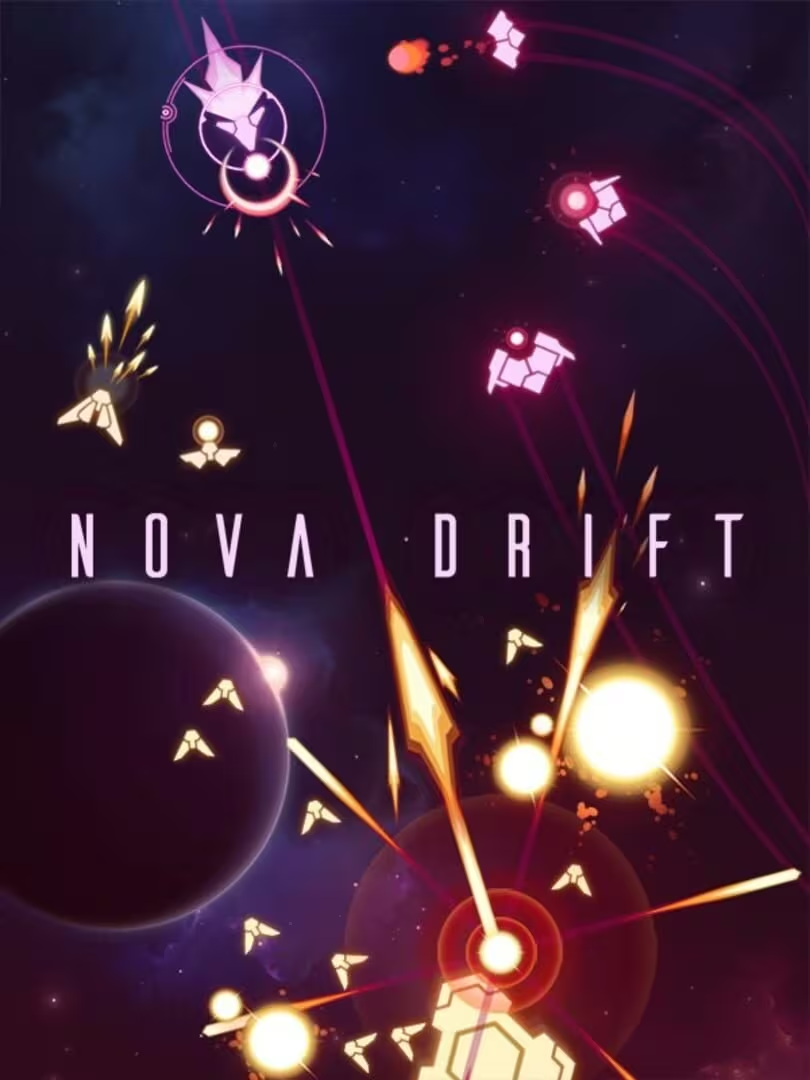 Nova Drift
"The game features sci-fi elements and fictional races, but with a focus on realistic space logistics and empire simulation."
-
Fellowship
Game with the same Fellowship vibe
-4"The game is single-player focused with minimal social or community interaction in gameplay."
 Game Dev Tycoon
"The game is largely single-player focused with minimal social or community interaction during gameplay."
-
Growth
Game with the same Growth vibe
4"Players learn complex systems and improve strategic skills over time, with a steep but rewarding learning curve."
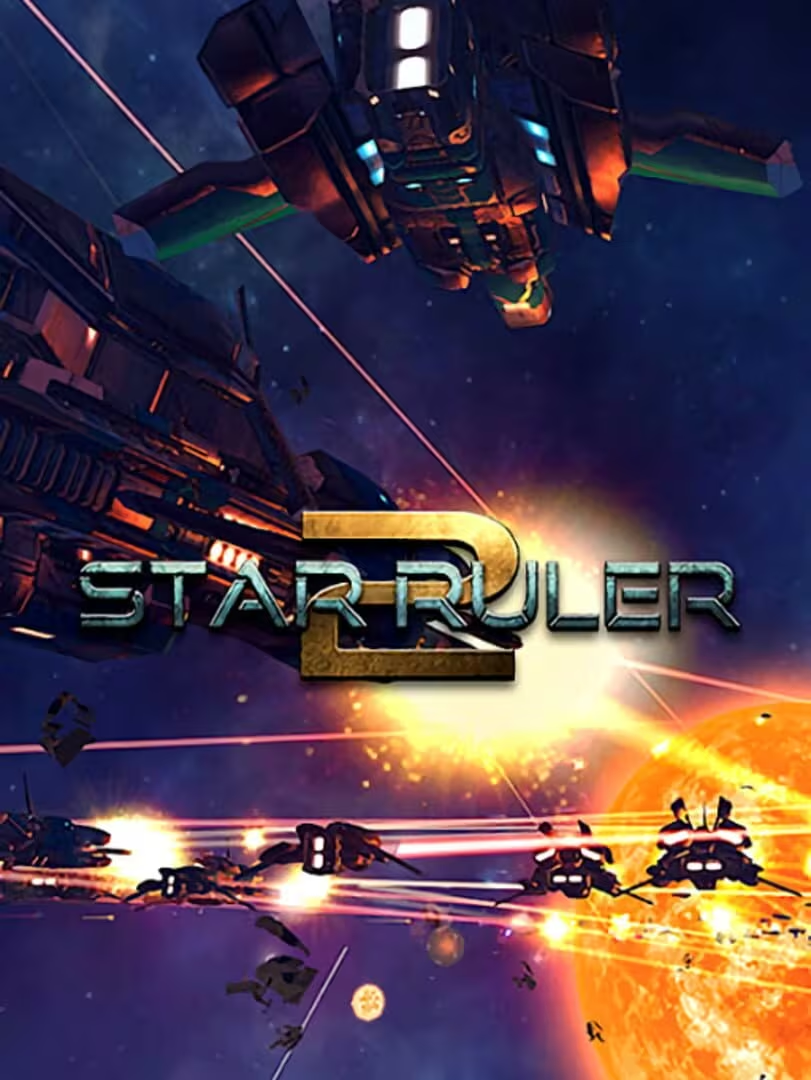 Star Ruler 2
"Players learn complex systems and improve their strategic skills over time, with a steep but rewarding learning curve."
-
Health
Game with the same Health vibe
-4"The game is a sedentary experience with no physical activity elements."
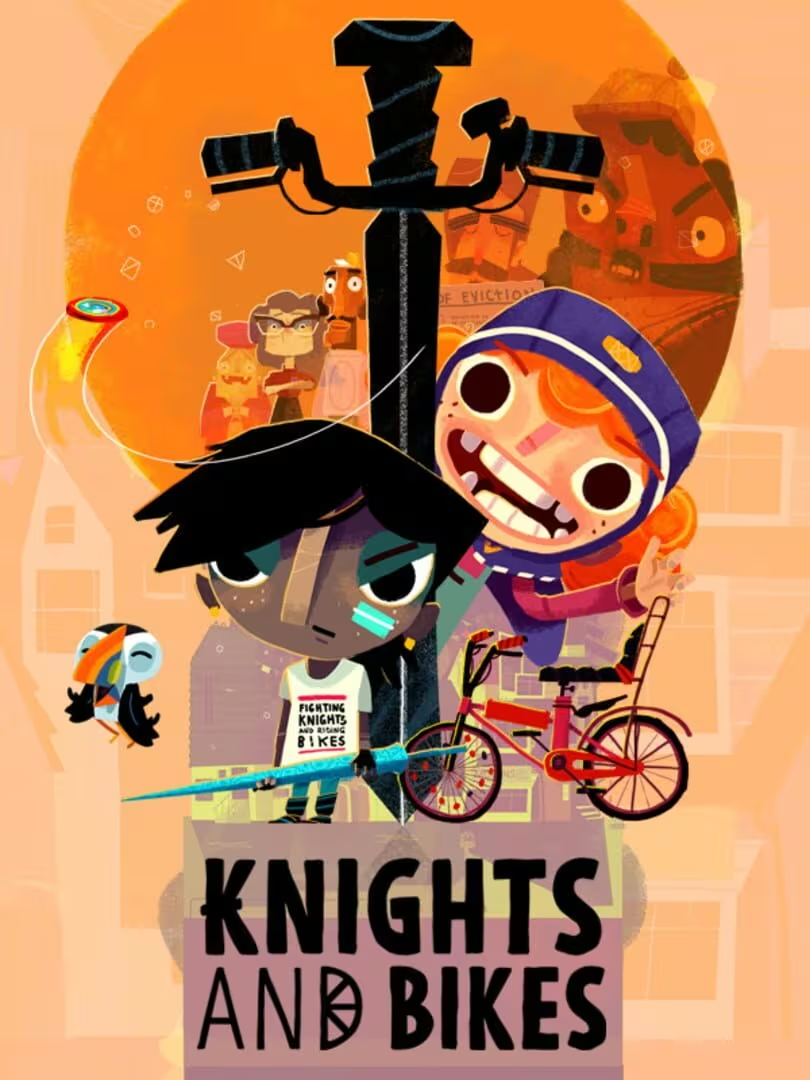 Knights And Bikes
"The game is a sedentary experience with no physical activity involved."
-
Idle
Game with the same Idle vibe
-4"Requires active attention to programming and management; automation reduces idle moments but does not eliminate focus."
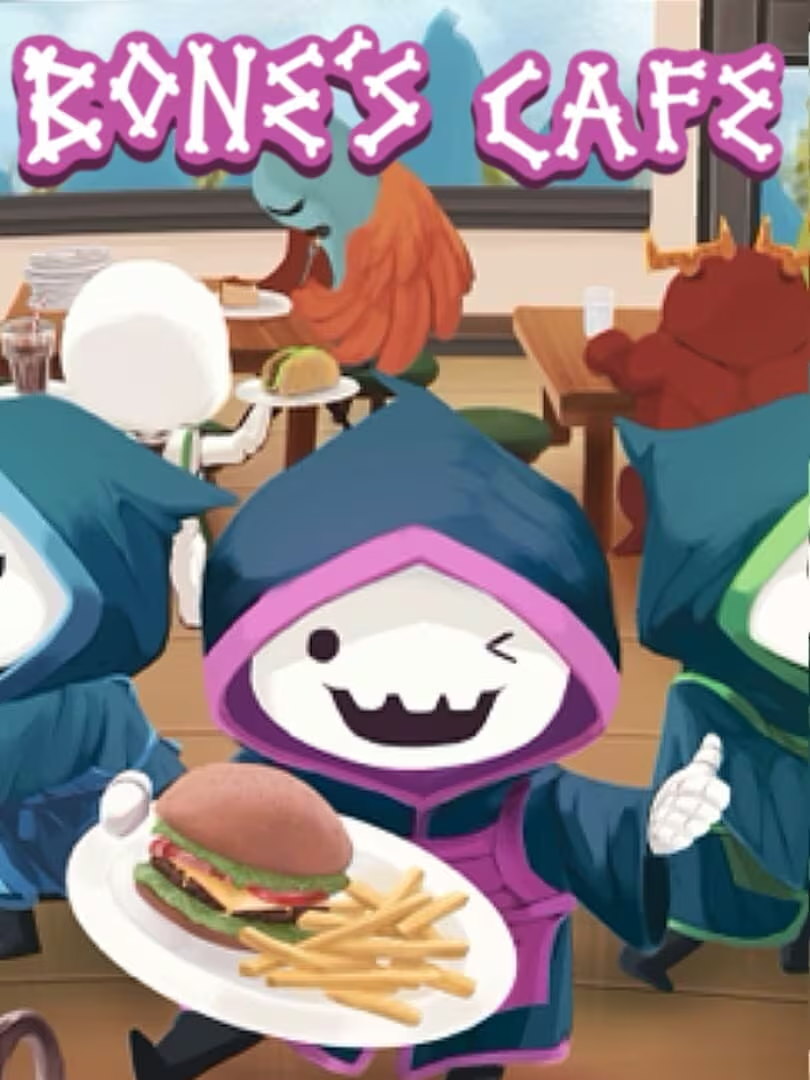 Bone's Cafe
"Requires continuous attention and management, especially in manual mode; automation can reduce but not eliminate focus needed."
-
Intimacy
Game with the same Intimacy vibe
-5"Minimal social interaction or emotional connection with other players; focus is on individual experience."
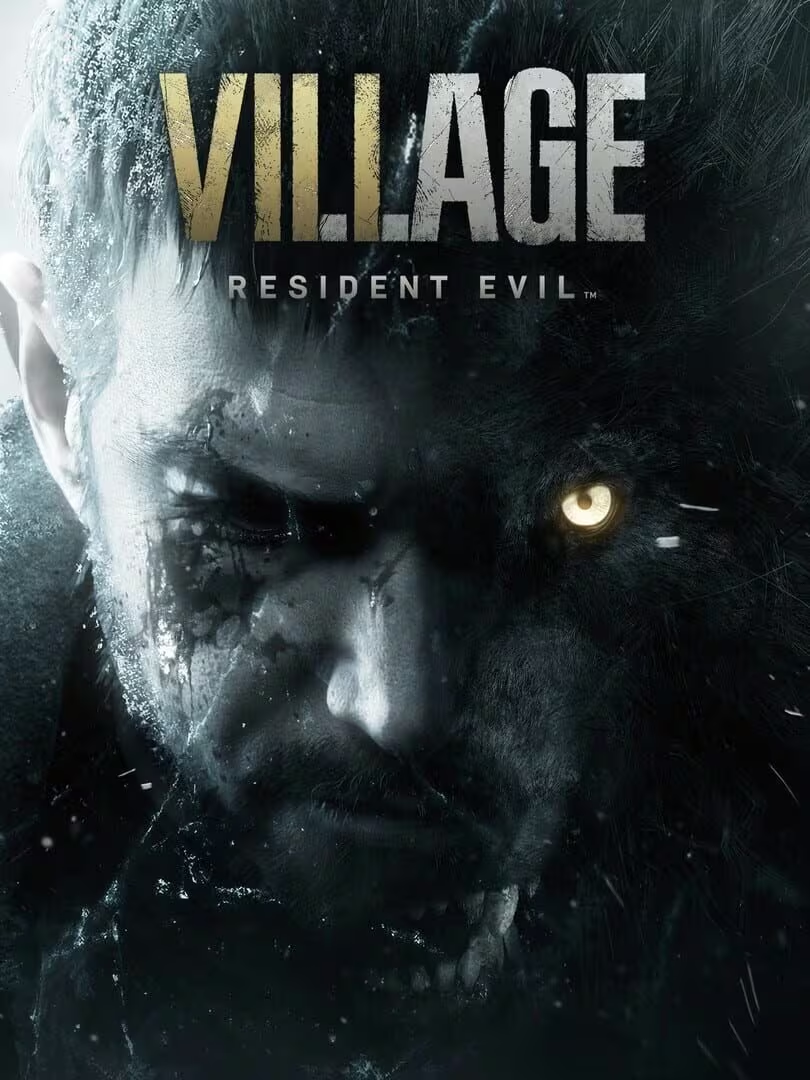 Resident Evil Village
"Minimal social interaction or emotional connection with other players; focus is on solo play."
-
Leadership
Game with the same Leadership vibe
3"Players lead their empires and fleets, making strategic decisions and guiding development."
 Galactic Civilizations III
"Players lead their empire and fleets, making strategic decisions and guiding development."
-
Progression
Game with the same Progression vibe
5"Strong emphasis on accumulating ships, upgrades, stations, and wealth to build an empire."
 X3: Reunion
"Strong emphasis on accumulating resources, technology, ships, and upgrades to expand and strengthen the empire."
-
Relaxation
Game with the same Relaxation vibe
2"While challenging, the game offers moments of flow and immersion that can be relaxing."
 Mount & Blade
"The game offers moments of flow and immersion but also requires significant concentration and can be challenging."
-
Sensation
Game with the same Sensation vibe
1"Visuals and audio are serviceable but dated; sensory stimulation is moderate and focused on strategic feedback."
 Civilization IV®: Warlords
"Visuals and audio are functional but not outstanding; sensory stimulation is moderate and focused on strategic feedback."
-
Status
Game with the same Status vibe
-4"No social status or recognition systems; achievements are personal and not socially emphasized."
 Cats Organized Neatly
"Achievements and recognition are mostly personal and not socially emphasized; no strong social status systems."
-
Story
Game with the same Story vibe
3"Includes historical campaigns and narrative elements, though story is secondary to simulation and player-driven experience."
 Silent Hunter®: Wolves of the Pacific U-Boat Missions
"Includes narrative elements and race-specific storylines, though story is less prominent than simulation and strategy."
-
Strategy
Game with the same Strategy vibe
5"High mental challenge with complex problem solving, planning, and tactical combat."
 Deity Empires
"High mental challenge with complex problem solving, planning, and tactical combat requiring analytical thinking."
-
Thrill
Game with the same Thrill vibe
2"Some suspense and tension in battles and mission objectives, though overall pace is slow and deliberate."
 Iron Harvest
"Some suspense and tension in warfare and resource management, but overall pace is slow and deliberate."
-
Value
Game with the same Value vibe
4"Players perceive strong value for time and money due to depth, replayability, and developer support."
 Old World
"Players perceive strong value for time and money due to depth, replayability, and ongoing developer support."
-
Violence
Game with the same Violence vibe
3"Combat and ship destruction are central gameplay elements."
 Quintet
"Combat and destruction are important gameplay elements, with detailed fleet battles and ship damage simulation."
-
Survival
Game with the same Survival vibe
3"Players must manage threats, resources, and defense to maintain their empire."
 Total War: MEDIEVAL II – Definitive Edition
"Players must manage threats, resource logistics, and defense to maintain empire stability and avoid failure."
Last update: 01/06/2026