Evo Explores similar games & best alternatives
Should you play it?
Explore impossible geometry and optical illusions!
What works
- Unique optical illusion puzzles
- Relaxing atmosphere and music
- Low price and good value
- Intuitive mouse controls
- Short and accessible gameplay
Things to keep in mind
- Very short game length
- Limited puzzle difficulty
- Lack of replay value
- No multiplayer or social features
- Some control imprecision reported
What to play next
Similar games, hidden gems, and fresh directions from this game.
Top picks
Games that feel the closest overall
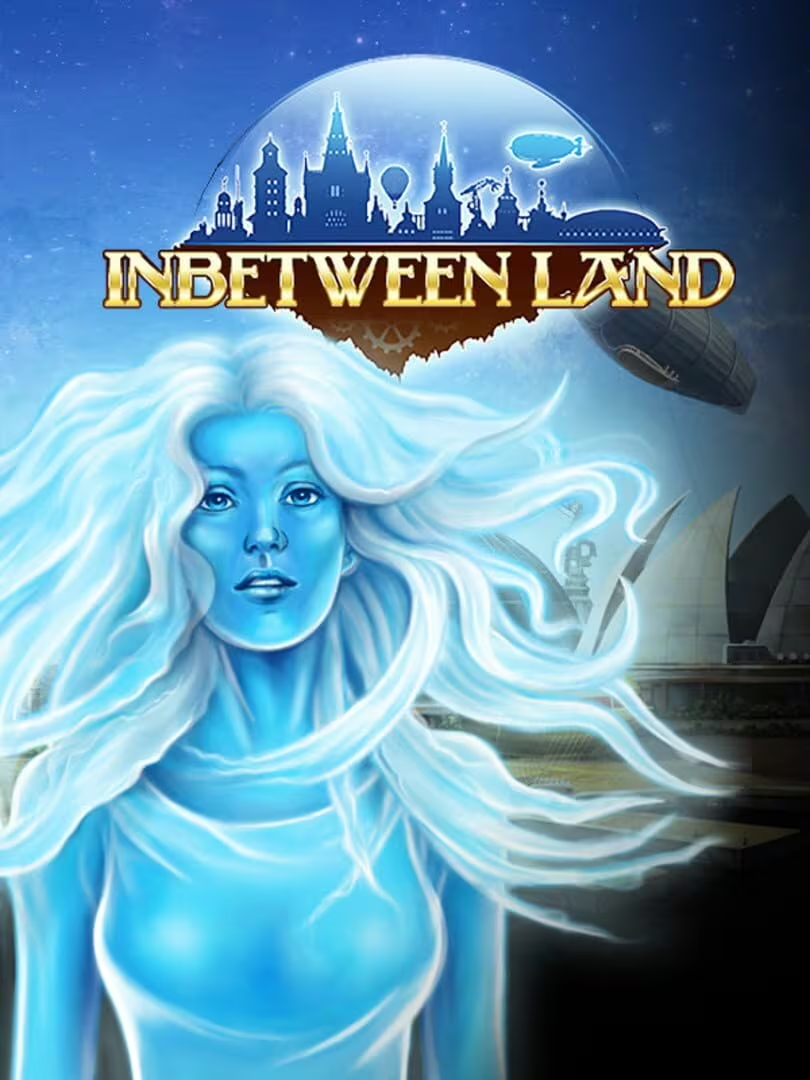
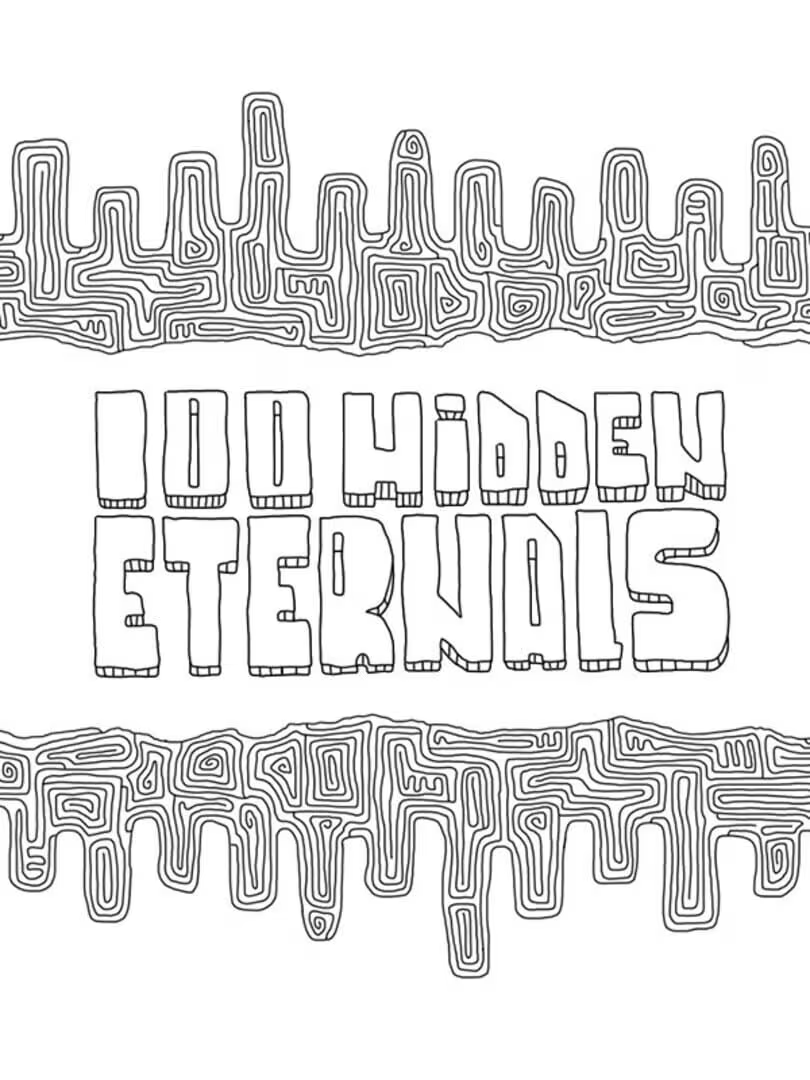
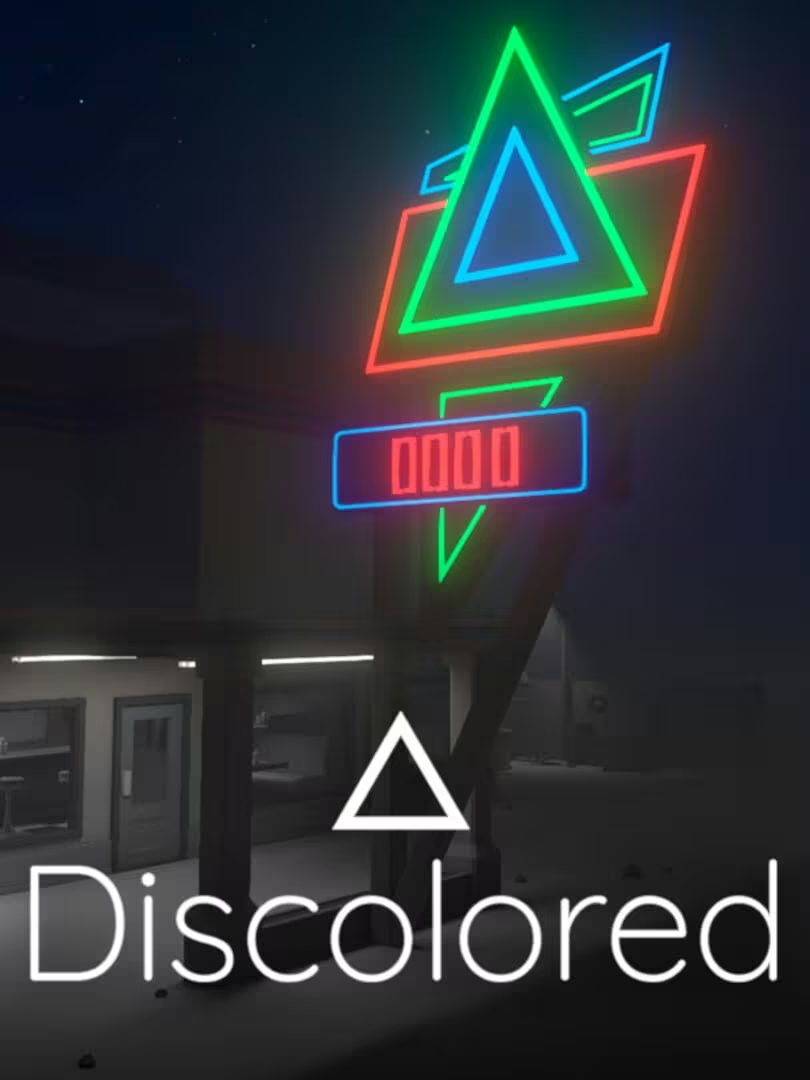

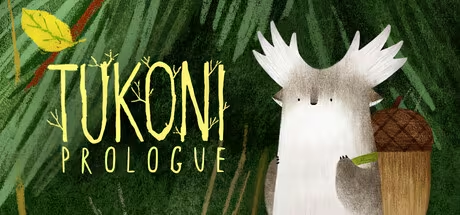
Hidden Gems
Less popular games with surprisingly high similarity
If you liked…
Recommendations by what you enjoyed most
Similarity map
Explore nearby similar games and see why they’re close.
Evo Explores: Less representative of its motivational profile, with noticeable differences. Motivations that often define this kind of title include Survival, Violence, Competition, Thrill. It leans lower than usual among comparable games on Continuation, Intimacy, Expression.
Why this game works
A motivational profile of the game, with the closest similar game for each player motivation.
-
Autonomy
Game with the same Autonomy vibe
4"Players physically move and explore the environment with full control over their actions and decisions, no artificial locomotion or preset movement paths."
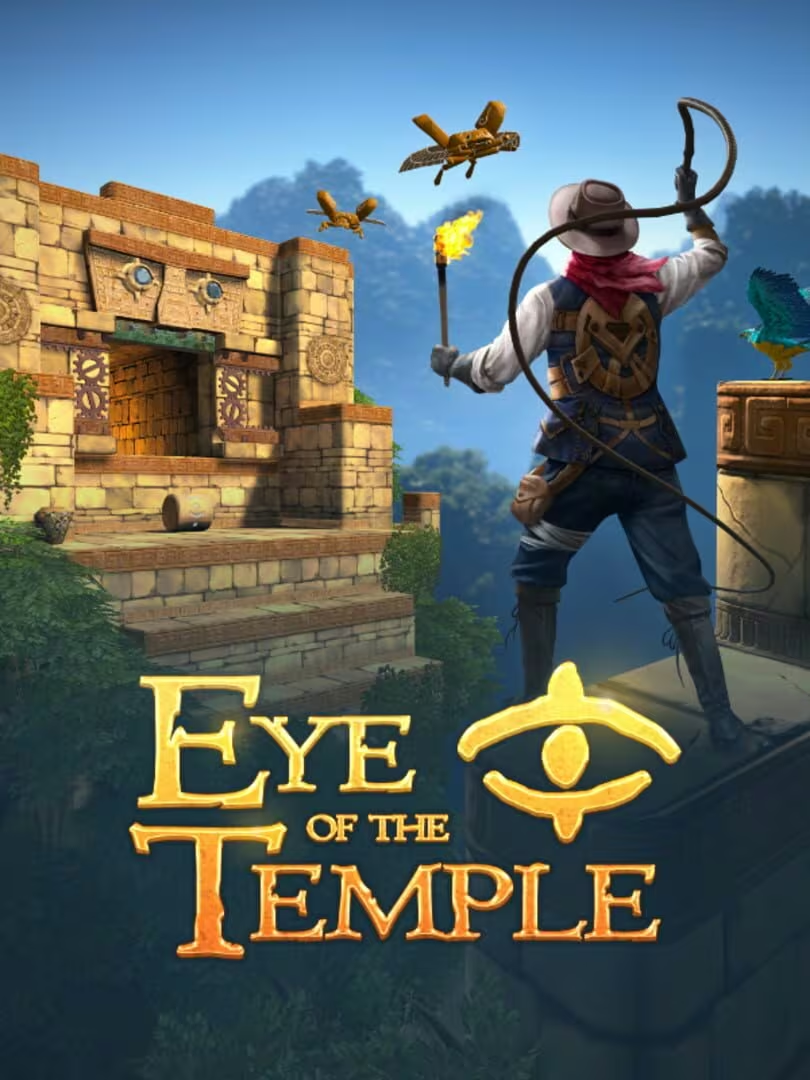 Eye of the Temple
"Players freely manipulate the environment and choose paths for the robot, with no fixed routines."
-
Competence
Game with the same Competence vibe
2"Puzzles are generally easy to medium difficulty with some mild challenge; players feel effective but not highly tested."
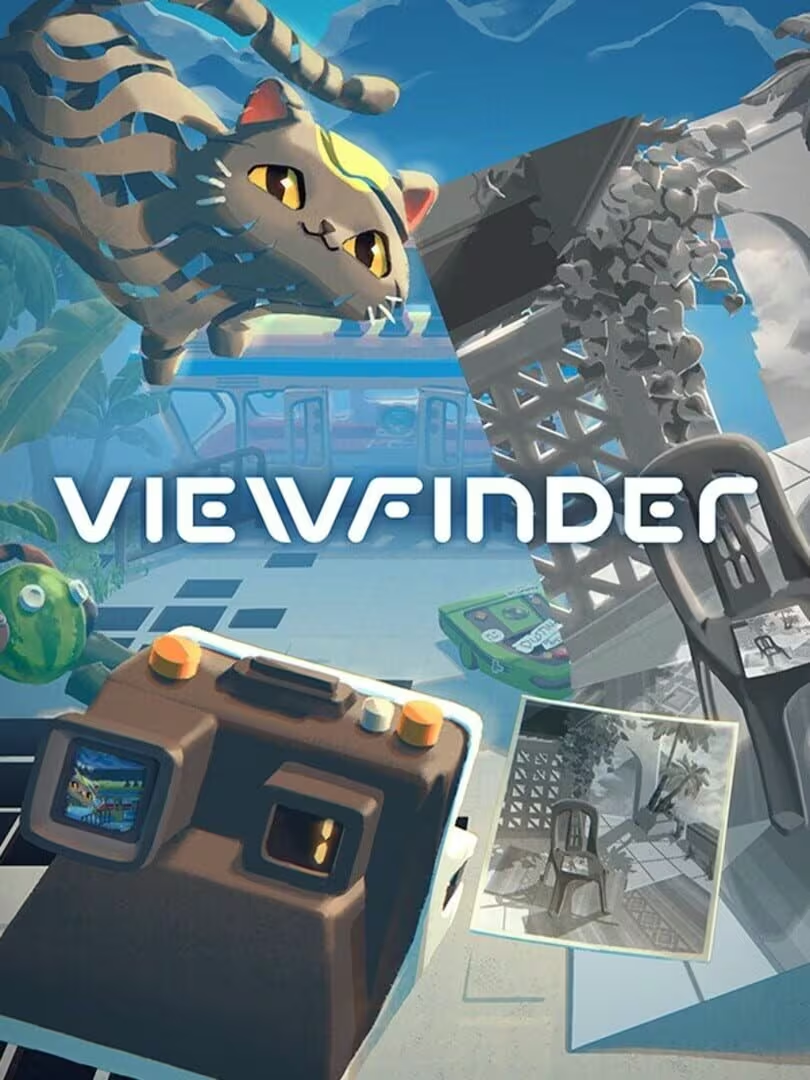 Viewfinder
"Puzzles are generally easy to medium difficulty, with some challenge near the end, providing a sense of effectiveness."
-
Competition
Game with the same Competition vibe
-5"Single-player puzzle game with no competitive or ranked elements."
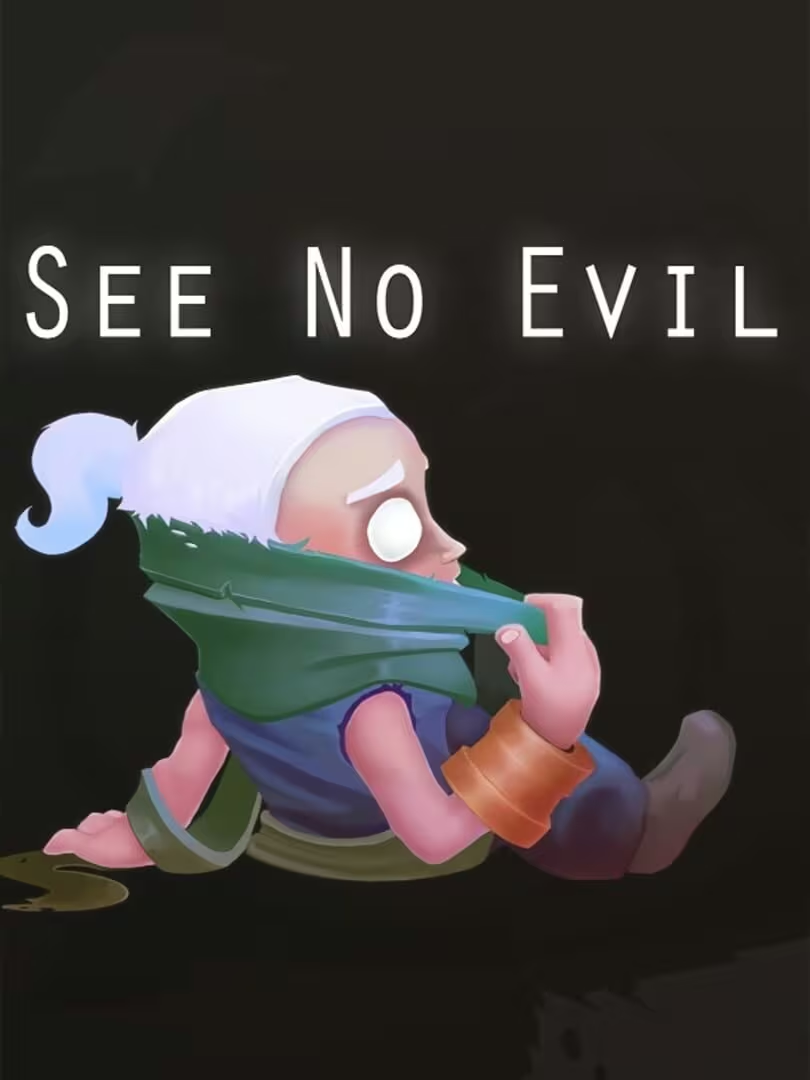 See No Evil
"Single player puzzle game with no competitive or ranked modes."
-
Continuation
Game with the same Continuation vibe
-3"Short game (~2 hours) with some replay value but limited long-term engagement."
 1979 Revolution: Black Friday
"Short game (~1.5-2 hours) with limited replay value, leading to relatively low long-term engagement."
-
Cooperation
Game with the same Cooperation vibe
-5"Entirely single player experience with no multiplayer or cooperative elements."
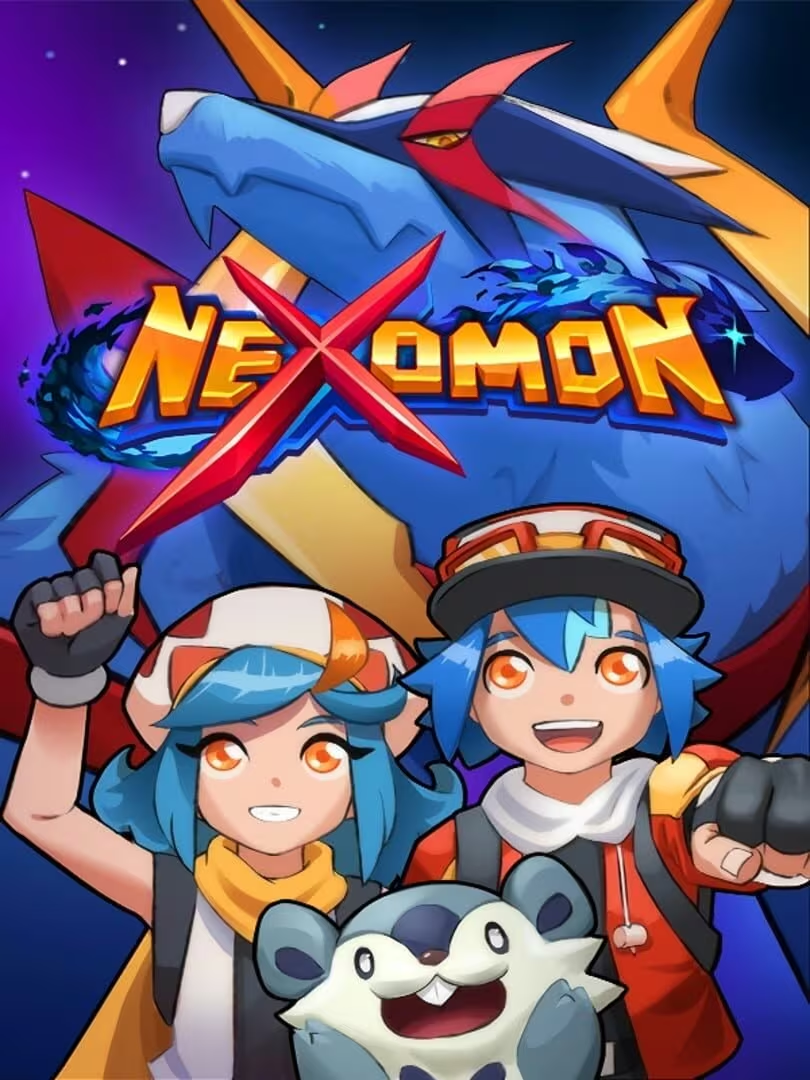 Nexomon
"Entirely single player experience with no multiplayer or cooperative elements."
-
Creativity
Game with the same Creativity vibe
3"Players creatively coordinate movements and strategies to solve puzzles, though within designed levels."
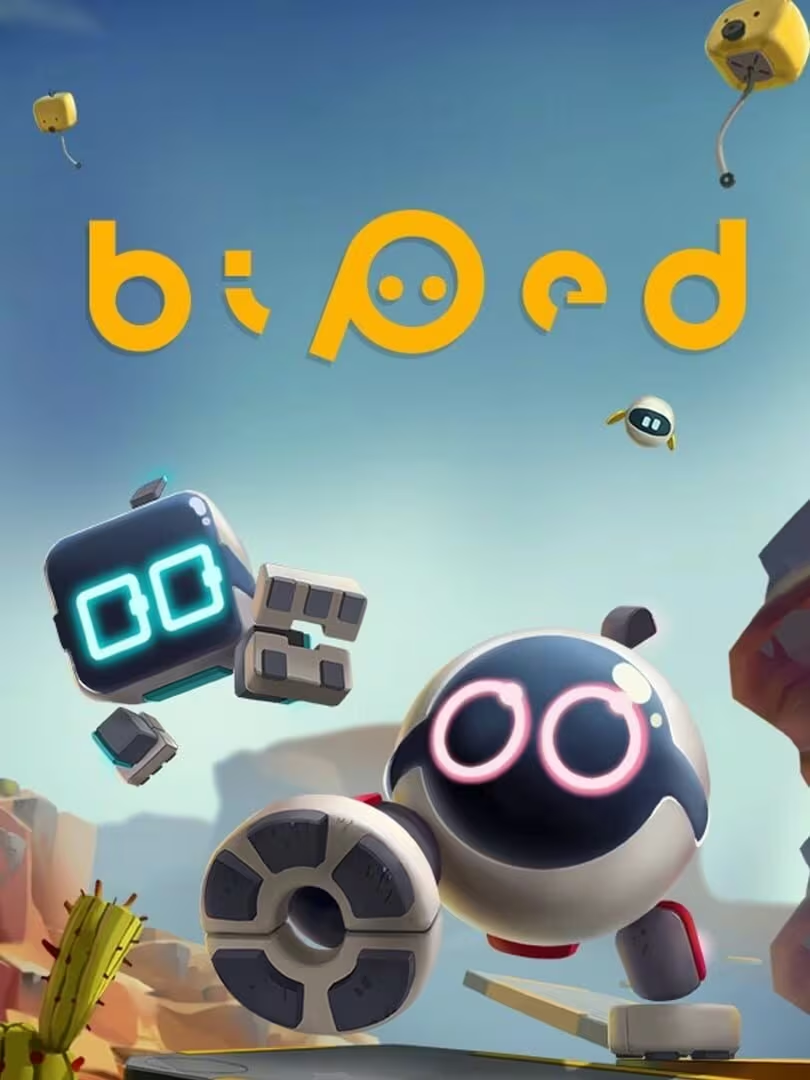 Biped
Biped
"Players creatively manipulate perspectives and rotate levels to solve puzzles, though within predefined structures."
-
Domination
Game with the same Domination vibe
-5"No elements of exerting control or superiority over others; purely individual puzzle solving."
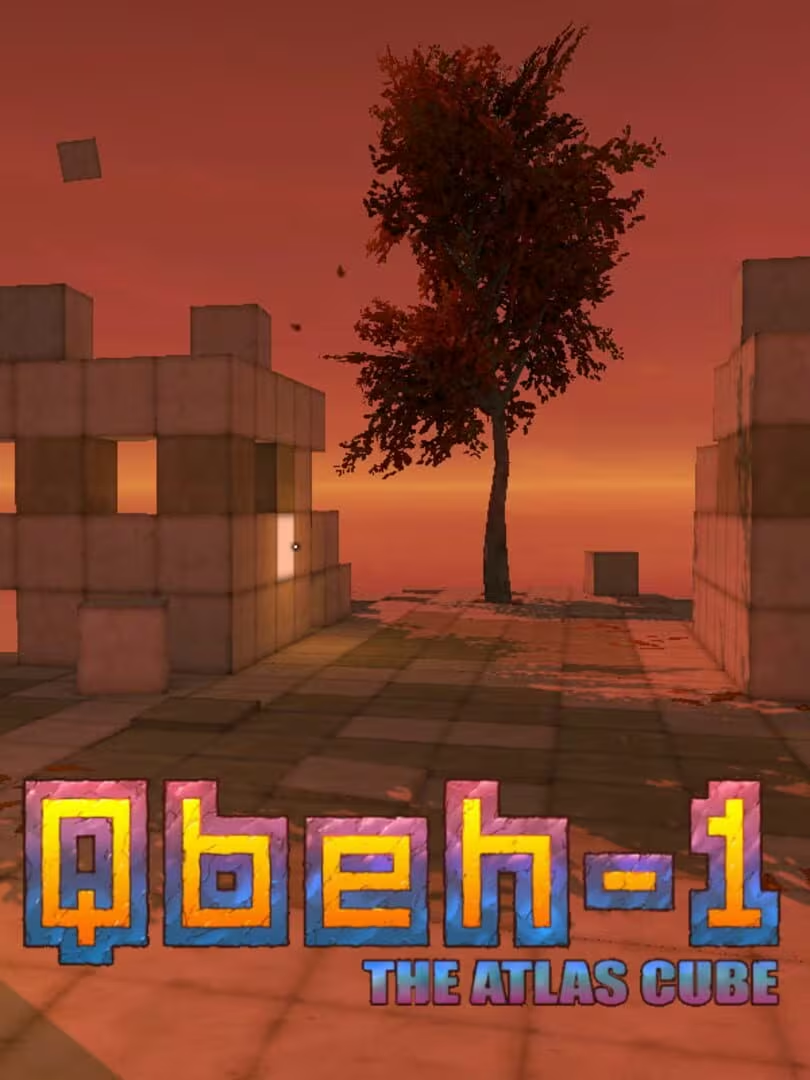 Qbeh-1: The Atlas Cube
"No elements of exerting control or superiority over others; purely individual puzzle solving."
-
Escapism
Game with the same Escapism vibe
3"The charming, immersive puzzles and atmosphere provide a pleasant escape and relaxation for players."
 Öoo
Öoo
"Relaxing atmosphere and immersive puzzles provide a pleasant escape from real life."
-
Expectation
Game with the same Expectation vibe
-4"Players engage voluntarily for enjoyment and relaxation, not out of obligation."
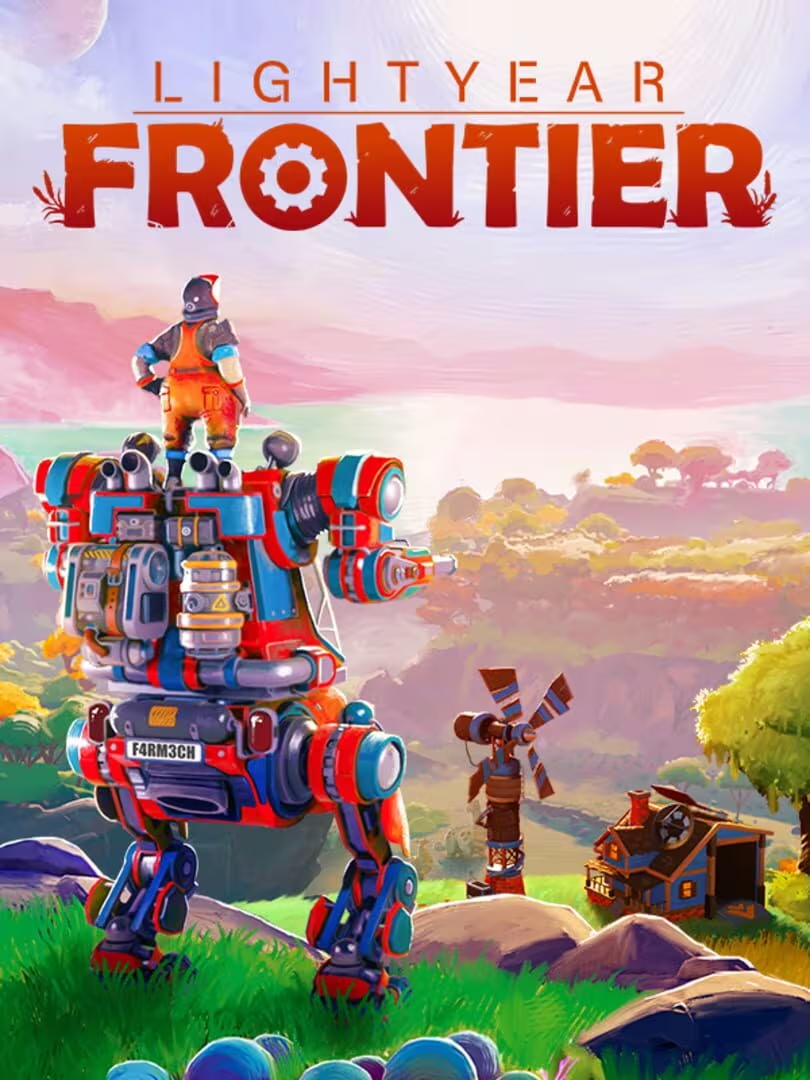 Lightyear Frontier
"Players engage voluntarily for enjoyment and relaxation, not out of obligation."
-
Experimenting
Game with the same Experimenting vibe
3"The rotation mechanic and puzzle variety encourage players to try new approaches and explore different perspectives."
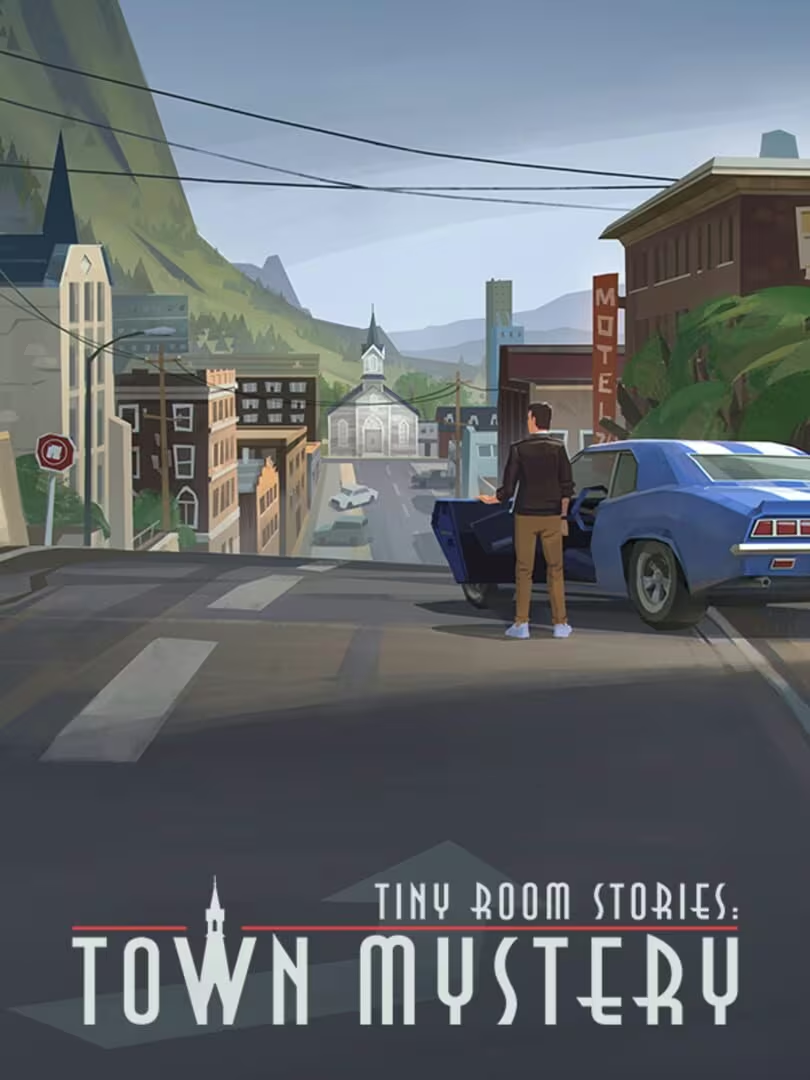 Tiny Room Stories: Town Mystery
"Encourages trying different rotations and perspectives to discover solutions."
-
Exploration
Game with the same Exploration vibe
1"Some discovery of level mechanics and puzzle solutions, but limited new area exploration."
Biped
"Some exploration of new puzzle mechanics and spatial configurations, but limited to level design."
-
Expression
Game with the same Expression vibe
-3"Limited customization; players interact with fixed environments and objects without personal expression."
 The House of Da Vinci
"Minimal customization; players interact with fixed environments without personal expression."
-
Fantasy
Game with the same Fantasy vibe
1"Light fantasy elements with elemental spells and robots, but grounded in puzzle and strategy gameplay."
 Clockwork Cleanup
"Features a simple story with a robot in an abstract world, blending light fantasy elements with puzzle gameplay."
-
Fellowship
Game with the same Fellowship vibe
-5"No social or community features; purely solo play."
 CARRION
"No social or community features; purely solo play."
-
Growth
Game with the same Growth vibe
2"Players develop spatial reasoning and puzzle-solving skills through gameplay."
 Etherborn
"Players develop spatial reasoning and puzzle-solving skills during gameplay."
-
Health
Game with the same Health vibe
-5"Sedentary gameplay with no physical activity involved."
 World of Tanks Blitz
"Sedentary gameplay with no physical activity involved."
-
Idle
Game with the same Idle vibe
-4"Requires focused attention to solve puzzles; not suitable for passive or background play."
 Machinika: Museum
"Requires focused attention to solve puzzles; not suitable for passive or background play."
-
Intimacy
Game with the same Intimacy vibe
-5"No social or emotional relationship building; solitary experience."
 Resident Evil
"No social or emotional relationship building; solitary experience."
-
Leadership
Game with the same Leadership vibe
-5"No leadership or group management elements present."
 Trover Saves the Universe
"No leadership or group management elements present."
-
Progression
Game with the same Progression vibe
3"Progression through levels and unlocking achievements provides a sense of advancement."
 Puddle
"Progression through levels and unlocking achievements provides a sense of advancement."
-
Relaxation
Game with the same Relaxation vibe
4"Calm music and gentle pacing create a relaxing and soothing experience."
 Elisa: The Innkeeper - Prequel
"Calm music, gentle pacing, and soothing visuals create a relaxing experience."
-
Sensation
Game with the same Sensation vibe
2"Visual and auditory stimuli are pleasant but understated and not intense"
 Tyto Ecology
"Visual and auditory stimuli are pleasant but not intense; focus on optical illusions."
-
Status
Game with the same Status vibe
-5"No social recognition or status systems; individual play without external evaluation."
 Pumpkin Jack
"No social recognition or status systems; individual play without external evaluation."
-
Story
Game with the same Story vibe
1"Light narrative and lore provide context but are not the main focus of gameplay."
 Fights in Tight Spaces
"Includes a light narrative that adds context but is not central to gameplay."
-
Strategy
Game with the same Strategy vibe
2"Requires mental challenge and spatial problem solving, though puzzles are not overly complex."
Etherborn
"Requires spatial reasoning and problem solving, though puzzles are mostly straightforward."
-
Thrill
Game with the same Thrill vibe
-3"Low risk and tension; experience is calm and contemplative rather than suspenseful."
 The Gardens Between
"Low risk and tension; experience is calm and contemplative rather than suspenseful."
-
Value
Game with the same Value vibe
4"Highly praised for low price and good content value."
 hocus
hocus
"Highly praised for good value given low price and quality content."
-
Violence
Game with the same Violence vibe
-5"No violence; gameplay focuses on puzzle solving and exploration."
 Lilly Looking Through
"No violence; gameplay focuses on puzzle solving and exploration."
-
Survival
Game with the same Survival vibe
-5"No survival or threat avoidance elements; stable and safe gameplay environment."
 The Past Within
"No survival or threat avoidance elements; stable and safe gameplay environment."
Last update: 01/06/2026