The House of Da Vinci similar games & best alternatives
Should you play it?
Enter The House of Da Vinci, a new must-try 3D puzzle adventure game. Solve mechanical puzzles, discover hidden objects, escape from rooms and dive into the authentic atmosphere of the Renaissance. Use all your wits to find out what's behind your master's disappearance.
What works
- Engaging and varied puzzles
- Immersive renaissance setting
- Detailed visuals and sound design
- Helpful hint system
- Replayable chapters and collectibles
Things to keep in mind
- Clunky and sometimes imprecise controls
- Some pixel hunting and obscure puzzle steps
- Linear progression with limited player freedom
- Story is minimal and sometimes unsatisfying
- Price considered high without sale
What to play next
Similar games, hidden gems, and fresh directions from this game.
Top picks
Games that feel the closest overall
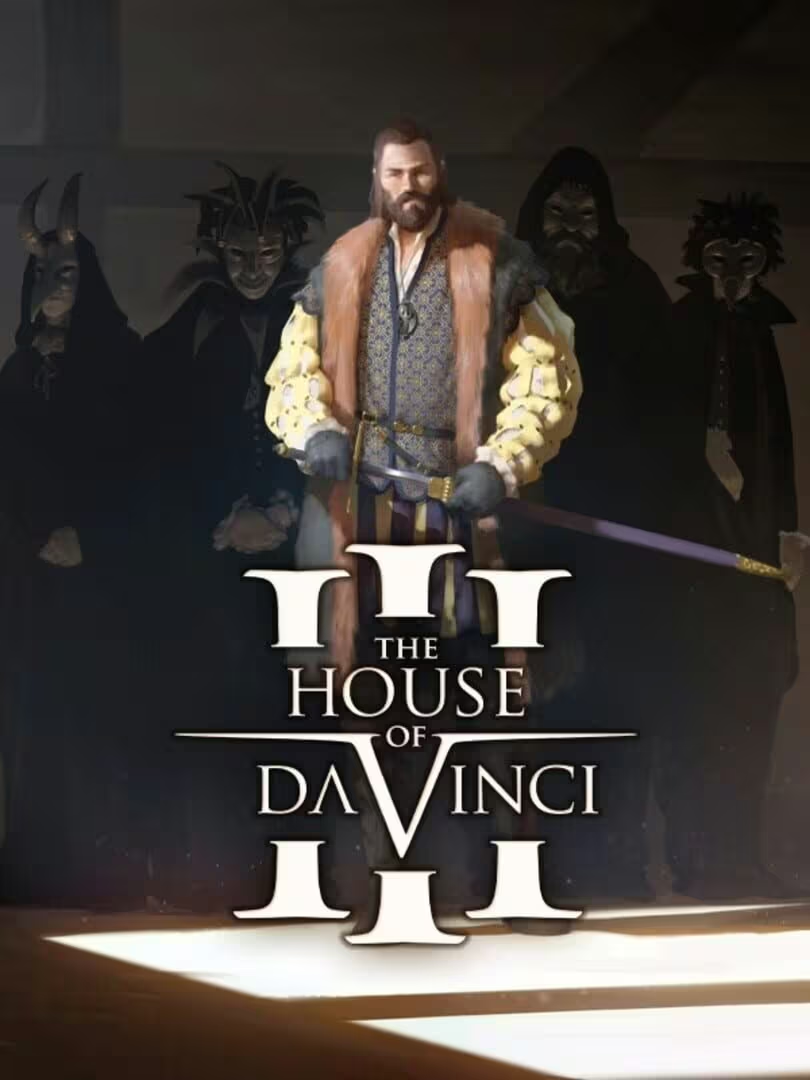

Hidden Gems
Less popular games with surprisingly high similarity
If you liked…
Recommendations by what you enjoyed most
Similarity map
Explore nearby similar games and see why they’re close.
The House of Da Vinci: A very typical example of its motivational profile. Motivations that often define this kind of title include Survival, Violence, Competition, Thrill. It leans lower than usual among comparable games on Intimacy, Expression, Fellowship.
Why this game works
A motivational profile of the game, with the closest similar game for each player motivation.
-
Autonomy
Game with the same Autonomy vibe
4"Players have freedom to explore non-linearly and solve puzzles in various orders, though the game subtly guides progression."
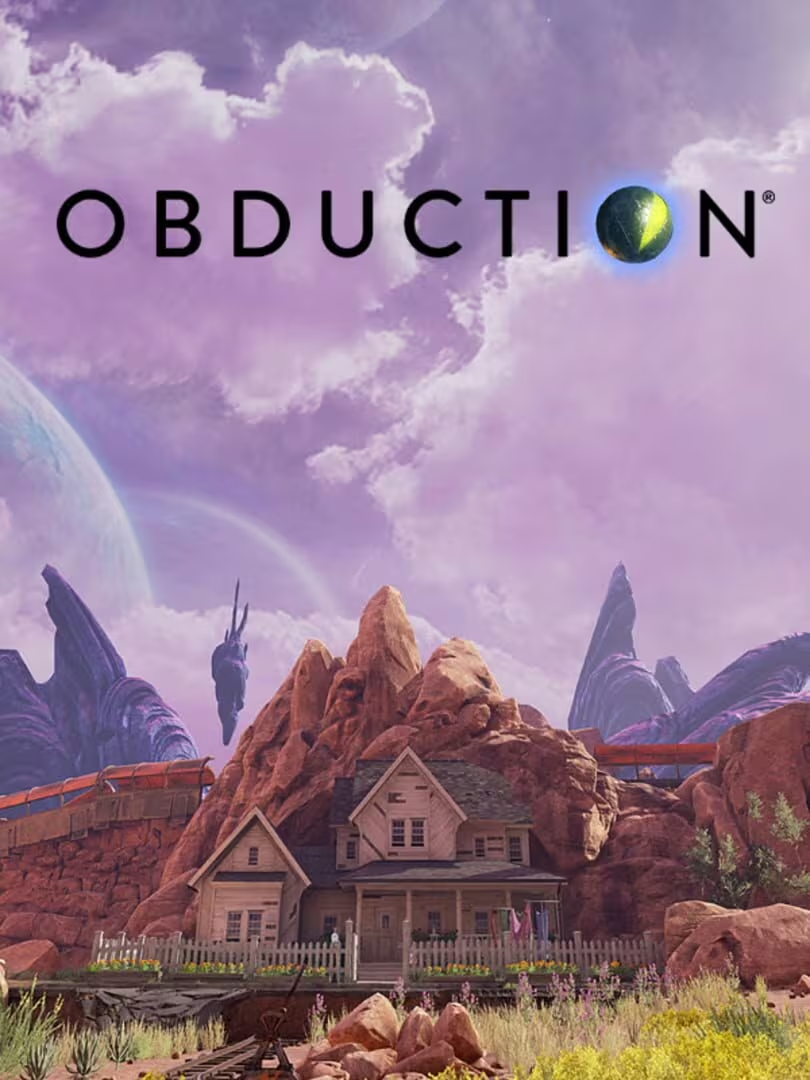 Obduction
"Players have freedom to explore rooms, inspect objects, and solve puzzles in various orders within each chapter, though progression is linear."
-
Competence
Game with the same Competence vibe
4"Puzzles require skillful timing, coding logic, and problem solving, providing satisfying feedback and a sense of mastery."
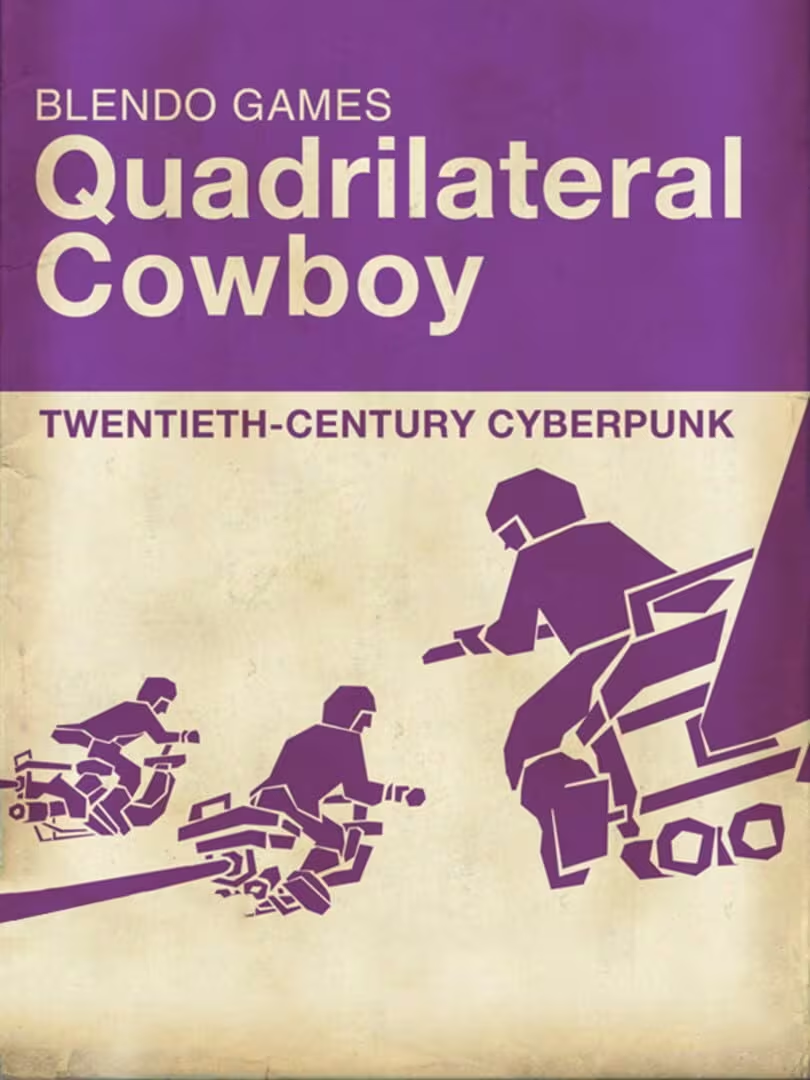 Quadrilateral Cowboy
"Puzzles require skillful observation, logic, and mechanical manipulation, providing satisfying feedback and challenge."
-
Competition
Game with the same Competition vibe
-4"Focus is on individual puzzle solving at one's own pace without leaderboards or direct comparison to others."
 Freshly Frosted
"Focus is on individual puzzle solving at personal pace without leaderboards or direct comparison to others."
-
Continuation
Game with the same Continuation vibe
3"Players engage in multiple chapters and replay content for achievements and alternate endings, showing attachment and habitual play."
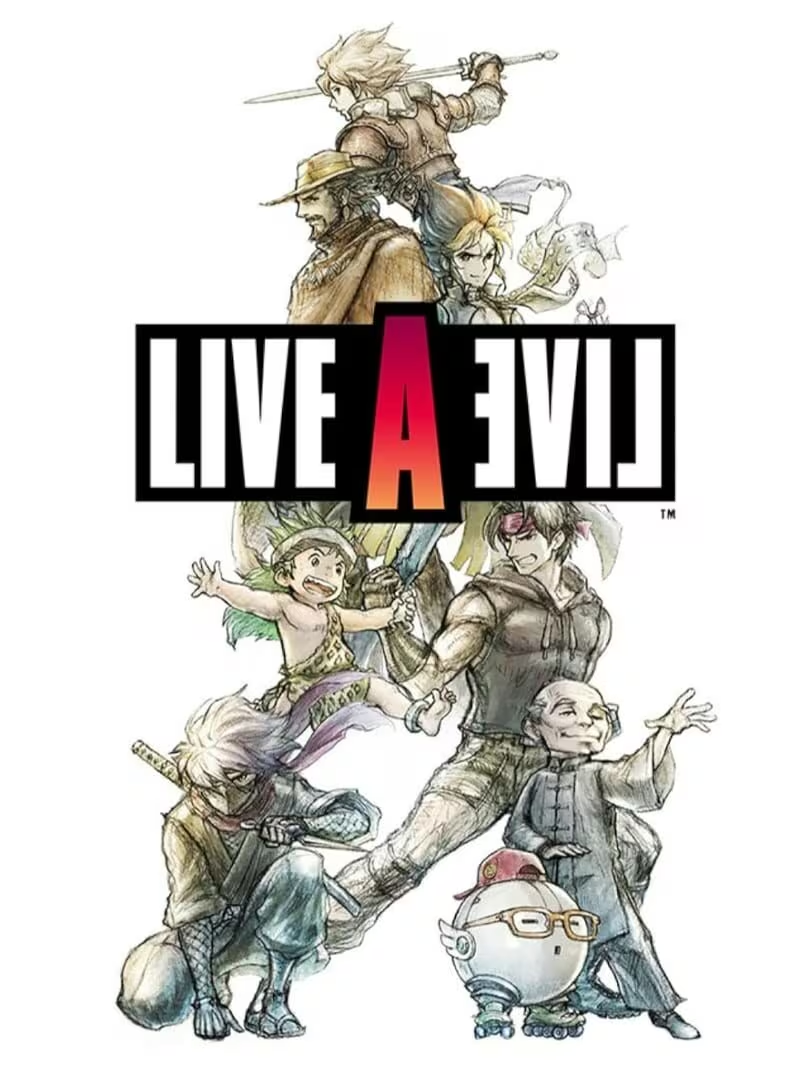 LIVE A LIVE
"Players often engage in long sessions and replay chapters, showing attachment and habitual play."
-
Cooperation
Game with the same Cooperation vibe
-5"Entirely single-player experience with no cooperative or multiplayer elements."
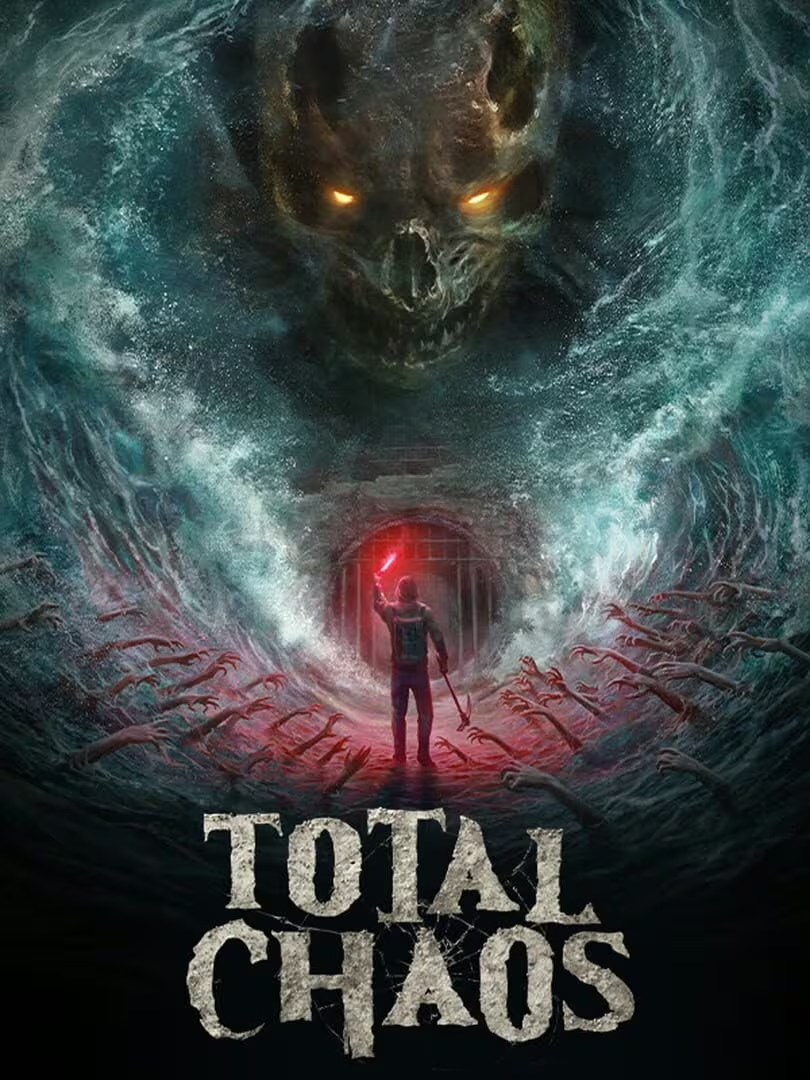 Total Chaos
"Entirely single-player experience with no cooperative or multiplayer elements."
-
Creativity
Game with the same Creativity vibe
3"Players manipulate and combine objects creatively to solve puzzles, though within the predefined game structure."
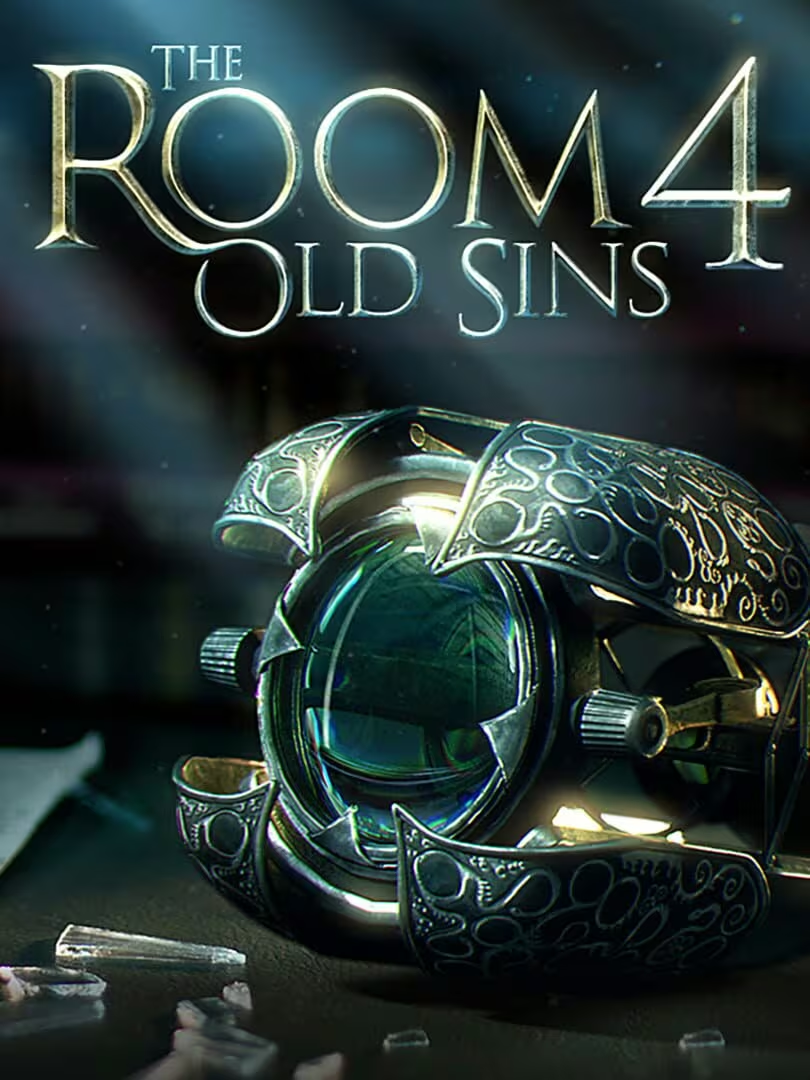 The Room 4: Old Sins
"Players creatively combine items and use lenses to solve puzzles, though within predefined structures."
-
Domination
Game with the same Domination vibe
-5"No social dominance or power dynamics; gameplay is solitary and respectful."
 LEAVES - The Journey
"No social dominance or power dynamics; gameplay is solitary and equal."
-
Escapism
Game with the same Escapism vibe
4"Provides a relaxing, immersive puzzle world that offers distraction and mental engagement."
 Taiji
Taiji
"Immersive Renaissance setting and puzzles provide distraction and mental engagement away from real life."
-
Expectation
Game with the same Expectation vibe
-4"Players engage voluntarily out of intrinsic interest and enjoyment of puzzles."
 Paquerette Down the Bunburrows
"Players engage voluntarily out of intrinsic interest and enjoyment of puzzles."
-
Experimenting
Game with the same Experimenting vibe
3"Encourages trying different puzzle approaches and exploring environments to discover clues."
 Myst: Masterpiece Edition
"Encourages trying different puzzle approaches and using special lenses to discover hidden clues."
-
Exploration
Game with the same Exploration vibe
3"Players explore detailed rooms and search for hidden objects and clues."
 Gordian Rooms 1: A curious heritage
"Players explore detailed rooms and search for hidden compartments and items."
-
Expression
Game with the same Expression vibe
-3"Minimal customization; players interact with fixed environments without personal expression."
 Evo Explores
"Limited customization; players interact with fixed environments and objects without personal expression."
-
Fantasy
Game with the same Fantasy vibe
2"Set in an alternate history steampunk world with some supernatural elements, blending imaginative fiction with realistic detective work."
 Lamplight City
"Set in a historical Renaissance world with some light supernatural elements, blending fiction and reality."
-
Fellowship
Game with the same Fellowship vibe
-5"No social or community features; purely solo experience."
 Castlevania: Lords of Shadow 2
"No social or community features; purely solo experience."
-
Growth
Game with the same Growth vibe
3"Players develop problem-solving skills and learn puzzle mechanics progressively."
 The Room Three
"Players develop problem-solving skills and learn puzzle mechanics progressively."
-
Health
Game with the same Health vibe
-5"Sedentary gameplay with no physical activity or health-related features."
 DRAGON BALL Z: KAKAROT
"Sedentary gameplay with no physical activity or health-related features."
-
Idle
Game with the same Idle vibe
-4"Requires focused attention and continuous engagement to solve puzzles."
 Antichamber
"Requires focused attention and continuous engagement to solve puzzles."
-
Intimacy
Game with the same Intimacy vibe
-5"No social interactions or relationship building."
 100 hidden mushrooms
"No social interactions or relationship building."
-
Leadership
Game with the same Leadership vibe
-5"No leadership or group management roles."
 Boxes: Lost Fragments
"No leadership or group management roles."
-
Progression
Game with the same Progression vibe
3"Players progress through chapters, collect items and achievements, and unlock new puzzles."
 First Class Escape: The Train of Thought
"Players collect items and blueprints, unlocking new puzzles and chapters."
-
Relaxation
Game with the same Relaxation vibe
3"Generally calming atmosphere and music, though some puzzles cause frustration."
LEAVES - The Journey
"Generally calming atmosphere with balanced challenge, though some puzzles cause frustration."
-
Sensation
Game with the same Sensation vibe
3"Enjoyable visuals, music, and satisfying puzzle interactions provide sensory pleasure."
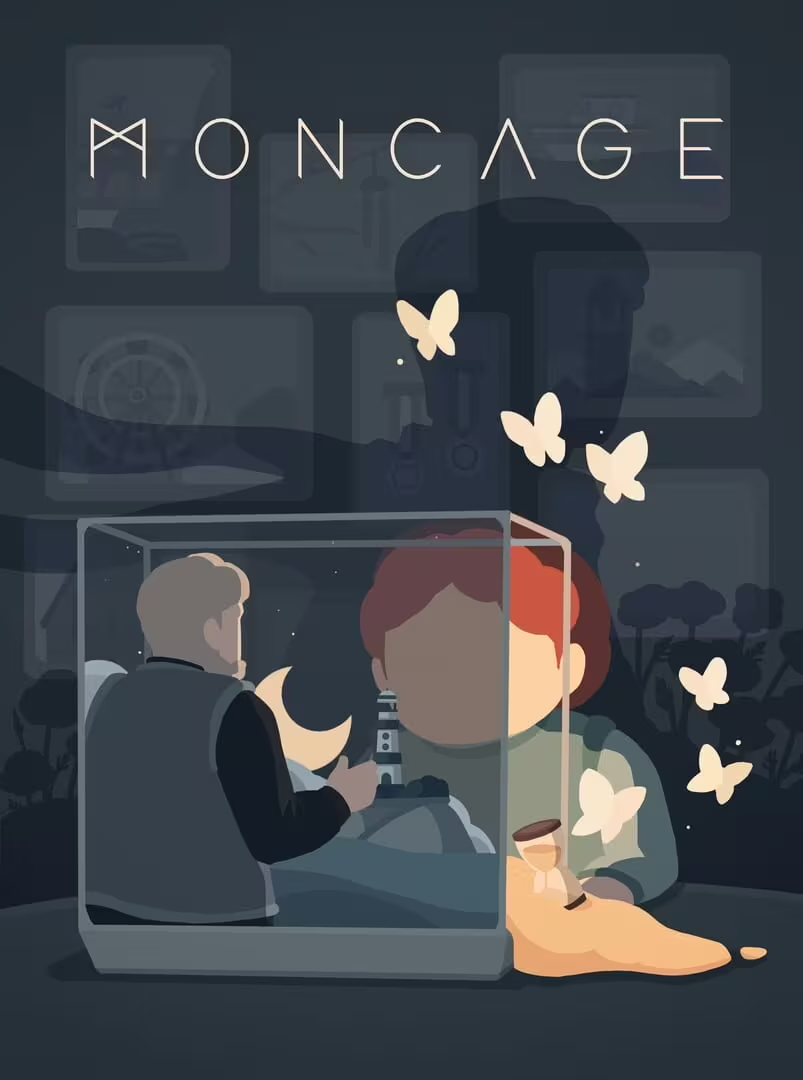 Moncage
"Enjoyable visual and auditory details enhance immersion and puzzle satisfaction."
-
Status
Game with the same Status vibe
-5"No social recognition or status systems."
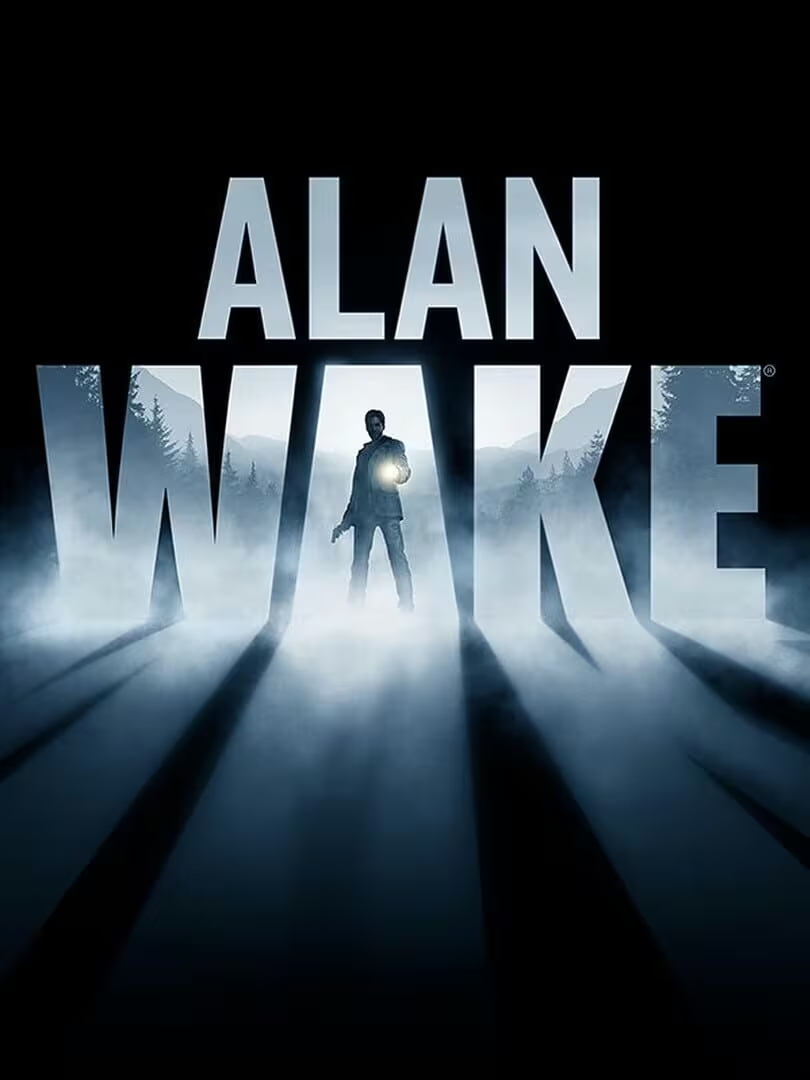 Alan Wake
"No social recognition or status systems."
-
Story
Game with the same Story vibe
2"Light narrative provides context and motivation, but gameplay is puzzle and exploration focused."
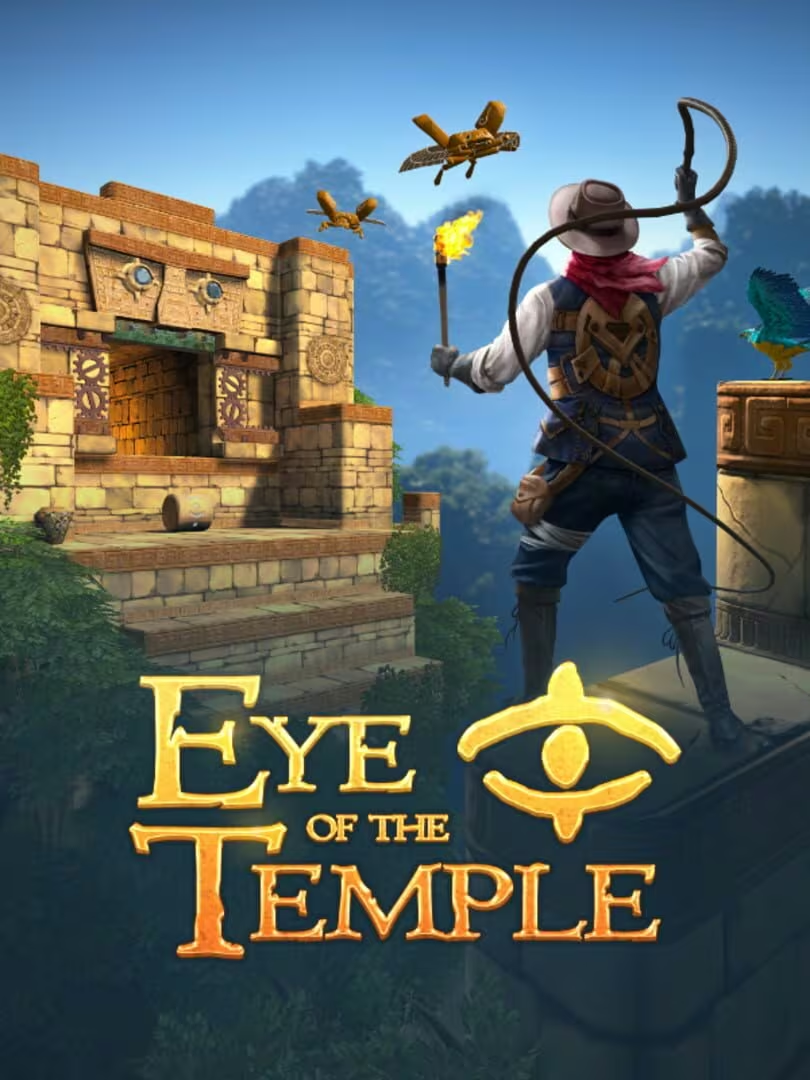 Eye of the Temple
"Light narrative provides context but is secondary to puzzle gameplay."
-
Strategy
Game with the same Strategy vibe
3"Requires logical thinking, planning, and problem solving to complete puzzles."
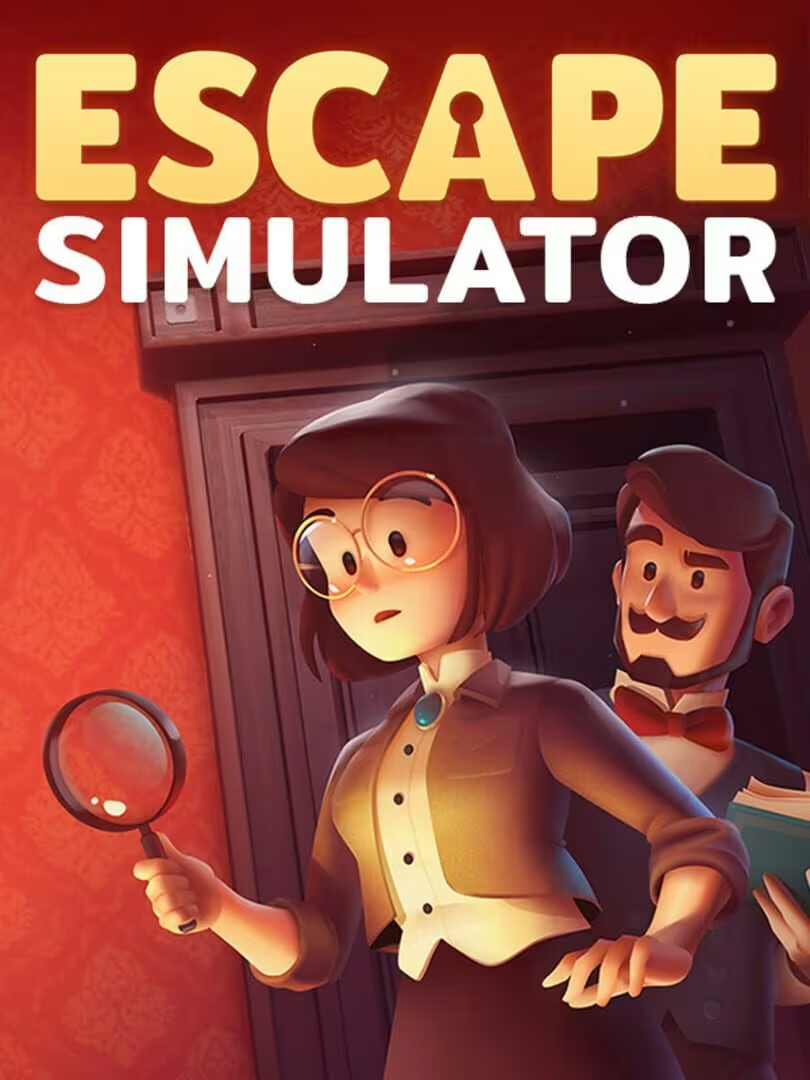 Escape Simulator
"Requires logical thinking, planning, and problem solving to complete puzzles."
-
Thrill
Game with the same Thrill vibe
1"Mild suspense from puzzle solving and discovering endings; no intense thrills."
 Instruction
"Mild suspense from puzzle discovery and story hints, but no high-risk or intense thrills."
-
Value
Game with the same Value vibe
1"Generally considered good value for casual puzzle fans, especially when purchased on sale."
 Doors: Paradox
"Mixed opinions on price; generally considered good value on sale for puzzle fans."
-
Violence
Game with the same Violence vibe
-5"No violence; gameplay centers on constructive puzzle solving."
The Room Three
"No violence; gameplay centers on constructive puzzle solving."
-
Survival
Game with the same Survival vibe
-5"No survival or threat mechanics; stable and safe environment."
 The Turing Test
"No survival or threat mechanics; stable and safe environment."
Last update: 01/06/2026