Taiji similar games & best alternatives
Should you play it?
Solve puzzle panels and uncover the meaning of the symbols within. Explore a dense world where secrets are hidden in plain sight.
What works
- Engaging and challenging puzzles
- Open world exploration with secrets
- Relaxing music and atmosphere
- Logical and fair puzzle design
- High replay value with optional content
Things to keep in mind
- Some puzzles have obtuse or unclear rules
- Navigation and map can be confusing
- Lack of tutorialization for some mechanics
- No social or multiplayer features
- Price considered high by some players
What to play next
Similar games, hidden gems, and fresh directions from this game.
Top picks
Games that feel the closest overall

Hidden Gems
Less popular games with surprisingly high similarity
If you liked…
Recommendations by what you enjoyed most
Similarity map
Explore nearby similar games and see why they’re close.
Taiji: A very typical example of its motivational profile. Motivations that often define this kind of title include Violence, Fantasy, Story, Thrill. Here, the score leans higher than usual among comparable games on Exploration. It leans lower than usual among comparable games on Expression, Idle.
Why this game works
A motivational profile of the game, with the closest similar game for each player motivation.
-
Autonomy
Game with the same Autonomy vibe
4"Players freely explore and experiment with puzzle mechanics without explicit instructions, figuring out rules themselves."
 PUSH
PUSH
"Players freely explore an open world and discover puzzle mechanics on their own without explicit instructions."
-
Competence
Game with the same Competence vibe
4"Puzzles require logical deduction and skillful problem solving with increasing difficulty and challenge."
 Pictopix
"Puzzles require logical deduction and skillful application of learned rules, with a balanced difficulty curve."
-
Competition
Game with the same Competition vibe
-4"Focus is on individual puzzle solving and personal progress without comparison or leaderboards."
 The Case of the Golden Idol
"Focus is on individual puzzle solving and personal progress without social comparison or leaderboards."
-
Continuation
Game with the same Continuation vibe
3"Players engage in long sessions with many puzzles and hidden challenges encouraging extended play."
 Linelight
"Players engage in long sessions with hundreds of puzzles and optional content encouraging extended play."
-
Cooperation
Game with the same Cooperation vibe
-5"Entirely single-player experience focused on individual exploration and puzzle solving."
 HIVESWAP: ACT 1
"Entirely single-player experience focused on individual puzzle solving and exploration."
-
Creativity
Game with the same Creativity vibe
3"Players experiment with puzzle mechanics and solutions, but within the constraints of predefined puzzles."
 A Monster's Expedition
"Players experiment with puzzle solutions and discover mechanics, though within predefined puzzle rules."
-
Domination
Game with the same Domination vibe
-5"No elements of exerting control or superiority over others; purely solo experience."
 Awareness Rooms
"No elements of exerting control or superiority over others; purely solo experience."
-
Escapism
Game with the same Escapism vibe
4"Immersive worlds and puzzles provide a strong escape from real life, evoking nostalgia and wonder."
 Firmament
"Provides a relaxing, immersive puzzle world that offers distraction and mental engagement."
-
Expectation
Game with the same Expectation vibe
-4"Players engage voluntarily out of intrinsic interest and enjoyment of puzzles."
 Hexcells Plus
"Players engage voluntarily driven by intrinsic interest and enjoyment of puzzles."
-
Experimenting
Game with the same Experimenting vibe
4"Players try various puzzle solutions and explore different paths, often requiring trial and error."
 King's Quest™ Collection
"Players try to understand new puzzle mechanics and test various solutions through trial and error."
-
Exploration
Game with the same Exploration vibe
4"Open world with multiple regions and secrets encourages discovery and curiosity."
 METAL GEAR SOLID V: THE PHANTOM PAIN
"Open world with multiple areas and hidden secrets encourages curiosity-driven discovery."
-
Expression
Game with the same Expression vibe
-4"Minimal customization or self-expression; focus is on puzzle solving within set designs."
 Cogs
Cogs
"Minimal customization or self-expression; focus is on puzzle solving within fixed game aesthetics."
-
Fantasy
Game with the same Fantasy vibe
-3"Realistic puzzle environment without fantasy or fictional narrative elements."
 Colortone
"Realistic puzzle island setting without strong fictional or mythological elements."
-
Fellowship
Game with the same Fellowship vibe
-5"No social or community features; solitary gameplay experience."
 Mountain Crime: Requital
"No social or community features; solitary gameplay experience."
-
Growth
Game with the same Growth vibe
4"Players develop problem-solving skills and learn complex puzzle mechanics."
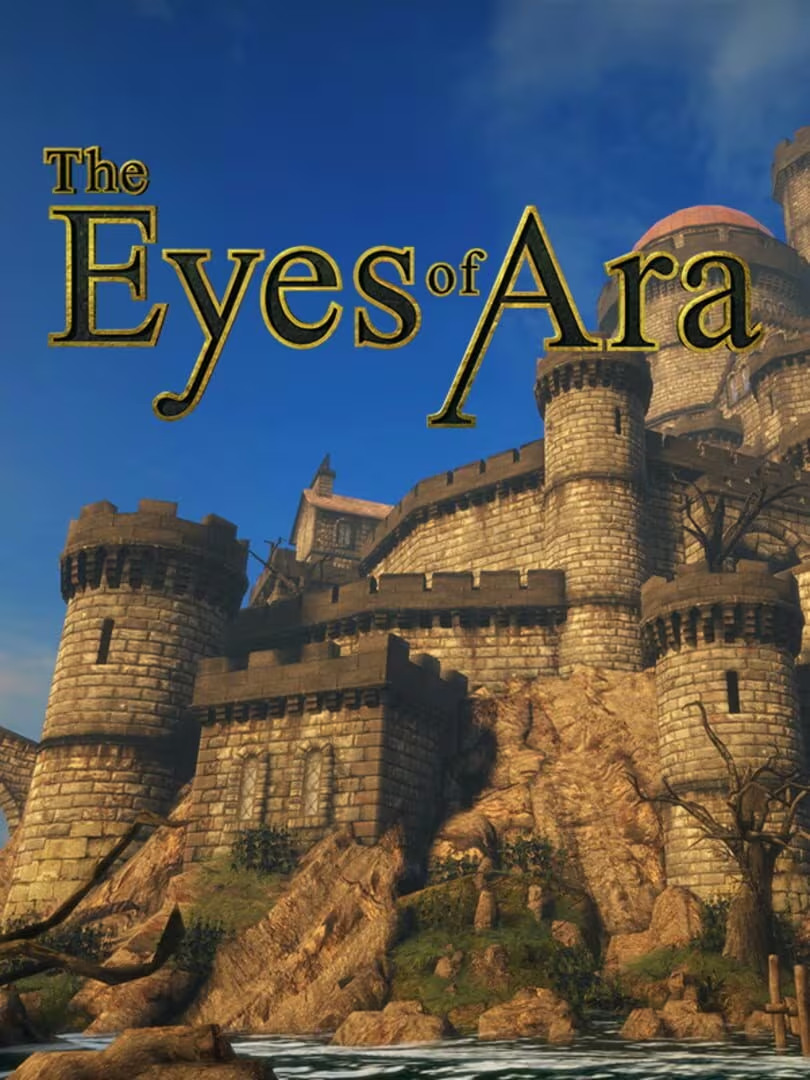 The Eyes of Ara
"Players learn and master complex puzzle rules and develop problem-solving skills."
-
Health
Game with the same Health vibe
-5"Sedentary gameplay with no physical activity or health-related features."
 DRAGON BALL Z: KAKAROT
"Sedentary gameplay with no physical activity or health-related features."
-
Idle
Game with the same Idle vibe
-4"Requires focused attention to solve puzzles; not suited for background or casual intermittent play."
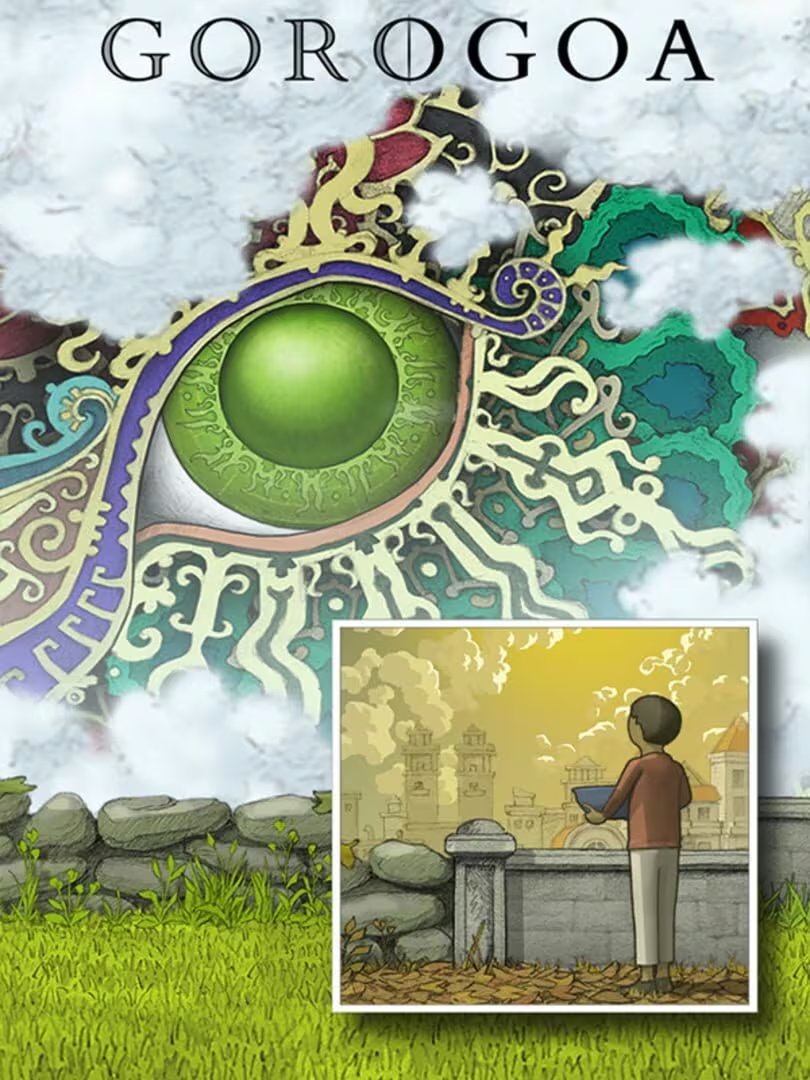 Gorogoa
"Requires sustained attention and focus to solve puzzles; not suitable for casual or background play."
-
Intimacy
Game with the same Intimacy vibe
-5"No social interactions or relationship building; purely individual experience."
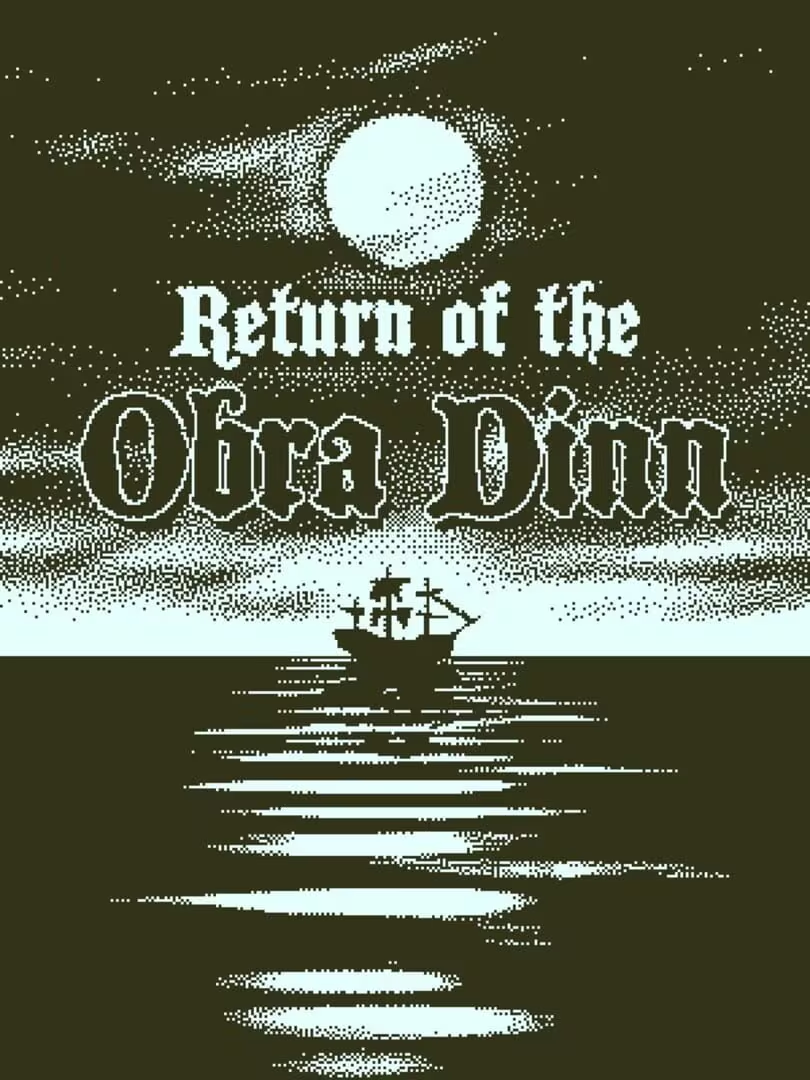 Return of the Obra Dinn
"No social interactions or relationship building; purely individual experience."
-
Leadership
Game with the same Leadership vibe
-5"No leadership or group management elements; single-player puzzle game."
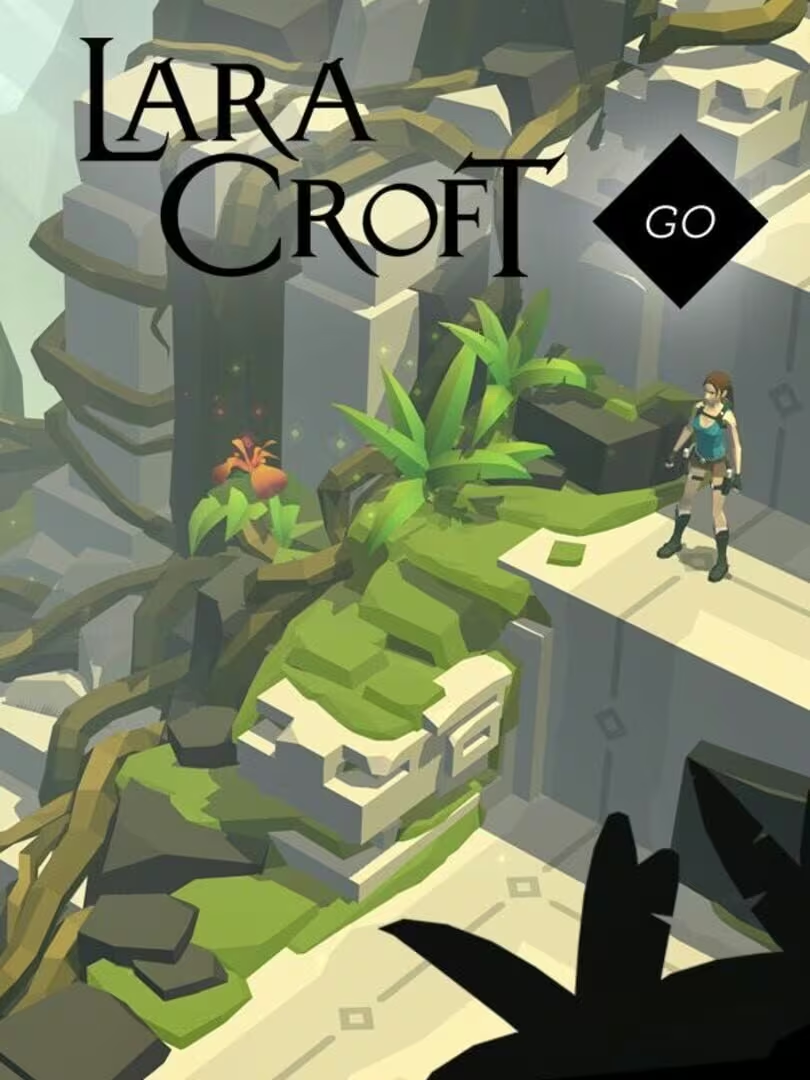 Lara Croft GO
"No leadership or group management elements; single-player puzzle game."
-
Progression
Game with the same Progression vibe
4"Progression through story advancement, puzzle completion, and unlocking new areas and endings."
 Nancy Drew®: Shadow at the Water's Edge
"Progression through unlocking new areas and puzzle mechanics, culminating in endgame content."
-
Relaxation
Game with the same Relaxation vibe
4"Atmospheric, calming music and art create a relaxing experience despite some challenging puzzles."
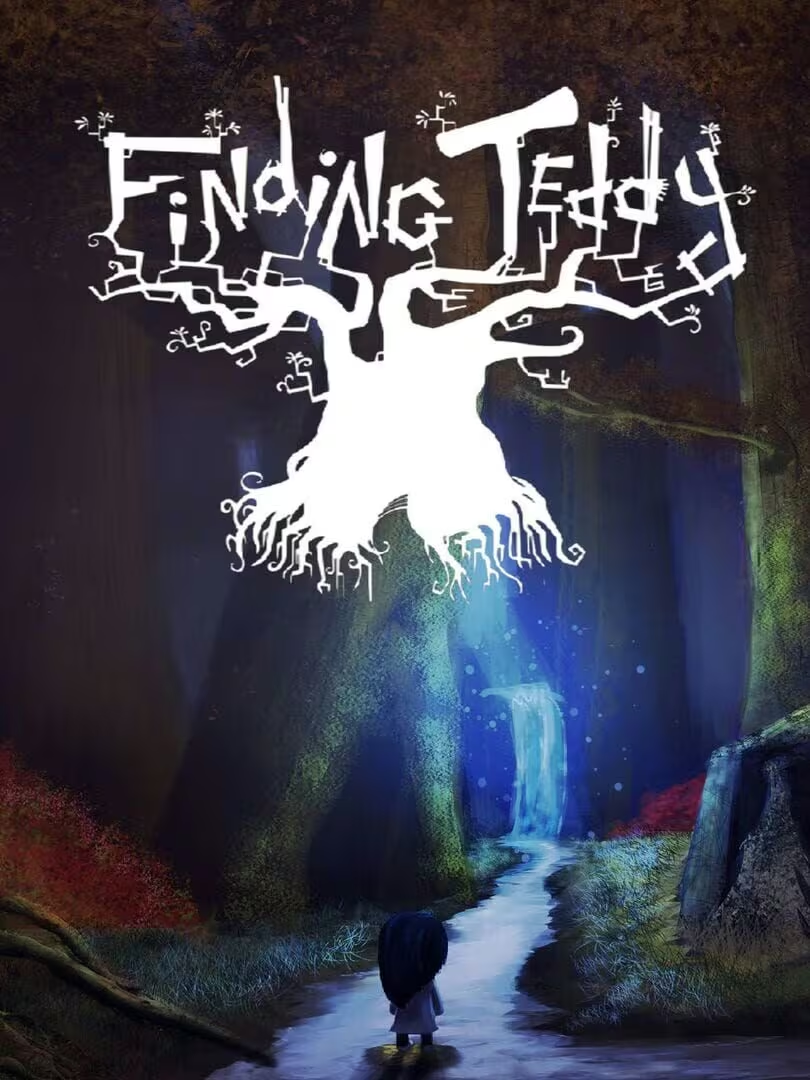 Finding Teddy
"Calming music and atmosphere create a relaxing environment despite challenging puzzles."
-
Sensation
Game with the same Sensation vibe
2"Pleasant pixel art and ambient music provide mild sensory enjoyment."
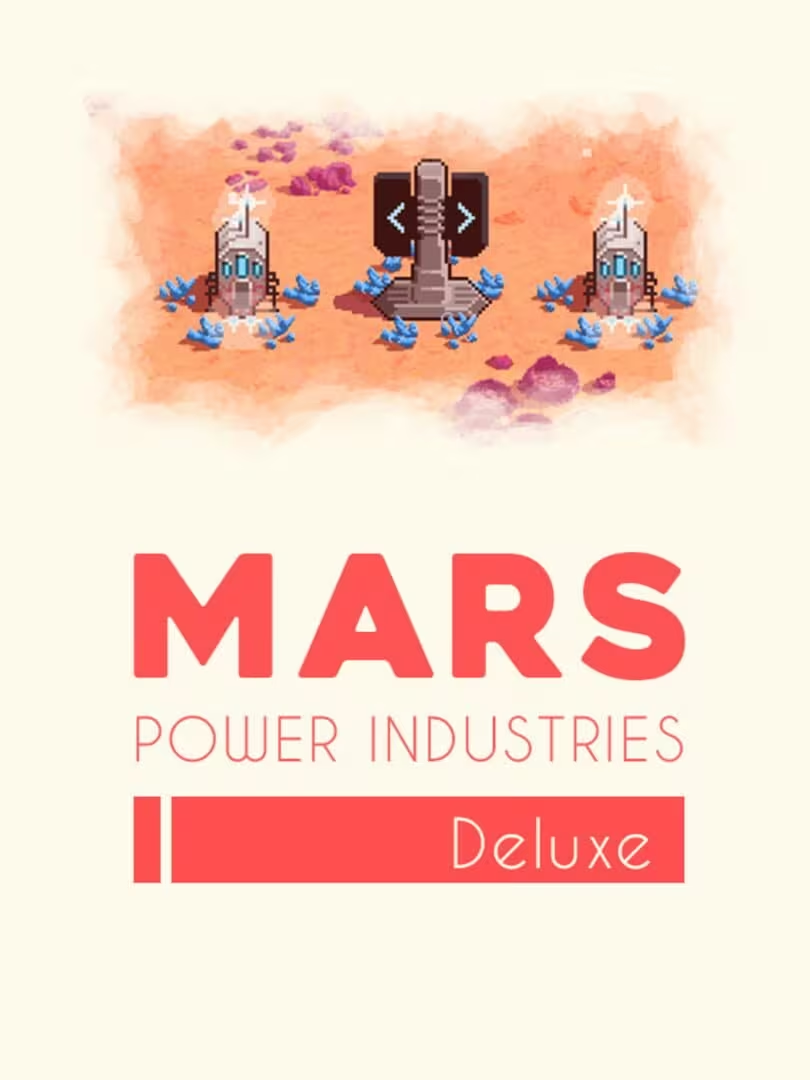 Mars Power Industries Deluxe
"Enjoyable pixel art and ambient music provide pleasant sensory stimulation."
-
Status
Game with the same Status vibe
-5"No social recognition or status systems; achievements are personal milestones."
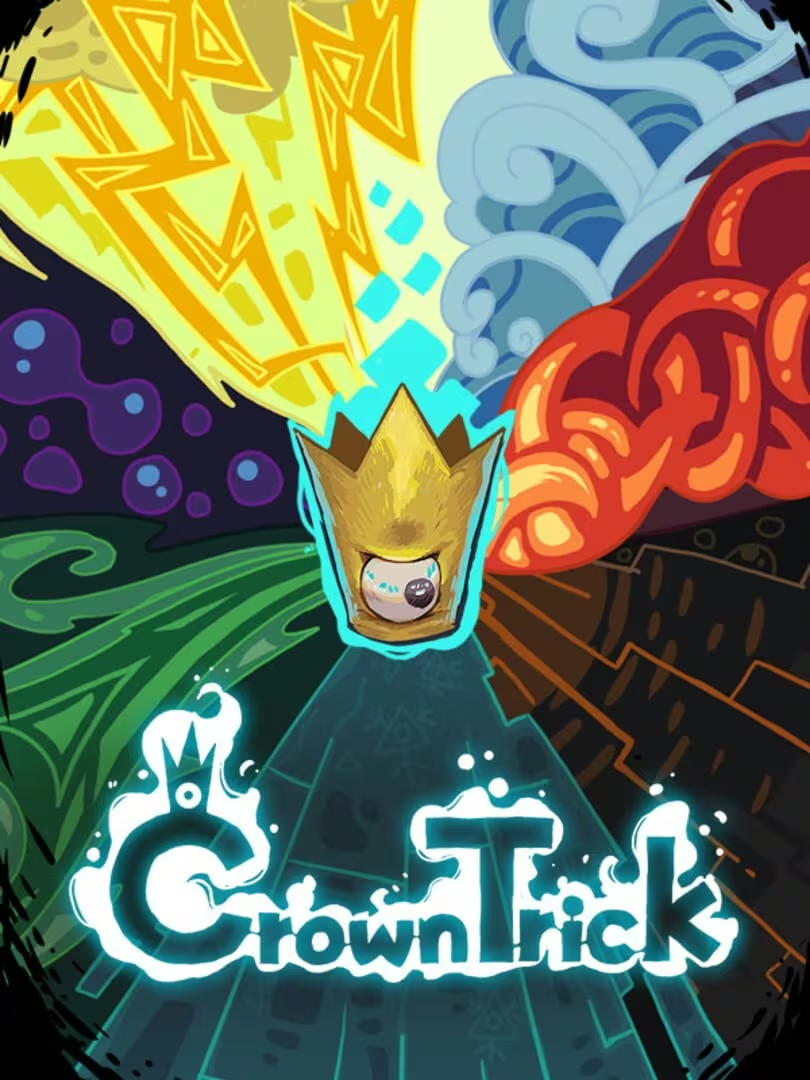 Crown Trick
"No social recognition or status systems; achievements are personal milestones."
-
Story
Game with the same Story vibe
-3"Minimal narrative or plot; focus is on atmosphere and puzzles rather than story."
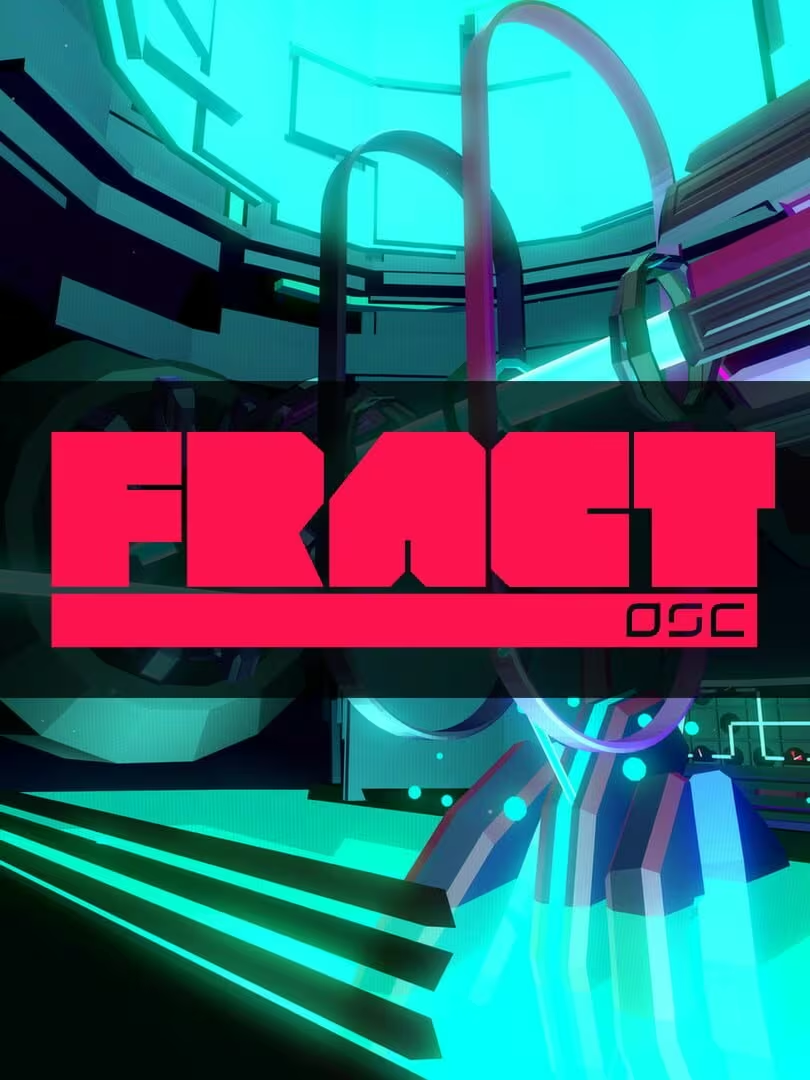 FRACT OSC
"Minimal narrative or plot; focus is on puzzles and environment rather than story."
-
Strategy
Game with the same Strategy vibe
4"Requires logical reasoning, rule deduction, and planning to solve complex puzzles."
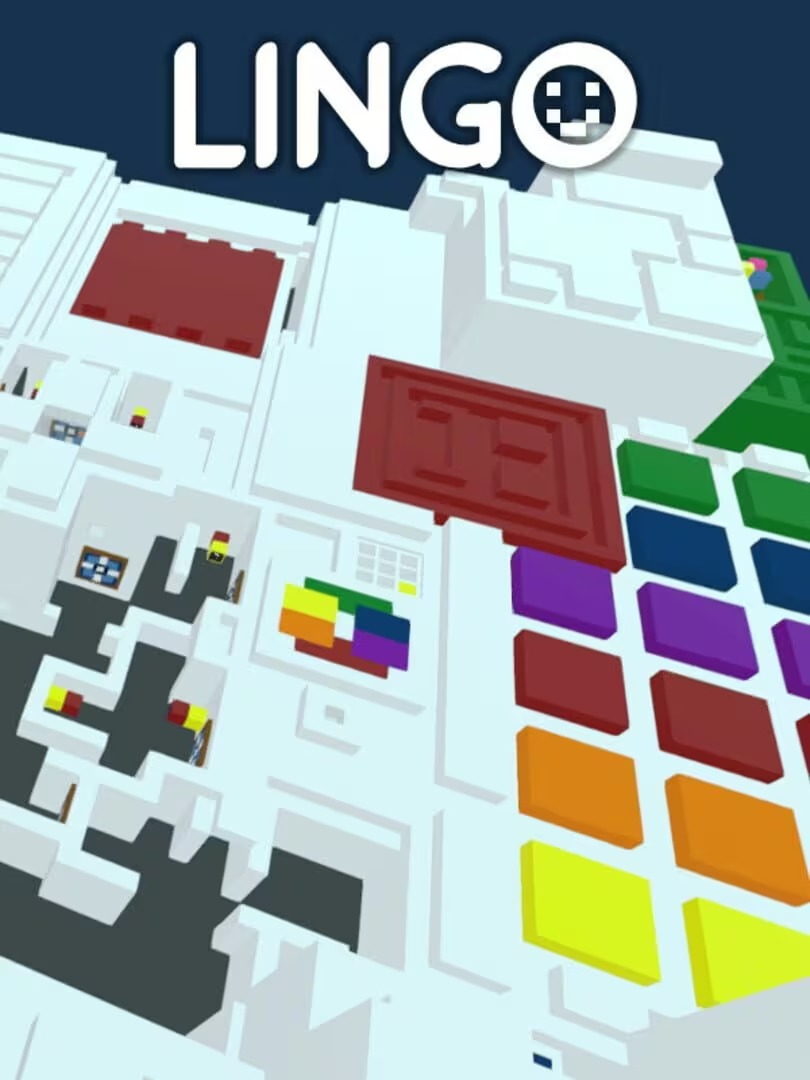 Lingo
Lingo
"Requires logical reasoning, planning, and problem solving to deduce puzzle rules and solutions."
-
Thrill
Game with the same Thrill vibe
-3"Experience is more contemplative and calm than suspenseful or thrilling."
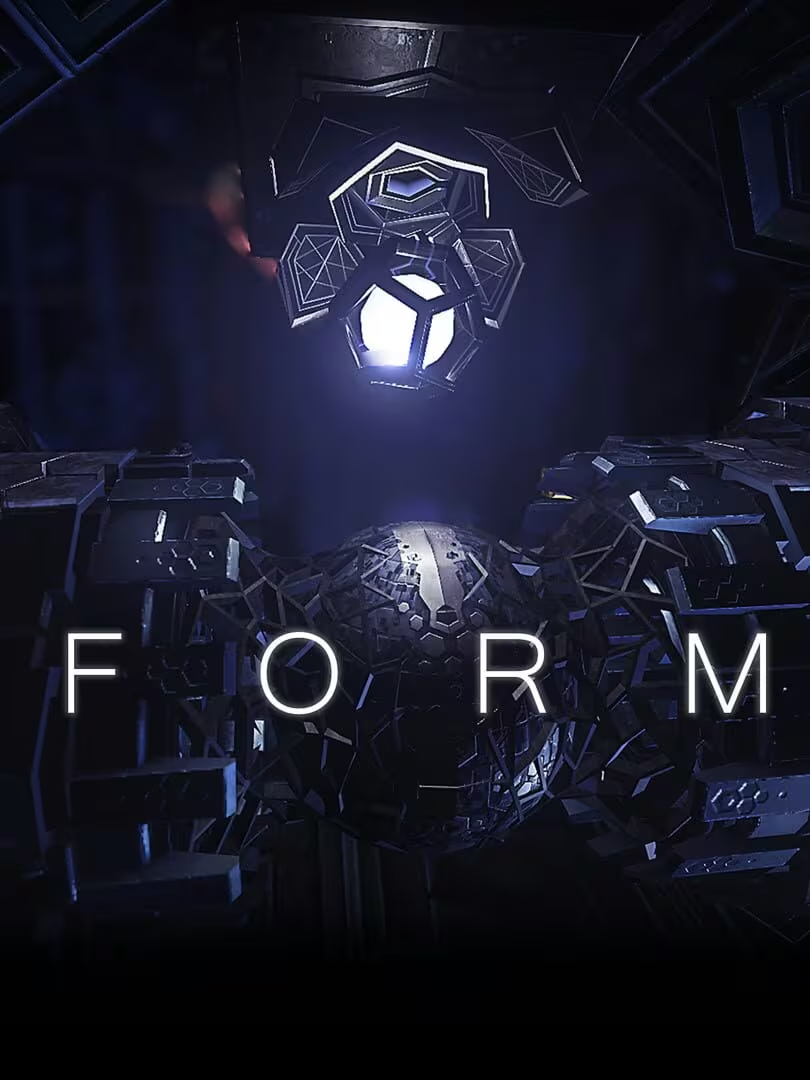 FORM
FORM
"Experience is more contemplative and calm rather than suspenseful or thrilling."
-
Value
Game with the same Value vibe
3"Offers many hours of content with puzzles and hidden challenges, considered worth the price."
Linelight
"Offers many hours of challenging puzzles and content, providing good value for puzzle fans."
-
Violence
Game with the same Violence vibe
-5"No combat or destructive elements; purely constructive puzzle solving."
 aMAZE
aMAZE
"No combat or destructive elements; purely constructive puzzle solving."
-
Survival
Game with the same Survival vibe
-5"No survival or threat mechanics; stable, low-risk environment."
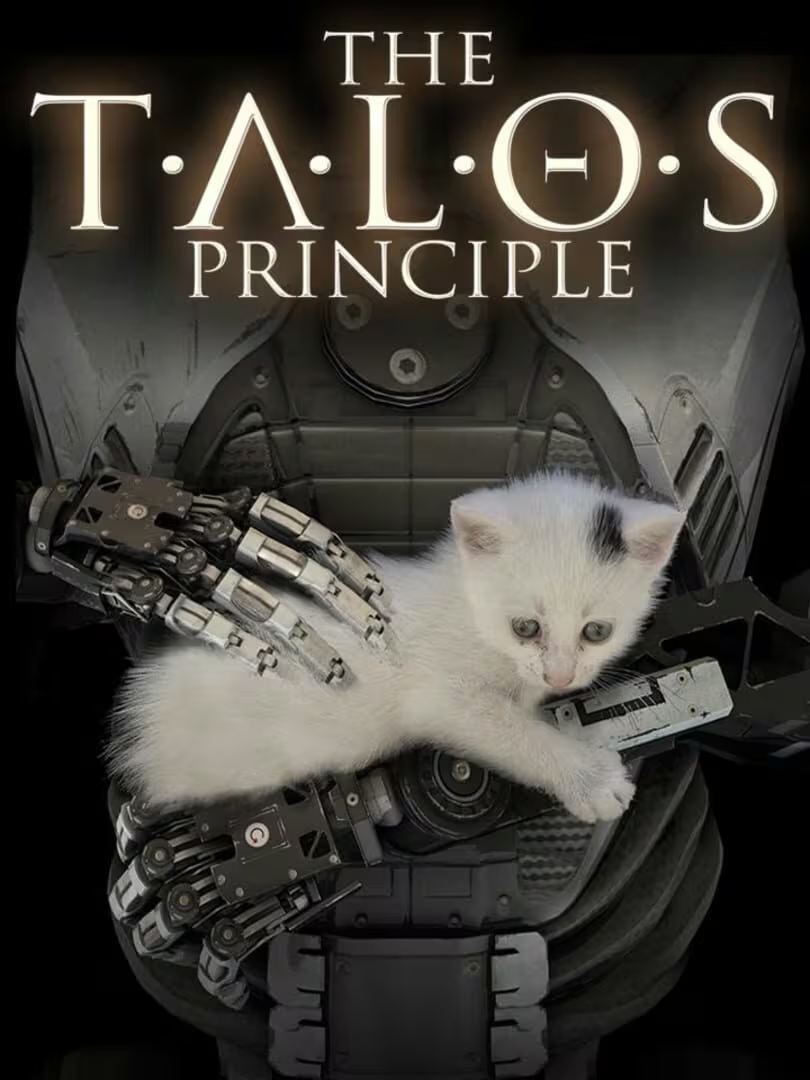 The Talos Principle
"No survival or threat mechanics; stable, low-risk environment."
Last update: 01/06/2026