Firewatch similar games & best alternatives
Should you play it?
Firewatch is a single-player first-person mystery set in the Wyoming wilderness, where your only emotional lifeline is the person on the other end of a handheld radio.
What works
- Beautiful and immersive environment
- Strong emotional narrative and voice acting
- Unique dialogue system with meaningful choices
- Engaging exploration and atmosphere
- Thought-provoking themes of isolation and connection
Things to keep in mind
- Short gameplay length
- Linear story with limited impact of choices
- Some technical bugs and optimization issues
- Lack of replayability
- Price considered high by some for duration
What to play next
Similar games, hidden gems, and fresh directions from this game.
Top picks
Games that feel the closest overall

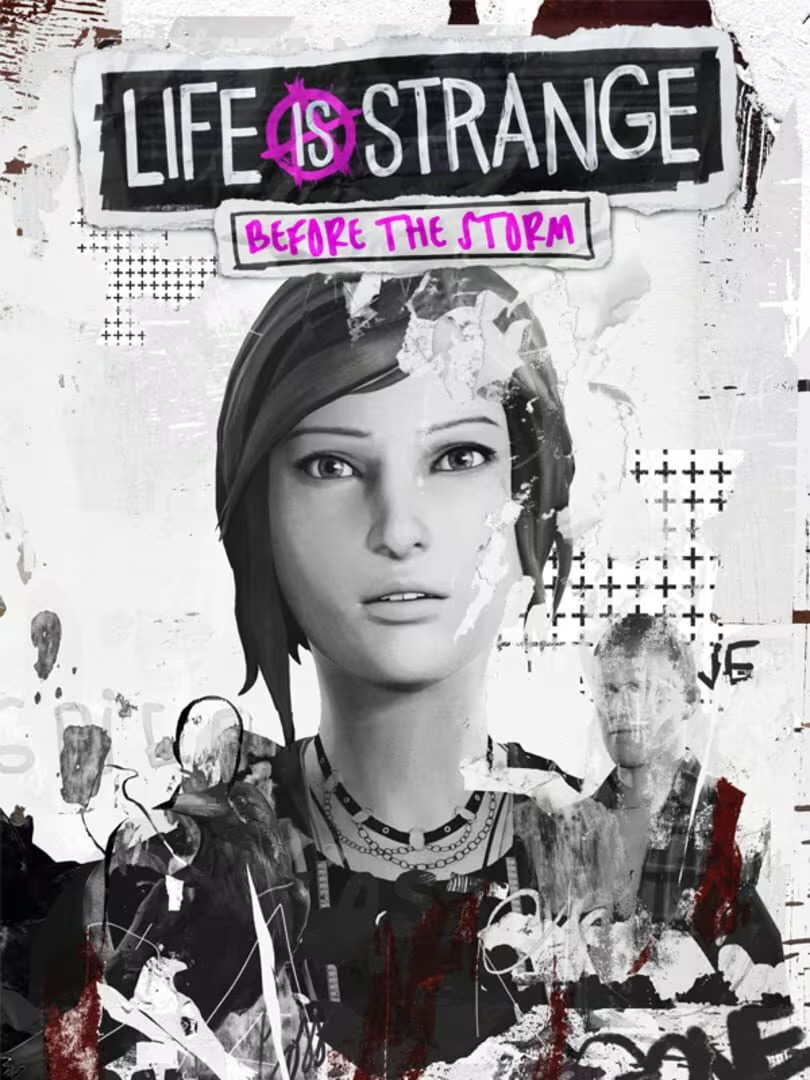
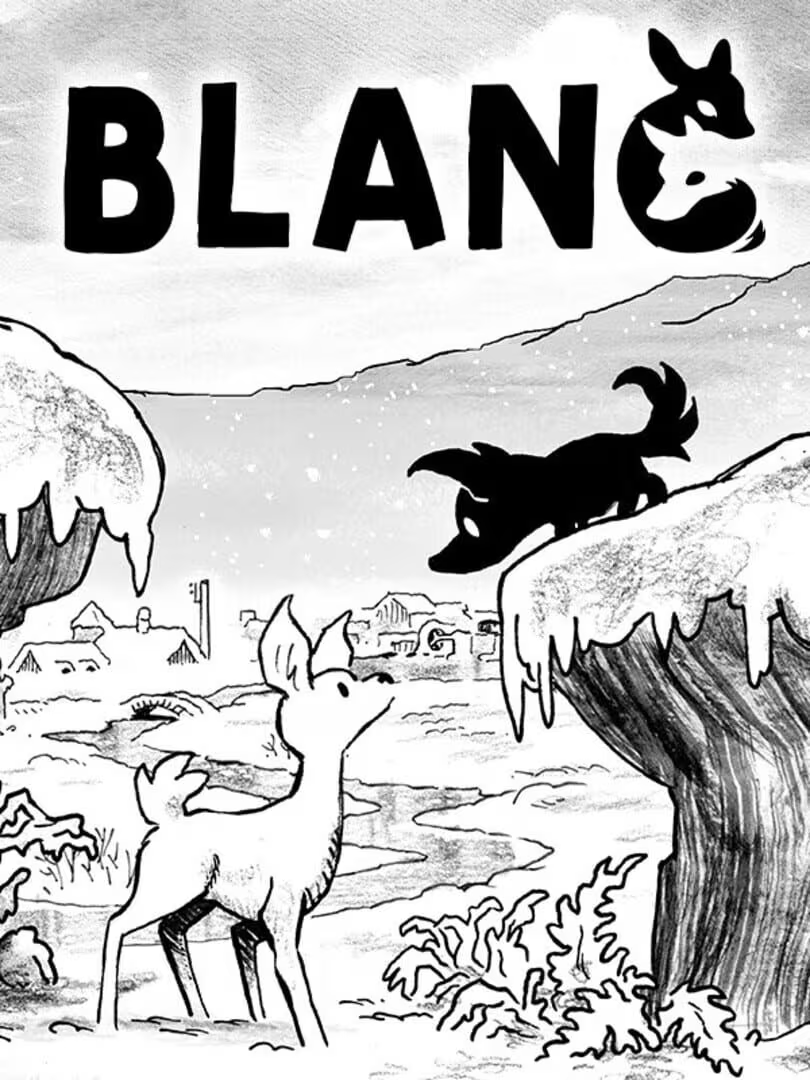
Hidden Gems
Less popular games with surprisingly high similarity
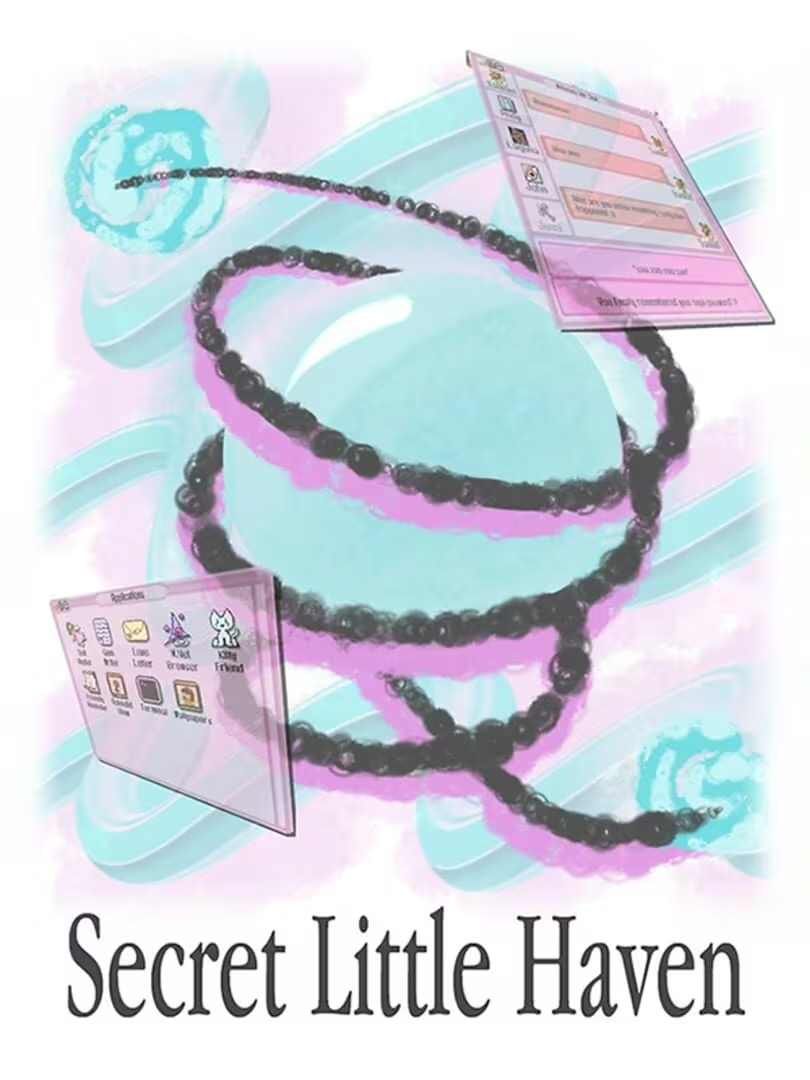
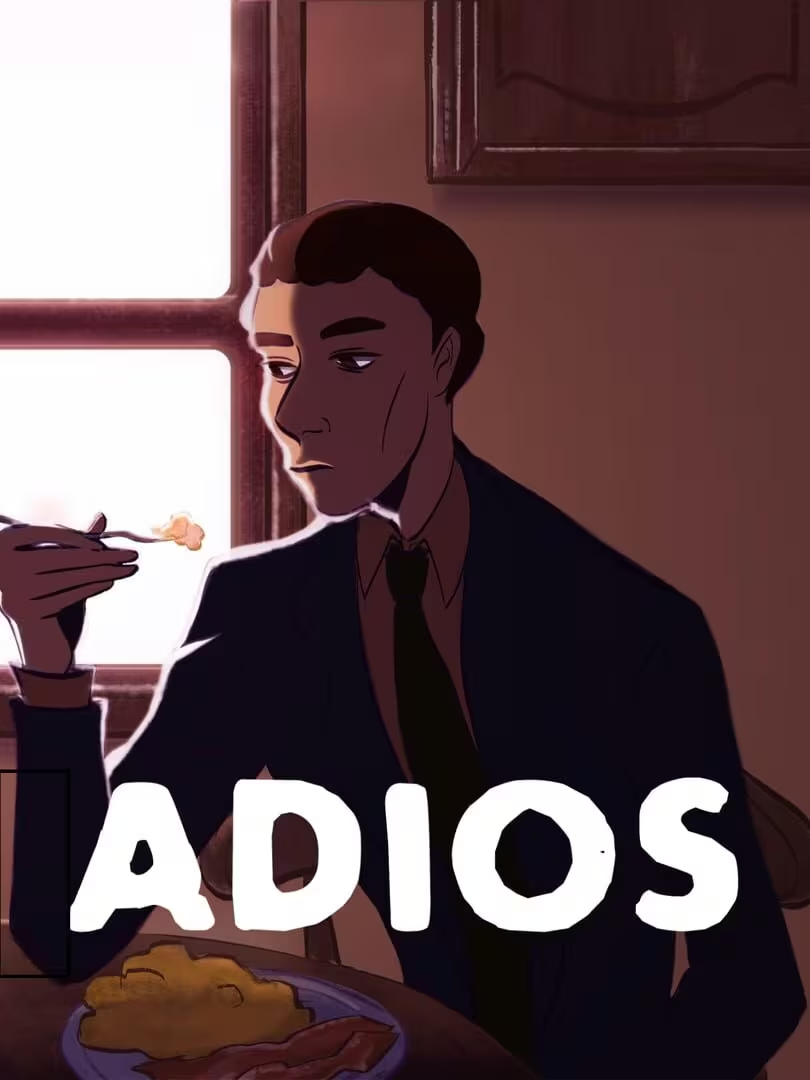
If you liked…
Recommendations by what you enjoyed most
Similarity map
Explore nearby similar games and see why they’re close.
Firewatch: Broadly representative of its motivational profile, with a few distinct shifts. Motivations that often define this kind of title include Strategy, Experimenting, Competence, Survival. Here, the score leans higher than usual among comparable games on Fellowship, Cooperation, Intimacy.
Why this game works
A motivational profile of the game, with the closest similar game for each player motivation.
-
Autonomy
Game with the same Autonomy vibe
3"Players can make dialogue choices and explore the environment freely, though the game is mostly linear."
 Runo
Runo
"Players have freedom to explore the environment and choose dialogue options, though the story is mostly linear."
-
Competence
Game with the same Competence vibe
-2"Gameplay is simple walking and exploration with minimal challenge or skill tests."
 Liminalcore
"Gameplay is simple walking and exploration with minimal technical challenge or skill tests."
-
Competition
Game with the same Competition vibe
-5"No competitive elements; focus is on personal experience and story."
 Night in the Woods
"No competitive elements; focus is on personal experience and story."
-
Continuation
Game with the same Continuation vibe
1"Short game with some players enjoying multiple sessions; limited replayability."
 Hidden Paws
"Short game with some players feeling immersed for entire sessions, but limited replayability."
-
Cooperation
Game with the same Cooperation vibe
2"Some modes require teamwork (e.g. Juggernaut, Infector), and proximity voice chat supports cooperative play, but many modes are also competitive or solo."
 Goofy Gorillas
"Interaction with Delilah via radio is central, representing cooperative dialogue though single-player only."
-
Creativity
Game with the same Creativity vibe
1"Some player choice in dialogue and exploration, but limited creation or modification of game elements."
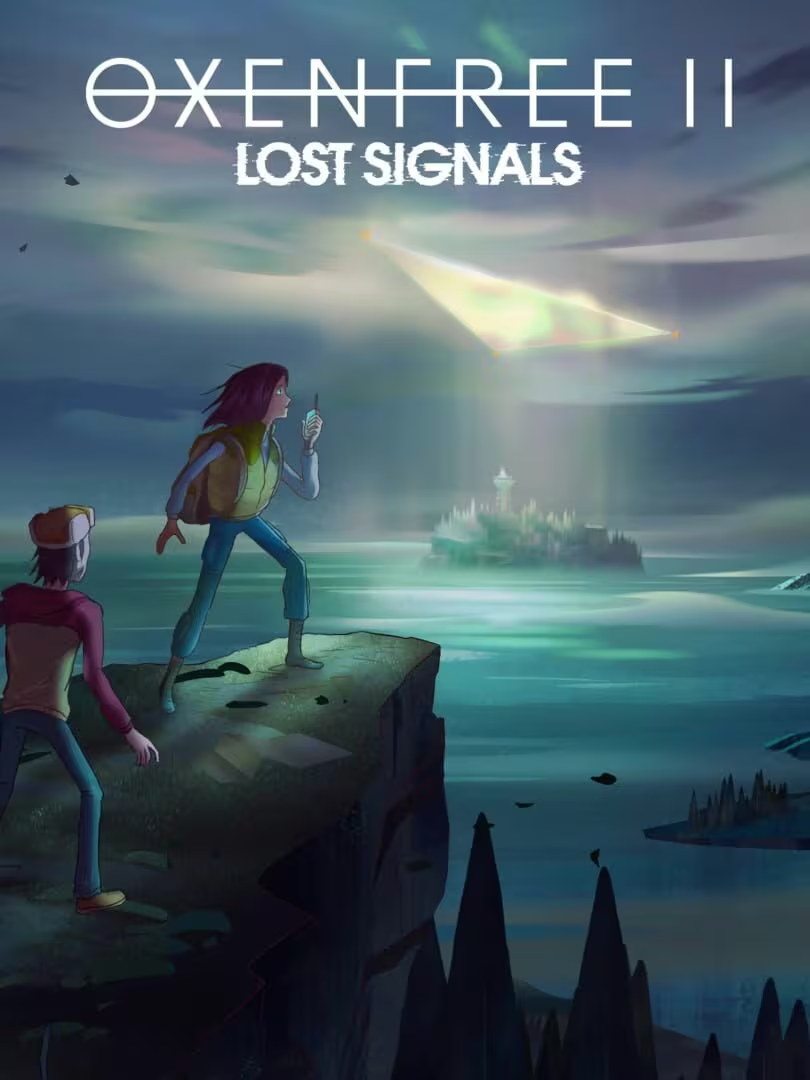 OXENFREE II: Lost Signals
"Some player choice in dialogue and exploration, but mostly predefined story and environment."
-
Domination
Game with the same Domination vibe
-5"No elements of exerting control over others; interactions are balanced and respectful."
 Lake
Lake
"No elements of exerting control over others; interactions are equal and respectful."
-
Escapism
Game with the same Escapism vibe
5"Strong theme of escaping real-life problems through emotional connection with a fictional character and immersive comforting scenarios."
 Save Me, Sakuya-san!
"Strong theme of escaping real-life problems and emotional refuge in nature and story."
-
Expectation
Game with the same Expectation vibe
-4"Players engage voluntarily for intrinsic interest and emotional connection."
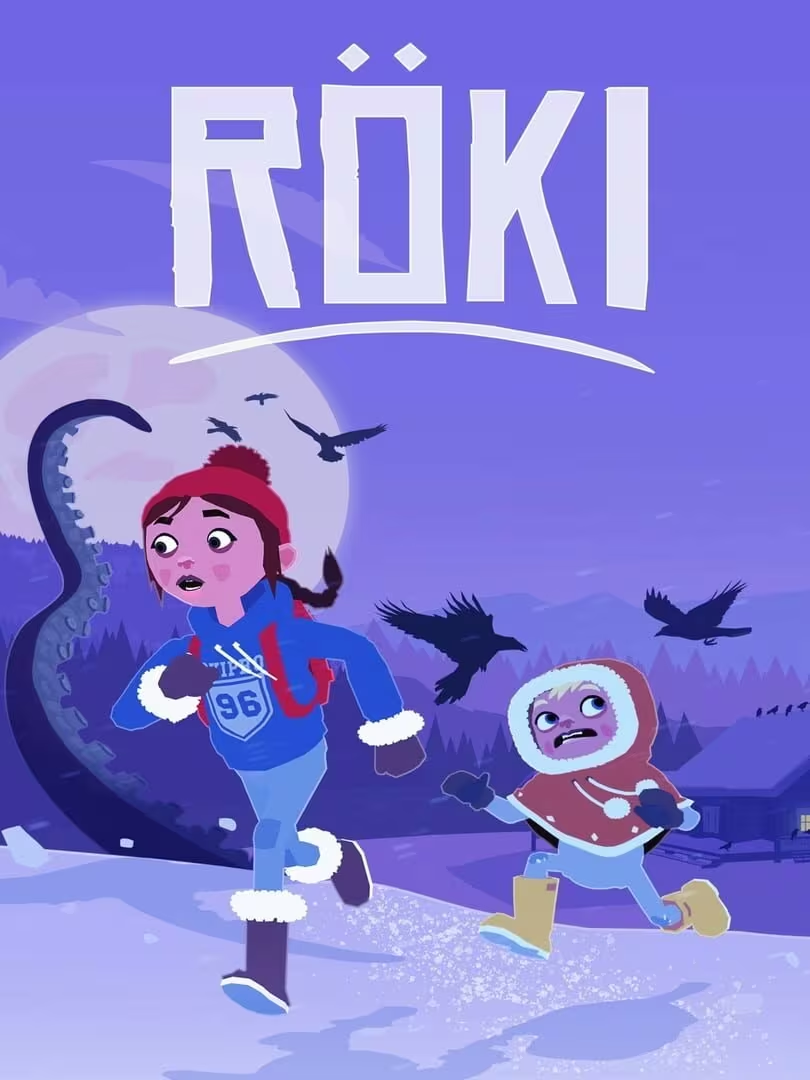 Röki
Röki
"Players engage voluntarily out of intrinsic interest and emotional connection."
-
Experimenting
Game with the same Experimenting vibe
-1"Some experimentation with multiple characters and dialogue choices, but largely follows established story paths and gameplay routines."
 Dreamfall: The Longest Journey
"Limited experimentation; mostly following story with some dialogue variation."
-
Exploration
Game with the same Exploration vibe
3"Encouraged to explore detailed environments, find collectibles, and piece together lore."
 Hollowbody
"Encouraged to explore the forest and discover notes, supply crates, and scenic locations."
-
Expression
Game with the same Expression vibe
2"Some self-expression through choices in dialogue and interactions, but limited character customization."
 Smile For Me
"Dialogue choices allow some self-expression; limited character customization."
-
Fantasy
Game with the same Fantasy vibe
-3"Grounded in realistic social and psychological themes rather than imaginative or supernatural elements."
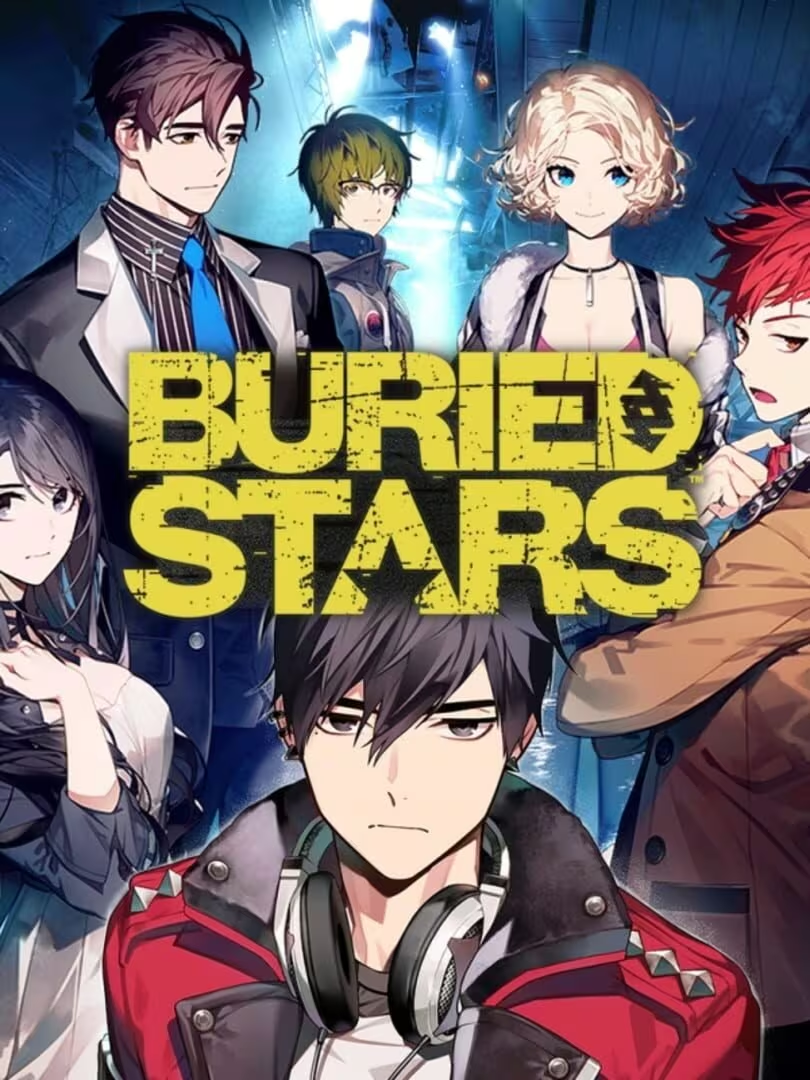 BURIED STARS
"Grounded in realistic scenarios and human emotions; no supernatural elements."
-
Fellowship
Game with the same Fellowship vibe
3"Strong sense of community through character relationships and shared struggles on the station."
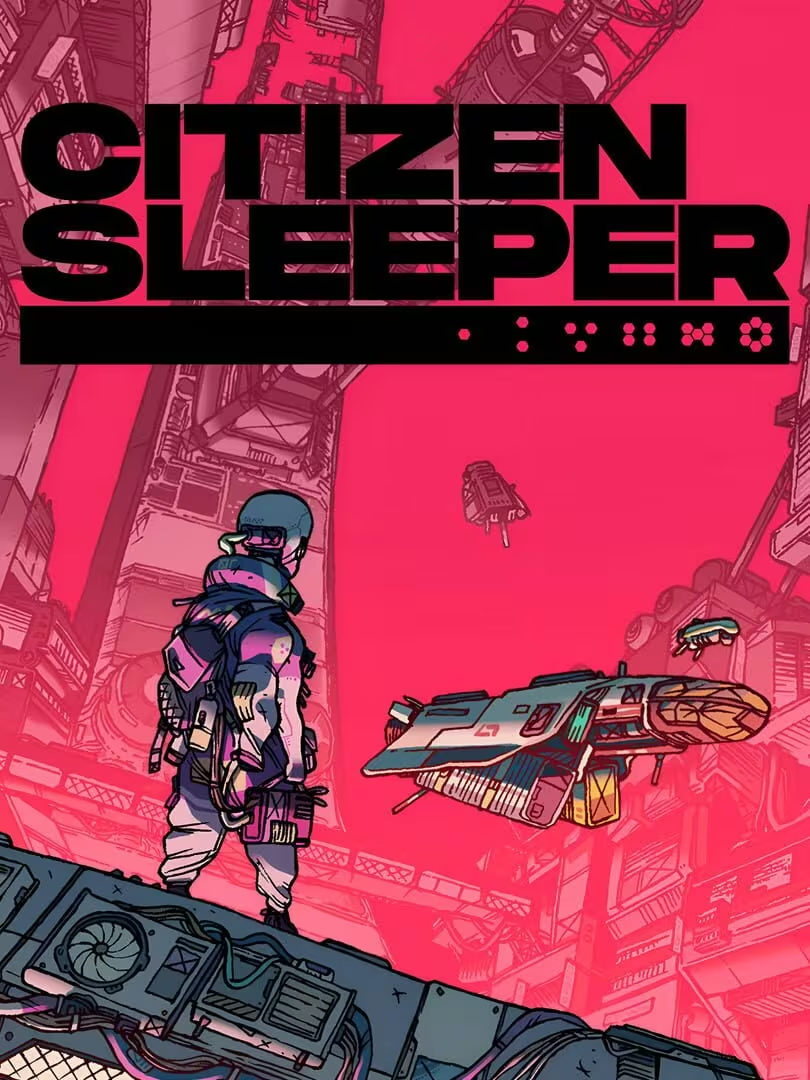 Citizen Sleeper
"Strong sense of connection and community through radio conversations with Delilah."
-
Growth
Game with the same Growth vibe
2"Players learn story and puzzle solutions, gaining knowledge and some skill in navigation."
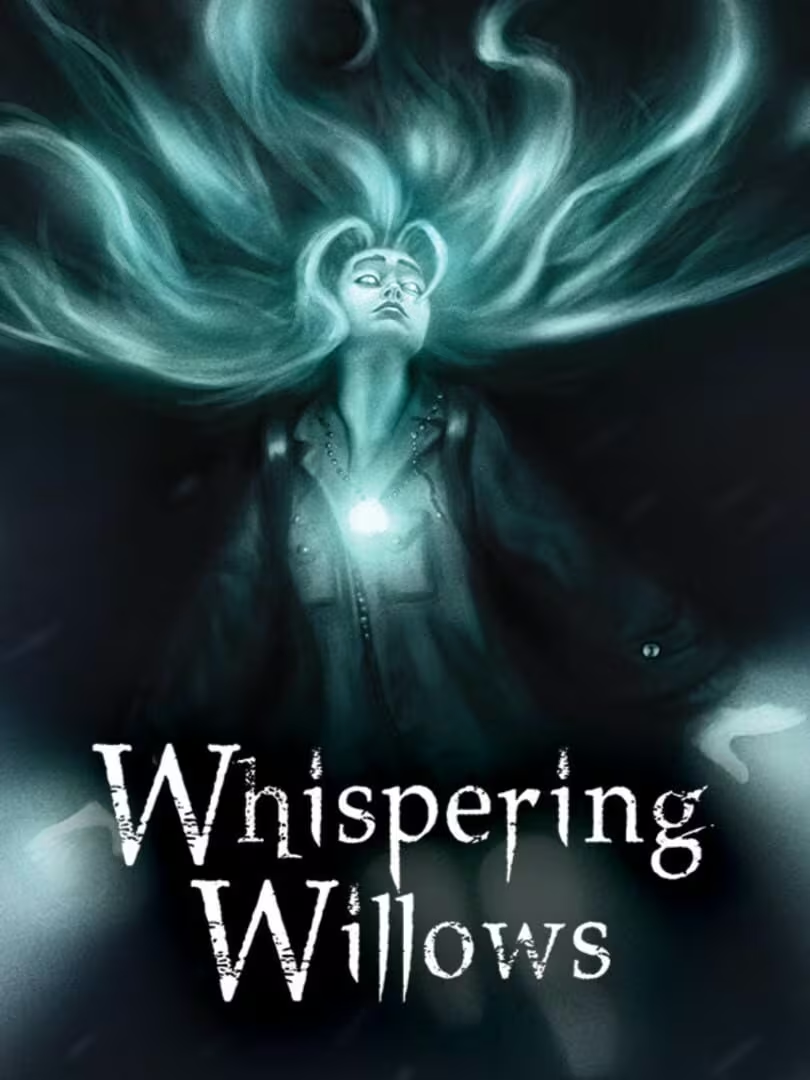 Whispering Willows
"Players learn about characters and story; some navigation skill development."
-
Health
Game with the same Health vibe
-3"Sedentary gameplay with no physical activity involved."
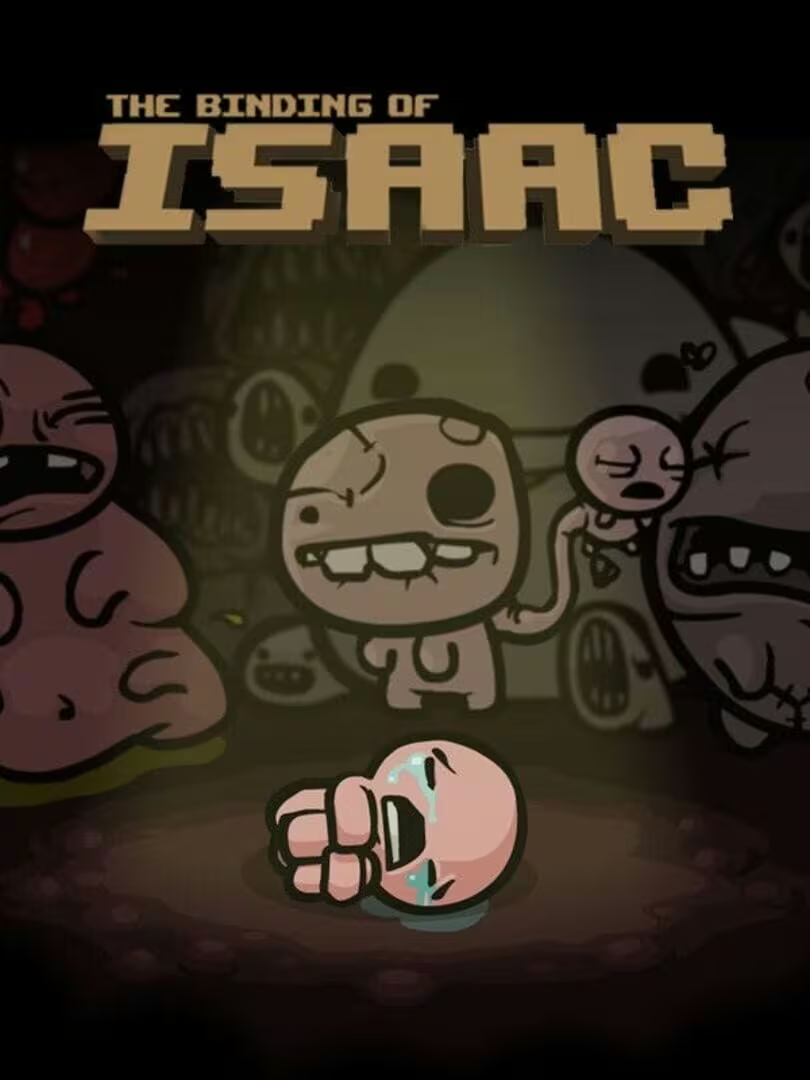 The Binding of Isaac
"Sedentary gameplay; no physical activity involved."
-
Idle
Game with the same Idle vibe
-2"Requires player attention and interaction; not a background or idle game."
 Walking Simulator
"Requires player attention and engagement; not a background or idle game."
-
Intimacy
Game with the same Intimacy vibe
4"Strong emotional connection with characters and their intimate relationship."
 Love Ribbon
"Emotional and personal relationship develops between Henry and Delilah via radio."
-
Leadership
Game with the same Leadership vibe
-4"No leadership or authority roles; interactions are collaborative and equal."
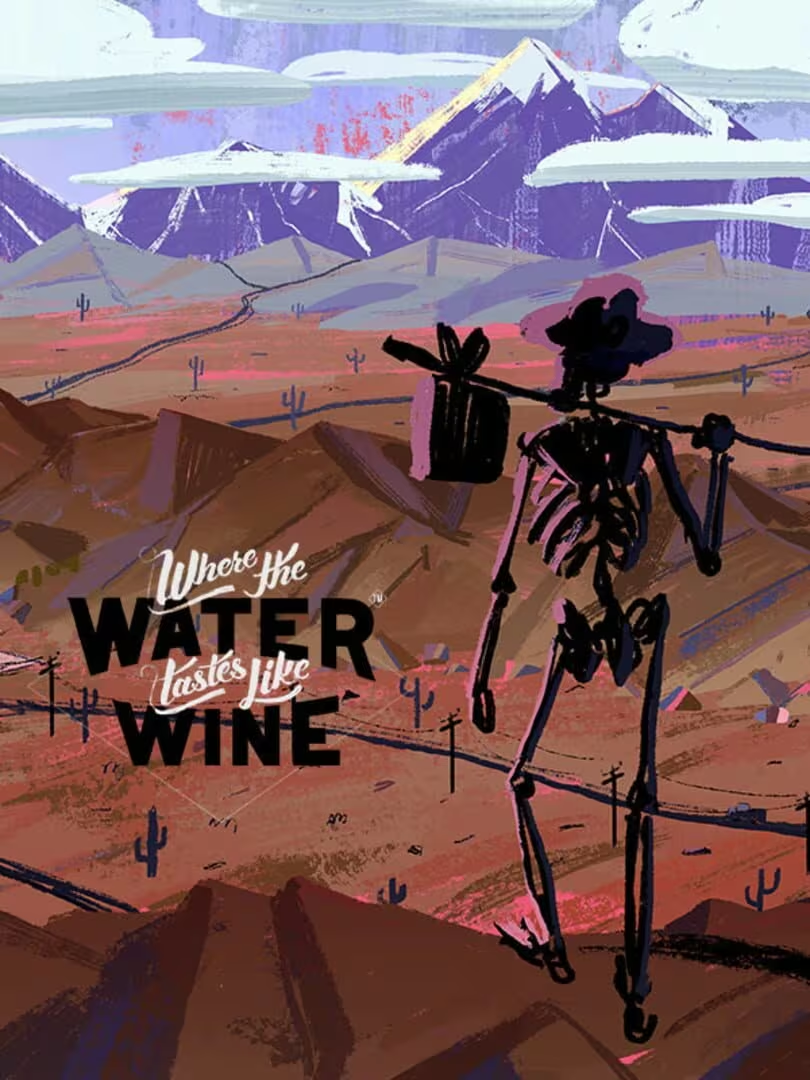 Where the Water Tastes Like Wine
"No leadership roles; cooperative but equal interactions."
-
Progression
Game with the same Progression vibe
1"Some item collection and unlocking of areas, but limited progression systems."
 SCP: Daybreak
"Some item collection and unlocking new areas, but limited progression mechanics."
-
Relaxation
Game with the same Relaxation vibe
4"Atmospheric and immersive experience with a balance of calm exploration and occasional tension."
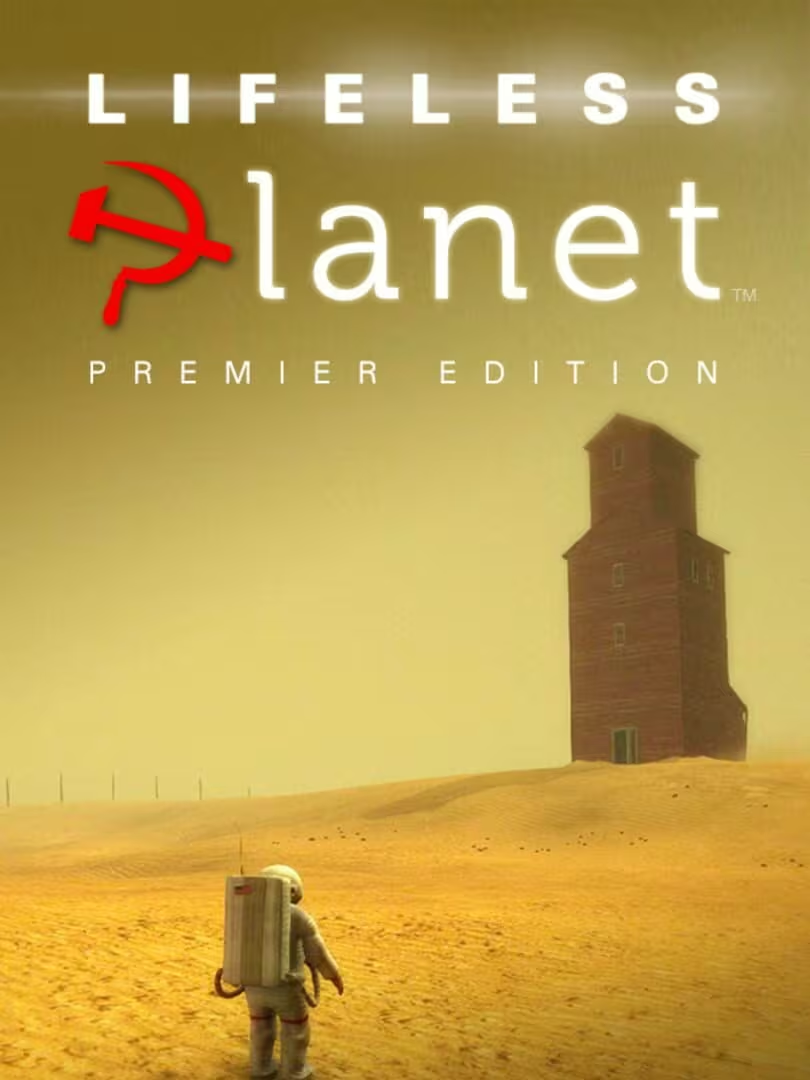 Lifeless Planet Premier Edition
"Calm, immersive atmosphere with moments of tension balanced by scenic exploration."
-
Sensation
Game with the same Sensation vibe
3"Enjoyable visual and auditory experience with emotional impact, though not intense sensory stimulation."
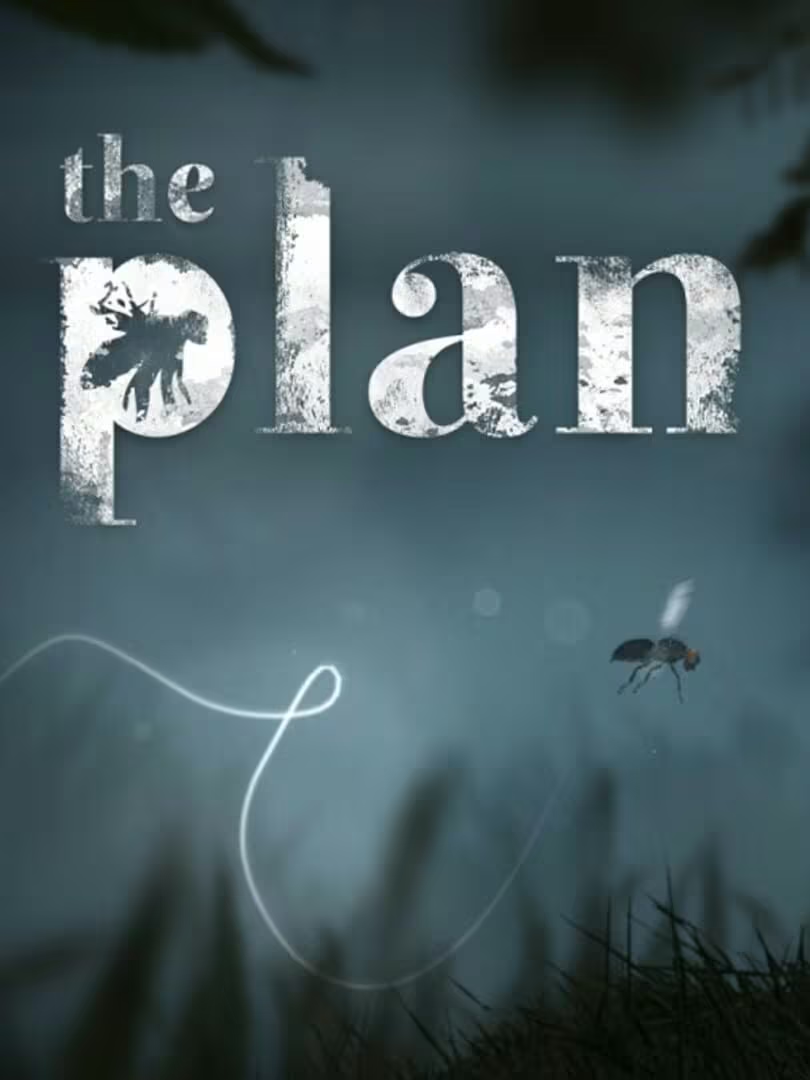 The Plan
"Enjoyable visual and auditory experience with emotional impact."
-
Status
Game with the same Status vibe
-5"No social recognition or status elements; experience is private and personal."
 Actual Sunlight
"No social recognition or status elements; experience is personal and private."
-
Story
Game with the same Story vibe
5"Narrative-driven game with strong emotional storytelling and character development."
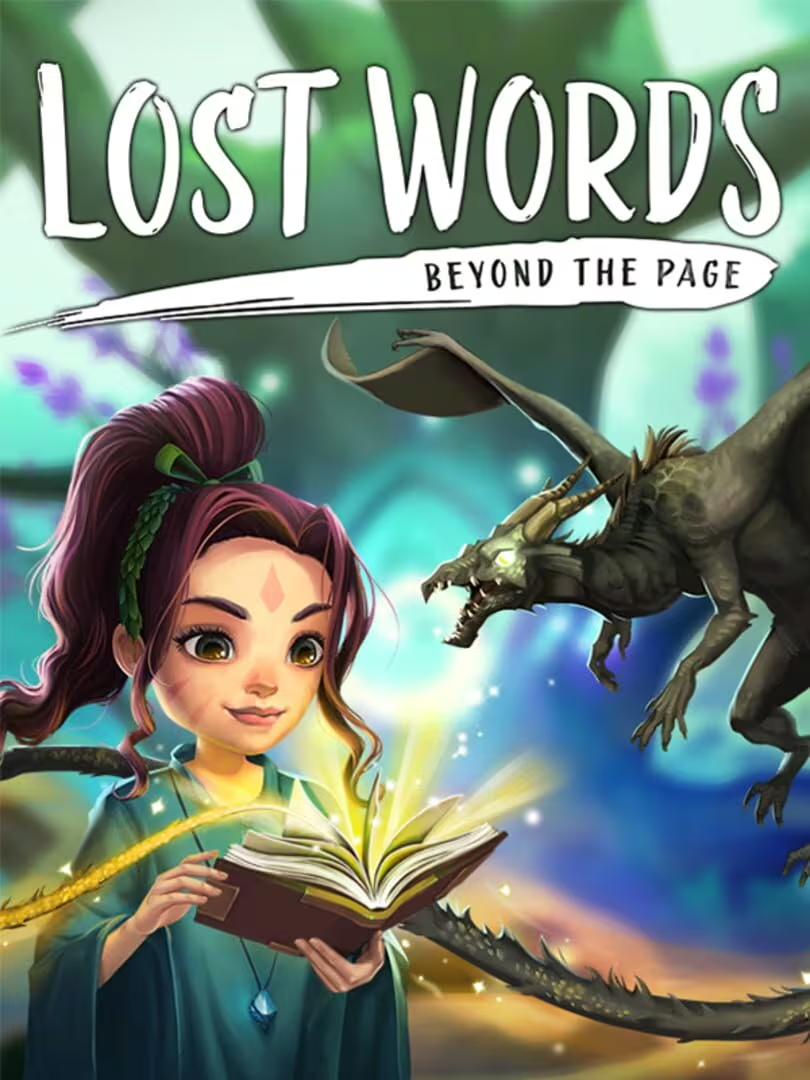 Lost Words: Beyond the Page
"Narrative-driven game with strong emotional story and character development."
-
Strategy
Game with the same Strategy vibe
-3"Minimal strategic or problem-solving elements; mostly straightforward searching."
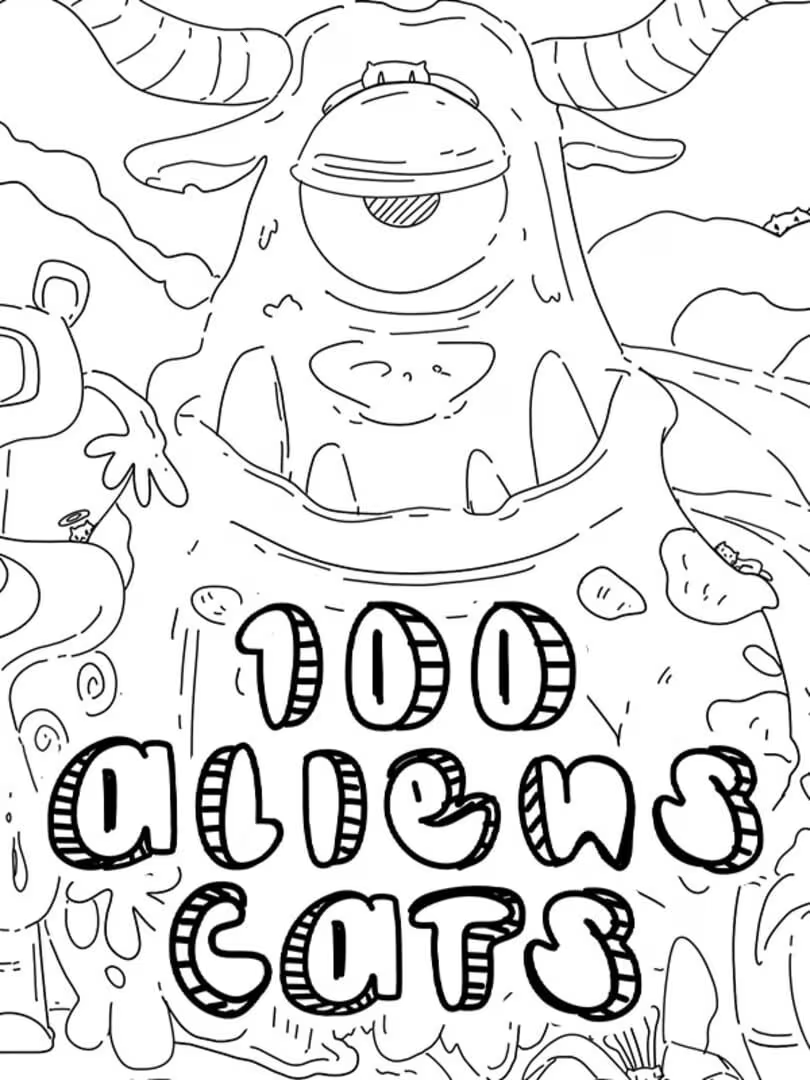 100 Aliens Cats
"Minimal strategic or problem-solving elements; mostly straightforward exploration."
-
Thrill
Game with the same Thrill vibe
2"Some suspense and mystery elements create moments of tension and relief."
 Heart of the Woods
"Some suspense and mystery elements create moments of tension."
-
Value
Game with the same Value vibe
1"Mixed opinions on price vs. content length; many find it worth the cost especially on sale for the emotional experience."
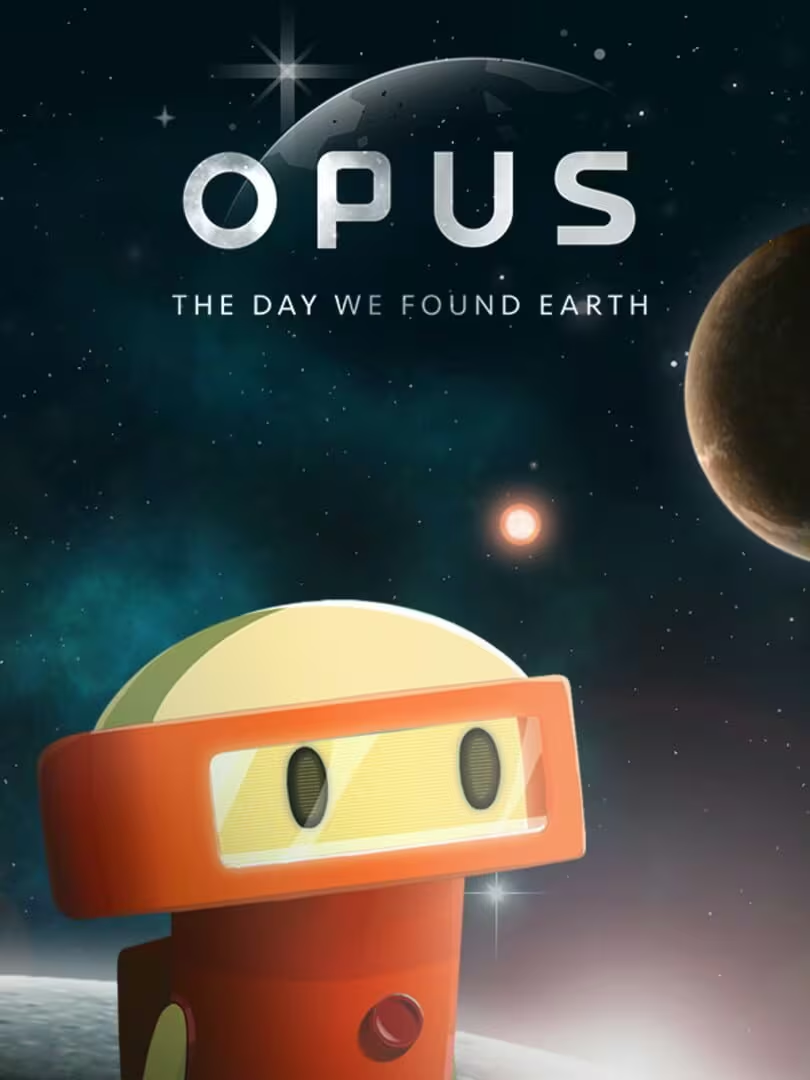 OPUS: The Day We Found Earth
"Mixed opinions on price vs length, but many feel the emotional experience justifies cost."
-
Violence
Game with the same Violence vibe
-5"No combat or destruction; focus on exploration and narrative."
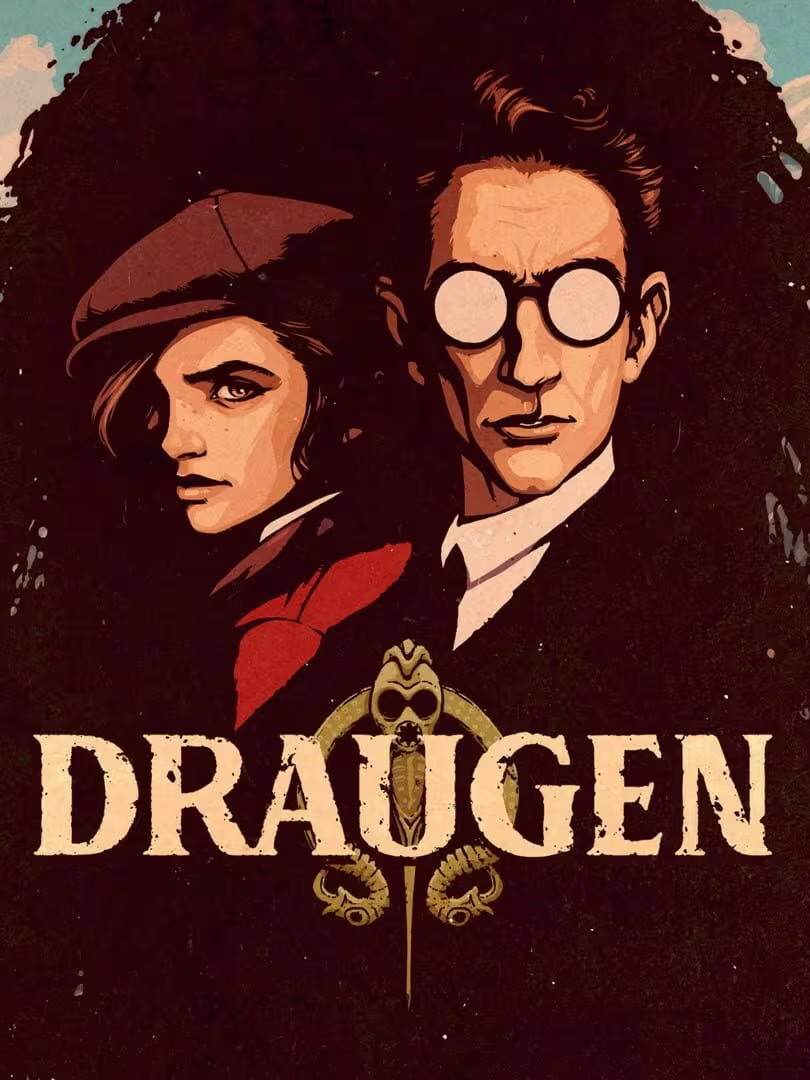 Draugen
"No combat or destruction; focus on peaceful exploration and narrative."
-
Survival
Game with the same Survival vibe
-3"No survival mechanics; environment is stable and low risk."
 Greyfox RPG
"No survival mechanics; environment is stable and low risk."
Last update: 01/06/2026