Kardboard Kings: Card Shop Simulator similar games & best alternatives
Should you play it?
Open your own Card shop by the seaside! Buy, trade and sell Cards, OR keep them for your own collection! Earn reputation with customers, beat your shop goals, unlock new decorations, and host exciting events to bring everyone to the best Card shop in town!
What works
- Addictive and relaxing gameplay loop
- Charming art style and music
- Engaging card collection and market mechanics
- Humorous and quirky characters
- Responsive developers with ongoing updates
Things to keep in mind
- Short and abrupt story ending
- Limited shop customization and expansion
- Repetitive events and dialogue
- Bugs and occasional technical issues
- Minimal depth in card battling and multiplayer
What to play next
Similar games, hidden gems, and fresh directions from this game.
Top picks
Games that feel the closest overall


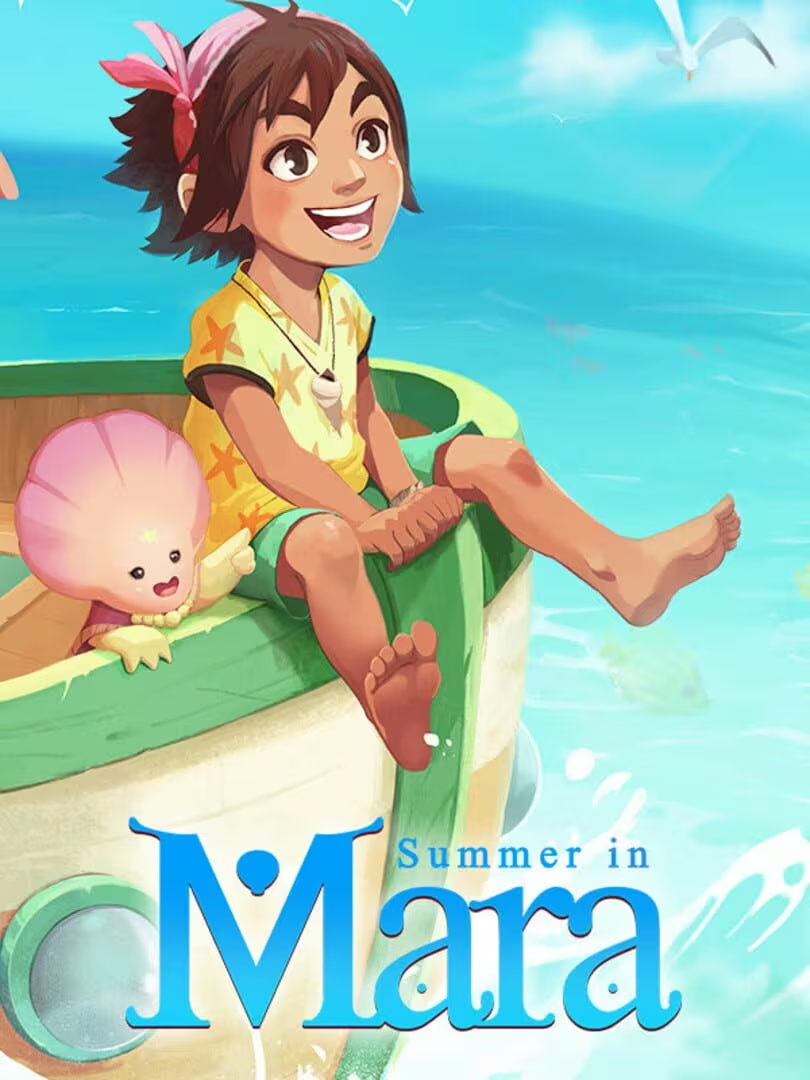
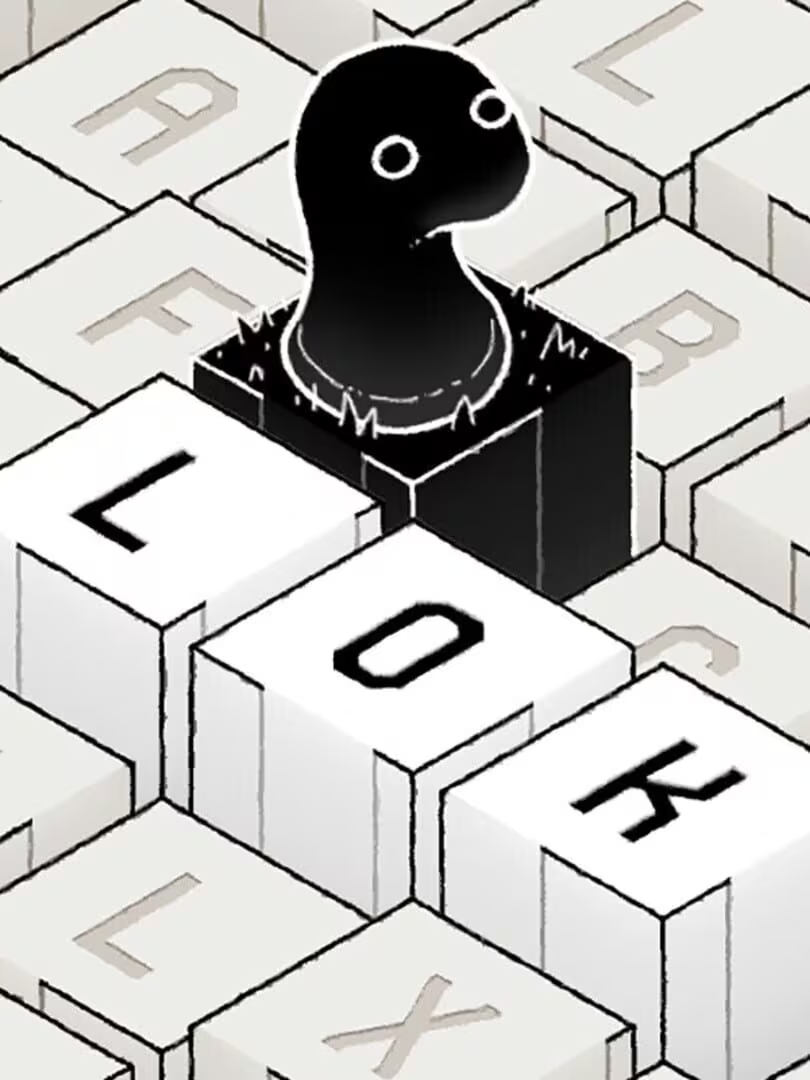
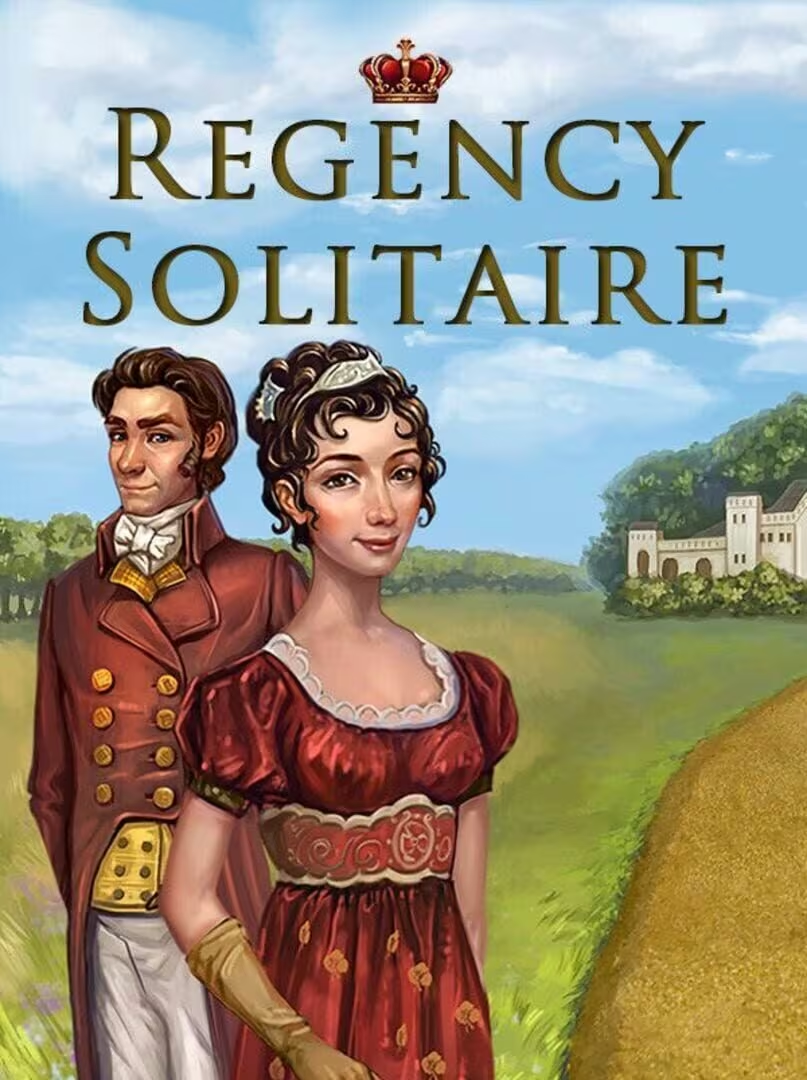
Hidden Gems
Less popular games with surprisingly high similarity
If you liked…
Recommendations by what you enjoyed most
Similarity map
Explore nearby similar games and see why they’re close.
Kardboard Kings: Card Shop Simulator: A very typical example of its motivational profile. Motivations that often define this kind of title include Survival, Violence, Competition, Thrill. Here, the score leans higher than usual among comparable games on Status, Expression, Strategy.
Why this game works
A motivational profile of the game, with the closest similar game for each player motivation.
-
Autonomy
Game with the same Autonomy vibe
4"Players have freedom to customize their shops, choose what cards to stock and sell, and decide how to manage employees and store layout."
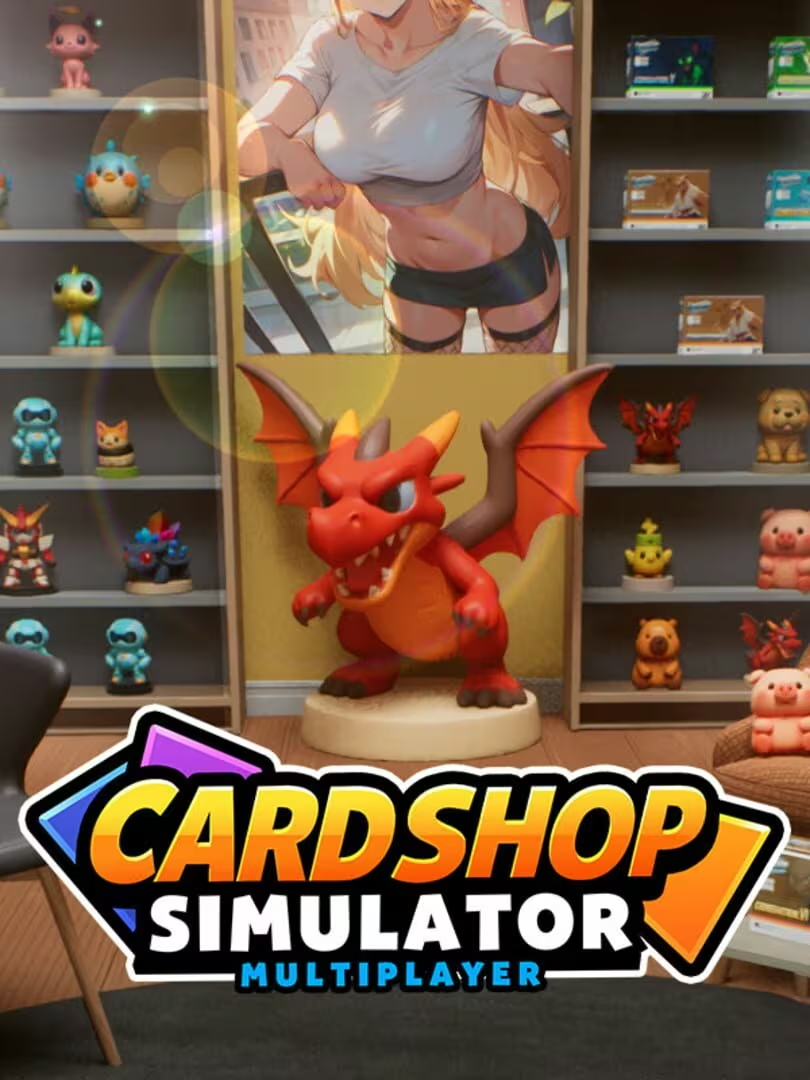 Card Shop Simulator Multiplayer
"Players have freedom to manage their shop, choose which cards to buy/sell, and customize their store, though some constraints exist in shop layout and fixed event structure."
-
Competence
Game with the same Competence vibe
3"The game offers skill-based management challenges such as balancing inventory, pricing, and customer service, with gradual progression and some grind."
 Tobacco Shop Simulator
"The game involves skillful market management, tracking trends, and strategic buying/selling, though some repetitive and predictable elements limit challenge."
-
Competition
Game with the same Competition vibe
-3"Focus is on personal progression and deck optimization rather than direct player-vs-player competition."
 Breach Wanderers
"Focus is on personal progress and collection rather than direct competition; card battles exist but are minimal and not player-driven."
-
Continuation
Game with the same Continuation vibe
3"Many players report addictive gameplay loops and long sessions, though some note the game becomes repetitive after completion."
 Witchy Business
"Many players report addictive gameplay loops and habitual play, though some note the game becomes repetitive and loses motivation after story completion."
-
Cooperation
Game with the same Cooperation vibe
-4"Gameplay centers on individual shop management and negotiation; multiplayer or cooperative elements are minimal or absent."
 Dealer's Life 2
"Gameplay centers on individual shop management and personal collection with minimal multiplayer or cooperative elements."
-
Creativity
Game with the same Creativity vibe
2"Players can decorate and arrange their shop, customize displays, and mod the game to add new content, though some desire more customization options."
 TCG Card Shop Simulator
"Players can customize shop decorations and arrange cards, but shop expansion and deeper creative options are limited."
-
Domination
Game with the same Domination vibe
-4"Interactions with NPCs are balanced; no evidence of exerting control or superiority over others."
 Weed Shop 2
"Interactions with NPCs are balanced and friendly; no evidence of exerting control or superiority over others."
-
Escapism
Game with the same Escapism vibe
4"The game provides a relaxing, immersive simulation experience that helps players escape real-life stress through detailed shop management."
Tobacco Shop Simulator
"Players use the game as a relaxing, stress-relieving experience with charming art and music, escaping real life through immersive shop simulation."
-
Expectation
Game with the same Expectation vibe
-4"Players engage voluntarily out of personal interest and intrinsic motivation, enjoying the gameplay and cultural setting."
 House of Legacy
"Players engage voluntarily out of personal interest and intrinsic motivation, enjoying the gameplay and collection aspects."
-
Experimenting
Game with the same Experimenting vibe
2"Players explore strategies and learn card combinations; limited rule variations reduce novelty."
![Capsule for Koi-Koi Japan [Hanafuda playing cards]](https://d2eatnf6sujjgc.cloudfront.net/gameaton-data/koi-koi-japan-hanafuda-playing-cards/cover/koi-koi-japan-hanafuda-playing-cards.avif) Koi-Koi Japan [Hanafuda playing cards]
Koi-Koi Japan [Hanafuda playing cards]
"Some experimentation with market trends and card buying strategies occurs, though many players note repetitive events and routines."
-
Exploration
Game with the same Exploration vibe
1"Some discovery of new cards and mechanics occurs, but environment is limited and mostly familiar."
 This Ain’t Even Poker, Ya Joker
"Limited exploration mainly through discovering new card sets and story events; environments are mostly static and familiar."
-
Expression
Game with the same Expression vibe
2"Shop decoration and modding allow for some self-expression, though customization options are somewhat limited."
TCG Card Shop Simulator
"Shop customization and card binder personalization allow some self-expression, though options are somewhat limited."
-
Fantasy
Game with the same Fantasy vibe
2"The game features fictional card battles and stylized characters, though grounded in a shop simulation context."
Card Shop Simulator Multiplayer
"The game features imaginative card sets and quirky characters in a fictional card shop world, though grounded in realistic shop management."
-
Fellowship
Game with the same Fellowship vibe
-3"Social interaction is limited to NPCs; no multiplayer or strong community features."
 Doloc Town
"Social interaction is limited to NPCs with minimal community or multiplayer features."
-
Growth
Game with the same Growth vibe
3"Players develop management skills and unlock new equipment and missions, though learning curve is moderate."
 Rescue HQ - The Tycoon
"Players develop market knowledge, collection skills, and strategic thinking, though learning curve is moderate."
-
Health
Game with the same Health vibe
-5"Game is sedentary with no physical activity or health-related features."
 Parallel Experiment
"Game is sedentary with no physical activity or health-related features."
-
Idle
Game with the same Idle vibe
-3"Requires active management and attention; some waiting periods but generally continuous engagement."
 Mr. Prepper
"Requires active attention to market and shop management; some waiting periods but generally continuous engagement."
-
Intimacy
Game with the same Intimacy vibe
-3"Interactions with NPCs are mostly surface-level and scripted, with limited emotional depth."
 Lili: Child of Geos - Complete Edition
"Relationships with NPCs are surface-level and scripted with limited emotional depth."
-
Leadership
Game with the same Leadership vibe
-4"Players manage their own shop but do not lead or manage others beyond basic employee roles."
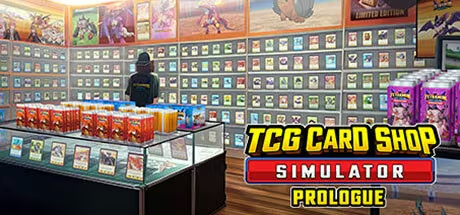 TCG Card Shop Simulator: Prologue
"Players manage their own shop but do not lead or direct others; no group management or authority roles."
-
Progression
Game with the same Progression vibe
4"Strong focus on accumulating cards, money, and upgrades to progress and unlock achievements."
 Microtransaction Simulator
"Strong emphasis on collecting cards, unlocking achievements, and accumulating wealth and reputation."
-
Relaxation
Game with the same Relaxation vibe
4"Game is described as relaxing with chill music and low stress gameplay."
 Oik
Oik
"Game is described as chill and relaxing with soothing music and low stress gameplay."
-
Sensation
Game with the same Sensation vibe
3"Enjoyable art style, music, and vibrant visuals provide sensory pleasure."
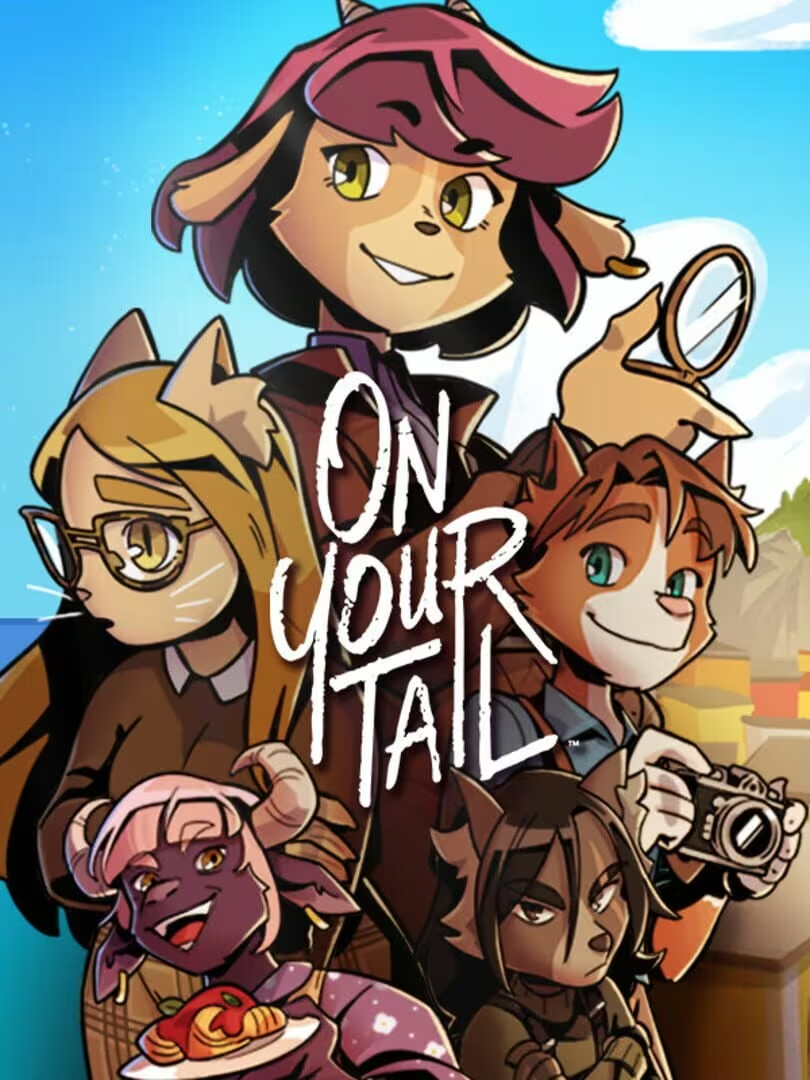 On Your Tail
"Enjoyable art, music, and satisfying feedback from card collecting and market success provide sensory pleasure."
-
Status
Game with the same Status vibe
1"Ranking system and reputation provide some social recognition but limited visibility."
 Uplink
"Reputation system exists but social recognition is limited to NPC interactions without broader social status."
-
Story
Game with the same Story vibe
2"Includes a light narrative with humorous elements and character personalities, but story is short and secondary."
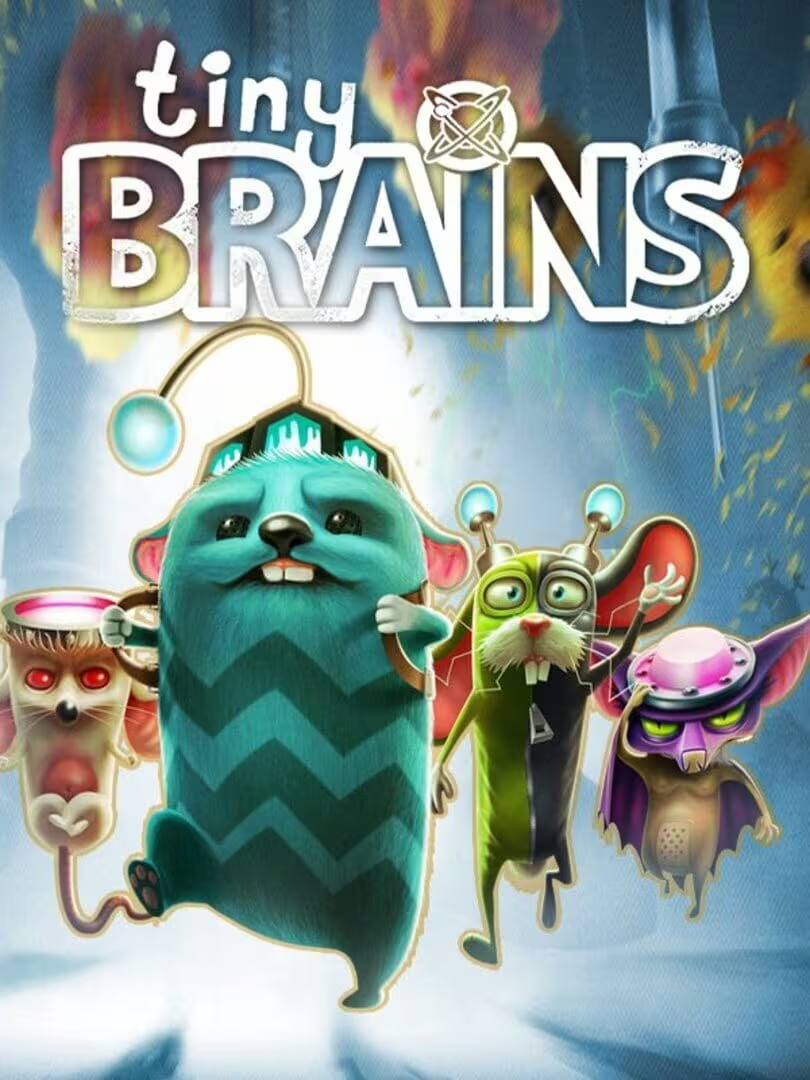 Tiny Brains
"There is a comedic and charming story with character arcs, though it is short and ends abruptly."
-
Strategy
Game with the same Strategy vibe
3"Players engage in pricing strategies, inventory management, and market manipulation."
TCG Card Shop Simulator: Prologue
"Players engage in strategic market decisions, balancing buying, selling, and reputation management."
-
Thrill
Game with the same Thrill vibe
1"Some excitement from rare card pulls and competitive battles, though overall low risk."
Card Shop Simulator Multiplayer
"Some excitement from market fluctuations and rare card acquisition, but overall low risk and tension."
-
Value
Game with the same Value vibe
3"Players feel the game offers good value especially at sale price; some critique about content length."
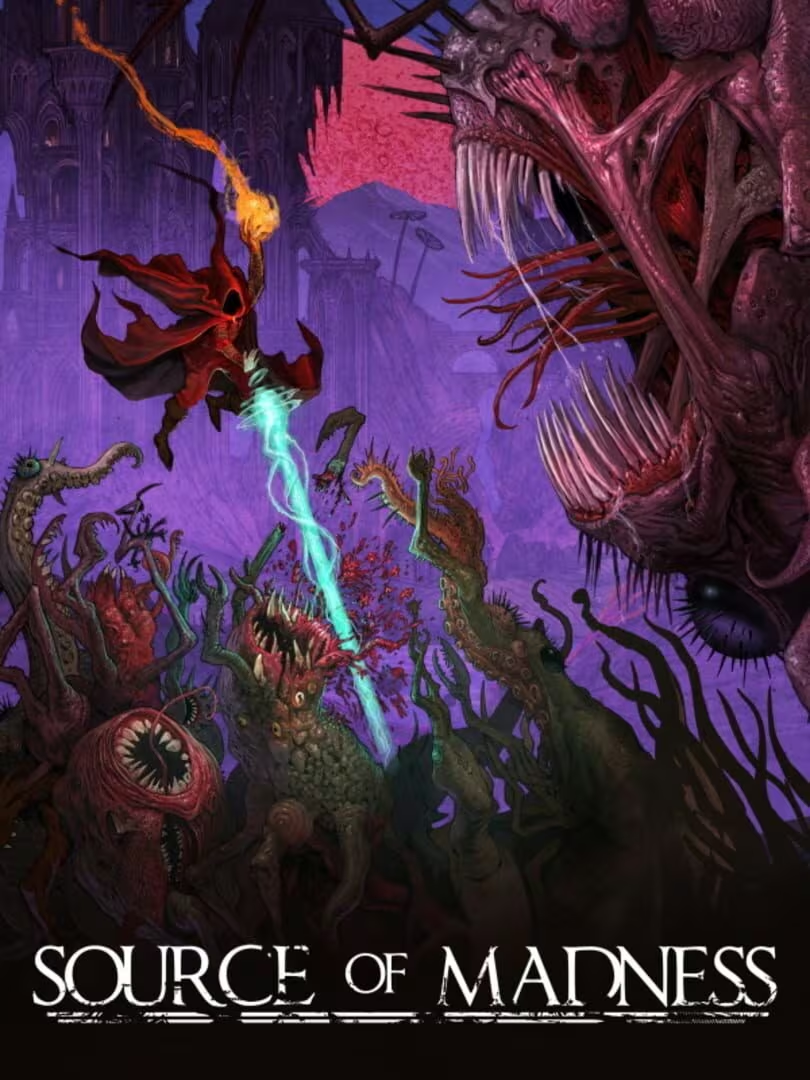 Source of Madness
"Players feel the game offers good value for time spent, especially on sale; some critique on content length."
-
Violence
Game with the same Violence vibe
-5"No violent content; gameplay focuses on constructive shop management."
TCG Card Shop Simulator: Prologue
"No violent content; focus is on constructive shop management and collection."
-
Survival
Game with the same Survival vibe
-2"Low risk environment; failure is forgiving and progression is steady."
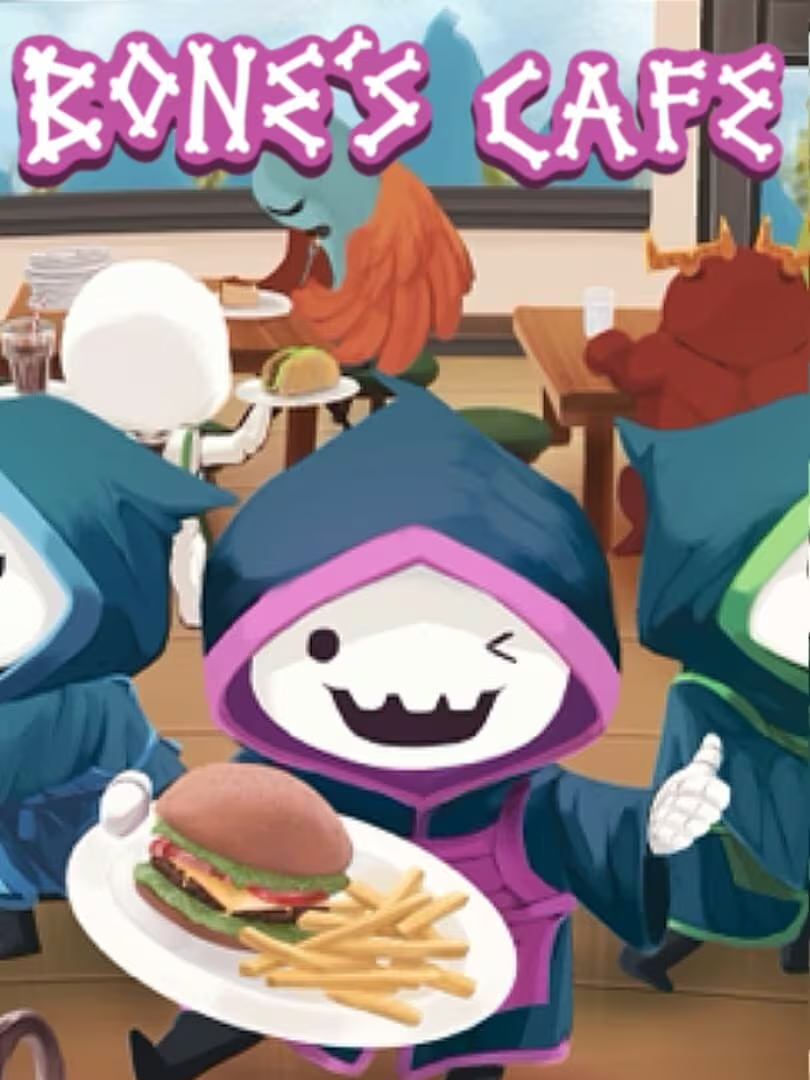 Bone's Cafe
"Some challenge in maintaining reputation and finances, but overall low risk and stable environment."
Last update: 01/06/2026