Marble Age: Remastered similar games & best alternatives
Should you play it?
Marble Age is a turn-based historical strategy where your task is to turn a small Ancient Greek village into a flourishing Polis, powerful enough to conquer the known world!
What works
- Challenging and deep strategy
- Historical accuracy and context
- Engaging for multiple hours
- Low system requirements
- Good value for price
Things to keep in mind
- Highly linear and repetitive gameplay
- Random events can be frustrating
- Limited player freedom and creativity
- Poor replayability after completion
- Some translation and ui issues
What to play next
Similar games, hidden gems, and fresh directions from this game.
Top picks
Games that feel the closest overall
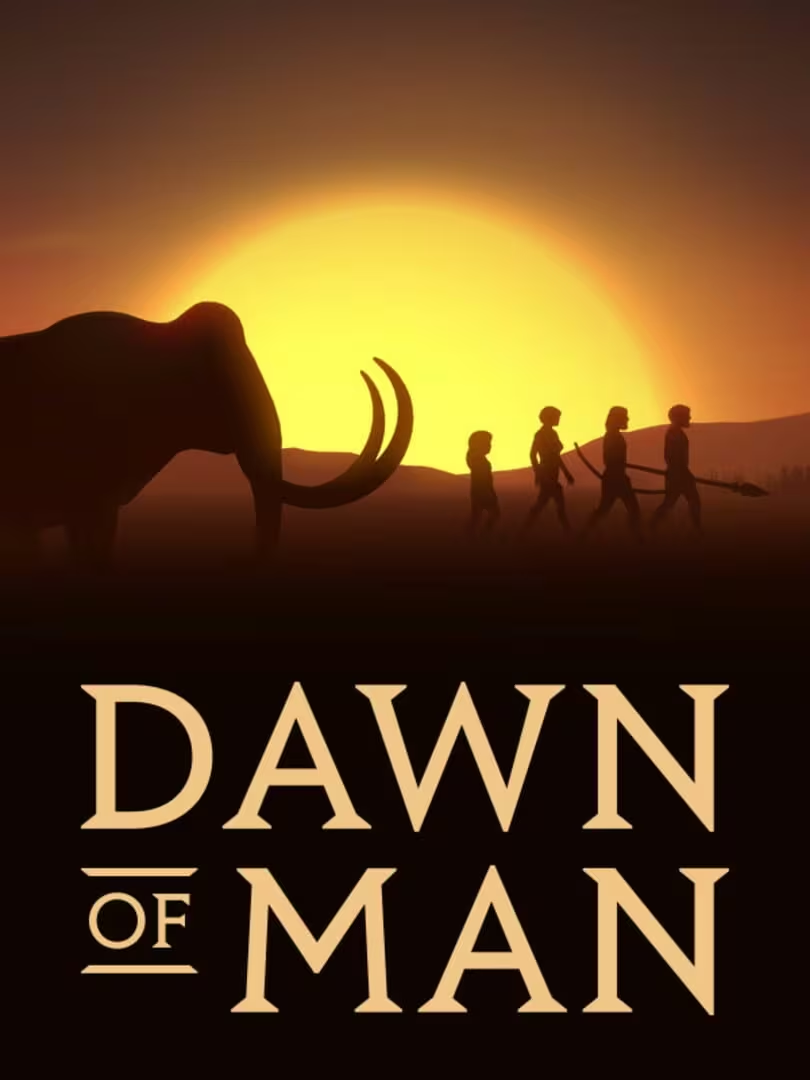
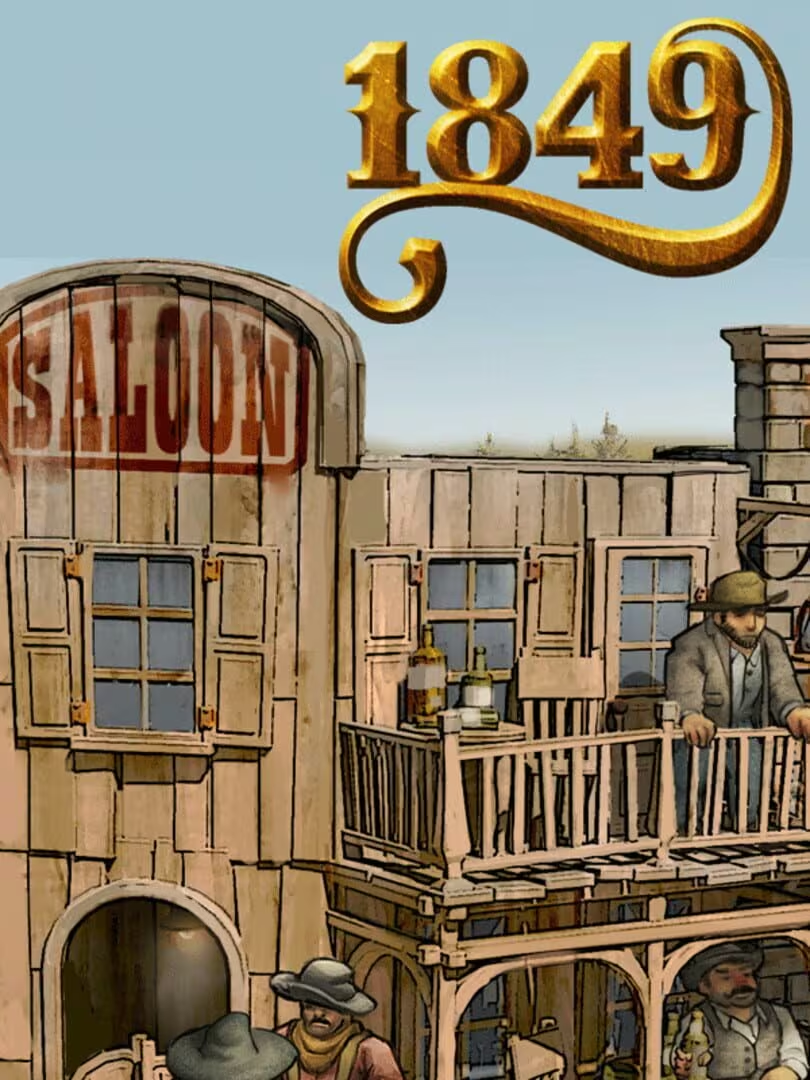

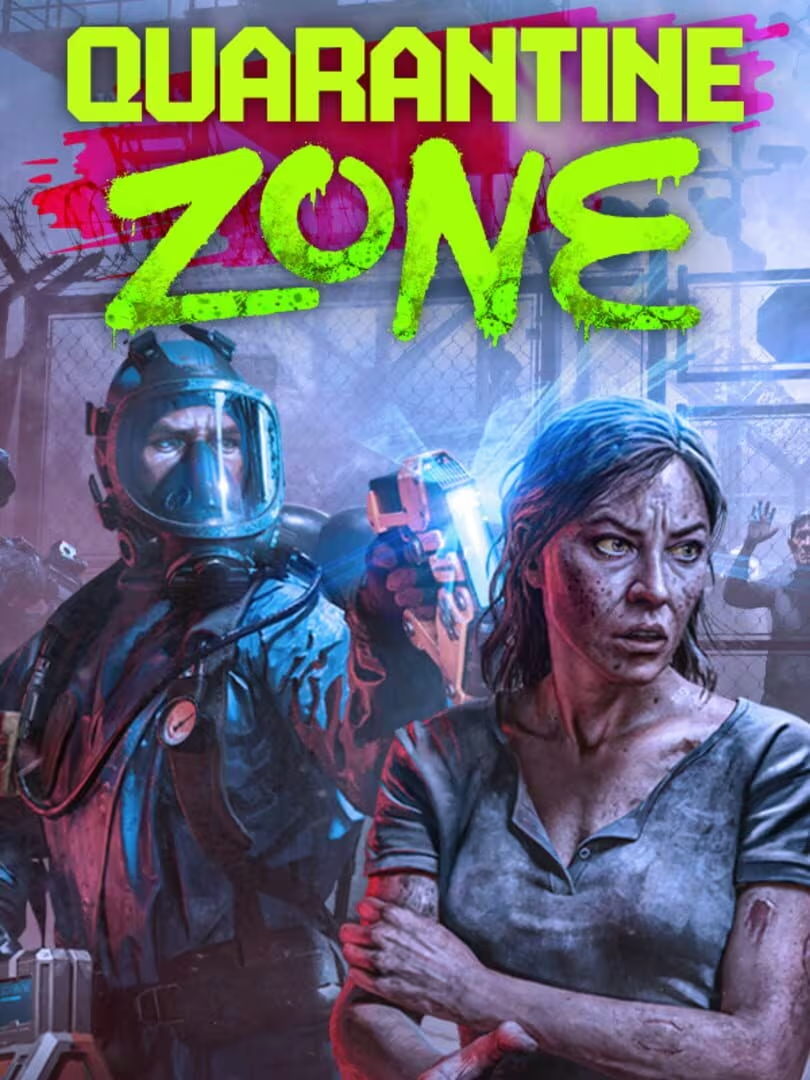
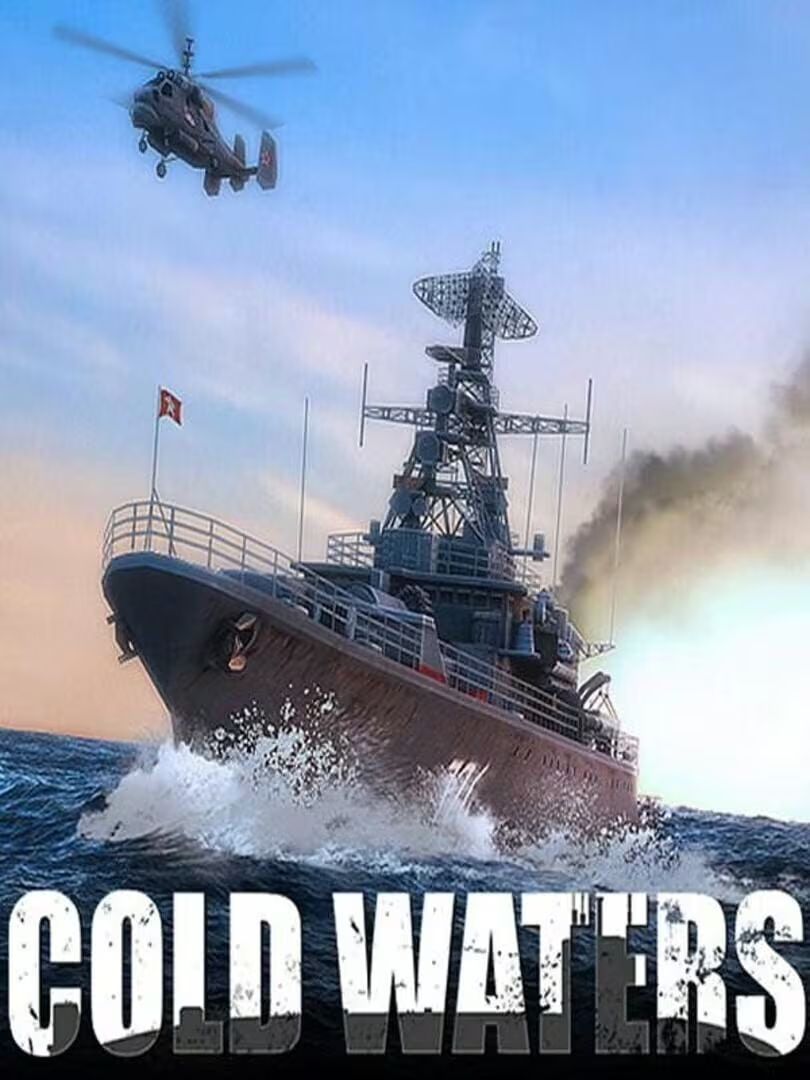
Hidden Gems
Less popular games with surprisingly high similarity
If you liked…
Recommendations by what you enjoyed most
Similarity map
Explore nearby similar games and see why they’re close.
Marble Age: Remastered: Less representative of its motivational profile, with noticeable differences. Motivations that often define this kind of title include Expression, Fellowship, Cooperation, Status. Here, the score leans higher than usual among comparable games on Leadership. It leans lower than usual among comparable games on Fantasy, Autonomy.
Why this game works
A motivational profile of the game, with the closest similar game for each player motivation.
-
Autonomy
Game with the same Autonomy vibe
-3"The game is largely linear with scripted pathing and limited player choice, restricting freedom of action."
 Moons of Madness
"Players have limited freedom due to linear event-driven gameplay and a single optimal strategy path."
-
Competence
Game with the same Competence vibe
4"Game is challenging, requiring skillful resource management and decision making under pressure."
 Despotism 3k
"Game is challenging, especially on higher difficulties, requiring skillful resource management and strategic planning."
-
Competition
Game with the same Competition vibe
-4"Focus is on single-player progression and personal challenge rather than competing against others."
 Gun Frog
"Focus is on single-player progression and overcoming preset challenges rather than competing against others."
-
Continuation
Game with the same Continuation vibe
3"Many players report being engaged for multiple hours, often playing through the trilogy and replaying for achievements."
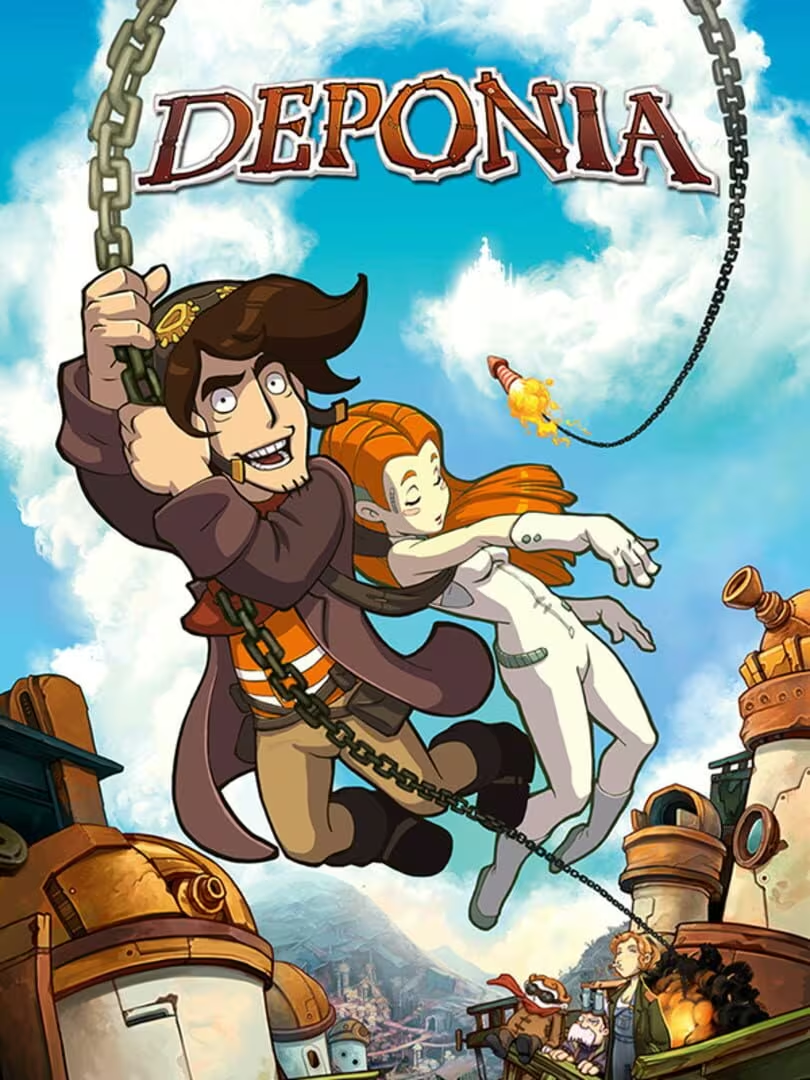 Deponia
"Players report being engaged for multiple hours per session, though replayability is limited after completion."
-
Cooperation
Game with the same Cooperation vibe
-5"Single-player game with no multiplayer or cooperative elements."
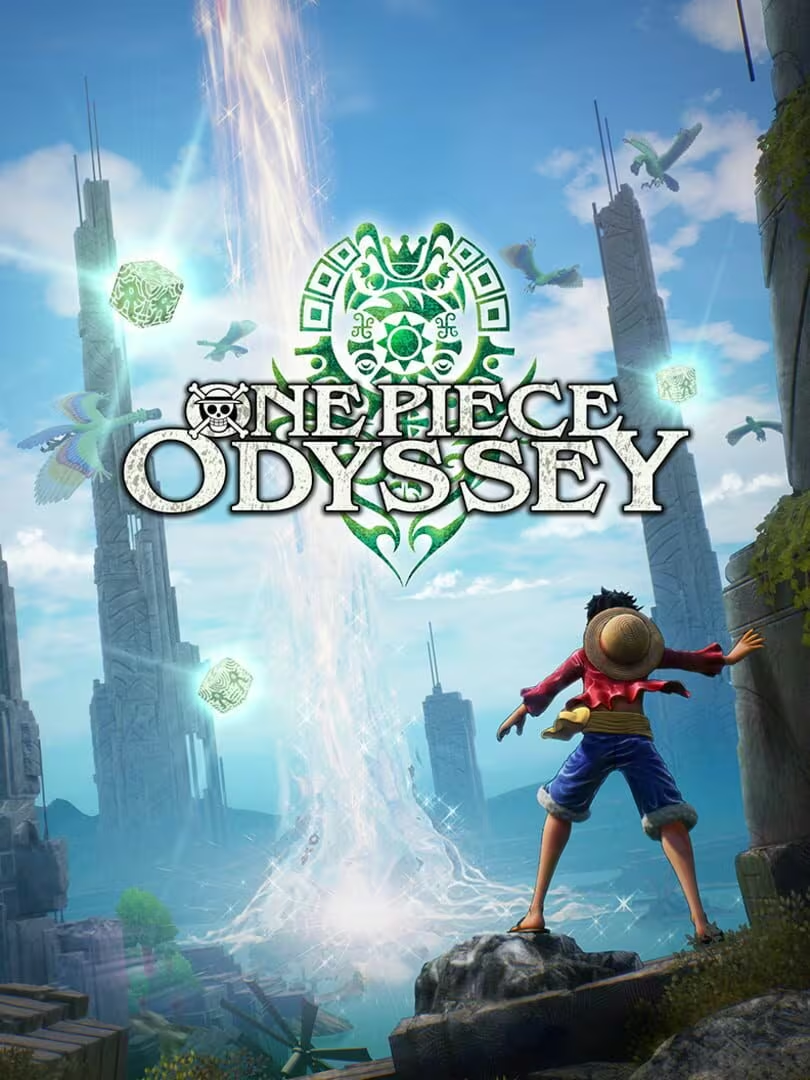 ONE PIECE ODYSSEY
"Single-player game with no multiplayer or cooperative elements."
-
Creativity
Game with the same Creativity vibe
-2"Limited creative freedom due to fixed map, scripted events, and predetermined building locations; some strategic variation possible."
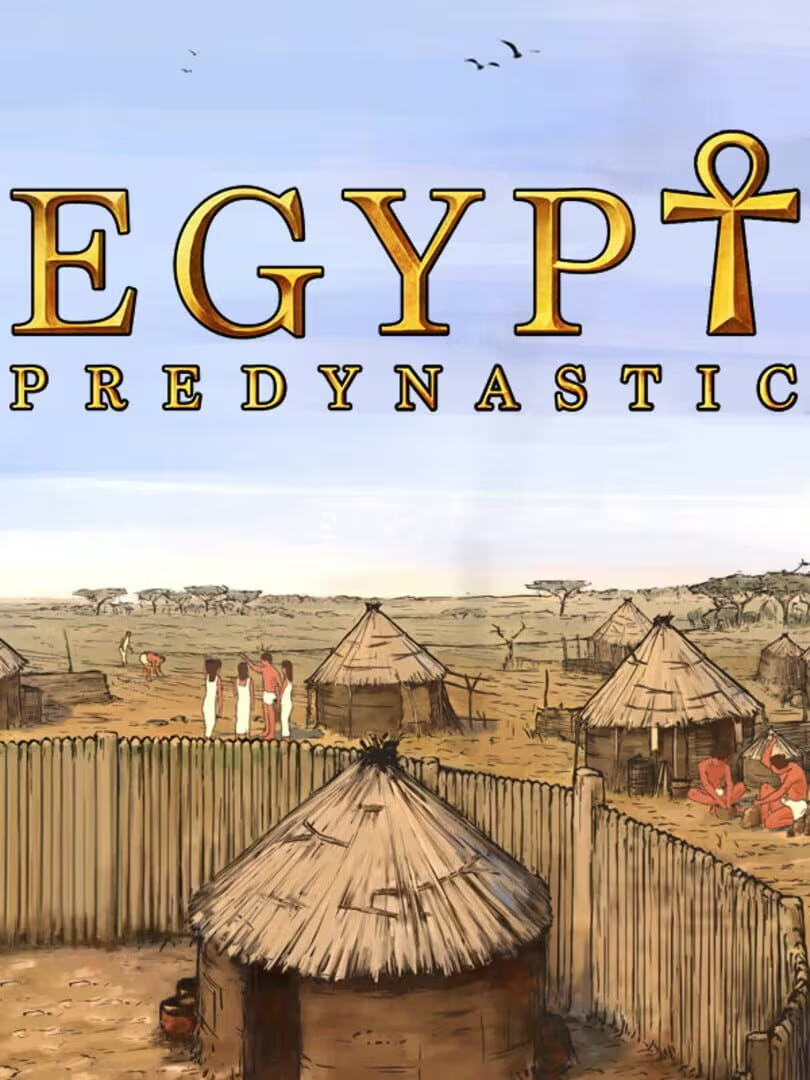 Predynastic Egypt
"Limited creative freedom due to linear strategies and fixed event outcomes, though some minor strategic choices exist."
-
Domination
Game with the same Domination vibe
-5"No social or multiplayer dominance; interactions are against AI with no power over other players."
 HOLE
HOLE
"No social dominance or player-vs-player control; gameplay is individual and against AI events."
-
Escapism
Game with the same Escapism vibe
3"Players use the game as a casual distraction and stress relief, often playing mindlessly or while multitasking."
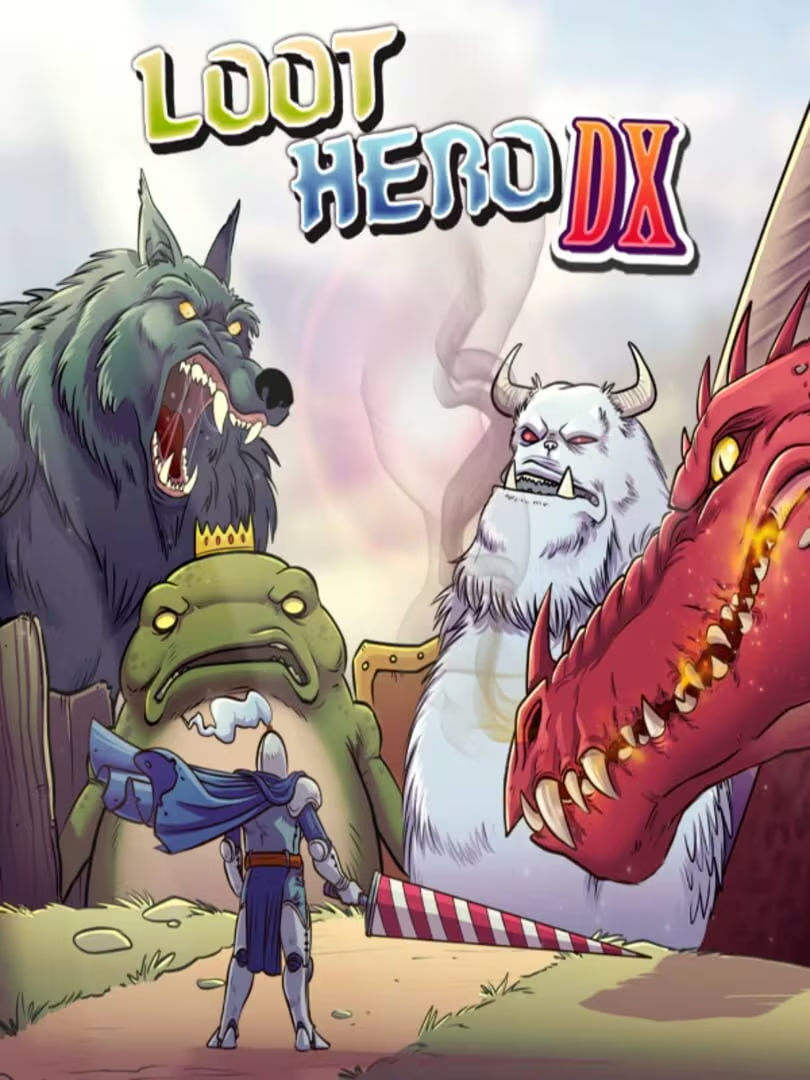 Loot Hero DX
"Players use the game as a distraction and relaxing pastime, often playing while multitasking."
-
Expectation
Game with the same Expectation vibe
-4"Players engage voluntarily for enjoyment and challenge, not out of obligation."
 Thief
Thief
"Players engage voluntarily for enjoyment and challenge, not out of obligation."
-
Experimenting
Game with the same Experimenting vibe
-3"Limited experimentation due to repetitive levels and fixed enemy patterns."
 Distant Space
"Limited experimentation due to fixed event sequences and one main viable strategy per difficulty."
-
Exploration
Game with the same Exploration vibe
-4"Maps and environments are repetitive with minimal discovery or new areas."
 Blood Feed
"Map and events are fixed and repetitive; no real discovery or new areas."
-
Expression
Game with the same Expression vibe
-5"No character or environment customization; standardized presentation."
 Trials 2: Second Edition
"No character or environment customization; standardized presentation."
-
Fantasy
Game with the same Fantasy vibe
-4"Strong focus on historical realism and plausible ancient warfare scenarios."
 Hegemony III: Clash of the Ancients
"Historically grounded setting with realistic ancient Greek context and events."
-
Fellowship
Game with the same Fellowship vibe
-5"No social or community features; strictly single-player experience."
 Surviving Mars
"No social or community features; strictly single-player experience."
-
Growth
Game with the same Growth vibe
4"Players learn game mechanics, develop strategies, and improve over multiple playthroughs."
 Sultan's Game
"Players learn and improve strategies over multiple playthroughs to master the game."
-
Health
Game with the same Health vibe
-5"Sedentary gameplay with no physical activity involved."
 World of Tanks Blitz
"Sedentary gameplay with no physical activity involved."
-
Idle
Game with the same Idle vibe
-3"Requires continuous attention and micromanagement rather than idle or background play."
 Anno 117: Pax Romana
"Requires focused attention and micromanagement rather than idle or background play."
-
Intimacy
Game with the same Intimacy vibe
-5"No social or emotional relationship building."
 Five Nights at Freddy's 2
"No social or emotional relationship building."
-
Leadership
Game with the same Leadership vibe
2"Player manages party members and base building, guiding decisions and resource allocation."
 Zanki Zero: Last Beginning
"Players manage and lead their polis through decisions and resource allocation."
-
Progression
Game with the same Progression vibe
4"Strong progression through town growth, resource accumulation, and unlocking new buildings and technologies."
 Manor Lords
"Strong progression through technology, city growth, and resource management."
-
Relaxation
Game with the same Relaxation vibe
1"Some players find it relaxing, but the game also involves tension and challenge."
 Dungeon Keeper Gold™
"Some players find it relaxing, but others find difficulty and randomness stressful."
-
Sensation
Game with the same Sensation vibe
-2"Simple graphics and sound with moderate sensory stimulation; not focused on intense sensory experiences."
 Puzzler World
"Simple 2D visuals and sound provide moderate sensory stimulation."
-
Status
Game with the same Status vibe
-5"No social recognition or status mechanics."
 Slender: The Arrival
"No social recognition or status mechanics."
-
Story
Game with the same Story vibe
3"Historical events and narrative milestones provide context and immersion in the gameplay."
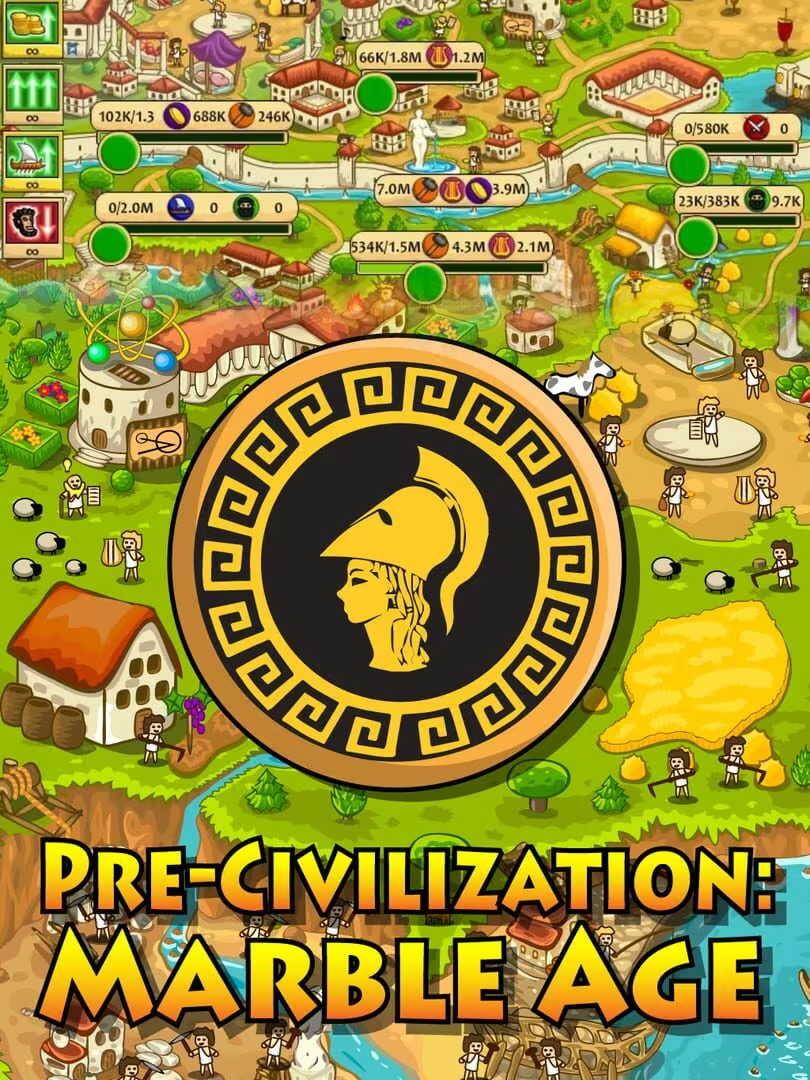 Marble Age
"Historical events and narrative context are integral to gameplay progression."
-
Strategy
Game with the same Strategy vibe
4"Requires careful planning, resource allocation, and tactical decision-making."
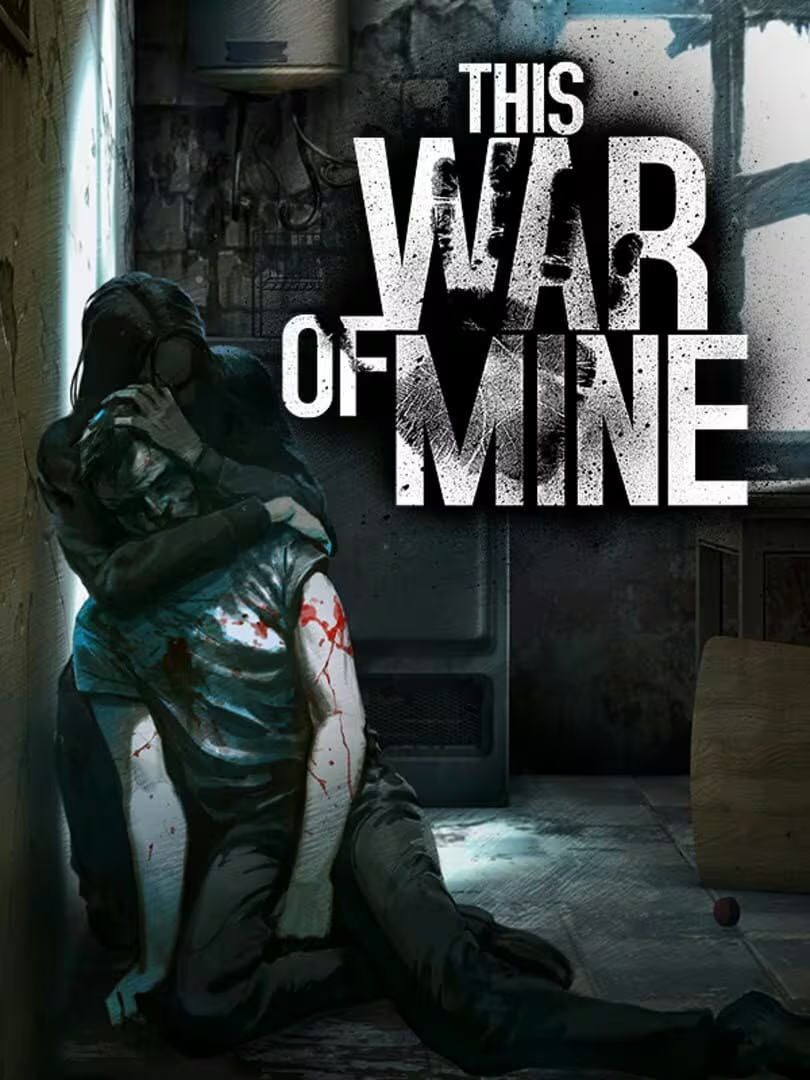 This War of Mine
"Requires careful planning, resource balancing, and tactical decision-making."
-
Thrill
Game with the same Thrill vibe
2"Some suspense and tension from challenging levels and time constraints, though not intense or high-risk."
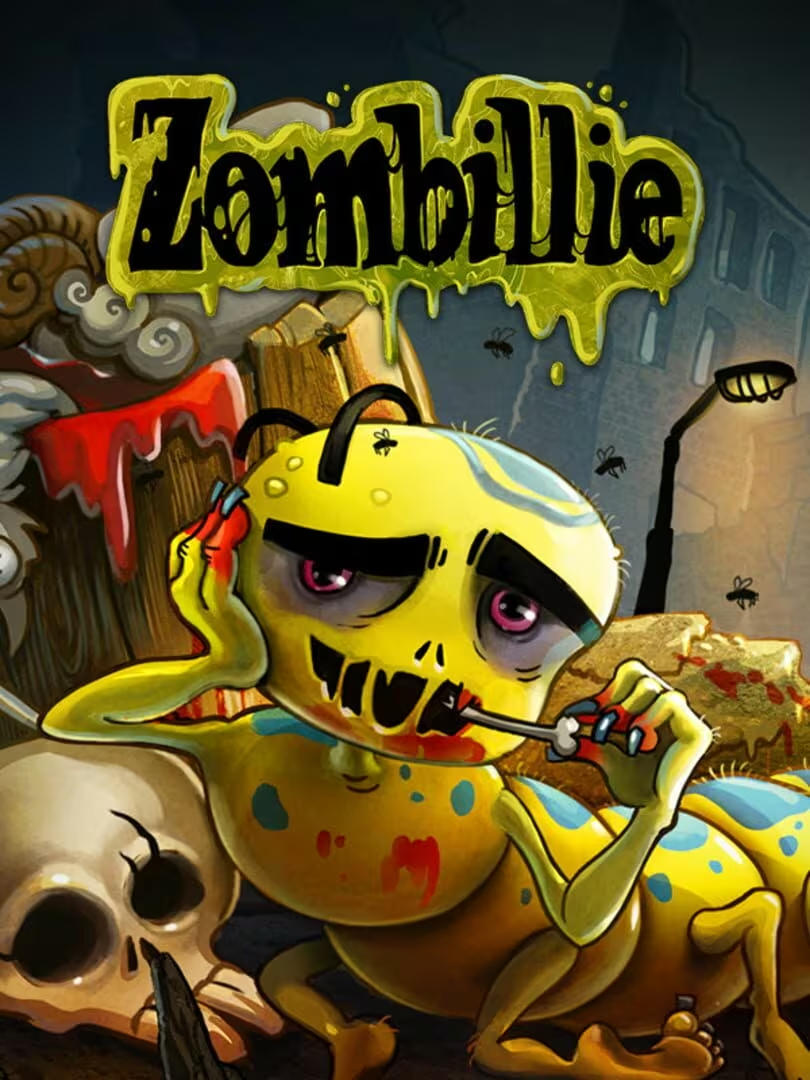 Zombillie
"Some suspense from random events and challenge outcomes, though limited by linearity."
-
Value
Game with the same Value vibe
4"Players report good value for price with hours of gameplay, replayability, and challenge."
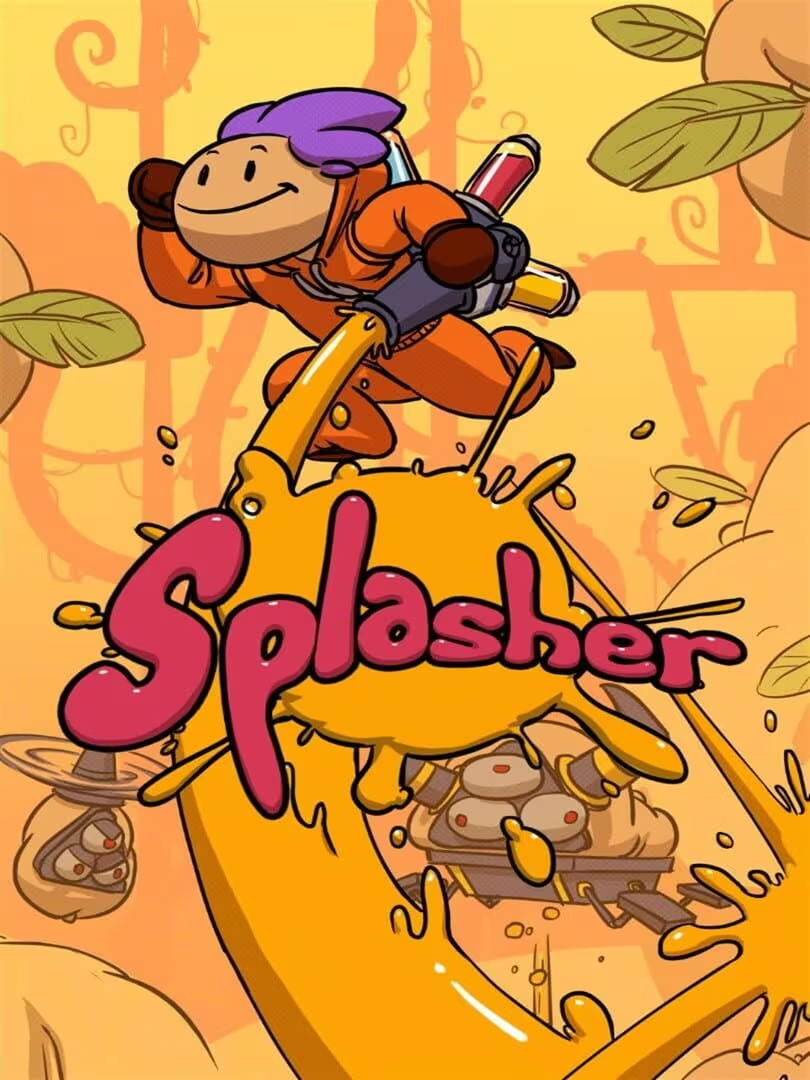 Splasher
"Players report good value for price with hours of gameplay and challenge."
-
Violence
Game with the same Violence vibe
1"Combat is abstracted and simplified; some enjoyment of conquest but less emphasis on destruction."
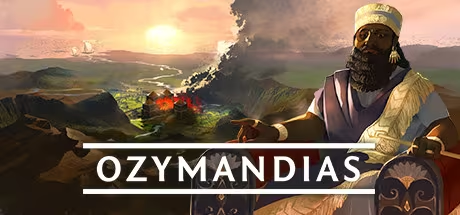 Ozymandias: Bronze Age Empire Sim
"Combat is abstract and simplified, part of strategic conquest but not emphasized on violence."
-
Survival
Game with the same Survival vibe
4"Players must manage resources and defend against threats to survive and conquer."
 Master of Magic Classic
"Players must manage resources and defend against invasions to survive and progress."
Last update: 01/06/2026