Proteus similar games & best alternatives
Should you play it?
Proteus is a game about exploration and immersion in a dream-like island world where the soundtrack to your play is created by your surroundings. Played in first-person, the primary means of interaction is simply your presence in the world and how you observe it.
What works
- Unique artistic and meditative experience
- Relaxing ambient soundtrack
- Procedurally generated islands for replayability
- Beautiful, stylized visuals
- Calming and stress-relieving
Things to keep in mind
- Very short gameplay duration
- Lack of traditional game objectives or challenges
- Limited interactivity
- Minimal replay value beyond exploration
- Some players may find it boring or uneventful
What to play next
Similar games, hidden gems, and fresh directions from this game.
Top picks
Games that feel the closest overall
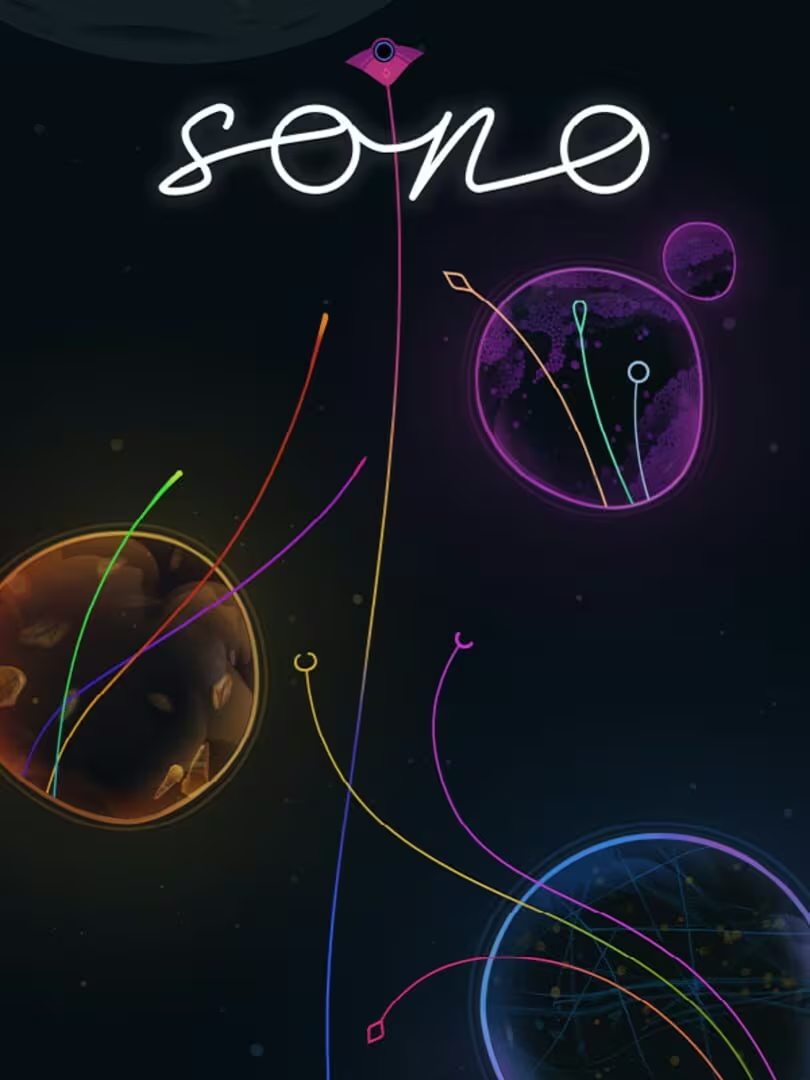
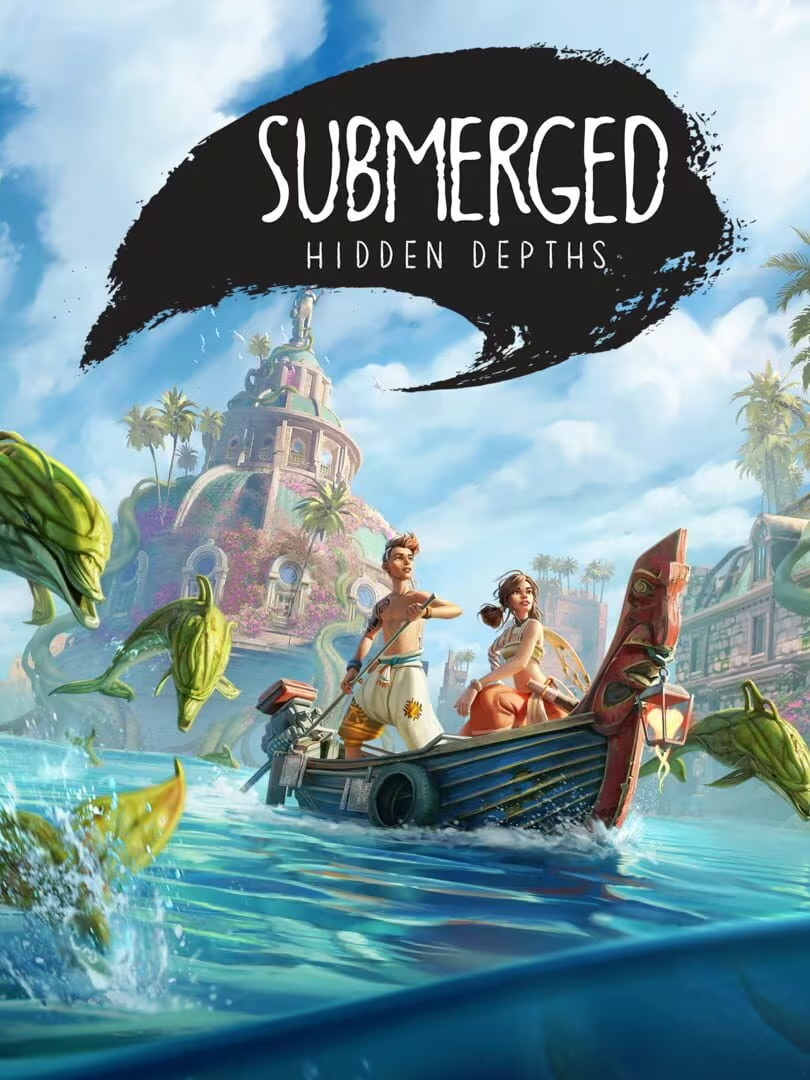


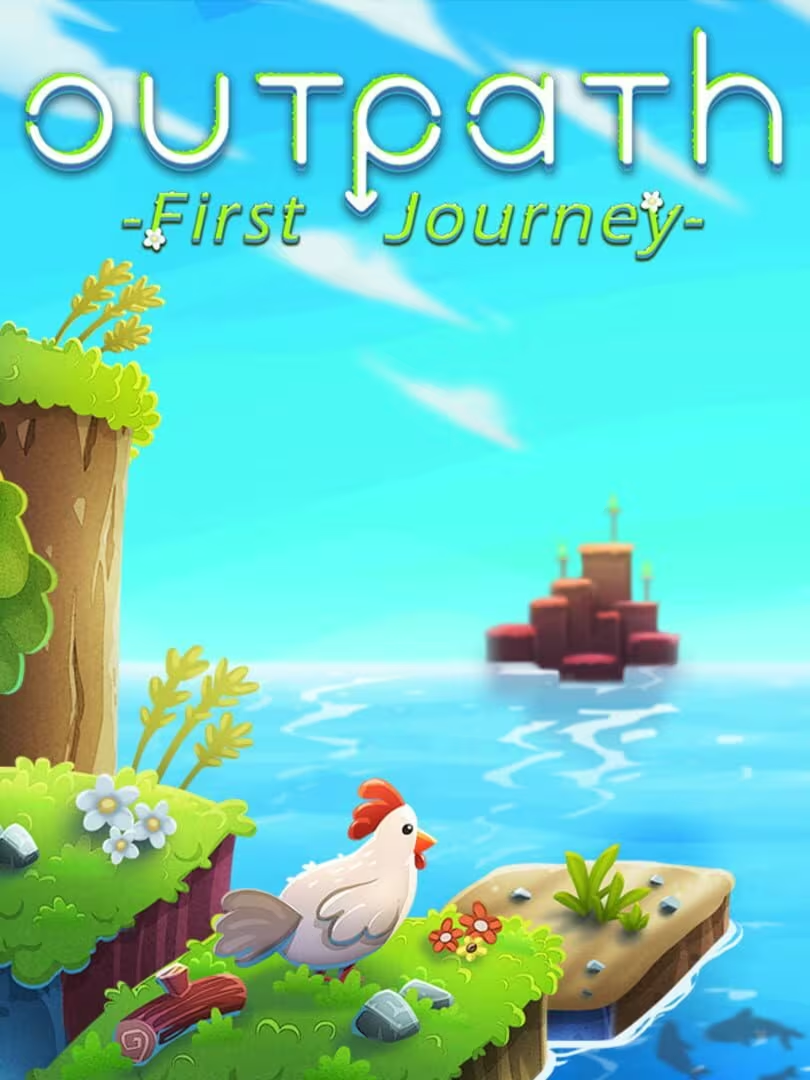
Hidden Gems
Less popular games with surprisingly high similarity
If you liked…
Recommendations by what you enjoyed most
Similarity map
Explore nearby similar games and see why they’re close.
Proteus: Broadly representative of its motivational profile, with a few distinct shifts. Motivations that often define this kind of title include Strategy, Experimenting, Competence, Survival. Here, the score leans higher than usual among comparable games on Exploration, Experimenting. It leans lower than usual among comparable games on Story.
Why this game works
A motivational profile of the game, with the closest similar game for each player motivation.
-
Autonomy
Game with the same Autonomy vibe
4"Players freely explore the city at their own pace with no forced objectives or linear progression."
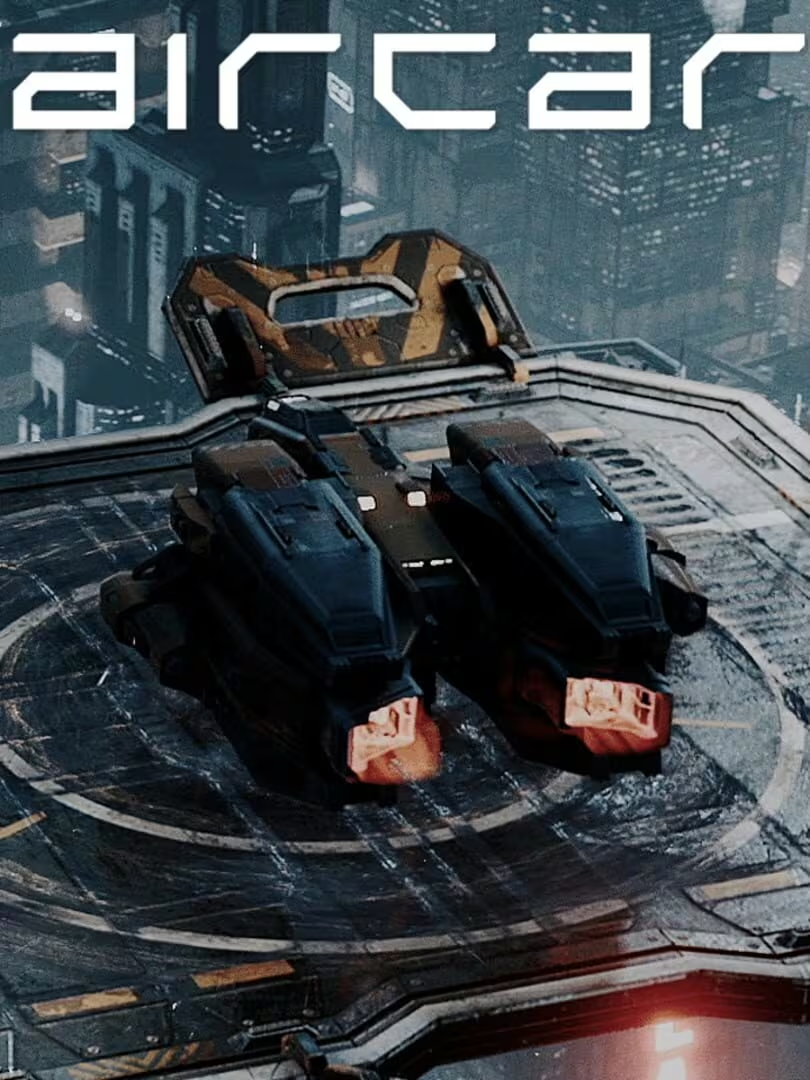 Aircar
"Players freely explore the island at their own pace with no imposed goals or objectives."
-
Competence
Game with the same Competence vibe
-3"No skill challenges or technical mastery required; mostly wandering and observation."
 0°N 0°W
"No skill challenges or technical mastery required; gameplay consists mainly of walking and observing."
-
Competition
Game with the same Competition vibe
-5"No competitive elements or comparison to others; purely personal experience."
 狼と香辛料VR/Spice&WolfVR
"No competitive elements or comparison to others; purely personal experience."
-
Continuation
Game with the same Continuation vibe
3"Many players report habitual return to the game for relaxation and exploration despite its short length."
 Griptape Backbone
"Players return repeatedly for relaxation and new experiences despite short session length."
-
Cooperation
Game with the same Cooperation vibe
-5"Entirely single-player with no cooperative or multiplayer features."
 Quantum Break
"Entirely single-player with no cooperative or multiplayer features."
-
Creativity
Game with the same Creativity vibe
2"Some procedural generation and player-driven exploration, but limited creative building or customization."
 SILENT BREATH
"Procedural generation creates new island layouts each playthrough, encouraging exploration."
-
Domination
Game with the same Domination vibe
-5"No elements of exerting control or superiority over others."
 Aperture Hand Lab
"No elements of exerting control or superiority over others."
-
Escapism
Game with the same Escapism vibe
5"Strongly used as a relaxing, meditative escape from real-life stress and anxiety."
 Dorfromantik
"Strongly used as a calming, meditative escape from real life stress and anxiety."
-
Expectation
Game with the same Expectation vibe
-4"Players engage voluntarily for relaxation and aesthetic experience, not out of obligation or pressure."
 ABZU
ABZU
"Players engage voluntarily for relaxation and aesthetic experience without obligation."
-
Experimenting
Game with the same Experimenting vibe
3"Exploration of unusual environments and discovery of hidden areas encourages experimentation."
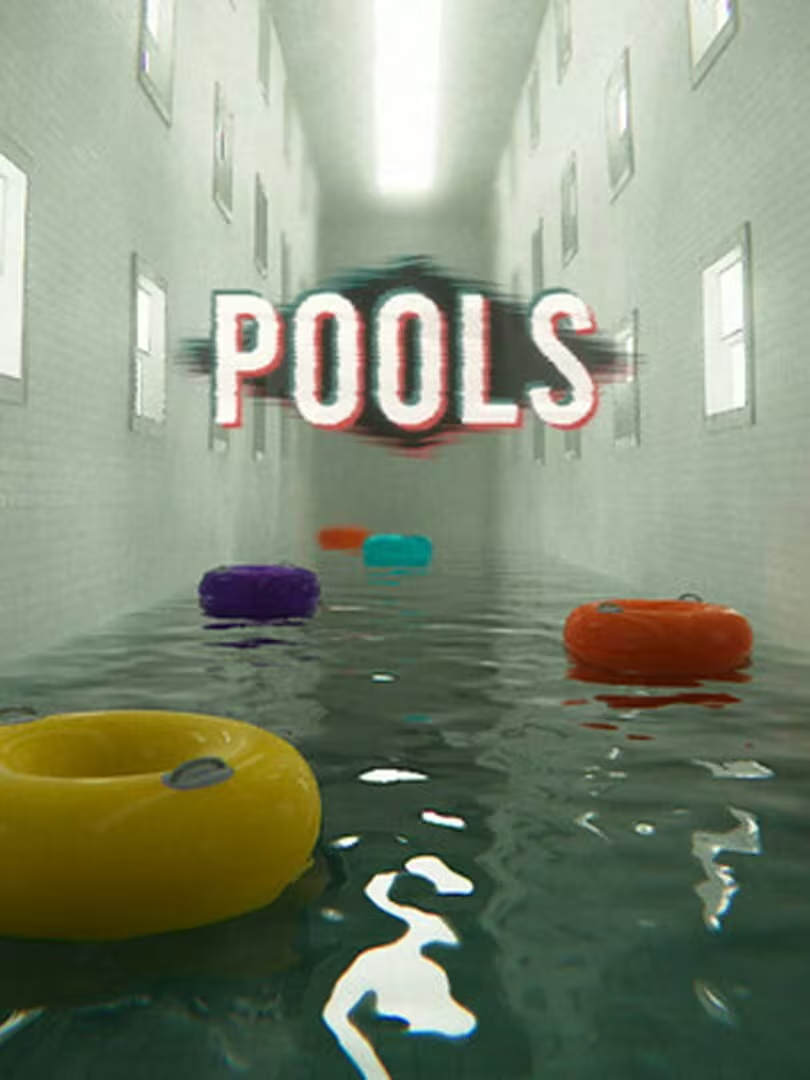 POOLS
POOLS
"Exploration of different islands and discovery of secrets encourages experimentation."
-
Exploration
Game with the same Exploration vibe
5"Core gameplay revolves around discovering new areas, secrets, and dynamic world changes."
 Unexplored 2: The Wayfarer's Legacy
"Core gameplay is wandering and discovering new areas, secrets, and seasonal changes."
-
Expression
Game with the same Expression vibe
-2"Limited character customization; players mostly use preset avatars without much personalization."
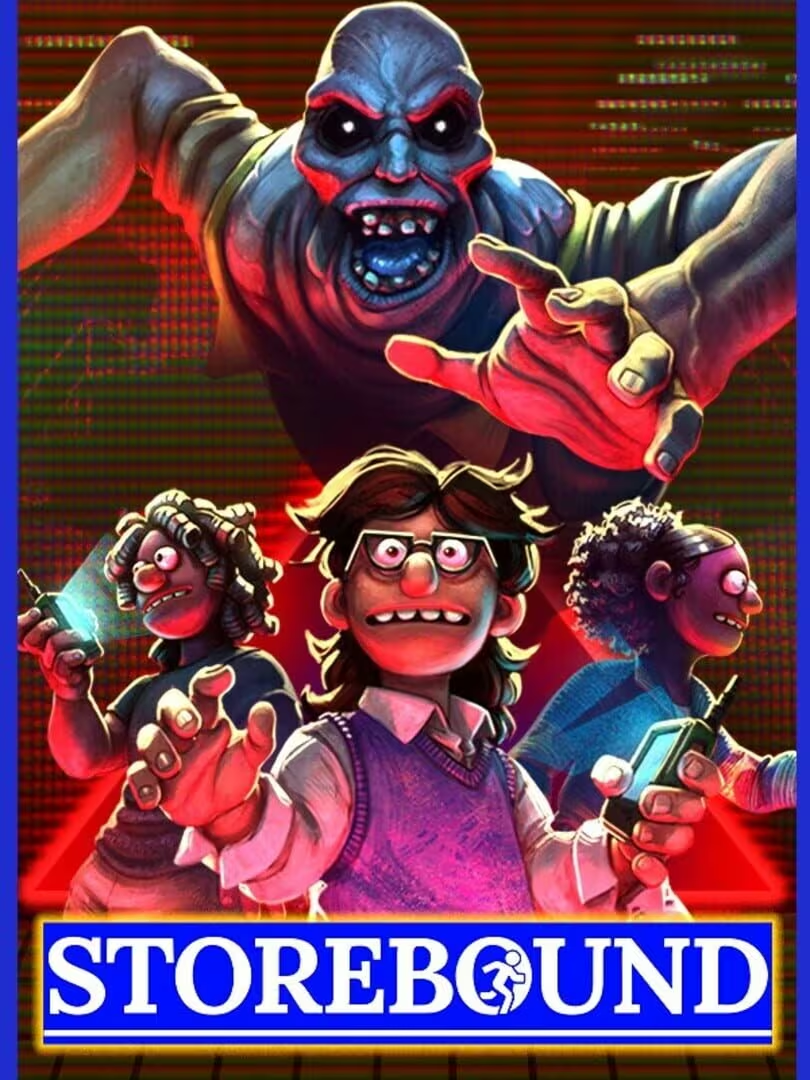 Storebound
"No character customization or avatar personalization; focus is on observing preset environments."
-
Fantasy
Game with the same Fantasy vibe
2"Narrative is poetic and abstract with some surreal elements, but grounded in a realistic island setting."
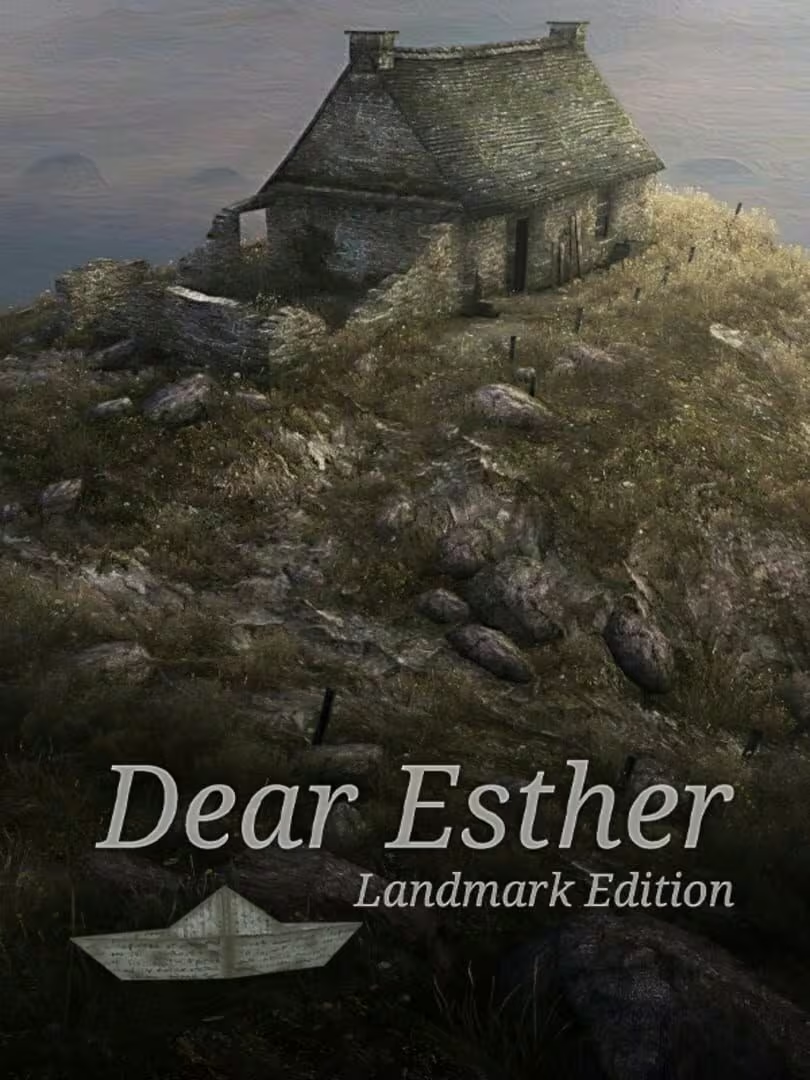 Dear Esther: Landmark Edition
"Abstract, surreal island with mysterious creatures and events, though grounded in natural themes."
-
Fellowship
Game with the same Fellowship vibe
-5"No social or community features; experience is solitary."
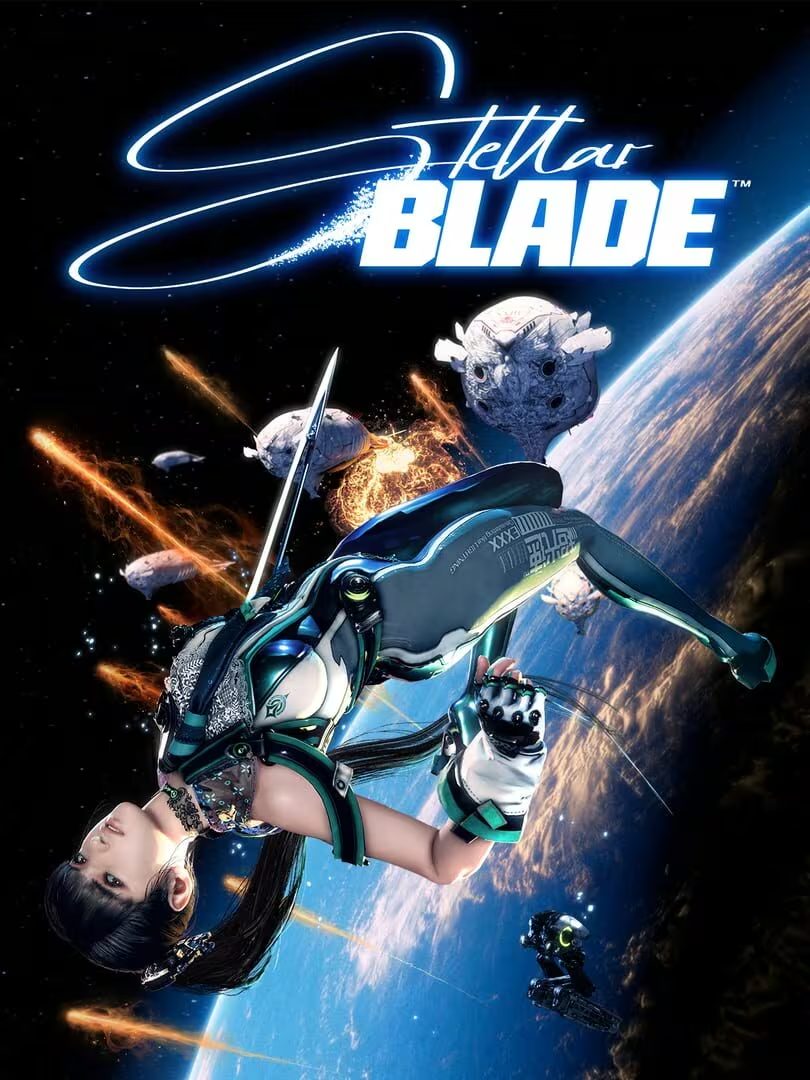 Stellar Blade™
"No social or community features; experience is solitary."
-
Growth
Game with the same Growth vibe
1"Some learning about the environment and story through exploration, but minimal skill or knowledge development."
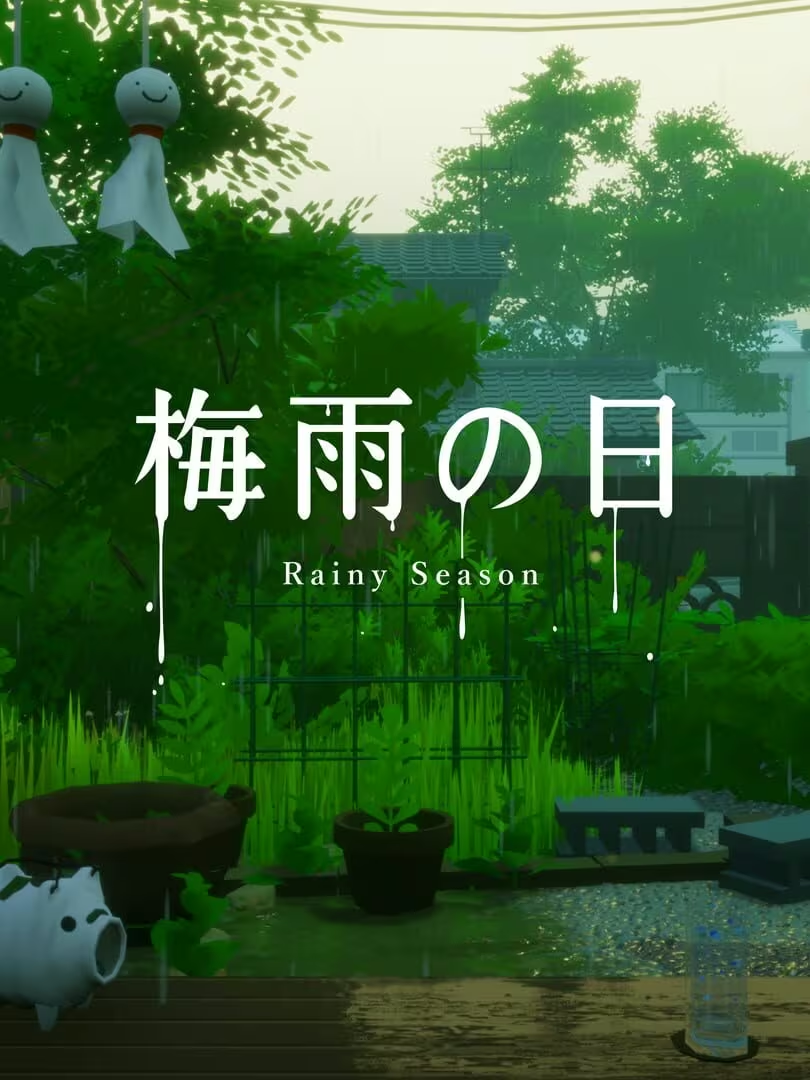 Rainy Season
"Some learning involved in discovering secrets and understanding the environment, but limited."
-
Health
Game with the same Health vibe
-5"Sedentary gameplay with no physical activity."
 Microtransaction Simulator
"Sedentary gameplay with no physical activity."
-
Idle
Game with the same Idle vibe
4"Designed for short, casual sessions to fill time or relax without demanding attention."
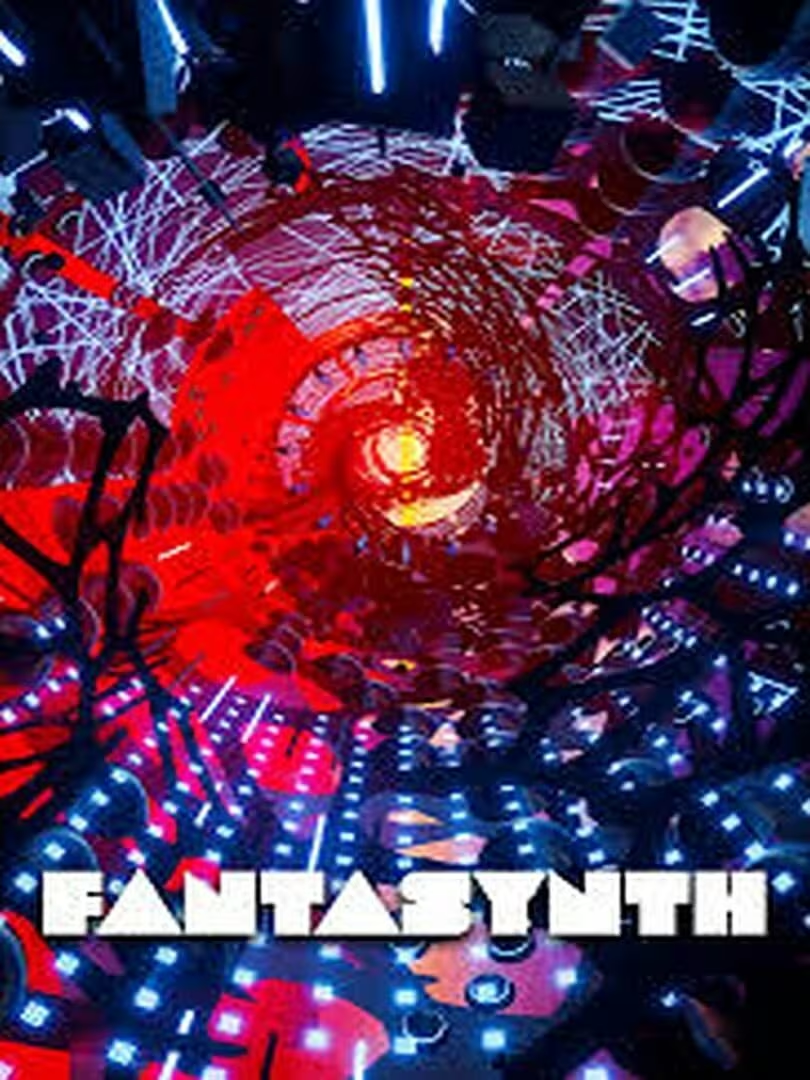 Fantasynth One
"Designed for relaxed, casual sessions with minimal required attention."
-
Intimacy
Game with the same Intimacy vibe
-4"No social or emotional relationship building; isolated experience."
 Pretty Neko
"No social or emotional relationship building; solitary experience."
-
Leadership
Game with the same Leadership vibe
-5"No leadership or group management elements."
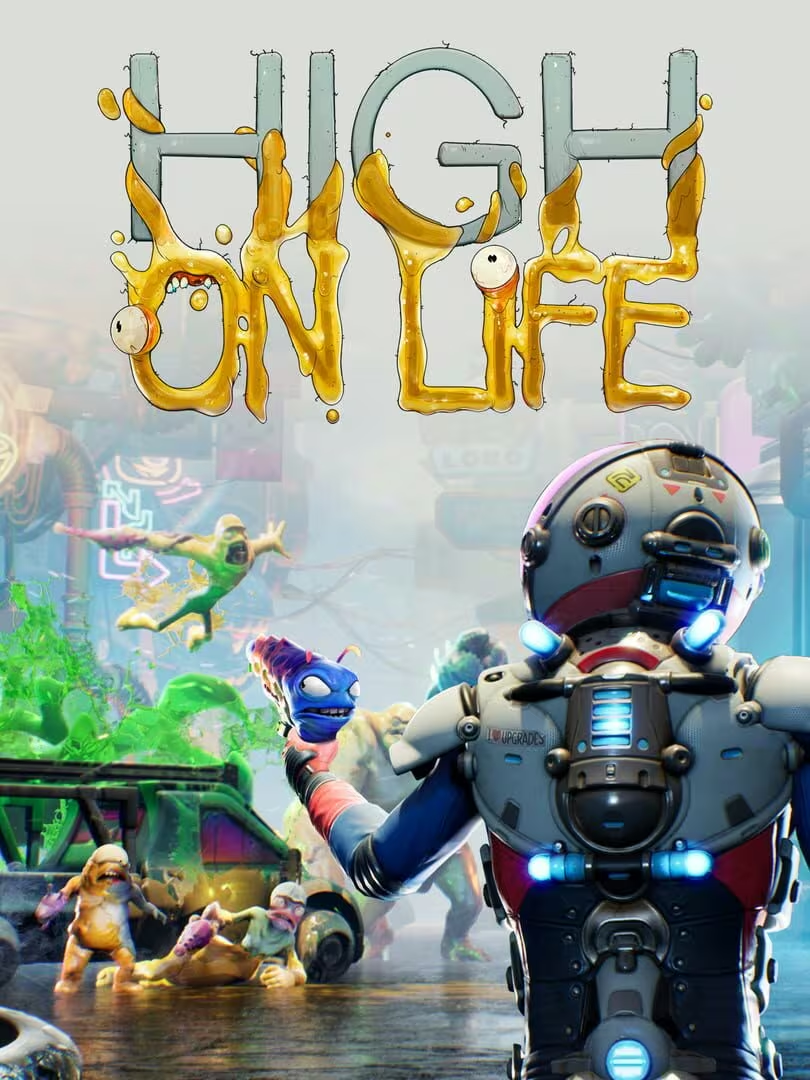 High On Life
"No leadership or group management elements."
-
Progression
Game with the same Progression vibe
1"Some minor progression through story and achievements, but no item collection or upgrades."
 Fears to Fathom - Home Alone
"Limited progression through seasonal changes and discovery of secrets, but no item collection or upgrades."
-
Relaxation
Game with the same Relaxation vibe
5"Highly praised for its calming atmosphere, meditative qualities, and stress relief."
 Stone Simulator – Just Be a Rock
"Highly praised for its calming atmosphere, soothing music, and meditative qualities."
-
Sensation
Game with the same Sensation vibe
4"Strong sensory stimulation through visuals, sound design, and immersive environment."
POOLS
"Strong sensory stimulation through visuals and dynamic ambient soundscape."
-
Status
Game with the same Status vibe
-5"No social recognition or status systems."
 Alan Wake
"No social recognition or status systems."
-
Story
Game with the same Story vibe
-3"Minimal narrative; story is abstract and left to player interpretation."
 Manifold Garden
"No explicit narrative or plot; story is abstract and left to player interpretation."
-
Strategy
Game with the same Strategy vibe
-4"No strategic or problem-solving gameplay, focus on exploration and interpretation"
 The Old City: Leviathan
"No strategic or problem-solving gameplay; focus is on exploration and observation."
-
Thrill
Game with the same Thrill vibe
-5"No suspense or risk elements; experience is peaceful and predictable."
 TREE
TREE
"No suspense, risk, or tension; experience is peaceful and predictable."
-
Value
Game with the same Value vibe
2"Players find value in artistic experience and atmosphere despite short length."
 Necrophosis
"Many players find value in its unique artistic experience despite short length and simple gameplay."
-
Violence
Game with the same Violence vibe
-5"No violence or destructive gameplay elements."
 Gorogoa
"No violence or destructive gameplay elements."
-
Survival
Game with the same Survival vibe
-5"No threats or survival mechanics; stable and safe environment."
 Koi Farm
"No threats or survival mechanics; stable and safe environment."
Last update: 01/06/2026