Starlight Vega similar games & best alternatives
Should you play it?
Play as Aria and romance the two sultry demon girls, Lyria and Scherza, or your best friend Melody in this yuri (girl x girl) visual novel where your choices will ultimately decide the fate of this spellbound girl.
What works
- Engaging yuri romance story
- Multiple story routes and endings
- Well-developed characters
- Unique art style
- Immersive music and atmosphere
Things to keep in mind
- Some plot inconsistencies and minor bugs
- Lack of voice acting
- Repetitive backgrounds and music
- Limited gameplay beyond reading and choices
- Some spelling and grammar errors
What to play next
Similar games, hidden gems, and fresh directions from this game.
Top picks
Games that feel the closest overall
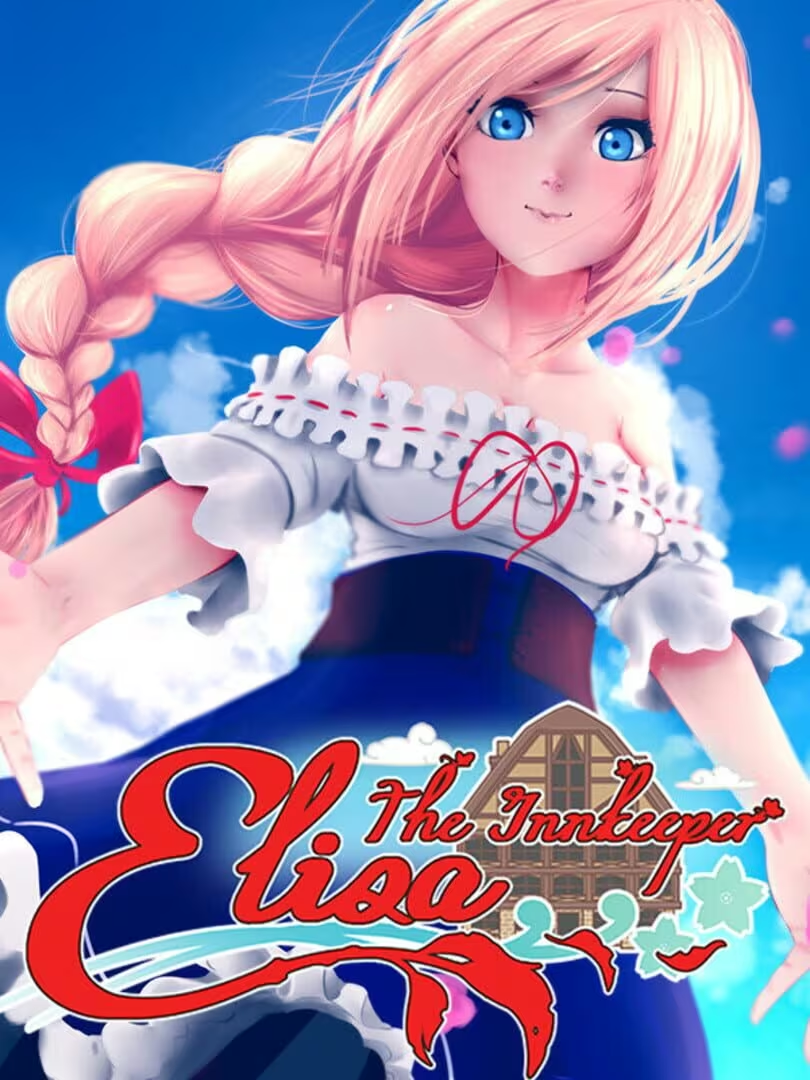
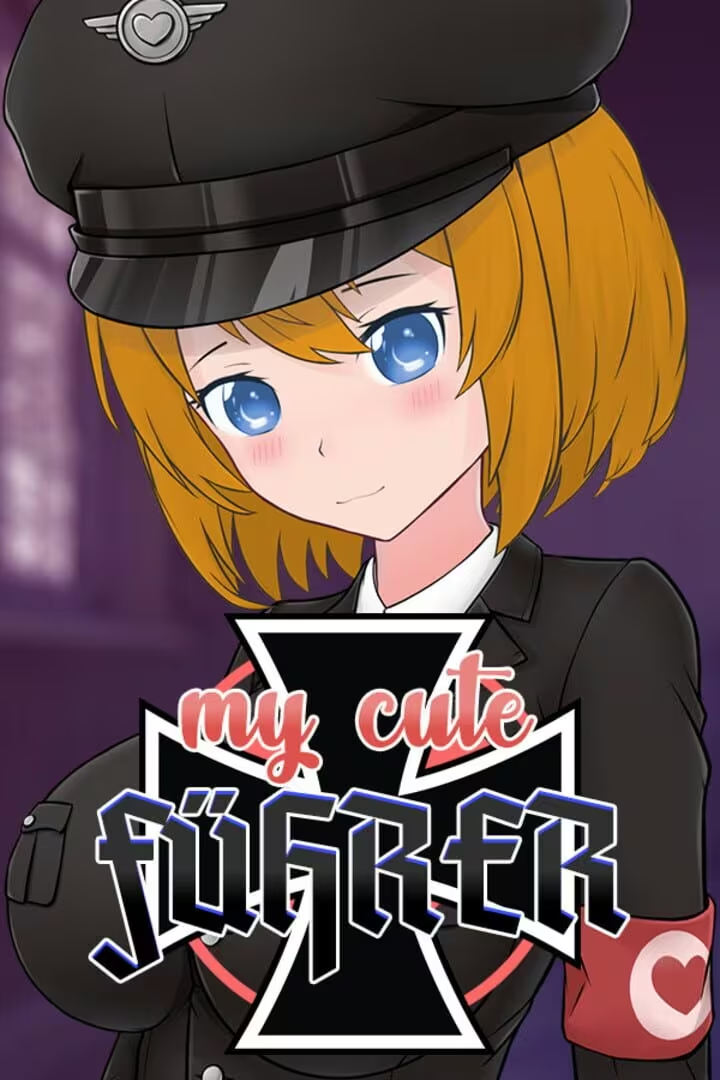
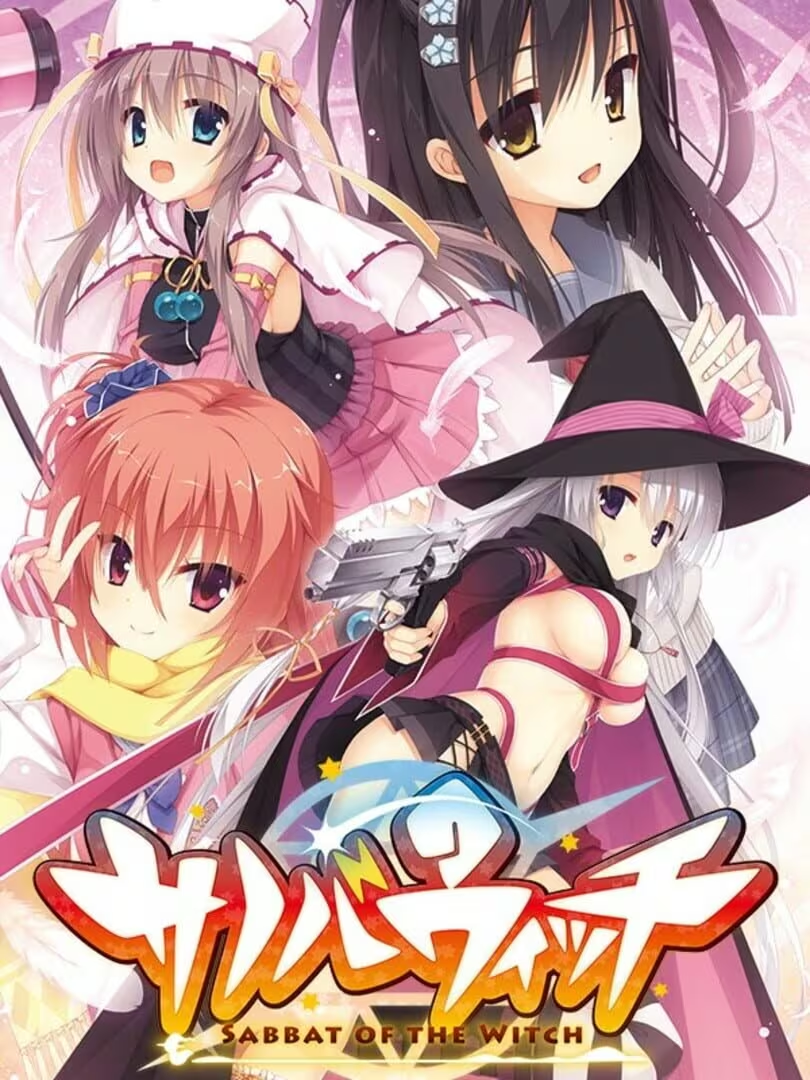
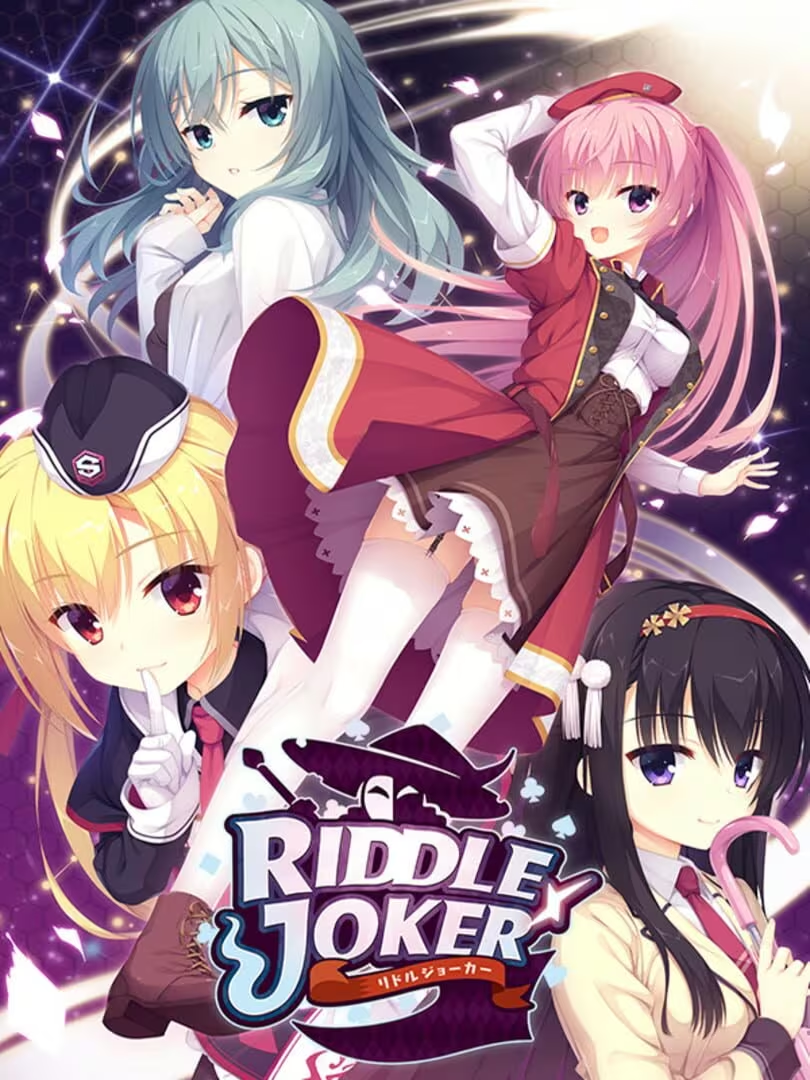

Hidden Gems
Less popular games with surprisingly high similarity
If you liked…
Recommendations by what you enjoyed most
Similarity map
Explore nearby similar games and see why they’re close.
Starlight Vega: A very typical example of its motivational profile. Motivations that often define this kind of title include Survival, Violence, Competition, Thrill. Here, the score leans higher than usual among comparable games on Intimacy, Expression. It leans lower than usual among comparable games on Fellowship.
Why this game works
A motivational profile of the game, with the closest similar game for each player motivation.
-
Autonomy
Game with the same Autonomy vibe
3"Players make choices that affect story routes and endings, indicating some control over narrative direction."
 Togainu no Chi ~Lost Blood~
"Players make meaningful choices that affect story routes and endings, indicating control over narrative direction."
-
Competence
Game with the same Competence vibe
2"Engages players in story comprehension and decision making, though gameplay is mostly reading and choice selection."
 CHAOS;HEAD NOAH
"Engages players in decision-making and understanding story consequences, but gameplay is mostly reading with choices."
-
Competition
Game with the same Competition vibe
-5"No competitive elements; focus is on personal story and experience."
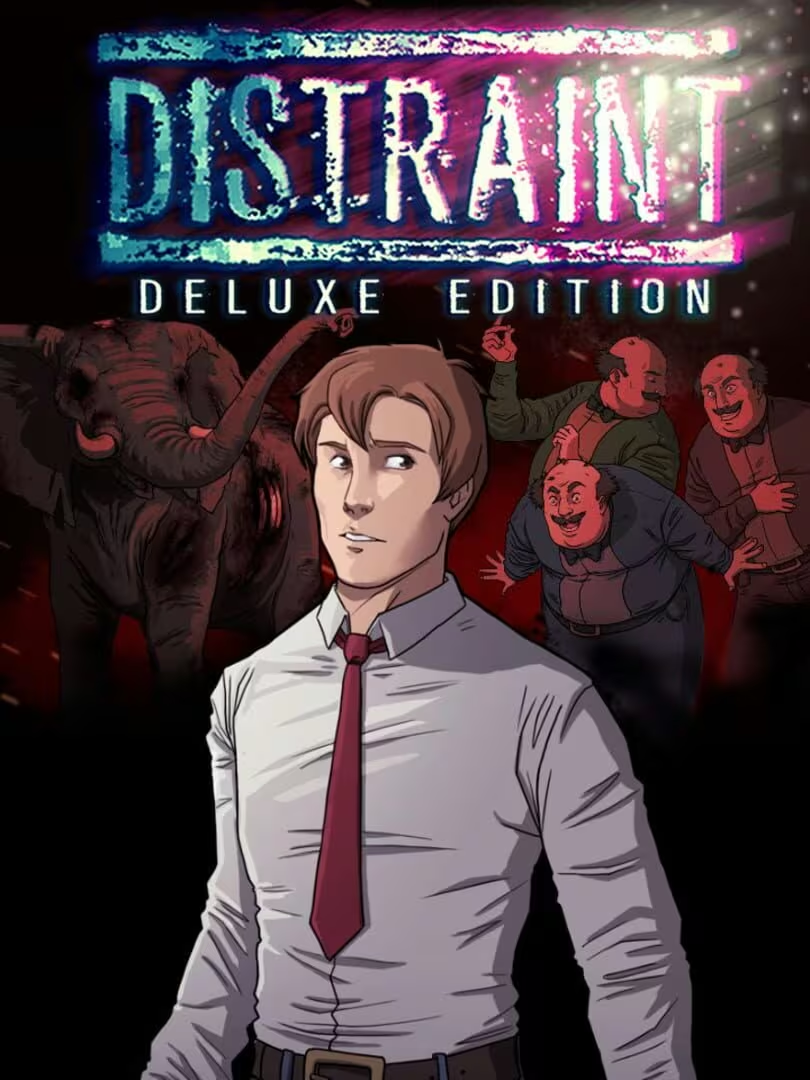 DISTRAINT: Deluxe Edition
"No competitive elements; focus is on personal story experience and romance."
-
Continuation
Game with the same Continuation vibe
3"Multiple routes and endings encourage replay and habitual engagement despite some frustration with repeated scenes."
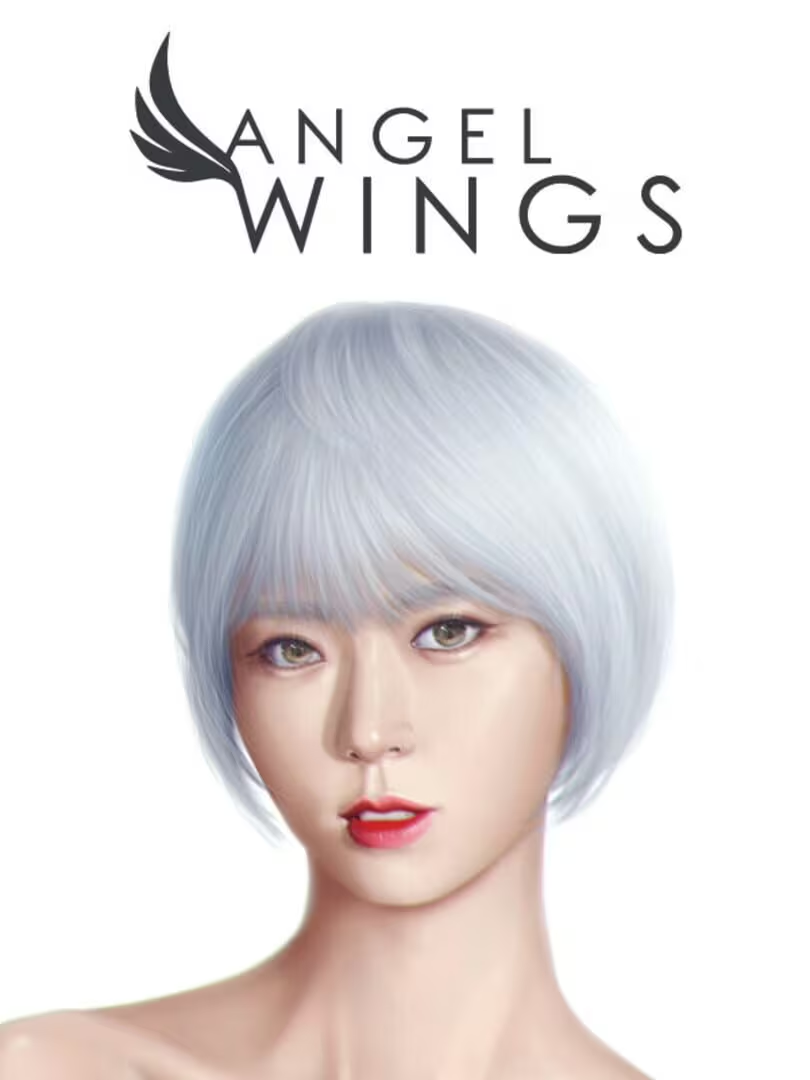 Angel Wings
"Multiple routes and endings encourage replay and habitual engagement."
-
Cooperation
Game with the same Cooperation vibe
-5"Single-player visual novel with no cooperative gameplay."
 A Sky Full of Stars 仰望夜空的星辰
"Single-player visual novel with no cooperative gameplay."
-
Creativity
Game with the same Creativity vibe
3"Players explore different narrative paths and endings, interpreting symbolism and themes, fostering creative engagement with story."
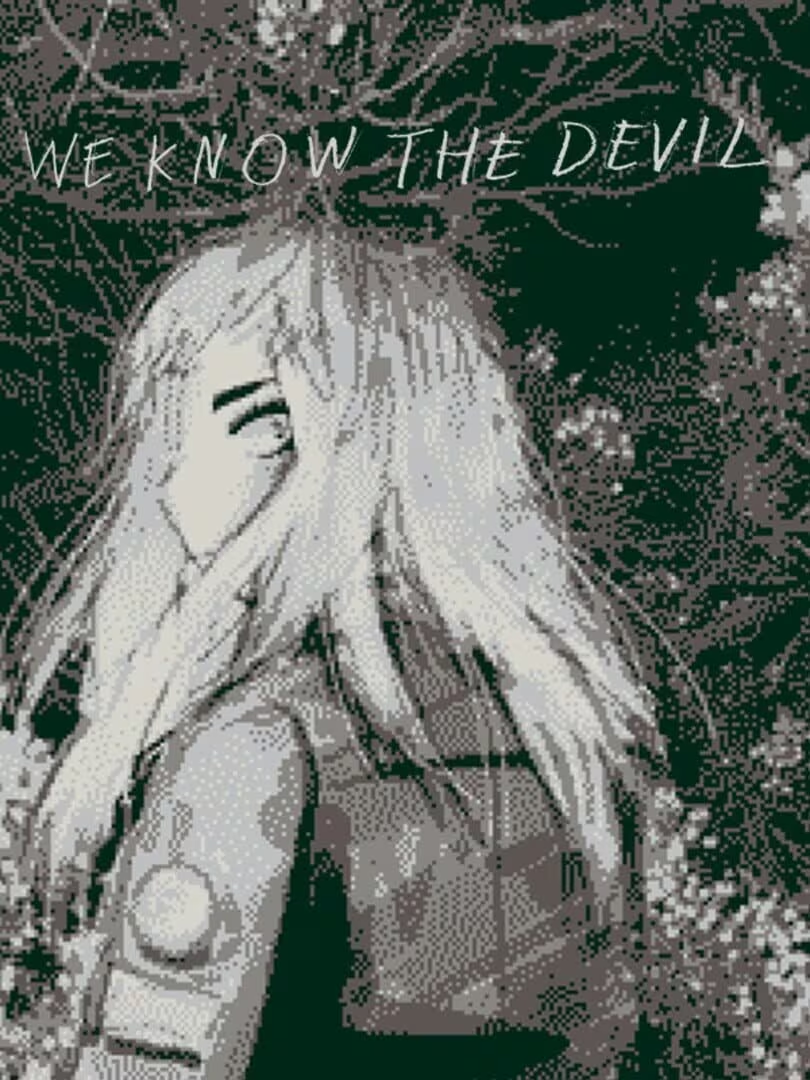 We Know the Devil
"Players explore different story paths and character relationships, fostering creative narrative exploration."
-
Domination
Game with the same Domination vibe
-5"No evidence of exerting control or superiority over others; interactions are personal and equal."
 The Lab
"No evidence of exerting control or superiority over others; focus on mutual relationships."
-
Escapism
Game with the same Escapism vibe
4"Players use the game to immerse in a romantic, fantasy, and supernatural story world, escaping real life."
 Eternal Hour: Golden Hour
"Players use the game as a break from real life, immersing in fantasy romance and supernatural story."
-
Expectation
Game with the same Expectation vibe
-4"Players engage voluntarily out of personal interest and intrinsic motivation."
 Stoneshard
"Players engage voluntarily out of personal interest and intrinsic motivation."
-
Experimenting
Game with the same Experimenting vibe
3"Encourages trying different routes and choices to explore various story outcomes."
 Hakuoki: Kyoto Winds
"Multiple choices and routes encourage trying different story outcomes and character interactions."
-
Exploration
Game with the same Exploration vibe
2"Players discover different story branches and endings, but within a limited set of environments."
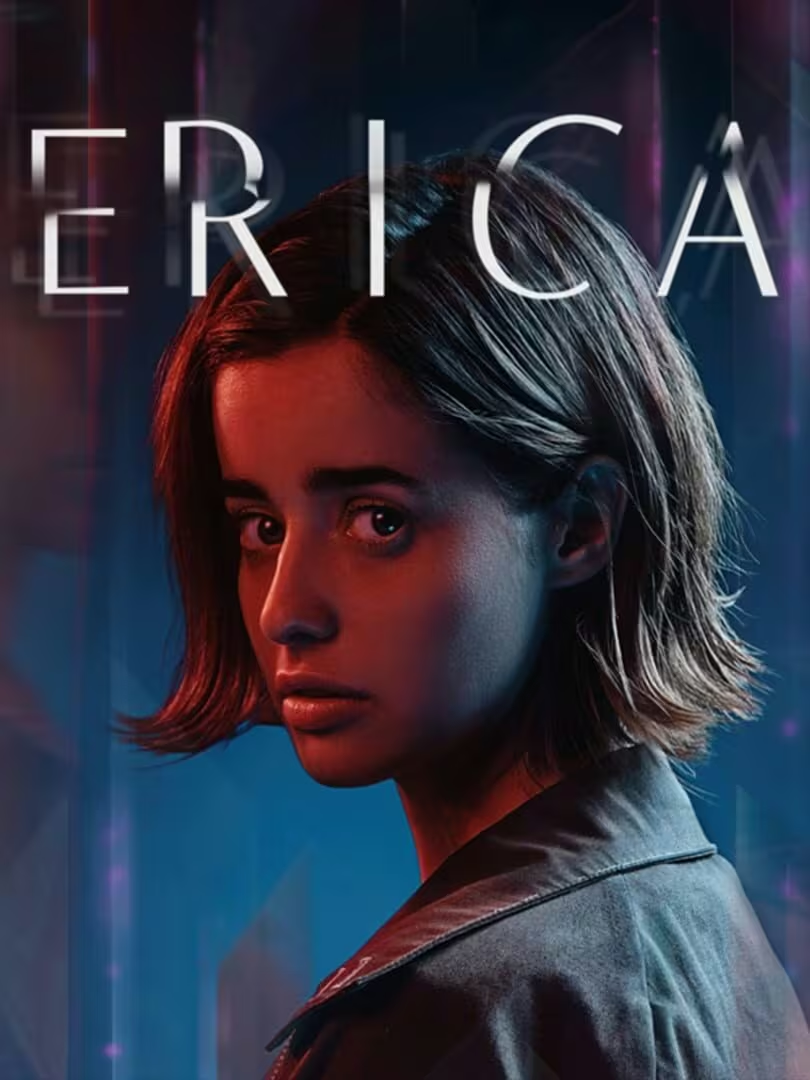 Erica
Erica
"Players discover new story branches and endings, though environment exploration is limited."
-
Expression
Game with the same Expression vibe
2"Art style and character interactions allow for emotional expression, though limited cosmetic customization."
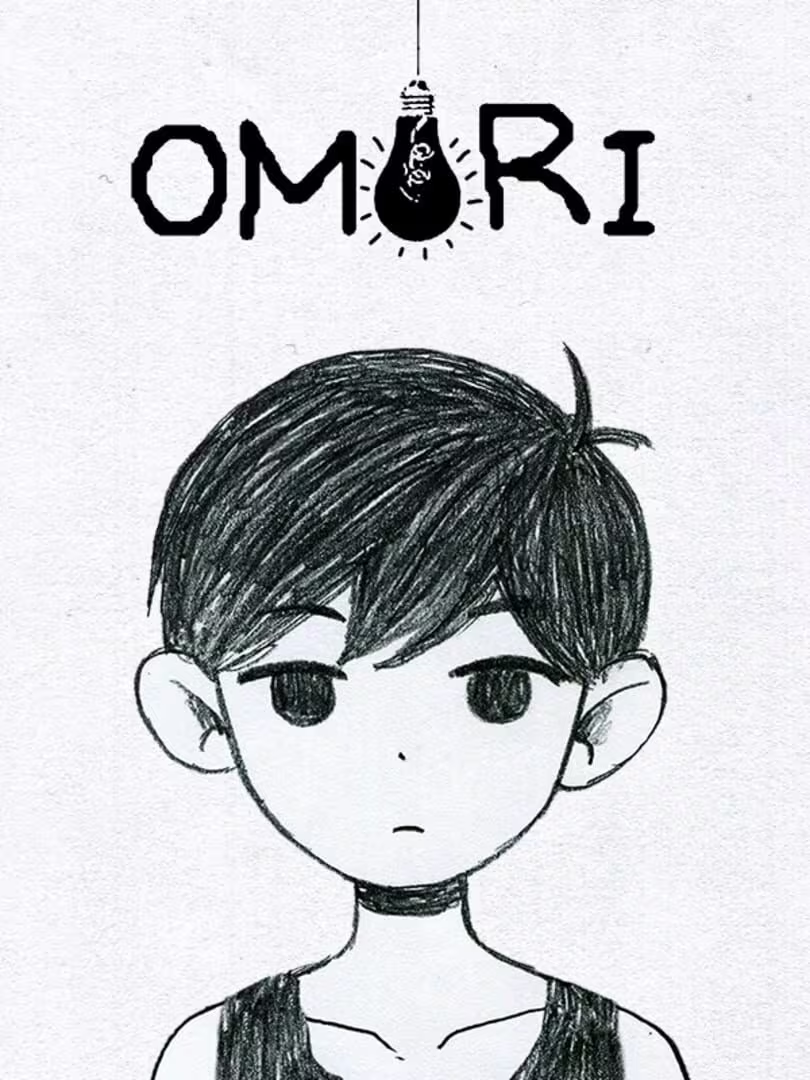 OMORI
OMORI
"Character expressions and visual novel art style allow some emotional expression, but limited customization."
-
Fantasy
Game with the same Fantasy vibe
5"Strong fantasy elements with demons, magic powers, and an imaginative story world."
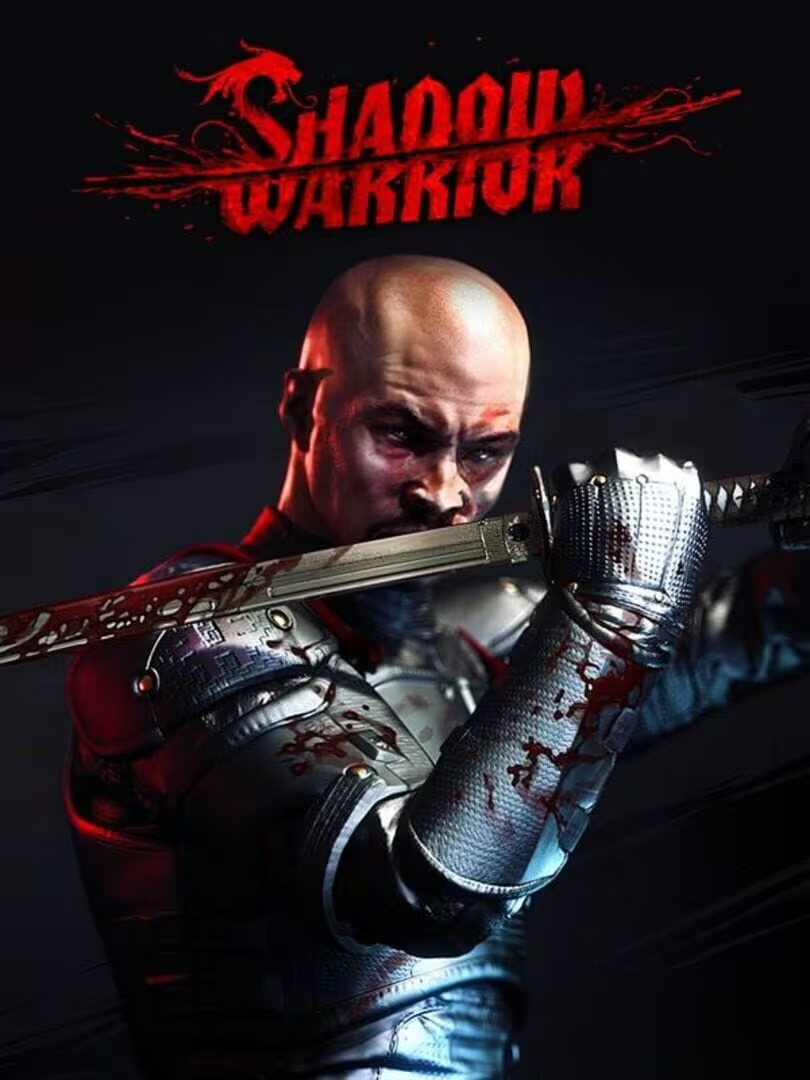 Shadow Warrior
"Strong fantasy elements with demons, magic, and supernatural worlds."
-
Fellowship
Game with the same Fellowship vibe
-5"Primarily a solo experience with minimal social interaction."
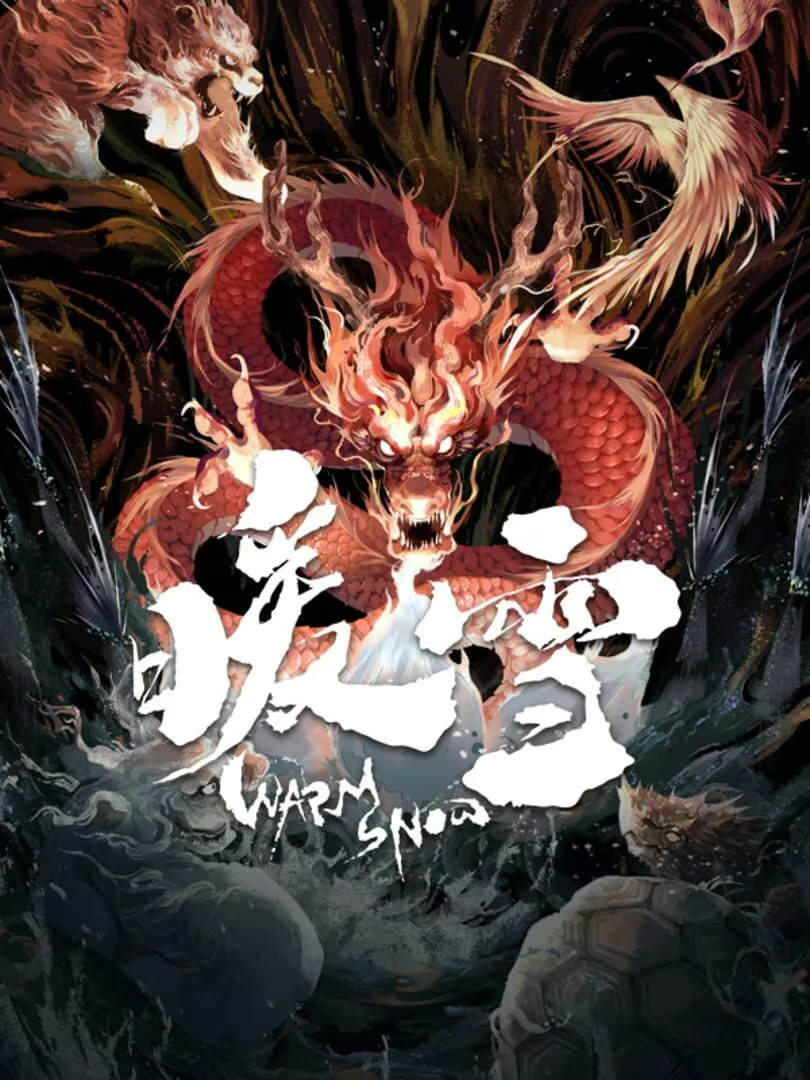 暖雪 Warm Snow
"Primarily a solo experience with minimal social interaction."
-
Growth
Game with the same Growth vibe
3"Players learn story details and character backgrounds progressively through multiple playthroughs."
 Sound of Drop - fall into poison -
"Players learn story details and character backgrounds through multiple playthroughs."
-
Health
Game with the same Health vibe
-5"Sedentary gameplay typical of visual novels."
 Vampire: The Masquerade - Coteries of New York
"Sedentary gameplay typical of visual novels."
-
Idle
Game with the same Idle vibe
-3"Requires focused reading and decision-making, not suitable for passive or background play."
 Pesterquest
"Requires focused reading and decision-making, not suitable for passive or background play."
-
Intimacy
Game with the same Intimacy vibe
4"Focus on romantic relationships and emotional connections with characters."
 STEINS;GATE: My Darling's Embrace
"Focus on romantic relationships and emotional connections between characters."
-
Leadership
Game with the same Leadership vibe
-5"No leadership or group management elements present."
 Trover Saves the Universe
"No leadership or group management elements present."
-
Progression
Game with the same Progression vibe
3"Progression through story chapters, unlocking endings and CGs across routes."
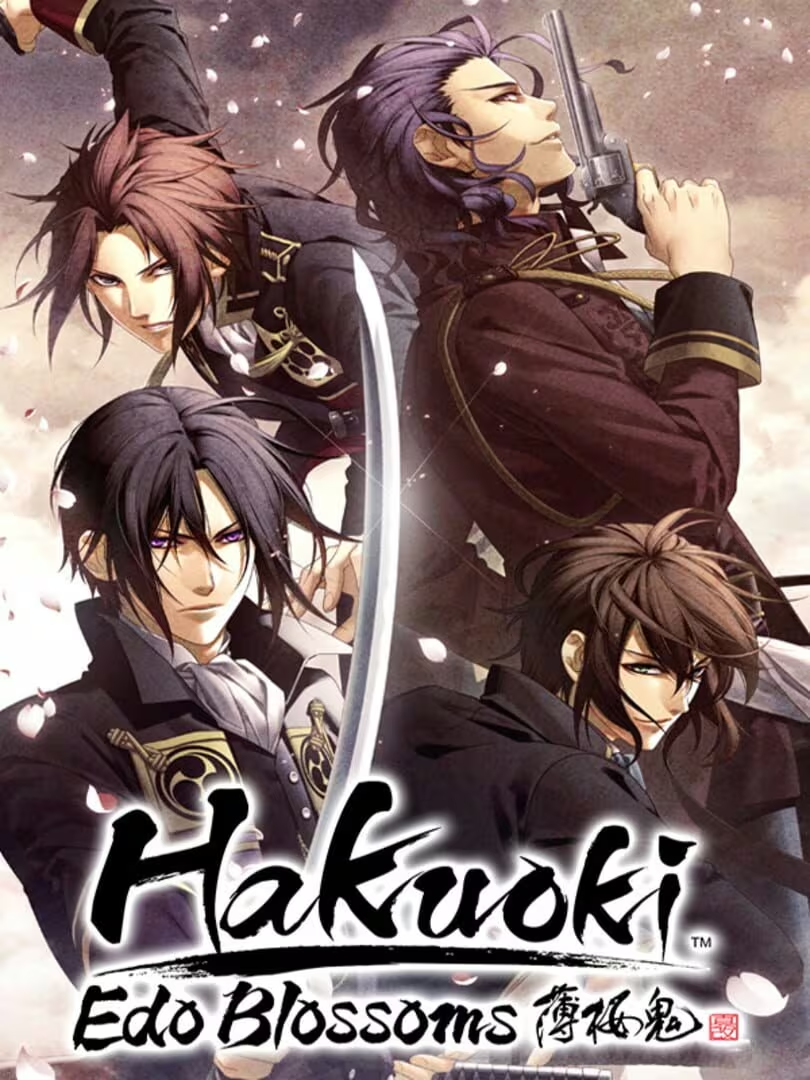 Hakuoki: Edo Blossoms
"Progression through story routes and unlocking endings and CGs."
-
Relaxation
Game with the same Relaxation vibe
4"Provides a relaxing, immersive reading experience."
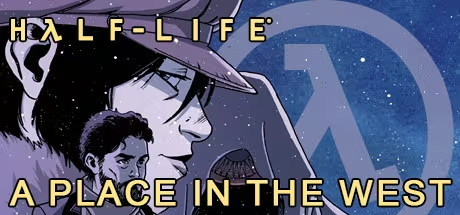 Half-Life: A Place in the West
"Provides a relaxing and immersive reading experience with emotional engagement."
-
Sensation
Game with the same Sensation vibe
2"Enjoyable art and music provide sensory stimulation, though not intense or overwhelming."
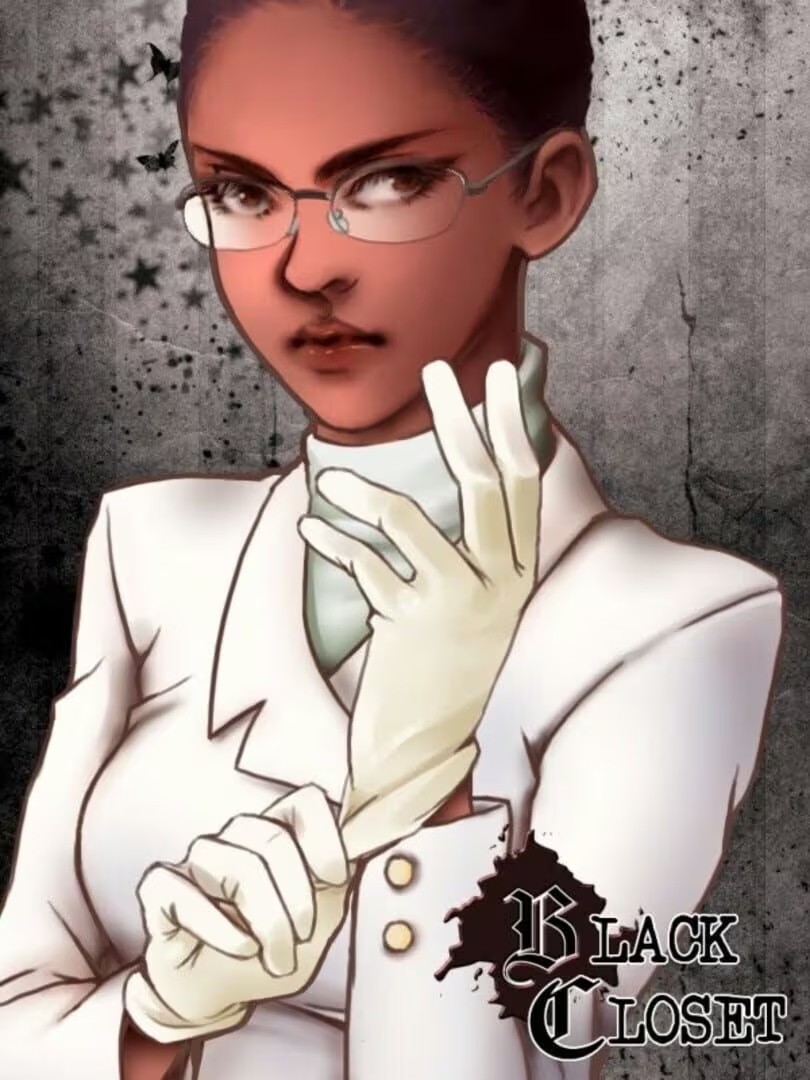 Black Closet
"Enjoyable art and music provide sensory stimulation, though not intense or overwhelming."
-
Status
Game with the same Status vibe
-5"No social status or recognition mechanics."
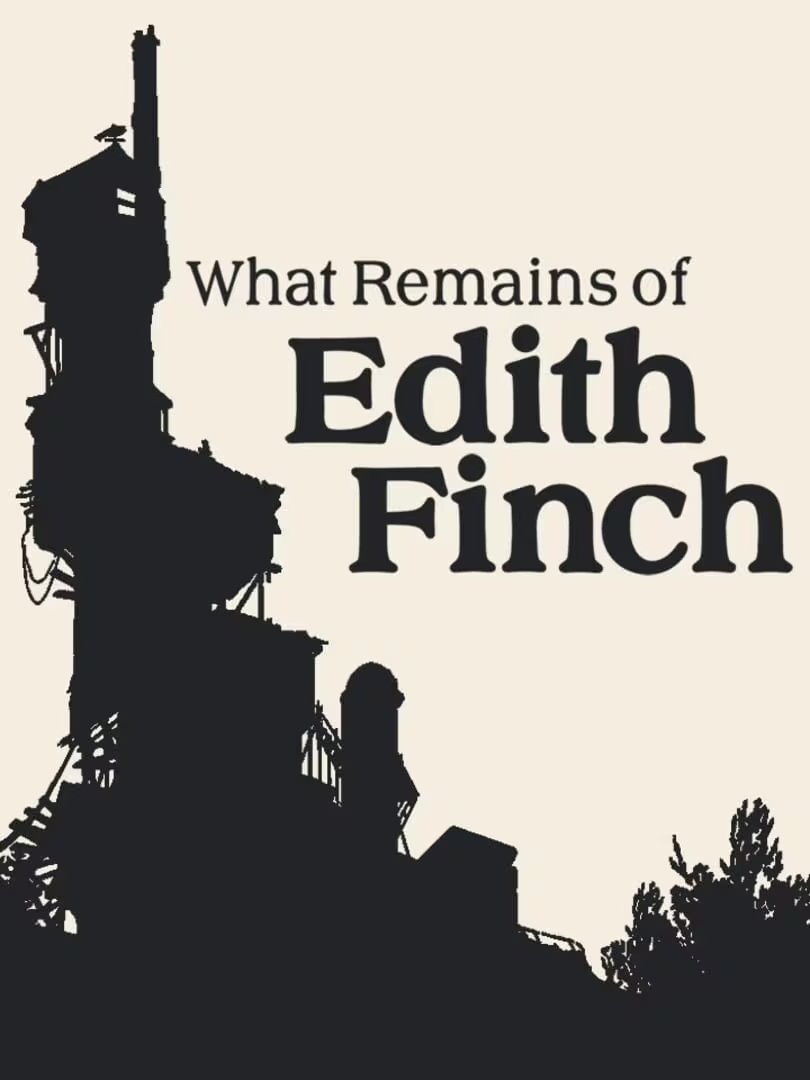 What Remains of Edith Finch
"No social status or recognition mechanics."
-
Story
Game with the same Story vibe
5"Strong narrative focus with multiple endings, character development, and plot twists."
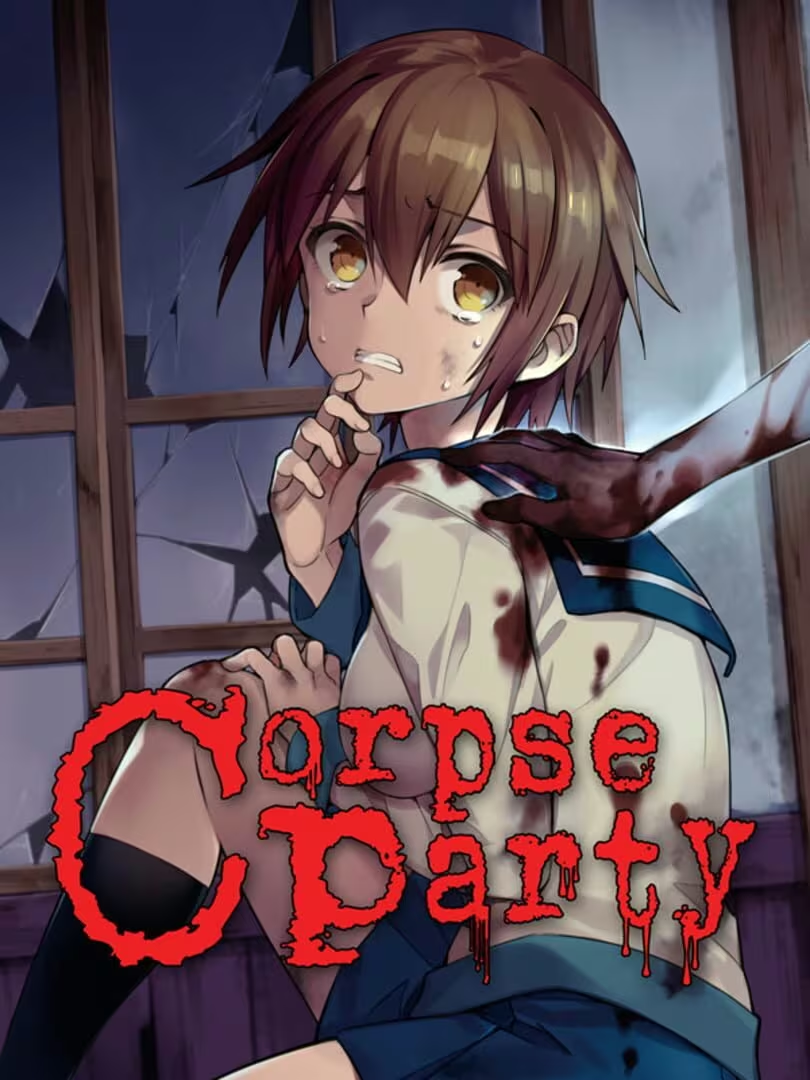 Corpse Party
"Strong narrative focus with multiple routes, character development, and plot twists."
-
Strategy
Game with the same Strategy vibe
1"Some decision-making involved, but overall straightforward with limited strategic depth."
 Dreamland
"Some decision-making involved but limited strategic depth."
-
Thrill
Game with the same Thrill vibe
1"Some suspense and emotional tension in story, but overall controlled and calm experience."
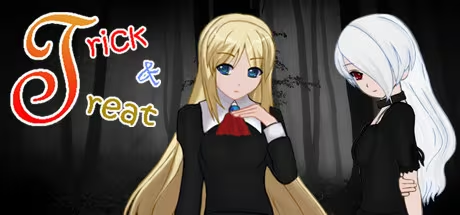 Trick and Treat - Visual Novel
"Some suspense and emotional tension in story, but overall controlled and calm."
-
Value
Game with the same Value vibe
3"Good perceived value for price with many hours of gameplay and replayability."
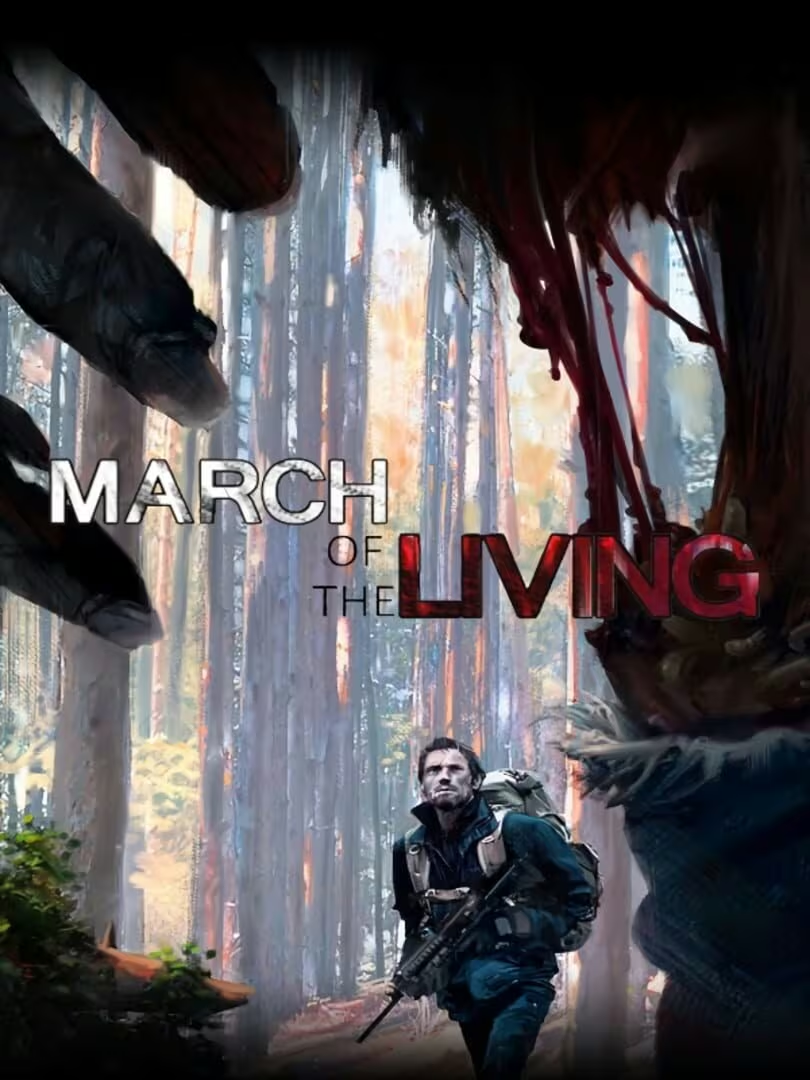 March of the Living
"Good perceived value for price with multiple hours of content and replayability."
-
Violence
Game with the same Violence vibe
-5"No combat or destructive gameplay; focus on romance and story."
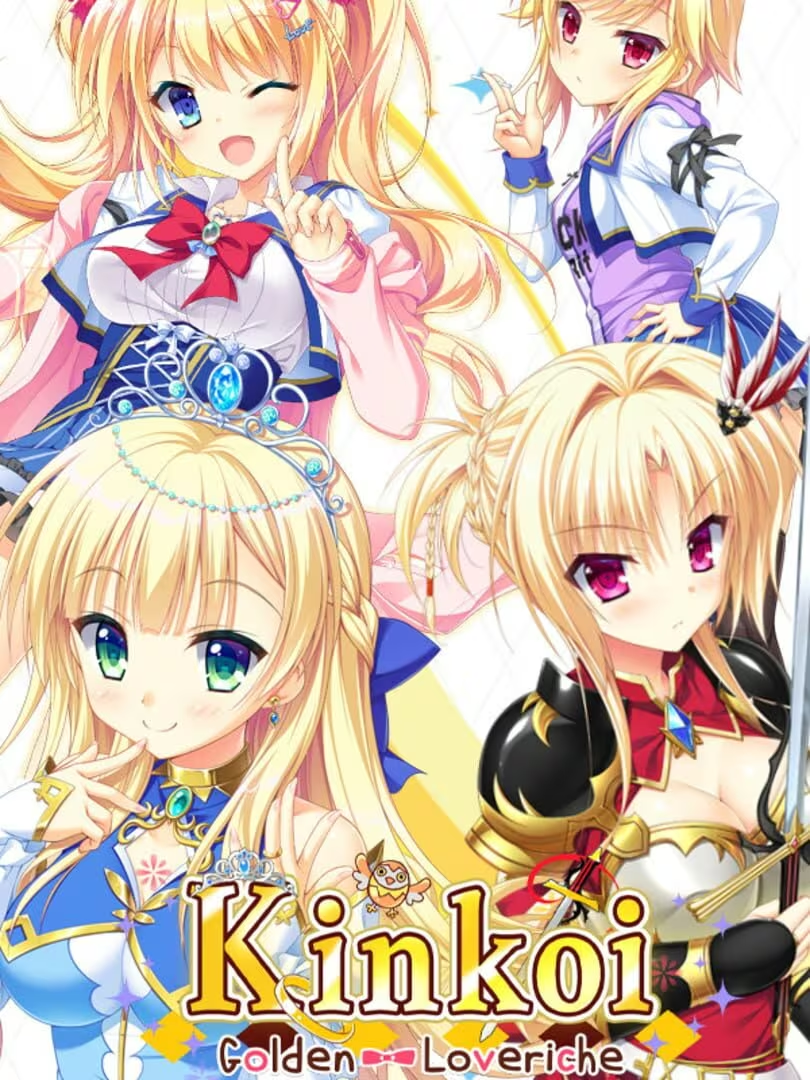 Kinkoi: Golden Loveriche
"No emphasis on combat or destruction; focus on romance and story."
-
Survival
Game with the same Survival vibe
-5"No survival or threat avoidance gameplay elements."
 Fujiwara Bittersweet
"No survival or threat avoidance gameplay elements."
Last update: 01/06/2026