The Legend of Heroes: Trails beyond the Horizon similar games & best alternatives
Should you play it?
The future of an entire continent is at stake in this milestone entry in the Trails series! Explore the vast Calvard Republic with three different protagonists, nurture connections, and master powerful skills in both real-time and turn-based battles as you uncover the secrets at the core of Zemuria!
What works
- Deep and rewarding story with strong lore payoff
- Complex and engaging combat system
- High-quality pc port with excellent graphics and performance
- Long playtime with multiple routes and side content
- Strong emotional and community engagement
Things to keep in mind
- Slow pacing and bloated early game sections
- Repetitive side quests and dungeon crawling
- Some unbalanced combat mechanics (e.g. zoc, shard commands)
- Requires playing many previous games for full understanding
- Some minor bugs and translation inconsistencies
What to play next
Similar games, hidden gems, and fresh directions from this game.
Top picks
Games that feel the closest overall
-
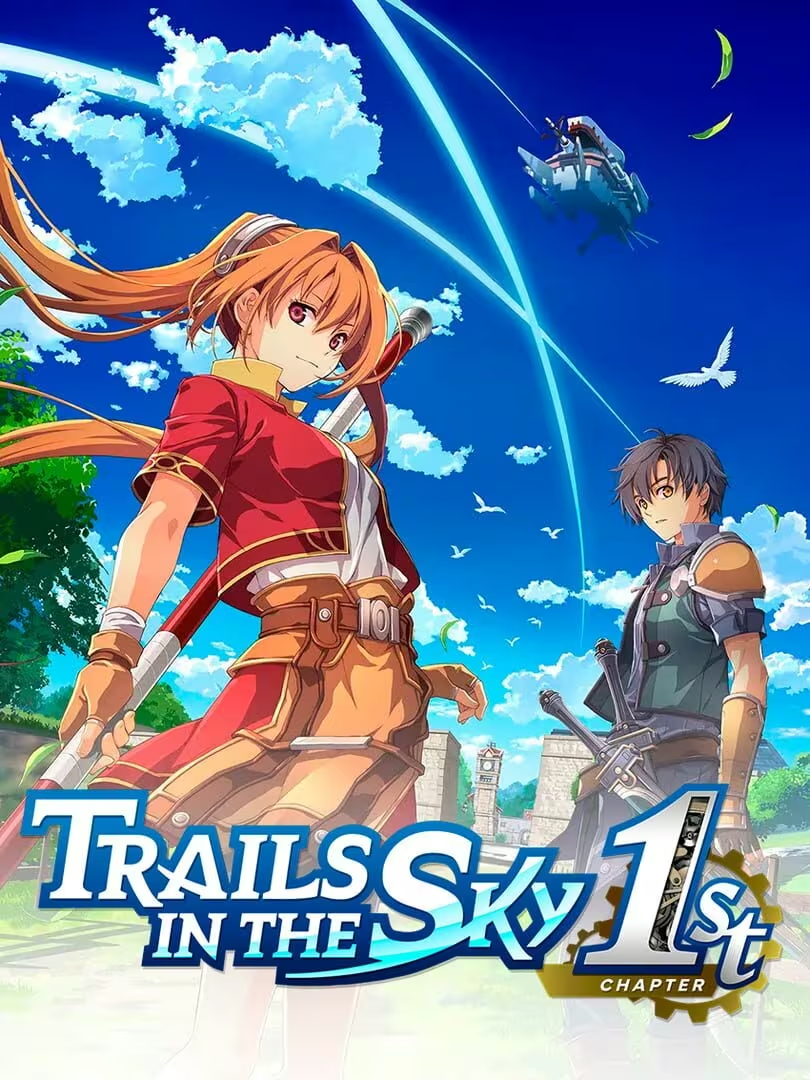
Trails in the Sky 1st Chapter
-
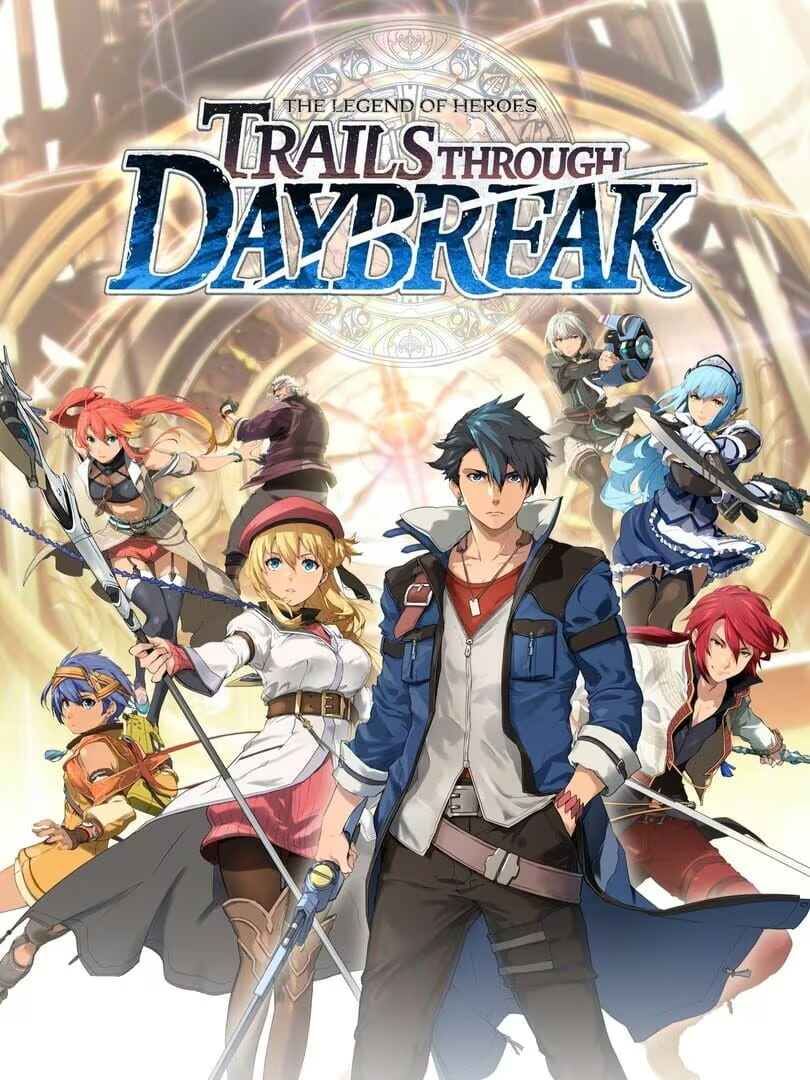
The Legend of Heroes: Trails through Daybreak
-
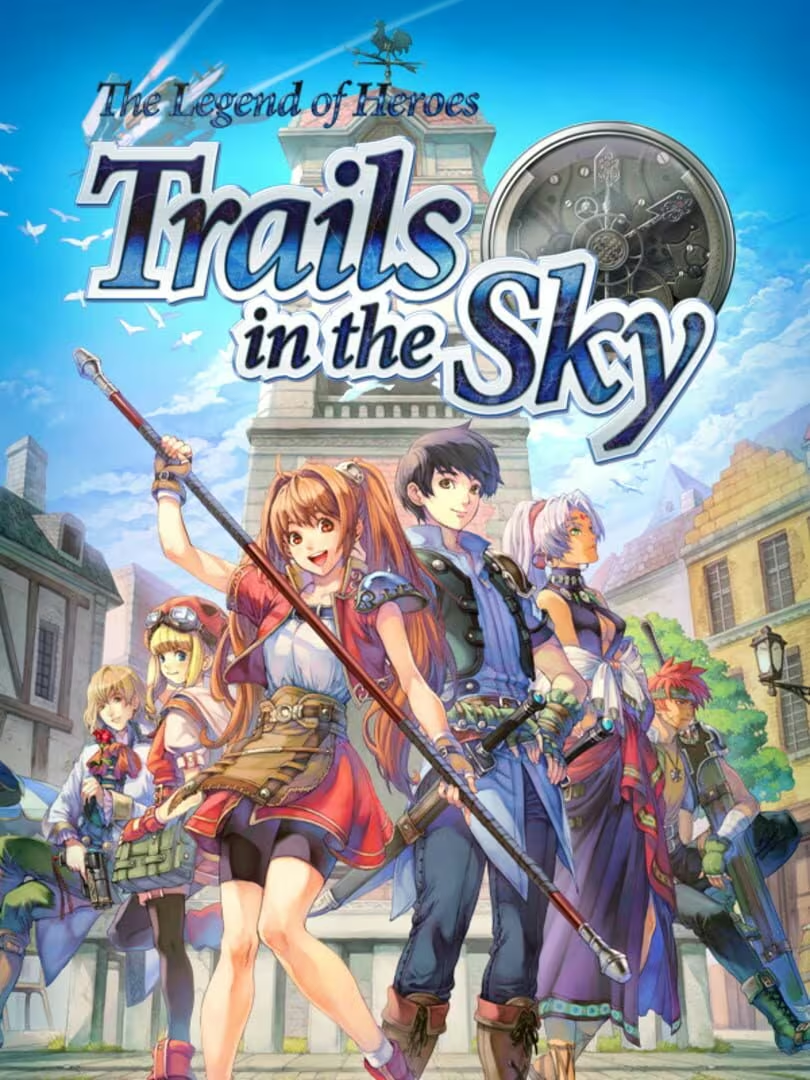
The Legend of Heroes: Trails in the Sky
-
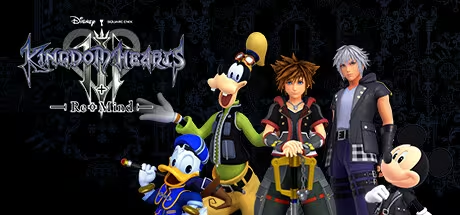
KINGDOM HEARTS III + Re Mind (DLC)
-
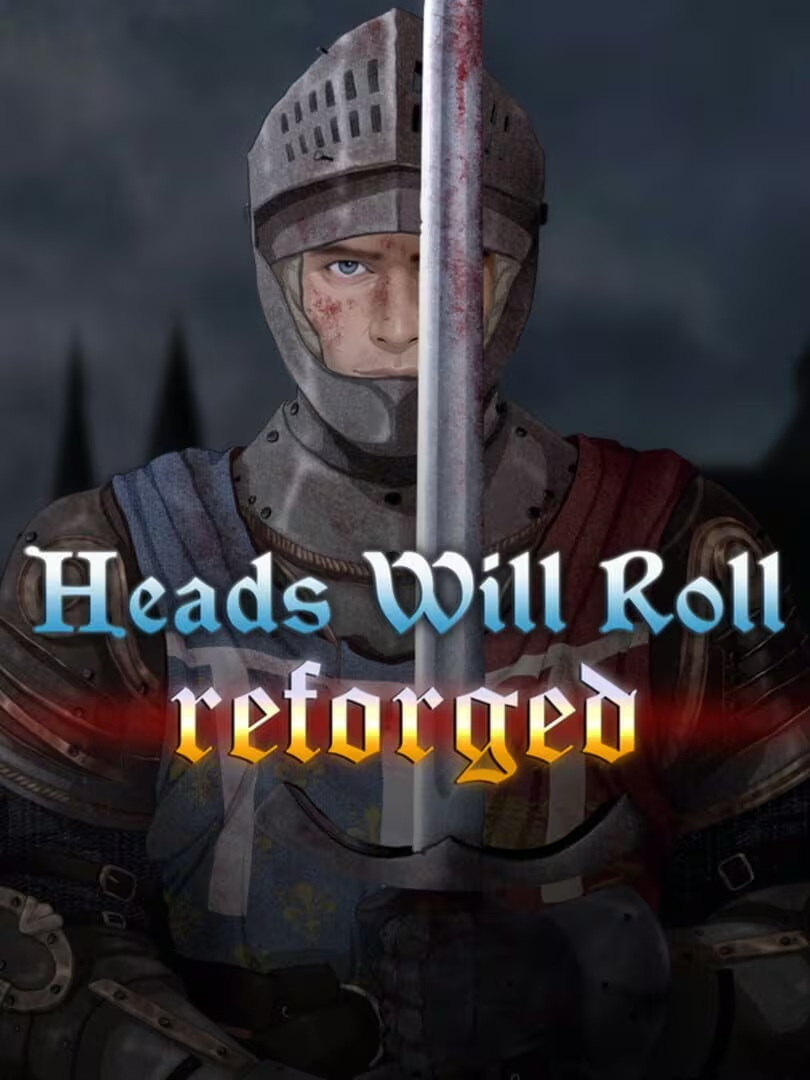
Heads Will Roll: Reforged
-
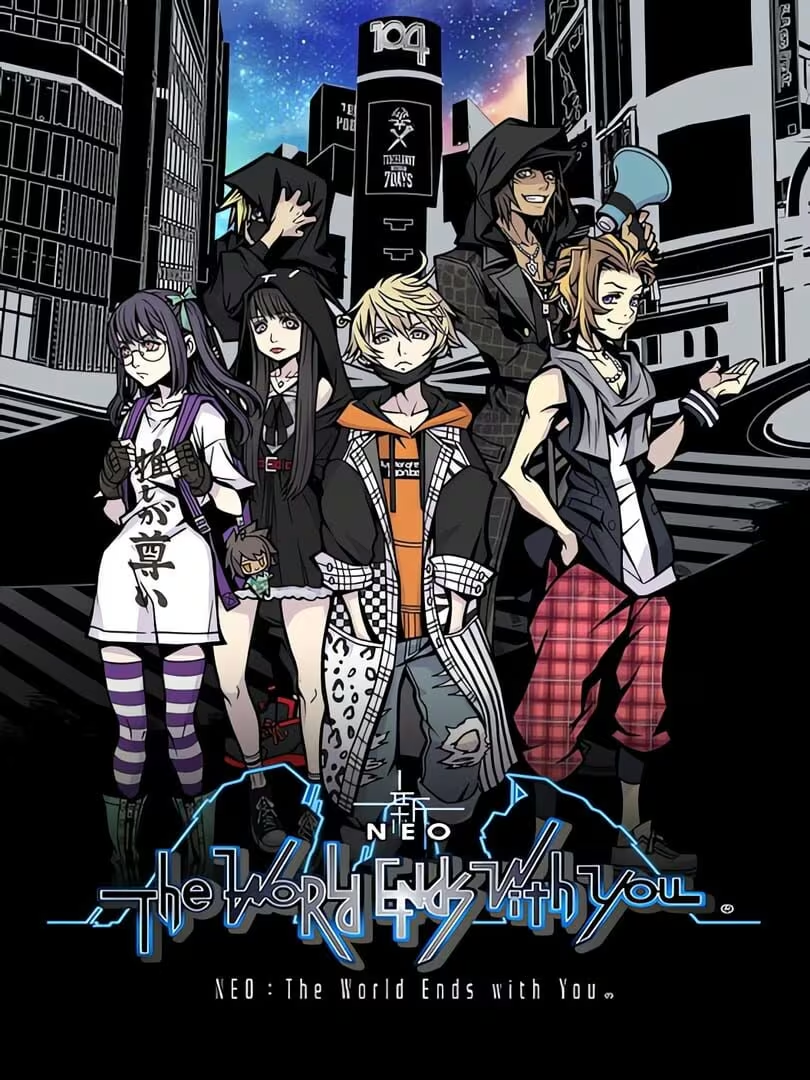
NEO: The World Ends with You
-
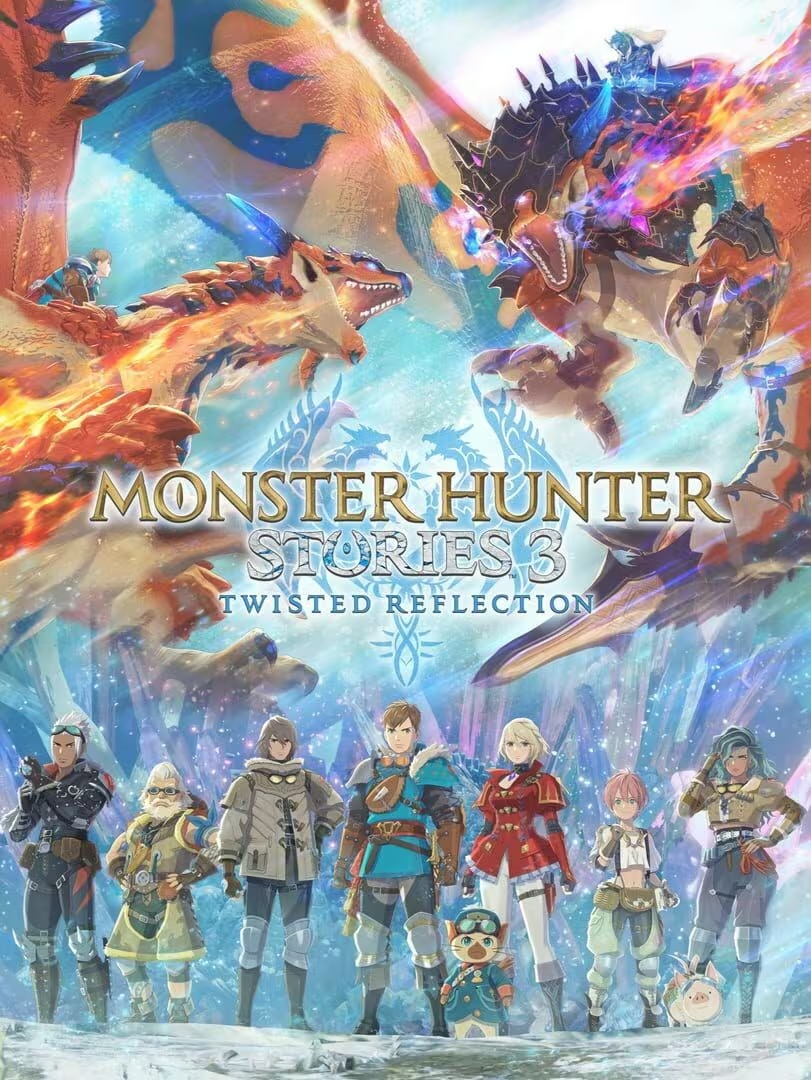
Monster Hunter Stories 3: Twisted Reflection
-
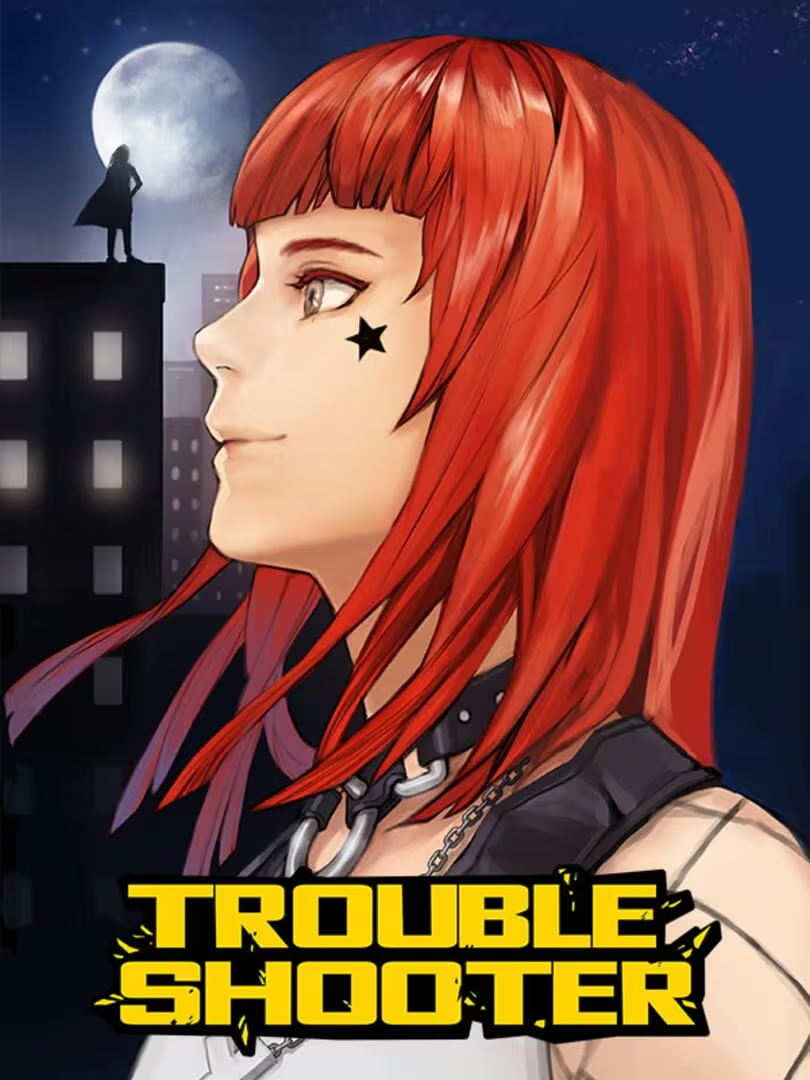
TROUBLESHOOTER: Abandoned Children
-
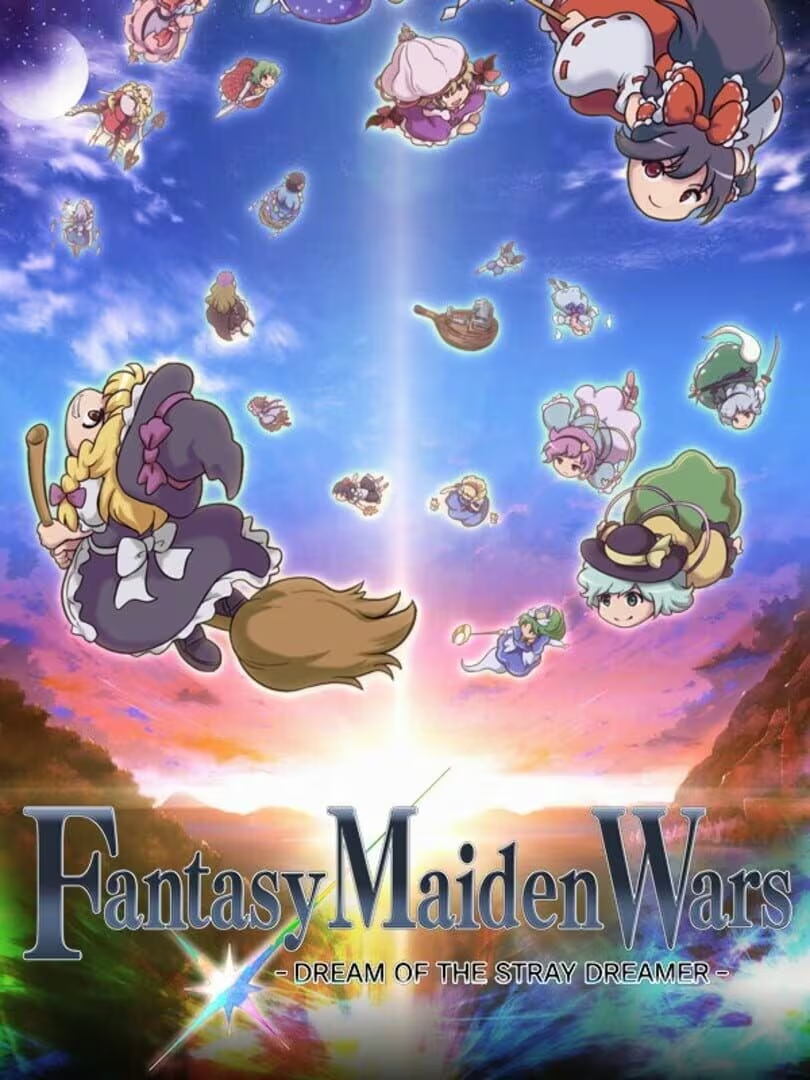
Fantasy Maiden Wars - DREAM OF THE STRAY DREAMER -
Hidden Gems
Less popular games with surprisingly high similarity
If you liked…
Recommendations by what you enjoyed most
Similarity map
Explore nearby similar games and see why they’re close.
The Legend of Heroes: Trails beyond the Horizon: Broadly representative of its motivational profile, with a few distinct shifts. Motivations that often define this kind of title include Cooperation, Fellowship, Intimacy, Leadership. Here, the score leans higher than usual among comparable games on Status, Story. It leans lower than usual among comparable games on Cooperation.
Why this game works
A motivational profile of the game, with the closest similar game for each player motivation.
-
Autonomy
Game with the same Autonomy vibe
4"Players have control over character choice, moves, and playstyle with multiple mechanics allowing personal expression and strategic decisions."
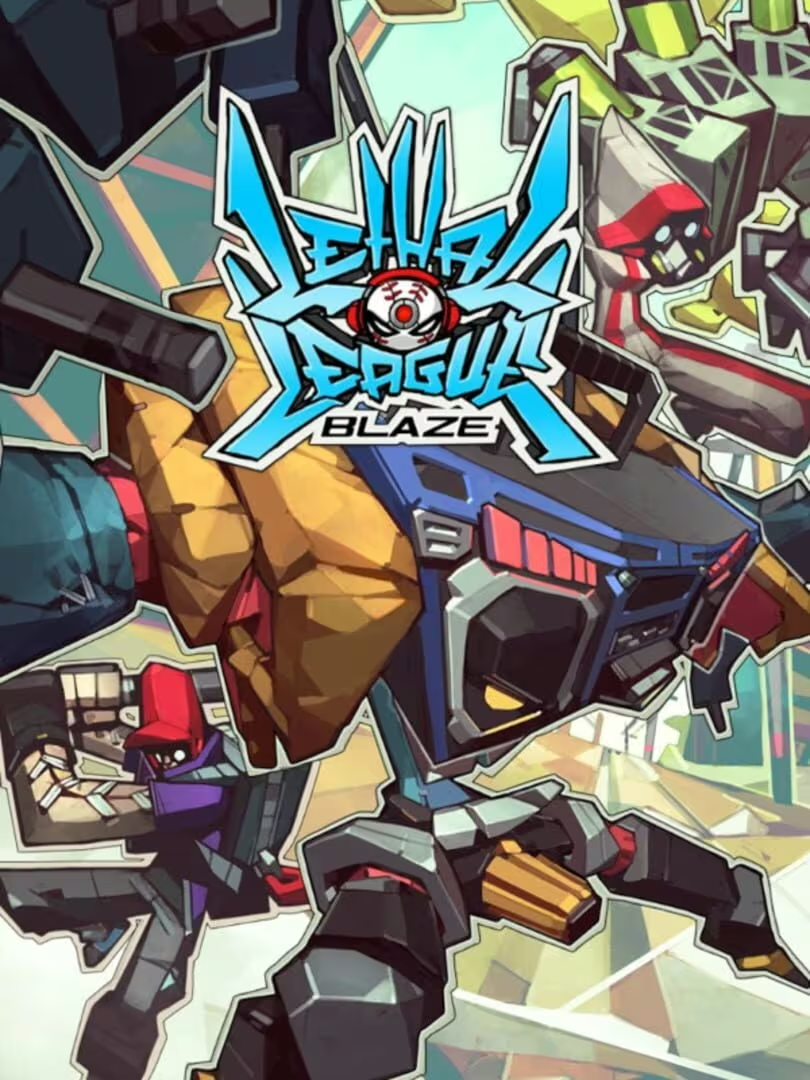 Lethal League Blaze
"Players have control over multiple routes and character choices, with complex combat mechanics allowing personal strategy and decision-making."
-
Competence
Game with the same Competence vibe
4"Combat system is strategic and challenging, especially on higher difficulties, requiring skillful planning and execution."
 Cosmic Star Heroine
"Combat is challenging especially on higher difficulties, with complex mechanics like shard commands and strategic resource management rewarding skillful play."
-
Competition
Game with the same Competition vibe
-3"Focus is on single-player experience with no mention of competitive multiplayer or leaderboards; players engage at their own pace."
 FINAL FANTASY VII REMAKE INTERGRADE
"Focus is on single-player experience with no evidence of competitive multiplayer or leaderboard features; players engage at their own pace."
-
Continuation
Game with the same Continuation vibe
5"Players report very long playtimes (50-70+ hours), extensive sidequests, and high attachment to characters and story, indicating strong desire to keep playing."
 HorrorVale
"Long playtime (70-130+ hours), deep story investment, and habitual engagement with multiple routes and side content indicate strong desire to keep playing."
-
Cooperation
Game with the same Cooperation vibe
-4"Game is primarily single-player with no mention of multiplayer or cooperative gameplay."
 The Falconeer: Revolution Remaster
"Game is primarily single-player with no mention of multiplayer or cooperative gameplay; players focus on individual objectives."
-
Creativity
Game with the same Creativity vibe
3"Players can customize character builds extensively with quartz and equipment, and experiment with many team combinations."
 The Legend of Heroes: Trails into Reverie
"Players can customize character builds with quartz, shard skills, and crafts; some freedom in combat strategy and party composition."
-
Domination
Game with the same Domination vibe
-4"Interactions with other characters are balanced and narrative-driven; no evidence of exerting control over others."
 Organ Trail: Director's Cut
"No evidence of exerting control over others; interactions focus on shared story and mutual respect among characters."
-
Escapism
Game with the same Escapism vibe
5"Highly immersive fantasy world with rich lore and story, providing strong escape from real life."
 The Witcher: Enhanced Edition Director's Cut
"Highly immersive fantasy world with deep lore and narrative, providing strong escape from real life through story and gameplay."
-
Expectation
Game with the same Expectation vibe
-4"Players engage voluntarily driven by interest and intrinsic motivation; no evidence of obligation or external pressure."
 Little Nightmares II
"Players engage voluntarily driven by intrinsic interest and long-term investment in the series; no evidence of obligation or pressure."
-
Experimenting
Game with the same Experimenting vibe
3"Players explore different tactics, weapons, and movement mechanics; game encourages trying new strategies."
 Apewar
"New combat mechanics and multiple routes encourage players to try different strategies and explore game systems."
-
Exploration
Game with the same Exploration vibe
2"Revisiting familiar locations with new story events and some new areas; exploration is meaningful but somewhat repetitive."
 The Legend of Heroes: Trails in the Sky SC
"Some new areas and map updates exist but much revisits familiar locations; exploration is moderate and story-driven."
-
Expression
Game with the same Expression vibe
2"Some character customization and collection elements, but mostly standardized presentation."
 Shenmue I & II
"Some character customization and cosmetic options available, but mostly standardized presentation consistent with series style."
-
Fantasy
Game with the same Fantasy vibe
5"Strongly rooted in imaginative fantasy fiction with gods, magic, and mythical creatures."
 Pillars of Eternity
"Strongly rooted in imaginative fiction with fantasy elements, mythology, and improbable events in a fictional world."
-
Fellowship
Game with the same Fellowship vibe
2"Players feel connected to community characters and world; limited social multiplayer but strong narrative community."
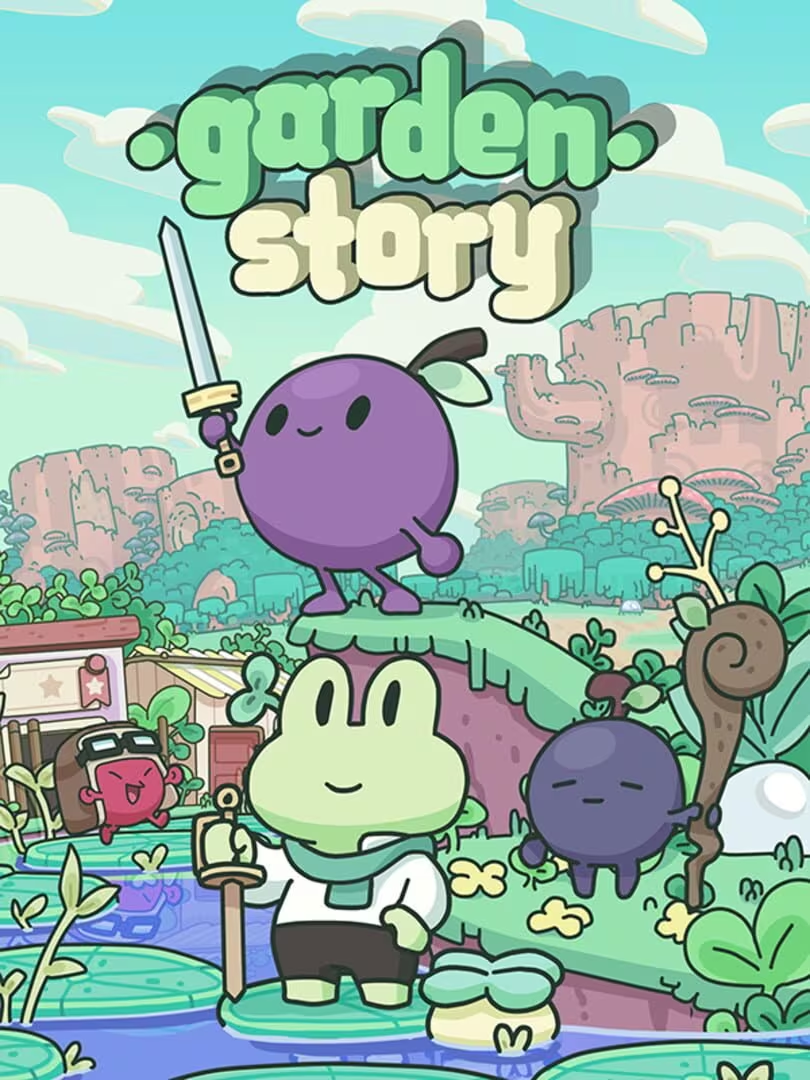 Garden Story
"Strong community and fanbase engagement noted; in-game social connections mostly narrative-based rather than multiplayer."
-
Growth
Game with the same Growth vibe
4"Players develop skills in combat and gain knowledge of complex story and world."
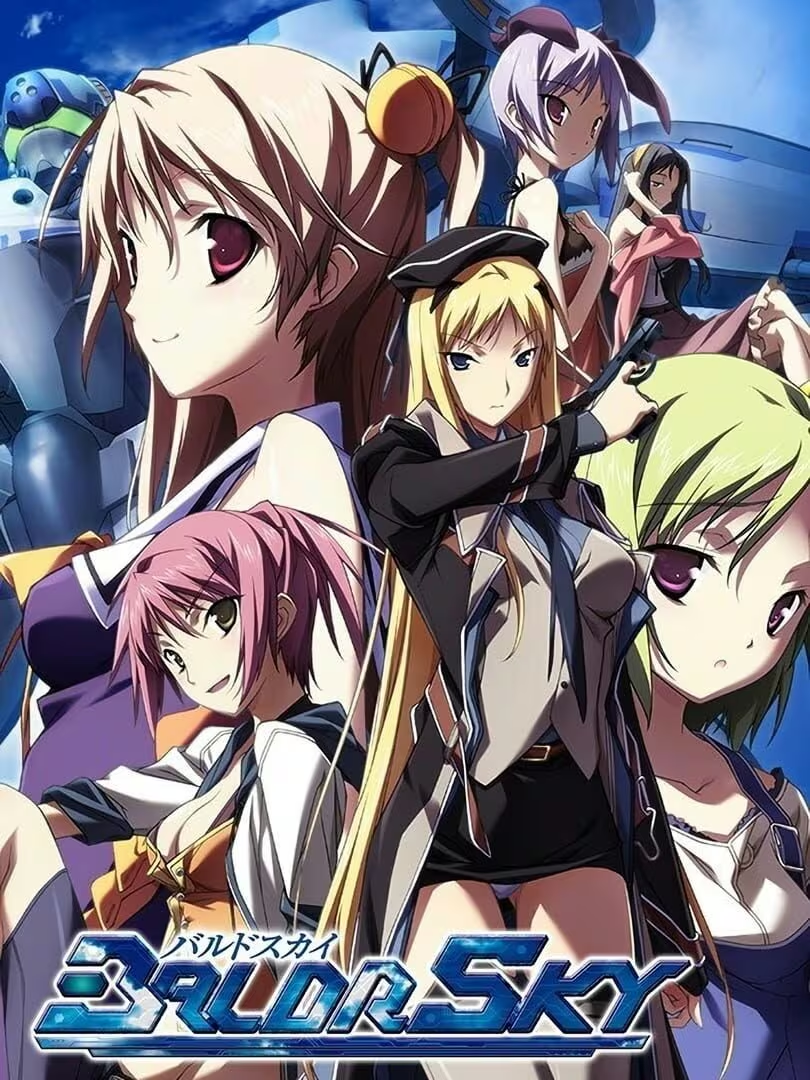 Baldr Sky
"Players develop skills through complex combat systems and character progression; story and lore deepen player knowledge."
-
Health
Game with the same Health vibe
-5"Sedentary gameplay typical of JRPGs; no physical activity or health-related features."
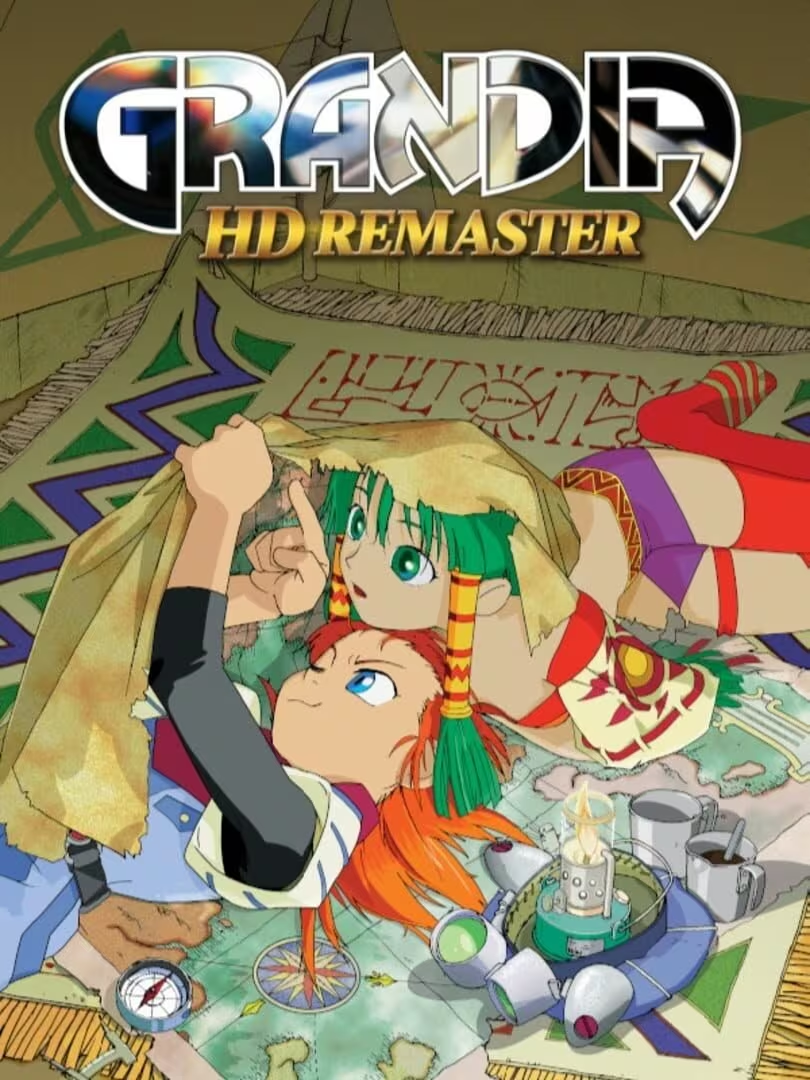 GRANDIA HD Remaster
"Typical JRPG sedentary gameplay with no physical activity or health-related features."
-
Idle
Game with the same Idle vibe
-4"Requires continuous attention and engagement; not designed for casual or background play."
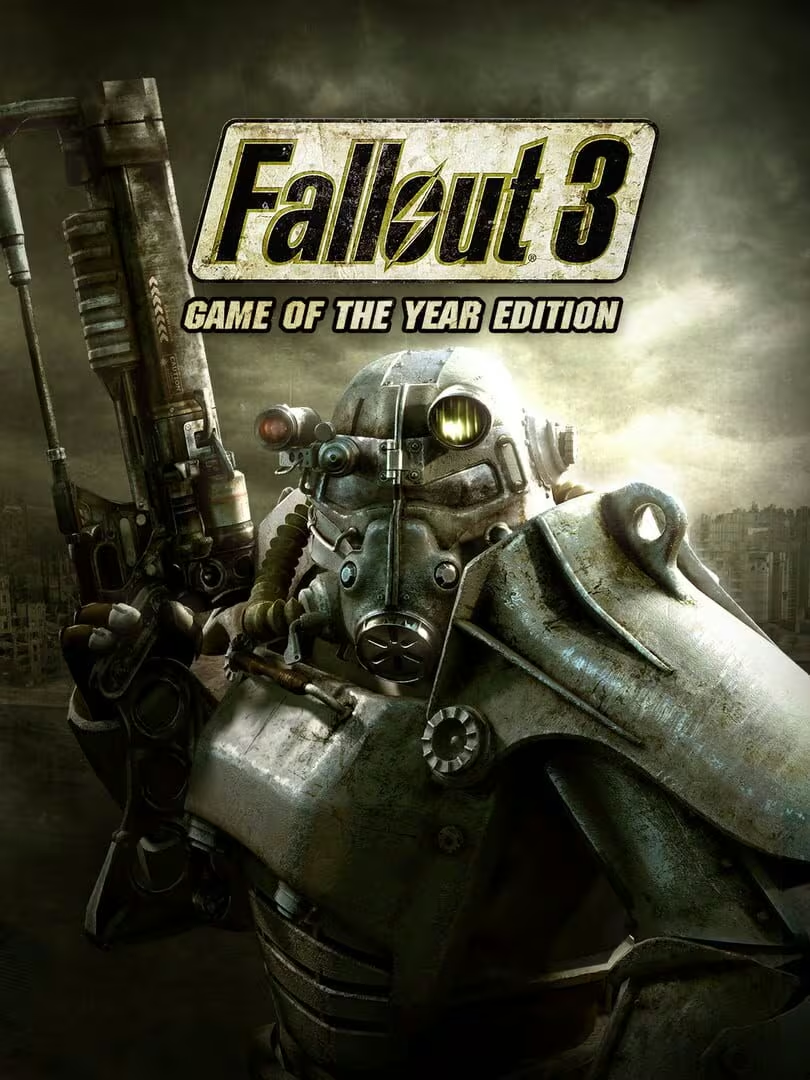 Fallout 3: Game of the Year Edition
"Requires sustained attention and engagement over long play sessions; not designed for casual or background play."
-
Intimacy
Game with the same Intimacy vibe
3"Emotional connections with characters and story foster deeper social-emotional engagement."
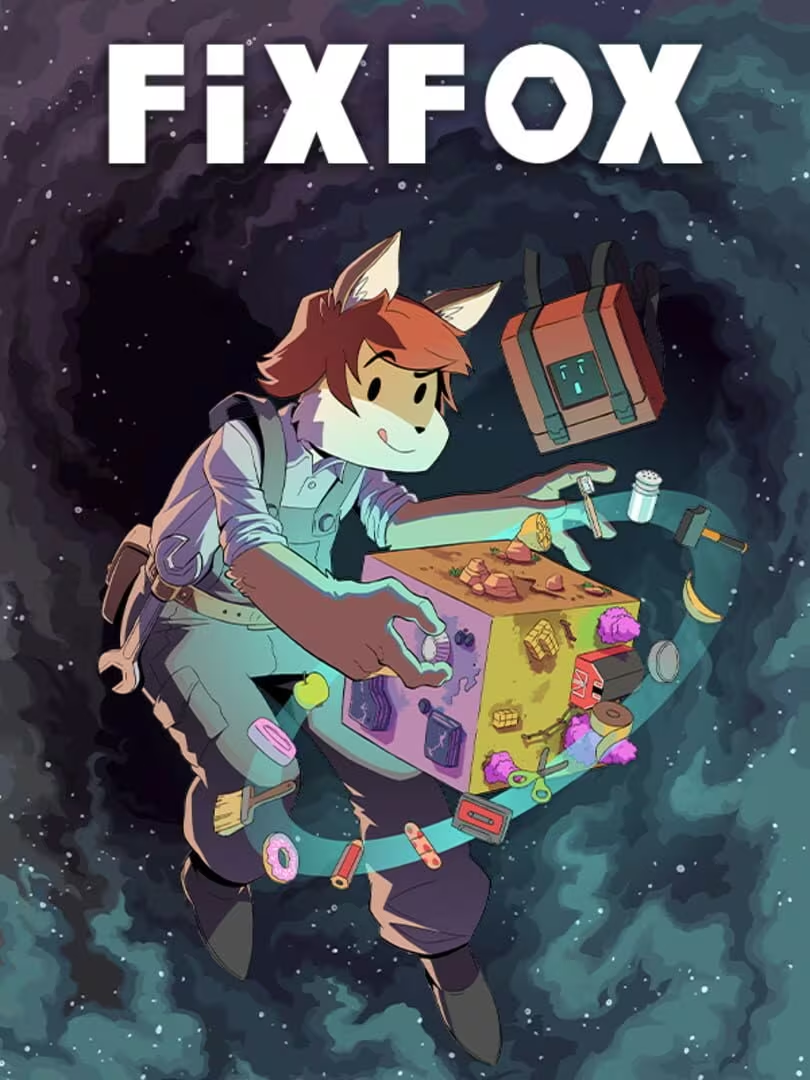 FixFox
"Emotional connections with characters through story and connect events foster deeper social-emotional engagement."
-
Leadership
Game with the same Leadership vibe
2"Player directs party composition and strategy, but no evidence of leading others beyond own group."
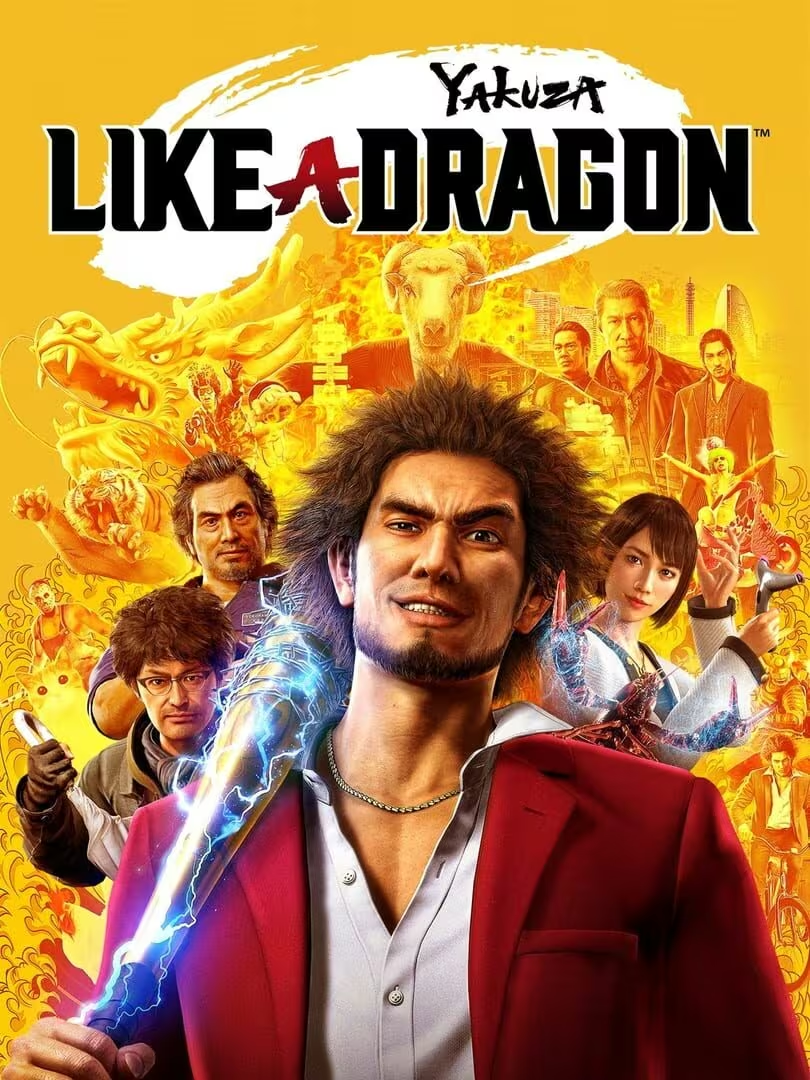 Yakuza: Like a Dragon
"Players manage party composition and strategy but no evidence of leading others in multiplayer or social contexts."
-
Progression
Game with the same Progression vibe
5"Strong emphasis on character progression, item collection, and upgrades."
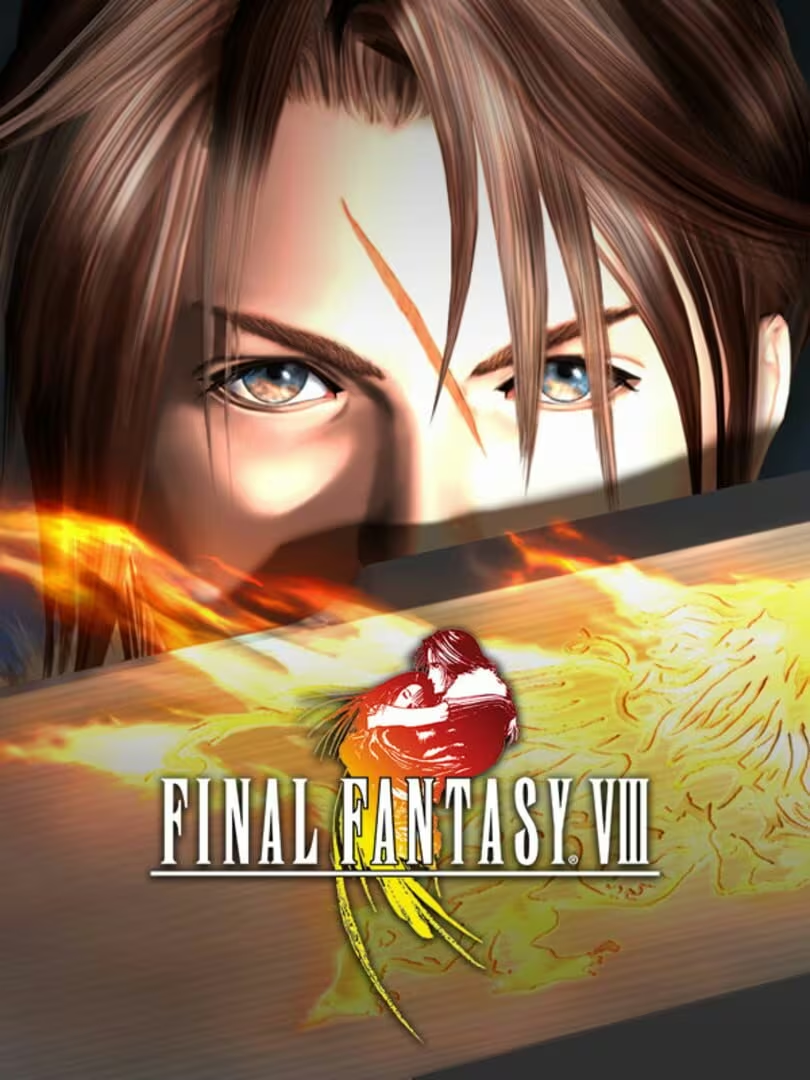 FINAL FANTASY VIII
"Strong emphasis on character upgrades, item collection, and story advancement over long playtime."
-
Relaxation
Game with the same Relaxation vibe
1"Some moments of flow in combat and story immersion, but also tension in boss fights and time manipulation challenges."
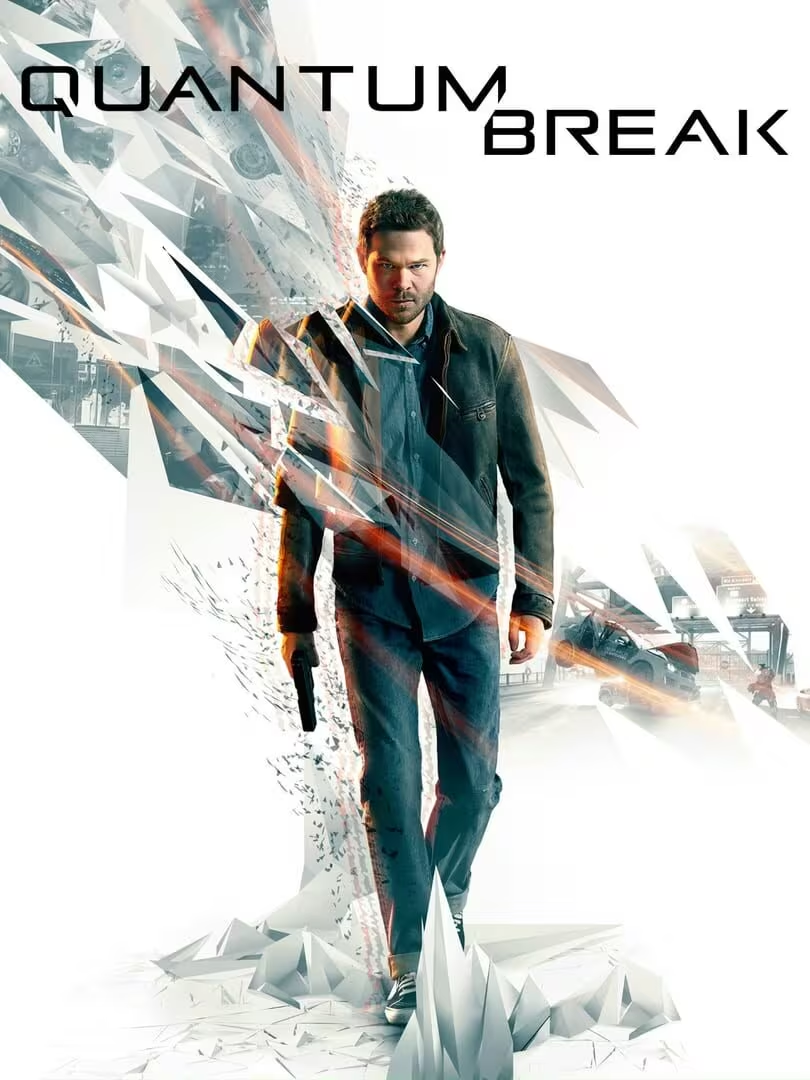 Quantum Break
"Some moments of flow and enjoyment, but also sustained tension from challenging battles and complex story."
-
Sensation
Game with the same Sensation vibe
3"Strong sensory appeal through vibrant pixel art, smooth animations, and an acclaimed energetic soundtrack that enhances emotional engagement."
 Final Vendetta
"Visually impressive with sharp graphics and dynamic animations; soundtrack evokes wide emotional range."
-
Status
Game with the same Status vibe
1"Recognition mainly within fan communities; no in-game social status or ranking."
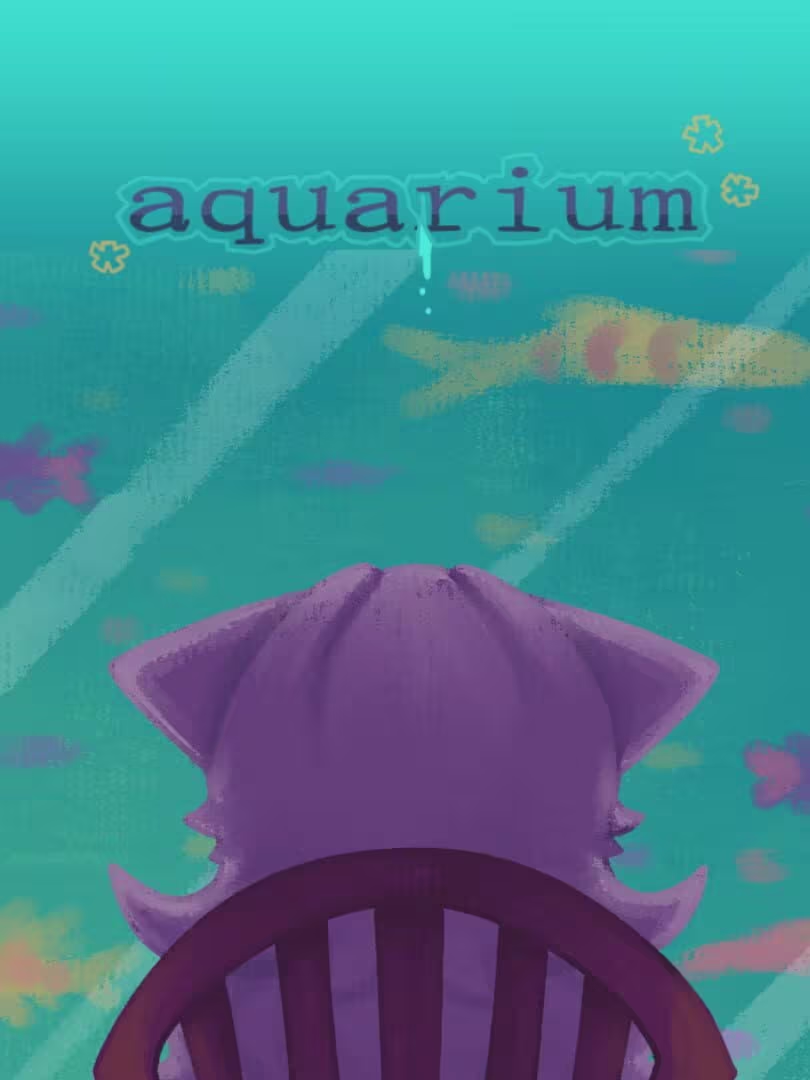 AQUARIUM
"Recognition mostly within fan community; no social status or popularity mechanics in-game."
-
Story
Game with the same Story vibe
5"Highly narrative-driven with deep lore, character development, and interconnected plots."
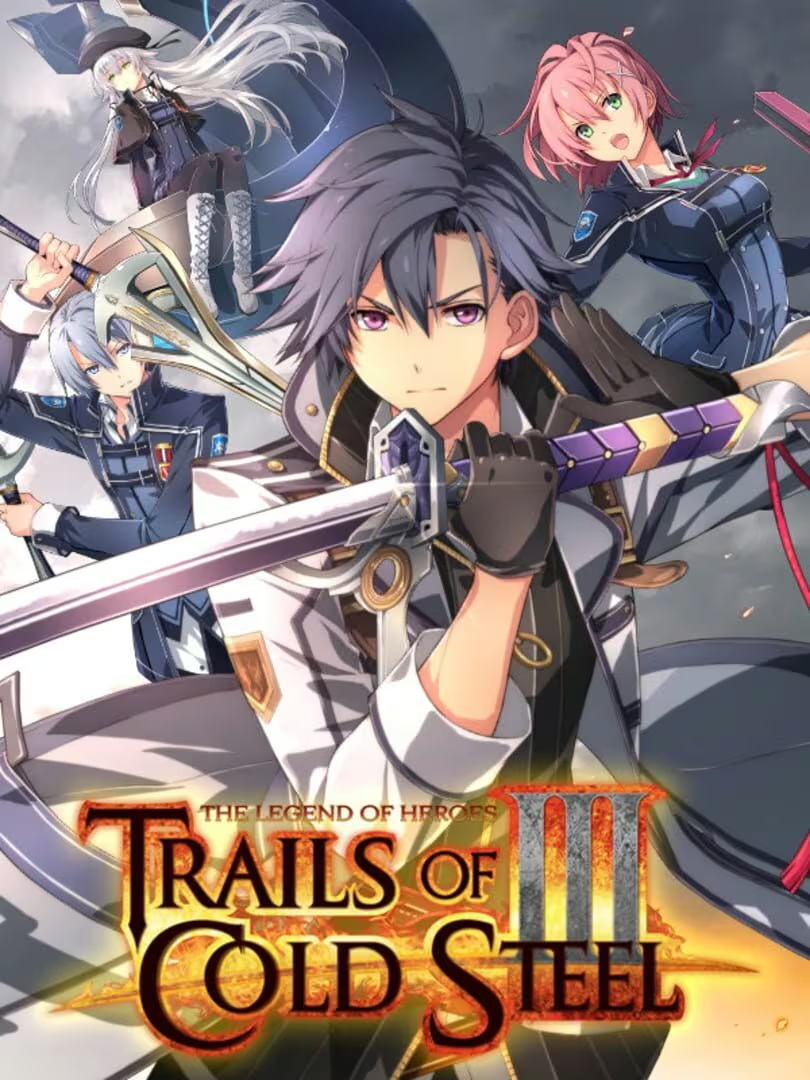 The Legend of Heroes: Trails of Cold Steel III
"Highly narrative-driven with deep lore, character development, and interconnected plotlines across multiple games."
-
Strategy
Game with the same Strategy vibe
4"Combat and resource management require planning, tactical thinking, and problem solving."
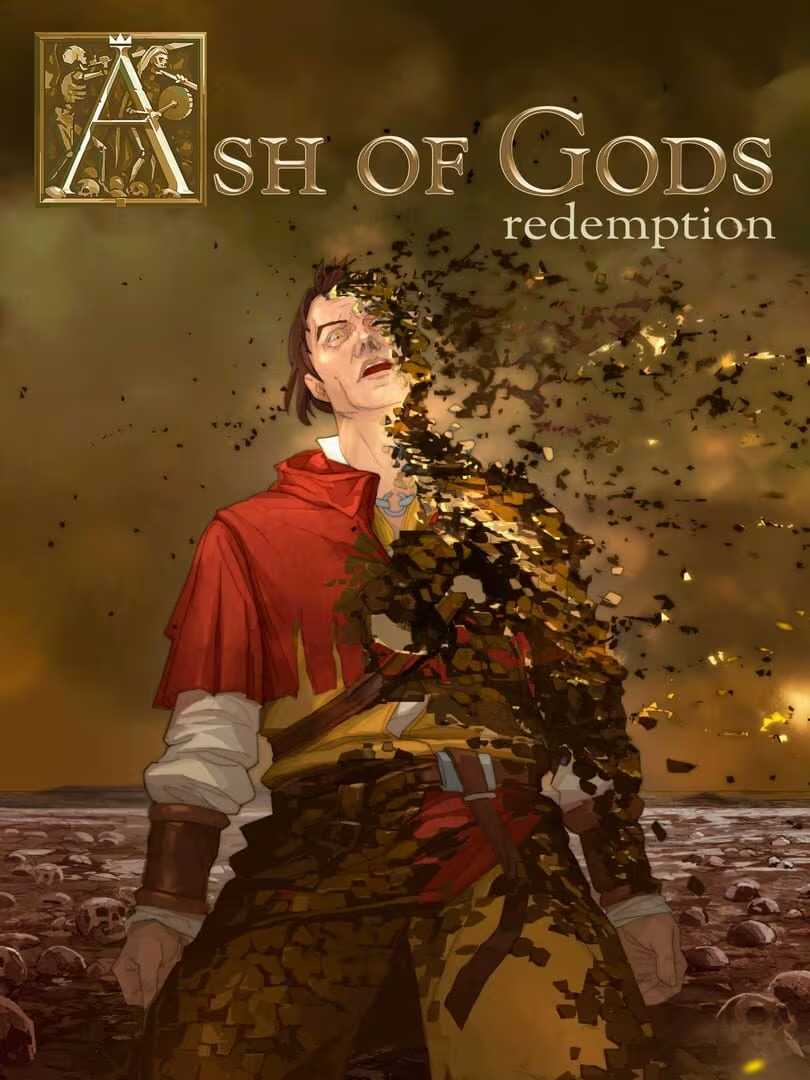 Ash of Gods: Redemption
"Complex combat and resource management require planning, tactical thinking, and problem solving."
-
Thrill
Game with the same Thrill vibe
3"Plot twists, challenging boss fights, and suspenseful story moments provide excitement and tension."
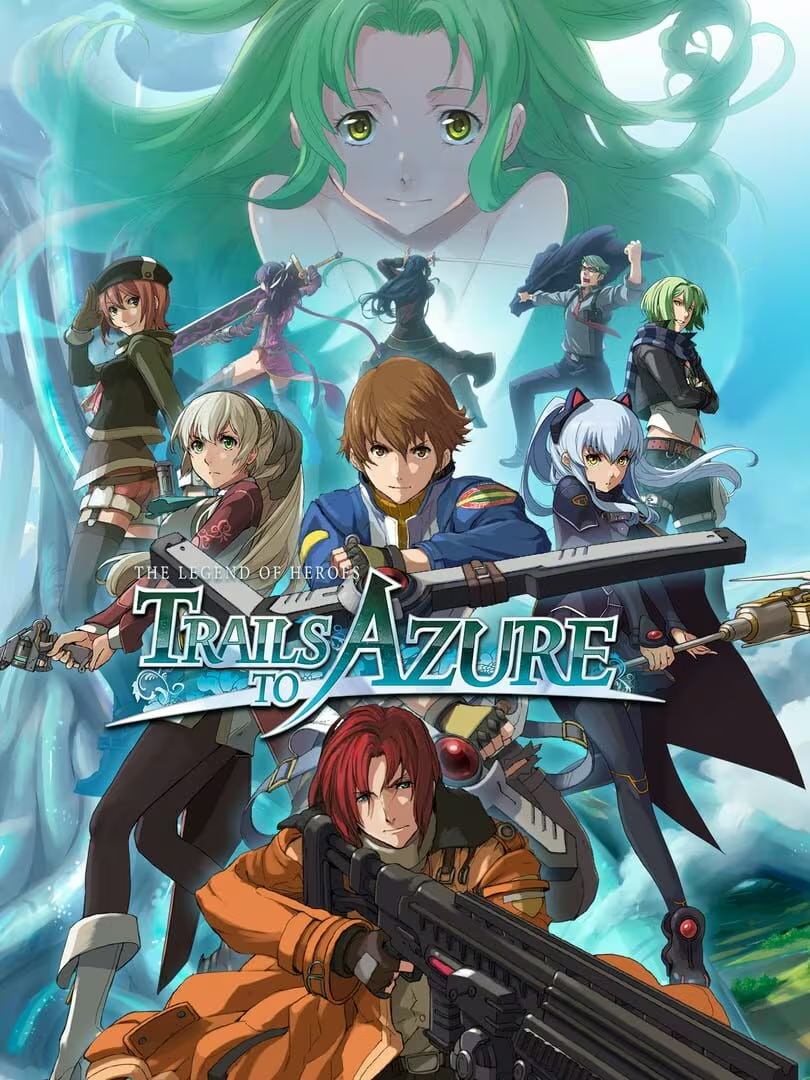 The Legend of Heroes: Trails to Azure
"Suspenseful story moments and challenging boss fights provide excitement and tension relief."
-
Value
Game with the same Value vibe
4"Long playtime and rich content provide strong value for time and money invested."
The Legend of Heroes: Trails in the Sky SC
"Long playtime and rich content provide strong perceived value for time and money invested."
-
Violence
Game with the same Violence vibe
3"Combat involves defeating enemies with weapons and skills; violence is stylized and part of gameplay."
 ATLYSS
"Combat involves fighting enemies with attacks and skills; violence is stylized and part of gameplay."
-
Survival
Game with the same Survival vibe
3"Players must manage resources and avoid defeat in challenging battles, emphasizing survival."
 Disciples III: Reincarnation
"Players must manage resources and avoid defeat in challenging battles, emphasizing staying alive."
Last update: 01/06/2026