SimCity similar games & best alternatives
No screenshot has been retrieved yet

Should you play it?
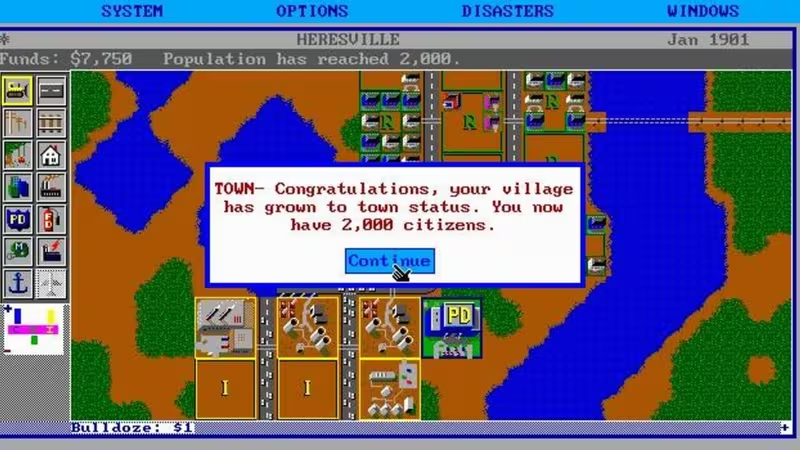
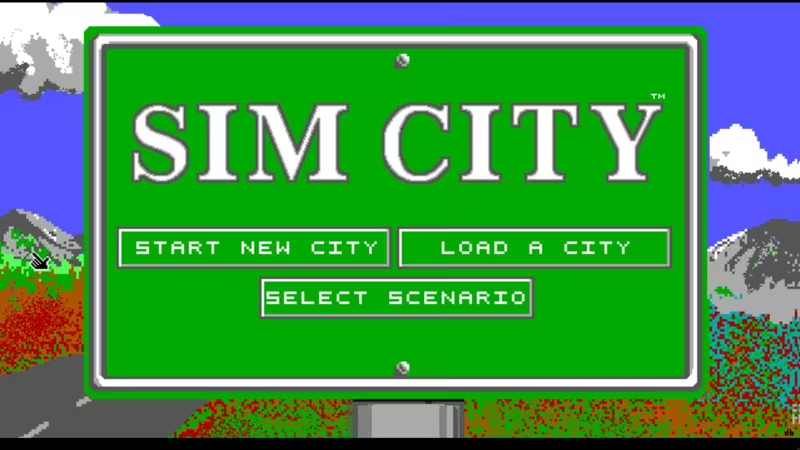
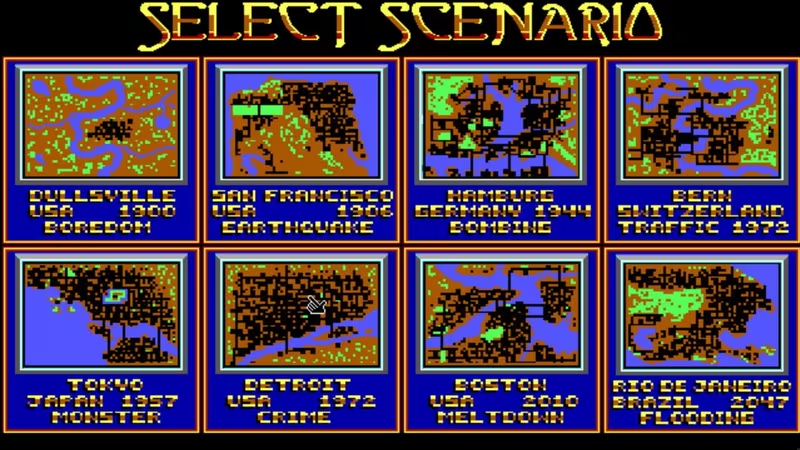
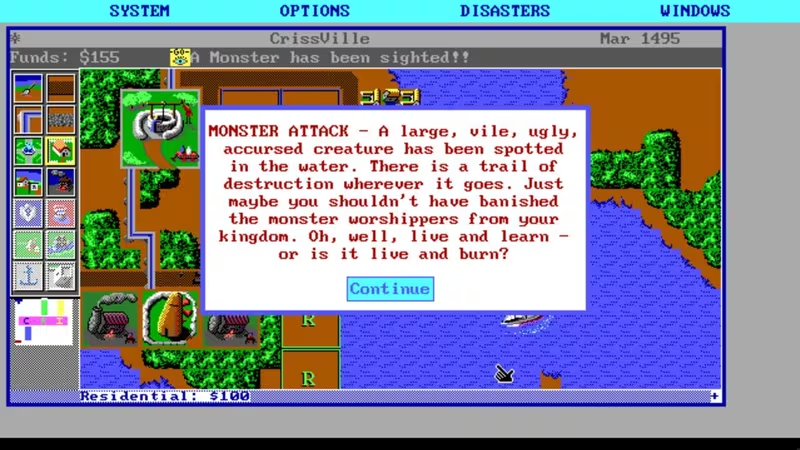
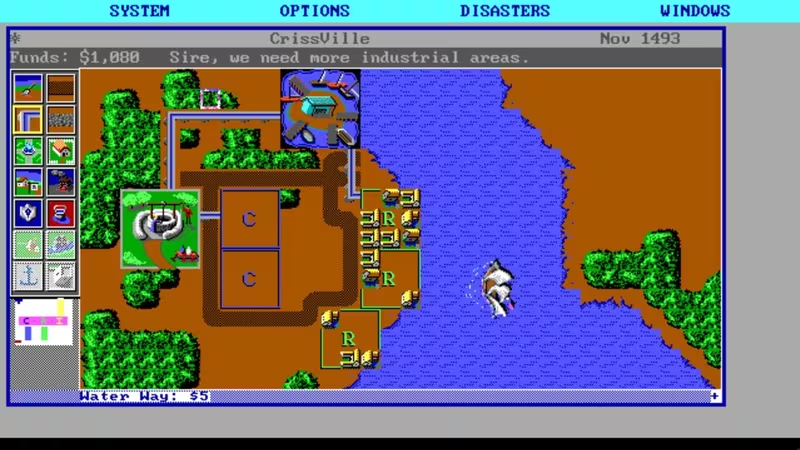
SimCity, later renamed SimCity Classic, is a city-building simulation video game, first released on February 2, 1989, and designed by Will Wright for the Macintosh computer. SimCity was Maxis's second product, which has since been ported into various personal computers and game consoles, and spawned several sequels including SimCity 2000 in 1993, SimCity 3000 in 1999, SimCity 4 in 2003, SimCity DS, SimCity Societies in 2007, and SimCity in 2013. Until the release of The Sims in 2000, the SimCity series was the best-selling line of computer games made by Maxis.
What works
- Deep and realistic urban simulation
- Creative city-building tools with curved roads
- Engaging regional multiplayer cooperation
- Detailed agent-based simulation of citizens
- Addictive and immersive gameplay
Things to keep in mind
- Mandatory always-online requirement
- Small city sizes limit creativity
- Server issues at launch
- Forced multiplayer dependencies
- Some simulation bugs and design frustrations
What to play next
Top picks
Games that feel the closest overall
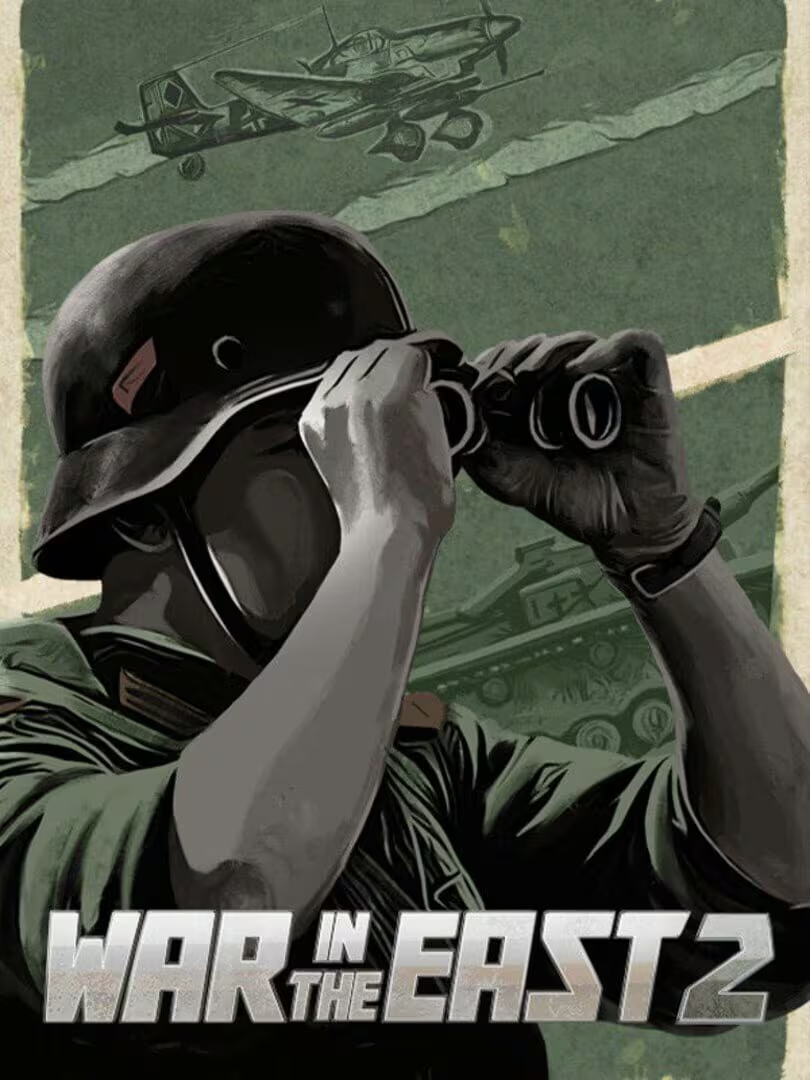

More violent
Games that feels like SimCity but with more combat and destruction · 17 games
-
Gary Grigsby's War in the East
-
Hearts of Iron IV
-
Strategic Command: American Civil War
-
Darkest Hour: A Hearts of Iron Game
-
Supreme Ruler Ultimate
-
States of Power
-
Europa Universalis V
-
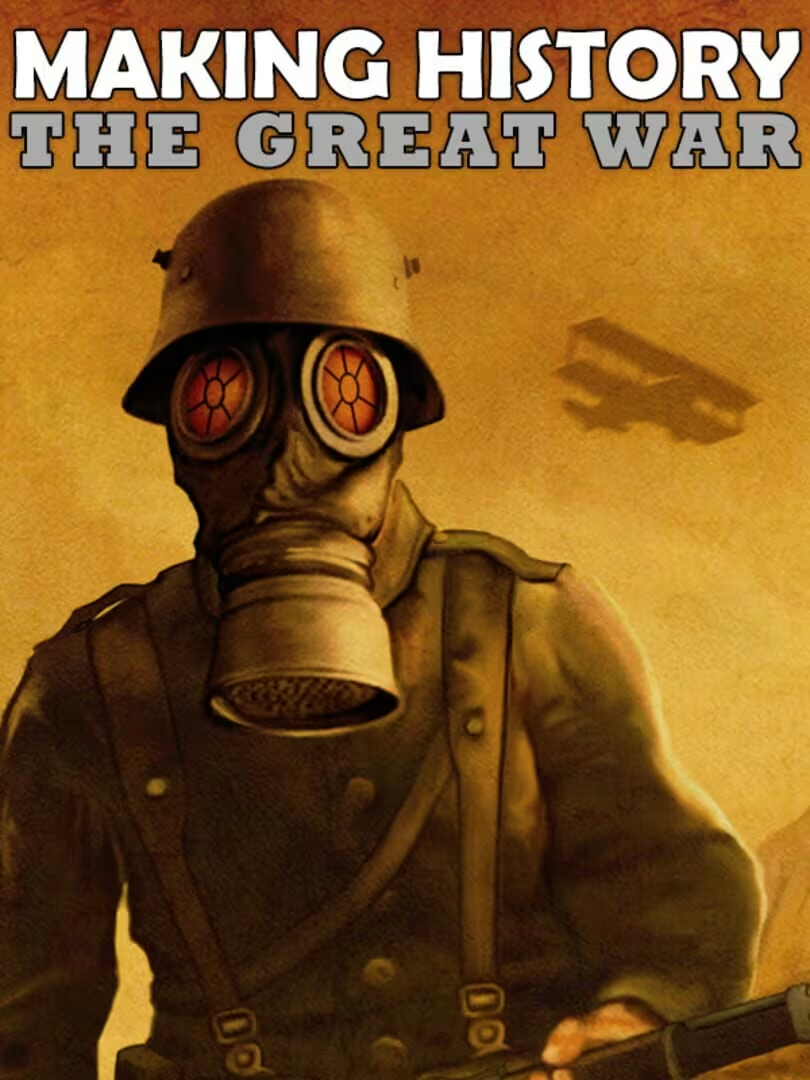
Making History: The Great War
-
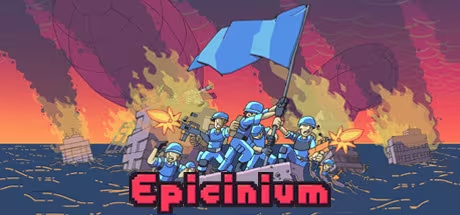
Epicinium
-

Civil War II
-
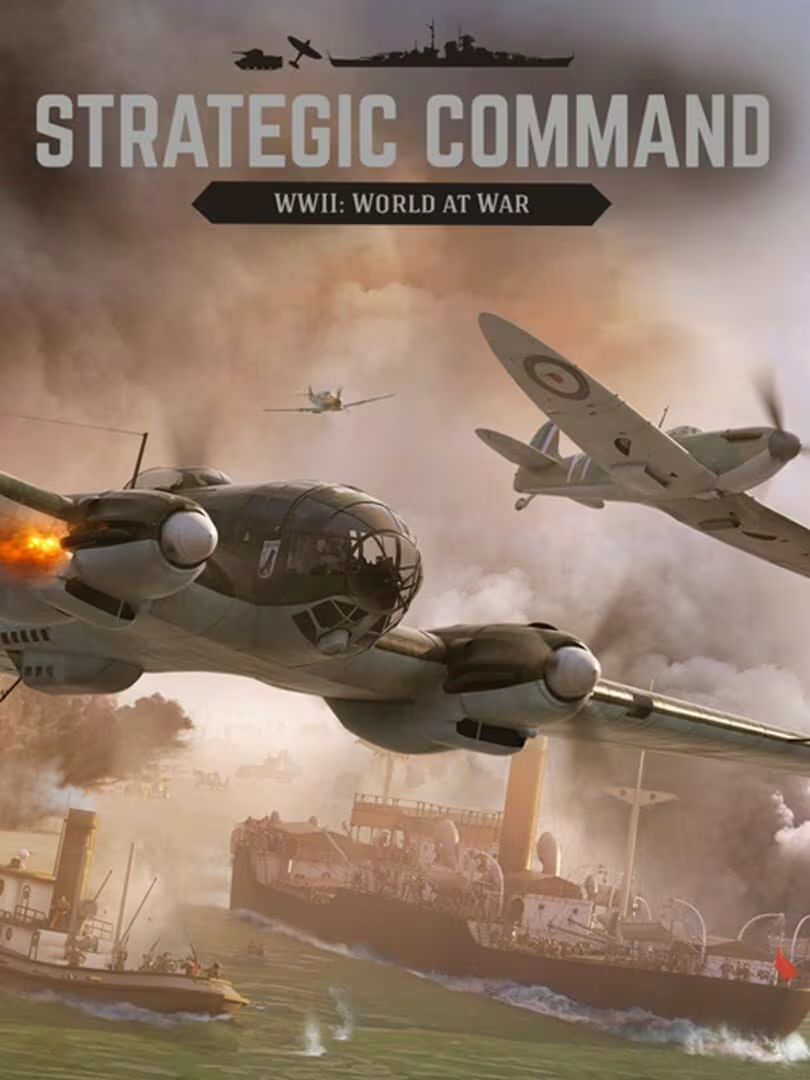
Strategic Command WWII: World at War
-
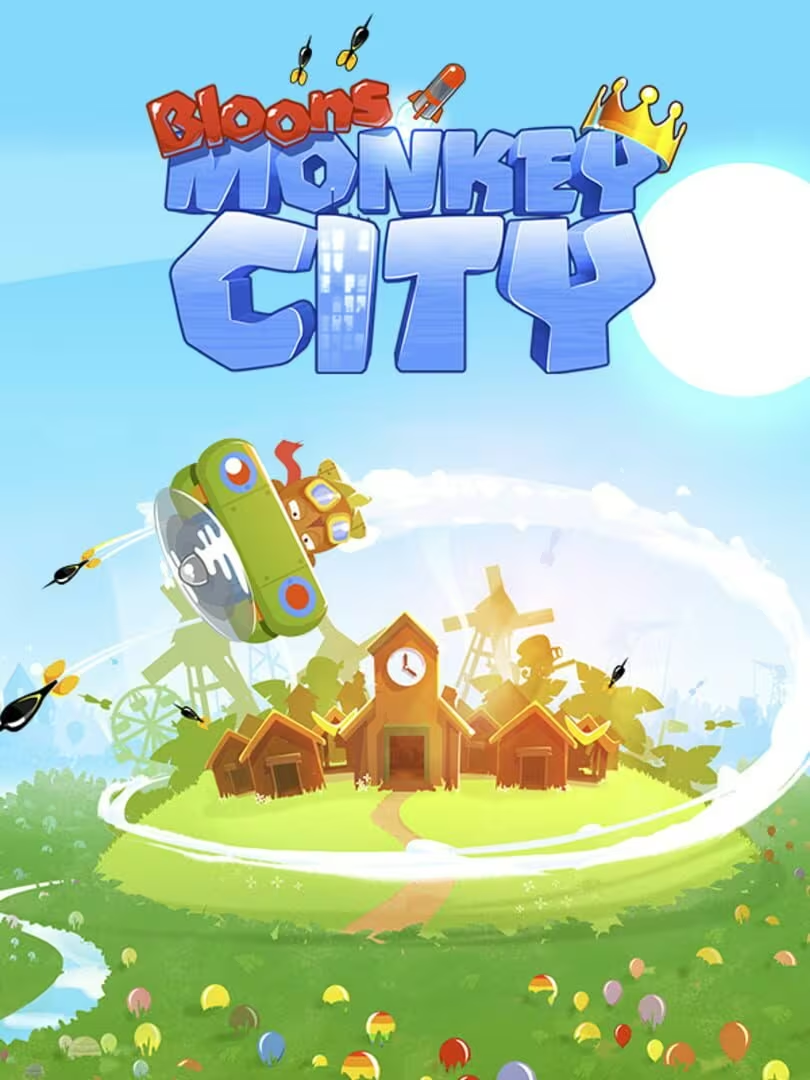
Bloons Monkey City
-
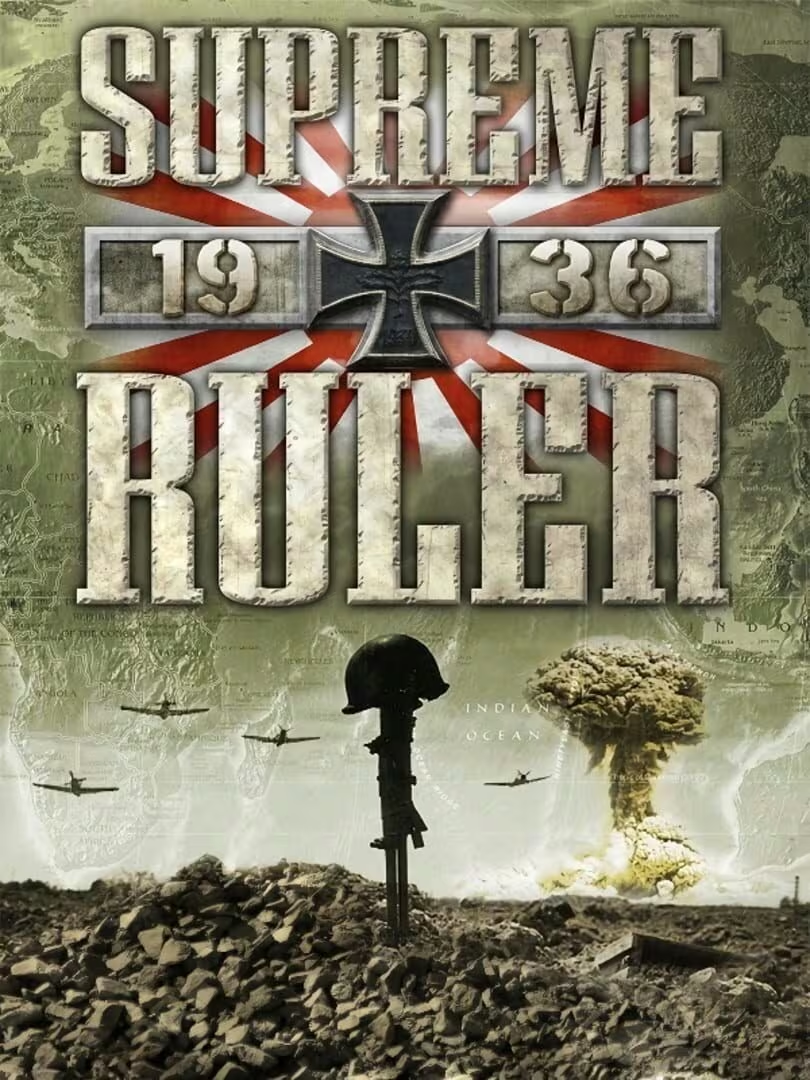
Supreme Ruler 1936
-
Making History: The Calm & the Storm
-
Sid Meier's Civilization
-
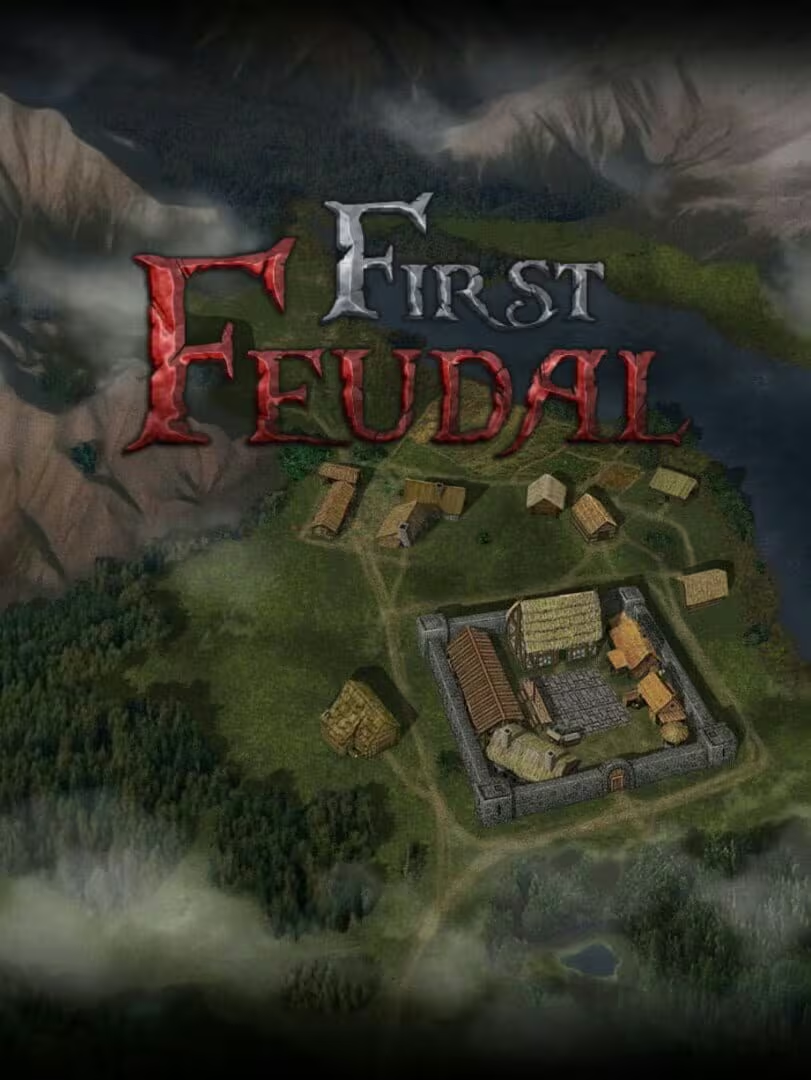
First Feudal
-
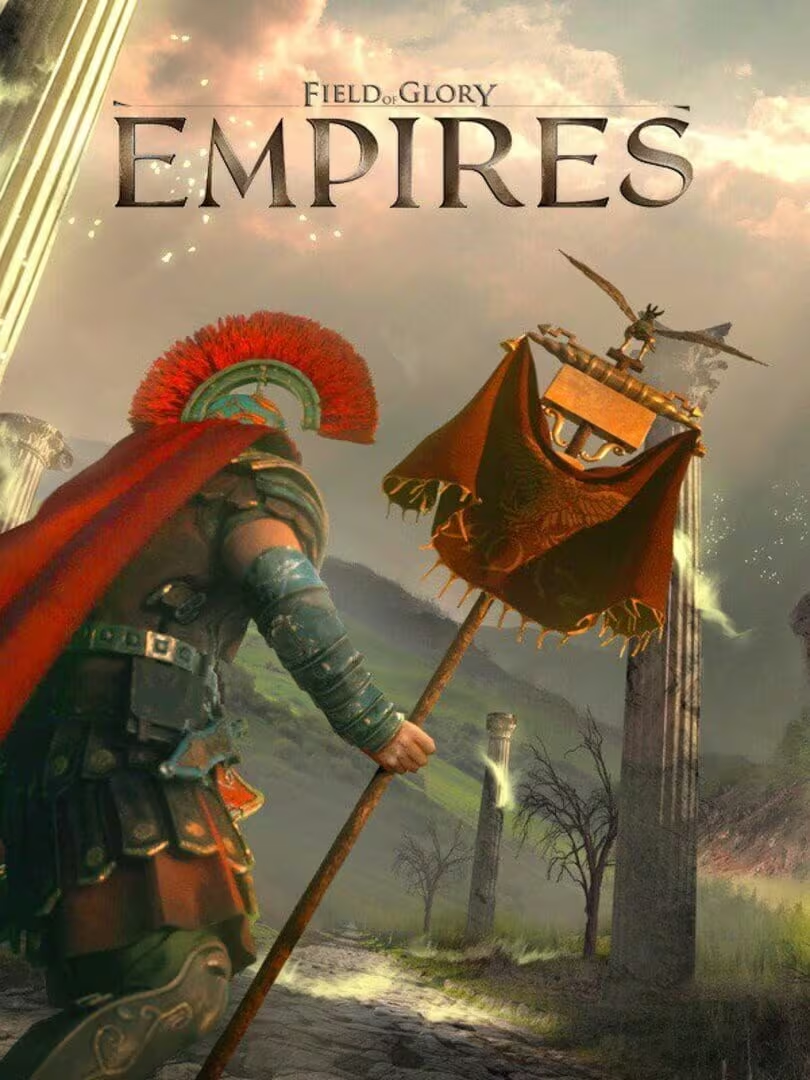
Field of Glory: Empires
Less social
Games that feels like SimCity but with less teamwork and cooperation · 16 games
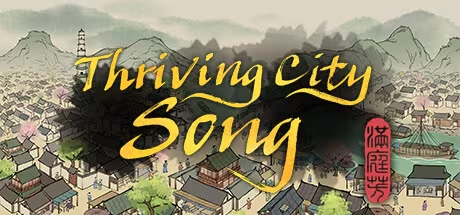
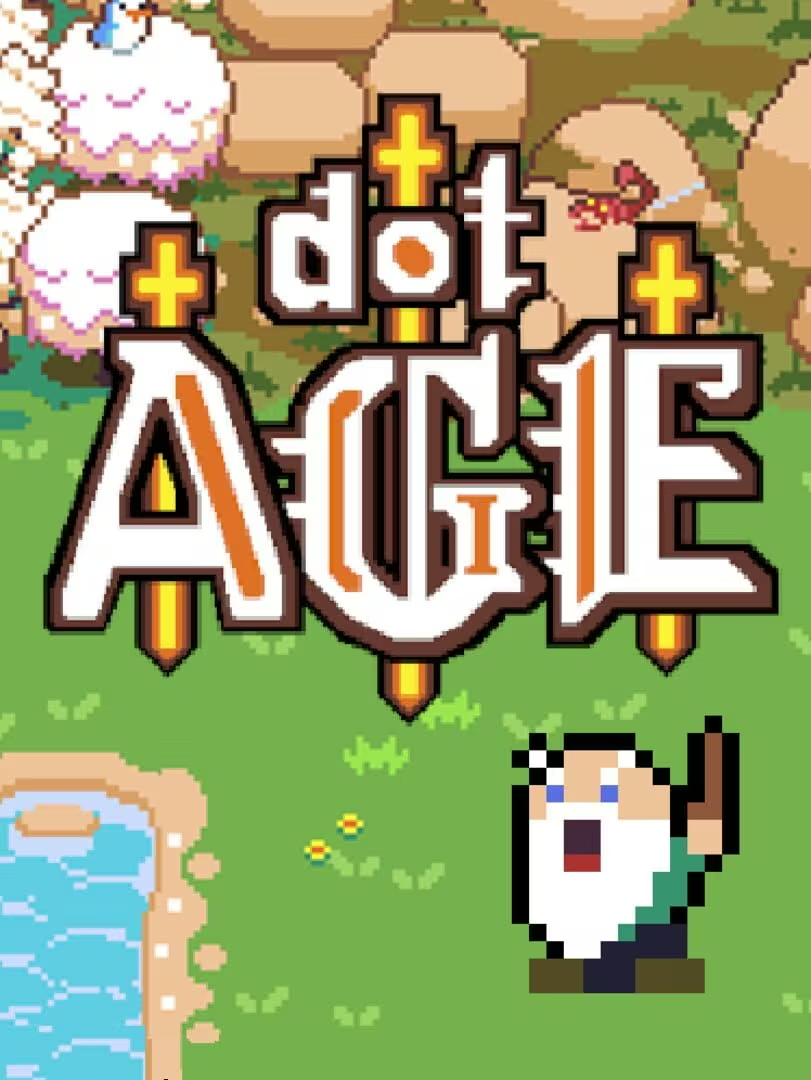
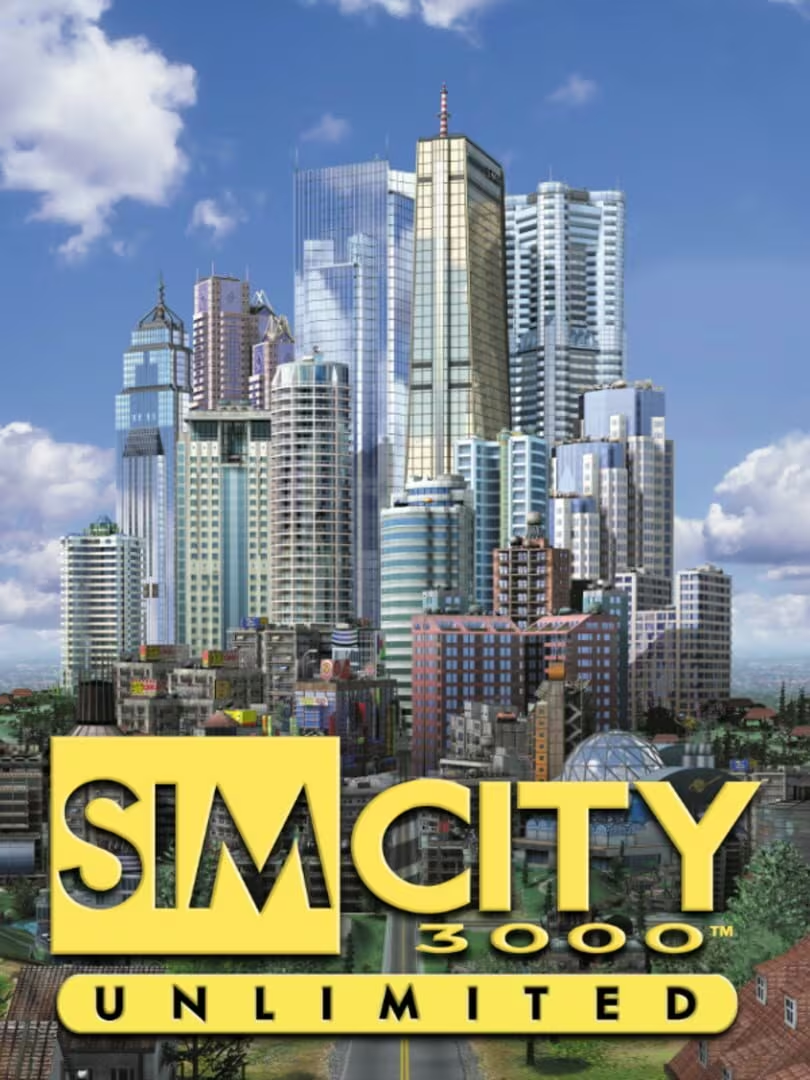
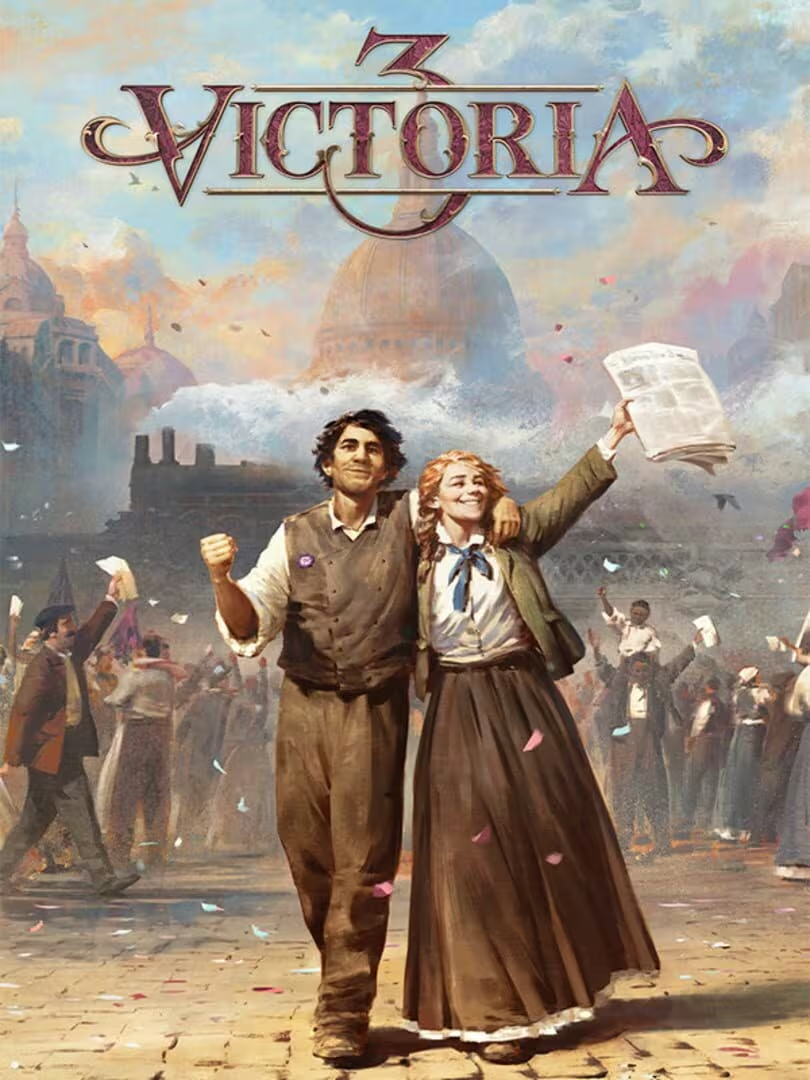
More fantastical
Games that feels like SimCity but with more imaginative fiction · 3 games
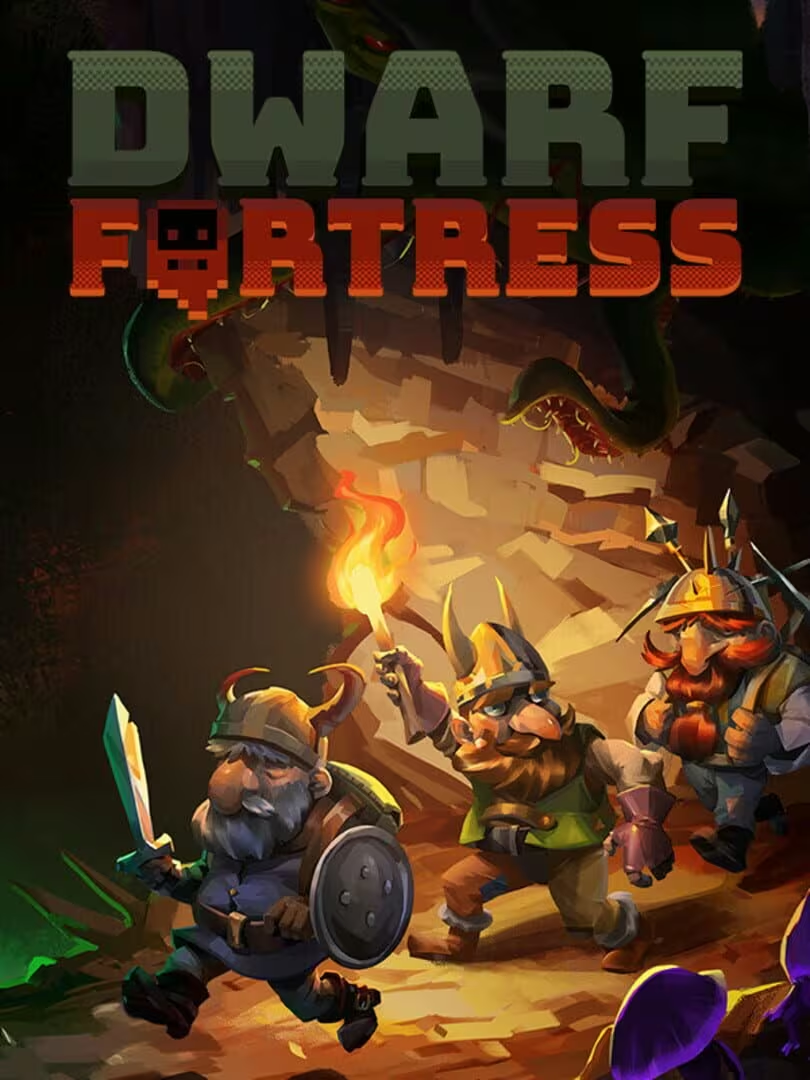
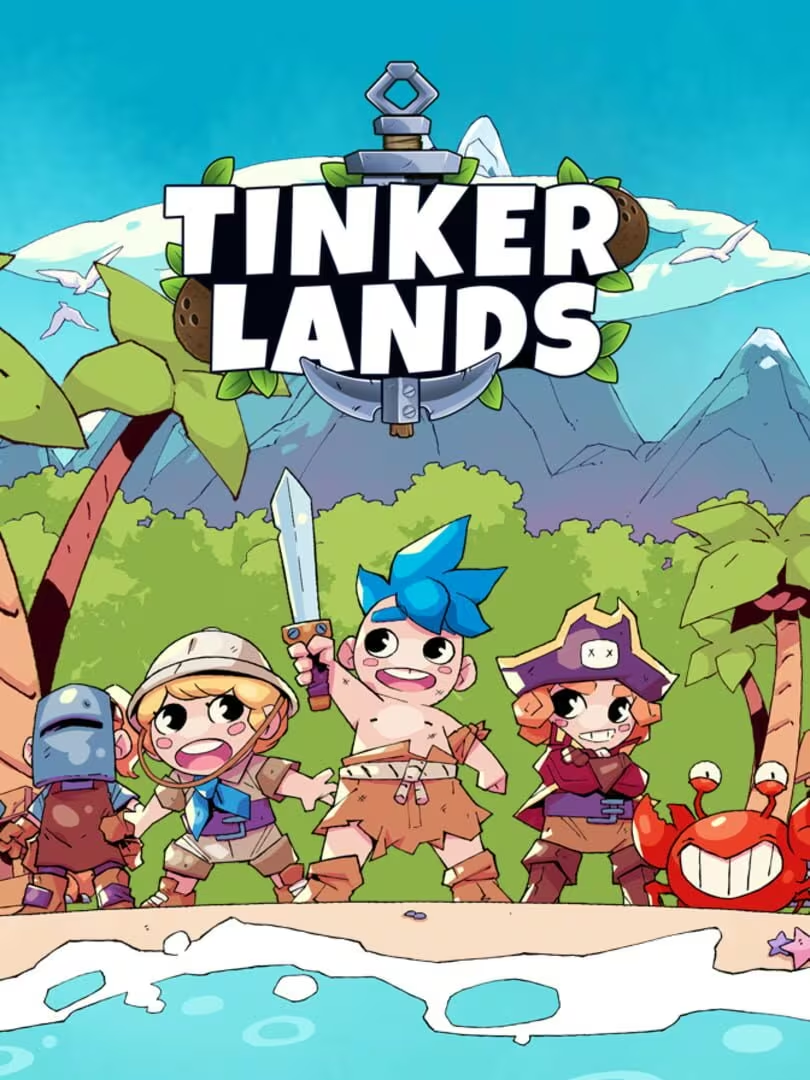
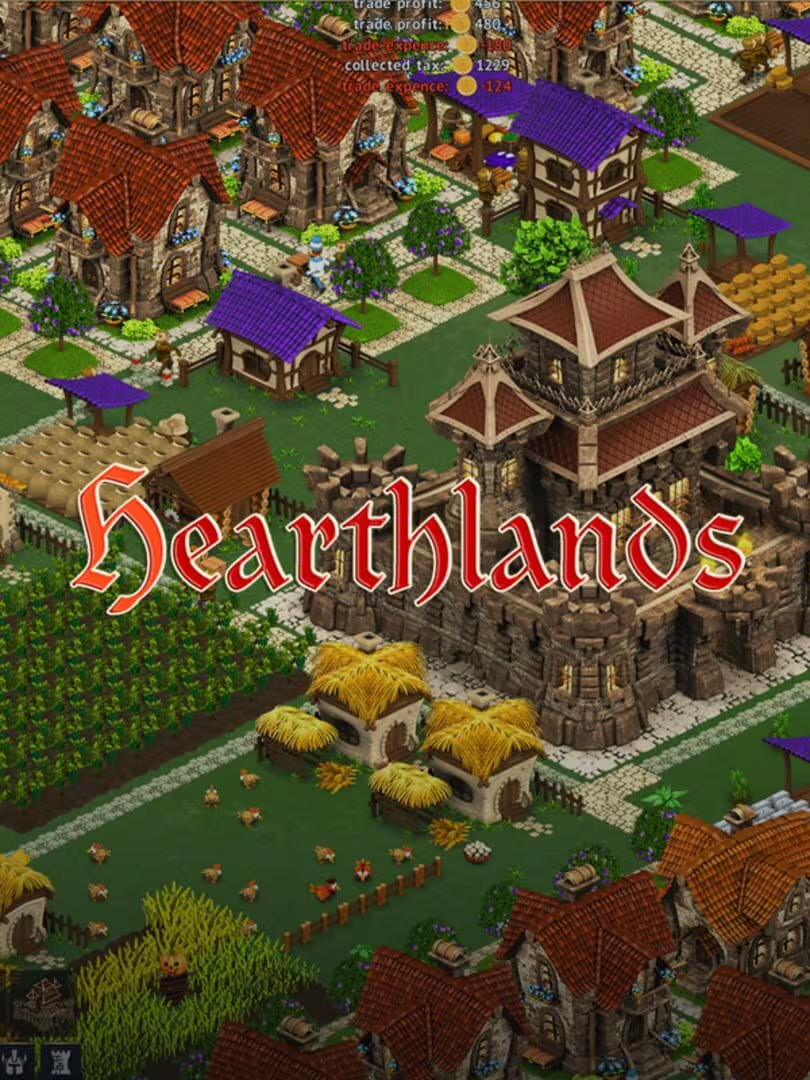
More dominating
Games that feels like SimCity but with more domination over others · 2 games
Others
Other games that might remind you of SimCity · 3 games
From the same developer
From the same developer, ranked by motivational fit.
Last update: 17/10/2026