A Place, Forbidden similar games & best alternatives
Should you play it?
A Place, Forbidden is a first-person, lo-fi horror-puzzle game set in the Library of Ouroboros, a seemingly innocuous library that, rumor has it, contains knowledge not meant for the eyes of mortal man. We hope you enjoy your visit.
What works
- Immersive lovecraftian atmosphere
- Challenging and logical puzzles
- Well-written narrative and lore
- Free to play with substantial content
- Unique retro low-poly visual style
Things to keep in mind
- Lack of save slots frustrates replay
- Some puzzles can be obtuse or vague
- Slow movement and controls
- Minor technical issues and optimization
- No multiplayer or social features
What to play next
Similar games, hidden gems, and fresh directions from this game.
Top picks
Games that feel the closest overall


Hidden Gems
Less popular games with surprisingly high similarity
If you liked…
Recommendations by what you enjoyed most
Similarity map
Explore nearby similar games and see why they’re close.
A Place, Forbidden: A very typical example of its motivational profile. Motivations that often define this kind of title include Survival, Violence, Competition, Thrill. Here, the score leans higher than usual among comparable games on Thrill. It leans lower than usual among comparable games on Expression, Intimacy.
Why this game works
A motivational profile of the game, with the closest similar game for each player motivation.
-
Autonomy
Game with the same Autonomy vibe
4"Players explore and solve puzzles at their own pace with freedom to investigate environments; linear but with some choice in exploration."
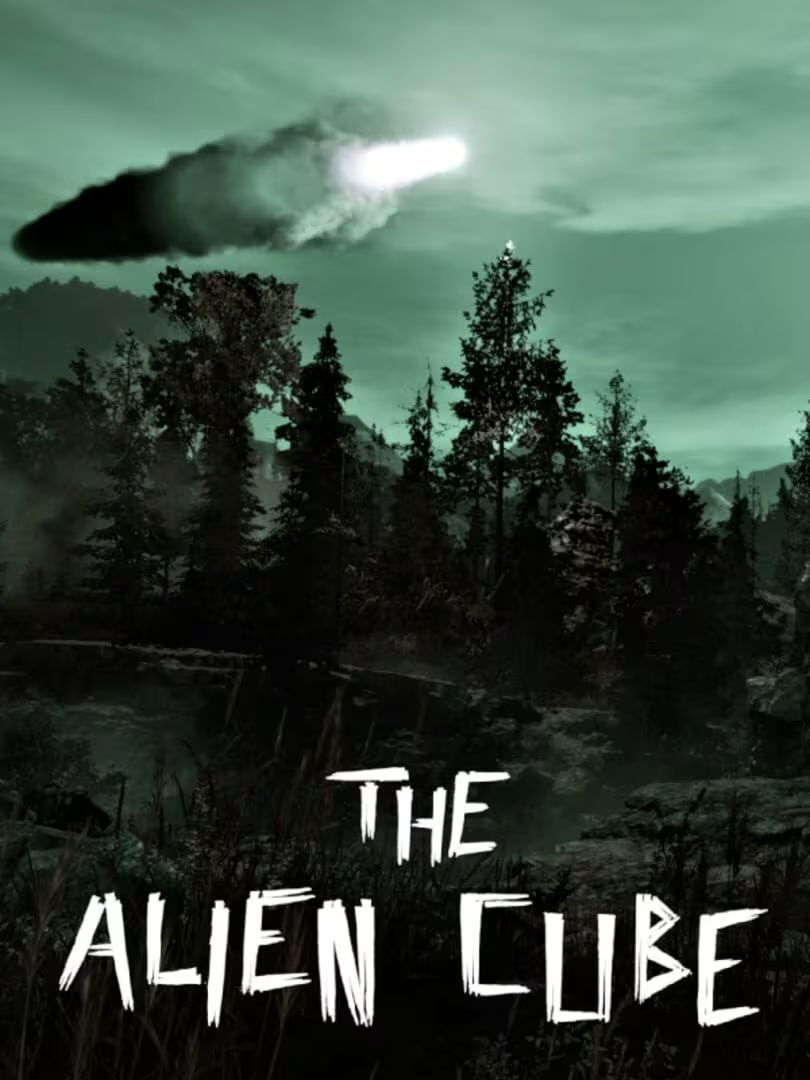 The Alien Cube
"Players explore and solve puzzles at their own pace with freedom to investigate the environment and read lore, indicating high autonomy."
-
Competence
Game with the same Competence vibe
3"Puzzles require thought and item examination, providing a moderate challenge and skill engagement."
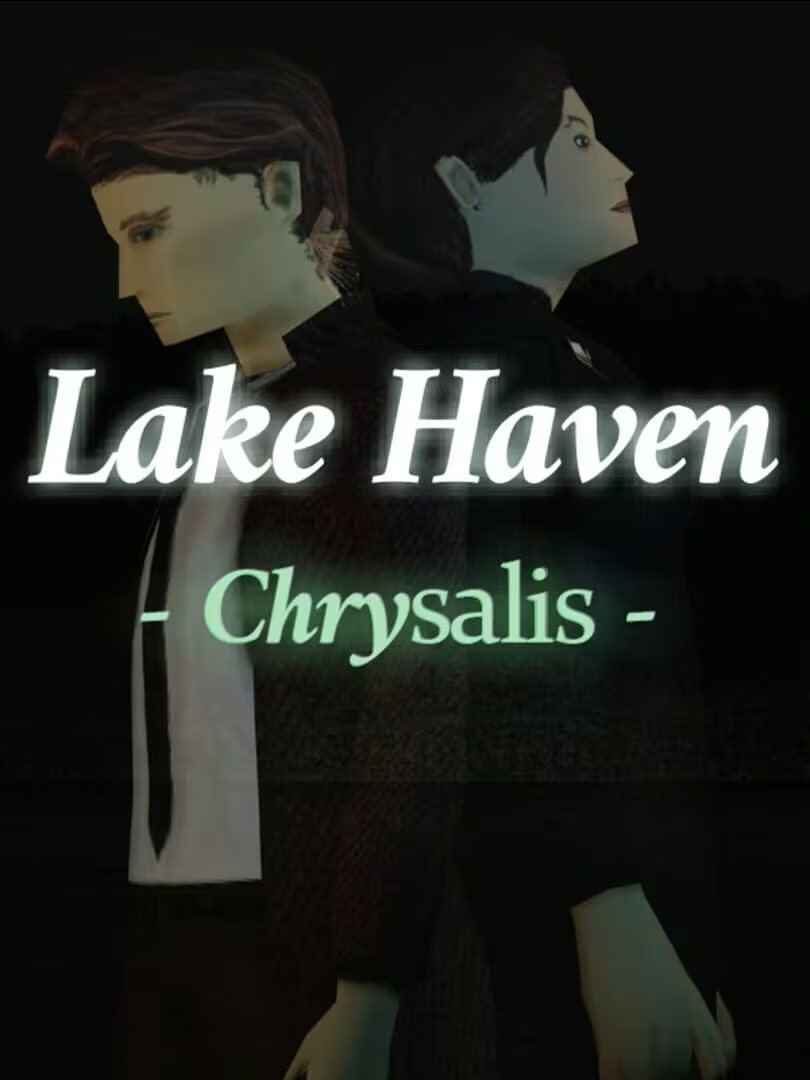 Lake Haven - Chrysalis
"Puzzles require critical thinking and note-taking, providing a moderate challenge and sense of skill mastery."
-
Competition
Game with the same Competition vibe
-5"No evidence of competitive elements; focus is on personal exploration and puzzle solving."
 Toilet Chronicles
"No evidence of competitive elements; focus is on personal exploration and puzzle solving."
-
Continuation
Game with the same Continuation vibe
2"Players express desire to replay for multiple endings and collectibles, though game length is short and some find replayability limited."
 REVEIL
"Some players replay to discover alternate endings and collectables, but overall short playtime and limited replay value."
-
Cooperation
Game with the same Cooperation vibe
-5"Single-player experience with no multiplayer or cooperative gameplay."
 Senua’s Saga: Hellblade II
"Single-player experience with no multiplayer or cooperative gameplay."
-
Creativity
Game with the same Creativity vibe
2"Players engage in puzzle solving and some item combination, but no creation or modification of game elements."
 Eventide: Slavic Fable
"Players engage in puzzle solving and interpretation of lore, but no creation or modification of game elements."
-
Domination
Game with the same Domination vibe
-5"No social or power dynamics; experience is solitary and non-competitive."
 The Cubicle.
"No social or power dynamics; experience is solitary and non-competitive."
-
Escapism
Game with the same Escapism vibe
4"Atmospheric horror and immersive storytelling provide a strong escape from reality."
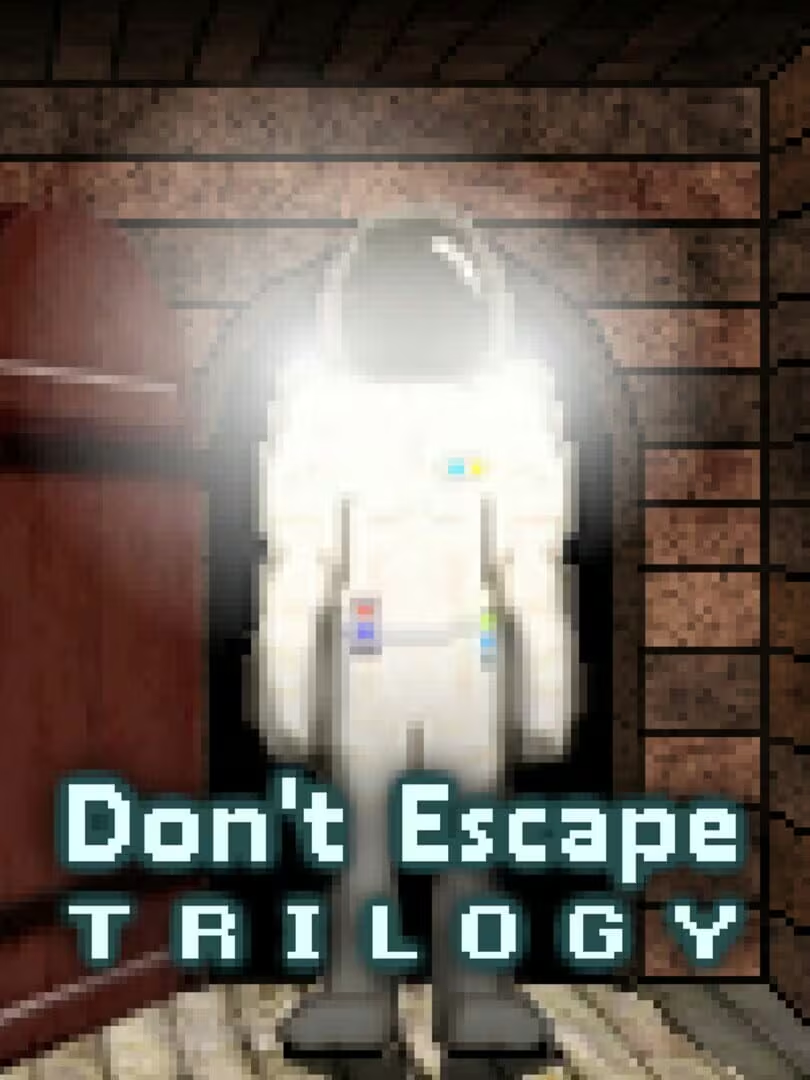 Don't Escape Trilogy
"Strong atmospheric horror and immersive storytelling provide an escape from reality."
-
Expectation
Game with the same Expectation vibe
-4"Players engage voluntarily out of interest and intrinsic motivation; no obligation or pressure."
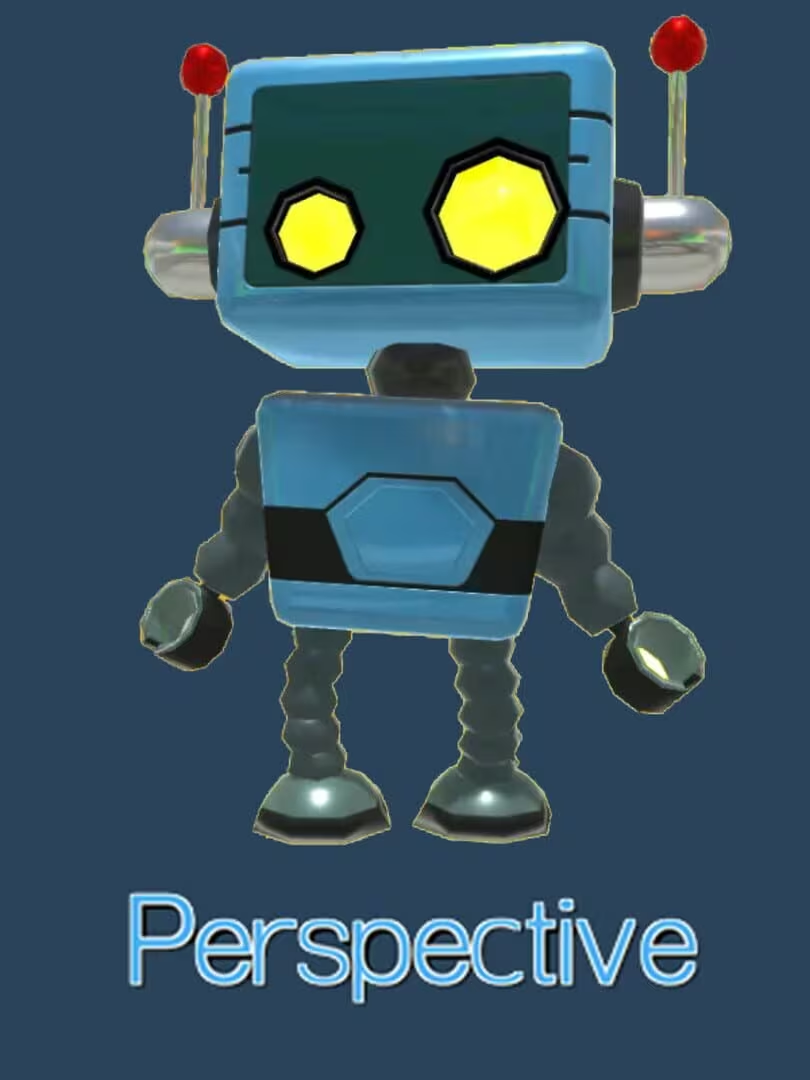 Perspective
"Players engage voluntarily out of interest and intrinsic motivation; no obligation or external pressure."
-
Experimenting
Game with the same Experimenting vibe
3"Encourages trying different puzzle approaches and exploration of environments."
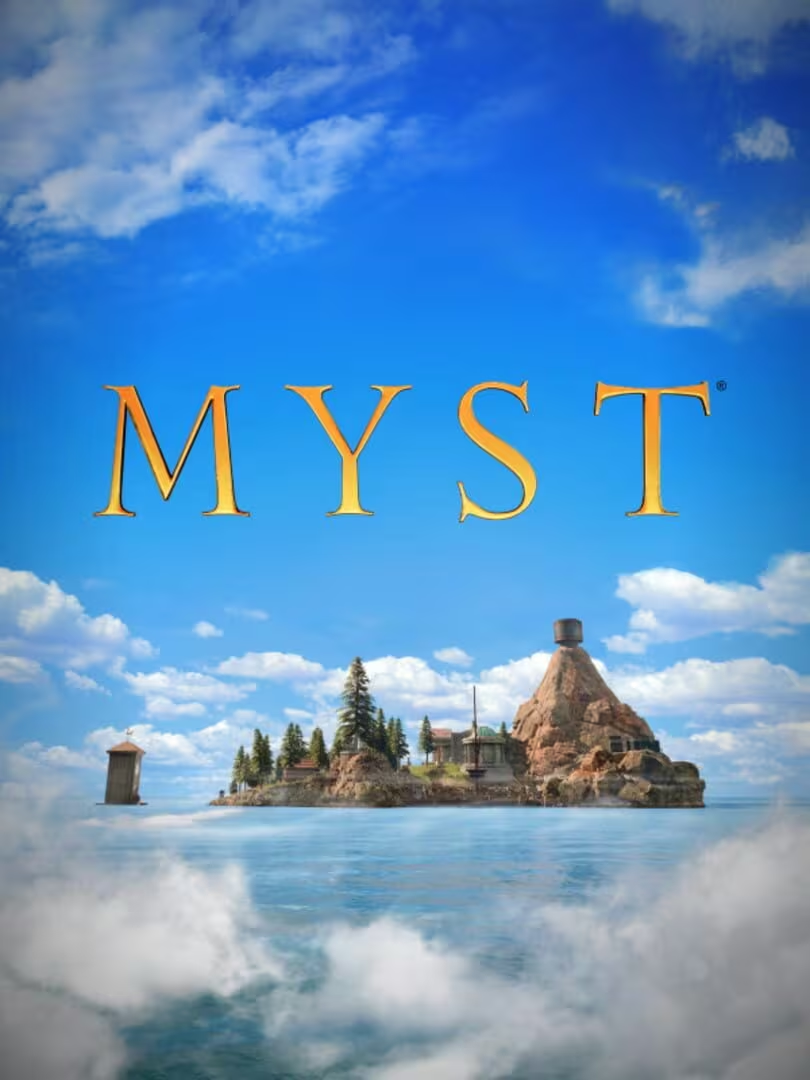 Myst
Myst
"Exploration of changing environments and puzzle experimentation encourages trying new approaches."
-
Exploration
Game with the same Exploration vibe
4"Game emphasizes discovering new rooms, secrets, and navigating a complex house environment."
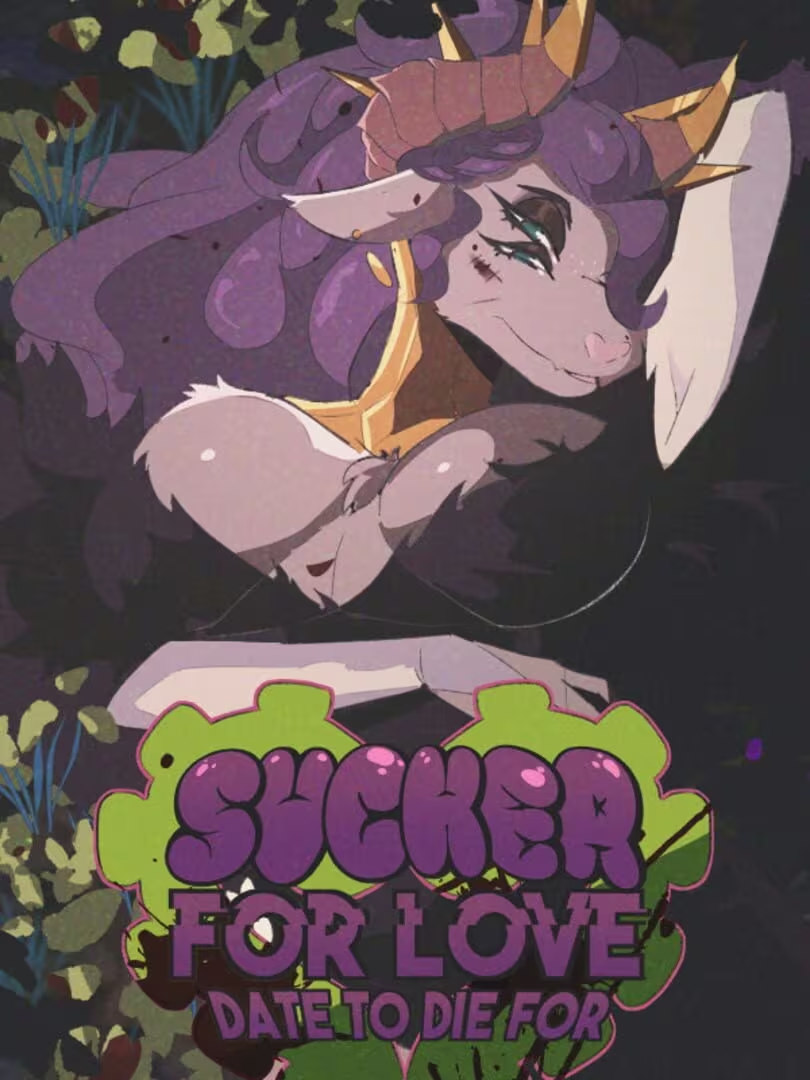 Sucker for Love: Date to Die For
"Game emphasizes discovering new rooms, secrets, and lore in a shifting library environment."
-
Expression
Game with the same Expression vibe
-5"No character customization or player expression features."
 Poppy Playtime
"No character customization or player expression features."
-
Fantasy
Game with the same Fantasy vibe
4"Strong Lovecraftian and cosmic horror themes with imaginative fiction and surreal elements."
 Dread X Collection 2
"Strong Lovecraftian and cosmic horror themes create an imaginative, surreal experience."
-
Fellowship
Game with the same Fellowship vibe
-5"No social or community features; solitary gameplay."
 Alan Wake
"No social or community features; solitary gameplay."
-
Growth
Game with the same Growth vibe
3"Players develop problem-solving skills and understanding of story through puzzle solving and exploration."
 Never Again
"Players develop problem-solving skills and uncover story elements through reading and puzzle solving."
-
Health
Game with the same Health vibe
-5"Sedentary gameplay with no physical activity involved."
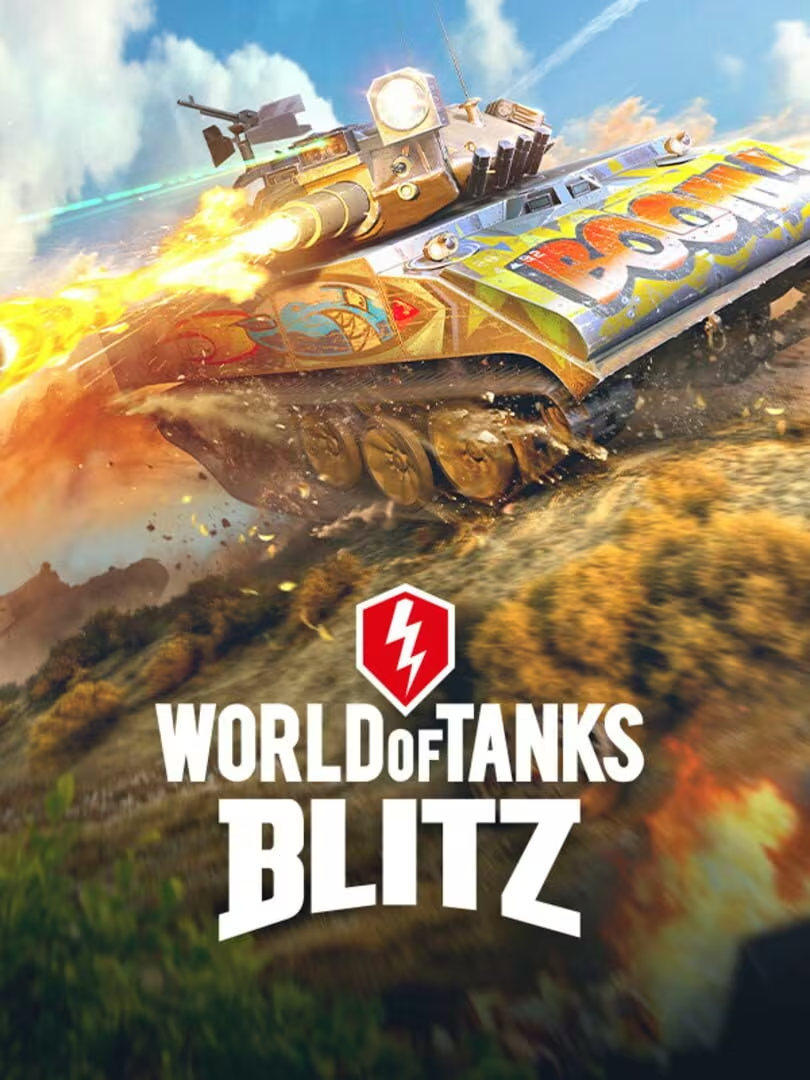 World of Tanks Blitz
"Sedentary gameplay with no physical activity involved."
-
Idle
Game with the same Idle vibe
-3"Requires focused attention to explore and solve puzzles; not a casual or background game."
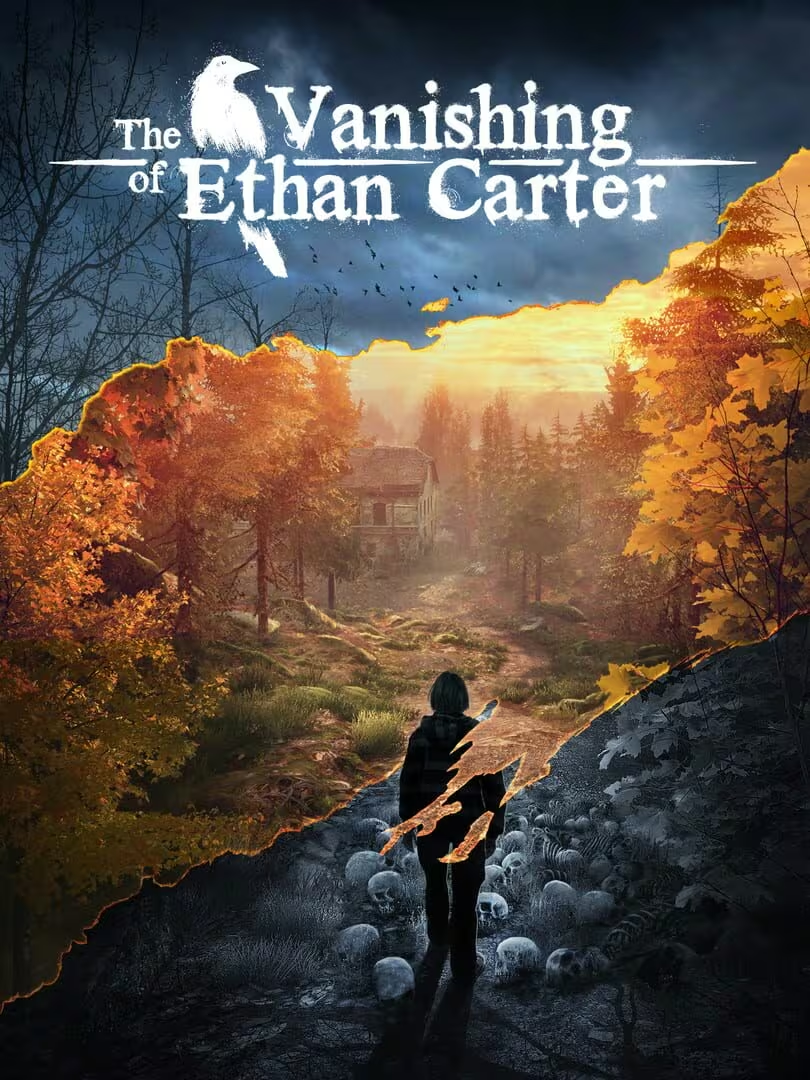 The Vanishing of Ethan Carter
"Requires sustained attention to puzzles and exploration; not a casual or background game."
-
Intimacy
Game with the same Intimacy vibe
-5"No social or emotional connections formed within gameplay."
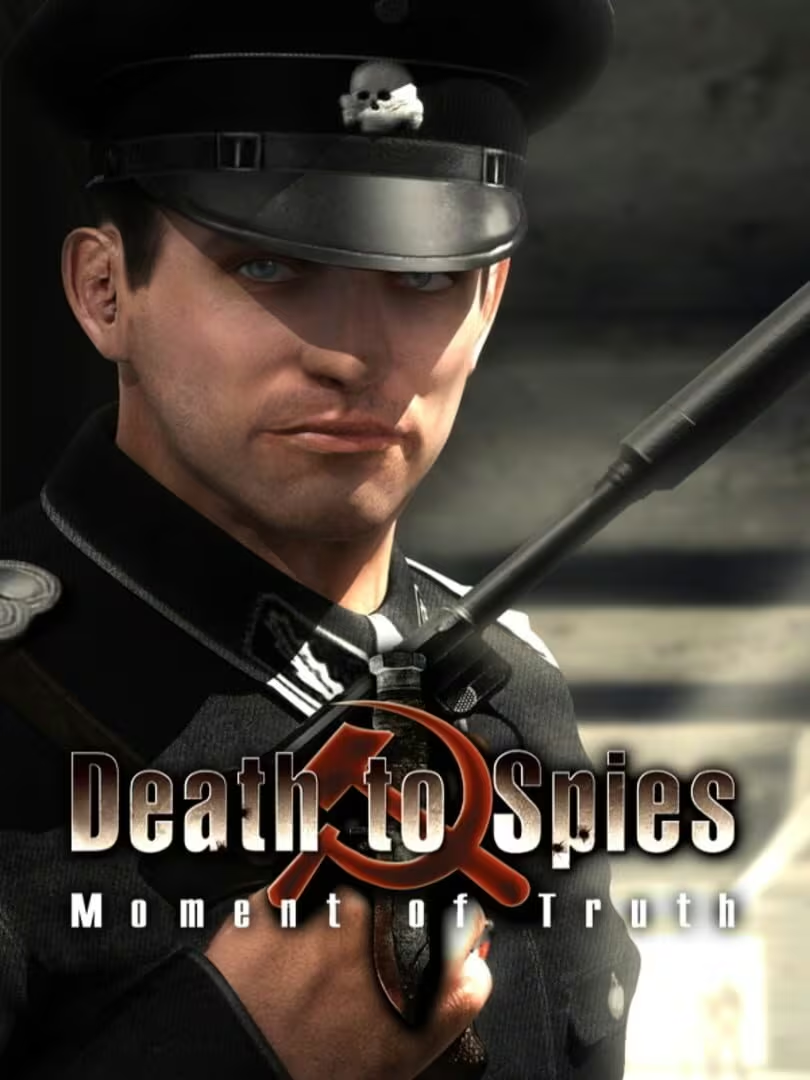 Death to Spies: Moment of Truth
"No social or emotional connections formed within gameplay."
-
Leadership
Game with the same Leadership vibe
-5"No leadership or group management elements present."
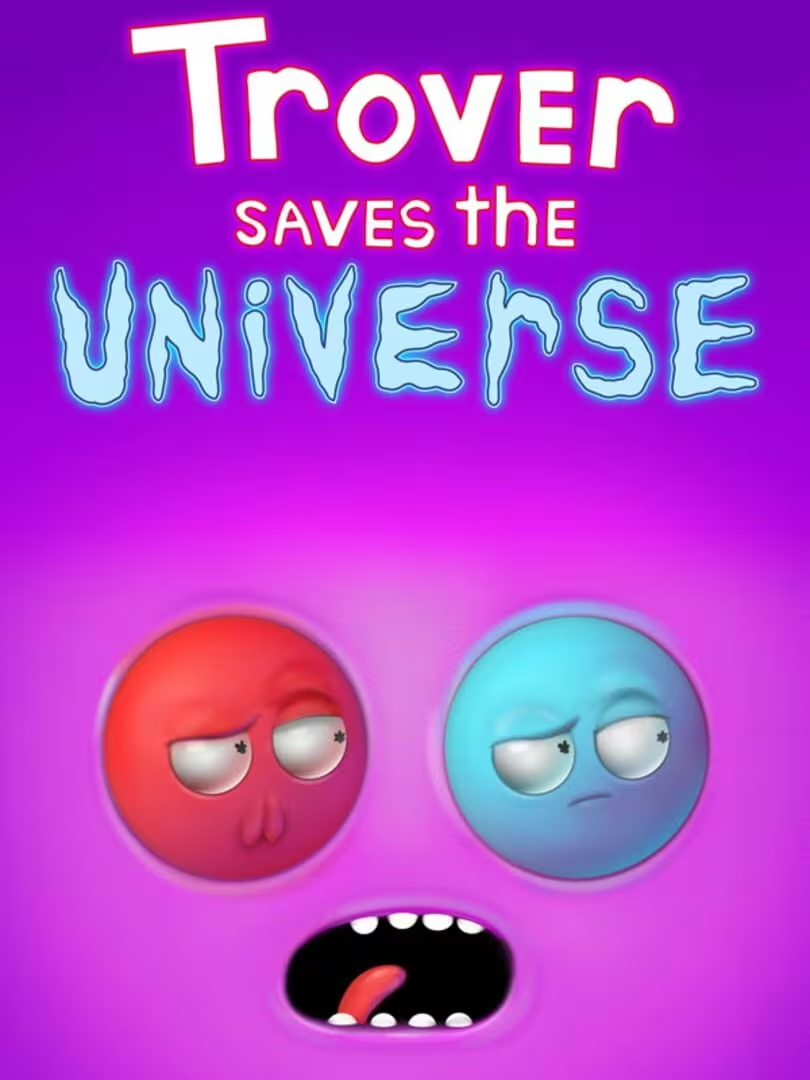 Trover Saves the Universe
"No leadership or group management elements present."
-
Progression
Game with the same Progression vibe
3"Progression through collecting items, solving puzzles, and unlocking new areas."
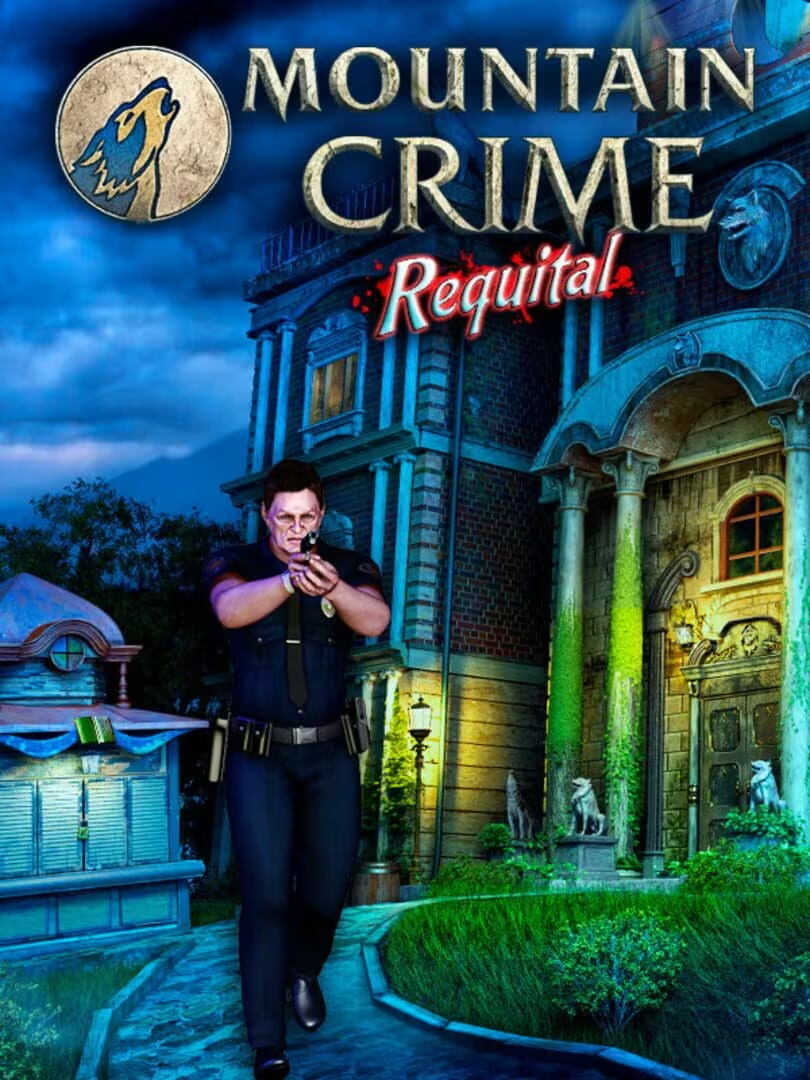 Mountain Crime: Requital
"Progression through unlocking new areas, solving puzzles, and collecting lore items."
-
Relaxation
Game with the same Relaxation vibe
2"Atmosphere is immersive and dark but not overly tense; some players find it engaging and relaxing."
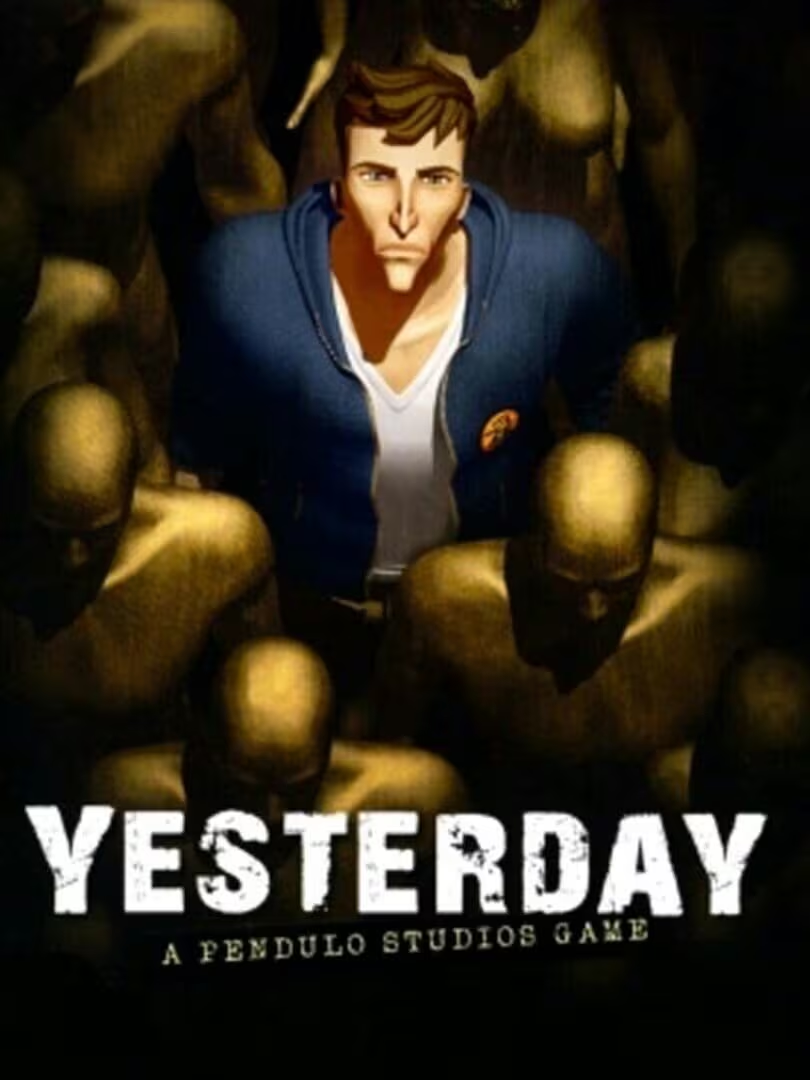 Yesterday
"Atmosphere is tense and eerie but lacks jump scares; some players find it immersive and calming."
-
Sensation
Game with the same Sensation vibe
3"Visual and auditory design create an evocative and sometimes unsettling sensory experience."
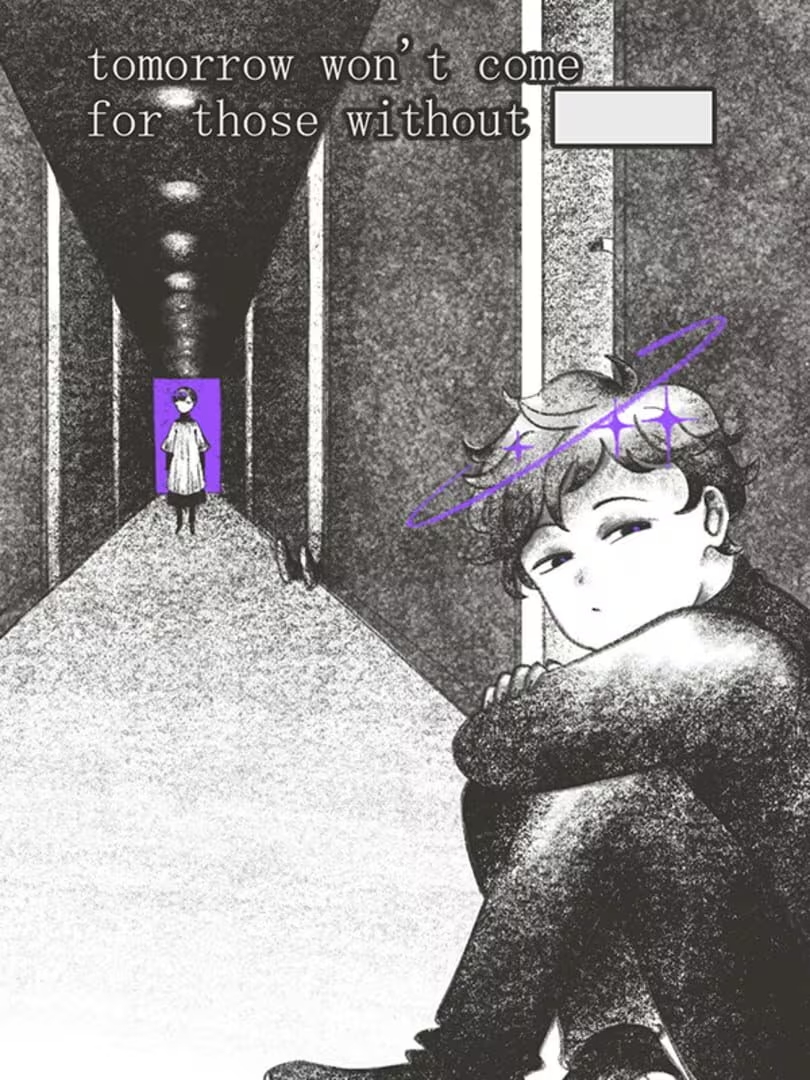 tomorrow won't come for those without ██████
"Visual and audio design create a distinctive, unsettling sensory experience."
-
Status
Game with the same Status vibe
-5"No social recognition or status systems."
Alan Wake
"No social recognition or status systems."
-
Story
Game with the same Story vibe
4"Narrative is delivered through environmental storytelling, cryptic lore, and the evolving manual, engaging players deeply."
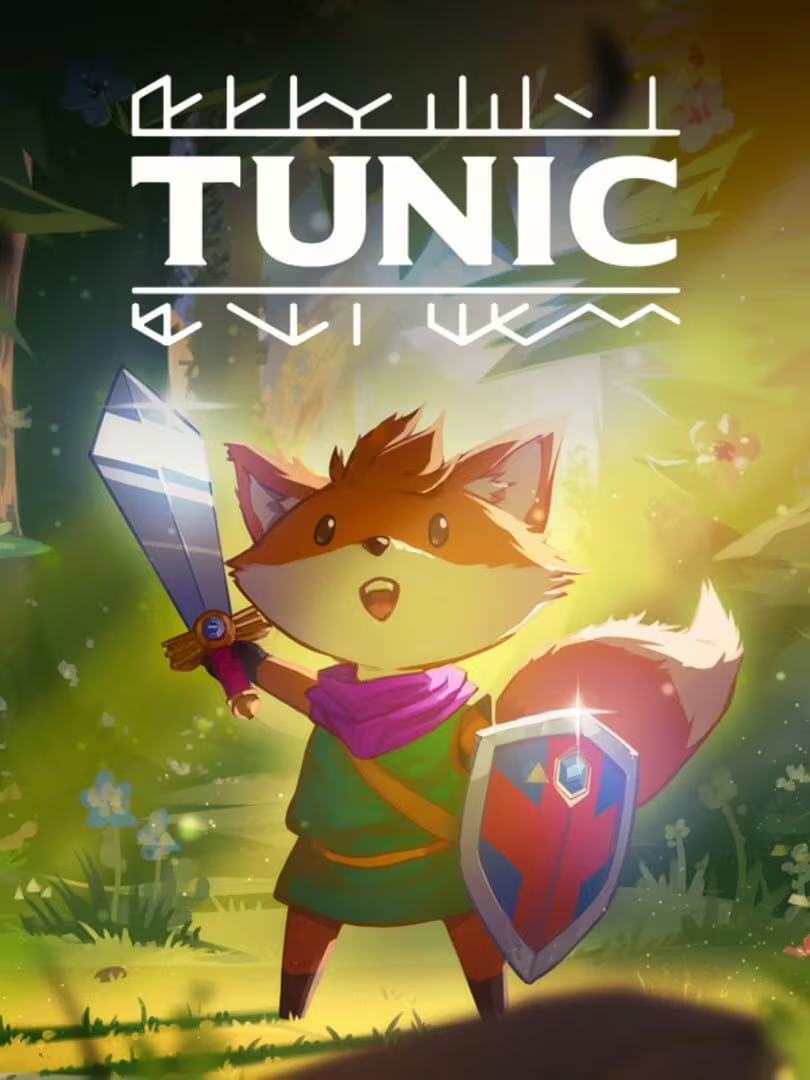 TUNIC
TUNIC
"Narrative is delivered through environmental storytelling, books, and notes, engaging players in lore."
-
Strategy
Game with the same Strategy vibe
3"Puzzles require logical thinking and planning to solve."
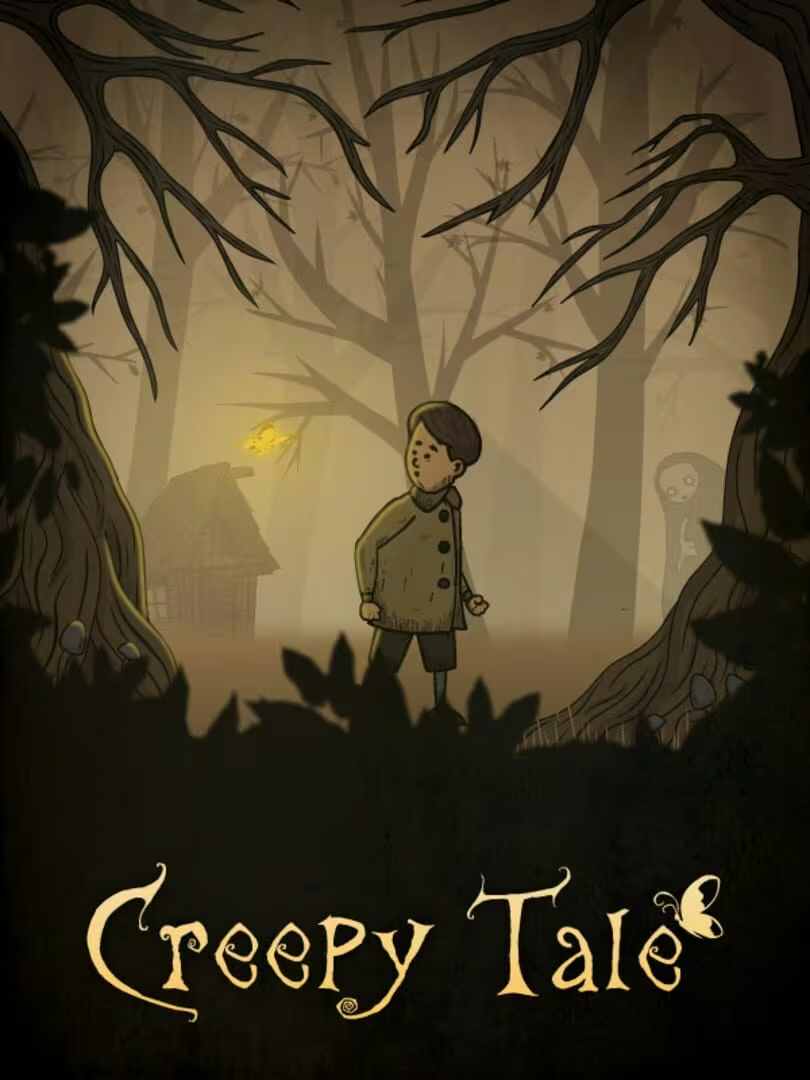 Creepy Tale
"Puzzles require logical thinking and planning to solve."
-
Thrill
Game with the same Thrill vibe
2"Creates suspense and eerie tension through atmosphere rather than jump scares or high risk."
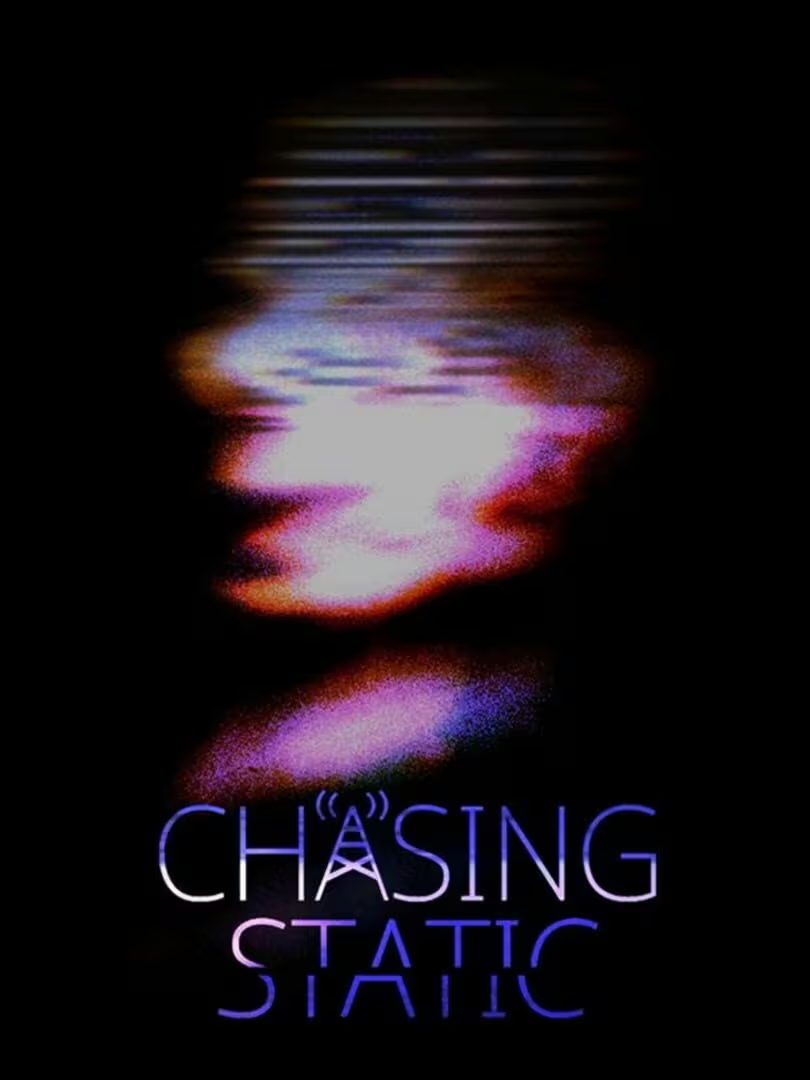 Chasing Static
"Atmospheric tension builds unease and dread without jump scares or high risk."
-
Value
Game with the same Value vibe
5"Highly praised as a free game with quality content and replayability."
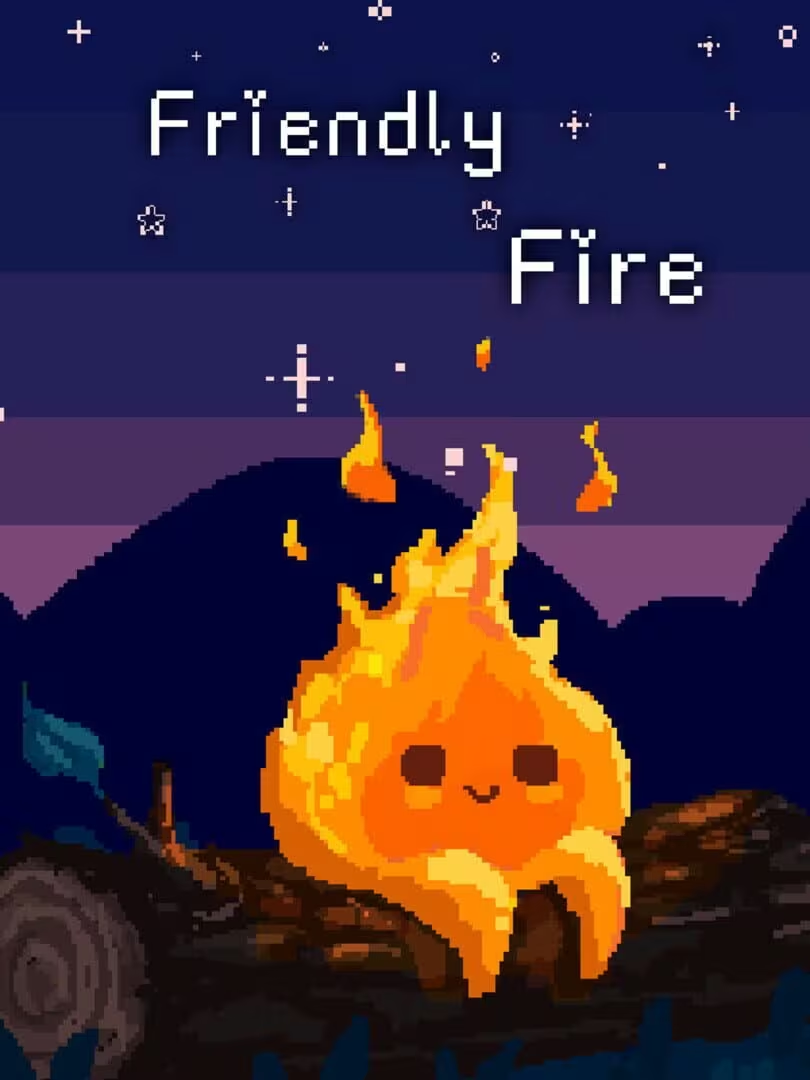 Friendly Fire
"Highly praised for being a free, well-crafted game with substantial content and replayability."
-
Violence
Game with the same Violence vibe
-5"No combat or destructive gameplay; focus on exploration and puzzle solving."
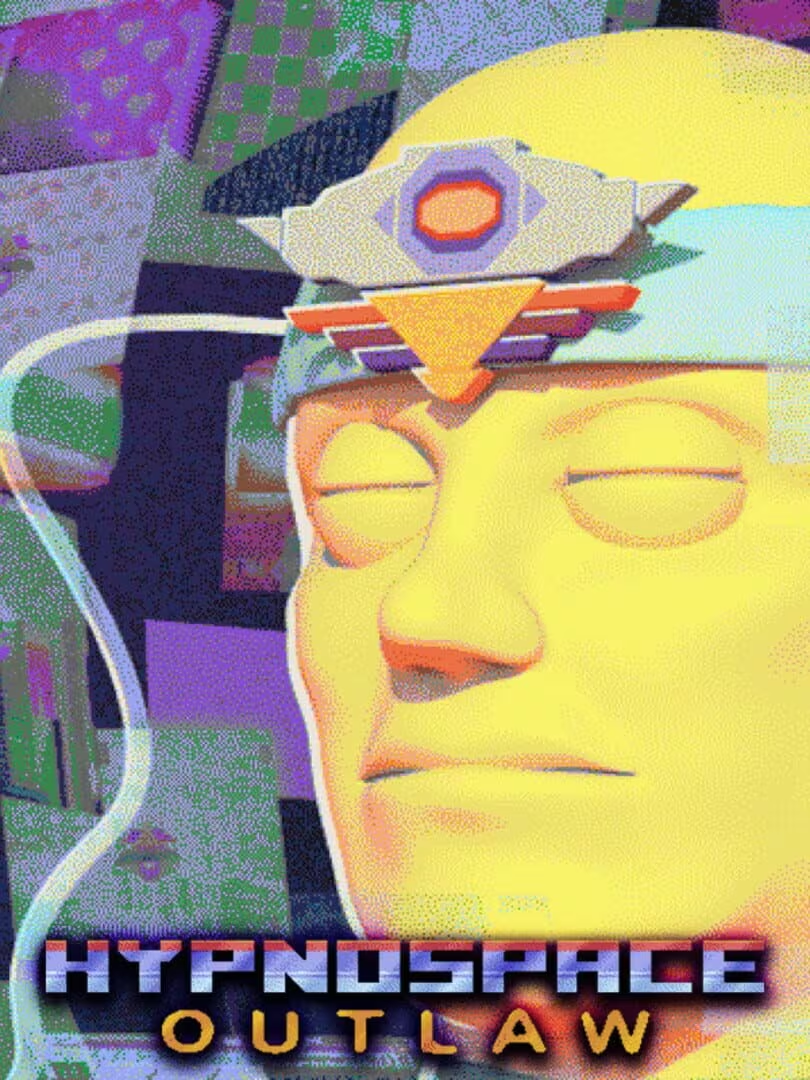 Hypnospace Outlaw
"No combat or destructive gameplay; focus on exploration and puzzle solving."
-
Survival
Game with the same Survival vibe
-5"No survival mechanics or threats; stable environment."
 Greetings
"No survival mechanics or threats to avoid; stable environment despite eerie atmosphere."
Last update: 01/06/2026