Cultures - Northland similar games & best alternatives
Should you play it?
The Vikings are back! Get this RTS classic!
What works
- Deep and engaging city-building and micromanagement
- Rich viking mythology and story-driven campaign
- Nostalgic and charming graphics and soundtrack
- Complex production and profession progression system
- Good value especially for fans of classic rts and strategy
Things to keep in mind
- Steep learning curve and complex mechanics may deter new players
- Limited and outdated multiplayer features
- Some technical issues and bugs reported
- Ui and controls feel dated
- Combat can be tedious and less strategic
What to play next
Similar games, hidden gems, and fresh directions from this game.
Top picks
Games that feel the closest overall


Hidden Gems
Less popular games with surprisingly high similarity
If you liked…
Recommendations by what you enjoyed most
Similarity map
Explore nearby similar games and see why they’re close.
Cultures - Northland: Broadly representative of its motivational profile, with a few distinct shifts. Motivations that often define this kind of title include Cooperation, Fellowship, Intimacy, Leadership. Here, the score leans higher than usual among comparable games on Leadership. It leans lower than usual among comparable games on Fellowship, Cooperation.
Why this game works
A motivational profile of the game, with the closest similar game for each player motivation.
-
Autonomy
Game with the same Autonomy vibe
4"Players have significant control over individual villagers' actions, professions, marriages, and resource management, allowing personal freedom in gameplay decisions."
 Cultures - 8th Wonder of the World
"Players have extensive control over individual villagers, assigning professions, managing marriages, and directing resource logistics, indicating high personal freedom in decision-making."
-
Competence
Game with the same Competence vibe
3"The game involves managing complex production chains and micromanagement of villagers, requiring skill and strategic planning, though combat is less demanding."
Cultures - 8th Wonder of the World
"The game involves managing complex production chains, micromanagement of villagers, and strategic resource allocation, requiring skill and learning."
-
Competition
Game with the same Competition vibe
-3"Focus is primarily on single-player campaigns and personal village development; multiplayer exists but is limited and not the main focus."
Cultures - 8th Wonder of the World
"Focus is primarily on single-player campaign and personal village management; multiplayer exists but is limited and not a major focus."
-
Continuation
Game with the same Continuation vibe
4"Many reviews mention long play sessions, nostalgia-driven repeated play, and high replayability."
 Majesty Gold HD
"Many reviews mention long play sessions, nostalgia-driven repeated playthroughs, and deep engagement with the game systems."
-
Cooperation
Game with the same Cooperation vibe
-2"Gameplay centers on individual management of the village and economy; multiplayer cooperation is possible but not emphasized."
Cultures - 8th Wonder of the World
"Gameplay centers on individual management of villagers and settlement; multiplayer is minimal and not emphasized."
-
Creativity
Game with the same Creativity vibe
3"Players can build and upgrade villages, assign professions, and create custom maps with the editor, supporting creative expression."
Cultures - 8th Wonder of the World
"Players can customize professions, assign villagers, build and upgrade structures, and manage production chains, allowing creative problem solving."
-
Domination
Game with the same Domination vibe
-4"Interactions with factions are diplomatic and strategic rather than exerting control or superiority over others."
 Spellcaster University
"Interactions with other factions are mostly diplomatic or combat-based but lack emphasis on exerting control or superiority over other players."
-
Escapism
Game with the same Escapism vibe
4"Immersive historical setting and story provide strong escape from real life; players enjoy the Viking saga and roleplaying."
 Expeditions: Viking
"The Viking setting, mythology, and immersive city-building provide a strong escape from real life."
-
Expectation
Game with the same Expectation vibe
-4"Players engage voluntarily out of personal desire and nostalgia for classic city builders, not due to obligation or external pressure."
 Nebuchadnezzar
"Players engage voluntarily driven by nostalgia and interest in strategy and city-building, not due to obligation."
-
Experimenting
Game with the same Experimenting vibe
3"Game encourages trying different skill combinations and strategies, though some routines become established over time."
 Idle Skilling
"The game encourages trying different professions, production chains, and strategies, though some routines develop over time."
-
Exploration
Game with the same Exploration vibe
2"Some exploration of new areas and secrets, though map is somewhat constrained and familiar over time."
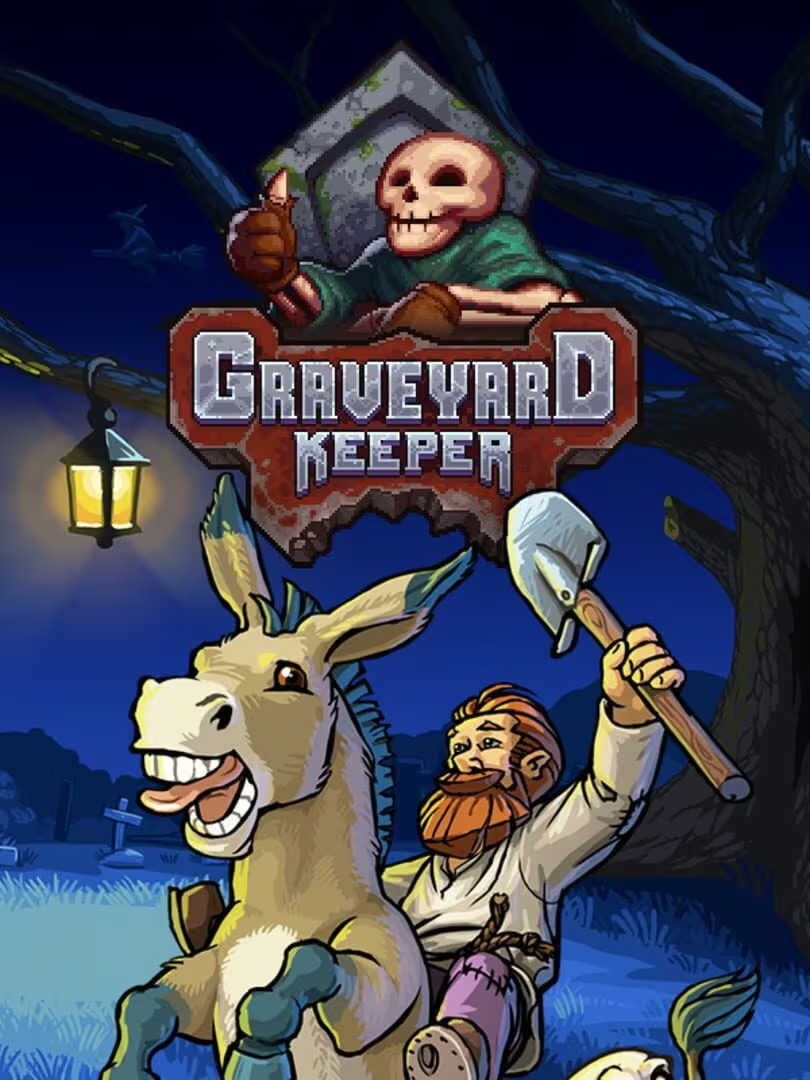 Graveyard Keeper
"There is some map exploration and discovery of new areas and secrets, but largely within known Viking-themed settings."
-
Expression
Game with the same Expression vibe
2"Limited character customization but players express themselves through village design and resource management."
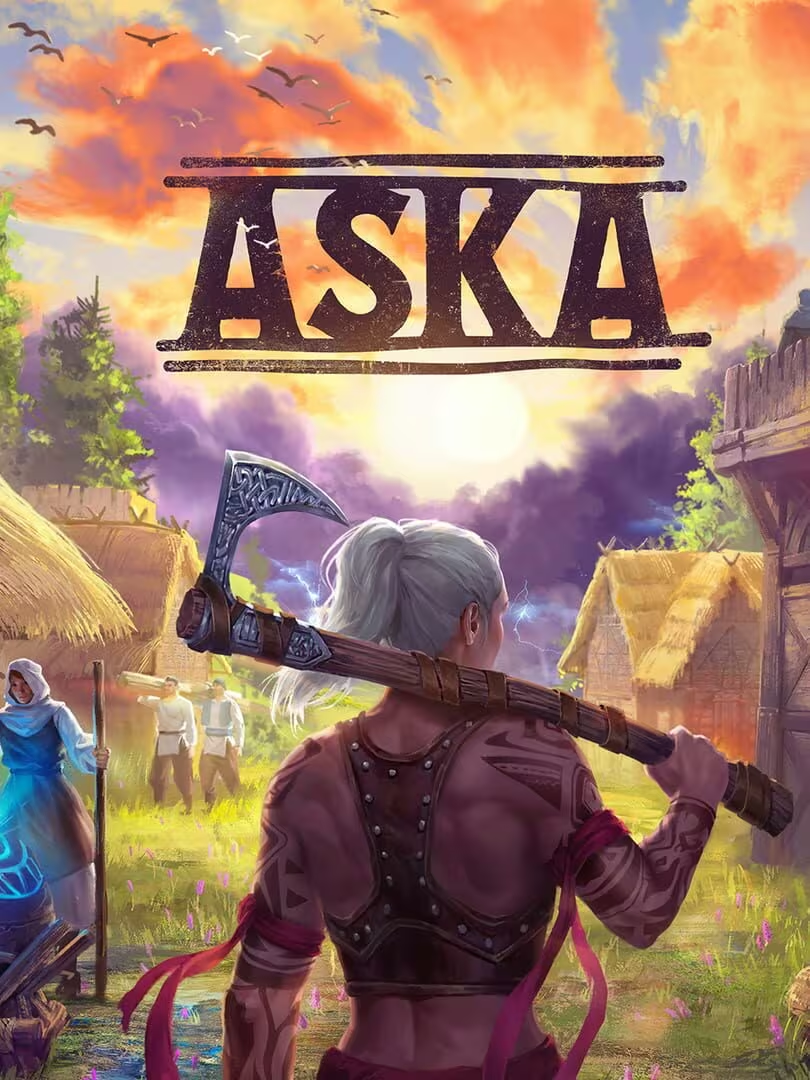 ASKA
ASKA
"Limited character customization but players can influence villagers’ roles and equipment, allowing some personal expression."
-
Fantasy
Game with the same Fantasy vibe
3"Game features Norse mythology elements and Viking roleplaying but grounded in realistic survival mechanics"
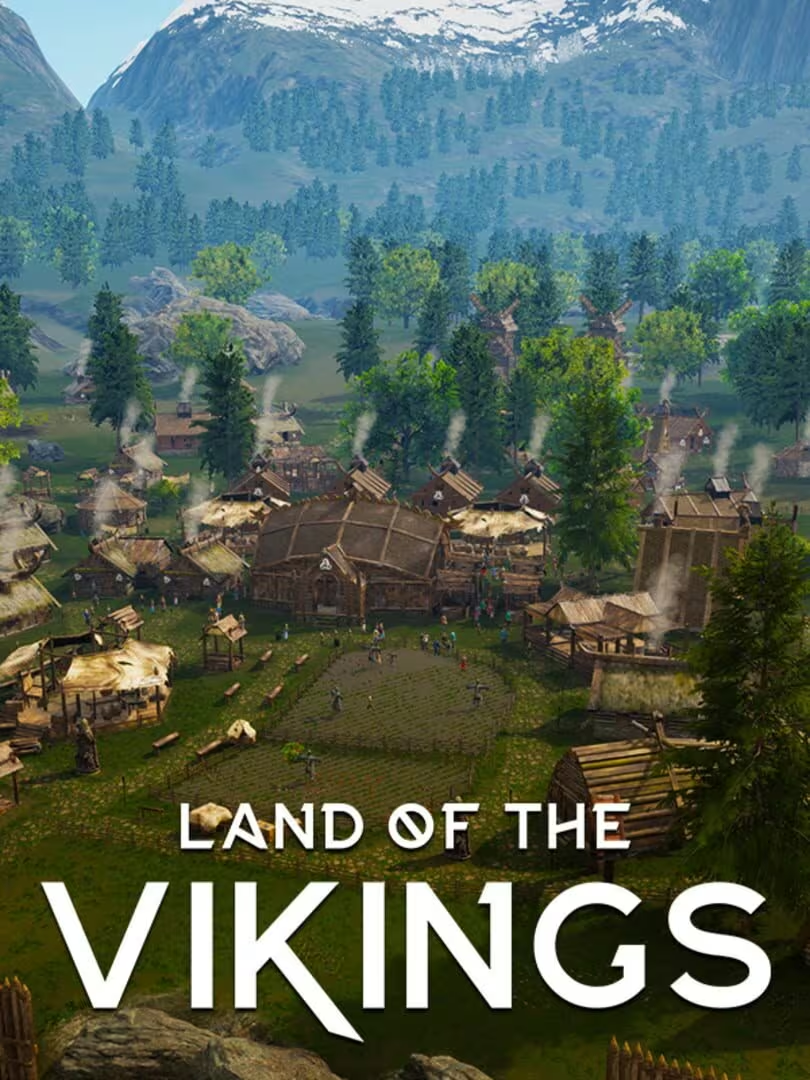 Land of the Vikings
"Strong Viking mythology and fantasy elements like mythical creatures and gods are integrated into the story and gameplay."
-
Fellowship
Game with the same Fellowship vibe
-3"Social interaction is minimal; game is primarily a solo experience with limited community features."
 Fairy Fencer F
"Social interaction is minimal; the game focuses on single-player experience with limited multiplayer community."
-
Growth
Game with the same Growth vibe
4"Players develop villagers' skills, professions, and village infrastructure, reflecting learning and progression."
Cultures - 8th Wonder of the World
"Villagers gain experience and develop new professions; players learn complex systems and improve management skills."
-
Health
Game with the same Health vibe
-5"No physical activity involved; gameplay is sedentary."
 PICO PARK
"No physical activity involved; gameplay is sedentary."
-
Idle
Game with the same Idle vibe
-3"Requires continuous attention to logistics, resource management, and defense; not suited for idle or background play."
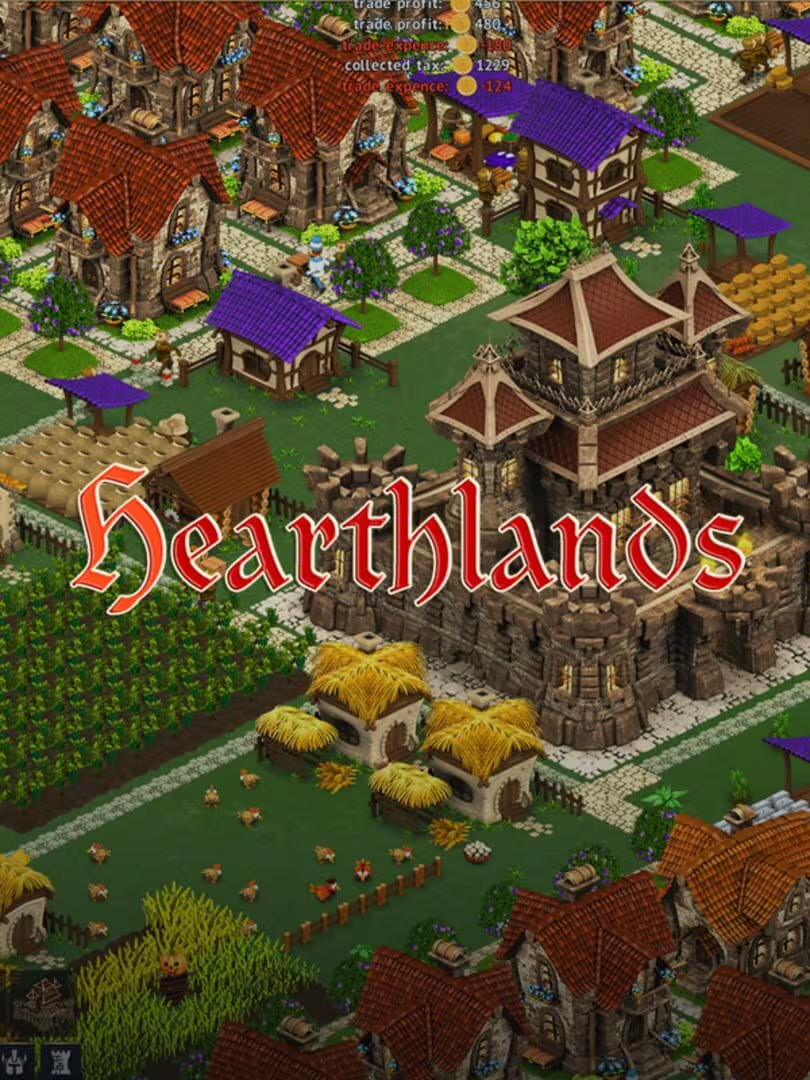 Hearthlands
"Requires continuous attention to micromanagement and resource logistics; not suited for idle or background play."
-
Intimacy
Game with the same Intimacy vibe
1"Players form emotional attachment to villagers and their relationships, though interactions are limited."
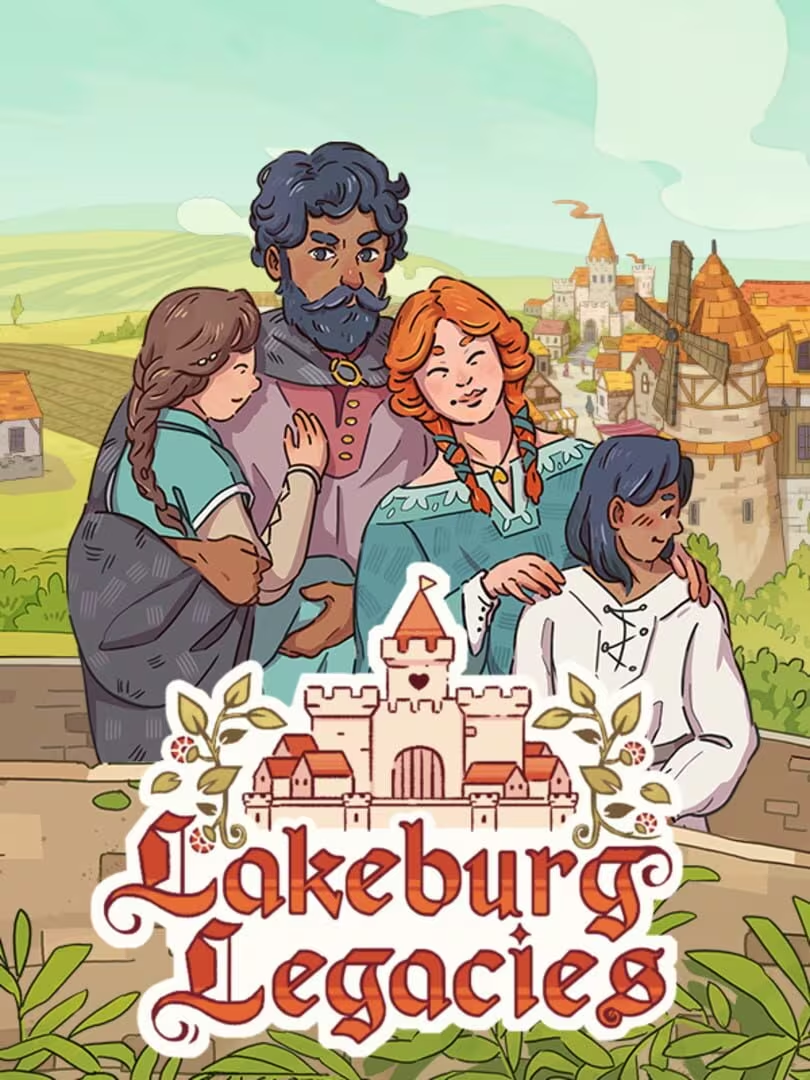 Lakeburg Legacies
"Some emotional attachment to individual villagers and their life cycles, but limited social relationship building."
-
Leadership
Game with the same Leadership vibe
4"Players lead and manage villagers, assigning tasks and guiding settlement development."
ASKA
"Players lead and manage villagers, assign roles, and guide the development of the settlement."
-
Progression
Game with the same Progression vibe
4"Strong progression through acquiring resources, building, upgrading equipment, and story advancement."
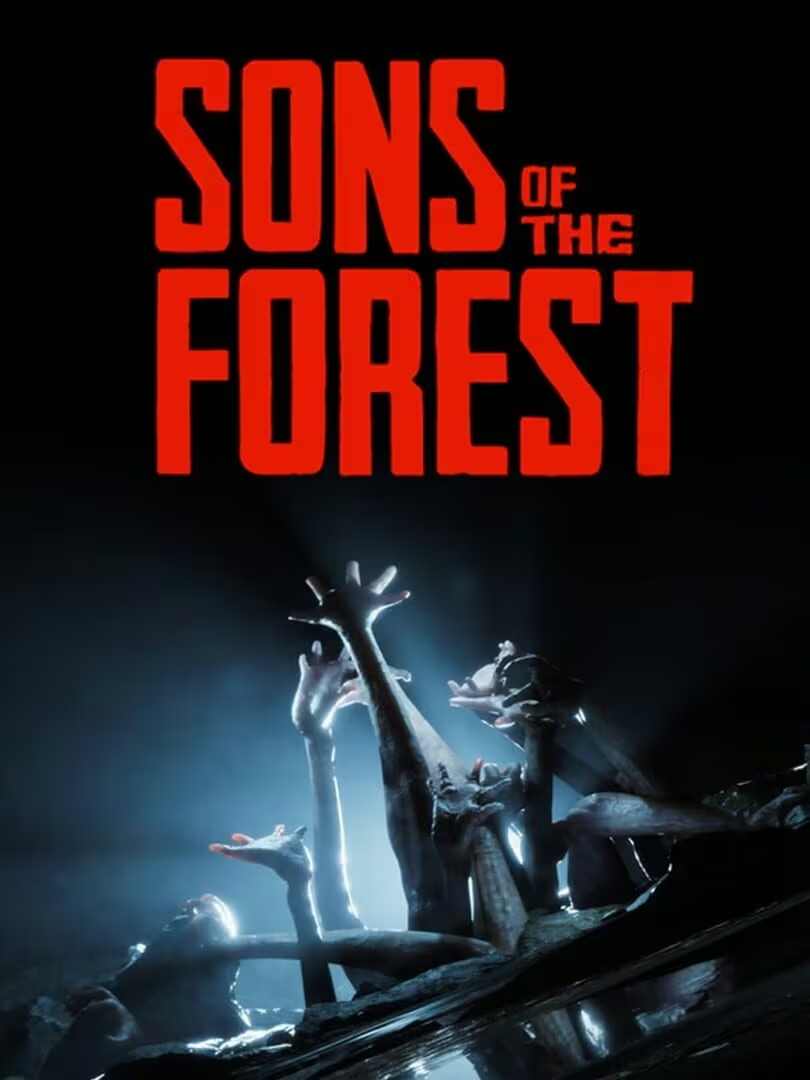 Sons Of The Forest
"Strong progression through technology, professions, building upgrades, and resource accumulation."
-
Relaxation
Game with the same Relaxation vibe
2"Generally casual and fun gameplay with some tension from combat and resource management."
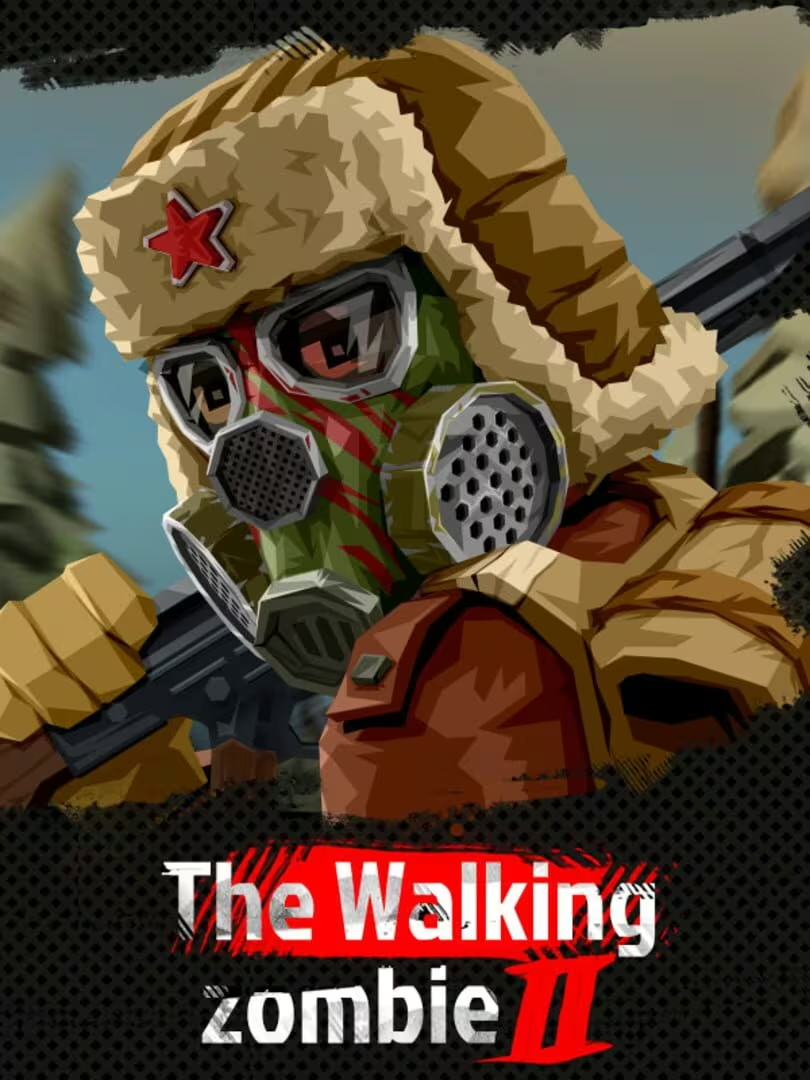 Walking Zombie 2
"Generally a calm and slow-paced game, though some tension arises from resource management and combat."
-
Sensation
Game with the same Sensation vibe
1"Visuals and sounds are pleasant but not highly stimulating; focus is on strategic depth rather than sensory excitement."
 Unity of Command II
"Visuals and sound are charming but not highly stimulating; the experience is more about atmosphere than sensory excitement."
-
Status
Game with the same Status vibe
-4"No emphasis on social recognition or status; achievements exist but multiplayer is limited."
 Alien Breed 3: Descent
"Achievements and recognition are personal and not socially emphasized; multiplayer is limited."
-
Story
Game with the same Story vibe
3"Norse mythology setting and thematic realms provide narrative context, though gameplay is largely action-focused."
 Jotunnslayer: Hordes of Hel
"The game features a story-driven campaign with Viking mythology and narrative elements."
-
Strategy
Game with the same Strategy vibe
4"Requires planning, resource management, tactical combat, and diplomatic choices."
 Rebuild 3: Gangs of Deadsville
"Requires planning production chains, resource management, and tactical decisions in combat and diplomacy."
-
Thrill
Game with the same Thrill vibe
1"Some suspense from survival and combat, but overall controlled and low risk"
 Total Miner
"Some suspense in combat and resource scarcity, but overall a low-risk, steady experience."
-
Value
Game with the same Value vibe
4"Highly praised for its replayability, story depth, and nostalgic value at a low price."
 Titanic: Adventure Out Of Time
"Highly praised for its depth and nostalgia value, especially at low price points."
-
Violence
Game with the same Violence vibe
1"Combat exists but is not the main focus; violence is present but limited and tactical."
 Stardeus
"Combat exists but is not the main focus; violence is moderate and integrated into broader gameplay."
-
Survival
Game with the same Survival vibe
3"Players manage resources to prevent starvation and keep villagers alive, but no extreme threats or hazards."
 Outlanders
"Players must manage villagers’ needs to avoid starvation and death, adding survival elements."
Last update: 01/06/2026