Home Wind similar games & best alternatives
Should you play it?
Home Wind is a minimalist, relaxing and cozy city builder about creating large settlements based on proximity tactics. All for free!
What works
- Relaxing and cozy atmosphere
- Generous free content
- Strategic and challenging gameplay
- Beautiful hand-drawn art and music
- Creative building placement
Things to keep in mind
- Lack of undo feature
- Some repetitiveness in levels
- Randomness due to roaming animals
- Paid dlc content behind paywall
- Minor ui and placement frustrations
What to play next
Similar games, hidden gems, and fresh directions from this game.
Top picks
Games that feel the closest overall
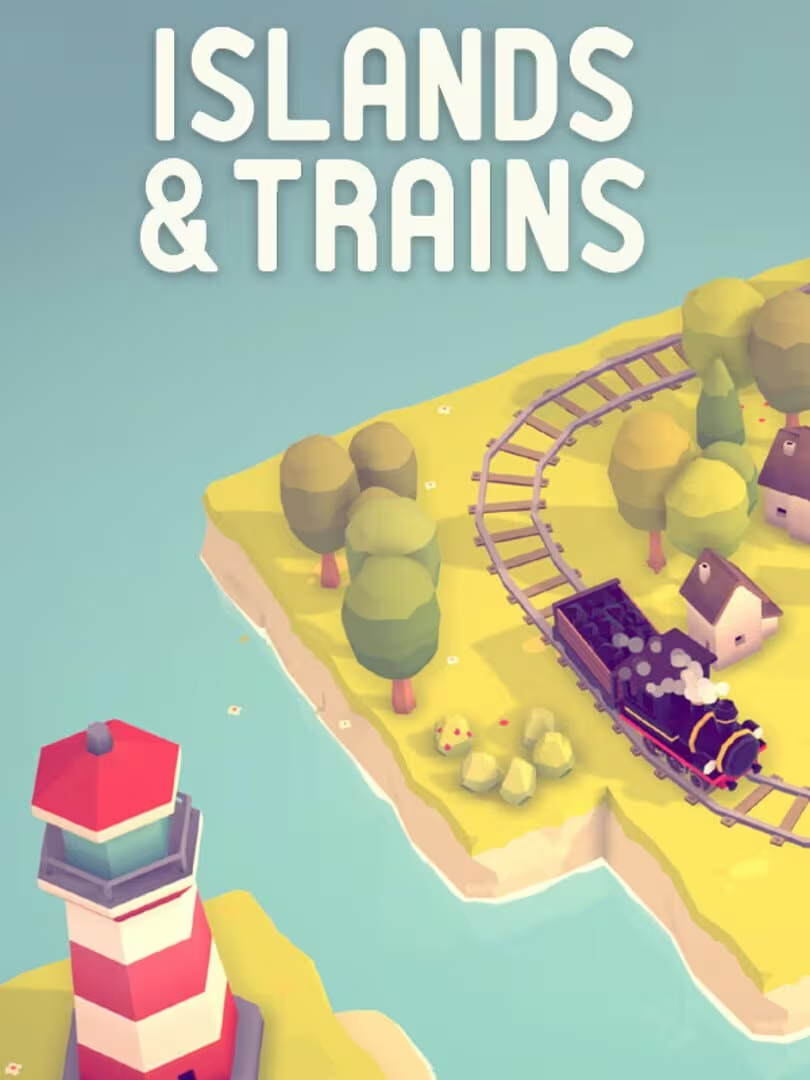


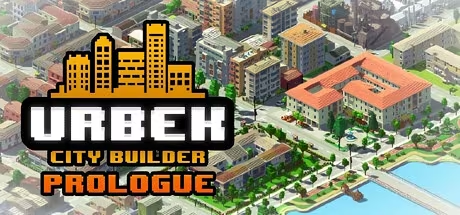


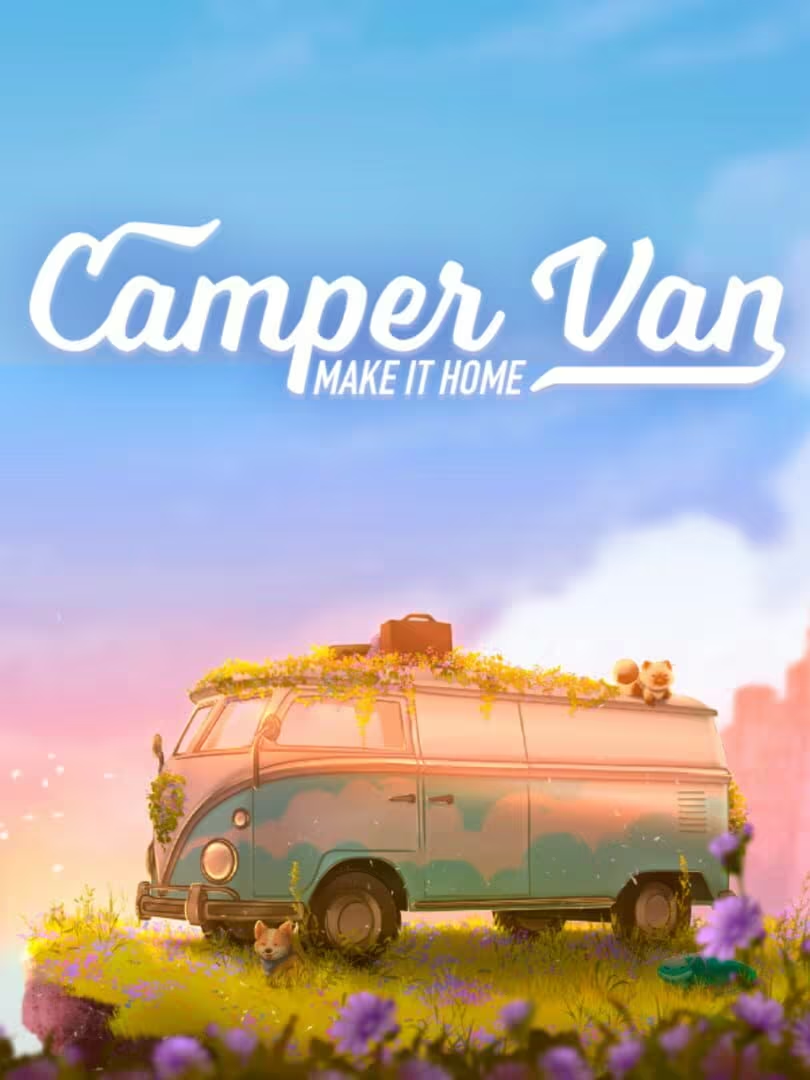
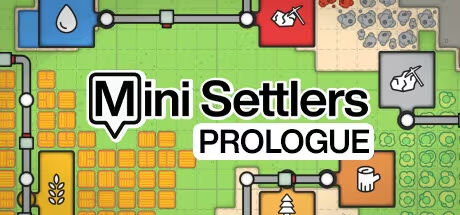
Hidden Gems
Less popular games with surprisingly high similarity
If you liked…
Recommendations by what you enjoyed most
Similarity map
Explore nearby similar games and see why they’re close.
Home Wind: A very typical example of its motivational profile. Motivations that often define this kind of title include Violence, Fantasy, Story, Thrill. Here, the score leans higher than usual among comparable games on Fantasy. It leans lower than usual among comparable games on Exploration, Idle.
Why this game works
A motivational profile of the game, with the closest similar game for each player motivation.
-
Autonomy
Game with the same Autonomy vibe
4"Players freely choose building placement and strategy with no forced routines or timers"
 ISLANDERS
"Players freely choose building placement and strategies without forced routines, enabling personal planning and decision-making."
-
Competence
Game with the same Competence vibe
3"Game involves strategic placement and puzzle solving with increasing complexity, rewarding skillful play."
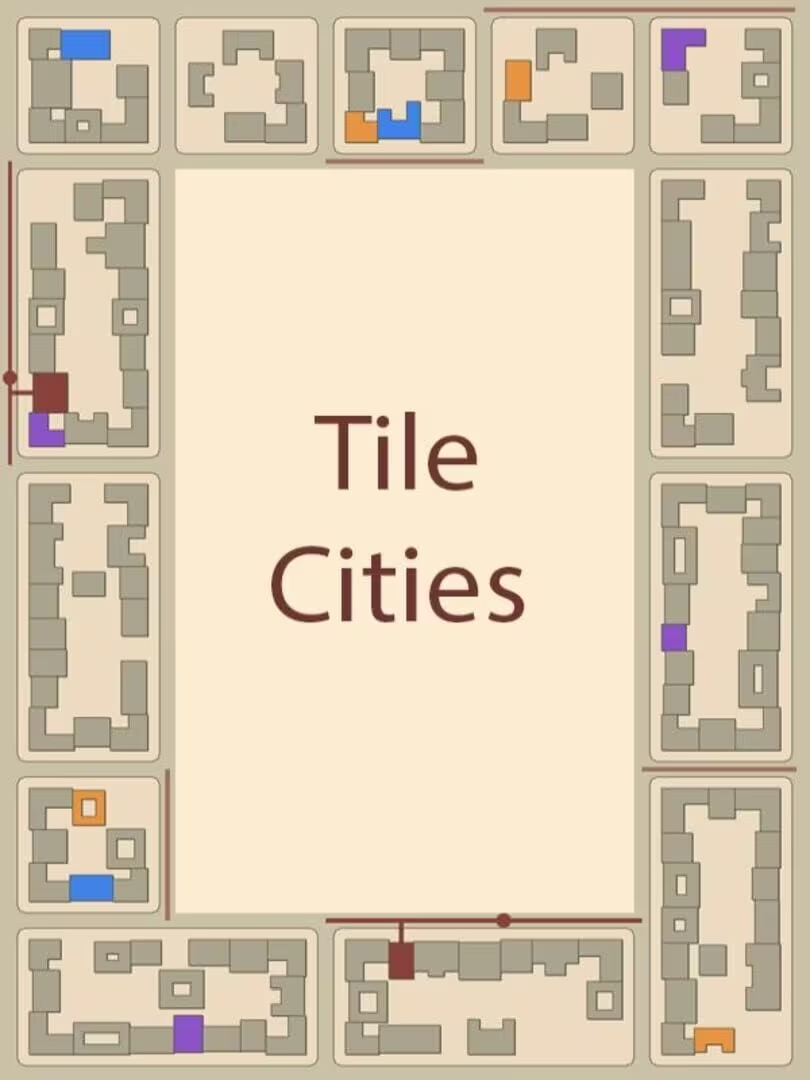 Tile Cities
"Game involves strategic placement and puzzle solving with increasing difficulty, rewarding skillful planning."
-
Competition
Game with the same Competition vibe
-4"Focus is on personal progress and puzzle solving without player-vs-player competition or leaderboards."
 Nihilumbra
"Focus is on personal progress and puzzle solving without direct player-vs-player competition or leaderboards."
-
Continuation
Game with the same Continuation vibe
3"Many players report addictive gameplay and long play sessions, though some find later levels frustrating and take breaks."
 Zombie Night Terror
"Many players report long play sessions and addictive 'one more level' gameplay, though some find it repetitive."
-
Cooperation
Game with the same Cooperation vibe
-5"Single-player experience with no multiplayer or cooperative elements."
 Blasphemous
"Single-player experience with no multiplayer or cooperative elements."
-
Creativity
Game with the same Creativity vibe
3"Players creatively plan city layouts and optimize building placement within spatial constraints, though building types are predefined."
 Before We Leave
"Players creatively plan and build cities on gridless maps with variable building shapes and sizes."
-
Domination
Game with the same Domination vibe
-5"No elements of exerting power or superiority over others; purely individual puzzle solving."
 Lexica
"No elements of exerting power or superiority over others; purely individual puzzle solving."
-
Escapism
Game with the same Escapism vibe
4"Many reviews highlight the relaxing, cozy atmosphere and stress-relieving qualities of the game."
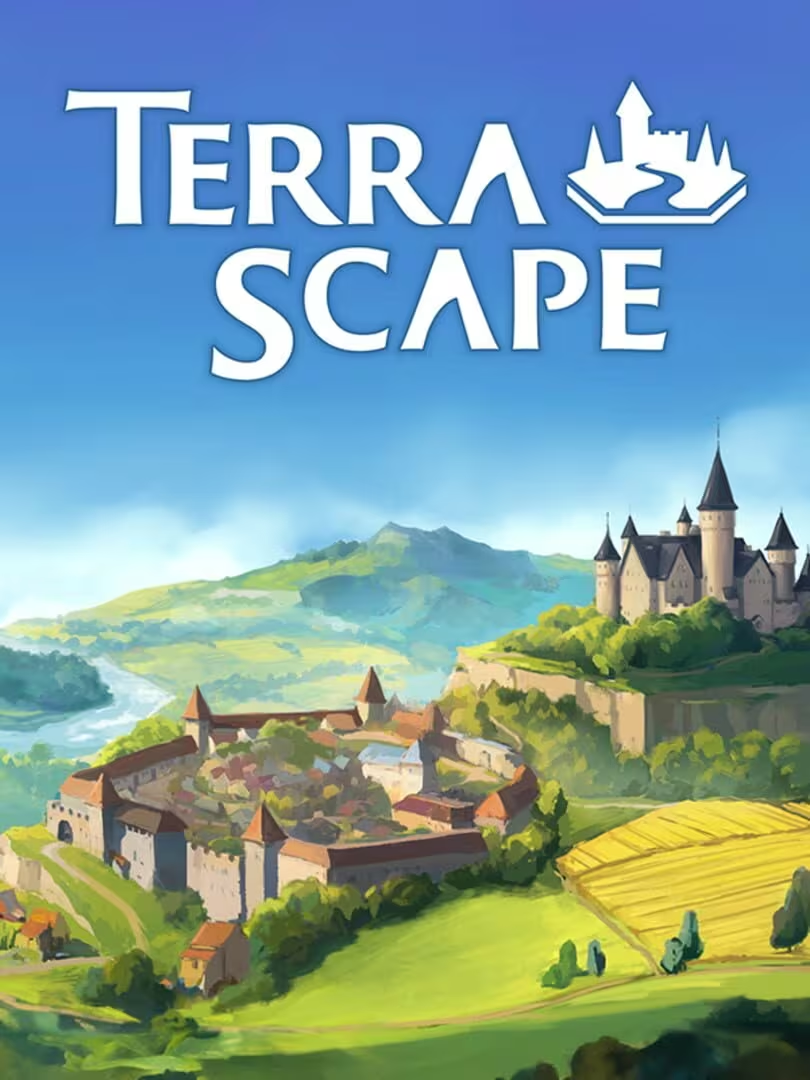 TerraScape
"Many reviews highlight the relaxing, cozy, and stress-relieving nature of the game."
-
Expectation
Game with the same Expectation vibe
-4"Players engage voluntarily for enjoyment and relaxation, not out of obligation or pressure."
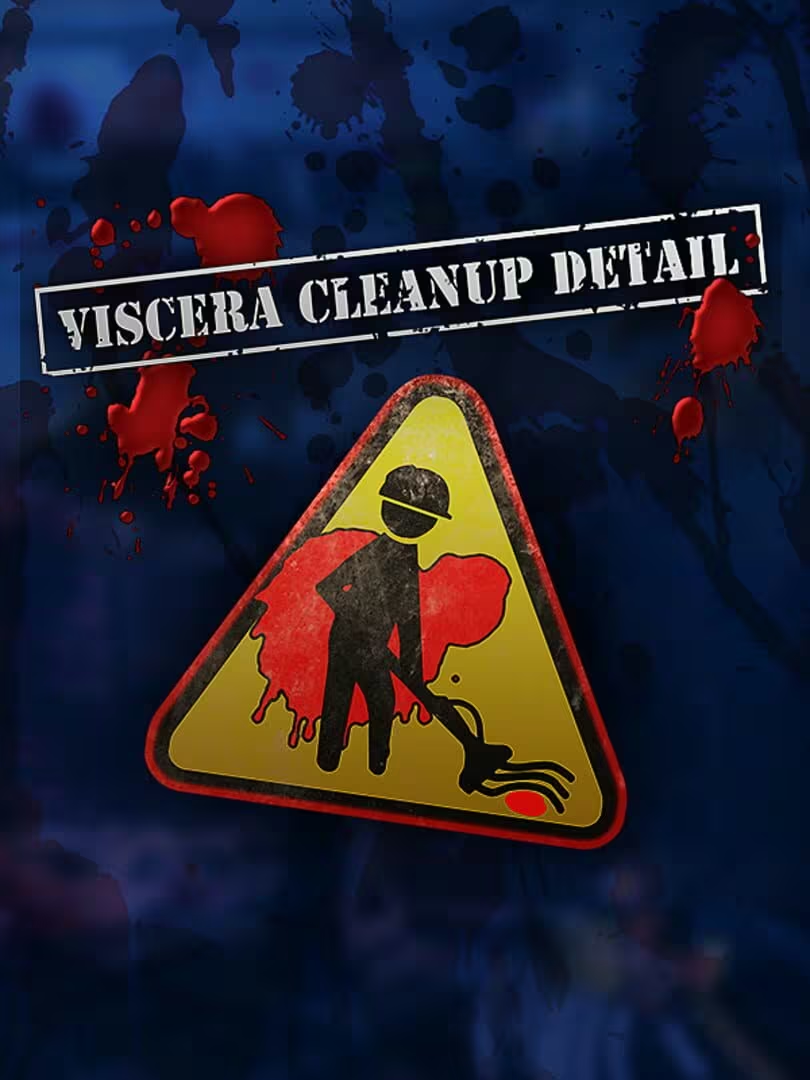 Viscera Cleanup Detail
"Players engage voluntarily for enjoyment and relaxation, not out of obligation or pressure."
-
Experimenting
Game with the same Experimenting vibe
3"Players experiment with building placement and strategies to optimize scores"
ISLANDERS
"Players experiment with building placements and strategies to optimize scores and solve puzzles."
-
Exploration
Game with the same Exploration vibe
-2"Limited map variety and mostly familiar environments; some desire for more levels and content."
 Be My Horde
"Levels are premade with limited map variety; some desire for more randomized or natural maps."
-
Expression
Game with the same Expression vibe
2"Customization mainly through city design and building placement; limited avatar or cosmetic personalization."
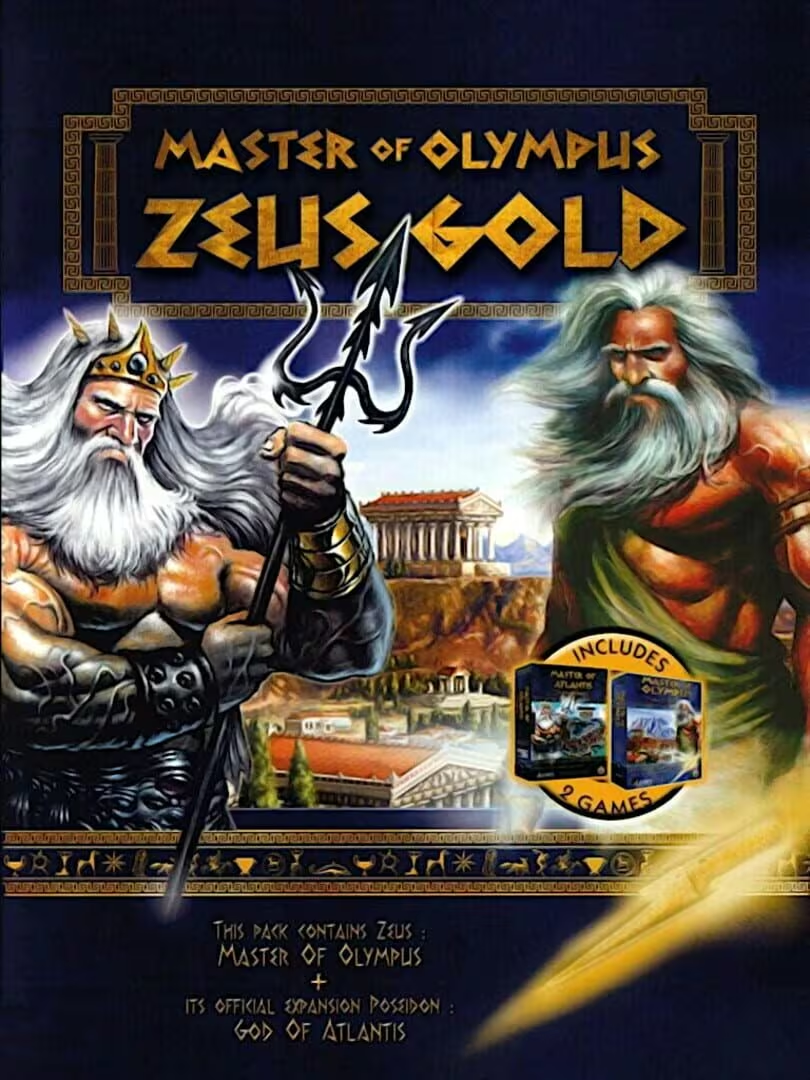 Zeus + Poseidon
"Some customization in city layout and building placement, but limited cosmetic personalization."
-
Fantasy
Game with the same Fantasy vibe
2"Set in a pixel-art medieval fantasy world with dragons and knights, but gameplay is minimal and abstract."
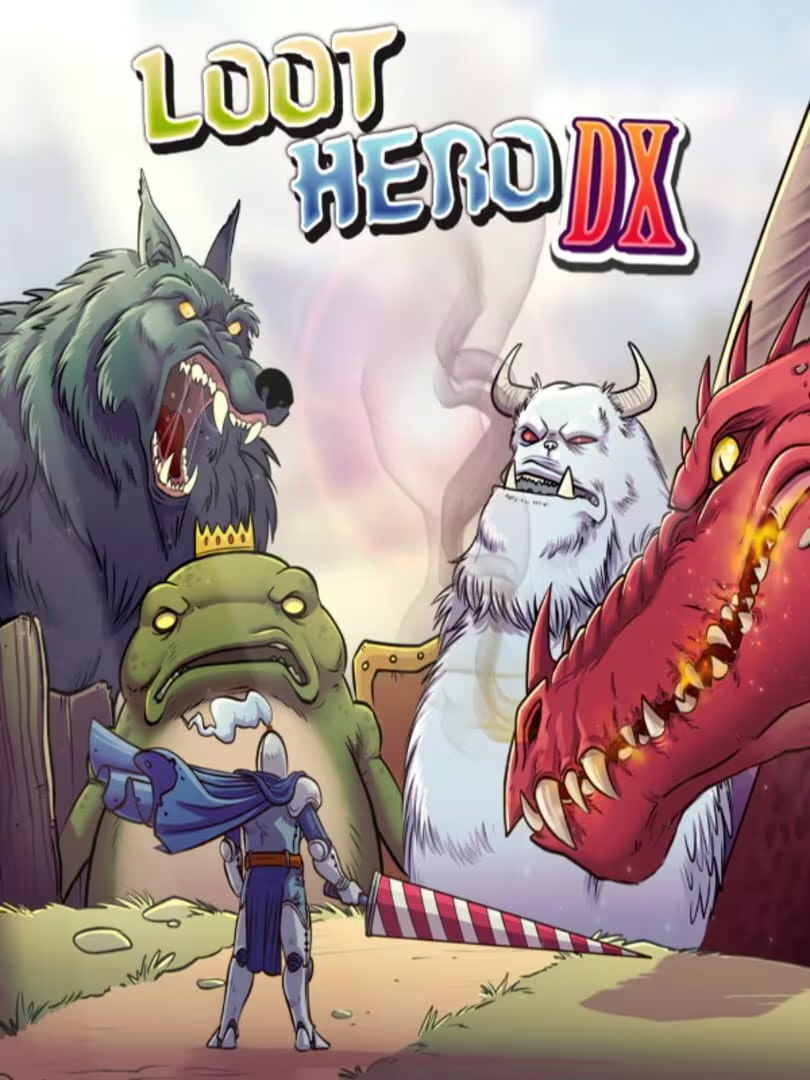 Loot Hero DX
"Set in a stylized medieval-like fantasy world with charming, hand-drawn art and animals."
-
Fellowship
Game with the same Fellowship vibe
-5"No social or community features; purely solo play."
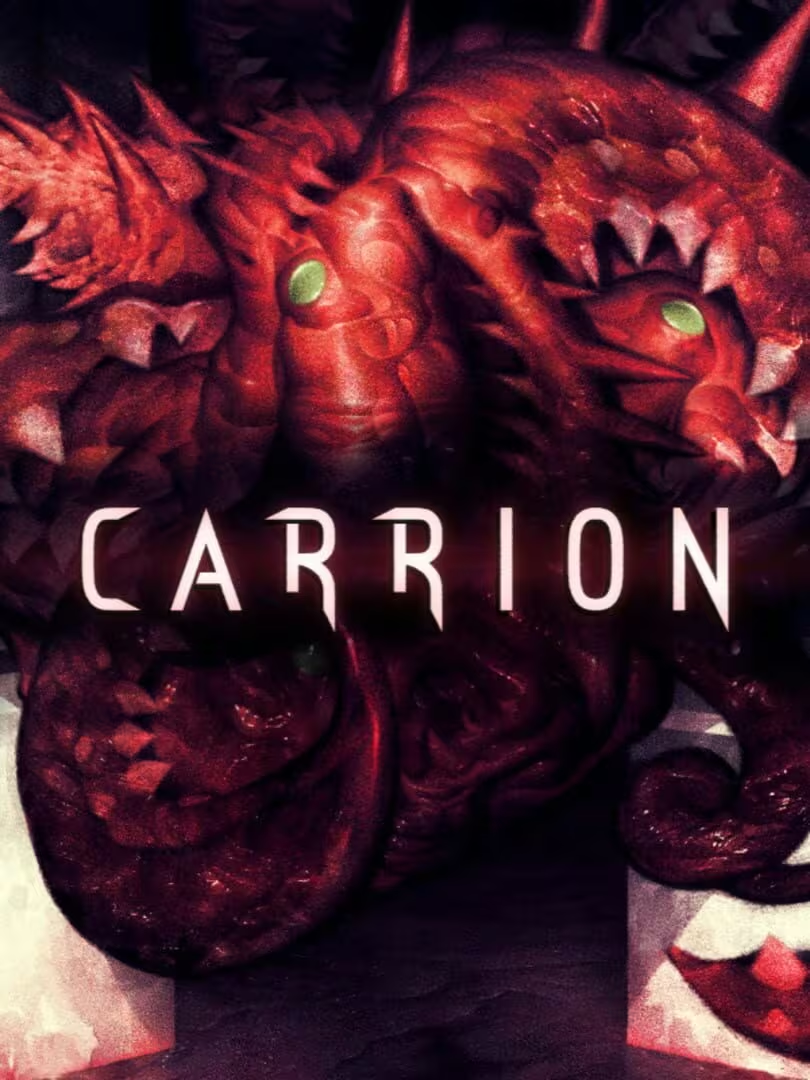 CARRION
"No social or community features; purely solo play."
-
Growth
Game with the same Growth vibe
3"Players learn building techniques and game mechanics over time, improving skills."
 LEGO® Worlds
"Players learn building interactions and improve planning skills over time."
-
Health
Game with the same Health vibe
-5"Sedentary gameplay with no physical activity elements."
 Sultan's Game
"Sedentary gameplay with no physical activity elements."
-
Idle
Game with the same Idle vibe
-3"Requires focused attention and strategic decision-making; not a background or idle game."
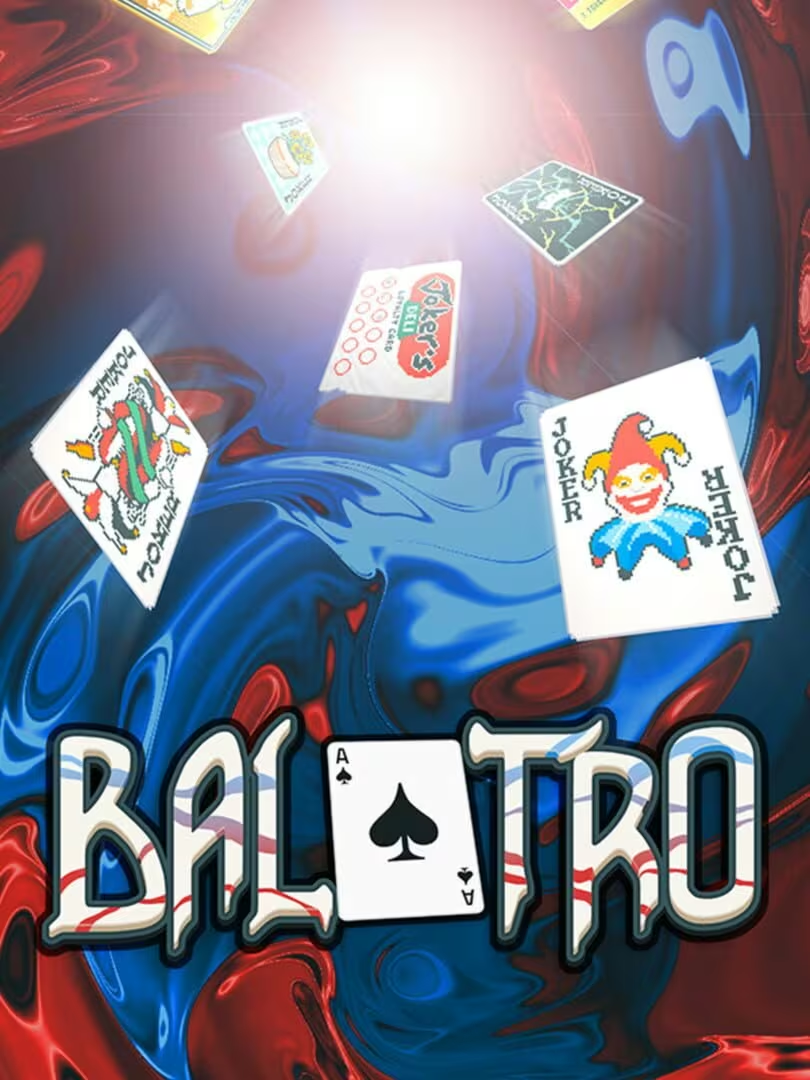 Balatro
"Requires focused attention for strategic placement; not a background or idle game."
-
Intimacy
Game with the same Intimacy vibe
-5"No social or emotional relationship building."
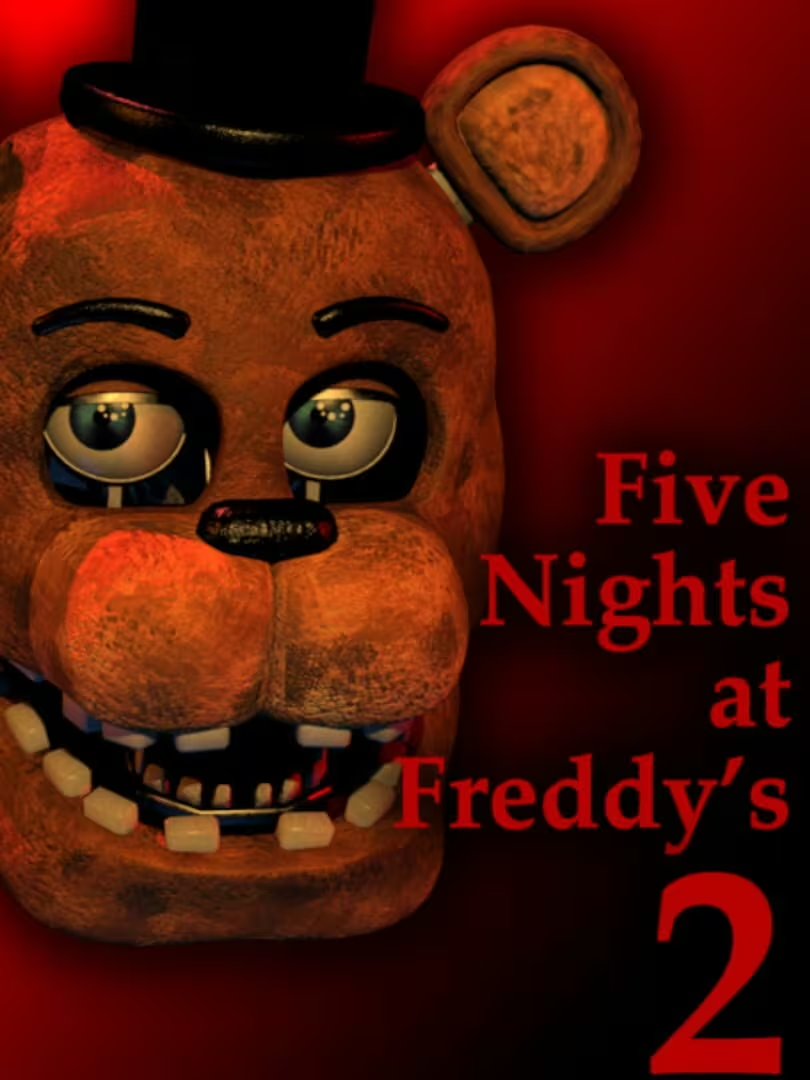 Five Nights at Freddy's 2
"No social or emotional relationship building."
-
Leadership
Game with the same Leadership vibe
-5"No leadership or group management roles."
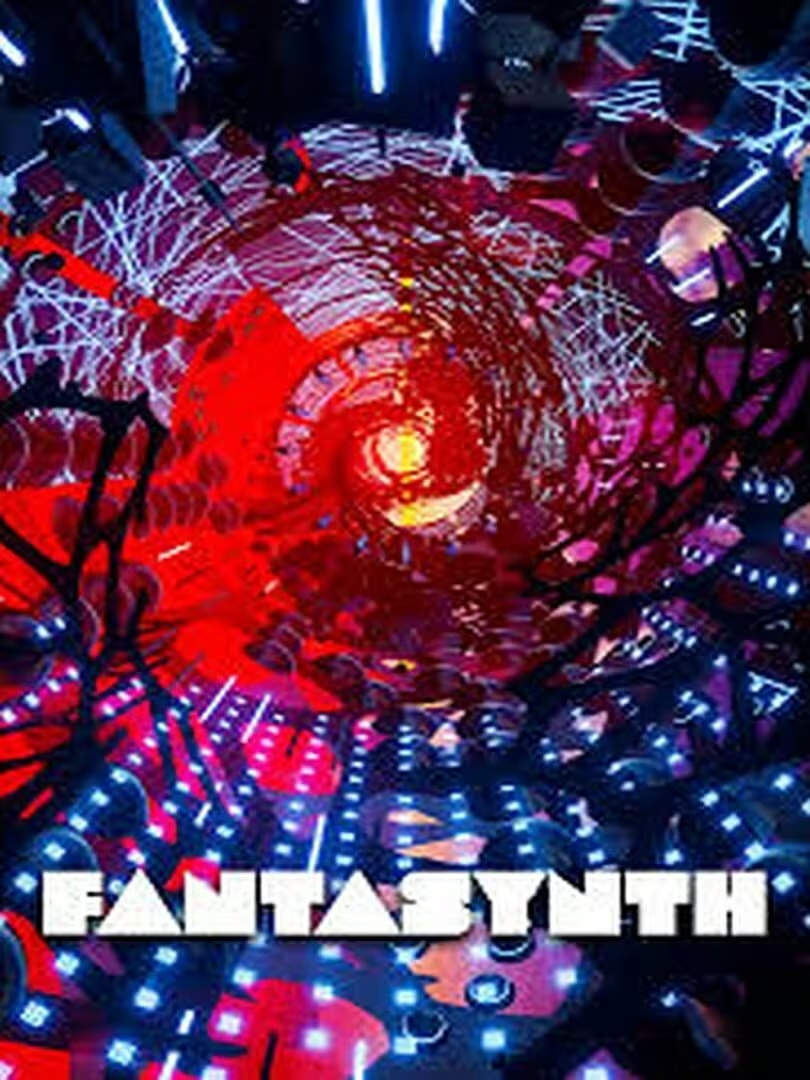 Fantasynth One
"No leadership or group management roles."
-
Progression
Game with the same Progression vibe
3"Progression through building houses, unlocking resources, and completing levels with increasing complexity."
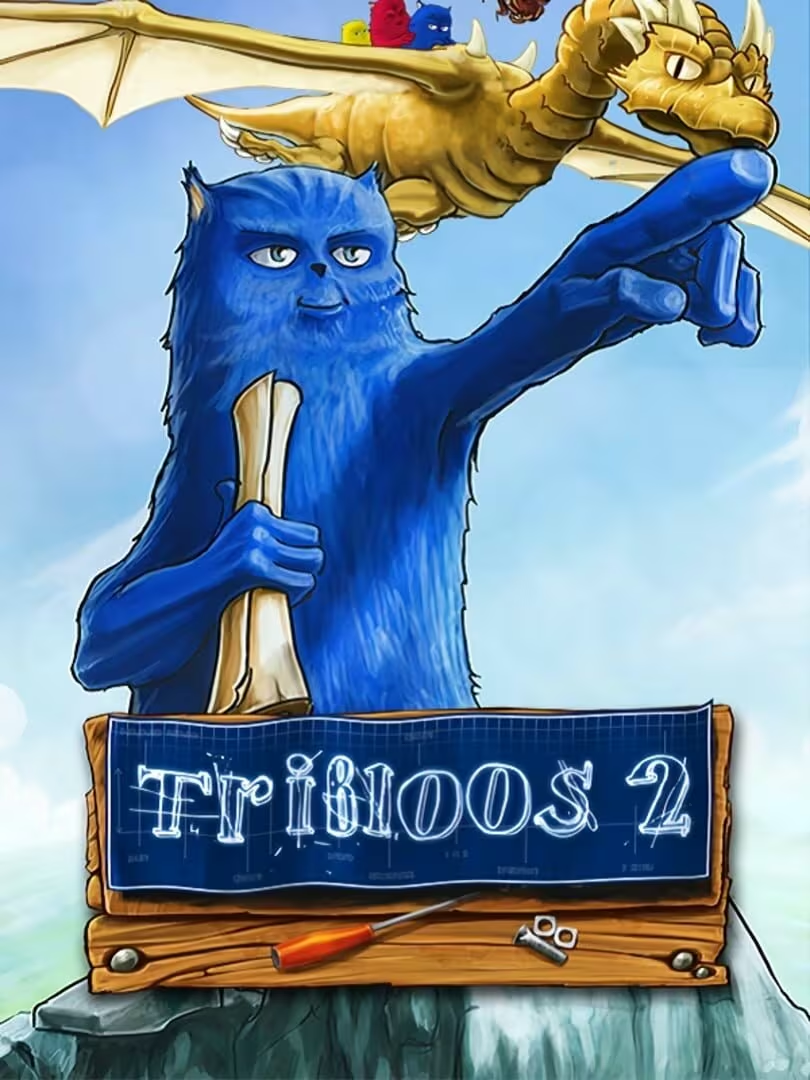 Tribloos 2
"Progression through unlocking new buildings and levels; some complaints about repetitiveness."
-
Relaxation
Game with the same Relaxation vibe
4"Strong emphasis on cozy, relaxing atmosphere and calming music."
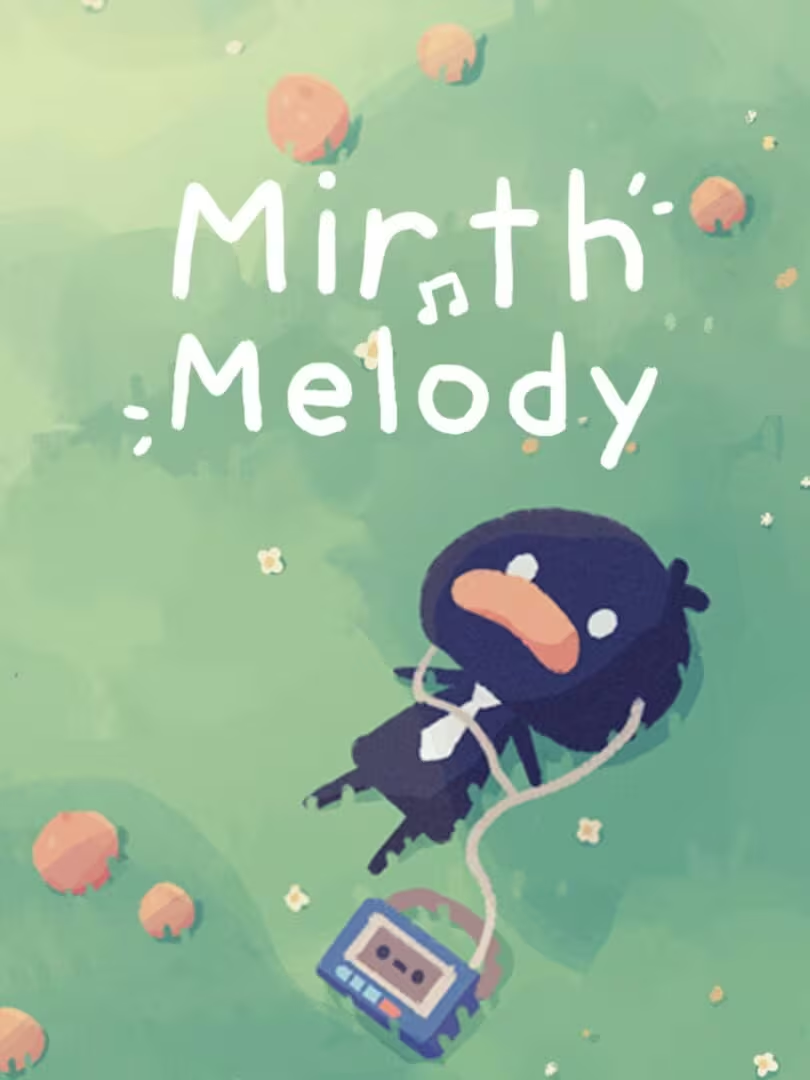 Mirth Melody
"Widely praised for its relaxing, cozy atmosphere and calming music."
-
Sensation
Game with the same Sensation vibe
2"Pleasant visuals and soothing music provide moderate sensory stimulation."
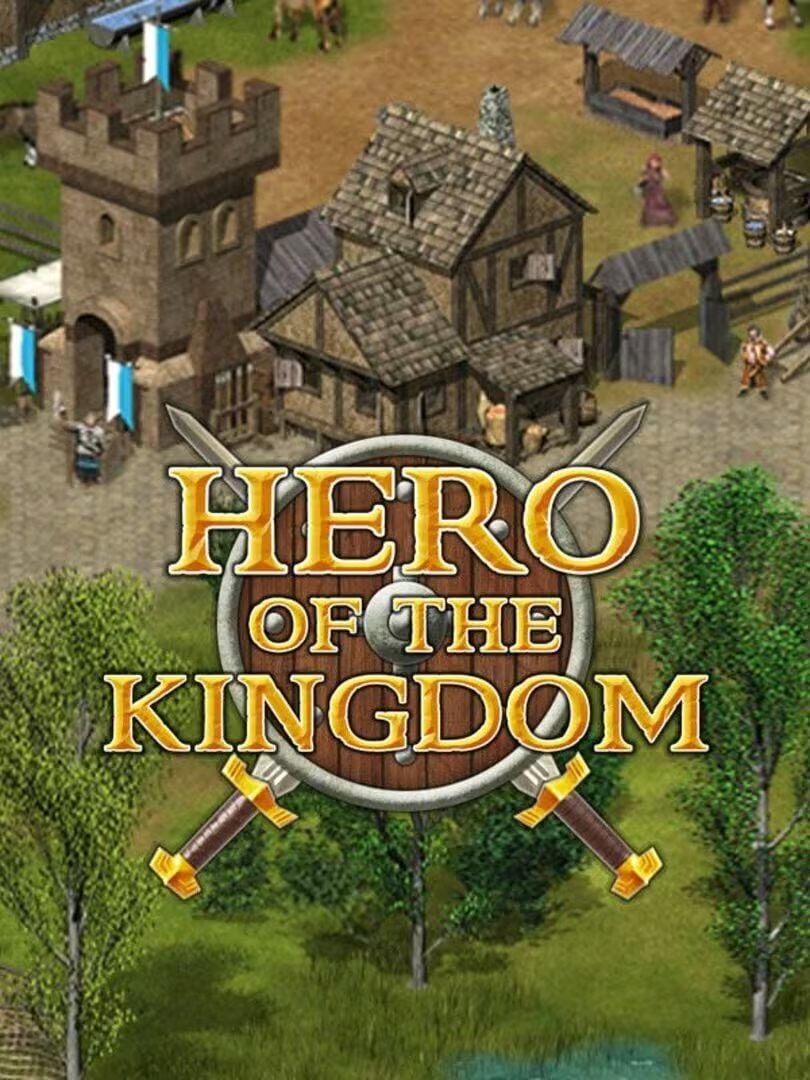 Hero of the Kingdom
"Enjoyable visuals and soothing music provide pleasant sensory stimulation."
-
Status
Game with the same Status vibe
-5"No social recognition or status systems."
 Alan Wake
"No social recognition or status systems."
-
Story
Game with the same Story vibe
-3"Minimal narrative; focus is on gameplay rather than story immersion."
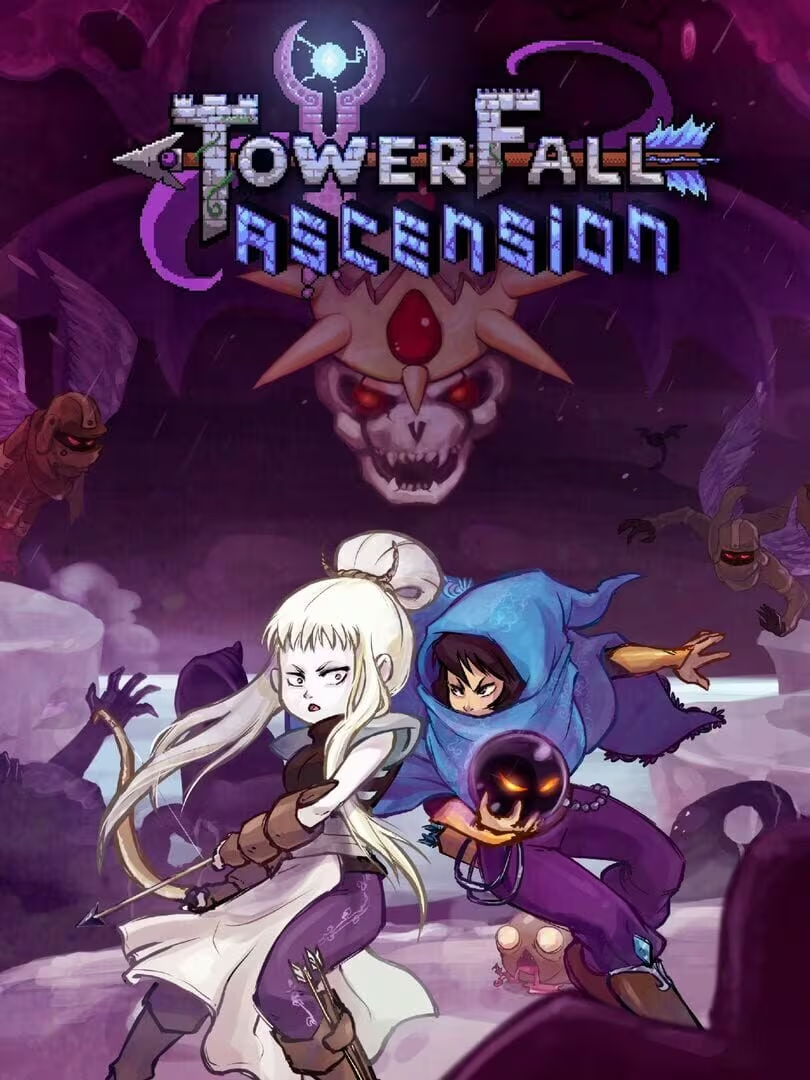 TowerFall Ascension
"Minimal narrative; focus is on gameplay rather than story immersion."
-
Strategy
Game with the same Strategy vibe
4"Strong emphasis on strategic placement, resource management, and problem solving."
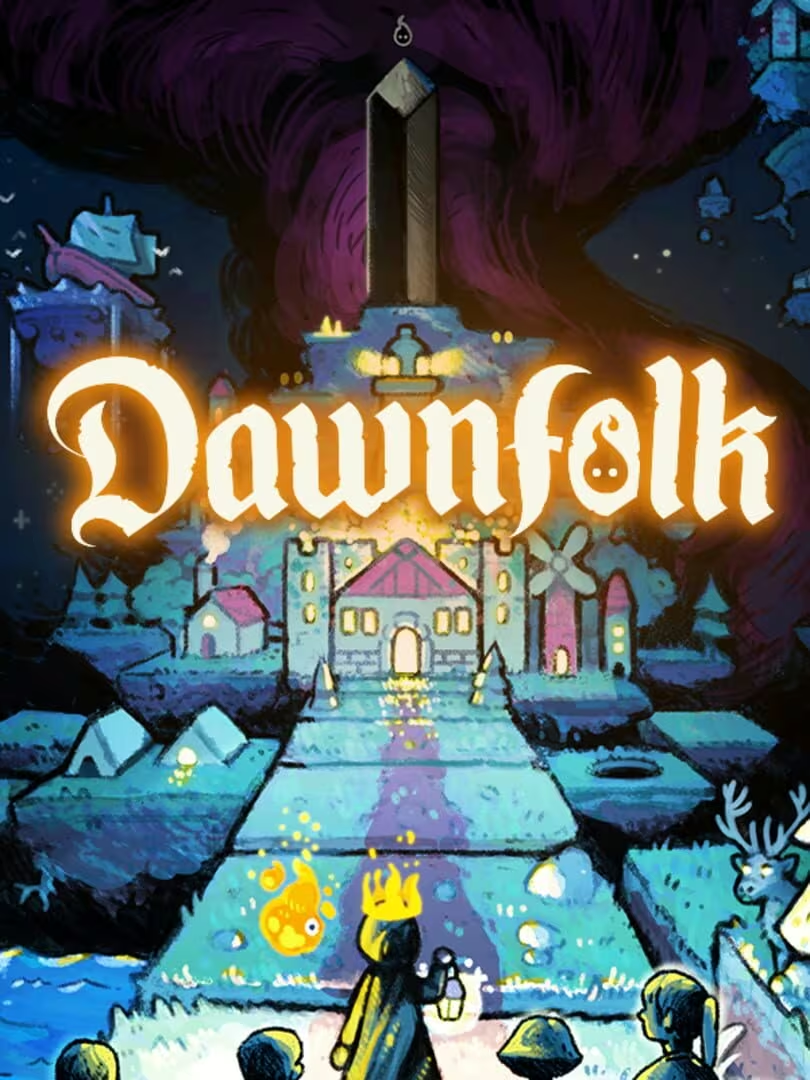 Dawnfolk
"Strong emphasis on strategic placement and planning to optimize scores and complete levels."
-
Thrill
Game with the same Thrill vibe
-3"Low suspense or risk; gameplay is calm and methodical rather than thrilling."
 The House of Da Vinci 2
"Low suspense or risk; gameplay is calm and methodical rather than thrilling."
-
Value
Game with the same Value vibe
3"Free version offers substantial content; paid DLC adds more routes but some find price high for content."
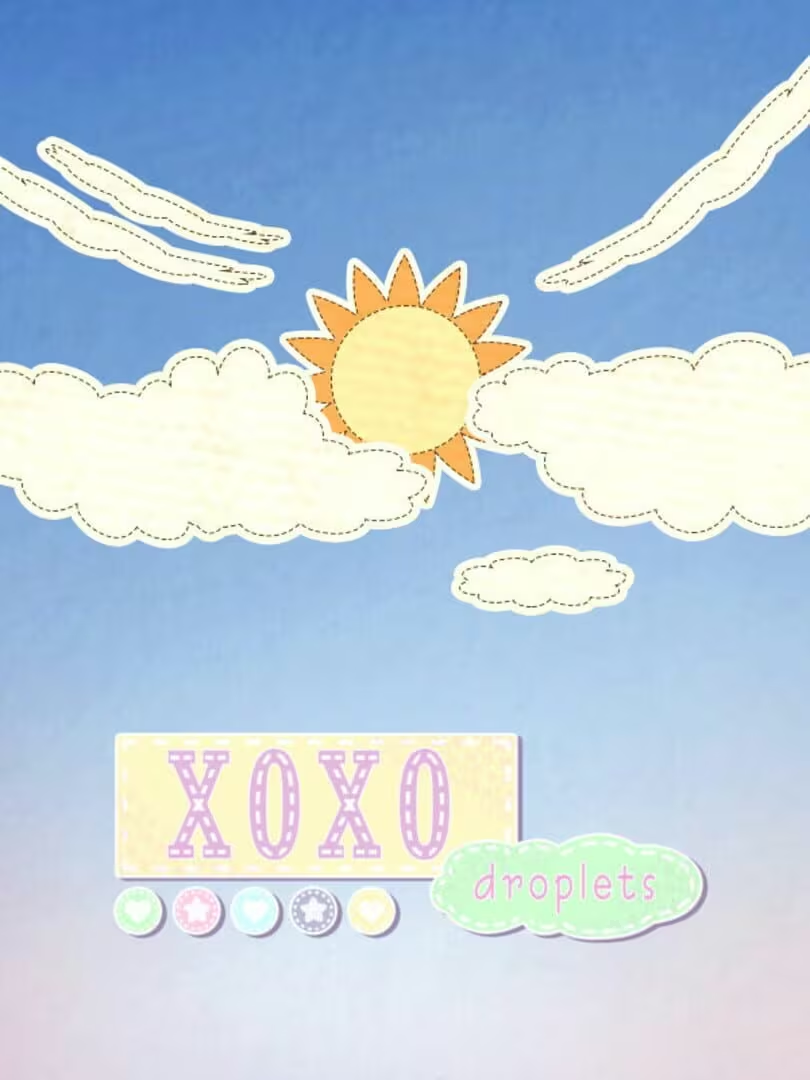 XOXO Droplets
"Free to play with generous content; some complaints about paid DLC pricing but overall good value."
-
Violence
Game with the same Violence vibe
-5"No combat or destructive gameplay; focus is on constructive city building."
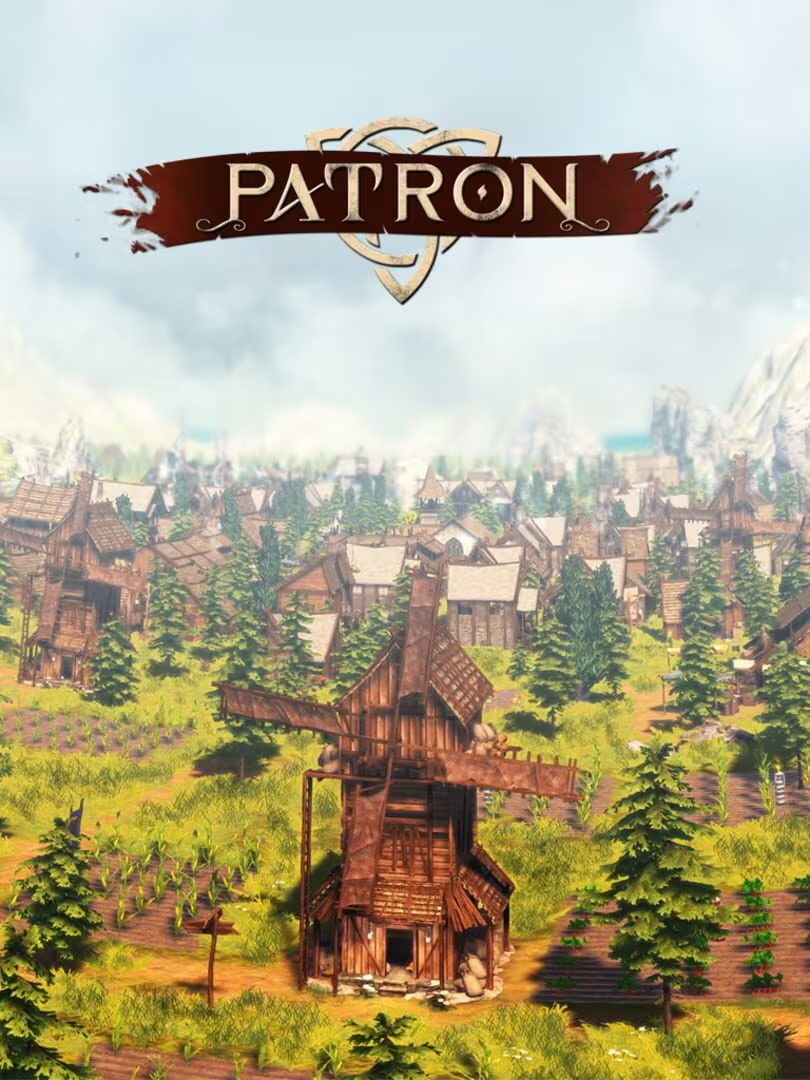 Patron
"No combat or destructive gameplay; constructive city building only."
-
Survival
Game with the same Survival vibe
-4"No survival or threat mechanics; stable and safe gameplay environment."
 LEGO® The Hobbit™
"No survival or threat mechanics; stable and safe gameplay environment."
Last update: 01/06/2026