Learn Japanese To Survive! Katakana War similar games & best alternatives
Should you play it?
Learn the basics of Japanese in this interactive role-playing game! No experience needed – start reading and writing in Japanese!
What works
- Effective language learning tool
- Engaging gamified education
- Improved combat and ui
- Cute characters and voice acting
- Affordable price
Things to keep in mind
- Campy and weak story
- Some voice acting is cringy
- Repetitive gameplay
- Minor bugs and performance issues
- Limited depth beyond learning
What to play next
Similar games, hidden gems, and fresh directions from this game.
Top picks
Games that feel the closest overall


Hidden Gems
Less popular games with surprisingly high similarity

If you liked…
Recommendations by what you enjoyed most
Similarity map
Explore nearby similar games and see why they’re close.
Learn Japanese To Survive! Katakana War: Less representative of its motivational profile, with noticeable differences. Motivations that often define this kind of title include Cooperation, Fellowship, Intimacy, Leadership. It leans lower than usual among comparable games on Violence, Thrill, Survival.
Why this game works
A motivational profile of the game, with the closest similar game for each player motivation.
-
Autonomy
Game with the same Autonomy vibe
3"Players can freely choose party members, switch characters for exploration and combat stances, and customize talents and builds, though the game is somewhat linear in progression."
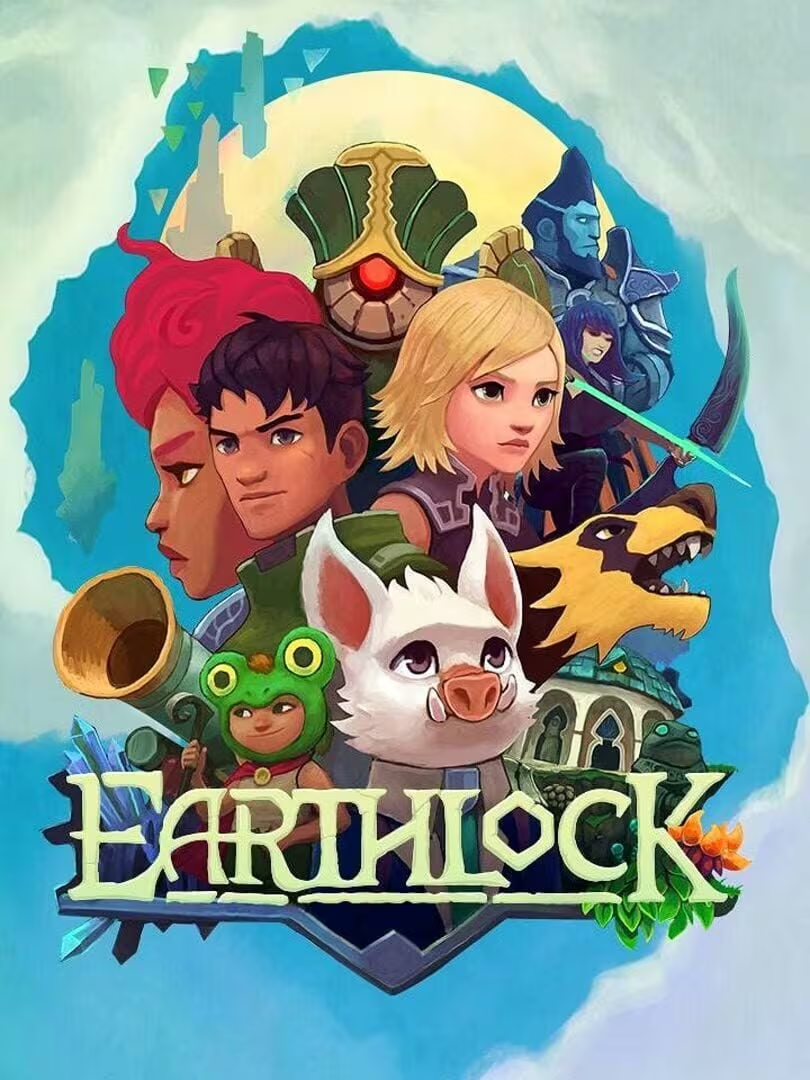 EARTHLOCK
"Players create their own character and choose party members, with some freedom in combat and exploration."
-
Competence
Game with the same Competence vibe
4"The game challenges players to learn and recall kanji meanings and pronunciations, with combat success tied to correct answers, providing skill feedback."
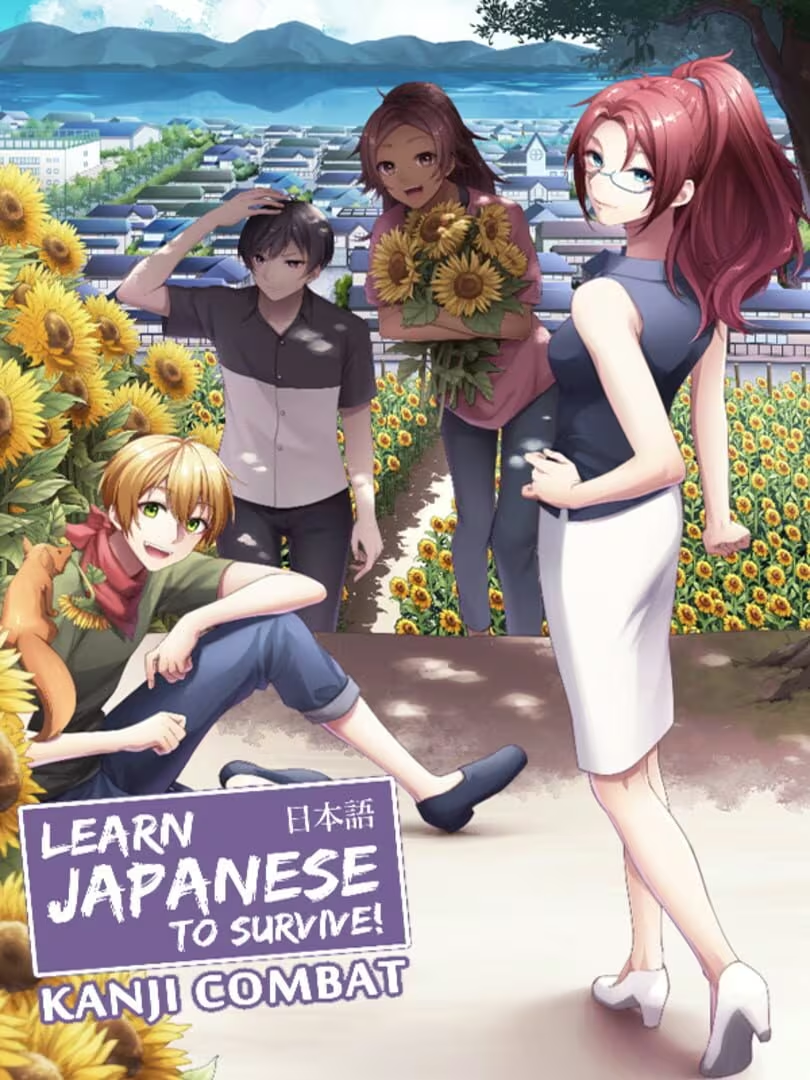 Learn Japanese To Survive! Kanji Combat
"Game challenges players to memorize and recognize Katakana characters, with feedback and progression."
-
Competition
Game with the same Competition vibe
-3"Focus is on personal mastery and learning rather than competing against others."
 Reentry - A Space Flight Simulator
"Focus is on personal learning and practice rather than competing against others."
-
Continuation
Game with the same Continuation vibe
4"Many players report long sessions and habitual play due to the game's depth and learning curve."
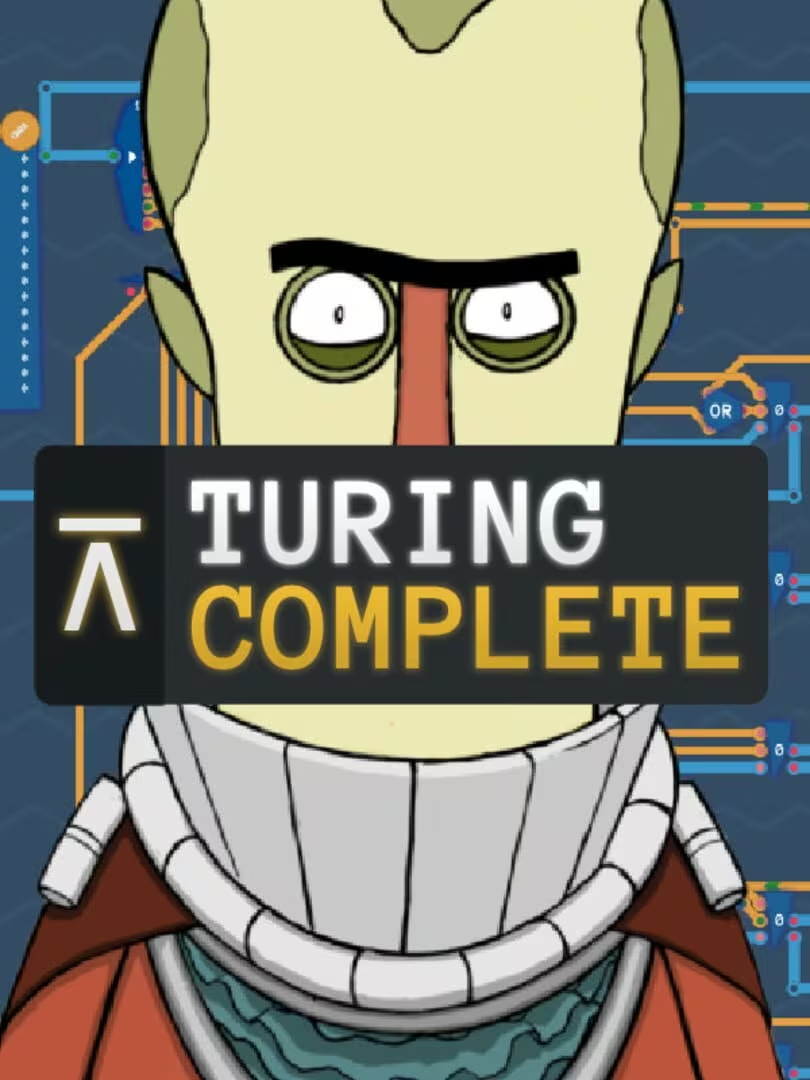 Turing Complete
"Many players report long play sessions and repeated practice to reinforce learning."
-
Cooperation
Game with the same Cooperation vibe
2"Players manage a party with different characters working together, but no multiplayer or explicit teamwork mechanics."
 Long Gone Days
"Players manage a party of characters with some interaction and affection systems, but no multiplayer."
-
Creativity
Game with the same Creativity vibe
1"Some customization in party composition and combat style, but the game follows a mostly linear path with limited player-driven creation."
 Silver
"Some customization in party composition and character interaction, but mostly structured gameplay."
-
Domination
Game with the same Domination vibe
-4"Interactions emphasize equality and friendship rather than control or superiority over others."
 Little Busters! English Edition
"Interactions emphasize equality and friendship rather than control or superiority."
-
Escapism
Game with the same Escapism vibe
3"Players use the game as a fun and engaging way to escape and focus on learning Japanese, providing distraction from real life."
 Learn Japanese To Survive! Hiragana Battle
"Players use the game as a fun way to escape and engage with language learning."
-
Expectation
Game with the same Expectation vibe
-4"Players engage voluntarily out of personal interest and intrinsic motivation to learn Japanese."
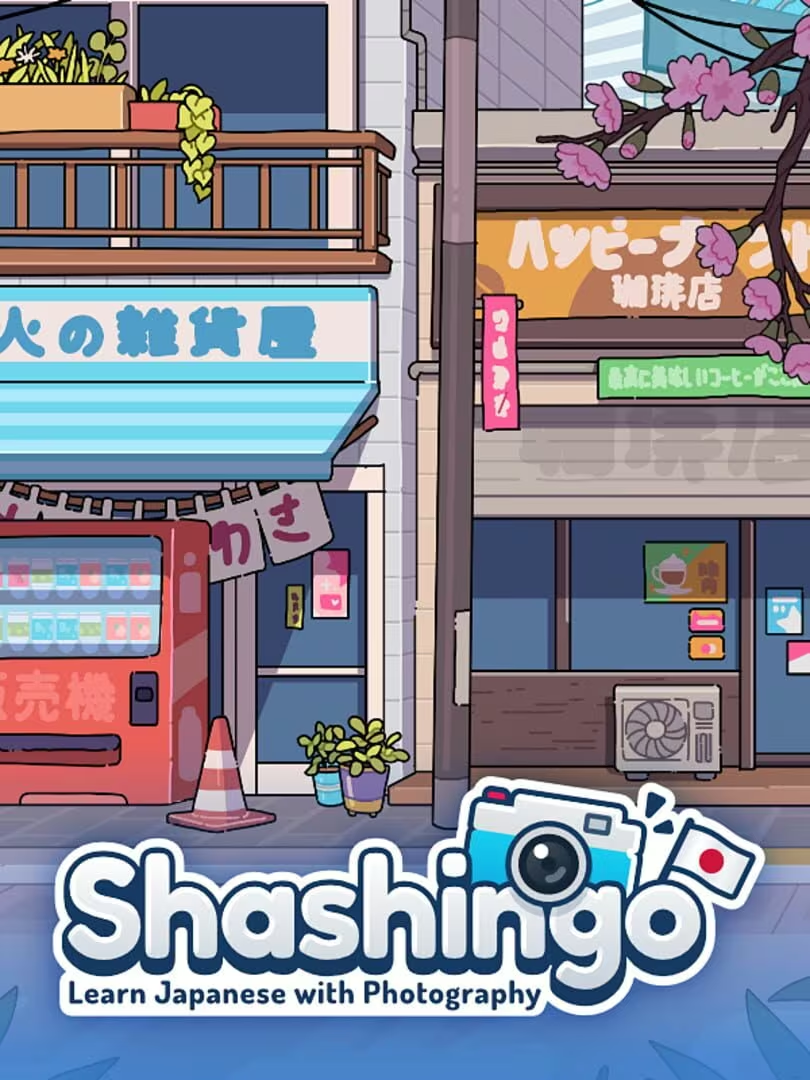 Shashingo: Learn Japanese with Photography
"Players engage voluntarily out of interest in learning Japanese and personal desire."
-
Experimenting
Game with the same Experimenting vibe
2"Players try different classes, gear, and strategies, though core gameplay is repetitive."
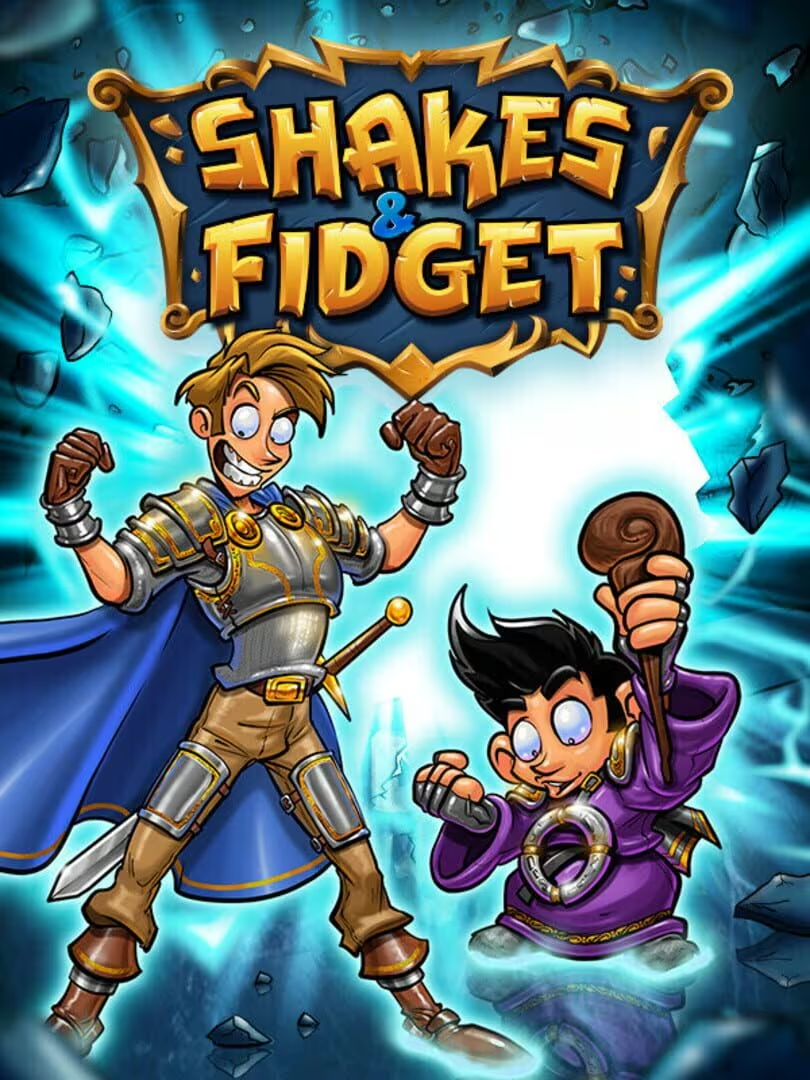 Shakes and Fidget
"Players try different party setups and strategies, but core gameplay is repetitive for learning."
-
Exploration
Game with the same Exploration vibe
2"Players explore different arenas, bosses, and game variants, but environments are limited and familiar."
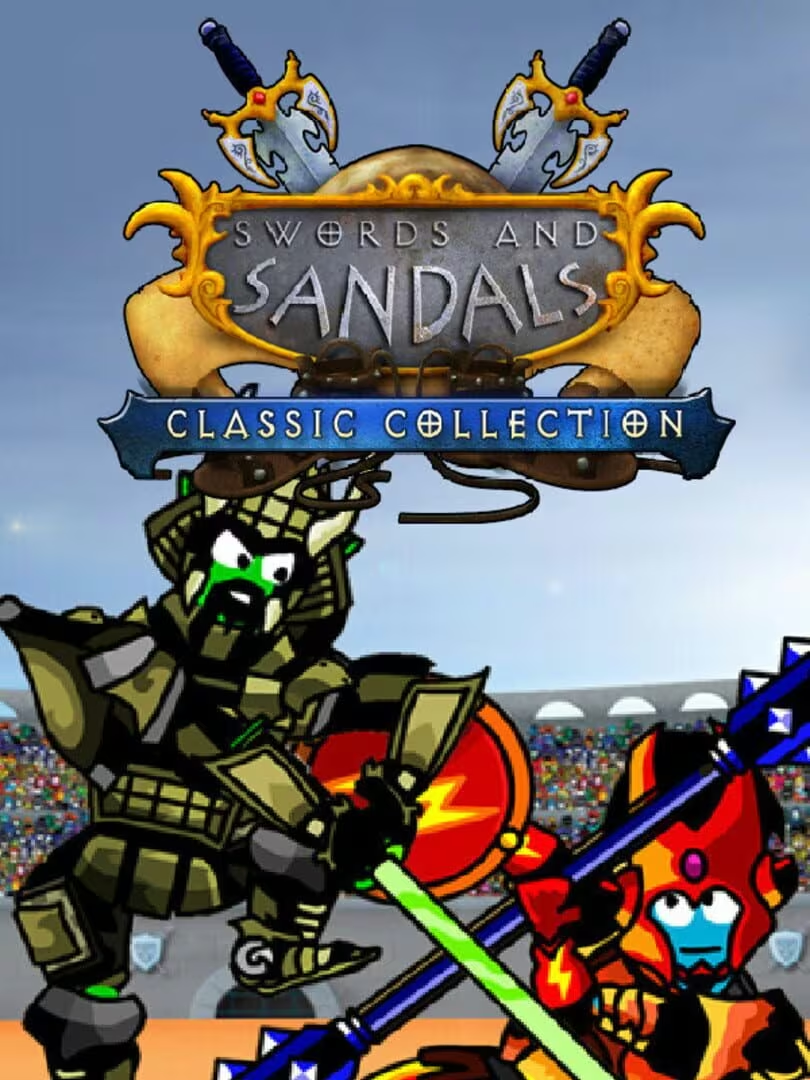 Swords and Sandals Classic Collection
"Players explore maps with visible enemies and quests, but environments are familiar and limited."
-
Expression
Game with the same Expression vibe
1"Limited character customization; some self-expression through dialogue choices but no avatar personalization."
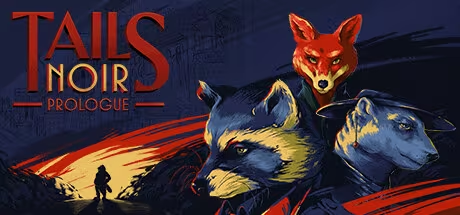 Tails Noir: Prologue
"Some character personalization and affection dialogue, but limited avatar customization."
-
Fantasy
Game with the same Fantasy vibe
2"The game features a fictional story with monsters shaped like kanji and a fantasy setting, blending learning with imaginative elements."
Learn Japanese To Survive! Kanji Combat
"Game features a fictional story with monsters and RPG elements, though grounded in language learning."
-
Fellowship
Game with the same Fellowship vibe
3"Players feel part of a small community through shared interests in the game, character interactions, and multiplayer-like team play."
 Seed of the Dead: Sweet Home
"Players feel part of a small party and community through character interactions and affection."
-
Growth
Game with the same Growth vibe
5"Strong focus on learning, skill acquisition, and personal development in Japanese language proficiency."
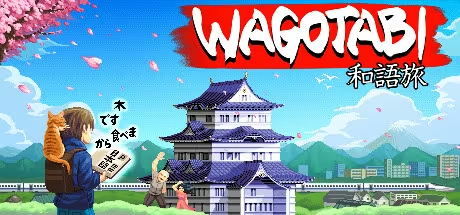 Wagotabi: A Japanese Journey
"Strong emphasis on learning, memorization, and personal development of Japanese language skills."
-
Health
Game with the same Health vibe
-5"Sedentary gameplay with no physical activity or health-related features."
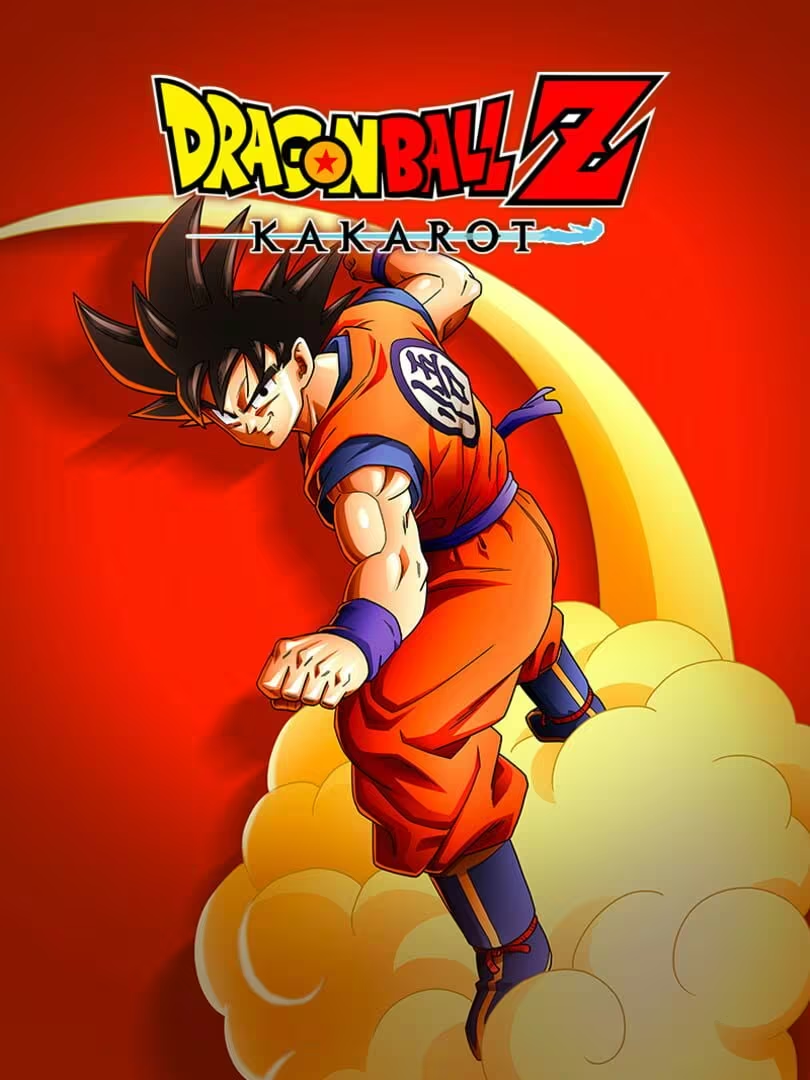 DRAGON BALL Z: KAKAROT
"Sedentary gameplay with no physical activity or health-related features."
-
Idle
Game with the same Idle vibe
-3"Requires focused attention and active engagement to succeed."
 World of Guns: Gun Disassembly
"Requires focused attention and active engagement to learn and progress."
-
Intimacy
Game with the same Intimacy vibe
2"Affection events and character interactions provide some emotional connection."
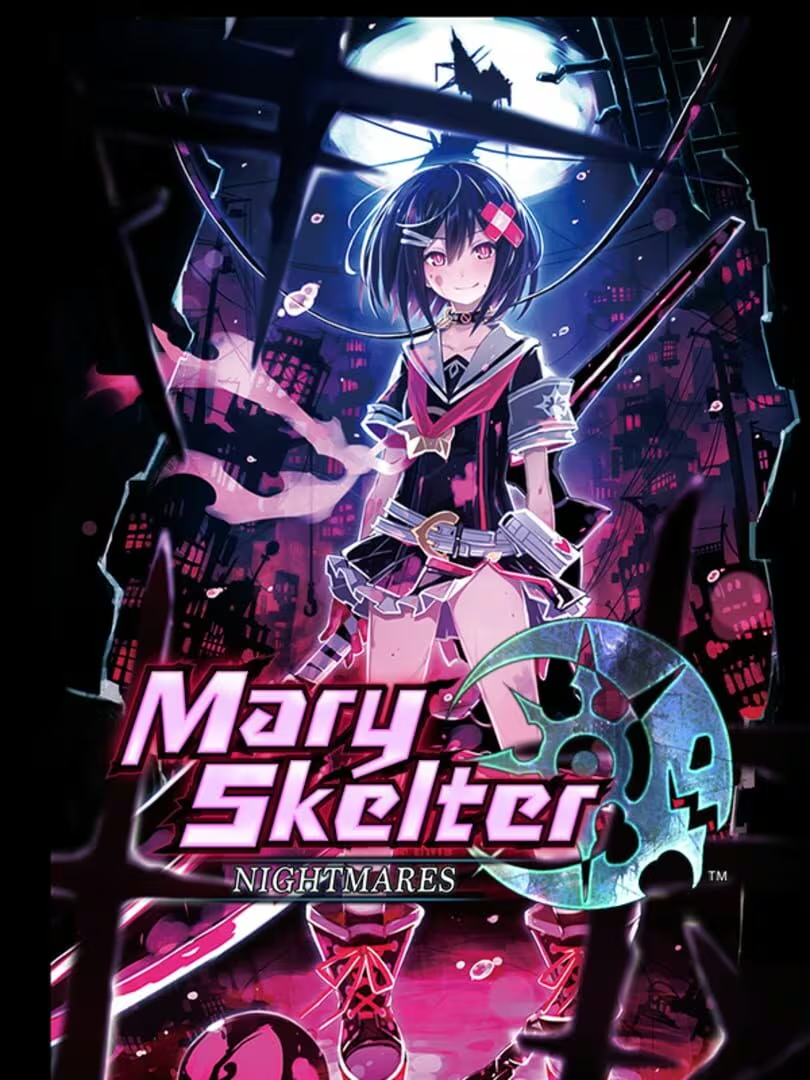 Mary Skelter: Nightmares
"Some emotional connection through affection system and character dialogue."
-
Leadership
Game with the same Leadership vibe
2"Players manage and direct a party of characters, making strategic decisions about team composition."
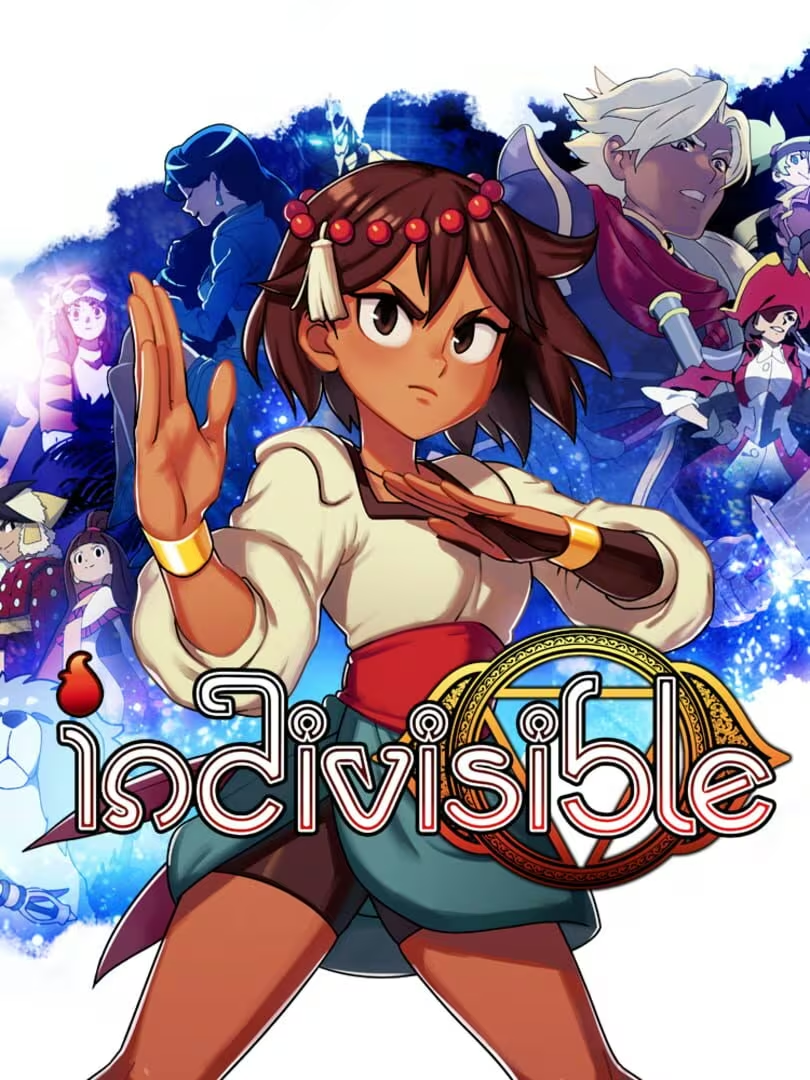 Indivisible
"Players lead a party and make decisions about team composition and strategy."
-
Progression
Game with the same Progression vibe
4"Players accumulate items, upgrades, and skills as they advance through the game."
 Monomyth
"Players accumulate items, upgrades, and affection levels as they advance."
-
Relaxation
Game with the same Relaxation vibe
3"Many players find the game relaxing and enjoyable despite some repetitive elements."
 Academia : School Simulator
"Many players find the game relaxing and enjoyable despite some repetitive elements."
-
Sensation
Game with the same Sensation vibe
1"Visuals and music provide mild sensory stimulation; voice acting is mixed."
 Reversion - The Escape (1st Chapter)
"Visual and auditory feedback present but not intense; voice acting is mixed in quality."
-
Status
Game with the same Status vibe
-4"Focus is on personal and cooperative experience rather than social recognition or competition."
 REANIMAL
"Focus is on individual learning rather than social recognition or competition."
-
Story
Game with the same Story vibe
1"Story is present but campy and light; provides context but is not deeply immersive or complex."
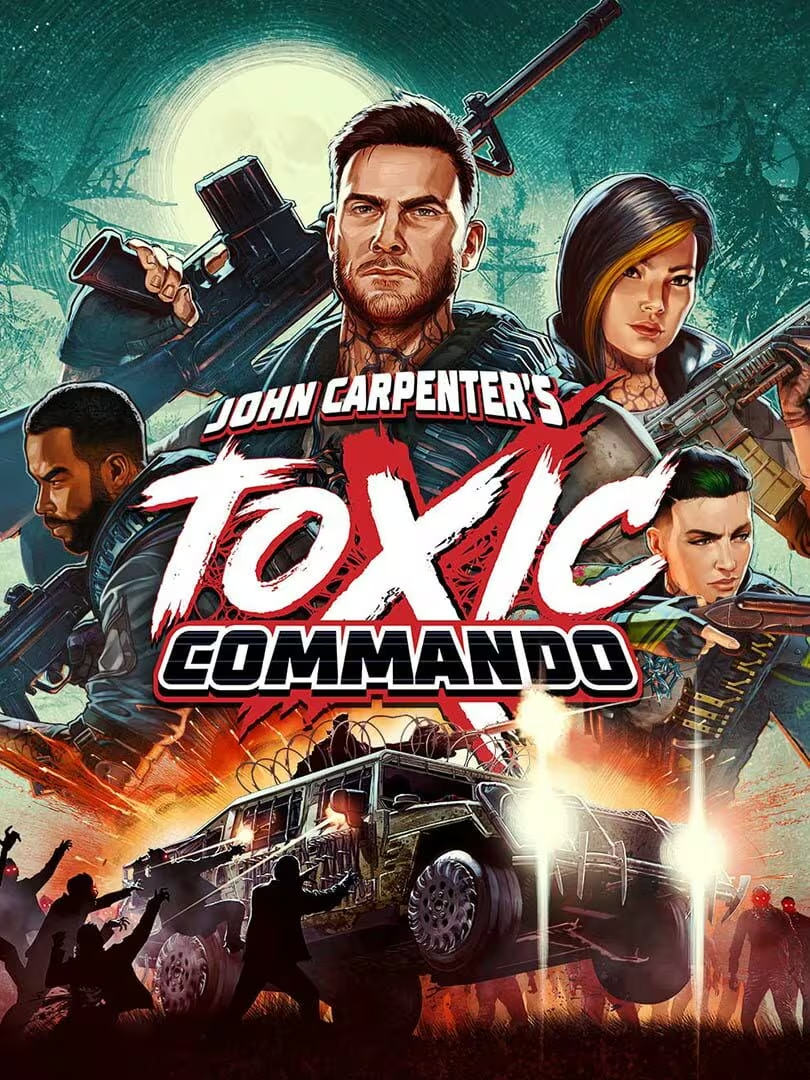 John Carpenter's Toxic Commando
"Story is present but considered campy and secondary to educational content."
-
Strategy
Game with the same Strategy vibe
3"Turn-based combat requires tactical thinking and planning, with positioning and skill combinations important."
 FAIRY TAIL
"Turn-based combat requires some planning and use of character abilities."
-
Thrill
Game with the same Thrill vibe
-2"Gameplay is low risk and predictable, focused on planning rather than suspense or excitement."
 Transport Fever
"Gameplay is low risk and predictable, focused on learning rather than suspense."
-
Value
Game with the same Value vibe
4"Players perceive strong educational and entertainment value for the price."
 Wrench
"Players perceive good educational value and entertainment for the price."
-
Violence
Game with the same Violence vibe
-3"Combat is symbolic and educational rather than violent or destructive."
Learn Japanese To Survive! Hiragana Battle
"Combat is symbolic and educational rather than violent or destructive."
-
Survival
Game with the same Survival vibe
-2"Low risk environment; failure consequences are minimal and forgiving."
 Vehicle Simulator
"Low threat environment; failure is minimal and forgiving."
Last update: 01/06/2026