EARTHLOCK similar games & best alternatives
Should you play it?
Earthlock is an indie developed, adventure RPG inspired by the classic 3D RPGs of the late 90's, with a fresh take on turn based combat and character progression.
What works
- Engaging turn-based combat with strategic depth
- Unique talent and bond systems for character customization
- Colorful and charming fantasy world with good art and music
- Varied exploration with treasure hunting and side quests
- Polished gameplay with crafting and farming elements
Things to keep in mind
- Story and character development considered average or underdeveloped
- Low level cap limits late-game progression and challenge
- Some tedious grinding and repetitive battles after level cap
- Limited camera control and occasional ui annoyances
- Save system relies on save points, no quicksave
What to play next
Similar games, hidden gems, and fresh directions from this game.
Top picks
Games that feel the closest overall
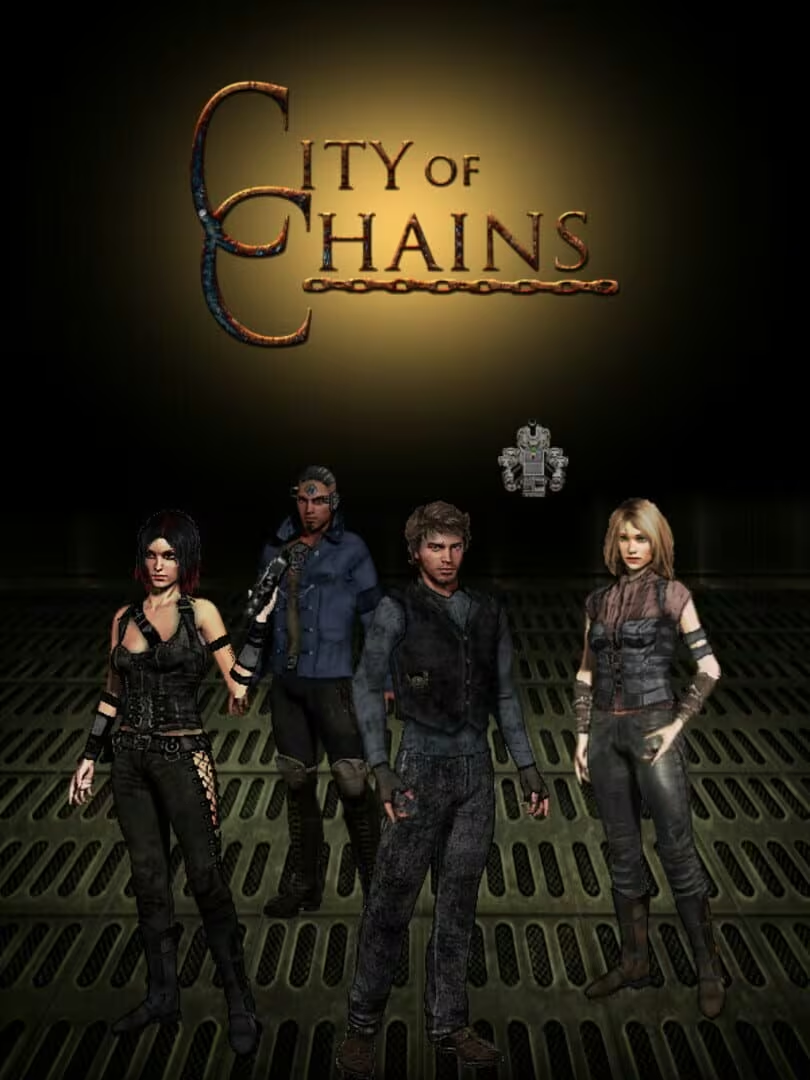
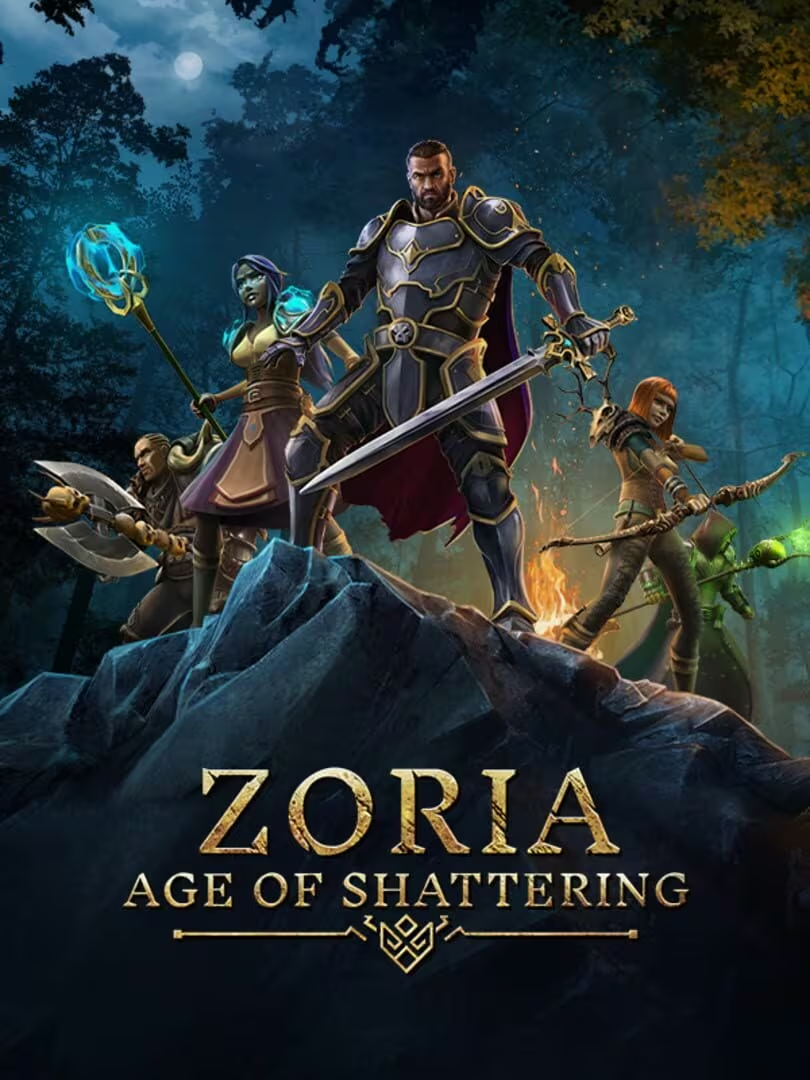
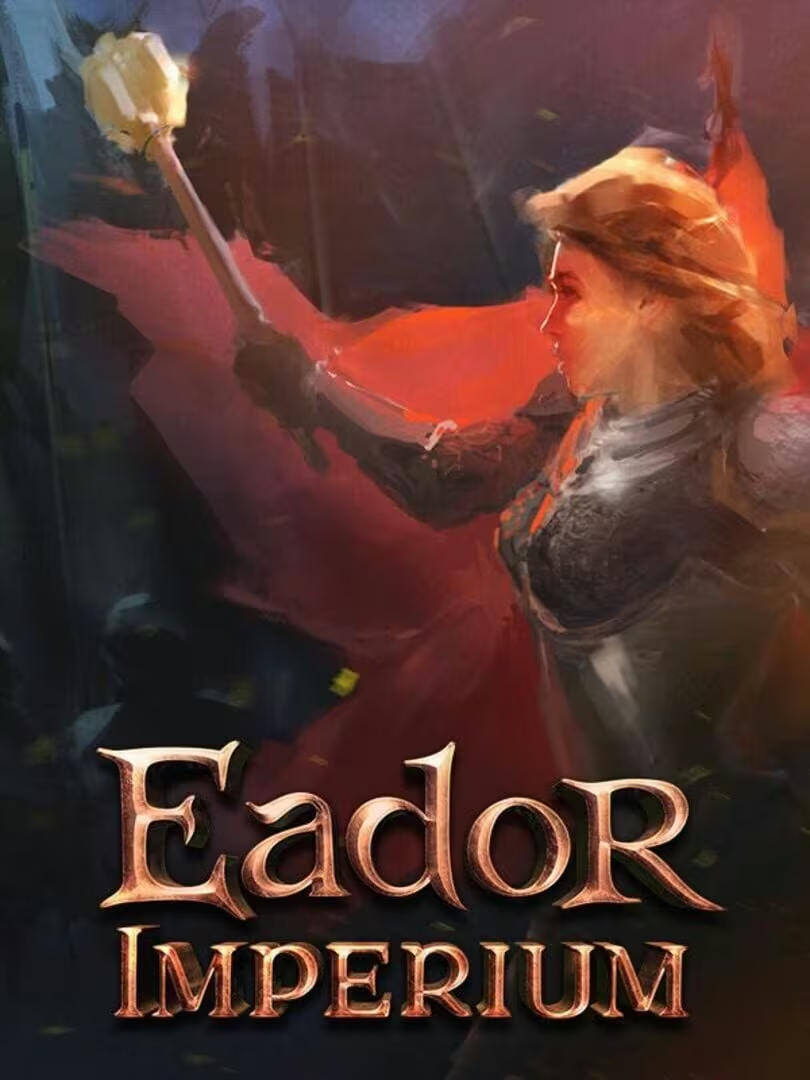
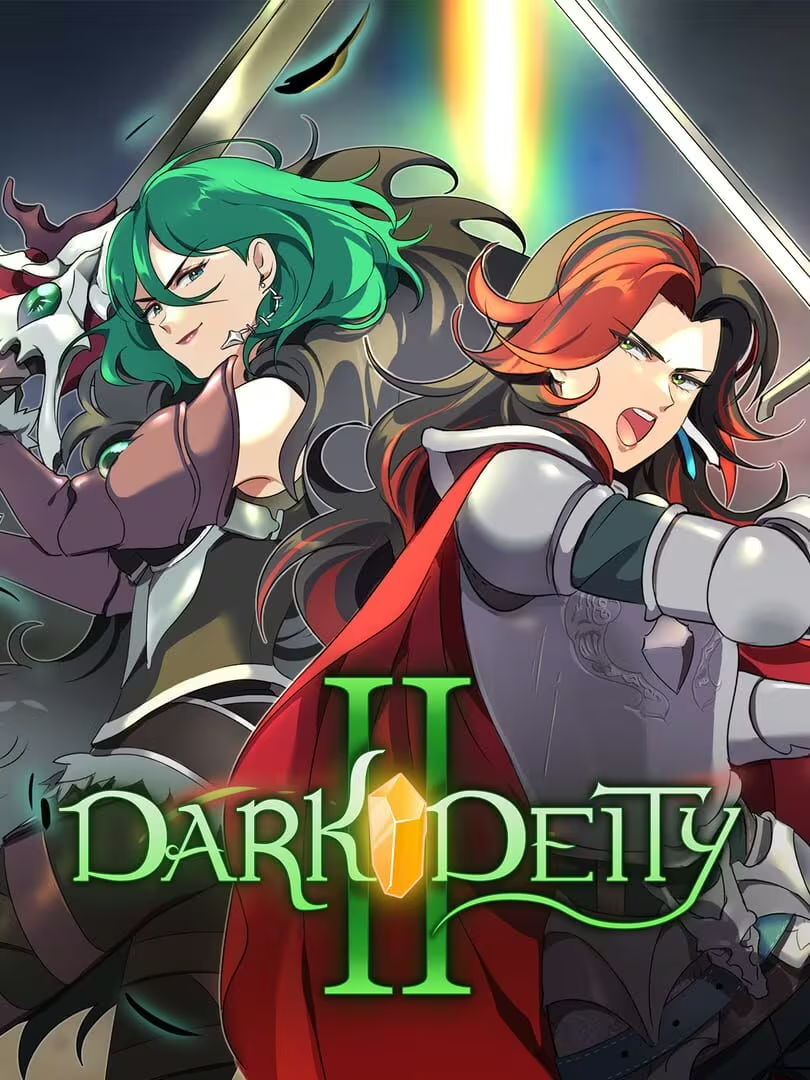
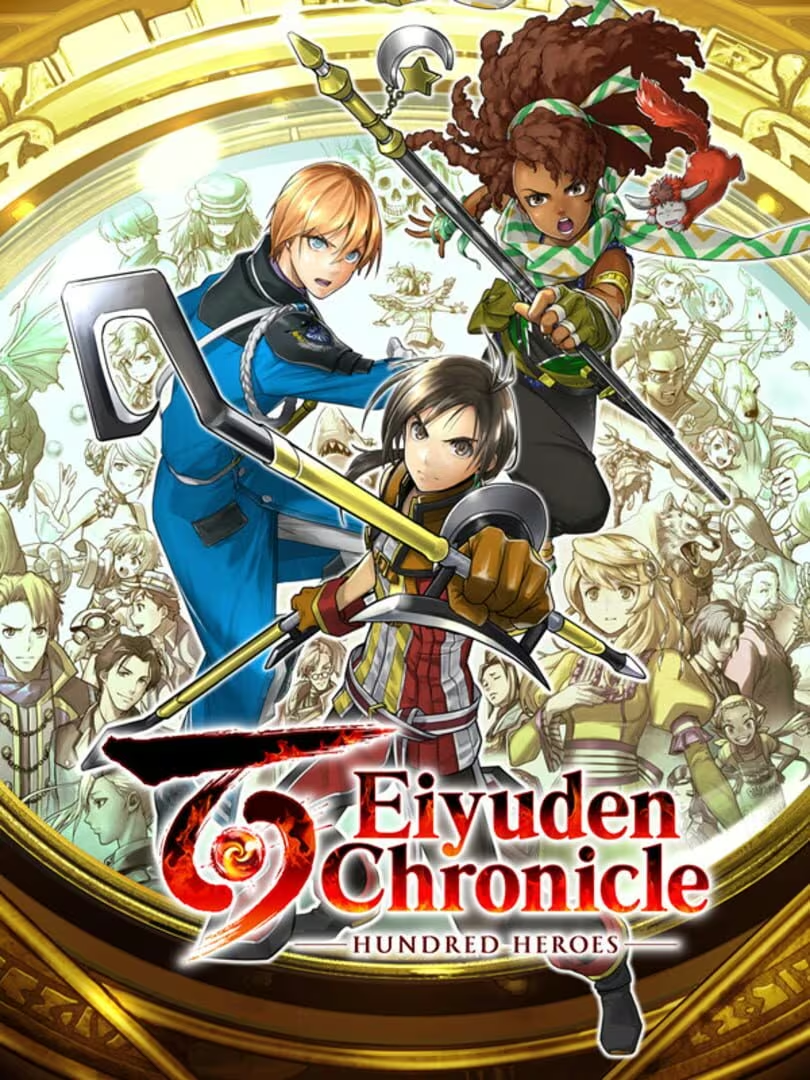
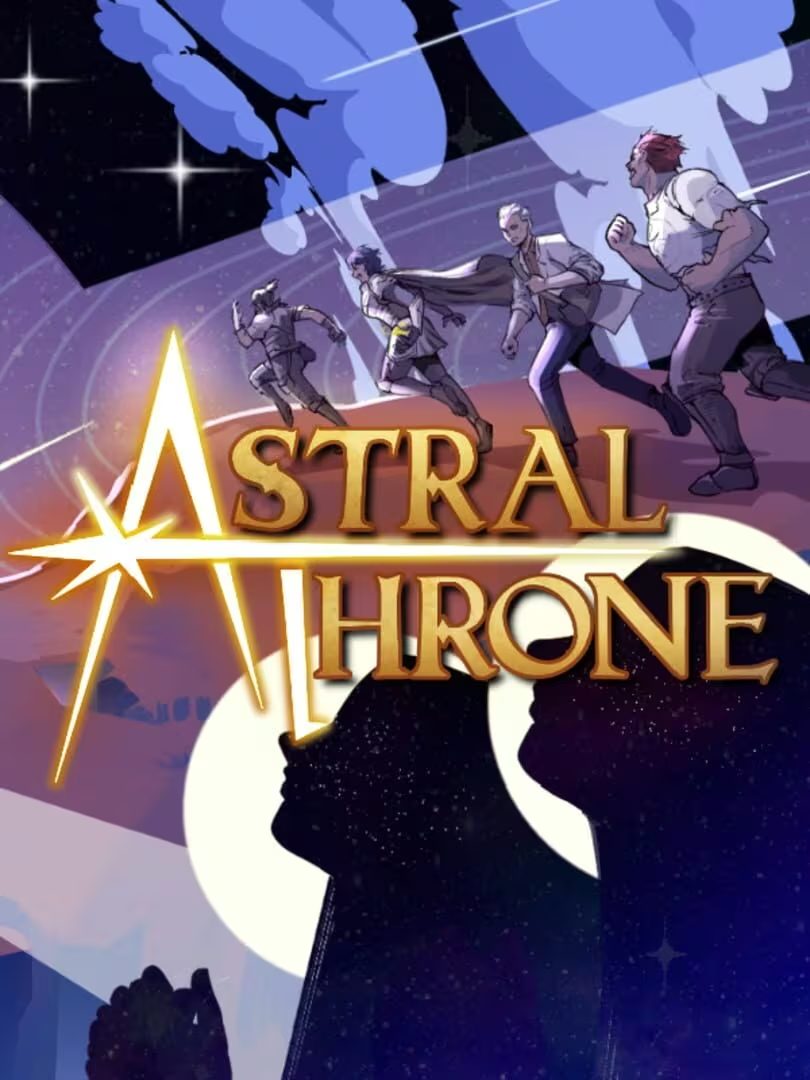
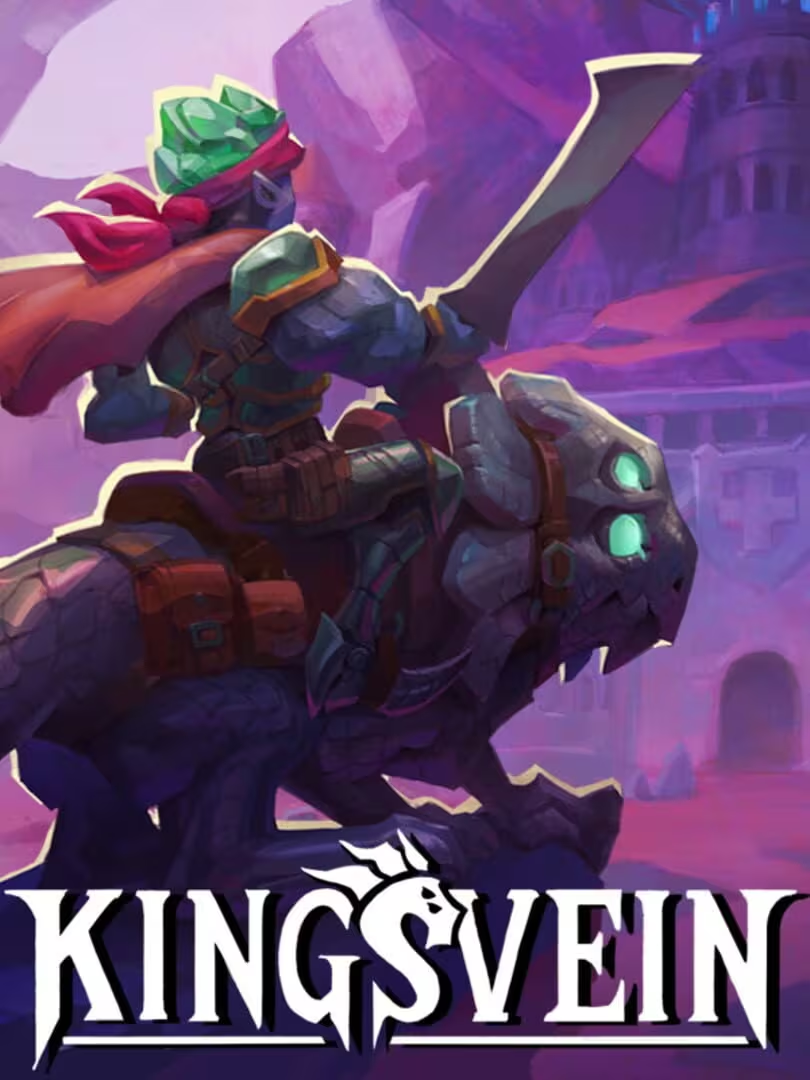
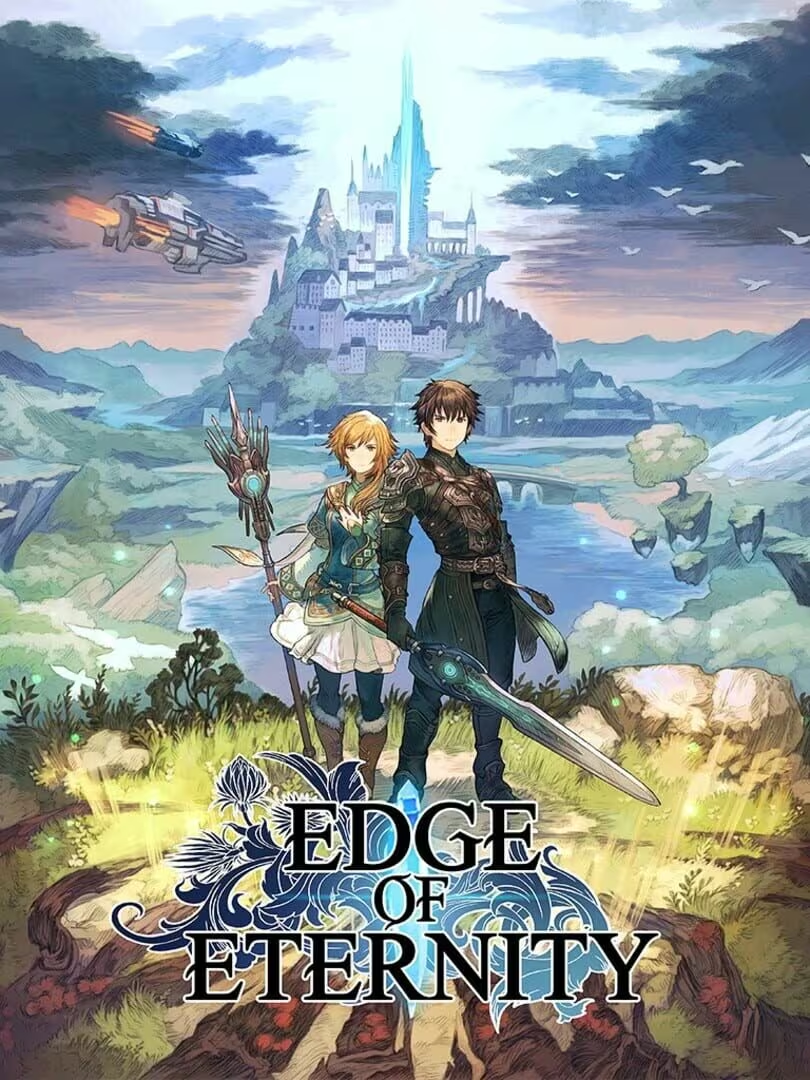
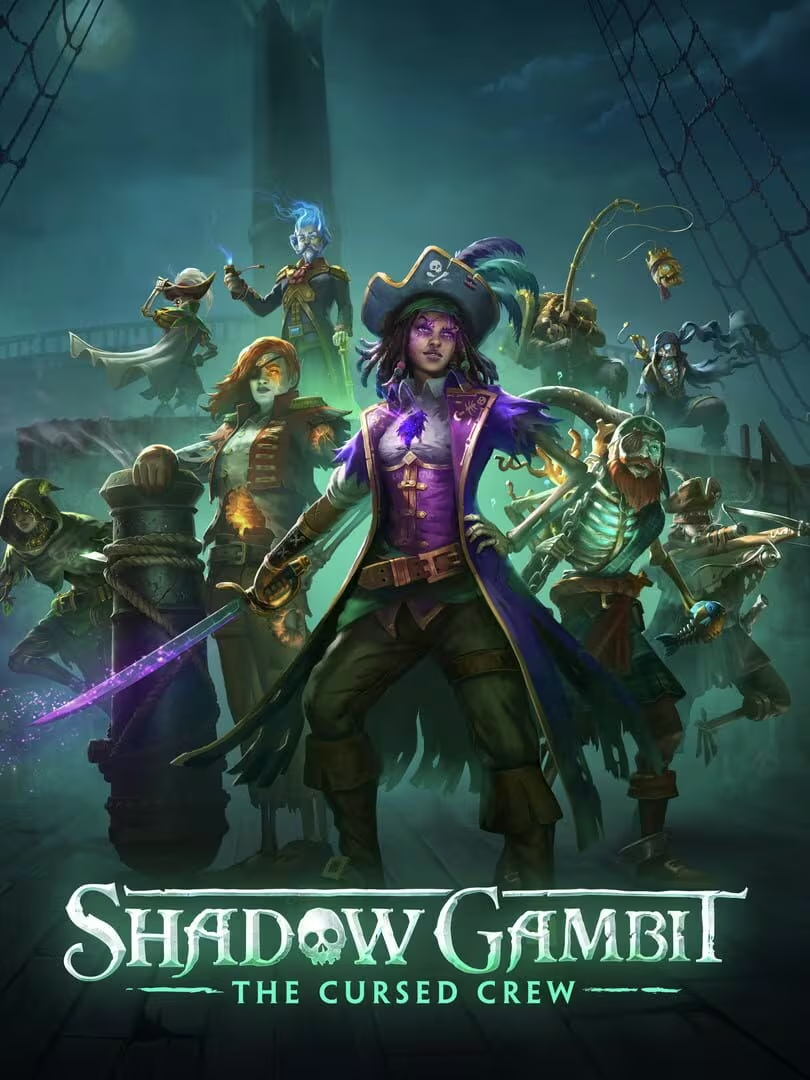
Hidden Gems
Less popular games with surprisingly high similarity
If you liked…
Recommendations by what you enjoyed most
Similarity map
Explore nearby similar games and see why they’re close.
EARTHLOCK: A very typical example of its motivational profile. Motivations that often define this kind of title include Fellowship, Violence, Survival, Cooperation. Here, the score leans higher than usual among comparable games on Leadership, Cooperation. It leans lower than usual among comparable games on Survival.
Why this game works
A motivational profile of the game, with the closest similar game for each player motivation.
-
Autonomy
Game with the same Autonomy vibe
3"Players create their own character and choose party members, with some freedom in combat and exploration."
 Learn Japanese To Survive! Katakana War
"Players can freely choose party members, switch characters for exploration and combat stances, and customize talents and builds, though the game is somewhat linear in progression."
-
Competence
Game with the same Competence vibe
3"Combat requires strategic thinking about skills and resistances; some bosses are challenging and require grinding and experimentation."
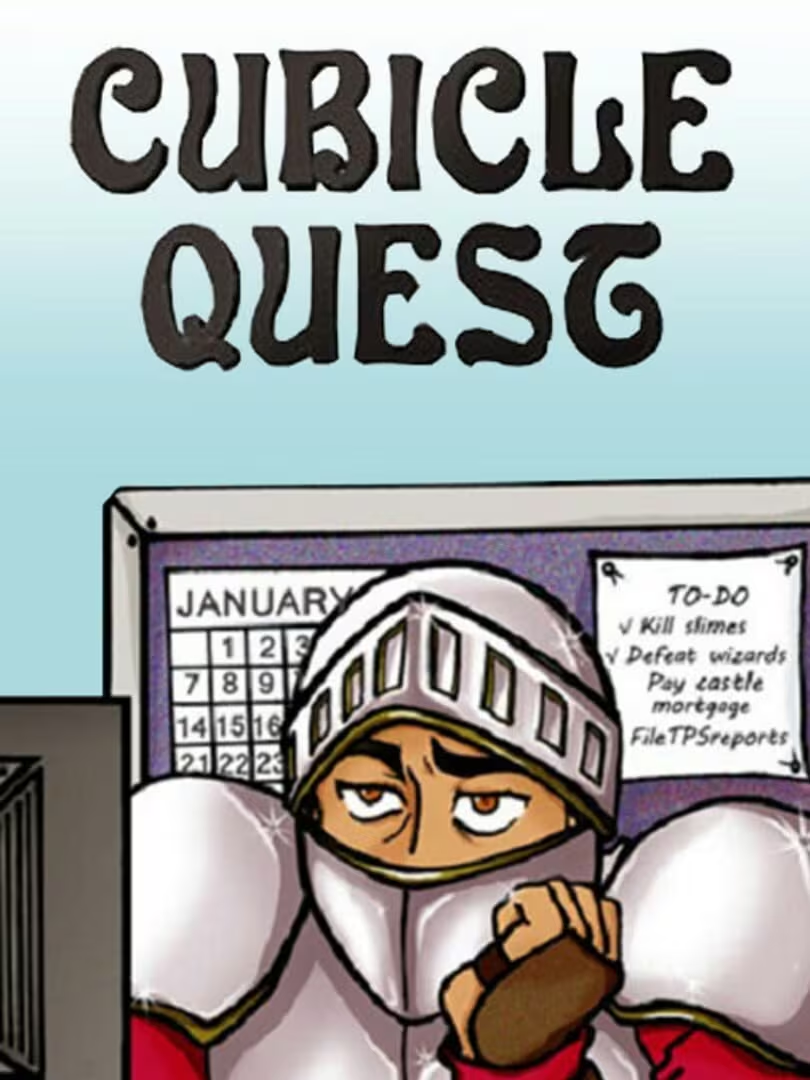 Cubicle Quest
"Combat requires strategic thinking with stances, bonds, and talent trees; bosses require skill and planning, though some grinding is possible and leveling caps limit late-game progression."
-
Competition
Game with the same Competition vibe
-3"Focus is on personal progression and exploration without competitive multiplayer or leaderboards."
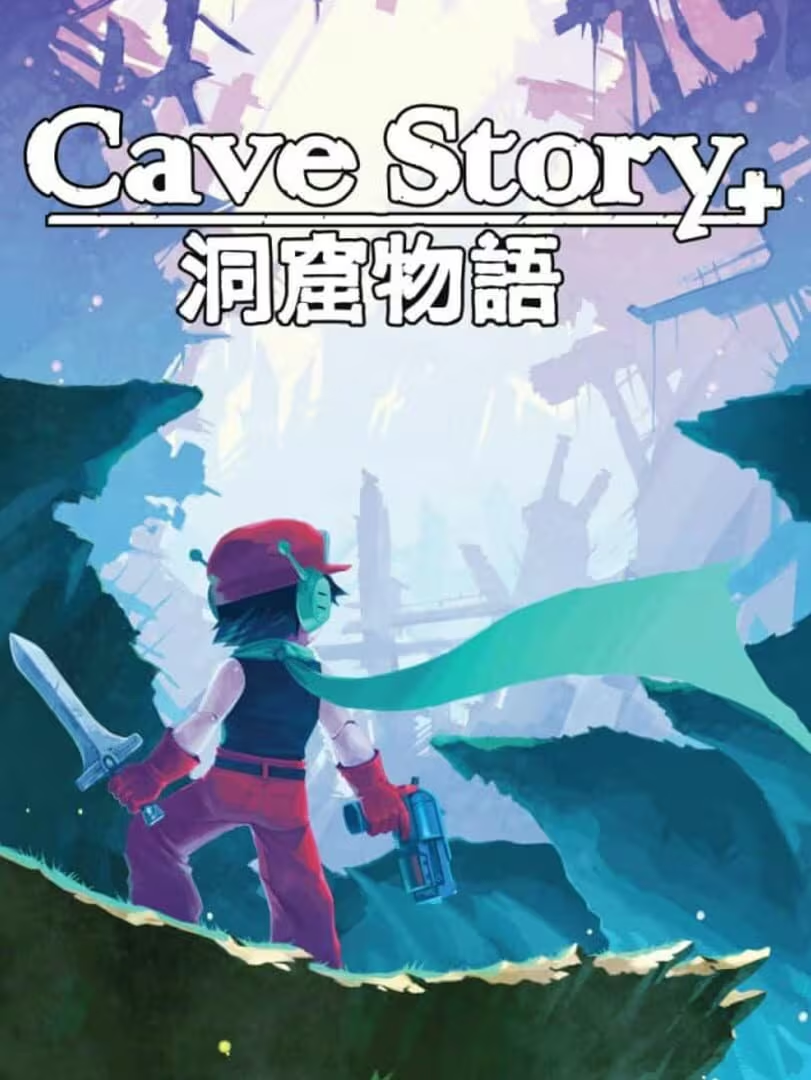 Cave Story+
"Focus is on personal progression and exploration without competitive multiplayer or leaderboards; players set their own pace."
-
Continuation
Game with the same Continuation vibe
2"Players report engaging story, characters, and exploration that encourage long play sessions; some mention frustration with late-game combat and puzzles."
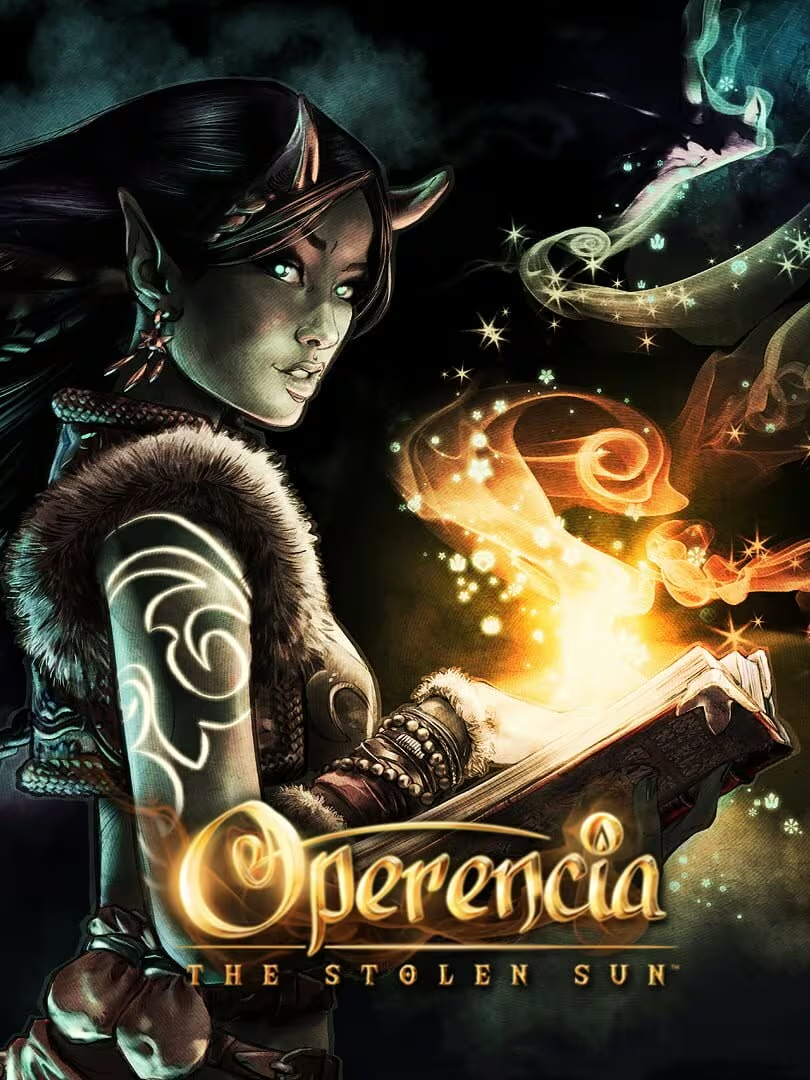 Operencia: The Stolen Sun
"Players report engaging combat and exploration that encourage continued play, though some find late-game battles tedious after level cap is reached."
-
Cooperation
Game with the same Cooperation vibe
-2"Gameplay centers on individual party management; no cooperative multiplayer or teamwork with other players."
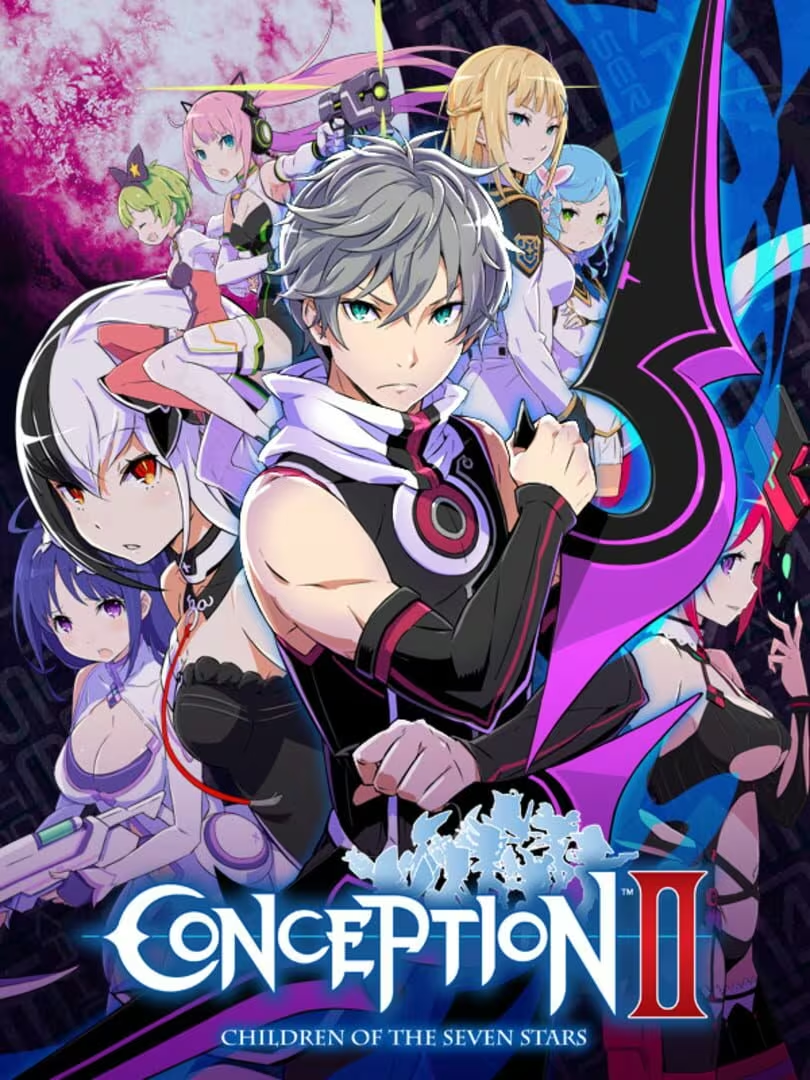 Conception II: Children of the Seven Stars
"Gameplay centers on individual party management and solo play; no multiplayer or social cooperation elements mentioned."
-
Creativity
Game with the same Creativity vibe
3"Players can customize characters with various martial arts, weapons, and cultivation methods; crafting and skill combinations add creative build options."
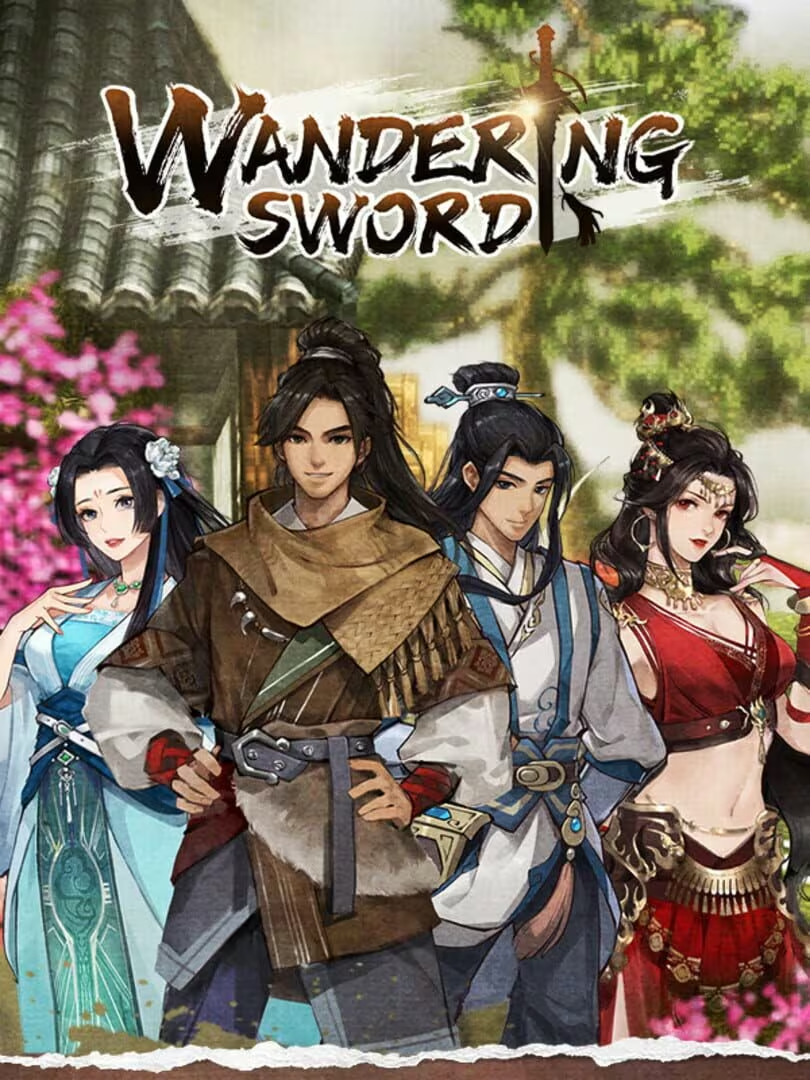 Wandering Sword
"Players customize characters via talent trees, build strategies with stances and bonds, and engage in crafting and farming, allowing creative approaches."
-
Domination
Game with the same Domination vibe
-5"No evidence of exerting control or superiority over others; interactions are respectful and cooperative."
 Model Builder: Complete Edition
"No evidence of exerting control or superiority over others; interactions are cooperative within the party and respectful."
-
Escapism
Game with the same Escapism vibe
4"Players use the game as a nostalgic escape and immersive fantasy experience distinct from real life."
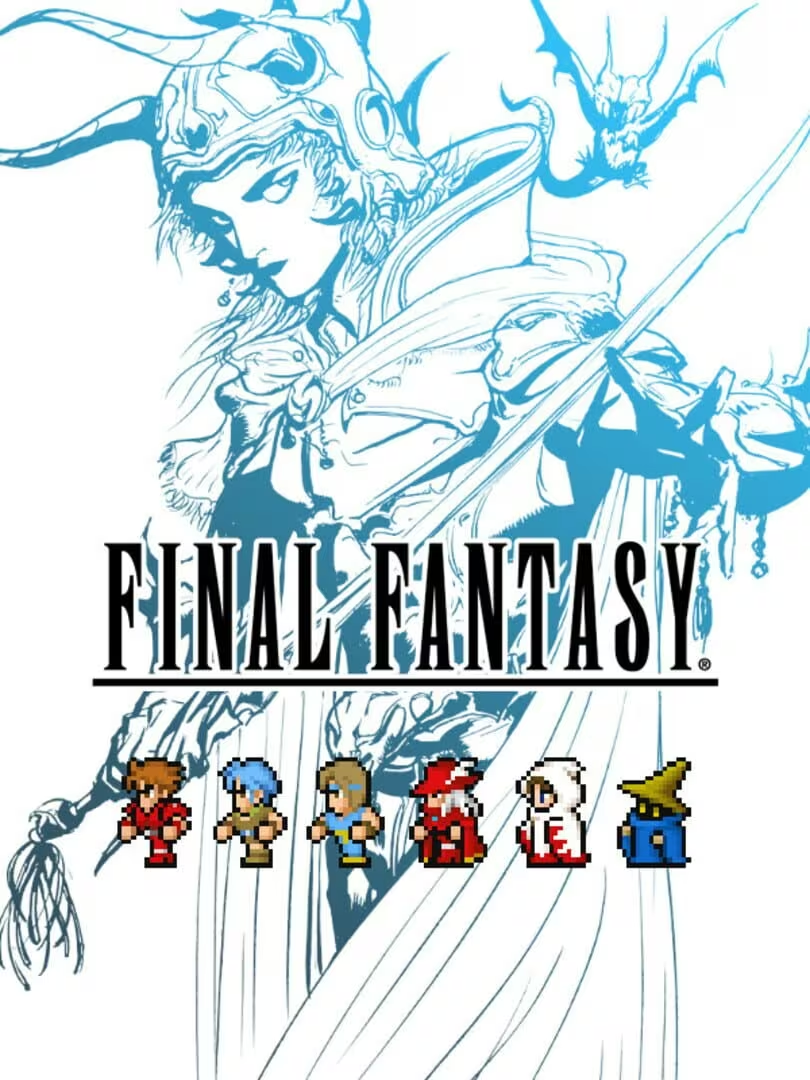 FINAL FANTASY
"Players use the game as a nostalgic, immersive fantasy experience to escape real life, enjoying exploration and story."
-
Expectation
Game with the same Expectation vibe
-4"Players engage voluntarily out of intrinsic interest and nostalgia for classic JRPGs; no indication of obligation or pressure."
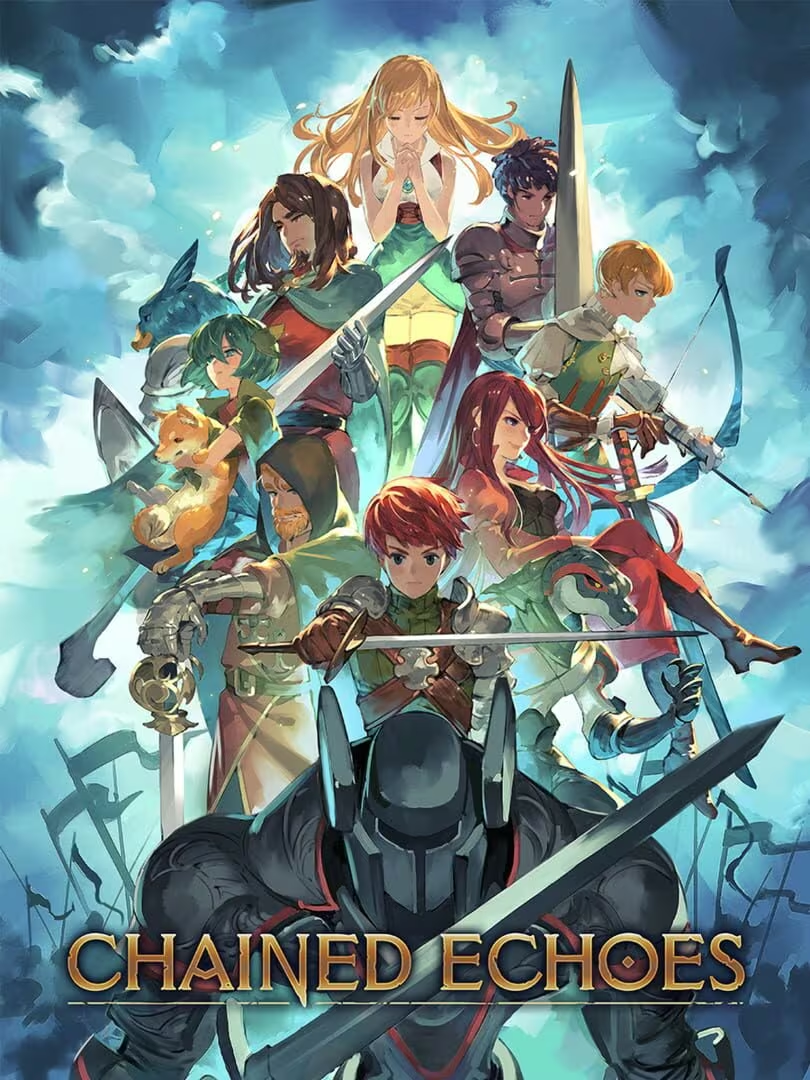 Chained Echoes
"Players engage voluntarily out of personal interest and nostalgia for JRPGs; no obligation or external pressure reported."
-
Experimenting
Game with the same Experimenting vibe
3"Players experiment with skill combinations, character builds, and crafting; some trial and error involved."
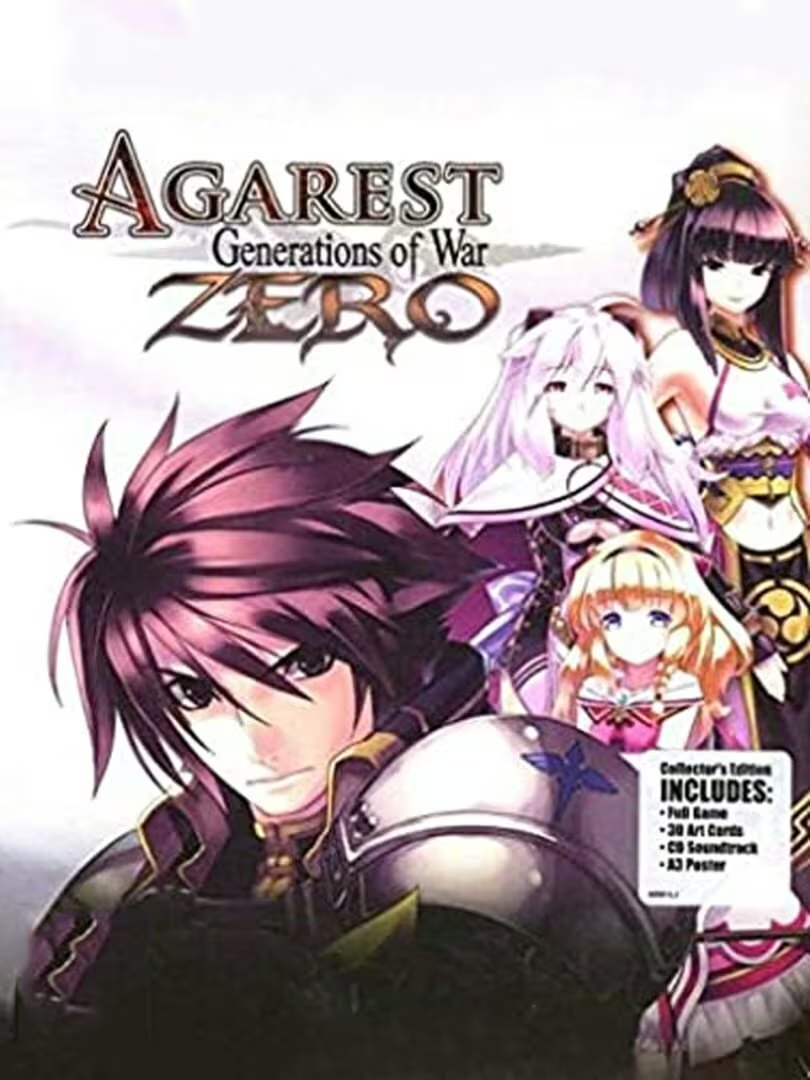 Agarest: Generations of War Zero
"Players experiment with different talent builds, combat stances, and party compositions; crafting and farming add to experimentation."
-
Exploration
Game with the same Exploration vibe
3"Game features an overworld with varied areas to explore, hidden treasures, and side quests that reward curiosity."
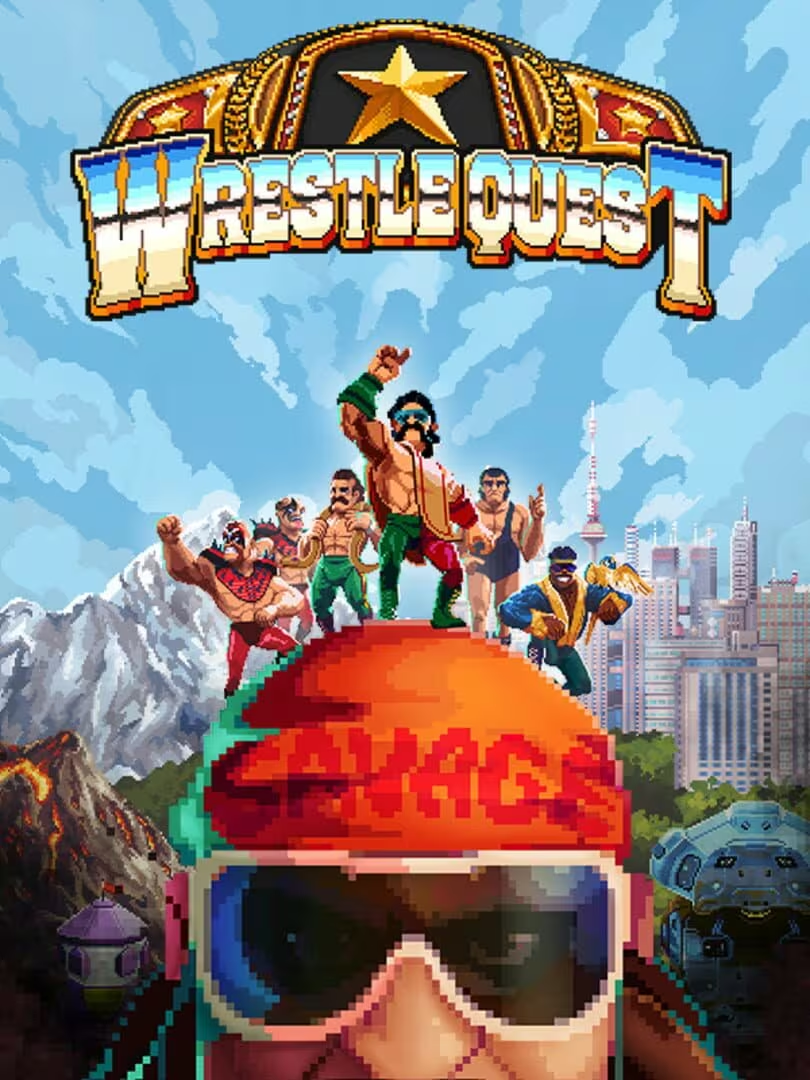 WrestleQuest
"Game features an overworld with visible enemies, treasure hunting, side quests, and secret areas encouraging discovery."
-
Expression
Game with the same Expression vibe
2"Character customization through skills and equipment allows some self-expression, but no cosmetic personalization noted."
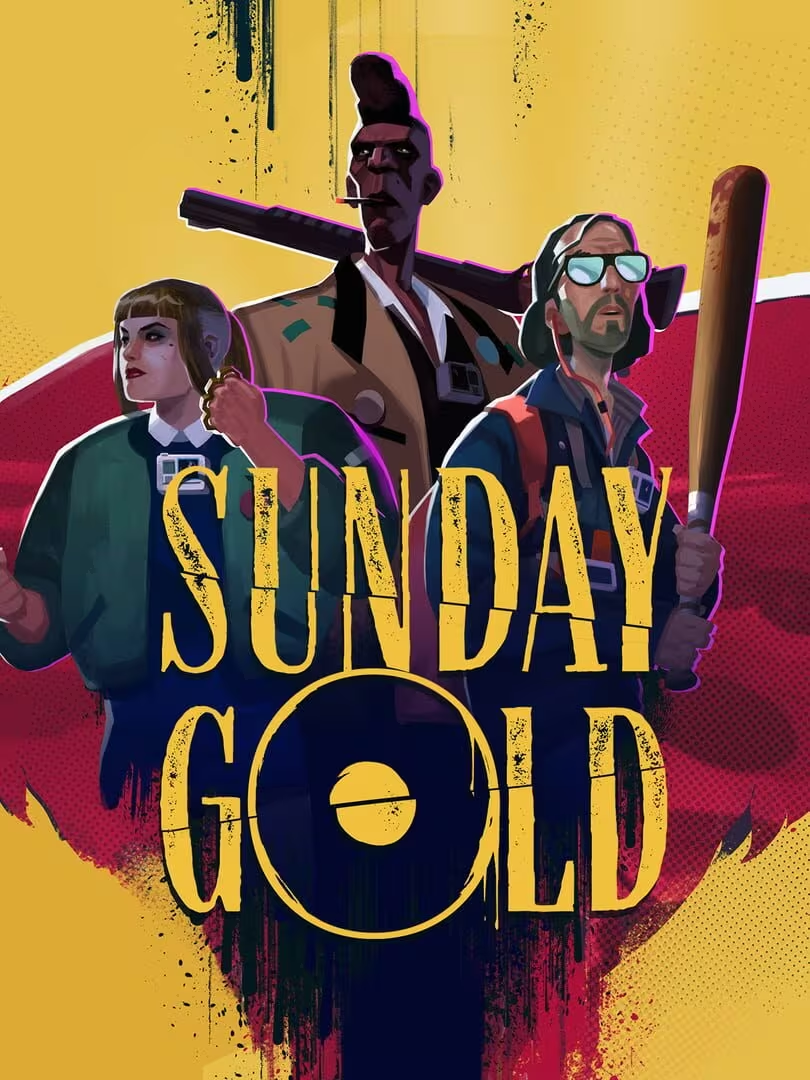 Sunday Gold
"Character customization via talents and equipment allows some self-expression, though no cosmetic personalization noted."
-
Fantasy
Game with the same Fantasy vibe
4"Fantasy setting with imaginative units and lore; players experience a fictional world with mythical elements."
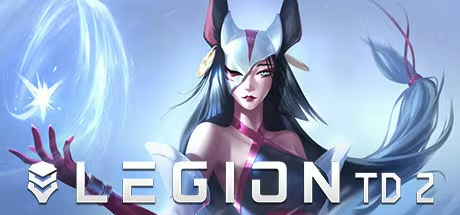 Legion TD 2 - Multiplayer Tower Defense
"Set in a unique fantasy world with imaginative creatures and lore, players experience a fictional narrative with magical elements."
-
Fellowship
Game with the same Fellowship vibe
-3"Game is single-player focused with limited social interaction; no multiplayer or community features noted."
 Fairy Fencer F Advent Dark Force
"Social interaction is limited to single-player party management; no multiplayer or community features emphasized."
-
Growth
Game with the same Growth vibe
3"Players develop fighting skills, learn combos, and improve strategies; challenges and higher difficulties encourage personal development."
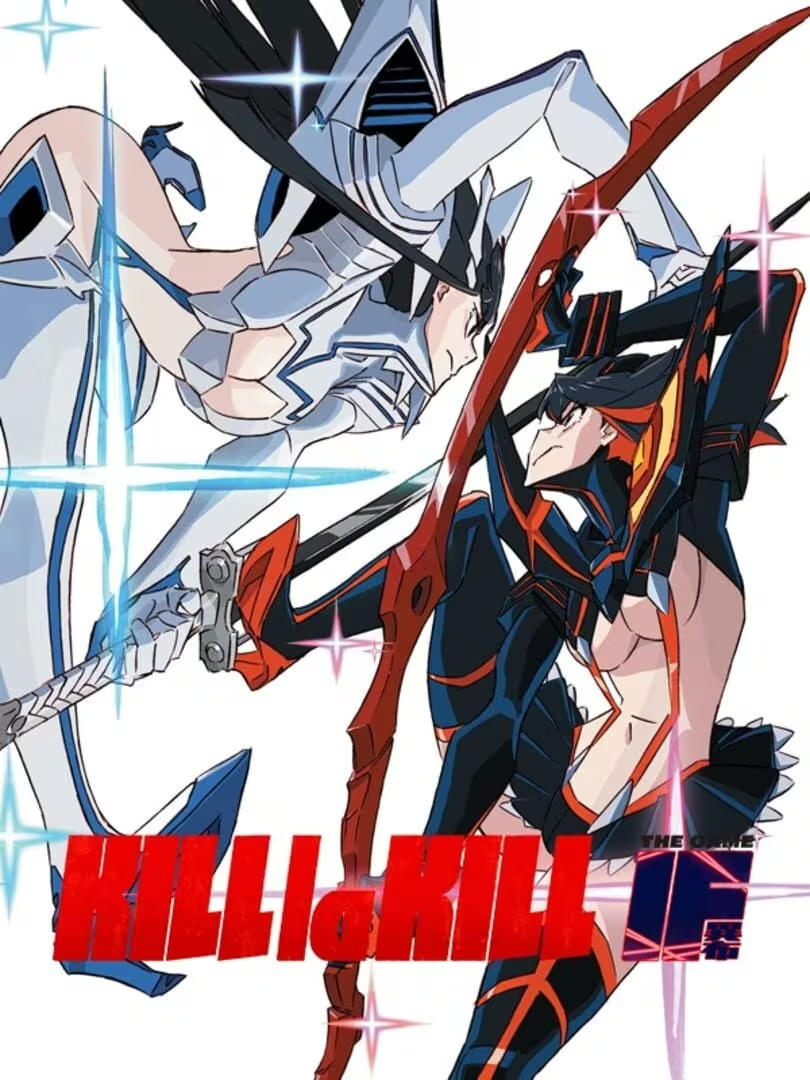 KILL la KILL -IF
"Players develop skills, learn combat strategies, and progress through talent trees and bonds, supporting personal development."
-
Health
Game with the same Health vibe
-4"Sedentary gameplay with no physical activity; some players note long sessions and grinding."
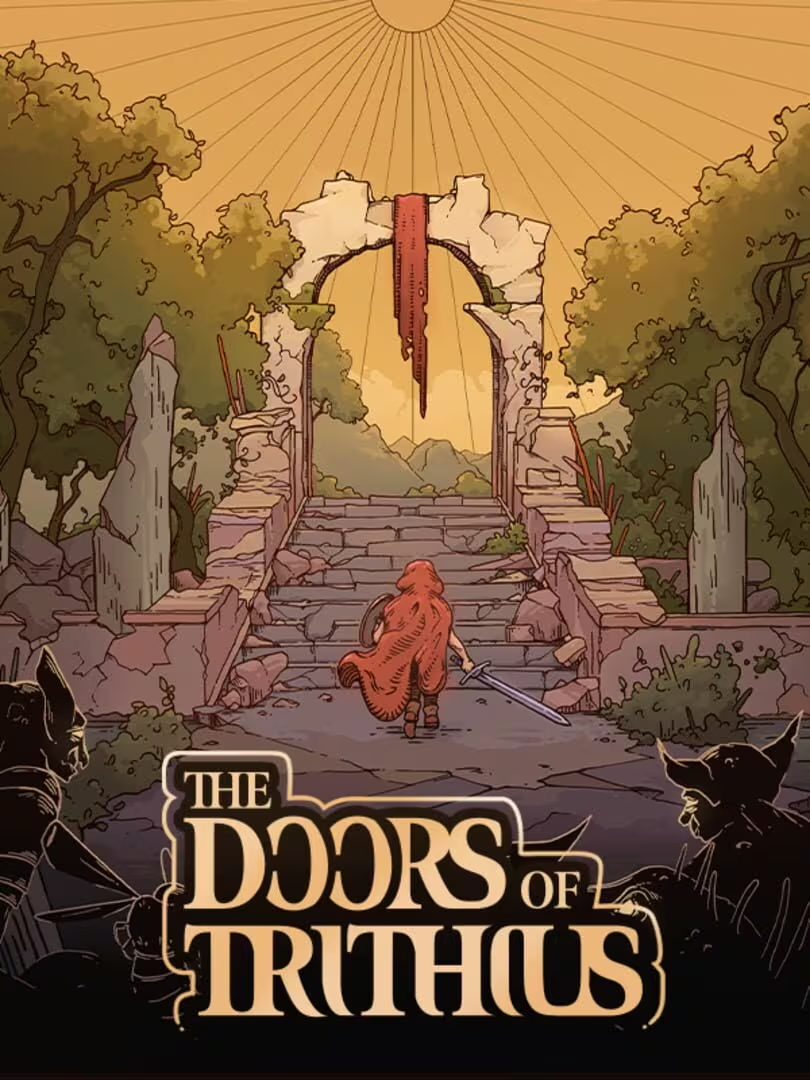 The Doors of Trithius
"Game is sedentary with no physical activity elements; some players note long sessions and grinding."
-
Idle
Game with the same Idle vibe
-3"Requires focused attention during battles and exploration; no background or casual play indicated."
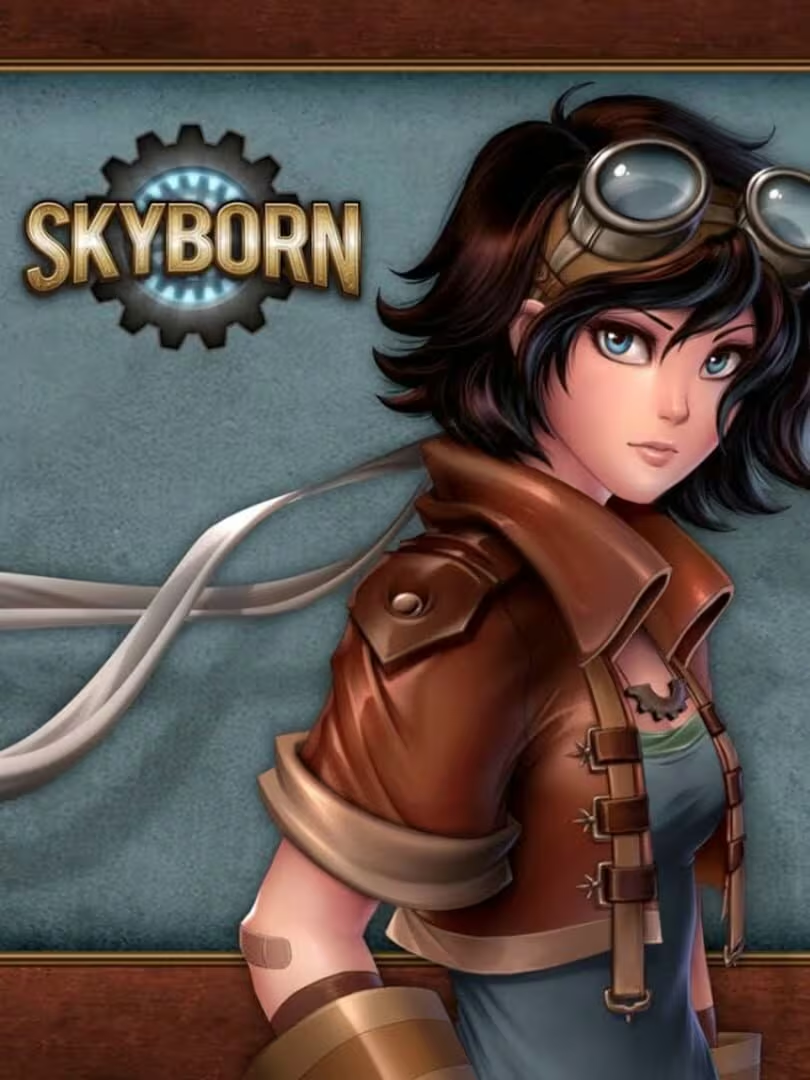 Skyborn
"Requires focused attention during combat and exploration; no background or casual play elements highlighted."
-
Intimacy
Game with the same Intimacy vibe
-4"Limited to narrative character interactions; no evidence of close social relationships or emotional sharing."
 TEVI
TEVI
"Limited to party character interactions; no evidence of forming close social relationships or emotional sharing beyond story."
-
Leadership
Game with the same Leadership vibe
2"Players manage party composition and strategy, guiding decisions in combat and exploration."
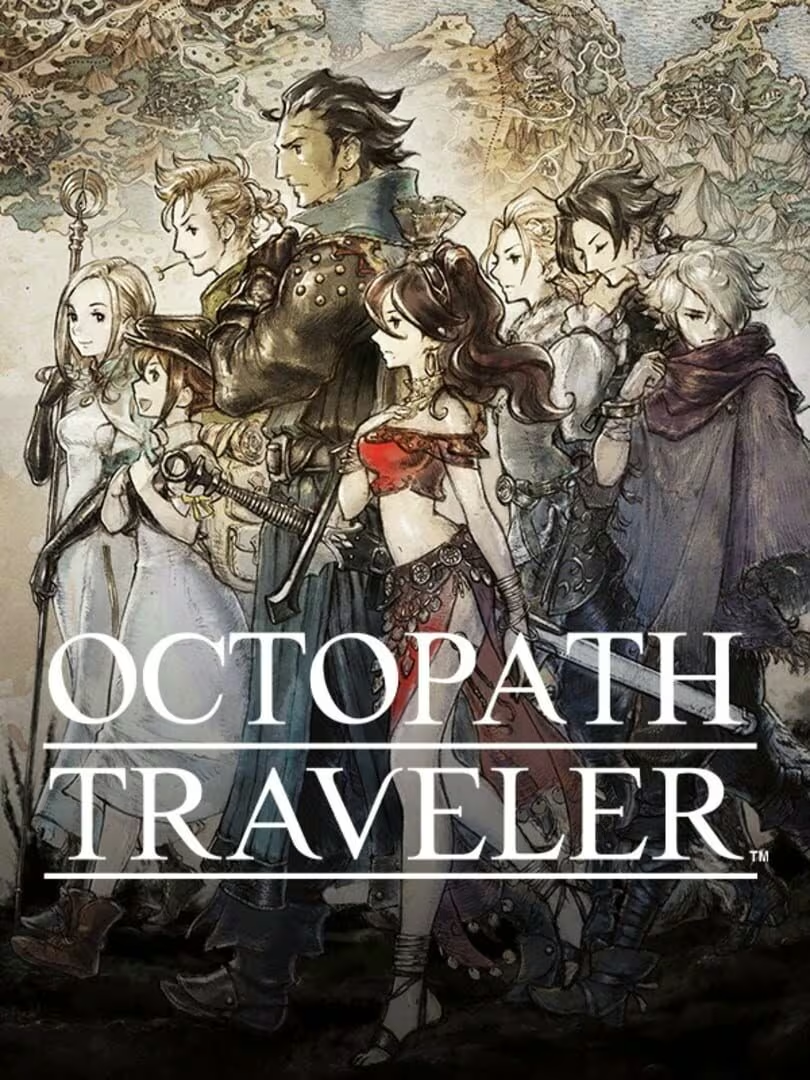 OCTOPATH TRAVELER™
"Players manage party composition and strategy, guiding decisions in combat and exploration."
-
Progression
Game with the same Progression vibe
3"Character leveling, unlocking abilities, and narrative progression provide a sense of advancement."
 Inquisitor’s Heart and Soul
"Character leveling, talent unlocking, crafting, and side quests provide a sense of accumulation and advancement."
-
Relaxation
Game with the same Relaxation vibe
2"Generally balanced challenge with moments of flow, though some players find certain missions stressful or frustrating."
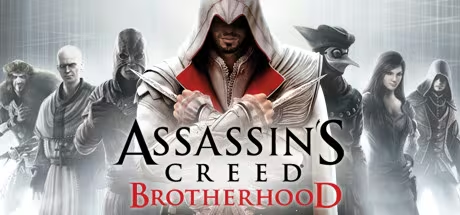 Assassin’s Creed® Brotherhood
"Generally balanced challenge with moments of flow; some players find late-game battles tedious or frustrating."
-
Sensation
Game with the same Sensation vibe
3"Colorful visuals, music, and animations provide sensory enjoyment and emotional engagement."
 Disney Epic Mickey 2: The Power of Two
"Colorful graphics, music, and character designs provide sensory enjoyment and emotional engagement."
-
Status
Game with the same Status vibe
-4"No social recognition or ranking systems; achievements are personal and not socially evaluated."
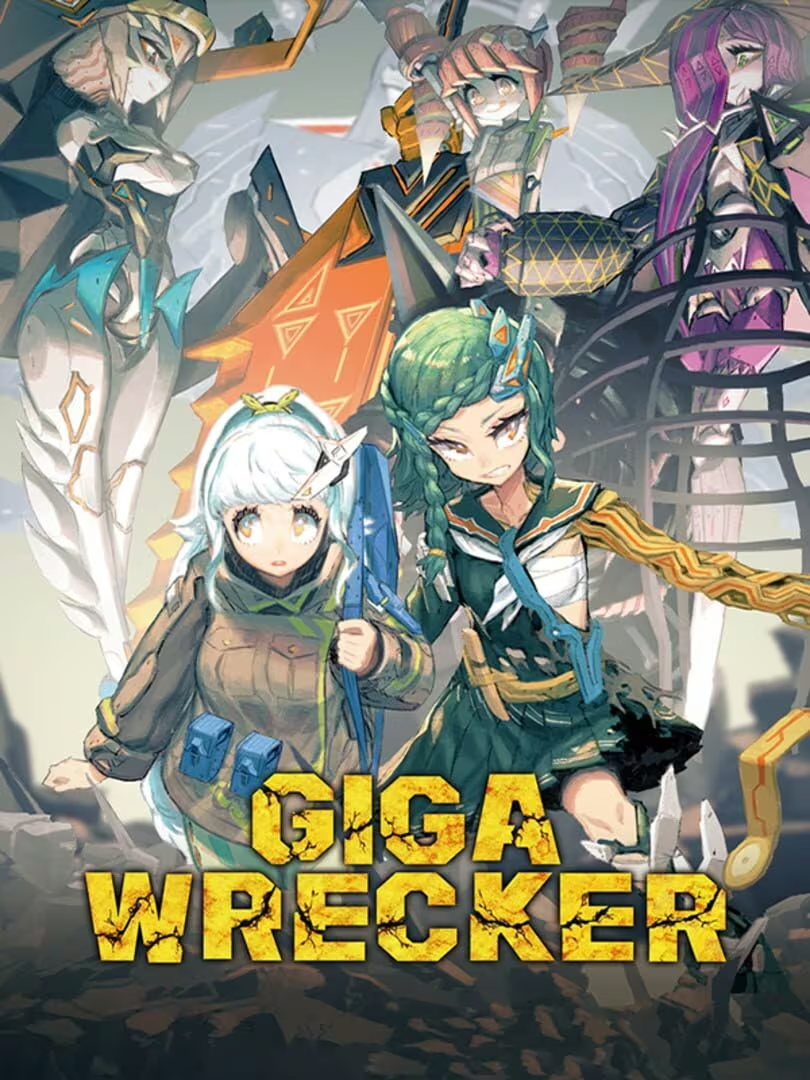 GIGA WRECKER
"No social recognition or ranking systems; achievements are personal and not socially evaluated."
-
Story
Game with the same Story vibe
1"Story is present but considered average or clichéd; some players find it engaging while others find it weak."
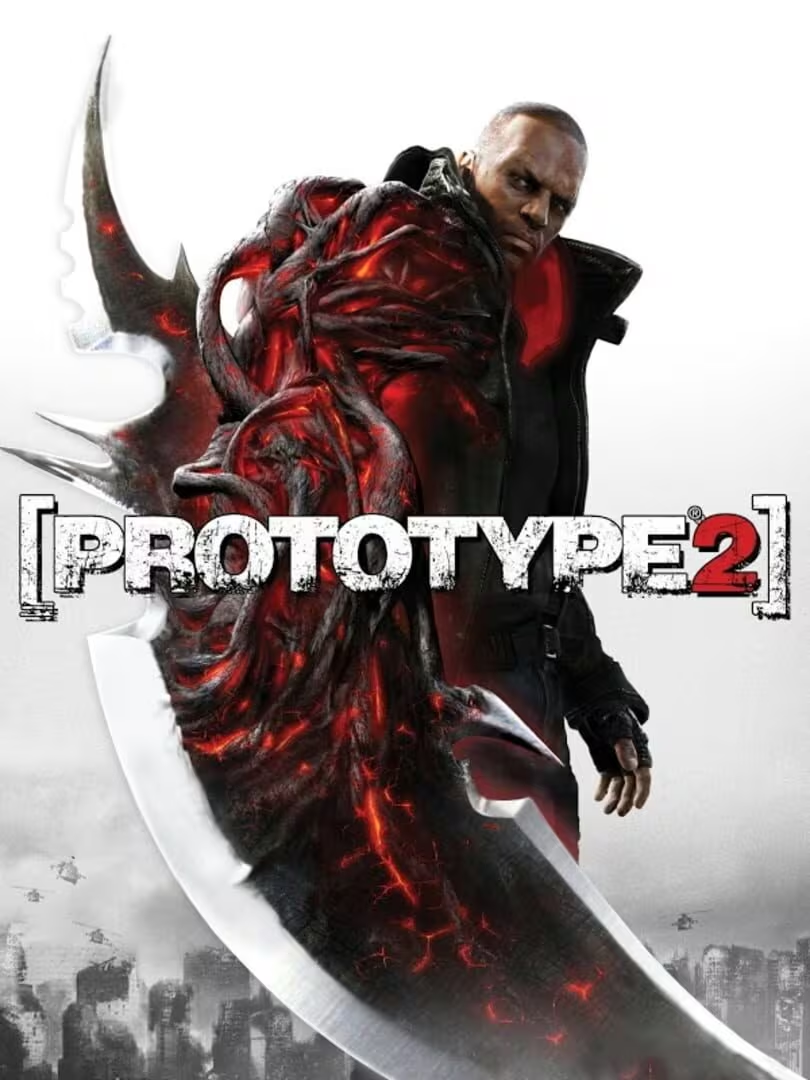 Prototype 2
"Story is serviceable and provides context but is considered average or underdeveloped by some players."
-
Strategy
Game with the same Strategy vibe
4"Combat and party management require tactical thinking, skill allocation, and planning."
 Zavix Tower
"Combat and party management require tactical planning, use of stances, bonds, and talent customization."
-
Thrill
Game with the same Thrill vibe
2"Combat and boss battles provide moments of suspense and challenge, though some frustration noted."
 BloodRayne 2: Terminal Cut
"Boss battles provide tension and challenge; overall gameplay is steady with some suspenseful moments."
-
Value
Game with the same Value vibe
3"Many players find good value for price given gameplay length and quality, especially on sale."
 Merchant of the Skies
"Players find good value especially on sale; game length and content considered reasonable for price."
-
Violence
Game with the same Violence vibe
3"Combat involves fighting monsters with spells and weapons; some players enjoy tactical battles."
Operencia: The Stolen Sun
"Combat involves defeating enemies with attacks and magic; some players enjoy the tactical battles."
-
Survival
Game with the same Survival vibe
1"Players manage threats and enemies but game is not focused on resource survival mechanics."
 SharpShooter3D
"Players manage resources and combat threats; however, the game is not focused on survival mechanics or high risk."
Last update: 01/06/2026