Wandering Sword similar games & best alternatives
Should you play it?
Wandering Sword is a Chinese martial-arts RPG where you play a young swordsman caught up in a feud and nearly dies. Escaping the event puts you on the path of pursuing the highest form of martial arts and exploring the pugilistic world to become the great hero you are always destined to be.
What works
- Deep and engaging wuxia story
- Large open world with exploration
- Flexible combat system with turn-based and real-time modes
- Rich character progression and customization
- Active developer support with free updates and dlc
Things to keep in mind
- Some ui and quality of life issues
- Translation occasionally rough
- Linear main story with limited branching
- Grind required for progression
- Some side quests and content easily missed without guides
What to play next
Similar games, hidden gems, and fresh directions from this game.
Top picks
Games that feel the closest overall
-
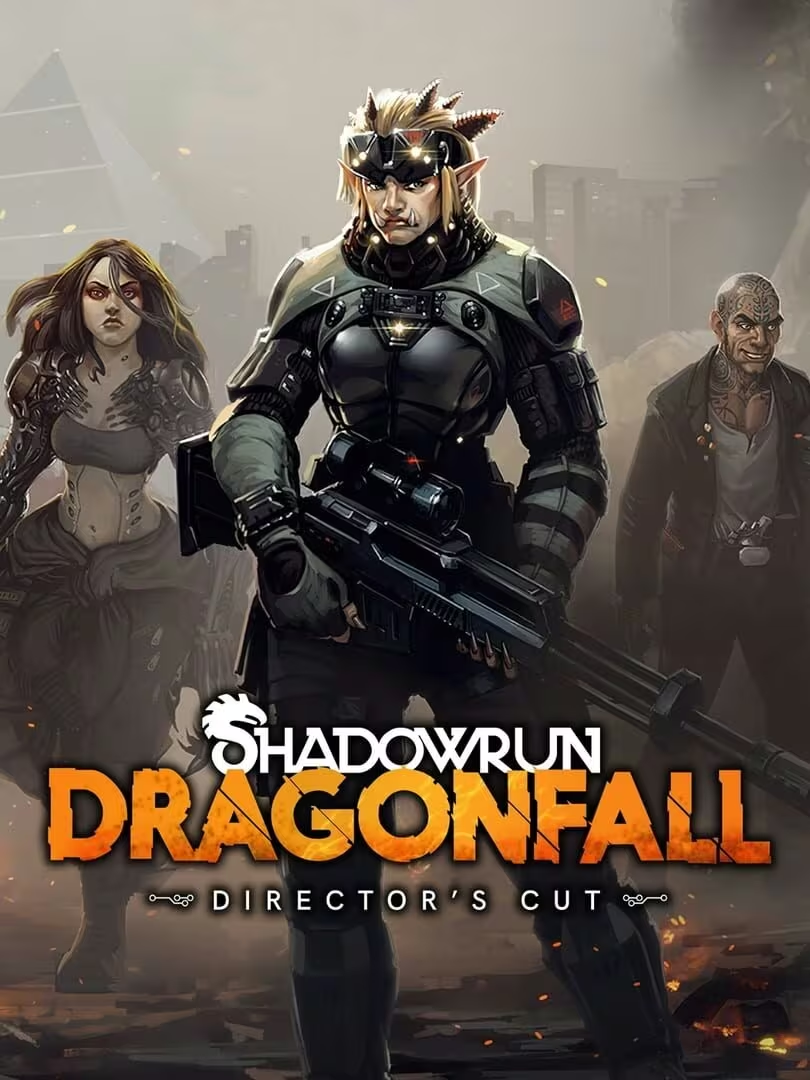
Shadowrun: Dragonfall - Director's Cut
-
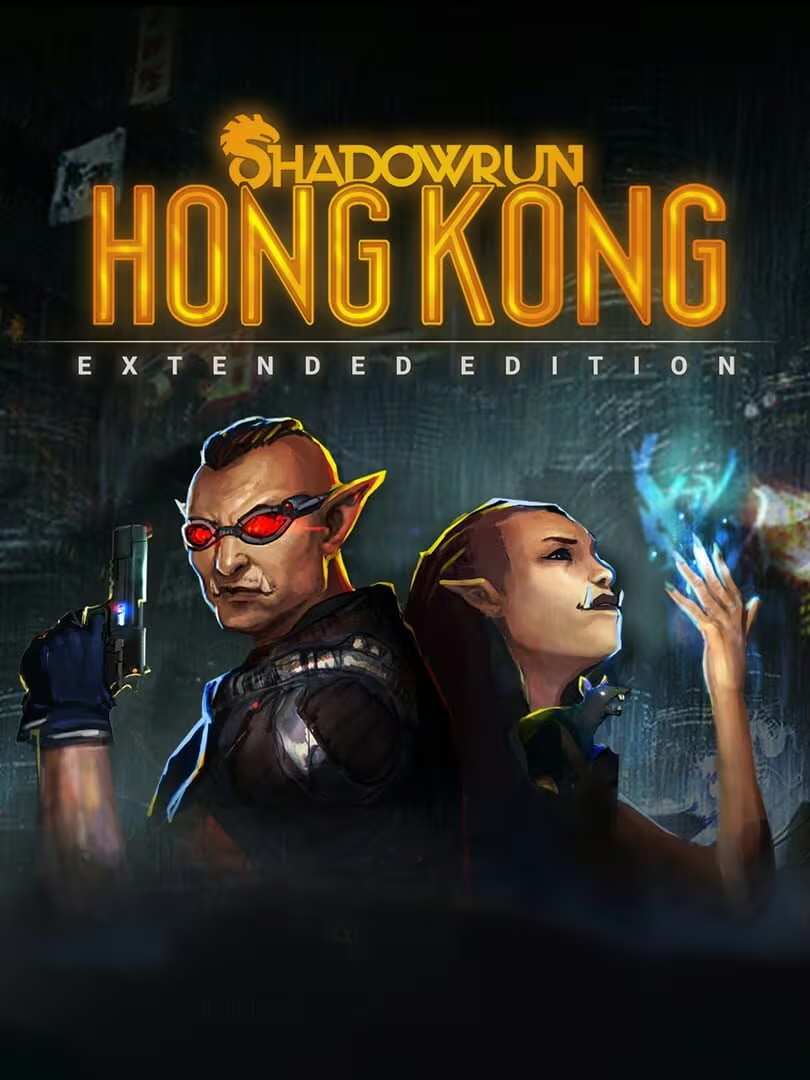
Shadowrun: Hong Kong - Extended Edition
-
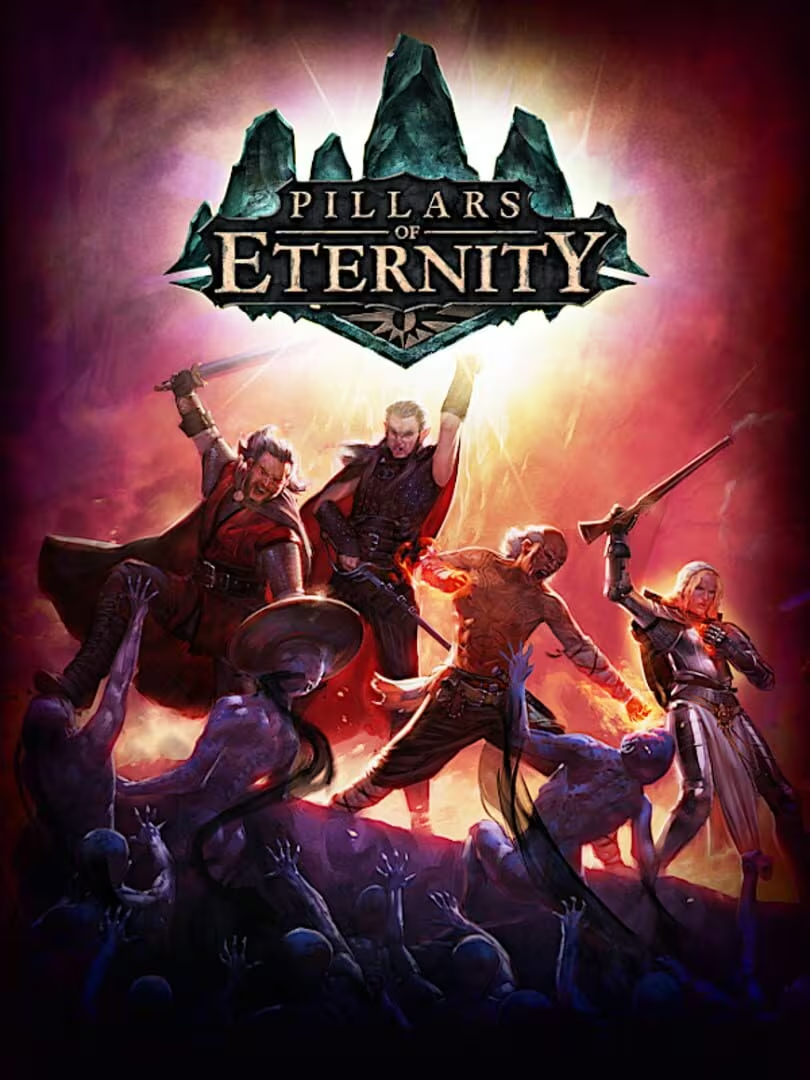
Pillars of Eternity
-
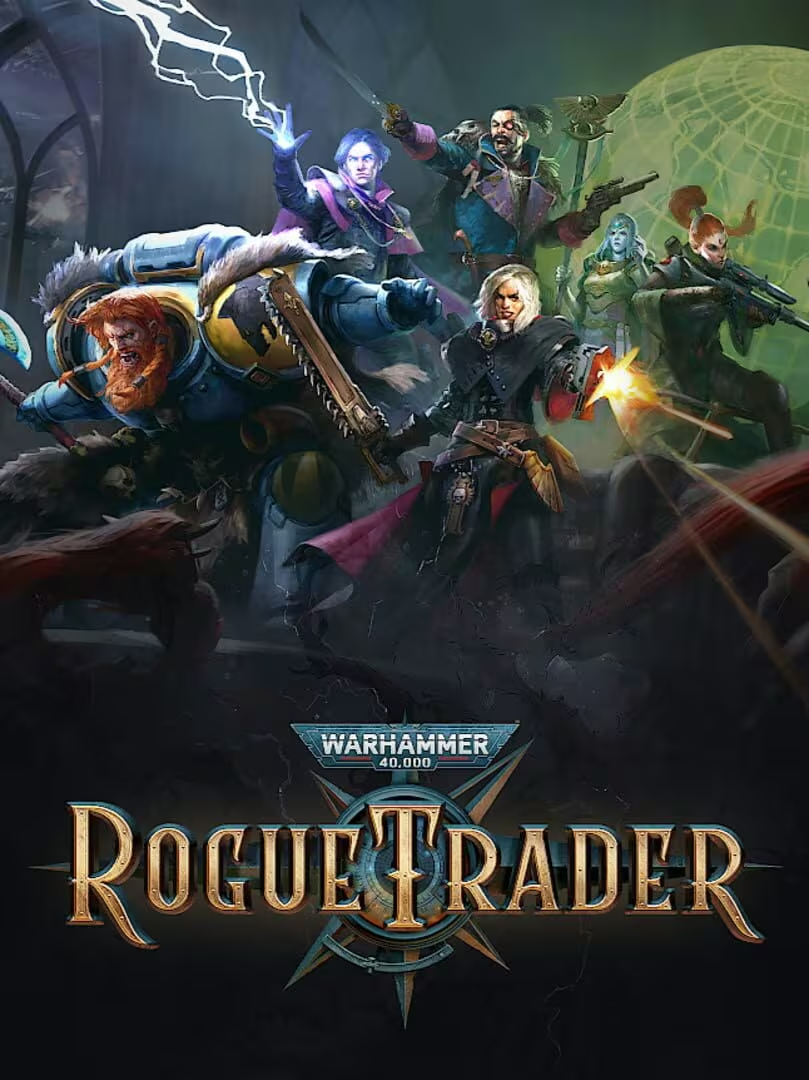
Warhammer 40,000: Rogue Trader
-
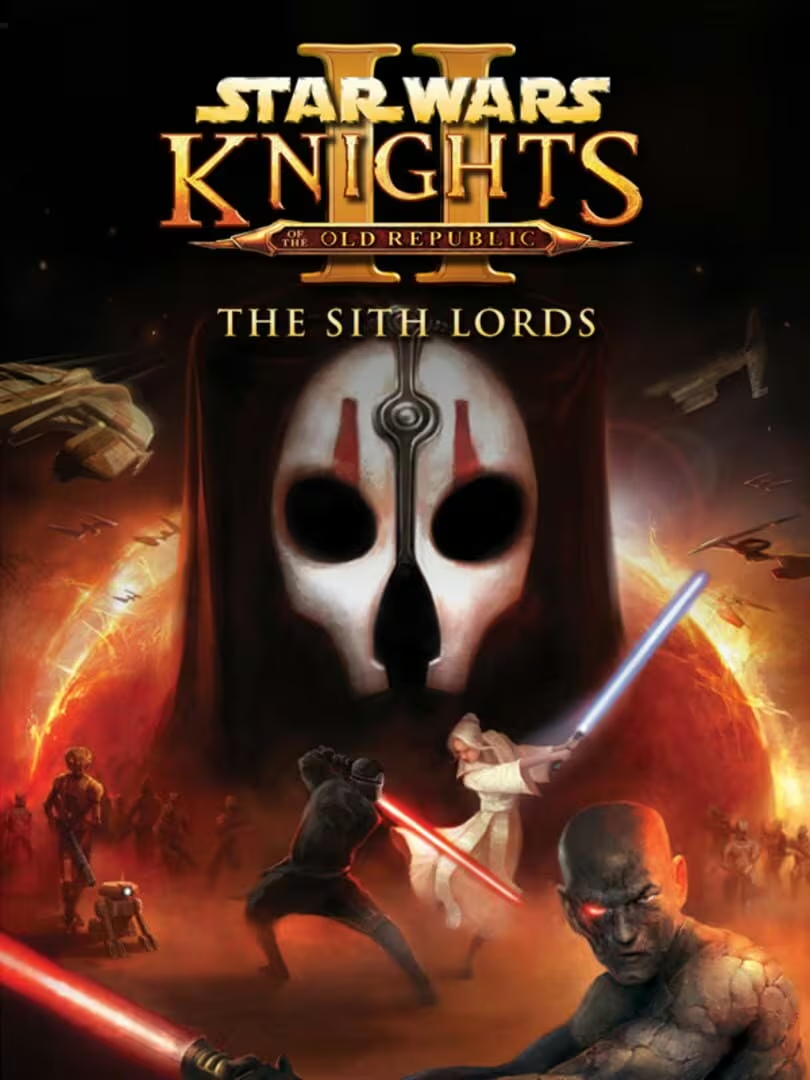
STAR WARS™ Knights of the Old Republic™ II - The Sith Lords™
-
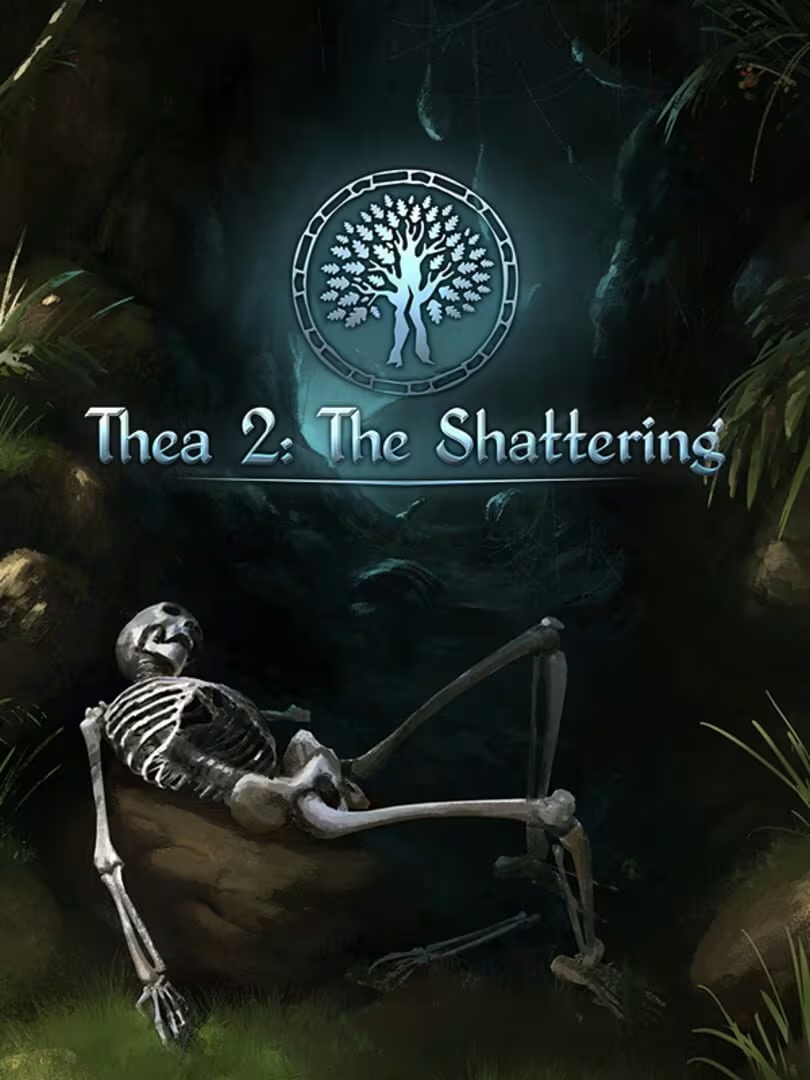
Thea 2: The Shattering
-
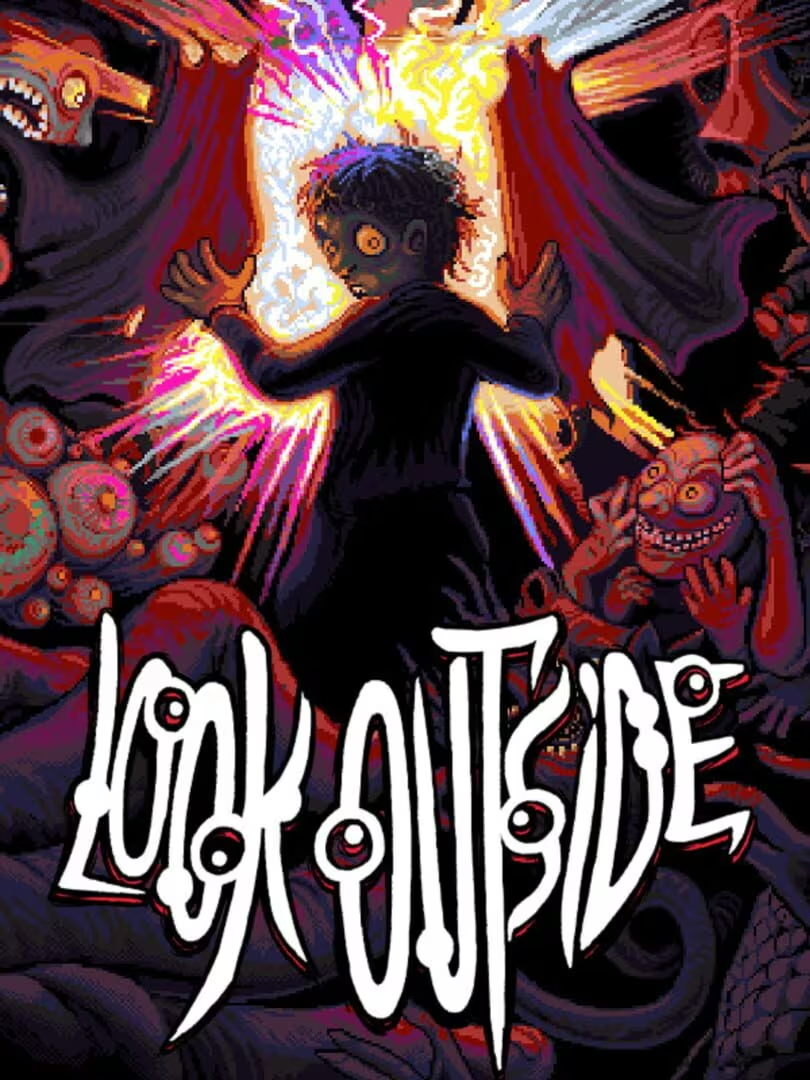
Look Outside
-
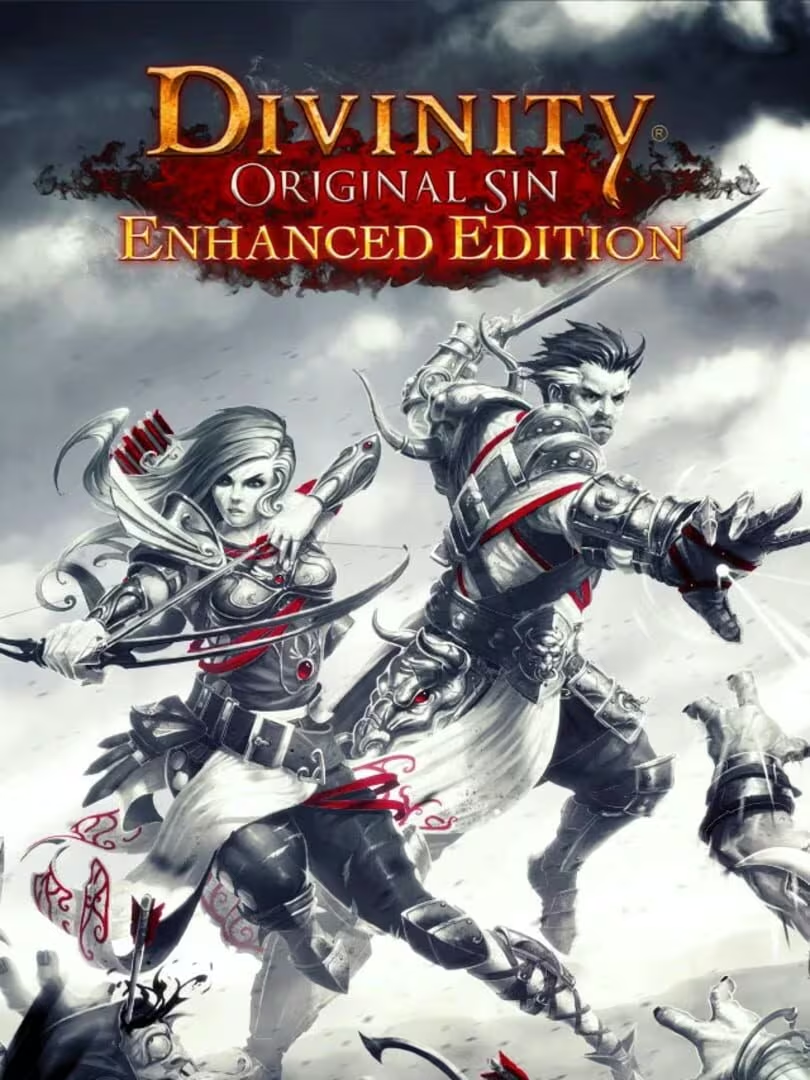
Divinity: Original Sin - Enhanced Edition
-
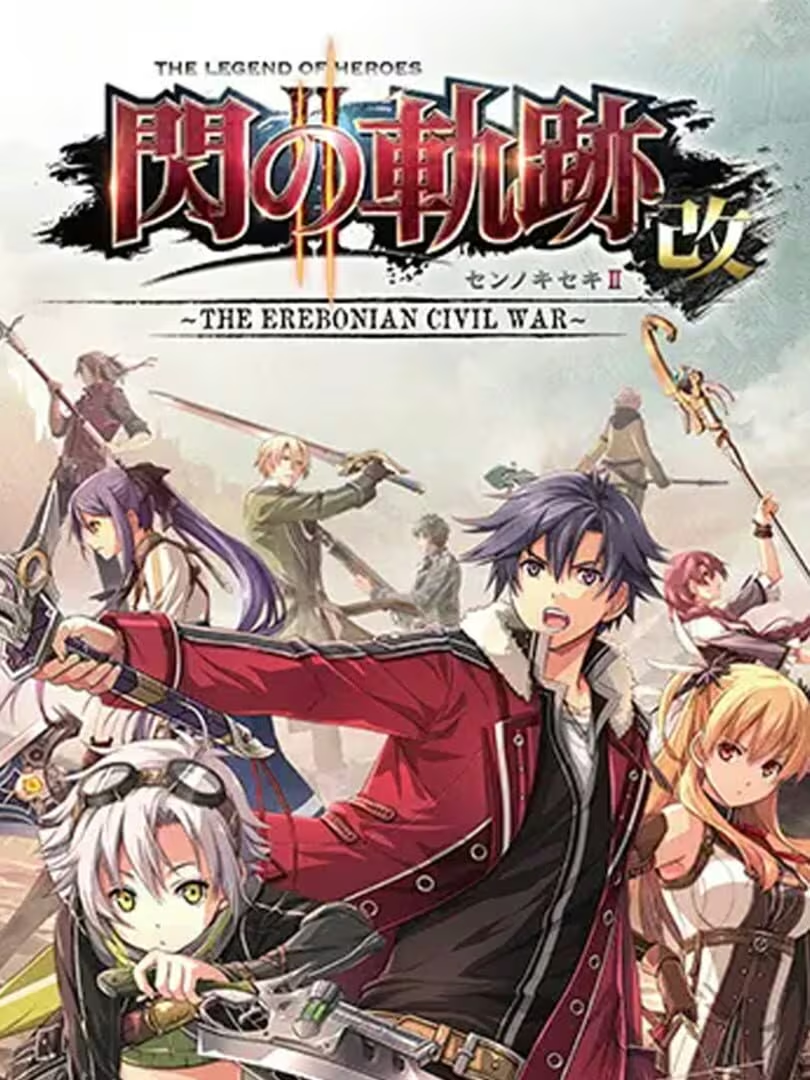
The Legend of Heroes: Trails of Cold Steel II
Hidden Gems
Less popular games with surprisingly high similarity
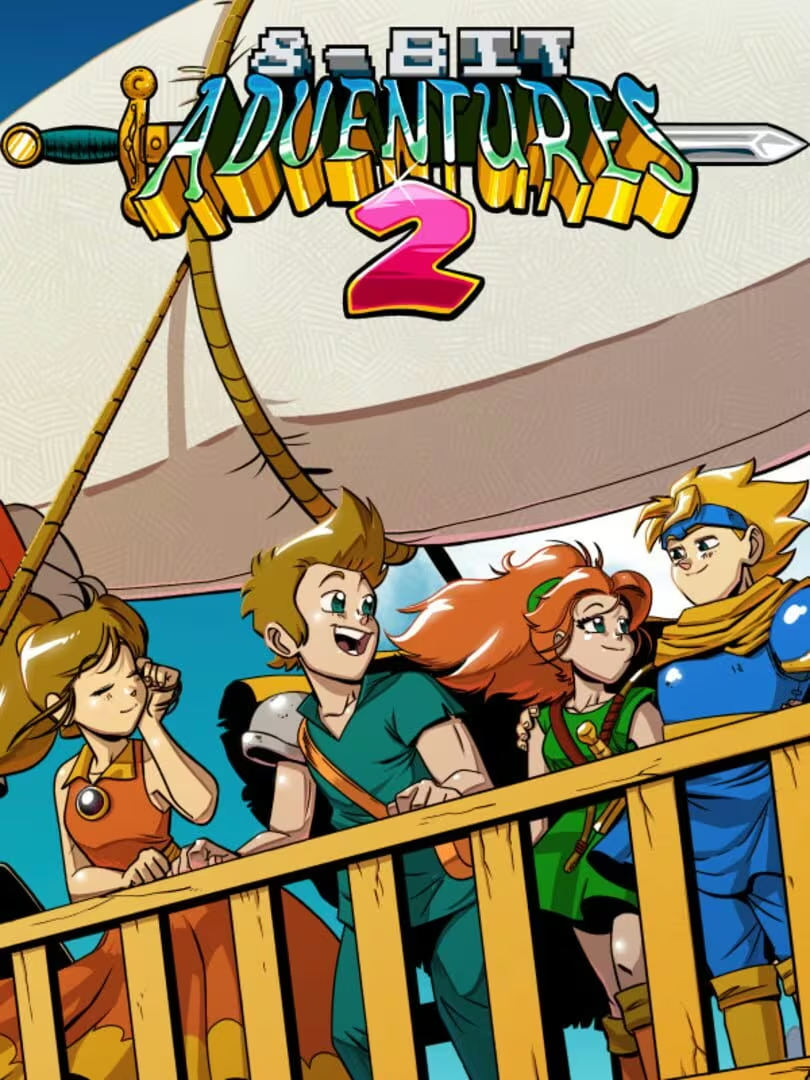
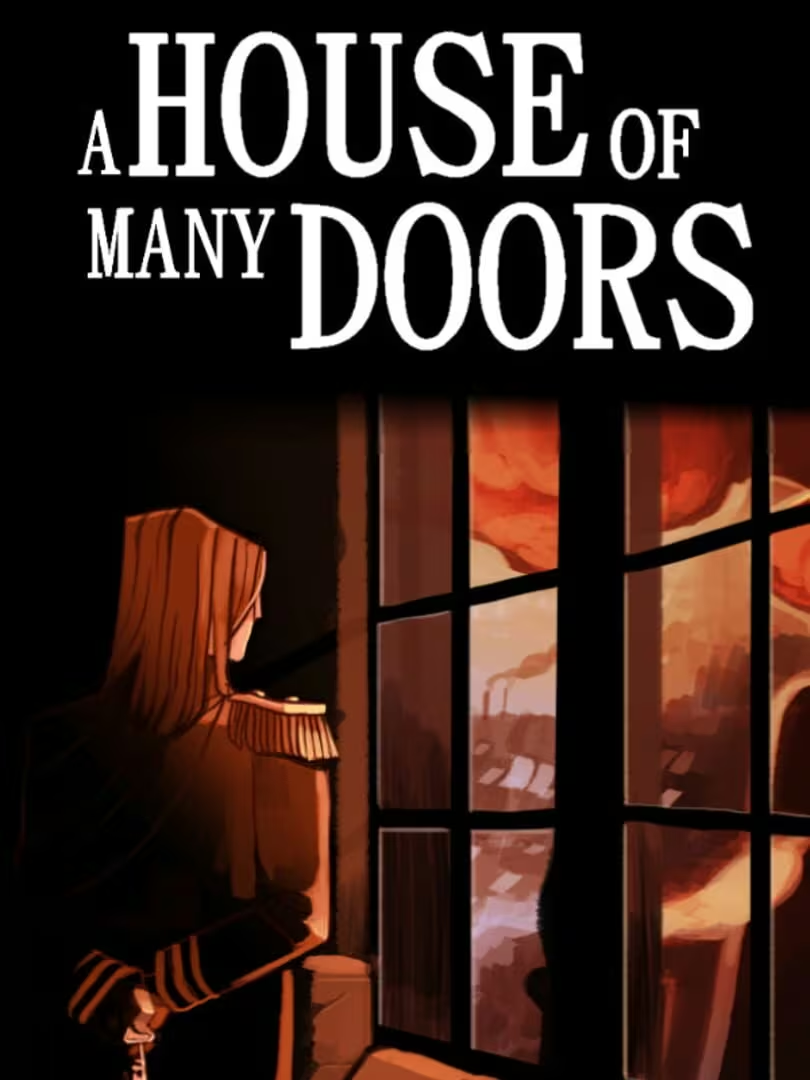
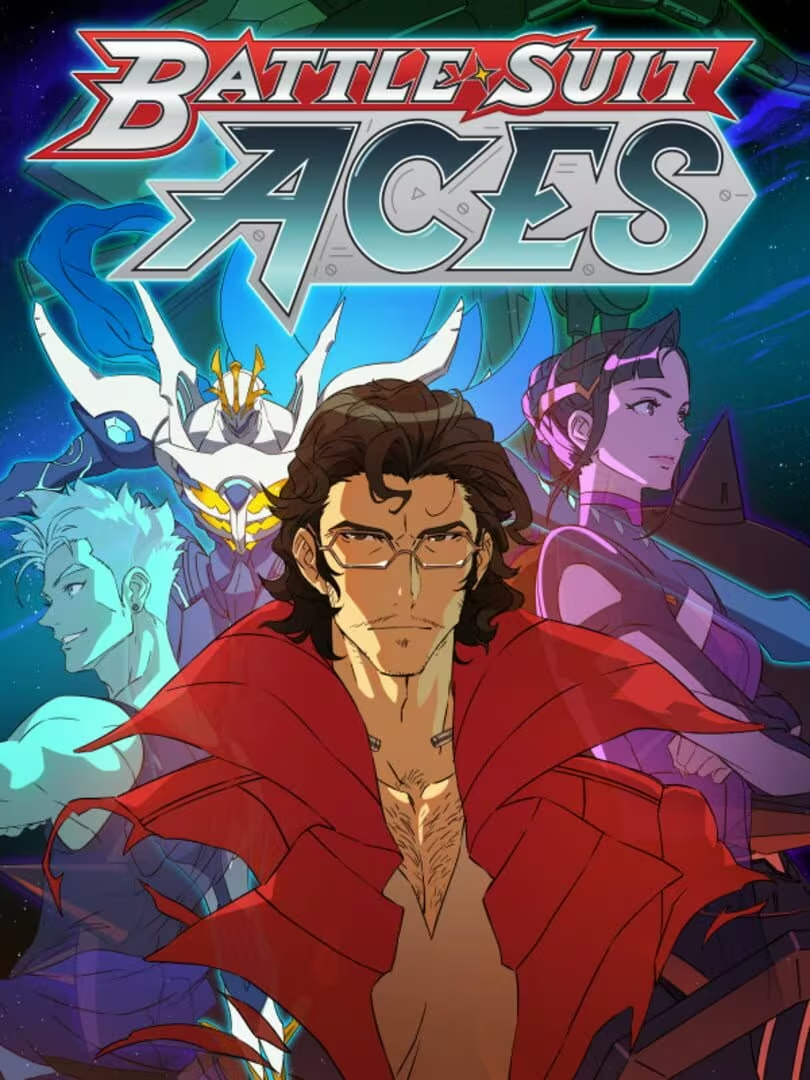
If you liked…
Recommendations by what you enjoyed most
Similarity map
Explore nearby similar games and see why they’re close.
Wandering Sword: Broadly representative of its motivational profile, with a few distinct shifts. Motivations that often define this kind of title include Cooperation, Fellowship, Intimacy, Leadership. Here, the score leans higher than usual among comparable games on Leadership, Story, Exploration.
Why this game works
A motivational profile of the game, with the closest similar game for each player motivation.
-
Autonomy
Game with the same Autonomy vibe
4"Players have freedom to explore a large open world, choose stealth or combat approaches, and make meaningful story decisions."
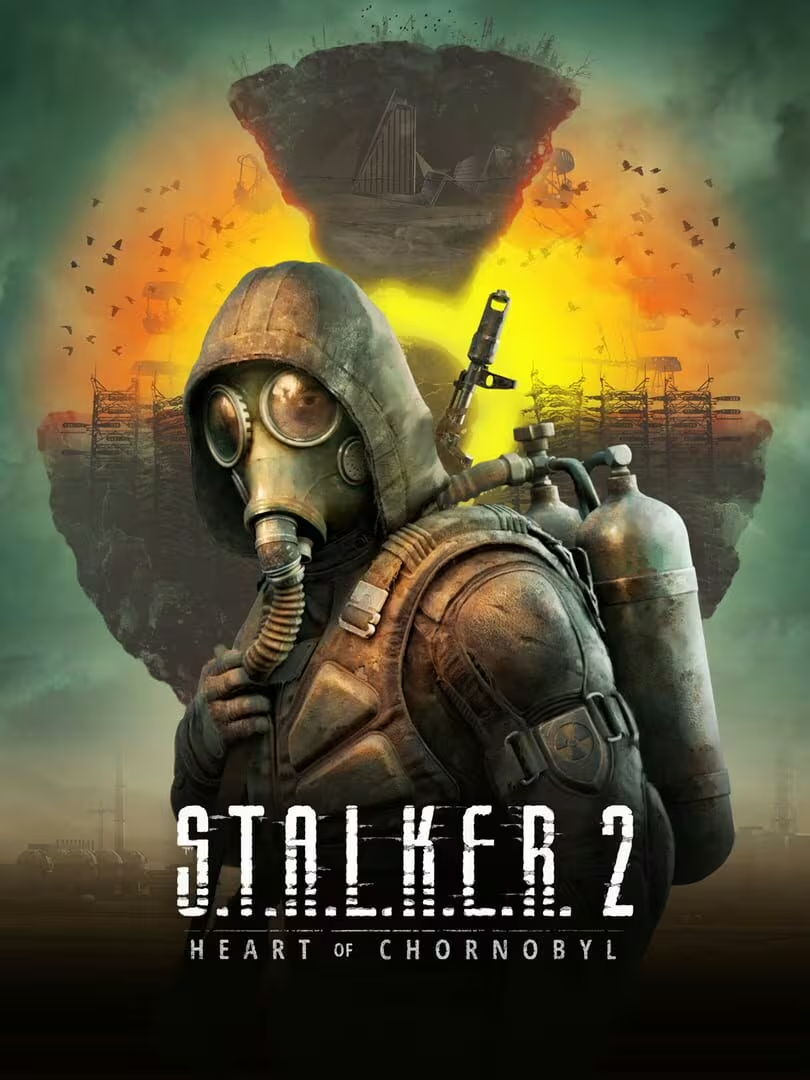 S.T.A.L.K.E.R. 2: Heart of Chornobyl
"Players have freedom to explore a large open world, choose weapon types, cultivation methods, and make decisions affecting story and companions, though main story is somewhat linear."
-
Competence
Game with the same Competence vibe
4"Game offers challenging combat with skill-based mechanics, weapon mastery, and progression through grinding and upgrades."
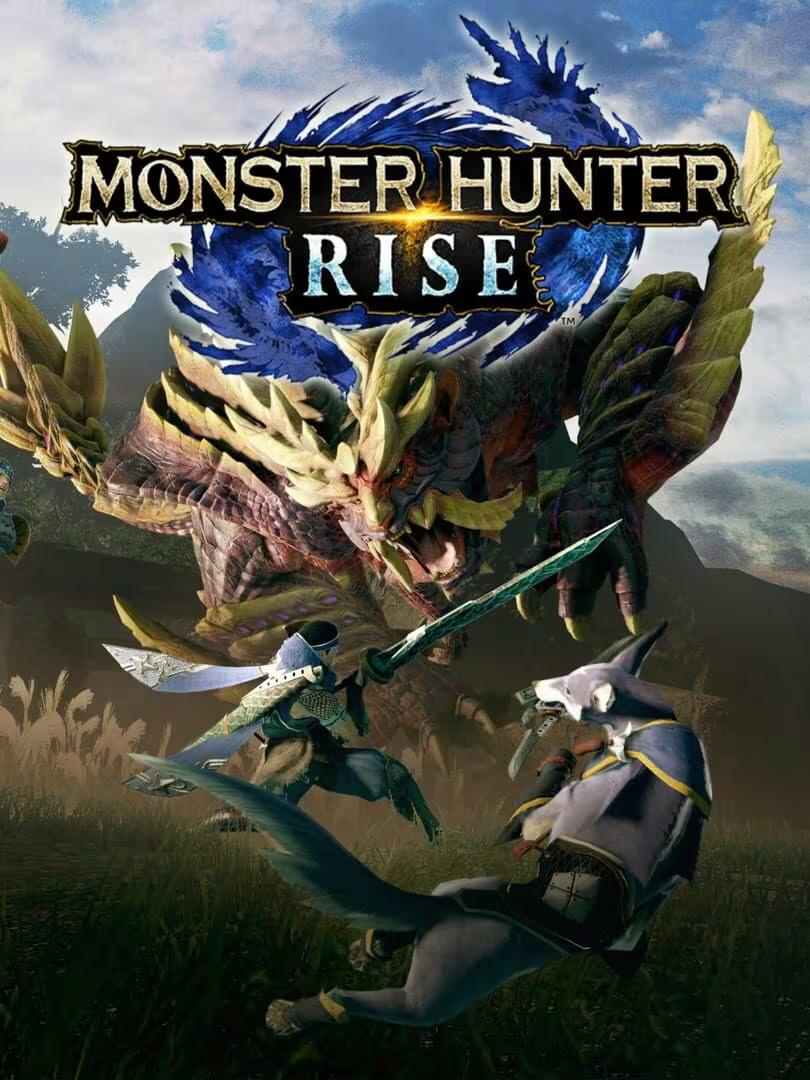 MONSTER HUNTER RISE
"Game offers skill-based combat with strategic depth, character progression through cultivation and skill mastery, and challenging battles especially on higher difficulties."
-
Competition
Game with the same Competition vibe
-2"Focus is primarily on cooperative and personal tactical gameplay rather than ranked or leaderboard competition."
 OPERATOR
"Focus is mostly on personal progression and story; sparring with NPCs is more for gaining skills and items than competitive ranking."
-
Continuation
Game with the same Continuation vibe
5"Players report long playtimes, multiple playthroughs, and high engagement with side content and DLC."
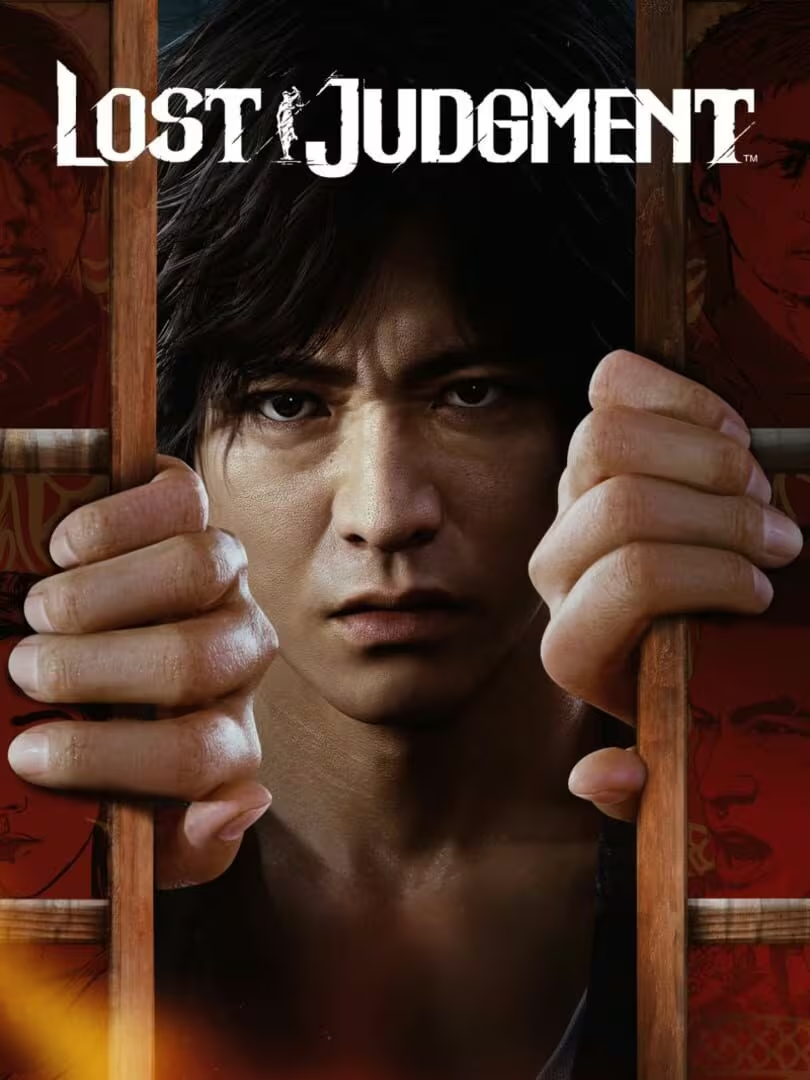 Lost Judgment
"Players report long playtimes, multiple playthroughs encouraged by branching content and NG+ system, with ongoing updates and DLCs sustaining engagement."
-
Cooperation
Game with the same Cooperation vibe
1"Party members assist in combat and have personal quests; cooperation is limited to AI companions."
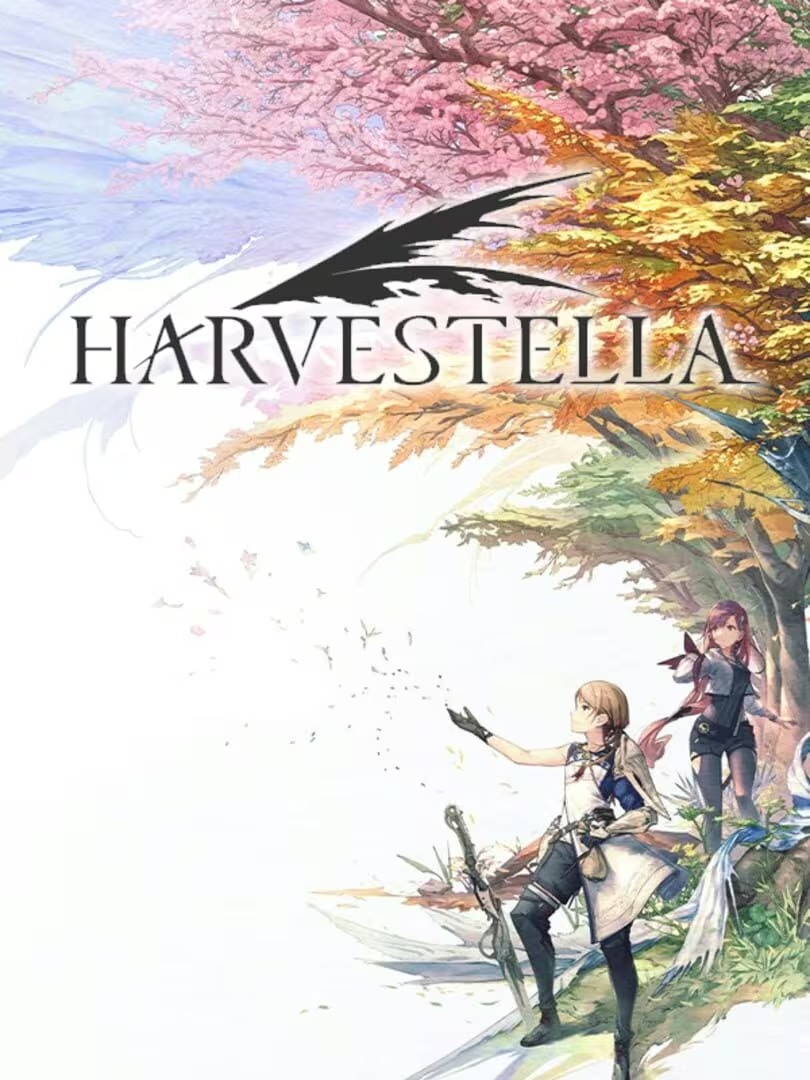 HARVESTELLA
"Party companions have individual stories and quests; cooperation is present but mostly AI controlled, limited multiplayer or player-to-player cooperation."
-
Creativity
Game with the same Creativity vibe
3"Players can customize characters with various weapons, skills, and talent trees, creating unique builds and playstyles."
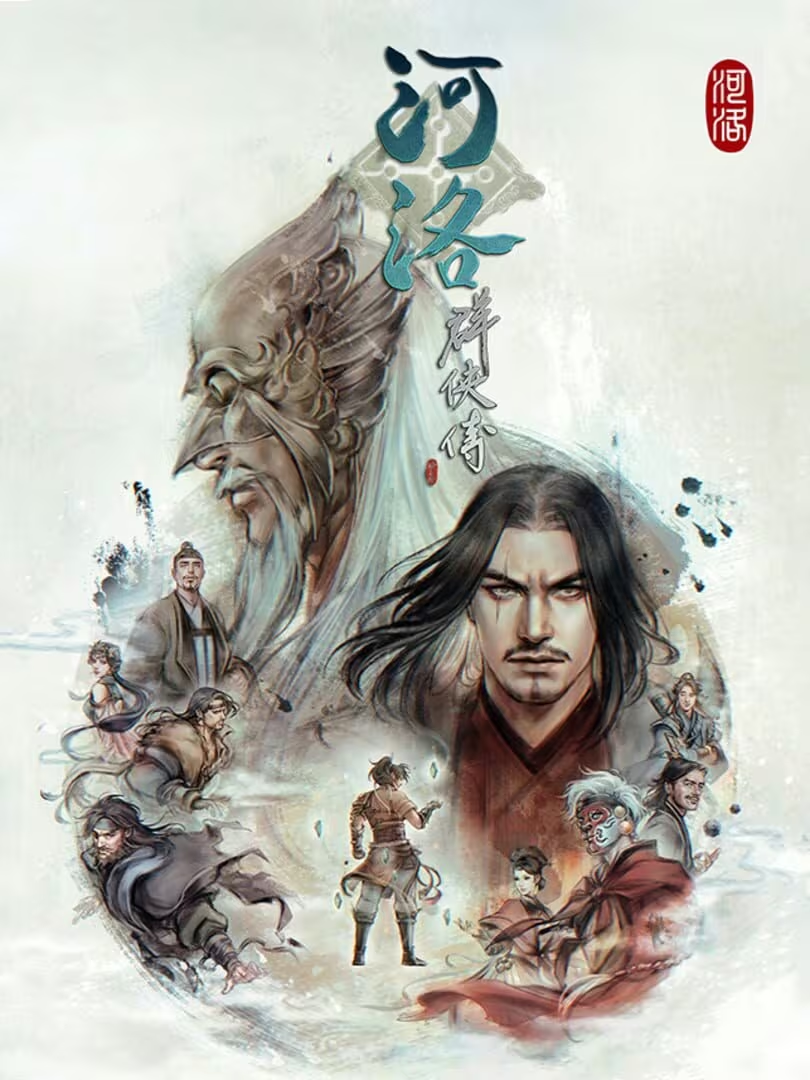 河洛群俠傳 (Ho Tu Lo Shu : The Books of Dragon)
"Players can customize characters with various martial arts, weapons, and cultivation methods; crafting and skill combinations add creative build options."
-
Domination
Game with the same Domination vibe
-3"Interactions with NPCs are hostile but not focused on dominance; cooperative and equal play is emphasized."
 The Long Drive
"Interactions with NPCs emphasize relationship building and mutual respect; sparring is friendly competition rather than domination or trash talk."
-
Escapism
Game with the same Escapism vibe
5"Immersive wuxia world and open-ended gameplay provide strong real-life escape and fantasy immersion."
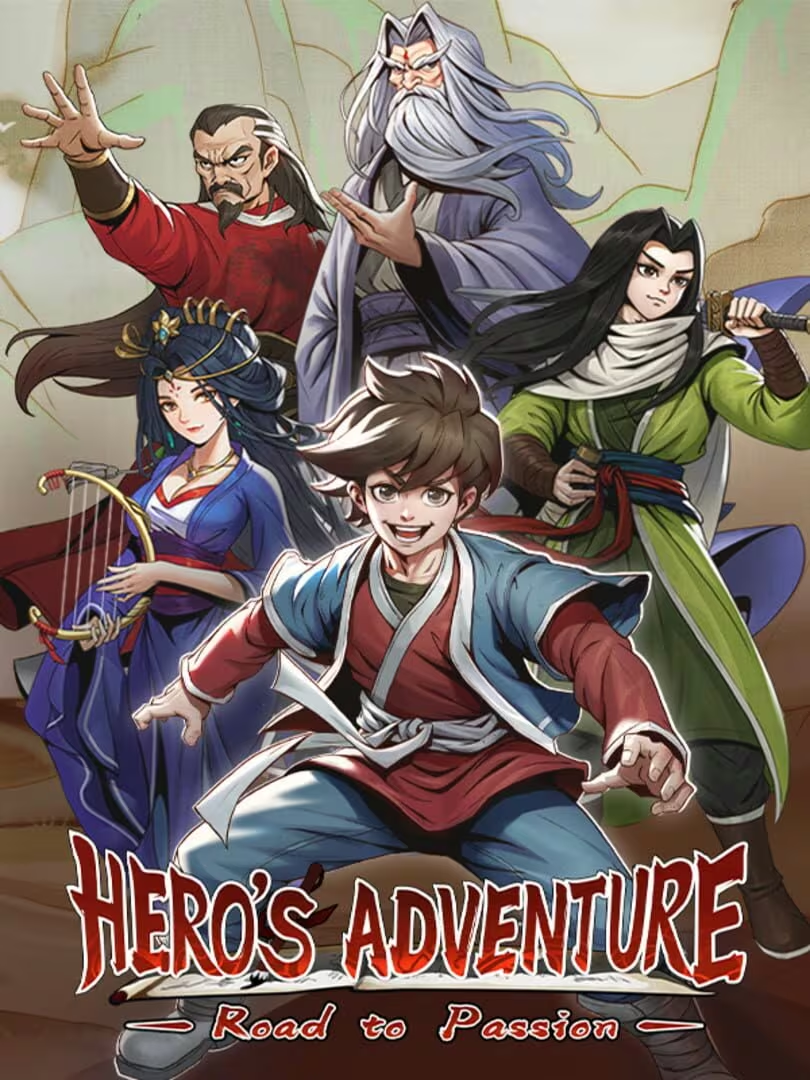 Hero's Adventure: Road to Passion
"Strong immersion in a richly detailed wuxia world with deep story and exploration offers players a significant escape from real life."
-
Expectation
Game with the same Expectation vibe
-4"Players engage voluntarily out of interest in wuxia RPGs and story; no mention of obligation or external pressure."
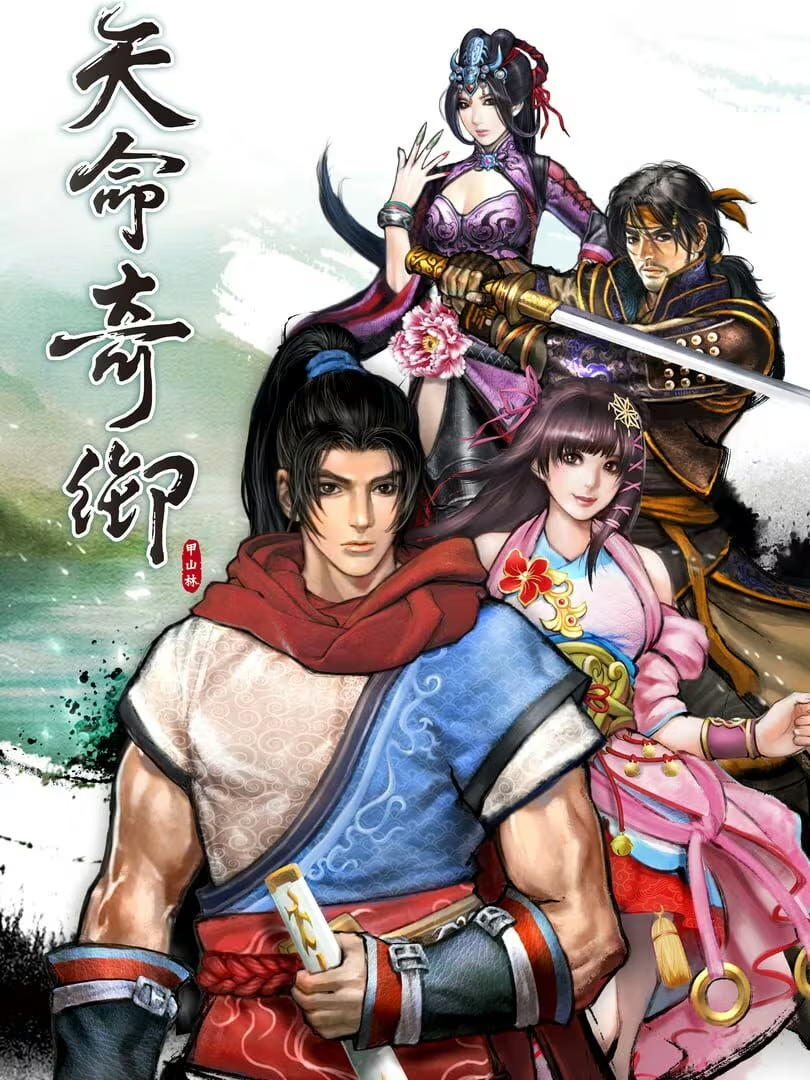 Fate Seeker
"Players engage voluntarily driven by intrinsic interest in wuxia and RPG elements; no evidence of obligation or pressure to play."
-
Experimenting
Game with the same Experimenting vibe
4"Players encouraged to try different equipment, combat styles, and choices to explore multiple endings."
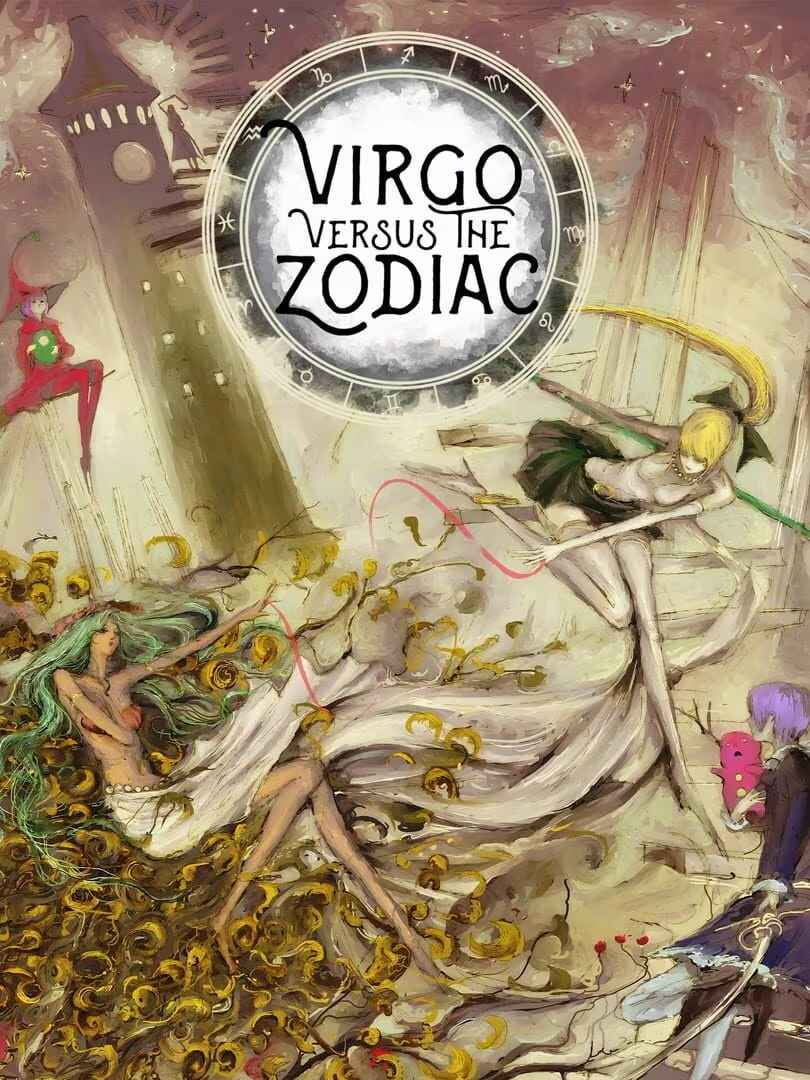 Virgo Versus The Zodiac
"Players encouraged to try different weapons, cultivation paths, and party compositions; exploration of multiple endings and side quests."
-
Exploration
Game with the same Exploration vibe
5"Open world with many locations, secrets, and quests to discover; exploration is a core gameplay element."
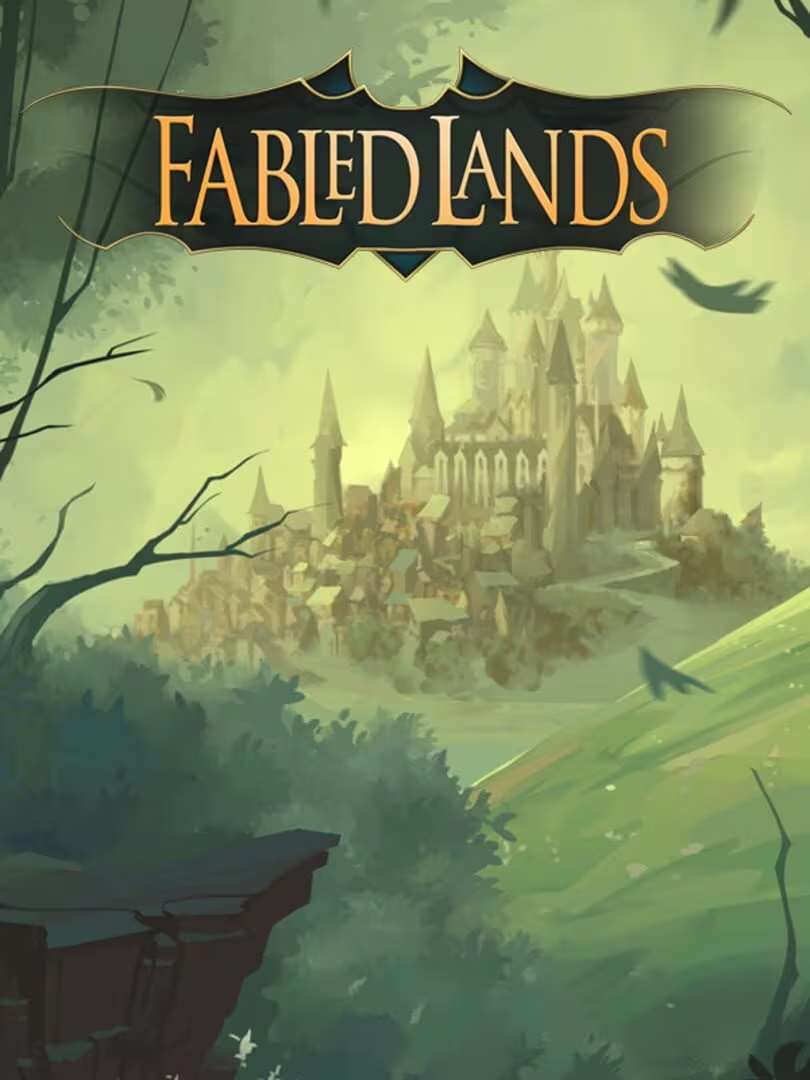 Fabled Lands
"Large open world with many unique locations, hidden quests, and secrets; exploration is a core gameplay element."
-
Expression
Game with the same Expression vibe
2"Some self-expression through character customization and equipment choices, but limited cosmetic options."
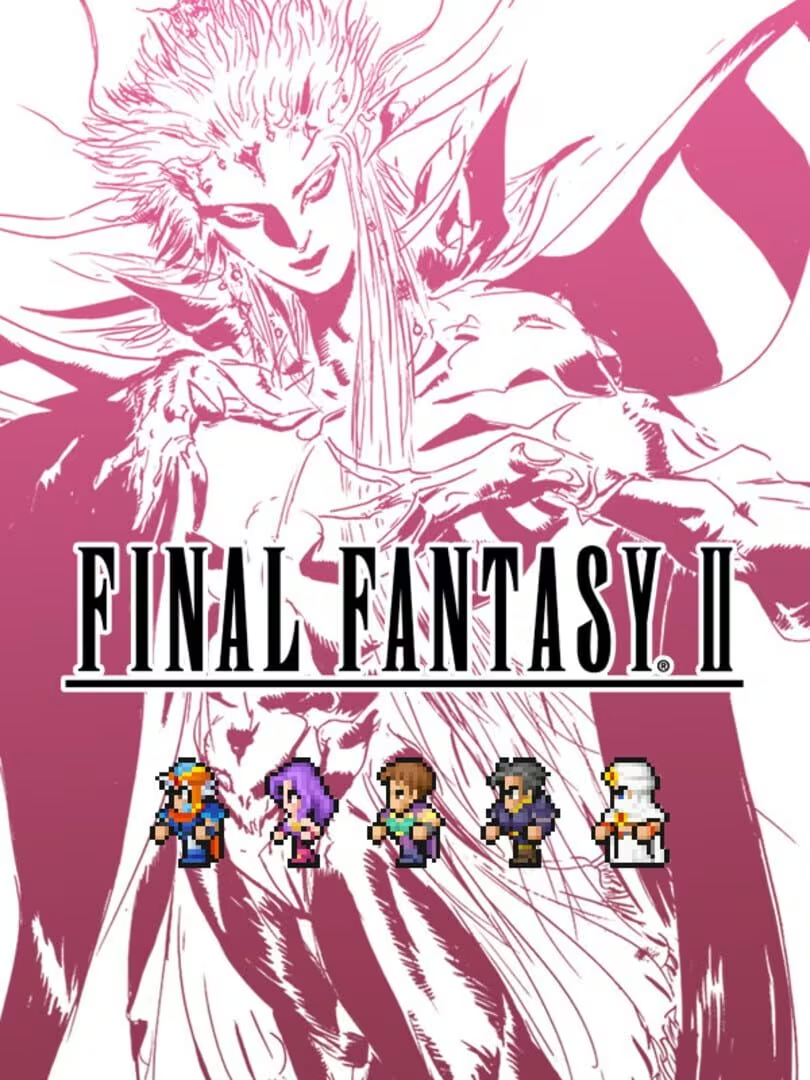 FINAL FANTASY II
"Character customization through skills and equipment; limited cosmetic customization but strong self-expression through build choices."
-
Fantasy
Game with the same Fantasy vibe
5"Strong wuxia fantasy setting with martial arts, mythical elements, and story-driven adventures."
Fate Seeker
"Strong wuxia fantasy setting with martial arts cultivation, mythical elements, and narrative inspired by Chinese fantasy literature."
-
Fellowship
Game with the same Fellowship vibe
2"Players build relationships with NPCs and engage in community events, though mostly single-player focused."
 Tales of Seikyu
"Players form bonds with many companions and NPCs; community engagement is present but mostly single-player focused."
-
Growth
Game with the same Growth vibe
5"Players develop skills and strategies over time; learning curve and mastery are emphasized."
 Master of Magic Classic
"Significant learning curve with cultivation methods, skill mastery, and strategic combat; players develop knowledge and skills over time."
-
Health
Game with the same Health vibe
-4"Primarily sedentary gameplay with no physical activity elements; some reports of long sessions and grind."
 Heroes of Hammerwatch II
"Primarily sedentary gameplay with no physical activity; some grind and long play sessions reported."
-
Idle
Game with the same Idle vibe
-3"Requires focused attention on combat and exploration; not designed for passive or background play."
 FlyKnight
"Requires focused attention for combat and exploration; some grinding but not designed for passive or background play."
-
Intimacy
Game with the same Intimacy vibe
2"Some emotional connections with companions and NPCs, but limited to in-game interactions without deep social bonds."
 Fallout 2: A Post Nuclear Role Playing Game
"Players develop relationships with companions through gifting and quests; some emotional engagement but limited to game context."
-
Leadership
Game with the same Leadership vibe
3"Players lead armies and make strategic decisions; no evidence of managing or guiding other players."
 Hero's Hour
"Player leads party of companions with strategic decisions; no evidence of managing or directing other players."
-
Progression
Game with the same Progression vibe
5"Strong emphasis on leveling up, acquiring skills, equipment, and unlocking new characters and content."
 Fantasy Maiden Wars - DREAM OF THE STRAY DREAMER -
"Strong emphasis on character progression via cultivation, skill acquisition, equipment crafting, and unlocking new abilities."
-
Relaxation
Game with the same Relaxation vibe
3"Game balances challenge and flow; some players find it relaxing and immersive, though difficulty can cause tension."
 Angeline Era
"Game balances challenge and flow; some players find it relaxing and immersive, though higher difficulties add tension."
-
Sensation
Game with the same Sensation vibe
3"Enjoyable pixel art, atmospheric music, and satisfying combat animations provide sensory stimulation."
 The Last Faith
"Enjoyable pixel art visuals, atmospheric music, and satisfying combat effects provide sensory stimulation."
-
Status
Game with the same Status vibe
-3"Achievements and story progression are personal; social recognition is limited."
 Moon Hunters
"Achievements and social recognition are limited; focus is on personal story and progression rather than social status."
-
Story
Game with the same Story vibe
5"Deep narrative immersion with complex quests, lore, and character-driven stories."
 The Elder Scrolls III: Morrowind® Game of the Year Edition
"Deep narrative immersion with complex characters, branching quests, and rich lore central to player experience."
-
Strategy
Game with the same Strategy vibe
4"Combat and character development require planning, tactical thinking, and problem solving."
 Geneforge 1 - Mutagen
"Combat and character development require tactical thinking, planning, and problem solving."
-
Thrill
Game with the same Thrill vibe
2"Some suspense and challenge in combat and random events, but overall moderate emotional tension."
 Gordian Quest
"Some suspense and challenge in combat and story moments, but overall moderate emotional tension."
-
Value
Game with the same Value vibe
5"Players report high value for time and money with extensive content and ongoing updates."
 Garden Paws
"Players report high value for time and money with extensive content, replayability, and free updates."
-
Violence
Game with the same Violence vibe
3"Combat involves martial arts fighting and tactical battles, but violence is stylized and part of wuxia fantasy."
 Path Of Wuxia
"Combat involves martial arts fighting and sparring; violence is stylized and integral to wuxia theme."
-
Survival
Game with the same Survival vibe
1"Some resource management and strategic defense in combat, but overall low-risk environment."
 Cassette Beasts
"Some resource management and strategic defense in combat, but overall low risk and stable conditions."
Last update: 01/06/2026