Learn Japanese To Survive! Kanji Combat similar games & best alternatives
Should you play it?
Learn Japanese kanji in this interactive role-playing game! No experience needed – start reading and writing in Japanese!
What works
- Effective and fun kanji learning tool
- Engaging rpg elements with story and characters
- Town-building and upgrade systems add depth
- Good voice acting and soundtrack
- Suitable for beginners with prior kana knowledge
Things to keep in mind
- Repetitive gameplay and grind
- Limited emphasis on pronunciation and sentence context
- Some technical issues and crashes reported
- Story and characters can be cheesy or boring
- Combat mechanics simplified and sometimes frustrating
What to play next
Similar games, hidden gems, and fresh directions from this game.
Top picks
Games that feel the closest overall
-

Learn Japanese To Survive! Katakana War
-

Hyperdimension Neptunia Re;Birth3 V Generation
-
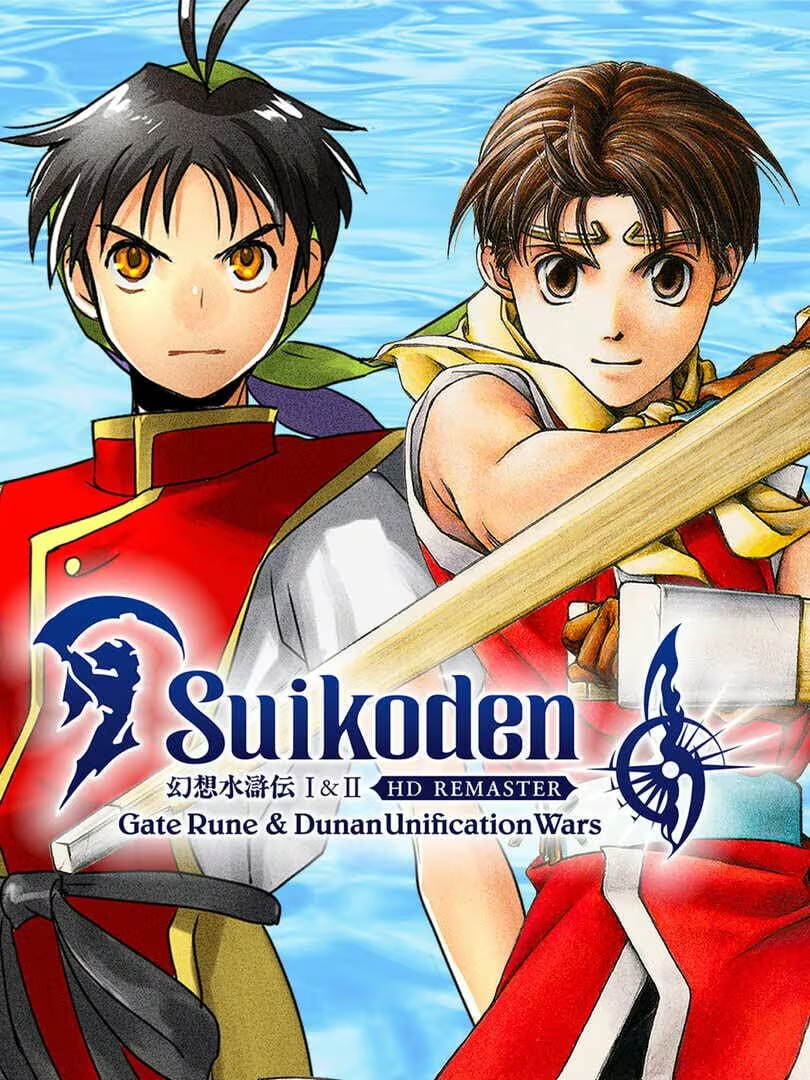
Suikoden I&II HD Remaster Gate Rune and Dunan Unification Wars
-
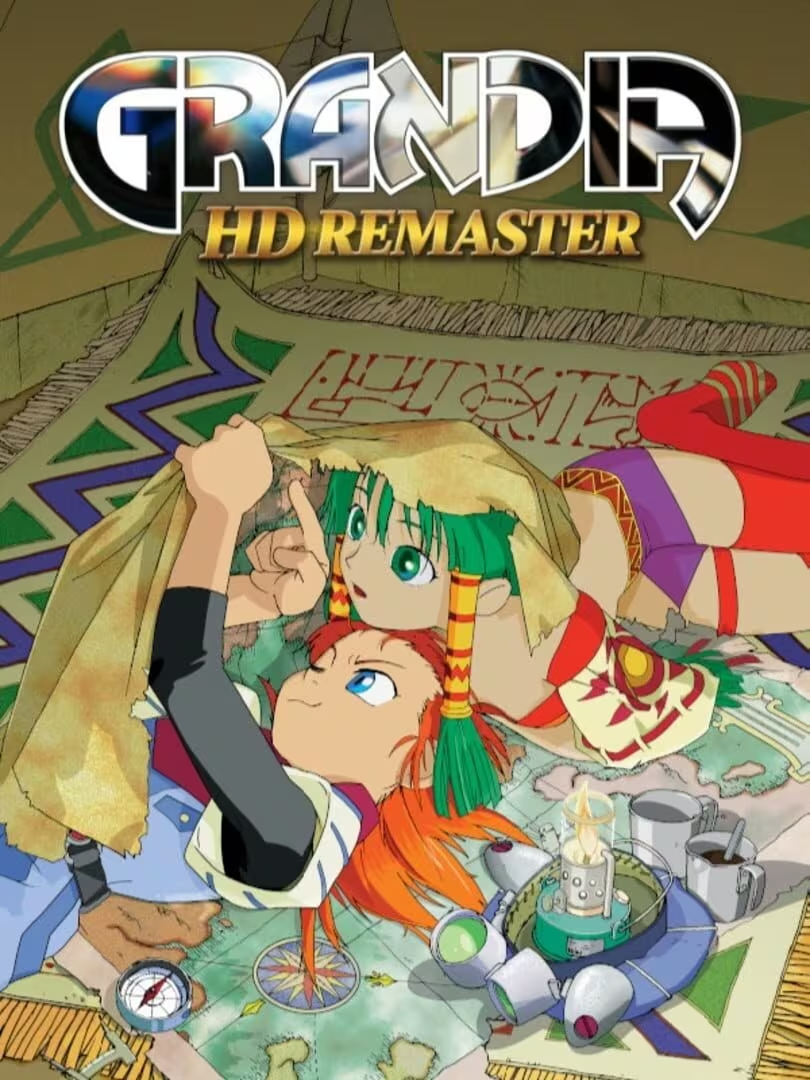
GRANDIA HD Remaster
-

Final Fantasy IV (3D Remake)
-
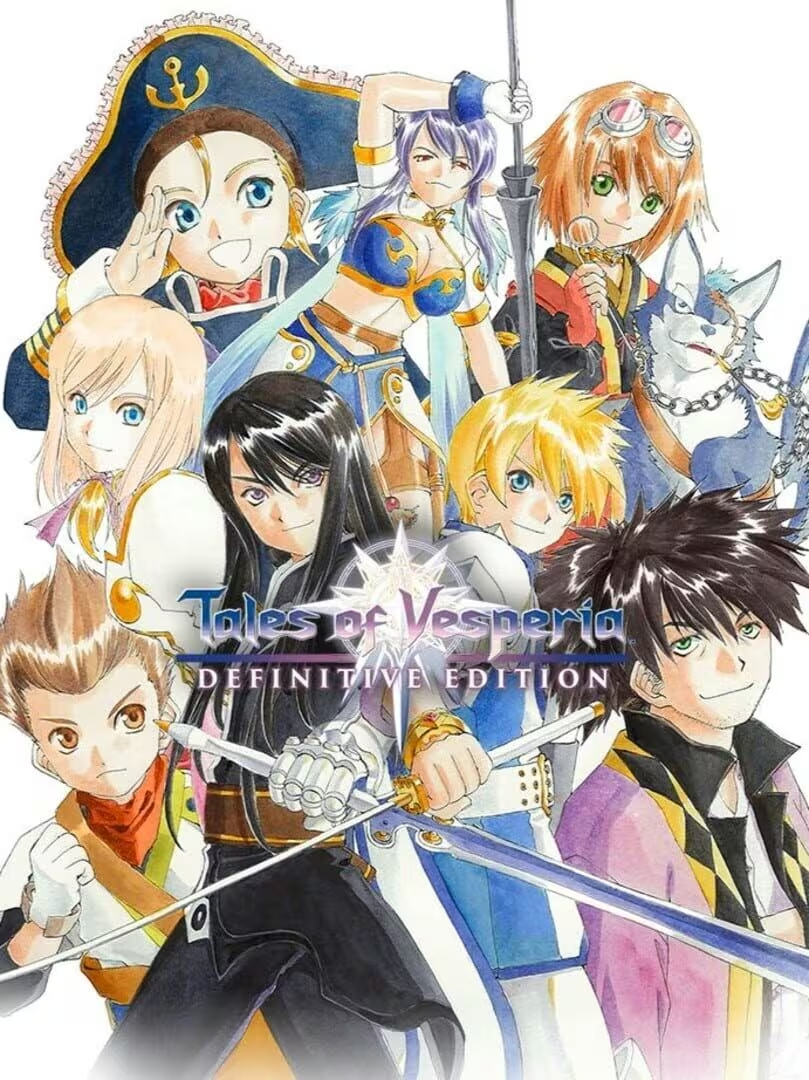
Tales of Vesperia: Definitive Edition
-
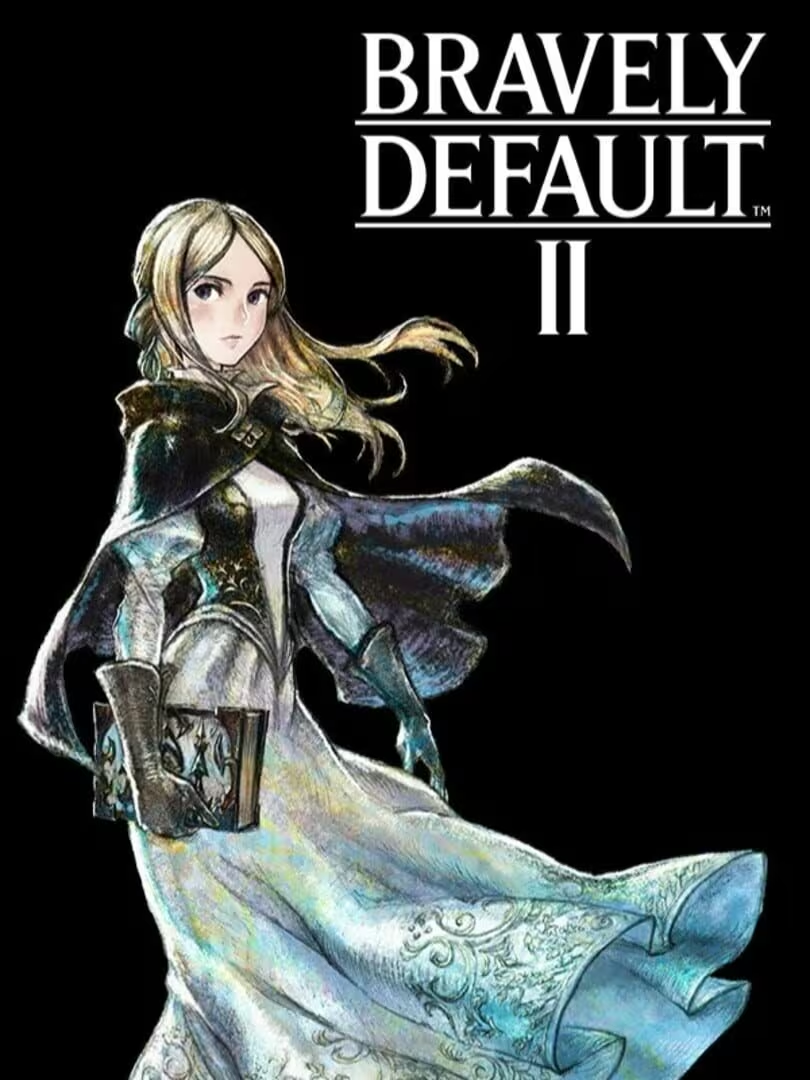
BRAVELY DEFAULT II
-

KINGDOM HEARTS -HD 1.5+2.5 ReMIX-
-
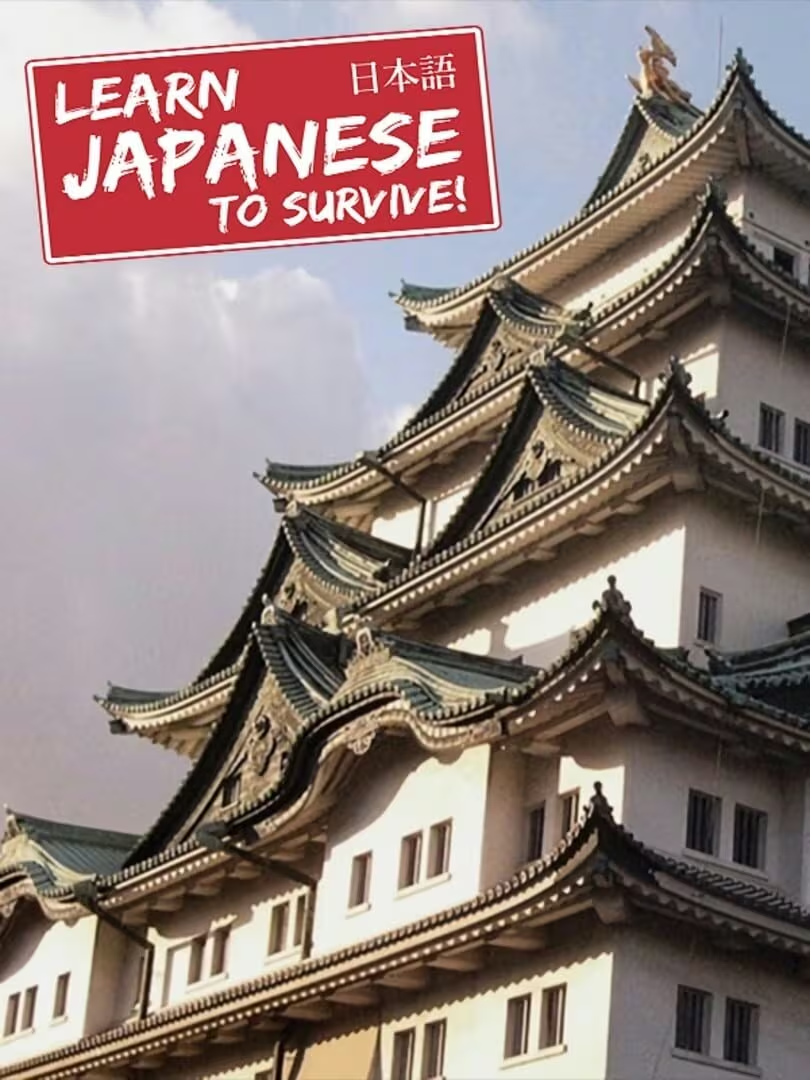
Learn Japanese To Survive! Hiragana Battle
Hidden Gems
Less popular games with surprisingly high similarity
If you liked…
Recommendations by what you enjoyed most
Similarity map
Explore nearby similar games and see why they’re close.
Learn Japanese To Survive! Kanji Combat: Broadly representative of its motivational profile, with a few distinct shifts. Motivations that often define this kind of title include Violence, Fantasy, Story, Thrill. Here, the score leans higher than usual among comparable games on Story, Violence, Leadership.
Why this game works
A motivational profile of the game, with the closest similar game for each player motivation.
-
Autonomy
Game with the same Autonomy vibe
3"Players can choose different difficulty modes and manage their own packing strategies and upgrades, allowing some control over gameplay."
 Ship, Inc.
"Players can choose difficulty modes, customize party members, and decide how to upgrade town and gear, allowing some control over learning and gameplay."
-
Competence
Game with the same Competence vibe
4"Game challenges players to memorize and recognize Katakana characters, with feedback and progression."
Learn Japanese To Survive! Katakana War
"The game challenges players to learn and recall kanji meanings and pronunciations, with combat success tied to correct answers, providing skill feedback."
-
Competition
Game with the same Competition vibe
-3"Focus is on personal progression and completion rather than competing against others; no mention of leaderboards or PvP."
 Katamari Damacy REROLL
"Focus is on personal learning and progression rather than competing against others; no mention of leaderboards or PvP."
-
Continuation
Game with the same Continuation vibe
2"Many players report enjoying several hours of play and habitual engagement, though some note the game becomes repetitive or short on long-term replayability."
 Dungeon Tycoon
"Players report long playtimes and habitual engagement to learn many kanji, though some find the gameplay repetitive and grindy."
-
Cooperation
Game with the same Cooperation vibe
0"Limited local multiplayer mentioned but no strong emphasis on cooperative gameplay."
 Deep the Game
"Game features party members and some team mechanics but no multiplayer or explicit cooperative play."
-
Creativity
Game with the same Creativity vibe
1"Town building and character upgrades provide some creative expression, but gameplay mostly follows predefined quests and structures."
 Eiyuden Chronicle: Rising
"Town-building and upgrading systems allow some creative choices, but core gameplay follows established RPG and learning routines."
-
Domination
Game with the same Domination vibe
-4"Interactions emphasize party equality and camaraderie rather than control or superiority."
 OCTOPATH TRAVELER II
"Interactions emphasize equal party participation and learning rather than exerting control or superiority over others."
-
Escapism
Game with the same Escapism vibe
3"Players use the game as a challenging distraction and stress relief, with some reporting emotional uplift and immersion."
 Horizon Shift
"Players use the game as a fun distraction and stress relief while learning, with some reporting emotional uplift during tough times."
-
Expectation
Game with the same Expectation vibe
-4"Players engage voluntarily out of personal interest and intrinsic motivation to learn Japanese."
 Shashingo: Learn Japanese with Photography
"Players engage voluntarily out of personal interest in learning Japanese and self-improvement, not due to external pressure."
-
Experimenting
Game with the same Experimenting vibe
-1"Gameplay is repetitive with limited novelty or exploration of mechanics."
 Fruit Postal Service
"Gameplay is somewhat repetitive with established patterns, though players can choose difficulty and upgrade strategies."
-
Exploration
Game with the same Exploration vibe
1"Game world is somewhat linear with limited exploration but includes side quests and dungeons."
 Tales of Graces f Remastered
"Game includes dungeon exploration and side quests, but environments and progression are mostly linear and repetitive."
-
Expression
Game with the same Expression vibe
1"Some self-expression through town design and layout, but limited building variety and customization reduce expressive options."
 MicroTown
"Some character customization and town-building allow limited self-expression, but mostly standardized presentation."
-
Fantasy
Game with the same Fantasy vibe
2"Game features a fictional story with monsters and RPG elements, though grounded in language learning."
Learn Japanese To Survive! Katakana War
"The game features a fictional story with monsters shaped like kanji and a fantasy setting, blending learning with imaginative elements."
-
Fellowship
Game with the same Fellowship vibe
0"Some community presence but limited social gameplay; neither strongly social nor strictly solo."
 Figure Adventure
"Some social elements in party and story, but no strong community or multiplayer aspects."
-
Growth
Game with the same Growth vibe
5"Strong focus on learning, memorization, and personal development in language skills."
Learn Japanese To Survive! Hiragana Battle
"Strong focus on learning and personal development through kanji acquisition, pronunciation, and memory reinforcement."
-
Health
Game with the same Health vibe
-5"No physical activity involved; sedentary gameplay typical of RPGs."
 Steven Universe: Save the Light
"No physical activity involved; sedentary gameplay typical of educational RPGs."
-
Idle
Game with the same Idle vibe
-3"Requires player attention and engagement; some slow pacing but not designed for background play."
 Fears to Fathom - Woodbury Getaway
"Requires focused attention to answer kanji correctly; some players find pacing slow but not suitable for background play."
-
Intimacy
Game with the same Intimacy vibe
-2"Limited to character affection stories and light social features; no deep emotional social connections reported."
 Punishing: Gray Raven
"Some character relationship development and affection events, but limited emotional depth and no close social bonding."
-
Leadership
Game with the same Leadership vibe
1"Players manage party composition and strategy but no explicit leadership over others."
OCTOPATH TRAVELER II
"Players manage party composition and town upgrades, guiding progression, but no explicit leadership over others."
-
Progression
Game with the same Progression vibe
4"Players accumulate vocabulary, unlock new areas, and collect items to decorate, showing clear progression."
 Noun Town Language Learning
"Players accumulate kanji knowledge, level up characters, upgrade gear and town buildings, showing clear progression."
-
Relaxation
Game with the same Relaxation vibe
2"Some players find the game relaxing and enjoyable, though others note frustration and grind."
 Smooth Operators
"Some players find the game relaxing and enjoyable, though others report frustration with repetition and grind."
-
Sensation
Game with the same Sensation vibe
1"Visuals and audio are functional but not highly stimulating; focus is on gameplay rather than sensory excitement."
 King of Retail
"Visual and auditory elements like music and voice acting add sensory enjoyment, but gameplay is not highly stimulating."
-
Status
Game with the same Status vibe
-4"Game focuses on individual experience without social recognition or ranking systems."
 New Arc Line
"Game focuses on individual learning without social recognition or competitive ranking."
-
Story
Game with the same Story vibe
3"Game includes a storyline with characters and voice acting, adding narrative immersion beyond gameplay."
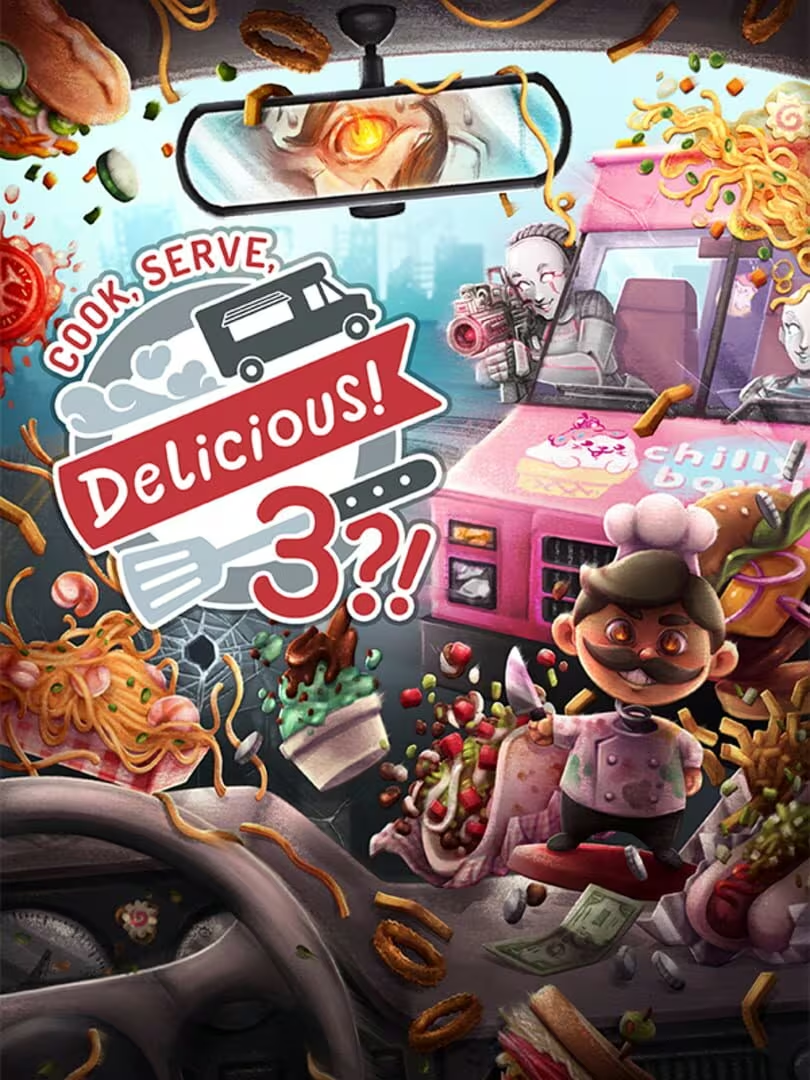 Cook, Serve, Delicious! 3?!
"The game features a narrative with characters, plot, and voice acting, enhancing immersion beyond isolated tasks."
-
Strategy
Game with the same Strategy vibe
2"Combat requires tactical use of skills, resource management, and party composition."
 Sakura Dungeon
"Some strategic elements in party management and resource allocation, but combat is simplified with one-hit kills."
-
Thrill
Game with the same Thrill vibe
-1"Combat can be challenging but overall the game is low on suspense and risk, focusing on comfort."
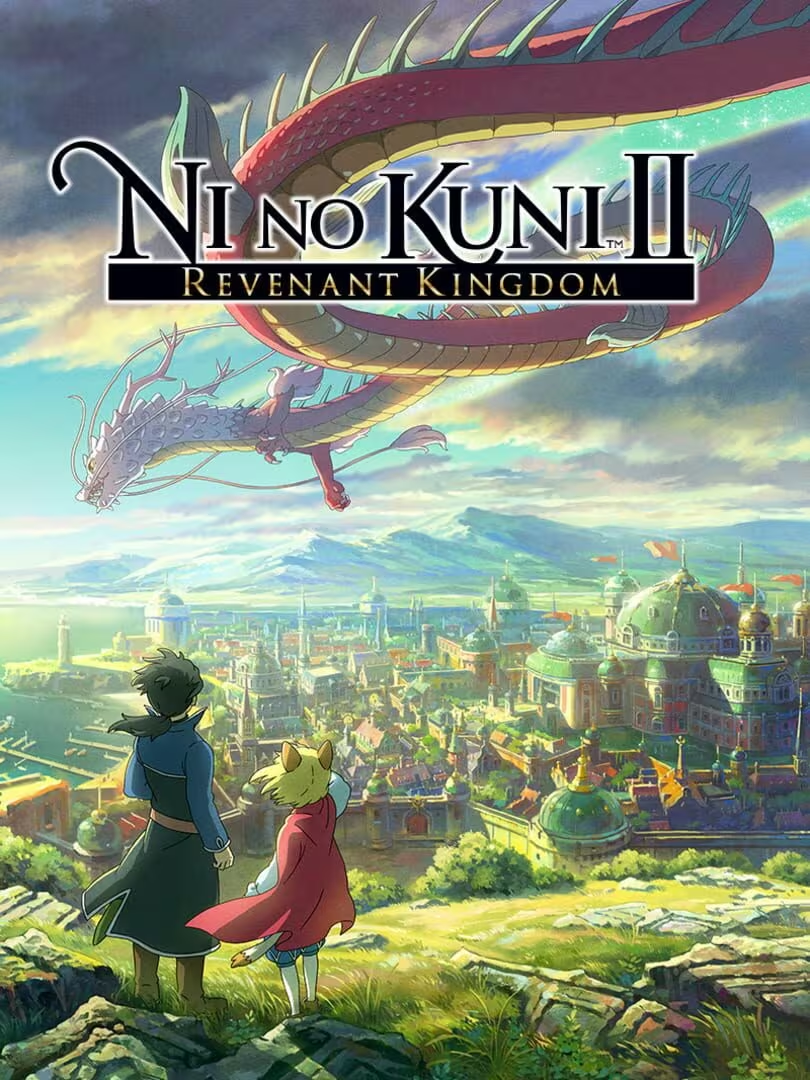 Ni no Kuni™ II: Revenant Kingdom
"Combat is low risk and predictable; challenge comes from learning rather than suspense or tension."
-
Value
Game with the same Value vibe
4"Players report good value for price with many hours of engaging gameplay and educational content."
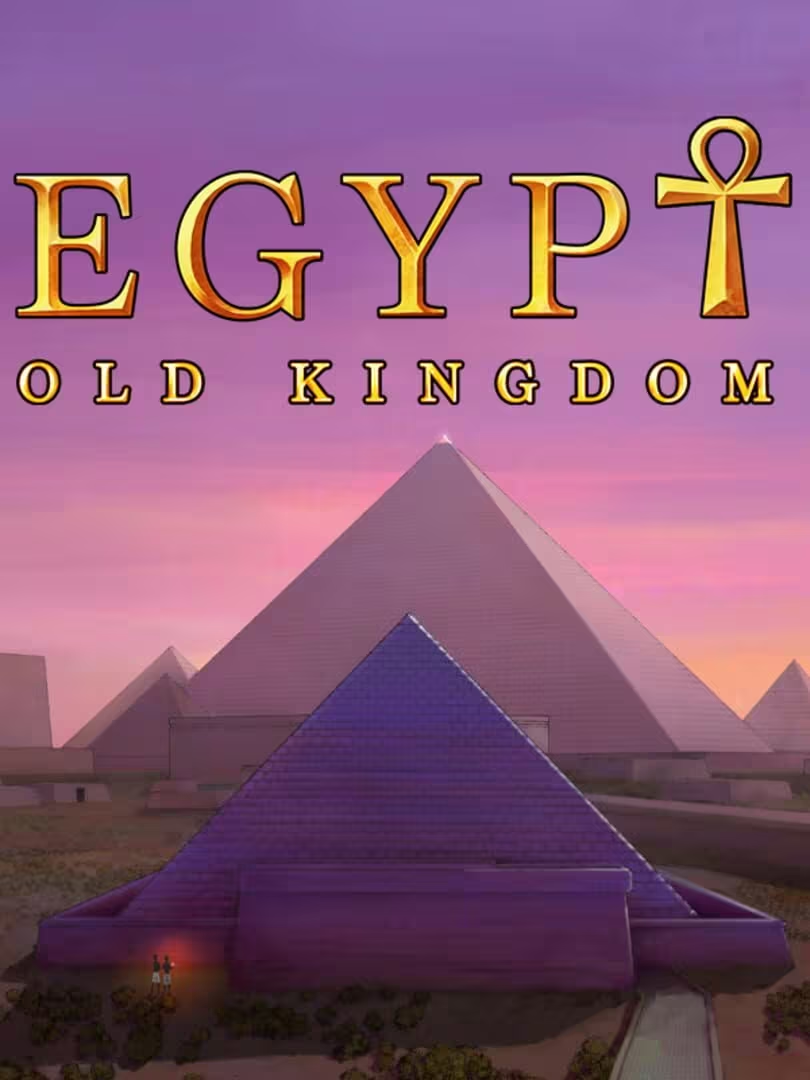 Egypt: Old Kingdom
"Players report good educational value for time and money, appreciating the combination of learning and gameplay."
-
Violence
Game with the same Violence vibe
1"Combat involves fighting monsters but is not emphasized as violent or destructive."
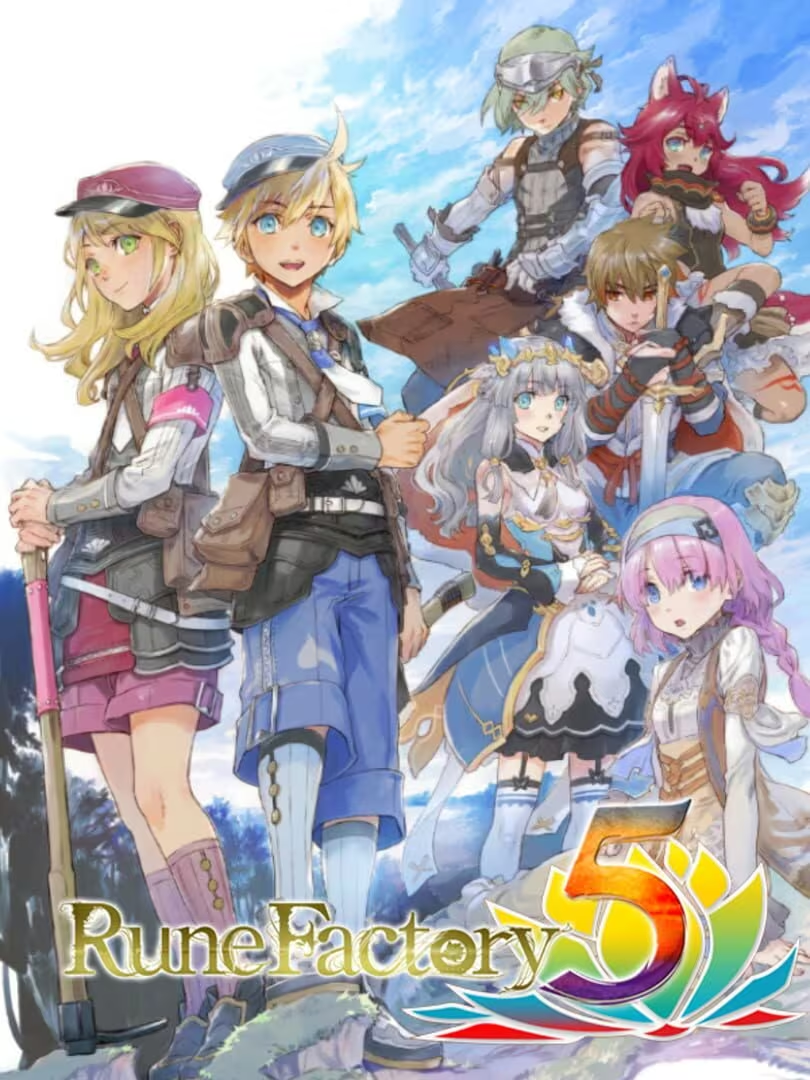 Rune Factory 5
"Combat involves defeating kanji-shaped monsters, but violence is mild and serves educational purposes."
-
Survival
Game with the same Survival vibe
0"Some health reduction in combat but no strong survival mechanics or resource management."
 Superbrothers: Sword & Sworcery EP
"Some resource and health management in combat, but no strong survival mechanics or high threat levels."
Last update: 01/06/2026