The Lord of the Rings: Return to Moria™ similar games & best alternatives
Should you play it?
The only survival crafting game set in the Fourth Age of Middle-earth™. Embark on an epic journey to reclaim the Dwarven homeland of Moria, and explore, craft, and build in procedurally generated worlds. Play as a solo adventurer, or join friends in co-op gameplay for up to 8 players.
What works
- Immersive tolkien setting and lore
- Cooperative multiplayer enhances experience
- Engaging crafting and building systems
- Atmospheric music and singing
- Steady progression and exploration
Things to keep in mind
- Combat can feel clunky and shallow
- Building mechanics have limitations and snapping issues
- Some repetitiveness and linearity in campaign
- Performance issues on lower-end systems reported
- Lack of deep npc interaction or advanced ai
What to play next
Similar games, hidden gems, and fresh directions from this game.
Top picks
Games that feel the closest overall
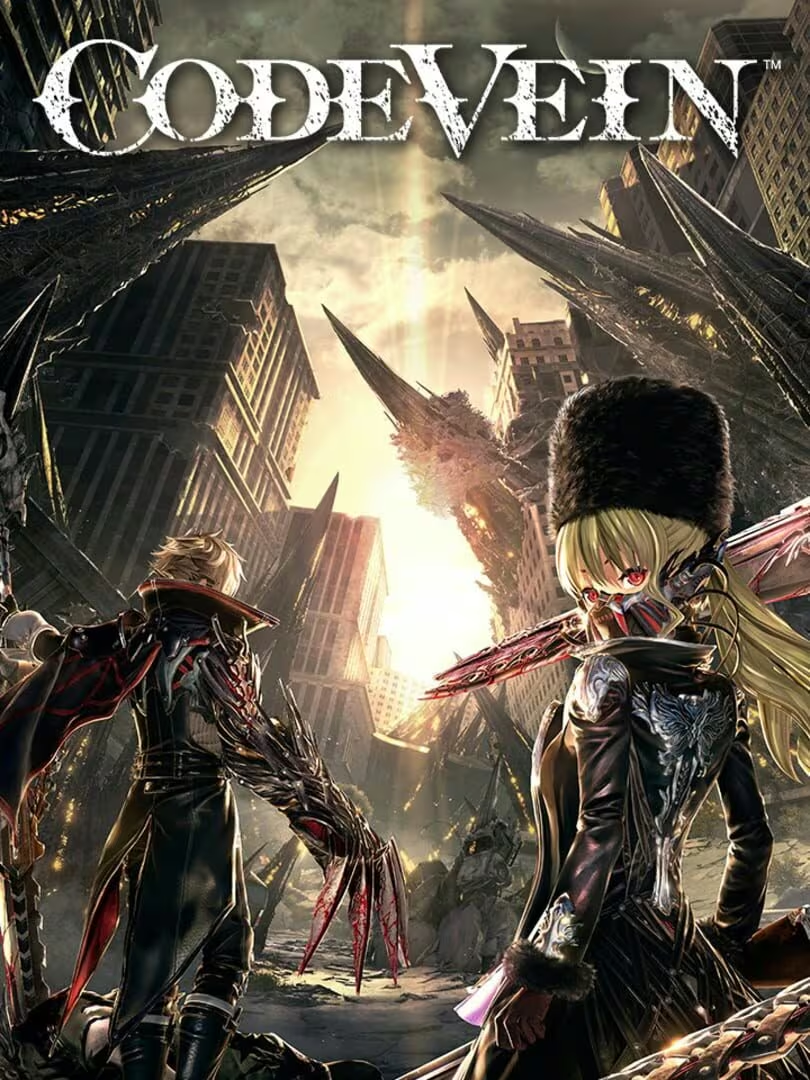
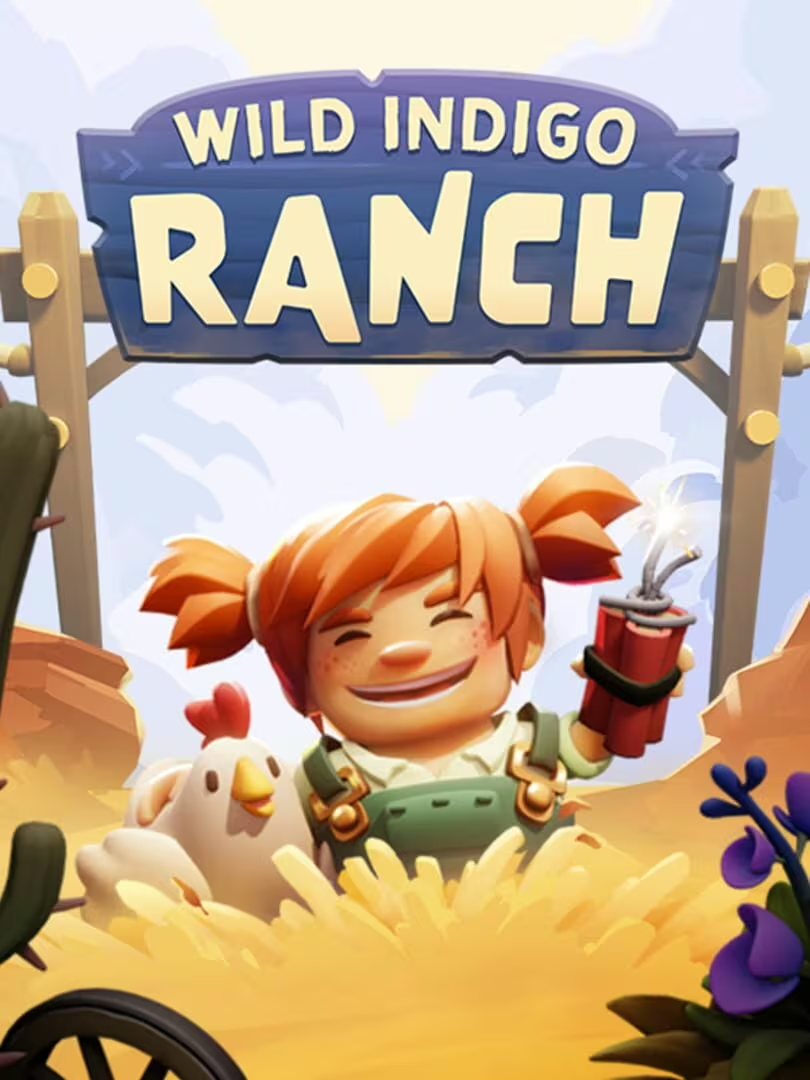
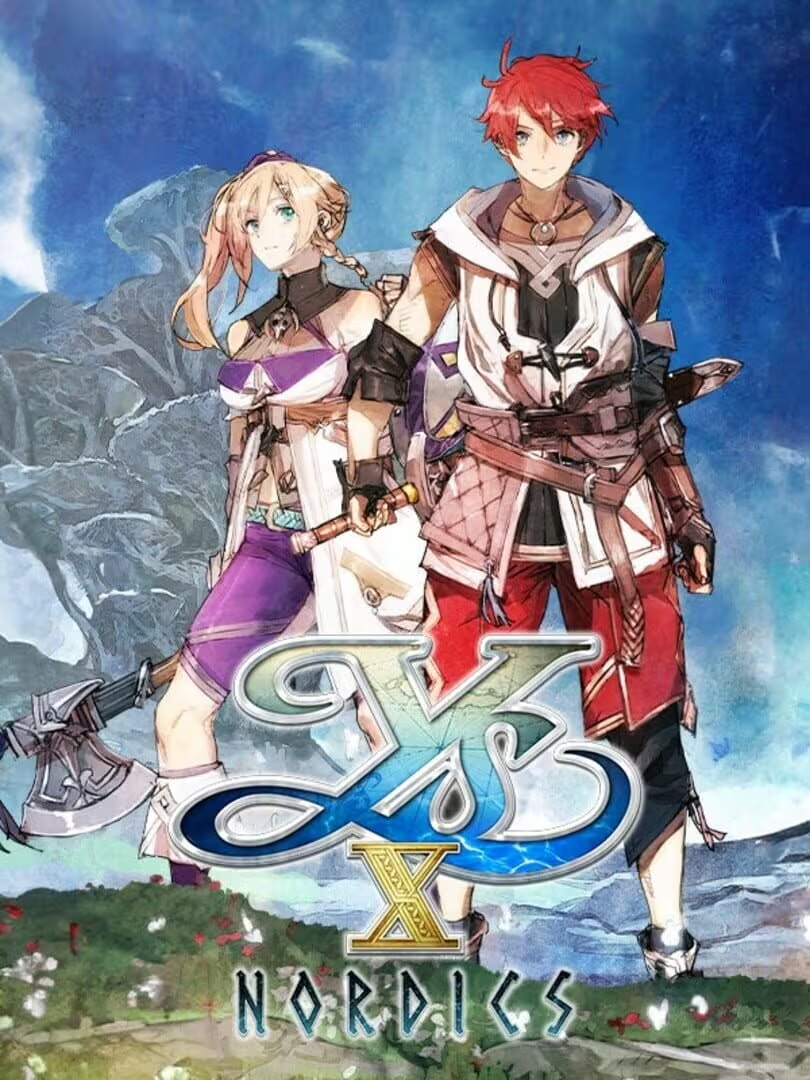
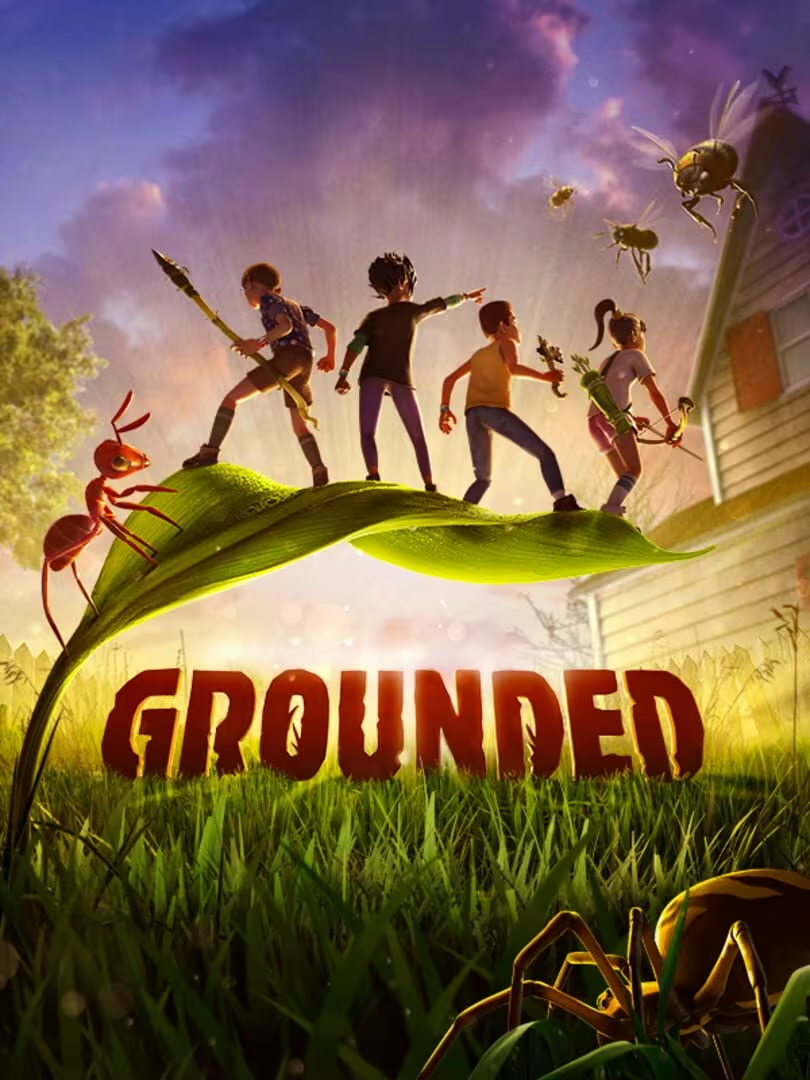
Hidden Gems
Less popular games with surprisingly high similarity
If you liked…
Recommendations by what you enjoyed most
Similarity map
Explore nearby similar games and see why they’re close.
The Lord of the Rings: Return to Moria™: A very typical example of its motivational profile. Motivations that often define this kind of title include Cooperation, Fellowship, Intimacy, Leadership. Here, the score leans higher than usual among comparable games on Fantasy. It leans lower than usual among comparable games on Competition, Leadership.
Why this game works
A motivational profile of the game, with the closest similar game for each player motivation.
-
Autonomy
Game with the same Autonomy vibe
3"Players have freedom to build and optimize train routes and production chains within scenario constraints; sandbox mode allows even more personal control."
 RAILGRADE
"Players have freedom to explore, build, and craft within constraints; some linear progression but sandbox mode allows more personal control."
-
Competence
Game with the same Competence vibe
3"Players engage in skillful building, crafting, and combat, though combat is somewhat simple and progression is straightforward."
 Lay of the Land
"Players engage in skill-based combat, crafting, and exploration with progression and feedback; combat is serviceable but not deep."
-
Competition
Game with the same Competition vibe
-4"Focus is on cooperative or solo play without competitive modes or leaderboards; emphasis on personal or group progression."
 Quest Hunter
"Focus is on cooperative and solo play without ranked modes or leaderboards; emphasis on personal or group progression."
-
Continuation
Game with the same Continuation vibe
4"Many players report long playtimes and habitual engagement with ongoing updates and content."
 Swords 'n Magic and Stuff
"Many players report long playtimes, habitual play, and continued engagement through updates and multiplayer."
-
Cooperation
Game with the same Cooperation vibe
4"Supports up to 8-player co-op with shared quests and multiplayer gameplay, though buggy and sometimes unstable."
 Dungeon Lords Steam Edition
"Game supports up to 8-player co-op; multiplayer enhances experience and is recommended for best enjoyment."
-
Creativity
Game with the same Creativity vibe
3"Building system allows for base construction and customization, though some reviews note limited uniqueness."
 ARK: Survival Evolved
"Building and crafting systems allow customization and base creation, though some constraints and snapping limitations exist."
-
Domination
Game with the same Domination vibe
-3"Interactions emphasize cooperation and shared goals; no evidence of power imposition or dominance over others."
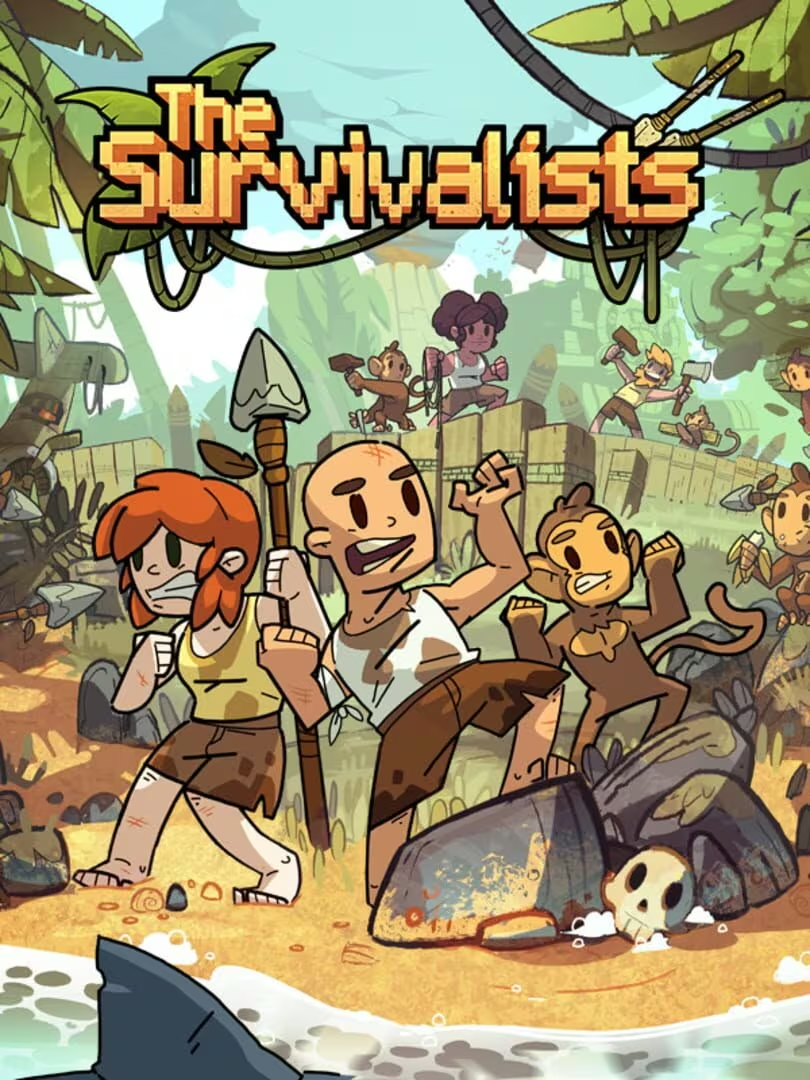 The Survivalists
"Interactions emphasize cooperation and shared goals; no evidence of power imposition or dominance behaviors."
-
Escapism
Game with the same Escapism vibe
4"Players use the game as a deep immersive experience, escaping into a fantasy world with rich lore and challenging gameplay."
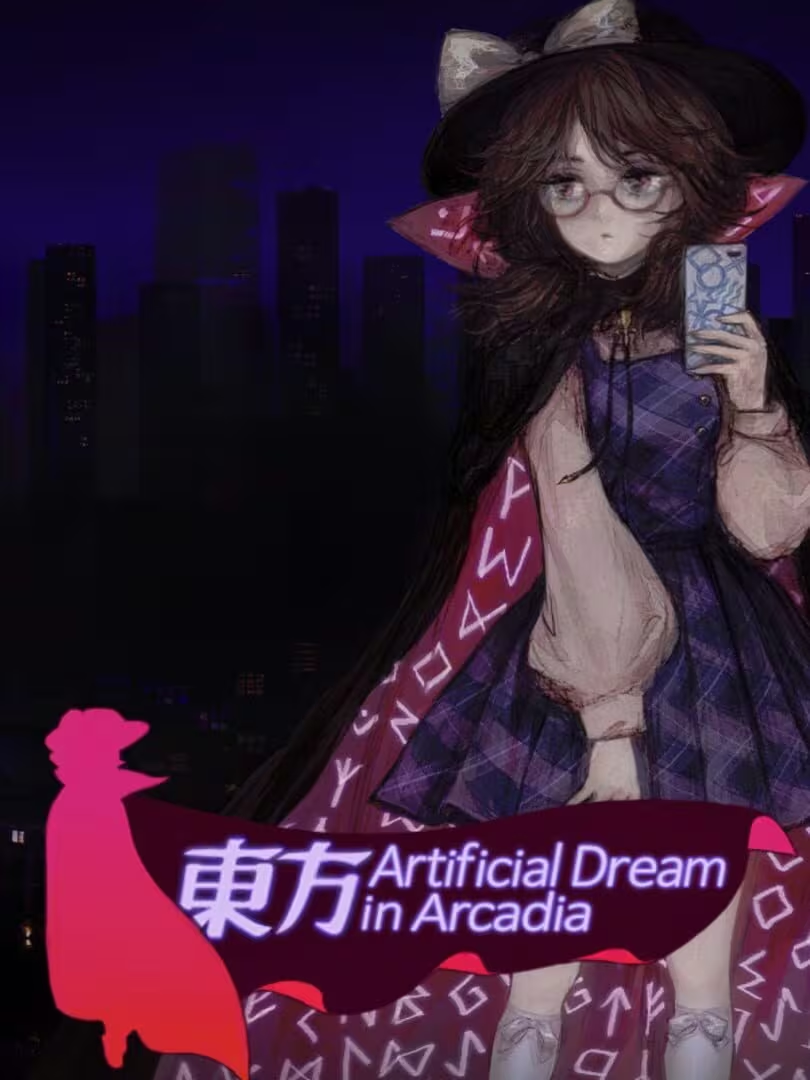 Touhou Artificial Dream in Arcadia
"Players use the game to immerse in Tolkien lore and escape into a fantasy underground world with mining and adventure."
-
Expectation
Game with the same Expectation vibe
-4"Players engage voluntarily out of personal interest and fandom; no indication of obligation or external pressure."
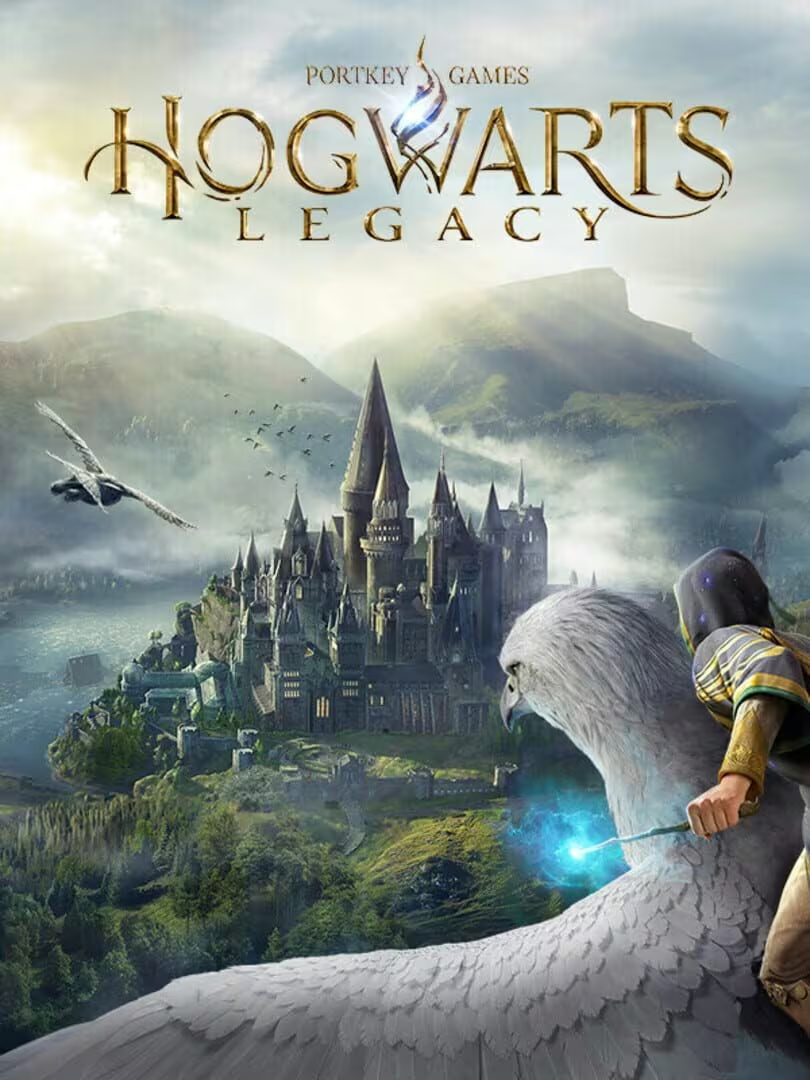 Hogwarts Legacy
"Players engage voluntarily out of personal interest and fandom; no indication of obligation or external pressure."
-
Experimenting
Game with the same Experimenting vibe
3"Players explore new areas, try different skill builds, and experiment with crafting and combat strategies."
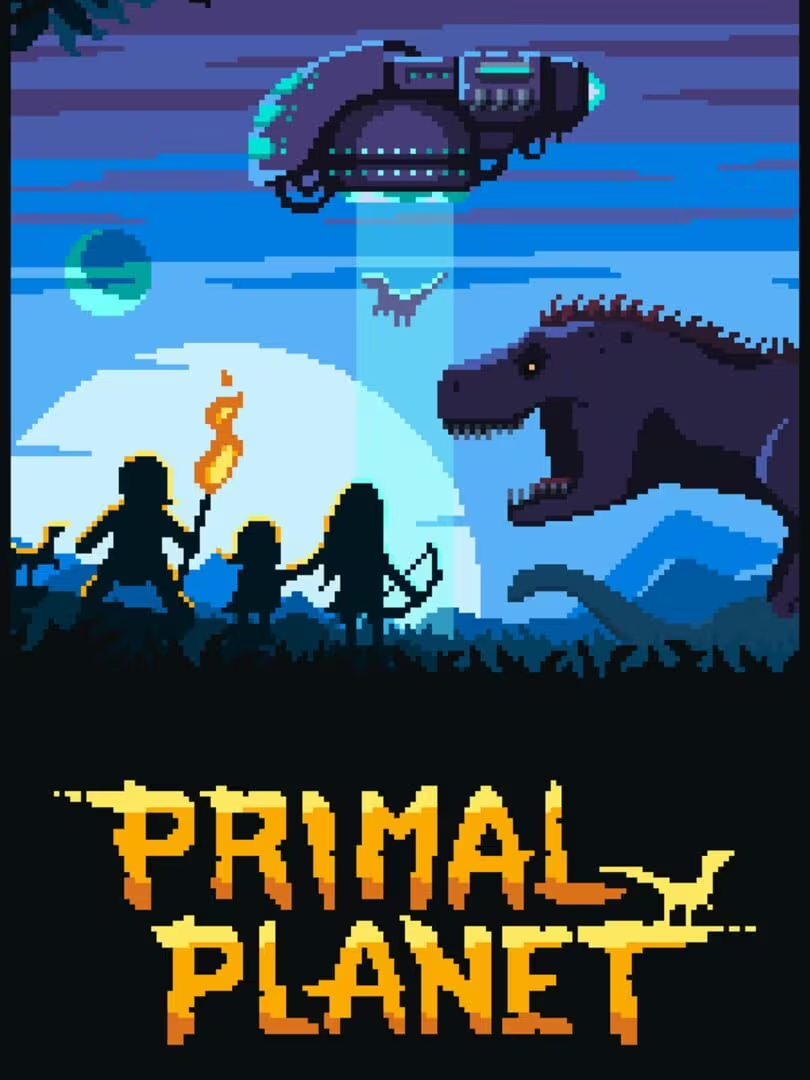 Primal Planet
"Players explore new areas, try different crafting recipes, and experiment with building and combat strategies."
-
Exploration
Game with the same Exploration vibe
4"Exploration of new areas, uncovering map, and discovering resources are core gameplay elements."
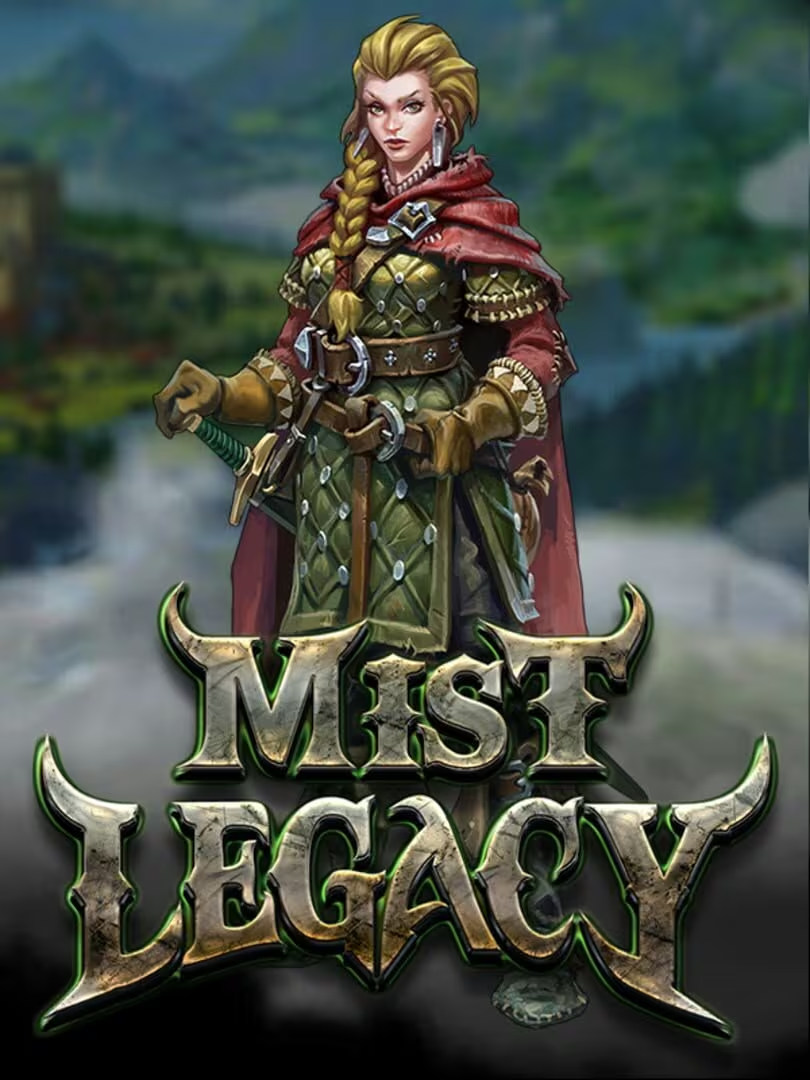 Mist Legacy
"Exploration of procedurally generated and handcrafted areas is a core element; discovery and lore hunting are emphasized."
-
Expression
Game with the same Expression vibe
3"Character customization and base decoration allow personal expression, though base building is optional and less emphasized."
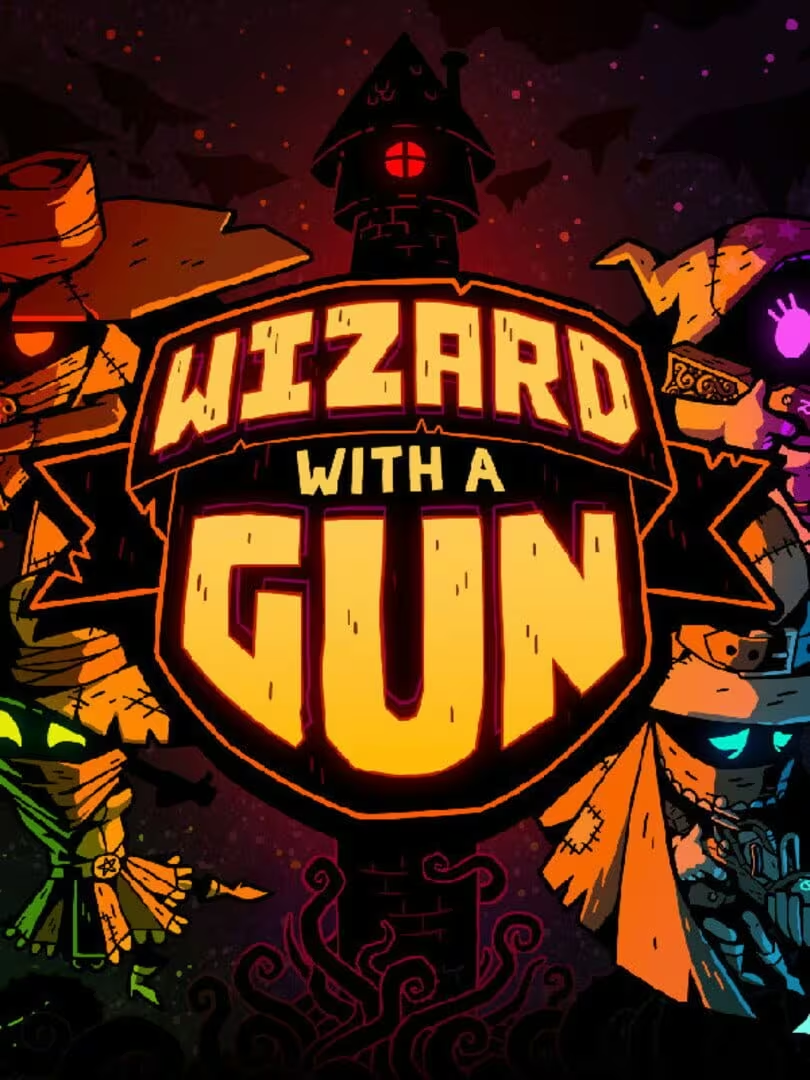 Wizard with a Gun
"Character customization and base decoration allow self-expression; some limitations in building placement noted."
-
Fantasy
Game with the same Fantasy vibe
5"Strong fantasy setting with dwarves, goblins, magic, and mythical lore."
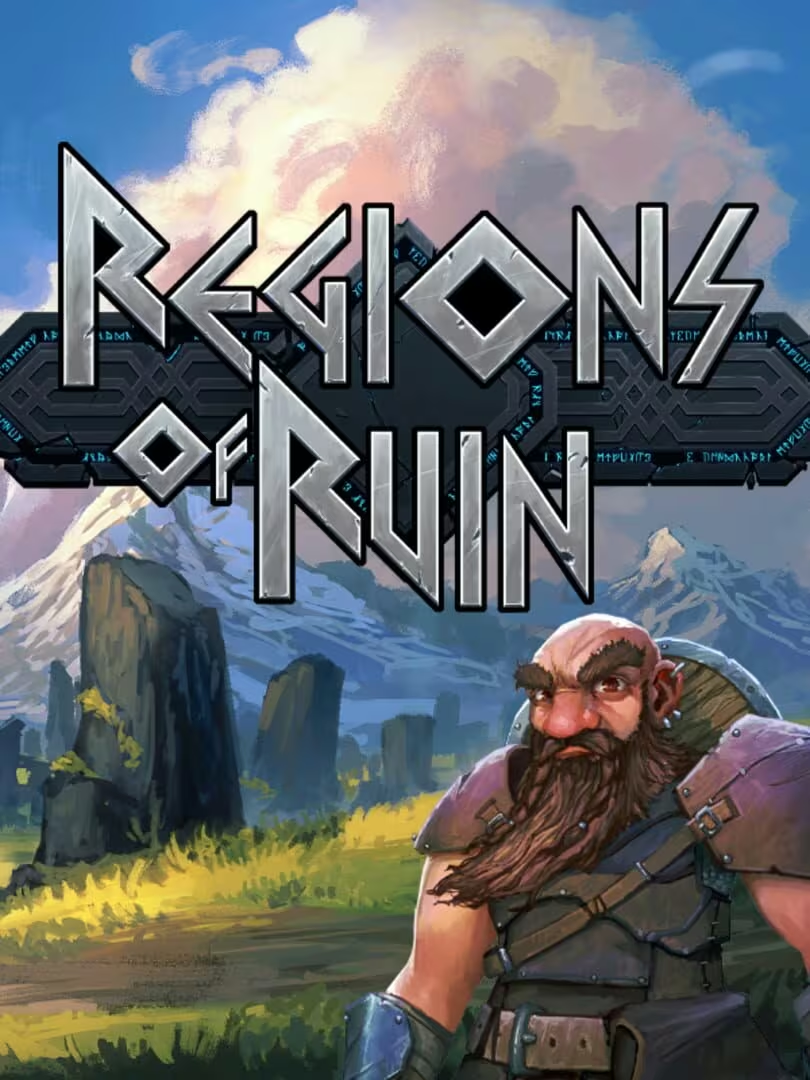 Regions Of Ruin
"Strong Tolkien fantasy setting with dwarves, lore, singing, and mythical creatures; immersive fictional experience."
-
Fellowship
Game with the same Fellowship vibe
4"Community and social play are important, with multiplayer and co-op fostering group identity and shared experiences."
 Castle Crashers®
"Community and group identity are important; multiplayer play fosters social bonds and shared experiences."
-
Growth
Game with the same Growth vibe
3"Players learn survival skills, crafting recipes, and navigation through gameplay progression."
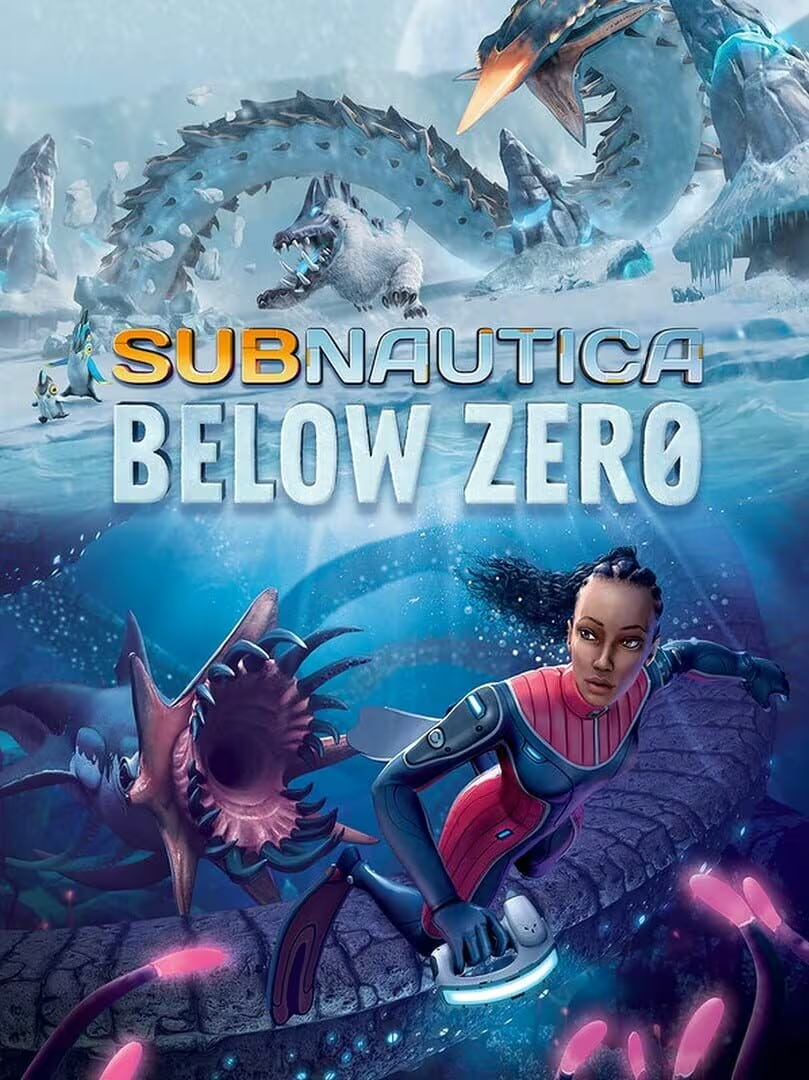 Subnautica: Below Zero
"Players learn crafting, combat, and exploration skills; progression through unlocking recipes and areas."
-
Health
Game with the same Health vibe
-5"Typical sedentary gameplay; no physical activity or health-related features."
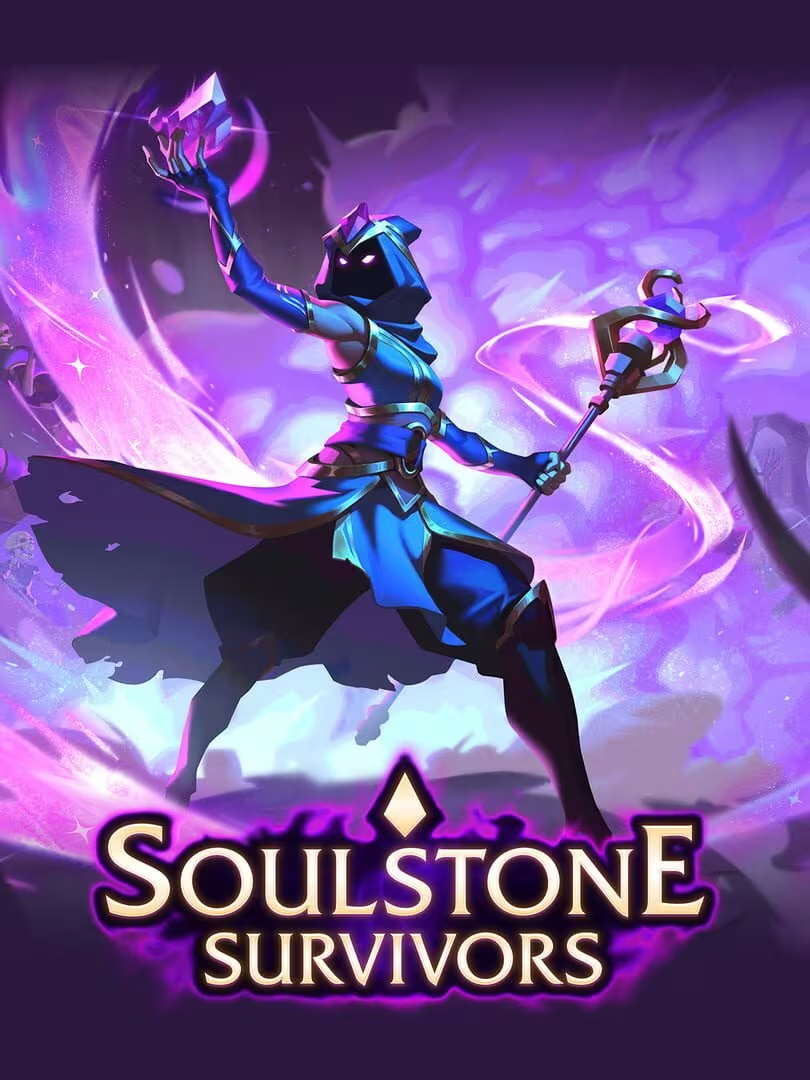 Soulstone Survivors
"Typical sedentary gameplay; no physical activity or health-related features."
-
Idle
Game with the same Idle vibe
-3"Requires sustained attention and focus during combat and exploration; not designed for passive or background play."
 Days Gone
"Requires sustained attention during exploration, combat, and crafting; not designed for passive or background play."
-
Intimacy
Game with the same Intimacy vibe
2"Some social interaction and camaraderie in multiplayer, but limited close emotional relationships."
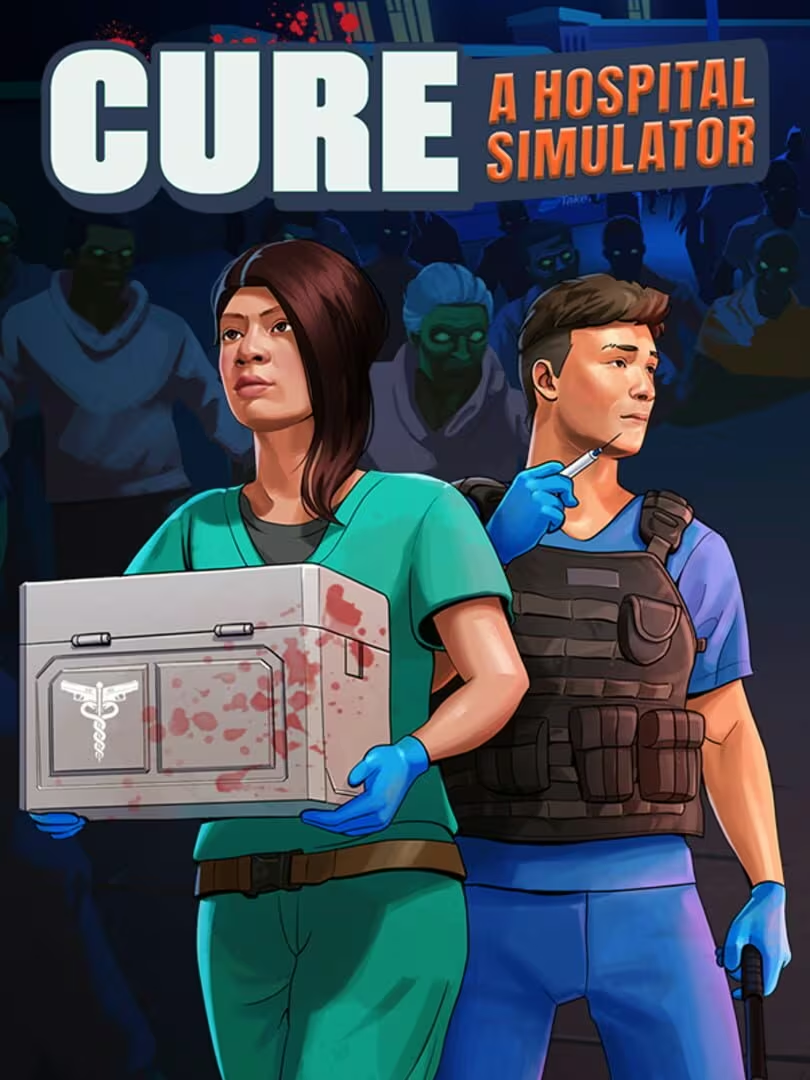 CURE - A Hospital Simulator
"Some social interaction and camaraderie in multiplayer; no evidence of deep emotional or intimate connections."
-
Leadership
Game with the same Leadership vibe
-2"Players collaborate without formal leadership roles; cooperative play is balanced and shared."
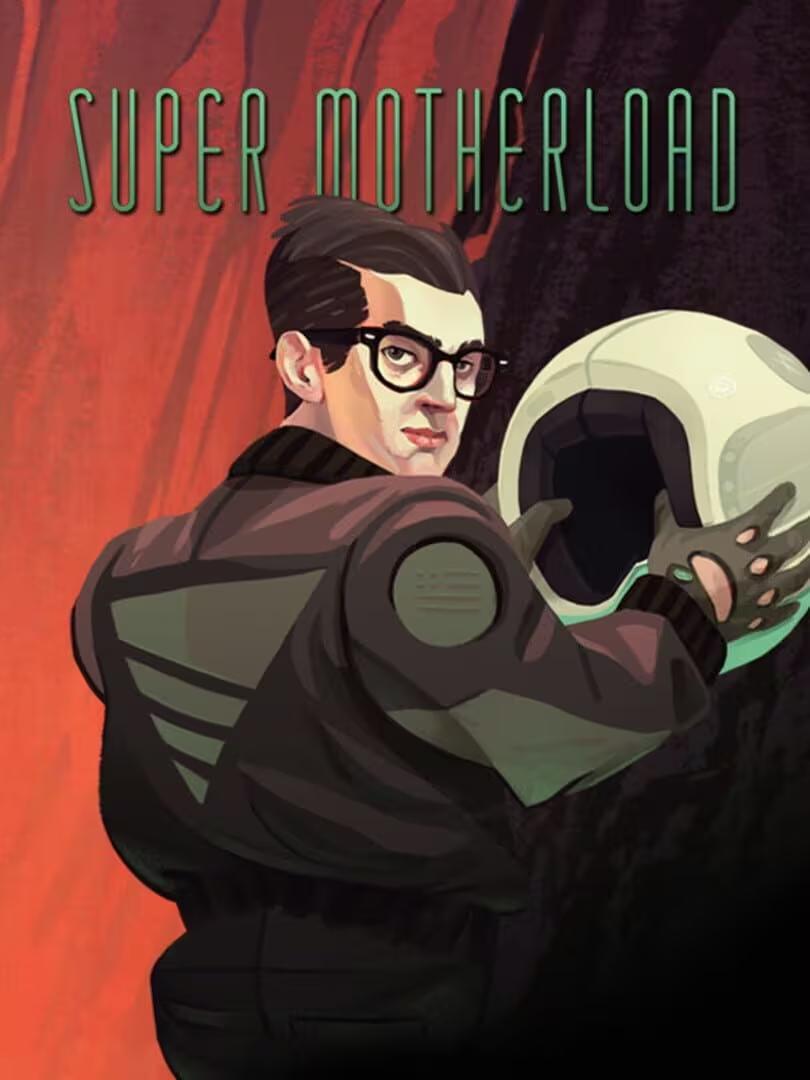 Super Motherload
"Players collaborate without strong leadership roles; cooperative play emphasizes shared decision-making."
-
Progression
Game with the same Progression vibe
4"Clear progression through crafting, tech tree, and unlocking items; players accumulate resources and upgrades."
 Wrongworld
"Clear item and gear progression through crafting and unlocking new areas; players accumulate resources and upgrades."
-
Relaxation
Game with the same Relaxation vibe
3"Atmospheric and immersive experience provides a sense of flow and relaxation despite some tension in combat."
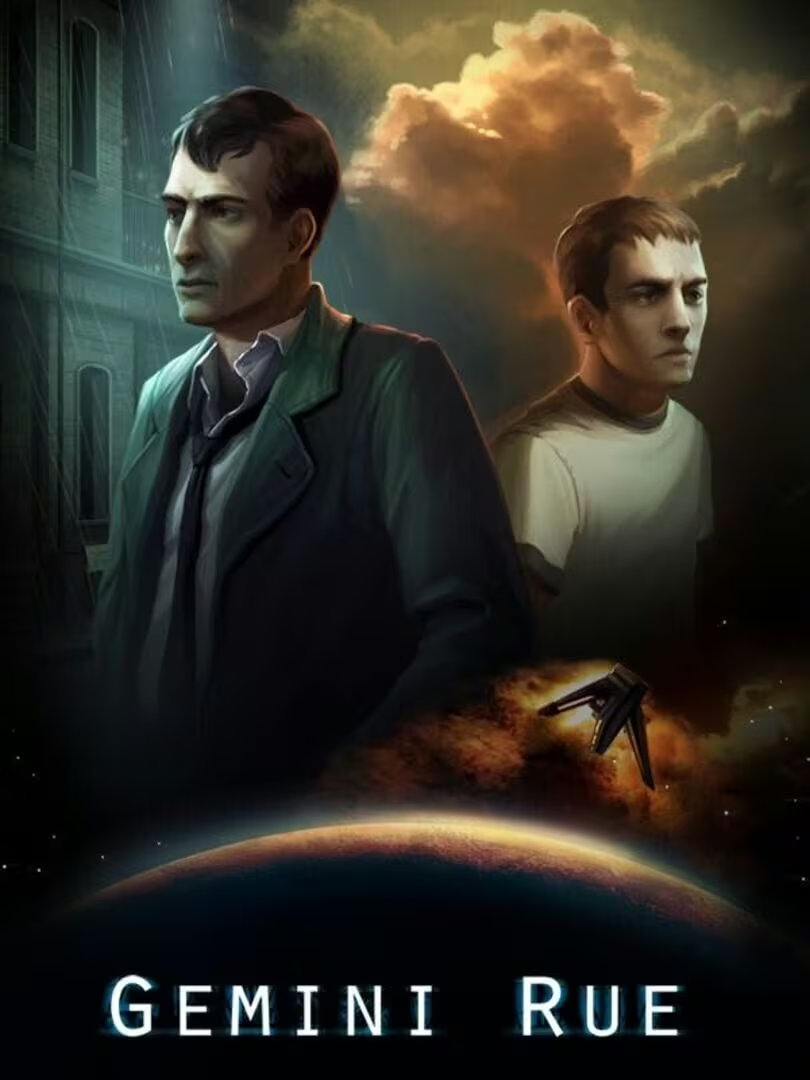 Gemini Rue
"Atmospheric and immersive experience with moments of calm and flow; some tension from combat and survival elements."
-
Sensation
Game with the same Sensation vibe
3"Artistic visuals, music, and sound effects provide sensory enjoyment and atmospheric immersion."
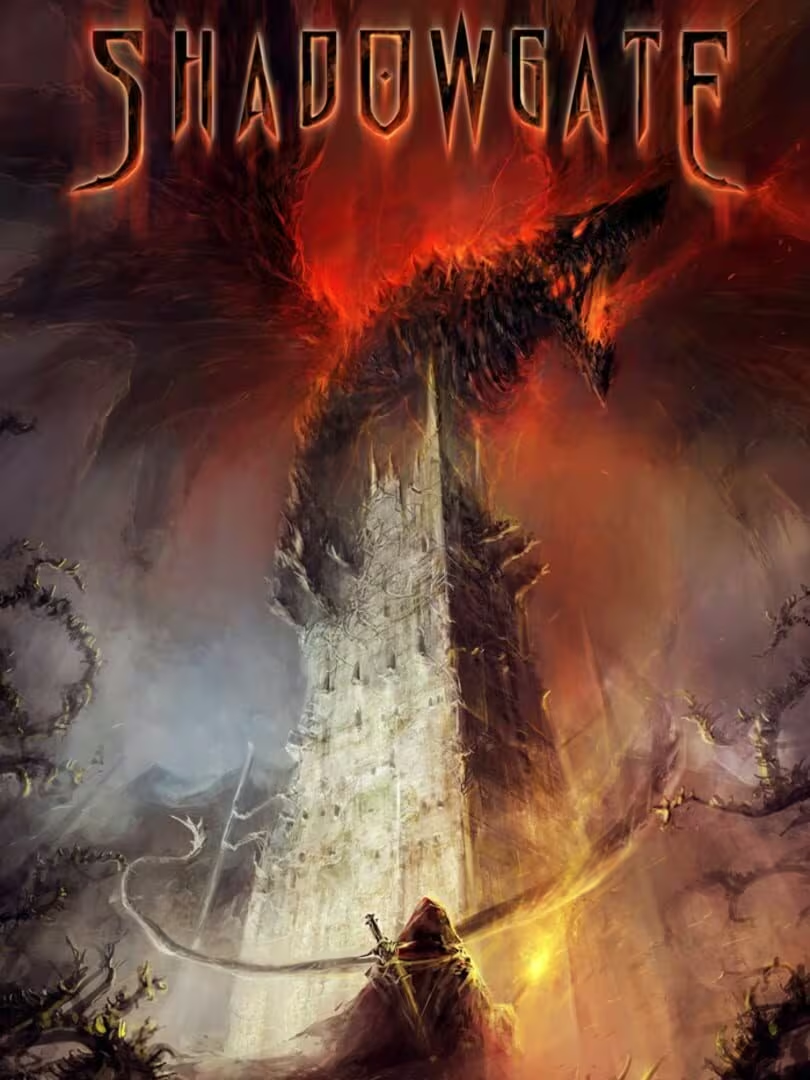 Shadowgate
"Enjoyable visuals, music, and sound design enhance sensory experience; some players note atmospheric immersion."
-
Status
Game with the same Status vibe
-3"No social status or recognition systems; focus is on individual achievement without public ranking."
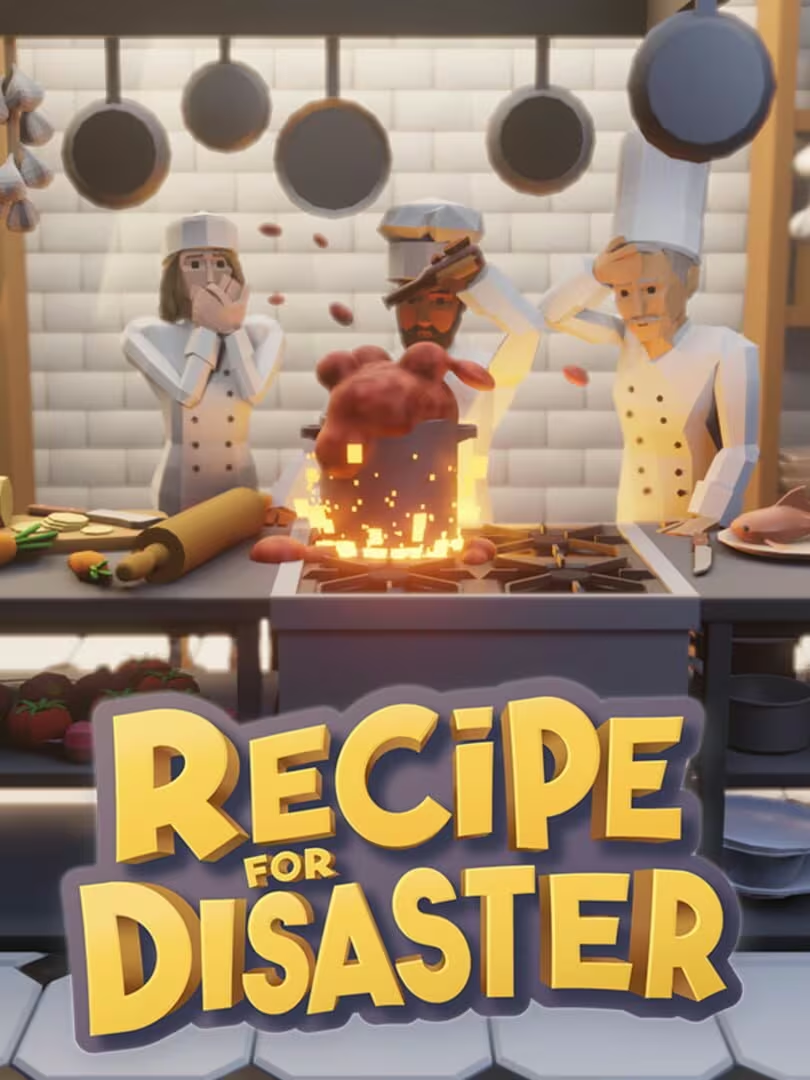 Recipe for Disaster
"No competitive ranking or social status systems; focus is on personal and group achievement without public recognition."
-
Story
Game with the same Story vibe
3"Campaign offers narrative immersion with characters and lore, though some find it short and linear."
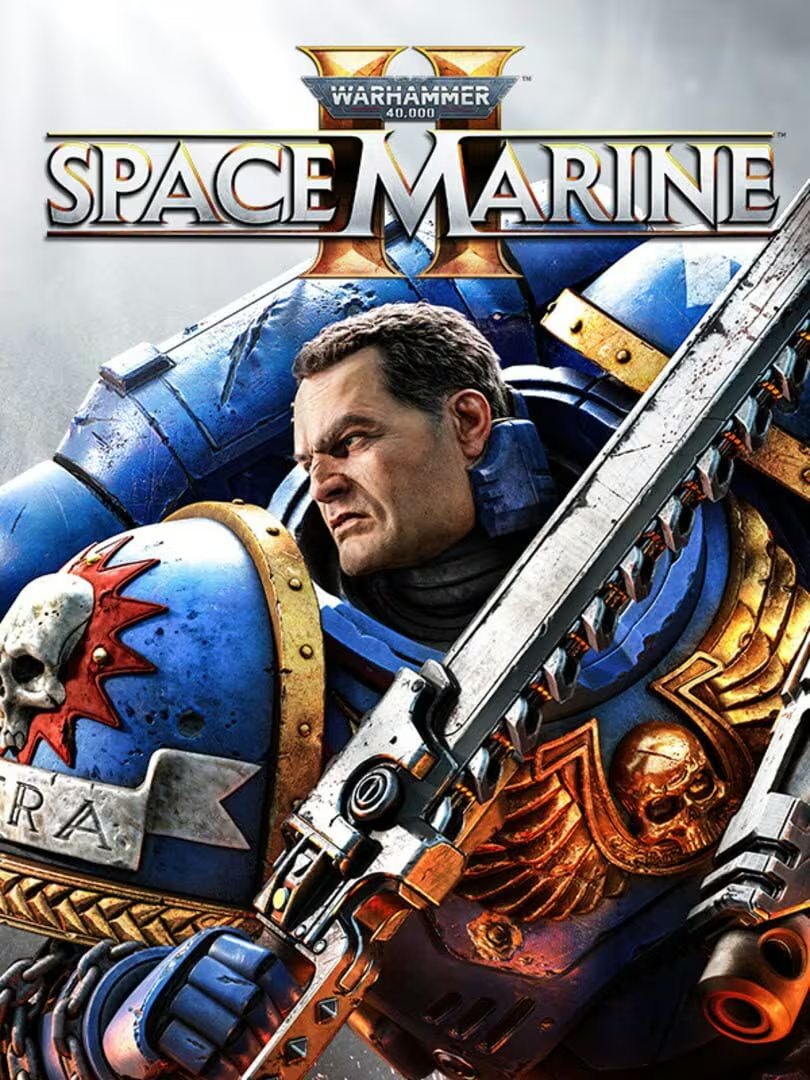 Warhammer 40,000: Space Marine 2
"Narrative campaign with Tolkien lore and character interactions; story complements gameplay but is somewhat linear."
-
Strategy
Game with the same Strategy vibe
2"Some strategic planning in resource management and combat, but combat is simple and crafting straightforward."
Wrongworld
"Some tactical combat and resource management; overall systems are straightforward but require planning."
-
Thrill
Game with the same Thrill vibe
2"Combat and exploration provide moments of suspense and challenge."
 Devil Spire Falls
"Combat and exploration provide moments of suspense and challenge; not highly intense but engaging."
-
Value
Game with the same Value vibe
4"Players feel the game offers good value for price given content and frequent updates."
 SurrounDead
"Players feel the game offers good value especially at discounted prices; content and updates add to worth."
-
Violence
Game with the same Violence vibe
2"Combat against enemies is central, but presented abstractly and without graphic violence."
 Outhold
"Combat against enemies is present but not graphic or central; violence is moderate and balanced with crafting."
-
Survival
Game with the same Survival vibe
3"Survival mechanics like hunger, thirst, temperature, and defending territory from threats are core gameplay elements."
 Anarchy: Wolf's law
"Survival mechanics like hunger, stamina, and resource management are part of gameplay; moderate threat level."
Last update: 01/06/2026