When The Past Was Around - Prologue similar games & best alternatives
Should you play it?
This is the prologue chapter of "When the Past was Around", an upcoming adventure point-and-click puzzle game about love, moving on, letting go, and the joy and pain of everything in between.
What works
- Beautiful hand-drawn art
- Soothing and fitting music
- Emotional and poetic narrative
- Simple and accessible puzzles
- Relaxing and calming atmosphere
Things to keep in mind
- Very short demo length
- Puzzles are too simplistic
- Music can be repetitive and annoying
- Lack of story clarity for some players
- No audio options to adjust music volume
What to play next
Similar games, hidden gems, and fresh directions from this game.
Top picks
Games that feel the closest overall

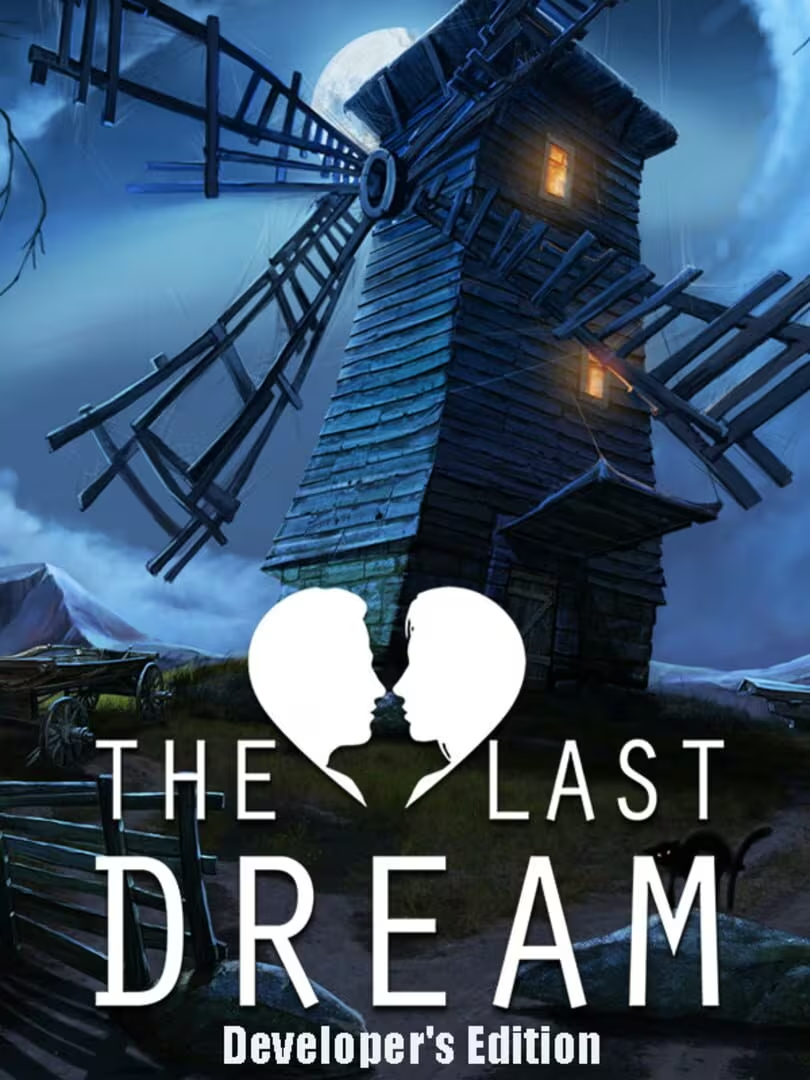

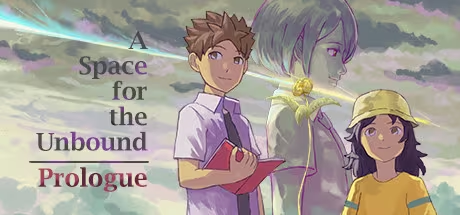


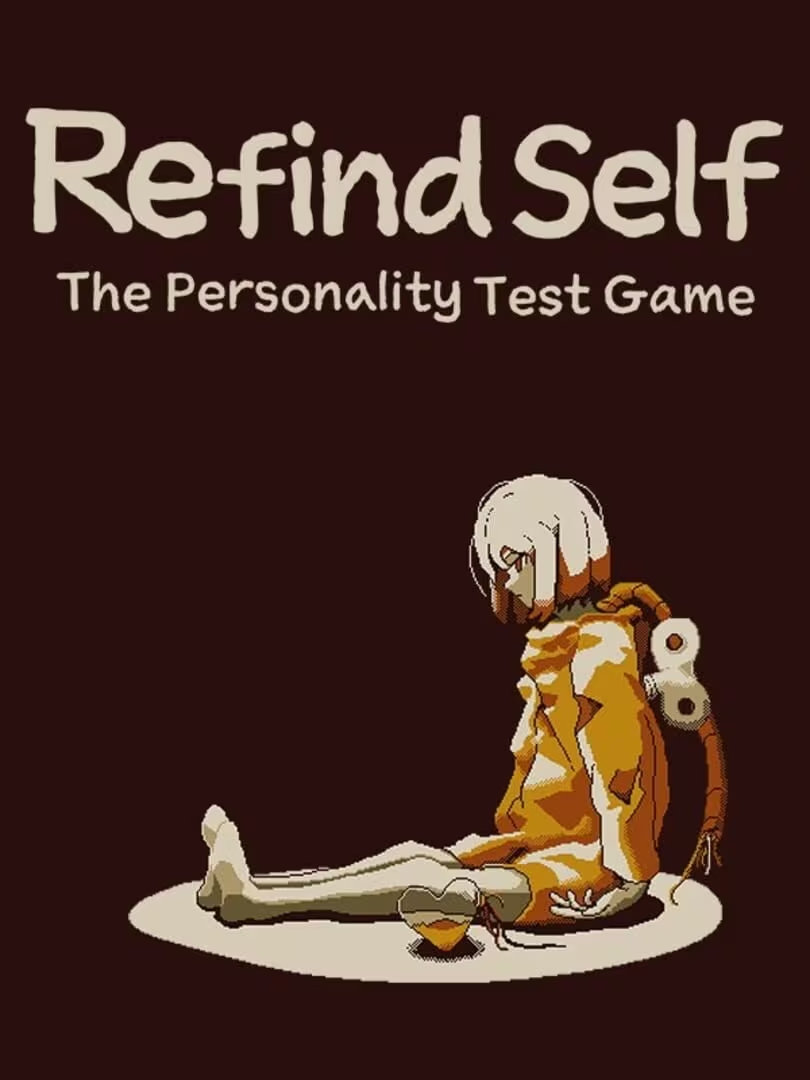
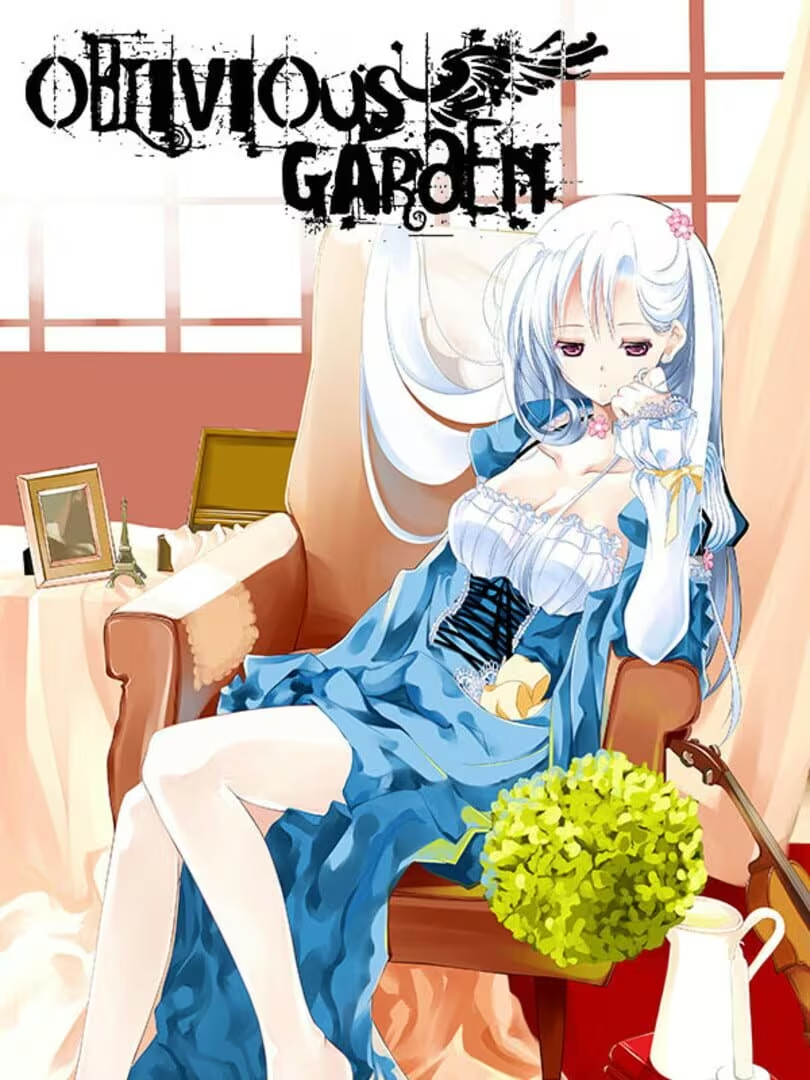

Hidden Gems
Less popular games with surprisingly high similarity
If you liked…
Recommendations by what you enjoyed most
Similarity map
Explore nearby similar games and see why they’re close.
When The Past Was Around - Prologue: Broadly representative of its motivational profile, with a few distinct shifts. Motivations that often define this kind of title include Survival, Violence, Competition, Thrill. Here, the score leans higher than usual among comparable games on Intimacy. It leans lower than usual among comparable games on Strategy, Expression.
Why this game works
A motivational profile of the game, with the closest similar game for each player motivation.
-
Autonomy
Game with the same Autonomy vibe
3"Players direct their own actions in point-and-click exploration and puzzle solving with freedom to explore scenes and find items at their own pace."
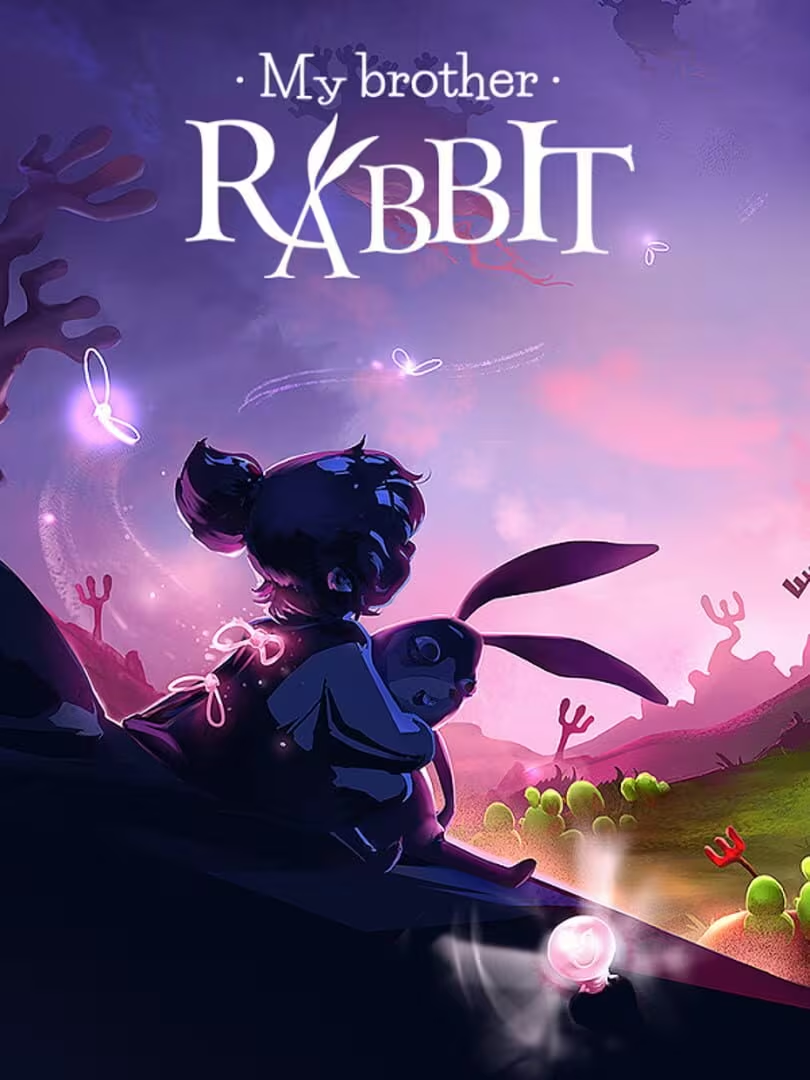 My Brother Rabbit
"Players direct their own actions through point-and-click mechanics and puzzle solving, with freedom to explore scenes at their own pace."
-
Competence
Game with the same Competence vibe
1"Puzzles are easy and straightforward, providing a mild sense of accomplishment but minimal challenge."
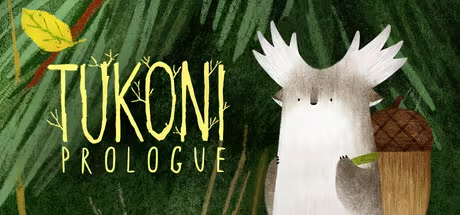 Tukoni: Prologue
"Puzzles are simple and easy, providing some sense of accomplishment but minimal technical challenge."
-
Competition
Game with the same Competition vibe
-5"No competitive elements; focus is on personal experience and story."
 Firewatch
"No competitive elements; focus is on personal experience and story."
-
Continuation
Game with the same Continuation vibe
2"Players express desire to continue playing and follow development, though the demo's short length limits habitual play."
 Pale Abyss - Prototype
"Short demo but players express desire to continue with full game, indicating some attachment."
-
Cooperation
Game with the same Cooperation vibe
-5"Single-player experience with no cooperative gameplay."
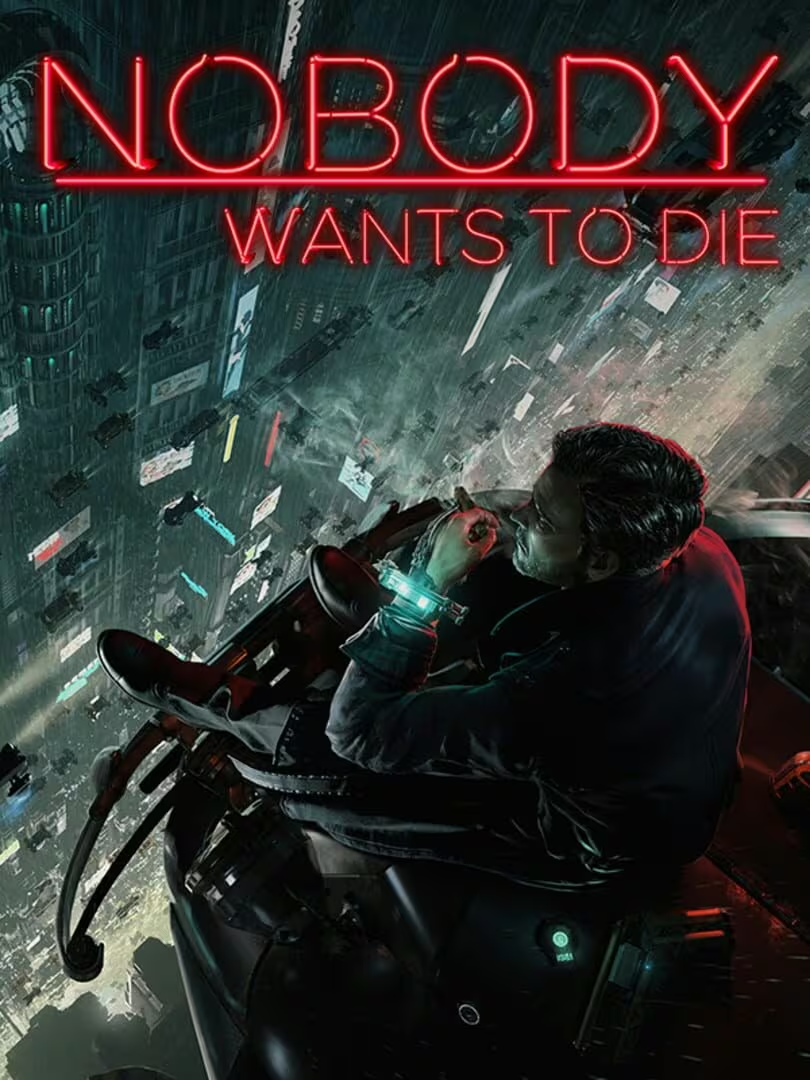 Nobody Wants to Die
"Single-player experience with no cooperative gameplay."
-
Creativity
Game with the same Creativity vibe
2"Players interact with environment and solve puzzles creatively, though within a predefined game world and mechanics."
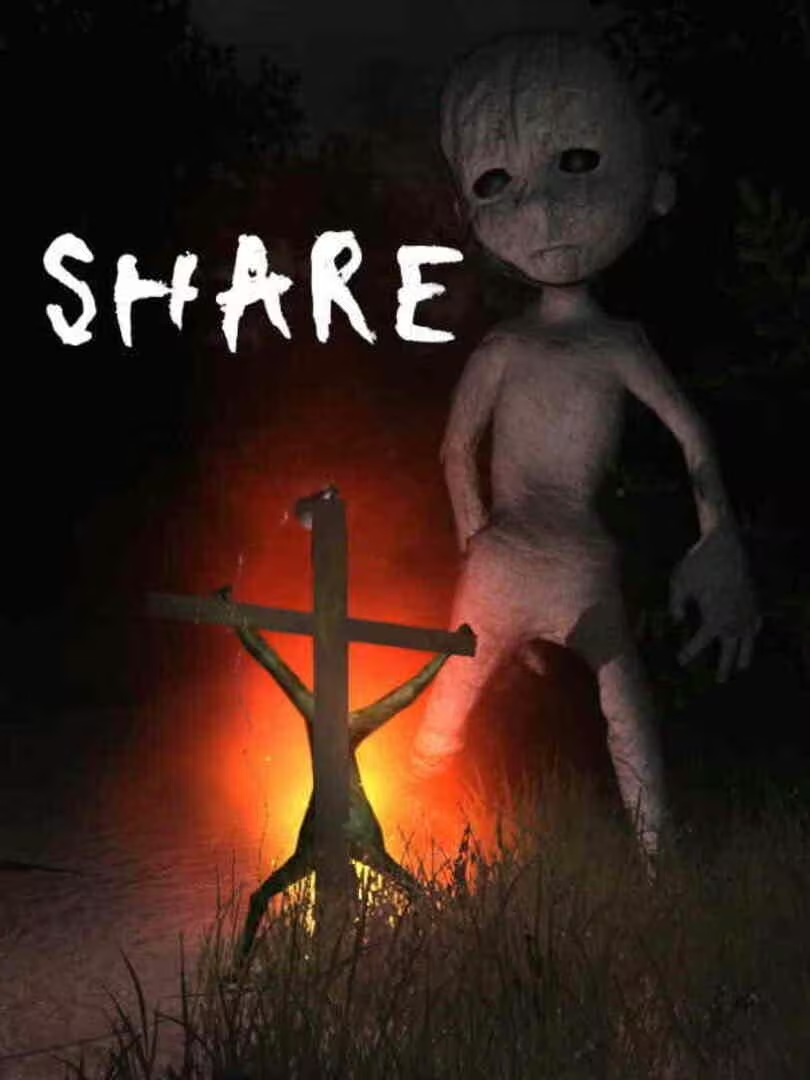 Share
Share
"Players interact with environment and solve puzzles creatively, though within predefined scenes."
-
Domination
Game with the same Domination vibe
-5"No elements of exerting control or superiority over others."
 Aperture Hand Lab
"No elements of exerting control or superiority over others."
-
Escapism
Game with the same Escapism vibe
4"Players use the game as a relaxing, emotional, and immersive escape with calming music and art."
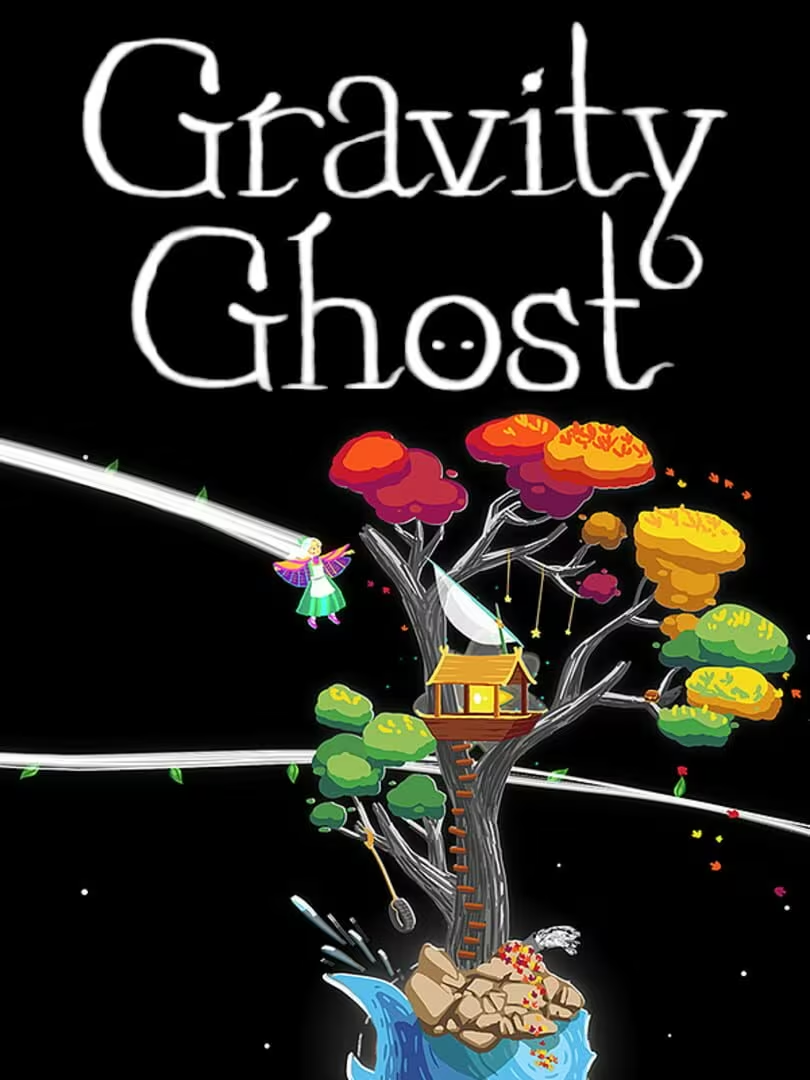 Gravity Ghost
"Players use the game as a relaxing, emotional escape with soothing music and art."
-
Expectation
Game with the same Expectation vibe
-4"Engagement is voluntary and driven by personal interest in art games and narrative exploration."
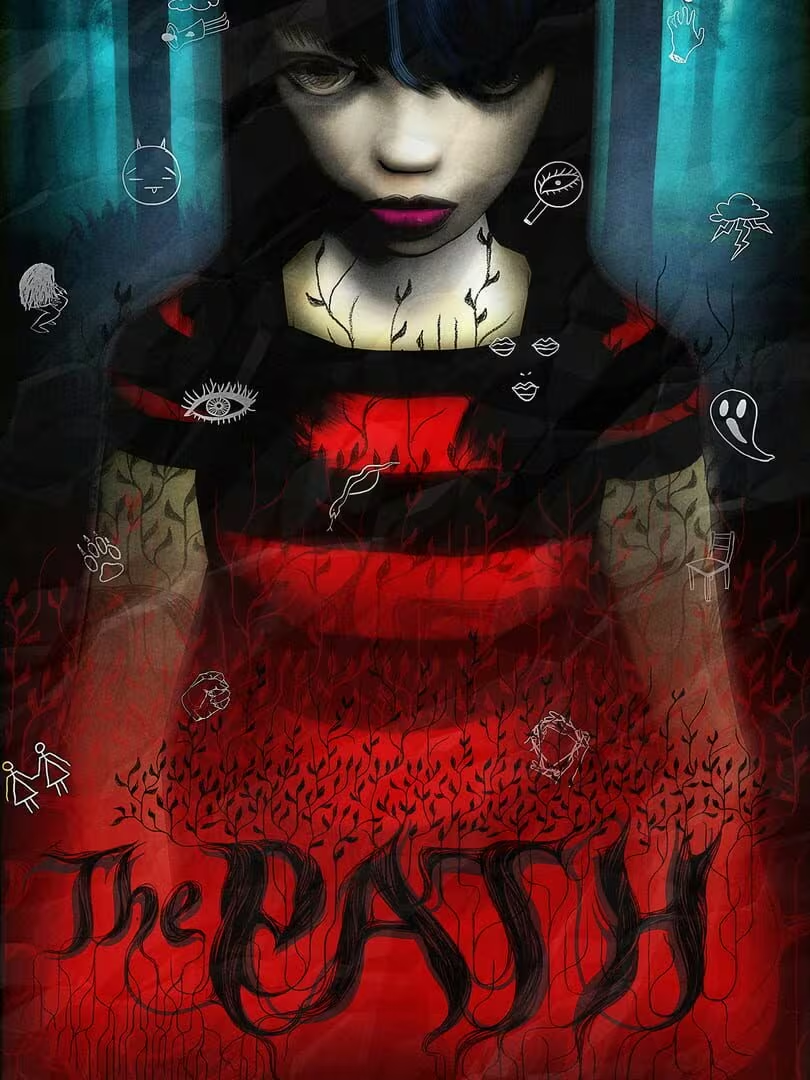 The Path
"Engagement is voluntary and driven by intrinsic interest in art, story, and puzzles."
-
Experimenting
Game with the same Experimenting vibe
1"Some exploration of puzzles and environment, but mostly straightforward interactions."
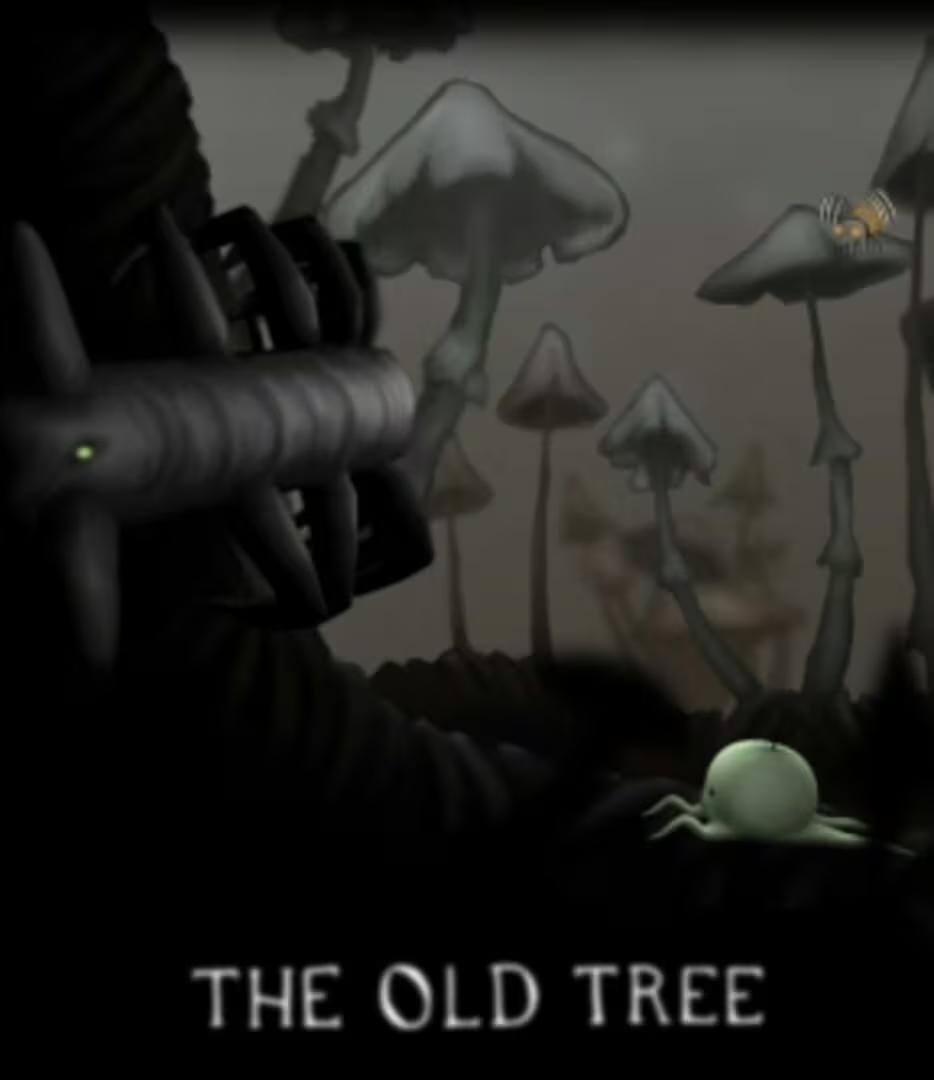 The Old Tree
"Some exploration of puzzle solutions and environment interaction, but mostly straightforward."
-
Exploration
Game with the same Exploration vibe
2"Players explore new locations and uncover story elements, though within a limited set of environments."
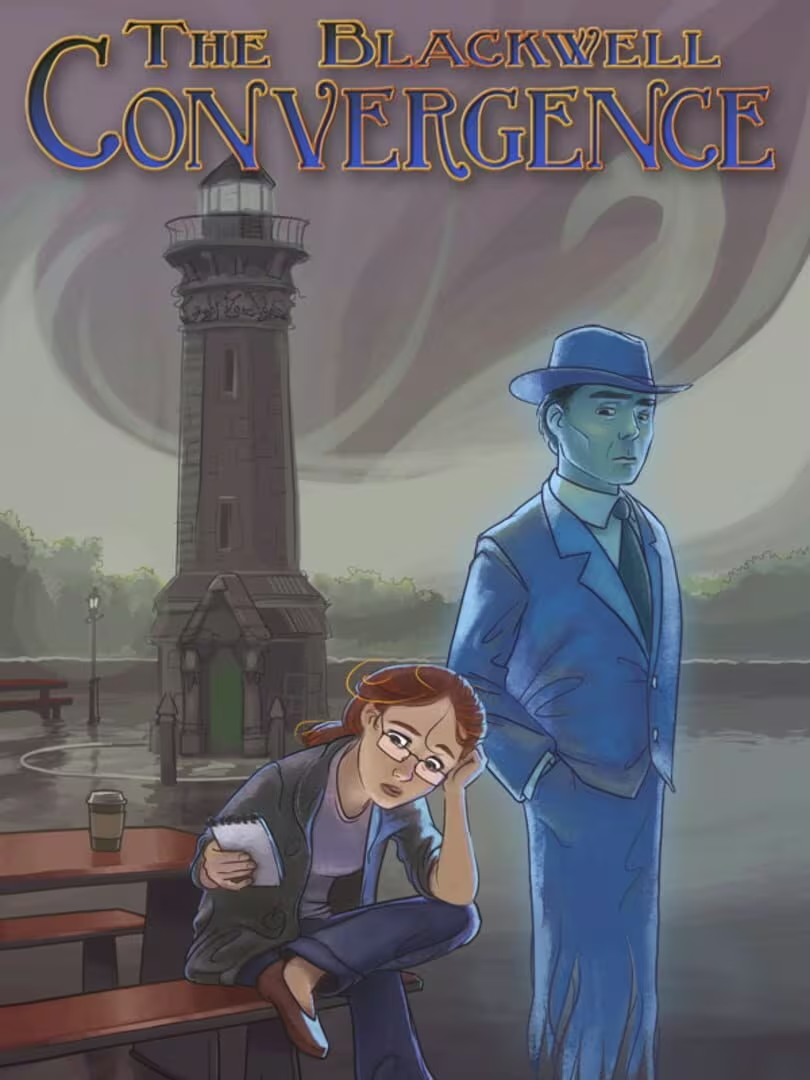 Blackwell Convergence
"Players explore new environments and discover story elements through interaction."
-
Expression
Game with the same Expression vibe
-3"Limited customization or self-expression; players experience a fixed story and character presentation."
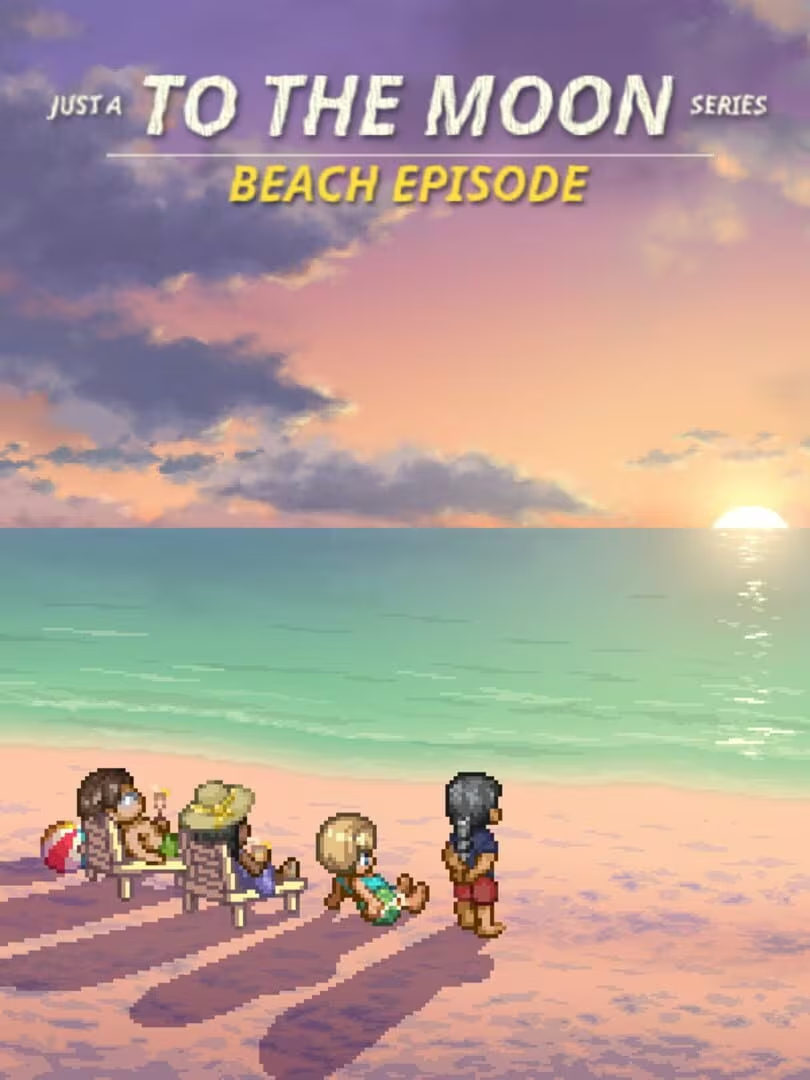 Just a To the Moon Series Beach Episode
"Limited customization or self-expression; players interact with fixed art and story."
-
Fantasy
Game with the same Fantasy vibe
3"Surreal, dark narrative with imaginative fiction elements and a mysterious owl character."
 Dinner with an Owl
"Imaginative, abstract narrative with surreal elements like owl-headed character."
-
Fellowship
Game with the same Fellowship vibe
-5"No social or community features; solo experience."
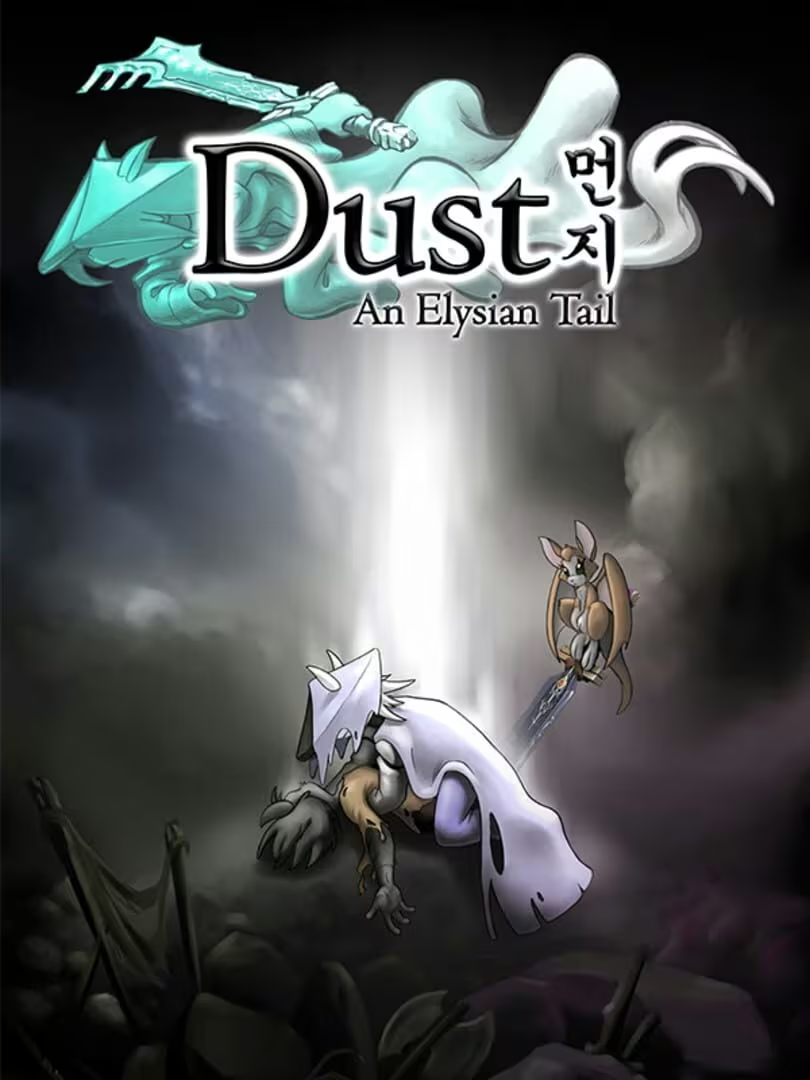 Dust: An Elysian Tail
"No social or community features; solo experience."
-
Growth
Game with the same Growth vibe
1"Some learning through puzzle solving and narrative understanding, but limited depth and short duration."
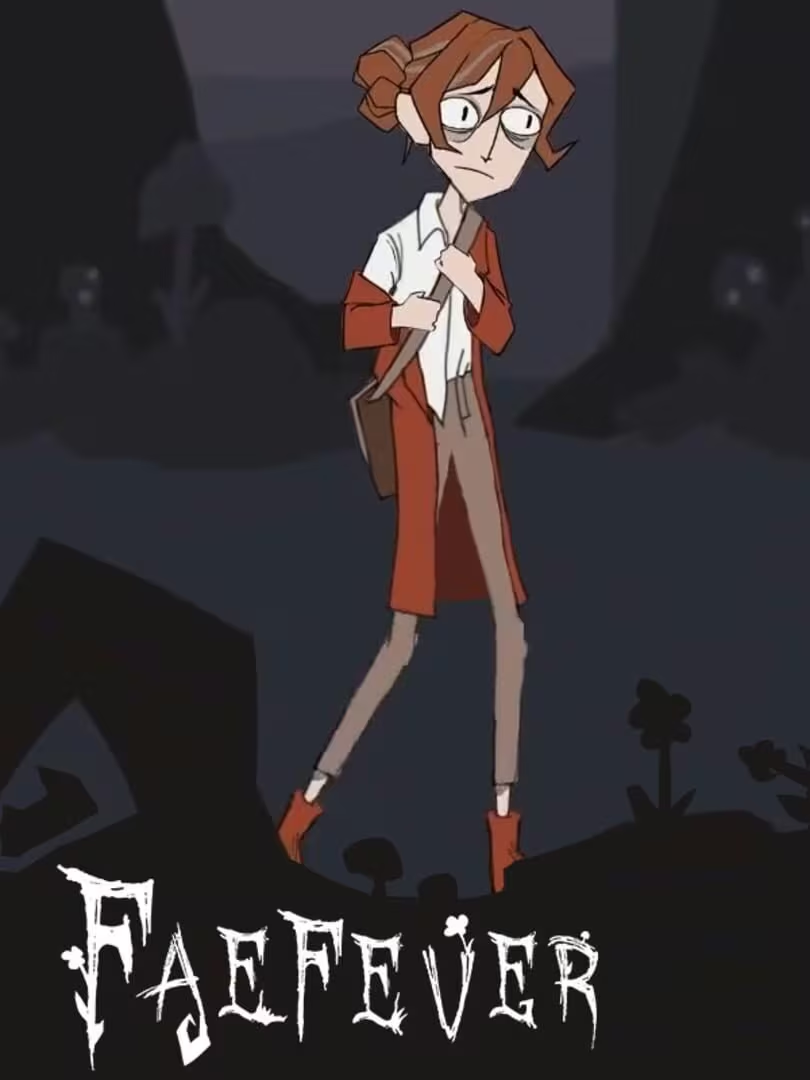 Faefever
"Some learning through puzzle solving and narrative understanding, but limited complexity."
-
Health
Game with the same Health vibe
-5"Sedentary gameplay with no physical activity."
![Capsule for [Bober Bros] The Hole](https://d2eatnf6sujjgc.cloudfront.net/gameaton-data/bober-bros-the-hole/cover/bober-bros-the-hole.avif) [Bober Bros] The Hole
[Bober Bros] The Hole
"Sedentary gameplay with no physical activity."
-
Idle
Game with the same Idle vibe
-3"Requires focused attention during puzzle solving and narrative progression."
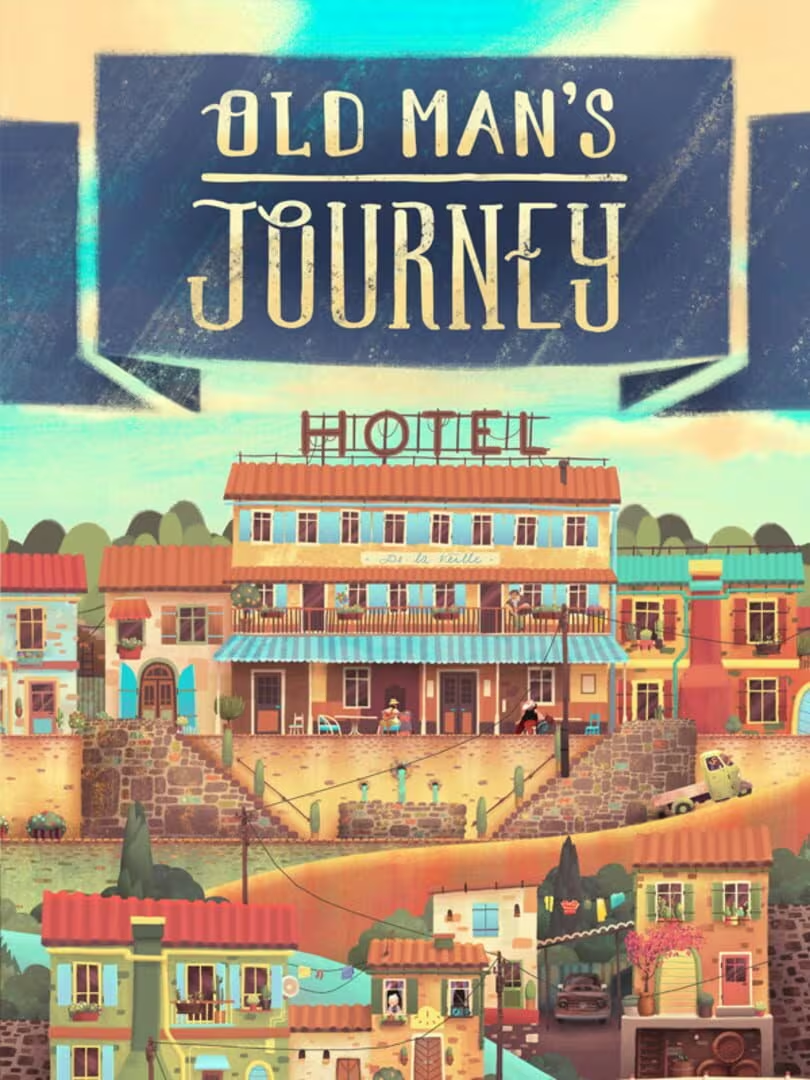 Old Man's Journey
"Requires focused attention during puzzle solving and story progression."
-
Intimacy
Game with the same Intimacy vibe
3"Emotional intimacy through narrative connection with characters and story."
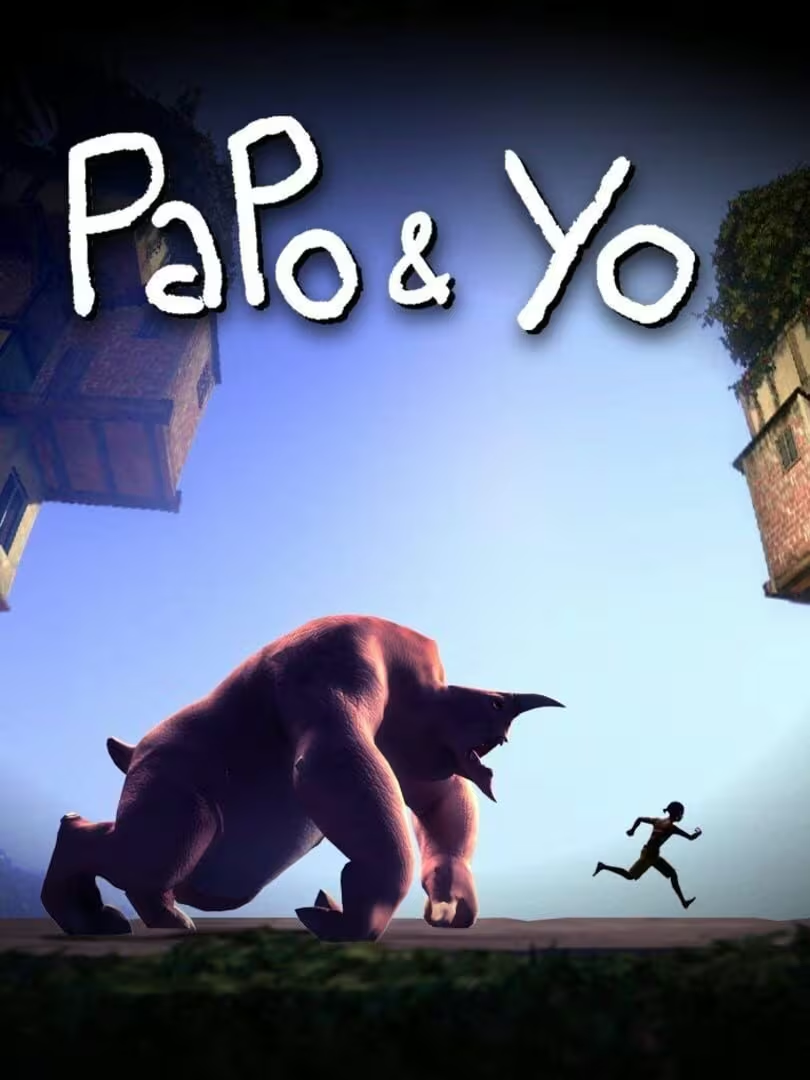 Papo & Yo
"Emotional connection to story and characters, conveying intimate feelings of love and loss."
-
Leadership
Game with the same Leadership vibe
-5"No leadership or group management elements."
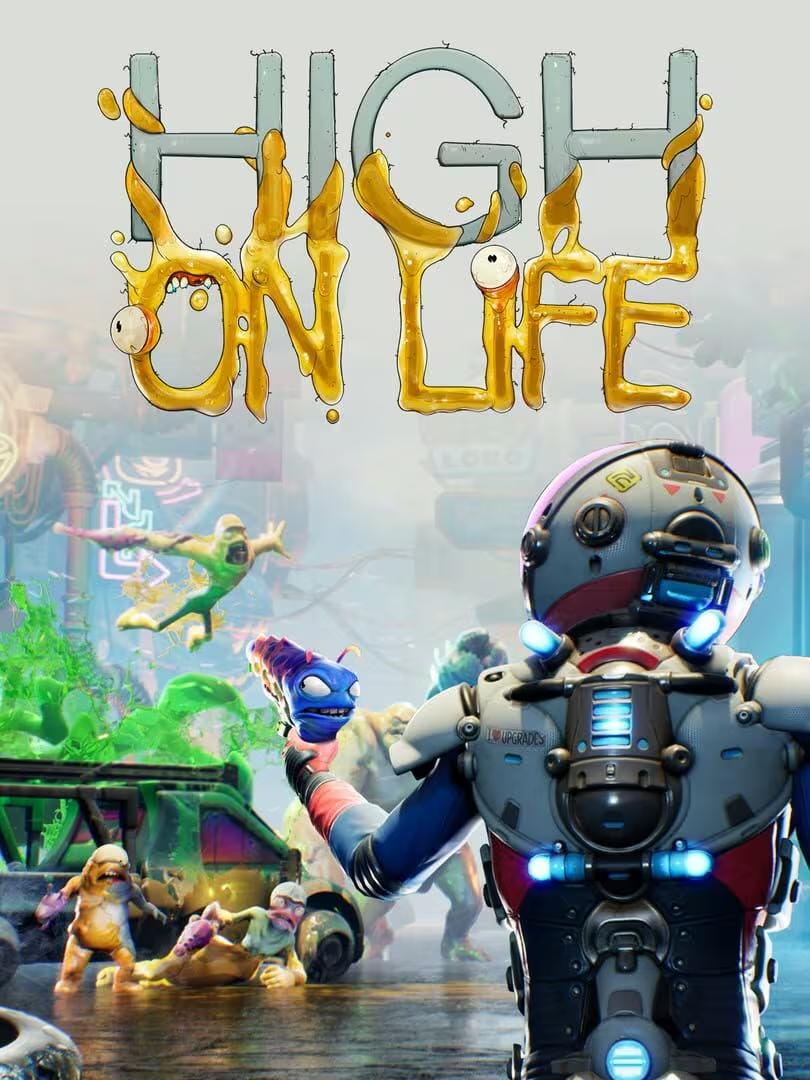 High On Life
"No leadership or group management elements."
-
Progression
Game with the same Progression vibe
2"Progression through collecting items, solving puzzles, and unlocking story elements."
 The Long Reach
"Progression through unlocking new scenes and story segments, with item collection for puzzles."
-
Relaxation
Game with the same Relaxation vibe
4"Calming music, gentle pacing, and soothing art style contribute to a relaxing experience."
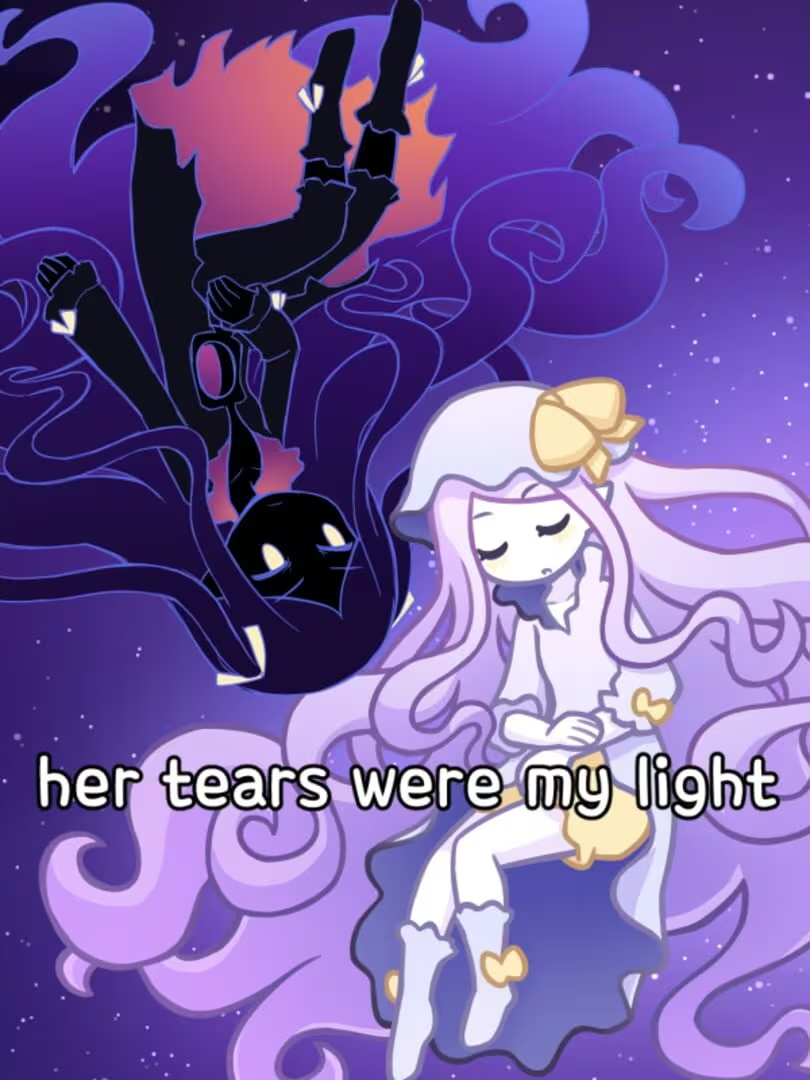 her tears were my light
"Calming music, gentle puzzles, and soothing art create a relaxing experience."
-
Sensation
Game with the same Sensation vibe
3"Enjoyable visual art and music provide sensory pleasure and emotional stimulation."
 TREE
TREE
"Enjoyment of visual art and music provides sensory pleasure."
-
Status
Game with the same Status vibe
-5"No social recognition or status systems."
 Alan Wake
"No social recognition or status systems."
-
Story
Game with the same Story vibe
4"Strong narrative immersion with rich writing, events, and thematic depth integrated into gameplay."
 Spinnortality | cyberpunk management sim
"Strong narrative immersion through visuals, music, and gameplay without text."
-
Strategy
Game with the same Strategy vibe
-2"Puzzles require some thought but are generally straightforward and simple."
 Necrophosis
"Puzzles require some thinking but are generally simple and straightforward."
-
Thrill
Game with the same Thrill vibe
-3"Low suspense or risk; experience is contemplative and emotionally steady."
 Eliza
Eliza
"Low suspense or risk; experience is calm and contemplative."
-
Value
Game with the same Value vibe
4"Demo is free and well received; players feel good value for time spent and look forward to full game."
 Kill It With Fire: Ignition
"Free demo well received; players feel good value for short, artistic experience."
-
Violence
Game with the same Violence vibe
-5"No combat or destructive gameplay; focus on constructive puzzle solving."
 Superliminal
"No combat or destructive gameplay; focus on constructive puzzle solving."
-
Survival
Game with the same Survival vibe
-5"No threats or survival mechanics; stable, low-risk environment."
 100 hidden eternals
"No threats or survival mechanics; stable, low-risk environment."
Last update: 01/06/2026