Block Story™ similar games & best alternatives
Should you play it?
There isn’t much better than a wide open game world in which you have essentially no limits and can alter the very landscape in which you play – that is, unless you add dragons, of course…
What works
- Large, infinite worlds with varied biomes
- Rich rpg elements with quests and leveling
- Creative building and customization
- Nostalgic and immersive fantasy atmosphere
- Active developer support and updates
Things to keep in mind
- Lack of multiplayer or cooperative modes
- Some bugs and janky combat mechanics
- Repetitive quests and grind
- Limited inventory space and ui issues
- Graphics and controls feel dated
What to play next
Similar games, hidden gems, and fresh directions from this game.
Top picks
Games that feel the closest overall
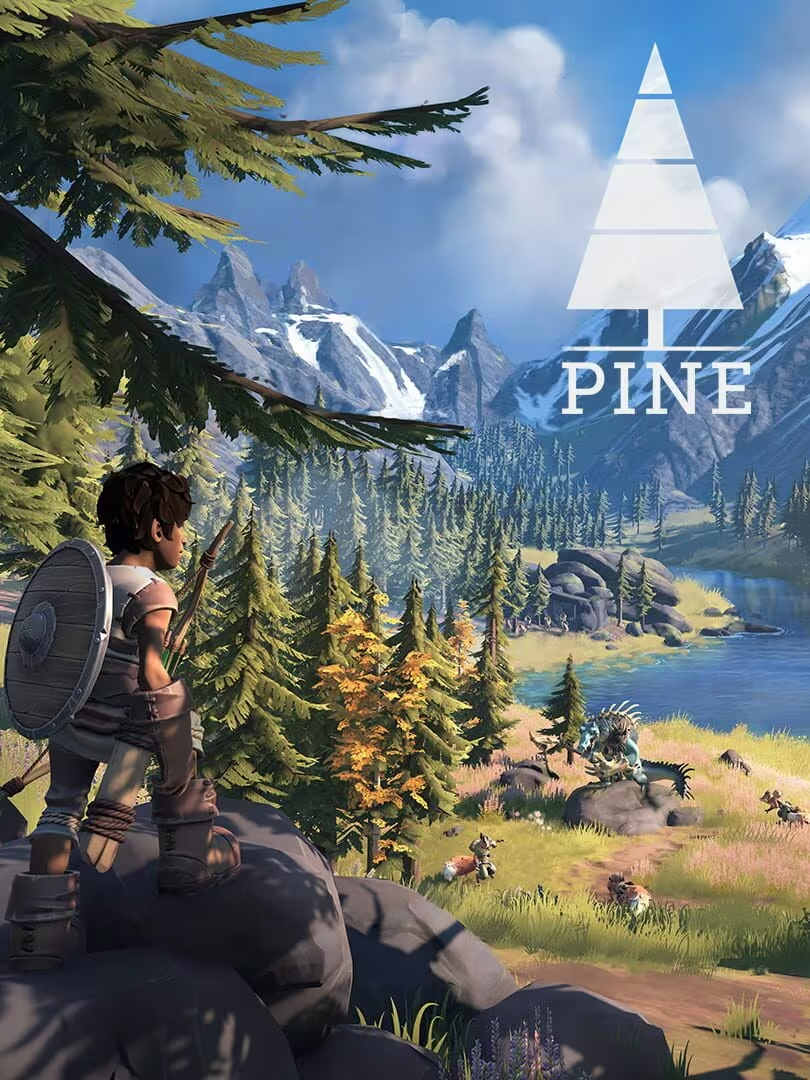
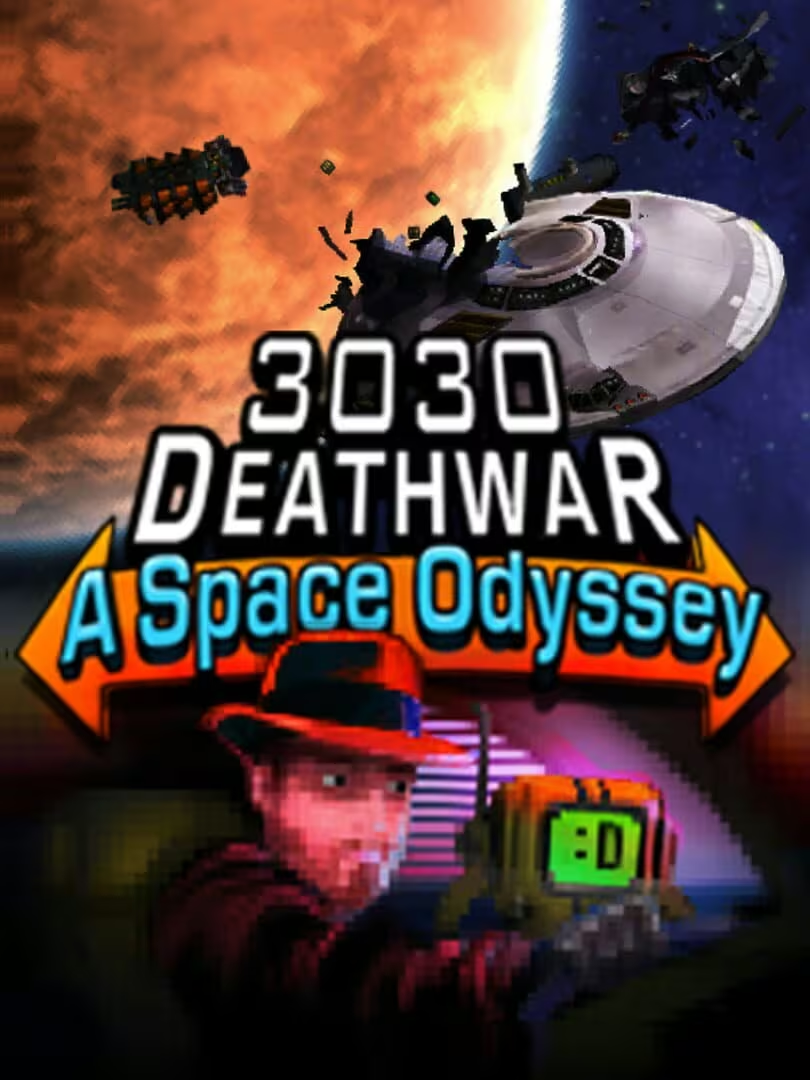
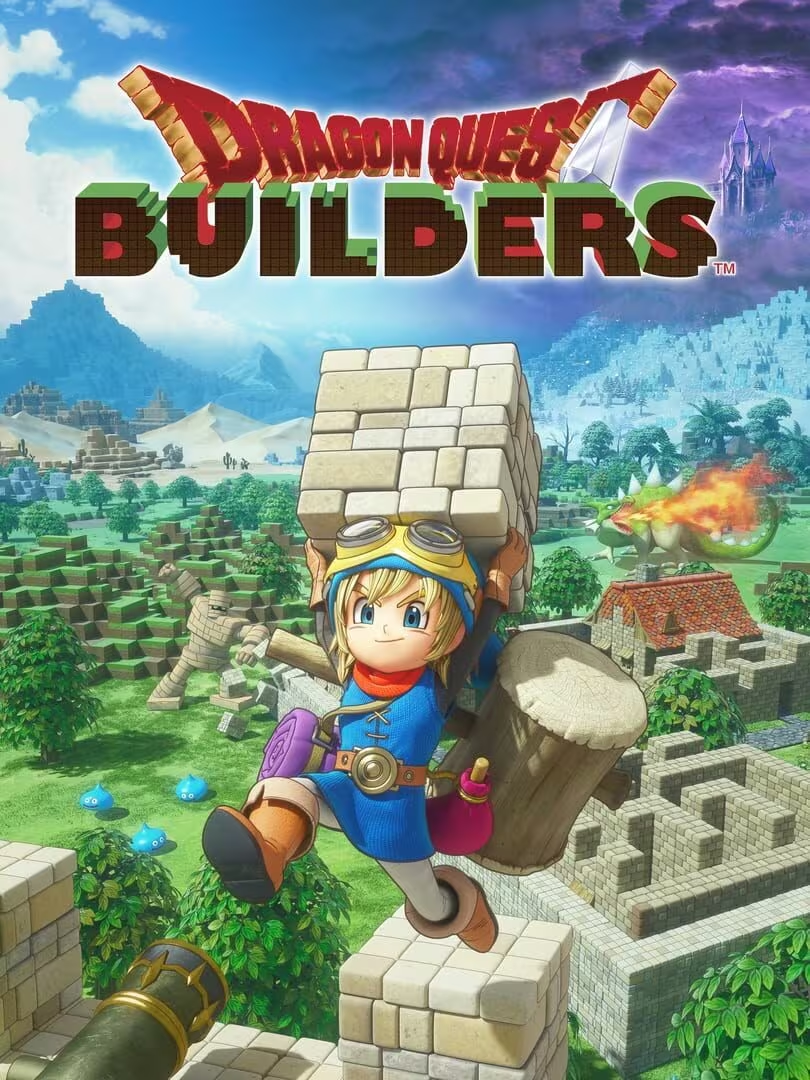
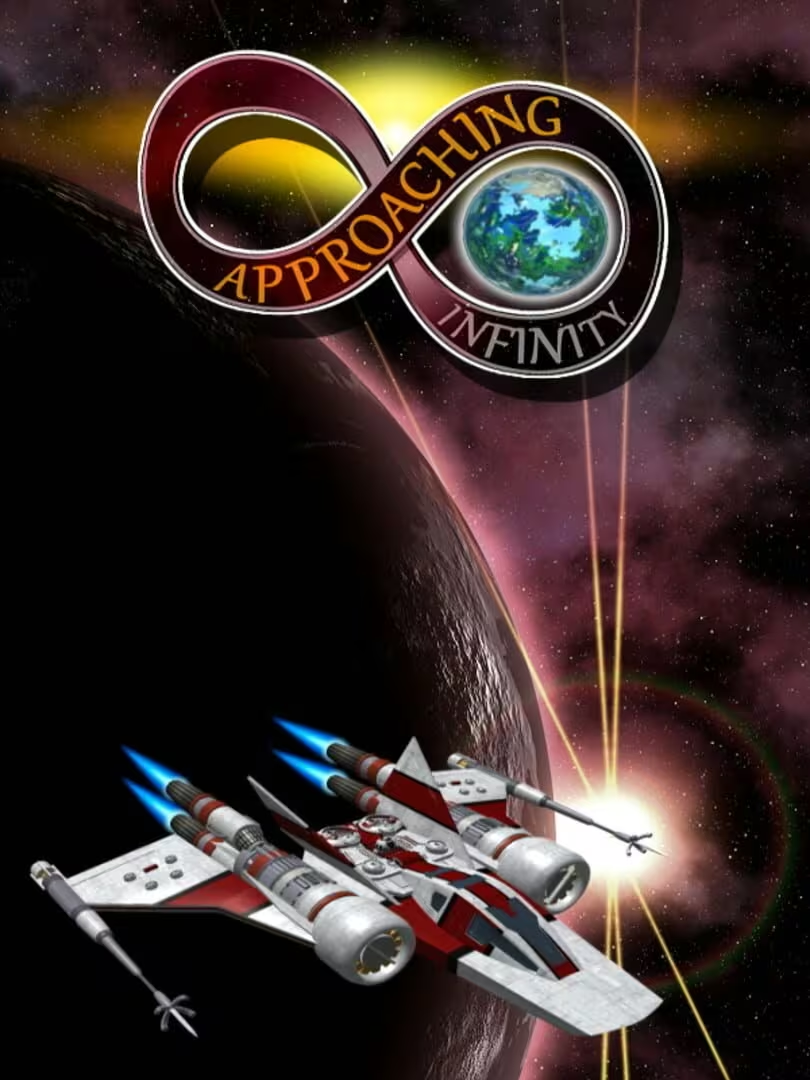
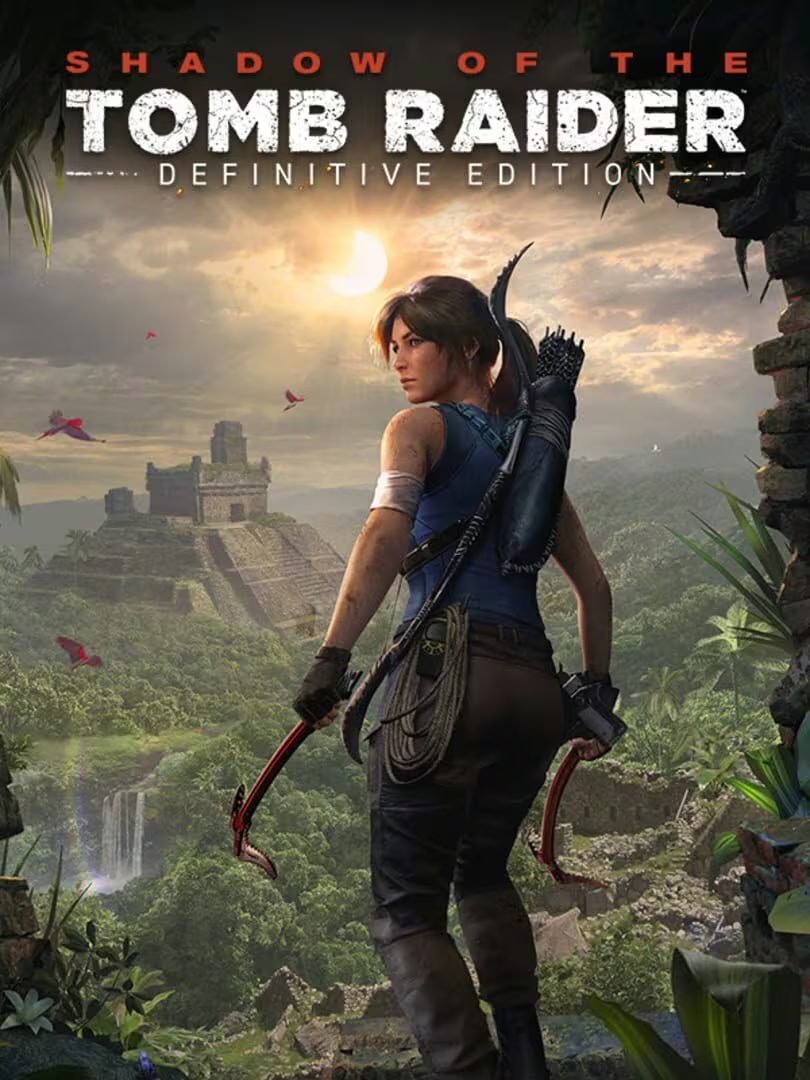
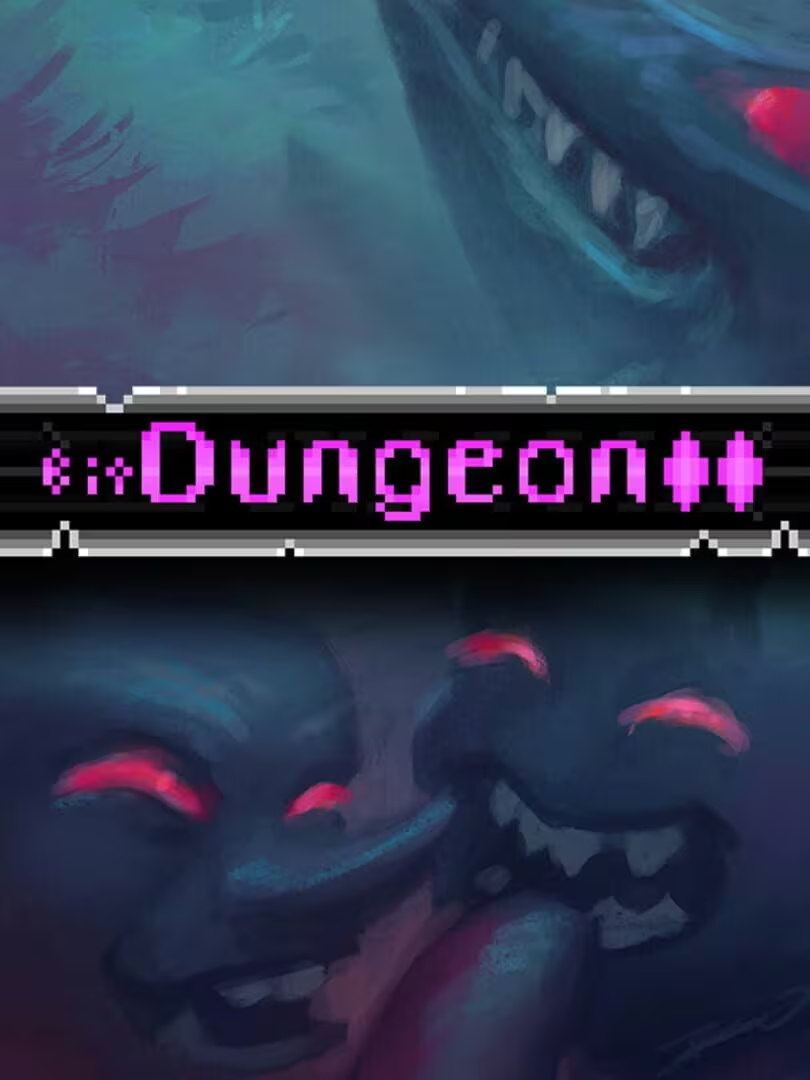
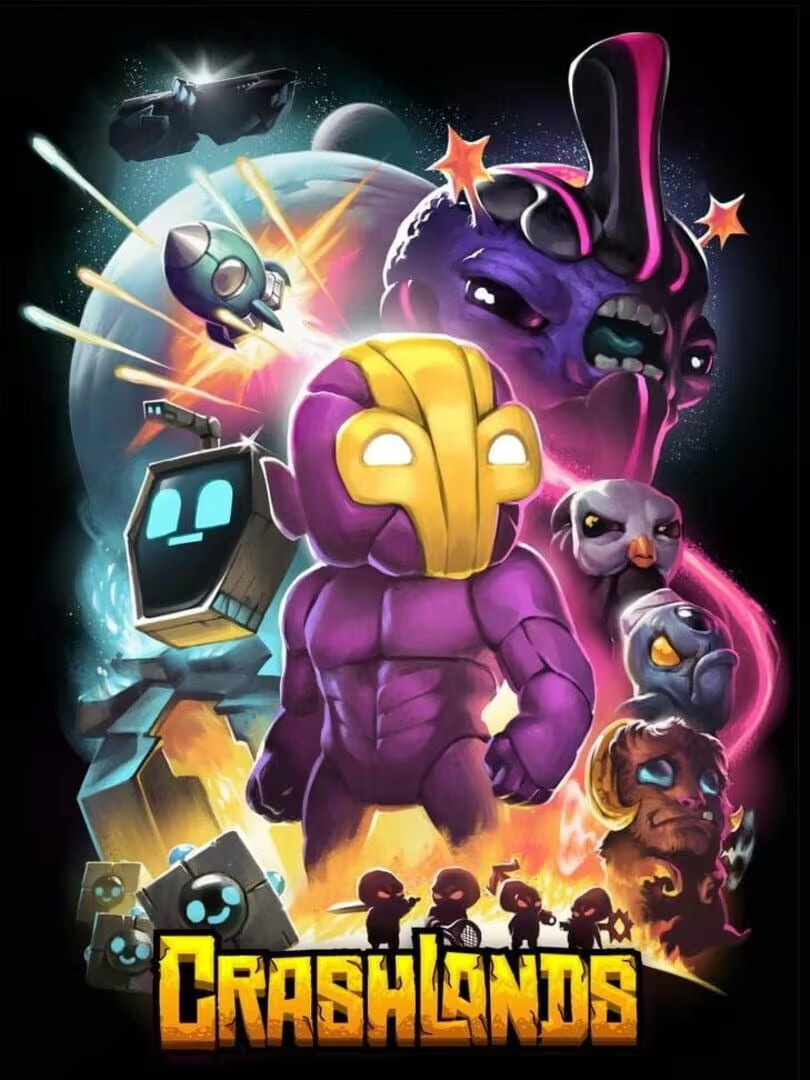
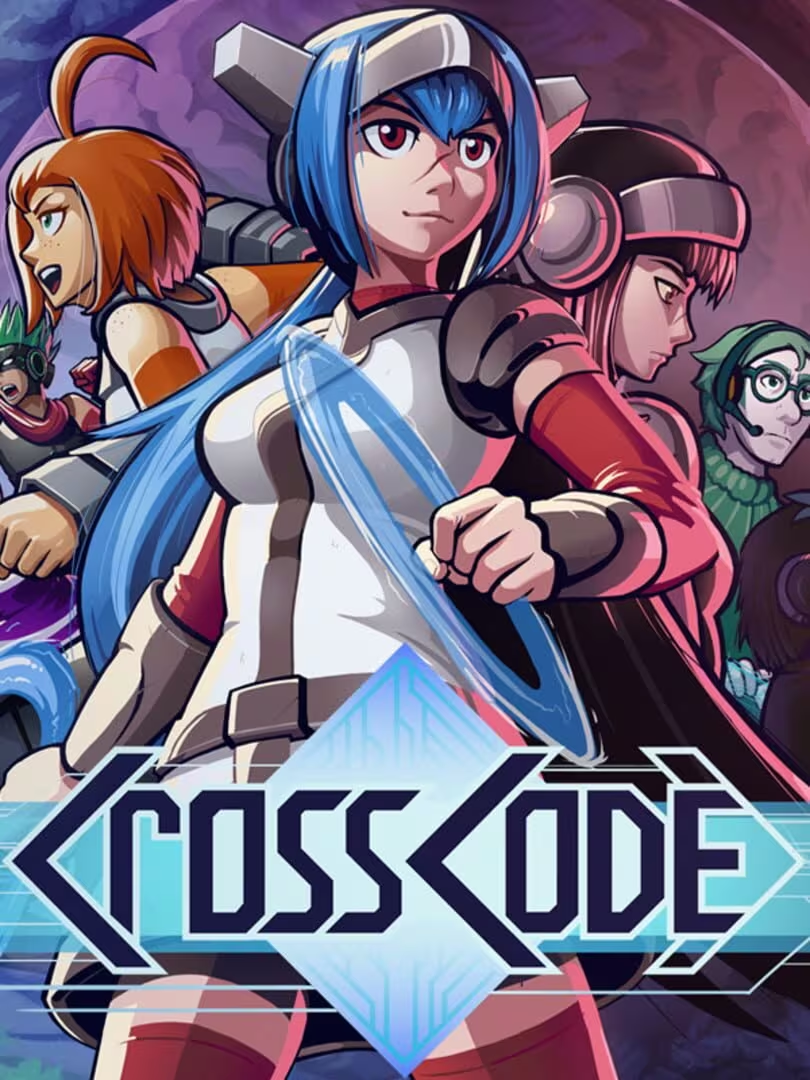

Hidden Gems
Less popular games with surprisingly high similarity
If you liked…
Recommendations by what you enjoyed most
Similarity map
Explore nearby similar games and see why they’re close.
Block Story™: A very typical example of its motivational profile. Motivations that often define this kind of title include Fellowship, Violence, Survival, Cooperation. Here, the score leans higher than usual among comparable games on Expression, Exploration, Relaxation.
Why this game works
A motivational profile of the game, with the closest similar game for each player motivation.
-
Autonomy
Game with the same Autonomy vibe
4"Players have freedom to choose characters, customize builds with items, and explore different playstyles and strategies."
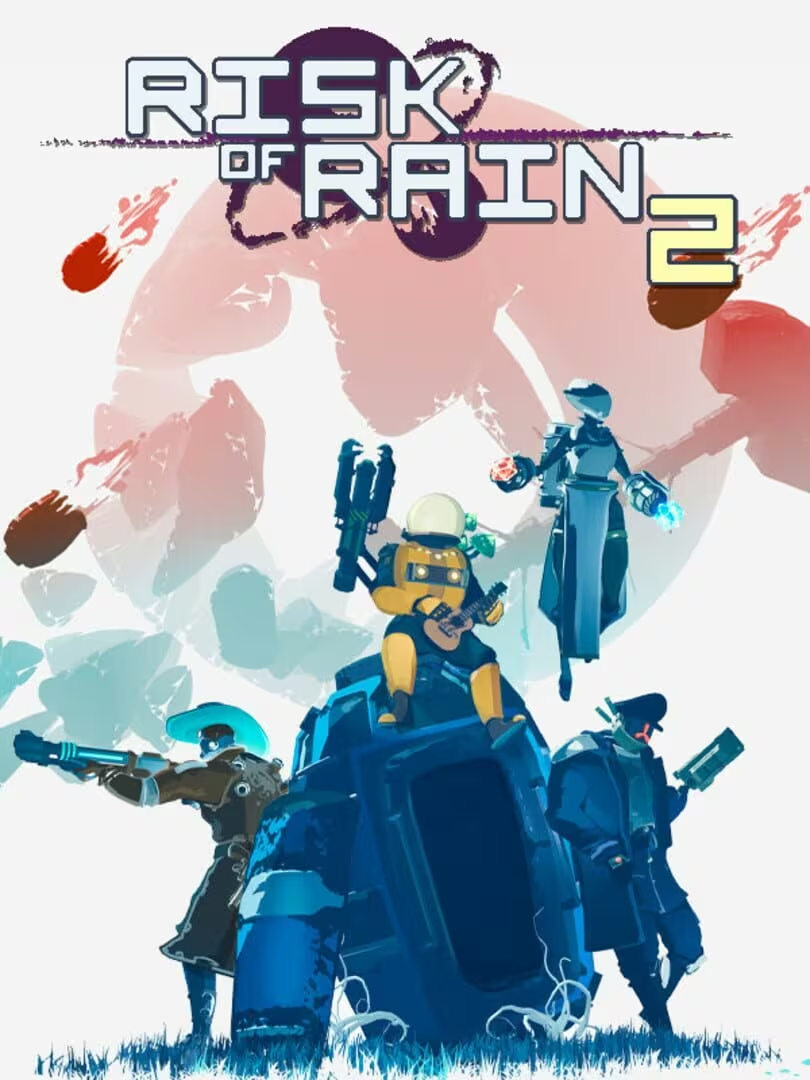 Risk of Rain 2
"Players have freedom to explore, build, choose playstyle, and customize character progression."
-
Competence
Game with the same Competence vibe
3"Game involves skill development in crafting, resource management, and combat; some grind but progression and feedback are clear."
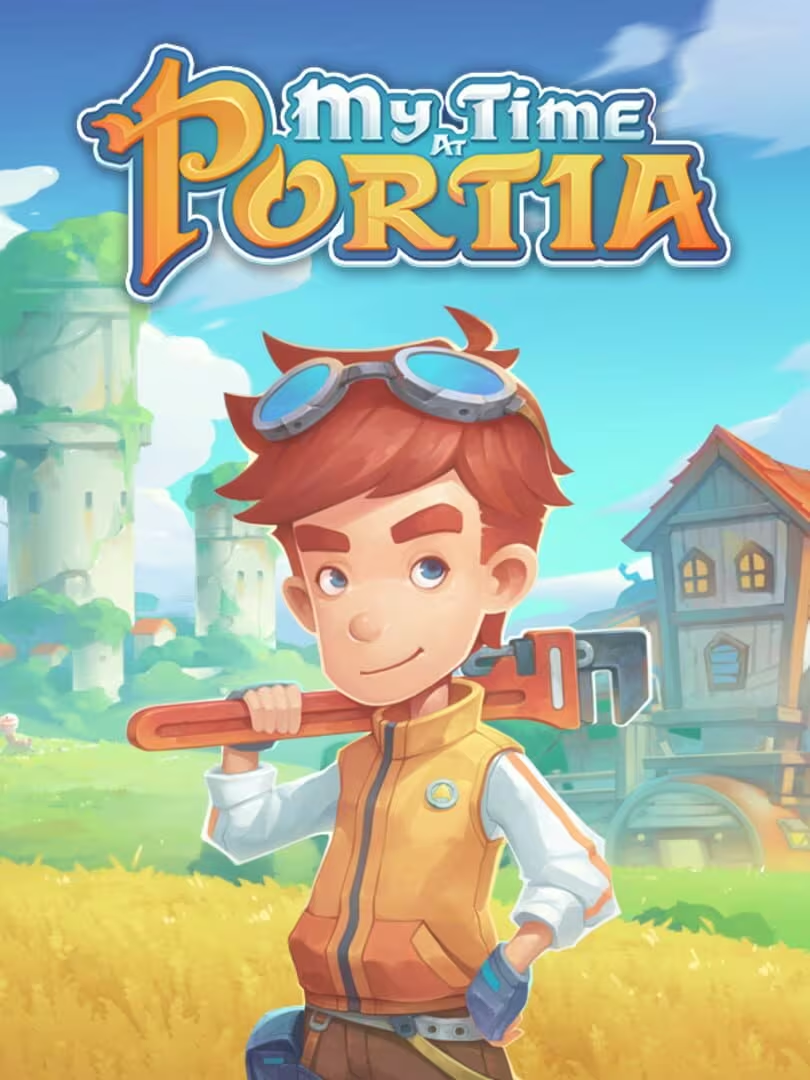 My Time at Portia
"Game involves skill development through combat, questing, and crafting with some grind and boss fights."
-
Competition
Game with the same Competition vibe
-4"Single-player focus with no PvP; gameplay is at personal pace without comparison to others."
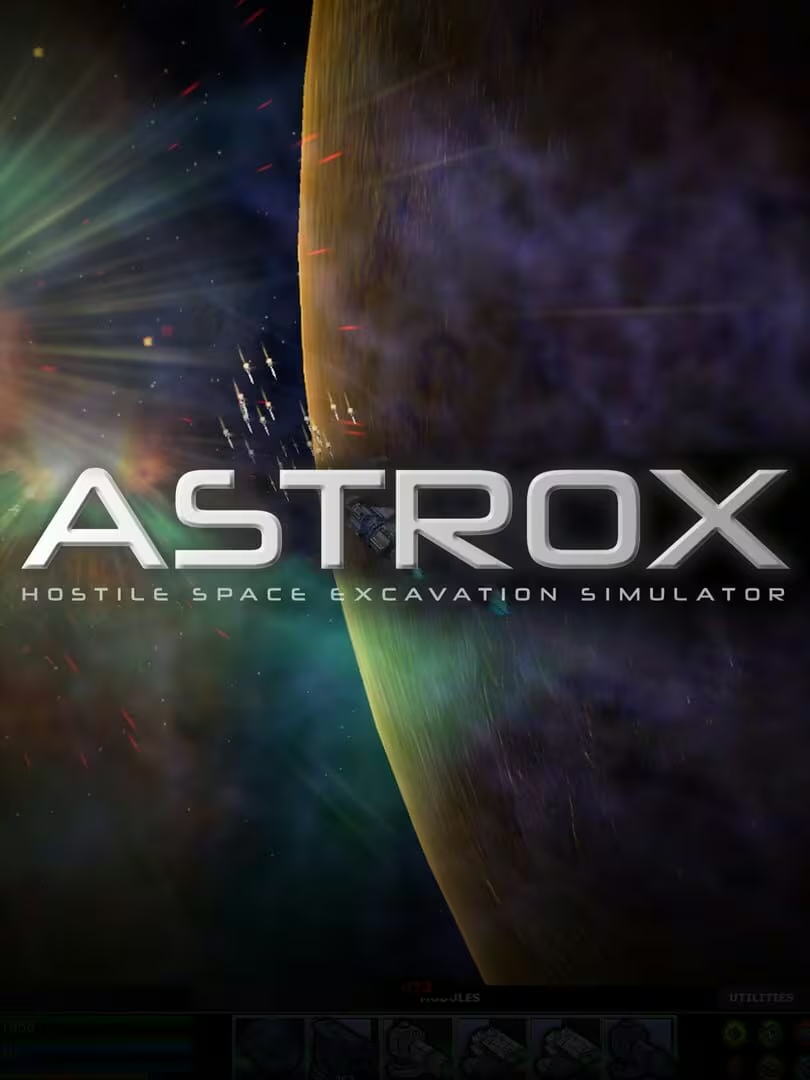 Astrox: Hostile Space Excavation
"No multiplayer or PvP; focus is on singleplayer experience without comparison to others."
-
Continuation
Game with the same Continuation vibe
4"Many players report long-term engagement, nostalgia-driven habitual play, and extensive hours logged over years."
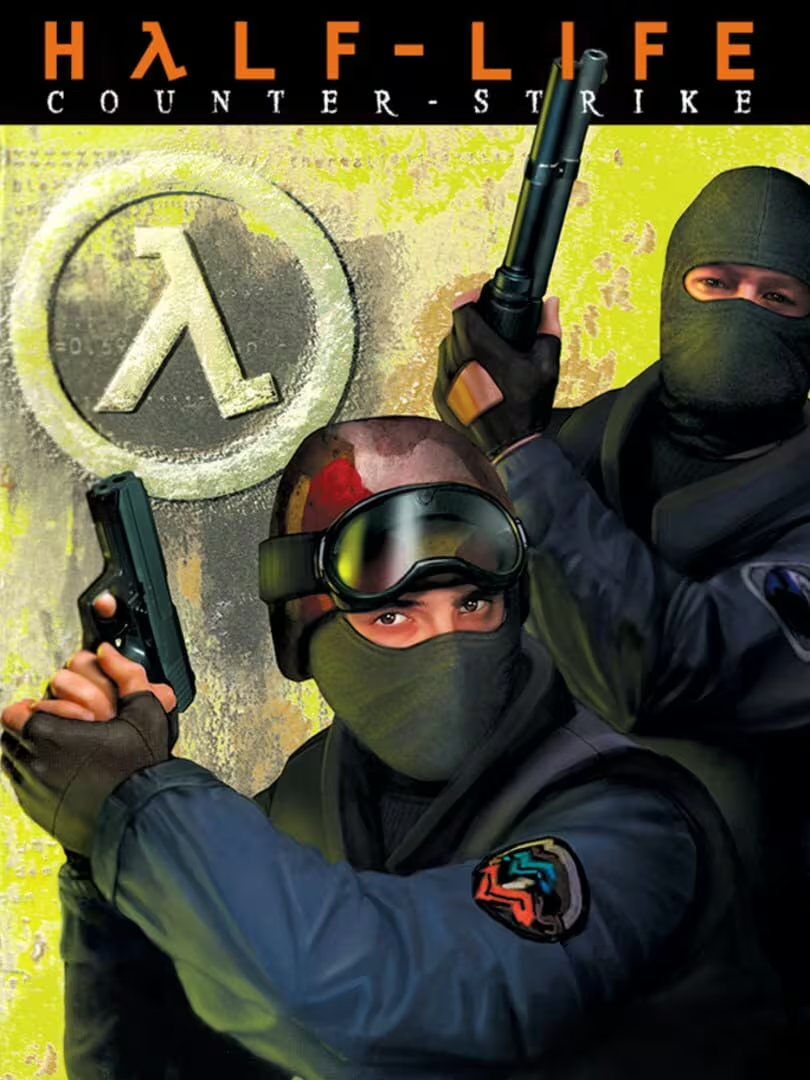 Counter-Strike
"Many players report long playtimes, nostalgia, and habitual engagement over years."
-
Cooperation
Game with the same Cooperation vibe
-5"No multiplayer or cooperative modes present; gameplay is entirely single-player."
 Turok 3: Shadow of Oblivion Remastered
"No multiplayer or cooperative modes available; purely singleplayer."
-
Creativity
Game with the same Creativity vibe
4"Sandbox building, crafting, and ecosystem manipulation allow creative expression and customization."
 Islet Online
"Sandbox building, painting blocks, and world modification encourage creative expression."
-
Domination
Game with the same Domination vibe
-3"No evidence of player dominance over others; interactions are single-player focused without social power dynamics."
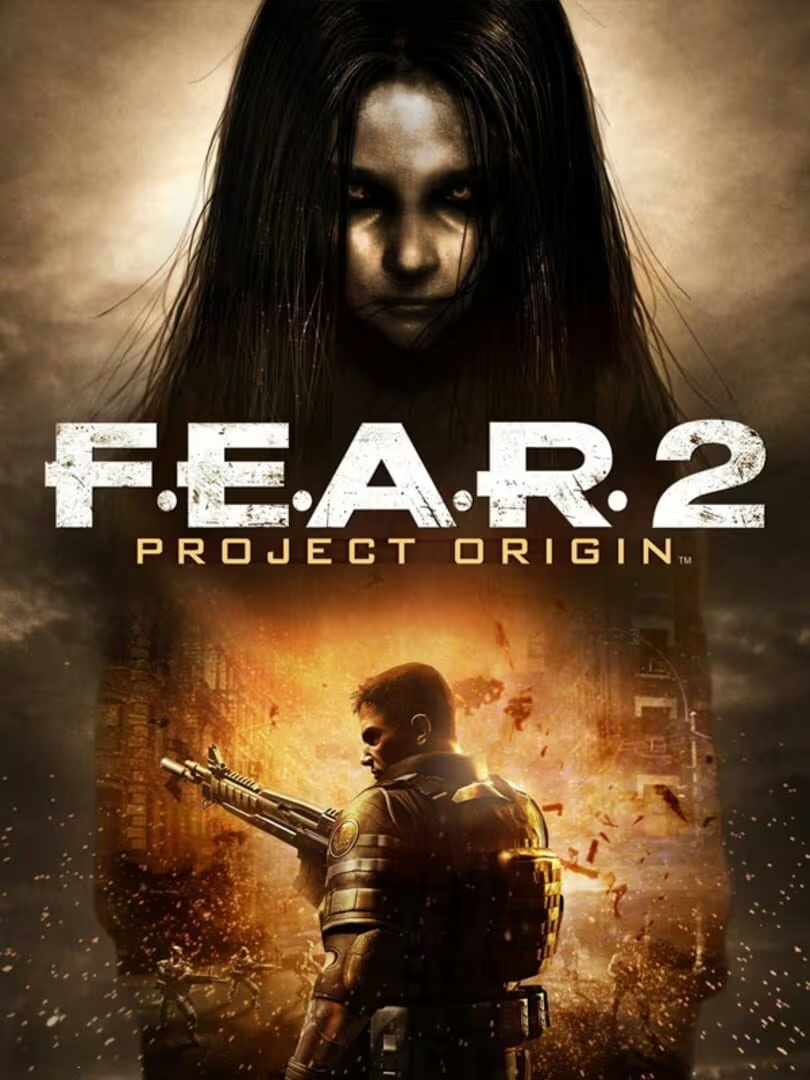 F.E.A.R. 2: Project Origin
"No evidence of dominance over others; interactions are singleplayer and non-competitive."
-
Escapism
Game with the same Escapism vibe
4"Players use the game for nostalgia, stress relief, and immersive fantasy escape."
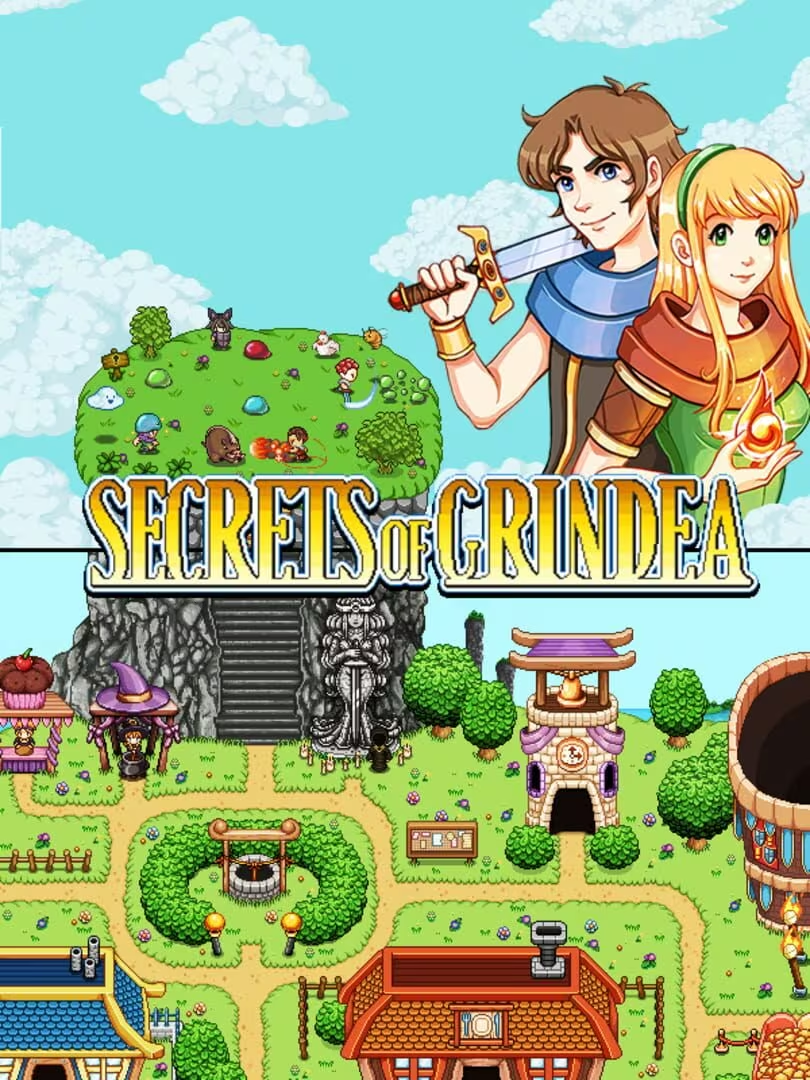 Secrets of Grindea
"Players use the game for nostalgia, fantasy immersion, and stress relief."
-
Expectation
Game with the same Expectation vibe
-4"Players engage voluntarily for enjoyment and nostalgia, not out of obligation."
 Final Fantasy IV (3D Remake)
"Players engage voluntarily for enjoyment and nostalgia, not out of obligation."
-
Experimenting
Game with the same Experimenting vibe
3"Exploration and upgrading encourage trying new mechanics and strategies."
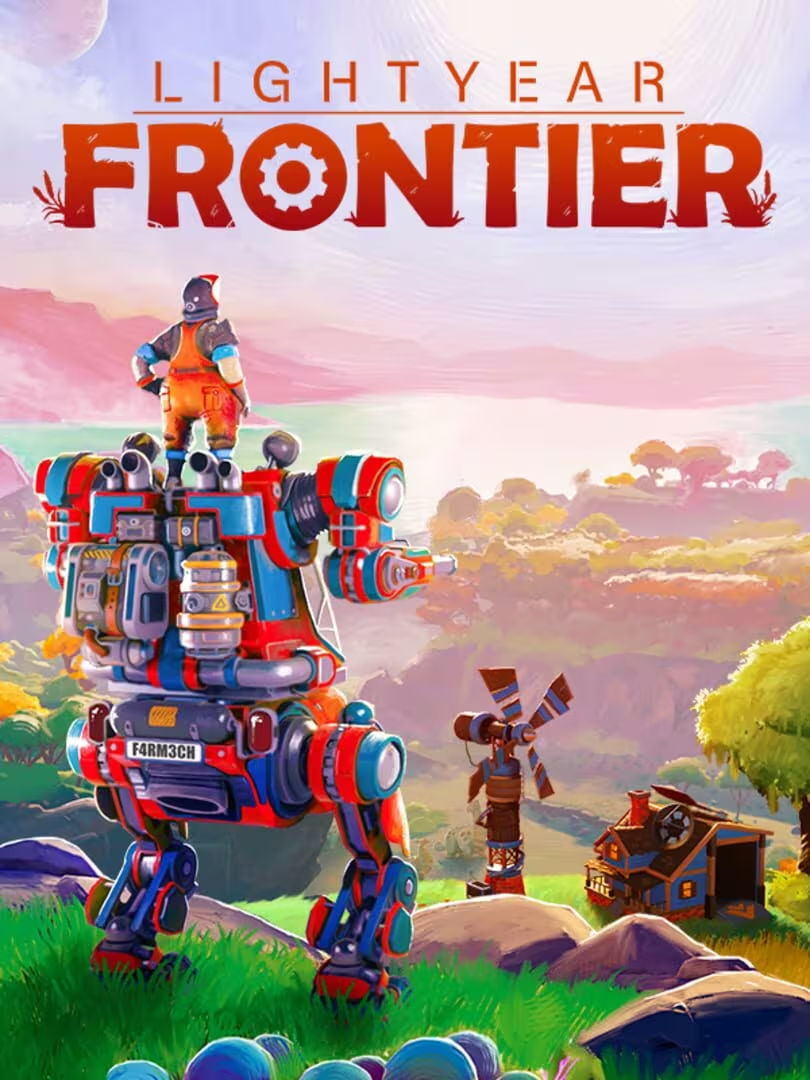 Lightyear Frontier
"Exploration of new biomes, quests, and mechanics encourages trying new things."
-
Exploration
Game with the same Exploration vibe
5"Large open world with many secrets, puzzles, and varied biomes encourages discovery."
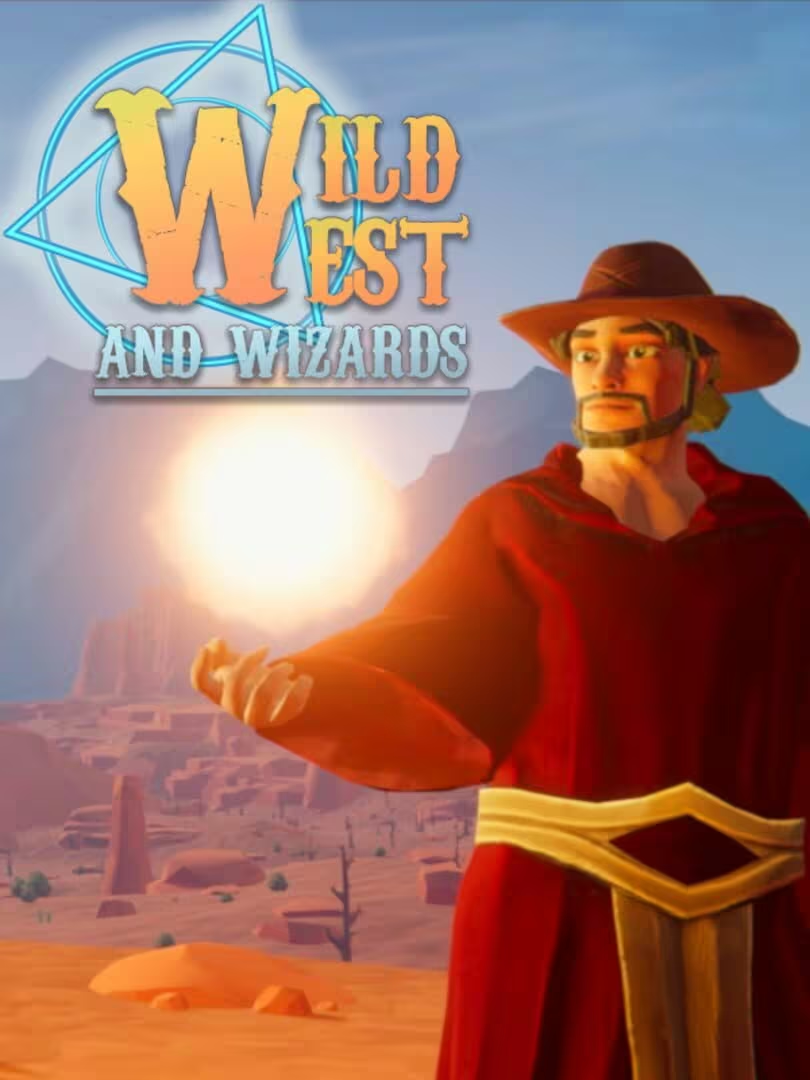 Wild West and Wizards
"Large infinite worlds, multiple biomes, and many structures promote discovery."
-
Expression
Game with the same Expression vibe
4"Strong emphasis on customizing buildings, rooms, and character appearances."
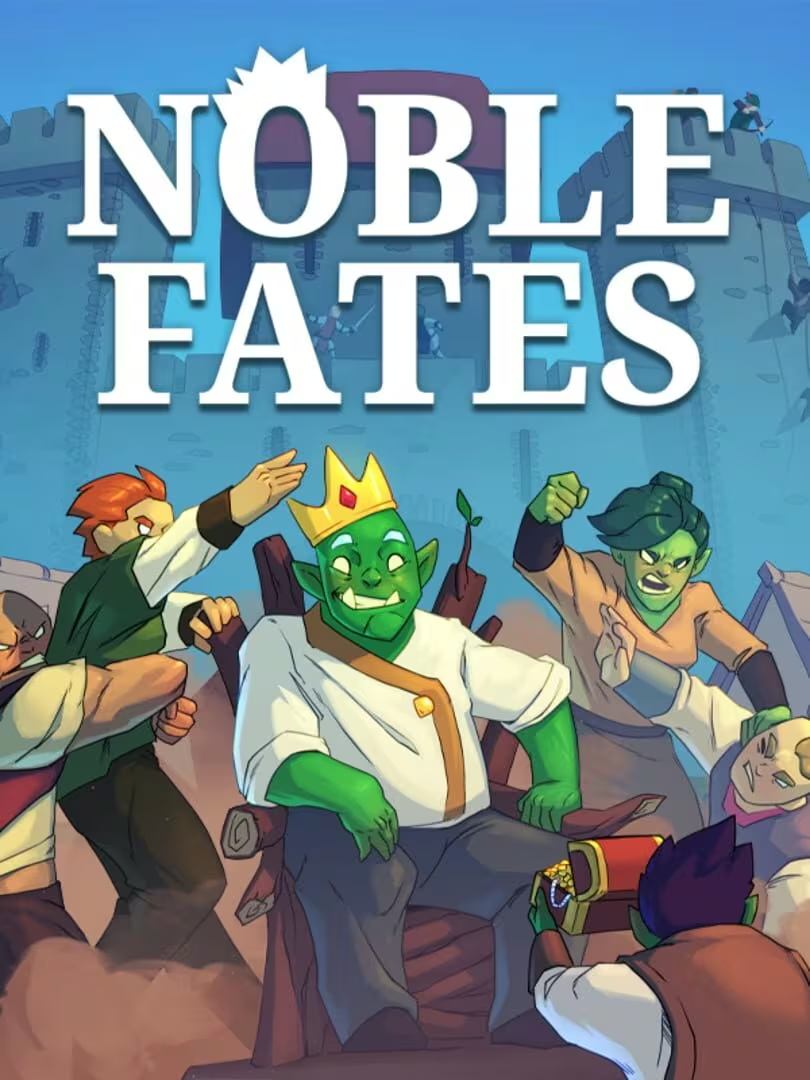 Noble Fates
"Customization of characters, pets, and building with painting and block placement."
-
Fantasy
Game with the same Fantasy vibe
5"Strong fantasy elements with magic, mythical races, dragons, and a magical storyline."
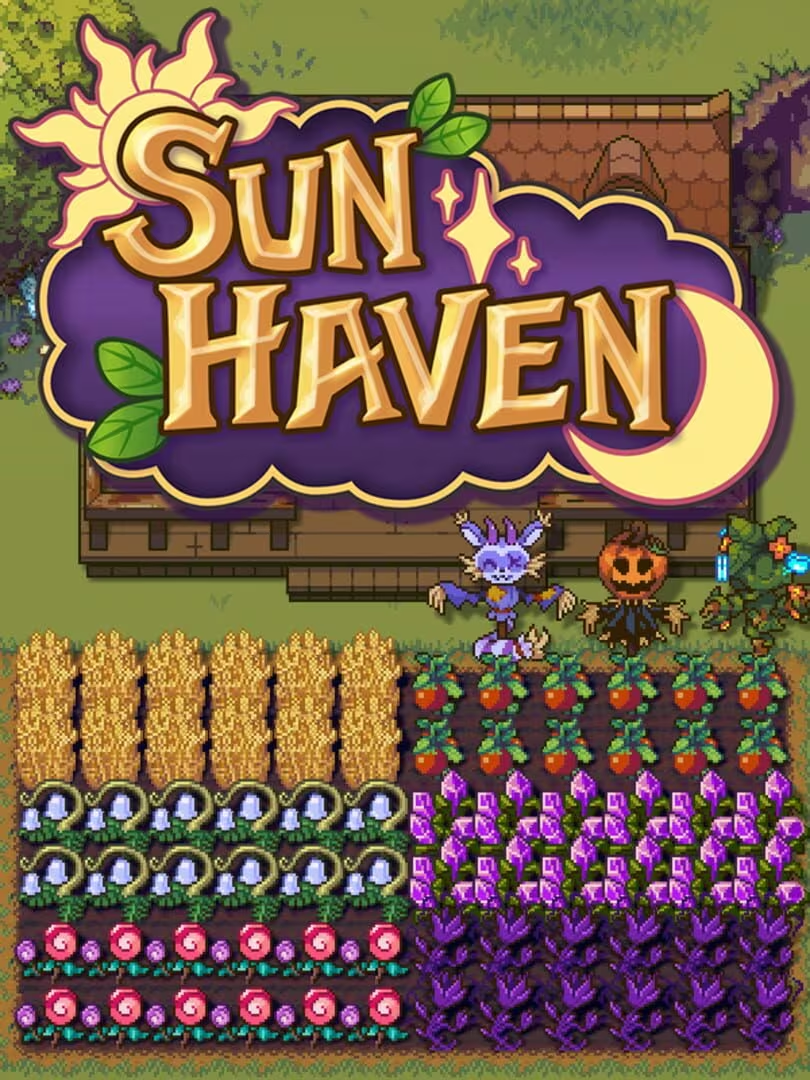 Sun Haven
"Strong fantasy elements with dragons, magic, mythical creatures, and RPG storylines."
-
Fellowship
Game with the same Fellowship vibe
-4"Singleplayer focus with minimal social connection or community interaction."
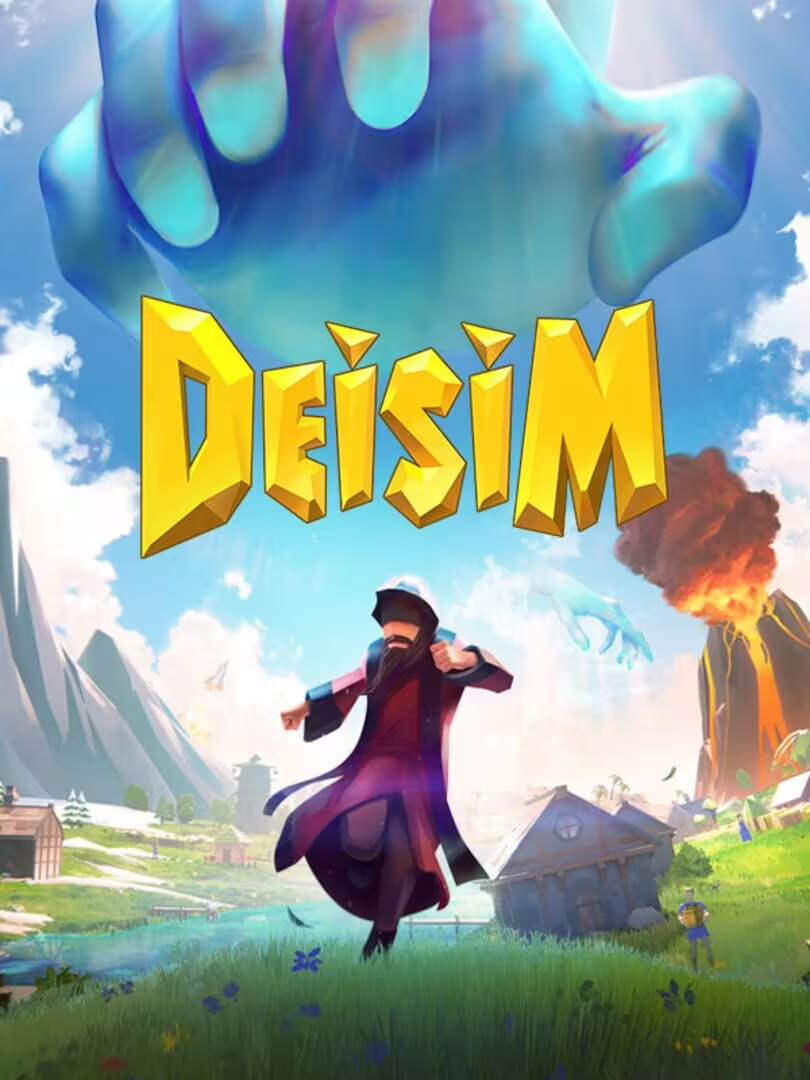 Deisim
"Singleplayer focus with minimal social interaction; community mostly external."
-
Growth
Game with the same Growth vibe
4"Leveling system and skill progression provide clear learning and development opportunities"
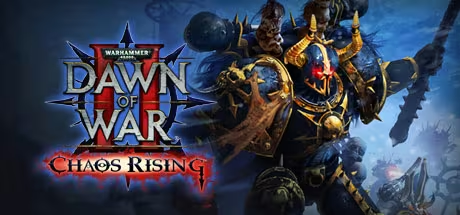 Warhammer® 40,000: Dawn of War® II Chaos Rising
"Leveling system, skill points, and pet progression provide learning and development."
-
Health
Game with the same Health vibe
-4"Primarily sedentary gameplay with no physical activity elements."
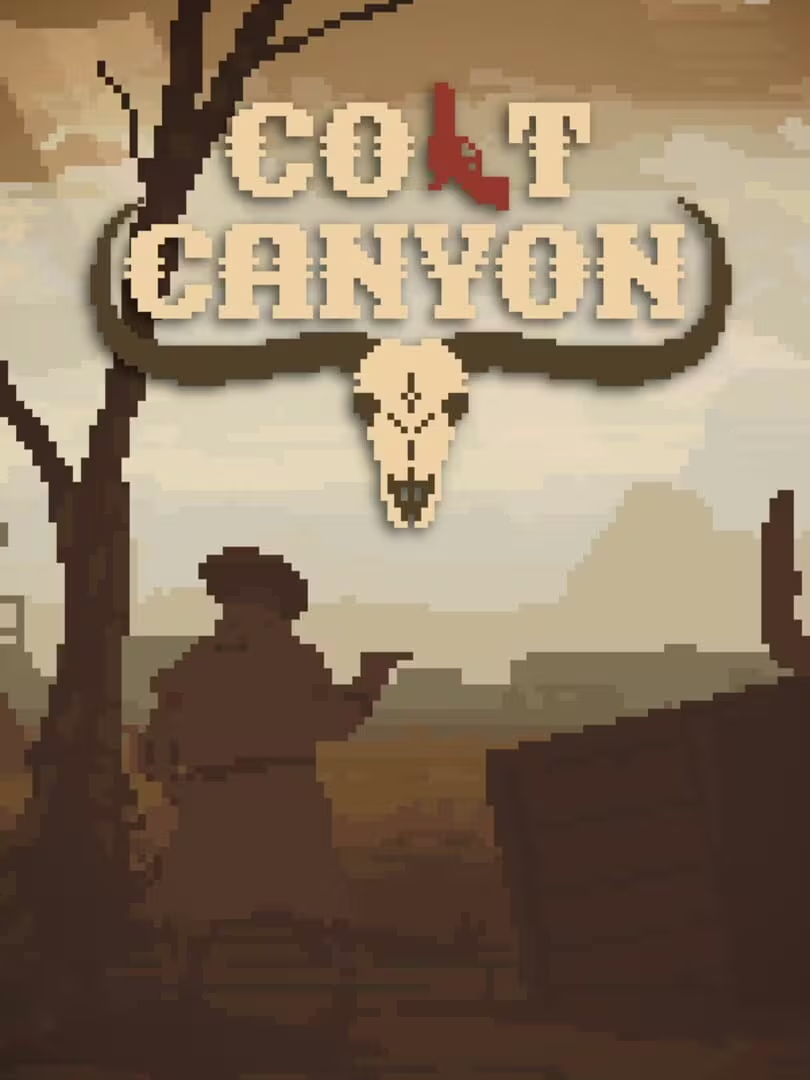 Colt Canyon
"Primarily sedentary gameplay with no physical activity elements."
-
Idle
Game with the same Idle vibe
-3"Requires focused attention on crafting, combat, and exploration; not idle gameplay."
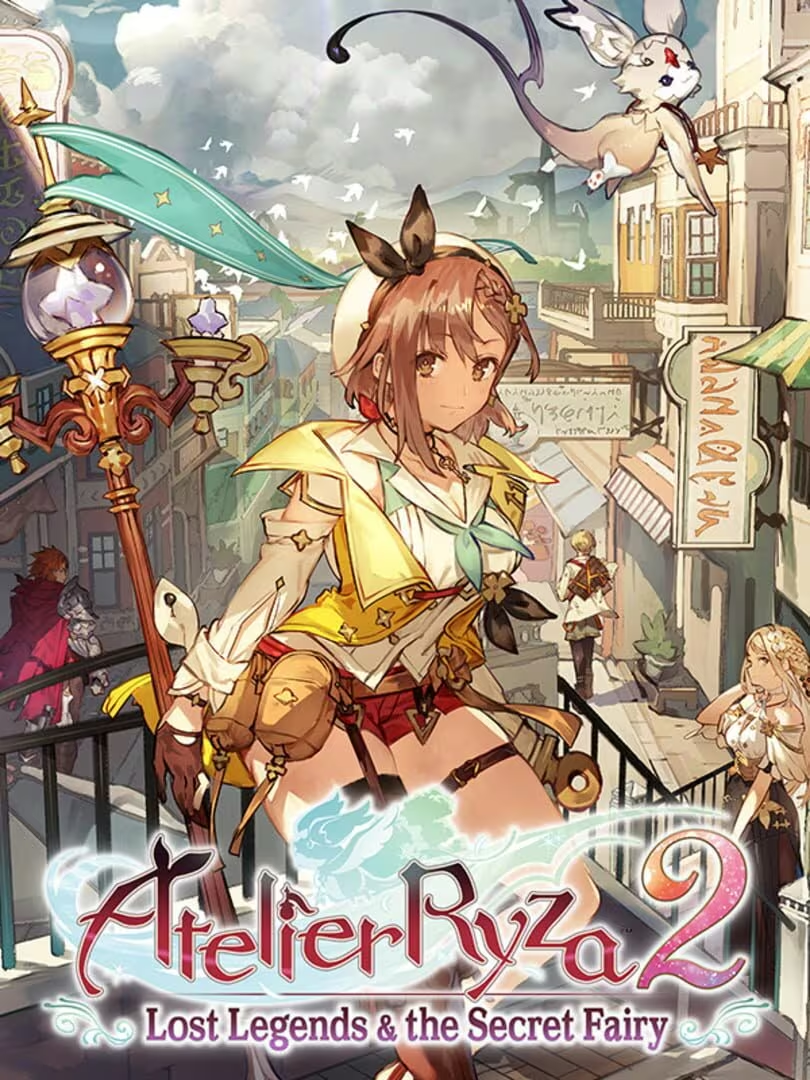 Atelier Ryza 2: Lost Legends & the Secret Fairy
"Requires focused attention for combat, crafting, and questing; not idle gameplay."
-
Intimacy
Game with the same Intimacy vibe
-4"No close social or emotional relationships formed through gameplay; mostly solitary."
 Rabi-Ribi
"No close social or emotional connections formed in-game; mostly solo play."
-
LeadershipInsufficient data
No nearest game available
-
Progression
Game with the same Progression vibe
4"Strong emphasis on leveling, item collection, class upgrades, and unlocking new abilities."
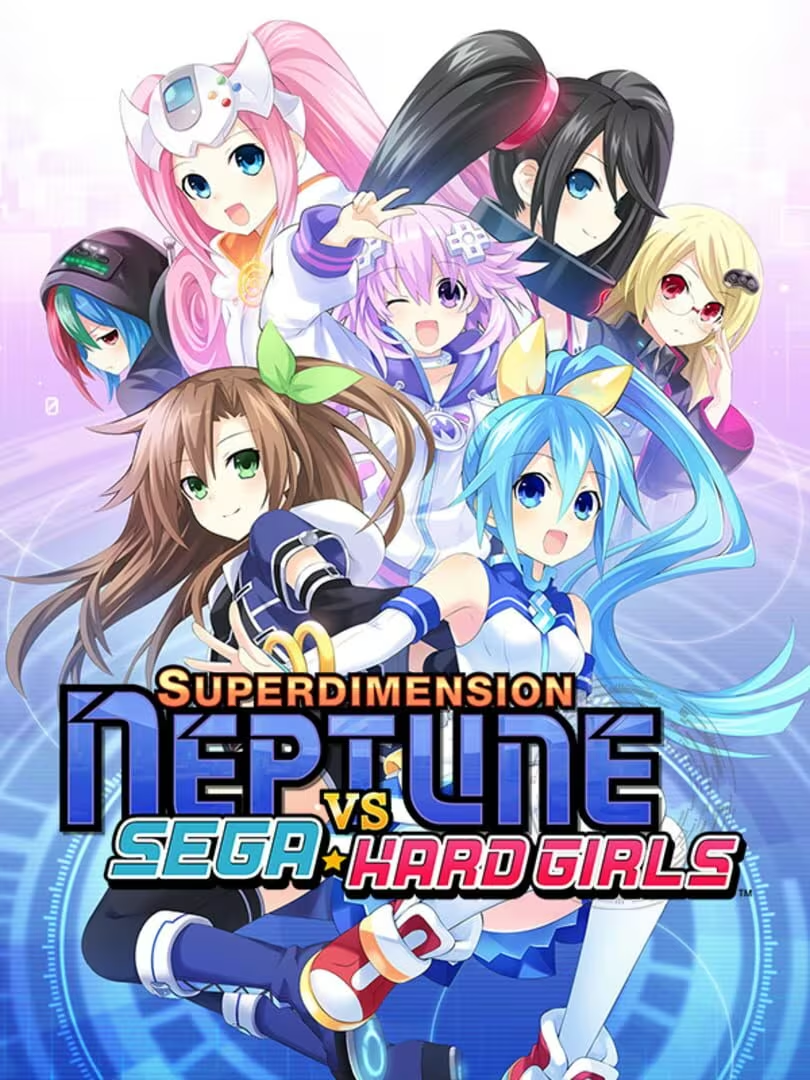 Superdimension Neptune VS Sega Hard Girls
"Strong emphasis on item collection, upgrades, leveling, and unlocking new abilities."
-
Relaxation
Game with the same Relaxation vibe
3"Players find the game relaxing and nostalgic despite some grind and bugs."
 Orake Classic
"Some players find it relaxing and nostalgic, though grind and bugs cause frustration."
-
Sensation
Game with the same Sensation vibe
2"Visual and auditory elements are pleasant but not highly stimulating or intense."
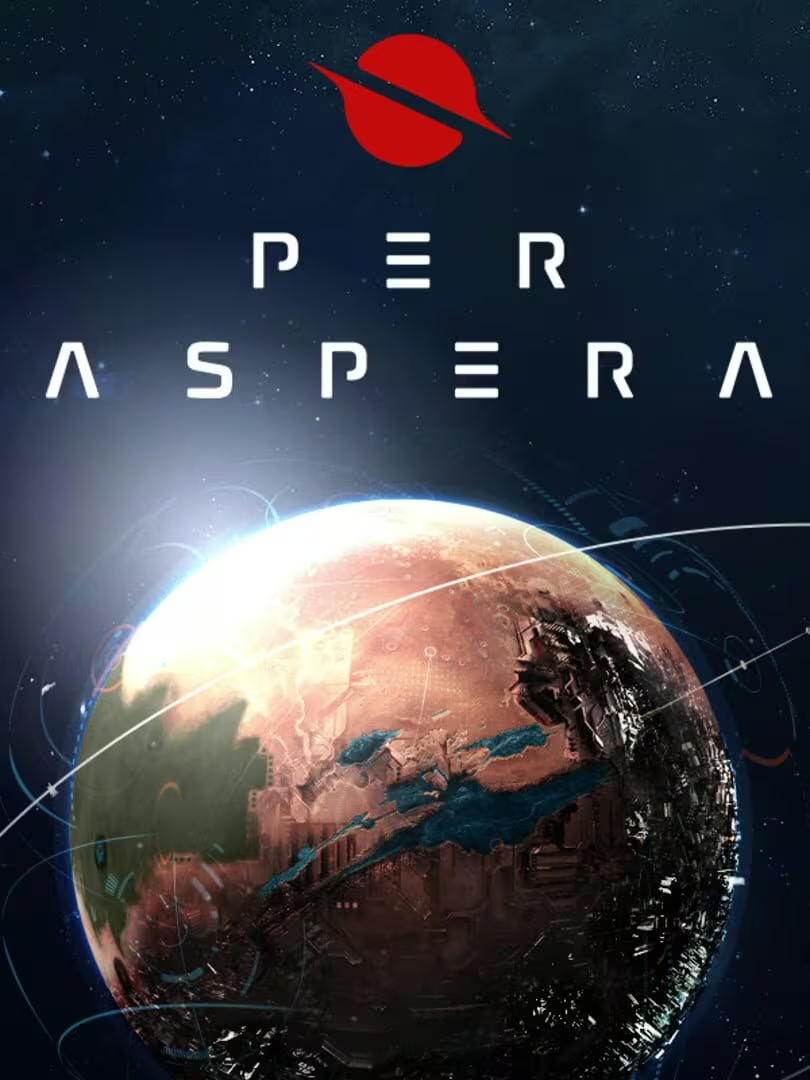 Per Aspera
"Visual and auditory elements are pleasant but not highly stimulating or intense."
-
Status
Game with the same Status vibe
-3"No social recognition or status systems; achievements exist but are personal."
 Game Dev Story
"No social status or recognition systems; achievements exist but are personal."
-
Story
Game with the same Story vibe
3"The game has lore and narrative elements, but main quests are not heavily guiding; story is present but not dominant."
 WAKFU
WAKFU
"There is a storyline with quests and lore, though some find it weak or secondary."
-
Strategy
Game with the same Strategy vibe
2"Some strategic elements in combat and skill allocation, but overall straightforward gameplay."
 Super Chibi Knight
"Some strategic combat and skill allocation, but overall gameplay is straightforward."
-
Thrill
Game with the same Thrill vibe
2"Combat and boss fights provide moments of challenge and excitement, though not highly intense."
 Miss Neko: Pirates
"Combat and boss fights provide some excitement, but many find it easy or janky."
-
Value
Game with the same Value vibe
4"Players feel the game offers good content and enjoyment for its low price."
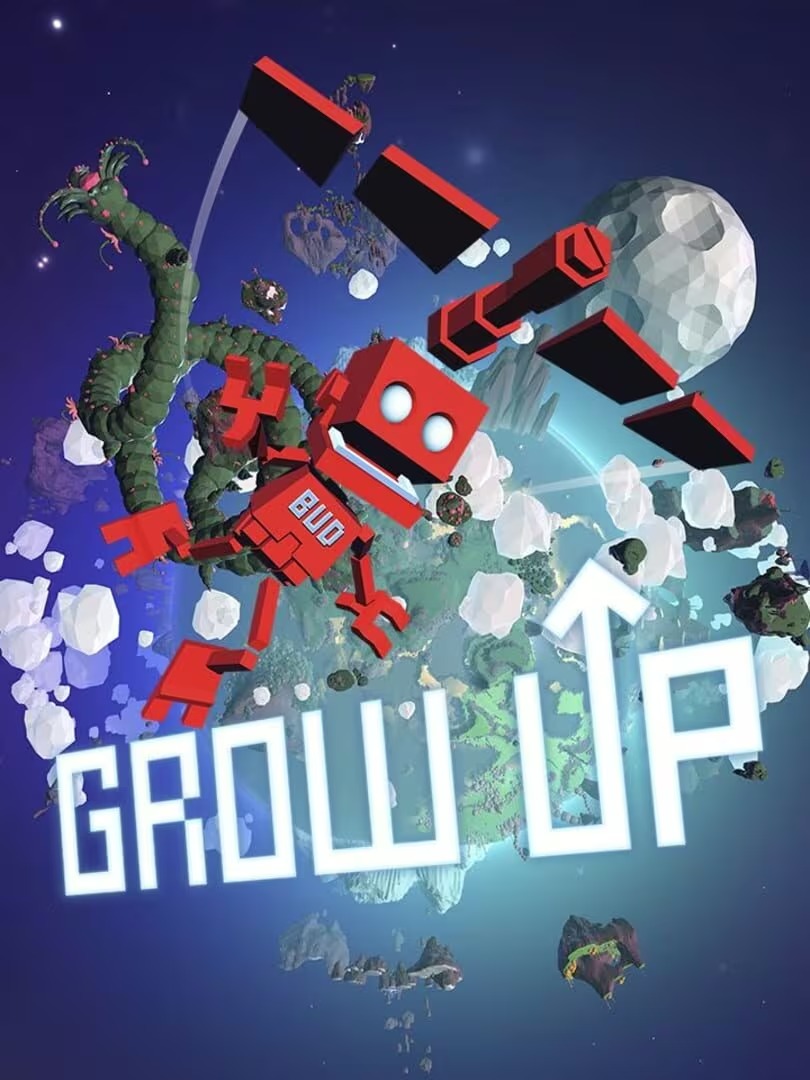 Grow Up
"Players feel the game offers good content and nostalgia for a low price."
-
Violence
Game with the same Violence vibe
3"Combat against monsters and bosses is a core gameplay element."
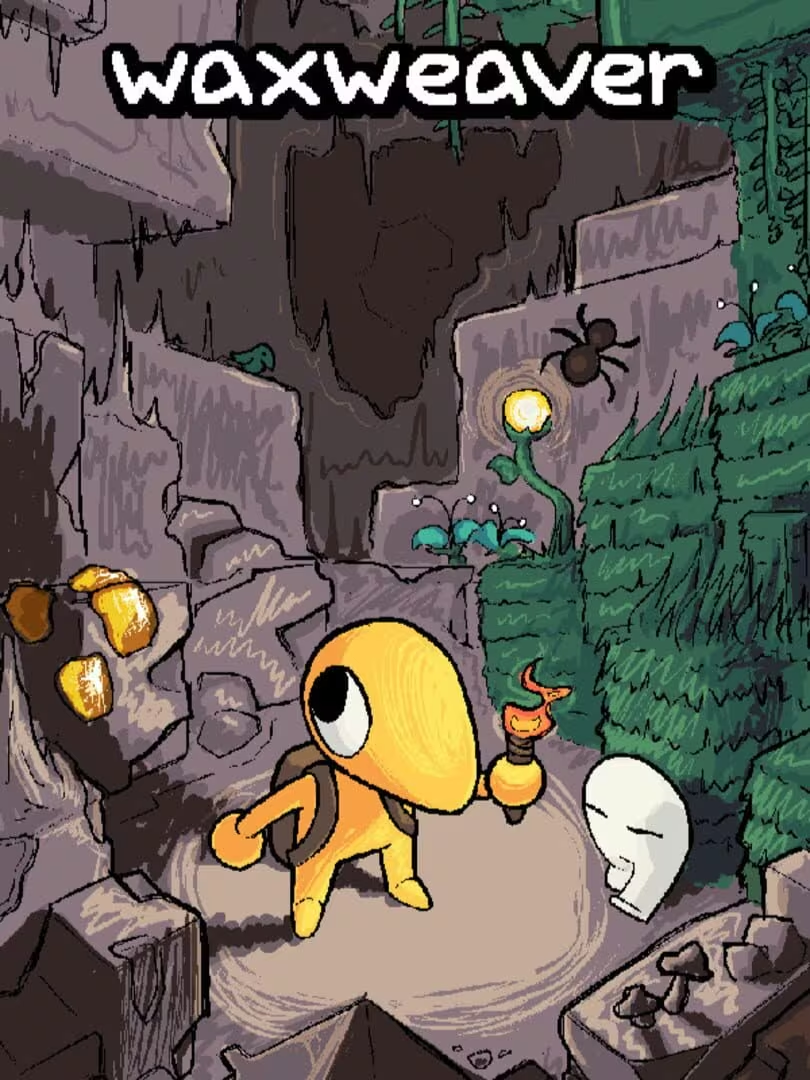 waxweaver
"Combat against monsters and bosses is a core gameplay element."
-
Survival
Game with the same Survival vibe
2"Survival elements present but not highly punishing; resource management and combat are key."
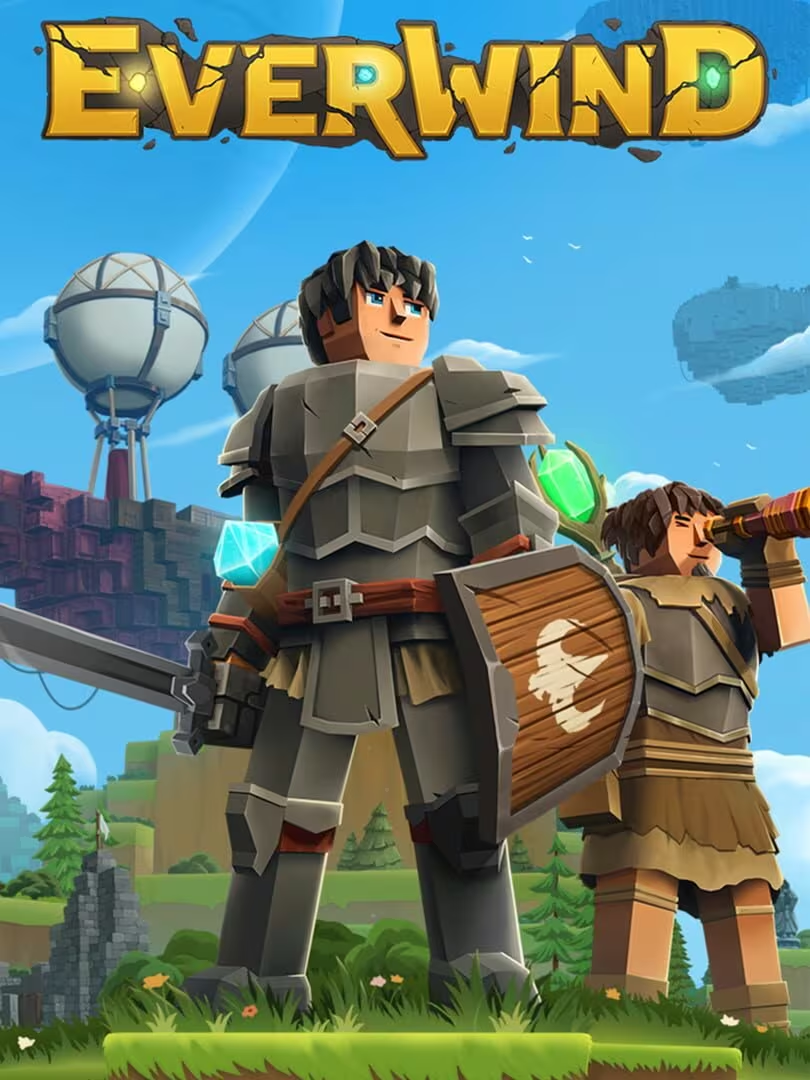 Everwind
"Some survival elements like hunger and resource management, but not very punishing."
Last update: 01/06/2026