Dragon's Lair similar games & best alternatives
Should you play it?
Haven't heard of Dragon's Lair?! Well, you play the heroic Dirk the Daring, a valiant knight on a quest to rescue the fair princess from the clutches of an evil dragon! Originally released in the summer of 1983, Dragon's Lair has solidified itself as a cultural icon in gaming.
What works
- Beautiful hand-drawn animation by don bluth
- Nostalgic arcade classic experience
- Faithful recreation of original gameplay
- Adjustable difficulty and helpful modes
- Humorous and varied death animations
Things to keep in mind
- Very short gameplay duration
- Repetitive and linear quick-time event mechanics
- Limited player control and creativity
- Some technical bugs and missing scenes reported
- Price considered high for content by some
What to play next
Similar games, hidden gems, and fresh directions from this game.
Top picks
Games that feel the closest overall


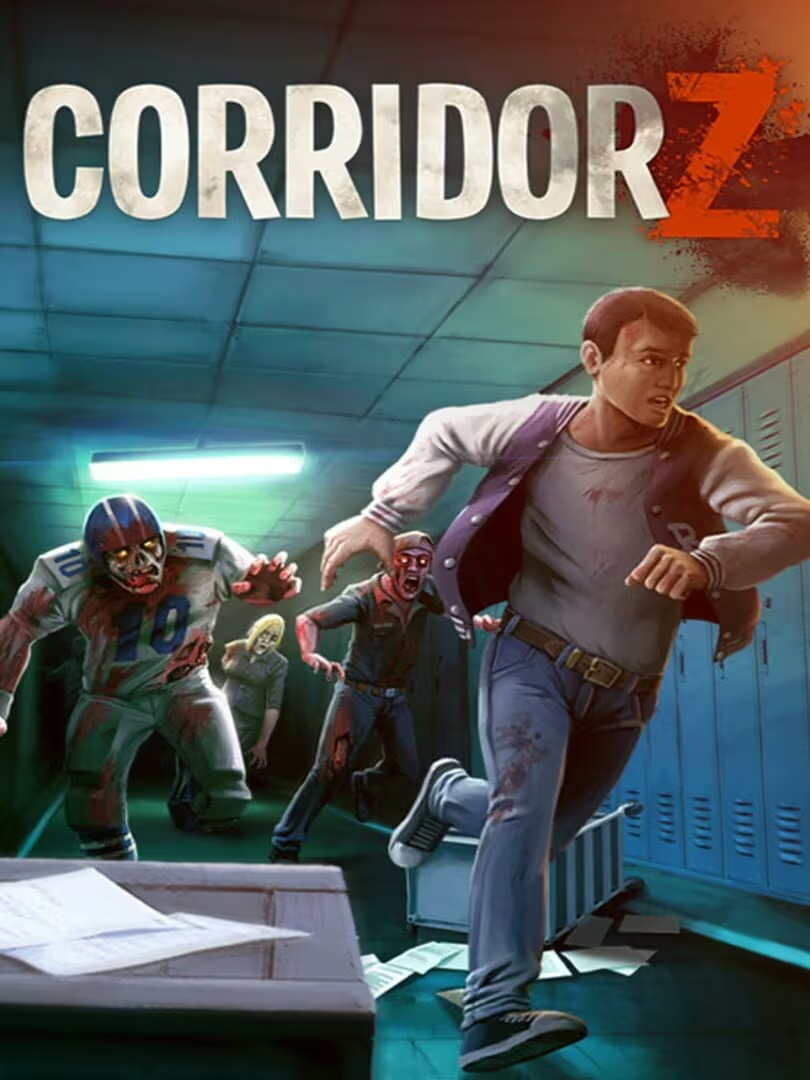

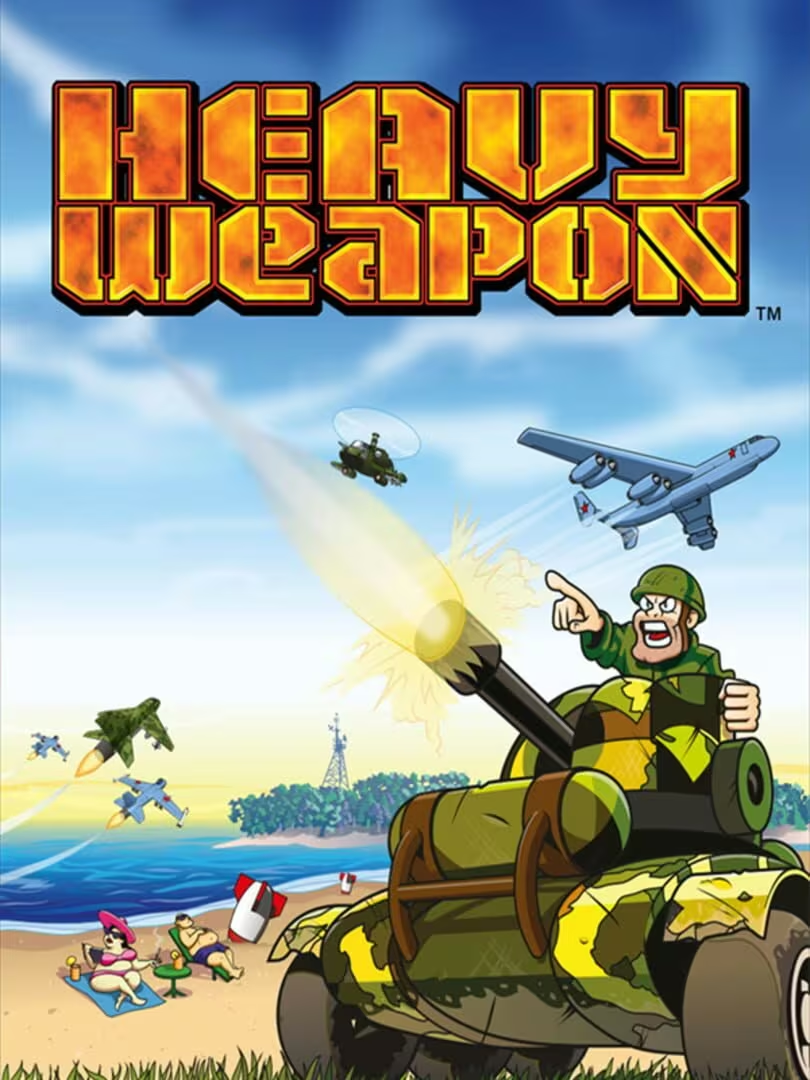
Hidden Gems
Less popular games with surprisingly high similarity
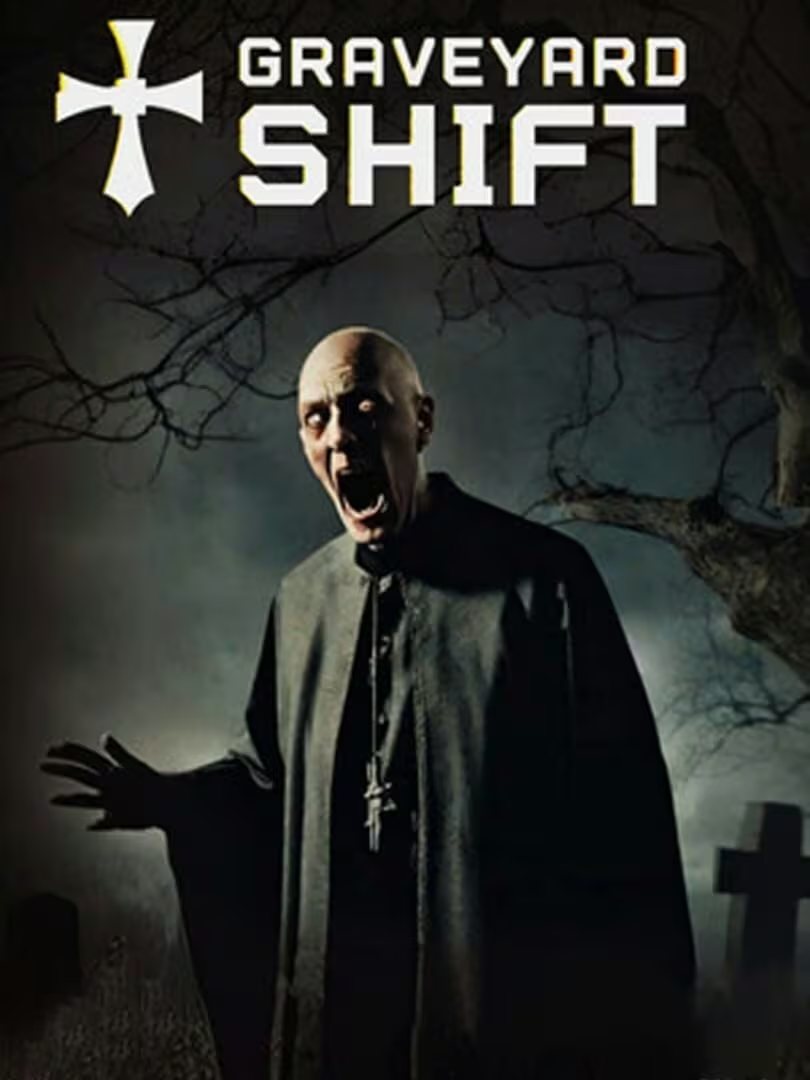
If you liked…
Recommendations by what you enjoyed most
Similarity map
Explore nearby similar games and see why they’re close.
Dragon's Lair: Less representative of its motivational profile, with noticeable differences. Motivations that often define this kind of title include Strategy, Experimenting, Competence, Survival. Here, the score leans higher than usual among comparable games on Survival, Violence. It leans lower than usual among comparable games on Autonomy.
Why this game works
A motivational profile of the game, with the closest similar game for each player motivation.
-
Autonomy
Game with the same Autonomy vibe
-4"Gameplay is a linear walking simulator with no meaningful player choices or interaction, following a preset path."
 Greetings
"Gameplay is strictly quick-time events with preset inputs and no exploration or freedom of movement."
-
Competence
Game with the same Competence vibe
3"Requires skillful timing, reflexes, and problem solving; some frustration due to controls."
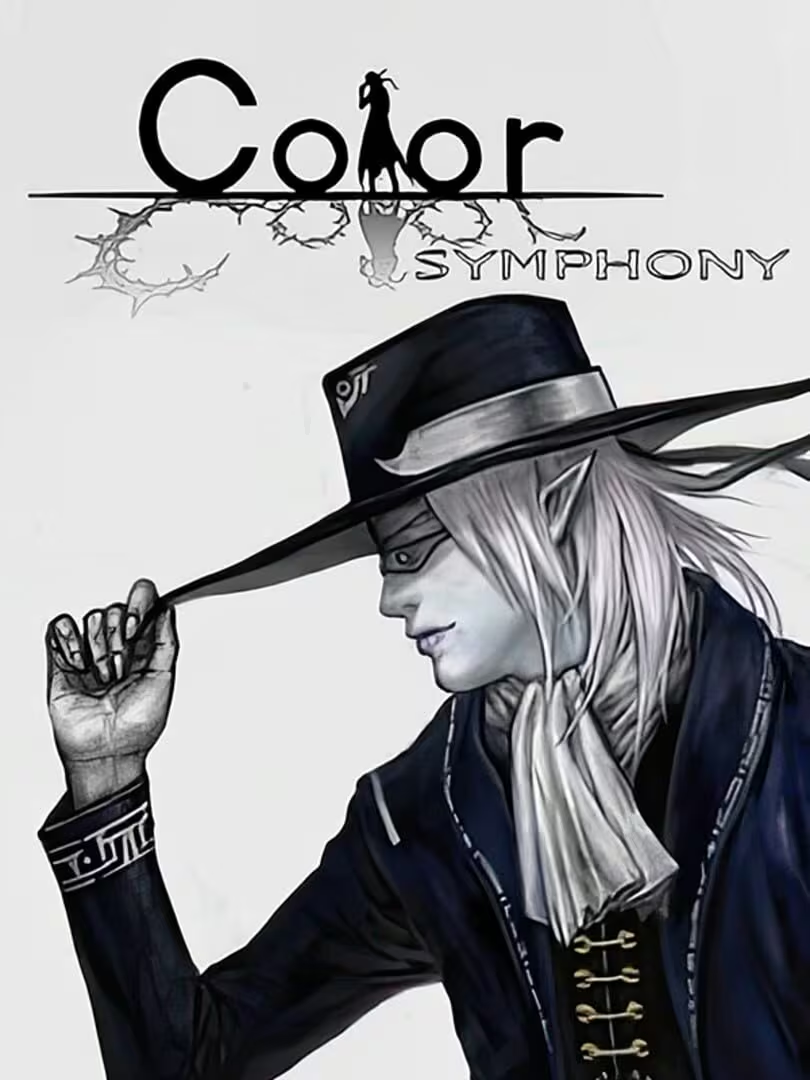 Color Symphony
"Requires precise timing and memorization of sequences; skillful execution is rewarded."
-
Competition
Game with the same Competition vibe
-3"Focus is on individual progression and mastery rather than competing against others; no mention of multiplayer or leaderboards."
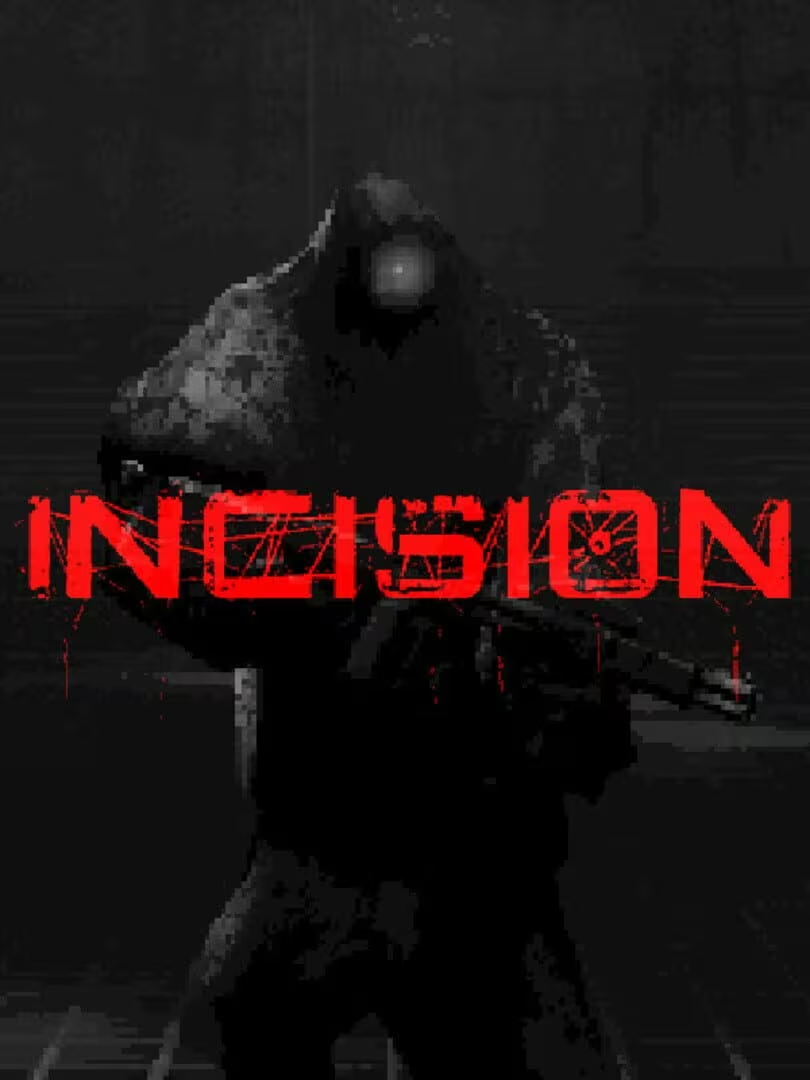 INCISION
"Focus is on individual play and personal mastery; no multiplayer or leaderboards mentioned."
-
Continuation
Game with the same Continuation vibe
2"Players often replay to improve or complete achievements, but game is short and some find limited replayability after completion."
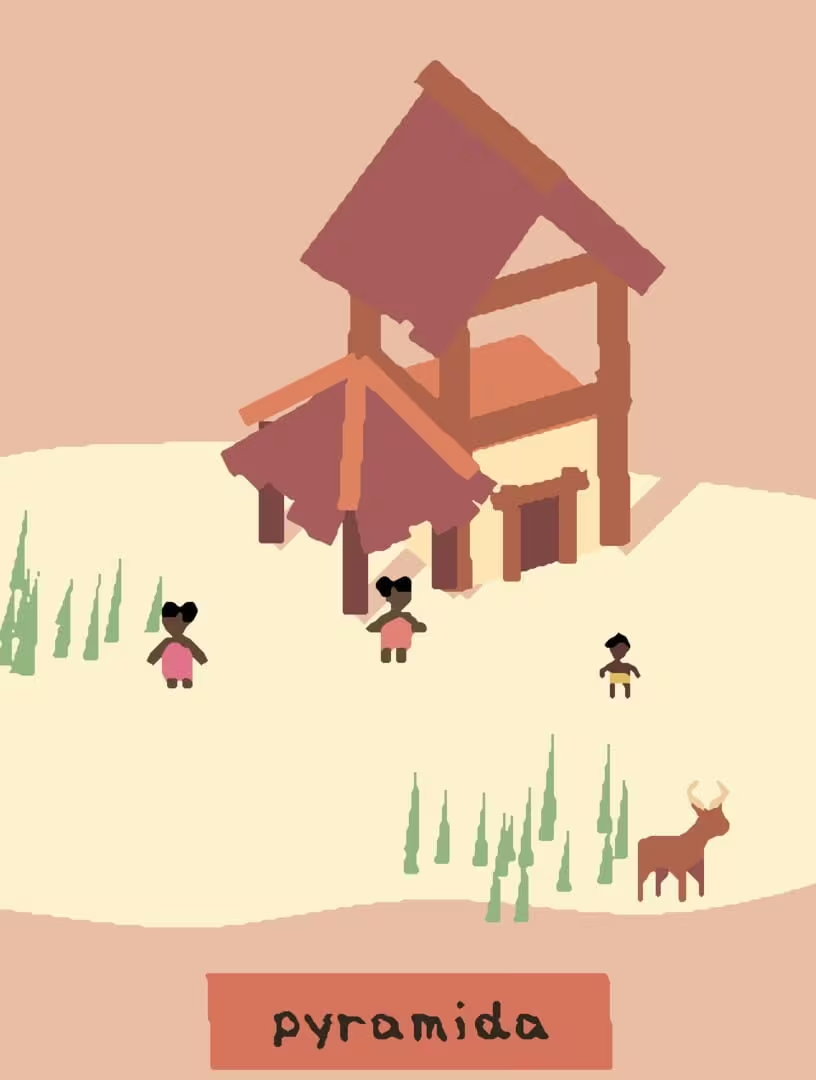 pyramida
"Players often replay to improve or complete achievements despite short game length."
-
Cooperation
Game with the same Cooperation vibe
-5"Entirely single-player experience with no cooperative elements."
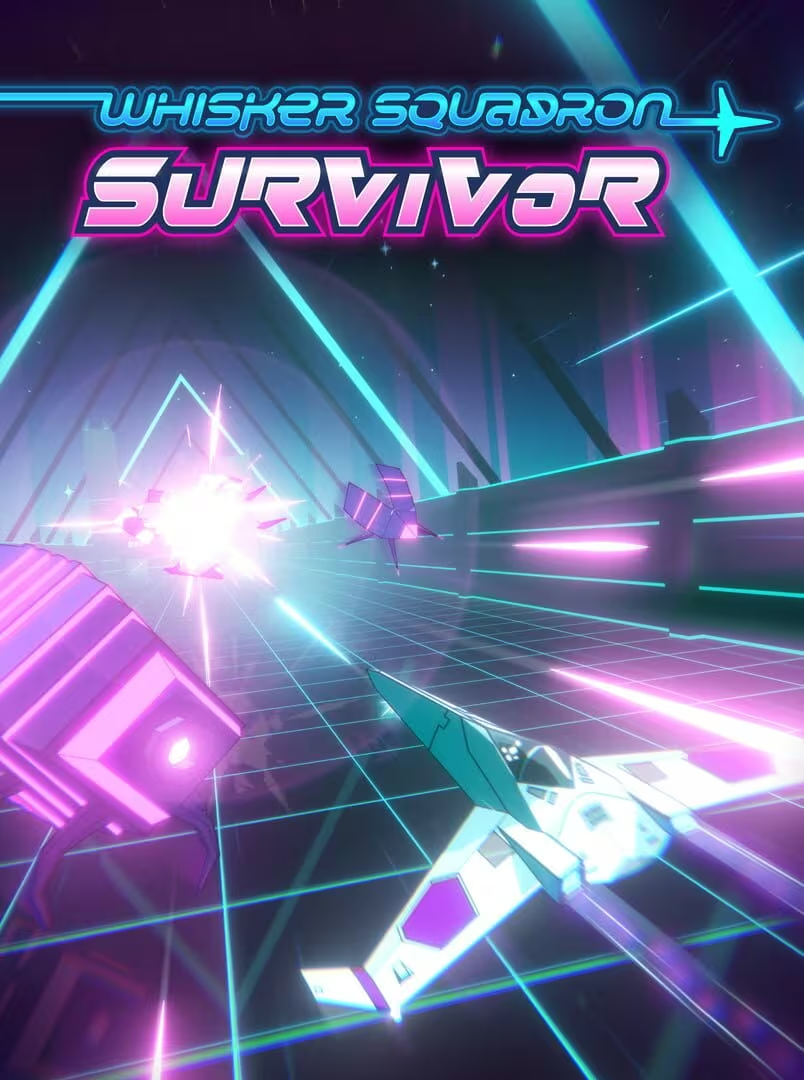 Whisker Squadron: Survivor
"Entirely single-player experience with no cooperative elements."
-
Creativity
Game with the same Creativity vibe
-4"Players follow a fixed narrative with no creation or modification elements."
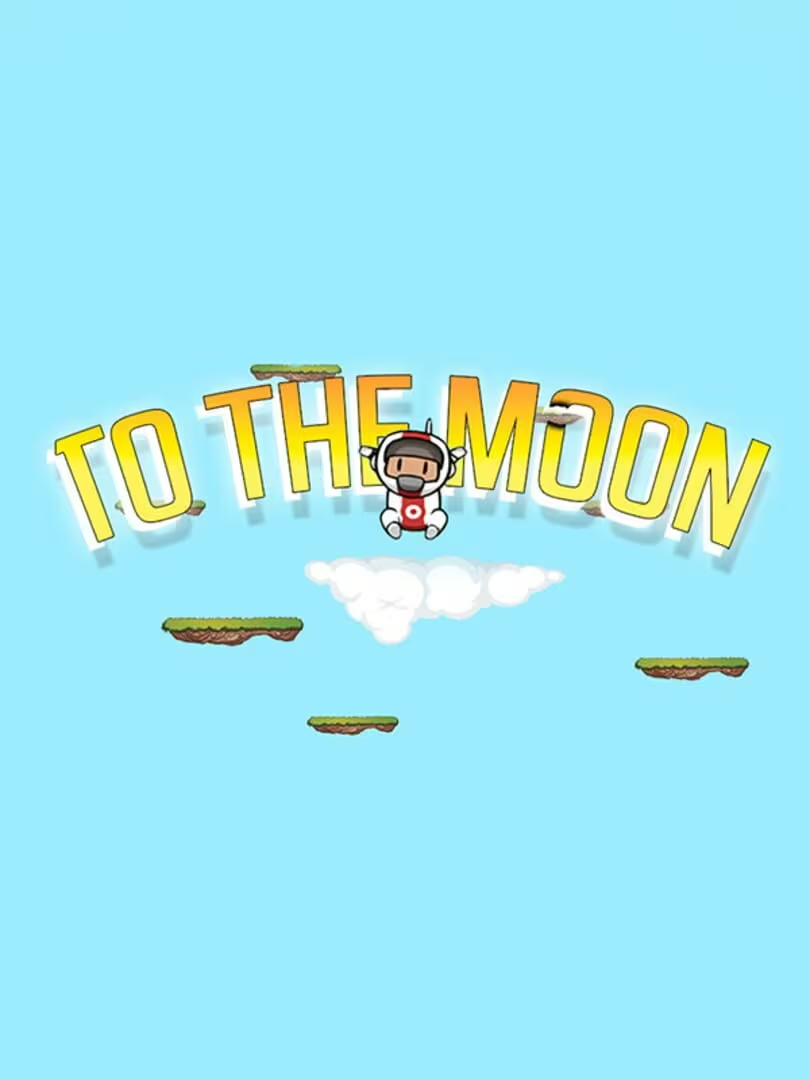 To the Moon
"Players follow fixed sequences with no creation or modification possibilities."
-
Domination
Game with the same Domination vibe
-5"No evidence of exerting control over others; purely individual challenge."
 Furi Demake - The Chain
"No evidence of exerting control over others; purely individual challenge."
-
Escapism
Game with the same Escapism vibe
3"Players enjoy immersive exploration and nostalgic retro atmosphere as a form of escapism."
 Xeodrifter
"Nostalgic and immersive animation provides escapism, though gameplay is limited."
-
Expectation
Game with the same Expectation vibe
-4"Players engage voluntarily out of interest and nostalgia, not due to obligation."
 Don't Escape Trilogy
"Players engage voluntarily for nostalgia or interest, not out of obligation."
-
Experimenting
Game with the same Experimenting vibe
-3"Gameplay involves learning and memorizing fixed patterns rather than trying new mechanics or strategies."
 BIT.TRIP RUNNER
"Gameplay involves memorizing fixed sequences rather than trying new strategies."
-
Exploration
Game with the same Exploration vibe
-5"No exploration; gameplay confined to a single repetitive environment."
 Burger
"No exploration; game is linear with repeated and mirrored scenes."
-
Expression
Game with the same Expression vibe
-5"No character customization or self-expression; fixed presentation."
 Observation
"No character customization or self-expression; fixed visual presentation."
-
Fantasy
Game with the same Fantasy vibe
5"Strong fantasy theme with dragons, princess kidnapping, and mythical elements."
 HOARD
HOARD
"Strong fantasy theme with knights, dragons, castles, and animated storytelling."
-
Fellowship
Game with the same Fellowship vibe
-5"No social or community features; strictly solo play."
 Finding Frankie
"No social or community features; strictly solo play."
-
Growth
Game with the same Growth vibe
2"Players improve reflexes and timing skills through repeated play."
 Freebie
"Players improve reflexes and memorization skills through repeated play."
-
Health
Game with the same Health vibe
-5"Sedentary gameplay with no physical activity involved."
 World of Tanks Blitz
"Sedentary gameplay with no physical activity involved."
-
Idle
Game with the same Idle vibe
-4"Requires focused attention and precise timing, not suitable for idle play"
 Minoria
"Requires focused attention and precise timing; not suitable for idle play."
-
Intimacy
Game with the same Intimacy vibe
-5"No close social interactions or relationship building; minimal character interaction."
 Cybernetic Fault
"No social or emotional relationship building; minimal character interaction."
-
Leadership
Game with the same Leadership vibe
-5"No leadership or group management roles present."
 Half-Life: Alyx
"No leadership or group management roles present."
-
Progression
Game with the same Progression vibe
1"Progression through levels and achievements, but no item collection or upgrades."
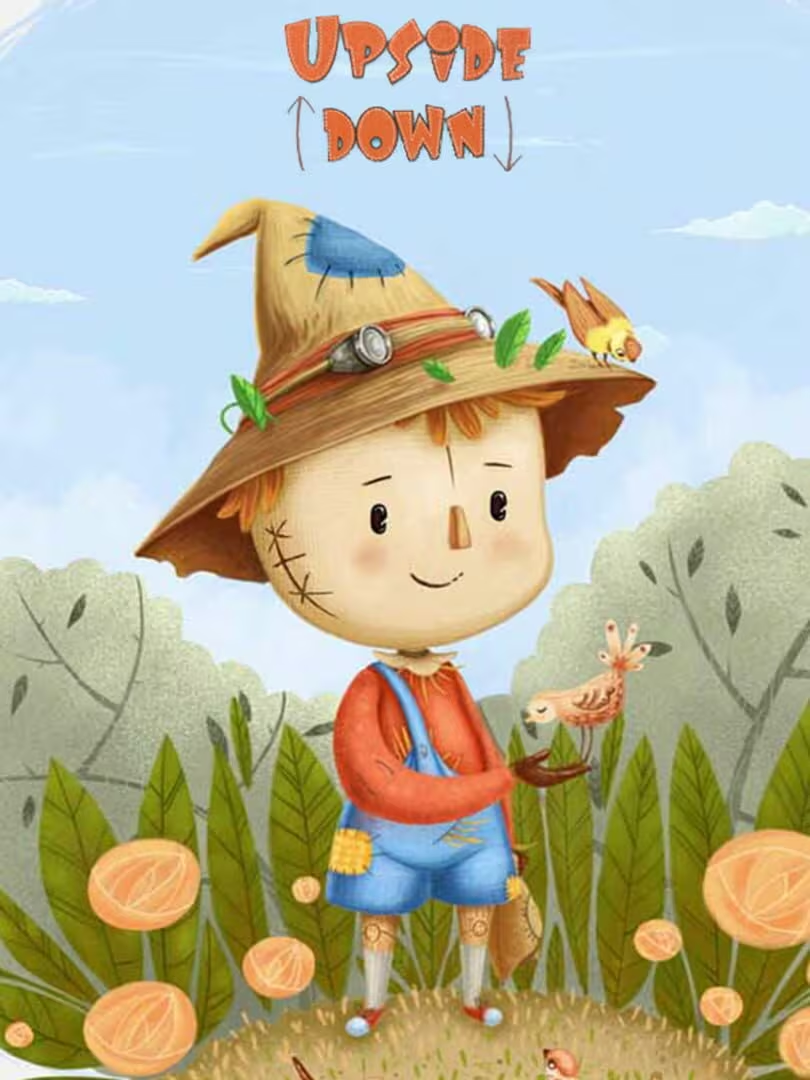 Upside Down
"Progression through levels and achievements, but no item collection or upgrades."
-
Relaxation
Game with the same Relaxation vibe
-2"Some players find the game frustrating and tense due to timing challenges, though others enjoy the flow."
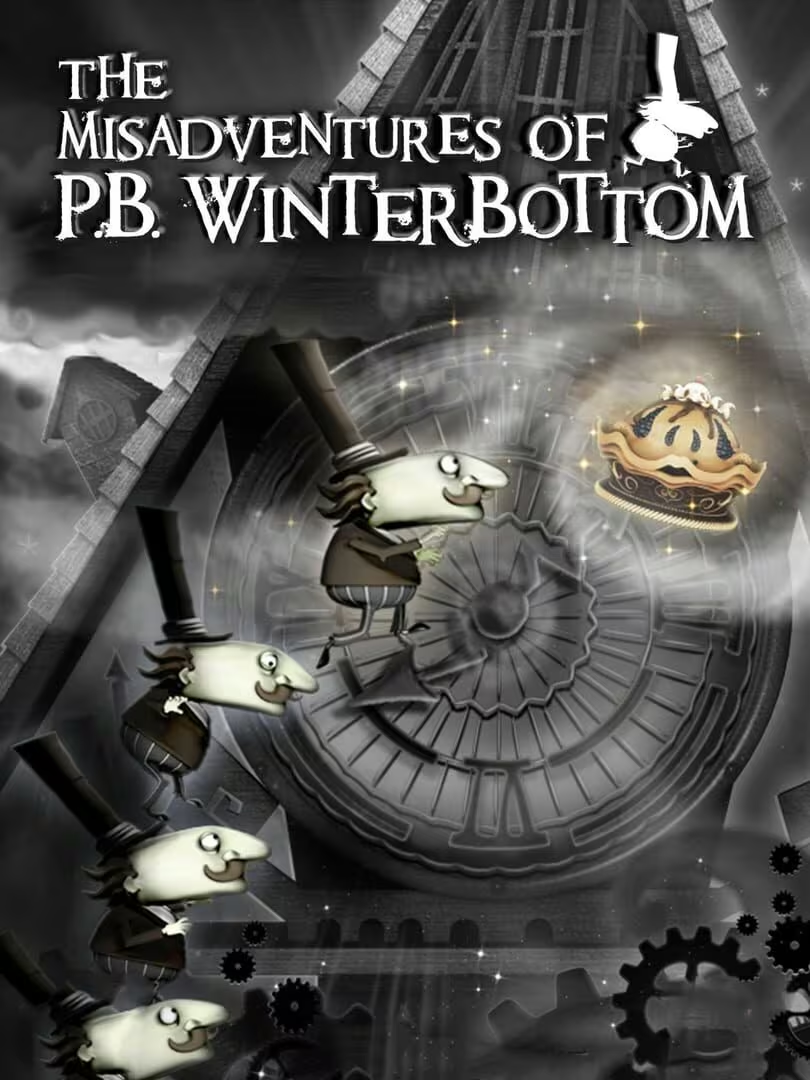 The Misadventures of P.B. Winterbottom
"Can be frustrating and tense due to timing challenges, though some find it enjoyable."
-
Sensation
Game with the same Sensation vibe
3"Enjoyable hand-drawn visuals and animations provide sensory pleasure and emotional engagement."
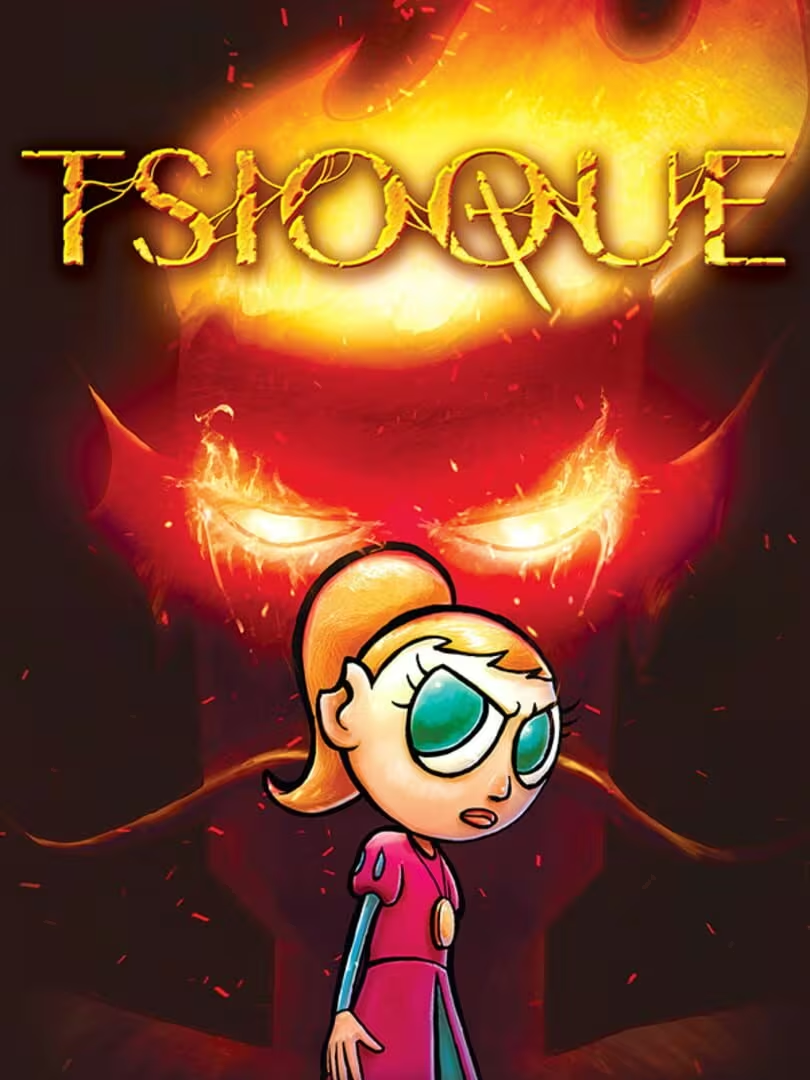 TSIOQUE
"Enjoyable hand-drawn animation and sound provide sensory pleasure."
-
Status
Game with the same Status vibe
-4"No social recognition or ranking systems."
 ICEY
ICEY
"No social recognition or ranking systems."
-
Story
Game with the same Story vibe
3"Engaging dark fantasy narrative with lore and cutscenes, though some find story linear and minimal."
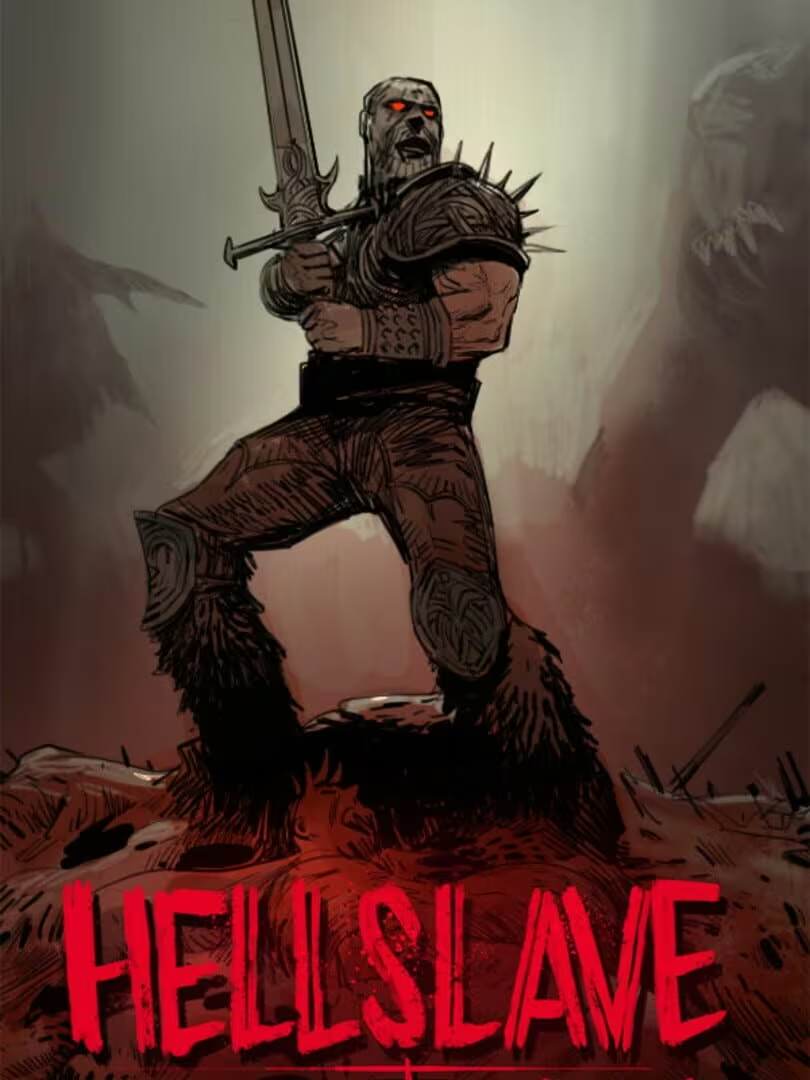 Hellslave
"Simple narrative with fantasy plot and animated cutscenes, but shallow story depth."
-
Strategy
Game with the same Strategy vibe
-3"Gameplay involves simple management rather than complex planning or problem solving."
 Pocket Waifu: Desktop Pet
"Gameplay is reactive and memorization-based rather than strategic planning."
-
Thrill
Game with the same Thrill vibe
2"Time pressure and risk of failure create suspense and tension during gameplay."
 Not Tonight
"Timing pressure and risk of failure create some suspense and thrill."
-
Value
Game with the same Value vibe
-2"Short game with limited gameplay; some players feel price is high for content."
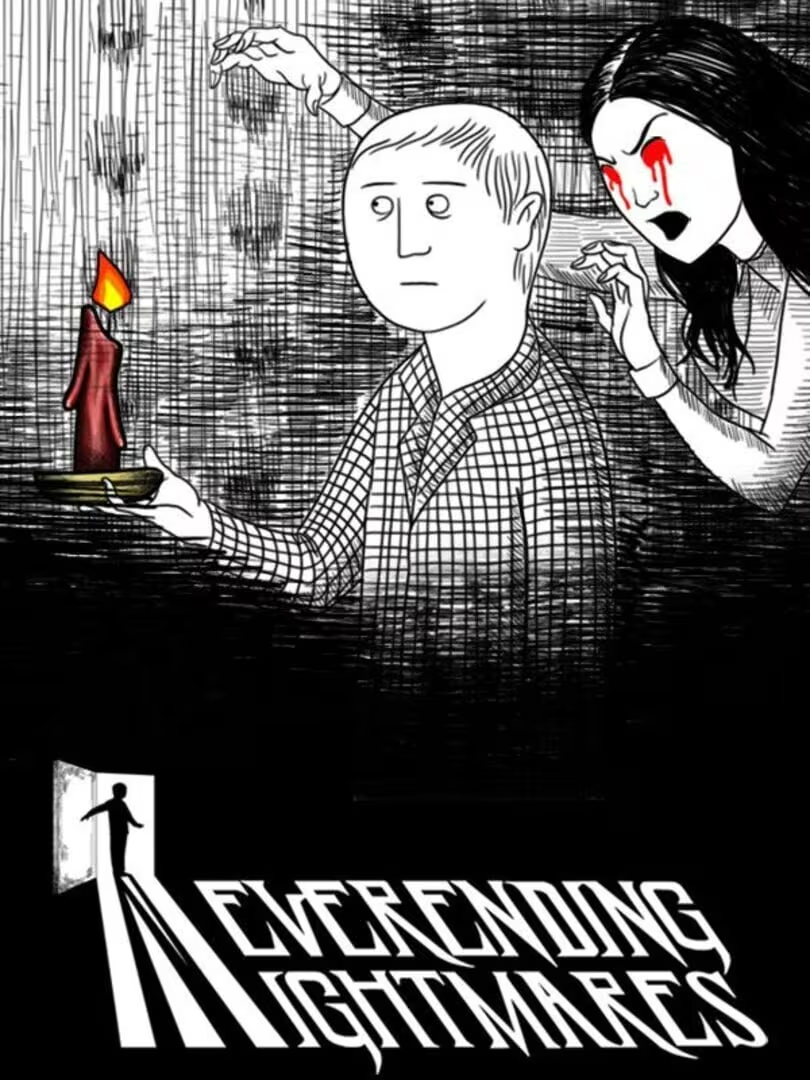 Neverending Nightmares
"Short game with limited replay value; some users feel price is high for content."
-
Violence
Game with the same Violence vibe
3"Contains combat and monster encounters with deaths and destruction, though often humorous in tone."
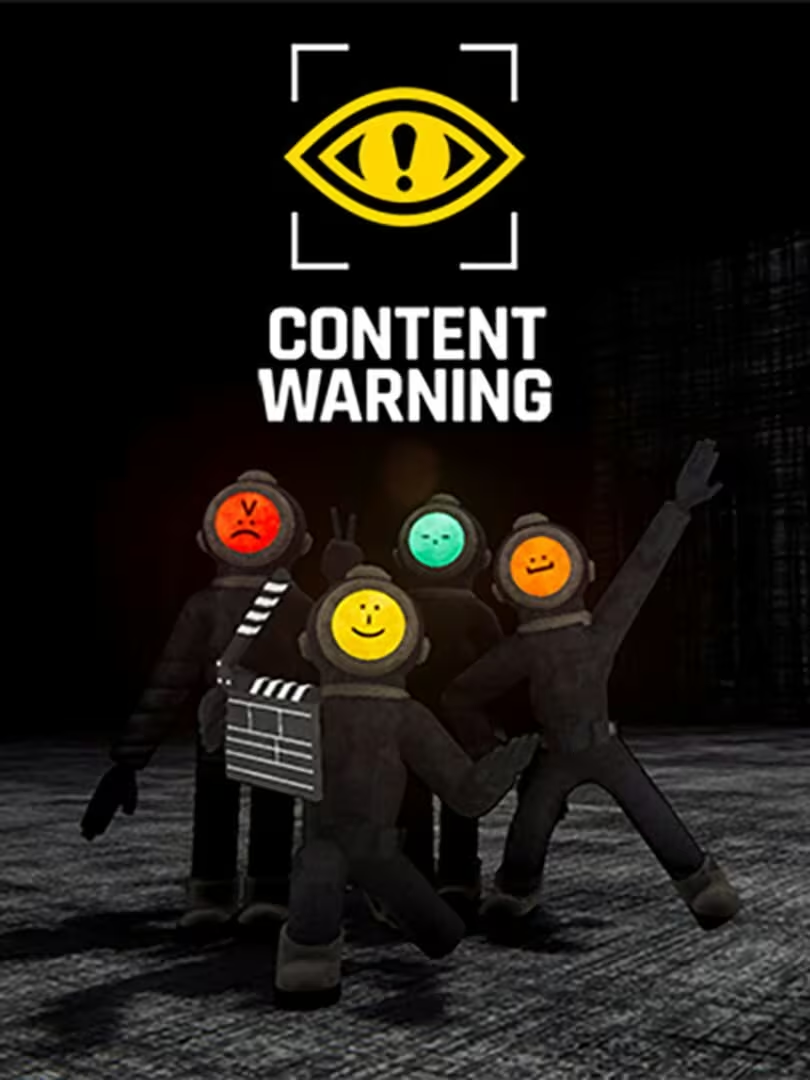 Content Warning
"Contains animated combat and humorous death sequences."
-
Survival
Game with the same Survival vibe
3"Players must avoid failure and manage threats in increasingly difficult levels and scenarios."
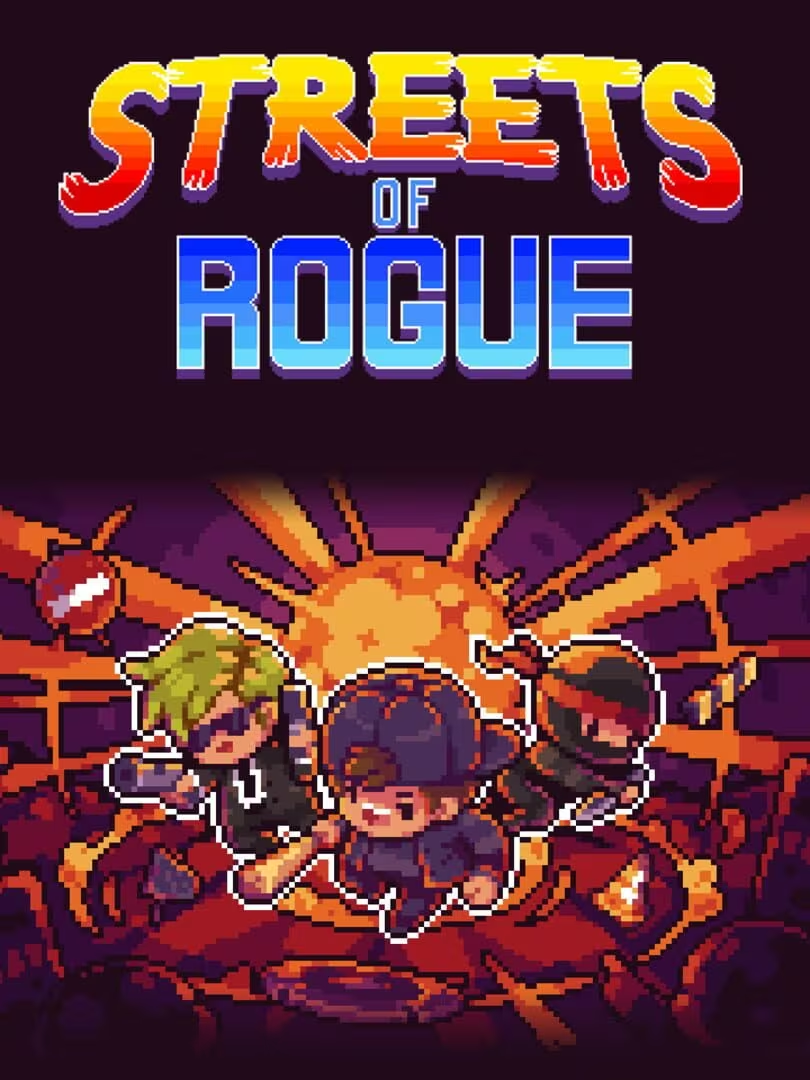 Streets of Rogue
"Players must avoid failure by reacting correctly to threats and hazards."
Last update: 01/06/2026