Tomb Raider II (1997) similar games & best alternatives
Should you play it?
The second instalment in the Tomb Raider series invites you to join Lara as she travels around the globe to retrieve a precious artefact before it falls into the wrong hands. The legendary artefact, the Dagger of Xian, is said to give its possessor the power of a fire breathing dragon.
What works
- Classic and nostalgic gameplay
- Challenging puzzles and platforming
- Diverse and atmospheric levels
- Engaging exploration and secrets
- Iconic character and soundtrack
Things to keep in mind
- Dated graphics and controls
- Clunky camera and tank controls
- High difficulty and frustration
- Lack of modern quality of life features
- Steam version requires patches for best experience
What to play next
Similar games, hidden gems, and fresh directions from this game.
Top picks
Games that feel the closest overall
Hidden Gems
Less popular games with surprisingly high similarity
If you liked…
Recommendations by what you enjoyed most
Similarity map
Explore nearby similar games and see why they’re close.
Tomb Raider II (1997): A very typical example of its motivational profile. Motivations that often define this kind of title include Fellowship, Violence, Survival, Cooperation. Here, the score leans higher than usual among comparable games on Exploration. It leans lower than usual among comparable games on Relaxation, Leadership.
Why this game works
A motivational profile of the game, with the closest similar game for each player motivation.
-
Autonomy
Game with the same Autonomy vibe
4"Players have control over Lara's movements, exploration, puzzle solving, and combat with some freedom in approach, despite some linear level design."
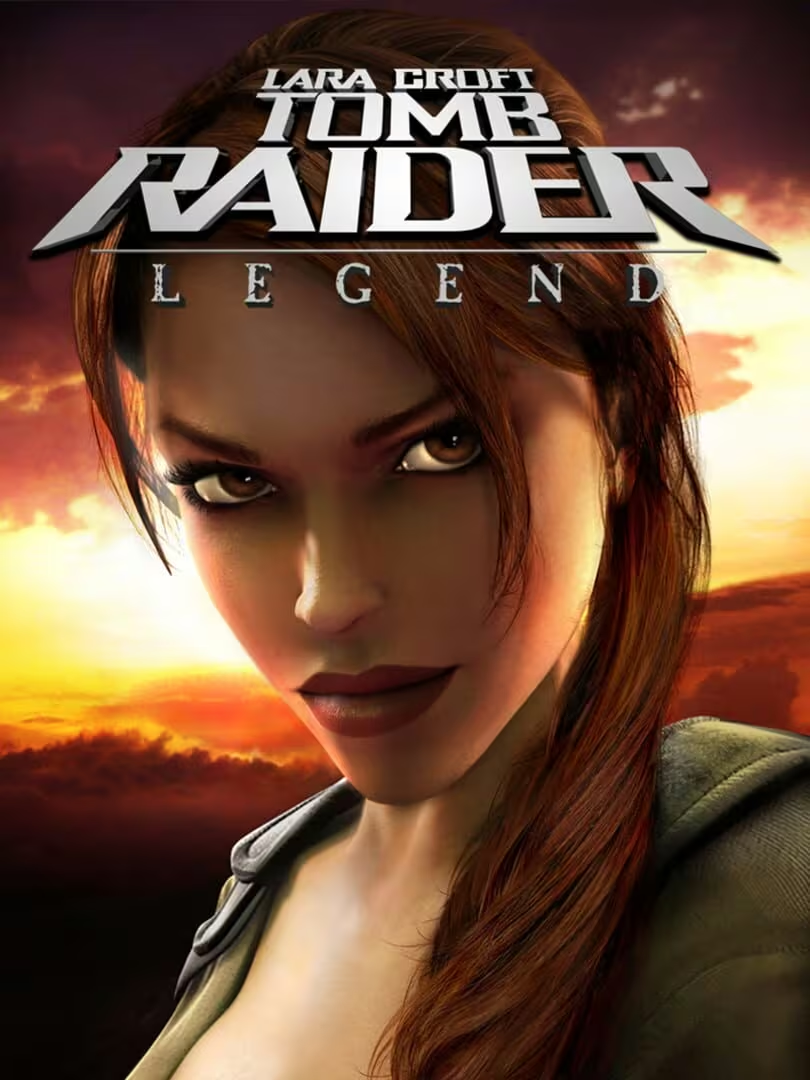 Tomb Raider: Legend
"Players have control over Lara's movements, exploration, combat, and puzzle solving with some freedom in approach."
-
Competence
Game with the same Competence vibe
4"The game requires skillful combat, puzzle solving, and platforming with increasing difficulty, providing strong feedback and mastery opportunities."
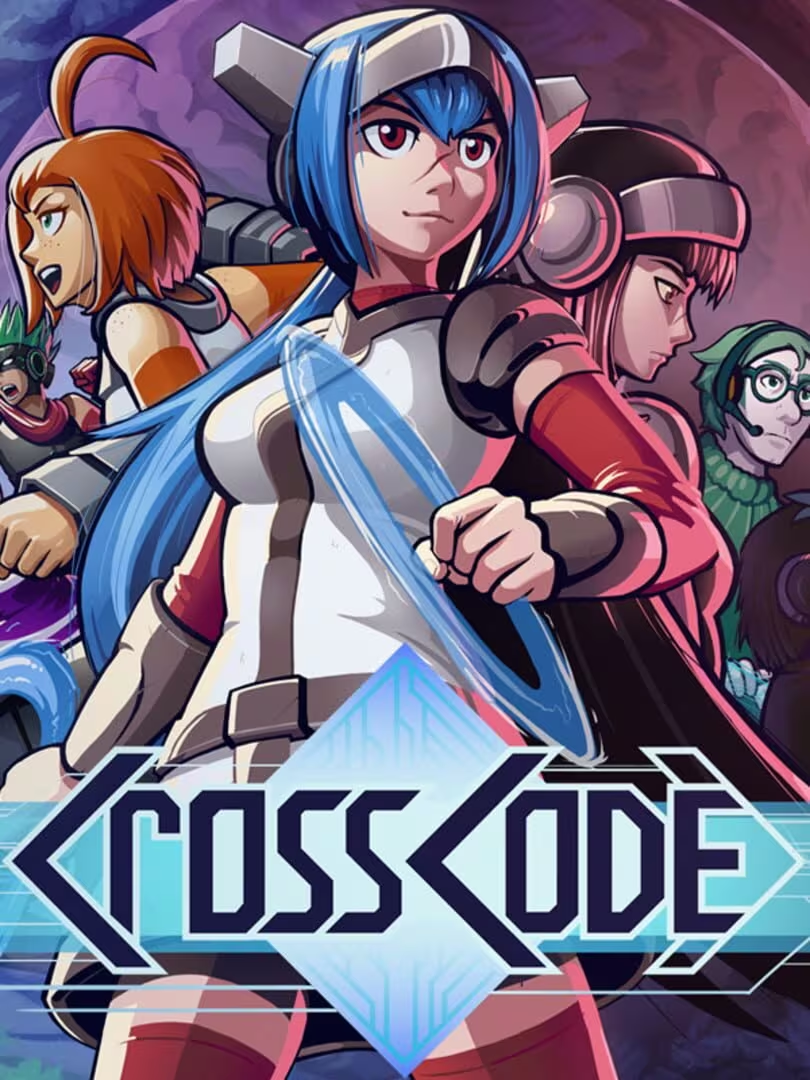 CrossCode
"The game requires skillful platforming, combat, and puzzle solving with challenging jumps and enemy encounters."
-
Competition
Game with the same Competition vibe
-4"Focus is on solo exploration and personal progression without multiplayer or leaderboard competition."
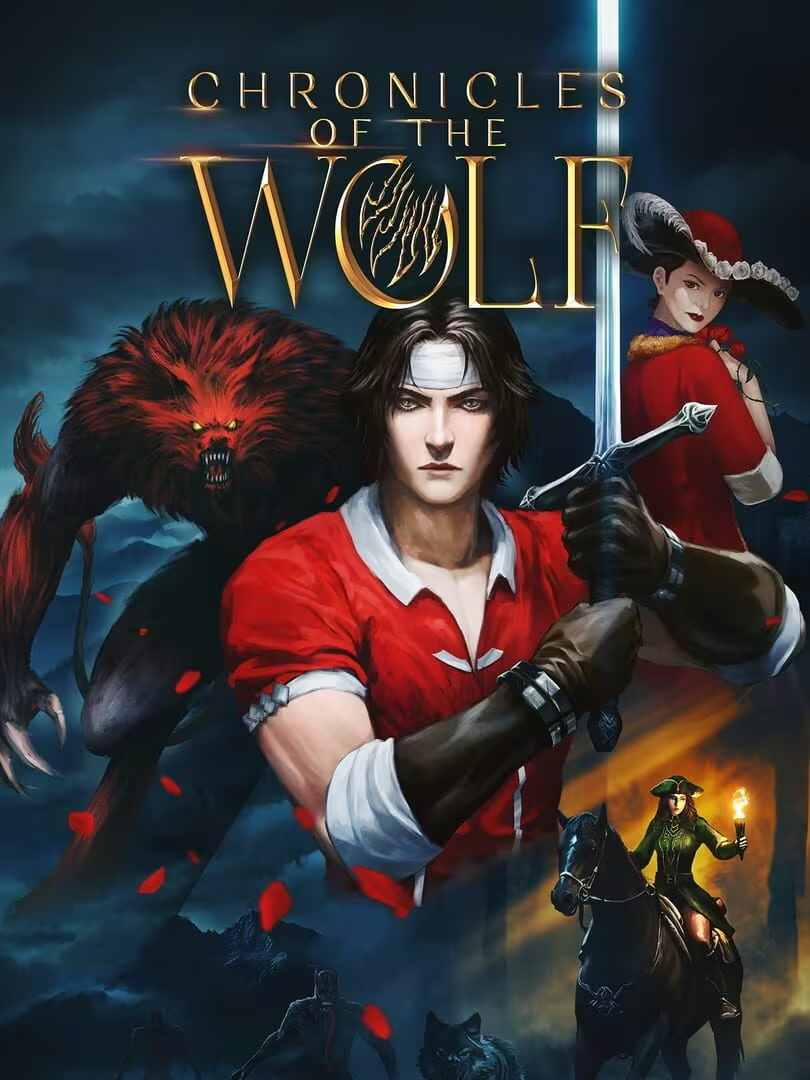 Chronicles of the Wolf
"Focus is on solo exploration and personal challenge without multiplayer or leaderboards."
-
Continuation
Game with the same Continuation vibe
3"Many players report long play sessions, nostalgia-driven repeated playthroughs, and strong attachment to the game and series."
 Tomb Raider: Underworld
"Many players report long play sessions and repeated playthroughs driven by nostalgia and challenge."
-
Cooperation
Game with the same Cooperation vibe
-5"Entirely single-player experience with no cooperative elements."
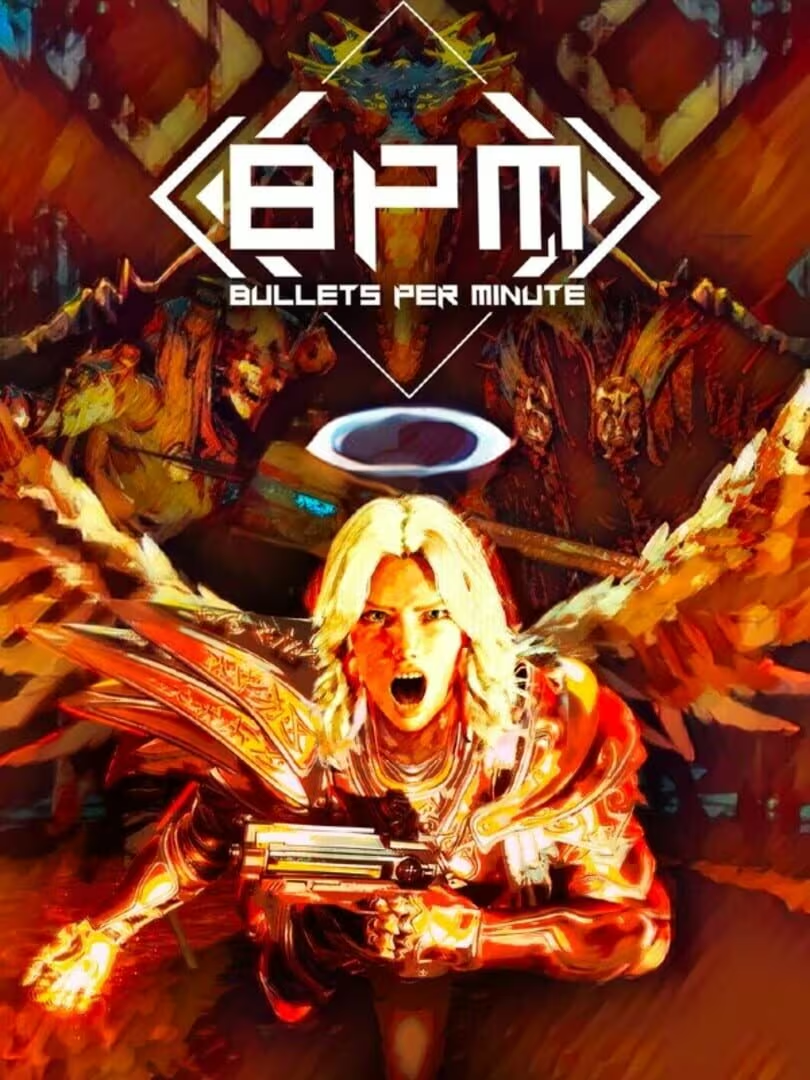 BPM: BULLETS PER MINUTE
"Entirely single-player experience with no cooperative elements."
-
Creativity
Game with the same Creativity vibe
3"Players engage creatively with puzzles and exploration, but within a fixed narrative and predefined environments."
 Still Life
"Players explore varied environments and solve puzzles, but follow a linear path with limited player-created content."
-
Domination
Game with the same Domination vibe
-5"No multiplayer or social dominance features; interactions are individual."
 Remember Me
"No multiplayer or social dominance features; interactions are solo."
-
Escapism
Game with the same Escapism vibe
4"Players use the game as a nostalgic, immersive escape with exploration and fantasy adventure."
 Ashen Empires
"Players use the game as a nostalgic escape into adventurous exploration and fantasy."
-
Expectation
Game with the same Expectation vibe
-4"Players engage voluntarily out of personal interest and nostalgia rather than obligation."
 RollerCoaster Tycoon® 3: Complete Edition
"Players engage voluntarily out of personal interest and nostalgia rather than obligation."
-
Experimenting
Game with the same Experimenting vibe
2"Exploration and puzzle-solving encourage some experimentation within the game’s systems."
 The Abbey of Crime Extensum
"Some experimentation with puzzle solutions and exploration is encouraged, though within a fixed game structure."
-
Exploration
Game with the same Exploration vibe
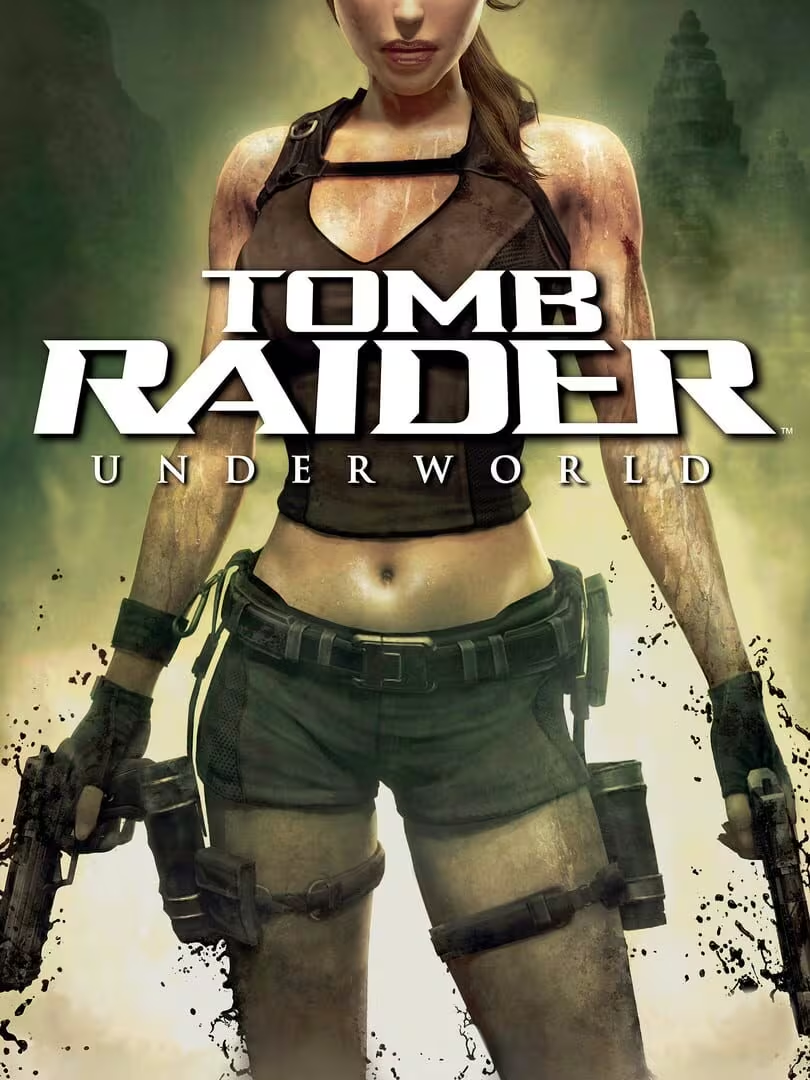
5"Strong emphasis on discovering new areas, secrets, and hidden collectibles across diverse and large environments."
Tomb Raider: Underworld
"Strong emphasis on discovering new areas, secrets, and hidden items across diverse locations."
-
Expression
Game with the same Expression vibe
2"Some character outfit changes and minor customization, but mostly standard presentation."
 Tomb Raider III (1998)
"Some character costume changes and minor customization, but mostly standardized presentation."
-
Fantasy
Game with the same Fantasy vibe
4"Game features imaginative fantasy elements like kings, magic, enchanted units, and mythical creatures."
 9 Kings
"Game features mythical elements like dragons and ancient magic artifacts in an adventurous fictional world."
-
Fellowship
Game with the same Fellowship vibe
-5"No social or community features; purely individual gameplay."
 KNIGHTS
"No social or community features; purely individual gameplay."
-
Growth
Game with the same Growth vibe
3"Players develop skills in platforming, combat, and puzzle solving throughout the game."
 Moss
Moss
"Players develop skills in platforming, combat, and puzzle solving through gameplay progression."
-
Health
Game with the same Health vibe
-5"Sedentary gameplay with no physical activity or health-related features."
 DRAGON BALL Z: KAKAROT
"Sedentary gameplay with no physical activity or health-related features."
-
Idle
Game with the same Idle vibe
-4"Requires focused attention and continuous engagement due to challenging gameplay."
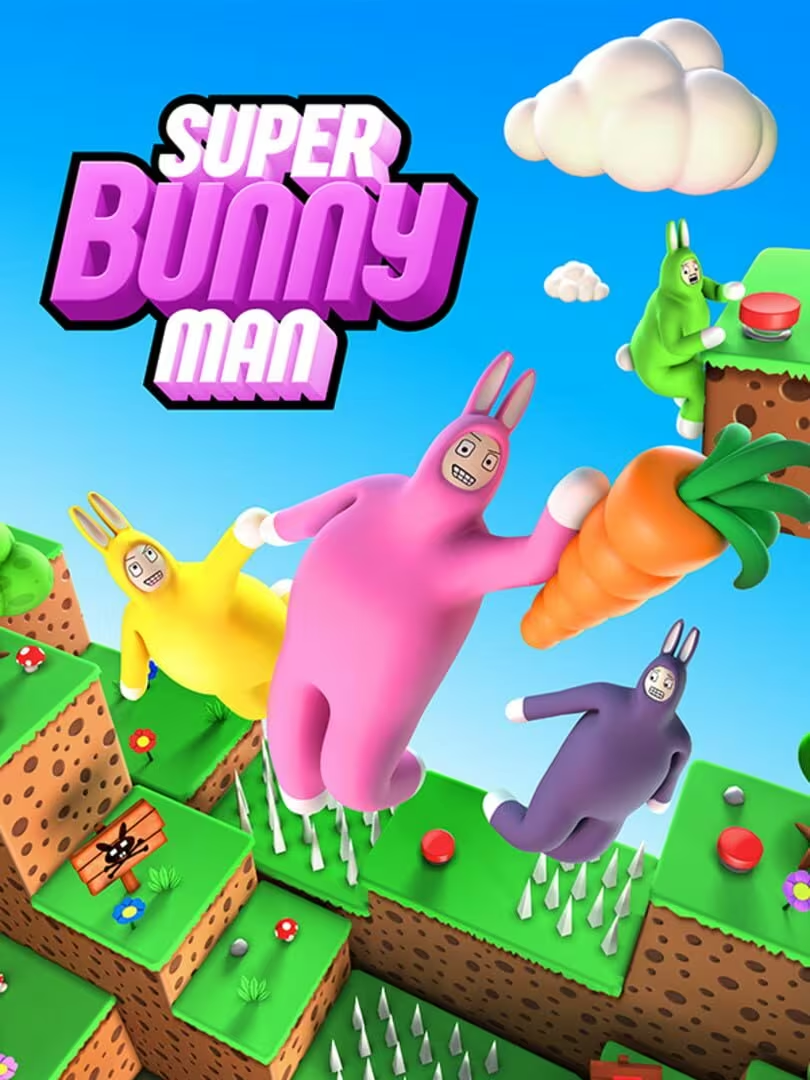 Super Bunny Man
"Requires focused attention and continuous engagement due to challenging gameplay."
-
Intimacy
Game with the same Intimacy vibe
-5"No social or emotional relationship-building elements."
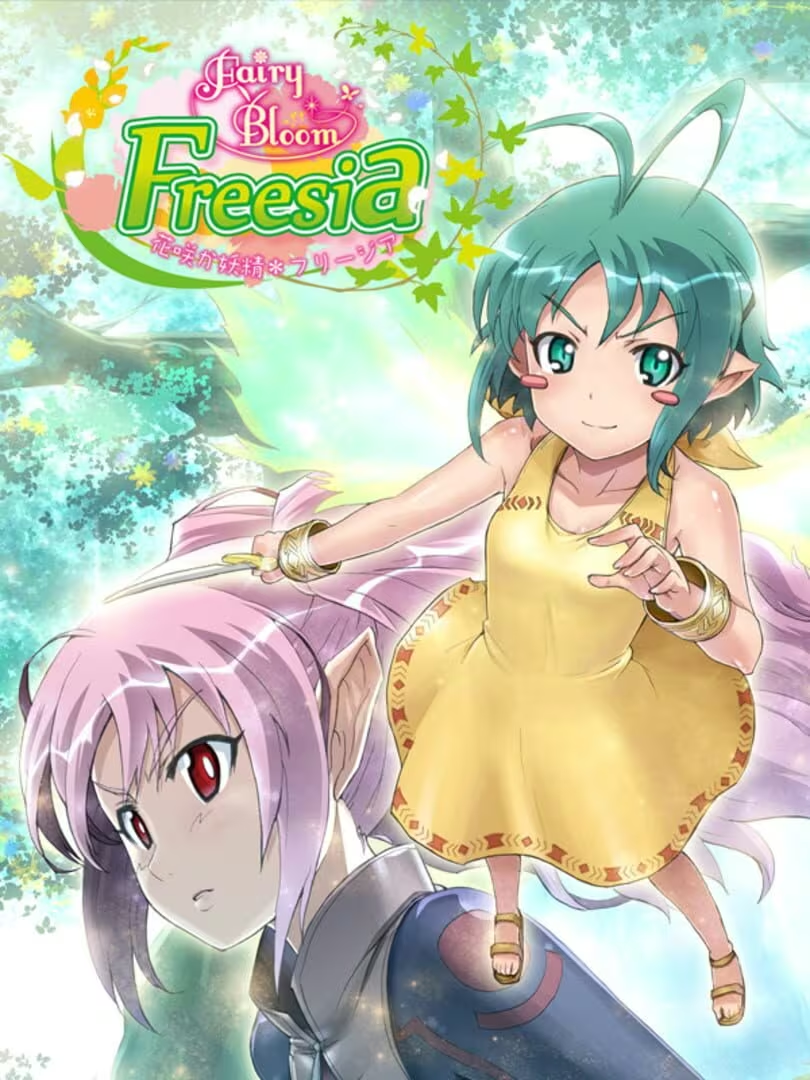 Fairy Bloom Freesia
"No social or emotional relationship-building elements."
-
Leadership
Game with the same Leadership vibe
-5"No leadership or group management features."
 Aim Hero
"No leadership or group management features."
-
Progression
Game with the same Progression vibe
4"Players collect weapons, ammo, and power-ups; game features upgrades and secrets."
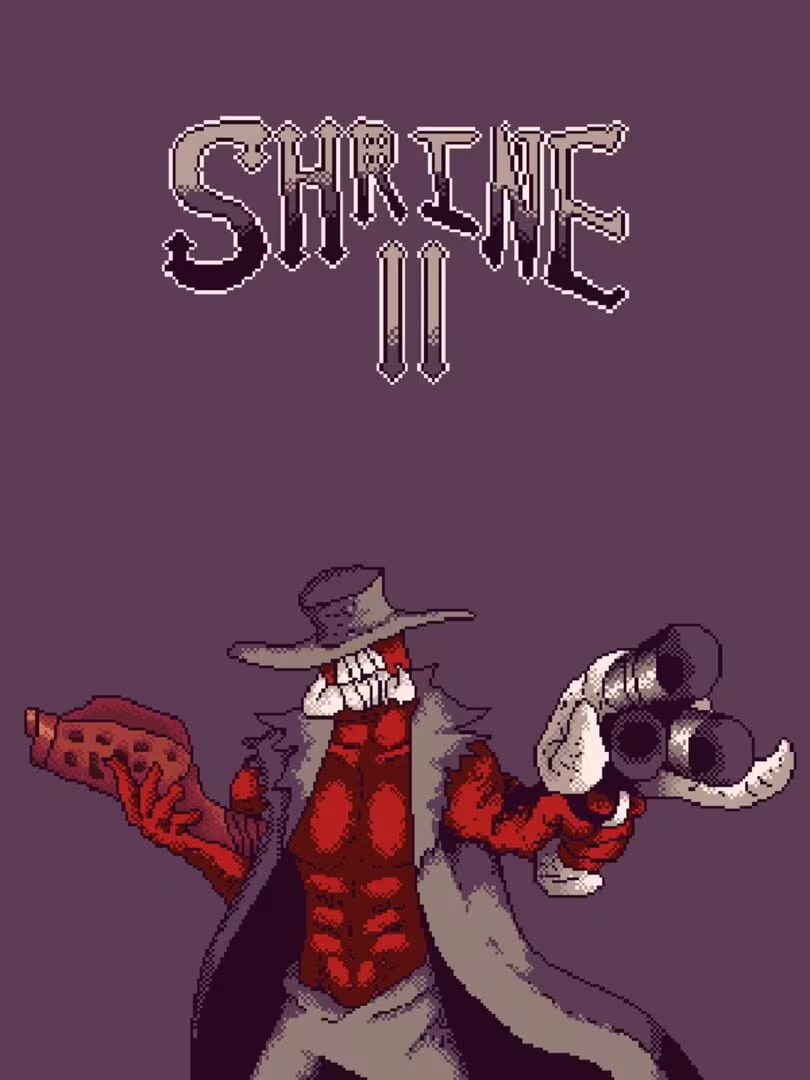 Shrine II
"Players collect weapons, ammo, and secrets to improve capabilities and advance."
-
Relaxation
Game with the same Relaxation vibe
-2"Gameplay is tense and challenging with frequent deaths and need for tactical awareness."
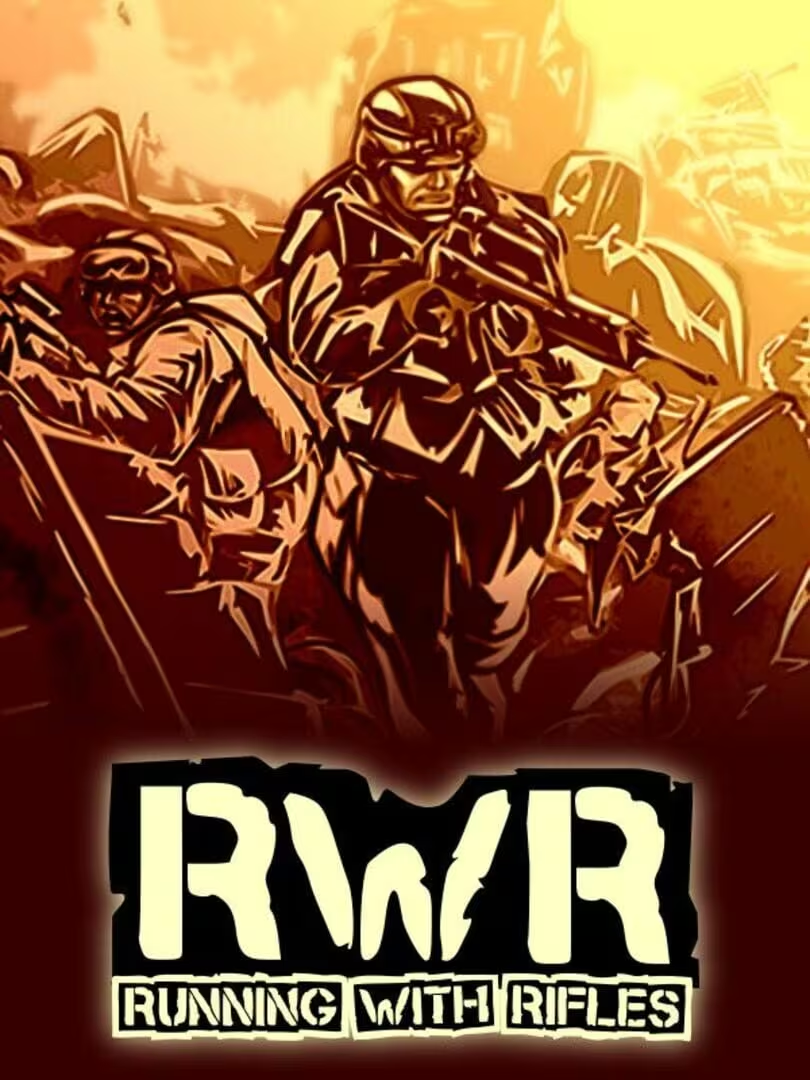 RUNNING WITH RIFLES
"Gameplay can be tense and challenging with frequent deaths and precise timing required."
-
Sensation
Game with the same Sensation vibe
3"Atmospheric music, sound effects, and visual style provide sensory engagement."
 Razenroth
"Atmospheric music and sound effects enhance sensory engagement despite dated graphics."
-
Status
Game with the same Status vibe
-5"No social recognition or ranking systems."
 Trover Saves the Universe
"No social recognition or ranking systems."
-
Story
Game with the same Story vibe
2"Light narrative with character interactions and cutscenes, but story is not the main focus."
 Hextech Mayhem: A League of Legends Story™
"Simple narrative with cutscenes linking levels, but story is not the main focus."
-
Strategy
Game with the same Strategy vibe
3"Players must plan jumps, use weapons tactically, and solve puzzles."
 BattleBlock Theater®
"Players must plan jumps, combat tactics, and puzzle solutions, requiring problem solving."
-
Thrill
Game with the same Thrill vibe
3"Game provides suspense and tension from survival challenges and combat encounters."
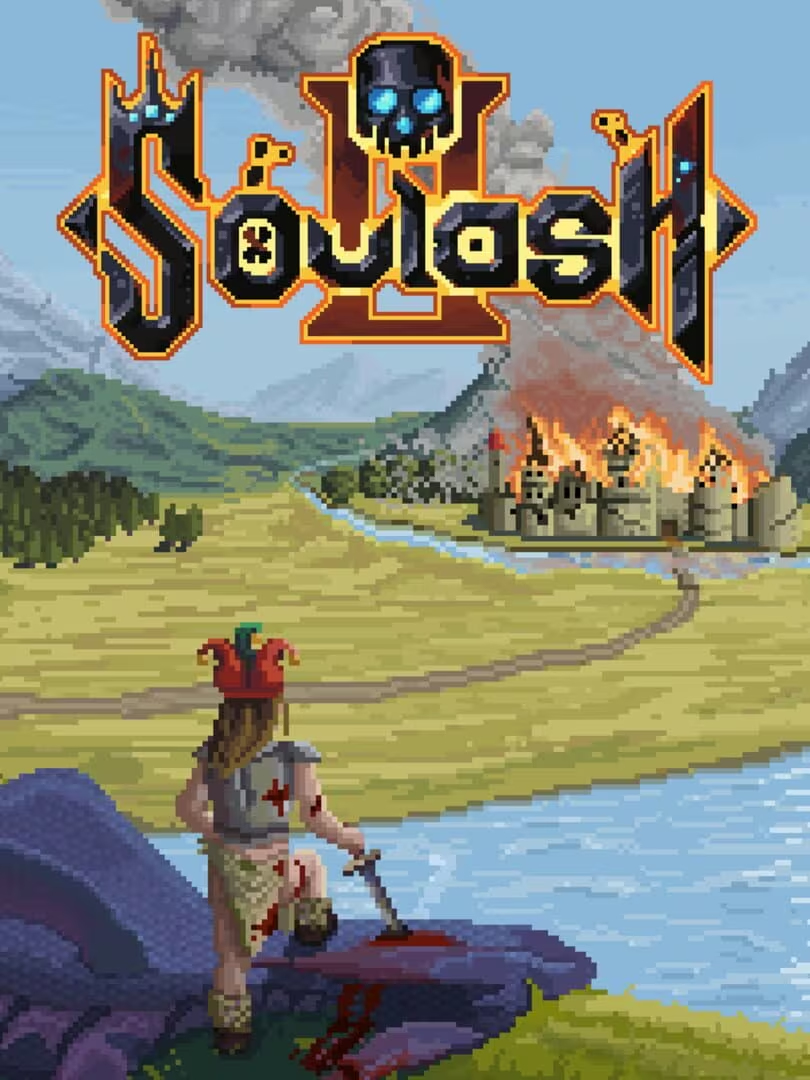 Soulash 2
"Game provides suspense and tension through traps, enemies, and timed challenges."
-
Value
Game with the same Value vibe
4"Players perceive good value due to challenging gameplay, replayability, and nostalgic appeal."
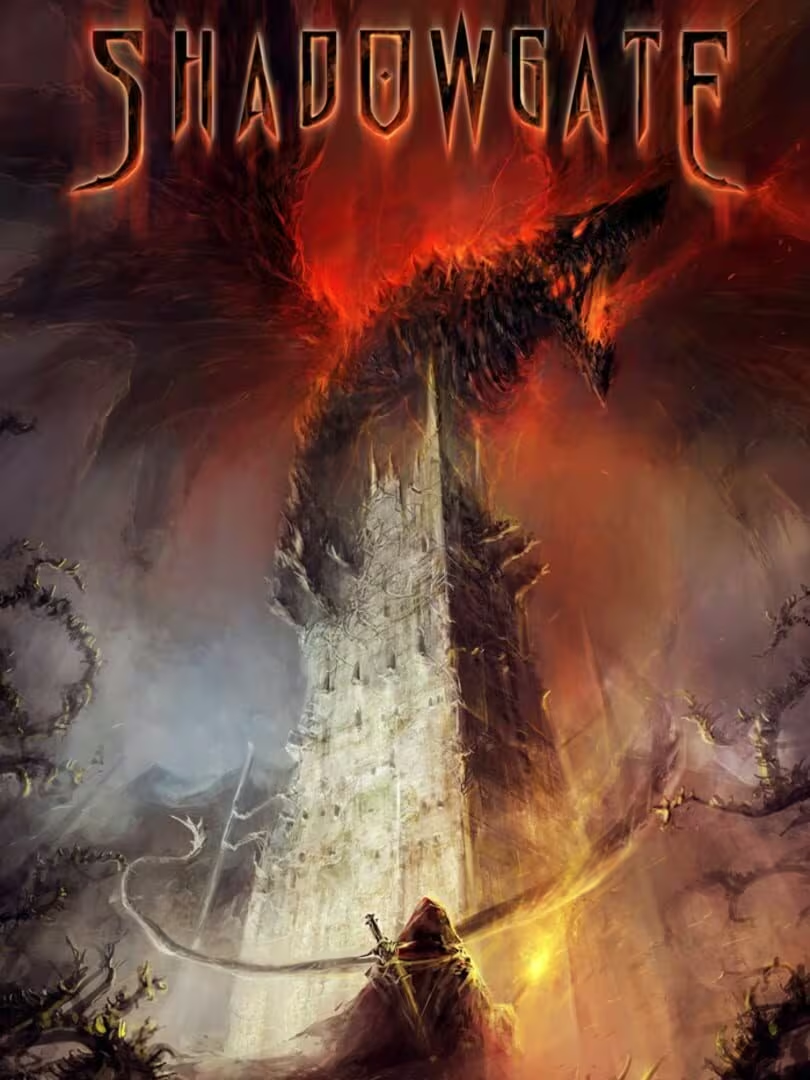 Shadowgate
"Players perceive good value due to nostalgia, length, and challenging gameplay."
-
Violence
Game with the same Violence vibe
3"Combat involves shooting and destroying enemies with various weapons and effects."
 DubWars
"Combat involves shooting and killing enemies, including humans and animals."
-
Survival
Game with the same Survival vibe
3"Players must avoid death from traps and enemies, manage health and ammo to survive."
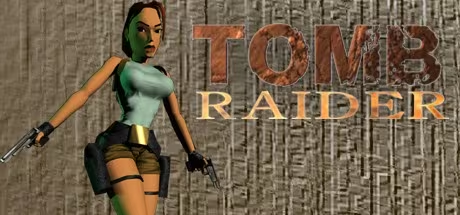 Tomb Raider I (1996)
"Players must avoid death from traps and enemies, managing health and ammo."
Last update: 01/06/2026