Shrine II similar games & best alternatives
Should you play it?
Shrine II is a retro FPS game with a focus on atmosphere and exploration. Explore a nightmarish world and battle great bosses where the surprises never end...
What works
- Unique and creative weapons
- Strong atmospheric and eldritch horror setting
- Challenging and engaging combat
- Extensive content for a free game
- Interesting level design with secrets
Things to keep in mind
- Final boss causes severe framerate drops
- Some difficulty spikes and bullet sponge enemies
- Some levels feel linear or filler
- Lack of tutorials or guidance
- No multiplayer or social features
What to play next
Similar games, hidden gems, and fresh directions from this game.
Top picks
Games that feel the closest overall
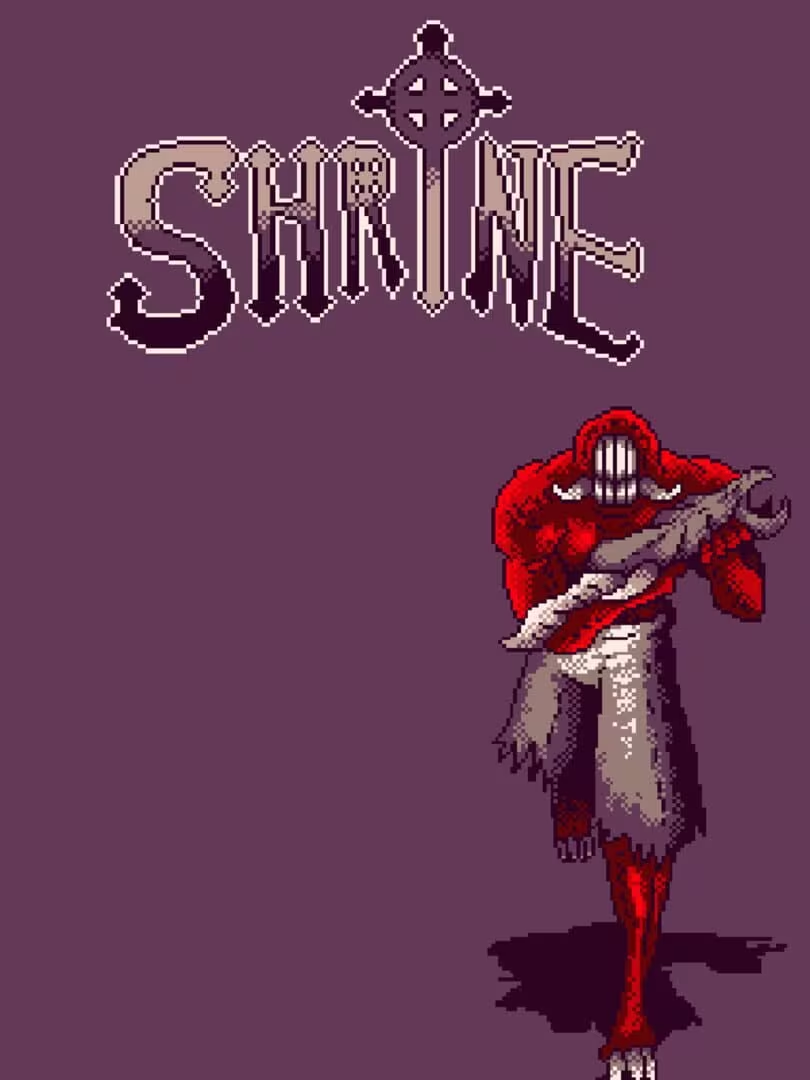
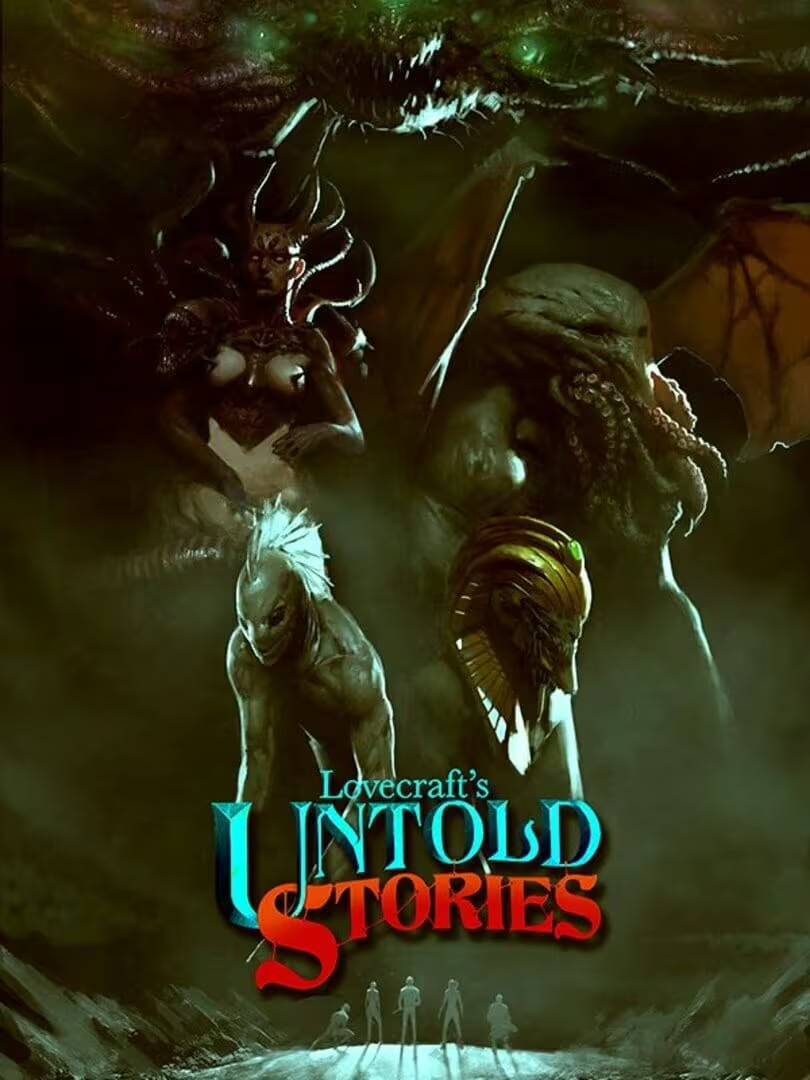
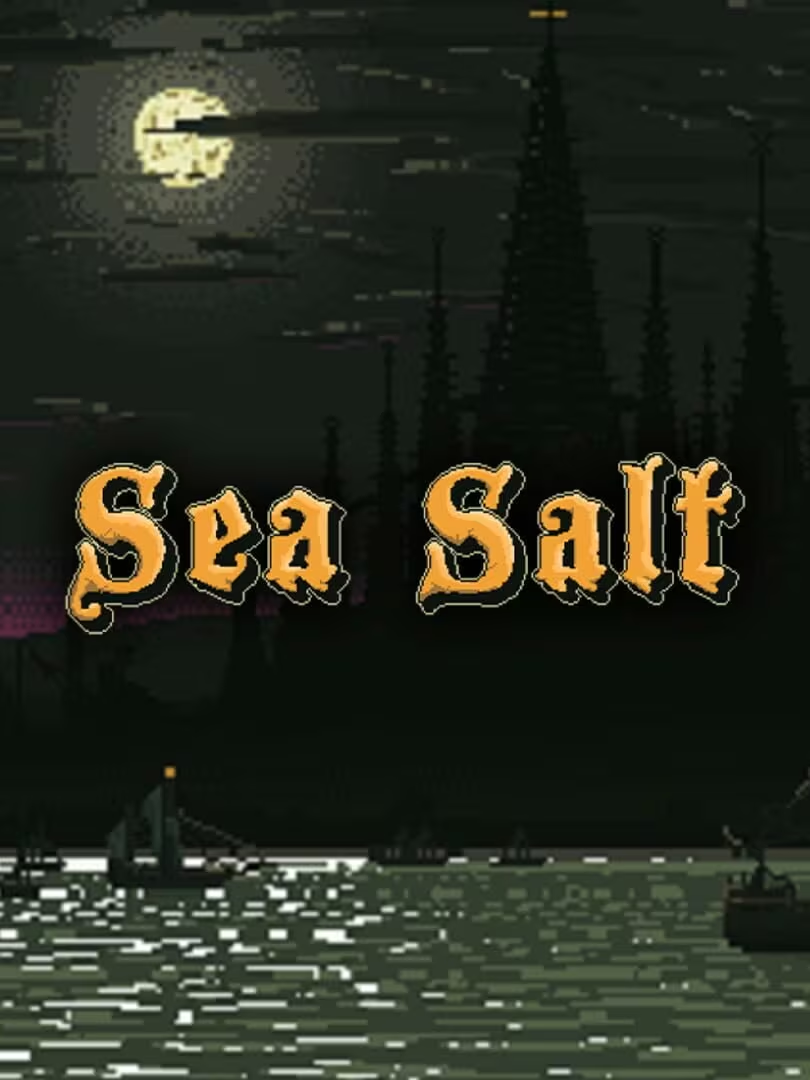
Hidden Gems
Less popular games with surprisingly high similarity
If you liked…
Recommendations by what you enjoyed most
Similarity map
Explore nearby similar games and see why they’re close.
Shrine II: A very typical example of its motivational profile. Motivations that often define this kind of title include Fellowship, Violence, Survival, Cooperation. Here, the score leans higher than usual among comparable games on Violence. It leans lower than usual among comparable games on Leadership, Relaxation.
Why this game works
A motivational profile of the game, with the closest similar game for each player motivation.
-
Autonomy
Game with the same Autonomy vibe
4"Players have freedom to explore levels, choose weapons, and experiment with movement and combat styles."
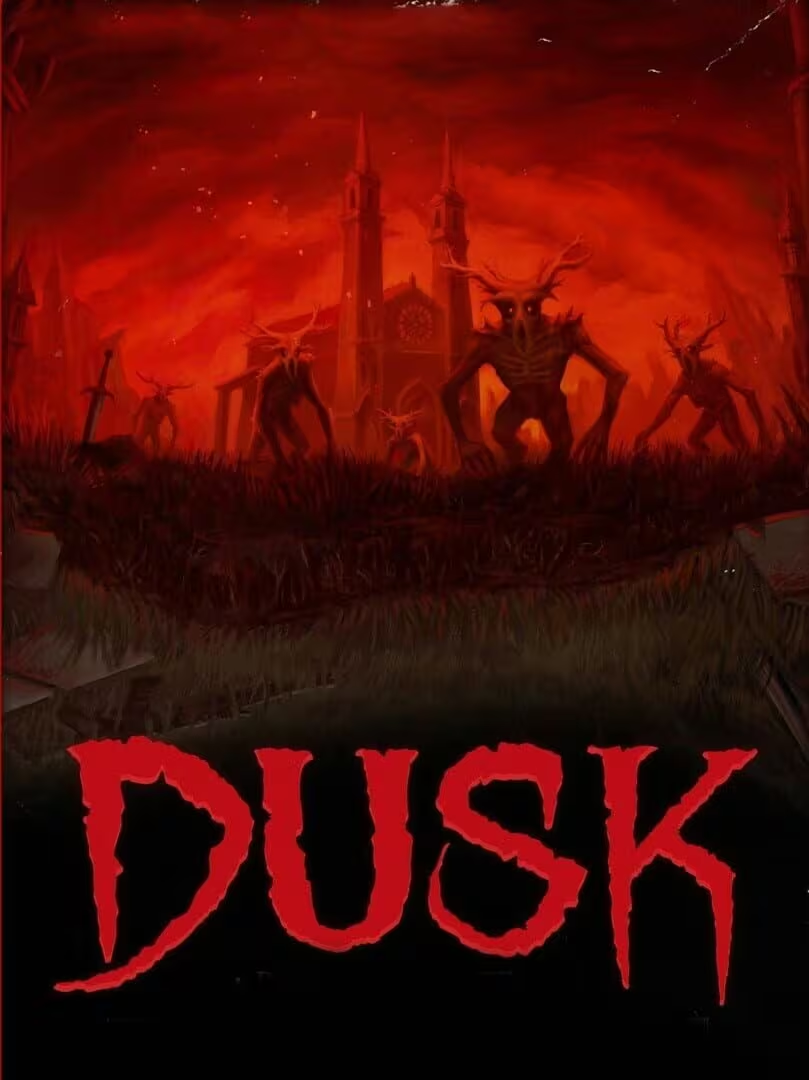 DUSK
DUSK
"Players have freedom to explore levels, choose weapons, and use different tactics including movement and combat styles."
-
Competence
Game with the same Competence vibe
3"The game offers skill-based combat, crafting, and progression with feedback, but some grind and bullet sponge enemies reduce challenge variety."
 Fallout 76
"The game offers challenging combat with skill-based mechanics, but some complaints about bullet sponge enemies and difficulty spikes."
-
Competition
Game with the same Competition vibe
-4"Focus is on single-player experience without competitive or ranked modes."
 South Park™: The Stick of Truth™
"Focus is on single-player experience without competitive or ranked modes."
-
Continuation
Game with the same Continuation vibe
3"Players report multiple playthroughs and replay value due to weapon upgrades and secrets, indicating habitual engagement."
 The Citadel
"Players report habitual play and replay value due to exploration, secrets, and weapon variety."
-
Cooperation
Game with the same Cooperation vibe
-5"Entirely single-player with no cooperative gameplay elements."
 Darksiders II Deathinitive Edition
"Entirely single-player with no cooperative gameplay elements."
-
Creativity
Game with the same Creativity vibe
4"Unique art style, narrative, and combat mechanics encourage creative expression and experimentation."
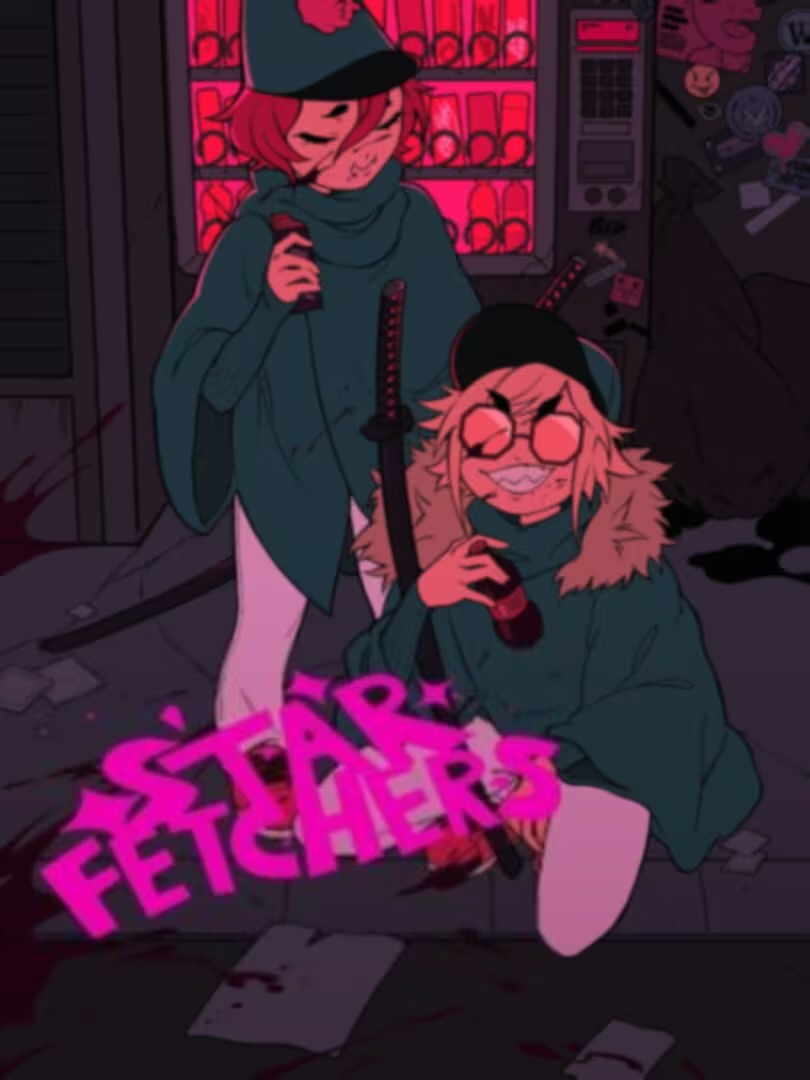 Star Fetchers
"Unique weapon designs, imaginative enemies, and atmospheric level design encourage creative combat approaches."
-
Domination
Game with the same Domination vibe
-5"No evidence of dominating others; gameplay is individual and skill-based."
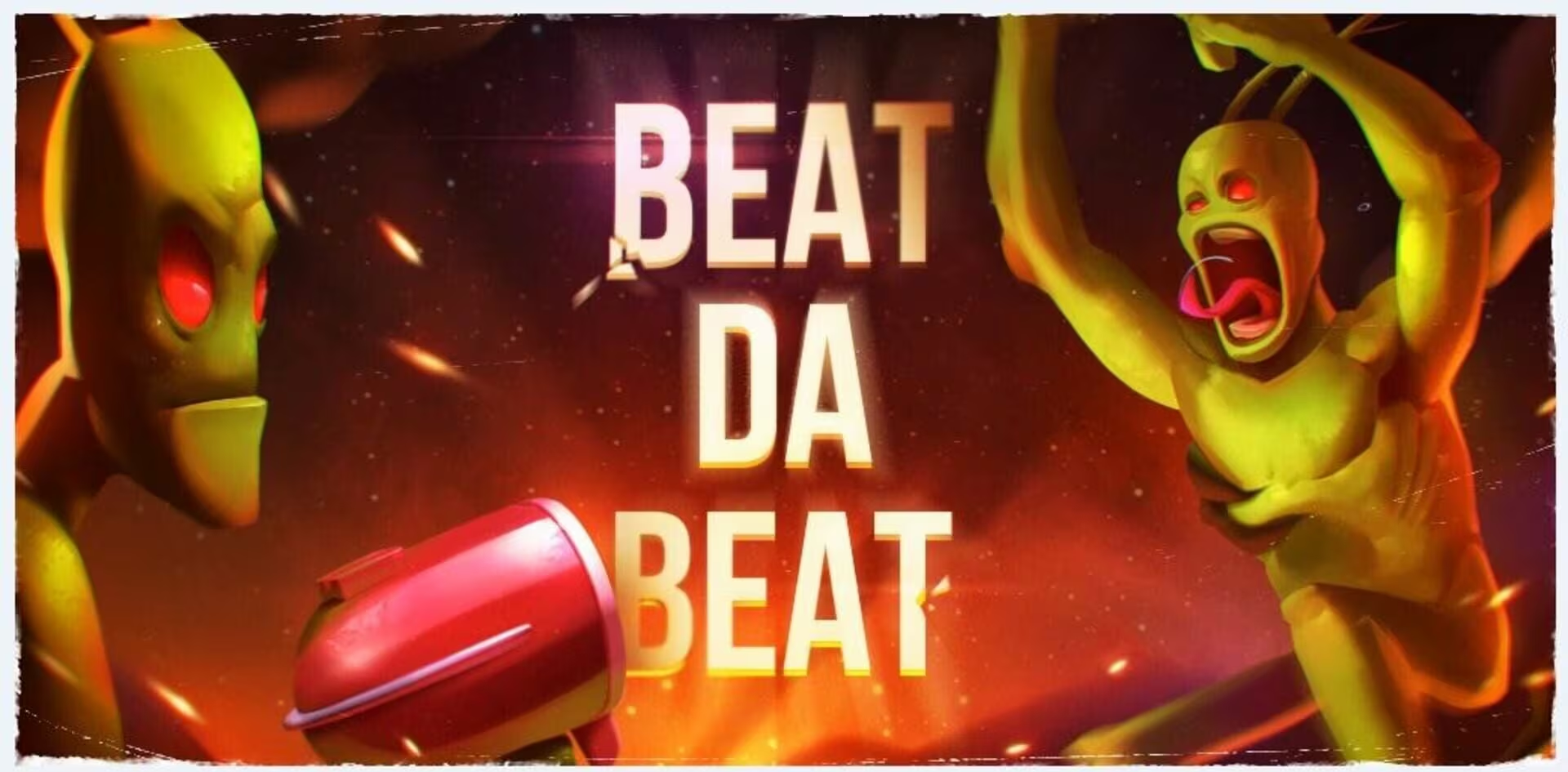 Beat Da Beat
"No evidence of dominating other players; gameplay is individual and non-social."
-
Escapism
Game with the same Escapism vibe
4"Strong atmospheric horror setting provides immersive escape from reality."
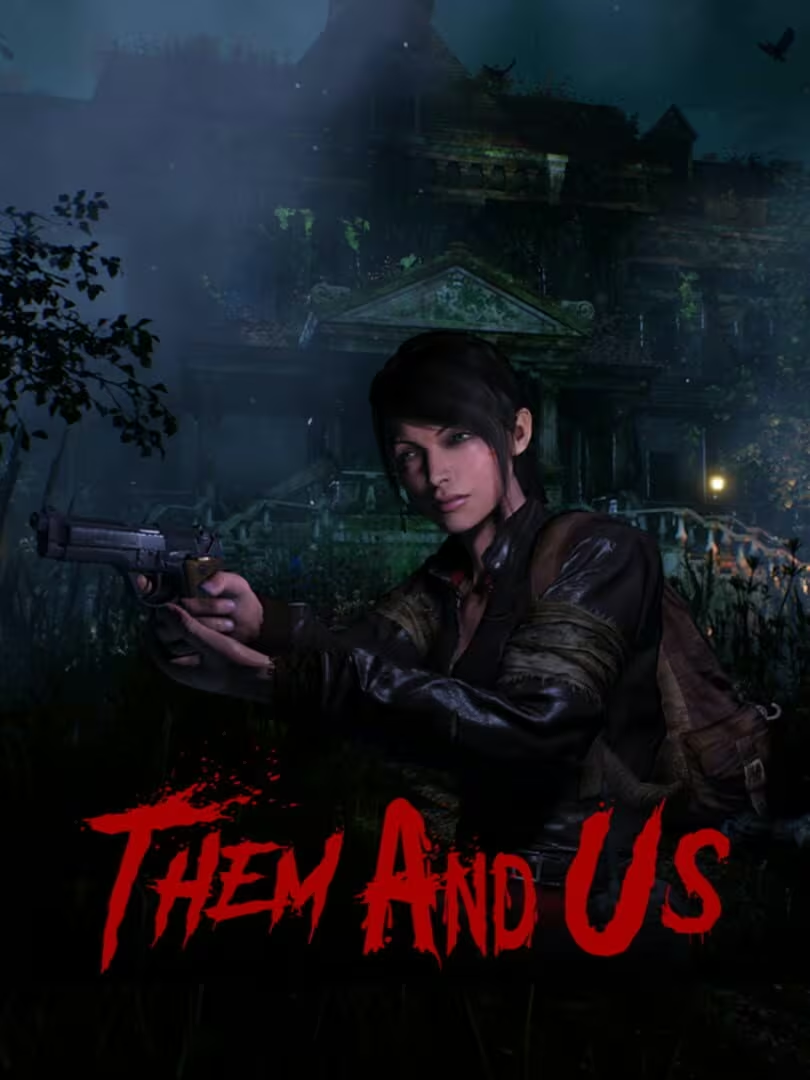 Them and Us
"Strong atmospheric and immersive horror setting provides escape from reality."
-
Expectation
Game with the same Expectation vibe
-4"Players engage voluntarily for intrinsic interest and enjoyment."
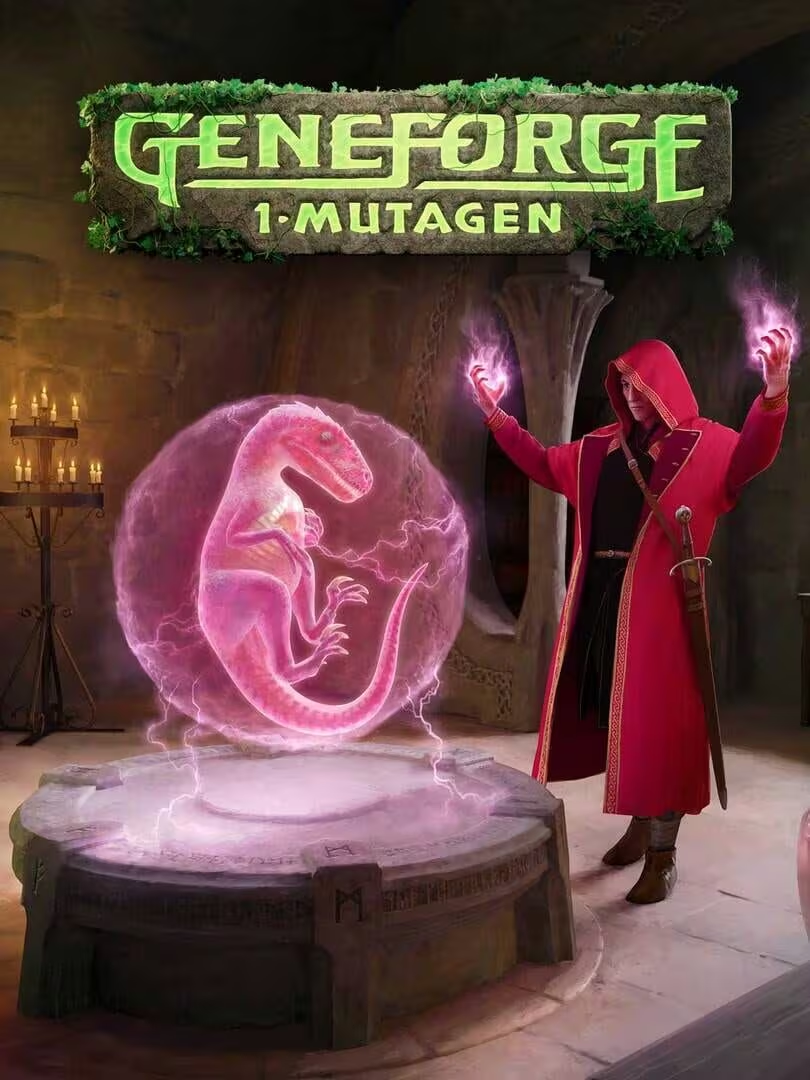 Geneforge 1
"Players engage voluntarily for intrinsic interest and enjoyment."
-
Experimenting
Game with the same Experimenting vibe
3"Players experiment with new weapons, tactics, and explore varied environments and secrets."
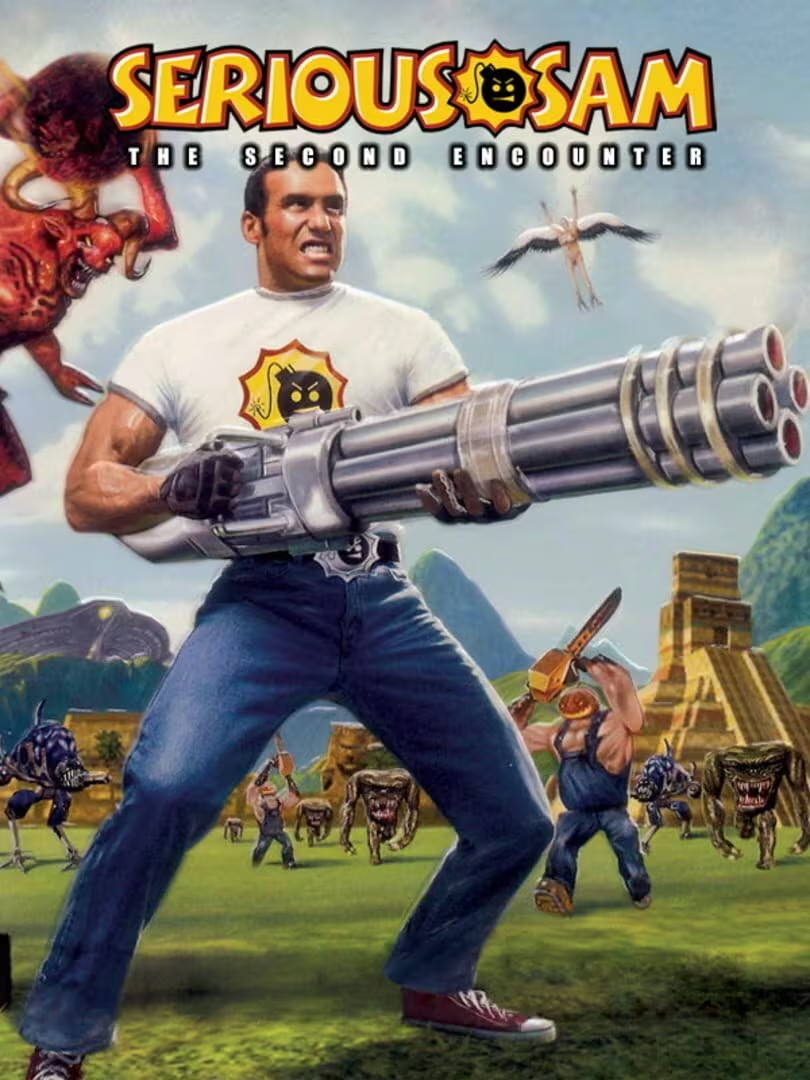 Serious Sam Classic: The Second Encounter
"Players experiment with different weapons, movement mechanics, and exploration of secrets."
-
Exploration
Game with the same Exploration vibe
3"Levels have secrets and puzzles encouraging exploration, though overall linear."
 Rune Classic
"Levels contain secrets and encourage exploration, though some maps are more linear."
-
Expression
Game with the same Expression vibe
2"Some character and weapon customization but limited cosmetic personalization."
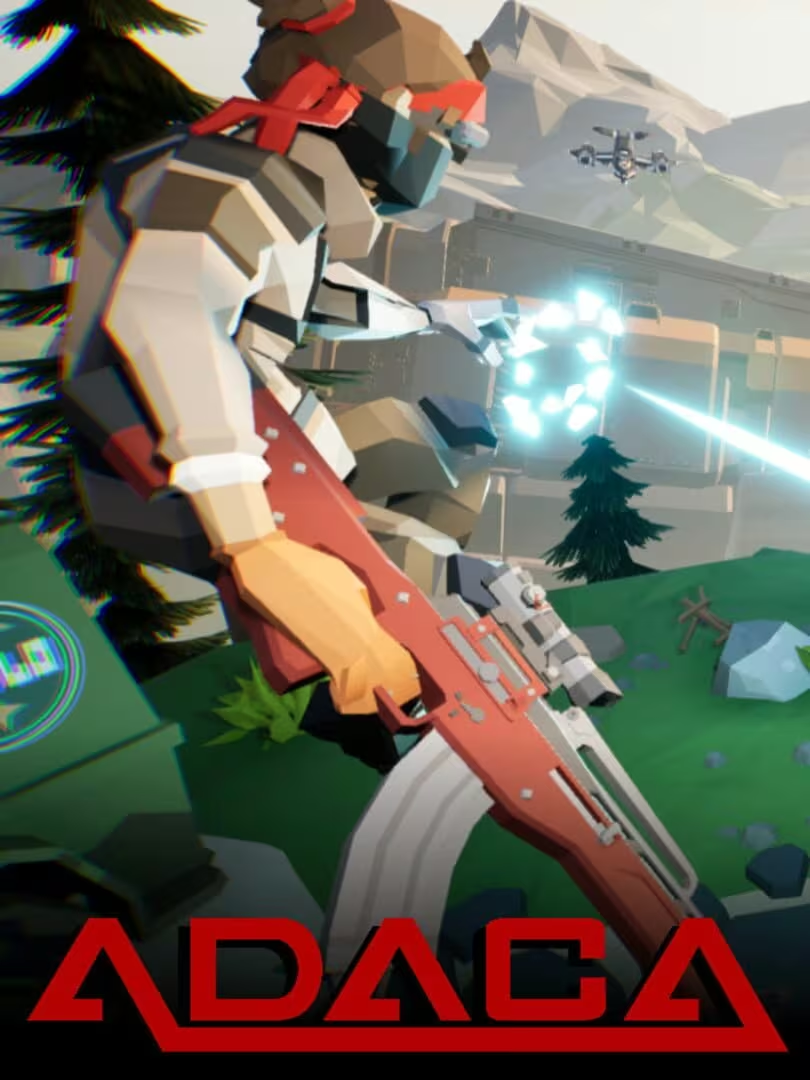 ADACA
ADACA
"Some character and weapon customization through choice, but limited cosmetic personalization."
-
Fantasy
Game with the same Fantasy vibe
5"Strong fantasy and eldritch horror themes with surreal, imaginative settings and creatures."
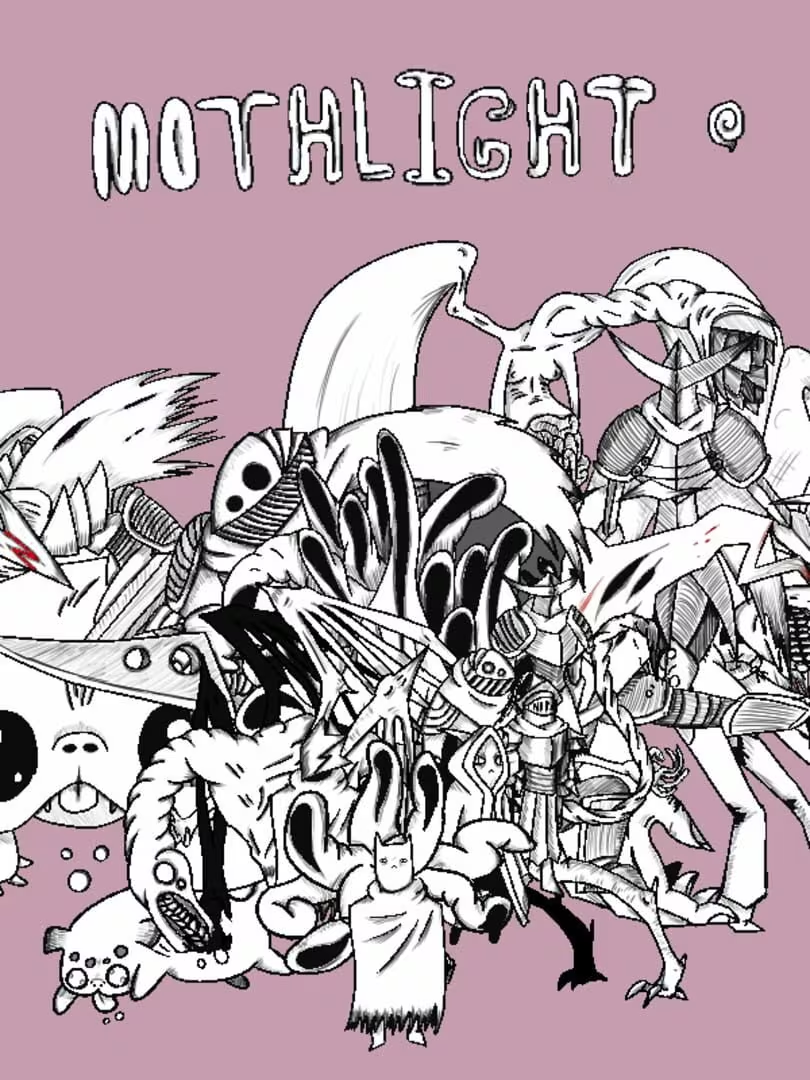 Mothlight
"Strongly fantastical and eldritch horror themes with surreal and imaginative settings and enemies."
-
Fellowship
Game with the same Fellowship vibe
-5"No multiplayer or social community features described; primarily solo play."
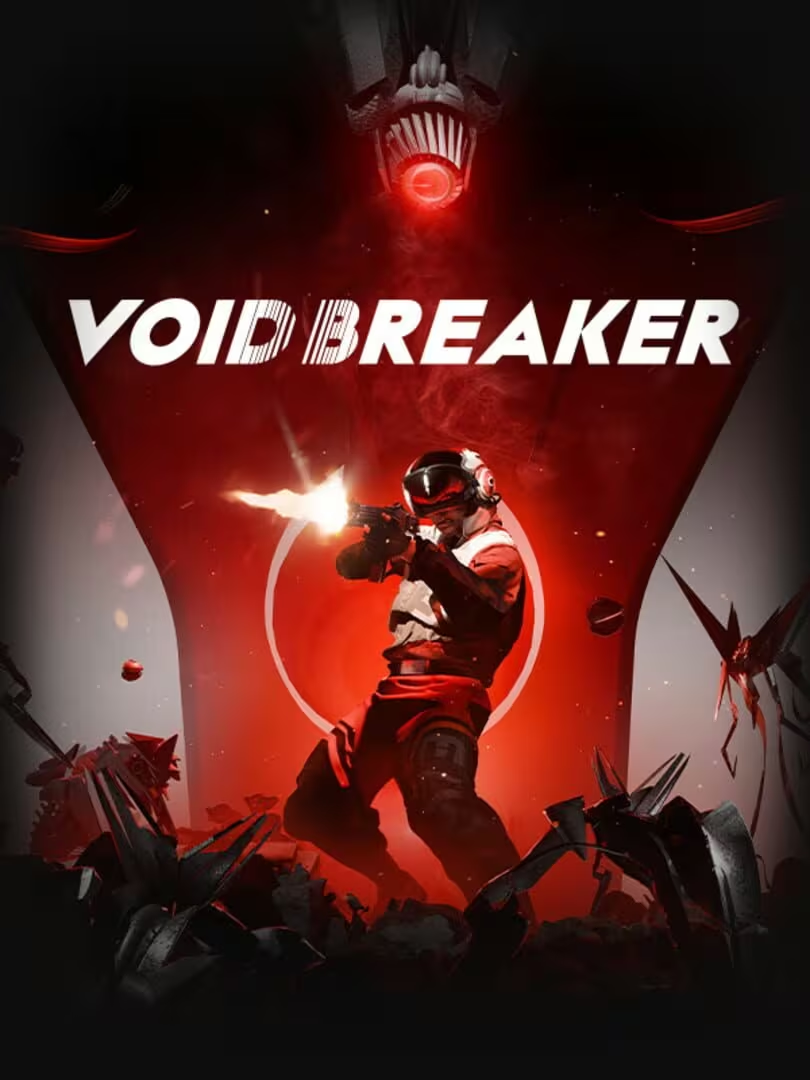 VOID/BREAKER
"No multiplayer or community interaction described."
-
Growth
Game with the same Growth vibe
3"Players develop parkour skills and learn game mechanics, though some find difficulty spikes frustrating."
 Finding Frankie
"Players develop skills and learn enemy patterns; some complaints about difficulty spikes."
-
Health
Game with the same Health vibe
-5"Typical sedentary FPS gameplay with no physical activity component."
 Dino D-Day
"Typical sedentary FPS gameplay with no physical activity components."
-
Idle
Game with the same Idle vibe
-3"Requires focus and attention; not a casual or background game."
 POSTAL
"Requires focused attention; not a casual or background game."
-
Intimacy
Game with the same Intimacy vibe
-5"No social or emotional relationship building."
 Five Nights at Freddy's 2
"No social or emotional relationship building."
-
Leadership
Game with the same Leadership vibe
-5"No leadership or group management elements."
 High On Life
"No leadership or group management elements."
-
Progression
Game with the same Progression vibe
4"Players collect weapons, ammo, and power-ups; progression through levels and expansions."
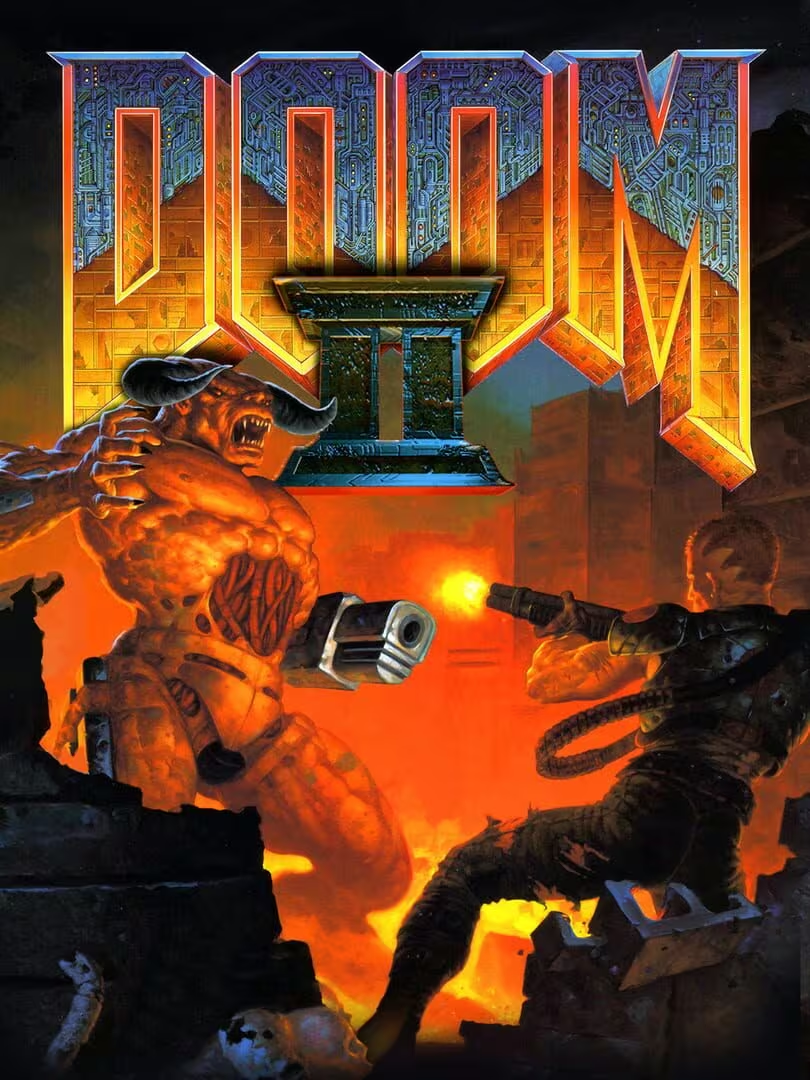 DOOM + DOOM II
"Players collect weapons, ammo, and power-ups; game features upgrades and secrets."
-
Relaxation
Game with the same Relaxation vibe
-1"Challenging gameplay with some tension; not primarily designed for relaxation but can be satisfying."
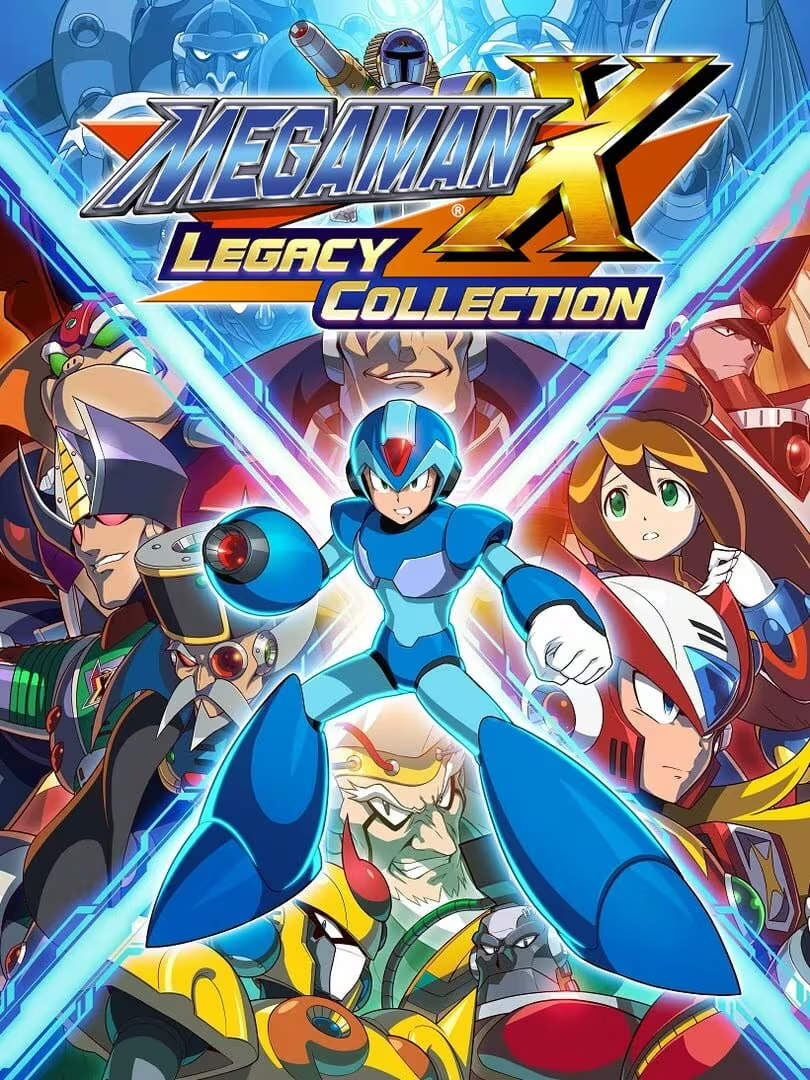 Mega Man X Legacy Collection
"Some tension and challenge present; not purely relaxing but not overly stressful."
-
Sensation
Game with the same Sensation vibe
4"Strong sensory stimulation through unique visuals, sound design, and atmospheric music."
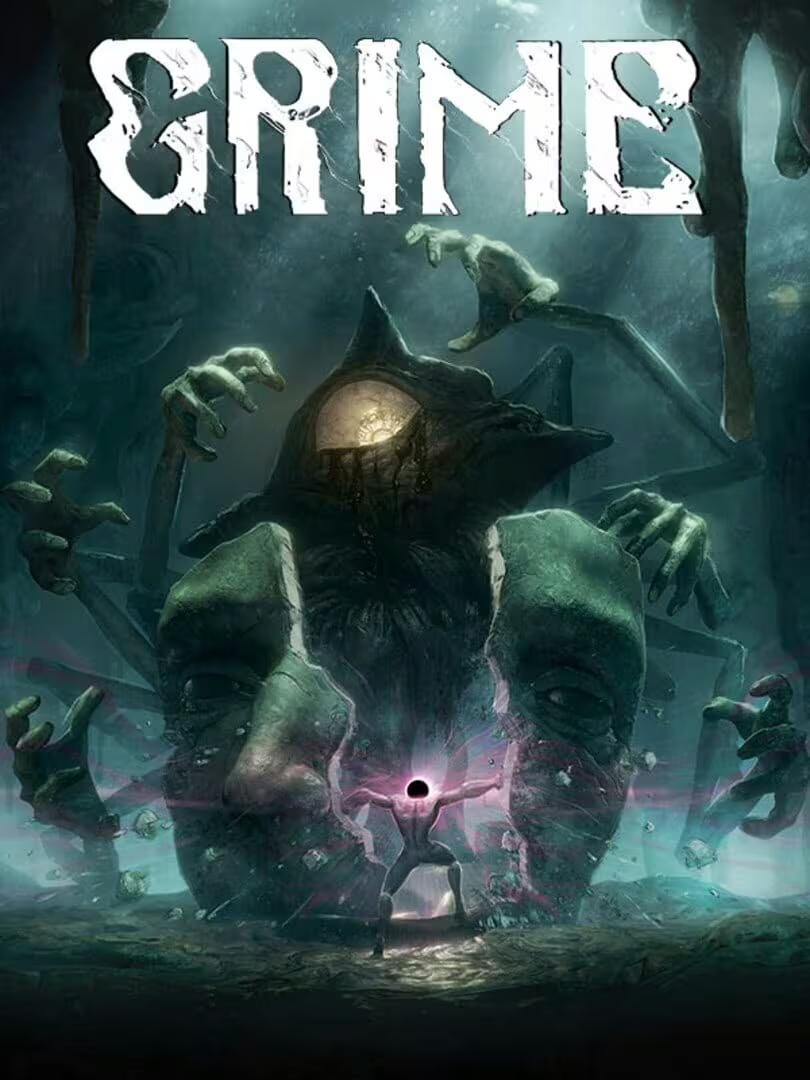 GRIME
GRIME
"Strong sensory stimulation from visuals, sound design, and atmospheric music."
-
Status
Game with the same Status vibe
-5"No social recognition or ranking systems."
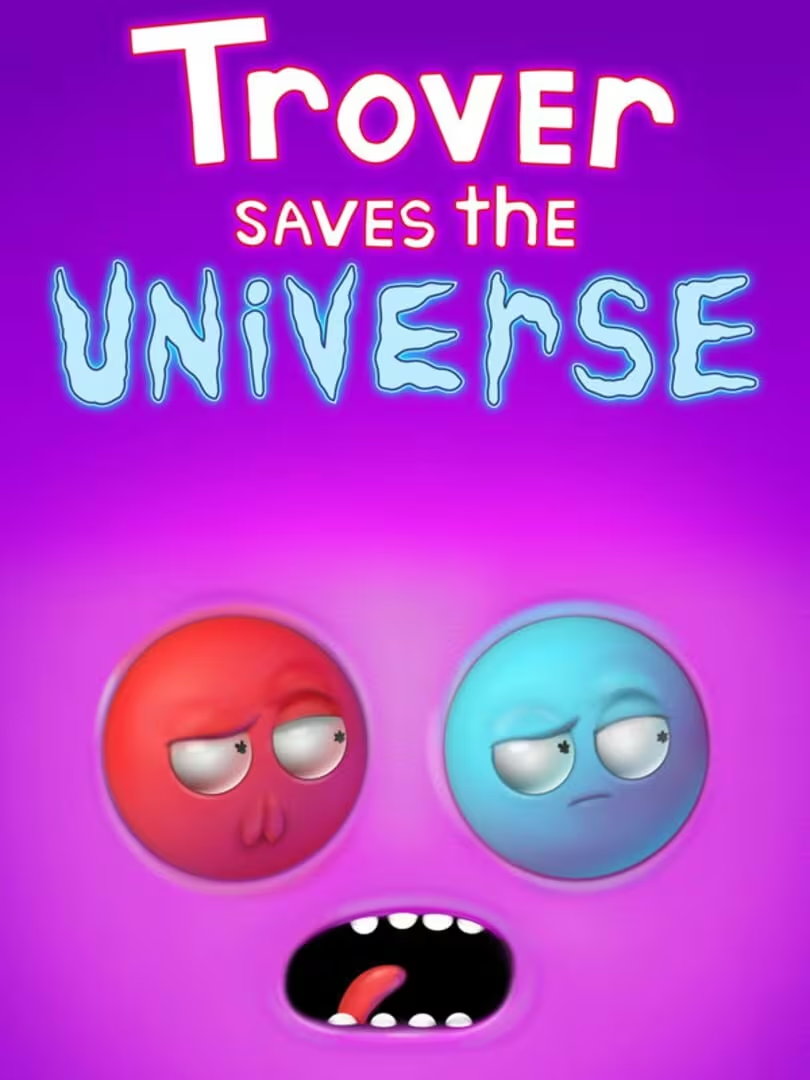 Trover Saves the Universe
"No social recognition or ranking systems."
-
Story
Game with the same Story vibe
2"Contains some lore and narrative elements, but story is minimal and secondary to gameplay."
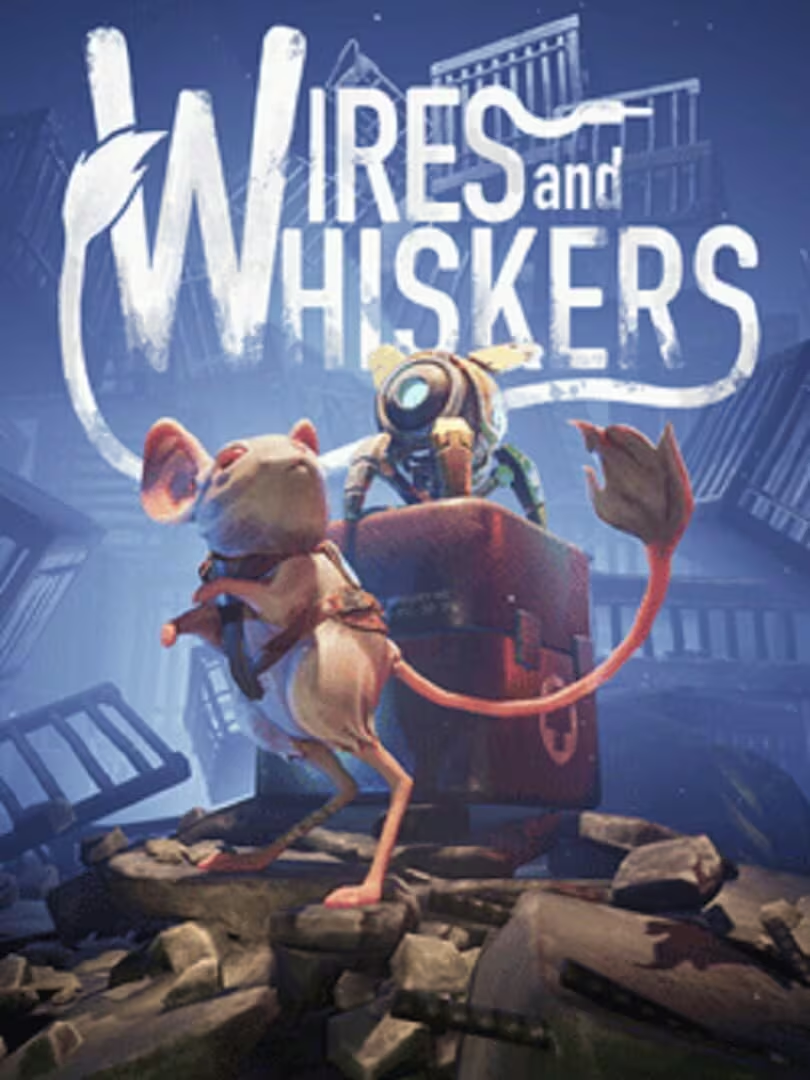 Wires And Whiskers
"Minimal but present narrative and lore elements; story is secondary to gameplay."
-
Strategy
Game with the same Strategy vibe
3"Players must plan weapon usage, resource management, and movement to survive and succeed."
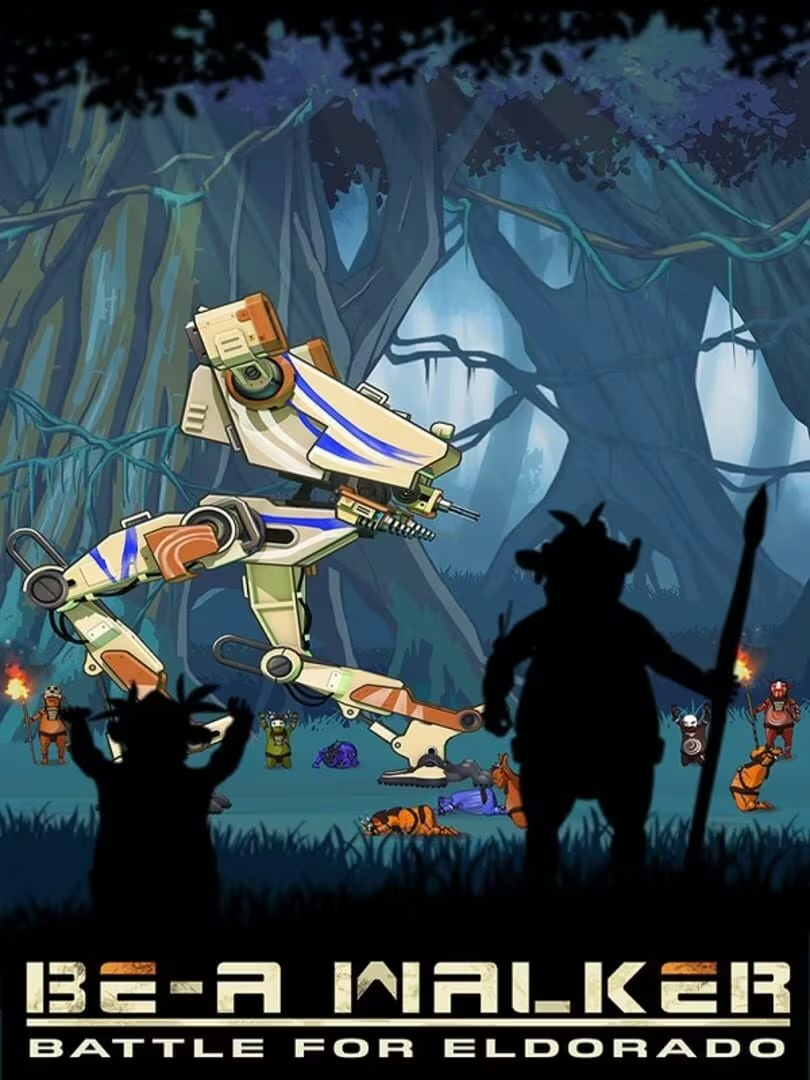 BE-A Walker
"Players must plan weapon use and resource management; some puzzles and platforming."
-
Thrill
Game with the same Thrill vibe
3"Challenging combat and boss fights create suspense and excitement."
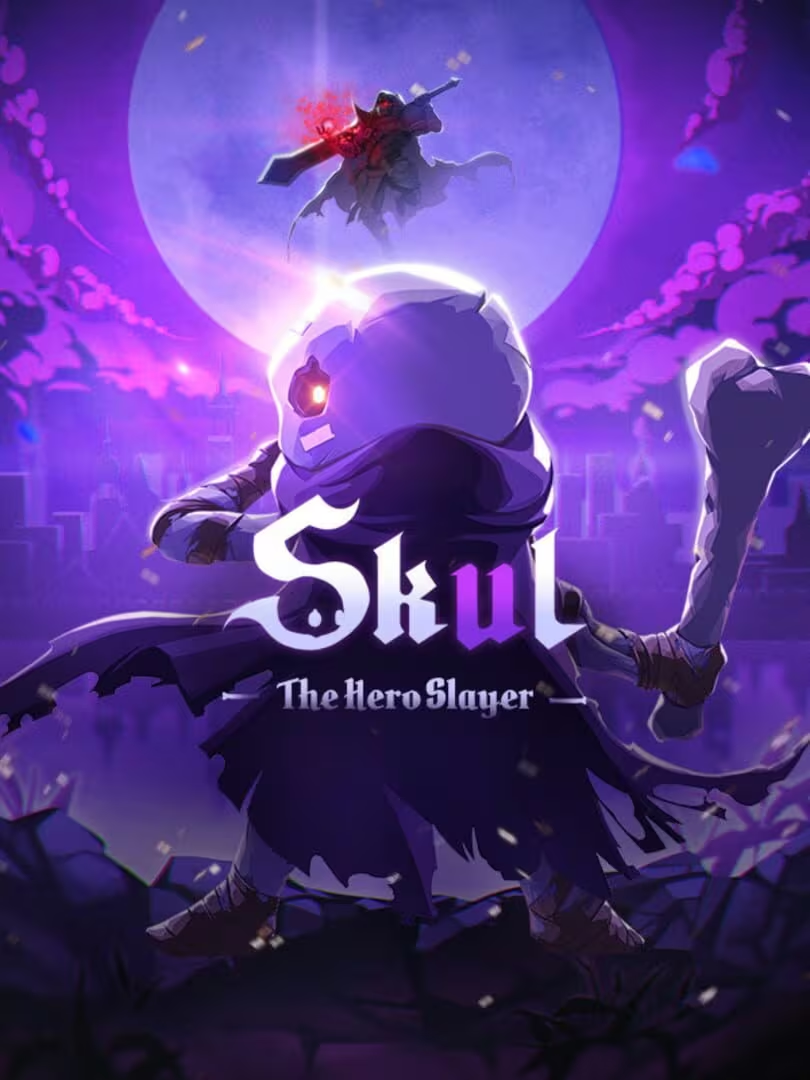 Skul: The Hero Slayer
"Challenging combat and boss fights create suspense and excitement."
-
Value
Game with the same Value vibe
5"Highly praised as a free game with substantial content and quality for the price."
 Escape Room - Der kranke Kollege
"Highly praised free game with extensive content and quality for no cost."
-
Violence
Game with the same Violence vibe
5"Core gameplay involves shooting and destroying grotesque enemies with various weapons."
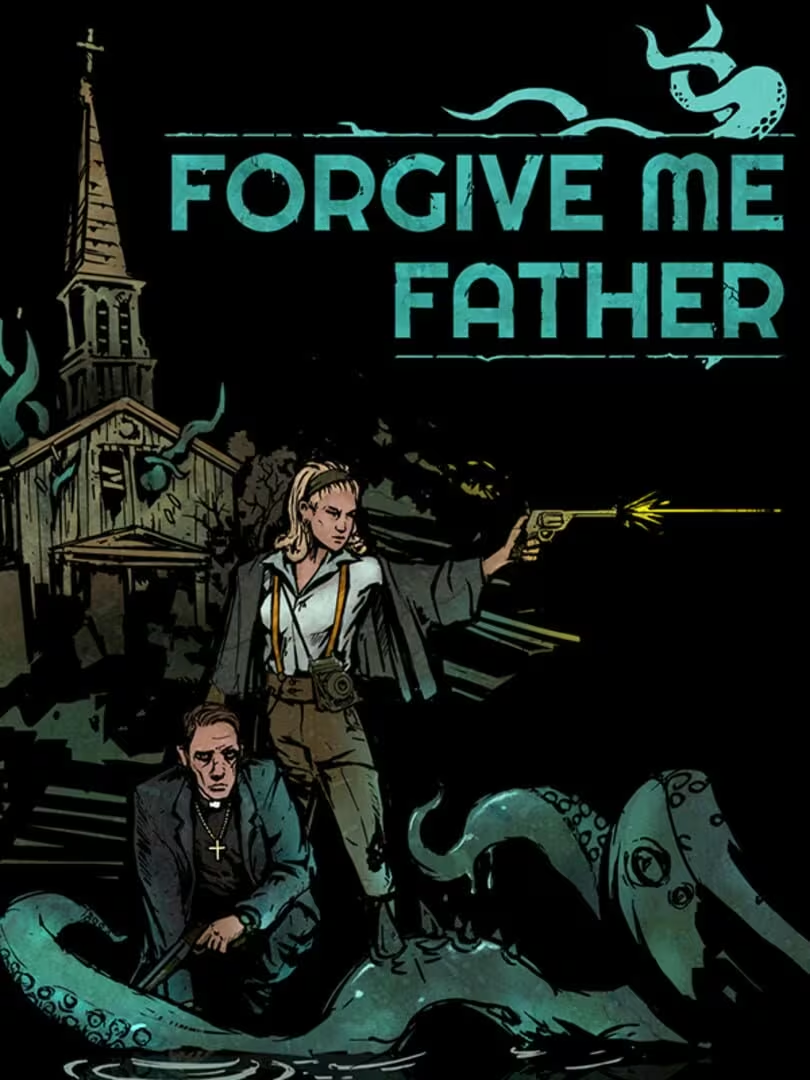 Forgive Me Father
"Core gameplay involves violent combat against grotesque enemies."
-
Survival
Game with the same Survival vibe
3"Players must manage health and ammo to survive increasingly difficult enemies and levels."
 Quake
Quake
"Players manage health and ammo to survive increasingly difficult enemies."
Last update: 01/06/2026